




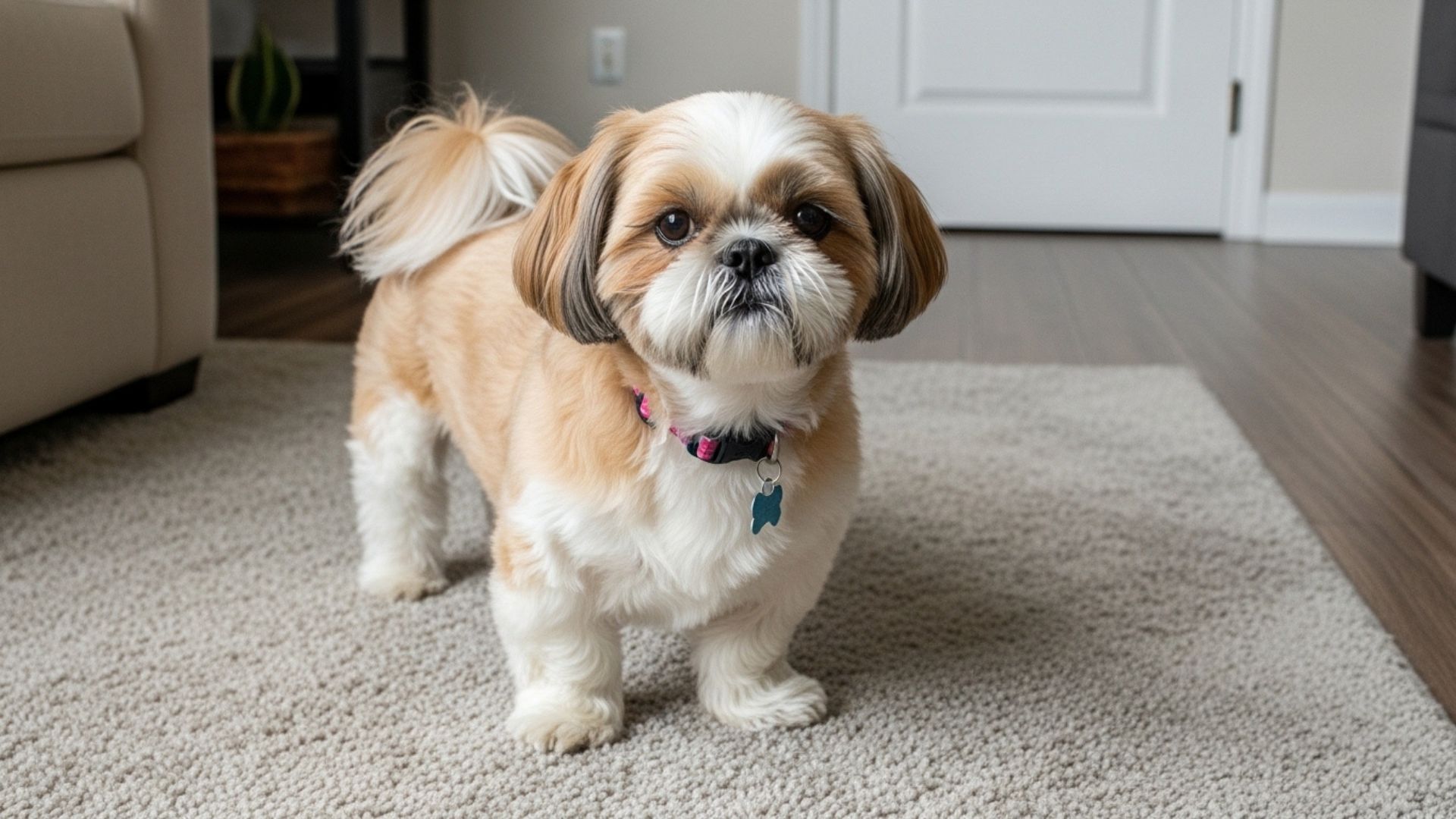
Pocket dogs are proof that “small” doesn’t mean “simple.” These tiny companions were often bred to live close to humans—on laps, in homes, and right at the center of daily life (which explains why many of them act like your shadow). Toy dogs have long been prized as portable companions, especially among the aristocracy and city dwellers, and several toy breeds have genuinely ancient roots.
But here’s the secret: a great pocket dog isn’t just a smaller version of a big dog. They tend to be more people-focused, more expressive, and—let’s be honest—more opinionated per pound. Whether you want a tiny trail buddy, a couch comedian, or a fashionable sidekick who runs your schedule, there’s a “tiny treasure” for you.
Below are nine lovable pocket dog breeds, each with personality, facts, and real-world care notes—so you can pick the one that fits your life (and not just your camera roll).
Lovable Pocket Dog Breeds: A Guide to Tiny Treasures
1. Yorkshire Terrier
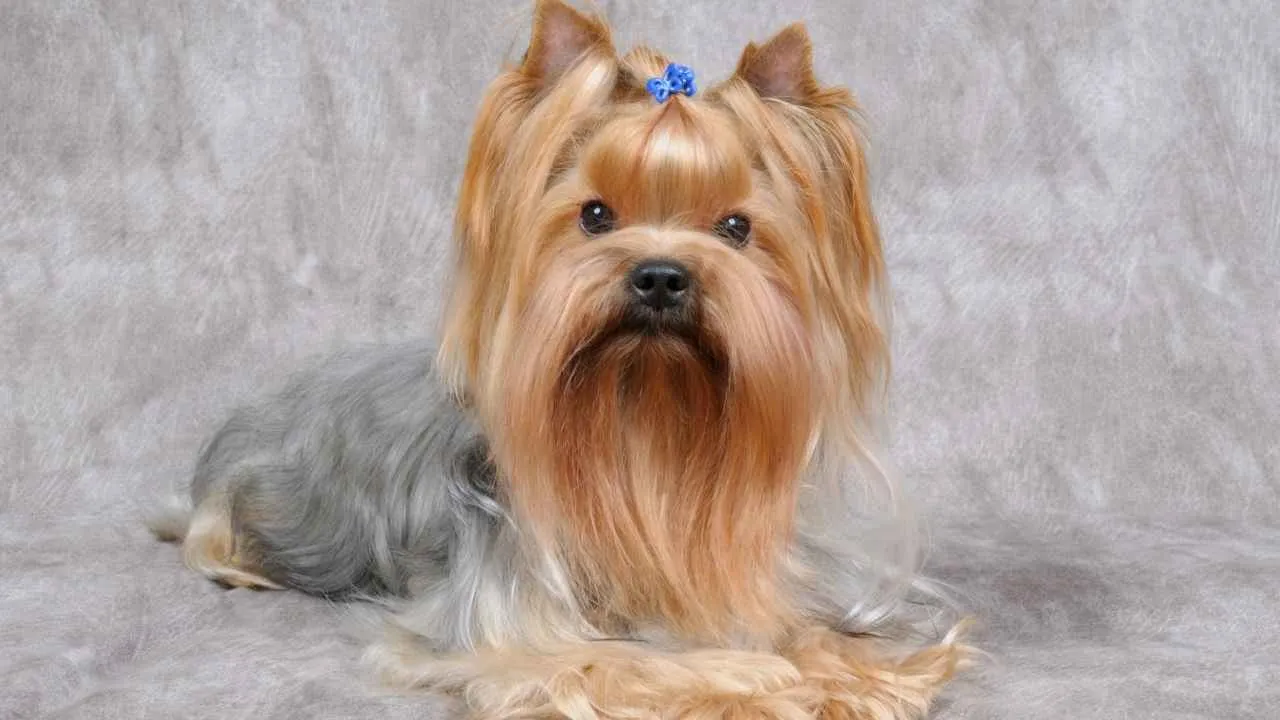
Yorkies may be pocket-sized, but they come with “main character energy.” Originally bred as tough little terriers, the Royal Kennel Club says this small dog breed is known today for being brave, alert, and famously devoted—often acting like your personal bodyguard in a bow.
Their coat is one of their biggest flexes: long, silky, and more “hair-like” than many breeds—beautiful, yes, but it needs upkeep. If you keep the coat long, expect frequent brushing; if you prefer easy mode, a shorter “puppy cut” can reduce daily grooming time. Either way, a Yorkie’s style is basically a lifestyle choice.
Yorkies thrive on attention and routine, and they’re happiest when they feel included. These great companions are smart, but terrier-smart—meaning they learn quickly and they’ll negotiate terms. Keep training sessions short, upbeat, and consistent, and you’ll be shocked at how much they can learn.
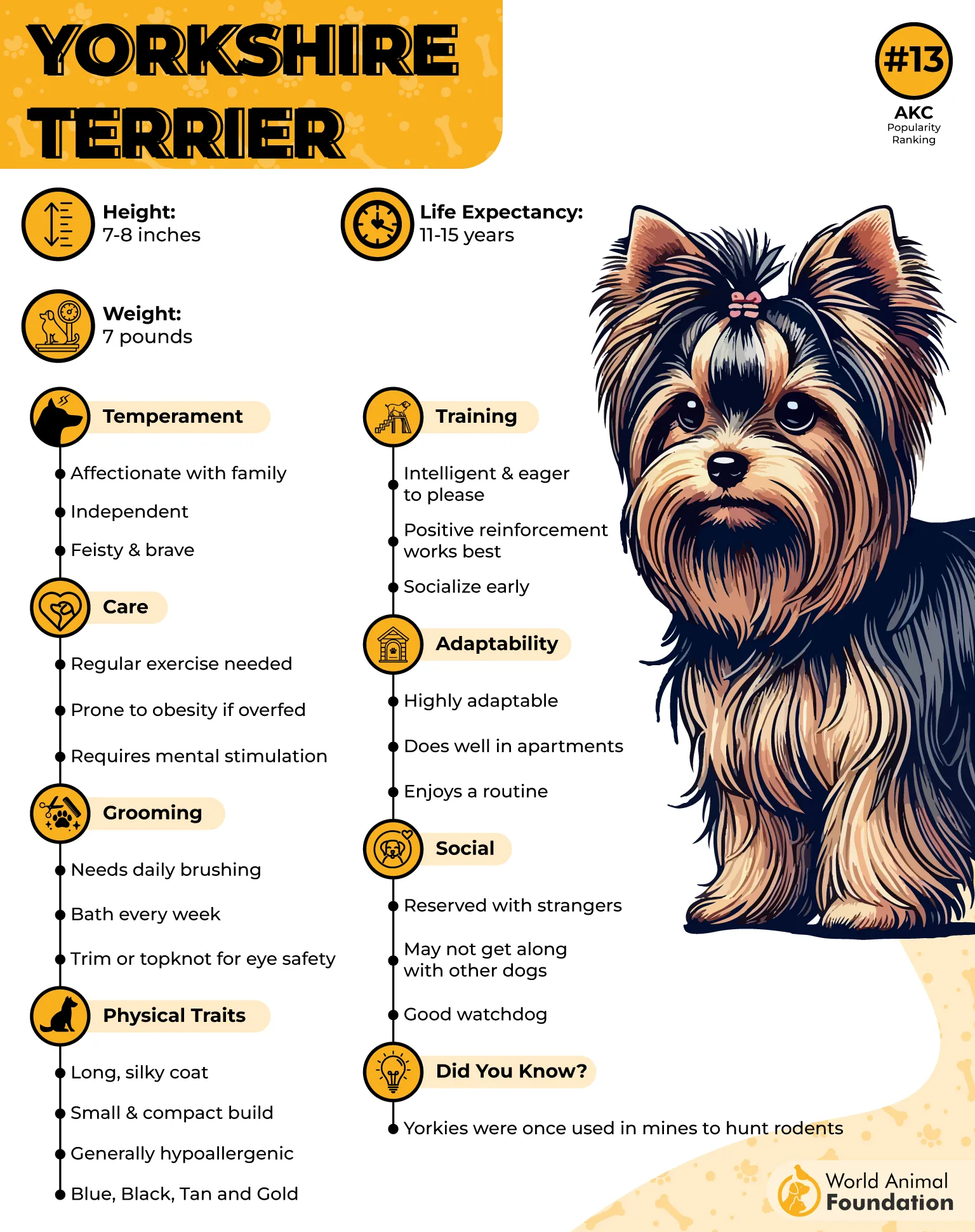
Exercise needs are usually manageable: a couple of brisk walks plus indoor play can keep them satisfied. The bigger deal is mental stimulation—puzzle toys, little training games, and “find it” treats help prevent boredom and barking. A busy brain is a calmer Yorkie.
If you want a dog that’s tiny, glamorous, and weirdly fearless, the Yorkie is your pick. Just remember: they don’t know they’re small, and they absolutely expect you to take their opinions seriously. Once bonded, they’re loyal little legends.
2. Toy Poodle
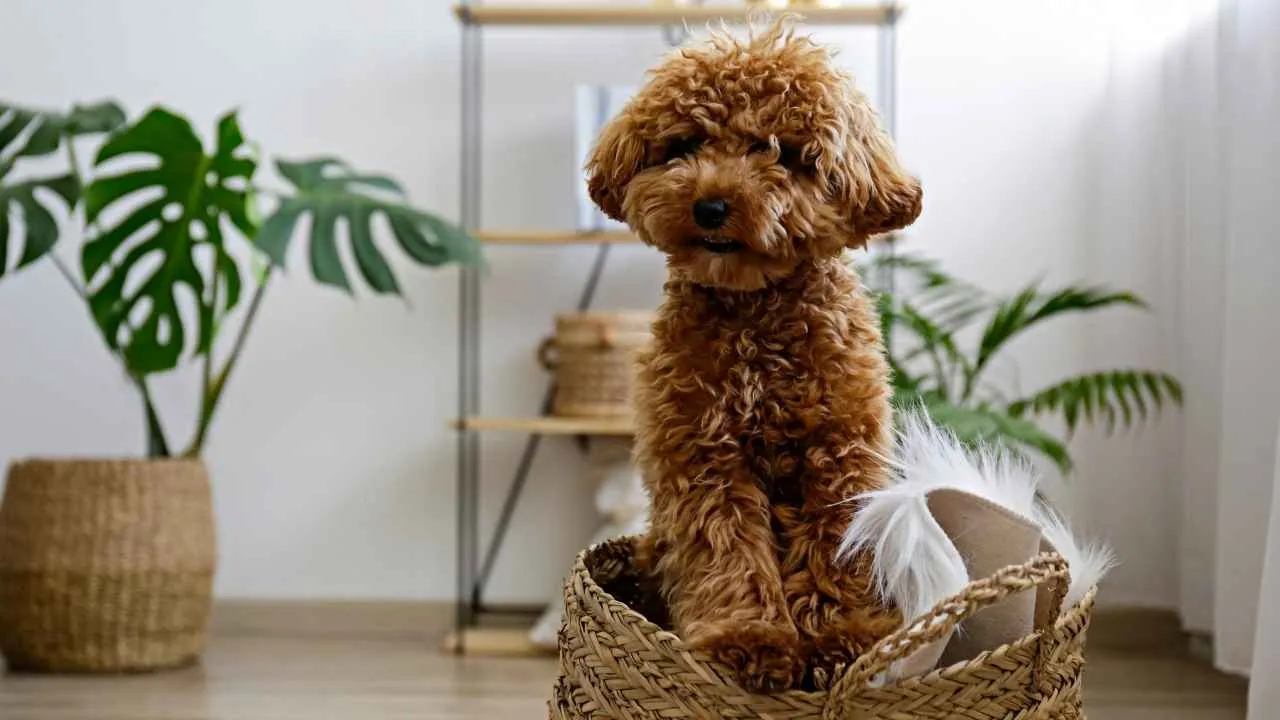
Toy Poodles are the “straight-A student” of the pocket dog world—clever, charming, and almost suspiciously good at learning new things. The AKC lists Toy Poodles at 10 inches and under at the shoulder, making them legitimately compact while still sturdy enough for daily adventures.
One reason people adore Toy Poodles: they’re typically great for training. They often excel at tricks, agility-style games, and anything that involves your attention (and treats). If you want a dog that can learn “spin,” “high five,” and “put your toys away,” you’re in the right place.
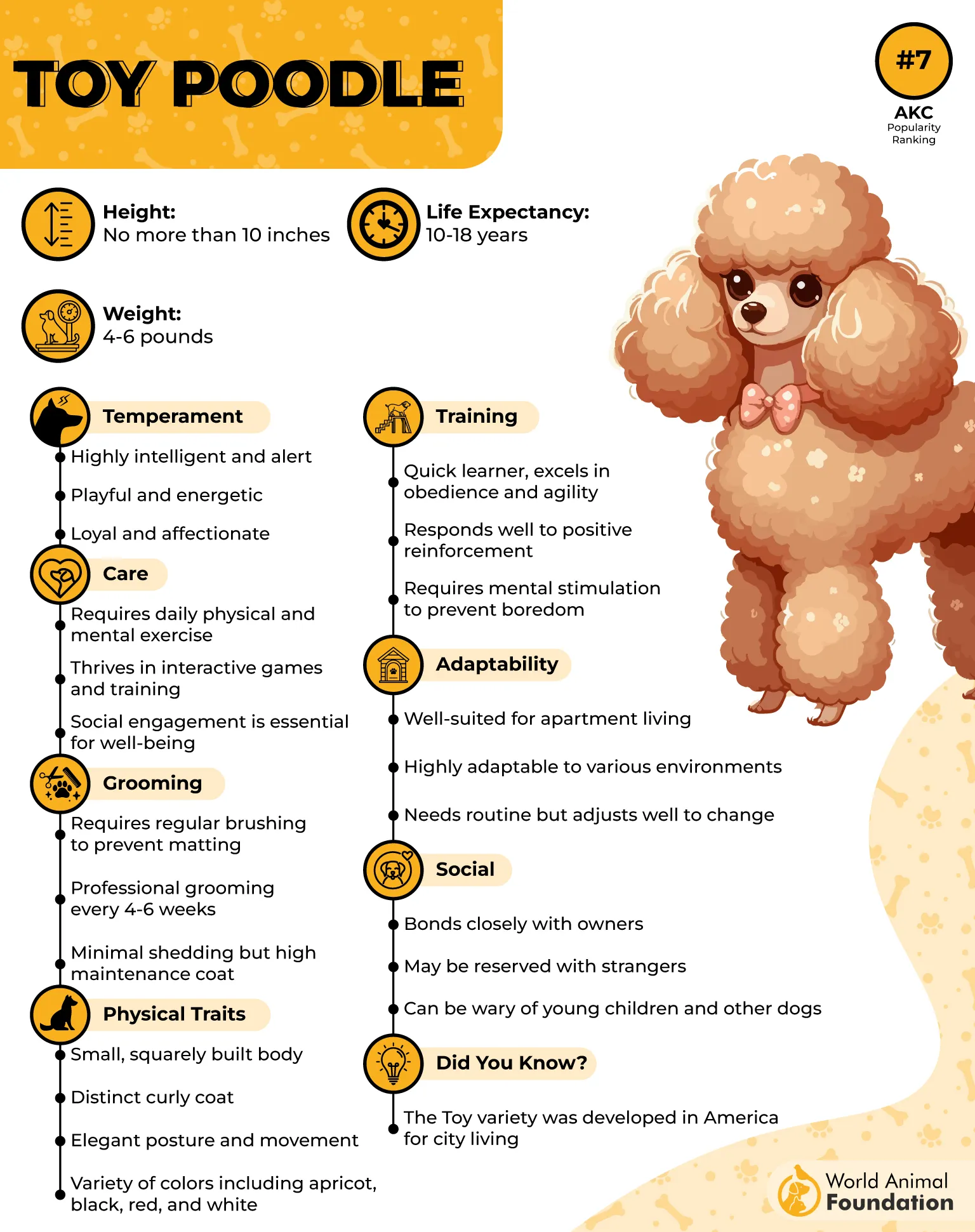
Let’s talk coat: it’s curly, iconic, and high-maintenance in a different way than shedding breeds. Poodles don’t shed much, but their hair keeps growing, so regular grooming is part of the deal—either professional visits or a confident at-home routine. The upside is you can choose the look: teddy bear, sporty clip, or full-on show fluff.
Toy Poodles are also surprisingly athletic for their size. They enjoy walks, play sessions, and brain games—and when they’re under-stimulated, they’ll invent their own entertainment (which may include redecorating your home).
Rotate toys, teach new cues, and keep life interesting.
3. Pomeranian
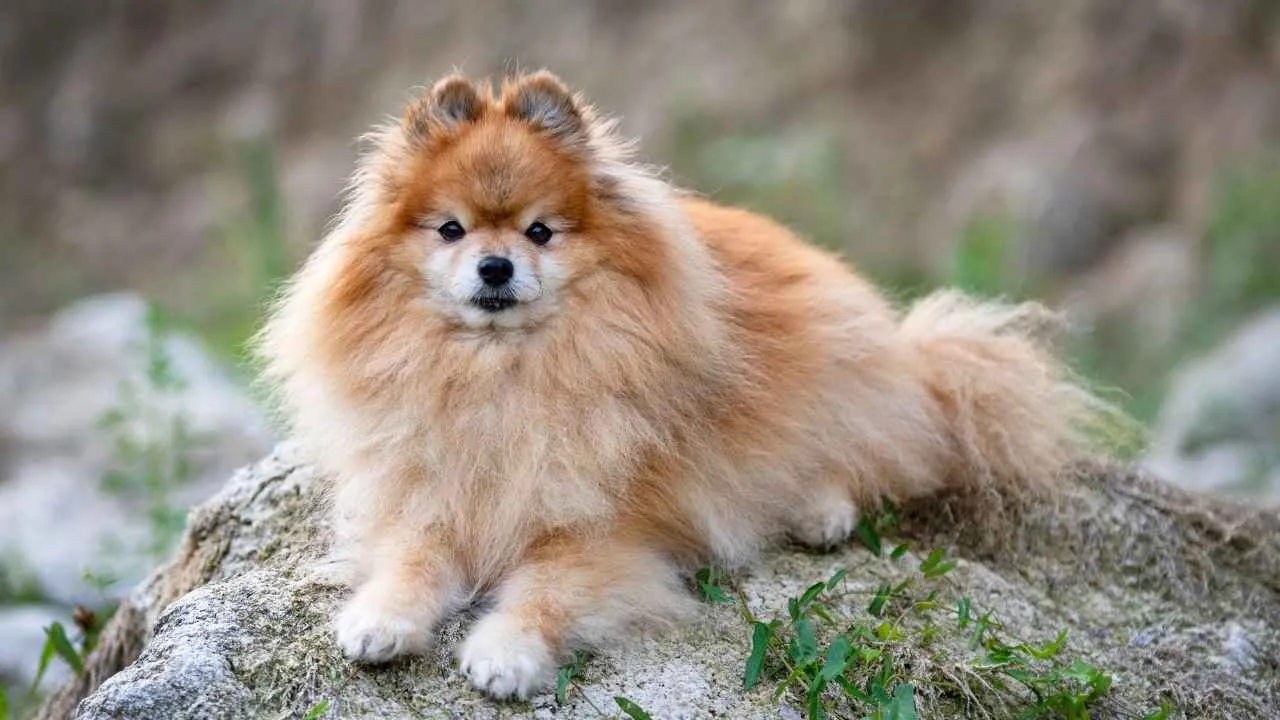
Pomeranians are fluffy fireworks: bright, bold, and built like living confetti. The AKC describes them as tiny companions long favored by royals and commoners alike, and that “royal” confidence still shows in the way many Poms strut into a room.
Size-wise, WebMD says they’re truly pocket-friendly—typically 3–7 pounds under the breed standard, with show weights often aimed around the midrange. Their compact size makes them easy to carry, but their personality makes them feel much larger.
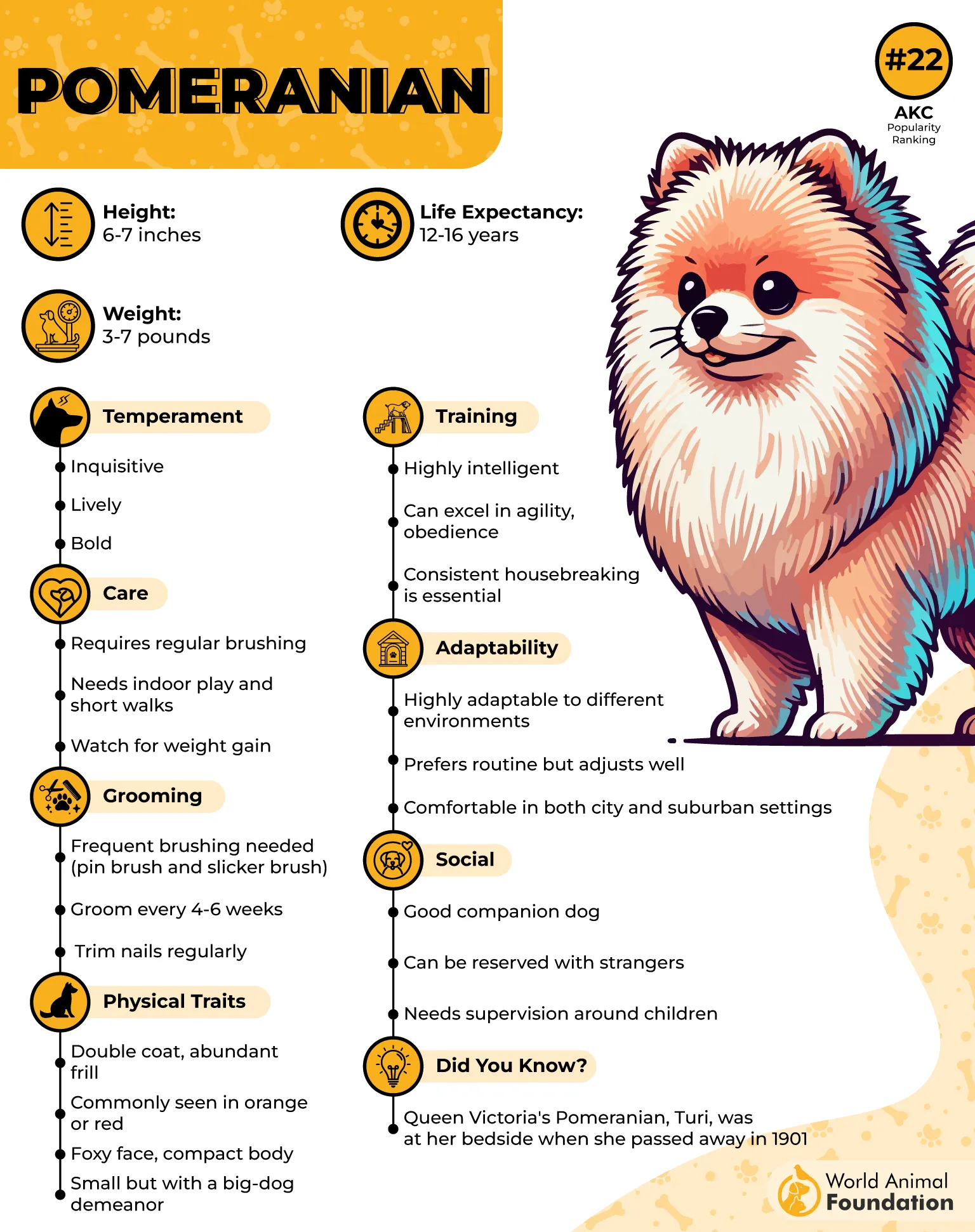
That gorgeous, double, silky coat is the star of the show, and it does need routine care. Regular brushing helps manage shedding and prevents mats—especially around the “pants” and the ruff. Bonus: brushing is also bonding time, and Poms usually enjoy feeling like the center of the universe.
Poms are often alert and vocal, making them excellent little watchdogs. They may announce hallway footsteps, doorbells, and suspicious leaves… enthusiastically.
Early training around “quiet” and rewarding calm behavior goes a long way.
4. Chihuahua
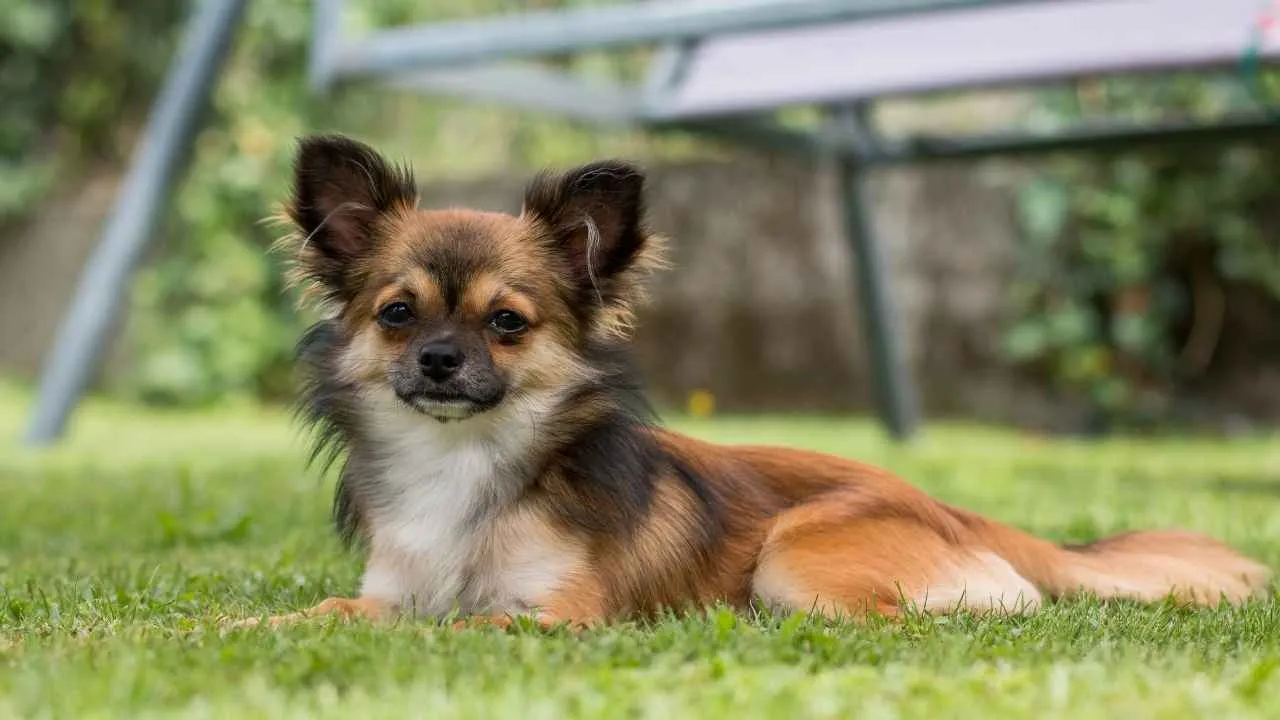
Chihuahuas are tiny dogs with huge personalities—the AKC literally calls them “a tiny dog with a huge personality,” and honestly, that’s the whole vibe. They’re famous for bonding intensely with their person, and once they pick you, you’ll know.
Britannica states that this breed is linked to Mexico, with connections to the Techichi, associated with the Toltecs as early as the 9th century. That long background helps explain why this little dog carries itself like it’s been important for a very long time.
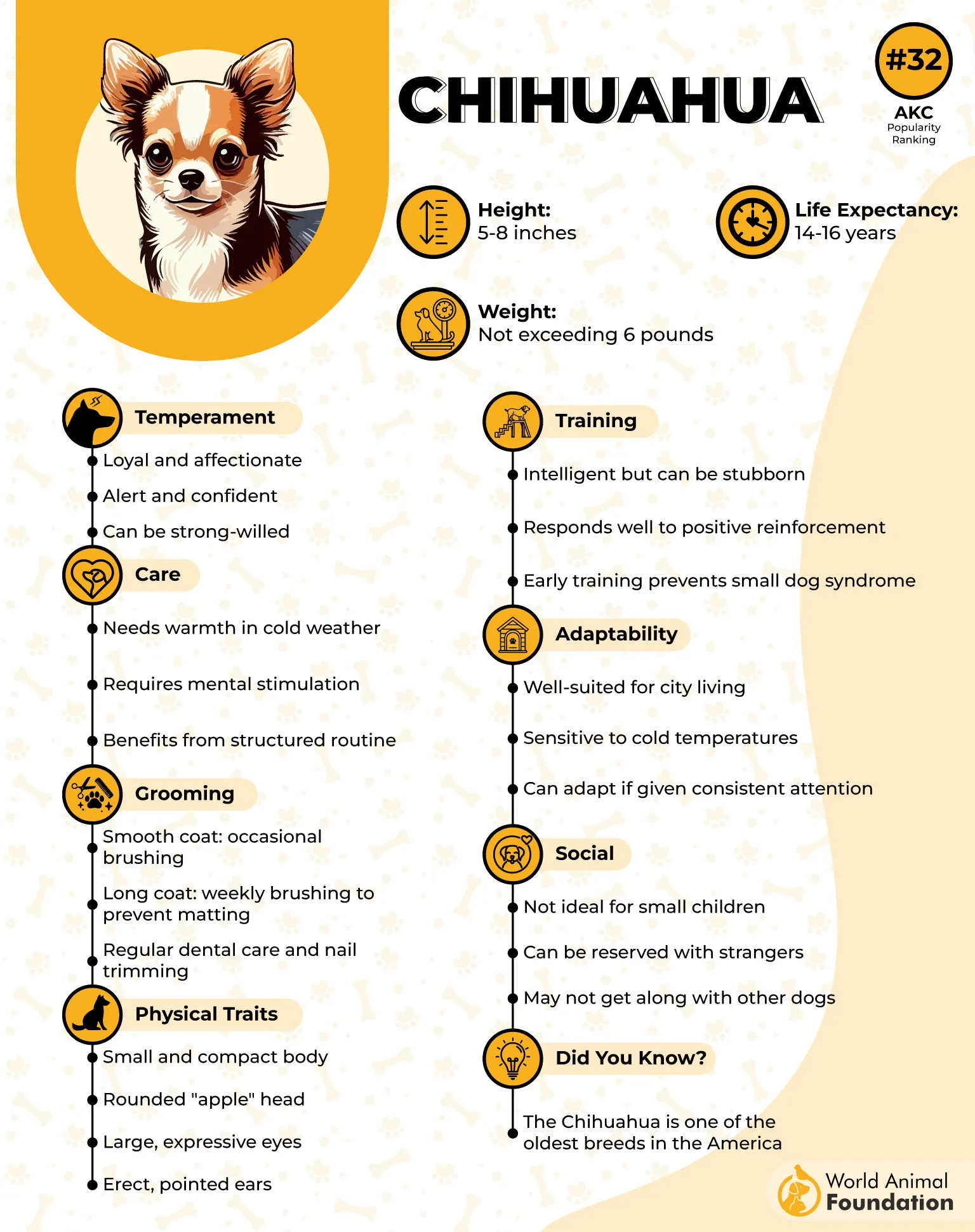
They come in smooth and long coats, and grooming needs vary accordingly. Smooth coats are easier, while long coats need more brushing—either way, they’re usually manageable compared to heavy-coated breeds. They’re also famously portable, which makes them a common choice for city living.
Exercise is often less about miles and more about consistency. Short walks, indoor games, and gentle training sessions usually hit the sweet spot, especially when the weather is extreme (many Chihuahuas hate the cold and will happily wear a sweater like it’s couture). Keep their brains busy and their routine stable, and they tend to thrive.
Looking for a toy dog that’s loyal, expressive, and hilariously bold for its size, the Chihuahua is a top-tier tiny treasure. Treat them gently, socialize early, and enjoy the constant commentary—they have thoughts.
5. Shih Tzu
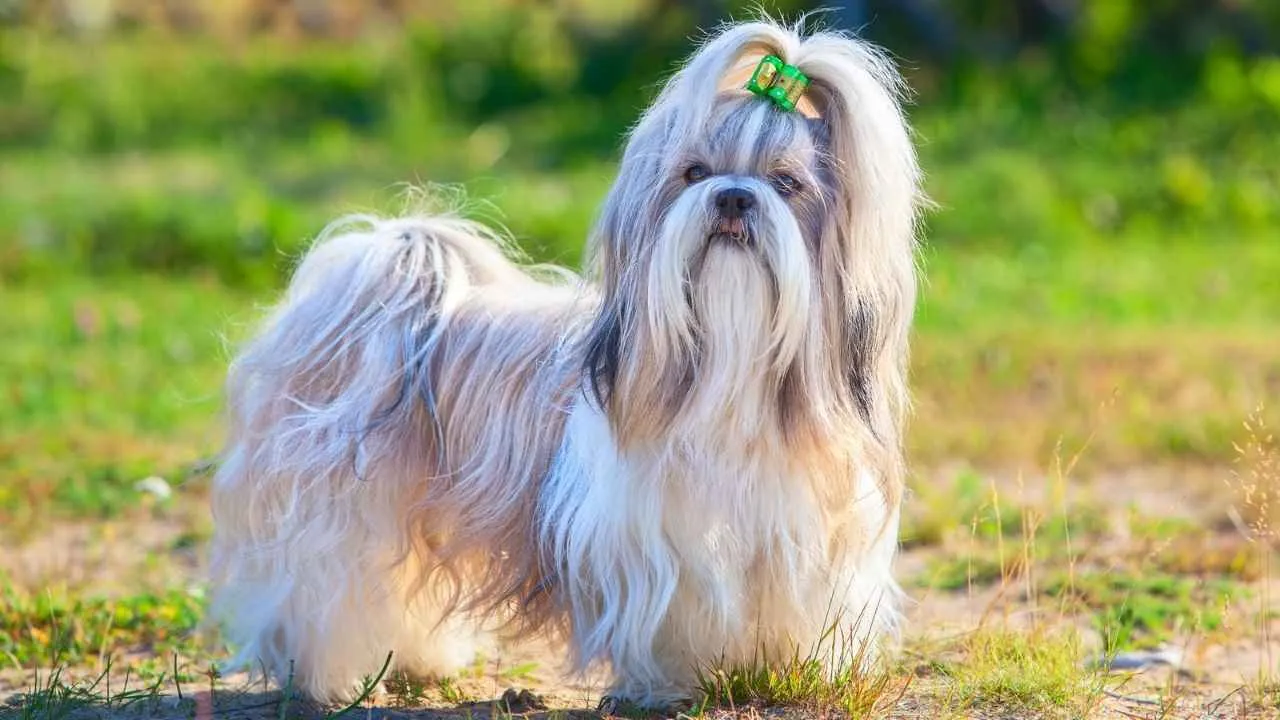
Shih Tzus were literally bred for companionship, and it shows in how naturally they fit into relaxed households. The name “Shih Tzu” means “lion,” and they were bred in court settings—basically tiny royalty, designed to live indoors and be adored.
These wonderful companions are small but not fragile, with breed standards commonly listing adult weights in the 9–16 pound range. That makes them a great “lap dog that can also handle daily life” kind of companion.
Their coat is famous: long, flowing, and glamorous—plus it can become a full-time hobby if you keep it long. Many owners choose a shorter trim to reduce daily brushing while keeping that classic dog charm. Either way, eye and face hygiene matter, given facial hair and structure.
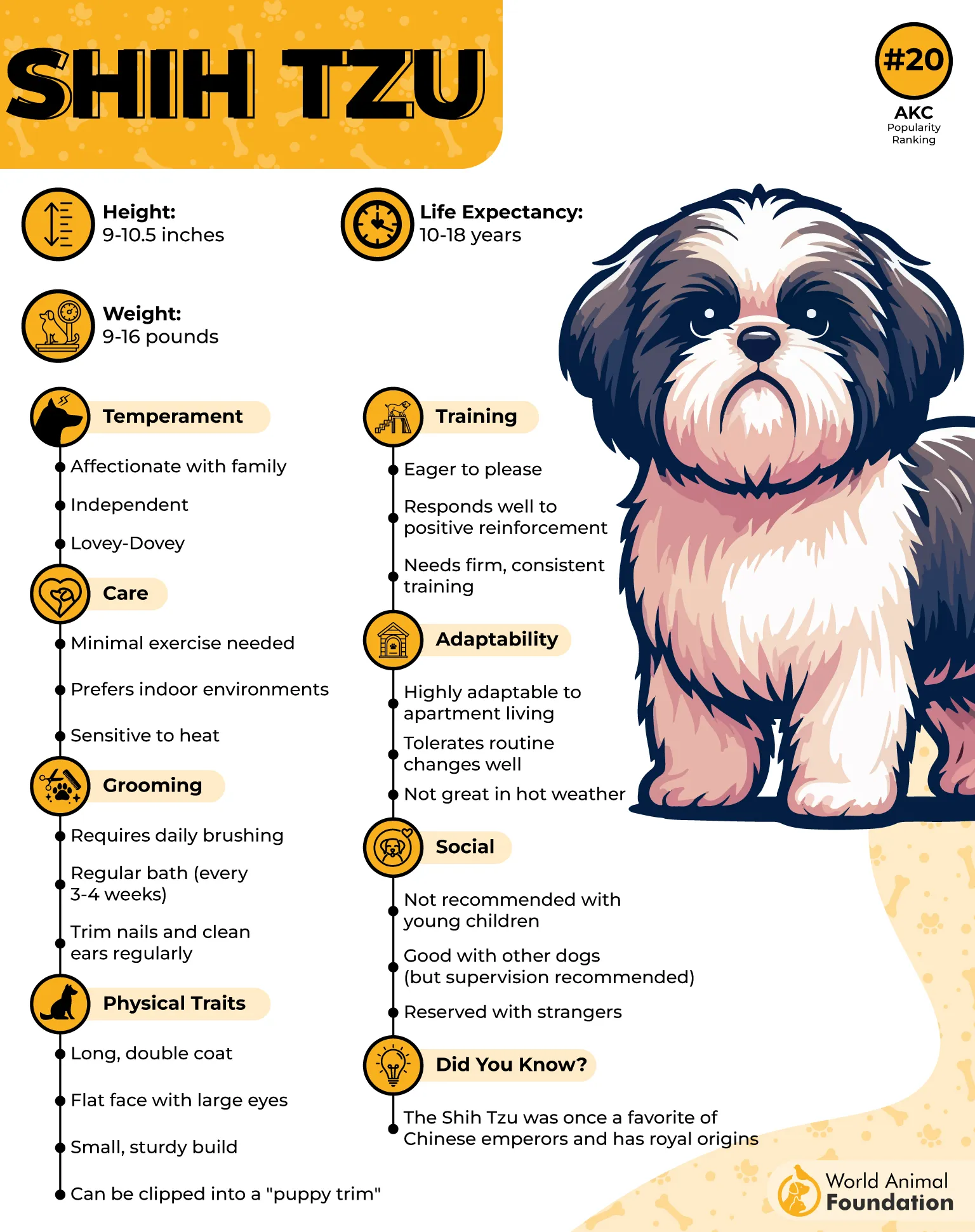
This small-breed dog typically does well with modest exercise. Think short walks, indoor play, and plenty of lounging—then repeat, because that’s their love language. Purina mentions that they’re often friendly, affectionate, and happiest when they’re near their people.
Expect sweetness, a little stubbornness, and an impressive ability to look adorable while doing absolutely nothing.
6. Maltese
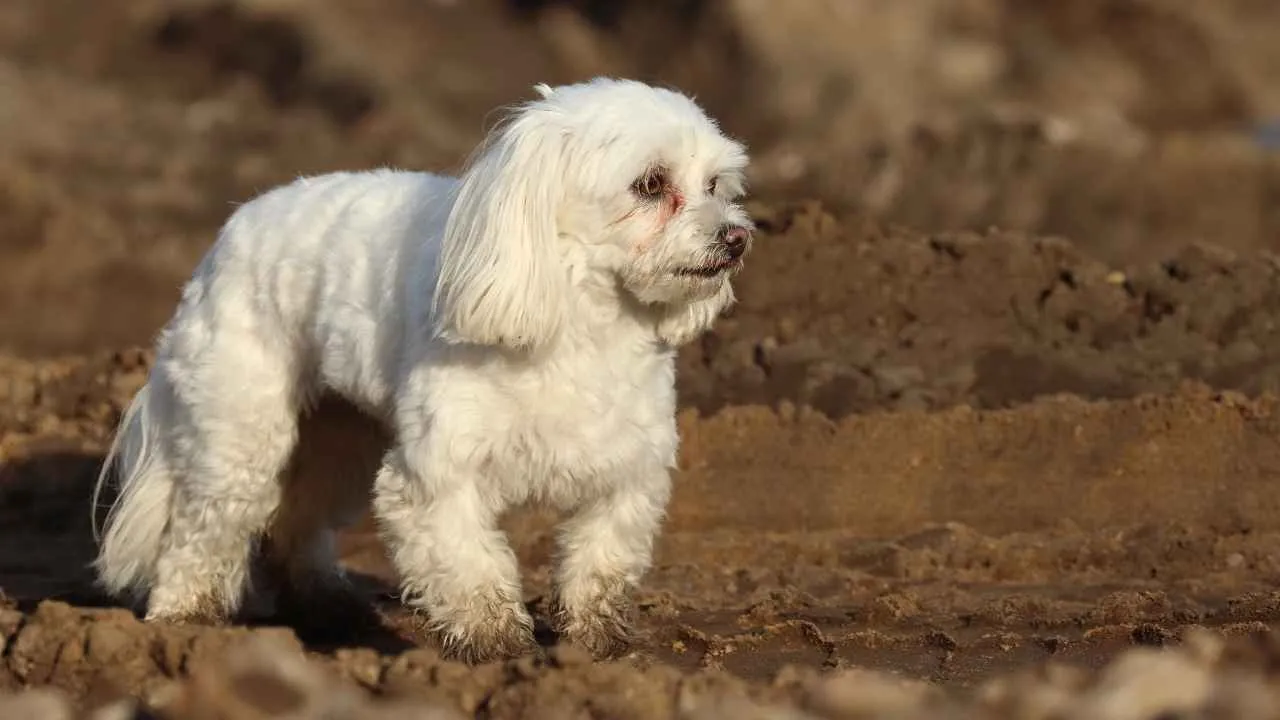
The Maltese is one of the oldest glamour icons in the dog world. It was known as “Ye Ancient Dogge of Malta” and has been an aristocratic companion for more than 28 centuries, which is honestly an unreasonable amount of historical prestige for something that fits in a tote bag.
Compared to most other dogs, Hills Pet says they’re small, elegant, and very people-oriented. Many Maltese love being close—on your lap, beside you, or following you from room to room like a tiny, fluffy assistant manager. They tend to do best in homes that enjoy daily interaction rather than long stretches of alone time.
That signature white coat is stunning but not effortless. Daily brushing helps prevent mats, and regular grooming keeps the coat comfortable and clean. The payoff is major: these furry friends look like living luxury.
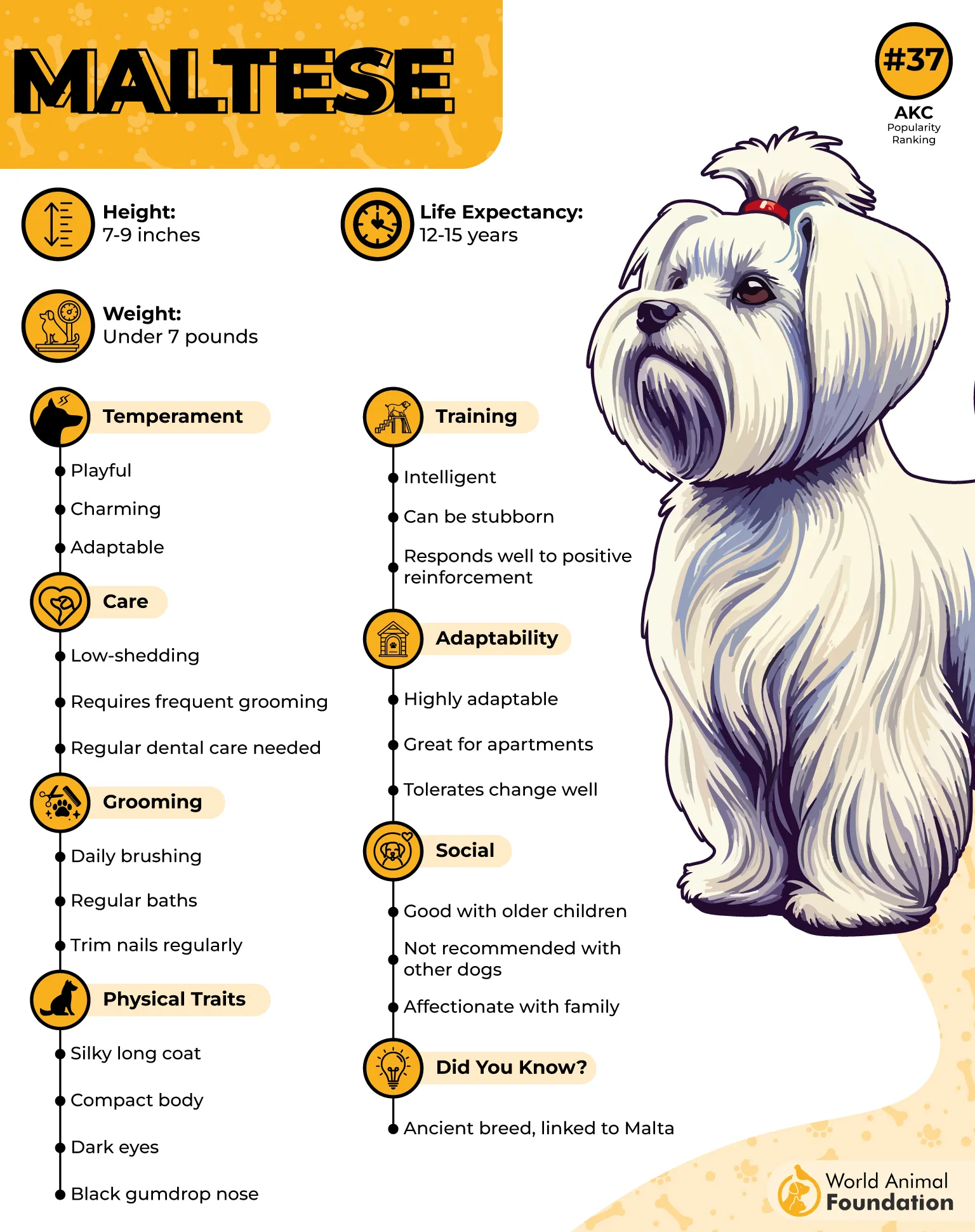
Their exercise needs are usually moderate and easy to meet with short walks and indoor play. The bigger need is mental and social stimulation—training games, gentle routines, and lots of attention. They’re bright, sensitive, and they notice everything.
These great family pets come with an ancient-history swagger and a strong “best friend” bond. Just be ready to commit to coat care—beauty has a schedule.
7. Papillon
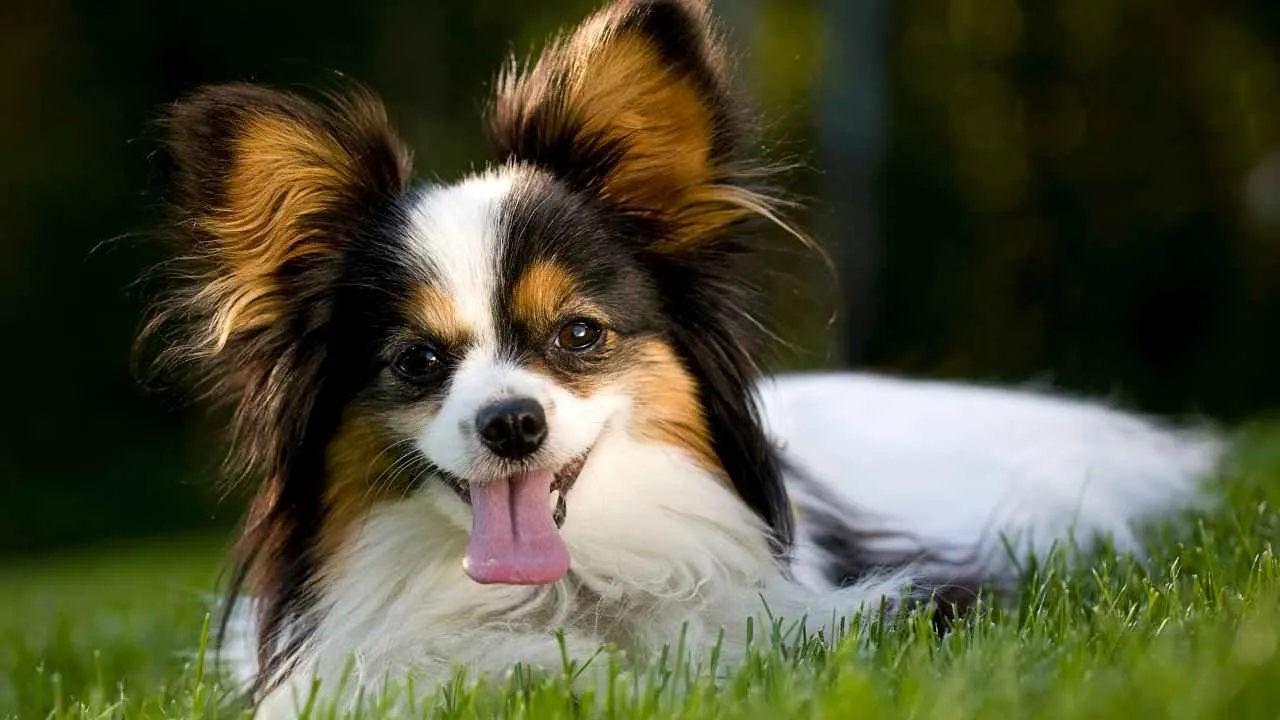
Papillons look delicate, but they’re surprisingly athletic and sharp.
They’re small and light, yet often fearless about learning new things. They commonly excel at training, agility-style games, and interactive play, especially when you make it fun and fast-paced. They’re a great match for someone who wants a pocket dog that can actually do stuff.
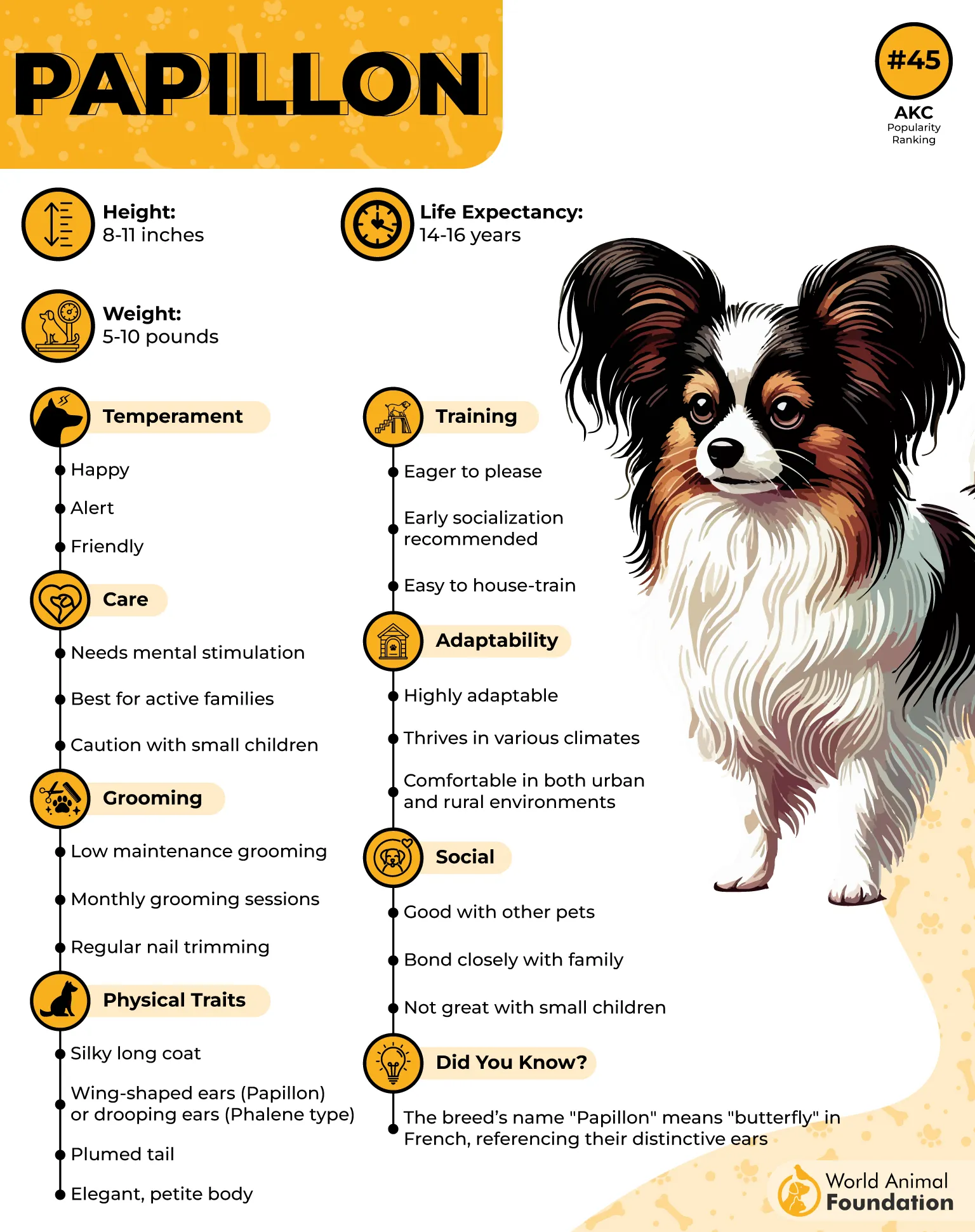
Grooming is usually easier than people assume, as per WebMD. Their coat is silky and feathered, and while they need brushing, they don’t typically require the same level of coat maintenance as some long-coated breeds. Keep an eye on tangles behind the ears and around the “pants,” and you’ll be fine.
They do best with daily activity—walks, indoor games, training sessions, and brain puzzles. If a Papillon gets bored, they’ll become a tiny chaos engineer (adorable, but still chaos). Keep their mind engaged, and they’ll reward you with brilliance and personality.
If you love the idea of a small dog with big “sporty” energy and a cheerful attitude, the Papillon is a gem. They’re like a butterfly with a rocket engine—cute, quick, and always ready.
8. Brussels Griffon
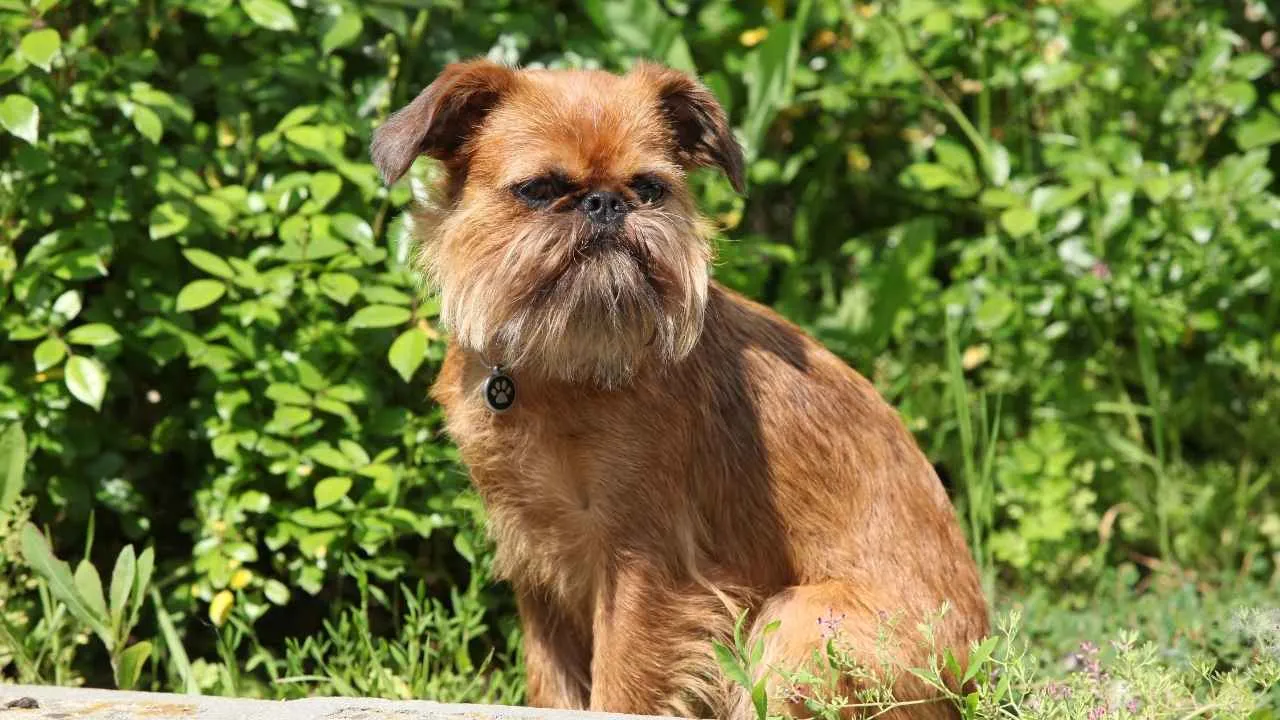
The Brussels Griffon is a tiny dog with a very human-looking face and a huge sense of importance. The AKC describes them as “smart, devoted, and comically self-important,” which is the most accurate “job title” a dog has ever been given.
The size range is small but variabl so thato you might get a compact little buddy or a slightly sturdier one. They’re still very much in pocket-dog territory, just with extra presence.
Their coat comes in smooth or rough varieties, and grooming depends on which one you choose. Smooth coats are simpler, while rough coats may need more maintenance (and sometimes hand-stripping if you want the traditional look). Either way, they’re often more about “routine care” than “constant shedding management.”
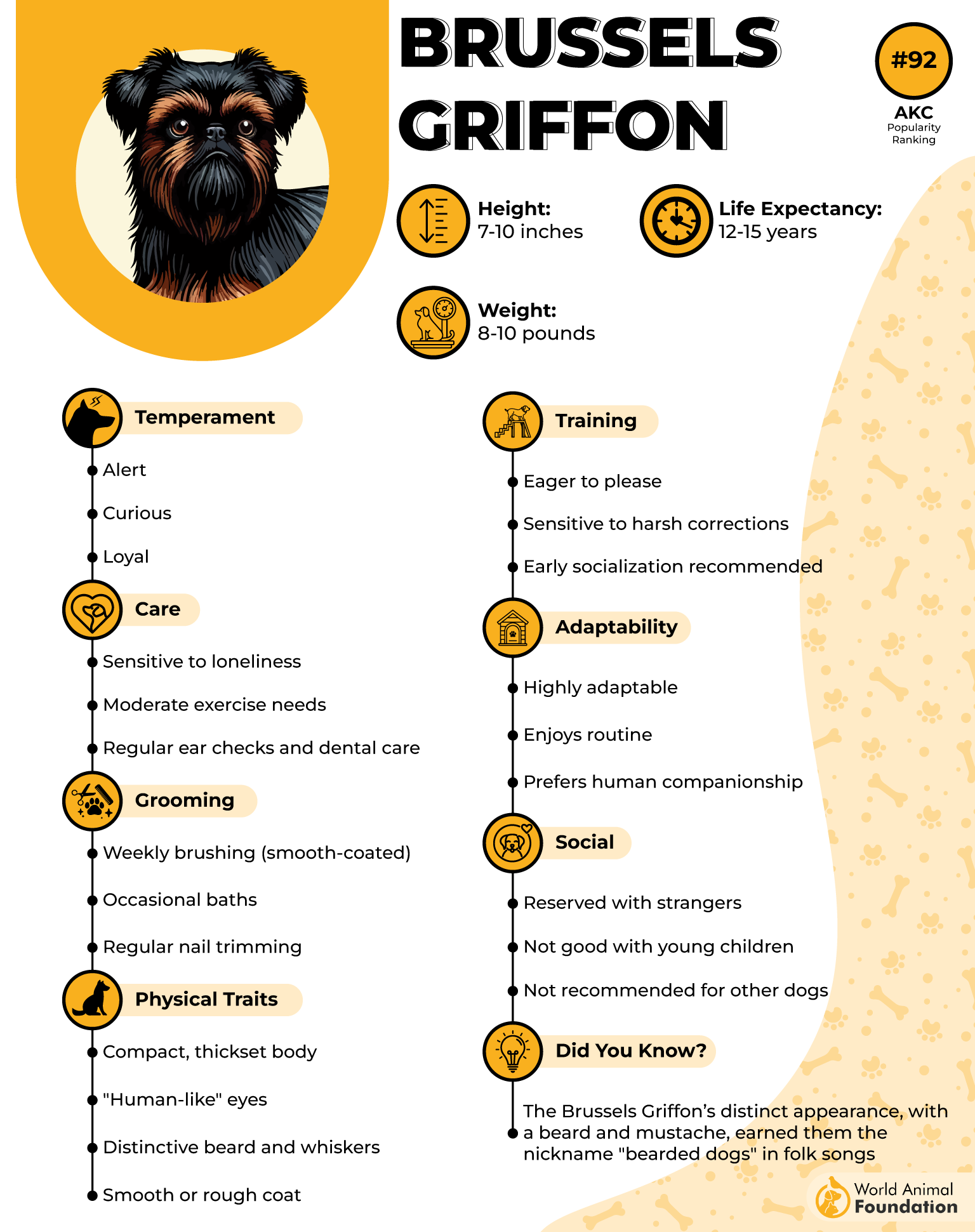
Griffs are classic Velcro dogs—many want to be with you at all times. They’re sensitive, deeply bonded to their people, and happiest when they’re included in daily life instead of being treated like decorative pets. Training works best with gentle consistency and a sense of humor, because they can be dramatic.
This small dog comes with a big personality, expressive eyes, and strong “tiny roommate” energy. They’re loyal, hilarious, and just a little bit bossy in the cutest way.
9. Pug
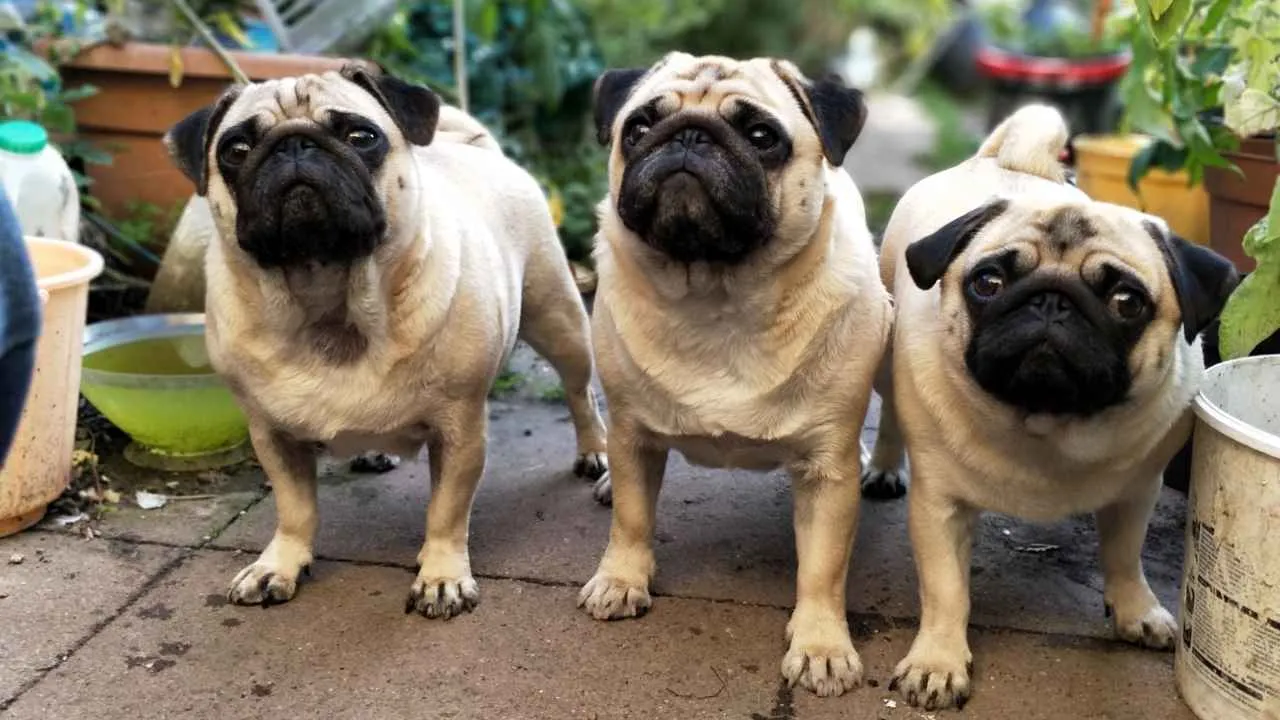
Pugs are the definition of “a lot of dog in a small space”. They’re sturdy, affectionate, and usually obsessed with their people.
They’re famous for being charming companions rather than high-drive athletes. Most Pugs enjoy short walks, playful indoor games, and then a serious nap like it’s an appointment. They can be wonderfully social and often act like friendly little comedians in the home.
Grooming surprises people: yes, the coat is short, but they can shed a lot. Regular brushing helps keep the hair situation under control, and wrinkle care is important—those facial folds need gentle cleaning and drying. Basically: easy, but not zero-effort.
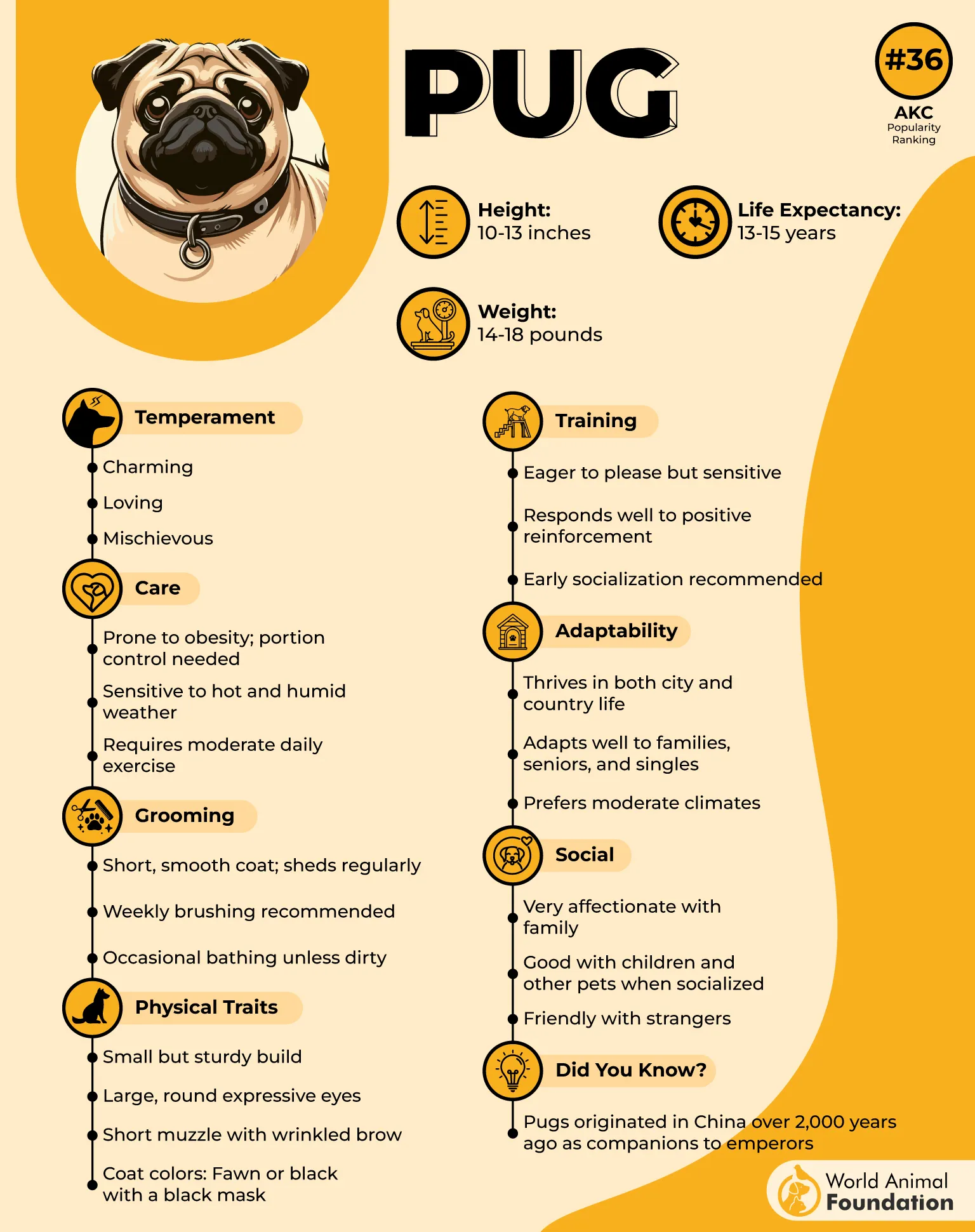
Because they are brachycephalic (short-nosed), temperature management matters; they can overheat more easily, so hot-weather exercise should be carefully limited, and indoor cooling is a must. PetPlan advises to keep them lean, keep walks reasonable, and your Pug will likely stay happier and more comfortable.
This toy dog breed has a sweet nature and top-tier “movie night” skills. They’re lovable, goofy, and emotionally tuned-in—basically a warm little buddy with excellent comedic timing.
Conclusion
Pocket dogs are small enough to fit into compact lifestyles in small apartments, but their personalities fill the whole house. Many toy breeds were intentionally developed as close companions, which is why so many of them bond intensely with their people and thrive on routine and attention.
The best tiny treasure for you depends on your “daily reality.” Want brains and trainability? Toy Poodle or Papillon. Want fluffy confidence? Pomeranian. Want cuddle royalty? Shih Tzu or Maltese. Want comedy plus devotion? Pug or Brussels Griffon.
