




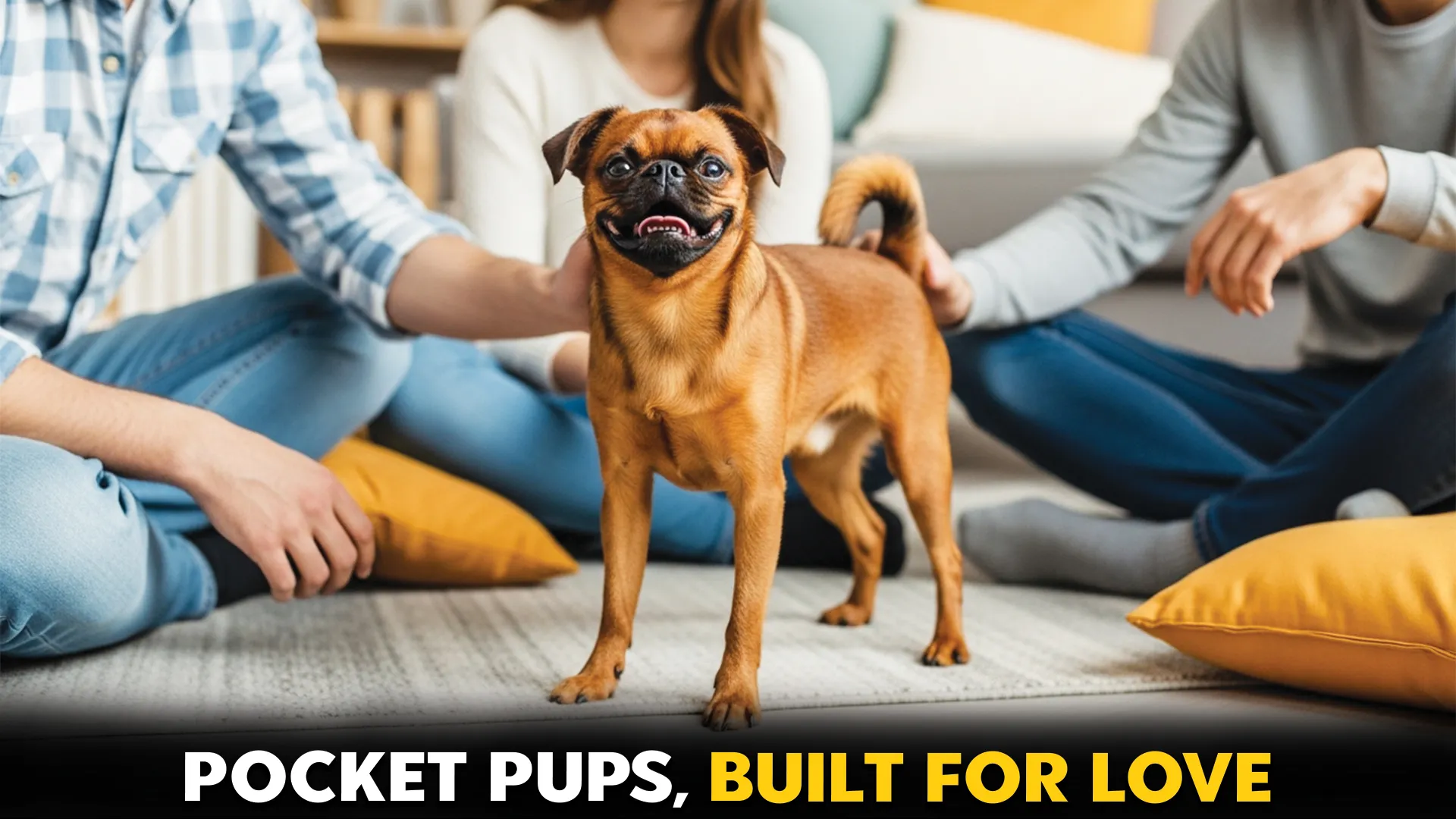
City living or a smaller space changes how you think about bringing a dog home. It is not just about love or excitement. It is about what actually fits into your daily routine without adding pressure.
Many people realize this only after things start getting difficult. Limited space, busy schedules, and constant movement can make even simple tasks feel heavier when the dog beside you needs more than you can comfortably give. That is where pocket dog breeds naturally stand out.
They do not take over your space or demand more than your lifestyle allows. Instead, they settle into your routine in a way that feels manageable from the start. This kind of balance makes a noticeable difference over time, especially in homes where comfort matters.
By the end, you will clearly see which types of small companions create a smoother and happier everyday living experience for pet parents.
Key Takeaways
Small homes often highlight things that are easy to miss at first, especially how a dog blends into everyday movement, rest, and interaction.
Brussels Griffon and Havanese often stay close to their humans throughout the day, shaping routines around connection rather than distance.
Yorkshire Terrier and Maltese bring alert energy and gentle disposition in equal measure, adjusting their behavior based on attention and comfort levels.
By the time you move through all seven small dog breeds, you start noticing how differently each one turns a small space into a livable, shared rhythm.
Lovable Pocket Dog Breeds: A Guide to Happy Homes
1. Brussels Griffon
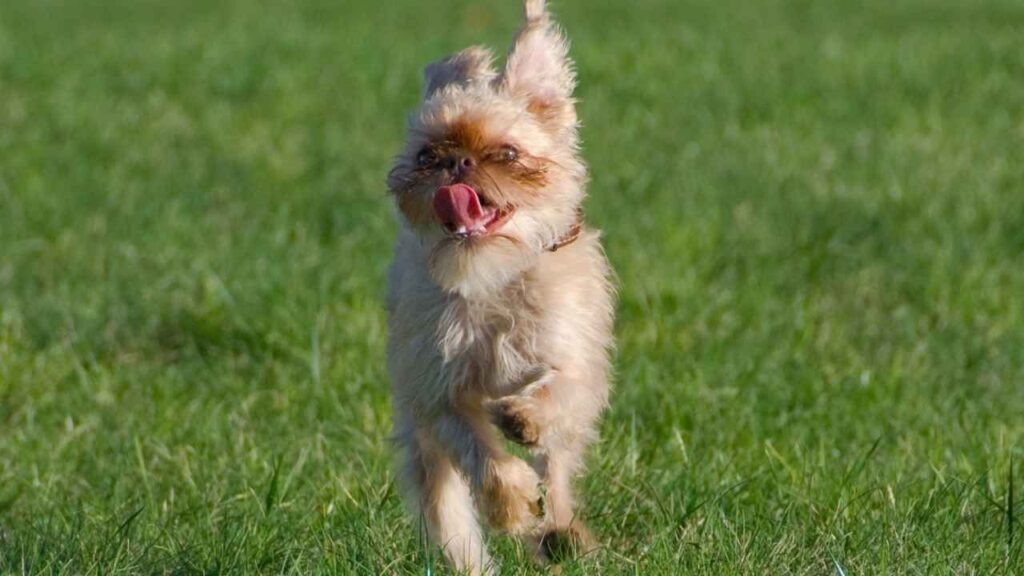
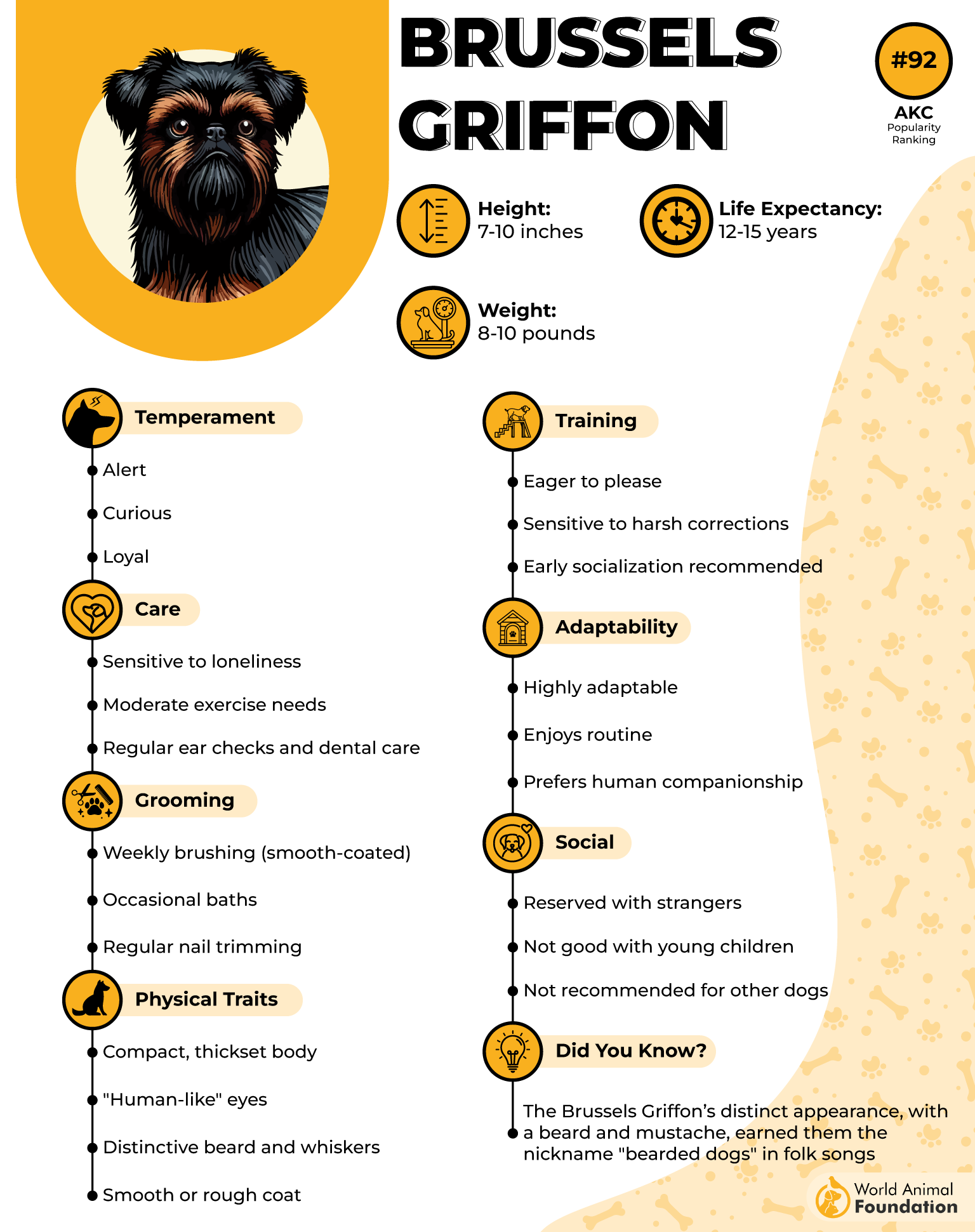
The Brussels Griffon was originally bred in Belgium, shaped through early crossing of Smousje, Affenpinscher influence, and the Griffon d’Ecurie type used for catching rodents. Later, Pug influence refined its expressive face, giving it a distinct appearance seen in the breed today.
Personality that clings to presence
This lap dog shows a strong attachment to familiar people, often staying close throughout daily routines and small household movements. It responds quickly to attention and prefers constant interaction rather than distance.
That closeness reflects in simple everyday behavior:
Follows a chosen person from room to room
Seeks contact during rest and downtime
Reacts quickly to movement near the door
Social behavior with awareness
They interact easily with familiar faces and adapt well when introduced early to different people and other dogs. Its alert nature keeps it attentive to its surroundings, often reacting when unfamiliar activity appears, as Omlet noted. Playful energy shows strongly during dog sports, especially those involving fetching or chasing objects.
2. Havanese
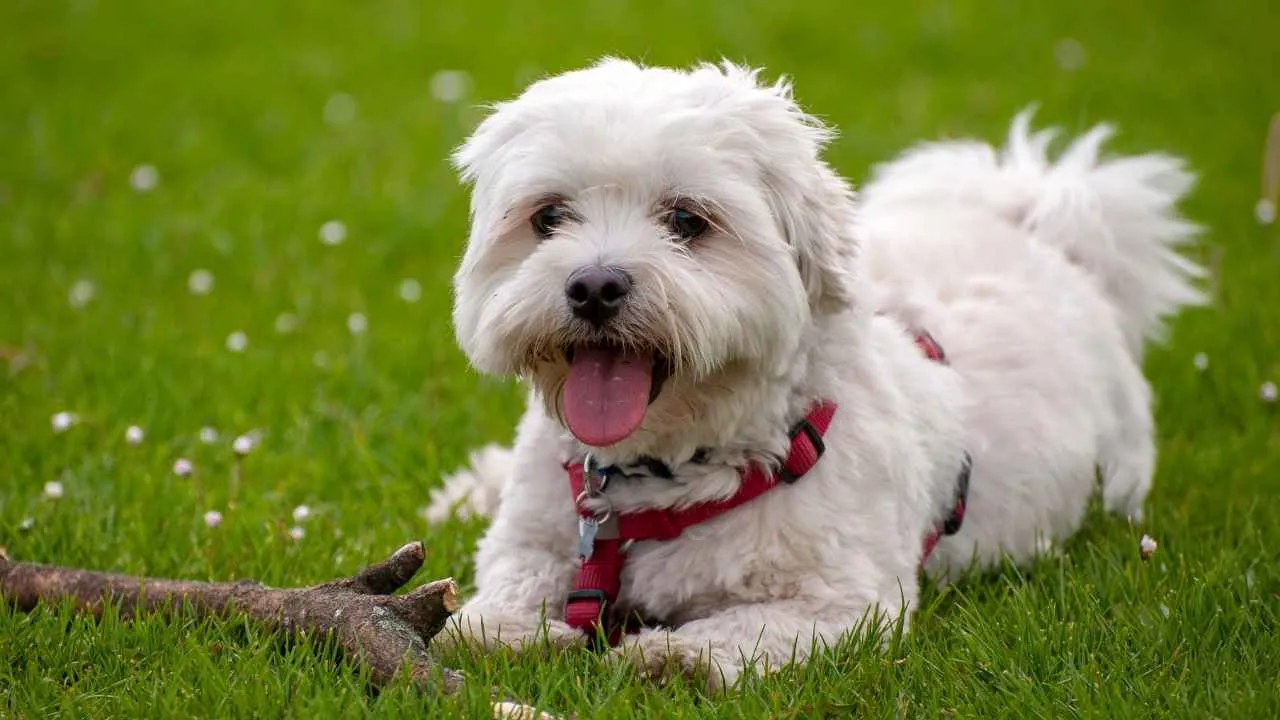
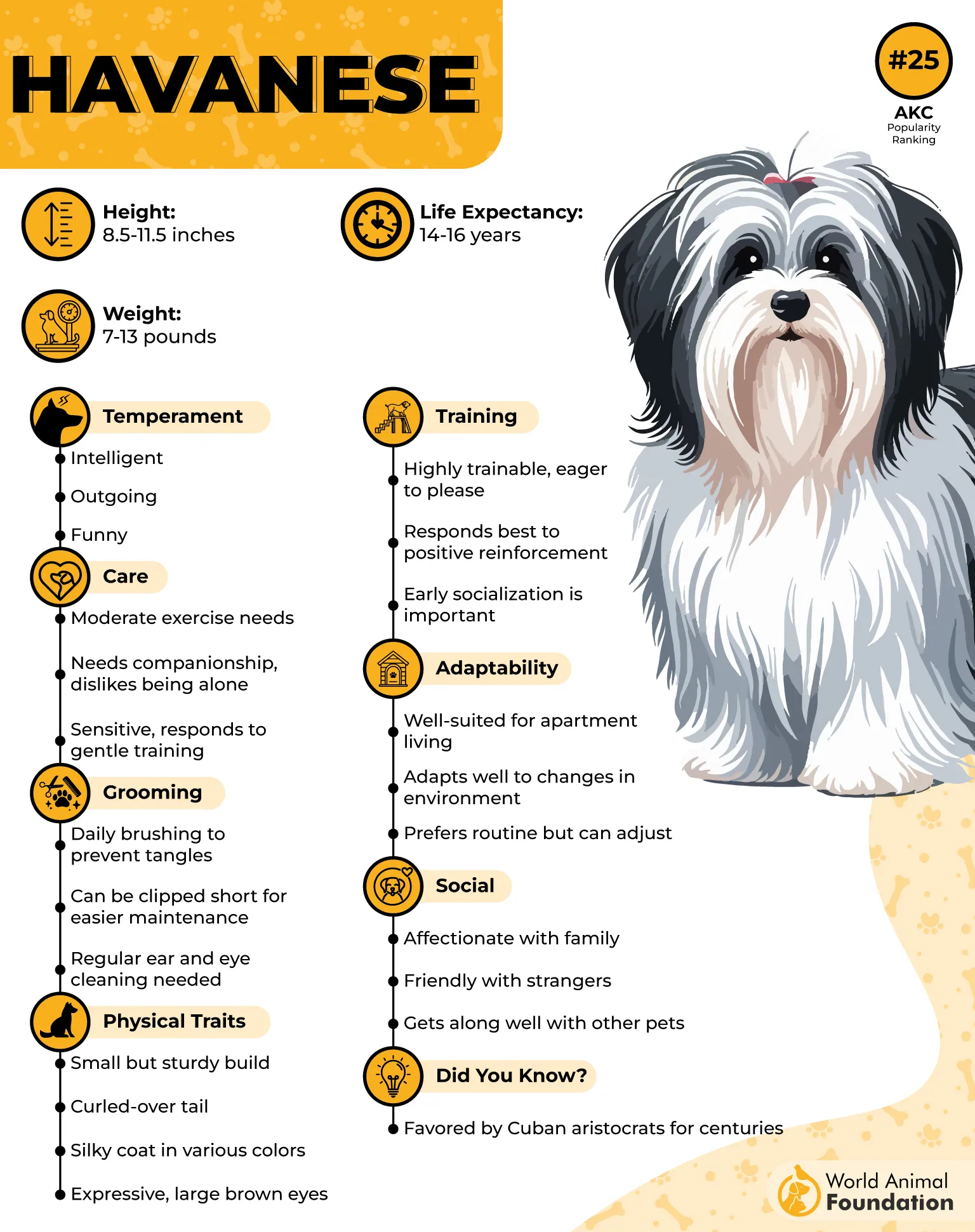
Havanese begins with a history shaped by Mediterranean roots and trade routes that carried it into Cuban households as a favored companion among wealthy families. Its presence later reached Europe, where it appeared in performance settings due to its quick learning nature.
Attention-driven nature in daily life
These tiny dogs stay alert to their surroundings, often positioning themselves where activity is happening to stay visually and socially involved. It reacts strongly to engagement and becomes unsettled when left without interaction for long periods.
That behavior can be seen through simple patterns:
Seeks proximity during daily household activity
Responds quickly to new voices or movements
Learns behaviors through repeated interaction
Social behavior shaped by connection
They adapt easily to people, other pets, and unfamiliar visitors, showing comfort in varied social settings, as PetMD writes. Its playful temperament often appears in small bursts of behavior that draw attention from those around it, best suitable for apartment living.
3. Yorkshire Terrier
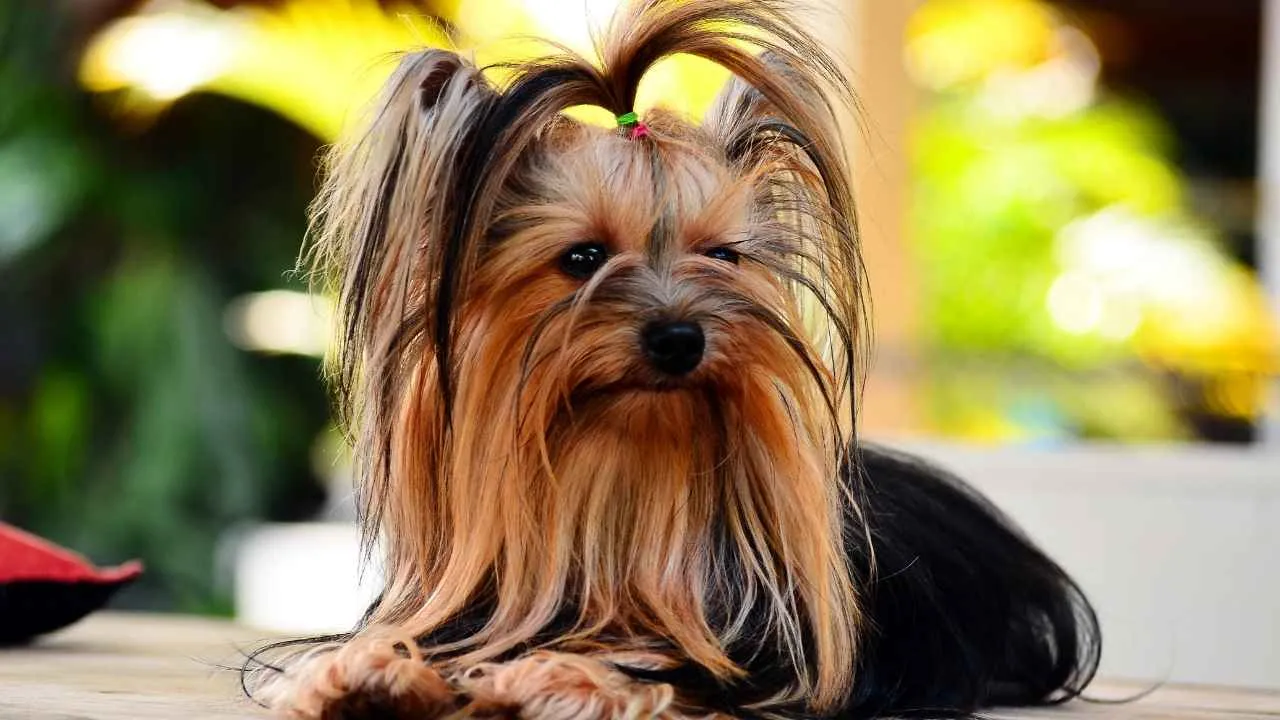
The Yorkshire Terrier began as a rat-catching working dog in mills, reflected in its alert posture and constant awareness of surroundings. Its compact size hides a sharp attentiveness that reacts quickly to movement or sound. The personality feels active, observant, and tightly engaged with its environment.
A busy mind with strong reactions
These toy dog breeds stay mentally active, often scanning spaces for activity or approaching sounds near entry points. Its protective streak appears early if not guided through social exposure, especially around unfamiliar people.
That pattern becomes clearer in daily behavior:
Notices movement near doors quickly
Responds strongly to new situations
Learns routines through repetition and contact
Energy managed through interaction
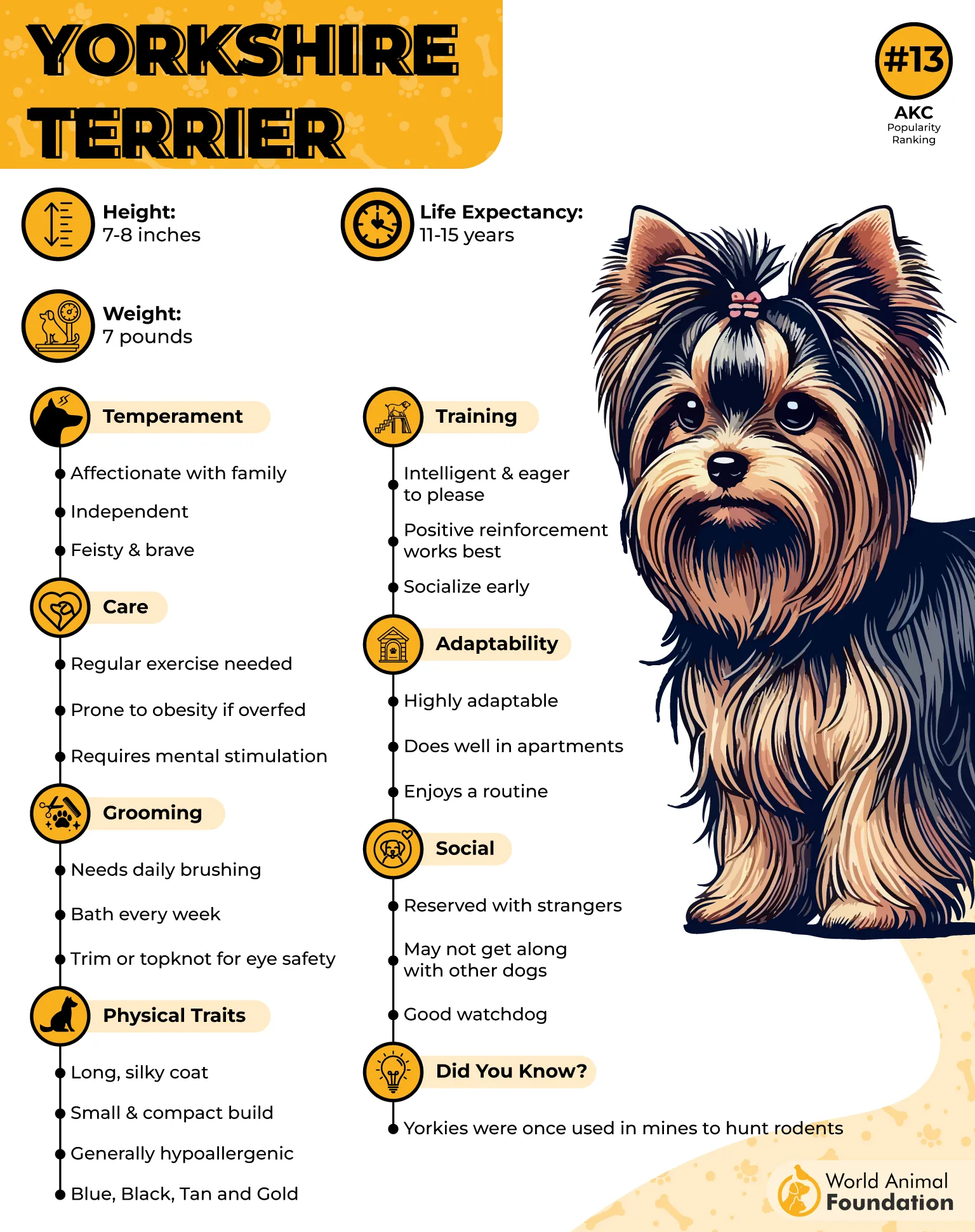
Yorkies channel their activity into short walks, indoor games, and close human interaction, especially fetch-based play. It responds well to training that keeps its mind engaged, reducing repetitive barking and restlessness. This structure helps shape its behavior around daily routines.
4. Maltese
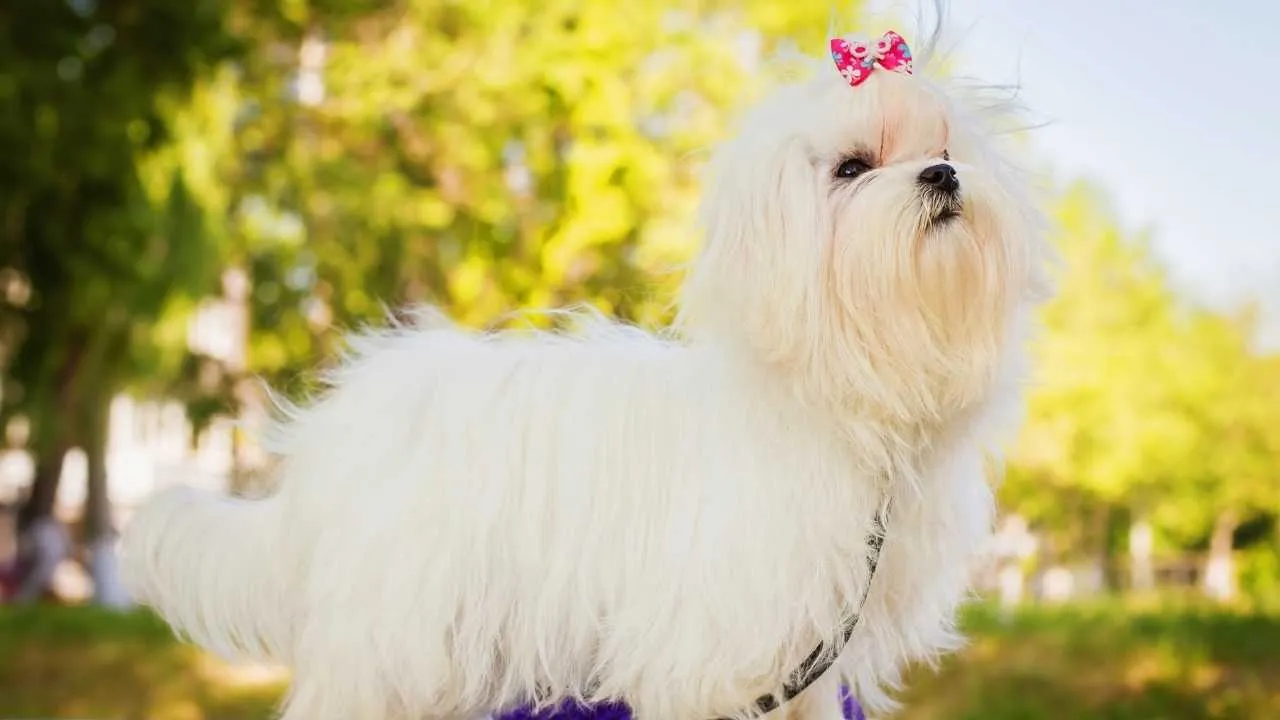
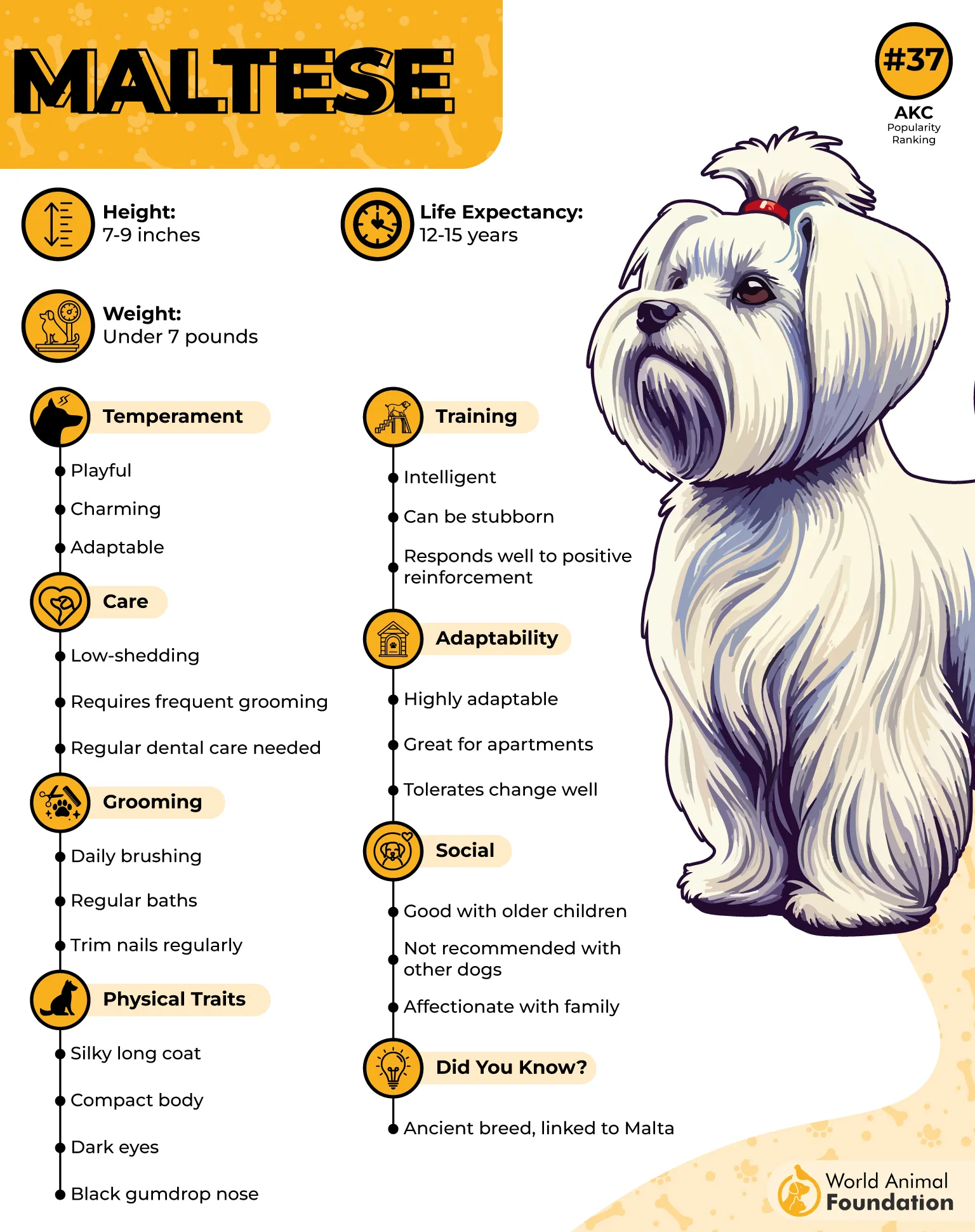
Maltese has roots linked to early Central European trade routes, with historical records reaching back centuries. Its long association with lap companionship shapes a personality centered around human proximity. The breed’s light frame and expressive behavior reflect this long-standing indoor bond.
Behavior shaped around close contact
These affectionate companions interact with people in a highly attention-seeking way, often preferring physical closeness over distance. It adapts well to compact living spaces where interaction remains constant.
That everyday behavior becomes clearer in simple traits:
Prefers sitting close to familiar people
Responds quickly to human attention
Shows playful reactions in short bursts
Energy pattern and daily rhythm
As a small breed, they prefer short bursts of playfulness followed by long periods of rest, making it easy to manage. Short walks or indoor activity usually match its physical needs without the demand for extended exercise, as Orvis claims. Its behavior remains light and people-focused throughout the day.
5. Poodle (Toy)
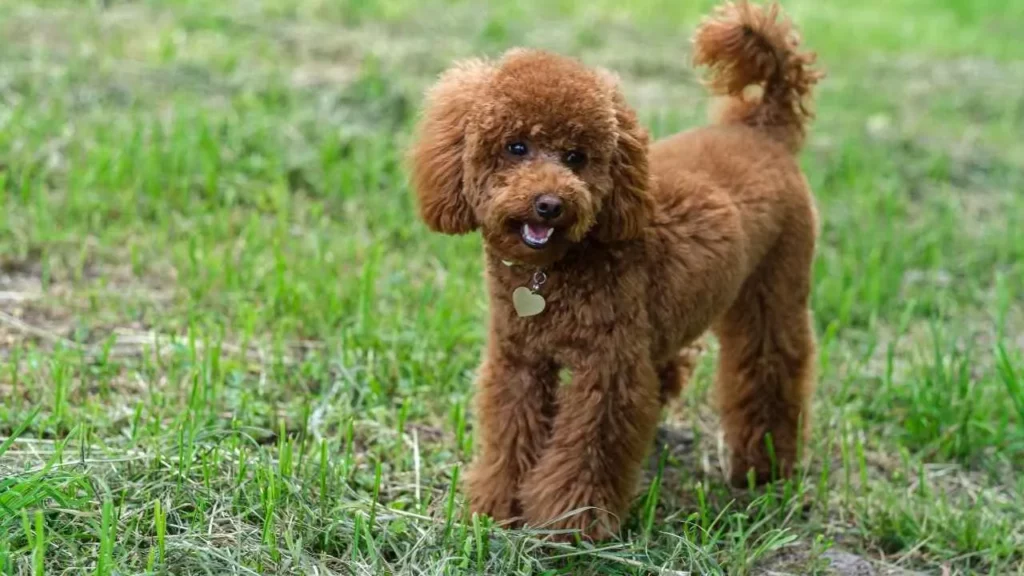
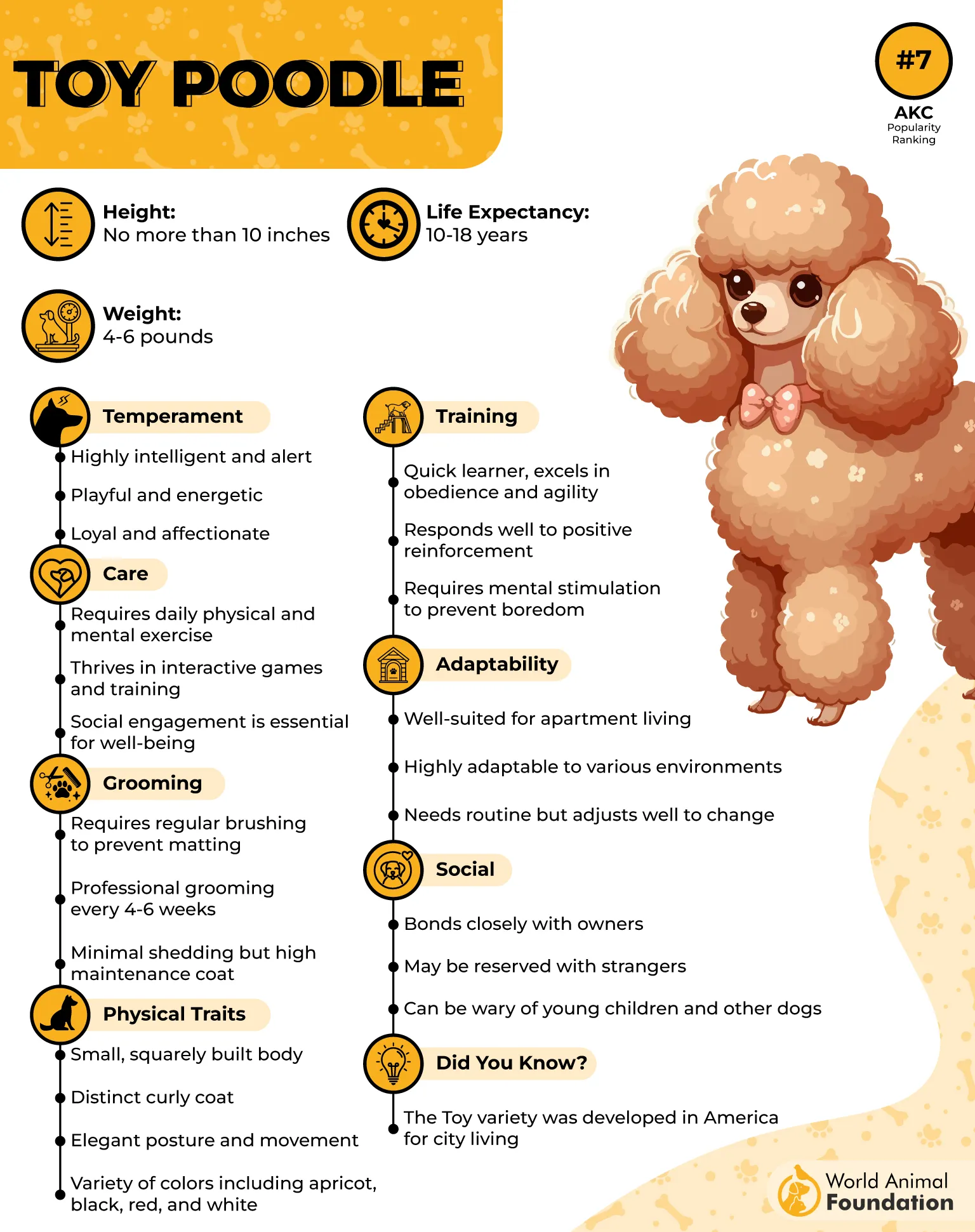
Toy poodles show a history shaped by travel between regions and working roles that included herding, hunting, and even performance tasks. Its small frame holds quick awareness, often responding faster than expected in everyday settings.

Learning that turns into interaction
This toy breed process training as engagement, often picking up actions quickly when the approach feels consistent and interactive. Its background in performance work reflects a natural comfort with learning patterns and repetition.
That behavior reflects in simple, clear tendencies:
Responds quickly to reward-based cues
Learns routines through repetition
Engages actively with interactive tasks
Home behavior shaped by attention
These adorable companions stay closely connected to their favorite humans, often seeking interaction throughout the day. Lack of engagement can shift its behavior into restlessness or unwanted activity. Its energy appears in short bursts of play and movement indoors.
6. Shih Tzu
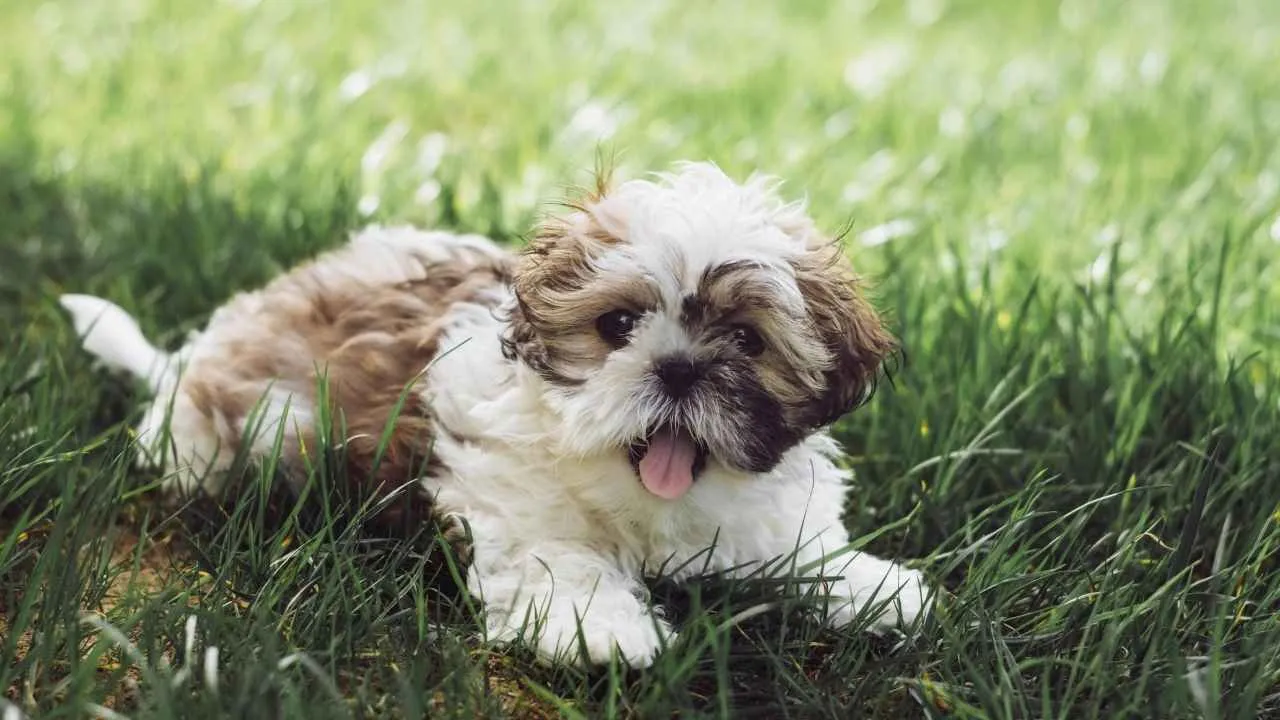
The Shih Tzu is known for a compact body and expressive face that reflects its lively and people-focused nature. This graceful dog spends long periods close to familiar surroundings, often choosing soft resting spots like laps or cushions. This closeness to people shapes much of its daily behavior.
Interaction shaped by preference
They respond more to interest and reward than to strict direction, showing selective attention during learning moments. Its behavior shifts depending on comfort, familiarity, and attention received from its surroundings.
This tendency becomes clearer in everyday actions:
Prefers reward-based learning over strict correction
Engages more in calm, familiar environments
Shows alert reactions to door activity
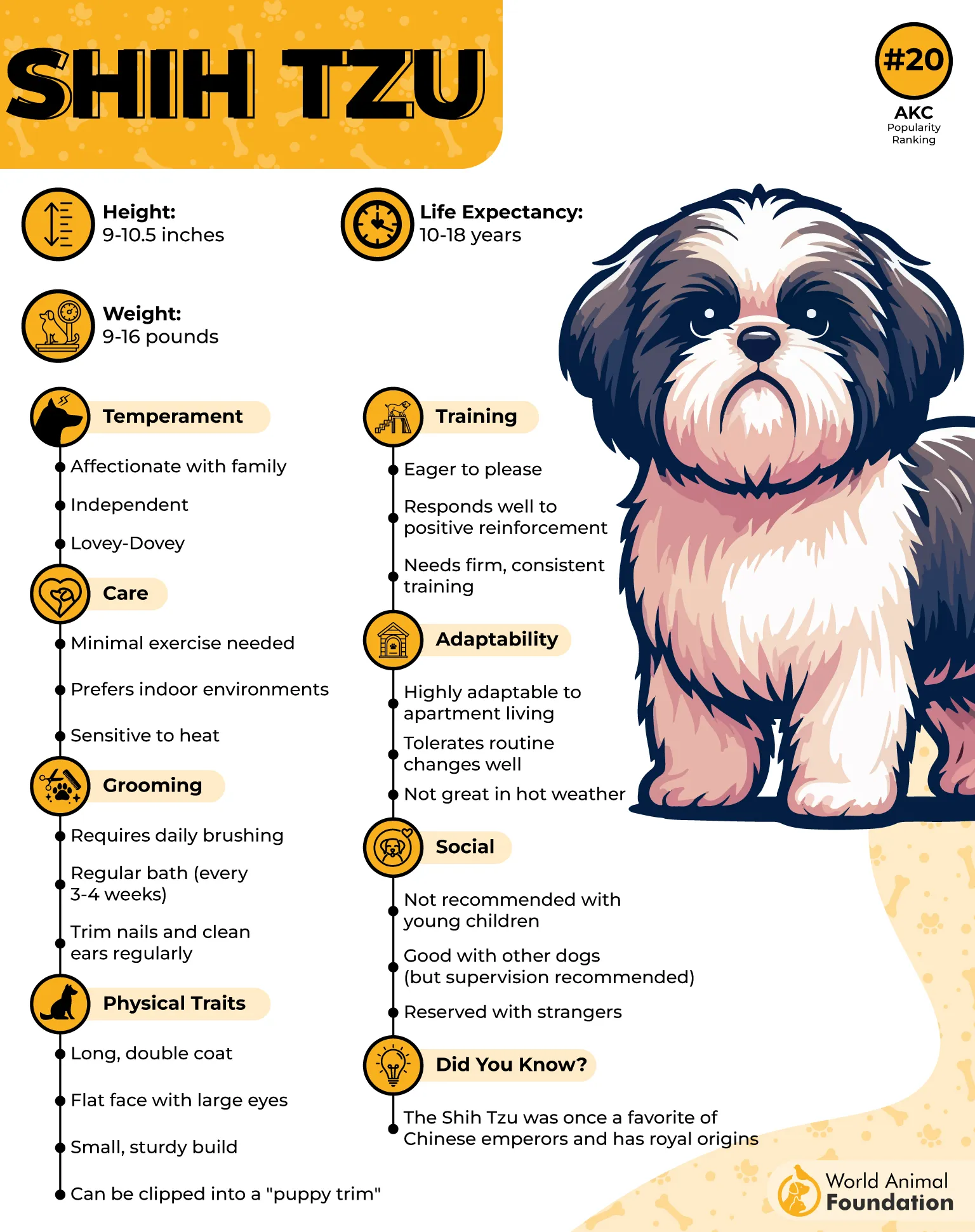
Routine shaped by dependence
As this pocket-sized dog breed requires steady human presence, long isolation can lead to restlessness or vocal behavior. Early structure helps reduce unwanted habits linked to separation sensitivity. Its routine works best when interaction remains consistent throughout the day.
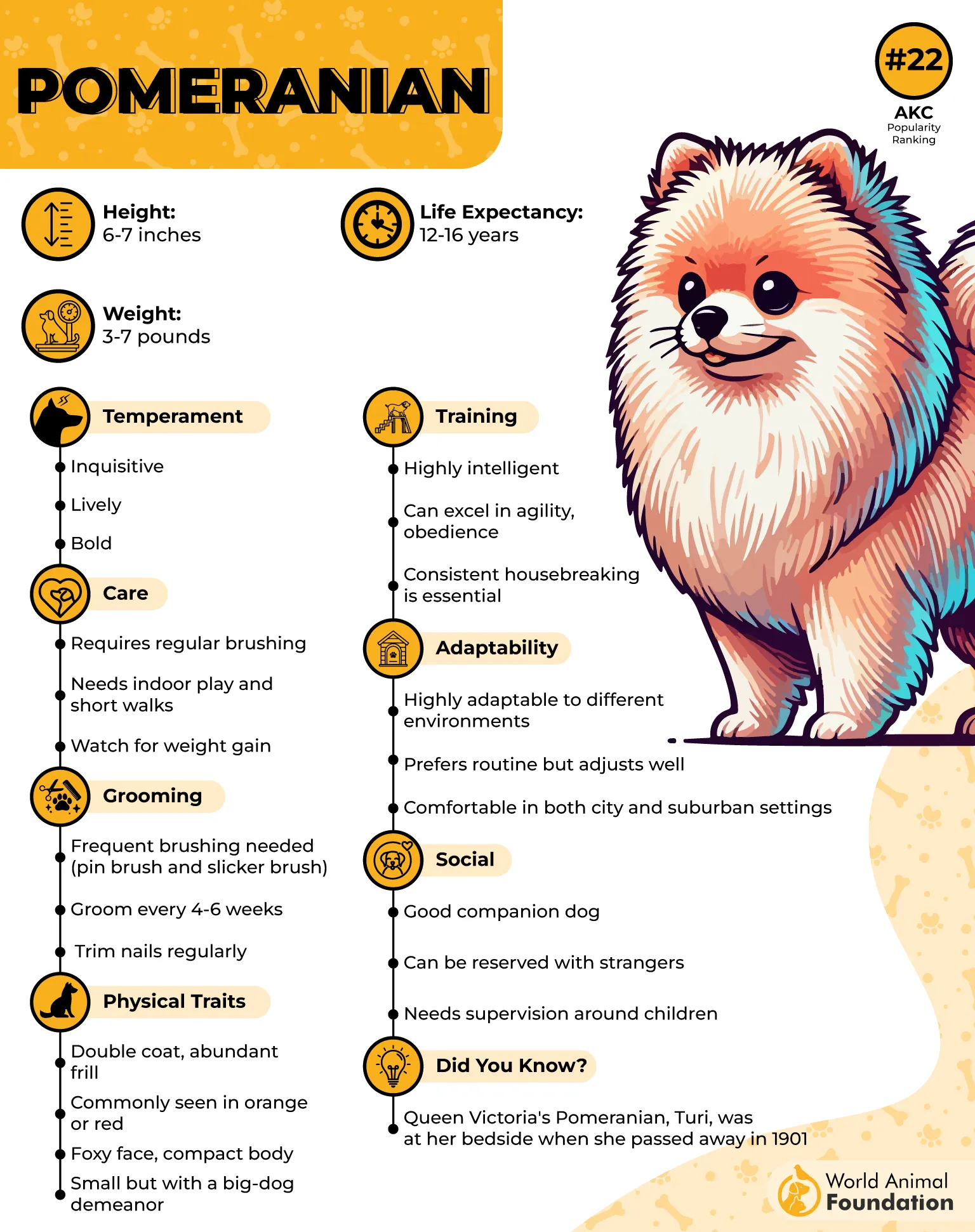
7. Pomeranian
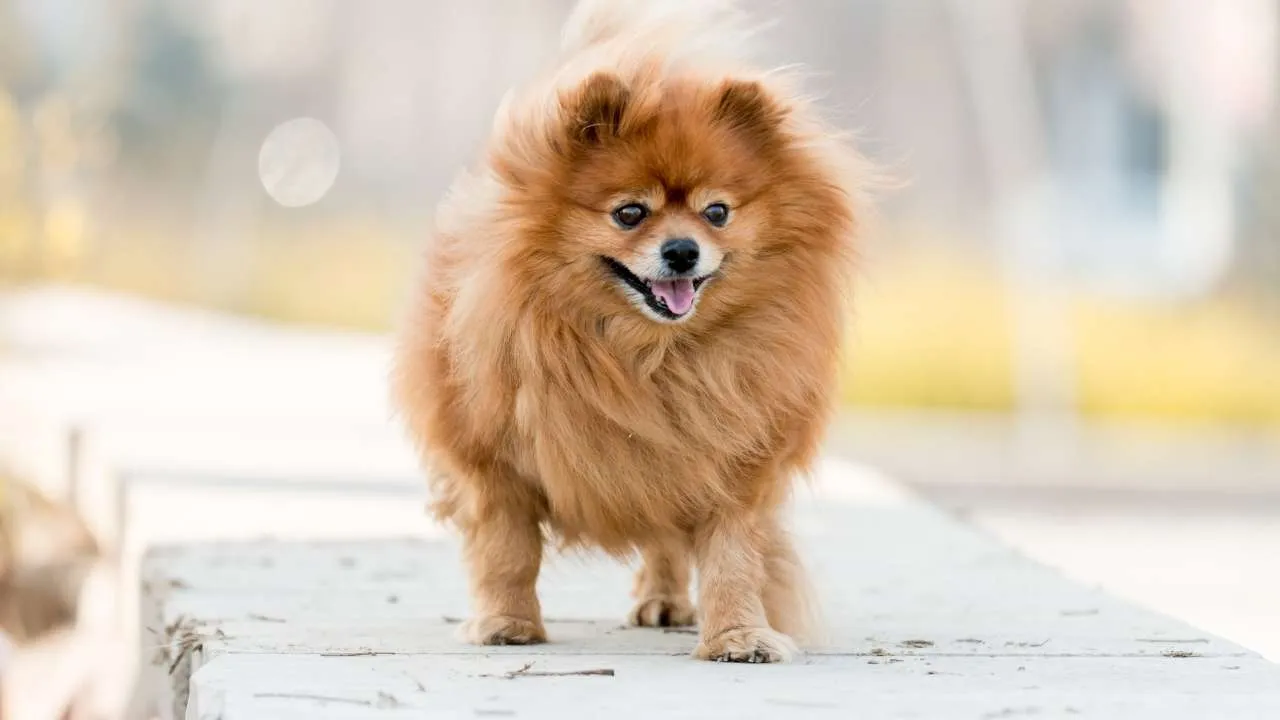
Pomeranian reflects its Spitz sled-dog ancestry in a compact frame shaped by a foxlike face and dense double coat. The neck carries a thick ruff that adds structure to its small square body. Its appearance blends softness with a defined outline that feels intentional in every detail.
Personality packed into a small scale
Poms shows a bold, expressive temperament that feels larger than its size, often reacting with confidence in everyday surroundings. It responds strongly to attention and interaction, making it highly people-focused in familiar settings.
That energy translates into simple, engaging activities:
Responds well to obedience-based play
Engages actively with puzzle-driven tasks
Enjoys short interactive walks and games
Social ease in shared spaces
This little dog adapts comfortably to different household types, including single-person and older-adult homes, where interaction remains consistent.
Its friendly approach toward other dogs creates smoother daily coexistence. The small frame, however, requires mindful handling during physical interaction.
Conclusion
At first, the difference is easy to overlook. A small dog is a small dog. But living with one changes that idea quickly. Some settle into corners, routines, and quiet patterns without asking much in return. Others shift the pace in ways that feel harder to maintain, even with larger-than-life personalities.
The best small dog breeds here lean toward that quieter side of living. Over time, their presence stops standing out and starts blending in, shaping family life through loyal companionship. You stop noticing effort altogether.
The day moves as it normally would, and the dog moves with it. That kind of balance does not need attention. It just stays consistent, as they bond closely and become perfect pets.
