




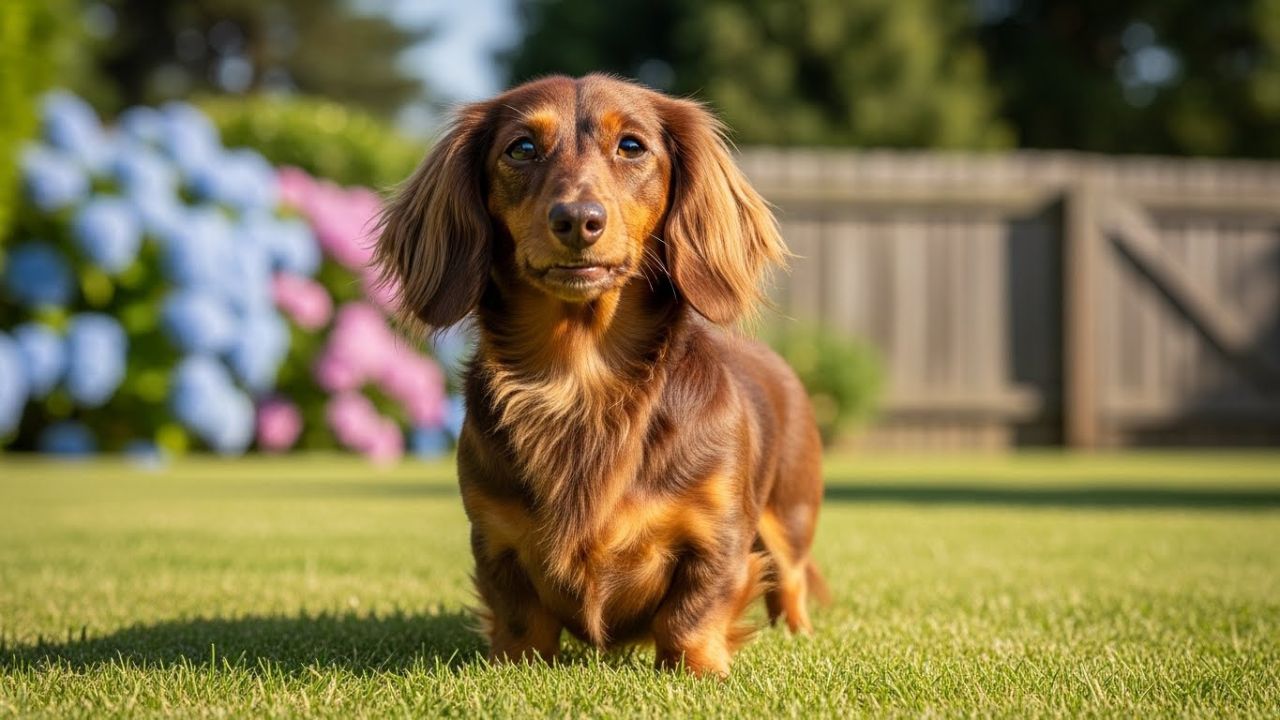
Did you know some dogs can live 15 years or even longer, almost like a child growing all the way into adulthood? If you dream of a tiny friend who stays by your side for many years, you are in the right place.
Small dogs often live longer than big dogs, which means more walks, more games, and more quiet evenings on the couch together.
In this blog, we will look at the dog breeds that are known for long, healthy lives. We will talk about what they are like to live with, and what they need from you.
By the end, you will feel ready to choose a little companion for many happy years.
Longest Living Small Dog Breeds for Years of Friendship
Researchers and vets have spent years studying why certain breeds, especially small breeds, tend to live so long. The American Kennel Club explains that, within a species, smaller individuals often age more slowly, which helps many small dogs enjoy longer lives than large dogs.
Another AKC review notes that the average lifespan for tiny dog breeds often falls between 10 and 15 years, with some dogs reaching 18 years or more when cared for well.
Keeping a dog healthy also means avoiding excess weight. The research highlights that overweight dogs can lose up to about two and a half years of life compared with lean dogs of the same breed, which is a huge difference over a potential 16 years or more.
1. Chihuahua

The Chihuahua is a tiny dog breed with a seriously long lifespan, often reaching its mid to late teens and sometimes even beyond 16 years. Sounds crazy, right?
These little charmers are famous on lists of the longest living dog breeds because they pack sturdy health into a pocket-sized body.
They adore their pet parents and love to be carried, cuddled, and involved in every part of the day. A Chihuahua can be a loyal companion that sticks close, watches the room like a tiny guard, and enjoys short bursts of play.
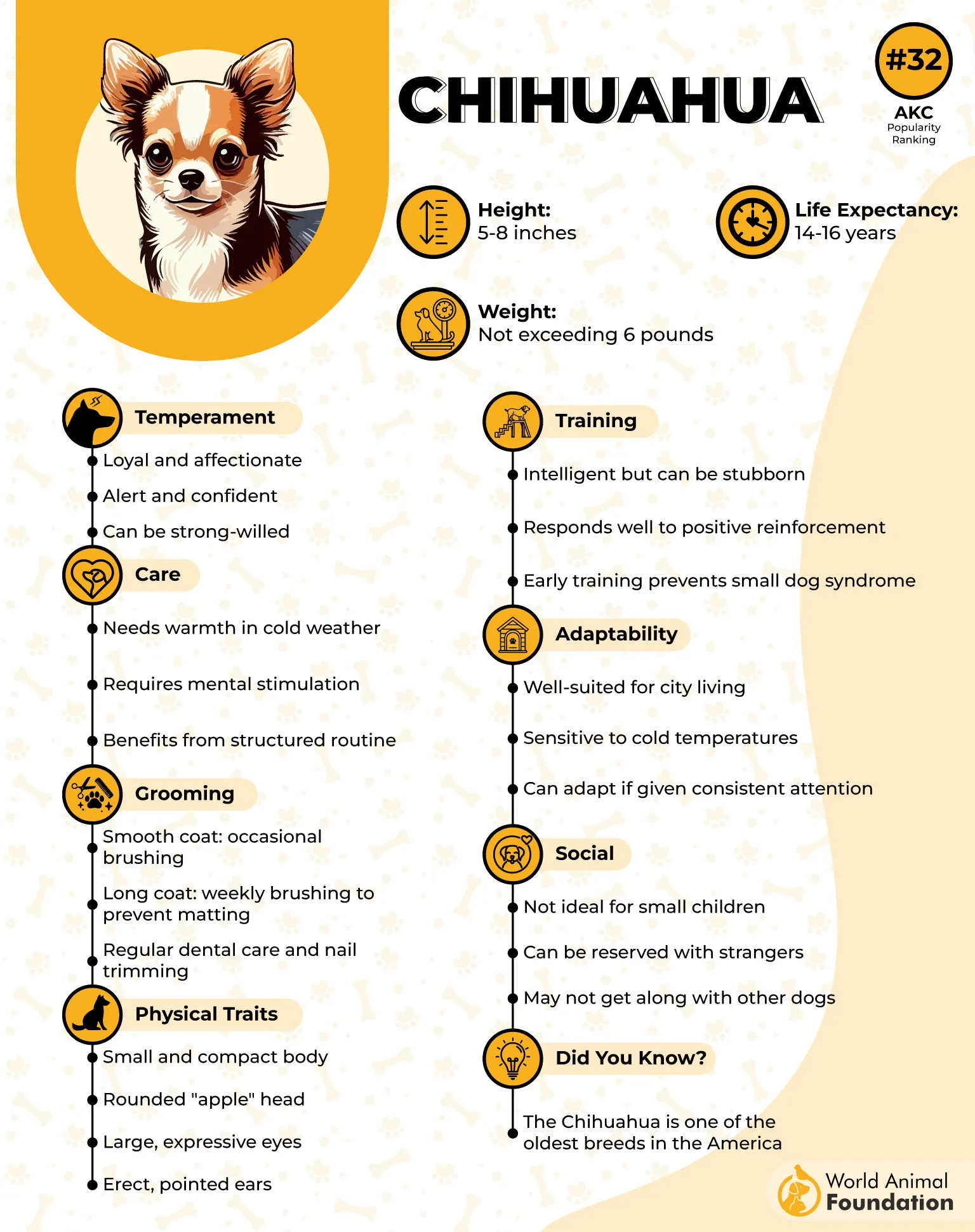
With good mental stimulation and gentle, regular exercise, they tend to live calm, happy lives inside the home.
Chihuahuas can face a few health issues over their long lives, like dental disease, loose kneecaps, and heart disease, so daily grooming of teeth and routine vet visits really matter.
A high-quality diet and proper care help support a long lifespan and keep this long-living breed feeling bright and bold well into its golden years.
Why do Chihuahuas stay around so long
- Thrive with indoor living and close bonding with pet parents
- Long lifespan supported by small size and alert nature
- Do well with gentle daily walks and regular mental stimulation
2. Yorkshire Terrier
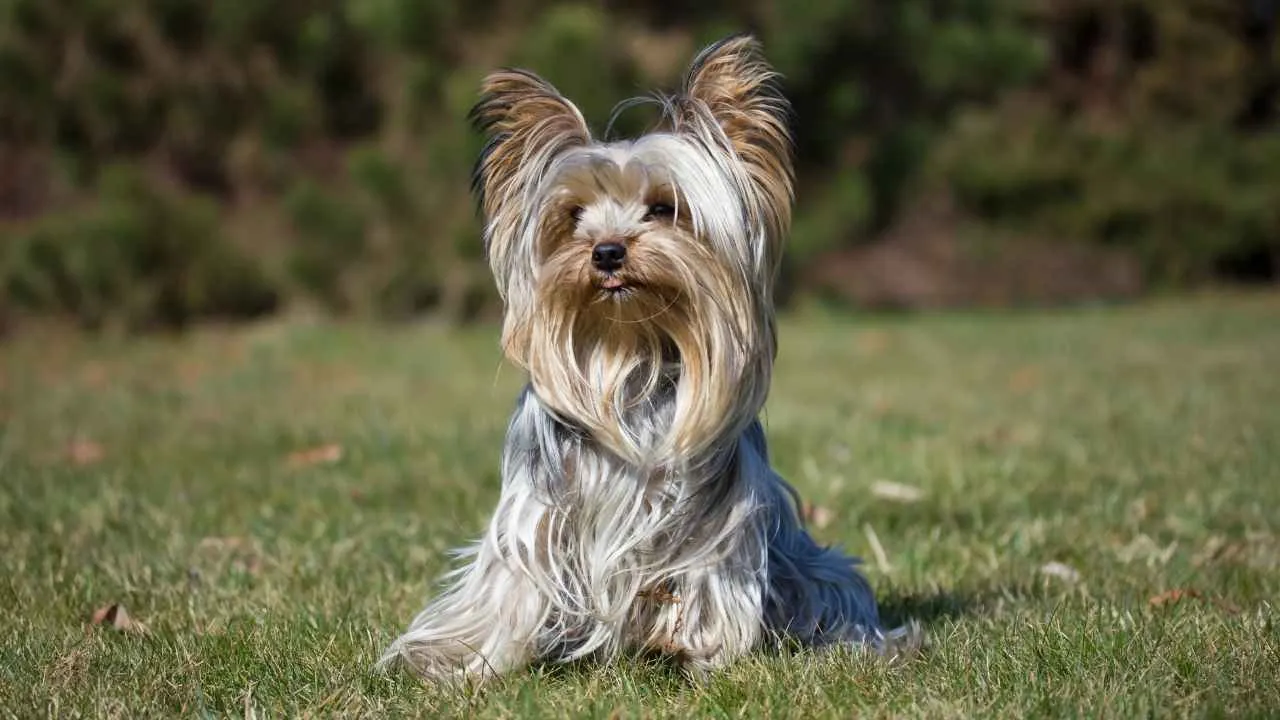
The Yorkshire Terrier is a dog breed that often shows up on “longest living dog” lists, with many living 12 to 16 years or more.
And here’s the best part! They squeeze a bold terrier spirit into a tiny, elegant package. Their long lifespan makes them a sweet pick for pet parents who want years of cuddles and play.
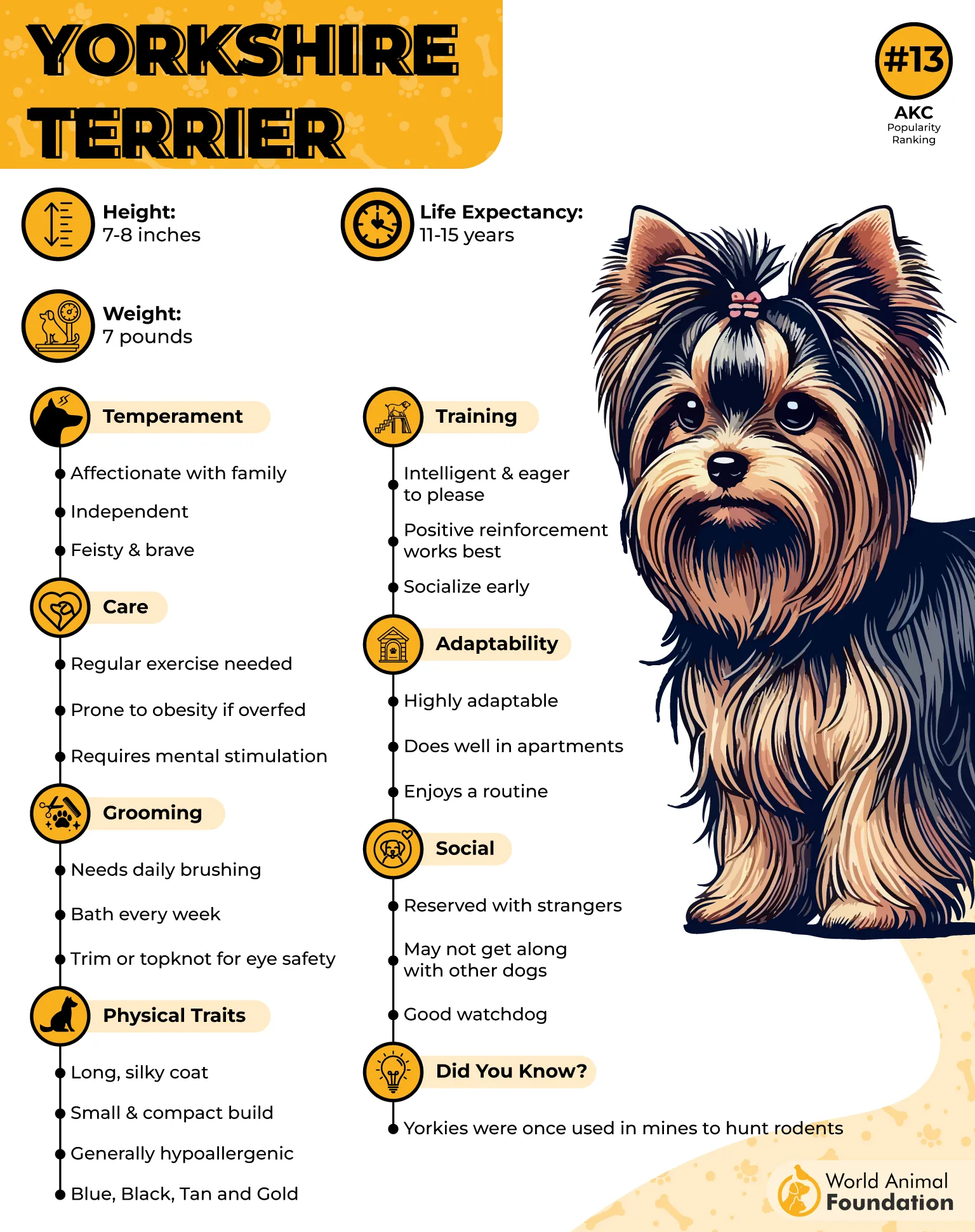
Yorkies are busy little explorers who love following their person from room to room and acting like a pocket-sized shadow. Their silky, showy coat and affectionate nature make them an affectionate companion as well as a cheerful watchdog.
With enough daily walks and mental stimulation, this active dog can burn off energy and enjoy a happy life in both houses and apartments.

Because they live so long, Yorkies can develop health conditions such as tracheal issues, dental problems, and hip dysplasia, so regular exercise and routine veterinary care are key.
A high-quality diet and proper grooming keep that coat shining while helping them maintain a healthy weight and health all the way through their senior years.
Why Yorkshire Terriers shine for longevity
- Long-living breed with an average lifespan often reaching 16 years
- Big personality in a small frame that fits apartment living
- Respond well to grooming and gentle, consistent training
3. Toy Poodle

The Toy Poodle is one of the longest living dog breeds, often enjoying a life expectancy that stretches into its mid to late teens. This long-living breed may look fancy, but it is smart, athletic, and ready for fun.

Pet parents who want a quick learner for tricks and games often fall in love with the toy poodle very fast.
These dogs have energetic personalities and love mental stimulation as much as physical play. A toy poodle tends to live its best life when it gets puzzle toys, training games, and daily walks with its favorite humans.
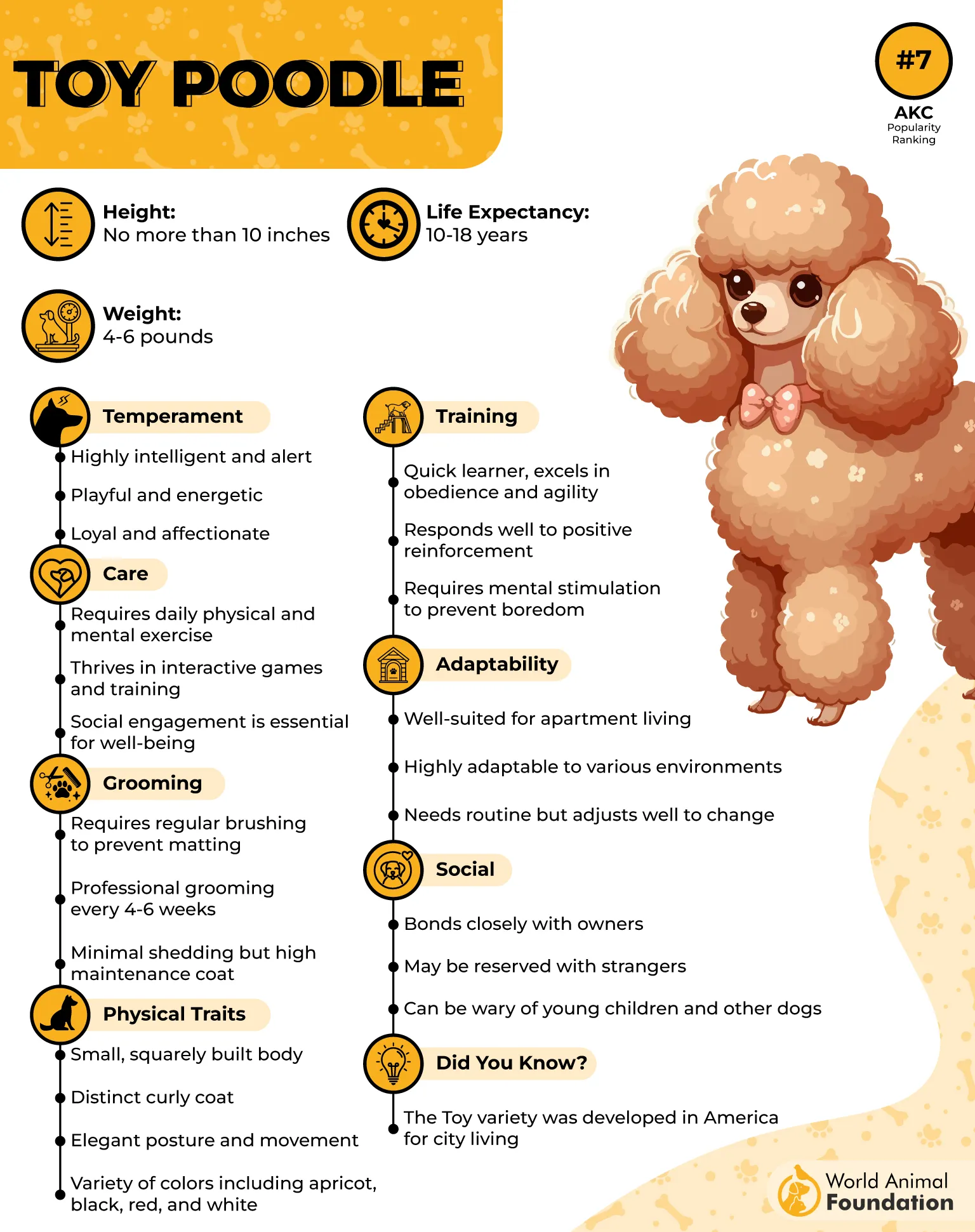
But wait, there’s more! Their affectionate nature means they usually bond closely and act like a furry friend who is always ready to listen.
Because Toy Poodles can live 16 years or more, good habits really add up. Proper grooming is important so their curls stay comfy and clean, and regular exercise helps protect joints and reduce common concerns like stiffness in later years.
According to Purina, a high-quality diet with fats, plus routine vet visits, supports overall well-being, so this long-living dog can enjoy a truly fulfilling life.
Why Toy Poodles age so gracefully
- Very smart, so regular mental stimulation keeps them sharp
- Long lifespan supported by an active lifestyle and training games
- Curly coat needs proper care, which keeps the skin and coat healthy
4. Shih Tzu
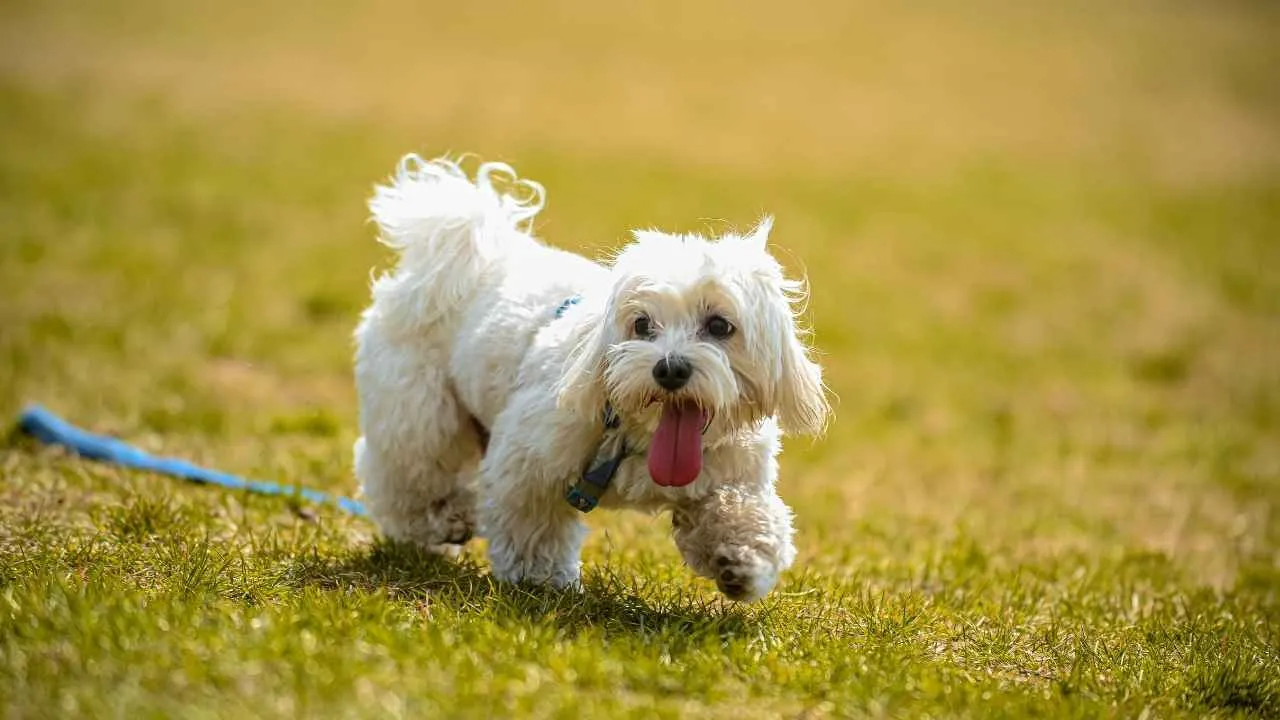
The Shih Tzu is a long-living breed with a life expectancy that can range from the low teens right up to 16 years and sometimes beyond.
This little lion-like dog breed was originally bred as a palace companion, and it still loves nothing more than sitting close to its people. Exactly. Pure couch royalty.
Shih Tzu dogs are known for their coats, sweet faces, and gentle, friendly temperaments. They enjoy short play sessions, then curling up for a nap right beside their pet parents.
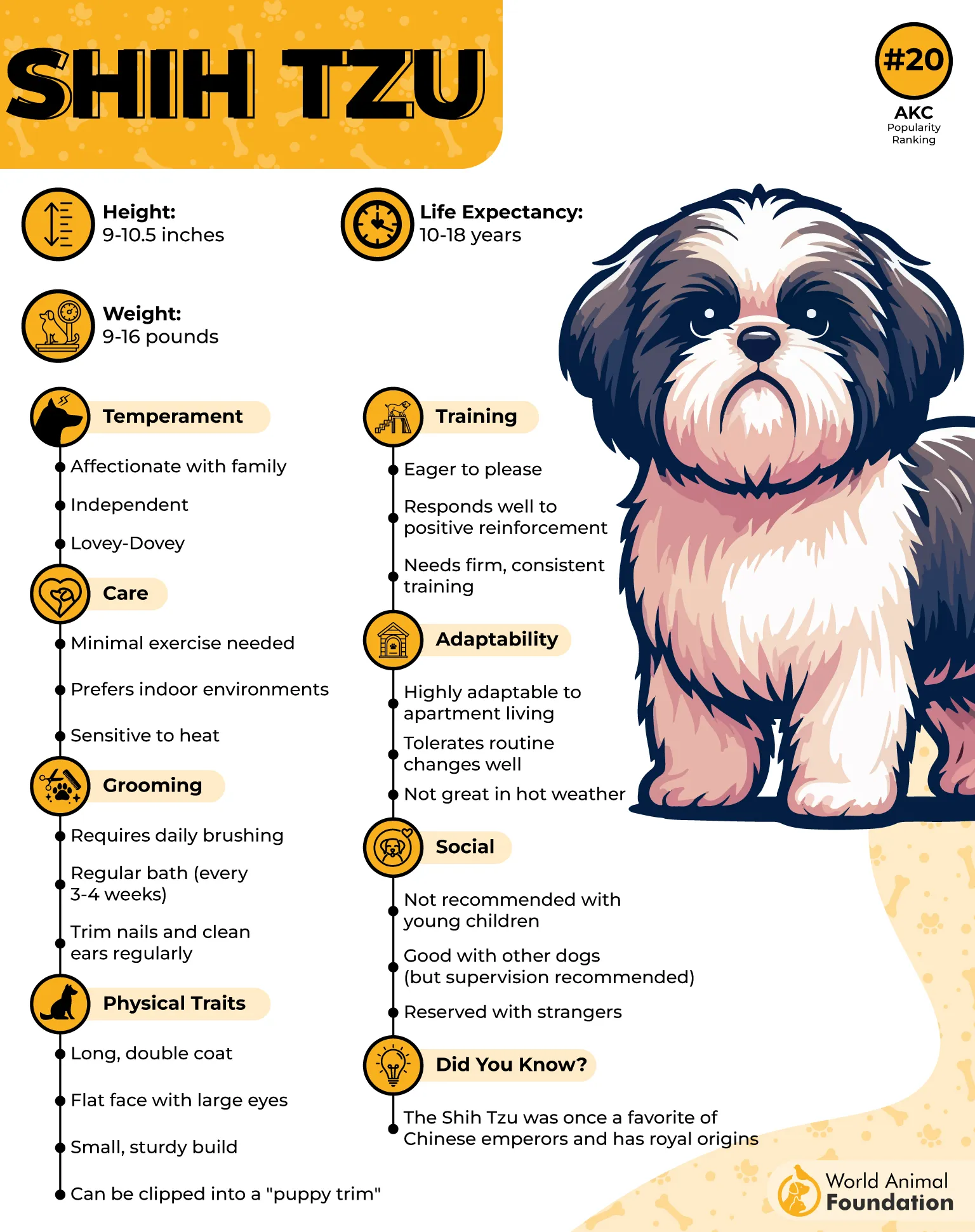
While they do not need intense exercise, regular exercise in the form of short walks and simple games keeps their body moving and their mind engaged.
Because Shih Tzu dogs can be brachycephalic, they may face health issues such as breathing trouble, eye problems, and hip dysplasia, especially later in the dog’s life.
Proper care, like regular grooming around the face, a balanced diet, and routine veterinary care, helps early detection of health conditions and supports a long, healthy life.
Why Shih Tzu’s are long-time buddies
- Bred as indoor lap dogs, so they fit calm homes very well
- Fluffy coats offer extra charm but need grooming
- Adapt well to apartment living with gentle daily walks
5. Dachshund

The Dachshund is a long-lived breed, with many enjoying 12 to 16 years or more. That is a lot of time with a funny, low-slung friend trotting beside you.
These dogs were bred to track prey underground, so they are brave, curious, and always ready to investigate a new scent.
Dachshunds love being close to their pet parents and can be very loyal companions, often picking a favorite person to follow. They enjoy moderate exercise and short games that let them sniff and explore without over-straining their long backs.
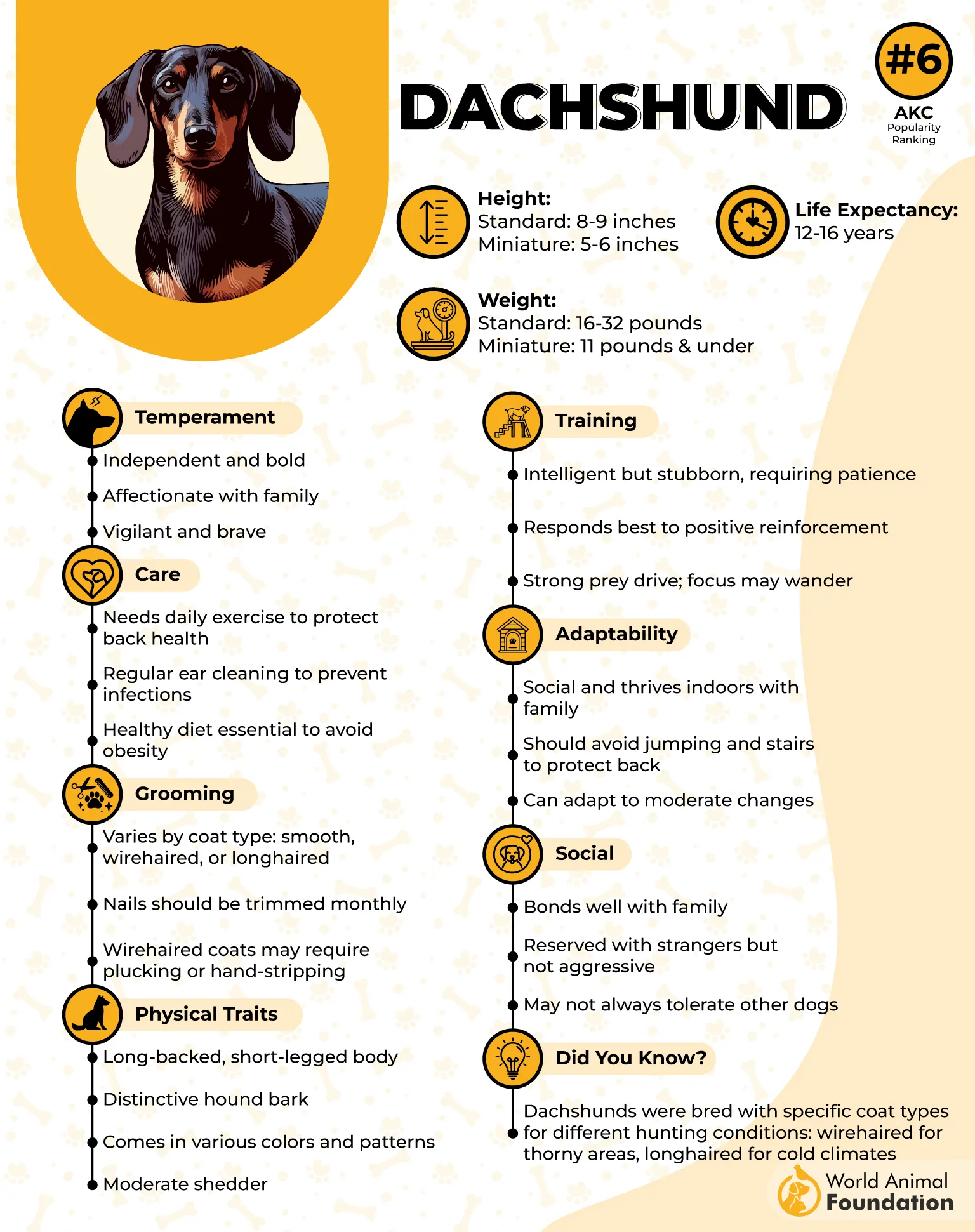
A bit of mental stimulation, like scent games or simple training, helps keep their clever minds busy and their happy life on track.
Because of their special shape, Dachshunds can develop back-related health conditions and hip dysplasia if they jump too much or gain excess weight.
A high-quality diet, regular exercise on level ground, and regular vet check-ups support spinal and overall health, helping this dog enjoy its years with fewer aches.
Why Dachshunds keep going strong
- Long backs need careful handling and ramps instead of big jumps
- Enjoy sniffy walks that give both movement and mental stimulation
- Do best when kept at a healthy weight with a proper diet and care
6. Pomeranian
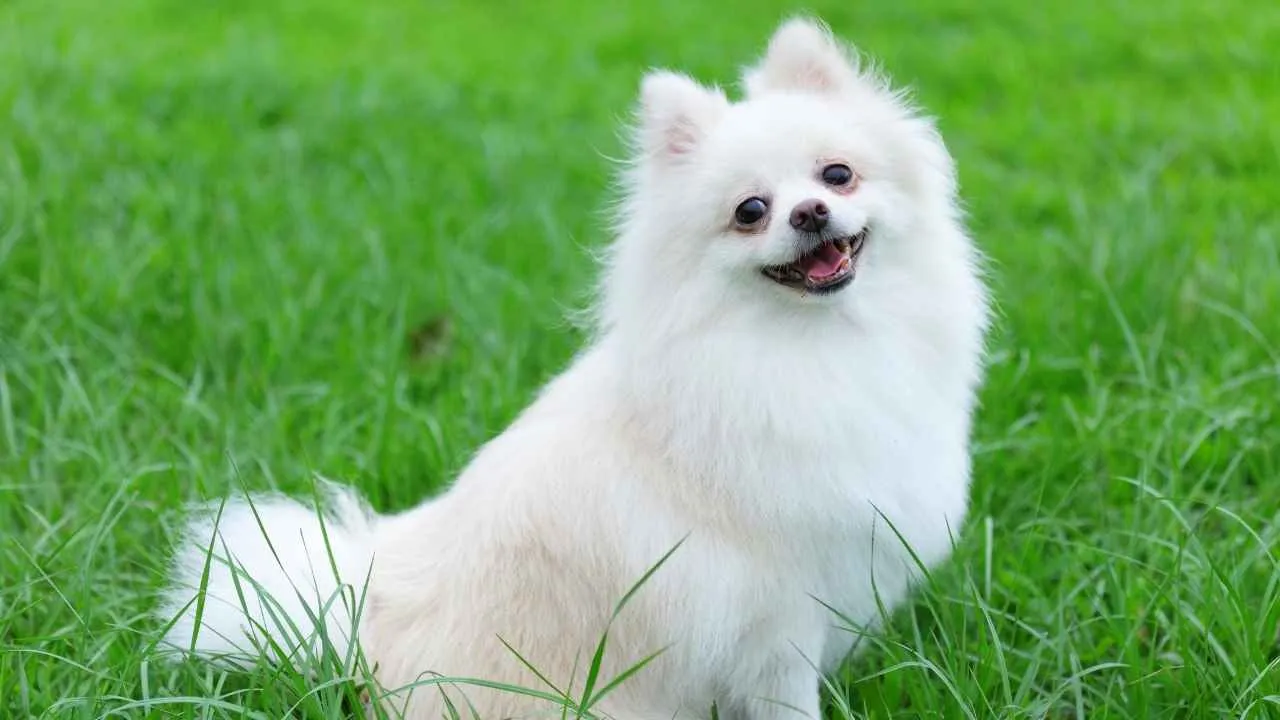
The Pomeranian is a dog breed with a big personality and a long lifespan that often reaches 12 to 16 years. These woolly coats and foxy smiles make them look like tiny, cheerful clouds trotting around the house.
And here’s the good part. All those extra years mean more time for tricks, photos, and cuddle sessions.
Pomeranians are lively, alert, and love to chat with their people about every new sound or visitor. They can thrive in small spaces as long as they get daily walks, playtime, and lots of attention.
Pet parents who enjoy training usually have fun teaching them new tricks, which gives constant mental stimulation and helps the dog live a more relaxed and confident life.
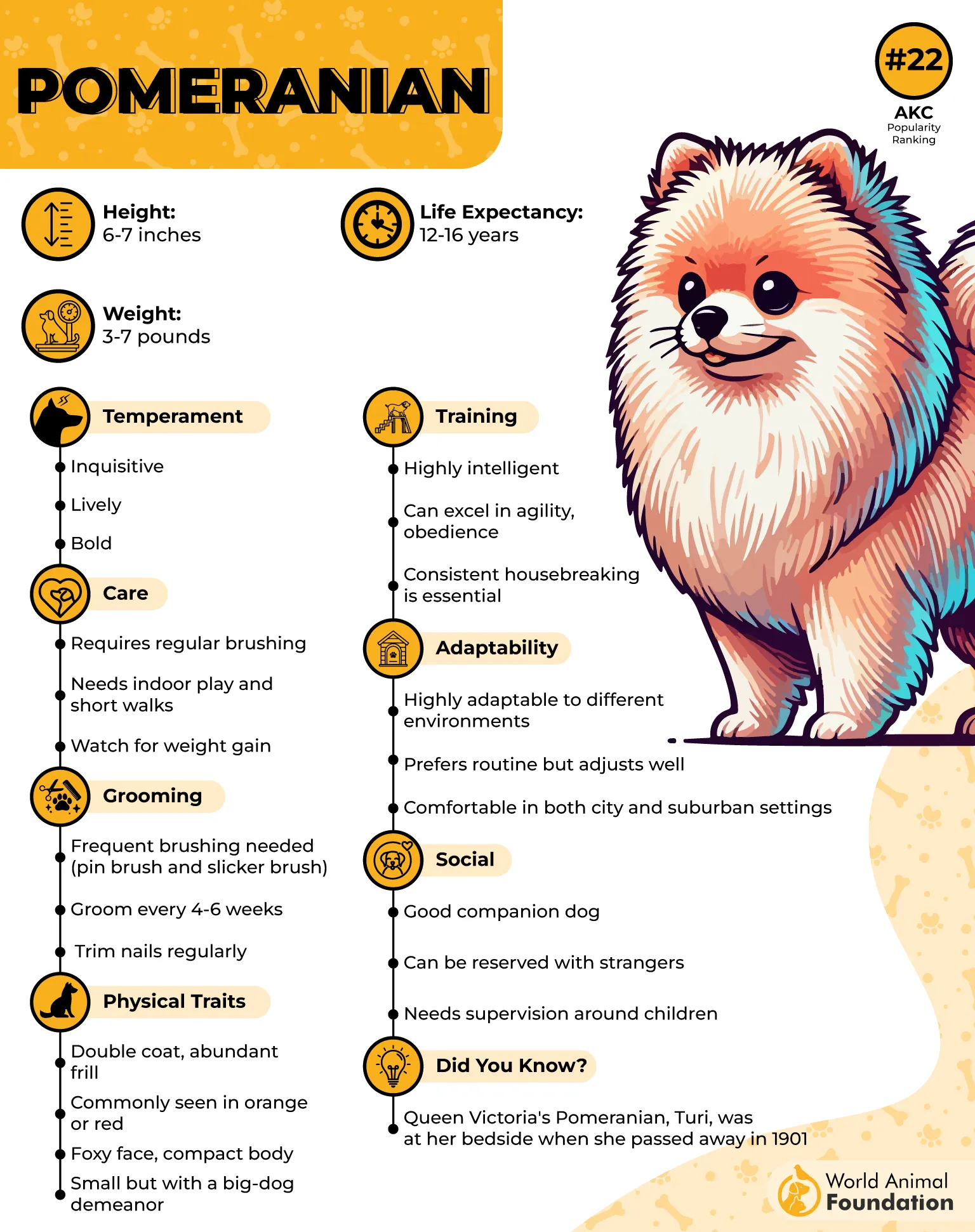
Because Pomeranians can be prone to dental problems and joint health issues over their long lives, grooming, including brushing that thick coat, really matters.
A high-quality diet, proper nutrition, and routine veterinary care help protect their health, so this long-living furry companion can stay bright and bouncy right into its senior years.
Why Pomeranians stay perky for so long
- Fluffy coats help them stand out and keep them snug indoors
- Love training and tricks, which offer regular mental stimulation
- Do well with gentle daily walks and a high-quality diet
7. Maltese
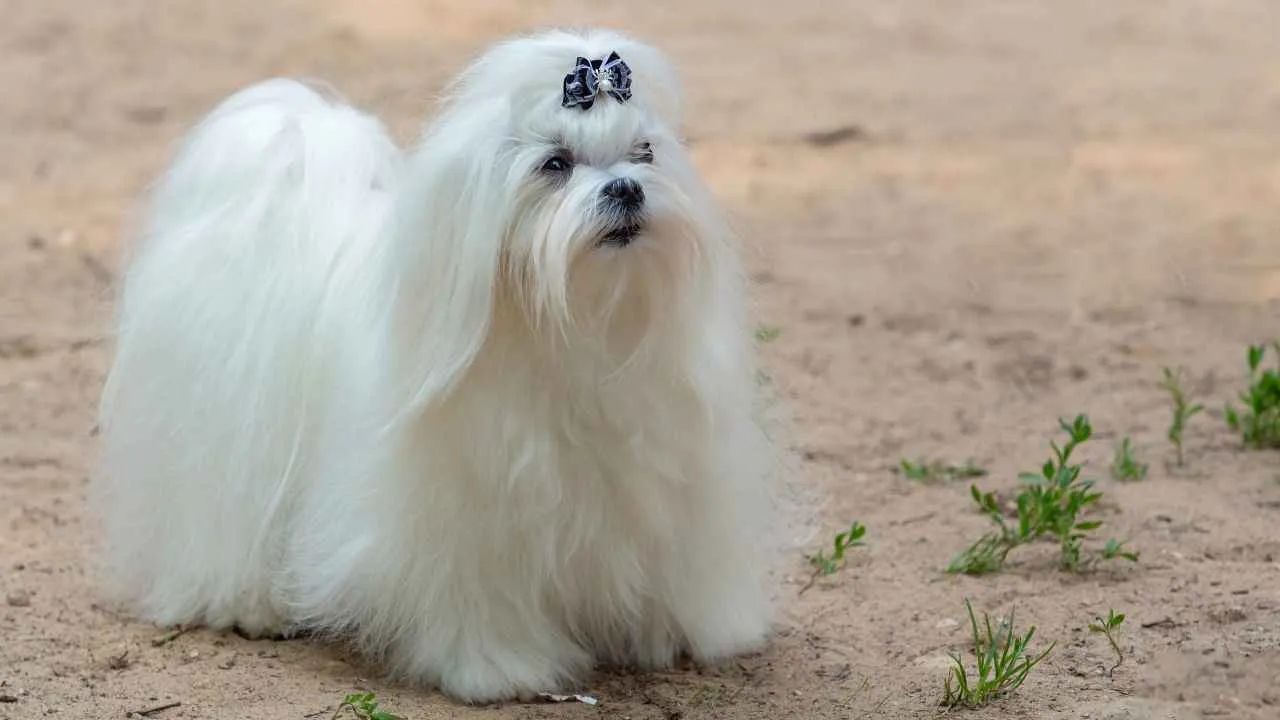
The Maltese is a classic long-lived dog with an average lifespan that often reaches 12 to 16 years or more.
These dogs are famous for their silky white fur and affectionate nature, making them a perfect little lap partner for many pet owners. With such a long lifespan, they can share a lot of holidays, moves, and memories with one family.
Maltese dogs love being close to their humans and usually prefer soft play indoors over rough outdoor adventures. They do well with short daily walks and simple games that give both movement and mental stimulation without too much stress on their joints. That mix of gentle activity and close bonding helps this dog live a very content, happy life.
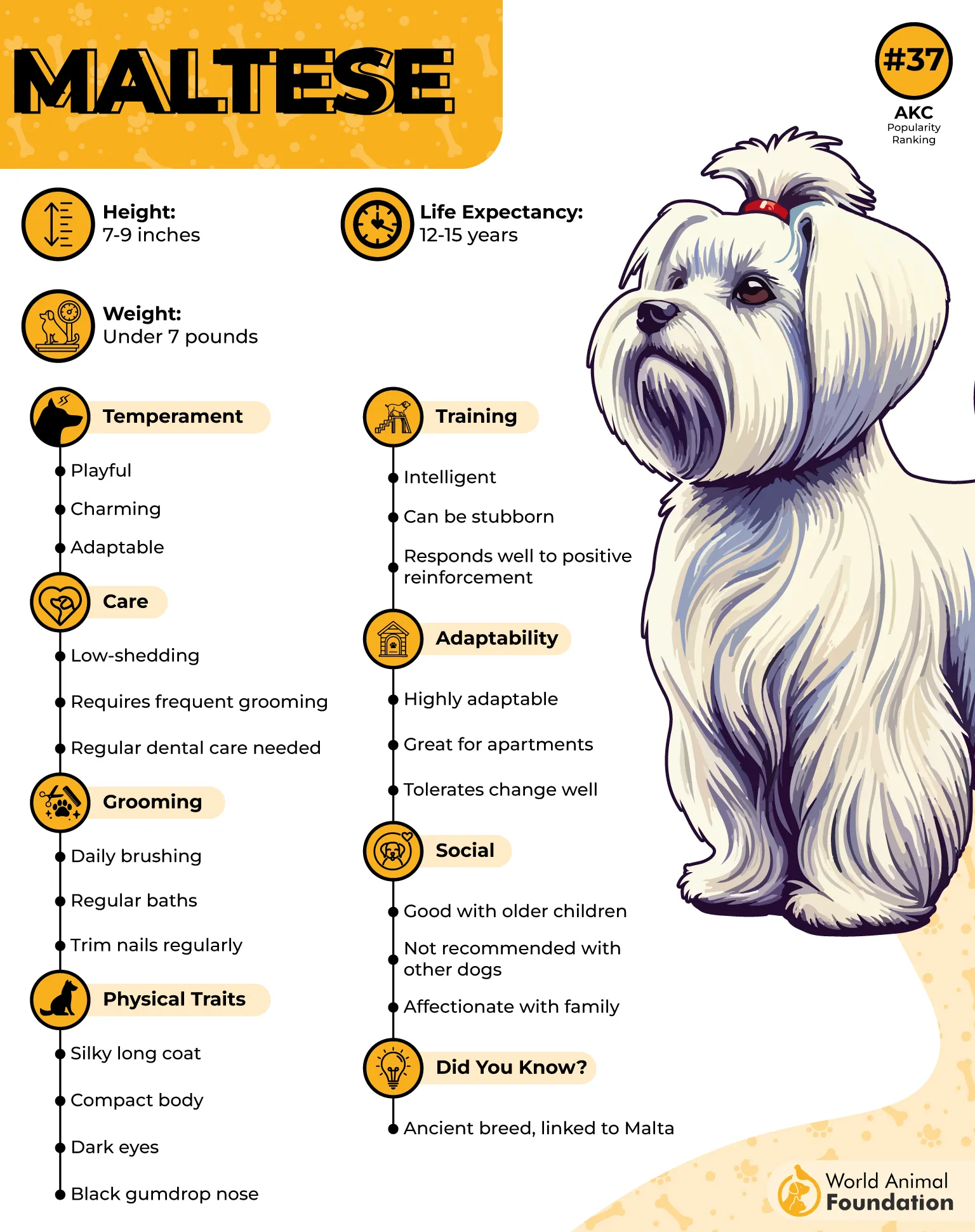
Because they tend to live so long, Maltese dogs can develop dental problems and other health conditions if their care.
Proper care, including regular grooming of that flowing coat, a good diet, and routine vet visits, supports their overall health and helps this longest living dog type enjoy many calm, cozy years.
Why the Maltese make a lasting partner
- A gentle temperament suits calm homes and apartment living
- Long lifespan pairs well with families wanting years of companionship
- Silky coat benefits from grooming and close daily care
Conclusion
When you look at the longest living dog breeds, you are really choosing extra years of love, noise, and silly moments at home.
Many small breeds often reach a lifespan of 12 years or more, which means more time to grow together and settle into each other’s routines.
Some even fit beautifully with kids or other pets, turning your home into one happy little pack. It is a big decision, but also a very joyful one.
Of course, genetics play a role in how long each dog lives, and certain genetic traits can help them stay generally healthy for longer than some larger breeds.
Some pups are tiny fluff balls, some have butterfly-like ears, but all they really want is care, patience, and time with you.
A high-quality diet, daily exercise, and grooming, plus good fish oil or other healthy fats recommended by your vet, can all support a healthy lifestyle and better health for these long-lived pups.
When you give that, plus good food, kind training, and regular vet support, you help your chosen friend make the most of every year you share.
