




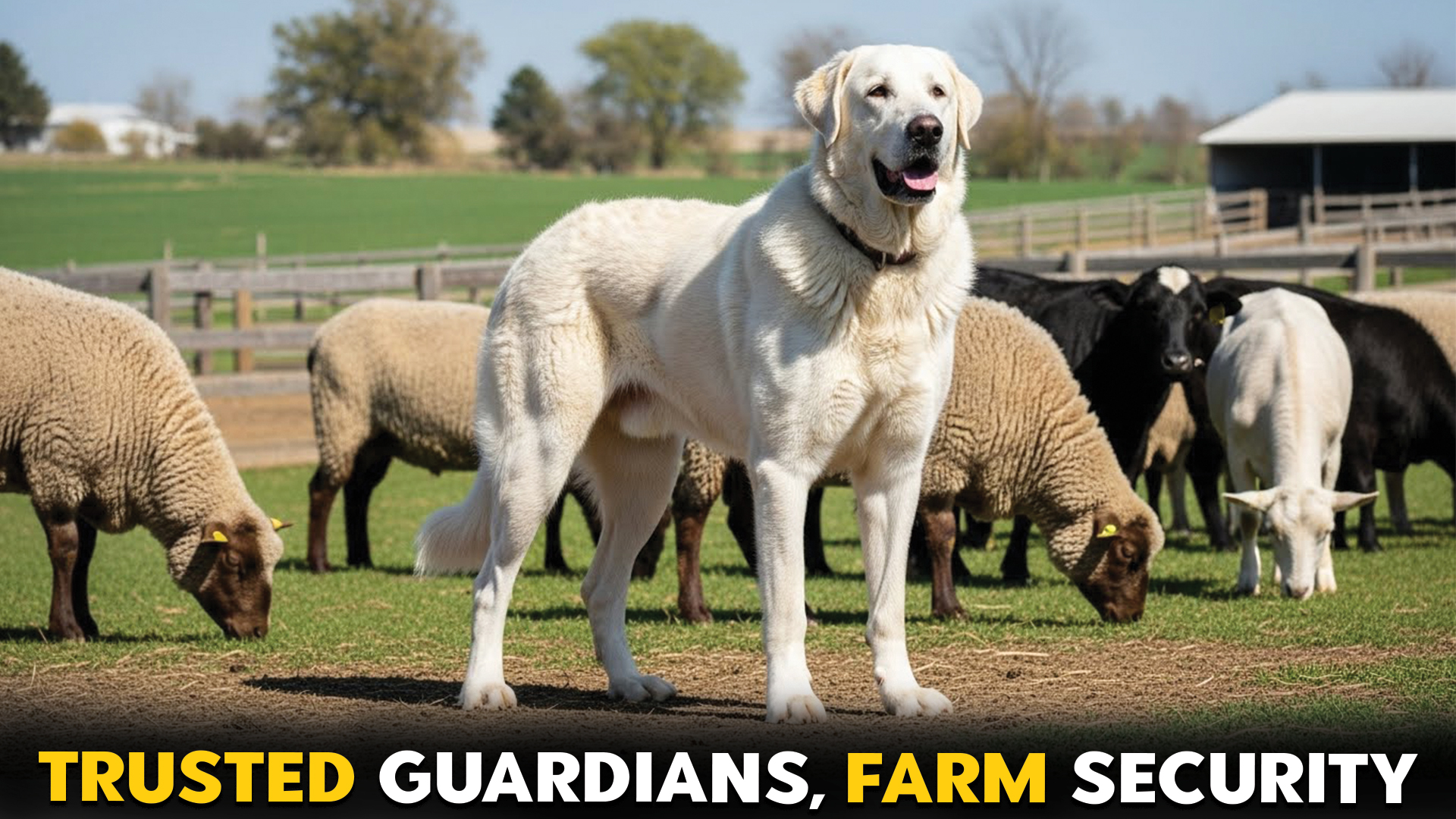
Livestock guardian dogs (LGDs) have been trusted for centuries to safeguard sheep, goats, and other livestock from predators such as coyotes, wolves, and stray dogs. Unlike herding dogs, which move and manage livestock, LGDs stay with the animals, forming strong bonds and providing constant protection.
Did you know that farms using LGDs can reduce predator attacks significantly? Scientific research shows that livestock guardian breeds can create a landscape of fear for predators, helping livestock survive while allowing wild predators to coexist nearby.
Studies from the Australian National University also confirm that LGDs can reduce or eliminate predation across diverse grazing systems, making them a highly effective non-lethal tool for farms.
In addition, guardian dogs have been used for thousands of years and remain among the most effective strategies to safeguard animals without harming predators.
This article will explore the top livestock guardian dog breeds for farm security, highlighting breeds that are well-suited for various farm sizes, climates, and livestock types.
Whether you want a guardian dog for a small family farm or a working dog for large rural environments, these LGDs are invaluable allies.
Top Livestock Guardian Dog Breeds for Farm Security
1. Kuvasz
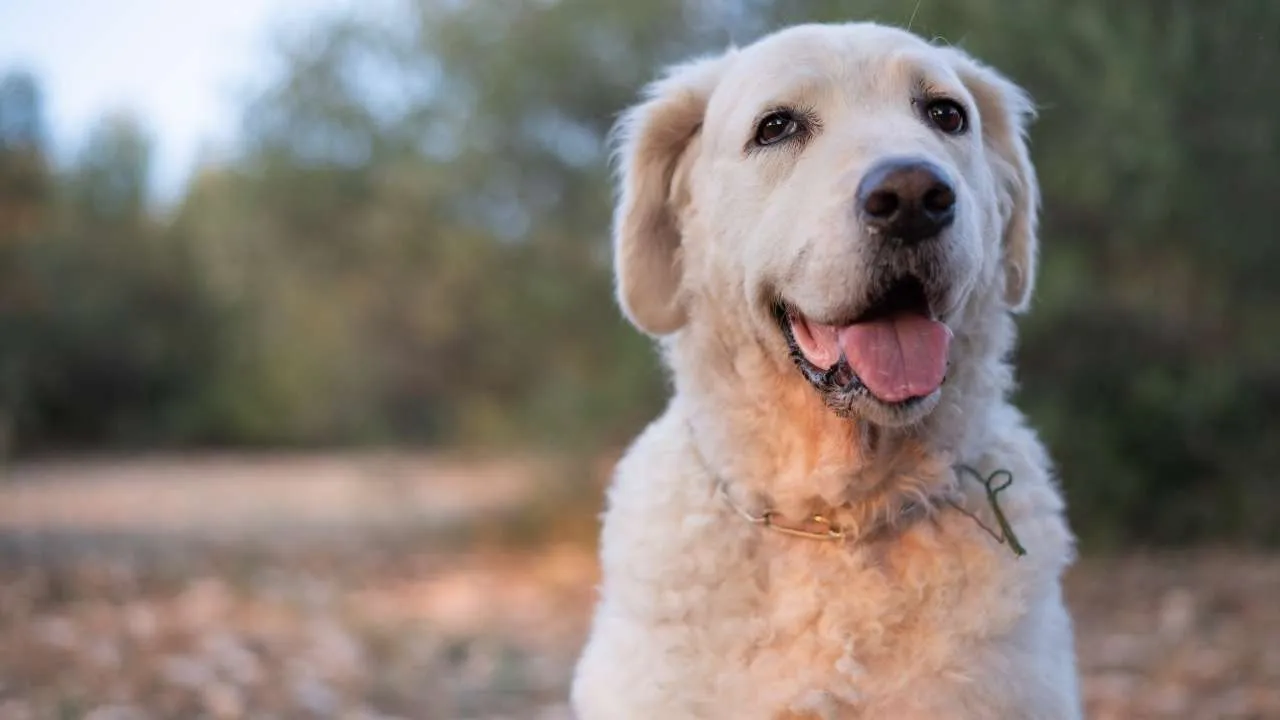
Let’s start with a truly classic guardian — the Kuvasz. This big, noble dog has roots that go way back, long before farms looked like they do today.
According to the American Kennel Club (AKC), the Kuvasz comes from one of the old groups of sheep guardian dogs that date back thousands of years and were developed to watch over flocks and homes.
Here’s a look at the heritage of this historic farm guardian:
The ancestors of the Kuvasz likely traveled with Magyar tribes into the Carpathian Basin (today’s Hungary) around the 9th century, where they became well‑established livestock protectors.
These dogs were prized for guarding sheep, cattle, and horses from wolves and thieves during the Middle Ages.
In the 1400s, King Matthias Corvinus of Hungary valued them so highly that Kuvasz dogs guarded nobles and farms, and rare dogs were even gifted as symbols of honor.
The breed nearly vanished during World War II, as many were lost while defending their families and property, but dedicated breeders later helped restore their numbers.
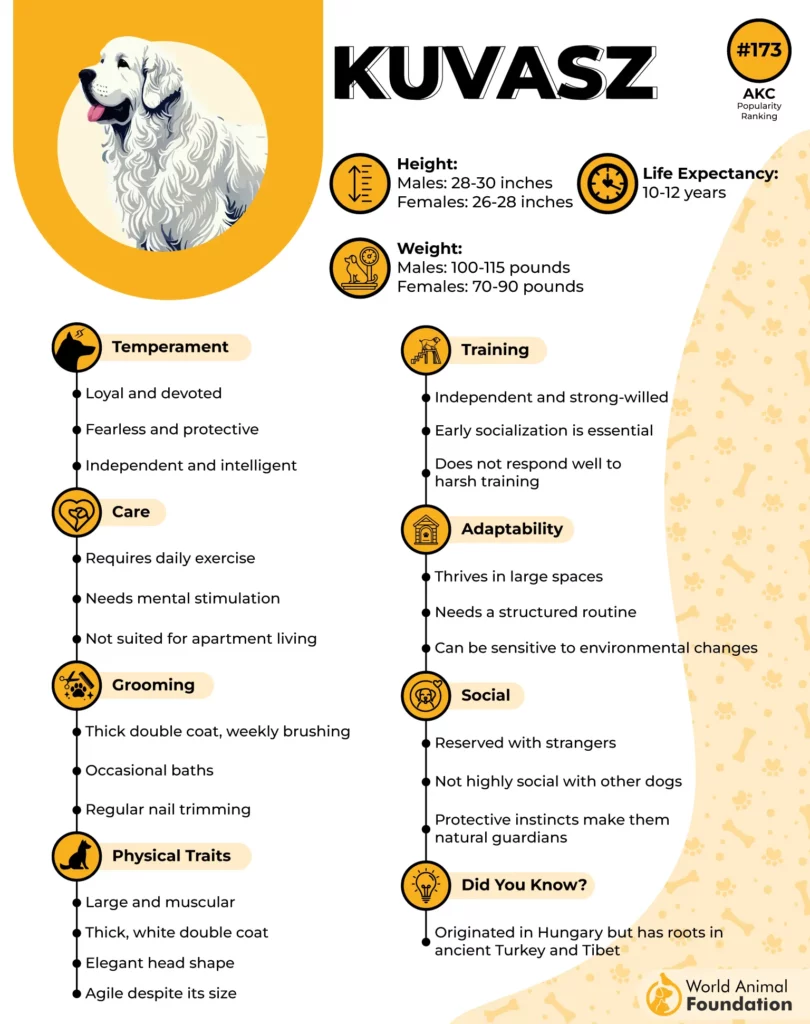
Today, the Kuvasz is remembered as one of the oldest and most respected livestock guardian dog breeds in history, known for its long tradition of protecting farms and herds across Hungary and beyond.
2. Tibetan Mastiff
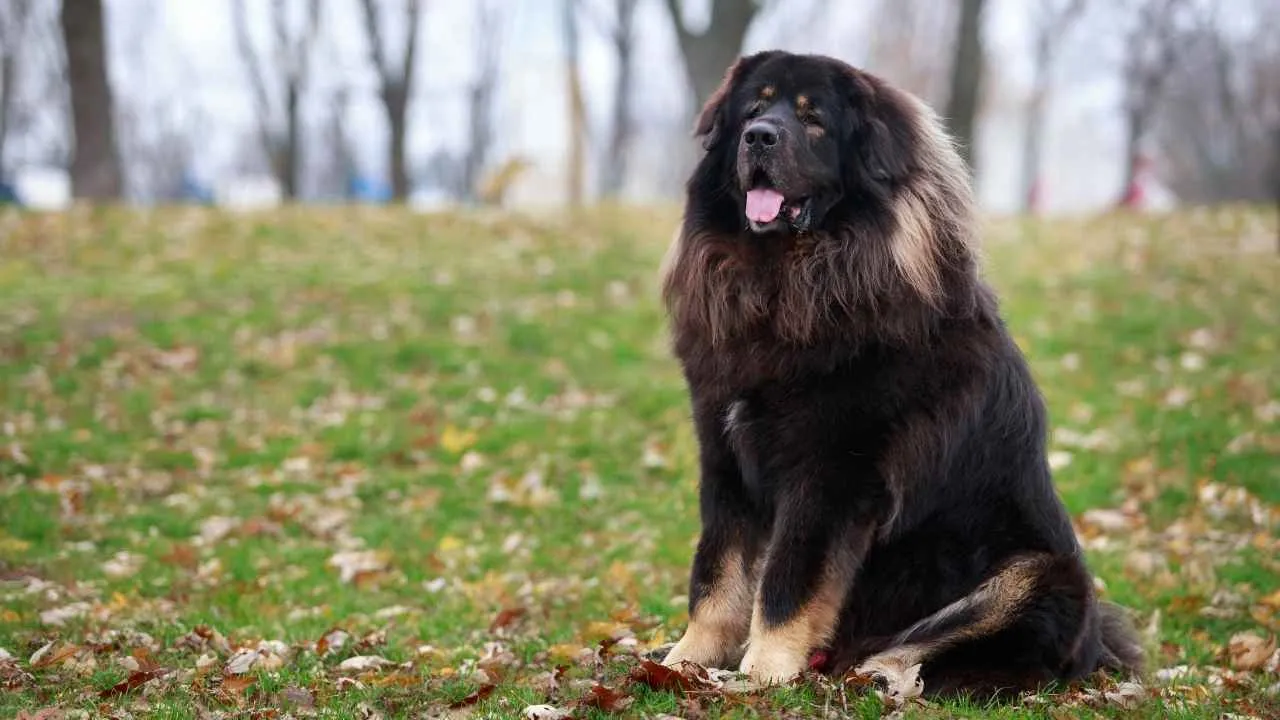
The Tibetan Mastiff has been guarding herds and homes high in the Himalayas for centuries, and one thing sets it apart from many other dogs.
According to Wikipedia, this ancient breed was originally used to protect Buddhist monasteries and livestock from predators like bears, wolves, and snow leopards on the vast Tibetan Plateau.
Its history as a guardian meant that it had to make choices on its own in remote, rugged terrain where human supervision was often limited.
Here’s why independent thinking matters:
These dogs were trusted to watch over flocks without someone nearby, so they learned to make decisions instead of waiting for orders.
Their natural role as autonomous protectors made them strong‑willed and intelligent, able to assess threats and act quickly.
Because they weren’t bred just to obey, they think for themselves — a trait that helps them be effective guardians in the field.
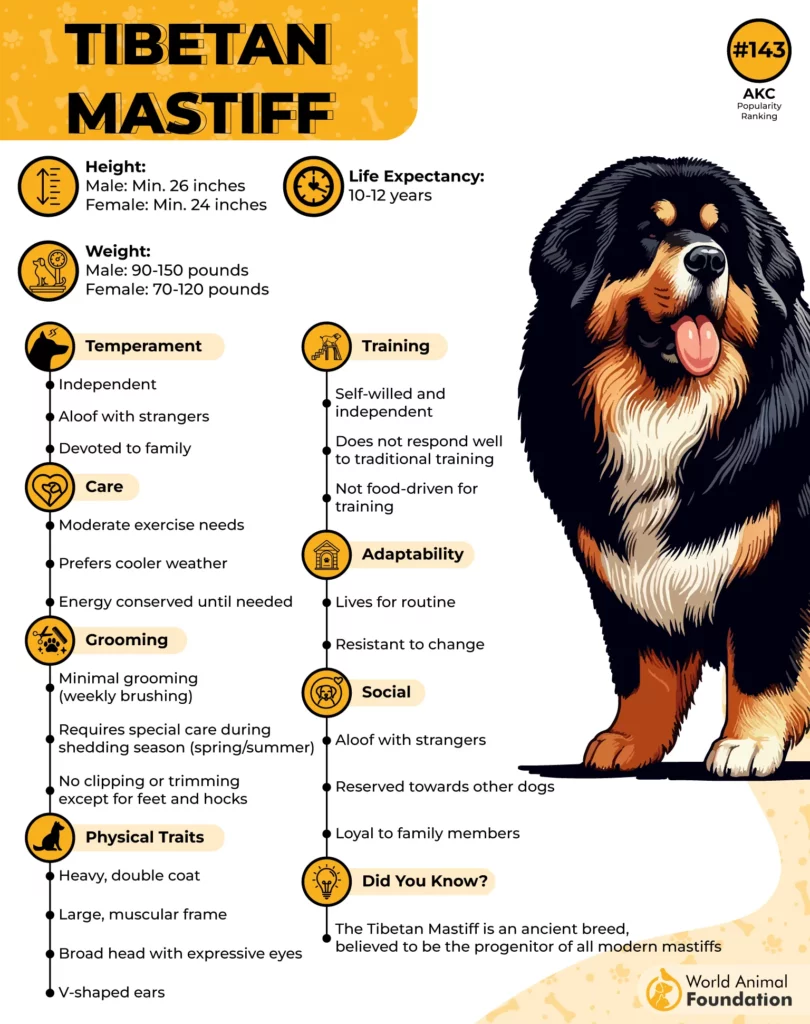
This independent thinking does mean they’re not always quick to follow commands, especially without early and consistent training.
But when raised with patience and firm guidance from puppyhood, these guard dogs grow up to be sharp, reliable livestock guardian breeds who don’t just protect — they understand their job and take pride in doing it.
3. Pyrenean Mastiff
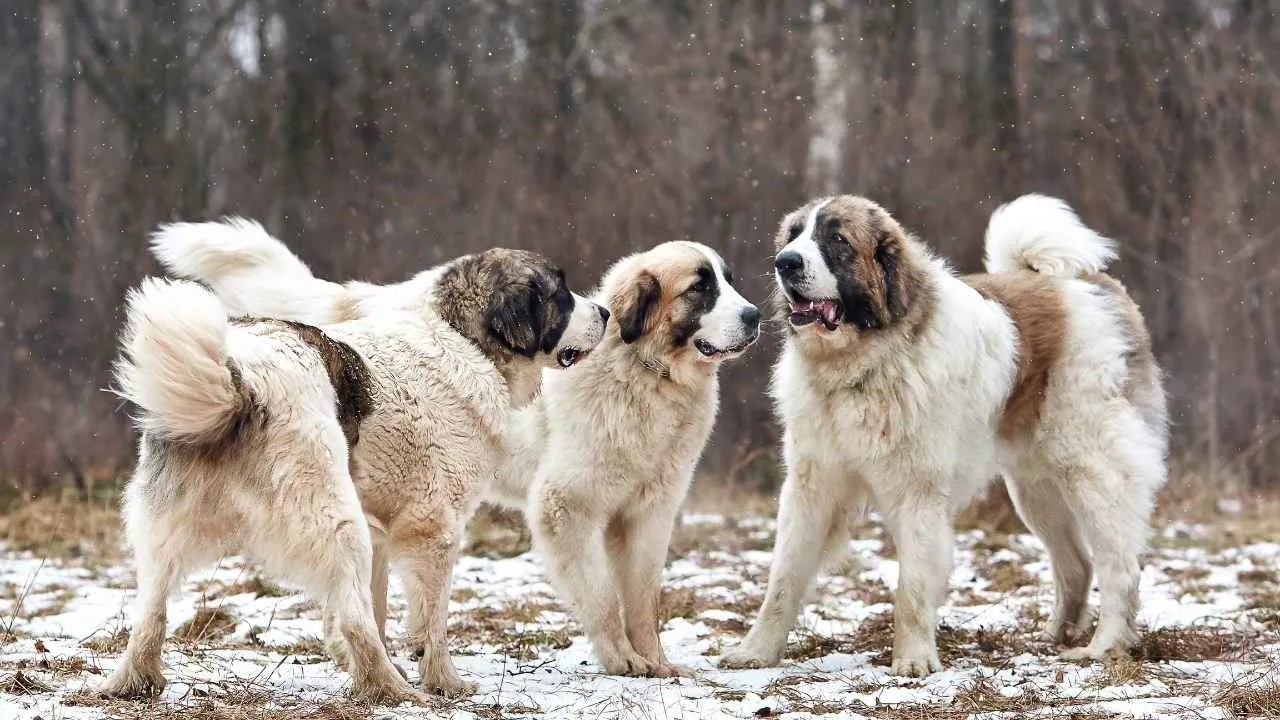
The Pyrenean Mastiff is a livestock guardian breed that grew up working with flocks on the farms and mountains of northeastern Spain.
This giant dog was traditionally kept with flocks during their long seasonal moves to high summer pastures and back again each year, protecting sheep from wolves and other predators long before electric fences or alarms existed.
Here’s how this breed works with animals and families:
Pyrenean Mastiffs are built to be close to the livestock they guard, forming deep, instinctive bonds with sheep, goats, and other animals they live with.
Their calm, steady temperament lets them coexist peacefully with other farm animals like chickens and goats once they’ve grown up with them.
Because they were bred to spend long days out in fields and pastures, they thrive in large farm environments where they have space to patrol and watch over the herd.
These farm dogs are gentle yet alert, meaning they’re soft and loving at home, especially with kids and other pets, but still watchful when duty calls.
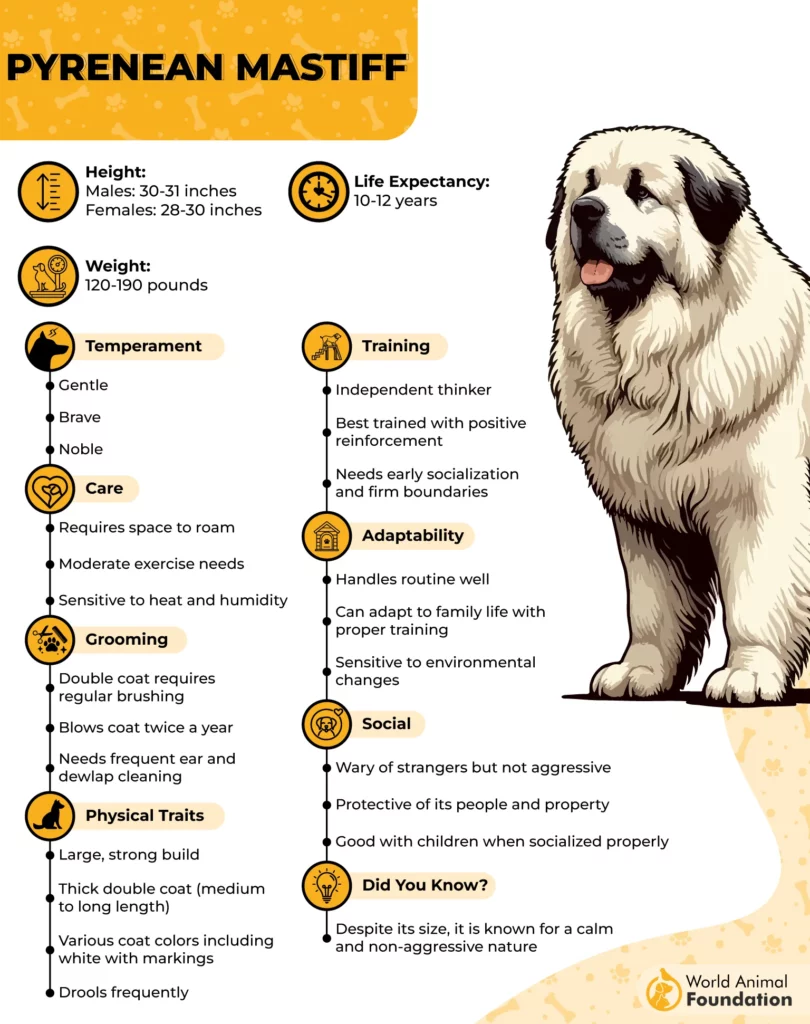
A Pyrenean Mastiff isn’t just a worker — it becomes part of the family. Livestock guardian breeds like the Pyrenean Mastiff are often known not only for their protective instincts but also for their ability to live alongside family life and other animals when introduced early and raised with care.
This mix of guardian spirit, tolerance, and friendliness makes the Pyrenean Mastiff a special choice for farm owners who want a dog that helps protect livestock while also being a great family dog.
4. Akbash
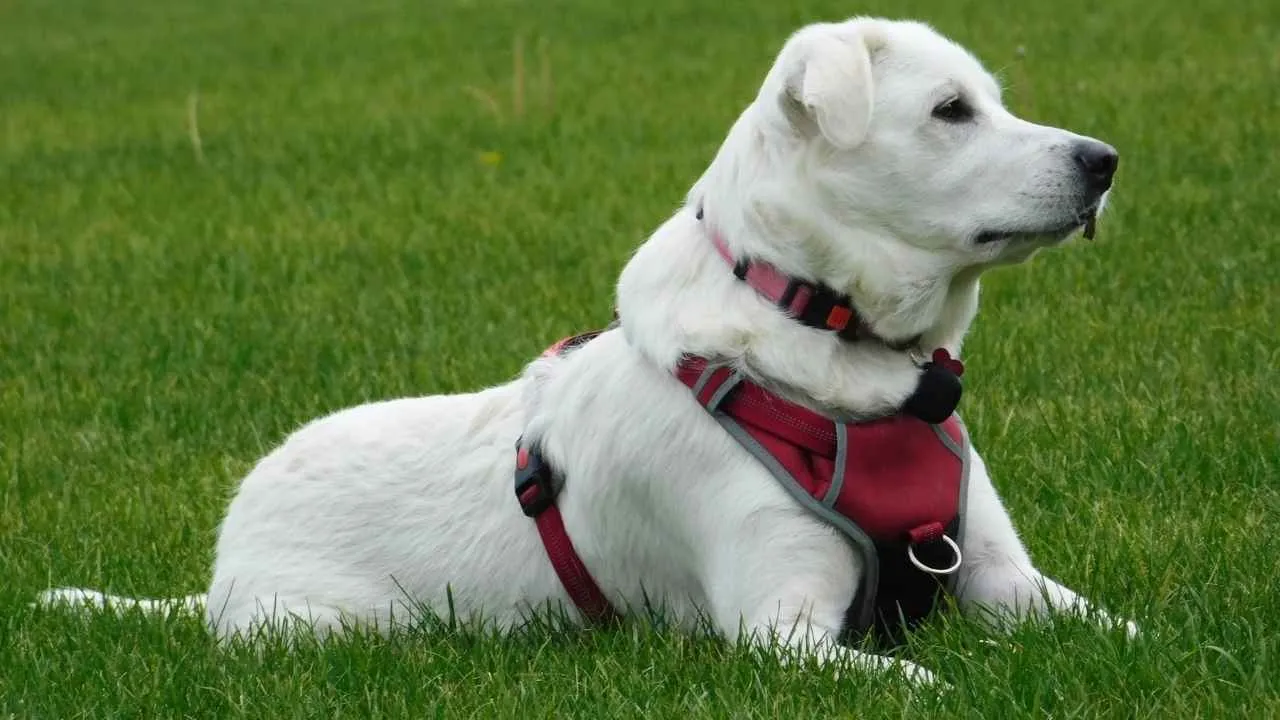
The Akbash is a traditional livestock guardian breed from Turkey that has spent centuries watching over flocks and fields.
This farm dog breed was developed to guard livestock against potential threats in the rugged areas of western Anatolia, and its name literally means “white head,” highlighting the breed’s distinctive color, which helped shepherds spot it easily at night.
Here’s what makes the Akbash special as a guardian and easy to care for:
Akbash dogs have a strong sense of territorial protection and are originally bred to protect livestock independently, using their size and instincts to deter coyotes, wolves, and other threats without constant human direction.
They are easily recognizable by their white coat and stature, which historically helped farmers tell them apart from predators, even in poor light.
Despite their impressive size and guarding talent, Akbash dogs have low‑maintenance grooming needs; a weekly brush is usually enough to keep their double coat clean and healthy on the farm.
Their calm demeanor makes them suitable for busy farm owners who want a hardworking dog that doesn’t demand constant activity or entertainment.
The Akbash’s blend of protective instincts and manageable care makes it a reliable choice for farms looking for a guardian that works hard but isn’t high‑stress to keep.
Overall, the Akbash stands out as a powerful yet practical livestock guardian breed — one that quietly watches over the flock while fitting into the daily rhythm of farm life.
5. Komondor
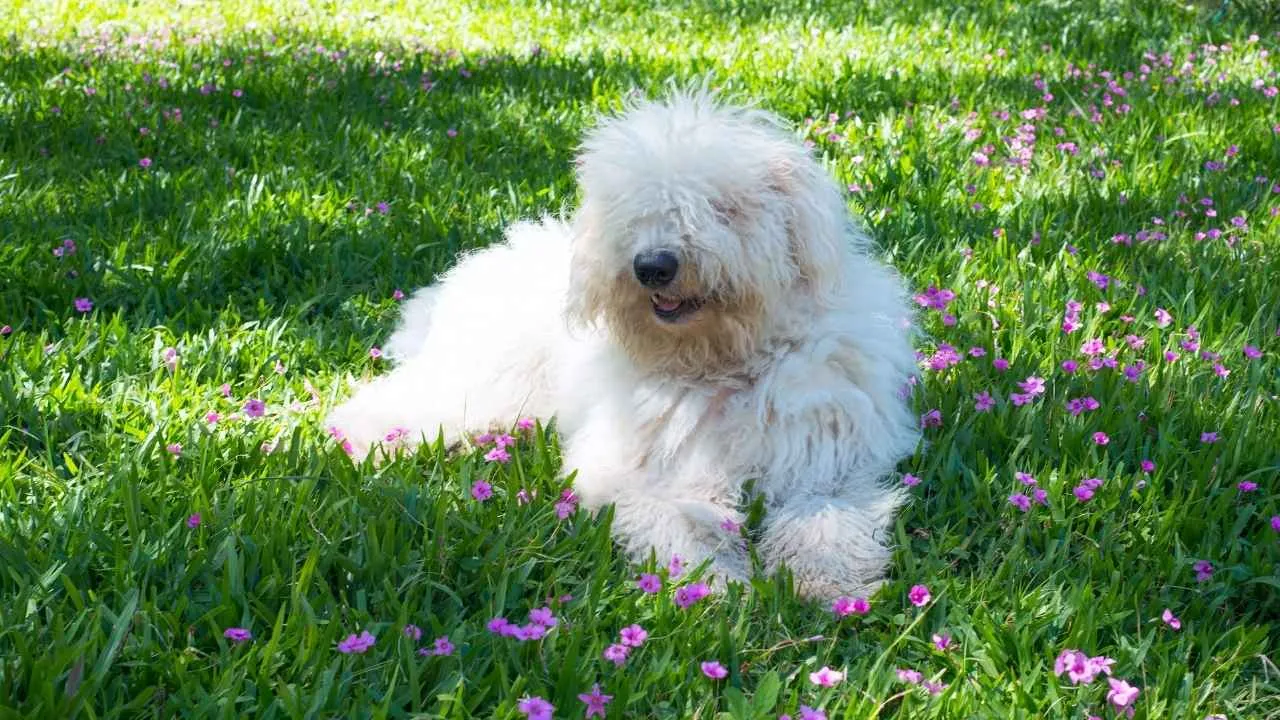
The Komondor is one of the most unforgettable livestock guardian dog breeds, best known for its unique corded coat that makes it instantly recognizable and perfectly suited for life with sheep and other livestock.
According to Britannica, this large Hungarian breed was brought to Europe centuries ago and was prized not for herding but for guarding livestock on open pastures and farms from predators. Its striking coat wasn’t just for looks — it served as natural armor, helping shield the dog from cold weather and bites from wolves and other threats.
Here’s what makes the Komondor stand out in appearance and work:
Striking Corded Coat: The dense, white coat forms long cords that resemble tassels or a mop, which helped the dog blend in with flocks of sheep and shield it from harsh weather and predator attacks.
Natural Herd Protection Strategy: Unlike herding dogs that move animals, Komondors were bred to work closely with livestock, staying with the flock day and night as a full‑time defender.
Independence and Loyalty: Bred specifically to make decisions in remote environments, this guardian dog is self‑reliant yet fiercely loyal, ideal for farmers who need a dependable protector that doesn’t require constant direction.
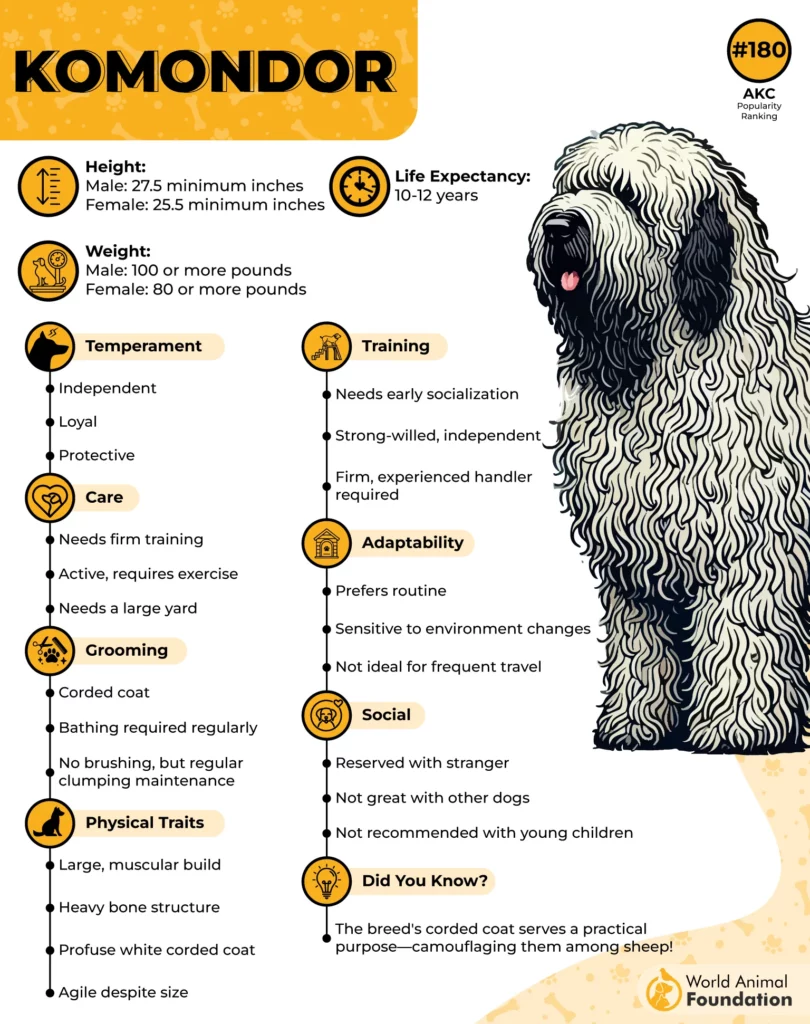
According to Purina, Komondors also thrive when given meaningful work and space to roam, blending their historic instinct with family life while remaining alert and confident guardians of both livestock and home.
6. Maremma Sheepdog
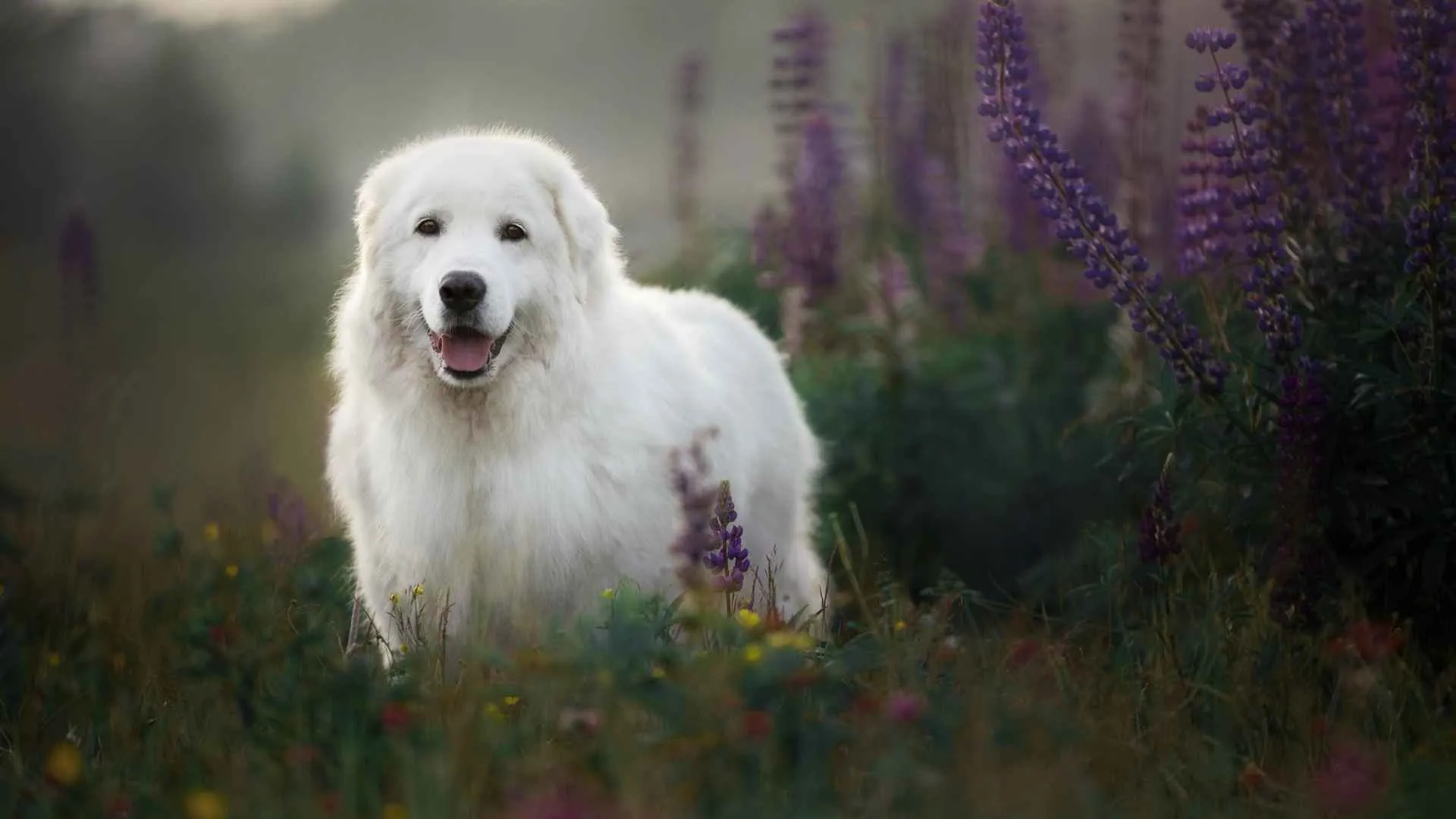
The Maremma Sheepdog comes from the open plains and hills of central Italy, where it was originally developed for livestock protection from wolves and other predators long before modern fences or alarm systems existed.
These guard dogs are still trusted today as working guardians, known for their calm confidence and keen awareness in rural settings.
Here’s what sets the Maremma apart as both a guardian and a companion:
Adaptability and Popularity on Farms: Maremmas have proven their value over centuries, adapting to a range of farm environments from the rolling Italian countryside to ranches worldwide. Their ability to protect livestock without constant supervision has made them a respected choice among farmers.
Strong Bonds With Livestock: This breed forms close, instinctive connections with the animals it guards, especially sheep and goats. Placed with the flock as a puppy, a Maremma learns to see itself as part of the group it protects — always alert and ready to act if danger appears.
Guardian Technique: Rather than herding sheep or other animals moving from place to place, Maremmas use presence and calm vigilance to deter threats. Their strategy is not noisy chasing but constant watchfulness, making them effective at keeping predators at bay even in extensive pastureland.
Gentle Giant Reputation: Despite their size and duty, these dogs often display a gentle, steady temperament with people and other breeds when socialized early. That balance helps them be not just guardians of sheep but great companions for families on farms with space and purpose for them.
Many experienced breeders and owners note that their independence and alertness let them work confidently — a trait of large livestock guardian and working breeds — and describe how such dogs combine protective nature with the ability to fit into life alongside people.
As noted by Royal Canin, the Maremma Sheepdog’s blend of guardian skill, adaptability, and kind nature makes it a cherished member of both working flocks and farm families, especially where space, routine, and respect for its instincts are part of daily life.
7. Anatolian Shepherd Dog
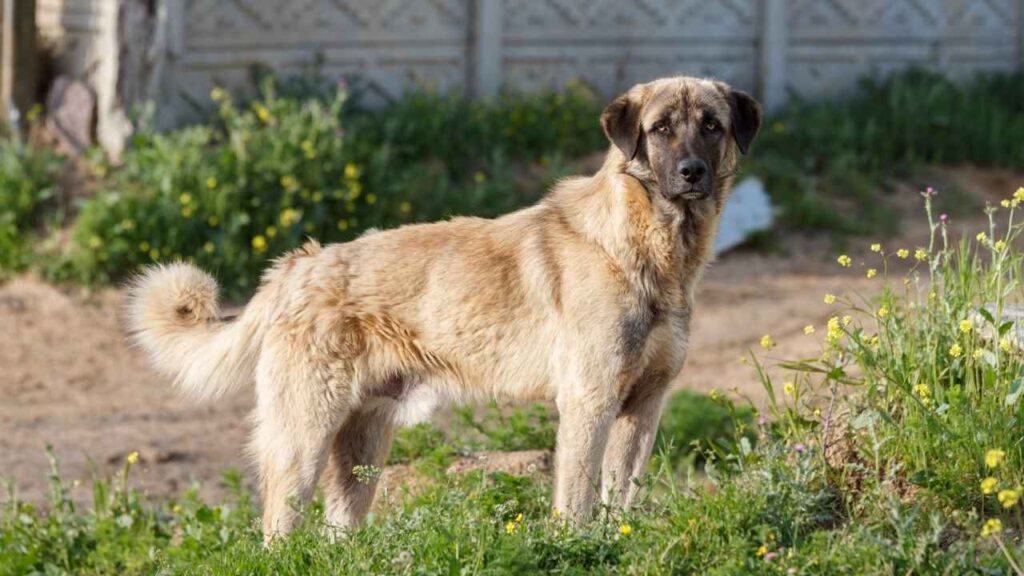
The Anatolian Shepherd is a giant, ancient guardian dog that has protected flocks across the wide plains of Turkey for thousands of years.
Originally bred to protect sheep and goats against wolves, bears, and other dangers, this breed is strong‑willed, highly independent thinkers, and deeply loyal — traits that helped it become one of the most respected livestock guardian breeds in the world.
Here’s what sets this hardworking dog apart:
Natural protector: Anatolian Shepherds have been used for centuries to protect sheep and other livestock across large, open farmland, making decisions on their own when settling disputes or confronting threats.
Adaptable strength: This breed thrives in wide rural environments and can patrol extended pastures with stamina and confidence, traits that reflect its long history as a guardian dog rather than a herding dog.
Independent yet loyal: Anatolians are known for their independent and strong-willed nature, which served well when shepherds were out of sight; today, this independence still shines as they assess threats and act without needing constant guidance.
Health and well‑being: Anatolian Shepherds are generally hardy and healthy large dogs, with a dense coat that needs minimal grooming and moderate exercise to stay fit and strong.
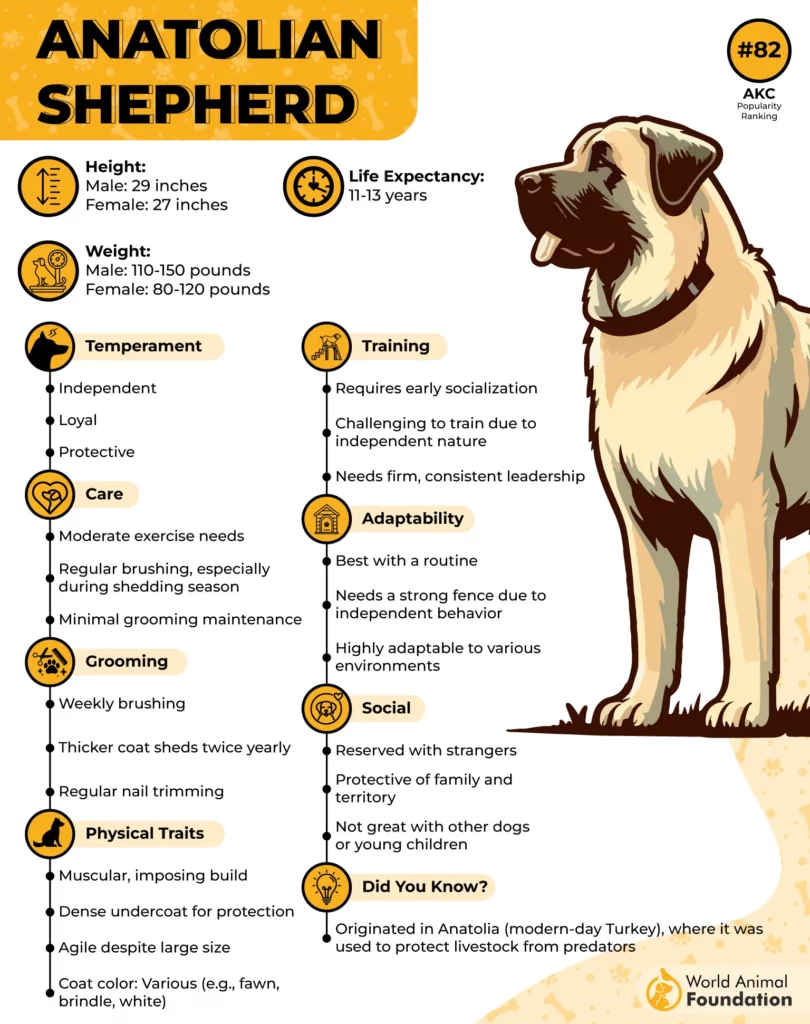
On farms, this excellent guard dog breed’s strong protective instincts, confidence, and endurance make it a reliable guardian for both livestock and property.
With proper early training and socialization, Anatolian Shepherds can also form strong family bonds, blending their working legacy with life as a wonderful family pet.
Conclusion
Livestock guardian breeds are more than just protectors — they are dedicated partners for both farms and families.
Each breed we’ve explored brings unique traits, from the independent thinking of the Tibetan Mastiff to the gentle vigilance of the Maremma Sheepdog and the distinctive corded coat of the Komondor. Their ability to protect livestock while forming bonds with animals and humans alike makes them truly one-of-a-kind.
Choosing the right guardian dog breed depends on farm size, livestock type, and your lifestyle as an owner. A breed that thrives on large open pastures may not be suitable for smaller spaces, while a dog that excels with sheep may need careful introduction to other livestock or pets.
The good news is that, with early training, socialization, and consistent guidance, a livestock guardian dog can also become a loving and great family dog.
Take the time to consider your farm’s specific needs and each breed’s characteristics, and you’ll find a guardian that is not only protective but also a joy to live alongside.
With the right match, your guardian dog will safeguard your livestock, enrich your farm life, and win a place in your family’s heart.
