




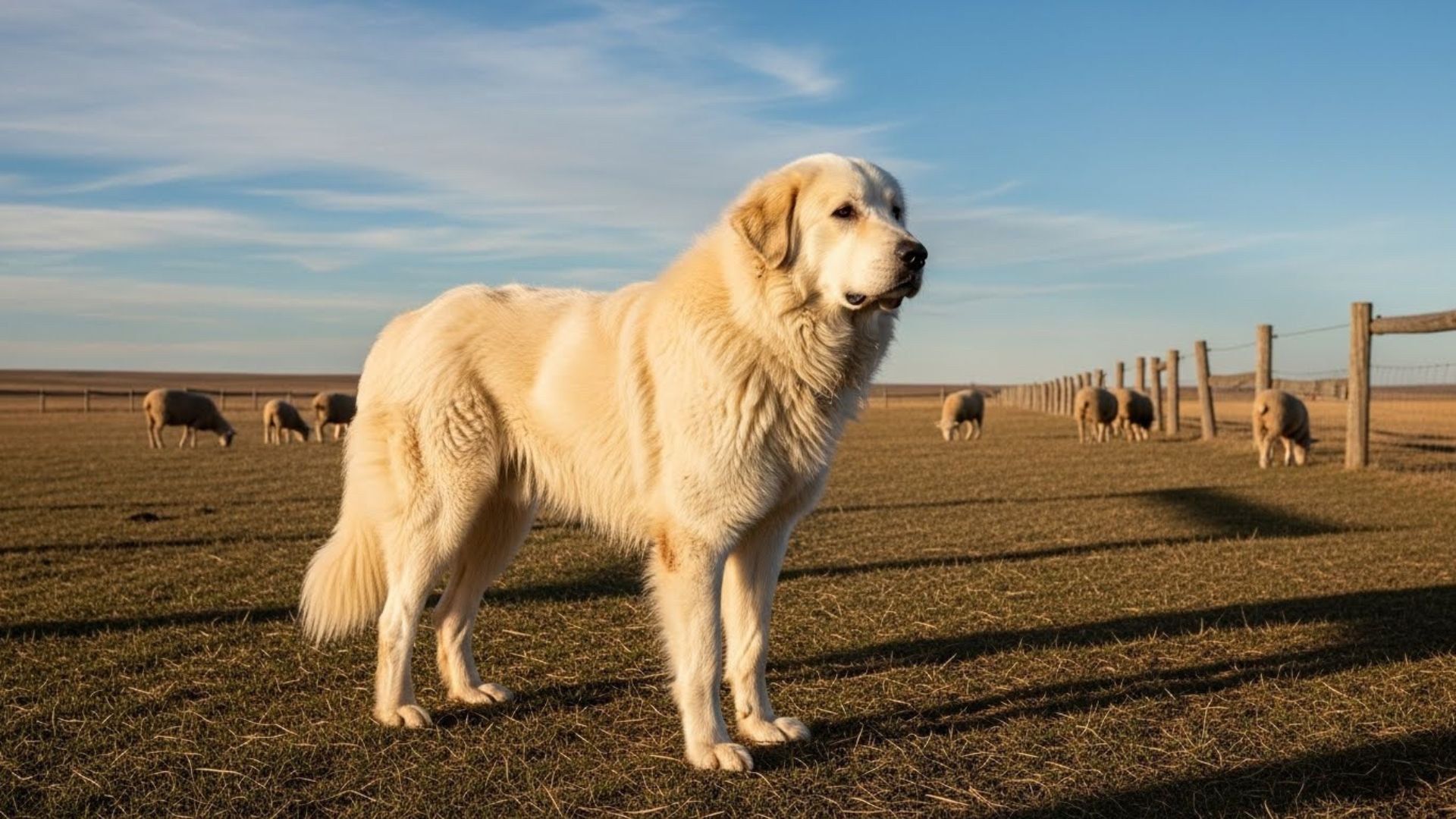
Big hearts. Bigger bark. And the calm courage to stand between your herd and danger.
Livestock guardian dogs are not “trick” dogs. They are working dogs with a job. They live for it. They watch. They listen. They patrol like fuzzy security guards who never clock out.
Now, here’s the best part! A good LGD does not just chase predators. It can stop trouble before it starts. Predators learn fast. They notice a confident guardian breed on duty. Then they pick an easier place.
But why bother with that? Because the wrong dog choice can be a mess. It gets even worse, though, when people expect a guardian dog to act like a people-pleasing pet. These dogs can be sweet. They can love your family. But they also need space, clear rules, and early social time.
Sounds crazy, right? Exactly. Let’s meet the tough, reliable breeds that do this job best.
Livestock Guardian Dog Breeds: Reliable and Tough
1. Akbash
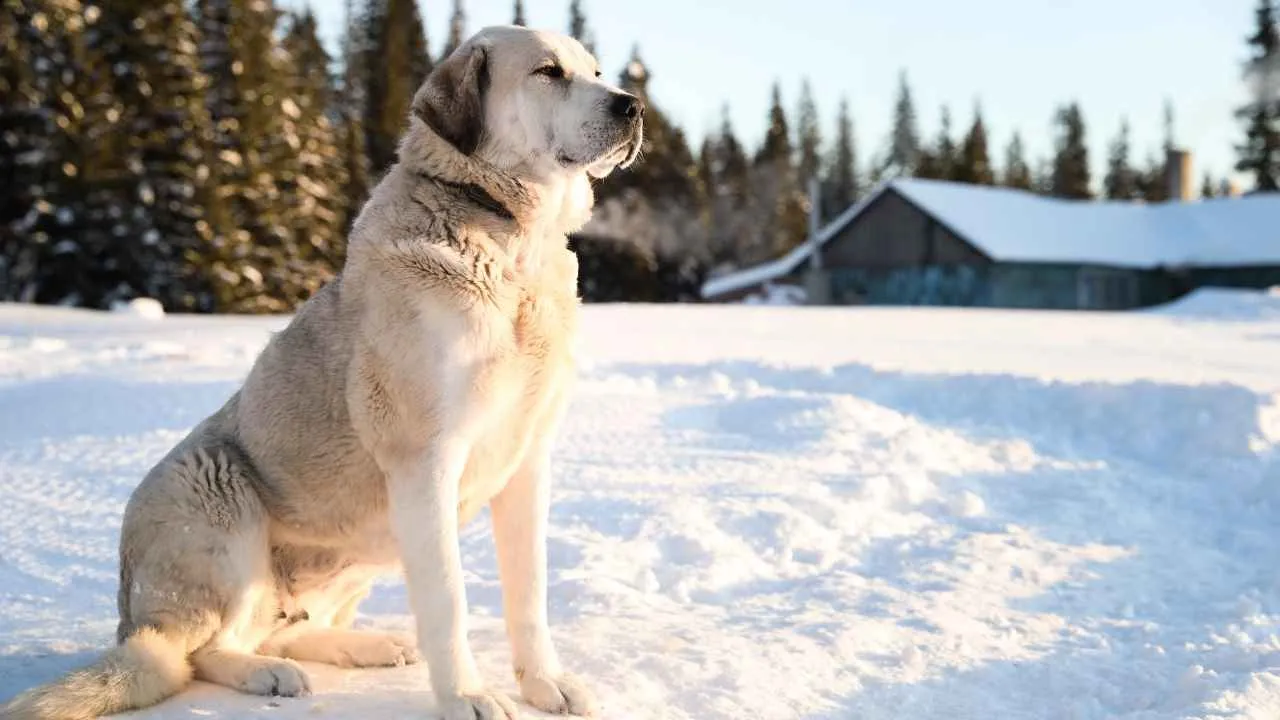
Akbash dogs are built for serious guard work. They often look calm and quiet. Do not let that fool you. This breed is alert, fast, and ready to step in when a threat shows up.
They tend to bond hard with their flock. Sheep, goats, and even calves can feel like “their” group. An Akbash often chooses smart positions to watch from. It may sit high, scan the land, then move like a shadow around the edges.
Here’s the good part. Many Akbash dogs can guard without constant drama. They can be steady and level, which matters on a farm.
With the right start, they can be gentle with animals and polite with people they know. But they still stay suspicious of strangers near their territory.
Important notes for Akbash owners
Early social time helps reduce fear and sharp reactions
A solid fence matters more than fancy gear
Best with calm, clear handling and a real job
2. Komondor
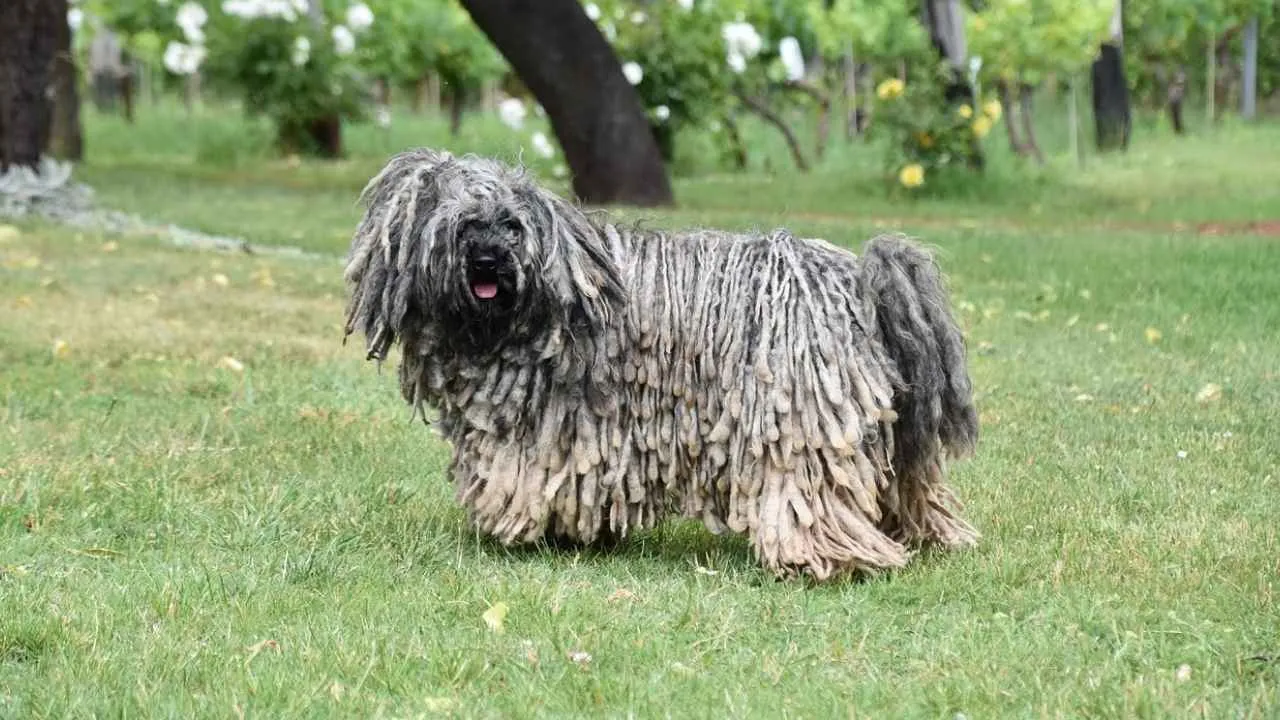
The Komondor is the one that looks like a walking mop. That corded coat is not just for style. It can help protect the dog in rough weather and even during a fight. Predators can struggle to get a good grip through all that hair.
This breed is famous for its strong guarding instinct. It is loyal, brave, and serious about its home zone. A Komondor can be calm when things feel normal. But when something is “off,” it switches on fast.
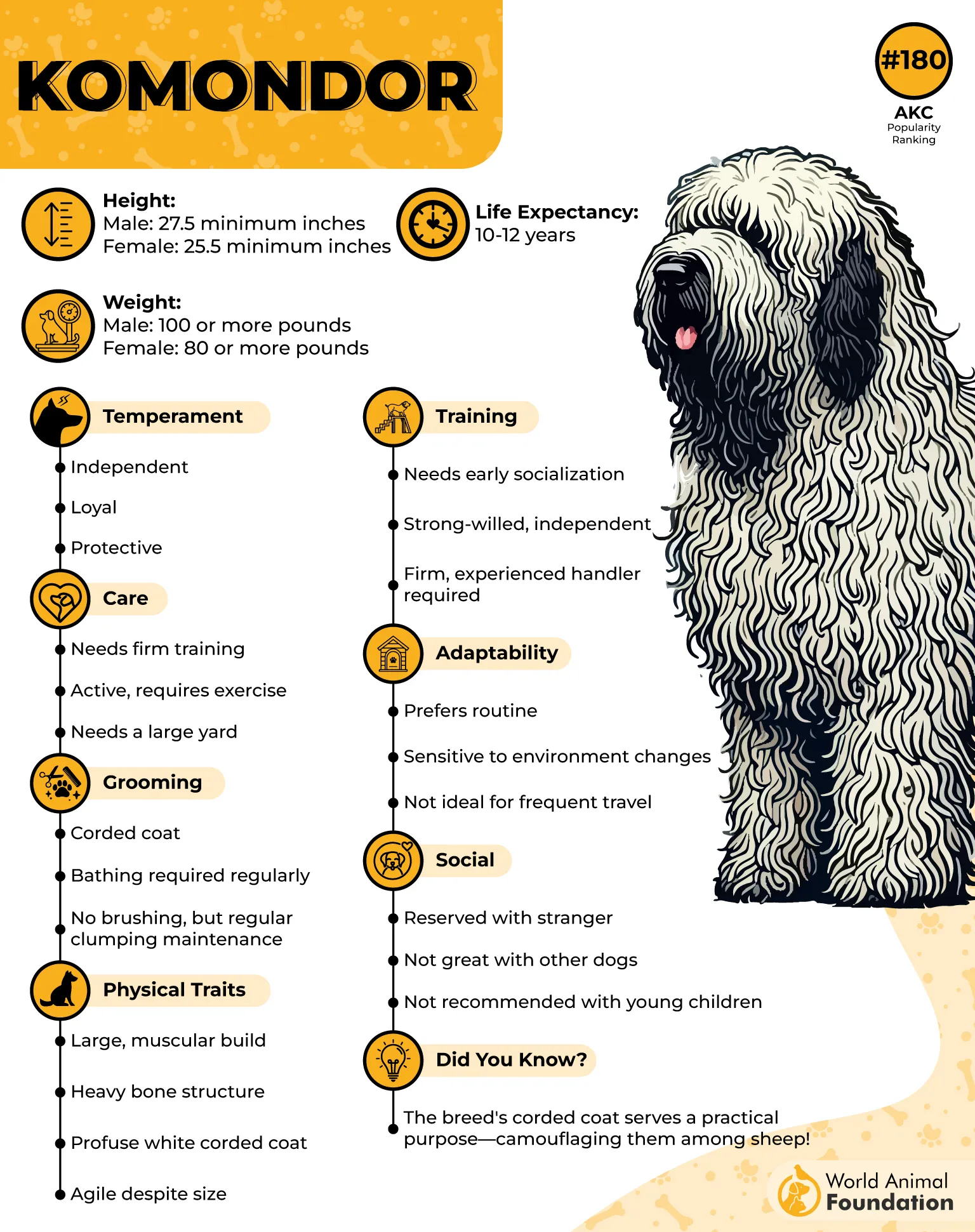
But wait, there’s more! That coat needs work. If you choose cords, you are choosing upkeep. Dirt, burrs, and wet mats can turn into a nightmare if you ignore them. Still, for the right person, a Komondor is a tough, unique livestock guardian dog with a bold presence.
Coat and care reality check
Cord care takes time, patience, and routine
Keep the coat clean so the skin can breathe
Strong social training helps with visitors
3. Great Pyrenees
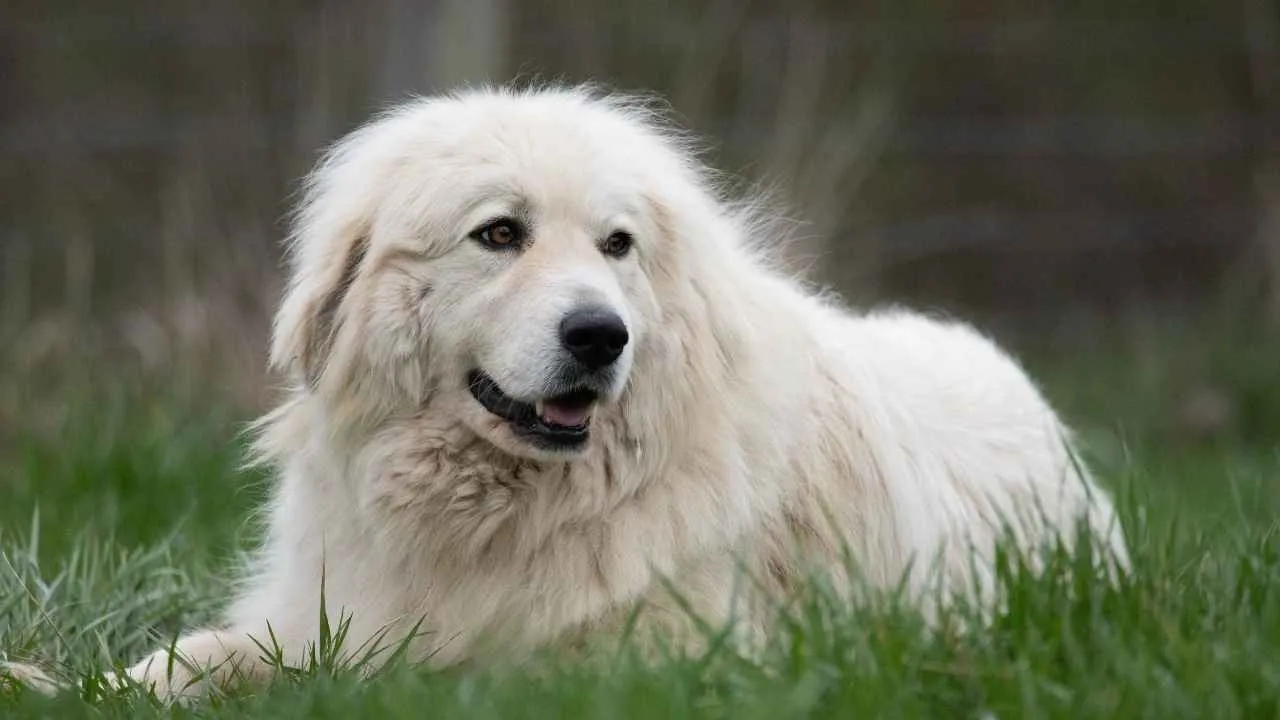
Great Pyrenees dogs are like gentle giants with a guard switch. They often act sweet and soft with their animals. Then they hear one weird sound at night, and boom, the warning bark starts.
They are known for calm patience. That is gold on a busy farm. A Pyr can stay with sheep or goats for hours without getting bored. They often prefer to patrol, nap, then patrol again. Many are most active at night, which fits predator hours.
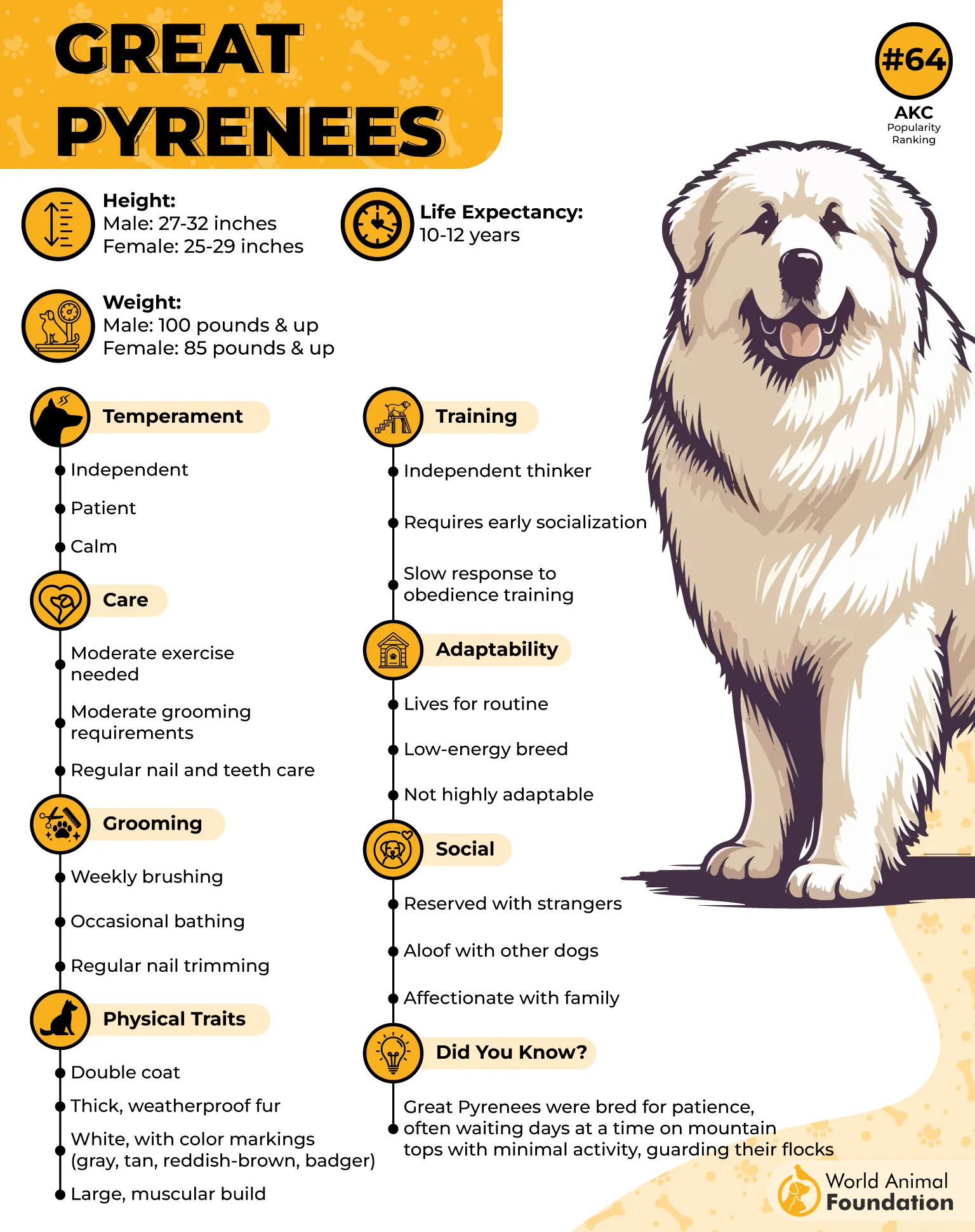
Now, a real talk moment. They can bark a lot. That bark is part of the job. If you have close neighbors, plan ahead. Training helps, but you will not “mute” a working guardian breed. If you want quiet, this may not be your match.
What makes the Great Pyrenees special
Calm, steady vibe with livestock
Loud warning bark that scares predators off
Strong bond with family and flock
4. Anatolian Shepherd
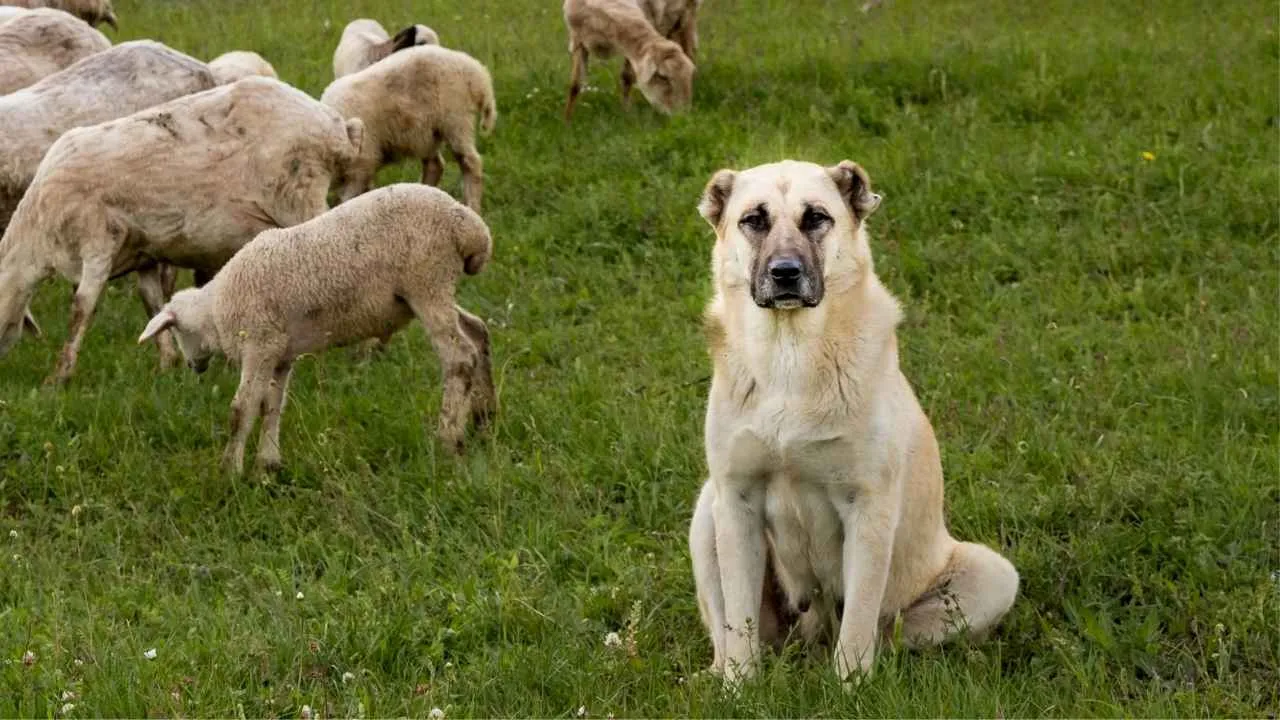
Anatolian Shepherds are the “think first” type. They are smart, tough, and very independent. This breed can make choices without waiting for you. That is exactly what you want in a true livestock guardian dog.
They tend to patrol widely. They watch fences, gates, and open land as they own it. Because they are bold and self-led, they need early training that is fair and consistent. Not harsh. Just clear.
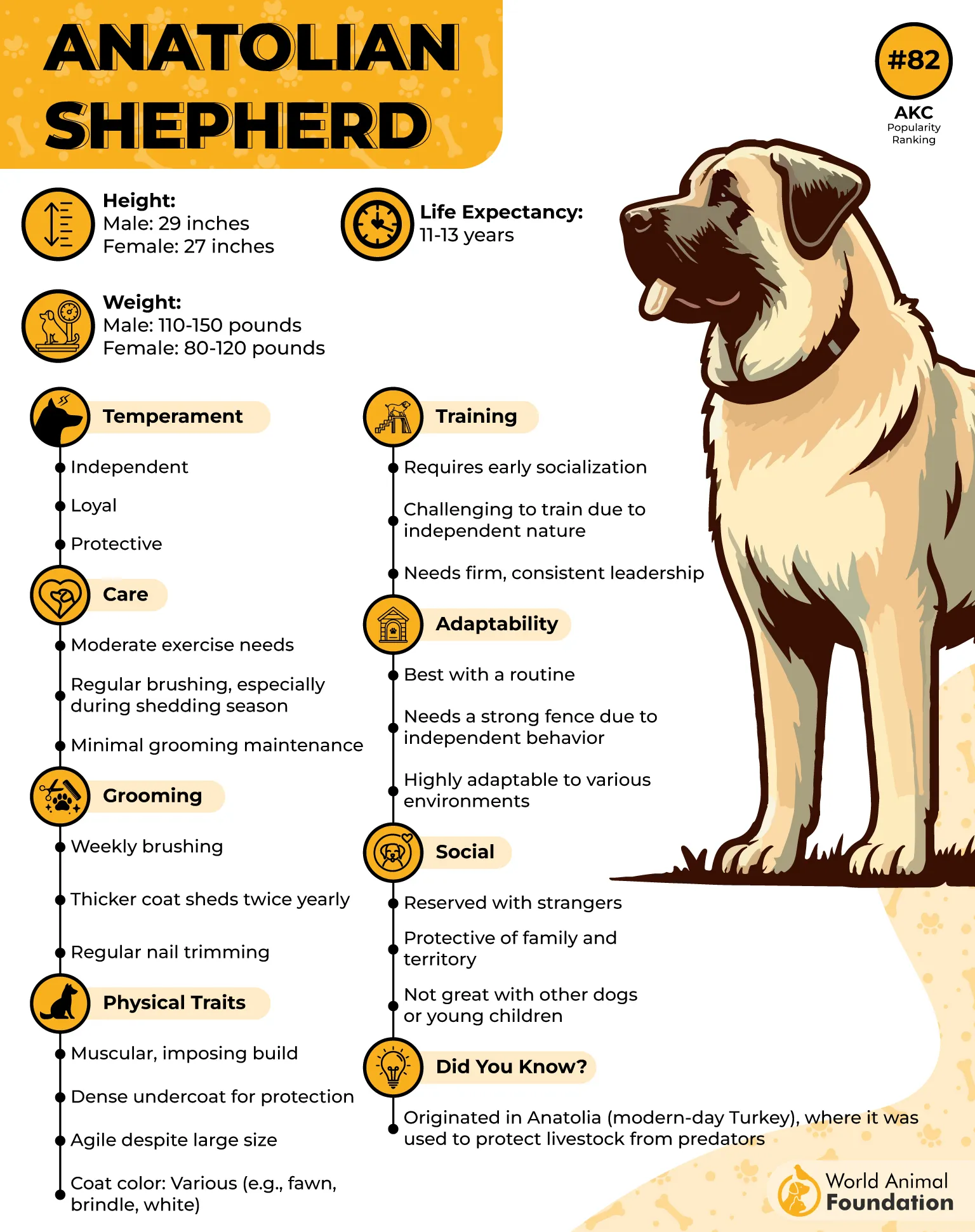
Here’s the best part! WebMD notes that Anatolians can be extremely reliable once they bond to the job. They can work in harsh weather and keep going. They are not clingy. They are more like, “I love you, but I’m busy protecting everyone.”
Handling tips that really help
Start bonding with livestock early and safely
Teach boundaries and recall while young
Give space, shade, and a steady routine
5. Romanian Carpathian Shepherd
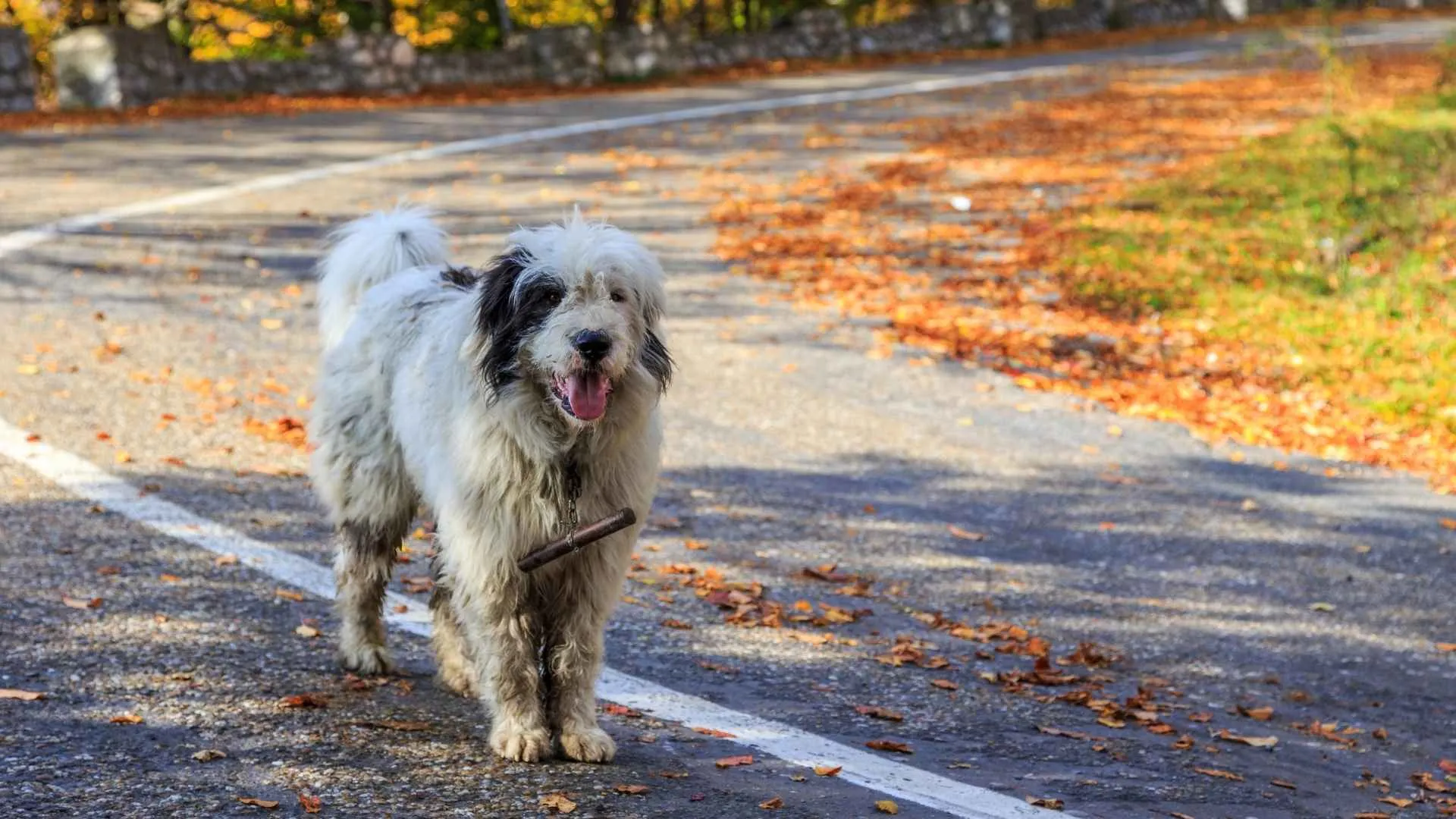
This breed comes from tough mountain regions, and it shows. The Romanian Carpathian Shepherd is strong, brave, and built for guarding. It tends to take its job seriously and stays watchful around the clock.
They often have a confident, no-nonsense style. They can hold territory and stand their ground. That makes them useful where predators are bold. They can also handle rough weather well, which matters if your animals stay out a lot.
But why bother with that breed if you can pick a more common one? Because some farms need extra toughness. The Carpathian type can bring that “mountain guardian” energy.
Just remember, a dog this protective needs early social time so it can tell the difference between a real threat and your friend dropping by.
Farm fit and daily life
Great for larger land and colder areas
Needs steady training and clear rules
Best with confident, calm owners
6. Kuvasz
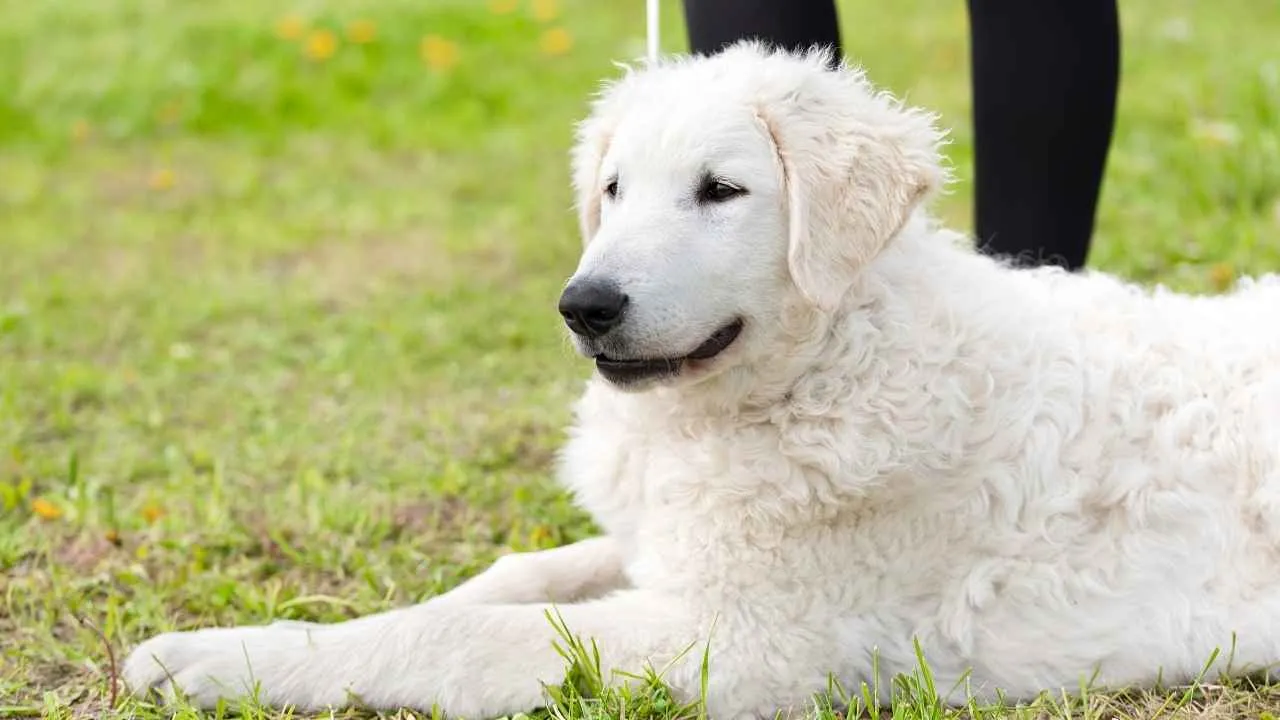
According to AKC, Kuvasz dogs are protective and deeply loyal. They often connect strongly with their people and their animals. They are also quick to react if something feels wrong. This is not a breed that shrugs off danger.
They can be gentle, even sweet, with the flock. But they tend to be more intense than some other guardian breeds. They may take longer to trust strangers. That is not “bad.” It is part of what makes them a strong farm protector.
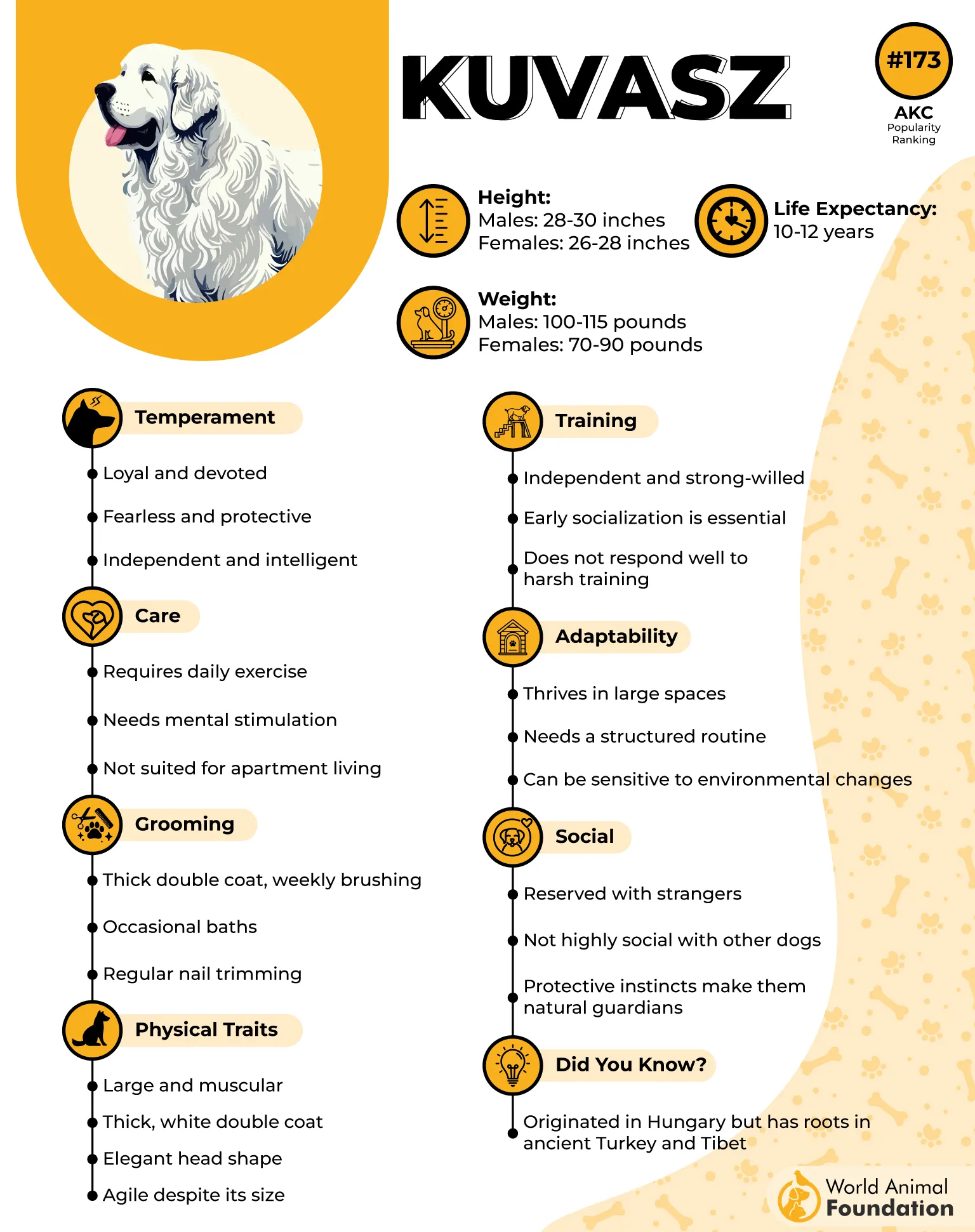
Here’s the good part. A well-raised Kuvasz can be a steady, brave guardian with a proud spirit. The key is early social time, calm handling, and enough space. If you try to control them with force, you will get pushback. If you guide them with respect, they often shine.
What sets the Kuvasz apart
Very loyal and protective by nature
Strong presence that deters threats
Needs early social time and firm kindness
7. Tibetan Mastiff
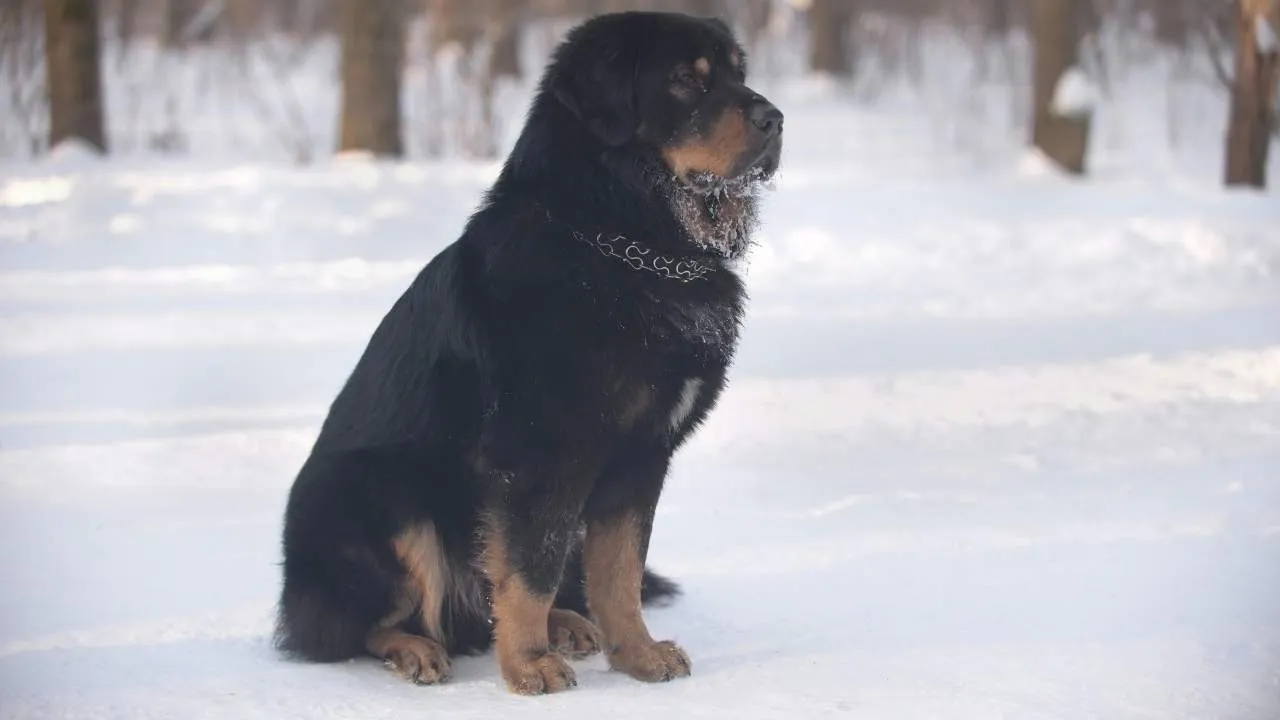
Tibetan Mastiffs have a legendary guard vibe. They are big, powerful, and naturally suspicious of strangers. They can be calm and quiet, then suddenly put up a wall when someone new appears.
They are not a “do everything” farm dog. They are more like a serious night guard. Many are most alert after dark. They tend to patrol and hold territory. They can be stubborn, too, because they were originally bred to make choices on their own.
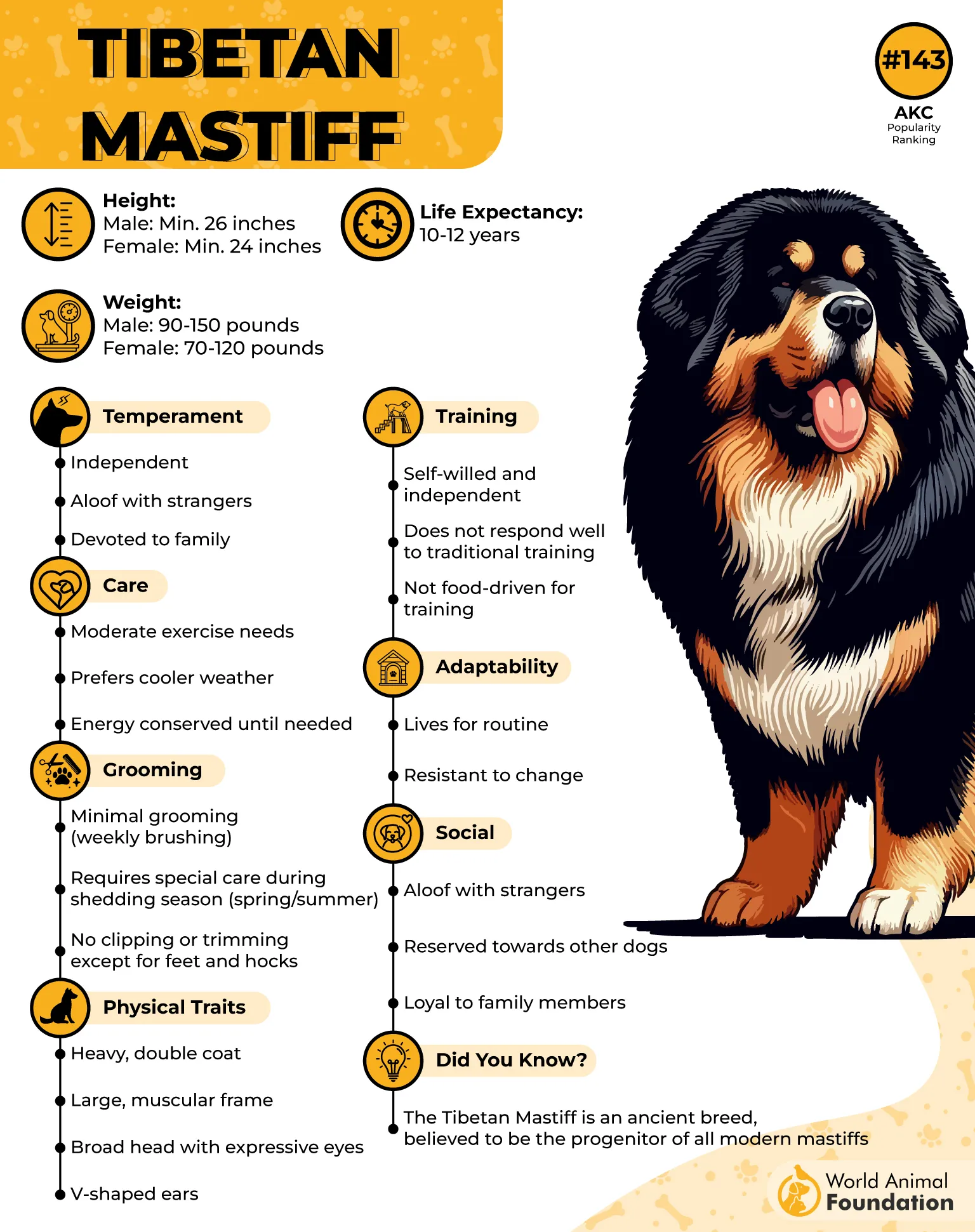
Sounds crazy, right? Exactly. This breed is not for everyone. They need strong boundaries, good fencing, and careful introductions to new people. But in the right setup, they can be tough livestock guard dogs that take protection personally.
Important note before you choose this breed
Needs space and very secure fencing
Slow trust with strangers is normal
Best for experienced handlers and clear routines
8. Pyrenean Mastiff
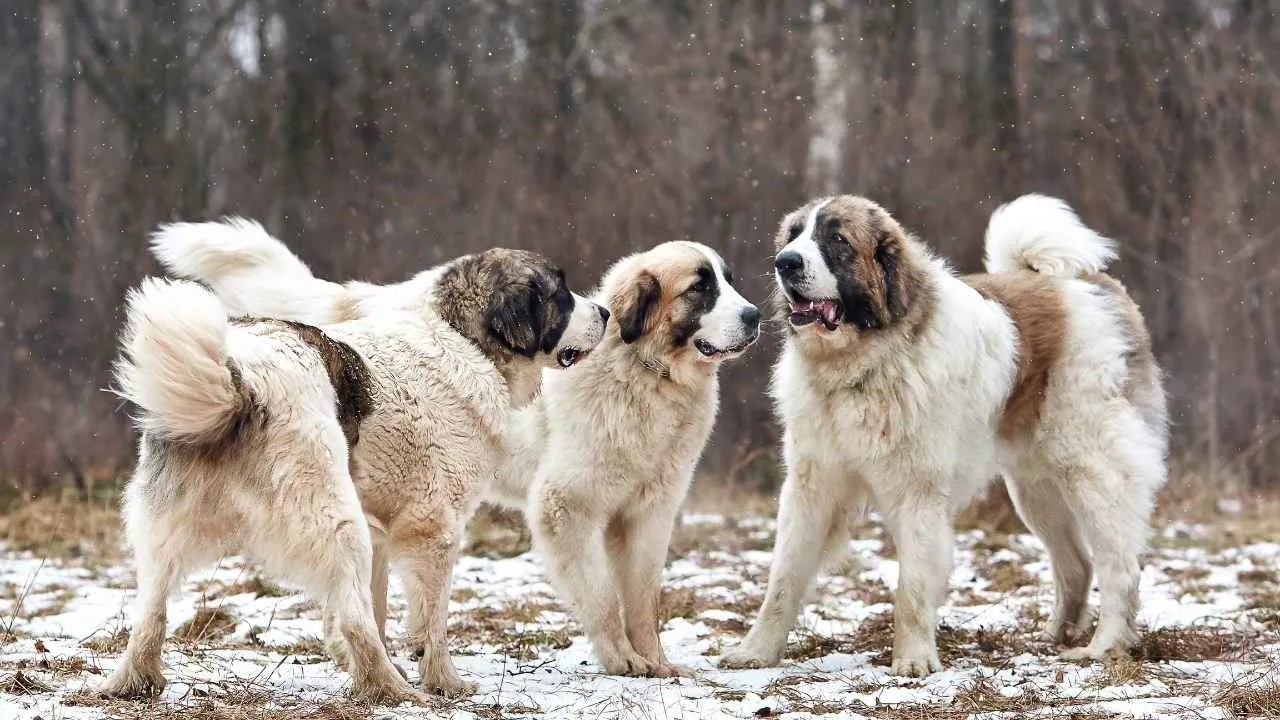
The Pyrenean Mastiff is large, steady, and made to guard. It often brings a calm, confident style that works well around livestock. Think “big body, cool head.” That balance is valuable when animals get spooked easily.

They can be gentle with sheep and goats when raised with them. Many have a patient nature and a strong sense of duty.
As per PetMD, they may not be as hyper-alert as some faster breeds, but they bring size and confidence that can stop predators from even testing the fence line.
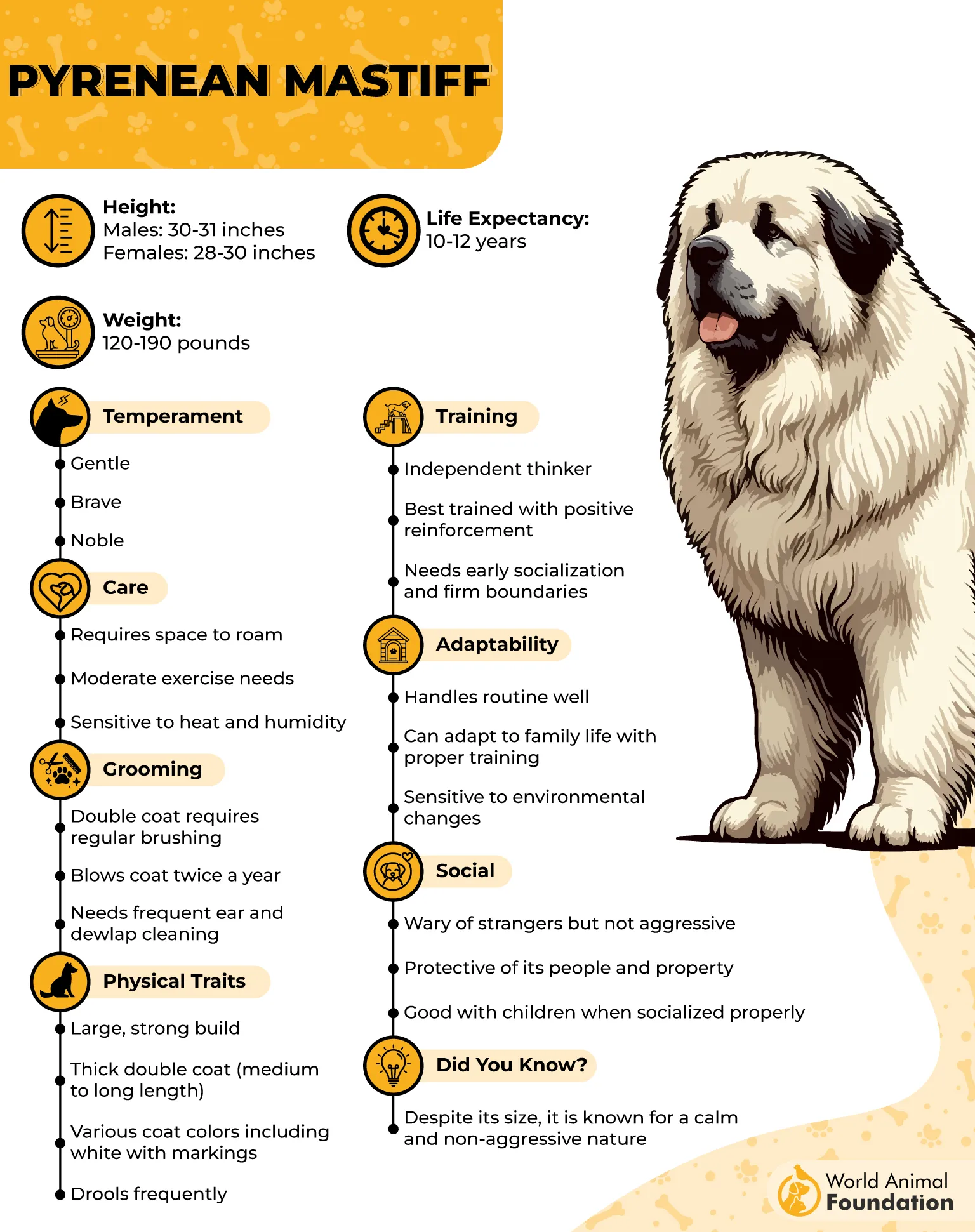
But wait, there’s more! With a giant guardian breed, daily care matters. You need enough food, enough space, and a plan for heat. Shade and water are not optional. If you meet those needs, you can end up with a calm protector that looks like a bear but acts like a wise old guard.
Best features for farm life
Calm temperament with strong guarding drive
Big size that discourages predators
Needs cool spaces and steady care
9. Maremma Sheepdog
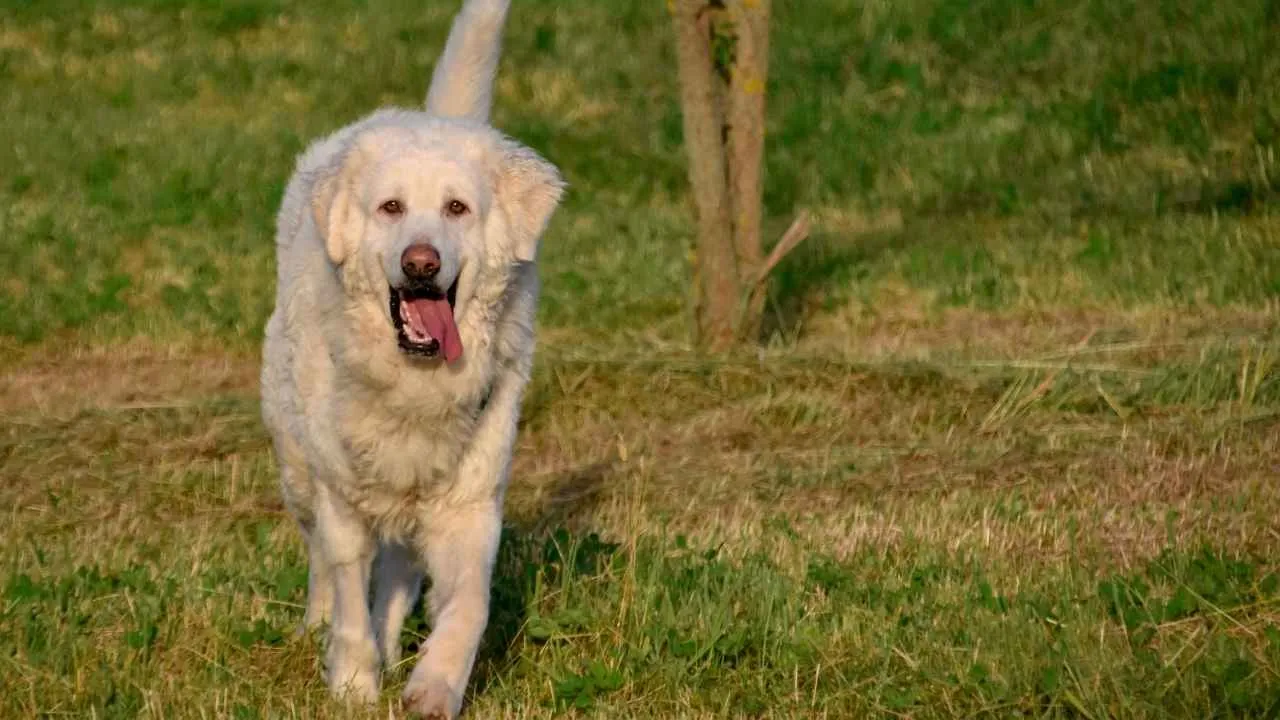
Maremmas are classic flock guardians. They are known for strong bonding with sheep and goats. They often stick close to the herd, move with it, and stay focused on safety.
They can be watchful without being wild. That is a big deal. A good Maremma often uses body blocking, posture, and calm pressure before things escalate. They are also known for staying committed even in rough weather.
Now, a friendly warning. If you raise a Maremma like a backyard pet, you may get a confused guard dog with big feelings. They need purpose, early livestock exposure, and gentle training. Give them that, and you often get a loyal, reliable guardian that treats your herd like family.
A few practical tips for success
Introduce livestock early with safe supervision
Support calm behavior, not constant chasing
Secure fencing keeps the job clear and safe
Conclusion
In the end, these guardian breeds are highly skilled partners for humans raising cattle and herding sheep on large farms. They are an excellent deterrent against wolves, other predators, and other threats, and they stay alert for potential threats even when nobody is watching.
Many are lesser known, yet easily recognizable, with a calm demeanor that hides a protective nature. Their key traits include being highly intelligent, highly independent, and strong-willed, which is why proper training matters from day one.
When raised right, they can work closely with you, show a kind nature, and form strong bonds with the animals they guard, even if it’s just one dog covering a big area.
Also, remember they’re unlike herding dogs like the Australian Shepherd or Border Collie, or the classic herding sheep helper you might picture. A guardian dog’s job is to stay, watch, and protect, not move stock on command.
Some breeds have deep history too, like those tied to the Pyrenees Mountains, where the breed originated for tough, all-day guarding.
With the right match, many can still become wonderful family pets, especially when their role is clear, and their space is respected.
