




Staying positive and happy is the right of every person. This highly depends upon the company they have. If you have a boring partner who just stays quiet, eats, works, and then goes to bed, you will also end up resonating with their low energy as well. Hence, it is very important to get yourself a companion who not only thrives in outdoor activities but also makes you laugh indoors as well.
A lively dog breed does not refer to a dog that keeps creating chaos 24/7 and turns your home upside down, but it can be a breed that perfectly matches your vibe, plays with enthusiasm when you are playing, and sits on your lap as a couch potato when you are relaxing by the end of the day.
Here, we are going to talk about 10 of the most playful and energetic breeds with a loyal temperament, perfect for your busy lifestyle.
Lively Small Dog Breeds to Brighten Your Every Day
1. Toy Poodle
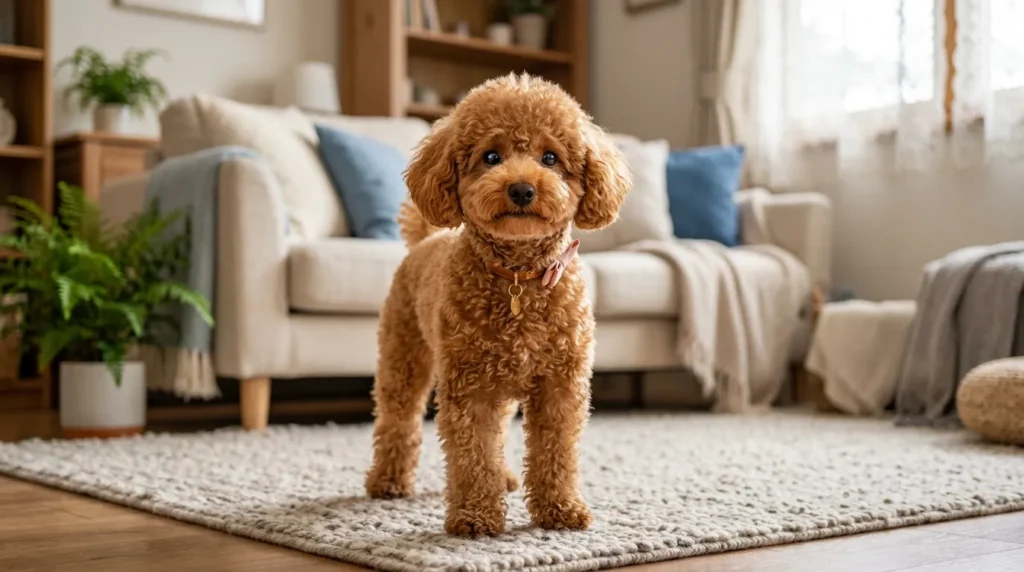
Originally bred as a water retriever, the Toy Poodle was developed as a smaller version of the original Poodle. Toy Poodle was bred to be a circus performer rather than a retrieving dog. Poodles under 11 inches fall under the category of the Toy Poodle, according to Purina.
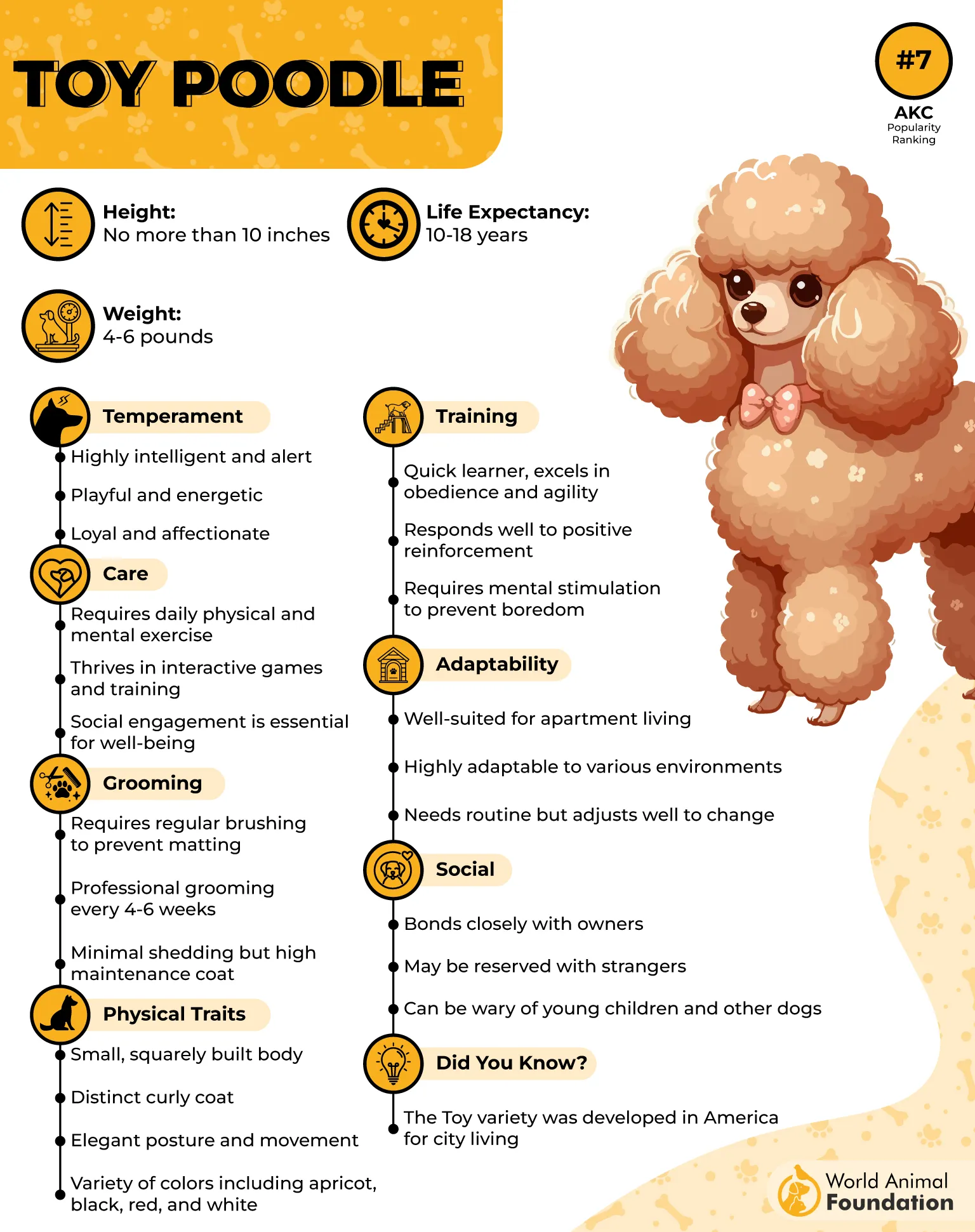
Its shadow nature makes it follow you from room to room and finally enjoy curling up right next to you like a weighted blanket. Being the most intelligent breed in the toy kingdom, it tends to learn complex tricks, spinning, “dancing,” or even mastering a mini agility course.

When bored, it playfully tosses toys in the air, nudges your hand for pets, or does a silly “pounce” on its toys. It is very talkative and produces a mix of melodic whines and excited yaps. The active dog breed has dark eyes and perked ears that easily pick up on their human’s routines, signaling alertness, and highly “human-like” responsiveness.
2. Yorkshire Terrier
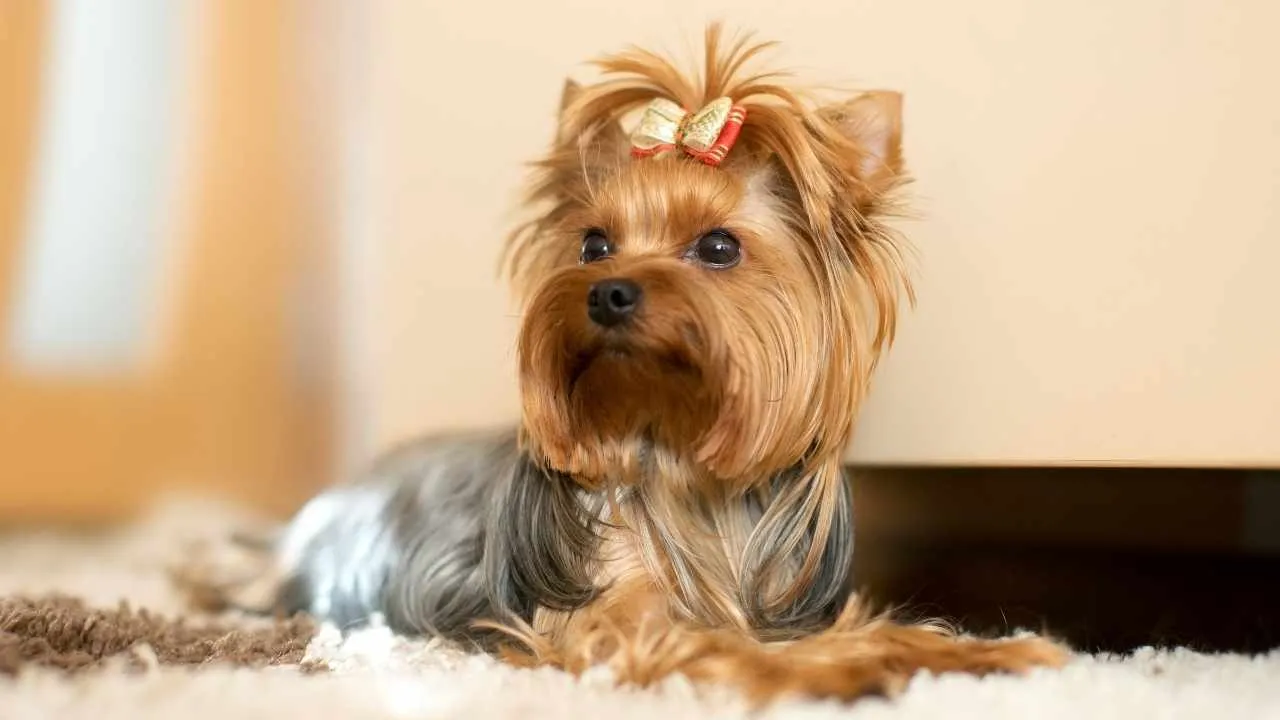
The playful companion is the descendant of the Waterside Terrier breed, and it is a cross between rough-coated Black-and-Tan English Terriers and Paisley and Clydesdale Terriers. It was bred to catch and hunt rats and rodents in the cotton mills.
It will often try to manage the family schedule and will "nag" (bark or nudge you) to dictate exactly when it's time to play, eat, or sit. Because of its small size, it can easily fit into smaller places and often tends to slide into blankets and tight spaces.
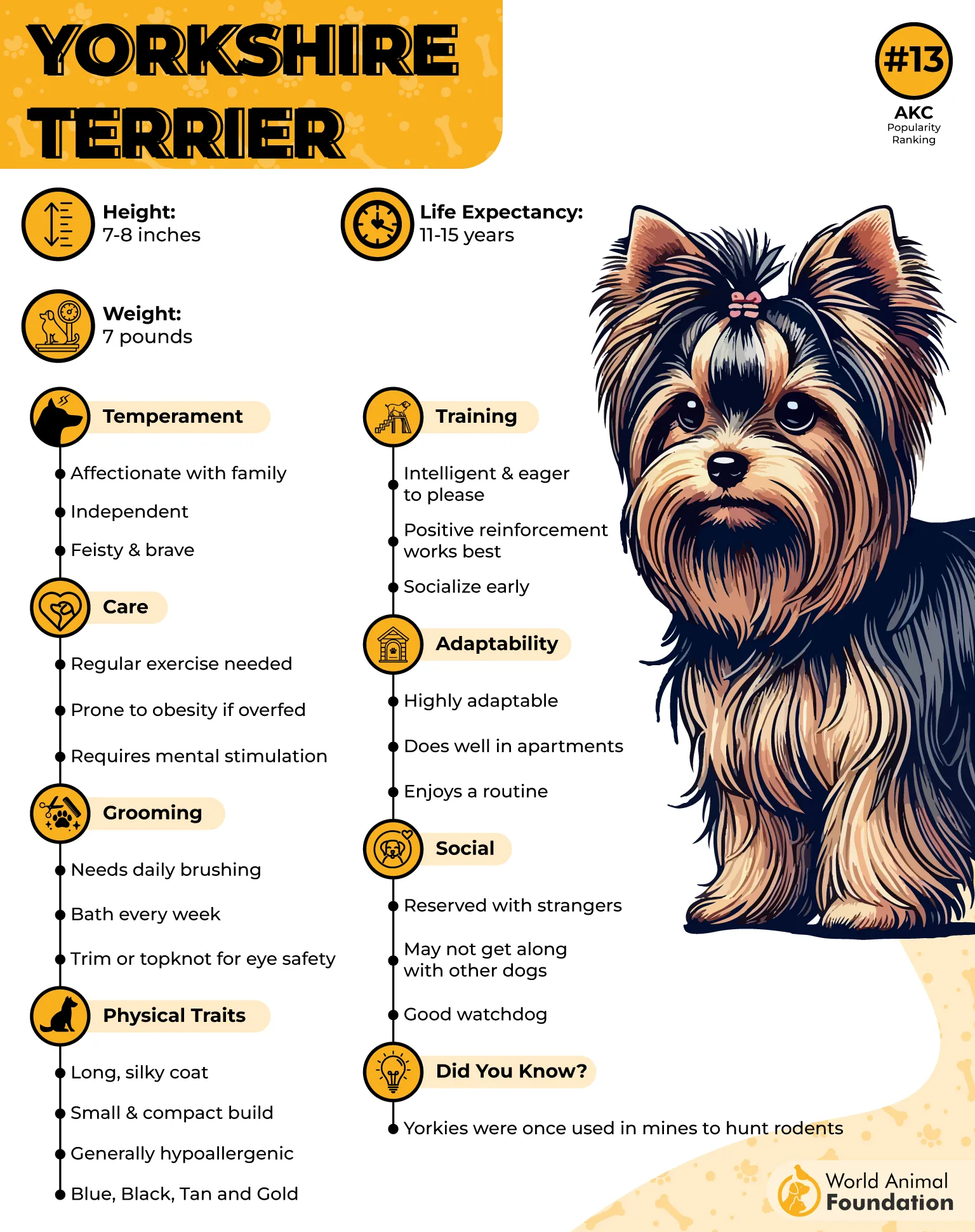
The long and silky coat lacks an undercoat, making it a hypoallergenic breed. The Yorkie has V-shaped, upright ears, acting as tiny radar dishes that give them excellent hearing. Since it is an independent thinker, it may develop stubbornness; thus, it requires consistent training.
🎧 Dogcast
Episode 37 — Why Dogs Stay Close without Touching
If you don't hear sound, tap the button above to enable audio.
3. Chihuahua
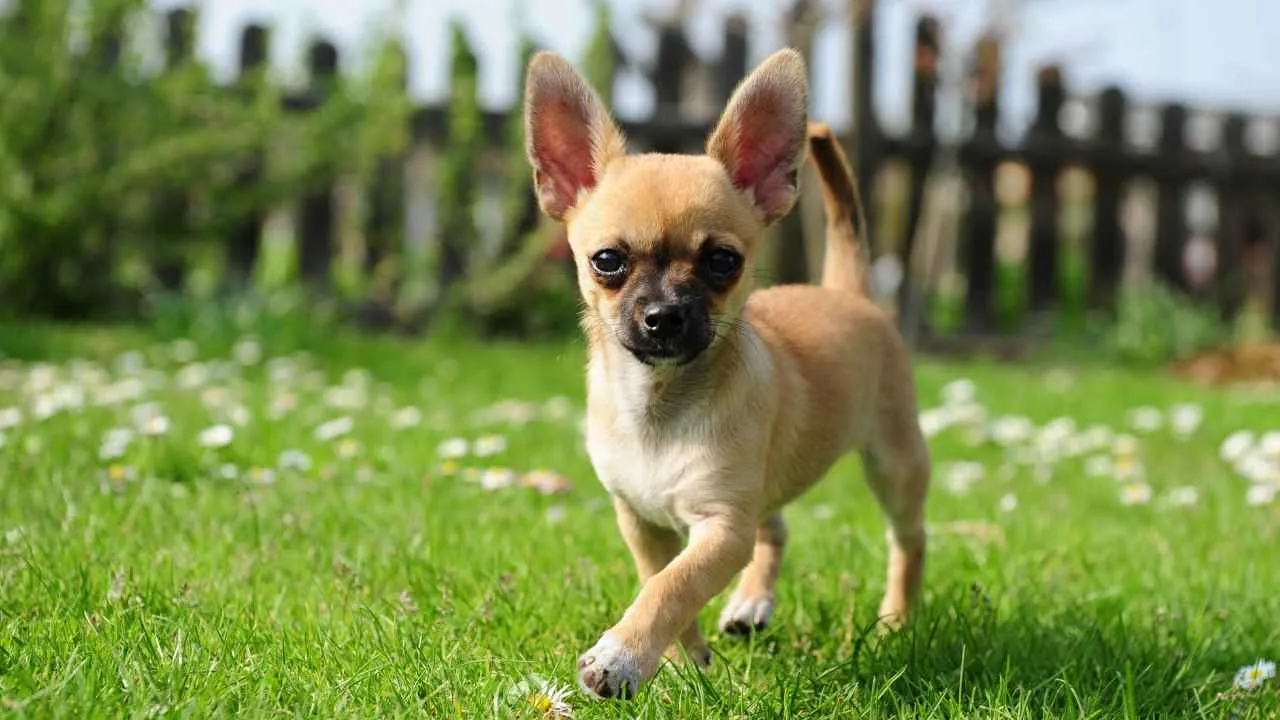
The fast-moving little dog has a round head and a 'saucy' expression in its dark, round eyes. It is the smallest dog breed of the canine kingdom. This one of the ancient dog breeds has its roots in Chichen Itza in Mexico. It was first taken to Europe through Spanish explorers.
It tends to throw full-blown tantrums: delayed dinner, a misplaced blanket, or emitting a theatrical sigh when someone is sitting in its favorite chair on the couch. It is known to kiss its owner's face the exact moment its owner yawns.
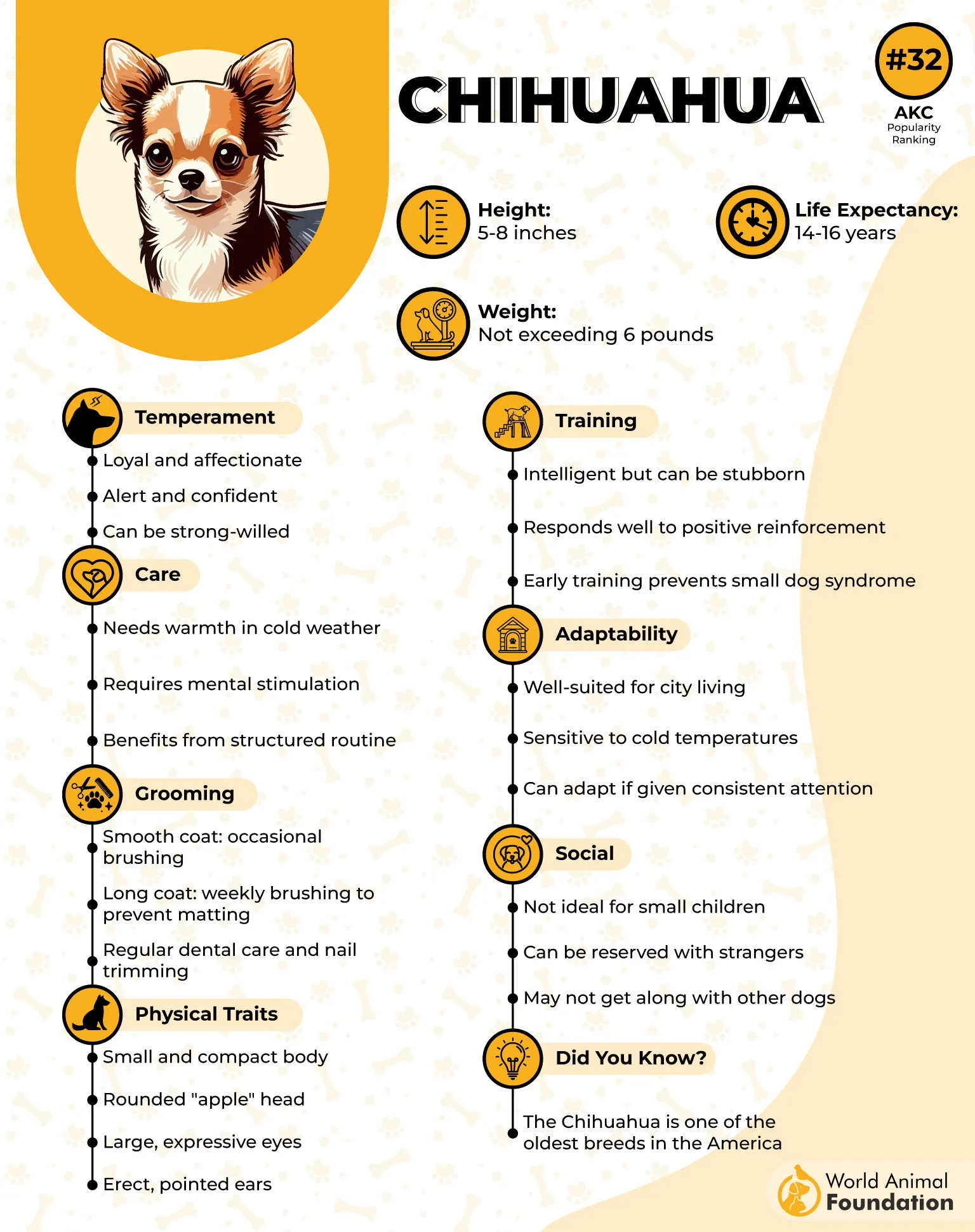
The breed also frequently sniffs its owners' breath to see if they just ate food. Because of its rapid metabolism, its heartbeat can reach up to 180 beats per minute. It lives up to 12-16 years. Basic command training, leash and harness training, proper training, and early socialization are non-negotiable.
4. Bichon Frise
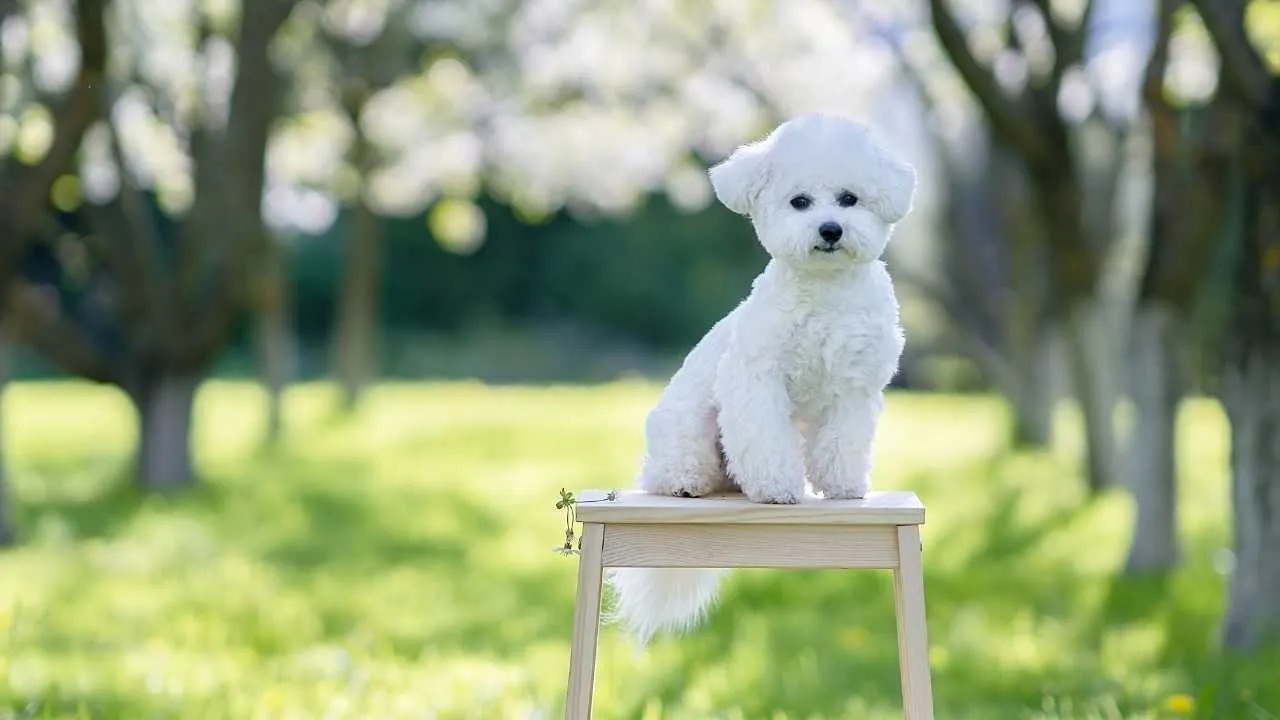
The history began in the Canary Islands in the 13th century, where sailors used to keep them on the ships and used them in trade, making it popular around Europe. The breed lost its aristocratic owners during the French Revolution, and it had to perform in the streets for survival.
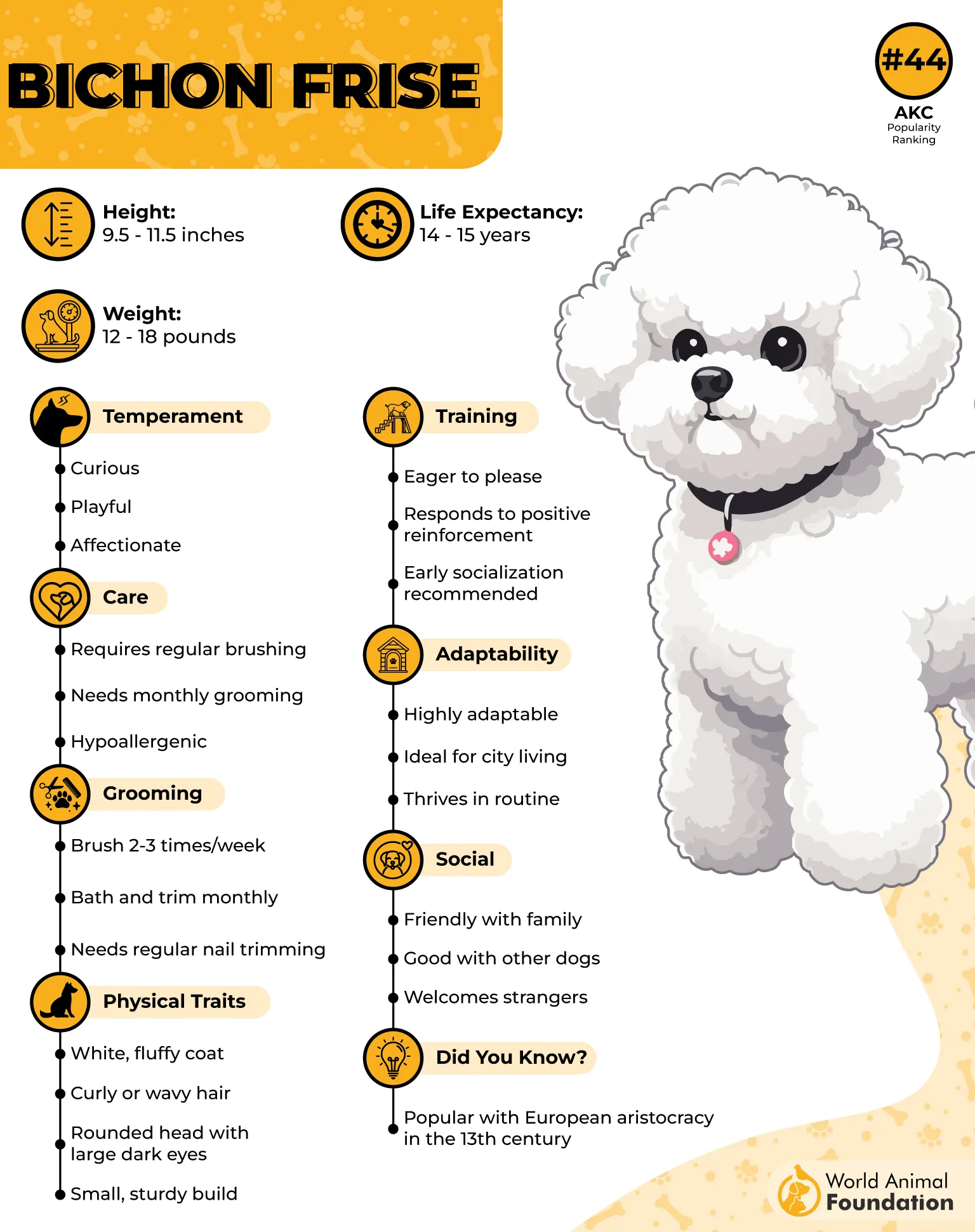
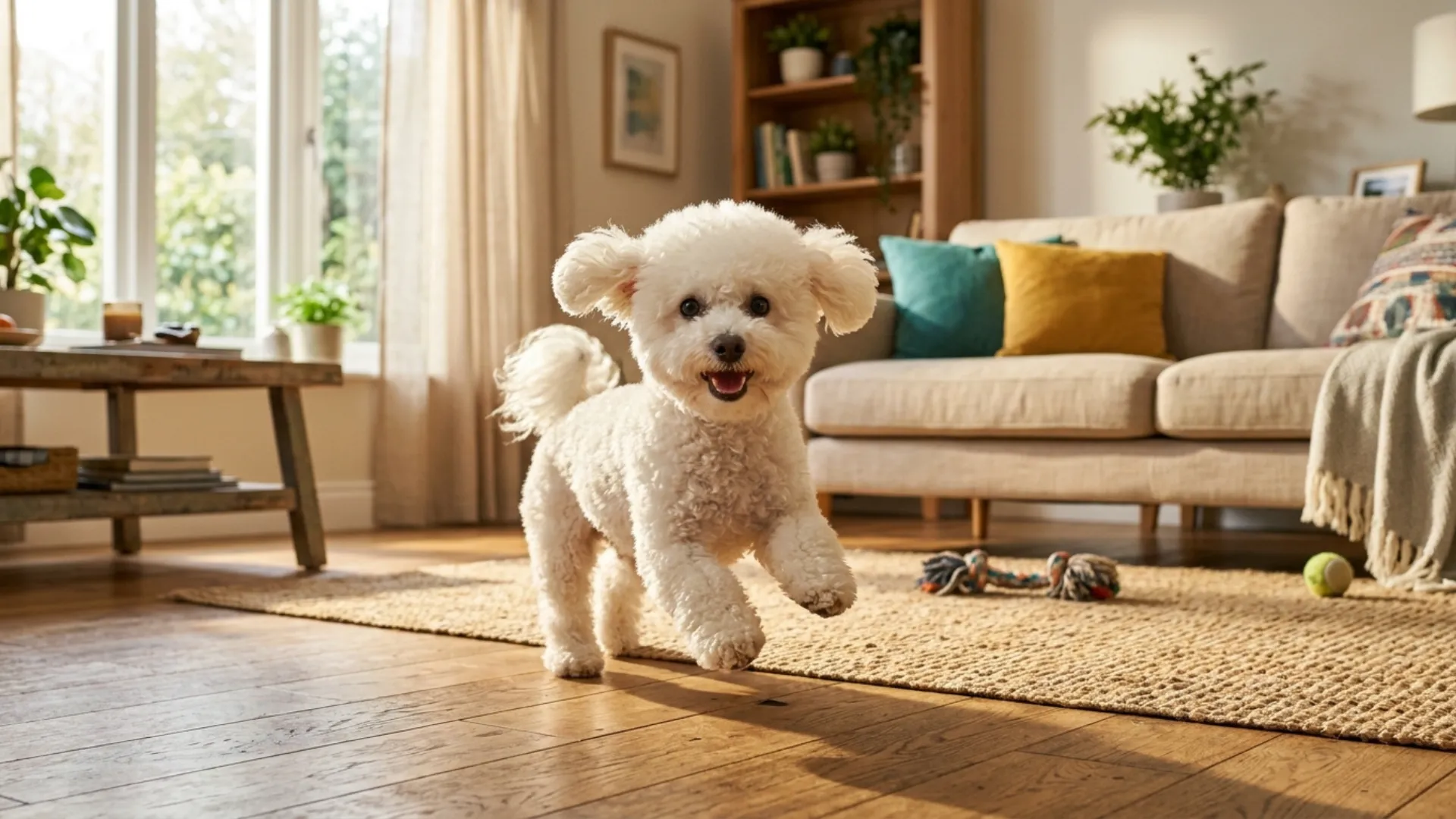
The high-energy dog breed is known for its 'Bichon Blitz,' where it zooms through the house, moves in tight circles, and jumps around before coming back to the resting phase. It also curls its lips slightly upward, flashing a wide, almost human-like grin.
The lively little dog selects its high vantage points, such as the back of the sofa, to keep an eye on household activities, windows, or visitors to alert the owner. It actually uses its paws to roll puzzle feeders or nudge snuffle mats.
5. Papillon
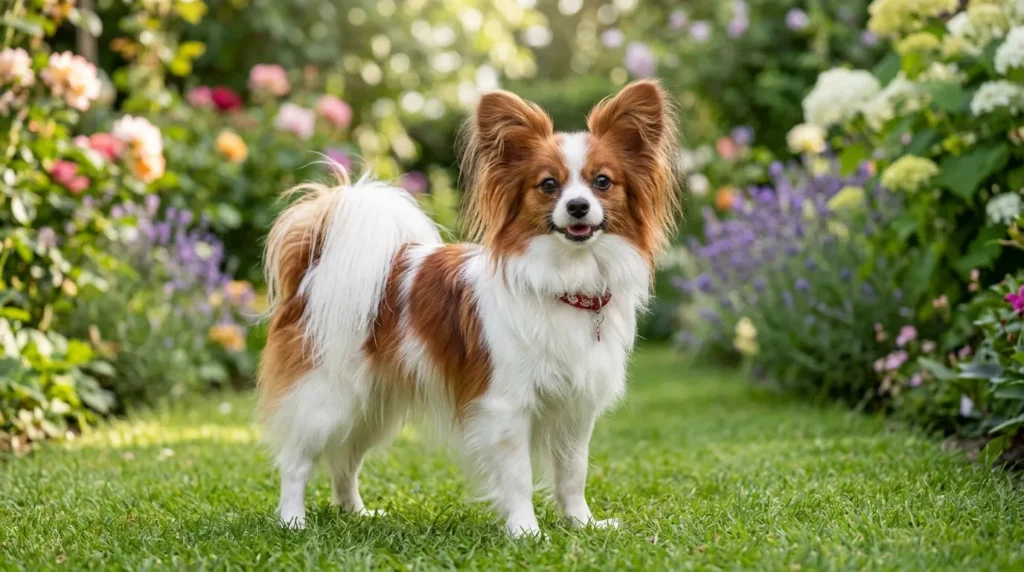
The small dog breed is originally thought to have developed in France or Belgium, and was kept as a lap companion by the royalty of the region, including Marie Antoinette. The breed was given the name because of the 'butterfly' ears.
It loves to "audit" its environment, figures out how to open treat cabinets, and routinely succeeds at complex, multi-step puzzle toys. Because of its high intelligence, it learns commands within a few repetitions to earn treats or applause.
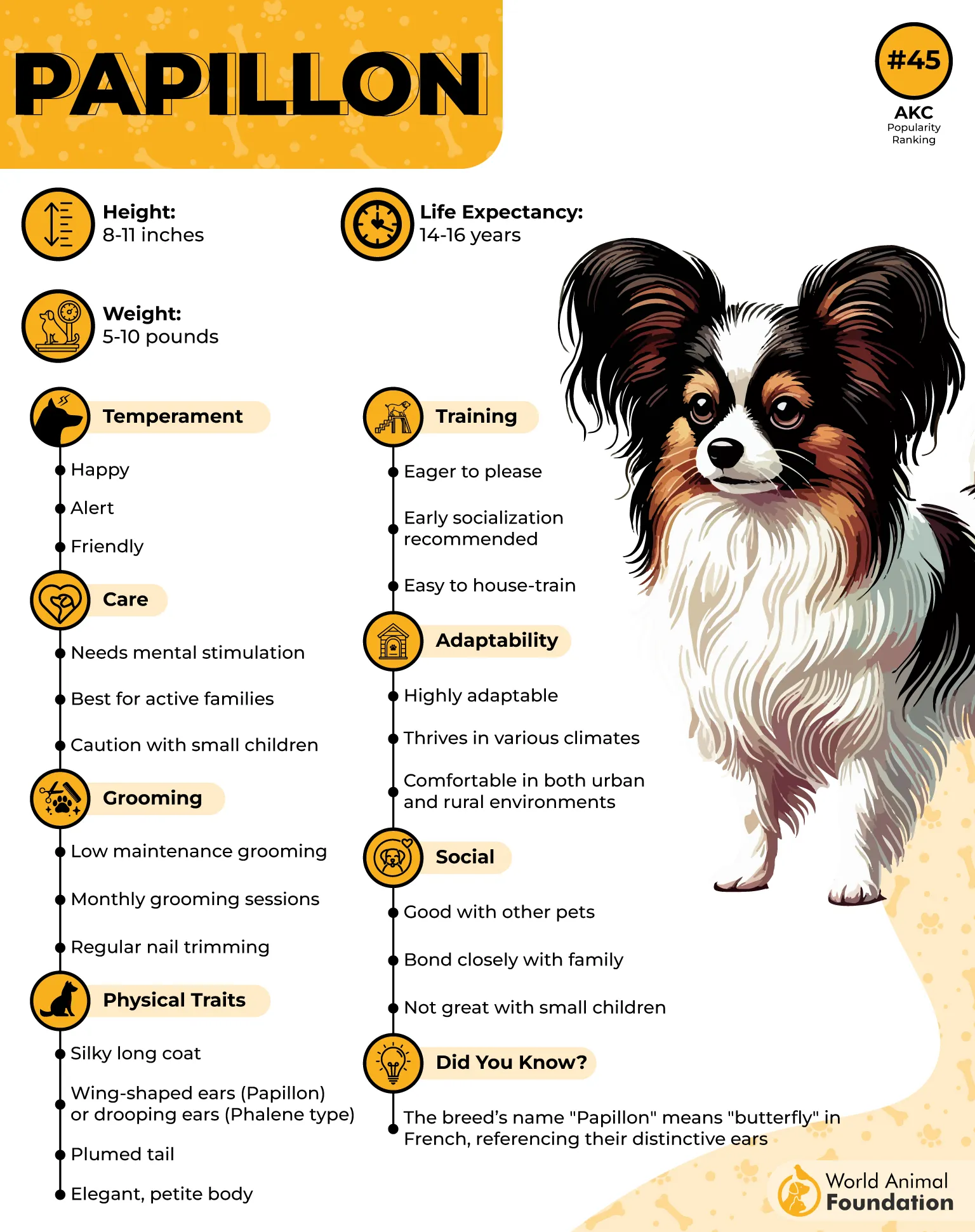
It is famously known to bounce on its hind legs when excited or begging for treats, called the 'vertical dancing.' It has a high-set tail, covered in a long plume. It frequently wags its tail when excited or while welcoming guests. Positive reinforcement and obedience training are crucial to prevent destructive behavior.
6. Brussels Griffon
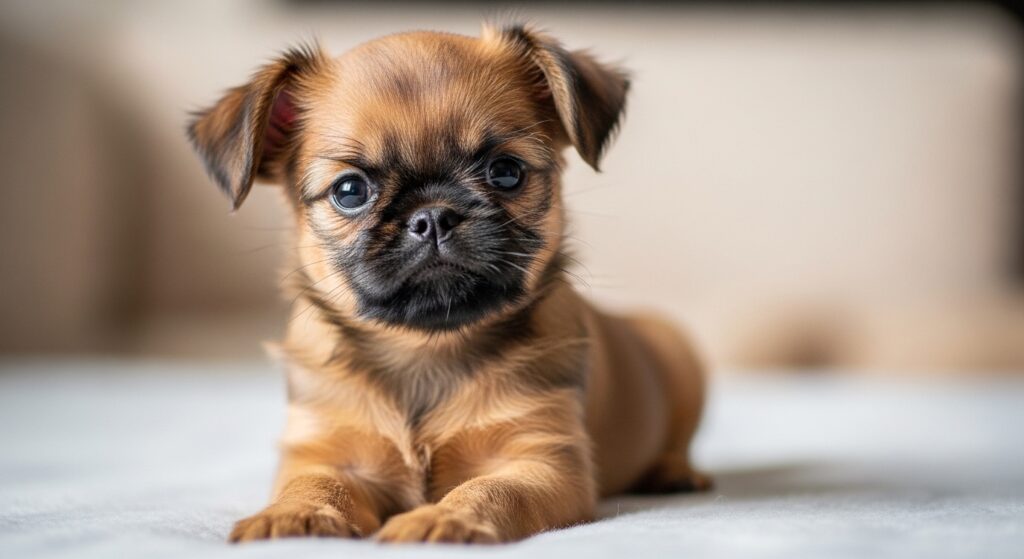
The breed was developed from a terrier-type dog called the Smousje in Belgium. The primary purpose was to hunt rodents in stables. The stable dogs were bred with the Pug and King Charles Spaniel to create the Brussels Griffon in the 19th century.
The wonderful pet is often compared to a human toddler because of sitting up on its hind legs and begging or surveying its kingdom. Despite being small in size, it has a 'big dog personality.' It often cocks its head, squints, or makes soulful, pouty faces to get its way.
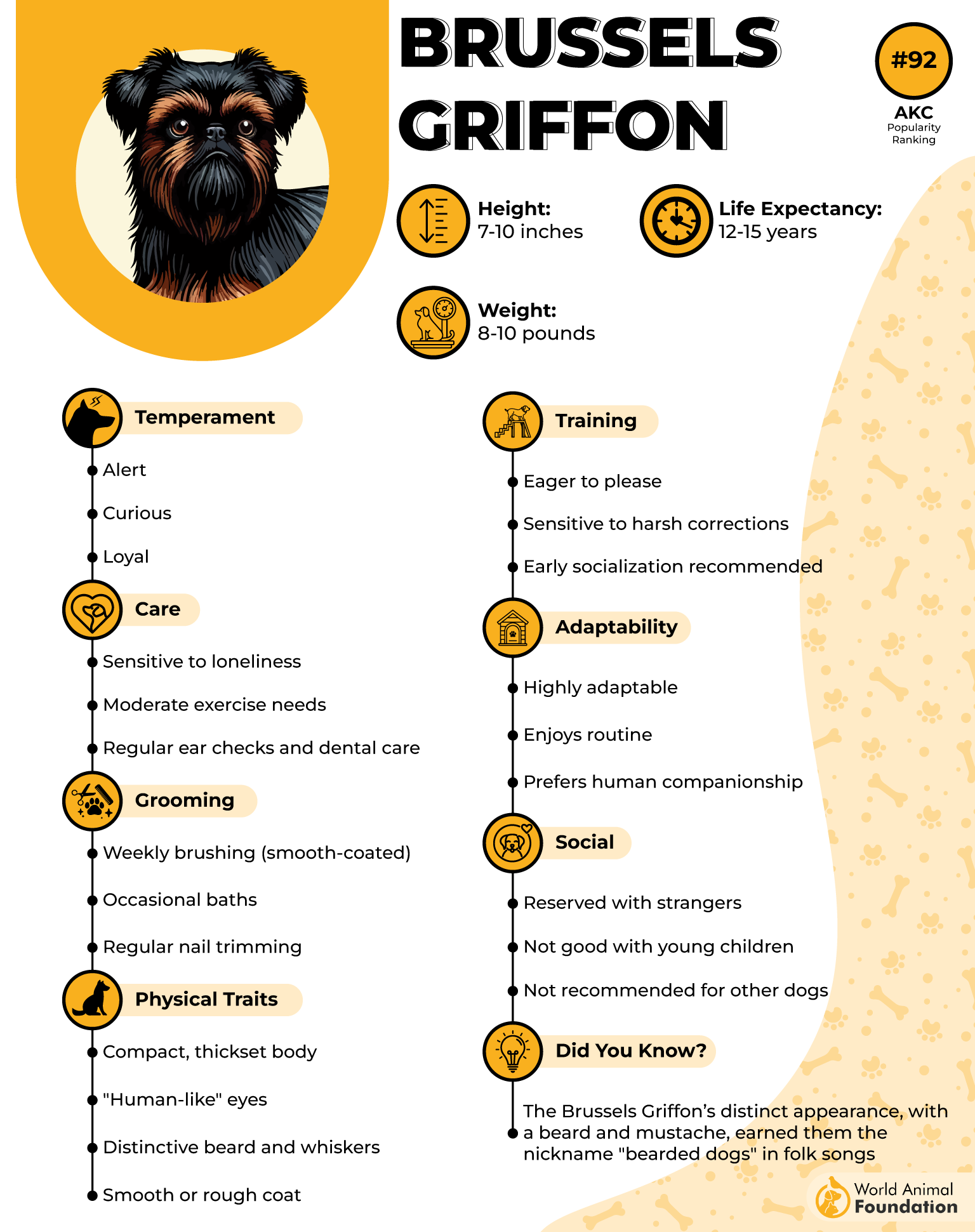
It has a mix of rough and smooth coat and wiry whiskers and beard, resembling a tiny Ewok. It makes a pout when it does not get its way. The breed needs 30 minutes of daily walks, exercise, and mental stimulation. Since it is a brachycephalic breed, it may face breathing issues during outdoor activities.
7. Havanese
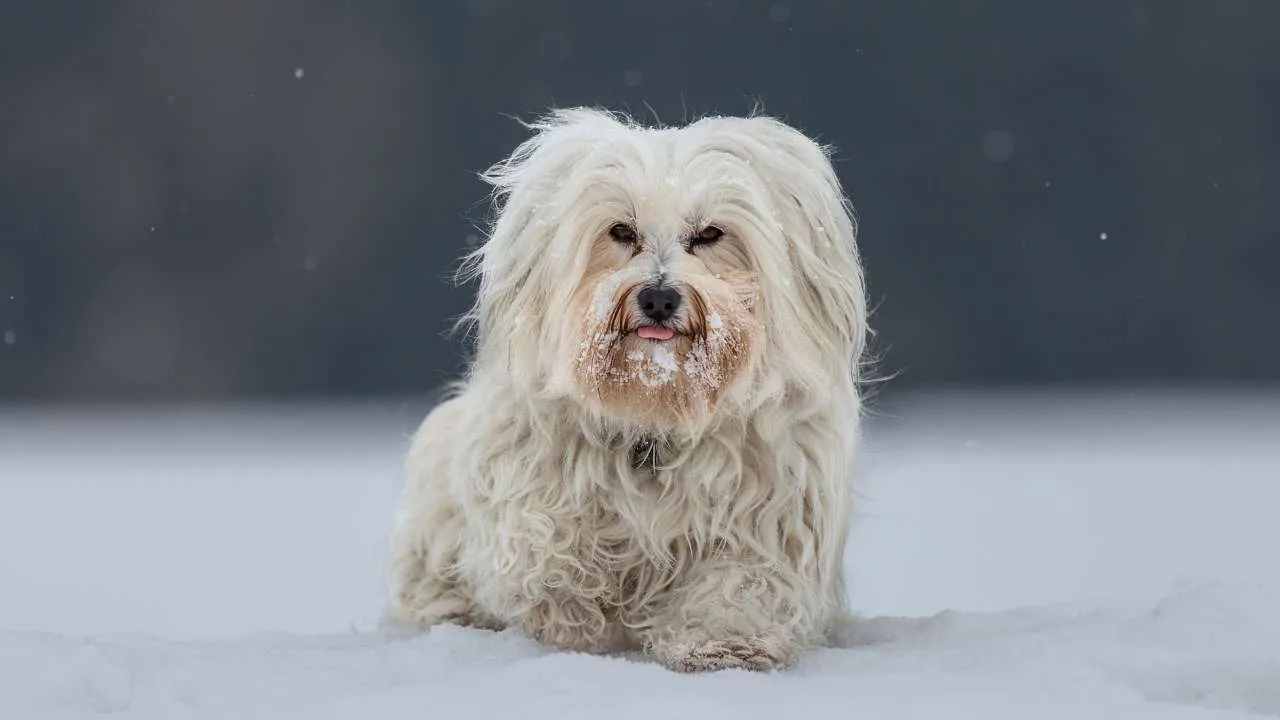
This Bichon-type white dog breed is the official dog of Cuba. This dog was developed in the 16th century from the dogs brought from Tenerife, Canary Islands. The 'little dog of Havana' was kept as a lap dog by many royalty, including Queen Victoria, as reported by Orvis.
Known for its 'run like hell,' the breed loves to sprint in wild, low-to-the-ground circles. The mixed breed dog has a strange obsession with paper products: unrolling toilet paper, shredding napkins, or digging through coat pockets to find leftover receipts. It has a bouncy stride and a tail that curls tightly over its back.
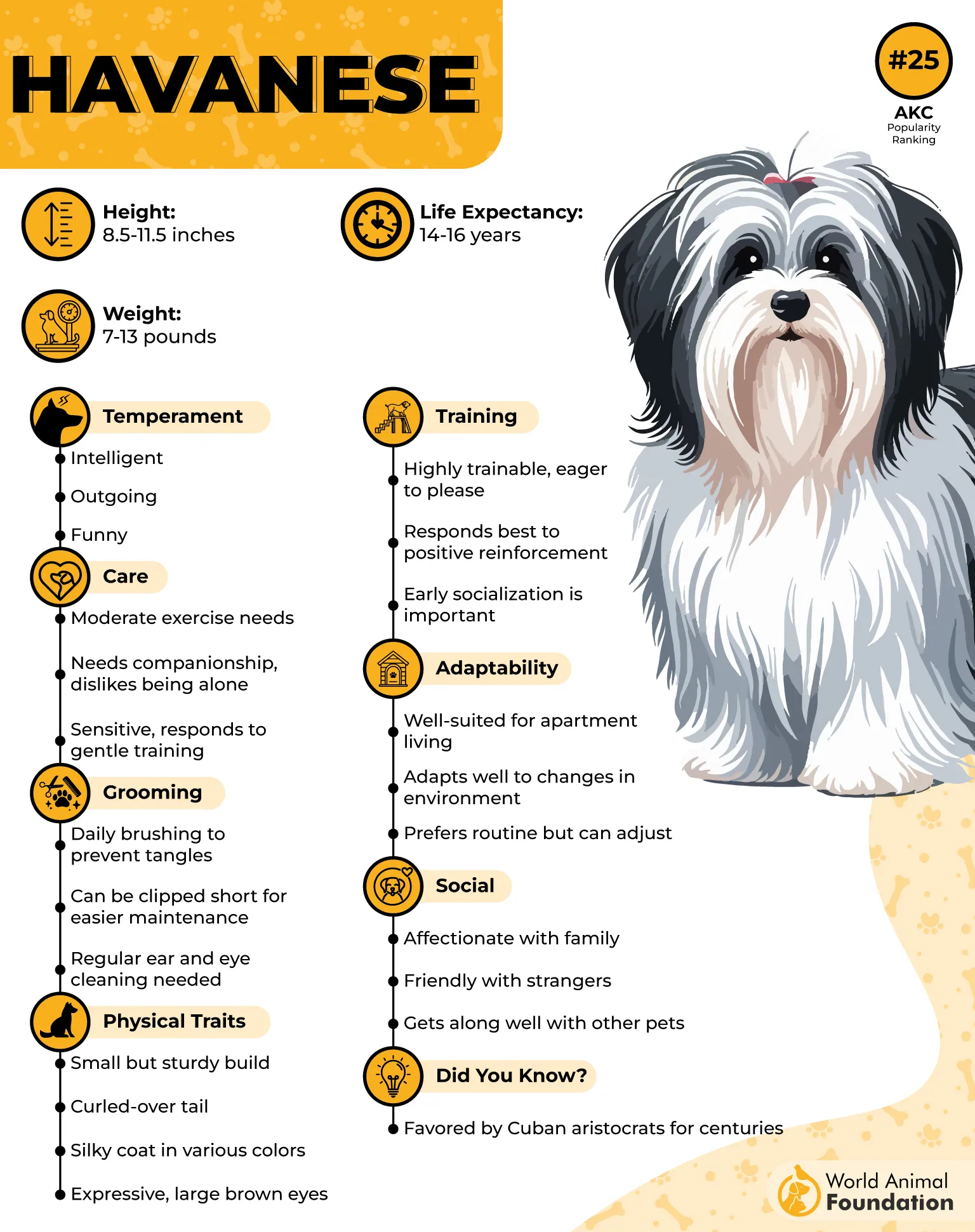
The almond-shaped eyes are set wide apart and convey a soft, highly intelligent expression. The silky and low-maintenance dog breed has a coat that comes in rainbow colors. The dog requires 5-10 minutes of daily training sessions and mental stimulation.
8. Cairn Terrier
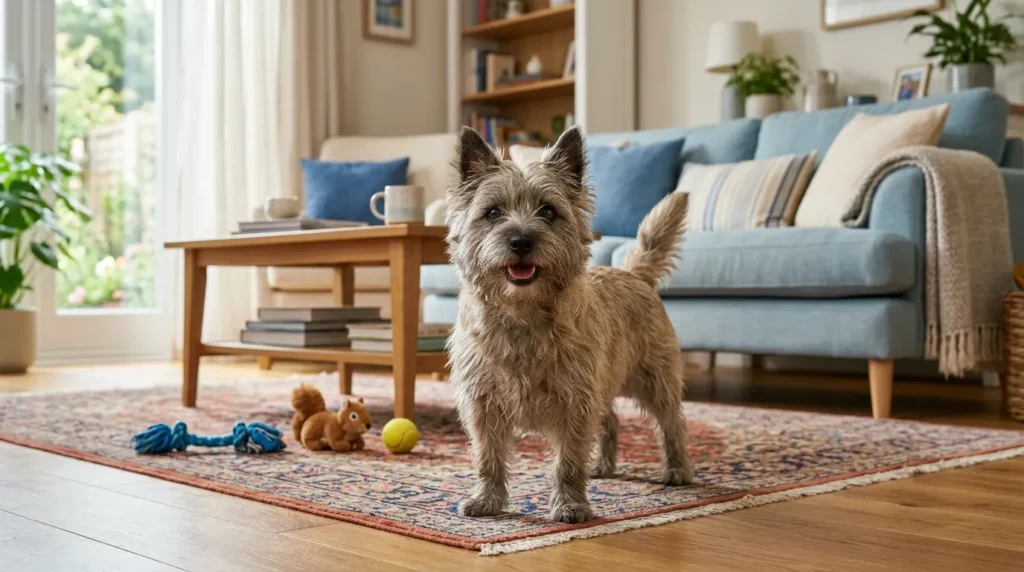
The ancient dog breed was developed in the Scottish Highlands and is known as one of the earliest working dogs of Scotland. The primary goal was to dig into cairns, or man-made rock formations, to rid them of rodents. The Scotch Terrier has two types, and the Cairn Terrier belongs to the Skye Terrier type.
It has an incredibly sharp nose and often sticks its nose to the ground to find hidden treasures. When it is frustrated or overly excited, it emits a high-pitched, vocal screech, also known as the 'death scream.' It is an absolute sun-chaser and finds the warmest patch of sunlight on the floor to take a long, luxurious nap.
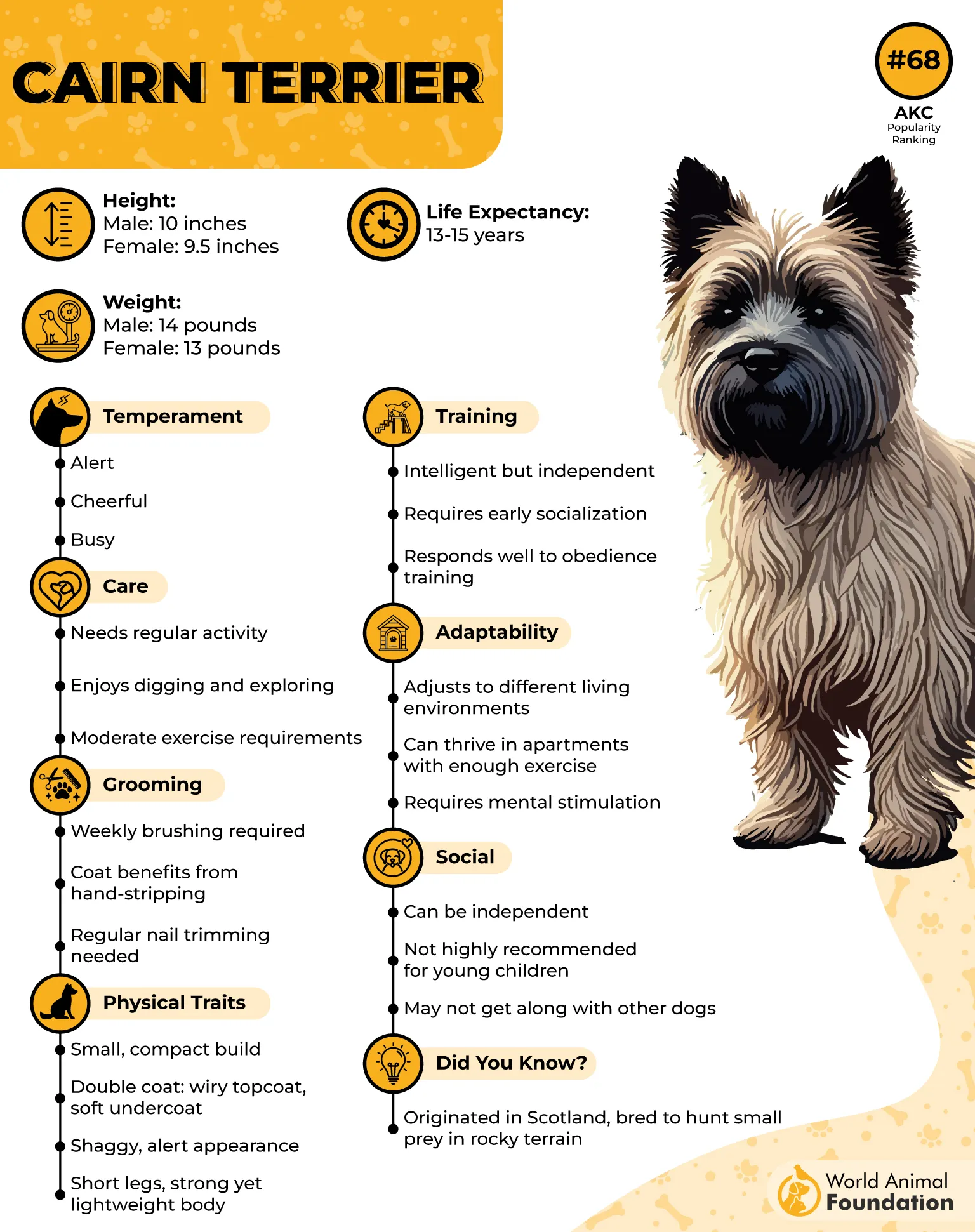
It has large teeth compared to its size because of its historic working role. It has a small face, triangular ears, and shiny dark eyes, giving it cute expressions and an inquisitive head tilt while processing sounds. Crate and boundary training is highly recommended.
9. Toy Fox Terrier
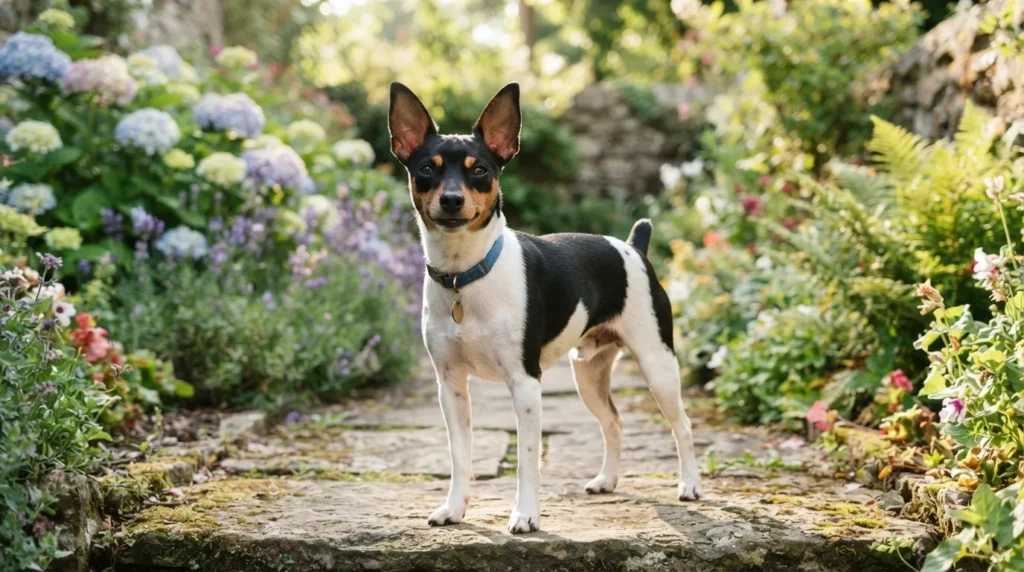
Developed between the 19th and 20th centuries in the United States by crossing the smooth fox terriers with toy breeds, the Toy Fox Terrier is known for hunting, as noted by the AKC. Its agility and small size made it popular among the circuses, and then it ended up being a circus performer.
Being a professional digger, you can find it burrowing into couch cushions, blankets, or yards. It forms strong bonds with the owner and loves cuddles after playtime. The 'prance gait' allows it a unique, springy, and high-headed carriage.
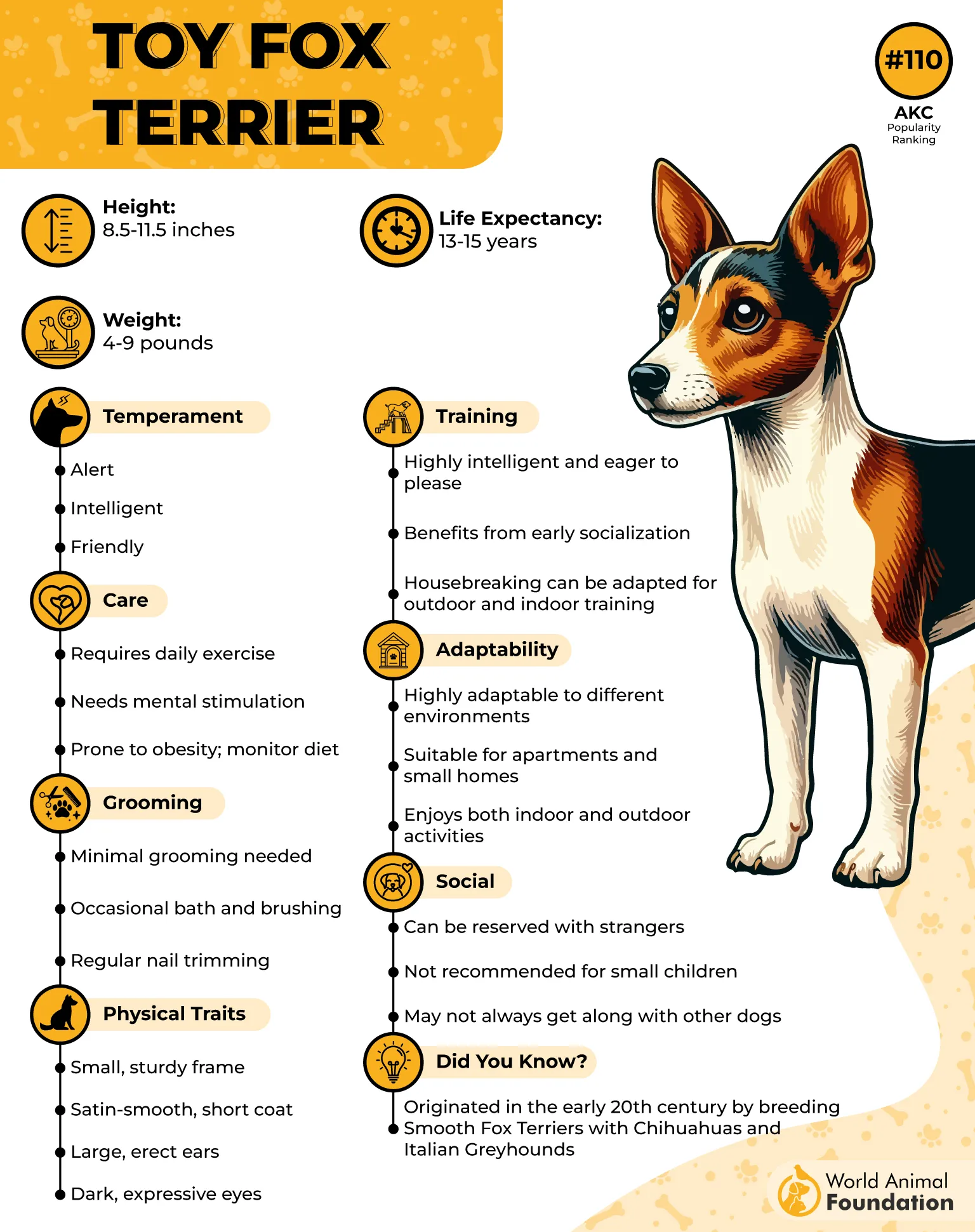
The tiny dog exhibits curious head tilts and a "smiling" expression when it is pleased. It excels in fun activities like fetch, hide-and-seek with treats, and agility games. Daily exercise for at least 1 hour is enough.
10. Manchester Terrier
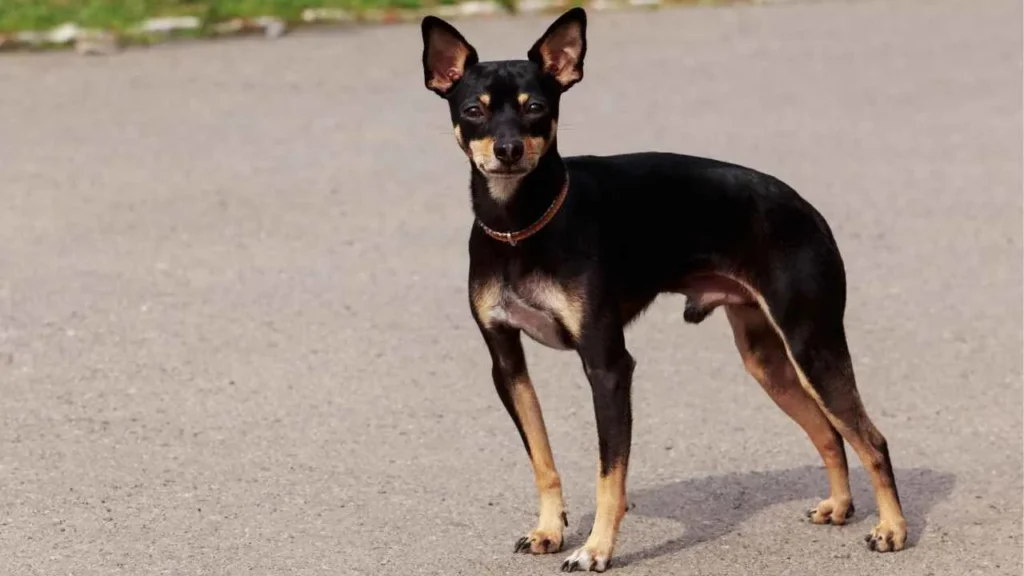
Originating in the 1800s in England, the Manchester Terrier is a cross between the Whippets and the Black and Tan Terriers. The primary goal was to be used for rat-baiting. After the ban on blood sports in the 20th century, it became a companion dog.
Since it has a strong prey drive because of its hunting heritage, it is highly alert, freezing mid-step to stalk small birds, lizards, or toys as if hunting. It quickly invents its own game when bored, including tossing its own ball or creating a complex puzzle by hiding its chew toys.
The family dog loves digging and sleeps in a 'roaching' position (entirely upside down with all four legs in the air). Having strong watchdog instincts makes it adopt a fixed, intense stare. It is known to have a cat-like personality as it tends to lick its paws and coat to remove debris and dust.
Conclusion
The happiest dog is not always the fastest runner or the loudest barker. It is the one whose personality matches your daily life.
Some of these lively small breeds love puzzles and training, while others simply want to curl up beside you after an exciting game. That variety is what makes choosing a companion so personal. Spend time learning about each breed's exercise needs, grooming routine, and temperament before making a decision.
A well-matched dog becomes more than a pet. It becomes part of your everyday memories, from quiet mornings to weekend adventures. With patience, proper care, and plenty of shared moments, any of these spirited little companions can brighten your home for many happy years.
