




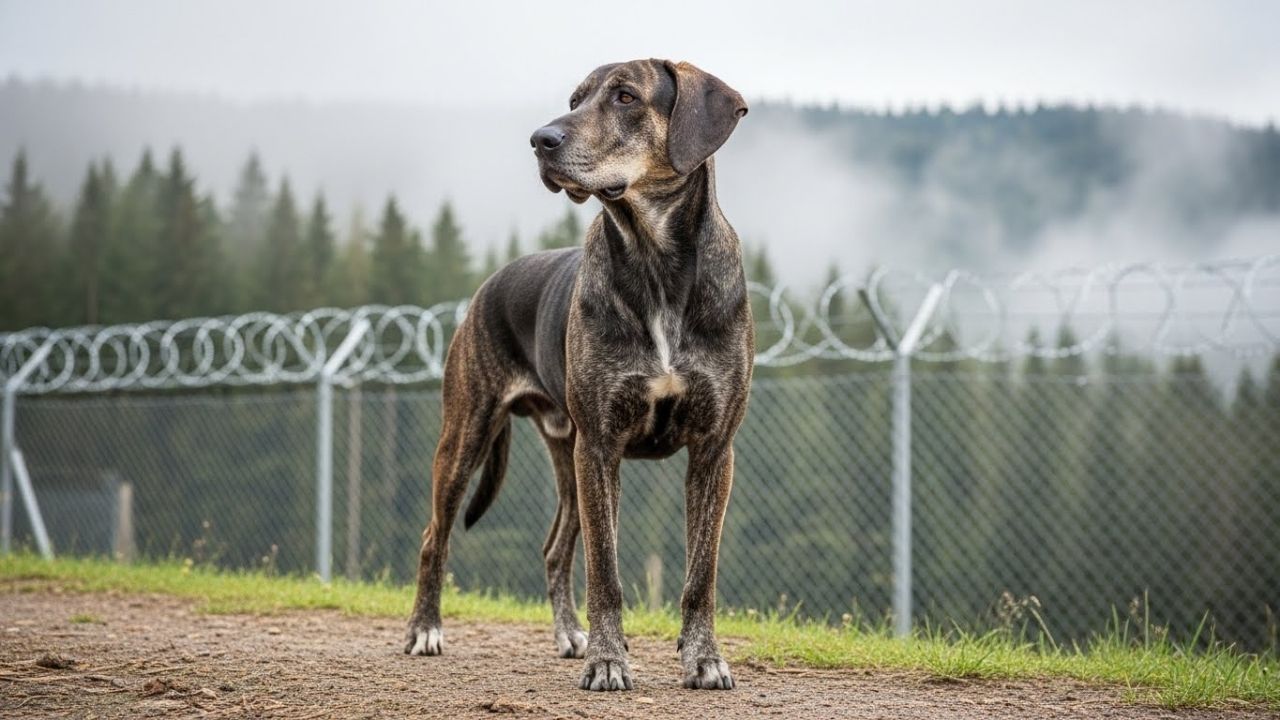
We are all familiar that German Shepherds and Doberman Pinschers are the best guard dogs and totally worth trusting for security purposes. But have you ever wondered which breeds are equally capable? Well, there are actually some remarkable dog breeds that have strong guarding instincts but are lesser known.
These little-known dog breeds hold a rich heritage in protection work, herding, and companionship. They are not only unique but owns such personality and traits, which are beyond exception.
But every dog has its own nature; some may bark out loudly to deter intruders, and others may prefer giving just a quick glance, which is interpreted as, “You are in danger!”
If you need a reliable security dog or are simply curious about these little-known breeds, then this guide is for you. This post includes the list of all the vigilant guard dog breeds that can perfectly balance protection with loyalty and affection. Pick the one that best suits you!
Little-Known Yet Fierce Dog Breeds for Security
1. Estrela Mountain Dog
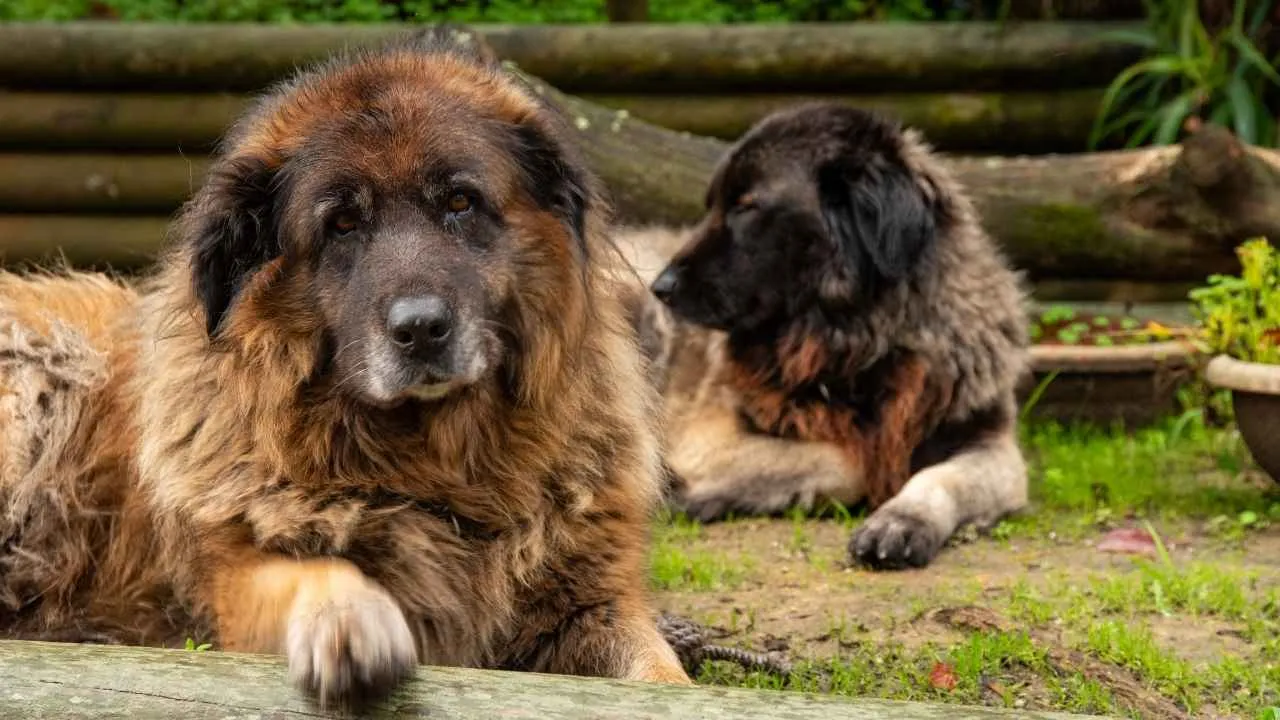
Estrelas are one of the most gorgeous herding dog breeds you’ll ever see. Not just great in guarding skills, they are wonderful companions. Named after the Estrela Mountains in Portugal, these mastiff-type dogs are said to be one of the oldest breeds.
Personality
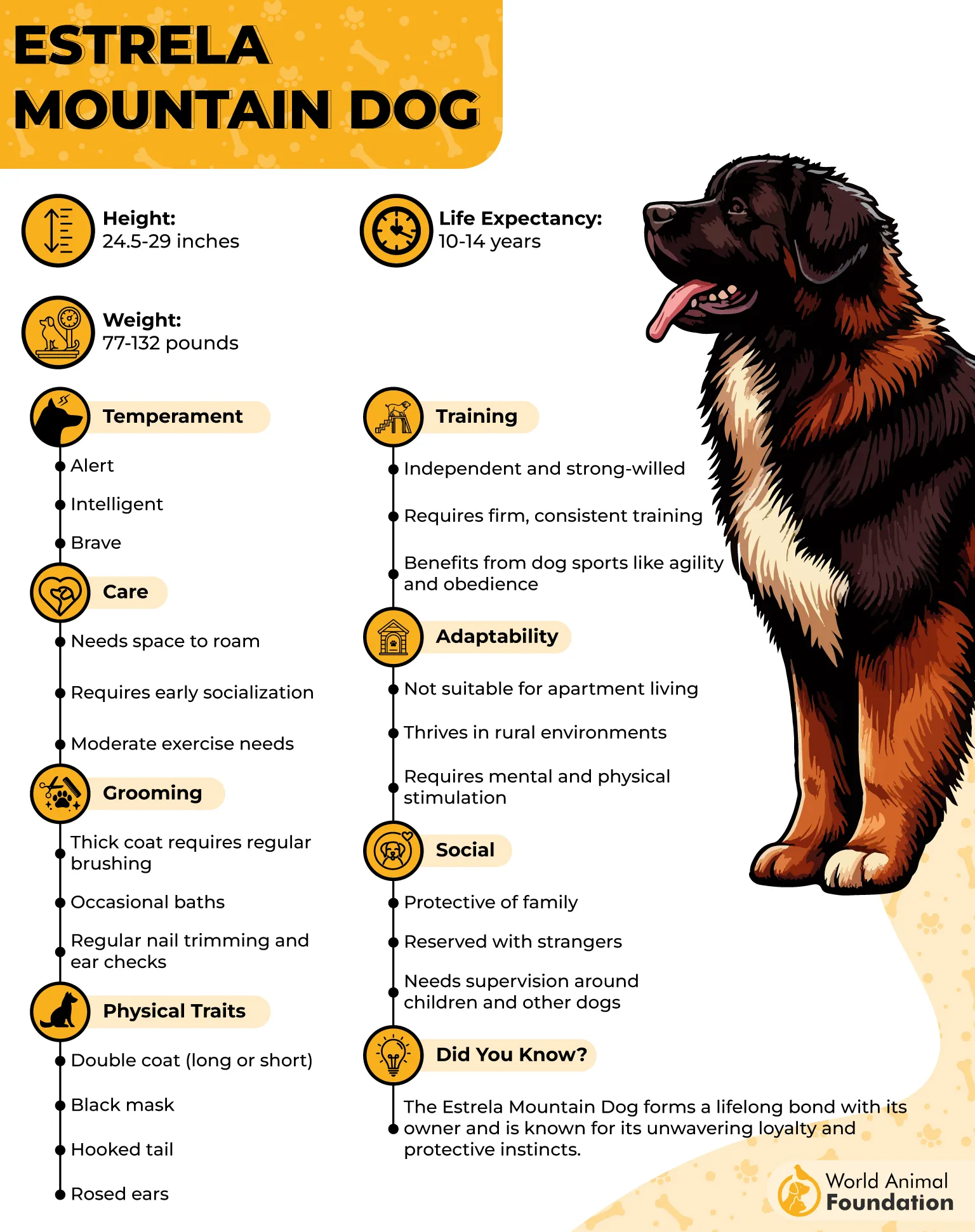
Estrela Mountain Dogs are truly gentle by nature. They are extremely protective and make devoted companions once bonded. This dominant breed can be wary of strangers. Estrelas are extremely hardworking farm dogs and bravely protect their herd from predators.
According to the American Kennel Club, Estrela is a very loving companion and remains loyal to all the family members, but still loves to choose a favorite among them. They do best in homes with large backyards or plenty of space. However, these gentle giants are not recommended for novice dog owners.
Training
Proper training and socialization are important from puppyhood to avoid any behavioral issues as an adult.
These faithful companions need plenty of mental stimulation to stay happy and engaged.
They like to spend time outdoors and need at least 1 hour of daily physical activity.
2. Plott Hound
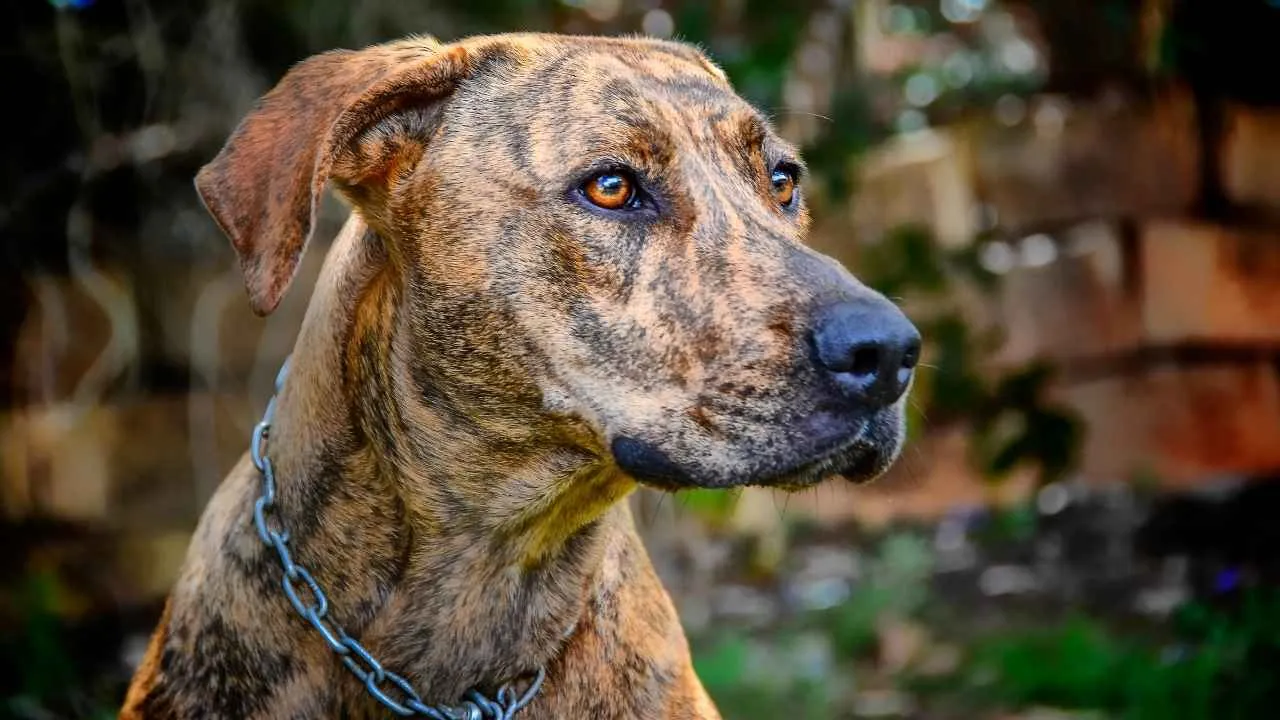
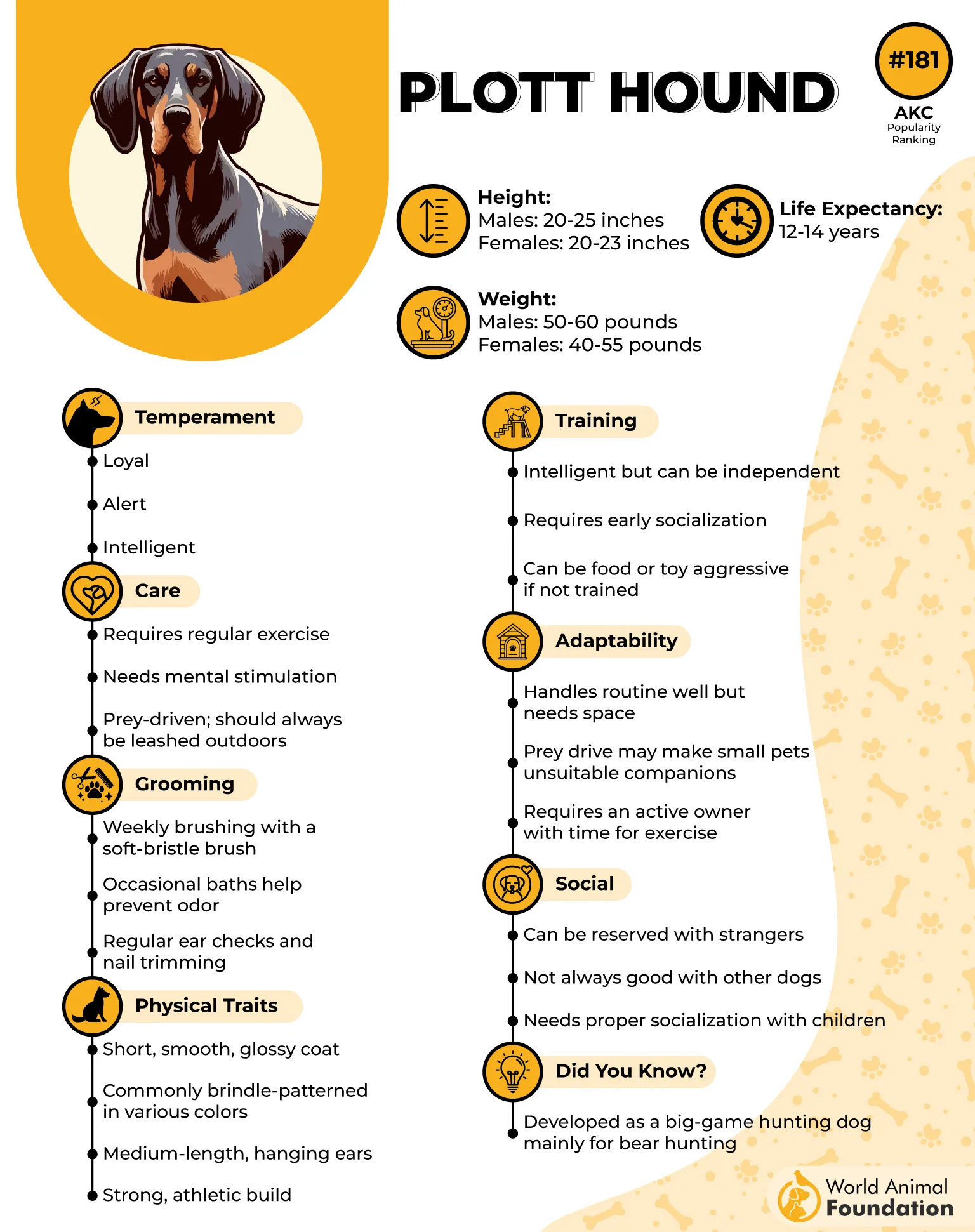
The Plott Hound is a powerful dog breed with a muscular build and a distinctive brindle coat. It is the official state dog of North Carolina. Plotts are said to have a unique history and appearance, which has made them more popular than other hounds.
They were originally bred for hunting tasks. You can easily recognize them from their medium-length ears that hang gracefully.
Personality
These hounds are incredibly loyal and protective companions, especially when tracking games. They thrive within family environments and show calm behavior towards their loved ones. Plott Hounds are freethinking breeds with a high prey drive and powerful nose.
While good with kids and other dogs, they are actually soft at heart and totally family-oriented. May not be welcoming for strangers, but can show their friendly side once introductions are done. WebMD advises first-time owners to keep them on a leash in yards without a fence.
Training
These bold spirits need proper training indoors and outdoors to manage their working instincts.
Plotts need high physical and mental stimulation; long walks can keep them happy and engaged.
Early socialization and fun activities can encourage good manners in them.
3. Leonberger
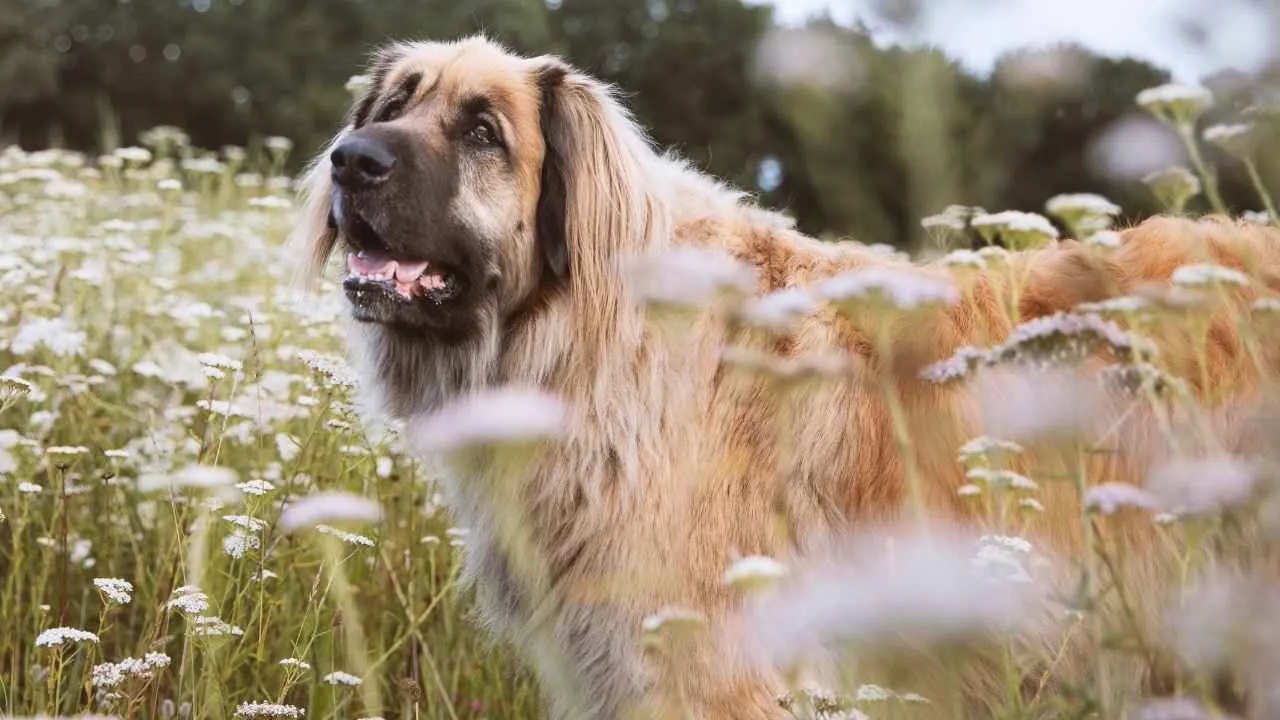
The Leonberger is a majestic dog breed originating from Leonberg, Germany. They are admired for their long, lush coat, strength, and courage.
The huge, massive size may look intimidating, but they are the sweetest. Aristocratic in appearance, the Leonberger is a versatile working dog with a long history as a devoted family companion.
Personality
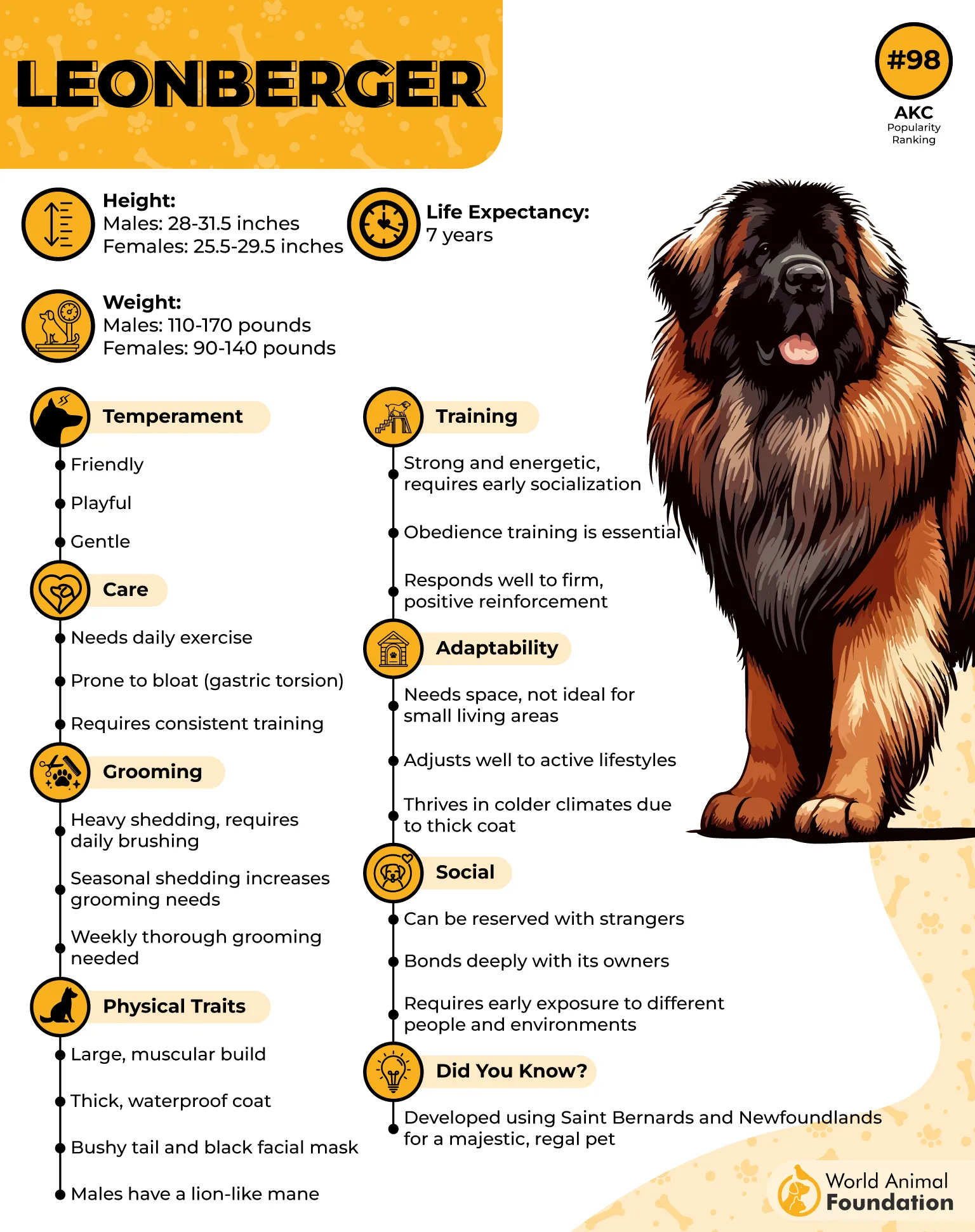
Leonberger is a true gentle giant, known for its composed nature, patience, and deep affection for family members. They are faithful and kind-hearted, especially caring with kids, but may accidentally hurt small children. Leonbergers are born cuddlers, so you might need to constantly remind them that they are not lap-sized.
These giants are intelligent and perceptive, but act all silly and goofy around family. They prefer living with households that appreciate their affectionate and sweet, clumsy nature. They are great watchdogs, often deterring outsiders with their loud bark and imposing size.
Training
Begin early training to ensure good manners and keep up with it throughout their life.
Leonberger is loving and sensitive in nature, so use gentle, positive reinforcement training methods.
Provide at least an hour of daily walks, playtime, or outdoor activity to keep physically and mentally stimulated.
4. Mudi
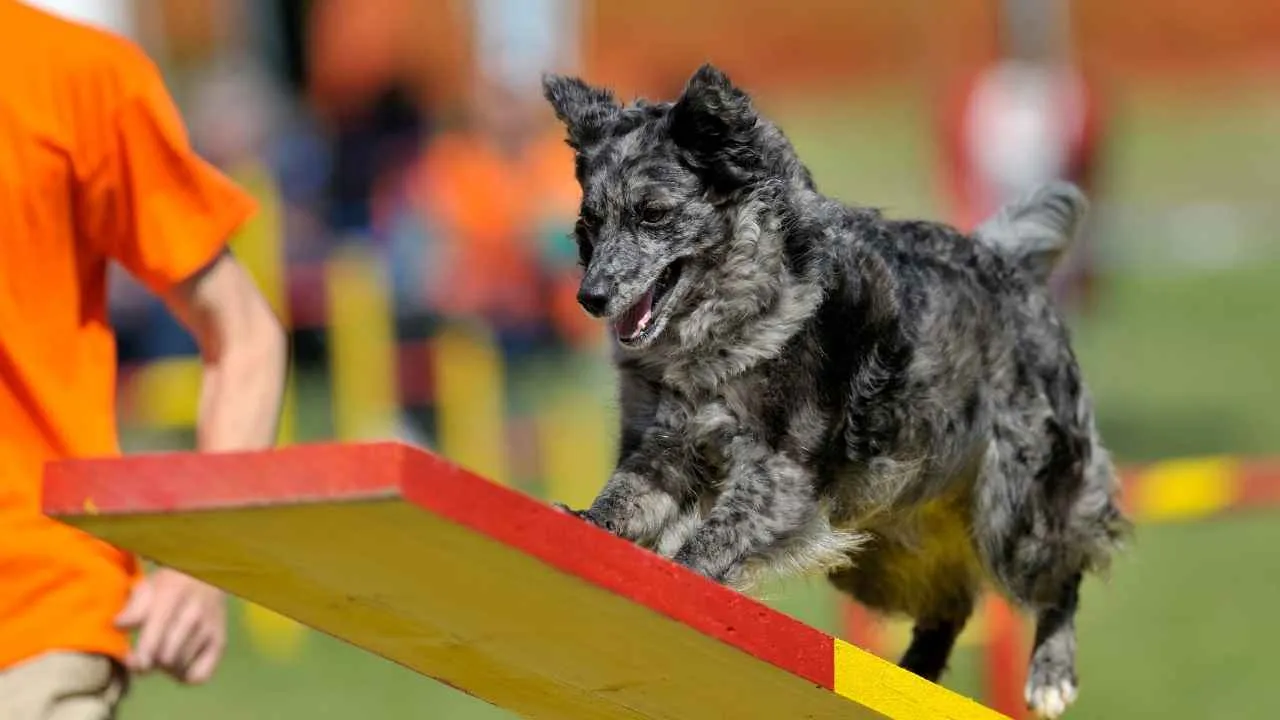
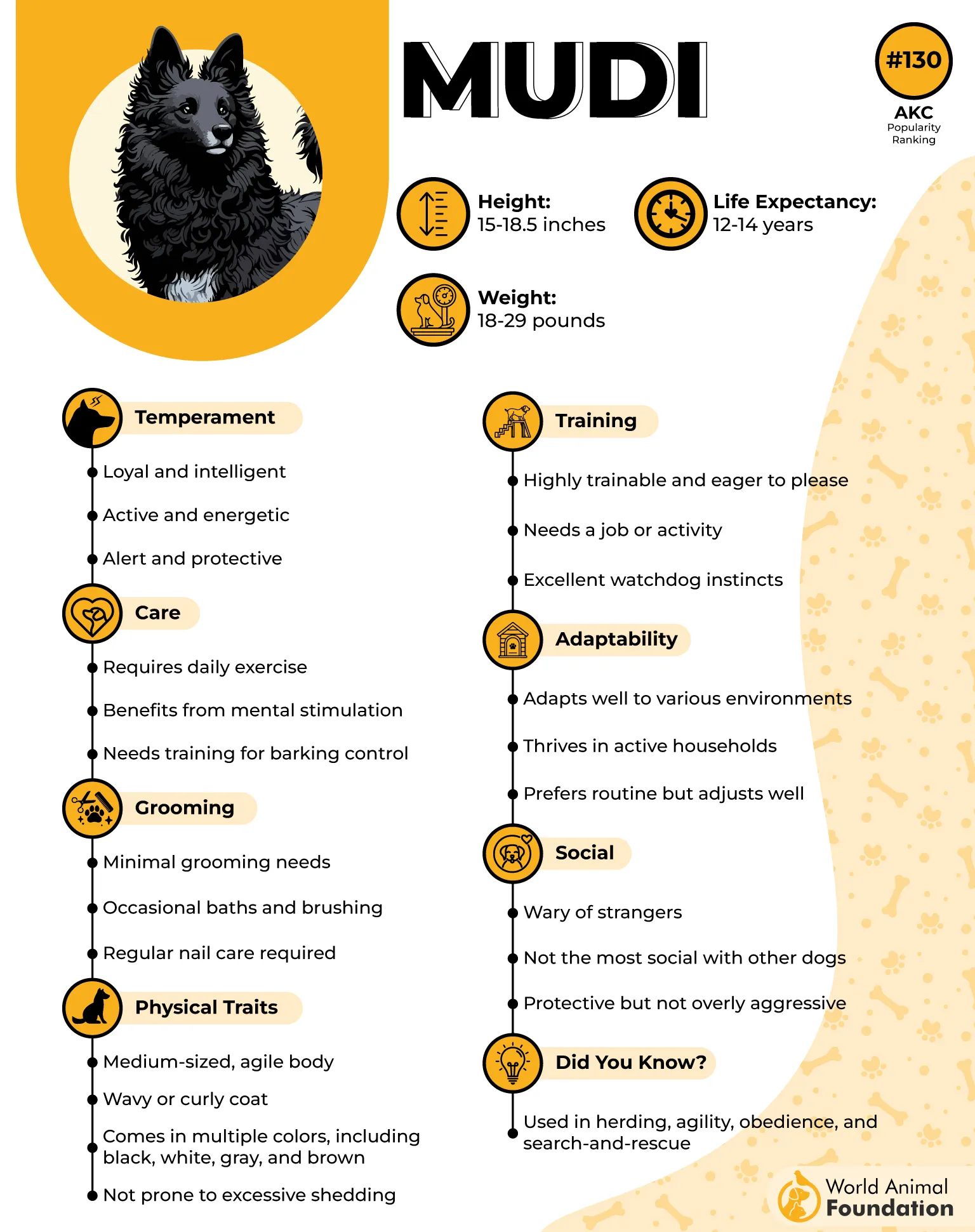
The Mudi dog is a Hungarian herding breed, not just an ordinary one; it can herd the most stubborn livestock. They are medium-sized and athletic, often praised for their intelligence and adaptability.
Very rare, though, this breed has been working on farms since the 19th century. They are one of the most popular dog breeds, but onlya few Mudis are living in this world.
Personality
Mudis are lively, enthusiastic, and exceptionally intelligent dogs with a strong desire to please their owners. They have an instinct to protect their family and territory, making them excellent guard dogs without showing unnecessary aggression.
They are quick to alert their owners about any suspicious activity. They are friendly with children and animals, including cats. While the temperament varies from dog to dog, some Mudis may not quickly befriend you.
Training
Early training, ideally between 3-6 months, focusing on basic obedience and socialization.
High agility tasks such as herding, obedience, or search-and-rescue style games can satisfy their working instincts.
Mudis are playful and highly energetic; they love to run and excel in many dog sports.
5. Chinook
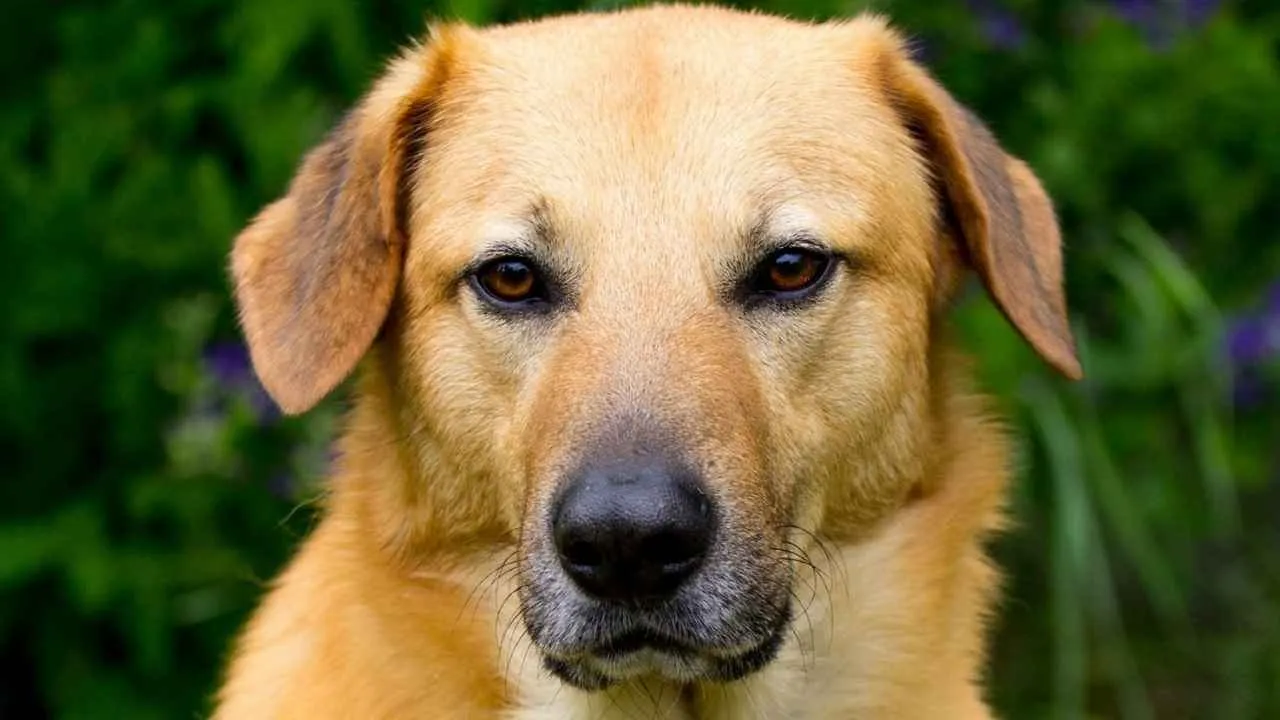
This large, muscular dog breed originated in the White Mountains of New Hampshire. They are hardworking and devoted family companions, known especially for their intelligence and willingness to please nature. This rare sled dog has a dense, double coat that keeps it well insulated in cold climates.
Personality
Chinooks are pleasant family companions and form strong bonds with their owners. They are usually calm, gentle, and get along well with children. An affectionate large dog breed with a typically friendly nature, with almost everyone.
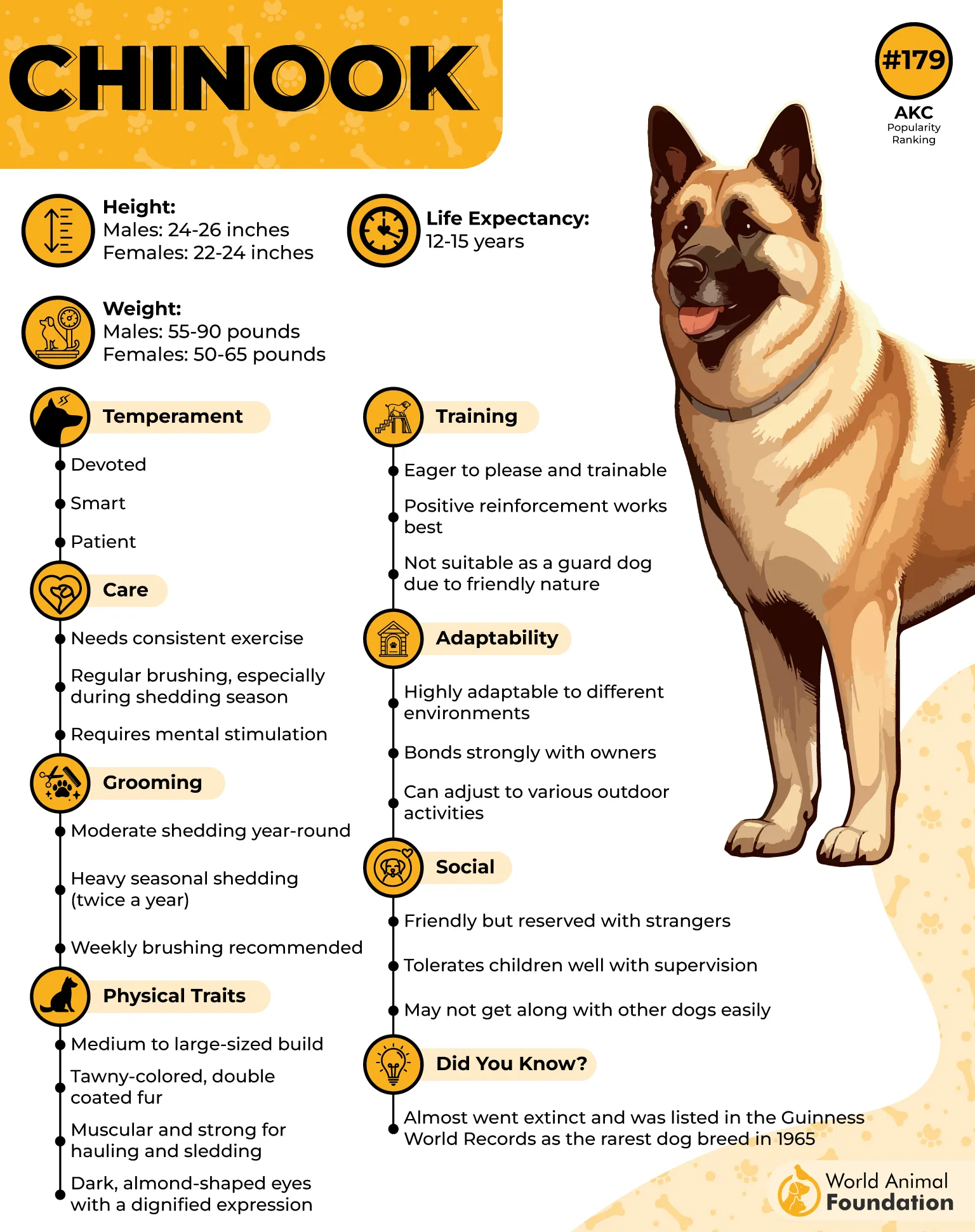
Chinooks are highly protective, adaptable, and vigilant. Easy to care for, laid-back, and composed, this breed will do anything to make their owner happy. They have high energy requirements and are happiest when they have a job to do.
Training
Despite having high energy, Chinooks do fine with regular walks and playtimes.
Reward-based, consistent training can encourage the dog’s natural instinct to obey you.
They require early socialization to grow into a well-behaved adult.
6. Dandie Dinmont Terrier
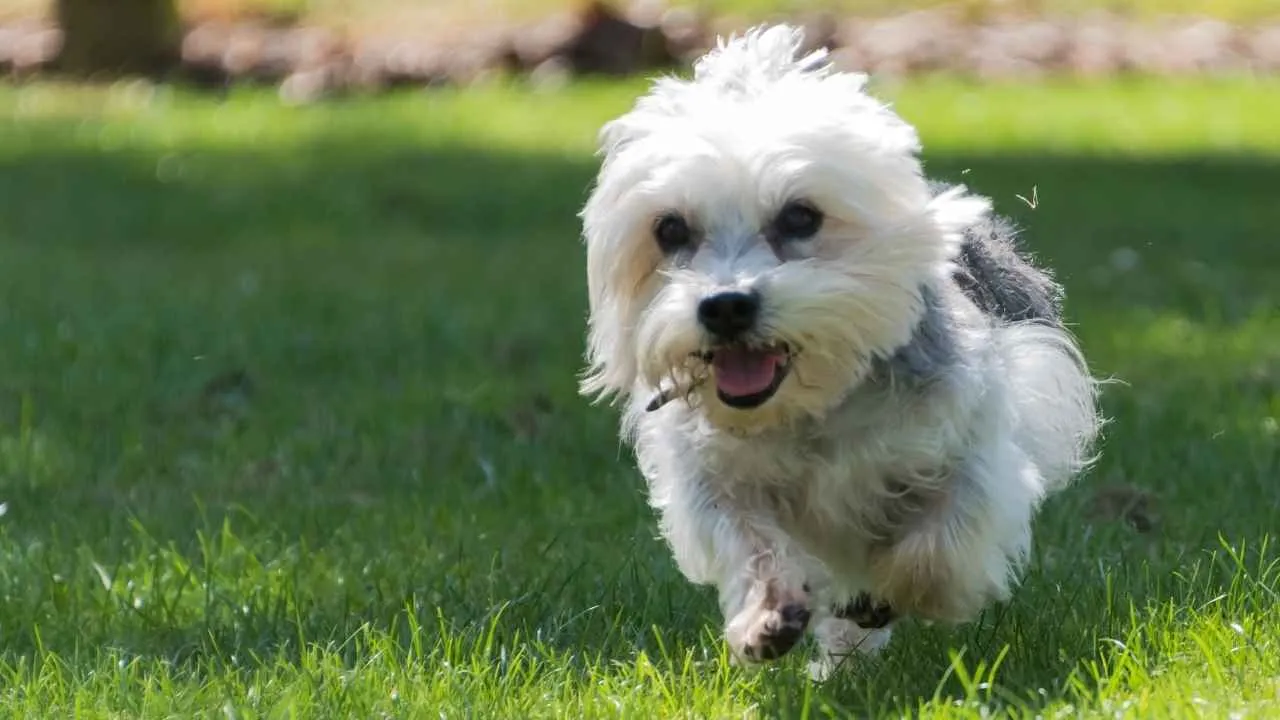
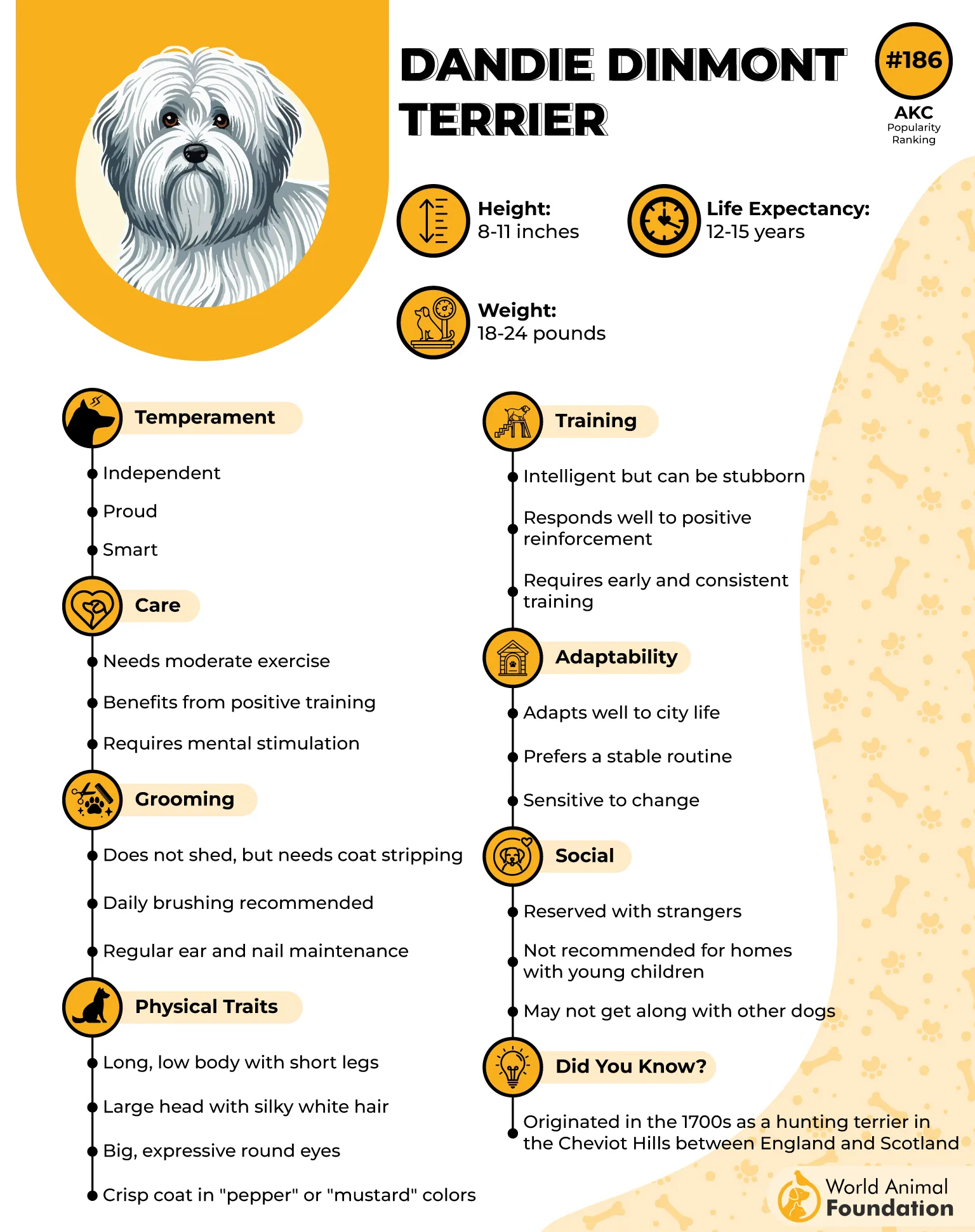
This charming Scottish breed is uniquely identified by its appearance. They were developed in the 1700s to work as farm dogs and hunt vermin for farmers, as stated by PetMD.
Their large, dark eyes, low body, short legs, and fluffy top knot make them distinctive from other breeds. These terriers were used to hunt badgers, foxes, and otters.
Personality
Dinmont is a fiercely loyal companion and strong-willed in nature. They are extremely cute, and the fluffy, cuddly look gives the impression of a show dog. They pick their own favorite in the home and adjust well to any household.
Dandie Dinmont Terriers are small in size but are independent and courageous. They are also alert and watchful, with a surprisingly loud, thunderous bark. However, they’re generally calm and soft, and they bark in threatening situations only.
Training
While being moderately active, Dandie Dinmont needs regular exercise to ensure mental and physical well-being.
These terriers are full of willingness and a bold streak, so give them positive, motivational training.
A daily walk of 30-60 minutes is enough, as their short legs can’t bear heavy workouts.
7. Neapolitan Mastiff
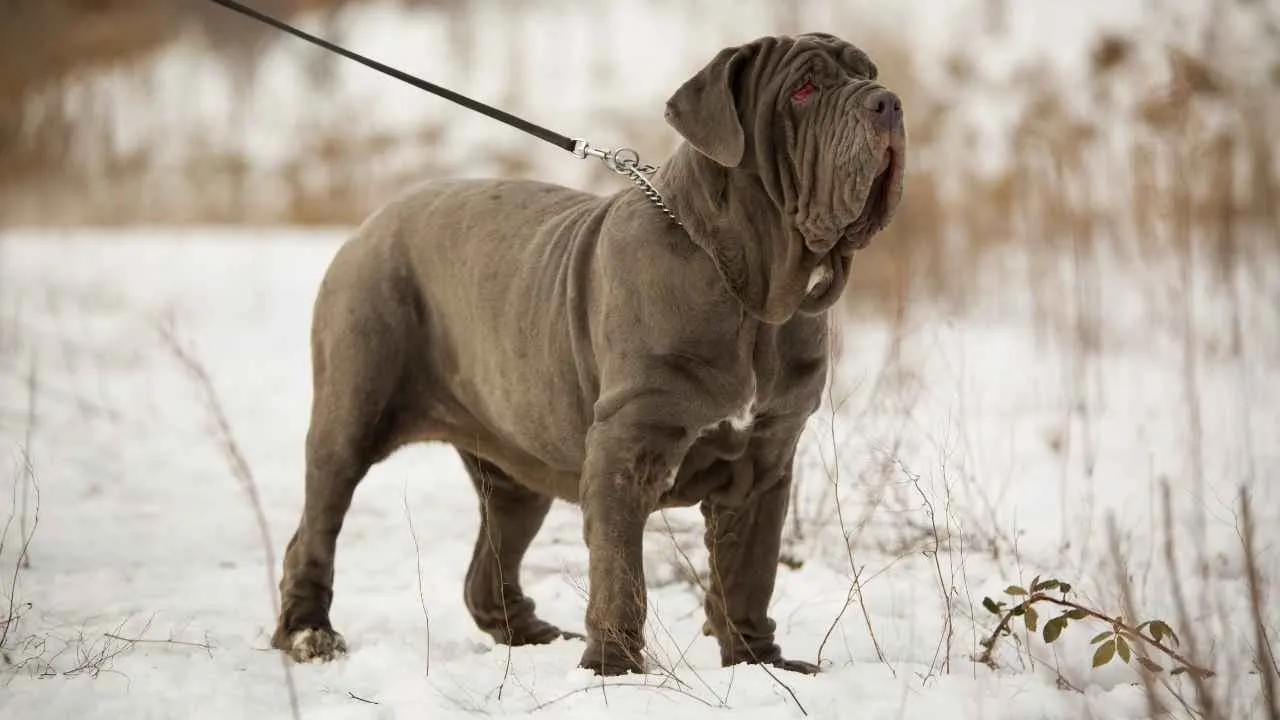
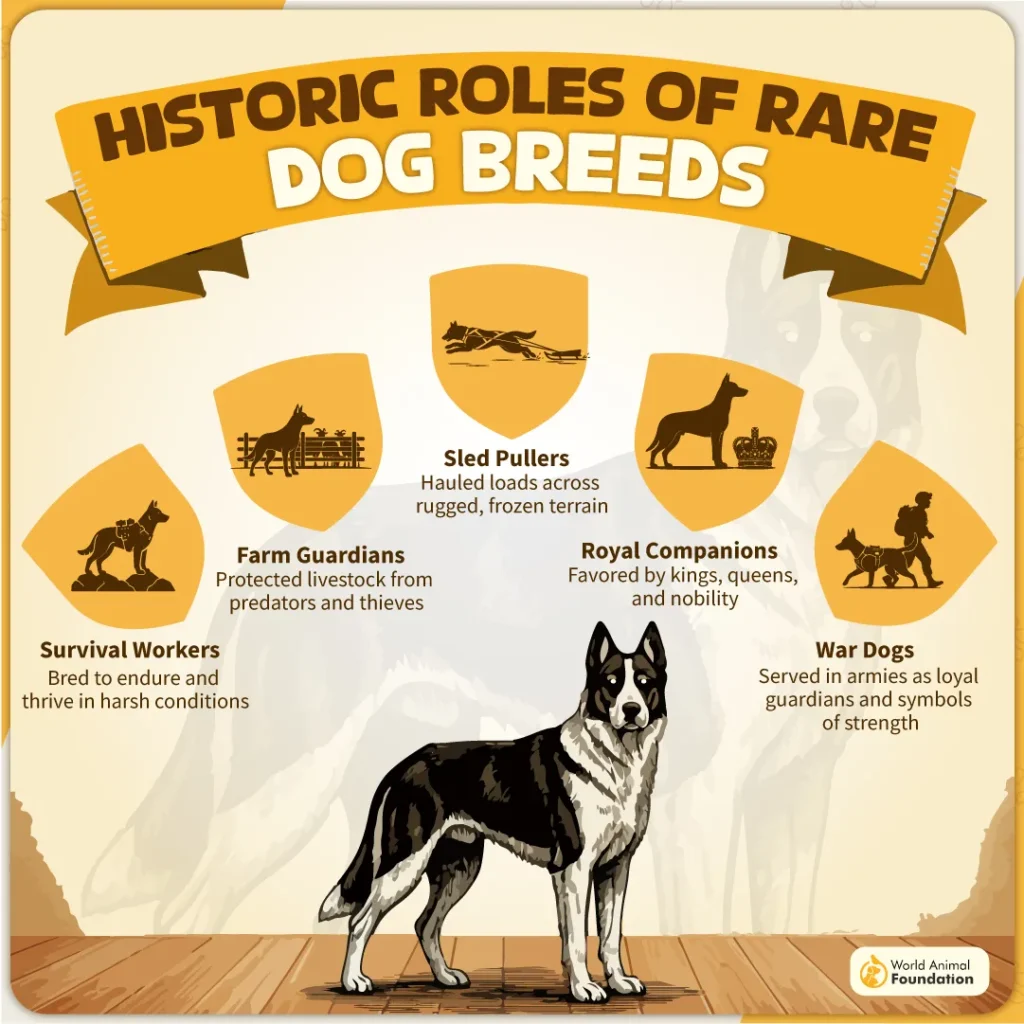
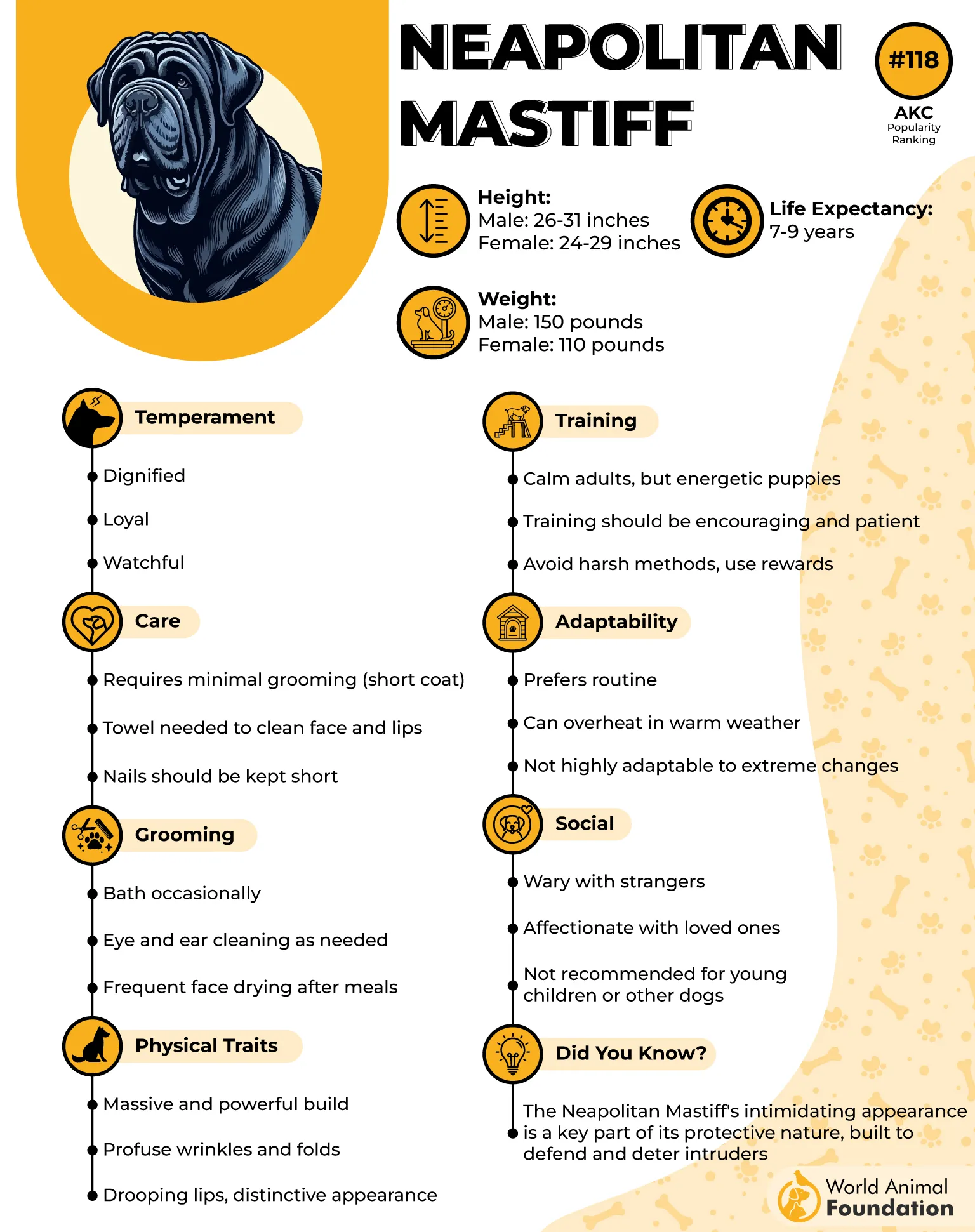
The Neapolitan Mastiff is a guard dog breed of impressive size with a long history as a formidable protector. They were first used as war dogs by the Roman army, then as guard dogs in Italy. They were designed in such a way as to ward off strangers without needing to attack physically.
Personality
Behind the tough exterior lies an effective guardian with naturally protective instincts. Reserved and naturally wary of strangers, Neapolitan Mastiffs prefer to observe before welcoming newcomers into their territory.
These dogs are deeply attached to their owners and happiest when close to home. Never mind the intimidating presence; they are actually very sweet and somewhat lazy. These natural protectors make excellent watchdogs, too, but they can only be handled by experienced owners.
Training
Start firm training and socialization from a young age to manage their extremely protective nature and size.
Use treats and praises during sessions to prevent obesity and encourage learning.
Pet parents need to engage them in activity regularly, especially in mentally stimulating games.
Conclusion
These lesser-known guard dog breeds prove that protection and reliability do not come from repudiated breeds only. Along with their protective behavior, they offer an unending commitment to their loved ones. When properly trained, these natural guardians are comfortable sharing their lives as loving and loyal companions.
Whether these dogs were bred to guard, protect livestock, or work alongside humans, their faithfulness never ends. For active households or families seeking excellent protectors, these dogs are no better than Belgian Malinois and Cane Corso, who also make fantastic companions.
