




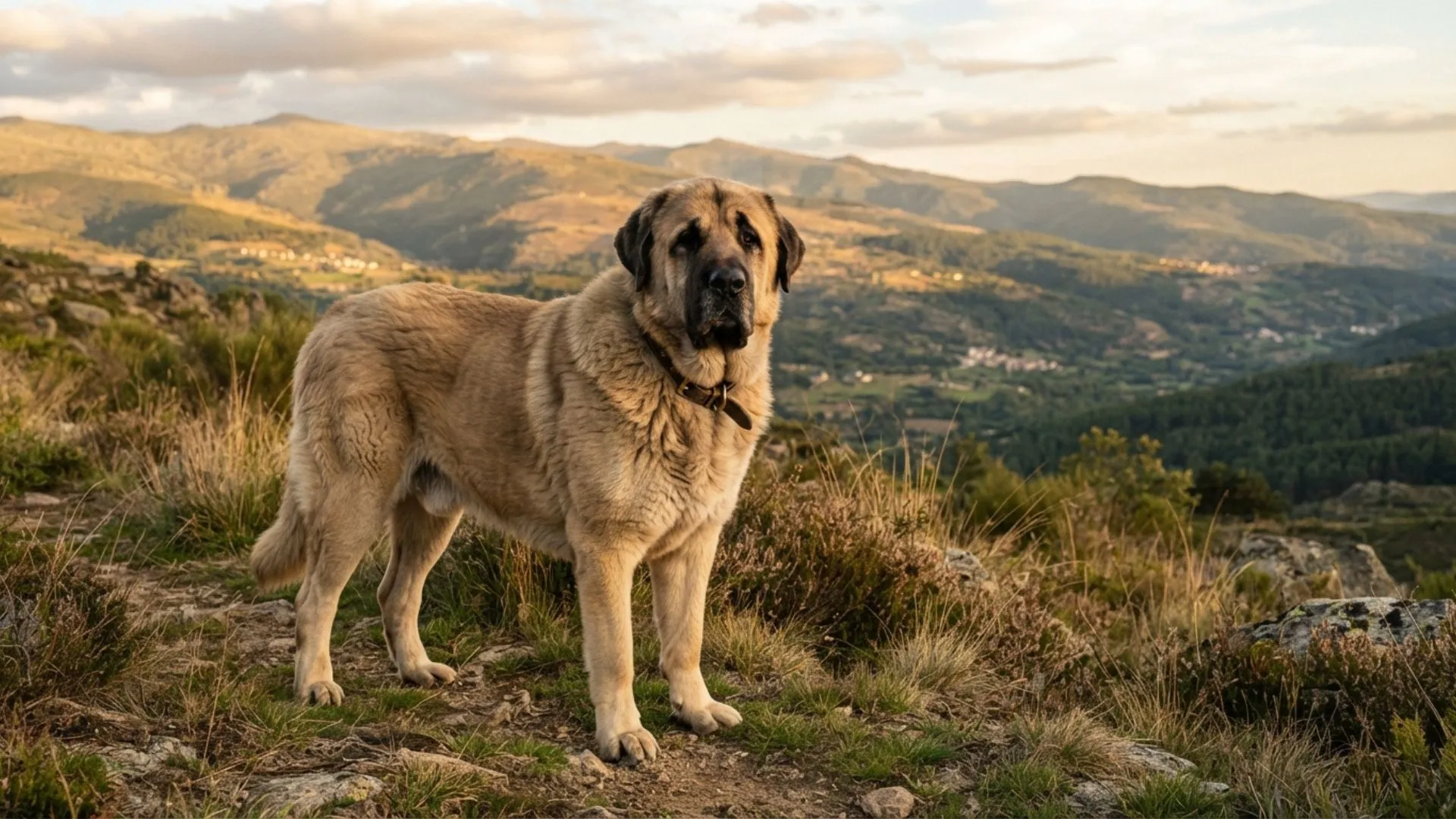
When people picture a giant dog, the same few famous breeds usually come to mind. That habit leaves an entire group of remarkable dogs hidden in plain sight.
They are large enough to command attention, yet surprisingly few people know what they are capable of. Some were developed for demanding jobs, others formed deep partnerships with people over generations, and several possess qualities that would surprise anyone who assumes they are simply oversized companions.
Their stories, abilities, and personalities rarely make the spotlight, which is exactly why they remain overlooked despite so much to offer. Once you begin looking beyond the familiar names, the picture becomes much more interesting. You start seeing giant breeds with impressive versatility, dependable temperaments, and characteristics that deserve far greater appreciation.
By the time you reach the end, you’ll discover why these little-known gentle giants have quietly earned far more potential than their reputation suggests.
Key Takeaways
Some giant dogs have quietly slipped under the radar, even though their history and abilities rival some of the world’s most famous breeds.
The Leonberger alone has a story tied to a German town, royal families, and even the lion on Leonberg’s coat of arms.
From the fearless Caucasian Shepherd to the graceful Scottish Deerhound, every breed on this list brings something few people expect from a giant dog.
A few of these hidden giants have stories that are just as impressive as their size, and they’re well worth discovering.
Little-Known Giant Dog Breeds with Incredible Potential
1. Leonberger
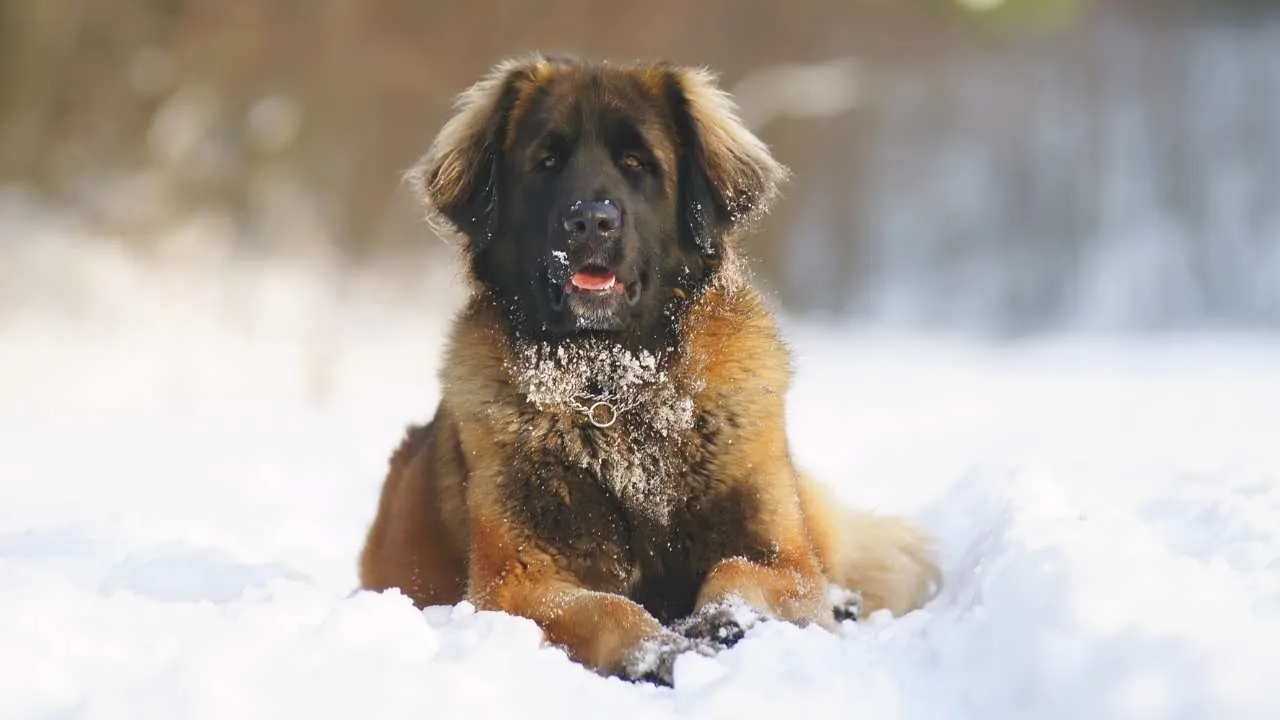
Leonberger takes its name from the town of Leonberg in Germany, where legend connects this impressive breed with the lion featured on the town’s coat of arms. Its future became uncertain during both World Wars before dedicated breeding efforts helped rebuild its population.
More Than Size
This large dog combines physical strength with a calm nature, making it equally comfortable tackling purposeful work or relaxing with the family. This giant breed also found a place on farms before becoming a valued companion and search-and-rescue dog, as PetMD described.
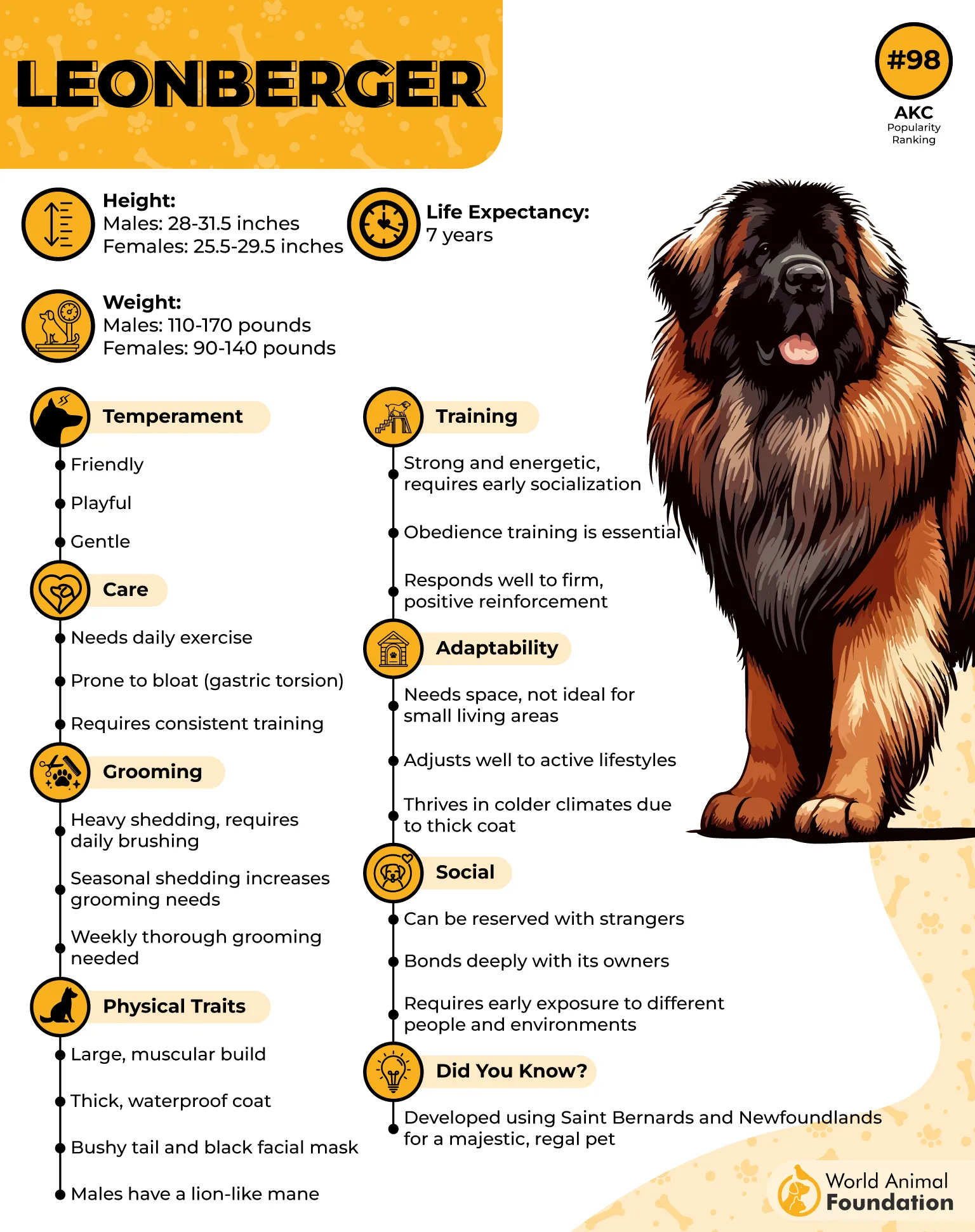
The breed keeps surprising people:
Linked with Leonberg’s lion emblem
Associated with European royal families
Legend connects Newfoundland, Saint Bernard, and Great Pyrenees ancestry
Gentle at Heart
Leonberger forms close bonds with its family and responds warmly to affection from the people it trusts most. A patient nature around children, confidence with strangers after proper socialization, and a daily brisk walk or hike all fit naturally into this breed’s lifestyle.
2. Caucasian Shepherd
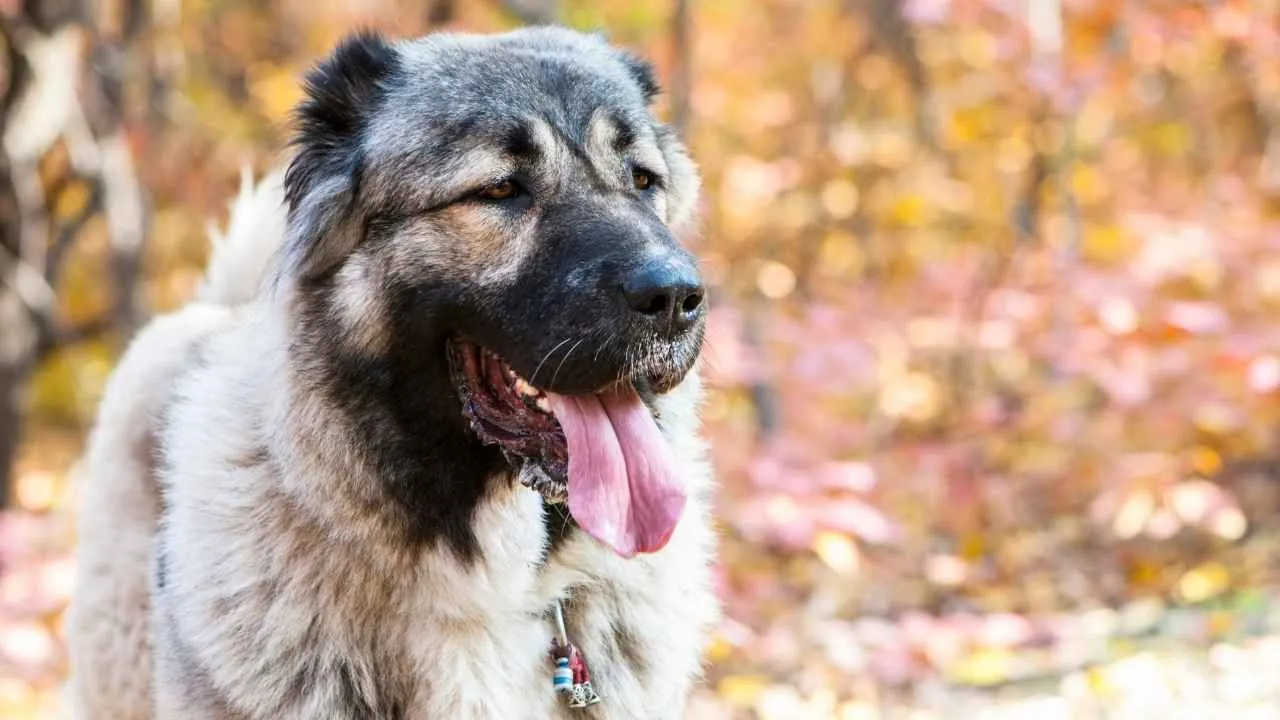
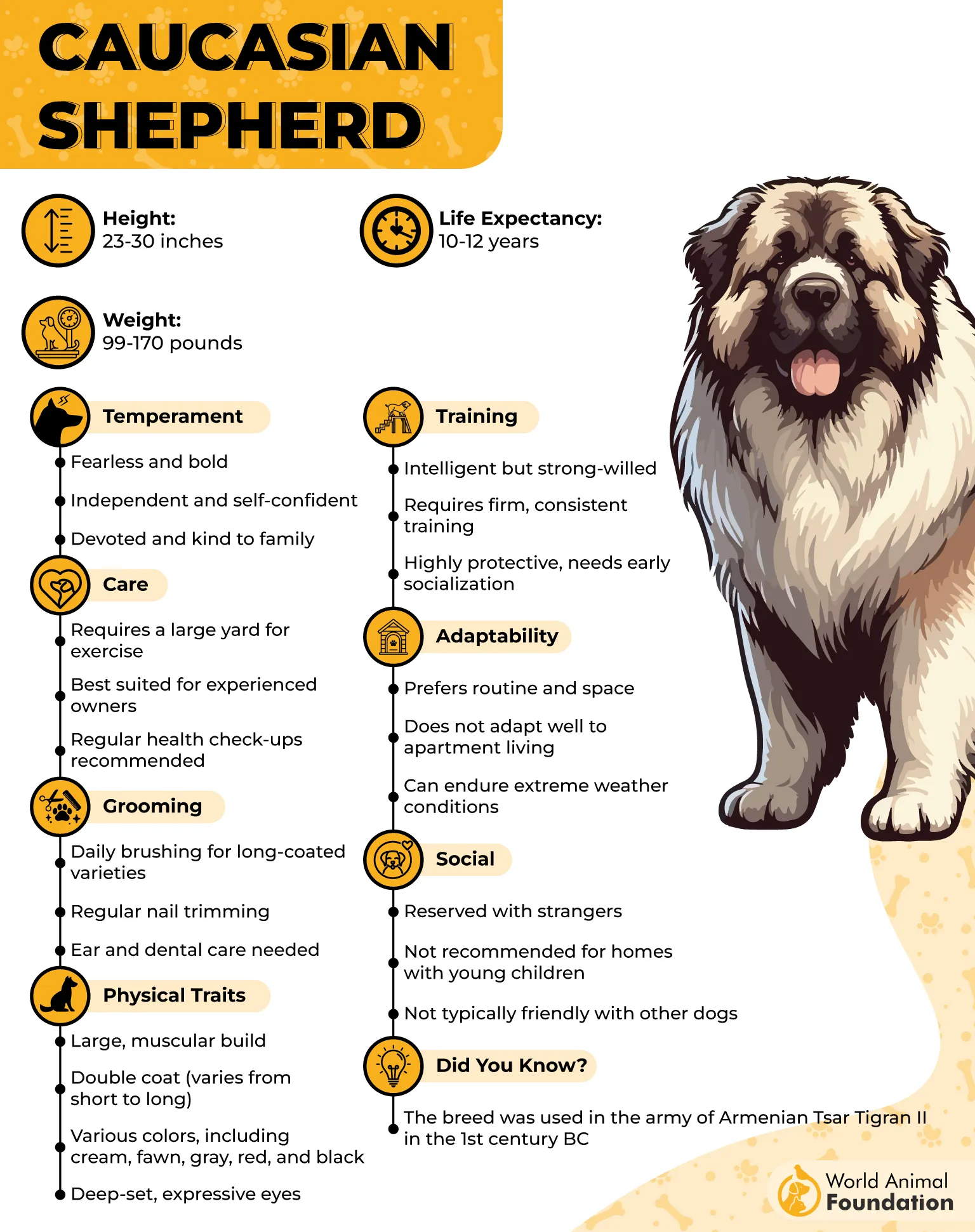
Caucasian Shepherd built its reputation as a serious guardian, combining deep loyalty with an independent nature that calls for confident handling. Although uncommon in North America, adoption may still be possible through local shelters and breed rescue organizations.
Strong-Willed Character
This giant dog prefers making its own decisions, which can make daily life challenging for someone with little dog-handling experience. According to Purina, a securely fenced property gives it the space to settle comfortably while respecting its natural instincts.
Beyond everyday companionship alone:
Often prefers being the only pet
Better suited to homes without young children
Boarding can be especially difficult
Home Life
Caucasian Shepherd forms close bonds with its family but approaches unfamiliar people with natural caution rooted in its guardian role. A quieter household with a consistent routine usually suits this breed better than one filled with constant visitors and frequent changes.
3. Spanish Mastiff
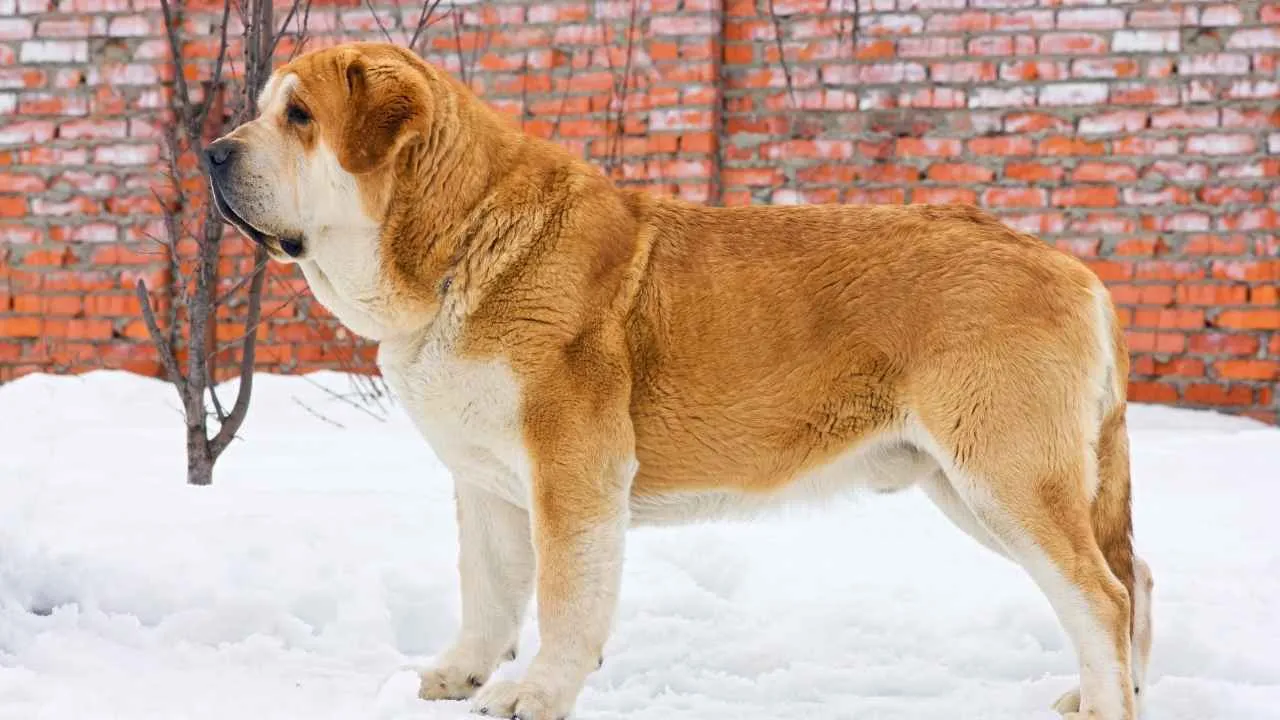
Spanish Mastiff spent more than 2,000 years protecting livestock across Spain, where a single dog could watch over flocks of up to 100 sheep. That long working role reflects both the breed’s imposing size and the steady judgment expected from a dependable guardian.
Calm but Watchful
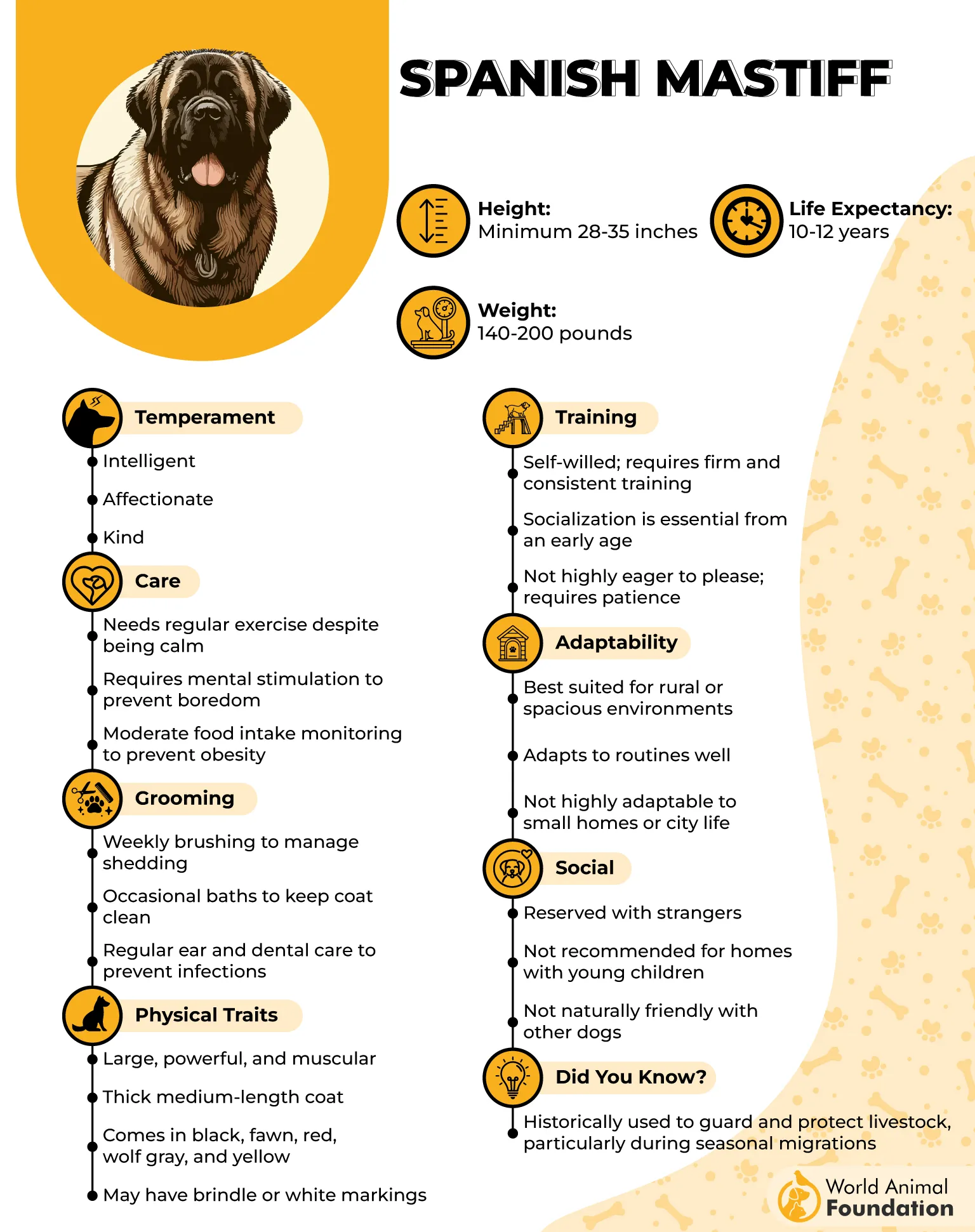
This large dog breed remains relaxed around familiar people and well-known animals, while unfamiliar faces quickly draw its attention. Early obedience lessons help this giant breed learn polite manners and confident behavior from an early age.
A few details deserve a closer look:
Deep, low-pitched alert bark
It can be difficult to find for adoption
Originally protected sheep from wolves
Everyday Temperament
Spanish Mastiffs form affectionate bonds with their family and usually get along well with children and other dogs when socialization begins during puppyhood, as per the AKC. Its calm nature does not prevent a quick response whenever an unfamiliar person or animal comes into view.
4. Boerboel
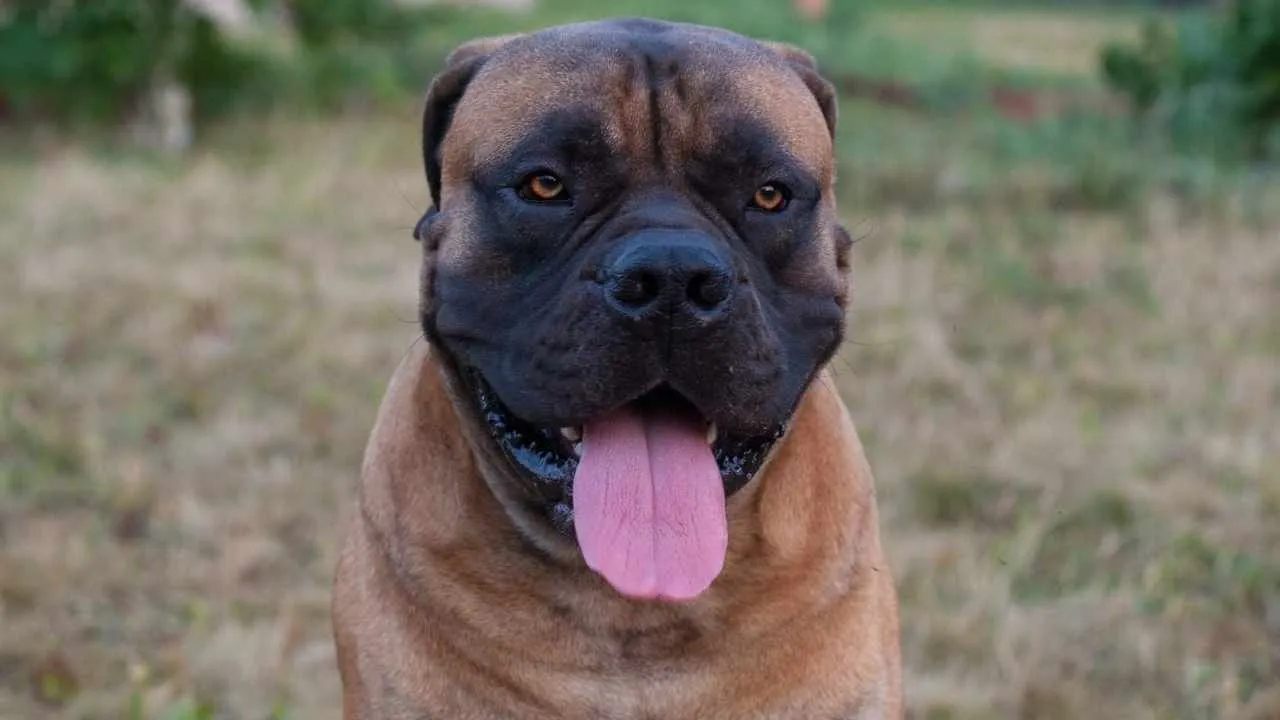
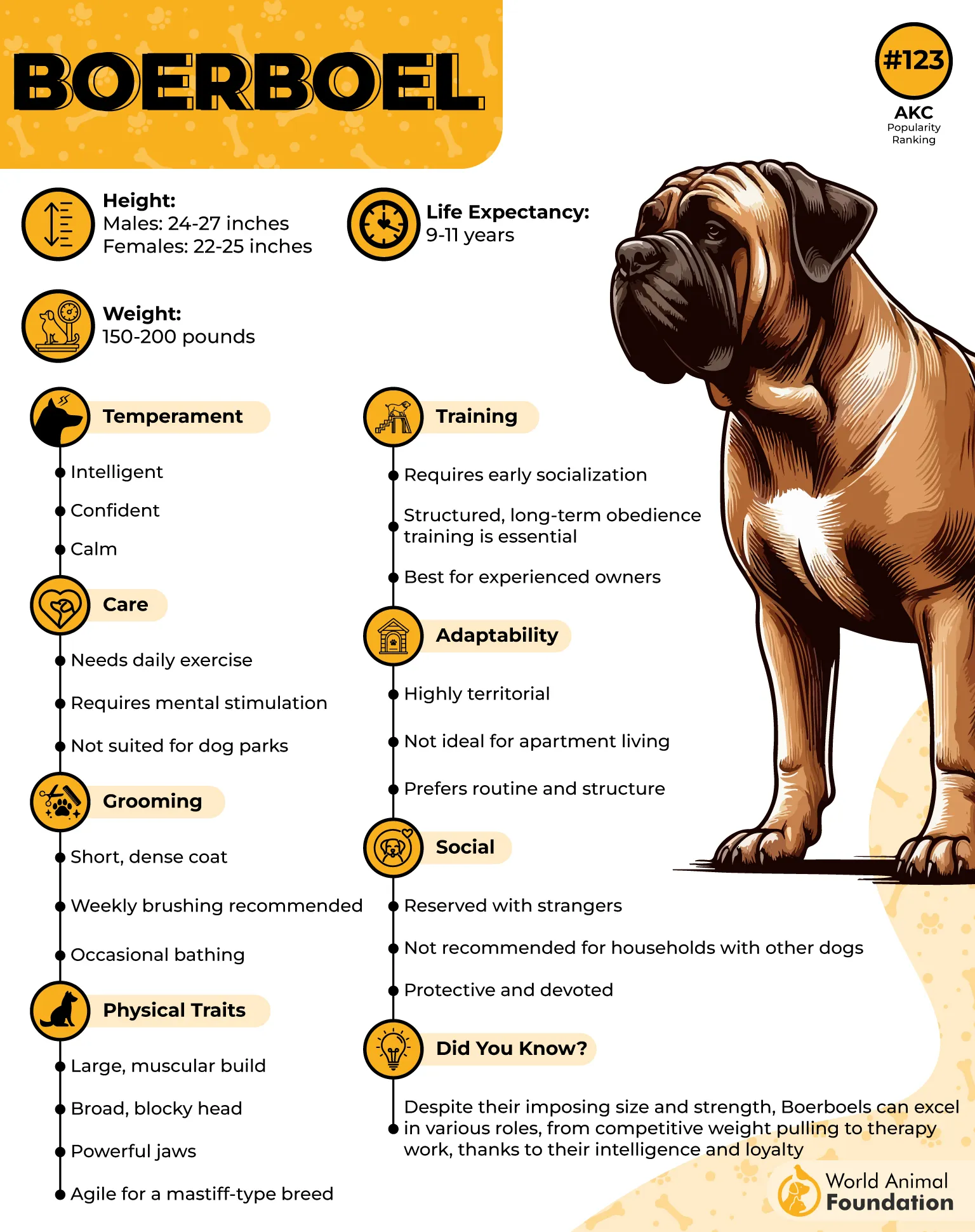
Boerboel has its origins in South Africa, where its powerful build and dependable temperament helped protect farms from formidable predators, including hyenas and lions. Although this breed has worked beside people for centuries, it remains fairly uncommon across North America today.
Strength With Purpose
Boerboel combines physical power with a calm, thoughtful nature, making it both a dependable guardian and a devoted family companion. Its intelligence also allows training to progress well when clear guidance begins from an early age.
These points reveal more about this impressive breed:
Also called the South African Mastiff
Breed preservation efforts began in the 1980s
Independent decision-maker by nature
Calm at Home
As family dogs, they form deep bonds with their family and often respond gently to children who understand respectful interaction with large dogs. Around unfamiliar people, this breed can become watchful, making early socialization an important part of its upbringing.
5. Polish Tatra Sheepdog
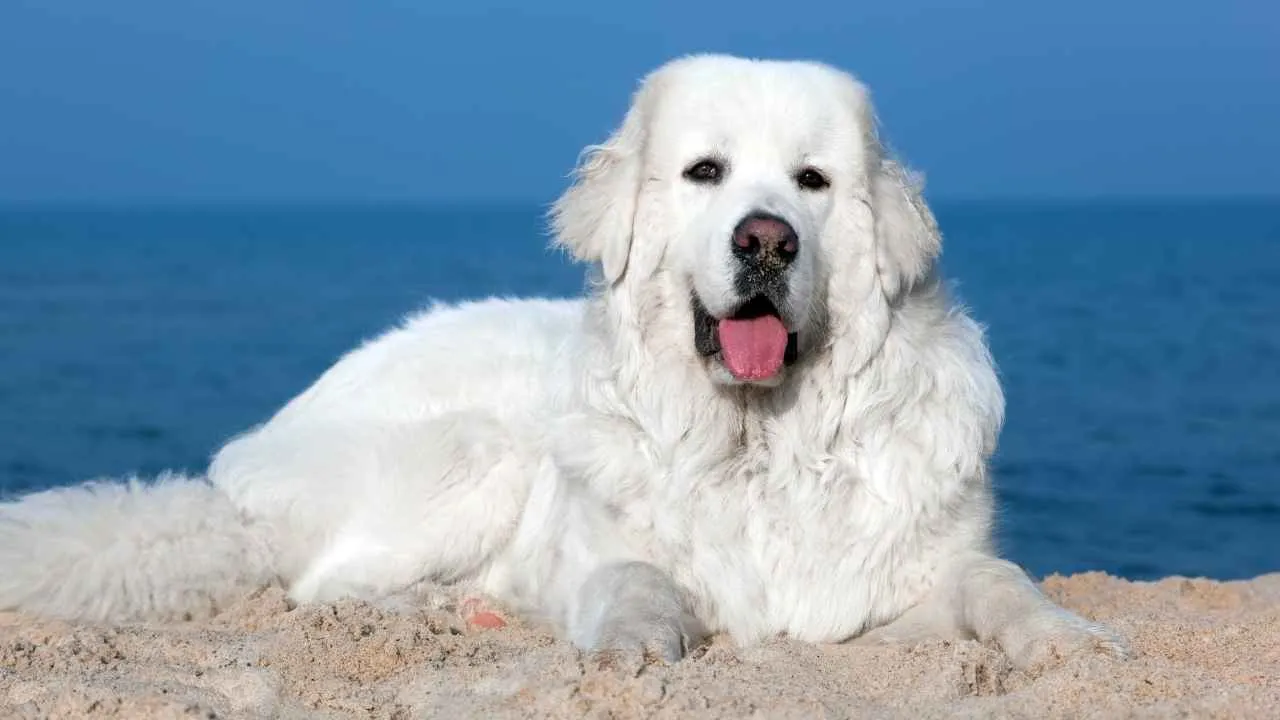
Polish Tatra Sheepdog comes from Poland’s Tatra, or Podhale, region, where it protected sheep from predators and theft across open mountain pastures. Its powerful frame, deep chest, and calm, watchful expression reflect a breed shaped for dependable livestock guarding.
Built With Purpose
A weather-resistant white double coat serves more than one purpose, helping shepherds spot the dog while also allowing it to blend naturally with flocks against snowy landscapes. Its steady trot suits long hours of patrolling instead of fast-paced pursuit.
The breed keeps surprising people:
Broad skull with dark almond eyes
Heavy feathering on the tail and legs
Substantial neck ruff around the shoulders
Calm but Watchful
Polish Tatra Sheepdog forms strong bonds with its family and the animals under its protection while approaching unfamiliar people with natural caution. Early socialization, secure fencing, and clear boundaries help channel its independent guarding instincts in a balanced direction.
6. Black Russian Terrier
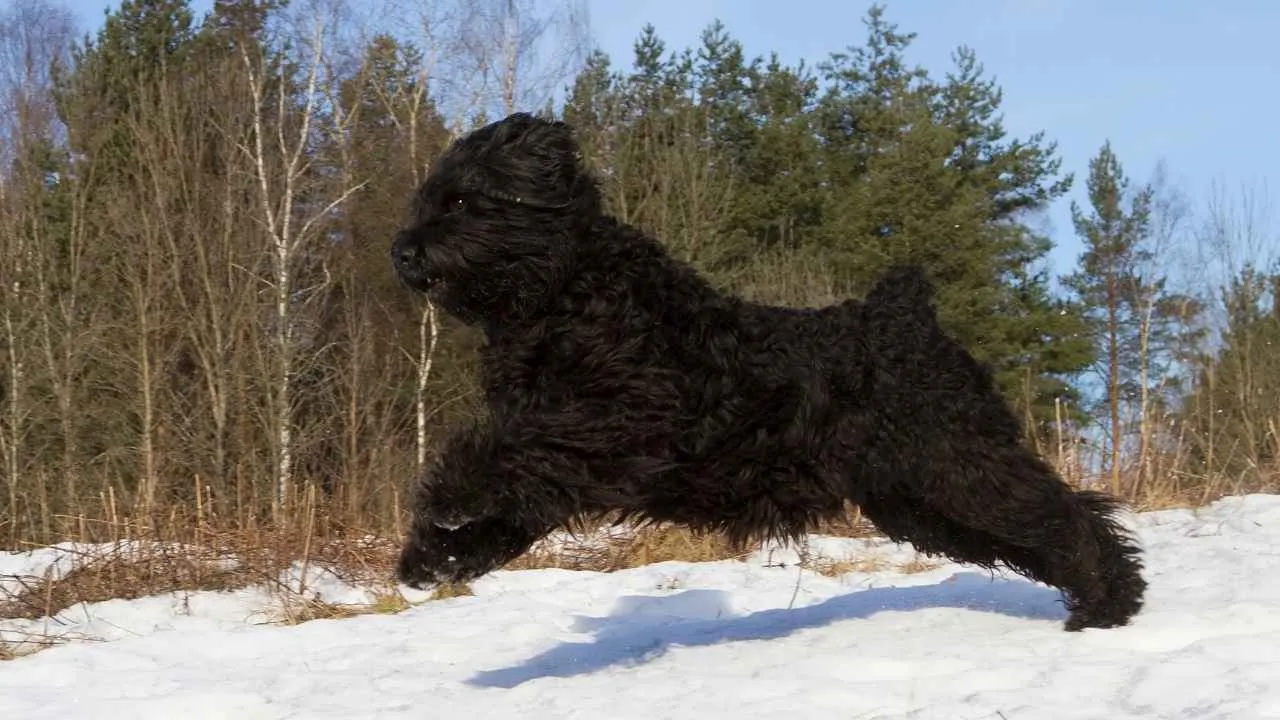
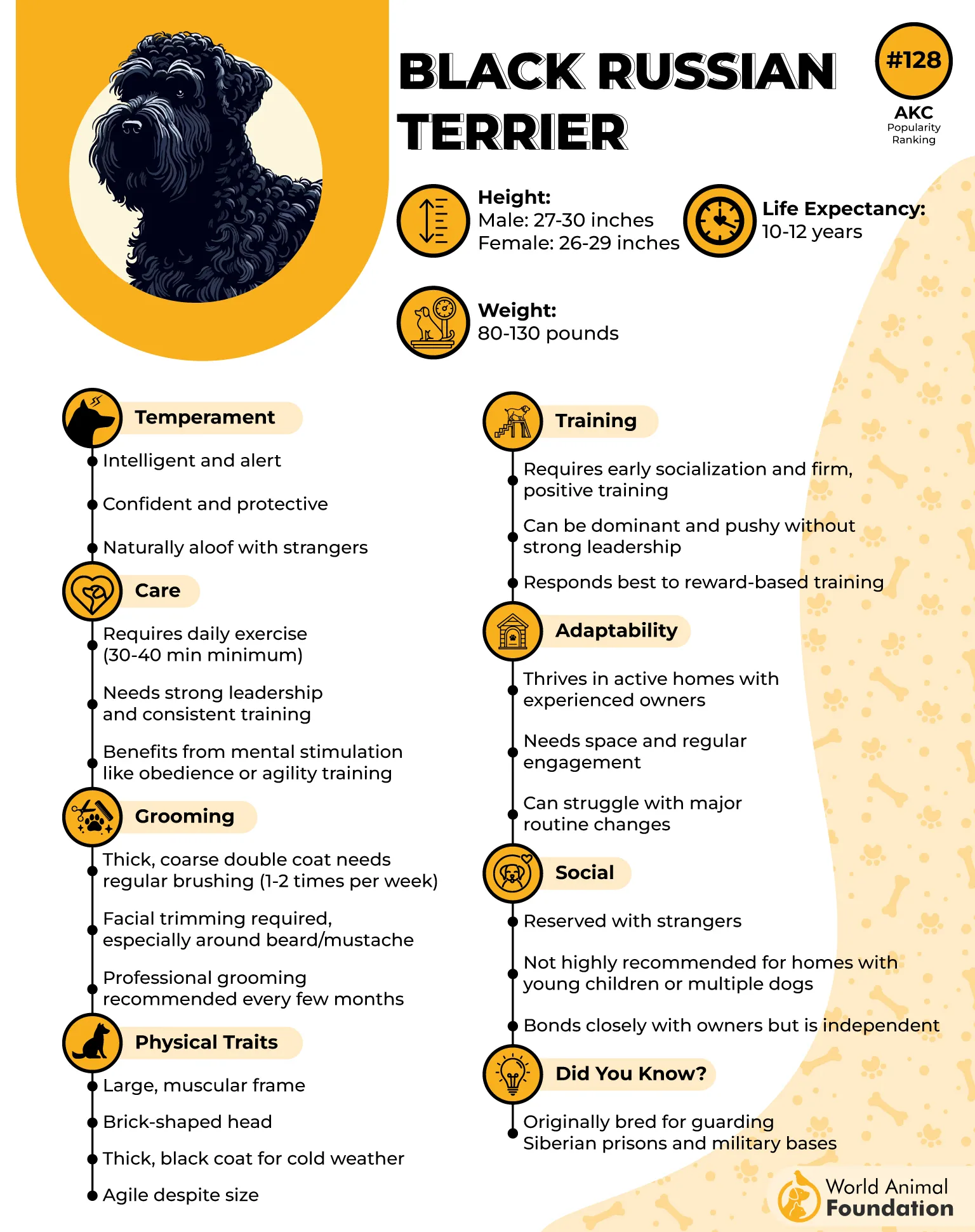
Black Russian Terrier emerged in Russia during the late 1940s and 1950s with one clear purpose: handling a wide variety of demanding jobs. Several large breeds, including the Rottweiler, Giant Schnauzer, Airedale Terrier, and Newfoundland, contributed to its powerful build and sharp intelligence.
Calm Under Pressure
This terrier has a composed temperament with the confidence needed for different working roles, making it dependable in changing situations. Family members usually receive deep loyalty, while unfamiliar people are approached with thoughtful caution.
This is how this breed came together:
Created from multiple large working breeds
Intended for versatile working duties
Robust and smart dog breed
Room to Settle In
Black Russian Terrier does not demand constant activity, although regular walks and interactive play remain an important part of its routine. A home with enough space for a dog weighing well over 100 pounds allows this impressive companion to settle in comfortably.
7. Scottish Deerhound
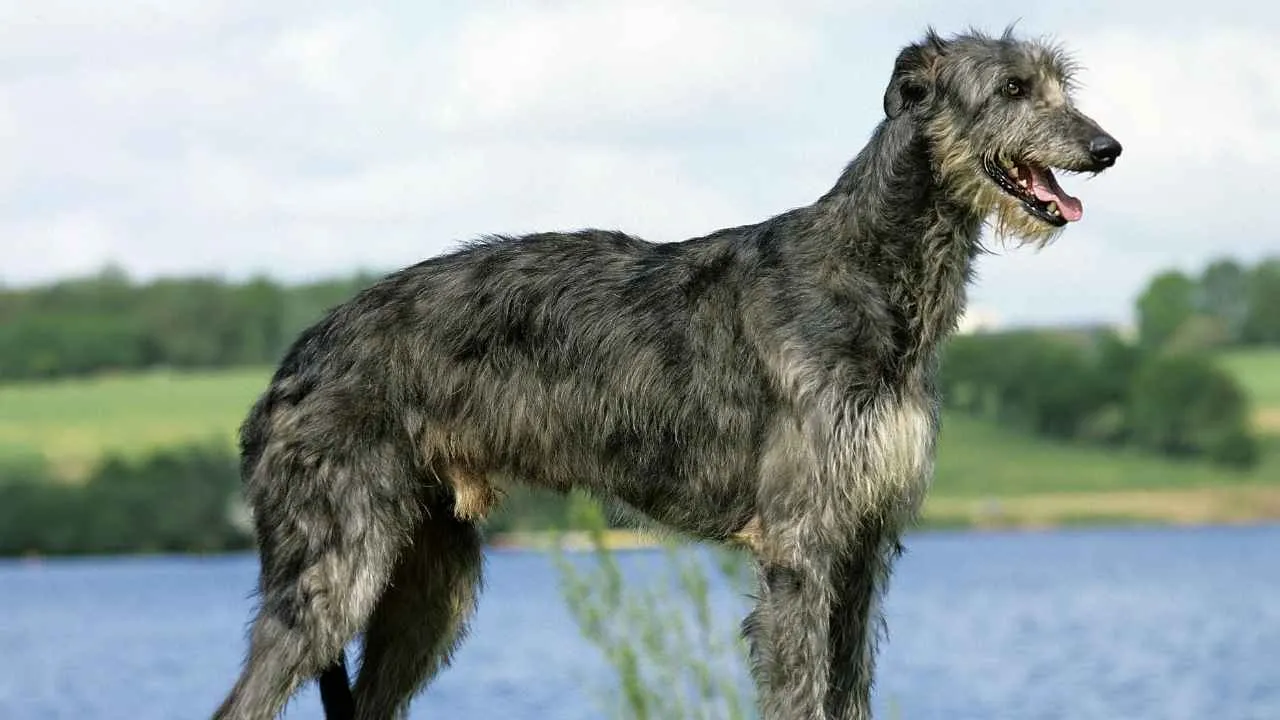
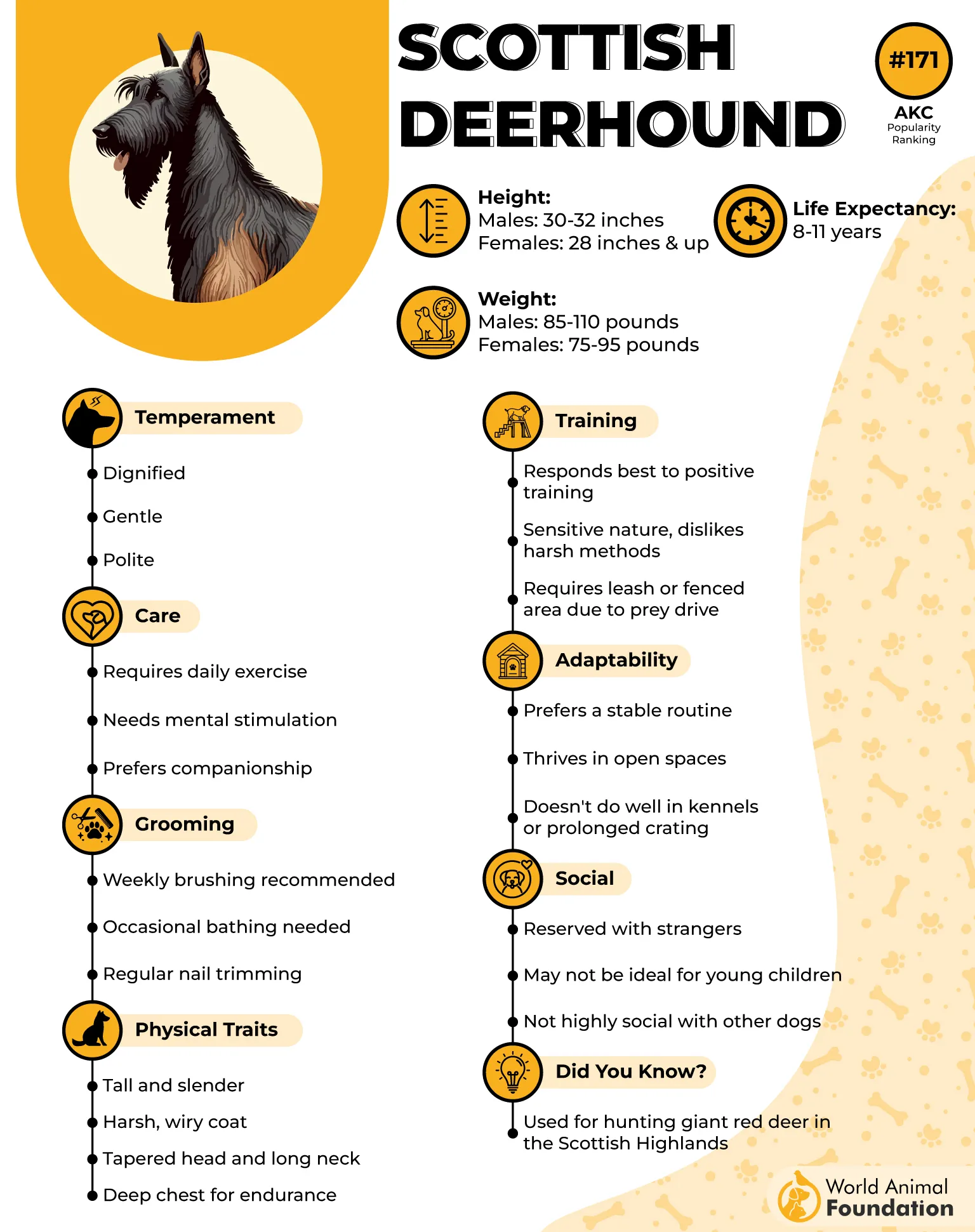
By the 1500s, the Scottish Deerhound had become highly regarded in Scotland for its exceptional ability to hunt deer across the Highlands. Today, this towering breed is equally appreciated for its calm nature once the excitement of the day has passed.
Built for the Chase
A lean frame, long legs, and a wiry coat reflect the purpose behind this sight hound’s design, while its athletic ability still calls for at least an hour of daily activity. That combination suits people who can match its active lifestyle.
Another side of this breed is worth knowing:
Mature dogs spend long hours resting
Training calls for patience and persistence
Temperament ranges from aloof to outgoing
Calm at Home
This rare dog breed settles into a surprisingly relaxed routine after enough activity, often choosing a couch or bed for much of the day. Socialization from an early age helps build positive relationships with children, people, and other household pets.
Conclusion
A giant dog can offer much more than an impressive appearance when its natural abilities and personality fit the right home. Many overlooked breeds have spent generations protecting livestock, assisting people, or working through demanding conditions with remarkable confidence and reliability. Those qualities still shape the companions they become today.
Taking time to understand their temperament, daily needs, and history makes choosing far easier than relying on popularity alone. The biggest surprise is often discovering that the least familiar companion may be the one best suited to your family. Sometimes the hidden giants leave the strongest and most lasting impression of all.
