




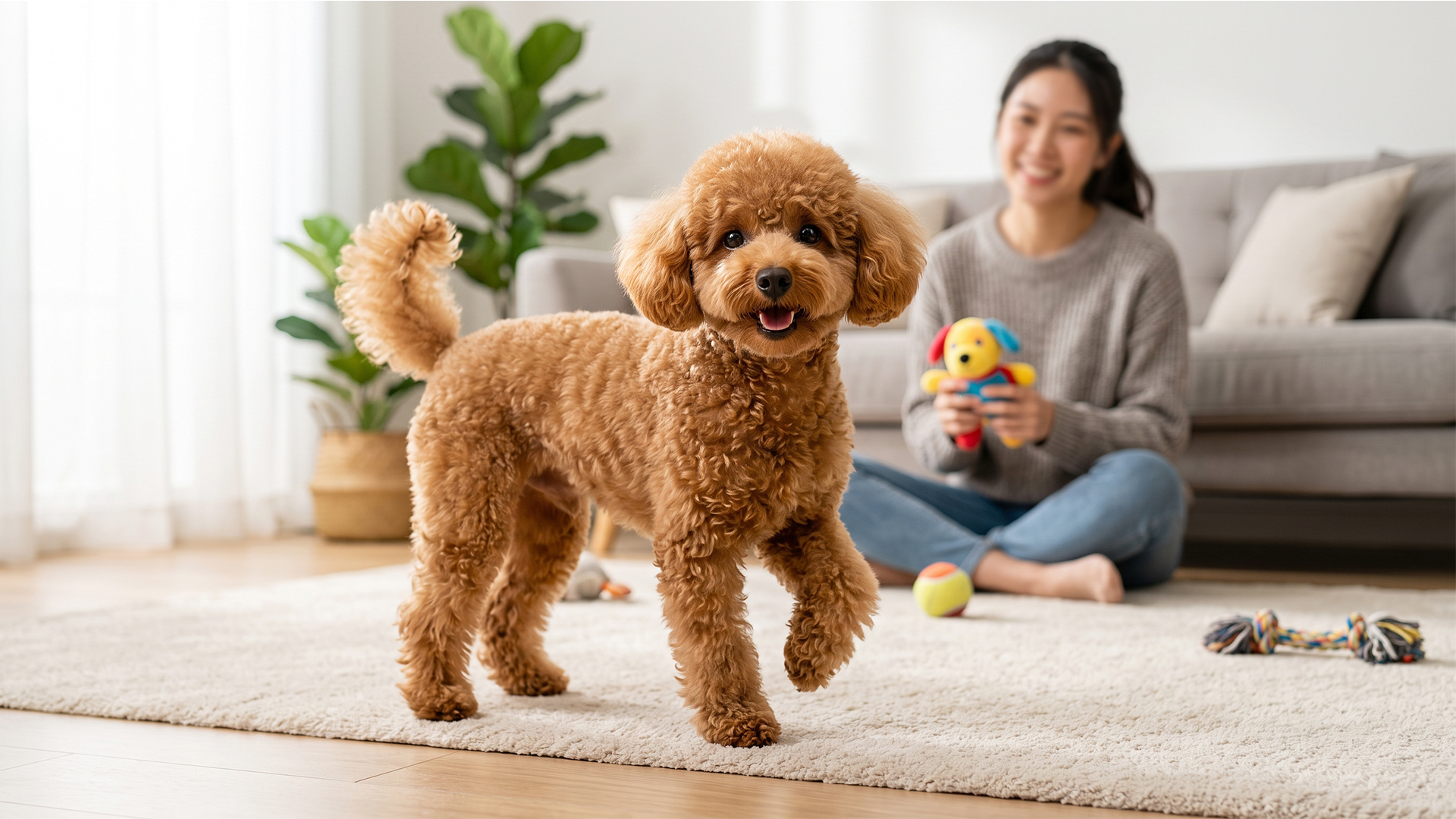
Small dogs may take up less room on the sofa, but many of them bring enough personality to fill an entire house. These compact companions can be playful, adventurous, affectionate, alert, clever, and deeply devoted to the people they trust. Basically, they are proof that loyalty and entertainment value are not measured in pounds.
However, choosing a little dog should involve more than falling in love with an adorable face on social media. Some small breeds have intense exercise needs, powerful hunting instincts, independent minds, fragile bodies, or grooming routines that demand real time and money.
The seven breeds below combine playfulness with strong family attachment, but each expresses those qualities differently.
Little Dog Breeds That Excel in Playfulness and Loyalty
1. Jack Russell Terrier
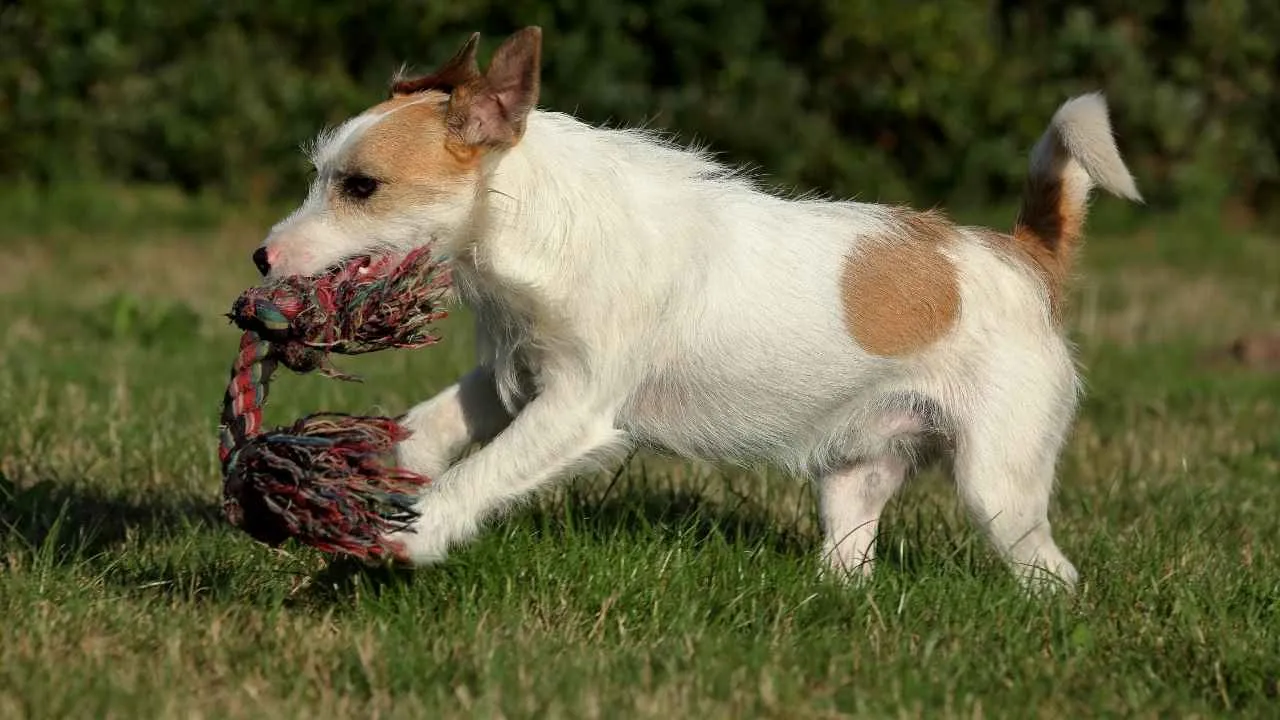
The Jack Russell Terrier is a compact bundle of confidence, curiosity, and energy that rarely believes an ordinary day should remain ordinary. Originally developed as a working terrier, this breed was expected to pursue quarry underground, think independently, and keep moving through demanding countryside.
Standing roughly a foot tall, the Jack Russell is small, muscular, athletic, and capable of a high level of daily activity. Fetch, agility, Frisbee, hide-and-seek, scent games, and structured adventures provide much healthier outlets than allowing boredom to design the afternoon schedule.
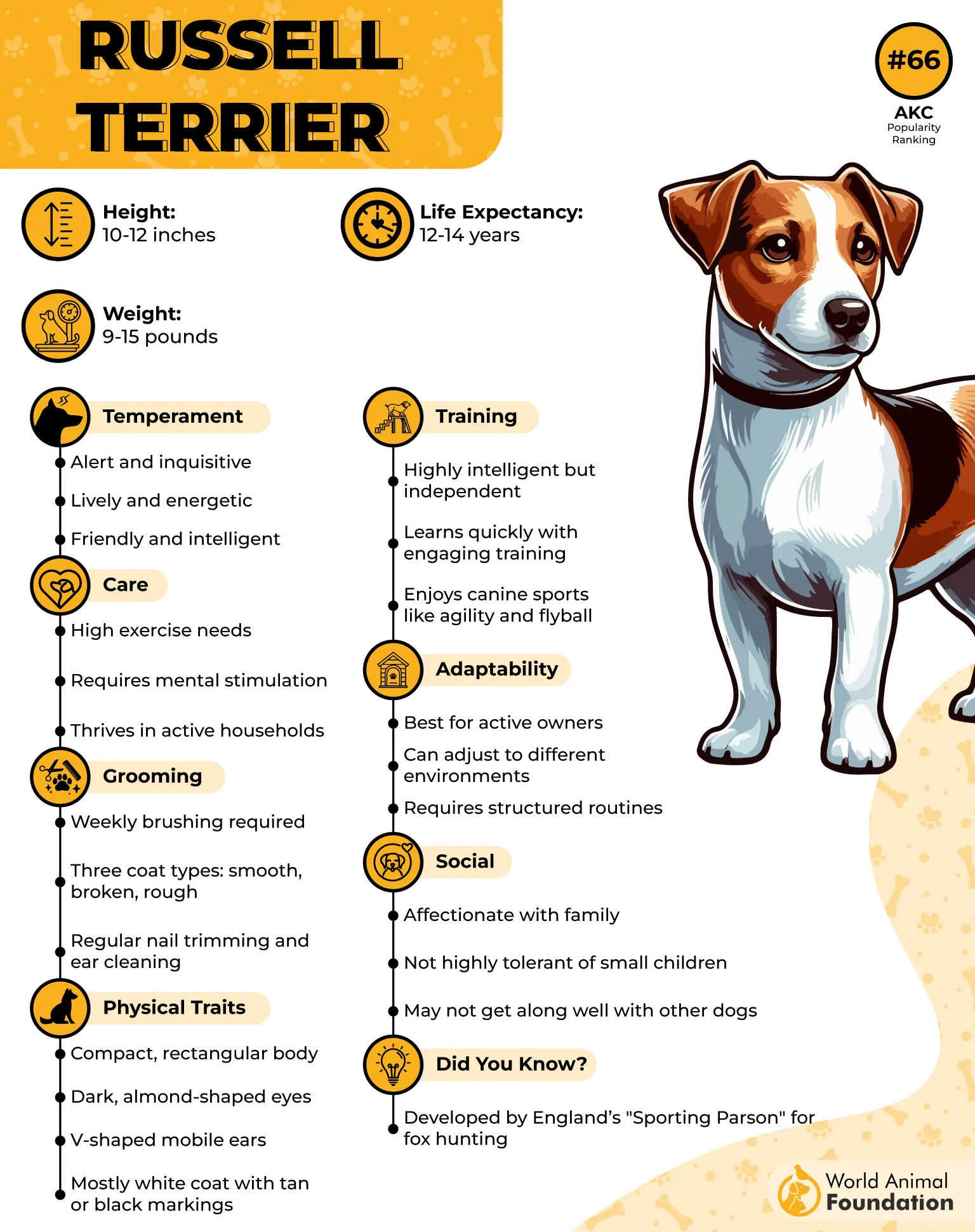
Royal Kennel Club says these intelligent terriers learn quickly. Small dog owners say they notice inconsistencies immediately, and may use their problem-solving skills to negotiate rules that nobody else agreed to change. Short daily sessions involving rewards, movement, toys, and real-life practice tend to work better than repetitive drills or harsh corrections.
Strong prey drive is one of the most important realities prospective owners must understand. Many Jack Russells instinctively chase rodents, birds, cats, and other small animals, making secure fencing and dependable leash handling essential.
With active older children and adults who enjoy games, training, and outdoor time, a Jack Russell can become an intensely loyal family companion.
2. Boston Terrier
The Boston Terrier is nicknamed the “American Gentleman,” partly because of its tuxedo-like markings and partly because this little dog knows how to charm a room. Bostons are cheerful, affectionate, expressive companions that often behave like tiny comedians with carefully rehearsed facial reactions.
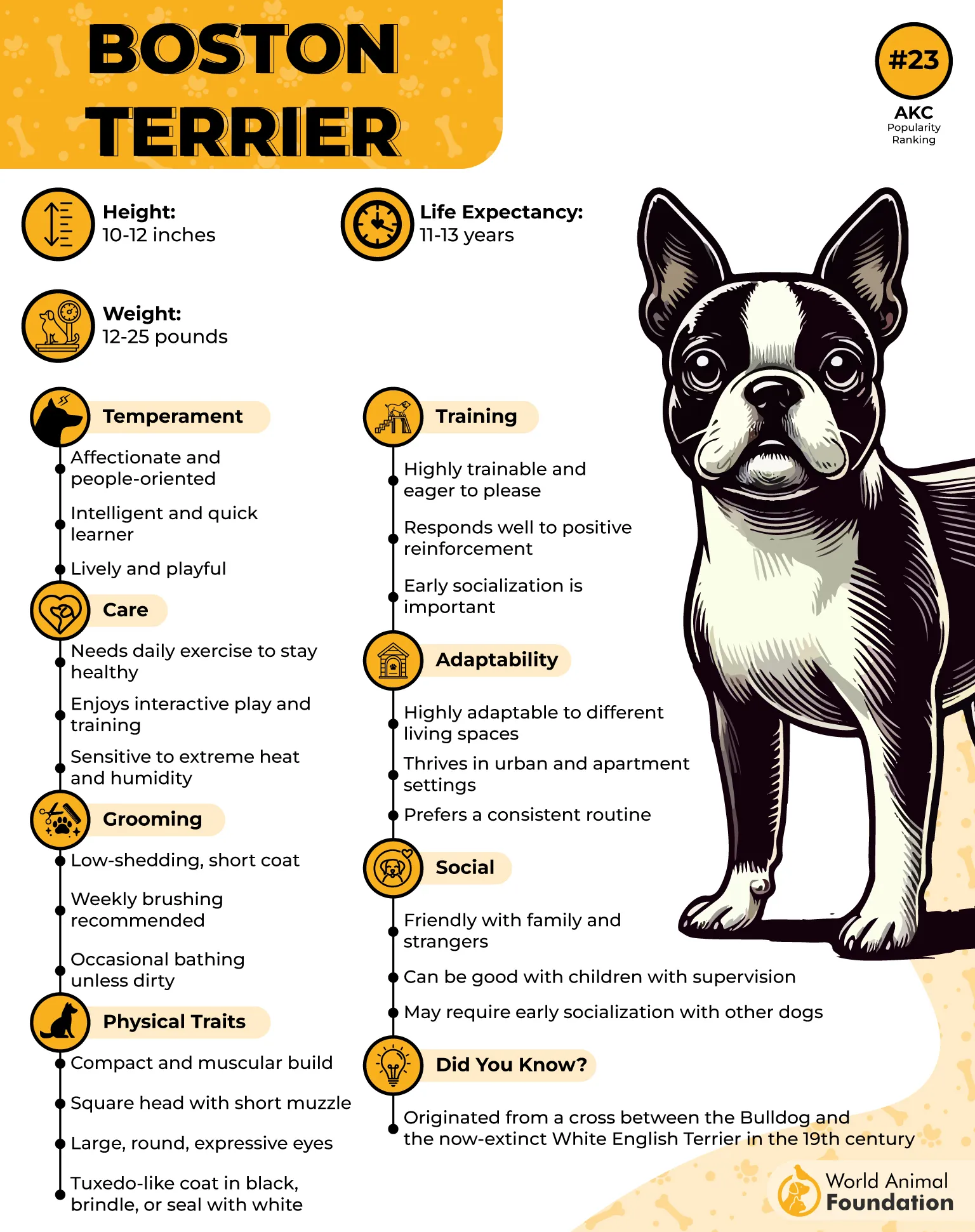
Play is a major part of the Boston Terrier lifestyle, with fetch, toys, short training games, and lively indoor sessions ranking high on the entertainment menu. Most do better with several brief bursts of exercise than one exhausting expedition, especially because their shortened muzzle can make prolonged activity difficult.
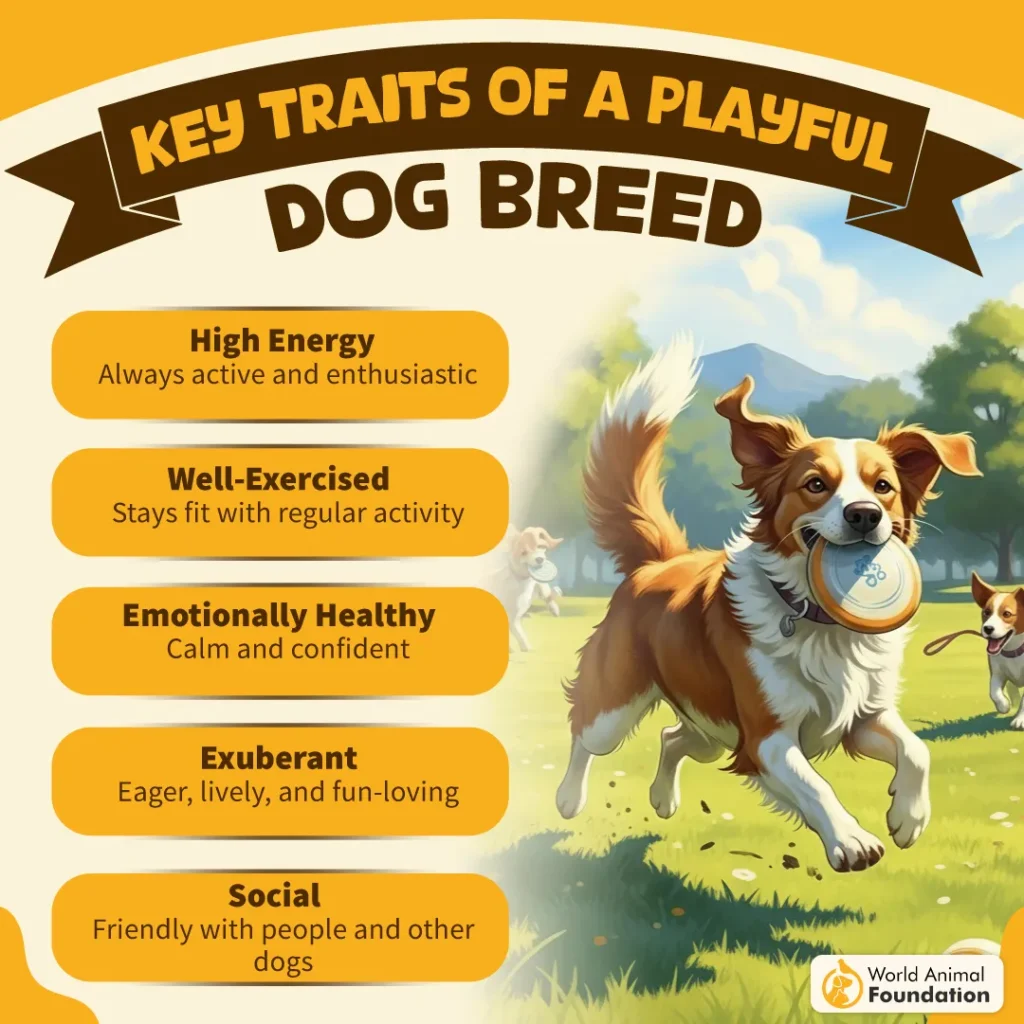
These lively little dogs are often good family companions when carefully introduced to children, other dogs, and other household pets. Purina says their generally happy-go-lucky nature helps them adapt to different routines, but supervision remains necessary because individual dogs and children can become overly excited during play.
Their intelligence makes Boston Terriers capable learners, although a playful stubborn streak may occasionally appear when the lesson seems less exciting than the nearest toy. Positive reinforcement using treats, praise, and games usually keeps them engaged without making training feel like a battle of wills.
Apartment living can suit this breed, as they are compact and generally do not require hours of outdoor exercise. They tend to bark for a reason rather than providing nonstop commentary, although boredom can still lead to chewing, noise, or attention-seeking behavior.
3. Papillon
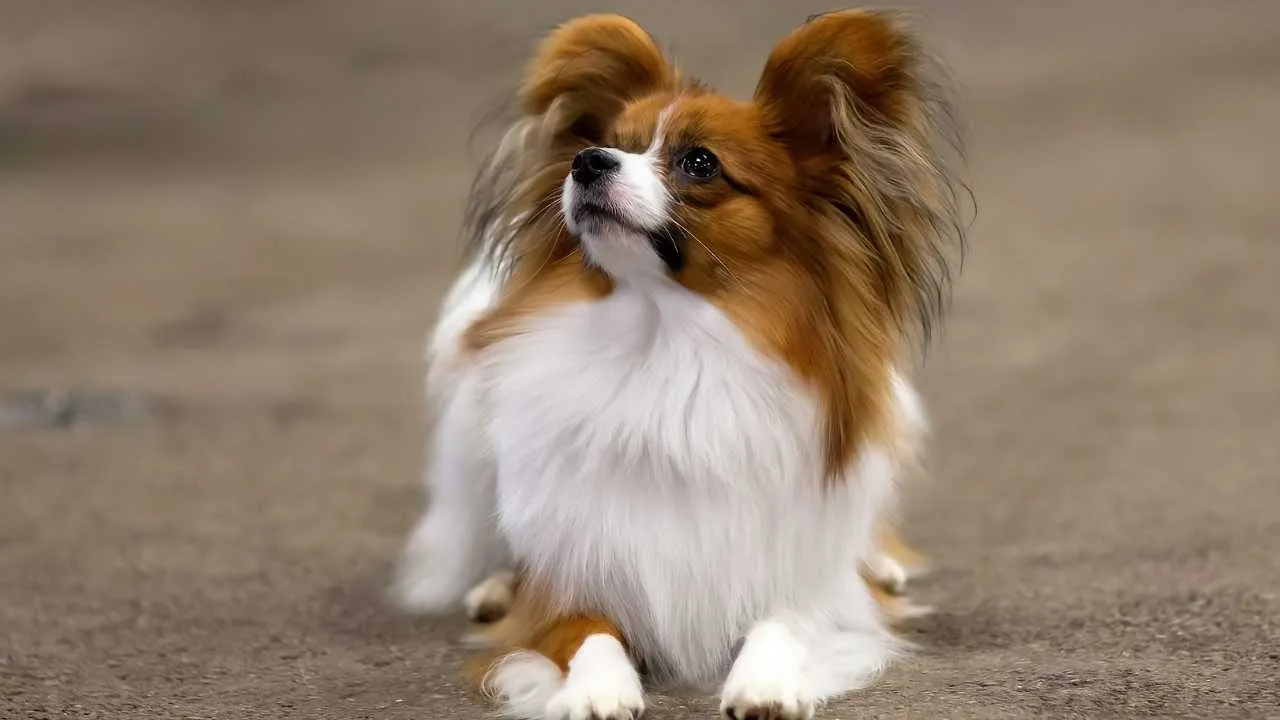
The Papillon is named after the French word for butterfly, a reference to the breed’s large, fringed ears that resemble open wings. Behind that elegant appearance is a lively, outgoing, highly intelligent dog who loves being part of family life.
Neighborhood walks, indoor fetch, tug games, fenced-yard sprints, and playful training sessions can keep their busy minds and bodies satisfied. Their petite size makes exercise manageable in smaller homes, but it does not magically turn them into couch potatoes.
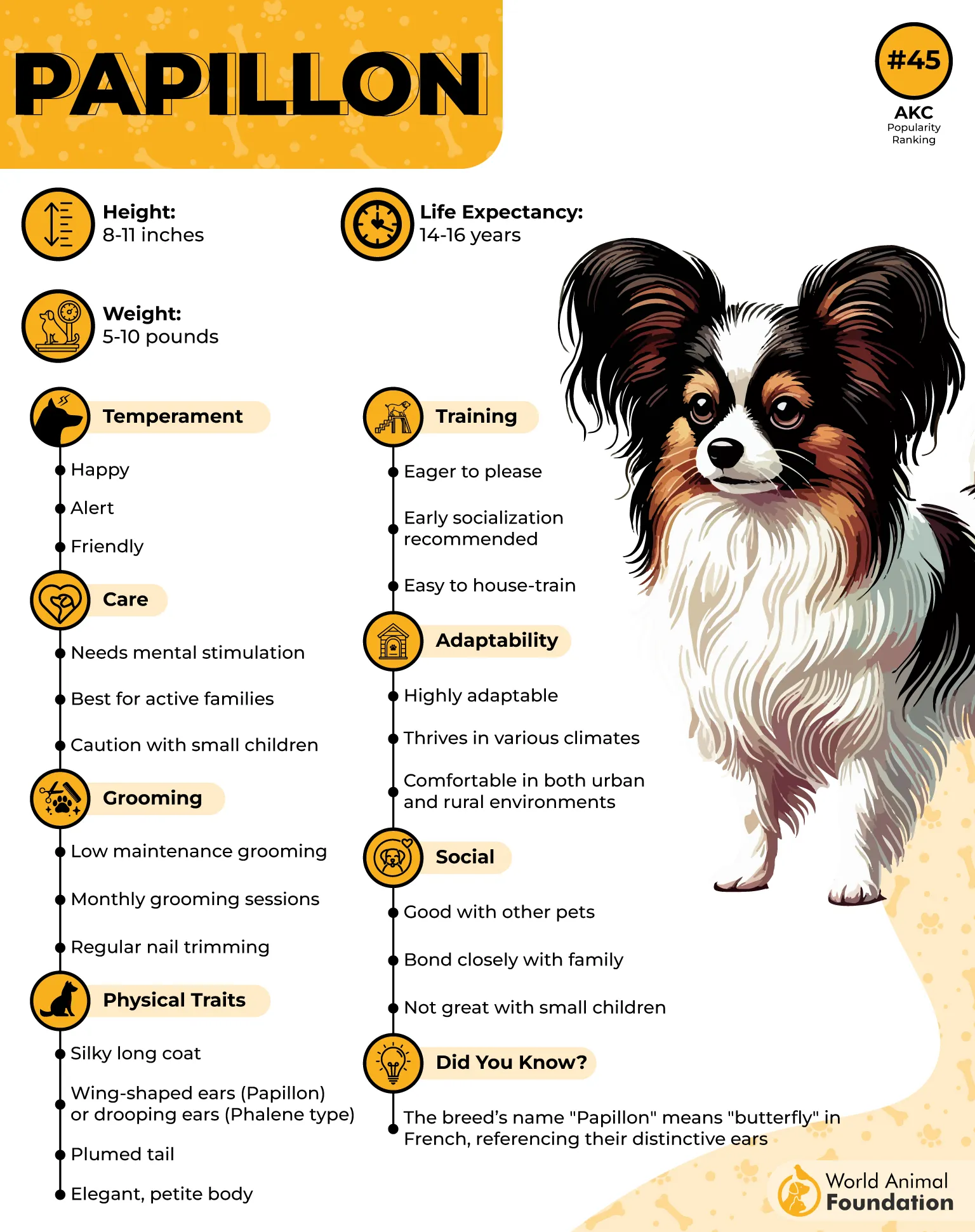
Well-socialized Papillons are often friendly with adults, older children, dogs, and even cats. PetMD claims that they usually enjoy meeting people and do not have a strong reputation for nervousness when thoughtfully exposed to new experiences from puppyhood.
They shine in activities that require speed, intelligence, communication, and precision. Many enjoy obedience, trick training, agility, scent games, and learning complicated sequences that would leave less motivated dogs checking the clock.
The long, feathered coat needs brushing several times each week to prevent tangles, particularly around the ears, legs, and tail. Papillons are strongly people-oriented and may struggle if regularly left alone for long periods without gradual independence training.
4. Toy Fox Terrier
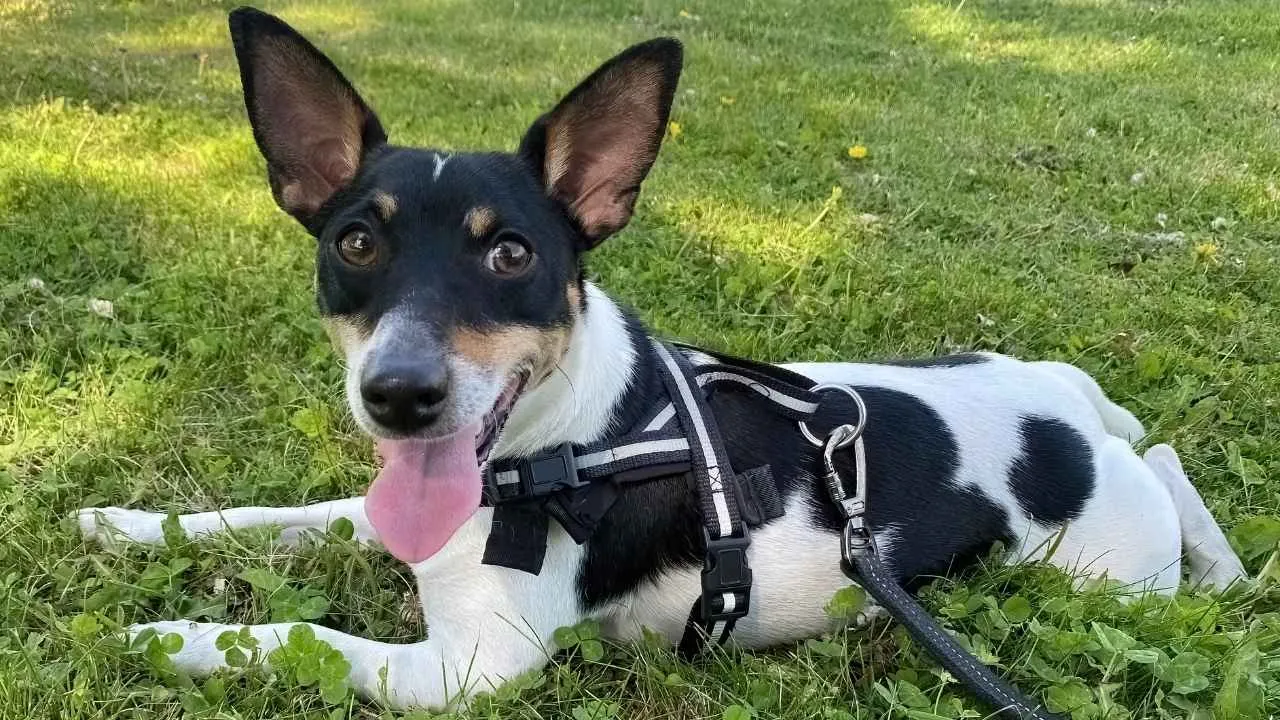
The Toy Fox Terrier combines the lively confidence of a working terrier with the affectionate habits of a companion dog. These small dogs form strong bonds with their families and often prefer to be included in daily routines rather than to watch life from a distance.
Daily activity is important, although their compact body means exercise can often be provided through a brisk walk and energetic home play. Many Toy Fox Terriers enjoy obedience, agility, trick training, fetch, and puzzle-based activities that give their quick minds something useful to solve.
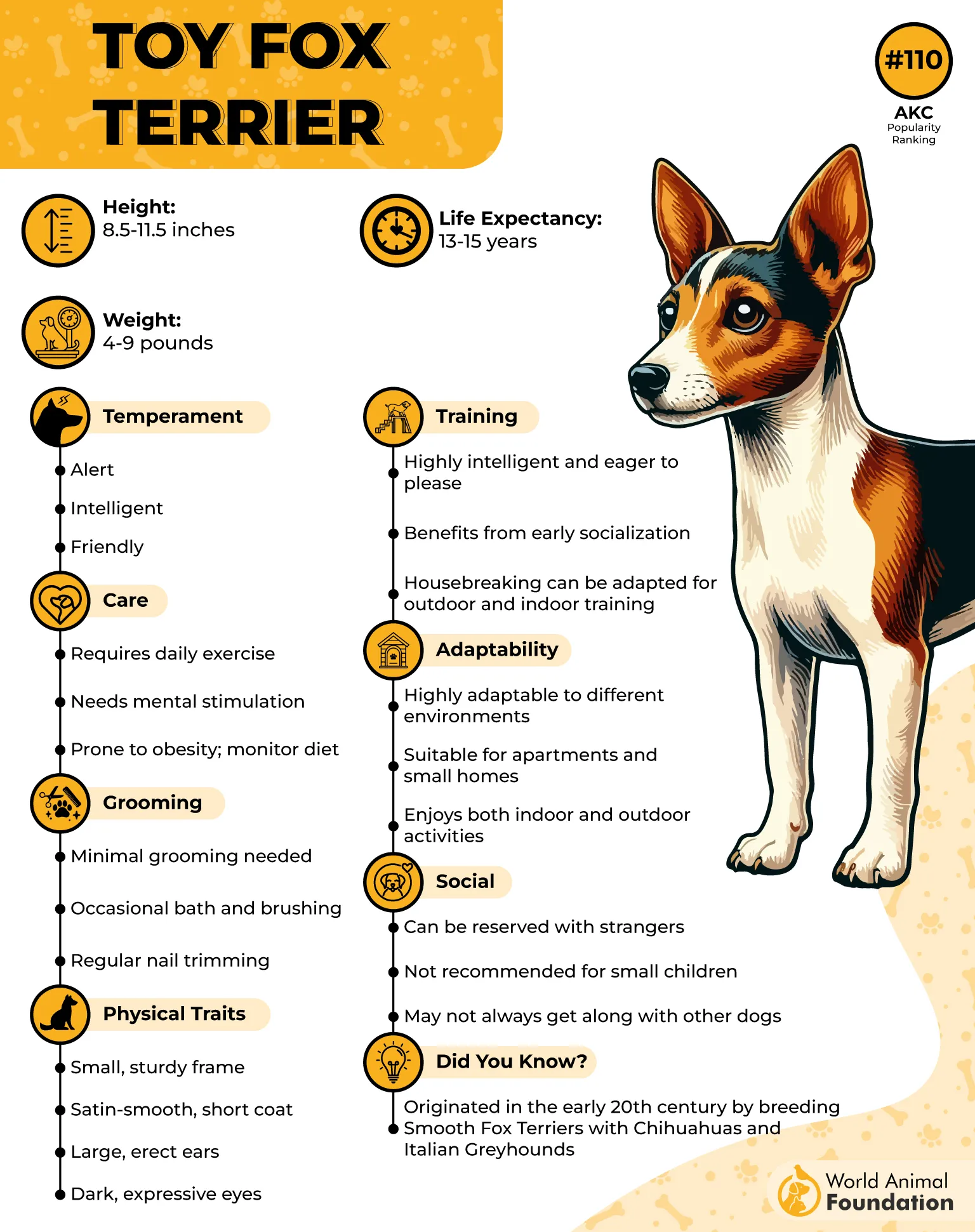
Terrier ancestry gives the breed a strong instinct to pursue small moving animals. Outdoor freedom should therefore be limited to secure fenced spaces, while neighborhood walks require a reliable leash and attentive handler.
Early training can improve impulse control, but owners should never assume affection for the family hamster will automatically defeat generations of hunting instinct.
These delightful companions can be playful companions for older children who understand how to interact gently with small dogs. Very young children may accidentally drop, squeeze, step on, or chase a toy breed during enthusiastic play, so adult supervision is essential.
5. Yorkshire Terrier
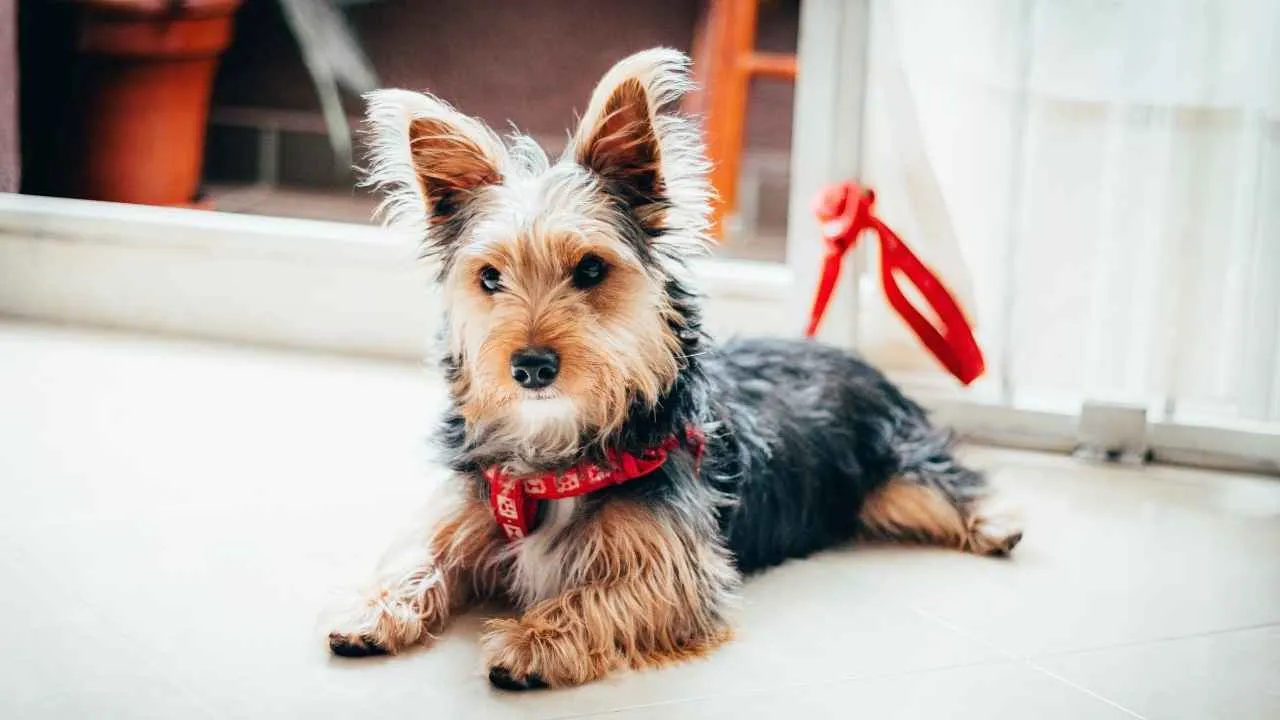
The Yorkshire Terrier may arrive wrapped in silky hair, but this breed began with a far more practical job than looking fabulous. Yorkies were developed from working terriers used to control rats and other vermin, leaving modern dogs with curiosity, confidence, and a powerful desire to investigate movement.
These playful dogs are fun-loving, affectionate, and often intensely devoted to their chosen people. One moment they may be chasing a squeaky toy with full dramatic commitment, and the next they are curled up on a lap like tiny royalty receiving visitors.
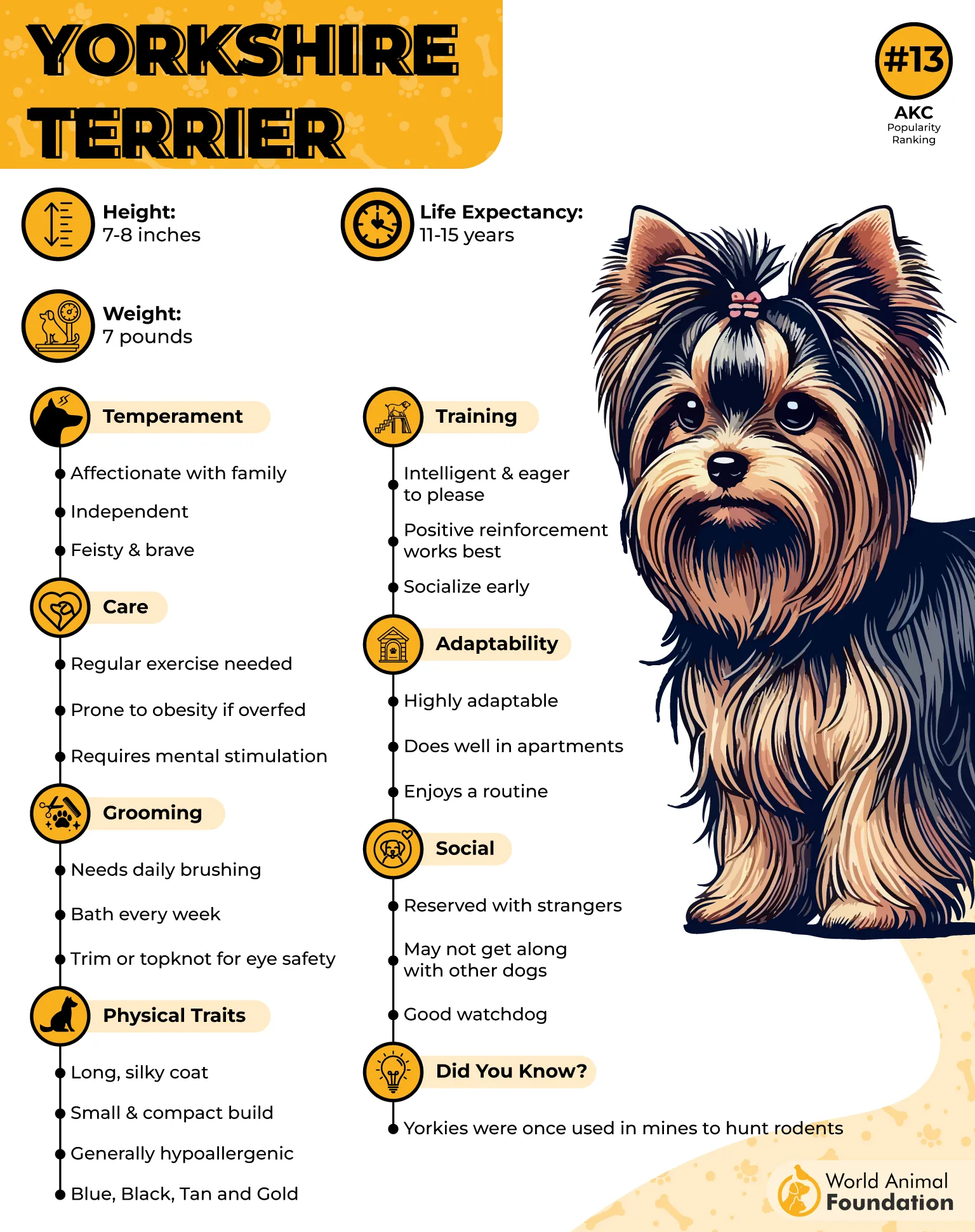
Training these small pups can require patience because Yorkshire Terriers are intelligent but sometimes independent and not universally motivated by food. Short, upbeat sessions involving praise, play, desirable treats, and simple, achievable steps are generally more successful than long repetitive lessons.
A couple of short walks, indoor fetch, toy chasing, and sniffing opportunities can meet much of an adult Yorkie’s daily exercise requirement. Their compact size suits apartments and travel, but their alert barking may require management in homes with close neighbors.
The long, fine coat requires regular brushing and professional grooming when owners choose the traditional flowing style. Young children must be supervised because an accidental fall or rough game can seriously injure such a small animal.
6. Toy Poodle
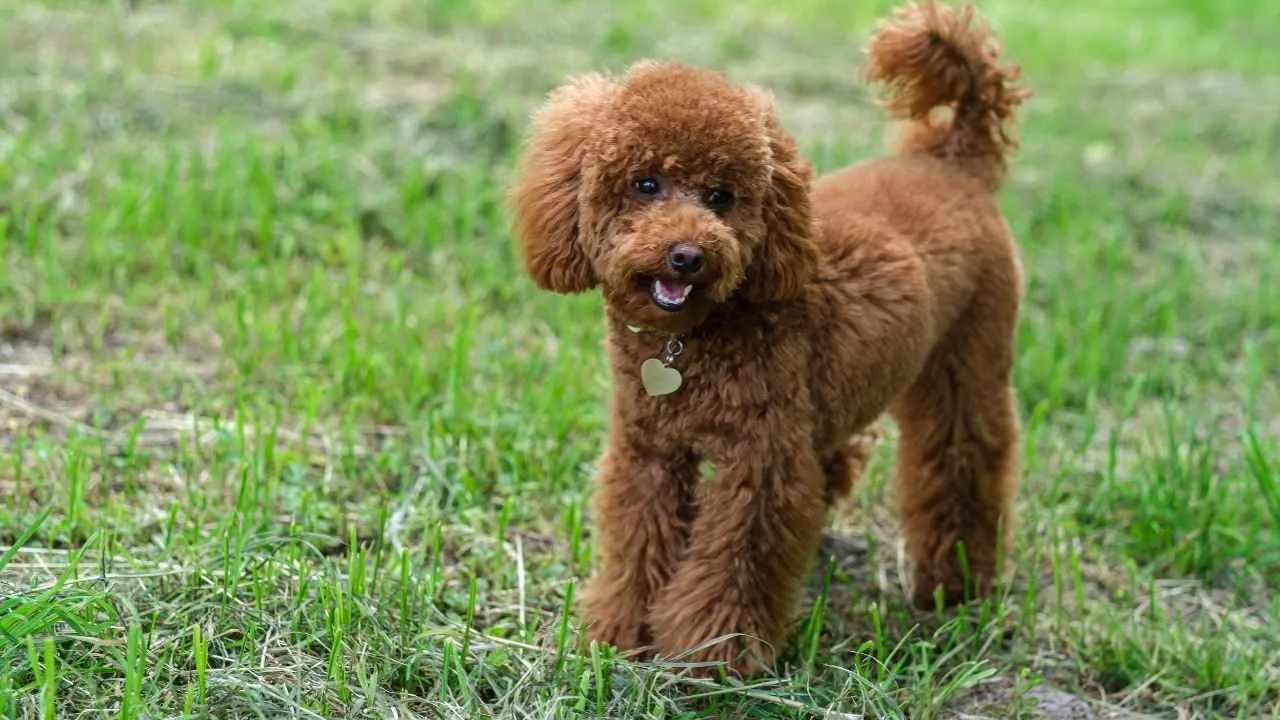
Poodles originally developed as water retrievers, while smaller versions later became popular companions and performers capable of learning complex routines. That combination of working intelligence and show-business flair helps explain why they often seem ready to master a new trick before breakfast.
These dogs learn rapidly and usually respond enthusiastically to praise, treats, toys, and interactive lessons. Obedience, scent work, agility foundations, hide-and-seek, puzzle toys, and trick training help satisfy their need to think as well as move.
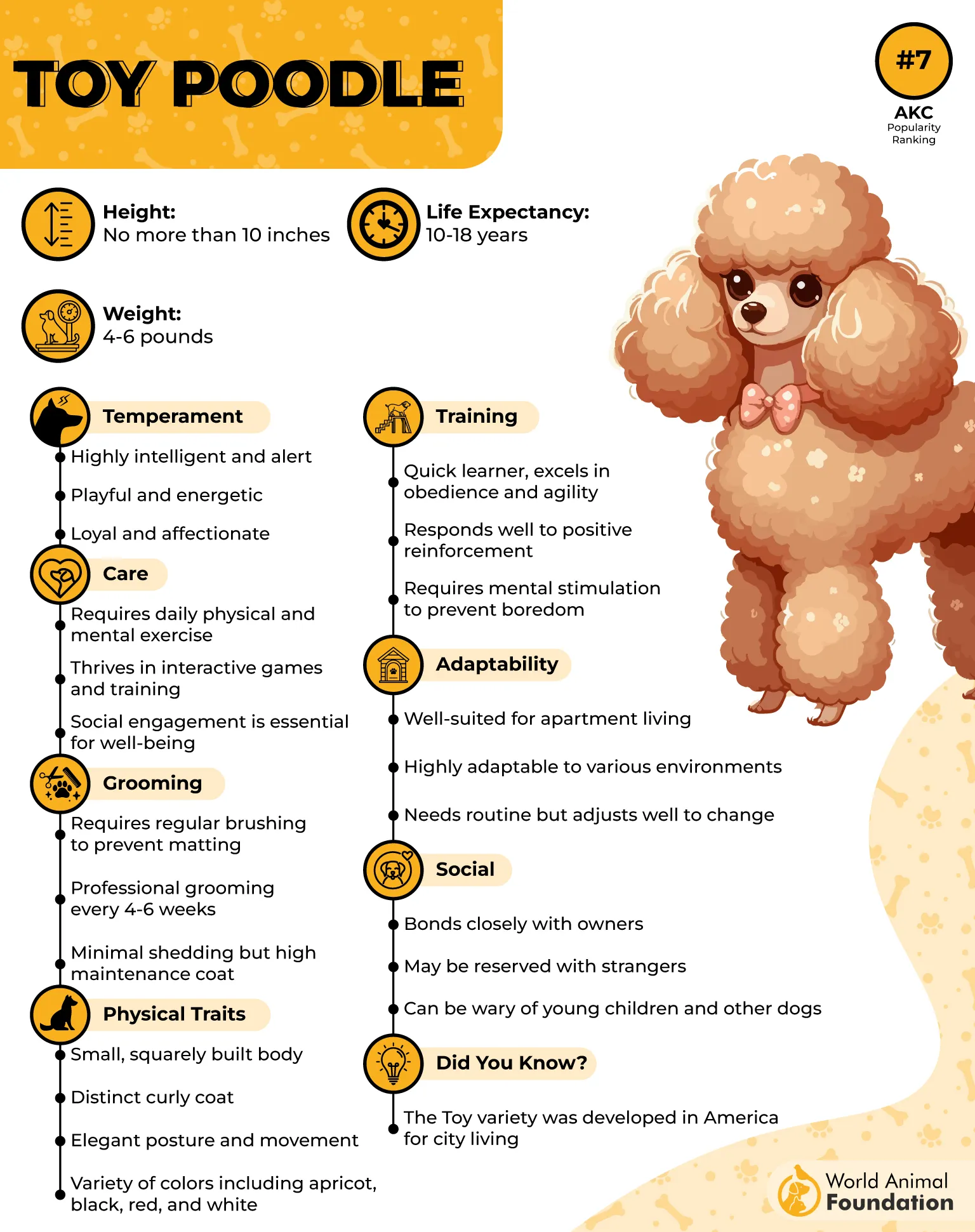
These wonderful companions often bond closely with their families and enjoy following favorite people from room to room. That devotion makes them wonderfully affectionate companions, but it may also contribute to separation anxiety when independence is never practiced.
Toy Poodles can thrive in apartments, family homes, and active households when their mental and social needs are met. They are often gentle with respectful children and compatible pets, although their delicate size makes supervision important during energetic play.
With intelligence, affection, humor, athleticism, and an impressive talent for reading human moods, this breed is basically the gifted student who also wants to sit in your lap.
7. Border Terrier
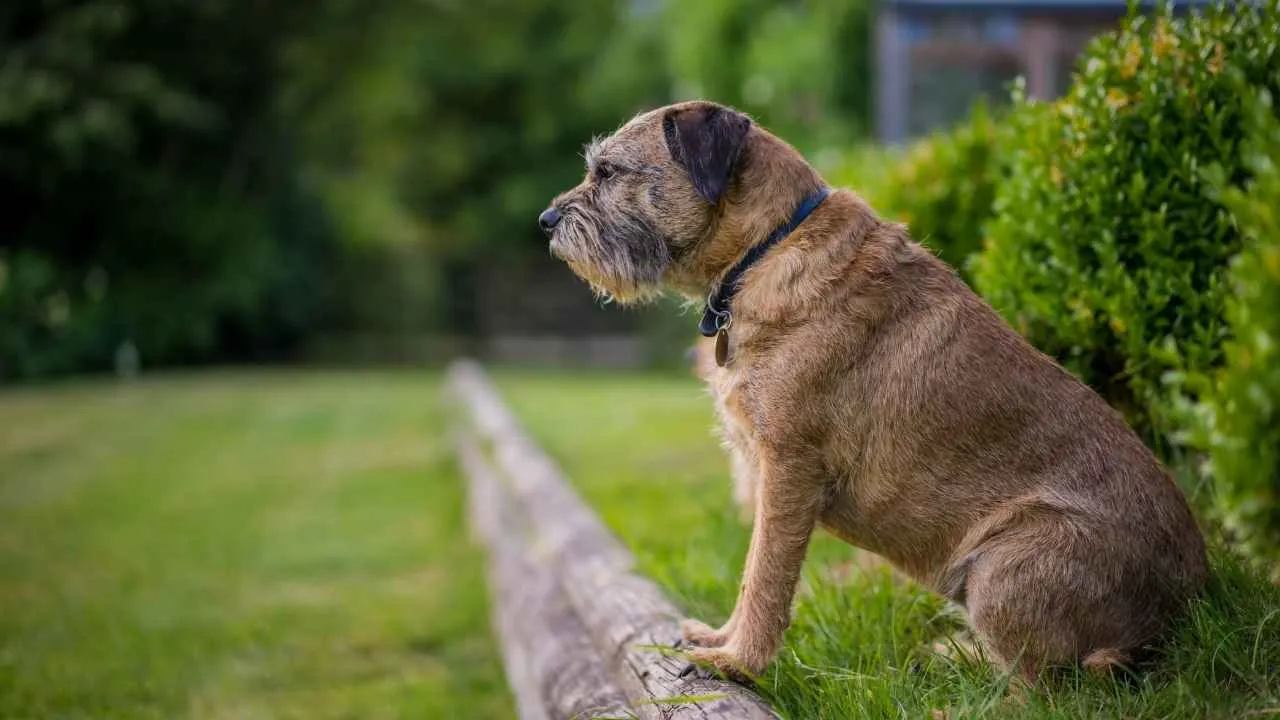
The Border Terrier was developed near the border between England and Scotland to work alongside mounted hunters and follow foxes into difficult terrain. Unlike several terriers bred primarily to work alone, Borders needed to travel peacefully with Foxhounds and cooperate within a larger hunting group.
Exercise and interactive play are essential for keeping a Border Terrier healthy and content. These sturdy little dogs enjoy brisk walks, games, scent work, puzzle-solving, and adventures that let them use their athletic bodies.
A quick trip around the block may not satisfy a young Border whose internal calendar clearly scheduled an expedition.
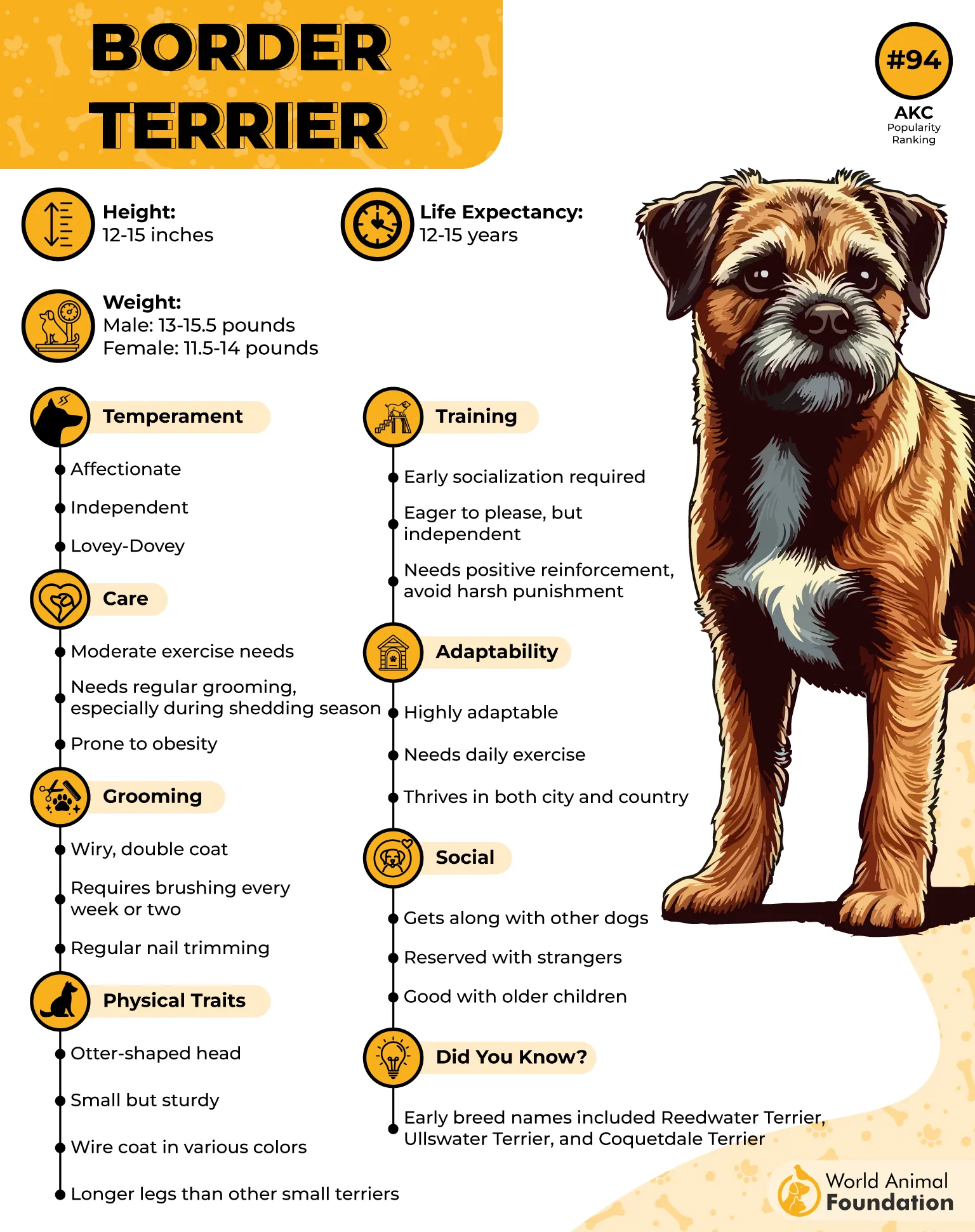
Well-socialized dogs are often friendly with family members, children, and other dogs. Their history of working alongside hounds may contribute to a more dog-tolerant temperament than that of some independently working terriers.
Borders are intelligent, eager to participate, and generally responsive to positive training. However, they were also bred to think independently underground, so a fascinating scent may occasionally appear more persuasive than a familiar command.
Conclusion
These small dog breeds should never be treated as easy alternatives to larger breeds. They still require exercise, boundaries, socialization, veterinary care, grooming, companionship, and protection from situations that are dangerous for their size.
Shih Tzu, Cavalier King Charles Spaniel, Italian Greyhound, French Bulldog, Miniature Poodle, Bichon Frise, Miniature Schnauzer, Golden Retriever, and Cocker Spaniel are also good watchdogs that also make excellent family dogs.
Choose thoughtfully, train kindly, and give the dog safe opportunities to play like the breed it was born to be. In return, a well-matched small companion can bring years of laughter, adventure, comfort, and deeply personal loyalty.
