




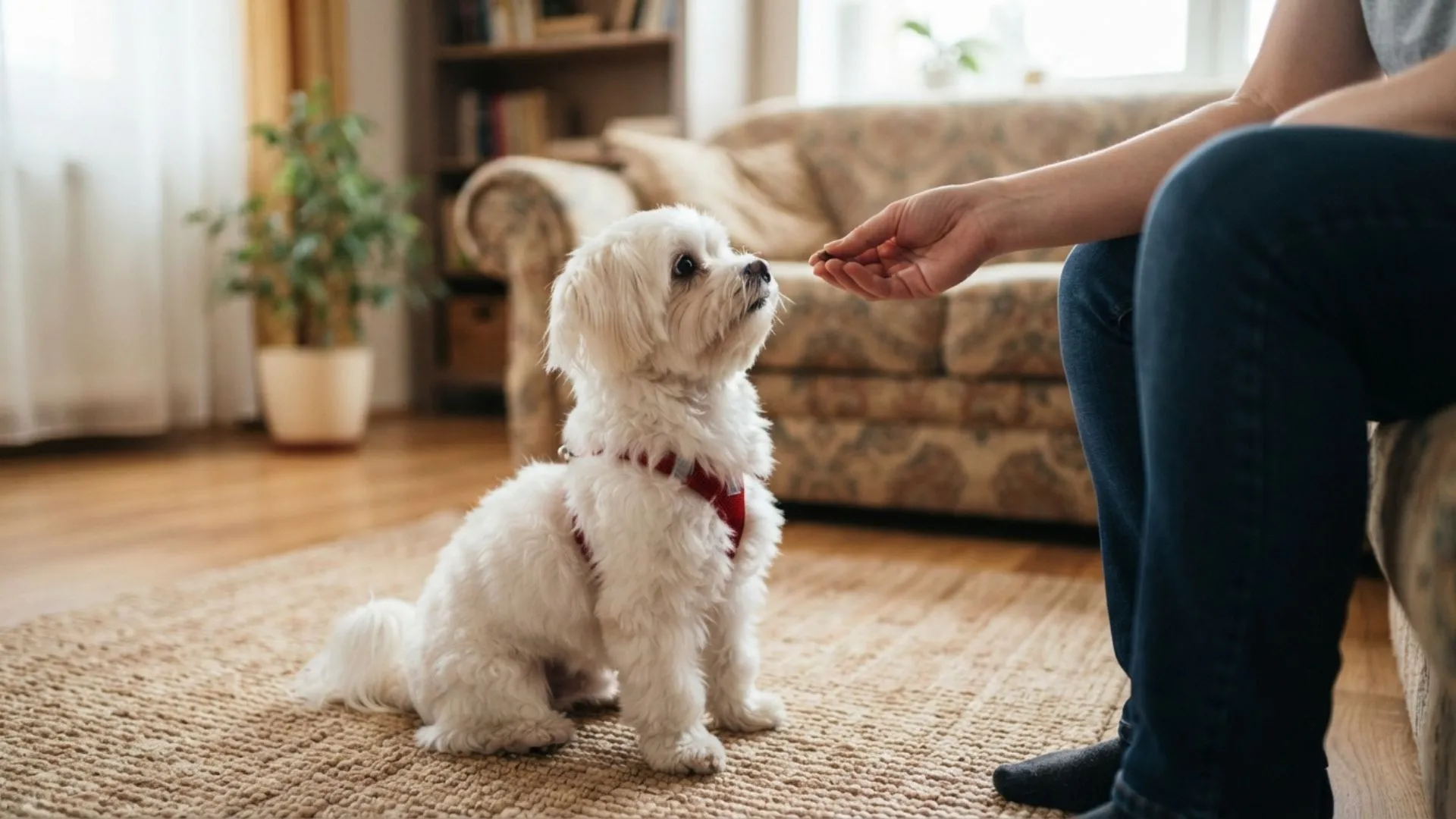
Training your first dog can feel overwhelming, especially if you’re worried about stubborn behavior or a pup that’s difficult to manage. The good news is that choosing the right breed can make the learning process much smoother.
Lightweight dogs with eager personalities, strong focus, and a willingness to work with people are often perfect for beginners. Trainability is about more than intelligence—it also depends on motivation, responsiveness, and the ability to build a positive bond through consistent guidance and early socialization.
Every dog benefits from patience and practice, but some breeds naturally make first-time training more rewarding. In this guide, you’ll discover lightweight dog breeds that are easy to handle, quick to learn, and well-suited to becoming confident, well-mannered companions.
Lightweight Dog Breeds Perfect for Beginner Training
1. Papillon
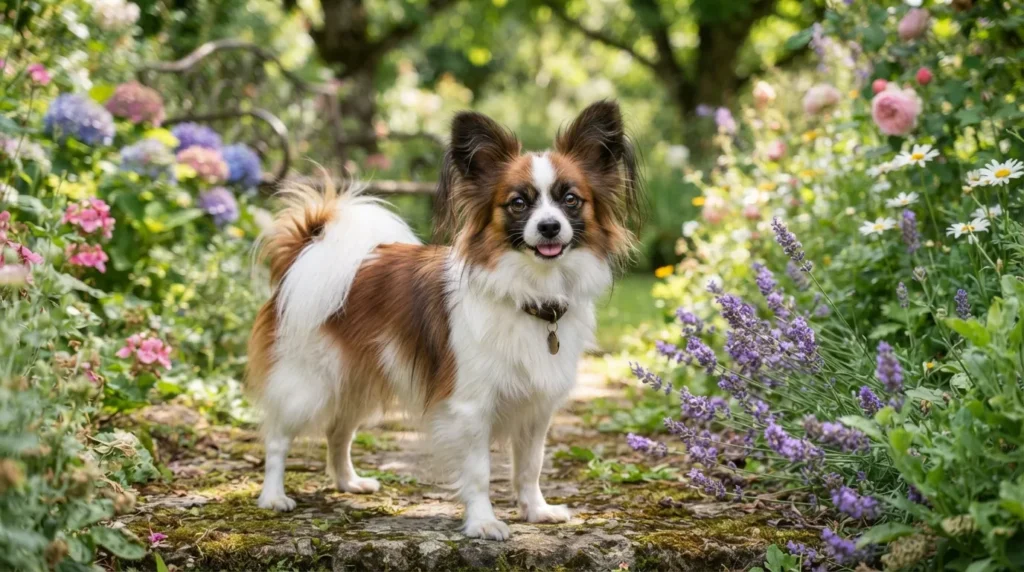
For first-time owners eager to build training confidence, few lightweight breeds are as impressive as the Papillon. Despite its delicate appearance, this bright little companion is exceptionally intelligent, eager to please, and quick to master new commands. Its natural enthusiasm allows beginners to enjoy rewarding progress with positive, reward-based training.
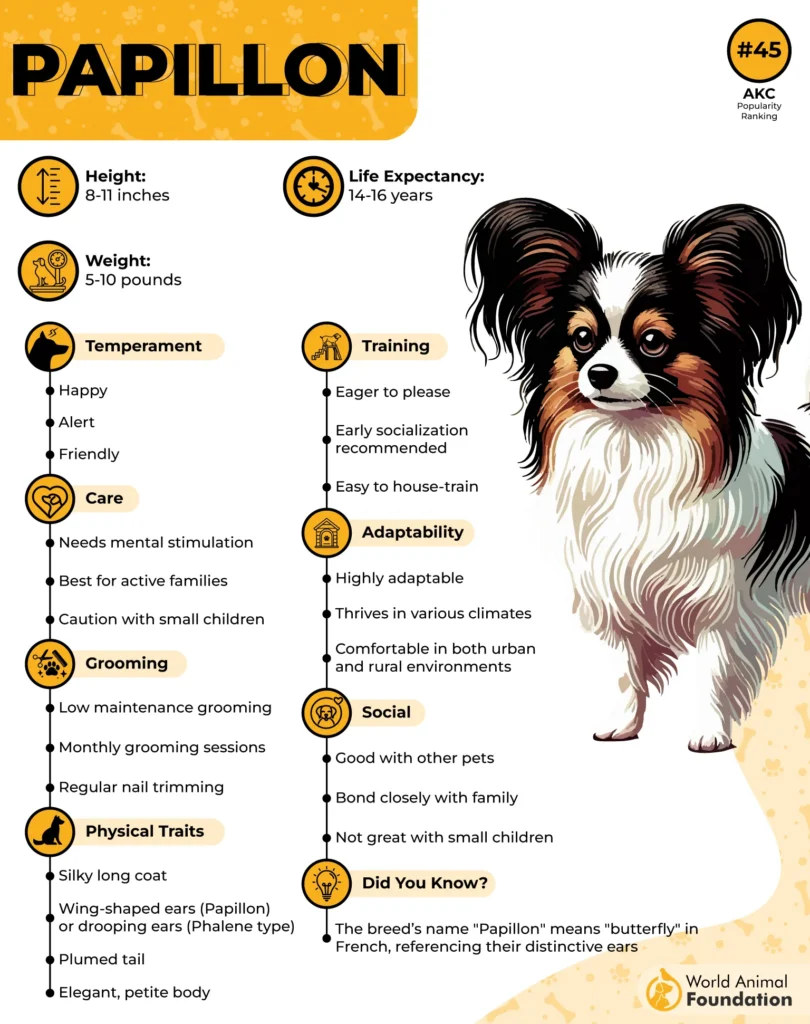
Originally developed as a companion for European nobility, the Papillon combines elegance with surprising athletic ability. It excels in obedience, agility, trick training, and even therapy work, proving that small dogs can achieve remarkable results.
Interactive games and short training sessions provide the mental stimulation this clever breed craves. Early socialization also helps develop a confident, well-mannered adult.
While house training may require extra patience, consistency, and encouragement, it can produce excellent outcomes. Regular brushing keeps the silky coat free of tangles, making grooming manageable while allowing this tiny learner to look as polished as its impressive training skills.
2. Cavalier King Charles Spaniel
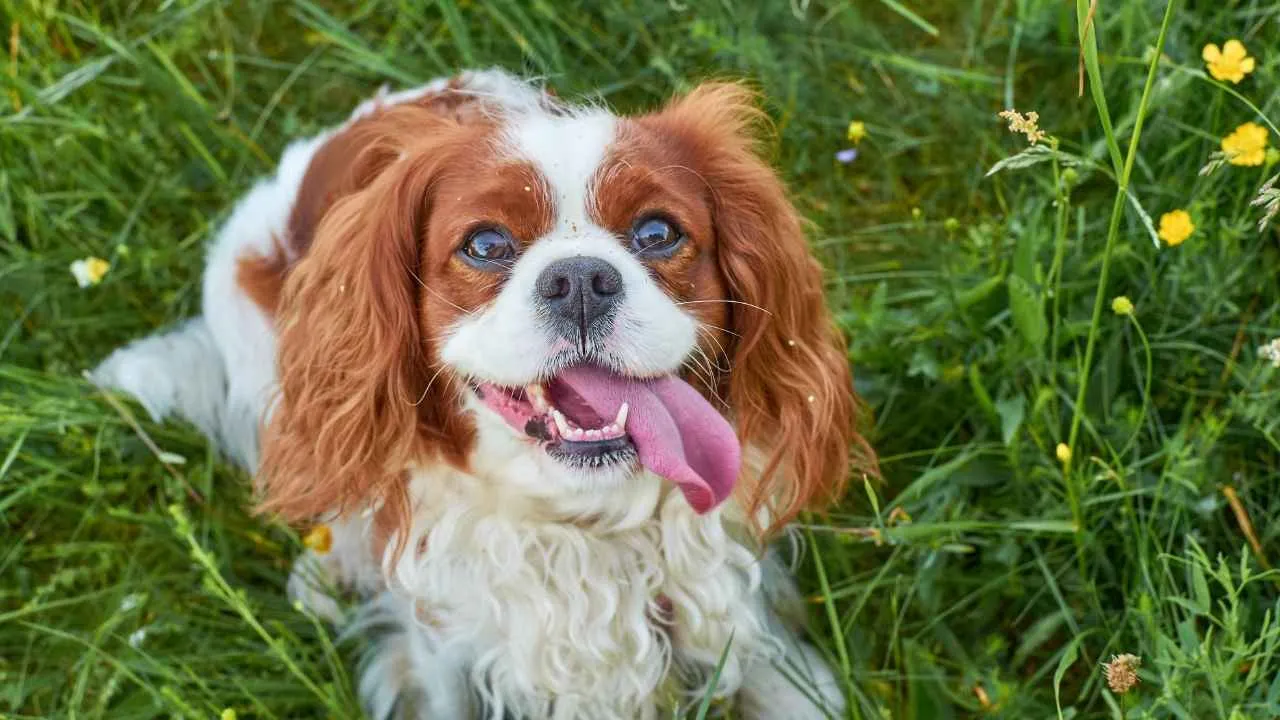
If you’re new to dog training, the Cavalier King Charles Spaniel makes the learning process feel wonderfully rewarding. Bred for companionship, this affectionate little dog naturally seeks human approval, making it highly responsive to praise, treats, and positive reinforcement. Its eagerness to please helps beginners build confidence with every successful training session.
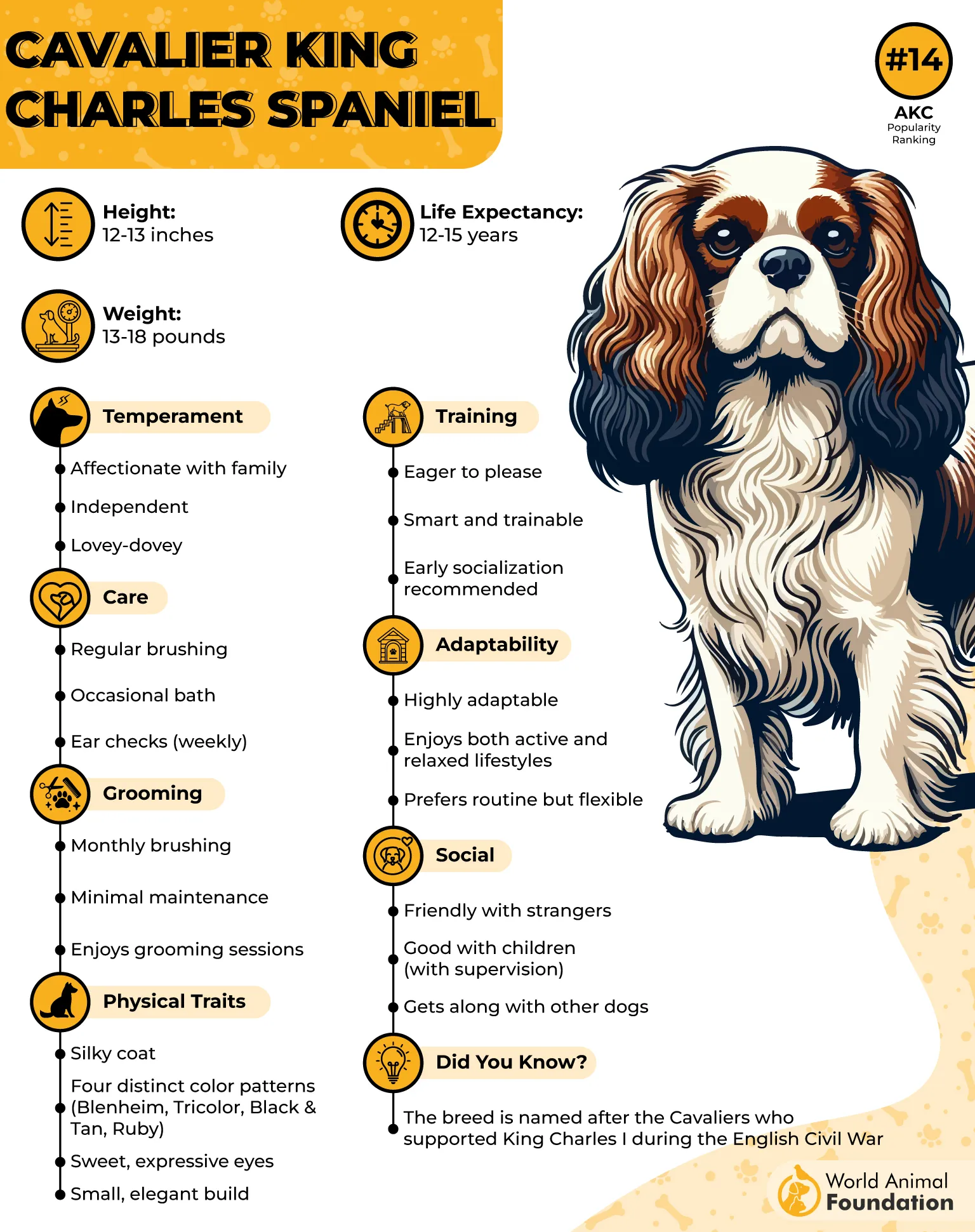
Friendly with children, other pets, and even strangers, Cavaliers adapt easily to different homes and lifestyles. Playtime and short, enjoyable training sessions provide the right balance of physical activity and mental stimulation. Early socialization encourages a calm, well-mannered companion that remains confident in new situations.
While their silky coat and floppy ears require regular brushing and routine ear care, overall grooming is manageable. Once their exercise needs are met, these gentle spaniels happily curl up beside their favorite people, proving that a well-trained companion can be both active outdoors and wonderfully relaxed at home.
3. Havanese
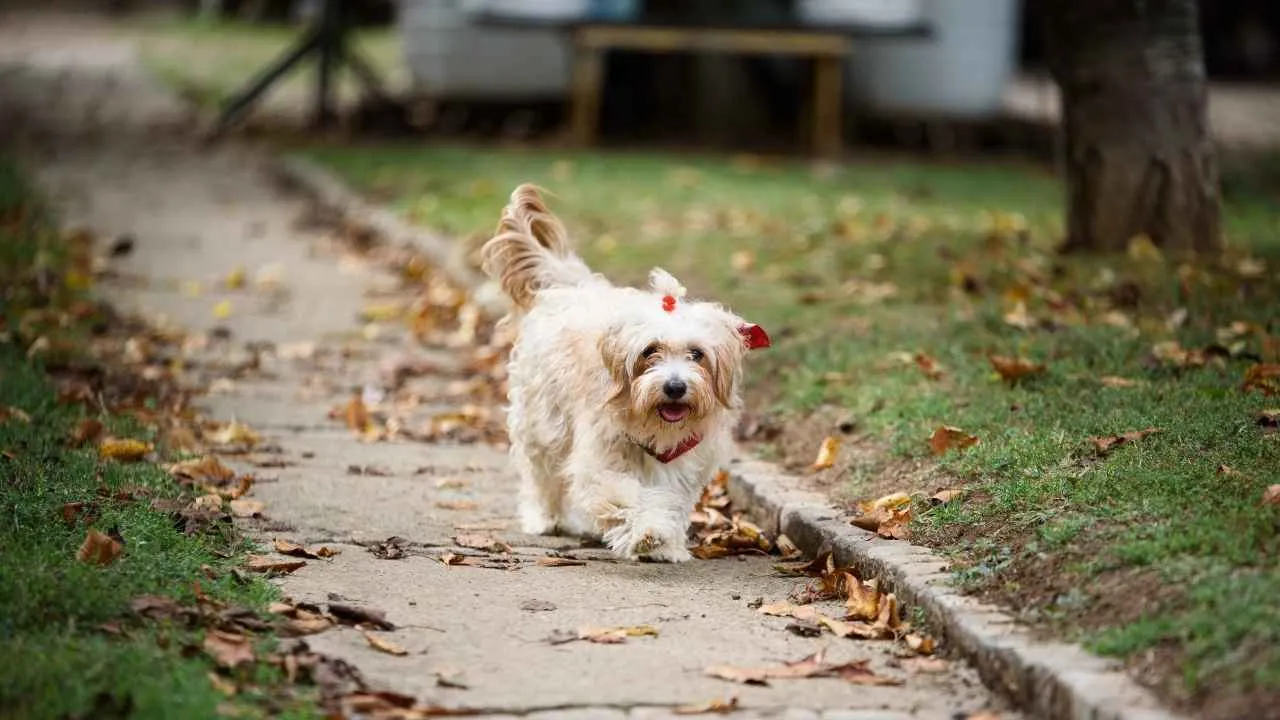
If you want a lightweight dog that genuinely enjoys learning, the Havanese is an excellent place to start. This bright little companion loves praise, thrives on human interaction, and quickly picks up new commands when training stays fun and rewarding. Its eagerness to please helps beginner owners build confidence without feeling overwhelmed.
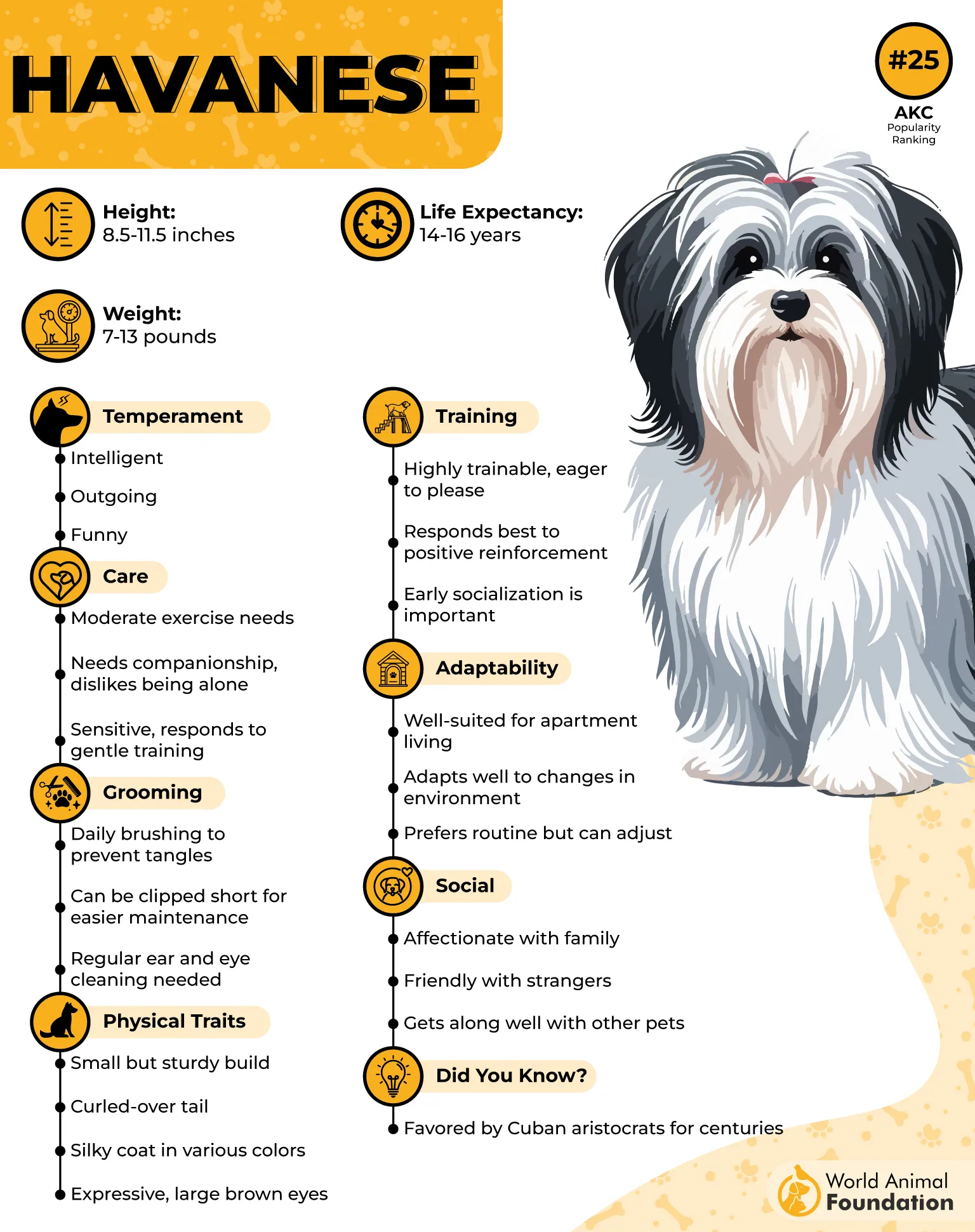
Originally bred as a companion dog, the Havanese forms strong bonds with its family and enjoys being involved in everyday activities. Short walks and regular training sessions provide enough exercise and mental stimulation to keep this cheerful student happy.
Early socialization also helps prevent separation-related behaviors and encourages a well-mannered adult. Although the silky coat needs routine brushing to prevent tangles, grooming becomes simple with consistent care.
Friendly, adaptable, and naturally attentive, the Havanese combines an outgoing personality with an impressive willingness to learn, making training feel more like play than work.
4. Toy Fox Terrier
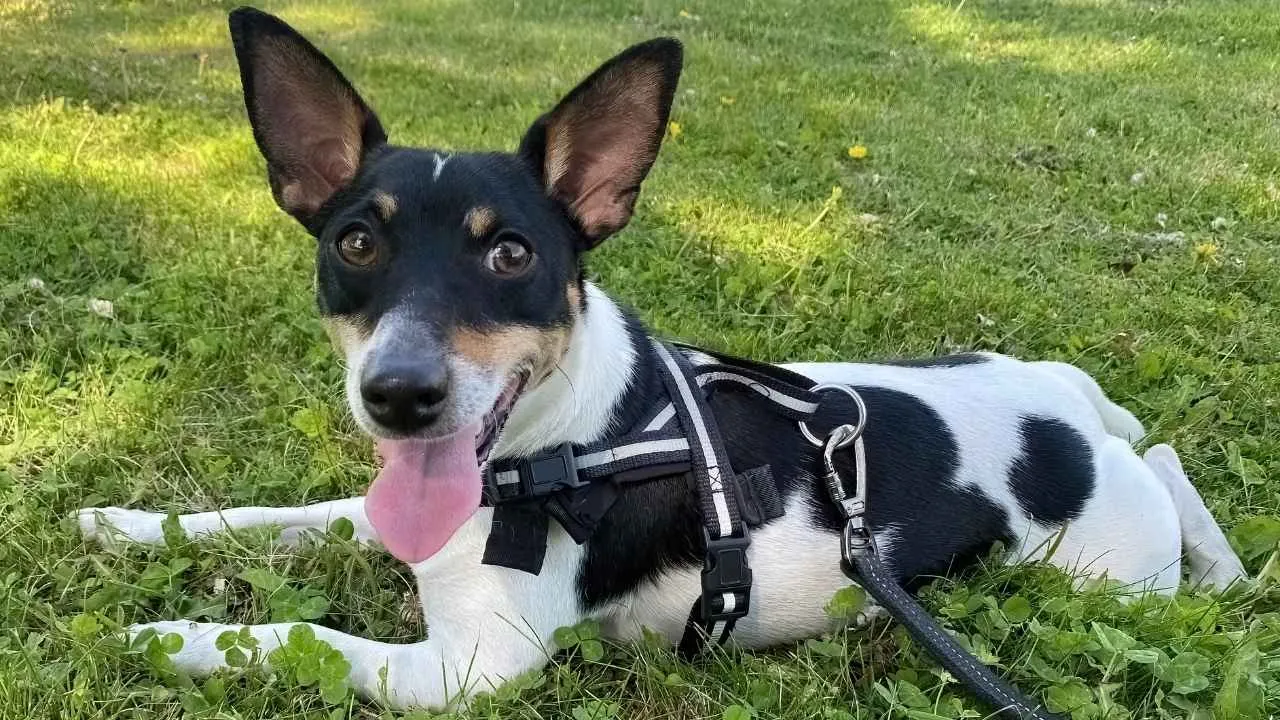
For beginners who want a lightweight dog with plenty of enthusiasm, the Toy Fox Terrier is an exciting training partner. According to PetMD, Toy Fox Terrier dogs were developed in the mid-1920s from the larger Smooth Fox Terrier.
This lively little breed combines intelligence with confidence, making it quick to learn when lessons are introduced early and kept fun. Positive reinforcement, socialization, and short, engaging sessions help shape a well-mannered companion while preventing stubborn habits.
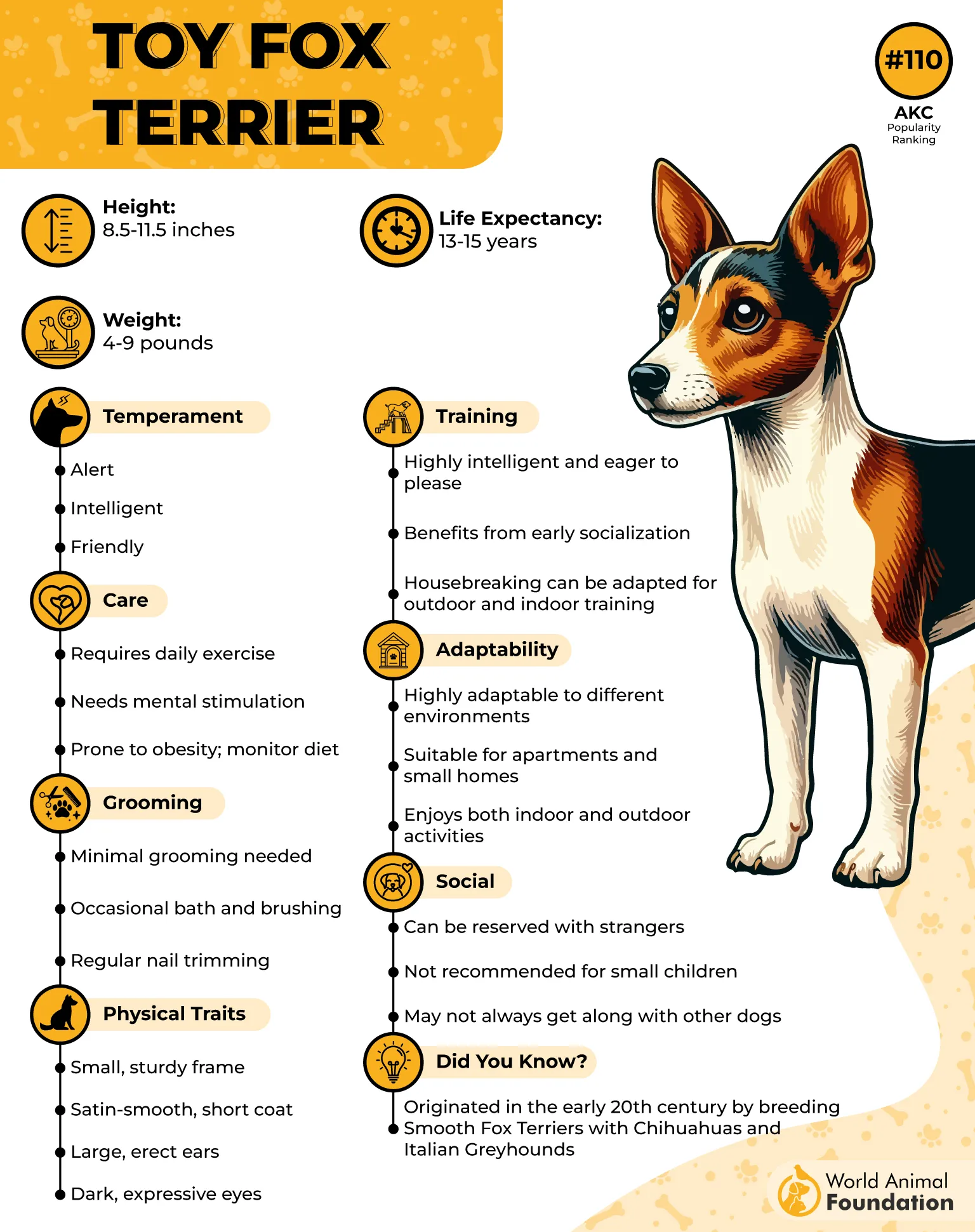
Despite its compact size, the Toy Fox Terrier enjoys activities like obedience or agility that challenge both body and mind. It loves being involved in family adventures, then happily settles down for cuddle time afterward.
Its smooth coat is easy to maintain with weekly brushing, making grooming beginner-friendly. Loyal, alert, and naturally entertaining, this spirited terrier thrives when given attention, structure, and opportunities to learn, rewarding first-time owners with a clever companion that approaches every new challenge with energy and determination.
5. Yorkshire Terrier
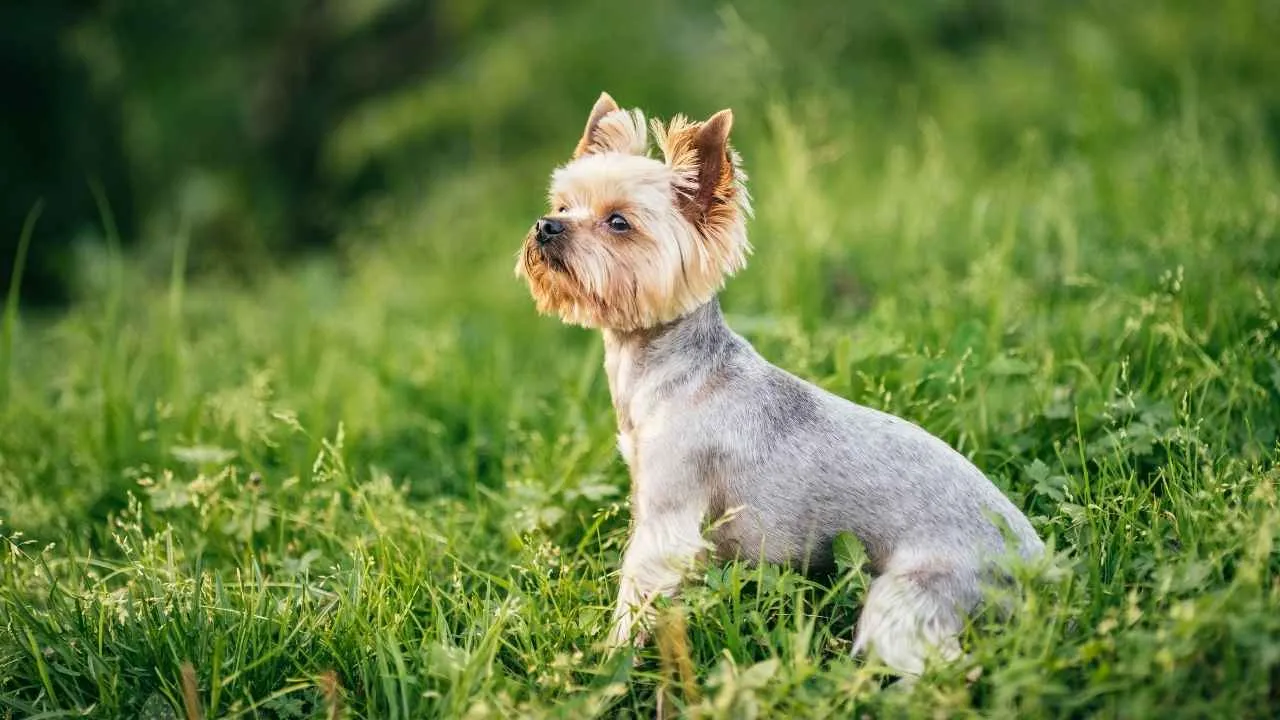
Don’t let the Yorkshire Terrier’s tiny frame fool you—this little dog is far more than a fashionable lap companion. According to Purina, Yorkshire Terrier dogs’ distinctive steel-blue and rich tan coloring, combined with a proud, confident posture, gives this toy breed an elegant and dignified appearance.
Yorkies are highly intelligent, picking up new commands quickly when training is positive, consistent, and rewarding. Their sharp problem-solving skills and eagerness to engage make them an excellent choice for beginners willing to keep lessons short and enjoyable.
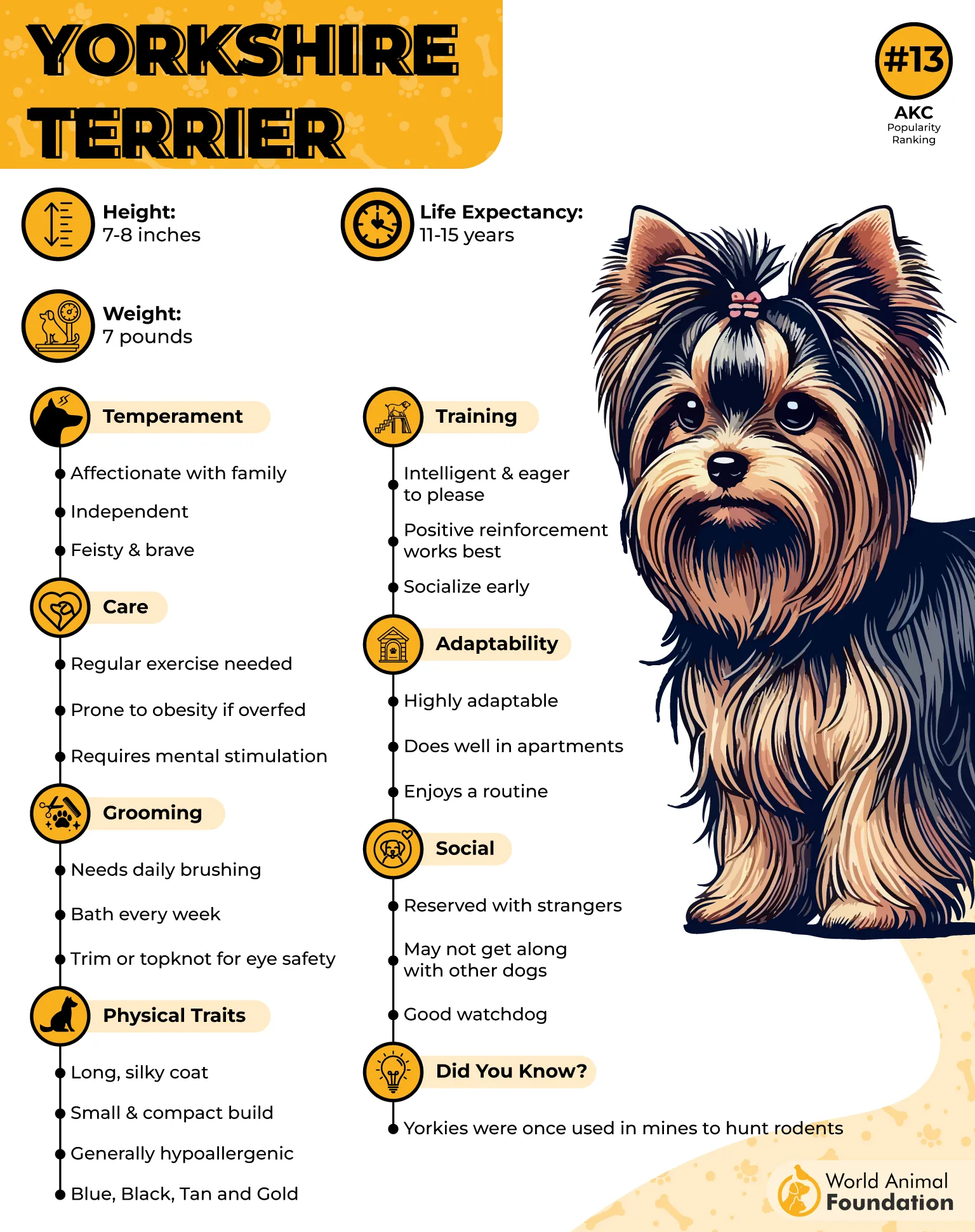
Originally bred to hunt rodents, Yorkies still carry the curiosity of a true terrier. They enjoy mental challenges that keep their active minds occupied.
While they can develop a stubborn streak or bark excessively without proper guidance, early socialization and reward-based training help them become well-mannered companions.
Their long, silky coat needs regular grooming, but their affectionate personality, adaptability, and impressive learning ability prove that a small dog can deliver big results in training.
6. Maltese
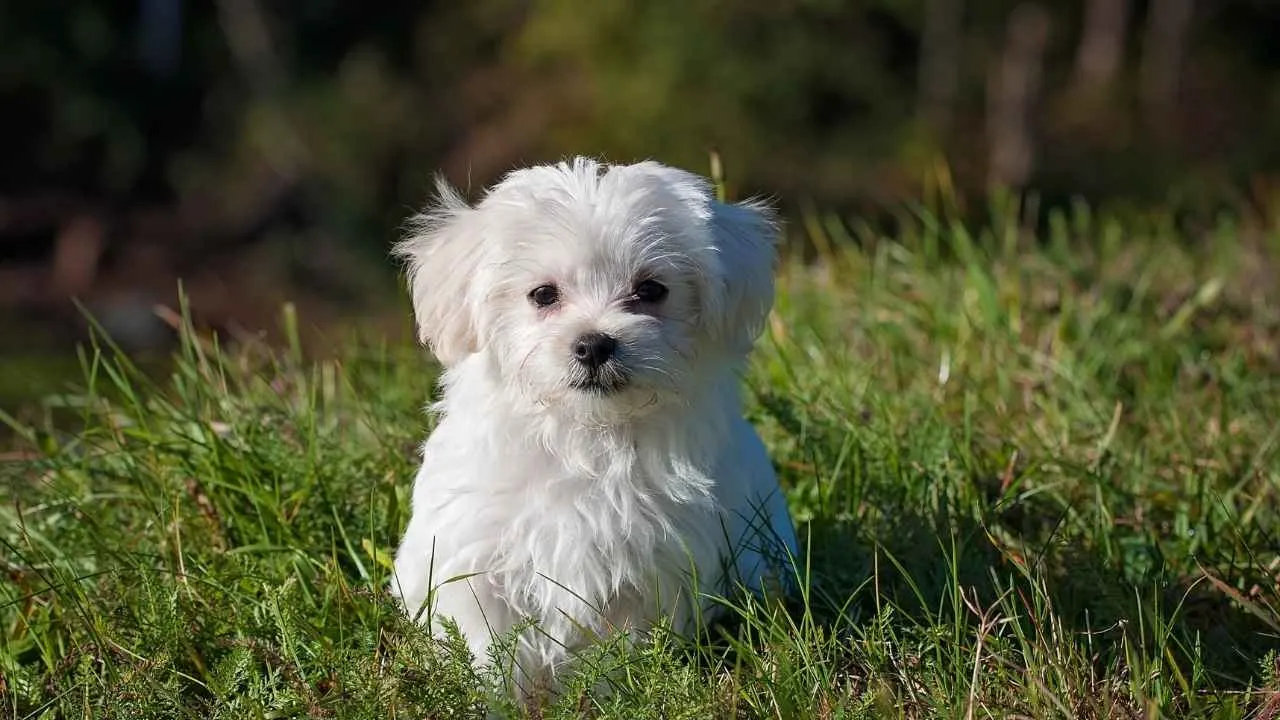
If you’re looking for a lightweight dog that’s affectionate, adaptable, and beginner-friendly, the Maltese is an excellent choice. According to Hill’s Pet, this breed has a compact, well-balanced body with sloping shoulders, a level back, and well-sprung ribs.
Bred as a companion for centuries, this charming, affectionate dog thrives on close family bonds and enjoys being involved in everyday life. Its cheerful personality and eagerness to please make reward-based training simple.
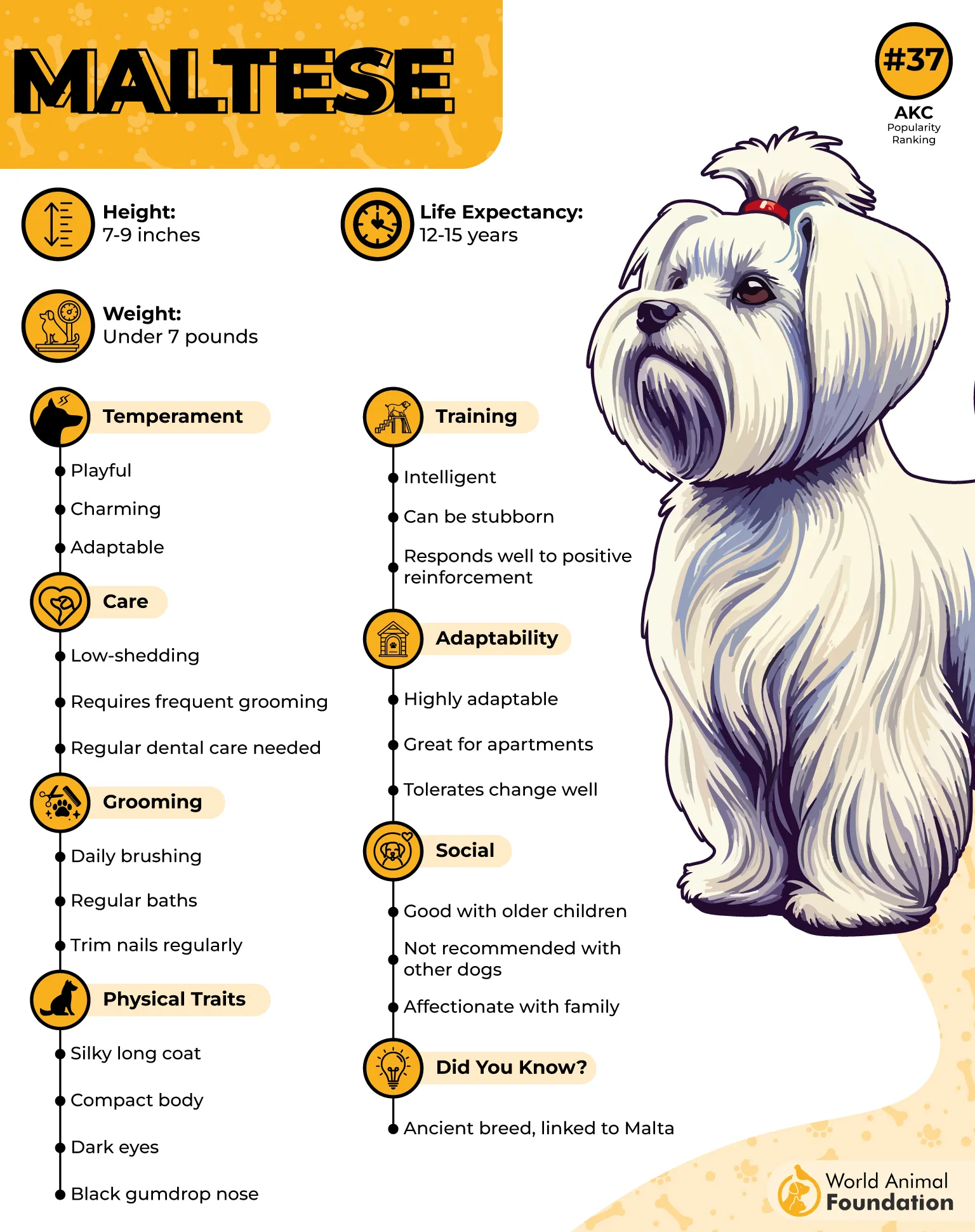
Although the Maltese has a playful side, it only needs moderate daily exercise to stay happy. Early socialization and gentle, consistent guidance help build a confident, well-mannered companion.
The breed’s silky white coat requires regular brushing and routine grooming, but overall care remains manageable with a steady routine. Friendly, intelligent, and naturally people-oriented, the Maltese fits beautifully into peaceful homes where it can enjoy plenty of companionship, gentle activity, and cozy time with its favorite people.
7. Pomeranian
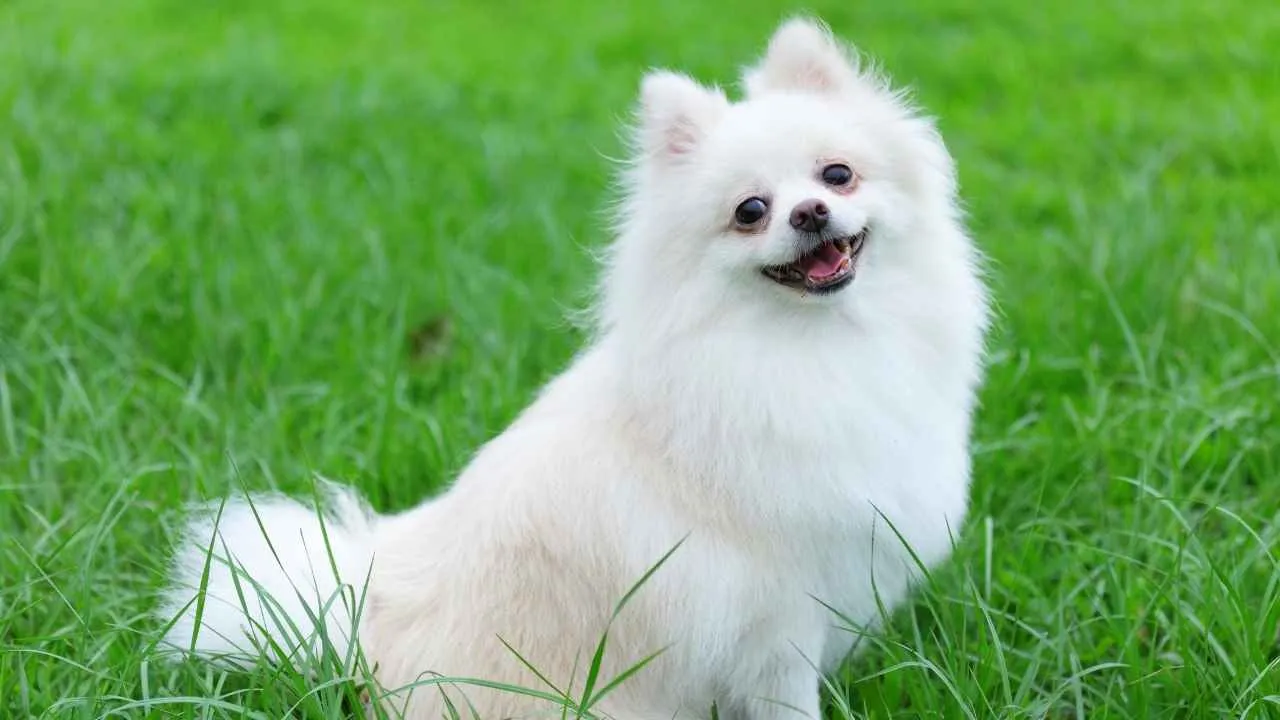
If you want a lightweight dog that turns every training session into a fun show, the Pomeranian is ready for the spotlight. This lively little breed is clever, eager to learn, and loves showing off new tricks, making positive, reward-based training especially effective for beginners.
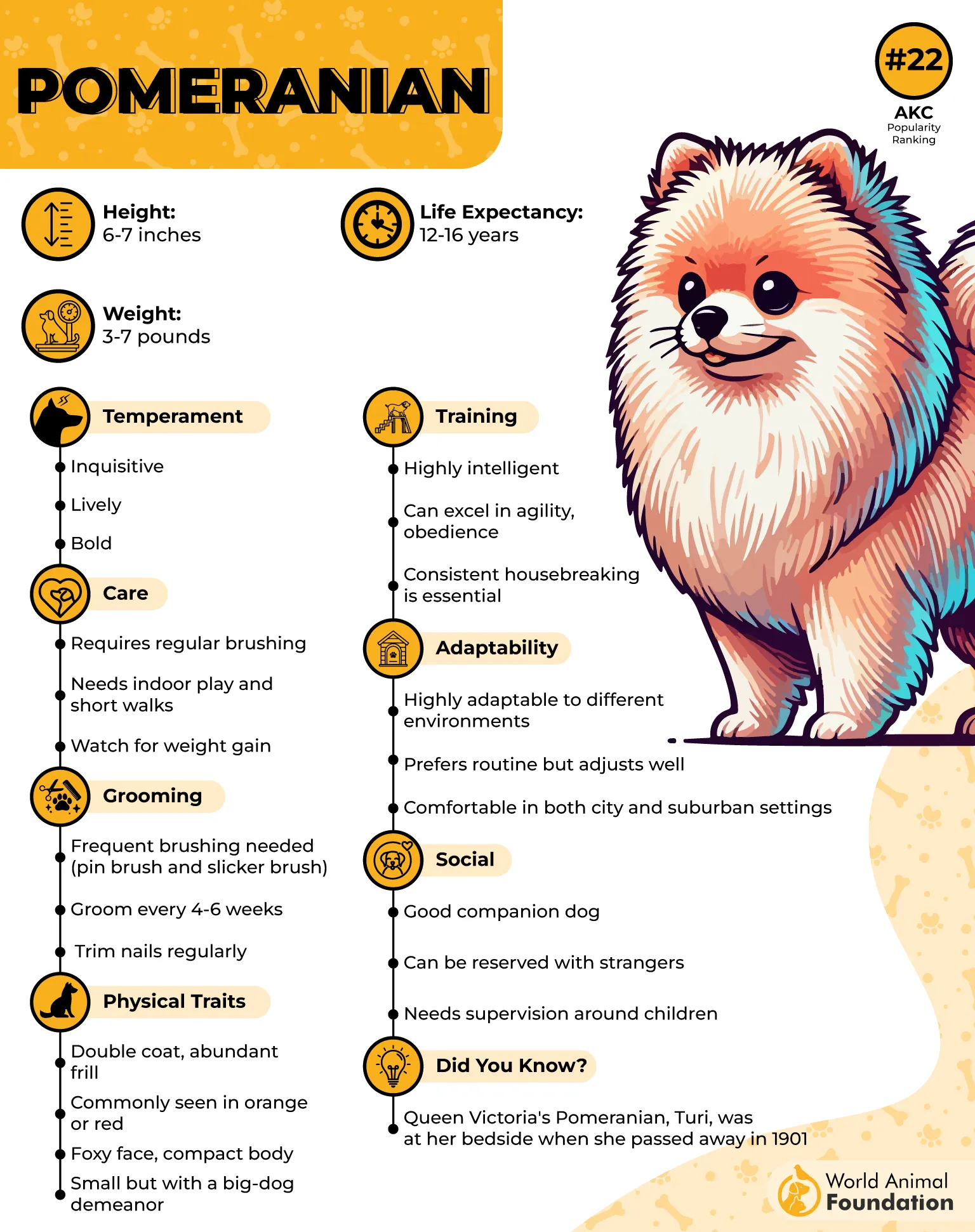
Just don’t let the fluffy appearance fool you—this tiny entertainer has plenty of confidence and may occasionally believe it’s the biggest dog in the neighborhood.
Pomeranians enjoy short daily walks and learning new skills that keep their busy minds occupied. Early socialization and consistent boundaries help prevent stubborn habits and excessive barking while building a polite, confident companion.
Their thick double coat needs regular brushing to stay neat and tangle-free, but their cheerful personality more than makes up for the grooming routine. With patience, structure, and a sense of humor, this spirited small dog breed quickly becomes an unforgettable training partner.
Conclusion
Choosing the right lightweight dog can make obedience training feel far less intimidating for first-time dog owners. A willing attitude and steady guidance go a long way.
The most beginner-friendly breeds combine intelligence, focus, and a desire to work with their people. Consistent routines and positive reinforcement help these qualities shine.
Remember that easy to train does not mean no effort. Even the easiest dog breed benefits from patience, early socialization, and regular practice to build lasting good manners.
With the right match and a thoughtful approach, your new companion can grow into a confident, well-behaved friend, making every training session a rewarding step toward a lifelong bond.
