




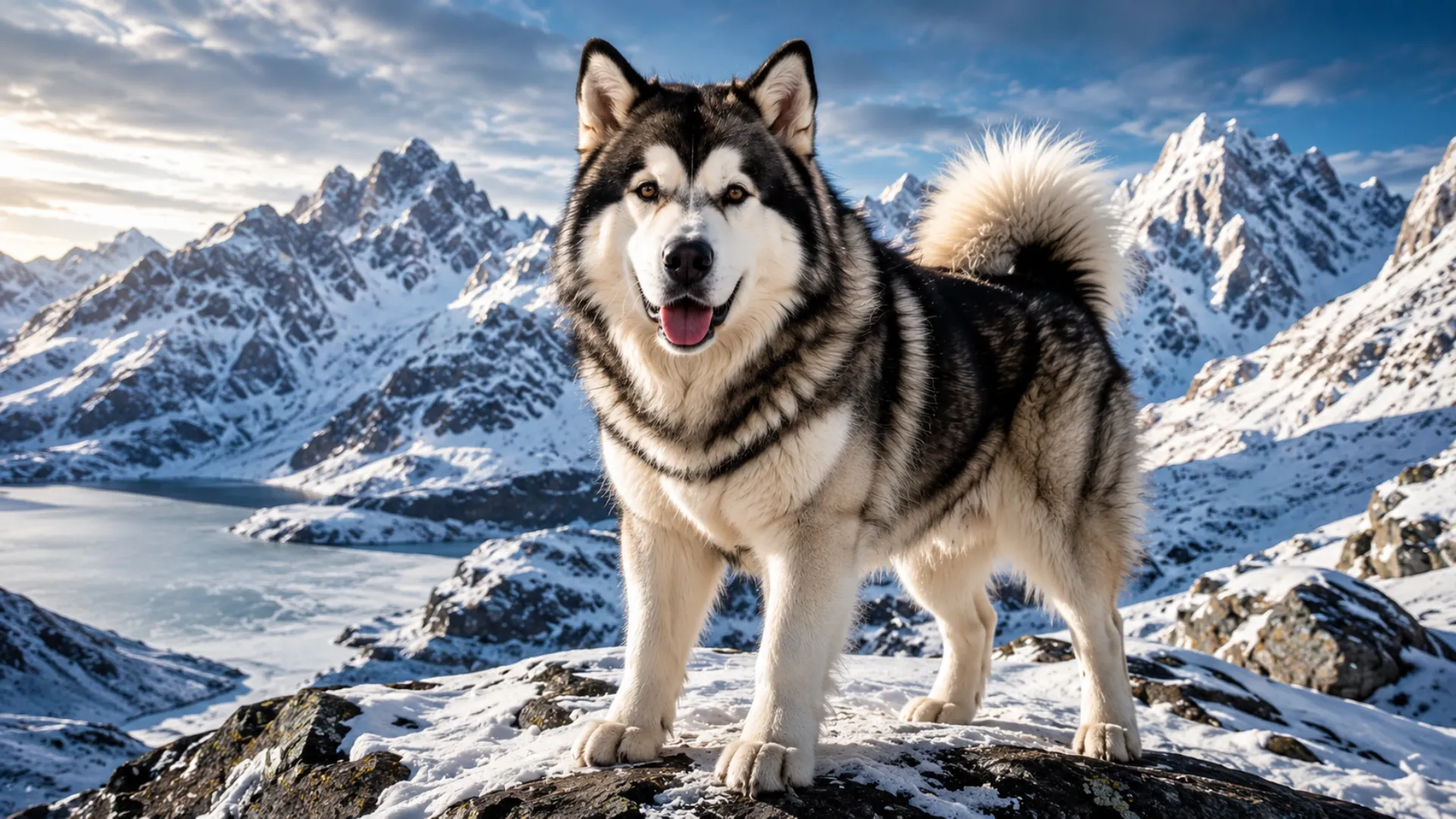
Some dogs have been molded in environments in which survival was not always easy. They had to cross through deep snow, freezing winds, scorching landscapes, high mountains, and isolated farmlands. They had to do just one thing, i.e., keep moving when times got tough!
These dogs were not bred for showmanship. Their ancestors were able to work for a real job. Some ancient breeds dragged heavy sleds on frozen ground while other dogs kept livestock free of predators. Some worked side by side with farmers in far-flung areas with minimal shelter and resources.
These dogs have muscular bodies, thick fur for insulation, long, strong legs to run, and good paw power to hold their ground. These dogs were made to be independent thinkers who never needed directions from men.
But this doesn’t mean that all of them are suitable for family life. Most of these gentle giants are large, strong, and energetic. They require good food, exercise, enough space, and safe handling.
Let’s take a look at seven of these tough and powerful dog breeds.
Legendary Dog Breeds that Master Survival in Extreme Conditions
1. Siberian Husky
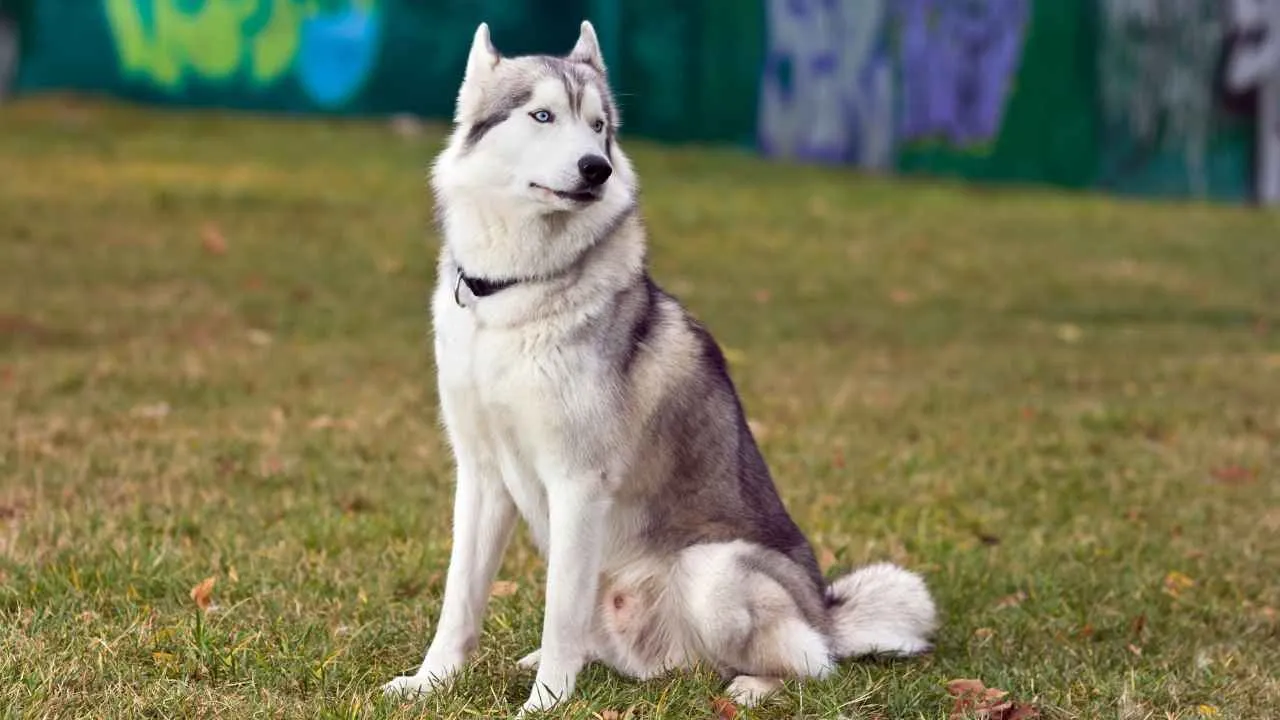
The Siberian Husky was developed by the Chukchi tribe of northeastern Siberia to be used as a sled dog on some of the harshest terrain in the world, as per the American Kennel Club. This sled dog has to travel far, expending valuable energy.
It is selective breeding that has produced the Husky’s remarkable endurance. It is an efficient working athlete with the ability to sustain movement for long periods.
Another key survival aspect is its double coat. The thick undercoat helps to insulate, and the outer coat is water- and snow-resistant. It has a well-balanced body that allows swift movement. This pup is famous for its activities in the cold weather. Its almond-shaped eyes are quite popular in the canine world.
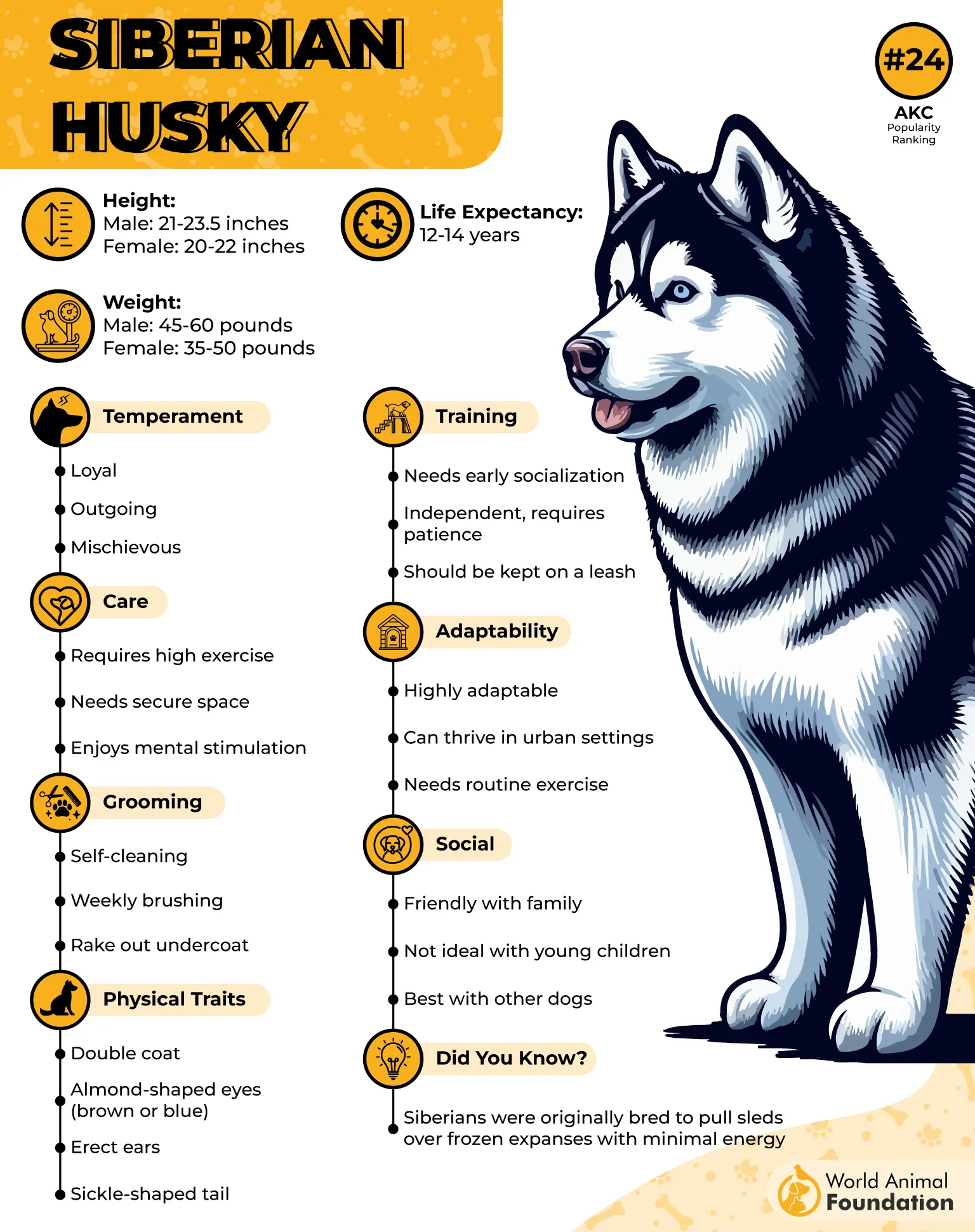
Sled dogs were used in teams and had to adapt well to ever-changing conditions. Today’s Huskies are very social and like to have a canine companion by their side. However, they are not very easy to look after for new owners. Bored Huskies can seek their own entertainment, sometimes through escaping the yard, so leash training is crucial for them.
2. Alaskan Malamute
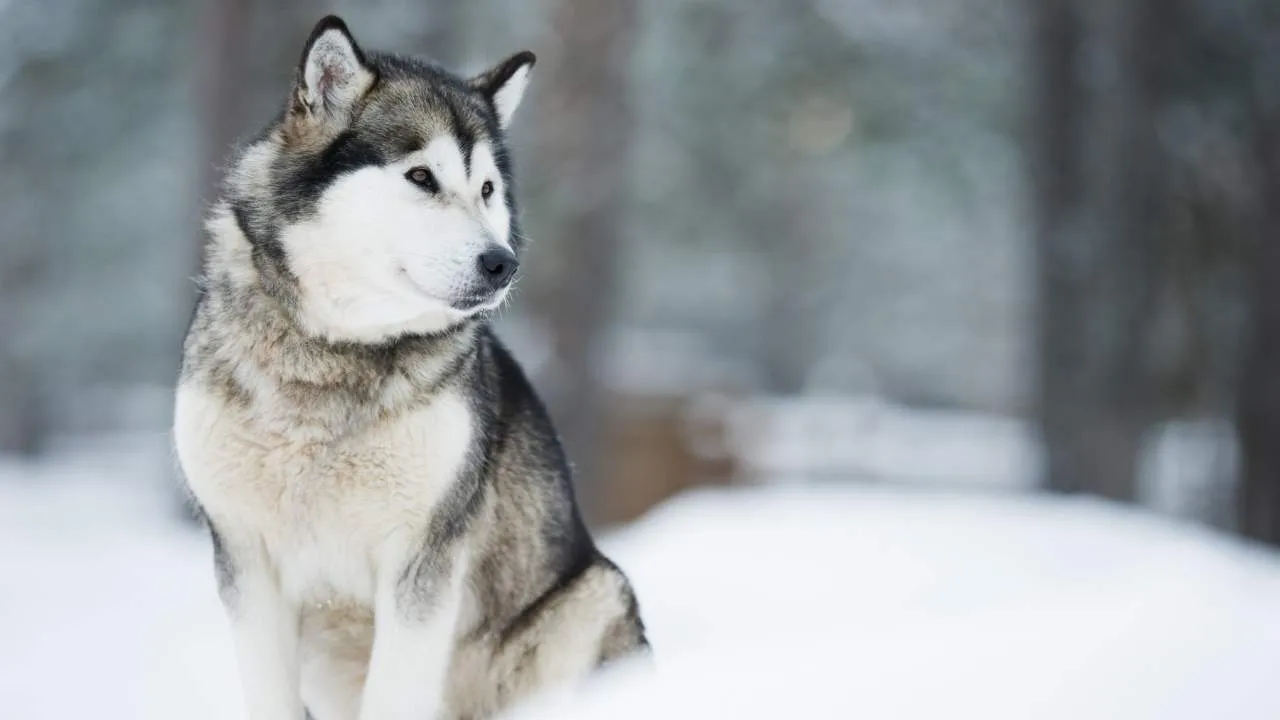
The Alaskan Malamute is designed for power and not speed. This dog is the result of the breeding program of the Mahlemut people of Alaska, who bred dogs for pulling heavy loads over the Arctic terrain. This is what sets the Malamute apart from other lighter sled dogs. It comes from a very strong dog population that can haul heavy loads across snow and ice.
These puppies are not racing dogs but are instead working dogs. They have thick double coats that insulate them in cold weather. These dogs are also characterized by their broad heads, sturdy limbs, and strong feet to tackle demanding work. They can be much more comfortable in extreme conditions that might be uncomfortable for many other dog breeds.
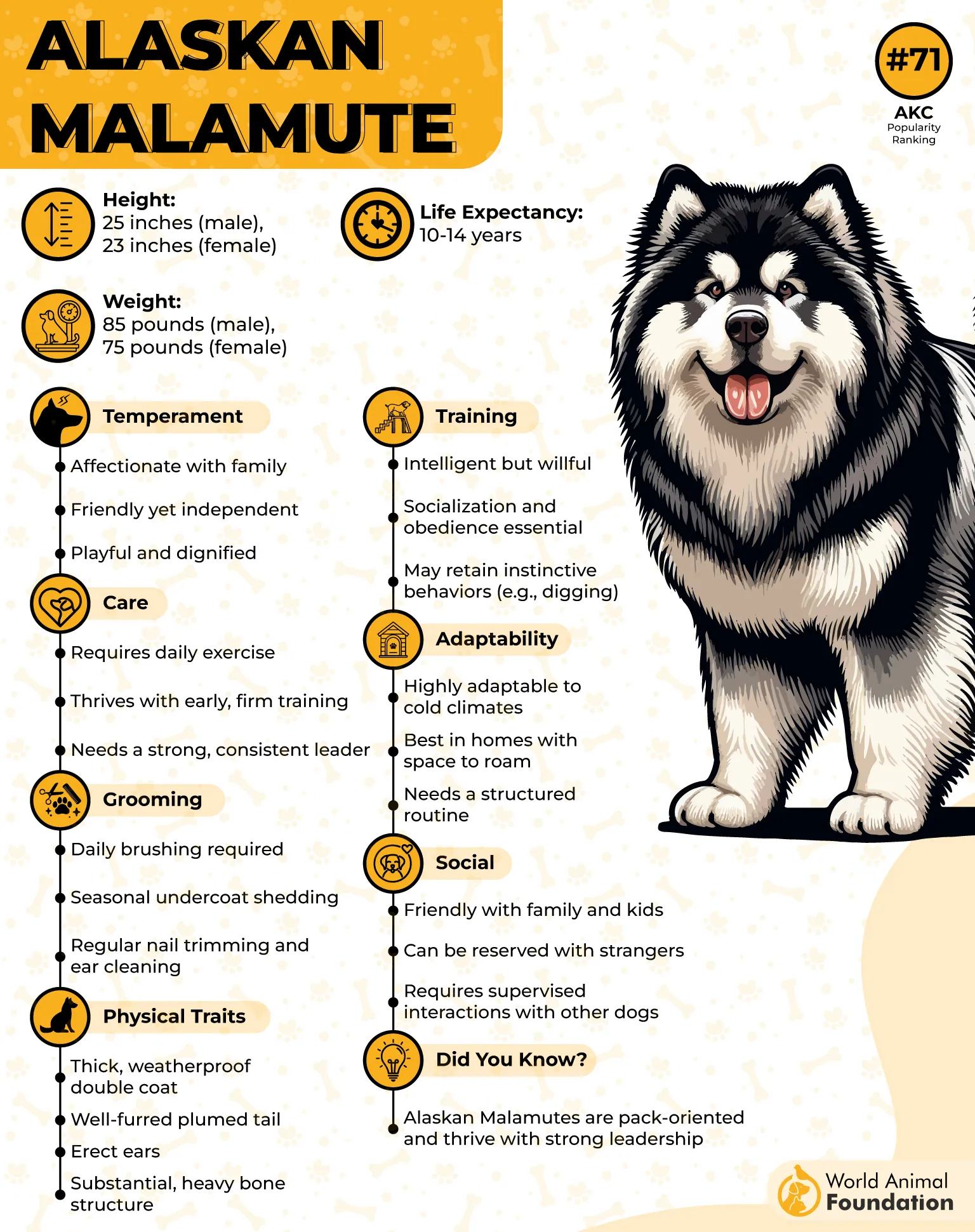
They also form close bonds with family members, which is somehow associated with their past story of working with men to carry goods for them. Organized activities and structured training sessions are required for these robust animals. Since they are large in size, they require leash training to avoid escape behavior. Hiking, pulling sports, and obedience training work well for their mental stimulation.
3. Tibetan Mastiff
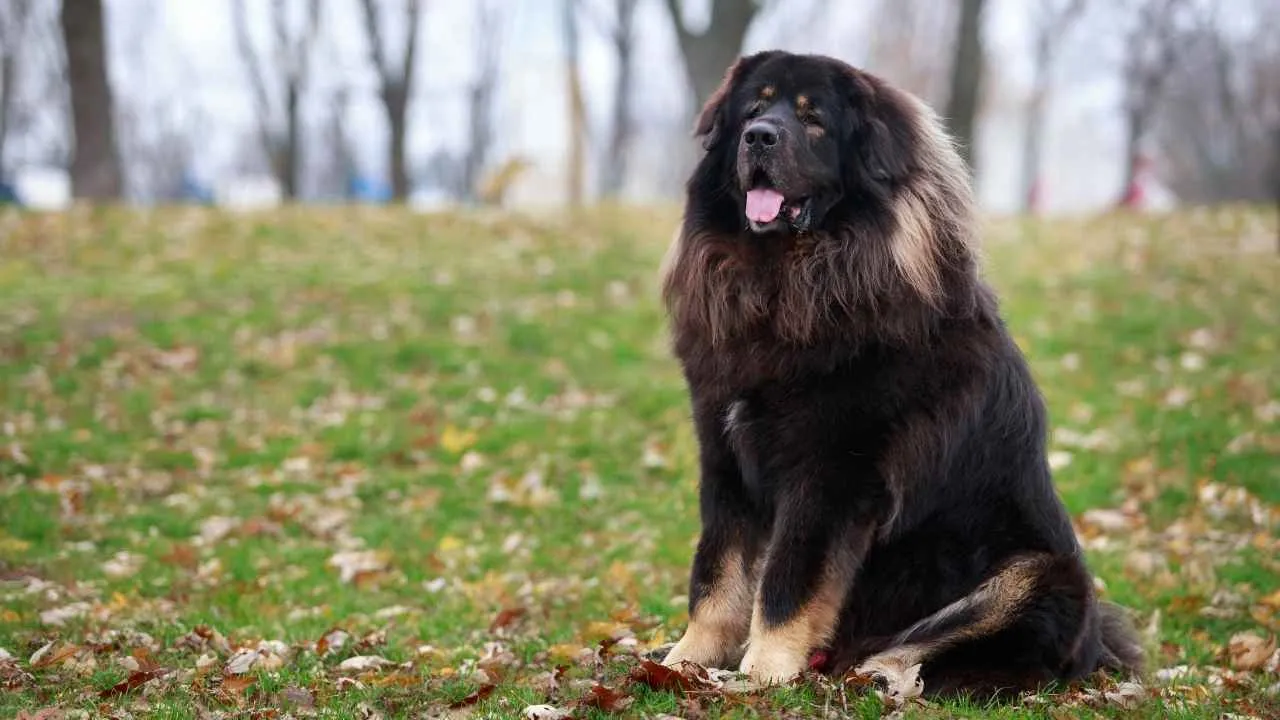
The Tibetan Mastiff is a breed that has been bred in the Himalayan regions at high altitudes where extreme weather is very common. The high altitudes, cold weather, harsh landscapes, and perilous animals made survival difficult. This breed was originally used as a guard dog. It wasn’t made to run after small animals but was used to keep an eye out for livestock, camps, and settlements.
It has a magnificent coat which is protective in cold weather. The breed also has a substantial body and powerful build, which is a feature of its native region. Independent thinking is one of its most amazing survival values.
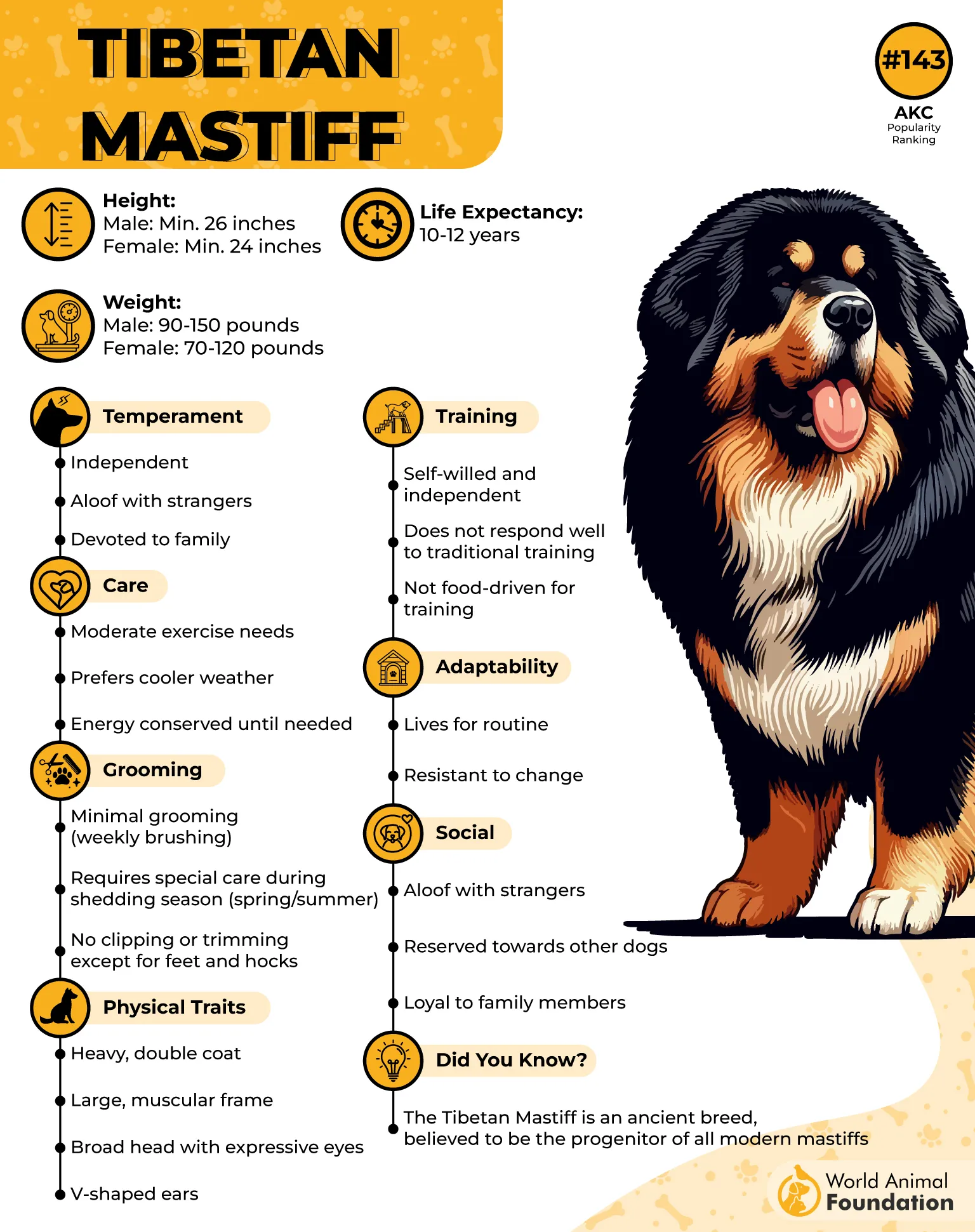
While Tibetan Mastiffs are highly loyal dogs, they are not the easiest breeds to train. It is important to have early socialization and consistent boundaries to make them well-behaved pets around kids and other animals. They are natural protectors but are very territorial. They should not exercise intensively, as stated by Petfinder, because this can put strain on their joints and cause injury.
4. Anatolian Shepherd
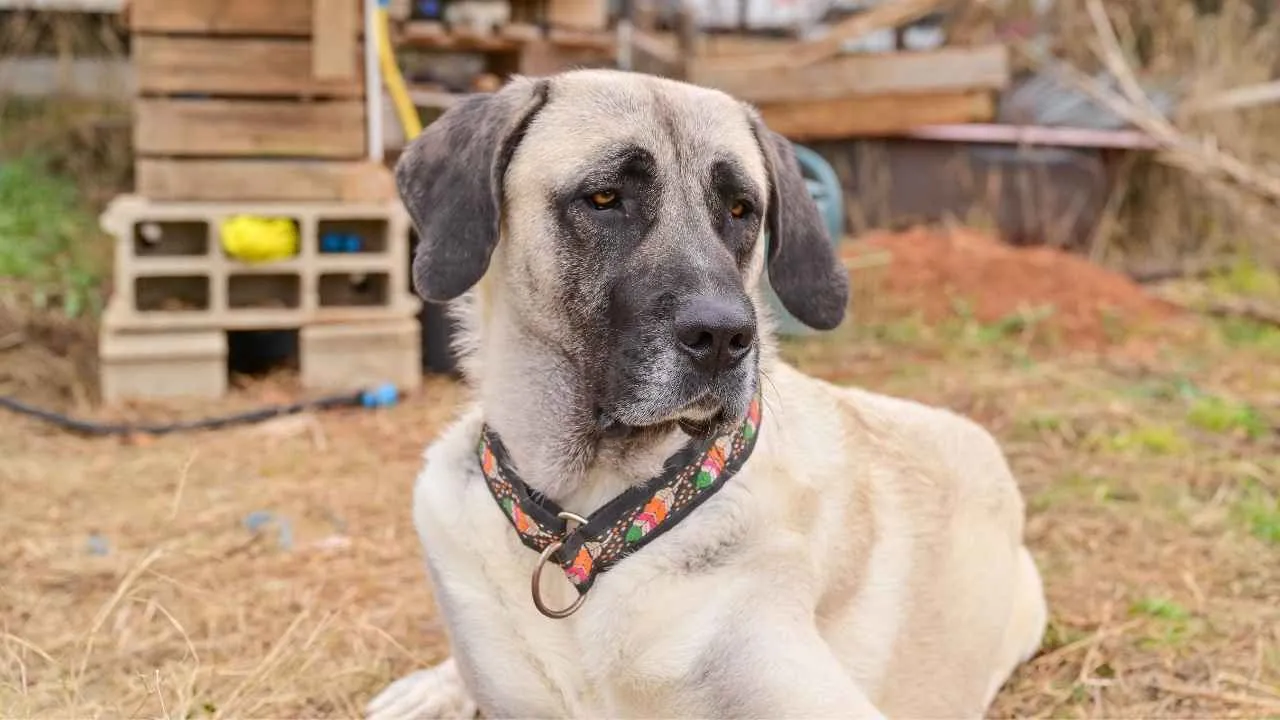
The Anatolian Shepherd is a Turkish breed, having worked as a livestock guardian for generations. Unlike Arctic sled dogs, the survival strategy of this breed is very different. It is designed to thrive in hot summers, cold winters, rough terrain, and to fight against predators.
It wears a short to medium double coat which protects it seasonally but not to the same extent as northern breeds. The thickness of the coat may also vary according to the climate. These shepherd dogs can be on their toes all day without getting tired because of their high endurance.
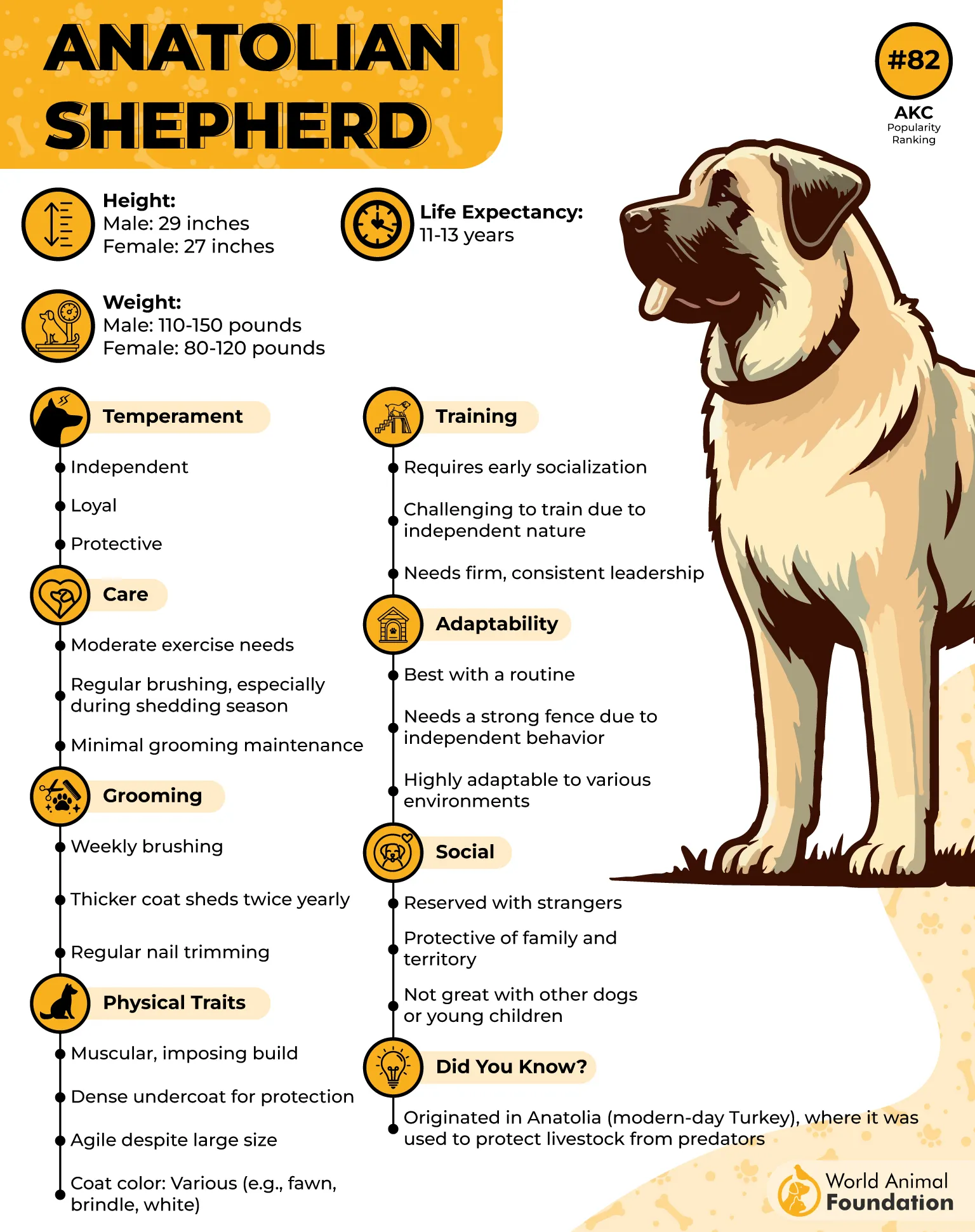
They also do not need to run around all the time. These independent thinkers work on their own without listening to commands all the time. It is important to have a tall, fenced yard if they are to be kept off-leash, or else they might cause destruction. Moreover, modern owners need to be aware of their working background. If their instincts are not respected, they might try to run away.
5. Norwegian Elkhound
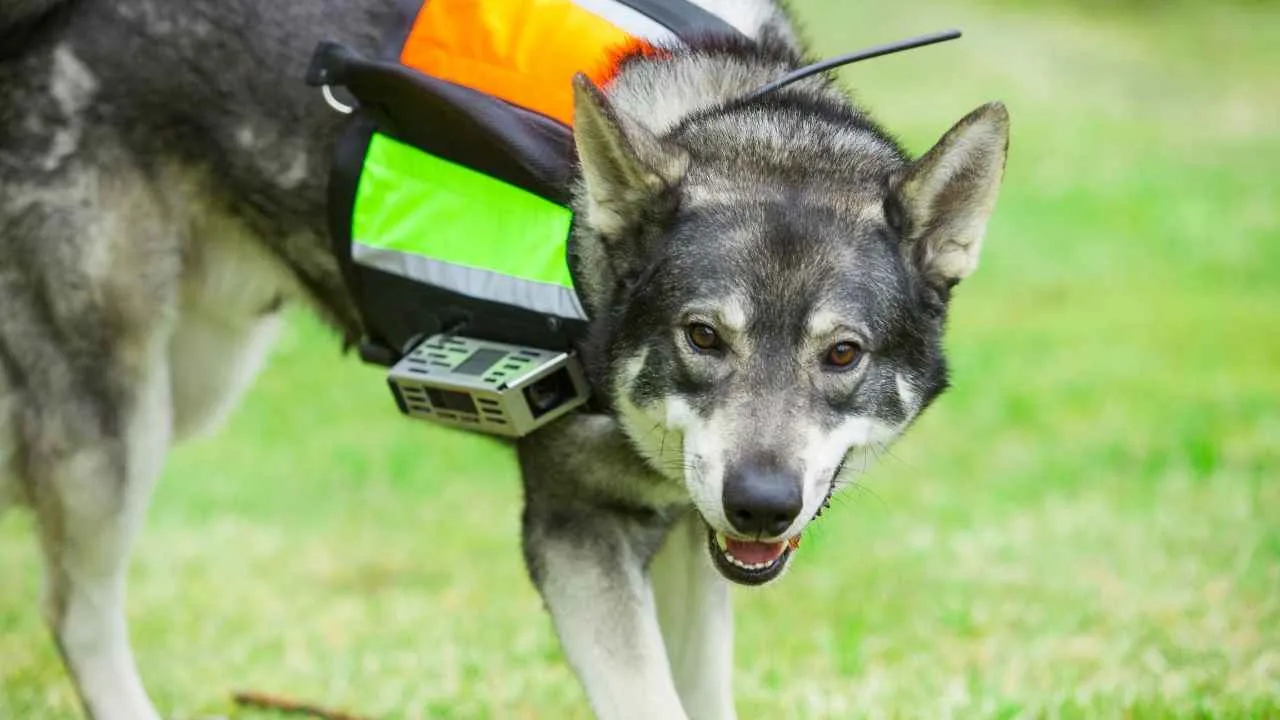
The Norwegian Elkhound is smaller than many of the big dogs on this list and is more agile as a hunting dog. It was a breed that was developed in the Scandinavian regions, where hunters wanted a rugged canine that could hunt in the northern areas and in forests, according to Purina. Although its name is linked to elk hunting, its working skills were not restricted to one form of game.
It has a thick coat which provides insulation from the Scandinavian climate. The outer coat is relatively coarse, while the undercoat provides good insulation. This breed also has a unique square body which helps it to move efficiently. It is a compact dog that is well adapted to working with humans.
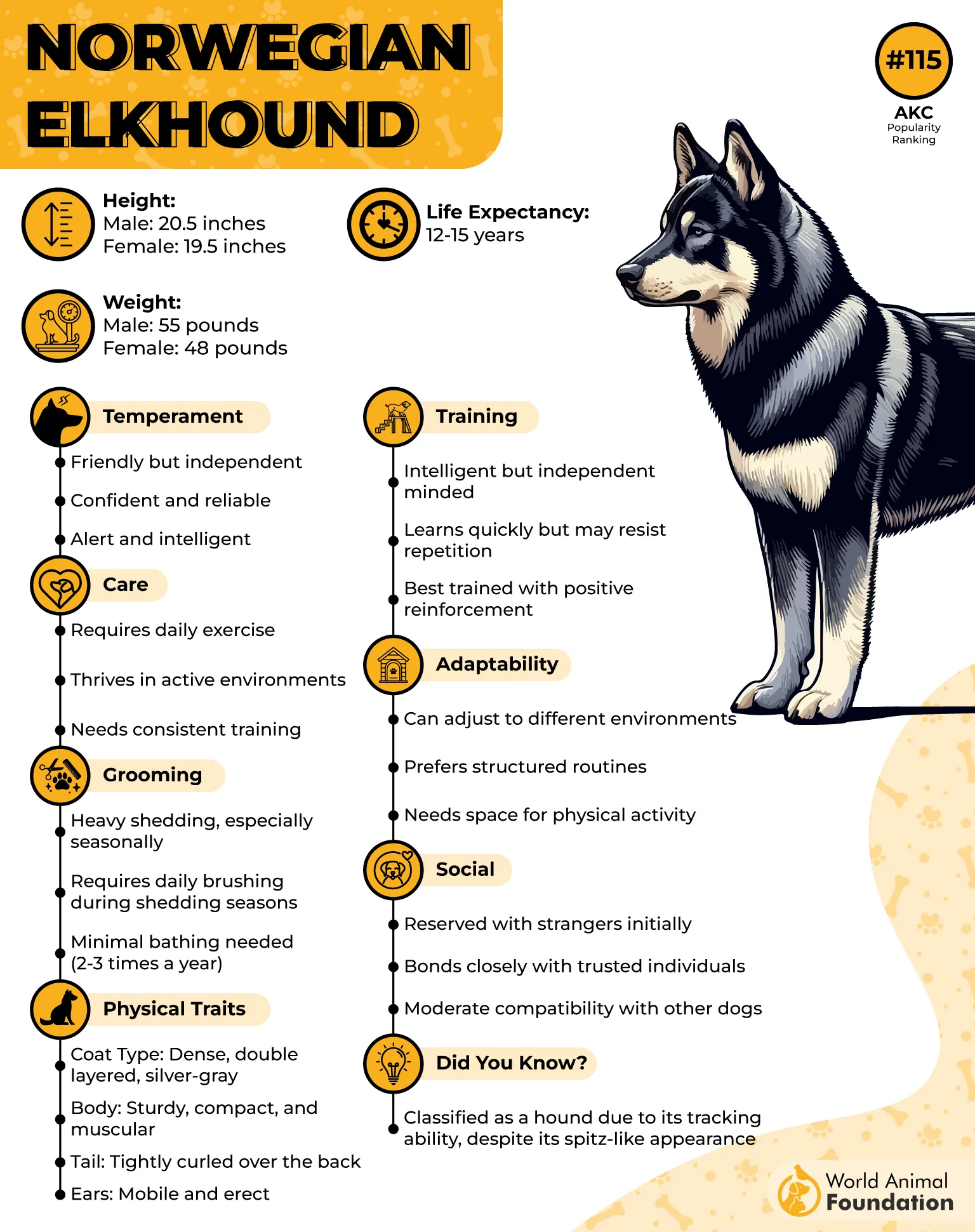
These dogs are alert and intelligent. They can hunt without their owners and may use their voice to bark out loud while they are out hunting. It should be noted that these pups are not quiet dogs. Excessive barking can be toned down with early puppy training classes. They do not need a large area indoors but will require a larger space outside to perform activities.
6. Saint Bernard
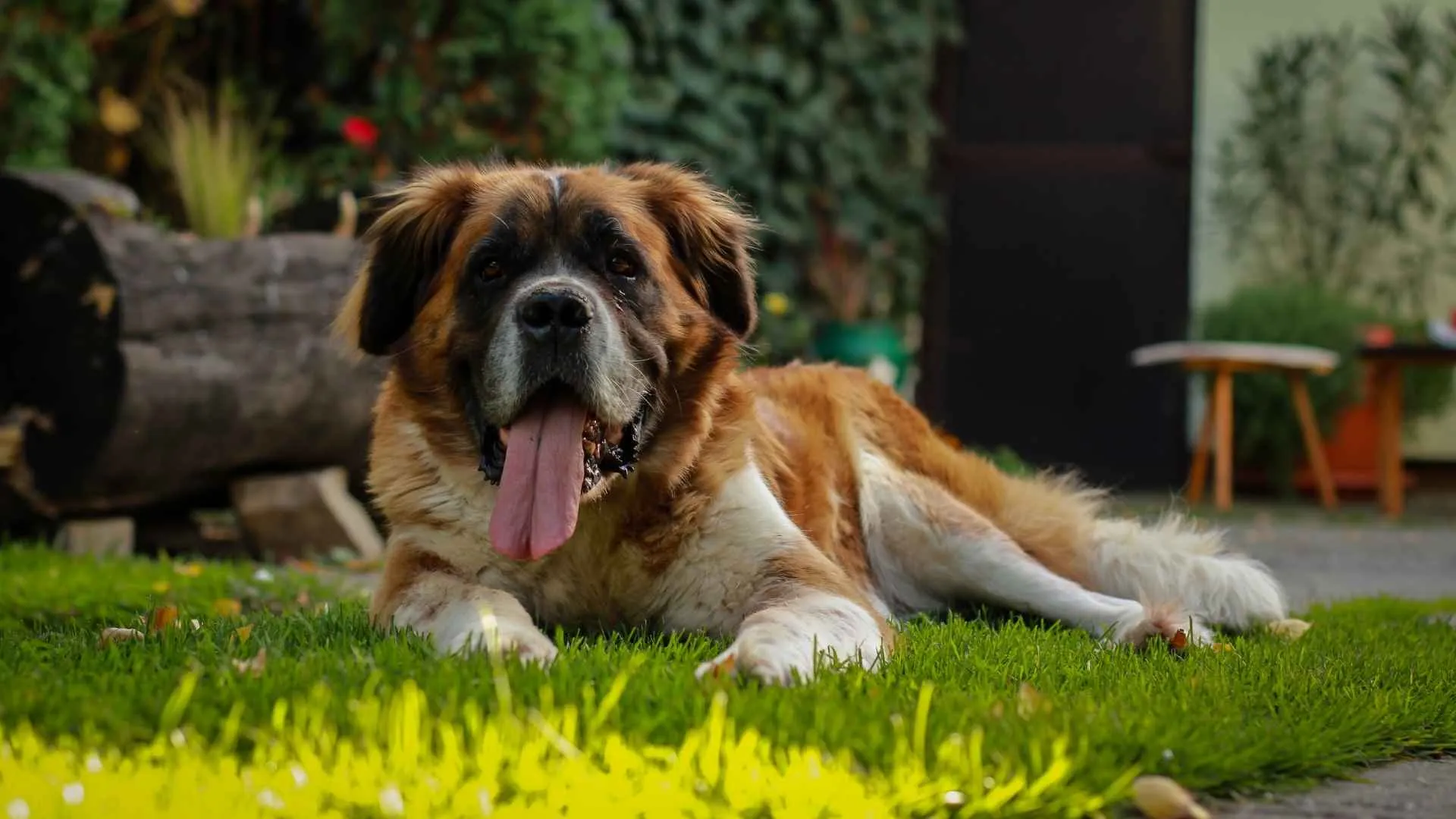
There is no more iconic breed for survival and rescue than the Saint Bernard. The breed is linked to the Great St. Bernard Pass in the Swiss Alps, where monks kept this dog to rescue lost travellers. The mountain area was very harsh, and people faced heavy snowfall, freezing temperatures, and dangerous passes.
Saint Bernards were prized for their strength and great sense in snowy conditions. They have strong bodies that can function in challenging environments. They have thick fur that keeps them warm at all times. They can come in short-haired and long-haired varieties.
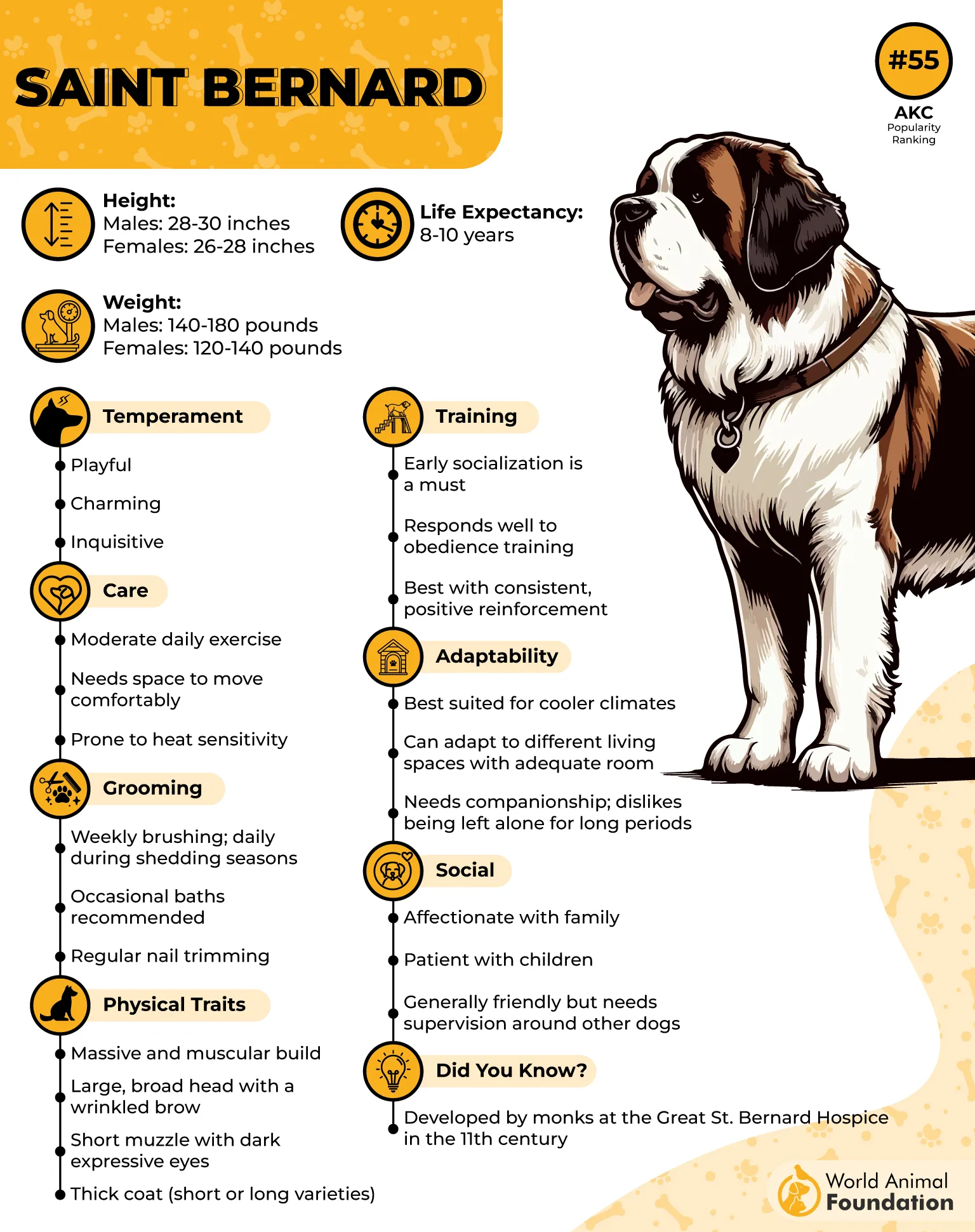
It is said that this breed is related to the Alpine rescue history. Today, Saint Bernards are well-mannered family dogs in general if provided with obedience classes at an early age. Costs of food, grooming, veterinary checkups, and transportation might be high because of their large size.
7. Central Asian Shepherd
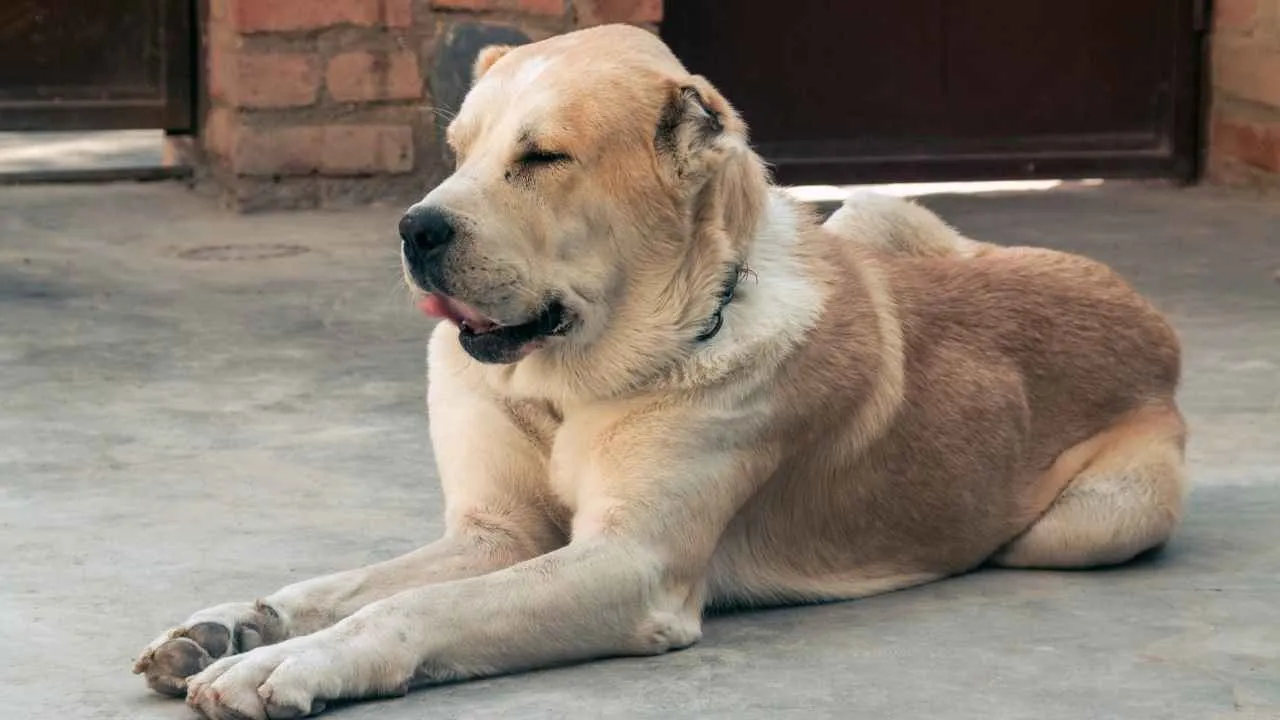
This dog breed is one of the most ancient livestock guard dogs from Central Asia. Its development was shaped by several factors, including geographic diversity, from vast deserts and rugged mountains to regions with extreme and fluctuating temperatures.
They might not be a good fit for first-time dog owners. It is better that only experienced pet owners adopt this dog. Unlike sled dogs, these guard dogs had to survive both hot and cold temperatures. Their coat also changes seasonally and provides insulation only when needed.
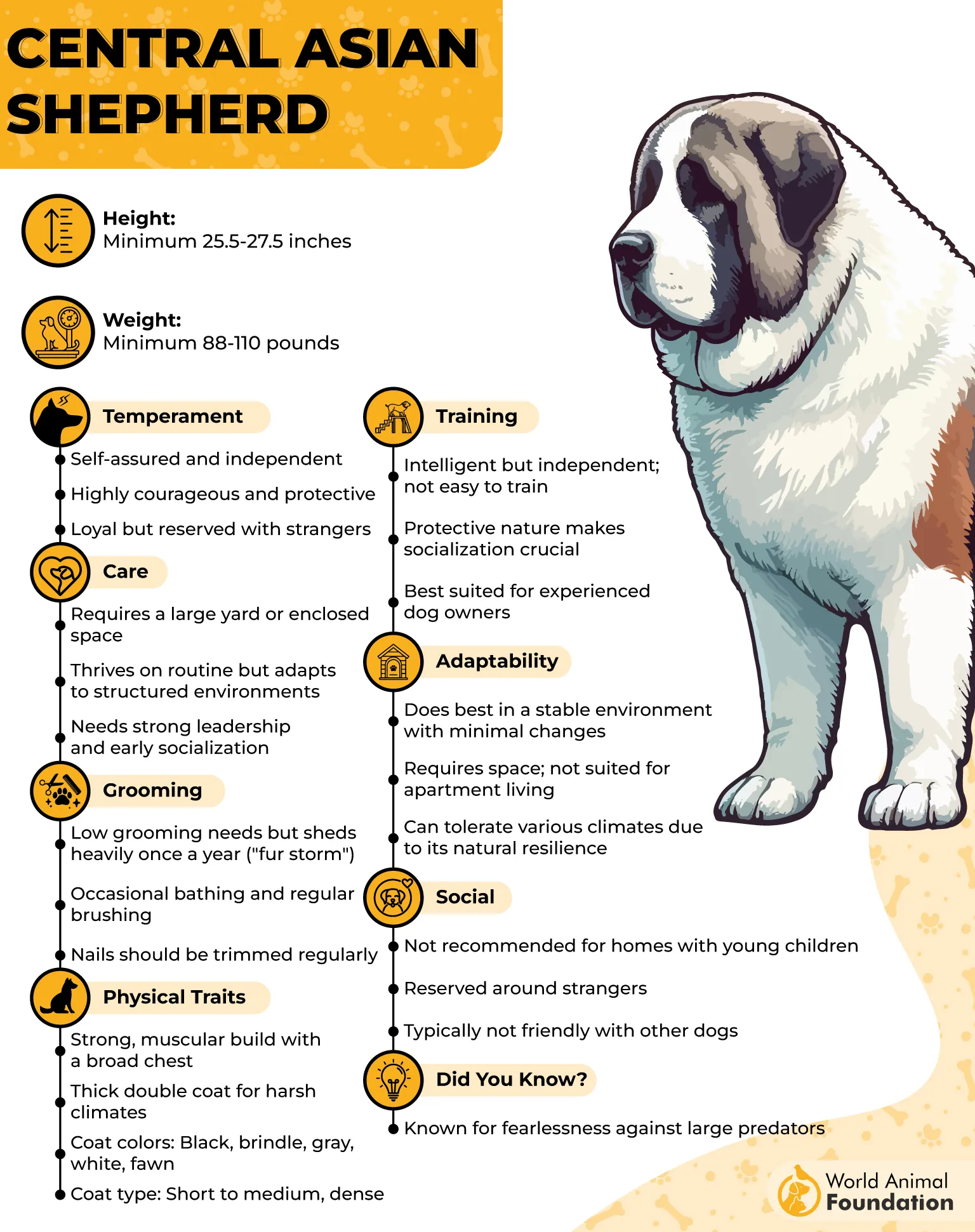
These pups can be great for rural areas where protection is needed for livestock and other tame animals like buffaloes, cats, and goats. Their loud bark can warn owners about potential threats. They have low-maintenance coats but require heavy brushing twice a year when their coats tend to shed the most.
Conclusion
Some dogs have always lived in extreme conditions, which has led them to be extraordinary. Whether you want a village dog or a city dog, both would need proper care. The legendary dogs listed in this guide have proved that their instincts are much more powerful than normal dogs.
These fierce creatures were made to travel for miles in frozen areas or survive the extreme heat of deserts. Understanding these dogs is very important, especially for people who live in far-off areas of the world.
It is not only about surviving in harsh weather that makes their stories amazing, but about the resilience and intelligence they possess.
