




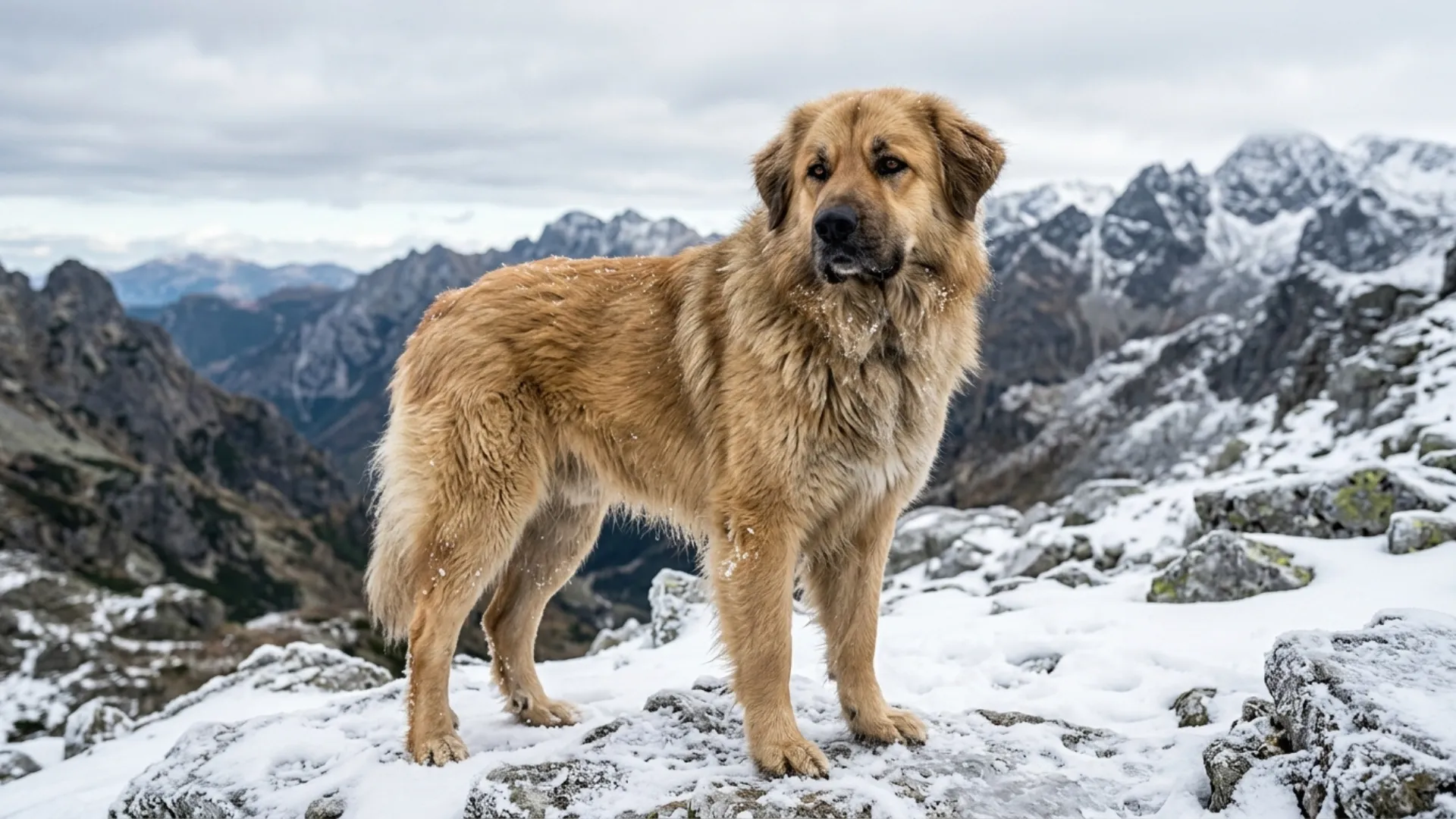
Some dogs are born for life’s toughest challenges! These hardy breeds have unique traits that help them face harsh weather and demanding work. Their thick coats, strong bodies, sharp instincts, and great stamina make them stand out from other dogs.
Some breeds pull heavy loads across frozen lands, while others guard sheep in remote mountain regions. Each has a story shaped by the people who needed their help.
From the icy Arctic to the rugged Himalayas, these dogs have earned respect through their strength and skill. But their tough past does not mean they can live outdoors without care. Even the hardiest dogs need fresh water, safe shelter, and human love.
Let’s explore seven legendary dog breeds, their amazing history, their special skills, and what future owners should know before bringing one home.
Legendary Dog Breeds That Thrive in Harsh Environments
1. Alaskan Malamute
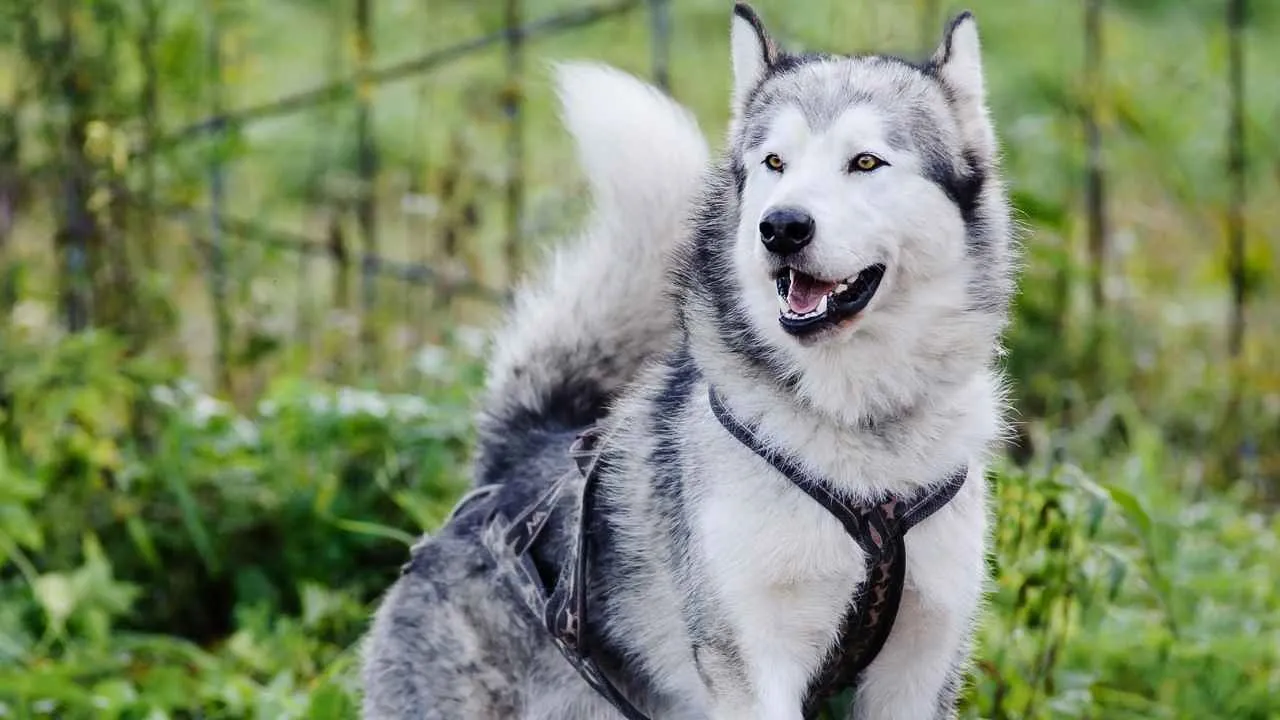
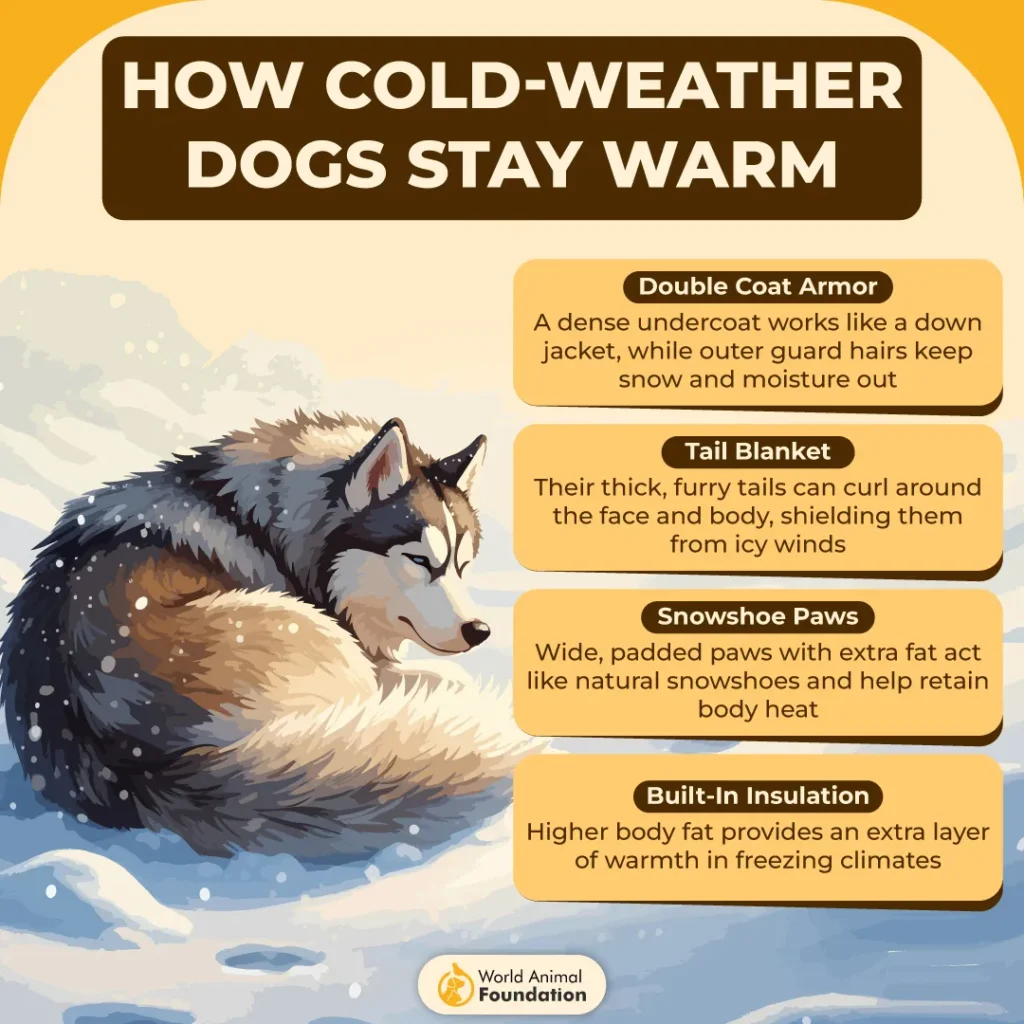
The Alaskan Malamute is a strong working dog from Alaska. It was originally bred to haul heavy freight across icy lands. According to Wikipedia, this large Spitz-type breed relies on strength and endurance for sled work. Its thick double coat helps trap warmth in cold climates.
Its massive stature, broad chest, and strong legs support tough jobs. Unlike racing Huskies, Malamutes focus more on pulling heavy loads than speed. Their history reflects the needs of Arctic communities that relied on dogs for transport.
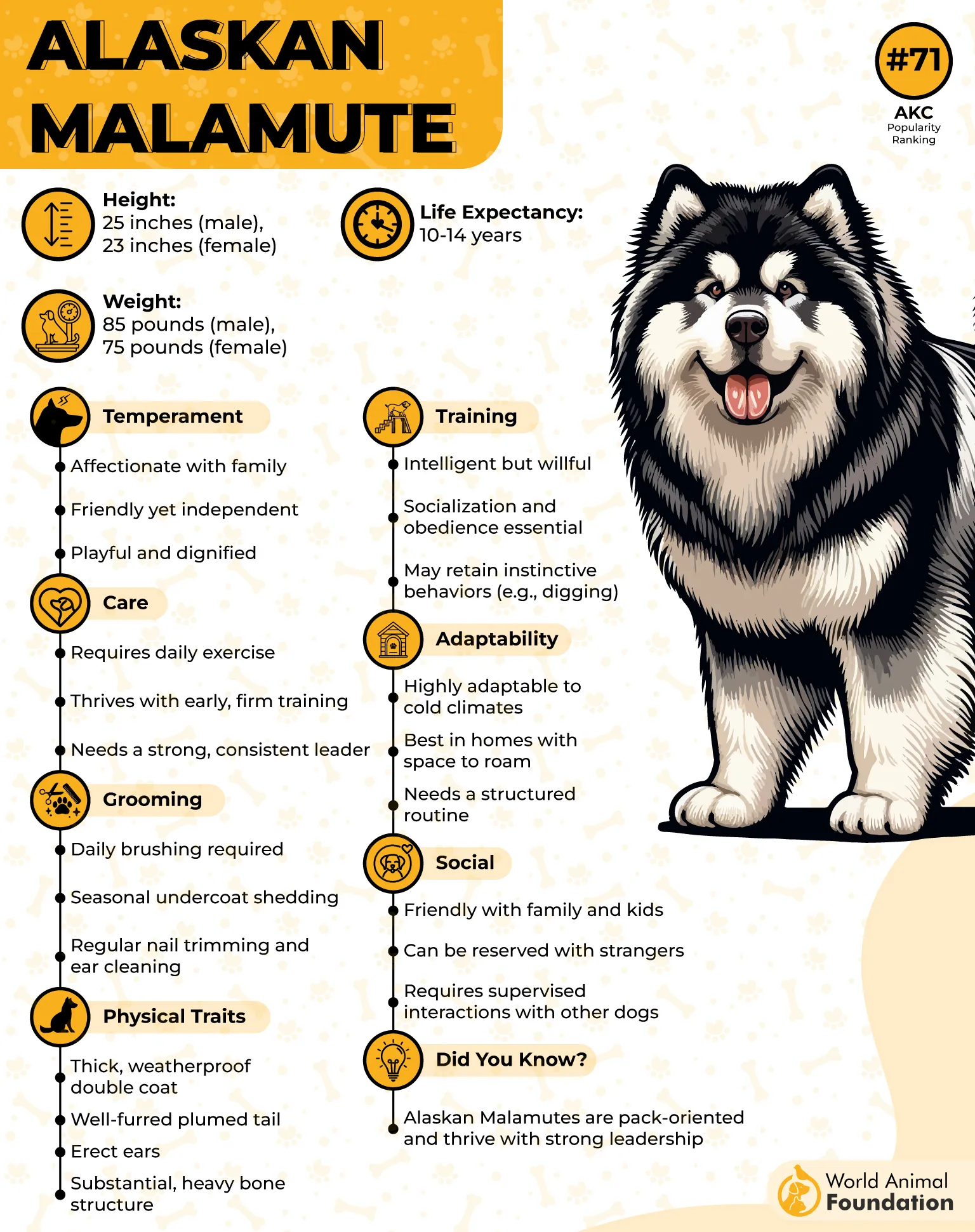
Despite their rugged past, these sled dogs need shade and cool indoor rest in warm weather. Their calm temperament can make them loving companions, but Alaskan Malamutes need space, training, and an owner ready for a large, powerful dog.
What Makes the Alaskan Malamute Special?
Built for teamwork: Malamutes often enjoy shared tasks with their people. Simple training games can help build trust and cooperation.
A strong voice: These dogs may howl or “talk” rather than bark often. Early training can help manage noise in busy neighborhoods.
A curious mind: Puzzle toys and scent games offer fun ways to keep them engaged. Change the games often to hold theirinterest.
A natural explorer: Secure fences matter because new sights and smells can tempt them to roam. Check gates and outdoorareas often.
A long-term commitment: Their size can affect food, travel, and vet costs. Plan for these needs before bringing one home.
2. Estrela Mountain Dog
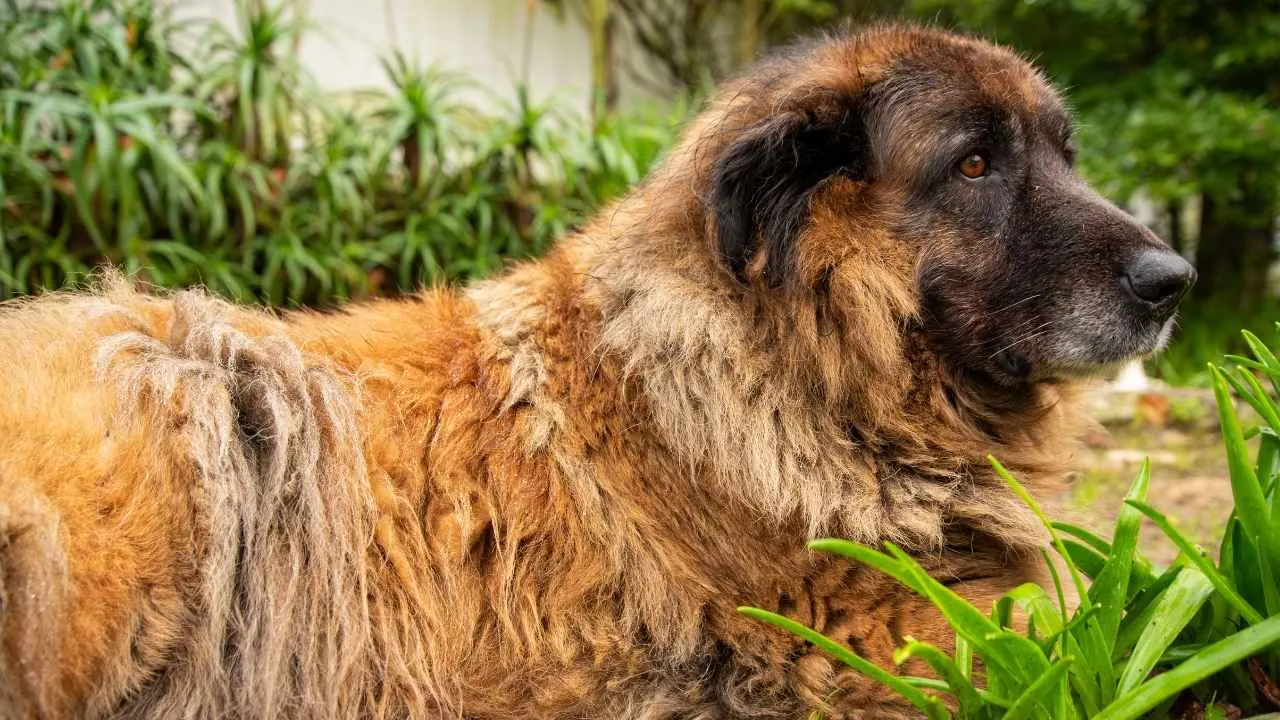
The Estrela Mountain Dog comes from Portugal’s Serra da Estrela mountains. These athletic dogs were bred to guard livestock and protect flocks from predators. Their muscular build and thick coat help them face rough terrain and freezing temperatures.
Their fearless nature makes them excellent guard dogs, but they need thoughtful training. Purina describes the breed as alert, intelligent, and independent. These dogs form close bonds with their families, yet they may be wary of strangers.
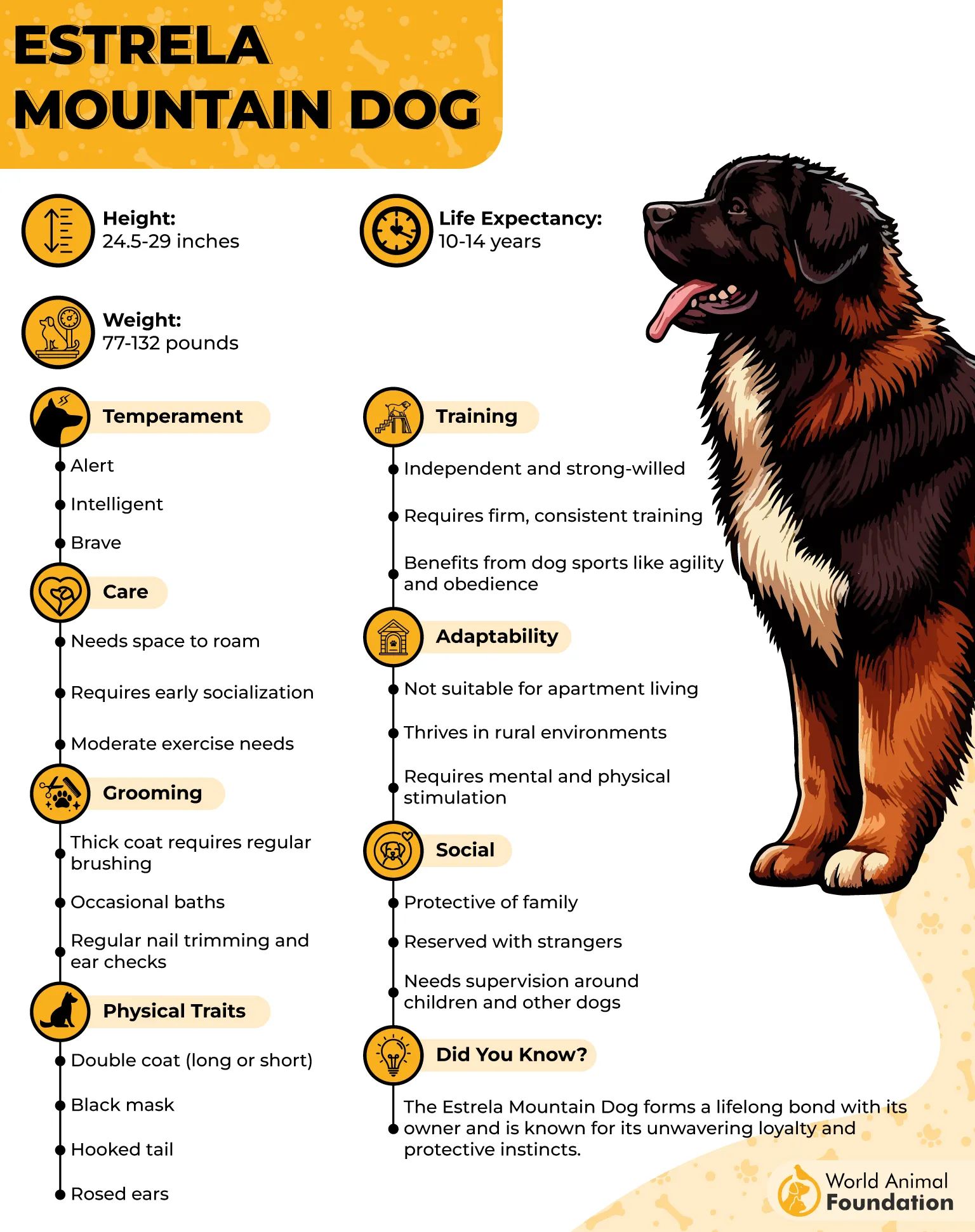
Their strong protective instincts come from years of working alone in remote mountain areas. Early socialization helps them accept visitors and live safely with other pets. Although these mountain dogs enjoy working with their owners, they still need space, secure fencing, and clear rules.
This breed often suits experienced owners who understand large guardian dogs and can guide them with patience.
What Makes the Estrela Mountain Dog Special?
A watchful companion: Estrelas often notice changes around their home. Calm introductions can help them learn which visitors pose no threat.
A willing learner: They can enjoy training when lessons feel fair and rewarding. Short sessions help keep their focus without creating frustration.
A family bond: These dogs value time with their people. Include them in daily routines instead of leaving them alone for long periods.
Room to roam: A secure yard gives them space to move and explore. Strong fencing helps prevent wandering during patrols.
A thoughtful choice: Their guarding instincts need responsible handling. Meet the breed first and seek advice from an experienced breeder or rescue group.
3. Siberian Husky
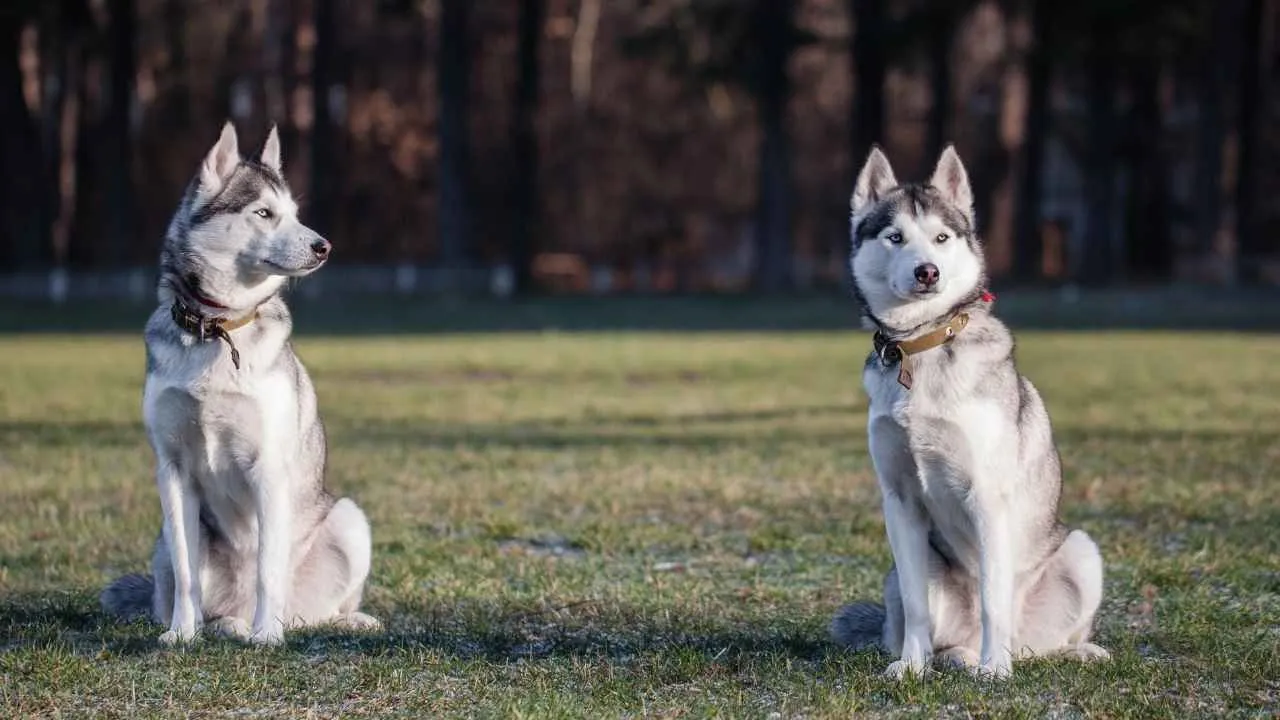
The resilient Siberian Husky is an ancient breed developed by the Chukchi people of northeastern Asia. This medium-sized dog helped pull light sleds across vast, frozen lands. According to the American Kennel Club, Huskies worked in packs and covered long distances at steady speeds.
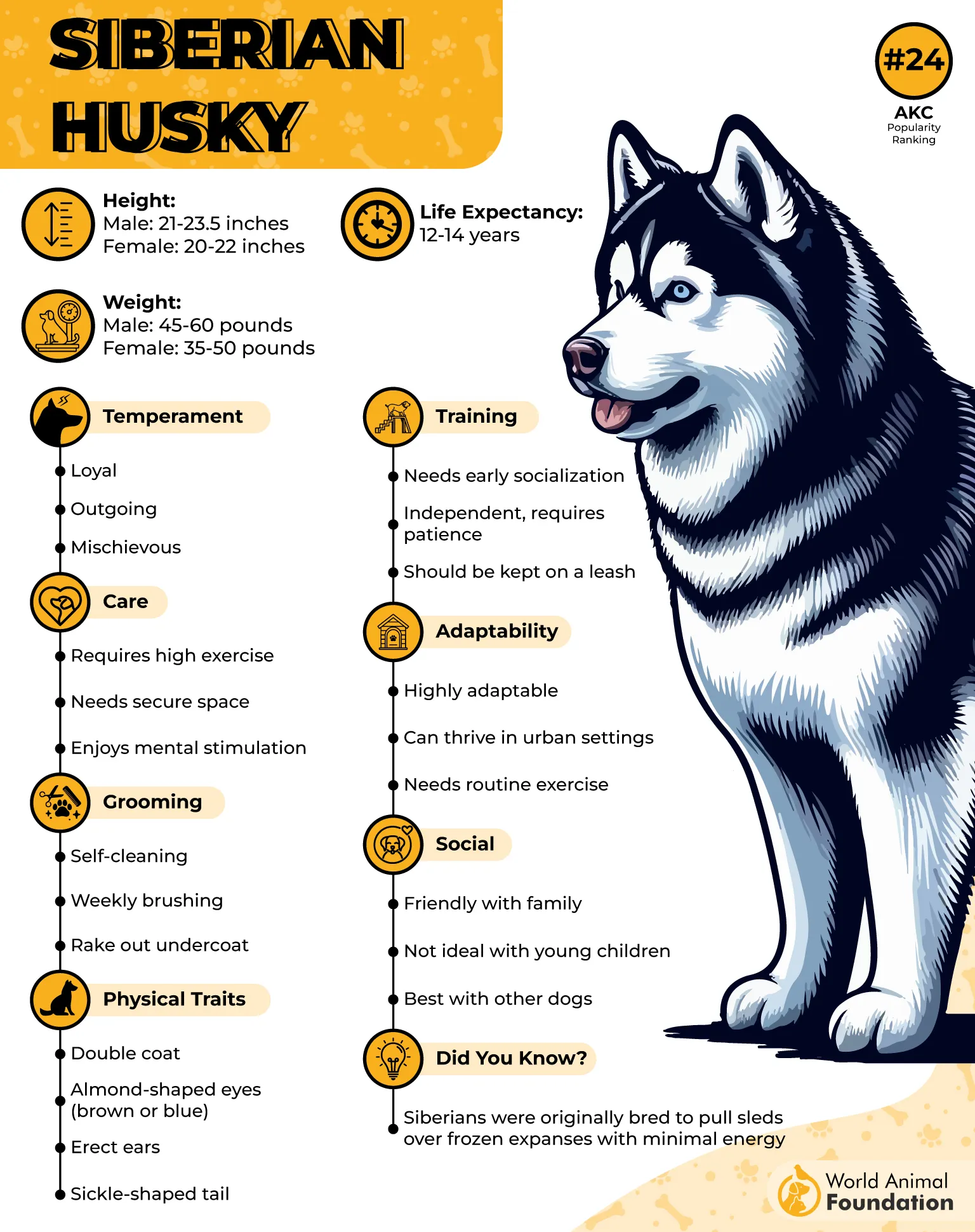
Their thick coat helps them stay warm in cold environments. These dogs thrive with active families who can match their boundless energy. Their friendly nature and gentle disposition make them poor guard dogs, but great companions. Their history also connects them to the famous 1925 serum run to Nome.
Balto led the final leg, while other sled teams carried medicine across earlier routes. Huskies love to run, explore, and chase small animals, so safe outdoor space is vital. They also need daily activity and mental games to stay happy.
What Makes the Siberian Husky Special?
A natural team player: Huskies often enjoy being around other dogs. Early socialization helps them build good habits with pets and people.
A clever escape artist: Many can jump, dig, or slip through weak fences. Check gates and barriers to keep outdoor play safe.
A tidy companion: The breed is known for its clean habits and low doggy odor. Still, seasonal shedding means owners should keep a brush nearby.
A playful spirit: These dogs enjoy games that let them think and move. Try scent searches, fetch, or short training challenges.
A poor fit for couch life: Huskies need more than a quick walk around the block. Choose this breed only if you can offer regular exercise and company.
4. Bernese Mountain Dog
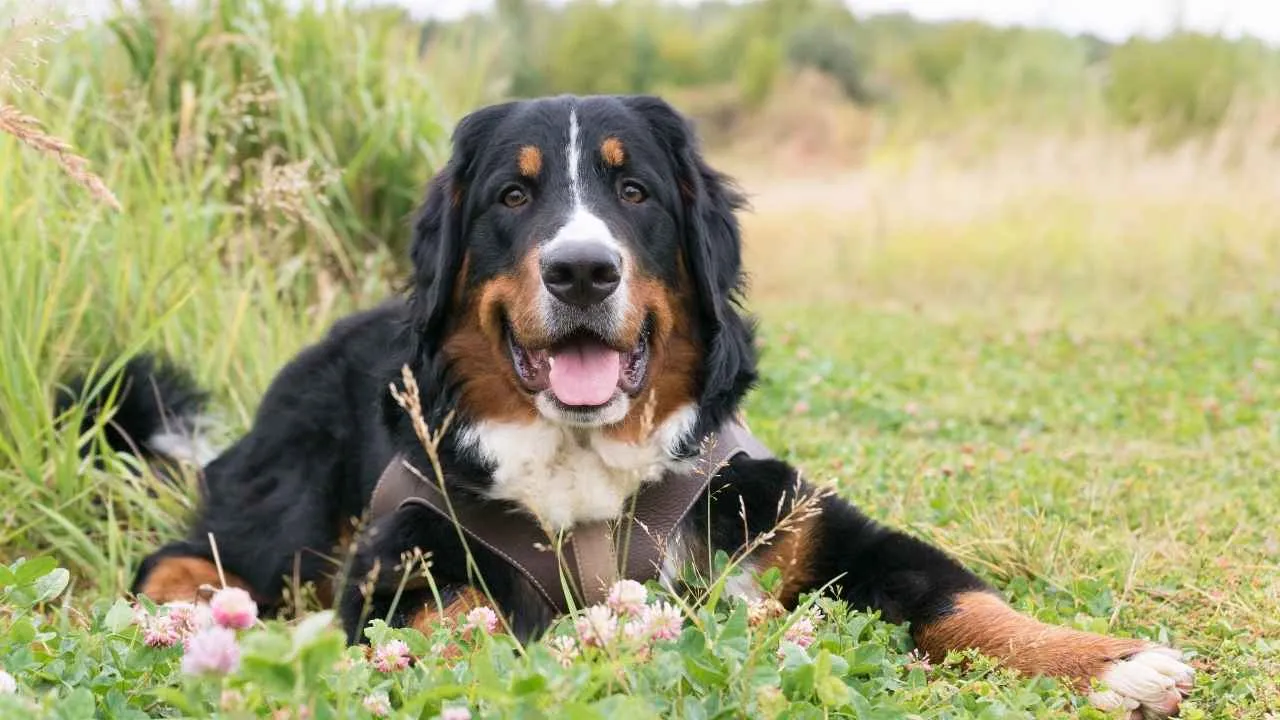
The Bernese Mountain Dog is a large dog breed from Switzerland’s Bern region. According to Britannica, Romans brought its ancestors to Switzerland over 2,000 years ago. Farmers relied on these versatile dogs to pull carts, herd cattle, and protect farms from predators.
Their long, silky coat helps them handle cold climates, while their broad chest gives them a sturdy look. Berners are deeply loyal and often form close bonds with their families. Unlike some guardian breeds, they tend to enjoy close human company.
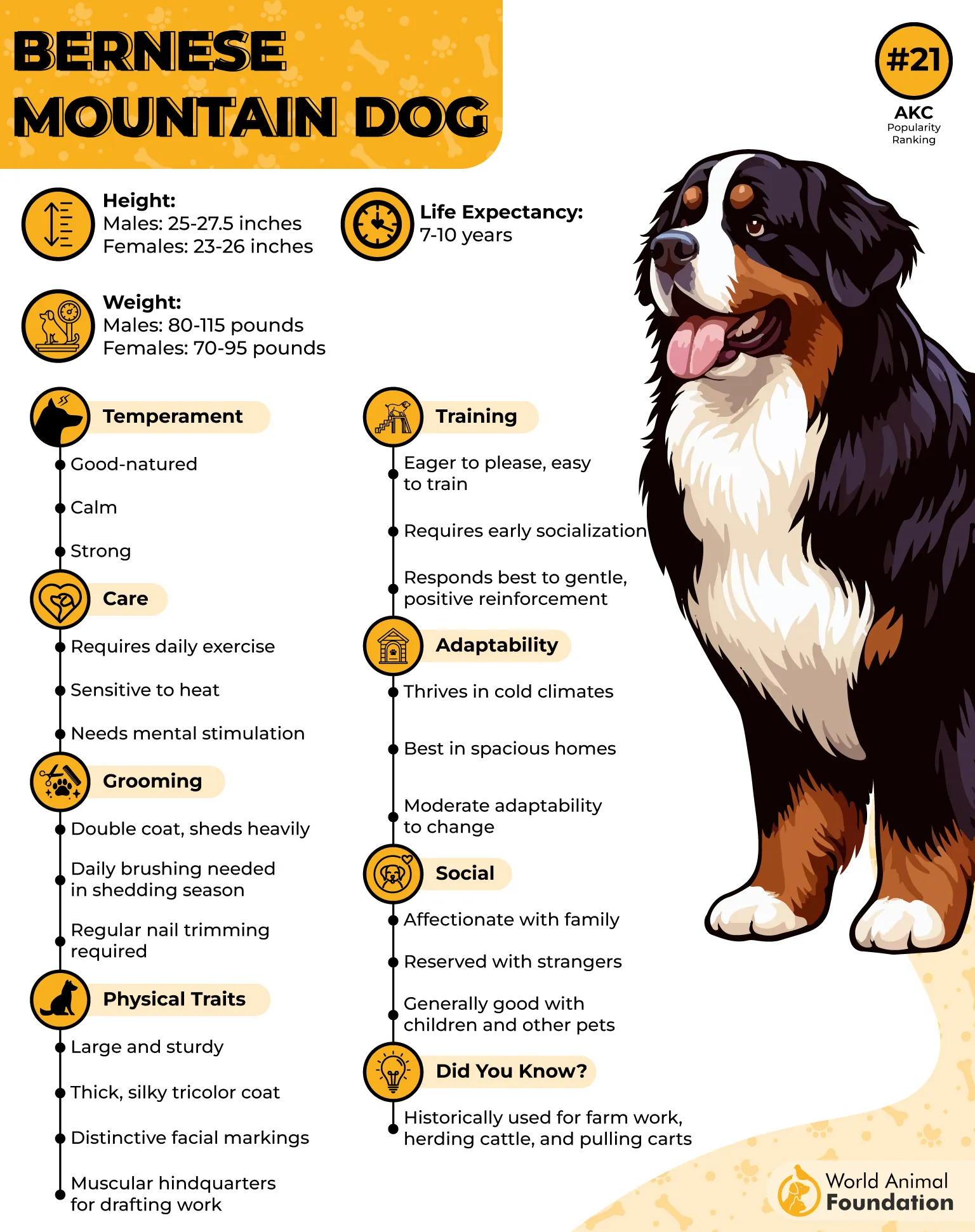
Their independent nature can still appear during work, so consistent training helps guide them. Despite their hardiness, these dogs can overheat in warm weather. Owners should offer shade, fresh water, and cool indoor rest. Before adopting one, families should also plan for food, vet bills, and health checks.
What Makes the Bernese Mountain Dog Special?
A striking look: Their black coat features rust and white markings. These clear color patches give each Berner a classic, easy-to-spot appearance.
A gentle family friend: Many Berners enjoy calm time with children and adults. Supervise play, as their large size can knock over small kids.
A slow-growing companion: They may take time to mature both in body and behavior. Patient lessons help young dogs learn good manners
A need for careful exercise: Moderate walks and easy play suit many adults. Avoid hard activity during hot hours or when the dog seems tired.
A history of hard work: Their farm skills show how useful dogs can be in many roles. Unlike breeds known for water rescue operations, Berners earned their place through work on land.
5. Anatolian Shepherd Dog
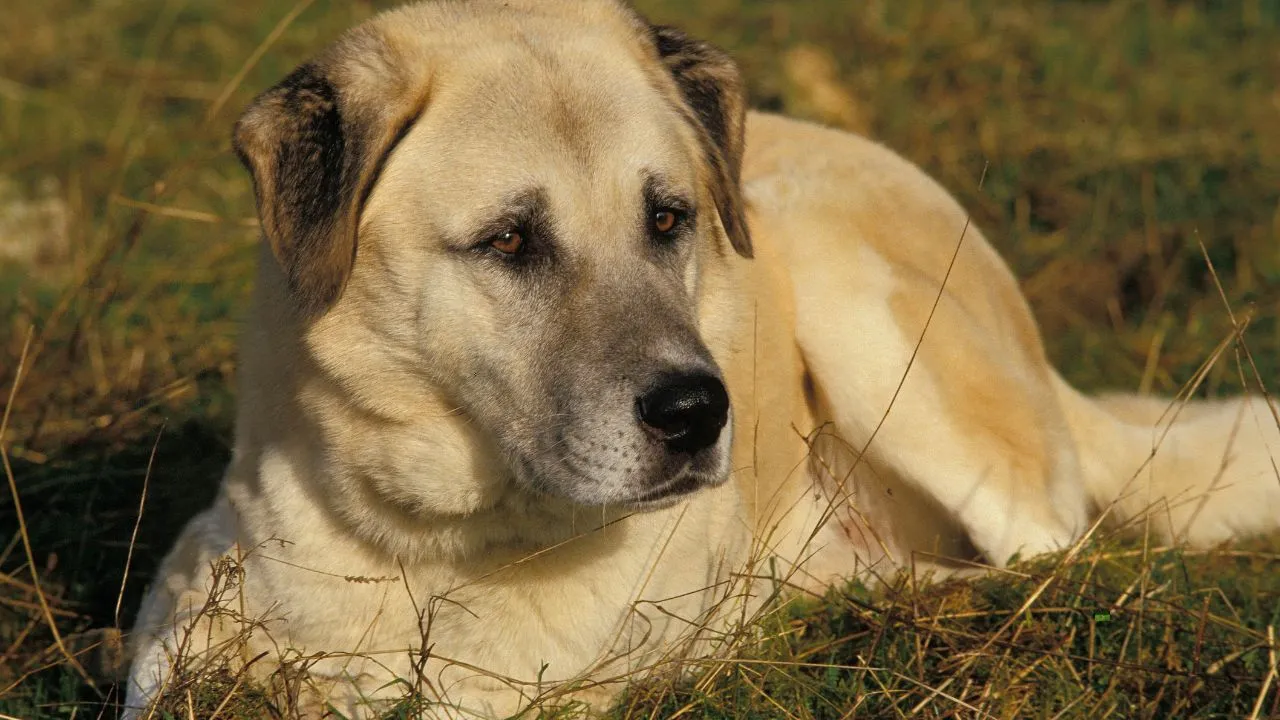
The Anatolian Shepherd Dog comes from Anatolia, Turkey, where it guarded flocks across wide, open lands. According to WebMD, its ancestors date back around 6,000 years. These rugged, muscular dogs were originally bred to protect livestock from predators.
Their protective nature and sharp senses made them trusted partners for shepherds. They are highly intelligent dogs that can make choices without waiting for human commands. In the past, their duties could include facing wolves and other threats to their flocks.
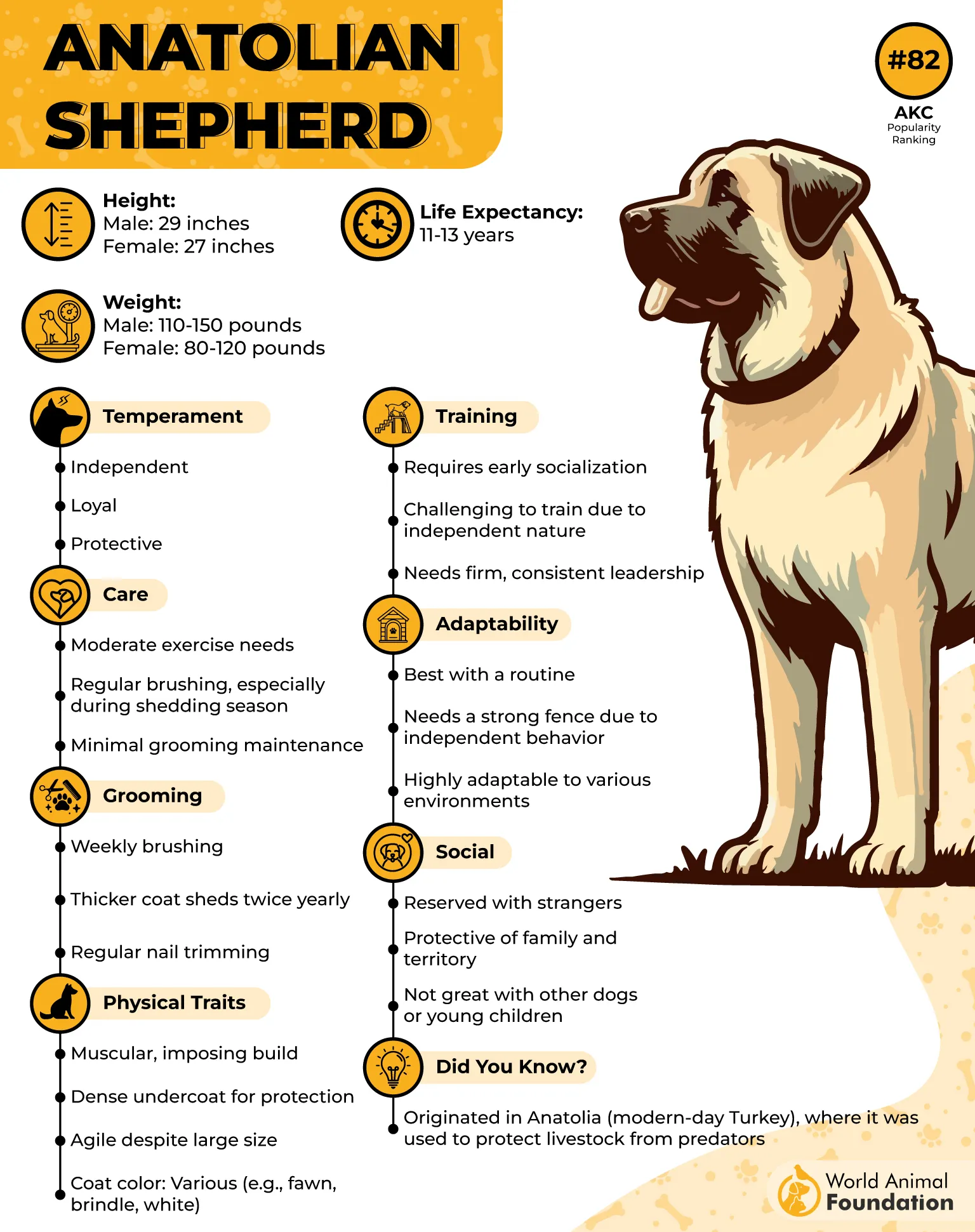
Their weather-resistant coat helps them cope with cold weather and changing outdoor conditions. Among guardian breeds, the Anatolian Shepherd stands out for its independence and strong sense of duty.
Yet this strength calls for a steady, skilled owner. Early training, safe fencing, and careful introductions help keep people and other animals safe.
What Makes the Anatolian Shepherd Dog Special?
A keen observer: These dogs often watch their surroundings with care. Give them calm ways to learn about visitors and new settings.
A serious worker: Their role is to guard, not chase big game. Owners should guide their instincts with clear rules and safe routines.
A strong bond: Anatolians can be devoted to their families. They do best with owners who earn trust through fair, steady handling.
A need for space: A secure yard gives them room to move and patrol. Check fences often, as roaming can create risks.
Not a casual choice: Their lively spirit may surprise people who expect a quiet pet. Research the breed and seek experienced help before adoption.
6. Akita
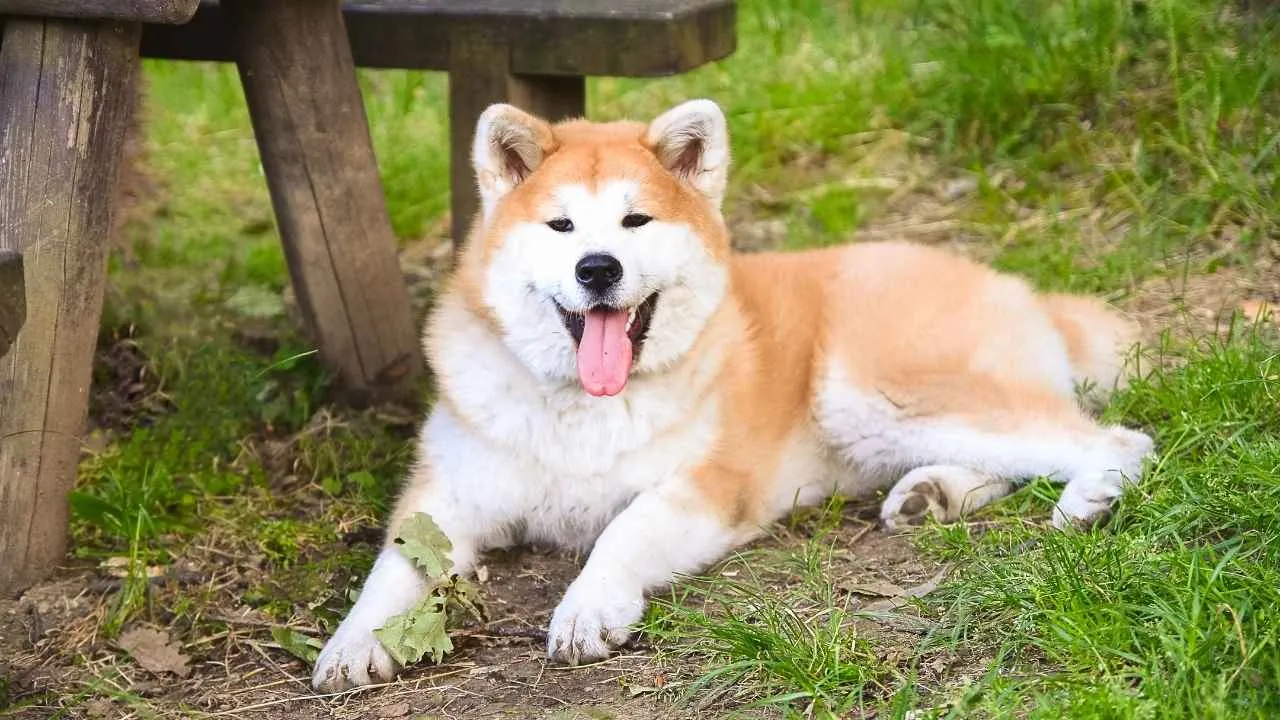
The Akita is a powerful Japanese dog breed with roots in northern Japan. According to PDSA, Akitas are incredibly loyal companions with a strong guarding instinct. Once used to hunt wolves and other large game, these dogs have a long history as working dogs.
Their dense coat helps them handle cold climates and snowy days. Akitas were also linked to guarding Japanese nobility and protecting their homes. Though sometimes called one of Japan’s oldest dog breeds, their history is best understood through their long-standing role in Japanese life.
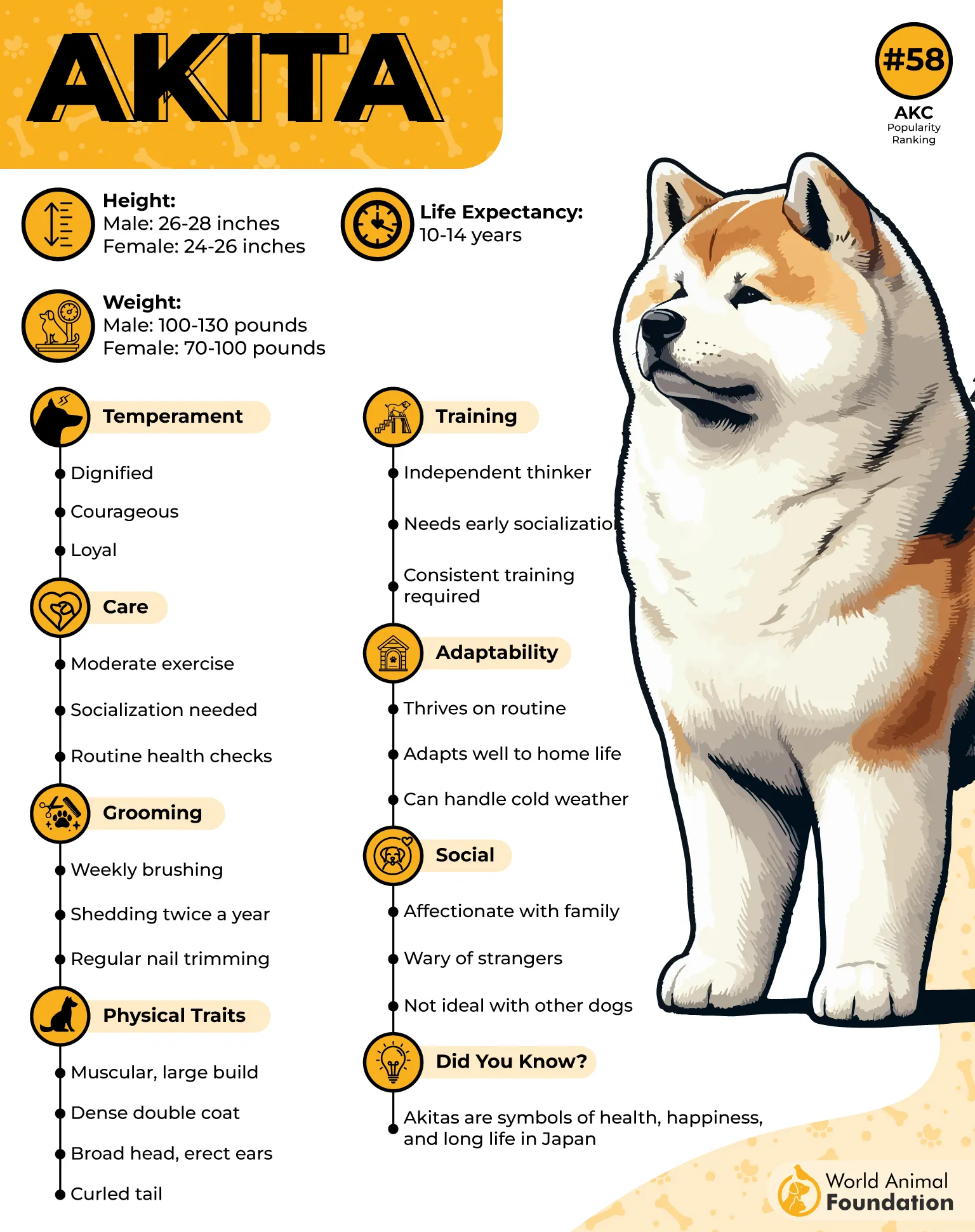
Their keen sense of their surroundings and reserved attitude toward strangers can make them alert guardians. Yet their devotion shines at home. Hachikō, a famous Akita, became a lasting symbol of loyalty.
Because of their strength and prey drive, Akitas need experienced dog owners, early socialization, and steady training.
What Makes the Akita Special?
A strong family bond: Akitas often want to stay close to their people. Include them in daily plans to help meet their need for company.
A thoughtful guardian: Their instincts may suit personal protection, but they need careful handling. Never encourage aggression as a shortcut to safety.
A need for careful introductions: Some Akitas may not welcome unfamiliar dogs. Use calm, controlled meetings and supervise time with other pets.
A gentle nature at home: With good care and clear boundaries, many show a softer side with loved ones. Teach children to respect their space
An active lifestyle: Akitas enjoy walks and new places with their families. Plan outings that fit their size, training, and comfort around others.
7. Tibetan Mastiff
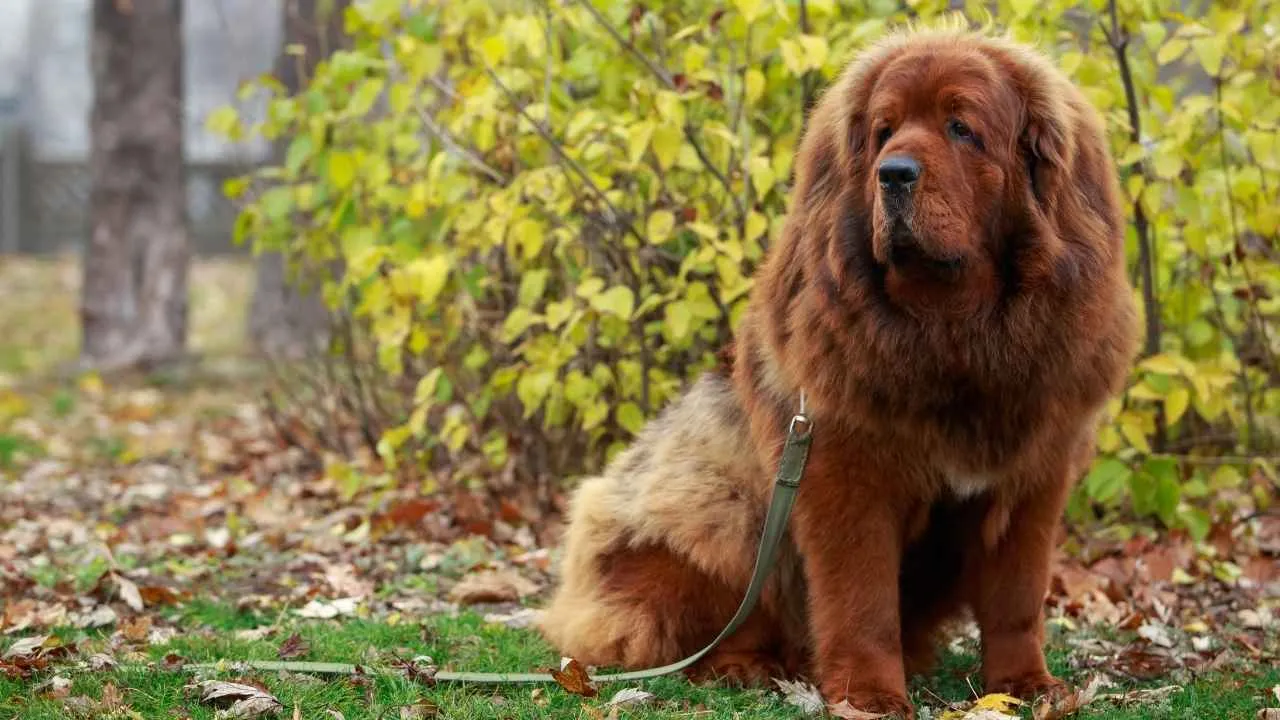
The Tibetan Mastiff is a powerful guardian from Tibet and the Himalayan Plateau. For centuries, these strong dogs have protected livestock, homes, and monasteries in remote mountain communities. Their dense coat and thick mane help them withstand harsh climates and freezing winds.
Their massive frame creates an imposing presence that can deter potential threats. Some individuals weigh around 150 pounds or more, making them formidable protectors. According to Orvis, Tibetan Mastiffs are loving, devoted, and fiercely protective of their families.
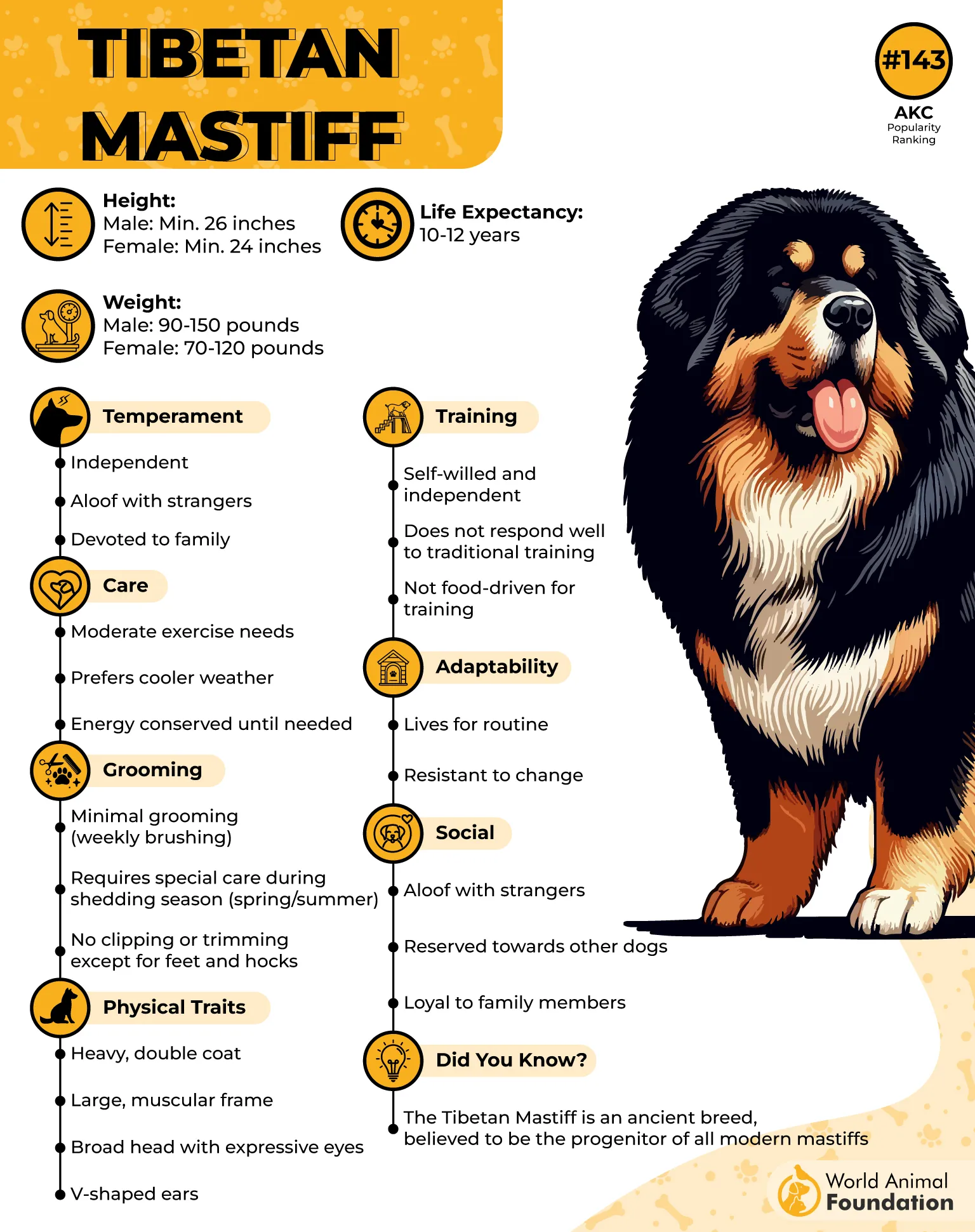
Their solemn, noble demeanor reflects a calm but watchful personality. When danger appears, their fearless spirit can drive them to stand between loved ones and threats.
Although muscular and heavy, these Mastiffs can move with surprising speed when needed. This guard dog breed needs secure property, early socialization, and experienced handling. Warm weather also calls for shade, fresh water, and careful attention.
What Makes the Tibetan Mastiff Stand Out?
Independent thinking: These dogs often make decisions without waiting for commands. Patient training helps owners build trust and encourage reliable responses.
A powerful presence: Their size and alert posture can discourage unwanted visitors. Responsible owners should guide their guarding instincts from an early age.
A mountain heritage: Life in the natural world shaped their protective role. Their history reflects the demands of remote Himalayan settlements.
Coat care matters: Their abundant fur needs regular attention, especially during seasonal shedding. Check for tangles and keep their skin clean.
Space and supervision: A secure yard supports safe movement and exploration. Their strength makes careful management essential around visitors and unfamiliar animals.
Conclusion
The canine world is full of dogs built to face demanding conditions. Certain breeds pull sleds through freezing temperatures, while others guard livestock across rugged mountains. Their coats, body structure, stamina, and behavior help them handle challenging environments.
Each breed stands out for different skills shaped by its history and purpose. Some working dogs support search and rescue operations, police work, drug detection, and military operations. Others protect families and farms with unwavering loyalty.
However, even the toughest dogs need suitable care to stay healthy. Fresh water, safe shelter, veterinary visits, and human companions remain essential. Before choosing a dog, consider your climate, living space, training skills, and daily routine.
Small dogs and giant guardians alike deserve care that matches their needs. The right companion fits your lifestyle and receives love, patience, and protection.
