




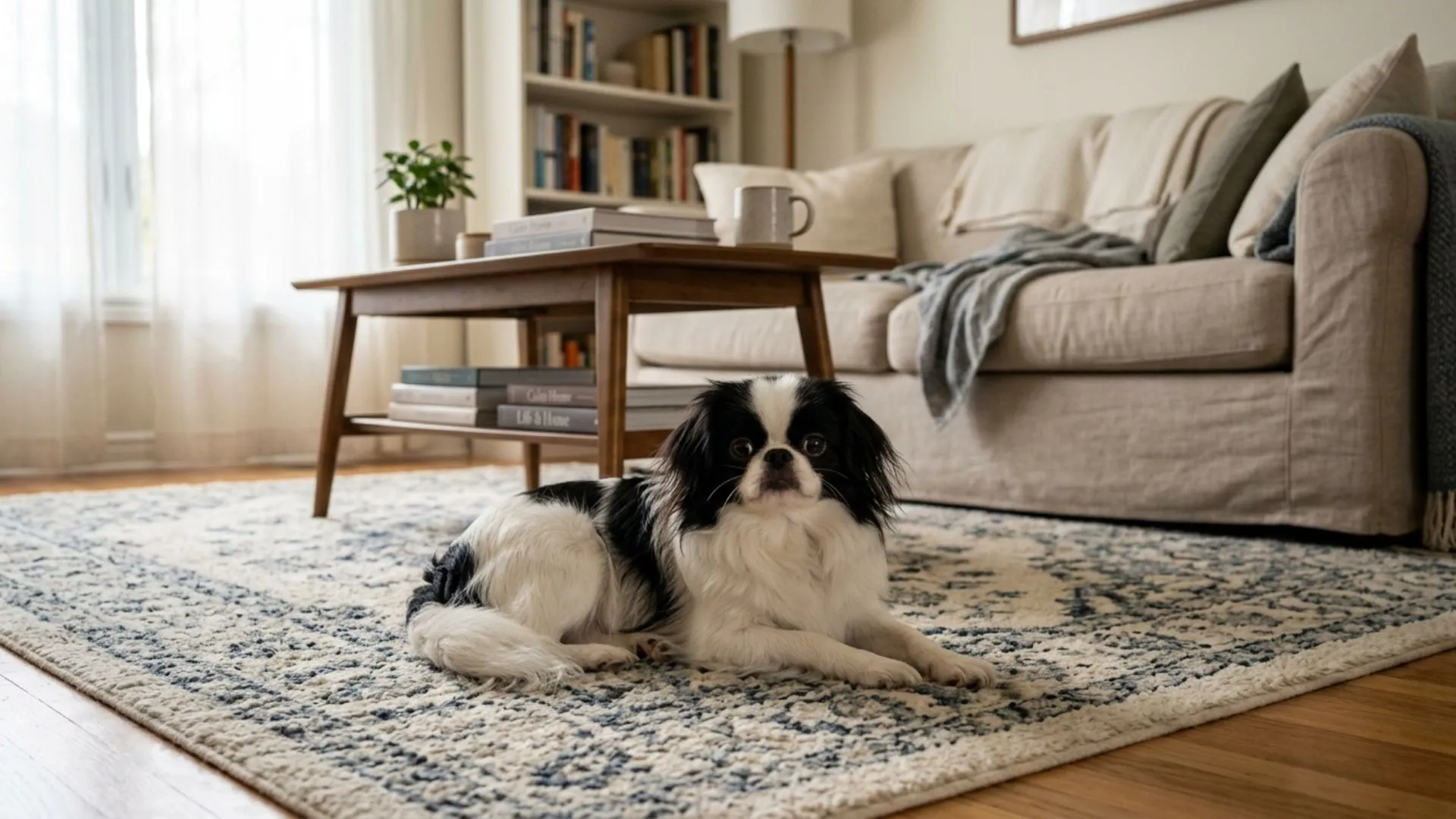
A peaceful home has a rhythm all its own: the gentle hum of daily life, quiet conversations, and a beloved dog resting comfortably nearby. But for some families, constant barking can throw that calm right off balance.
Thankfully, not every dog breed is naturally loud or vocal. Some breeds are simply known for their quieter, more thoughtful personalities, communicating in subtler ways rather than barking at every little sound. Of course, every dog is an individual, and factors like training, socialization, and exercise all play a role in shaping barking habits too.
Quieter dog breeds tend to be a great fit for families living in close-knit neighborhoods, apartments, or homes where a calm atmosphere really matters. That said, it’s worth remembering that no breed is truly silent; even the calmest breeds will bark when excited, startled, or simply looking for a little attention.
Least Barking Dog Breeds: Perfect for Quiet Family Homes
1. Pug

Pugs are one of the most popular dog breeds in the world, largely because all they really want is to be near the people they love. They’re known for being quiet dogs that don’t bark much, making them a great choice for anyone who values peace and calm alongside their furry companion.
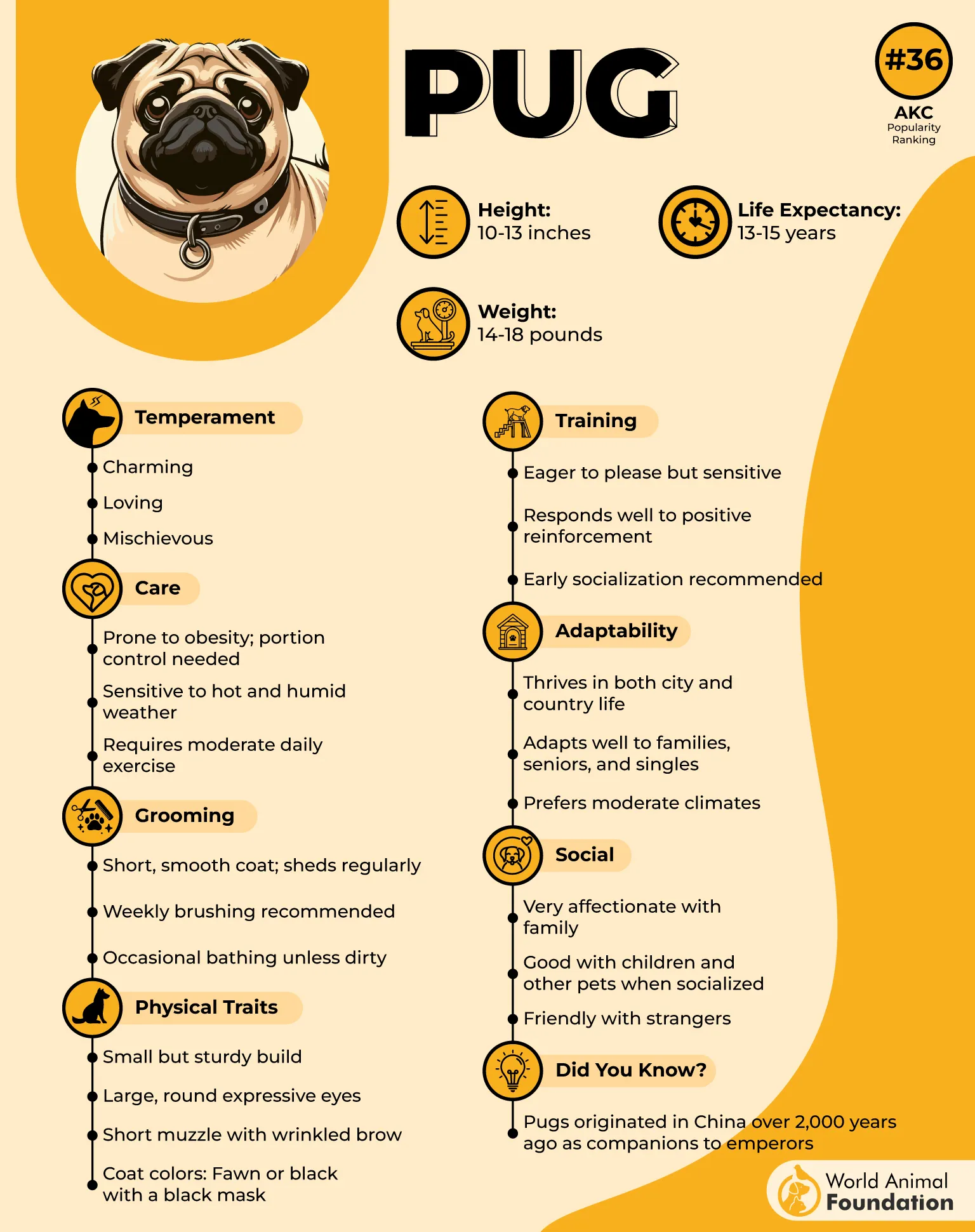
Don’t let their small size fool you, Pugs carry a surprisingly big personality and tend to greet each day with plenty of enthusiasm and energy. That said, their exercise needs stay fairly modest, which makes them a solid fit for apartment living.
Affectionate and friendly with both kids and other pets, Pugs make wonderful family dogs across all kinds of living situations. Just be prepared for some shedding; their short coats do shed quite a bit, so regular brushing helps, especially during seasonal shedding periods.
2. Japanese Chin
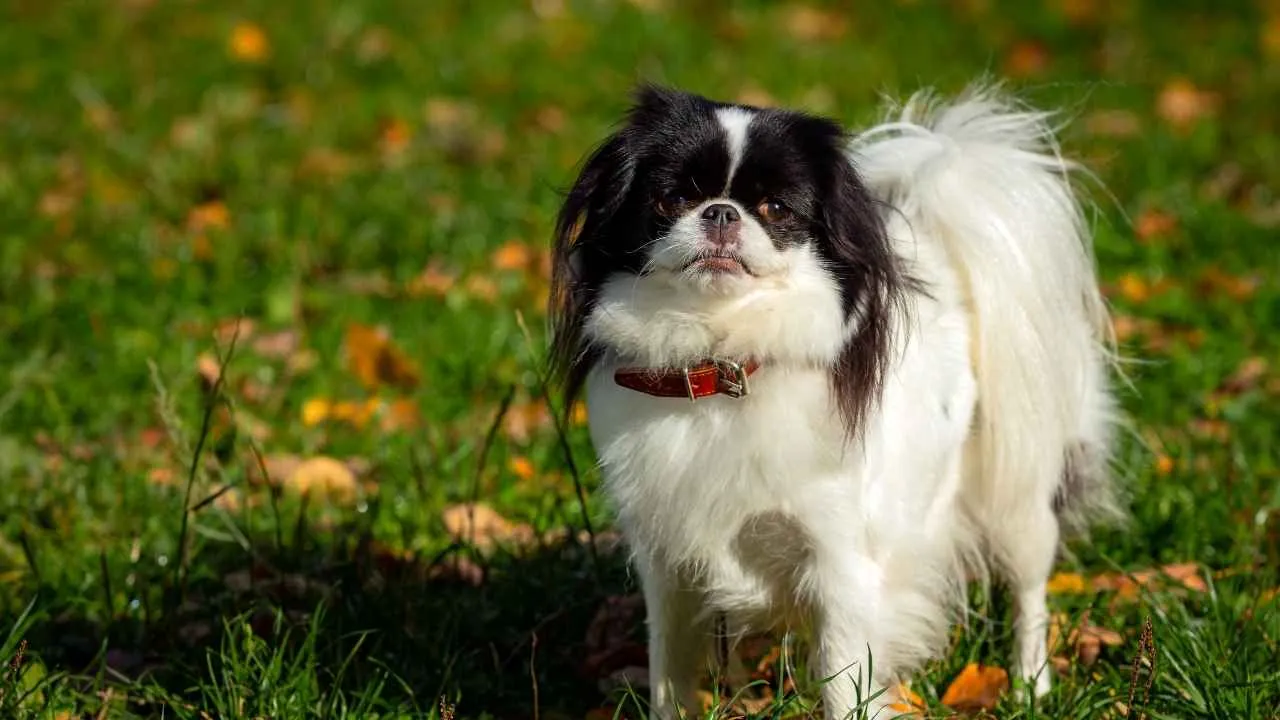
Sometimes called the “cats of the dog world,” Japanese Chins aren’t nuisance barkers at all; they tend to be calm, quiet, and pleasantly independent. Most of the time, they’re perfectly content curled up in their owner’s lap, happily passing the time. This breed bonds closely with family members and generally gets along well with cats too.
Japanese Chins enjoy playing with toys and kids, but once playtime winds down, they’re just as happy lounging or napping to recharge. Their adaptable nature makes them a good fit for smaller homes, as long as there’s enough quality time to go around.
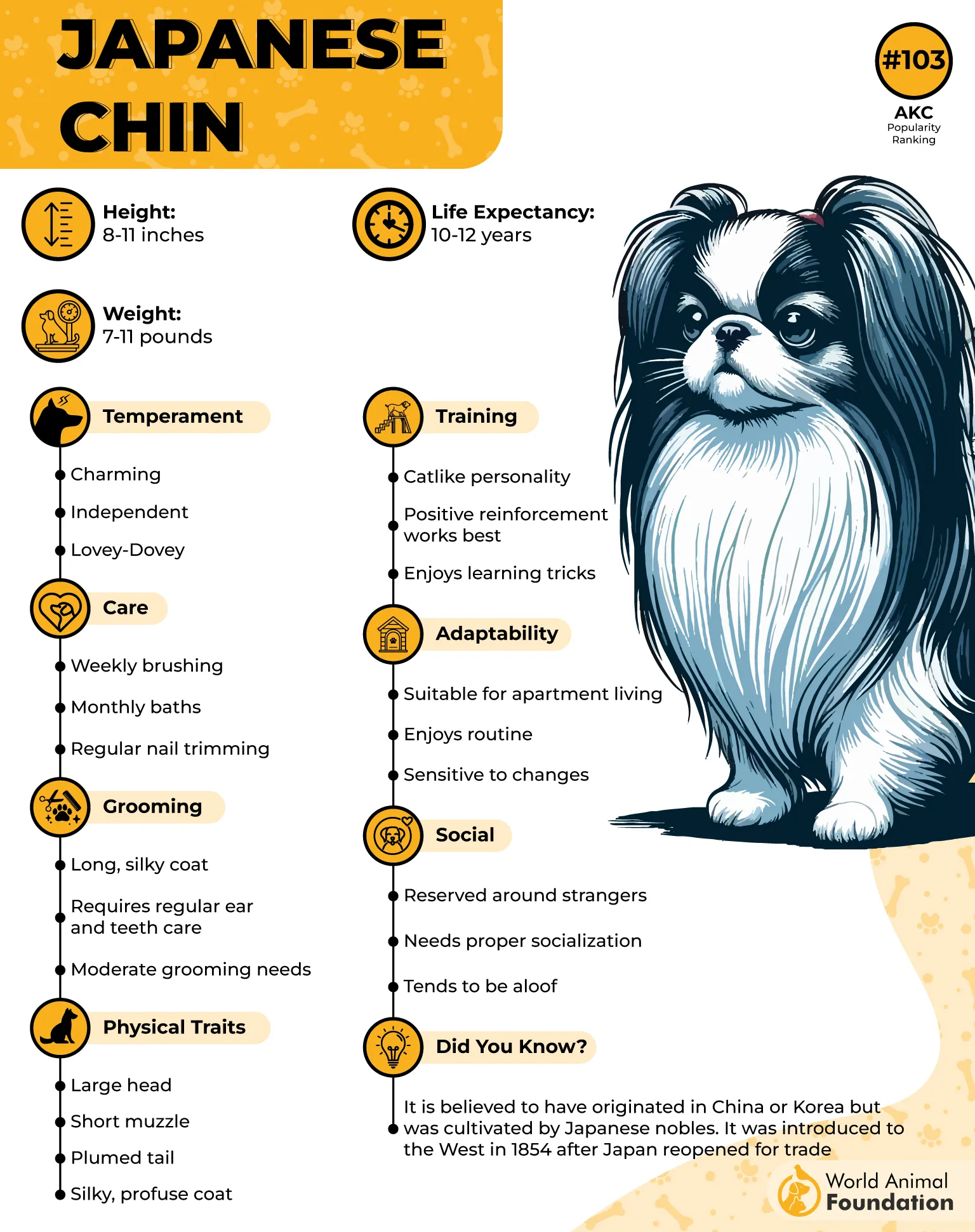
Physically, they’re easy to recognize thanks to their short nose, wide-set expressive eyes, and alert little face that somehow manages to be both cute and dignified. One thing to watch for: hot climates can be tough on this breed, and without care, it can lead to breathing difficulties that turn serious.
Fun fact: Despite the name, Japanese Chins didn’t actually originate in Japan. The breed has deep roots in China, where it was long admired and bred by Chinese royalty.
3. French Bulldog
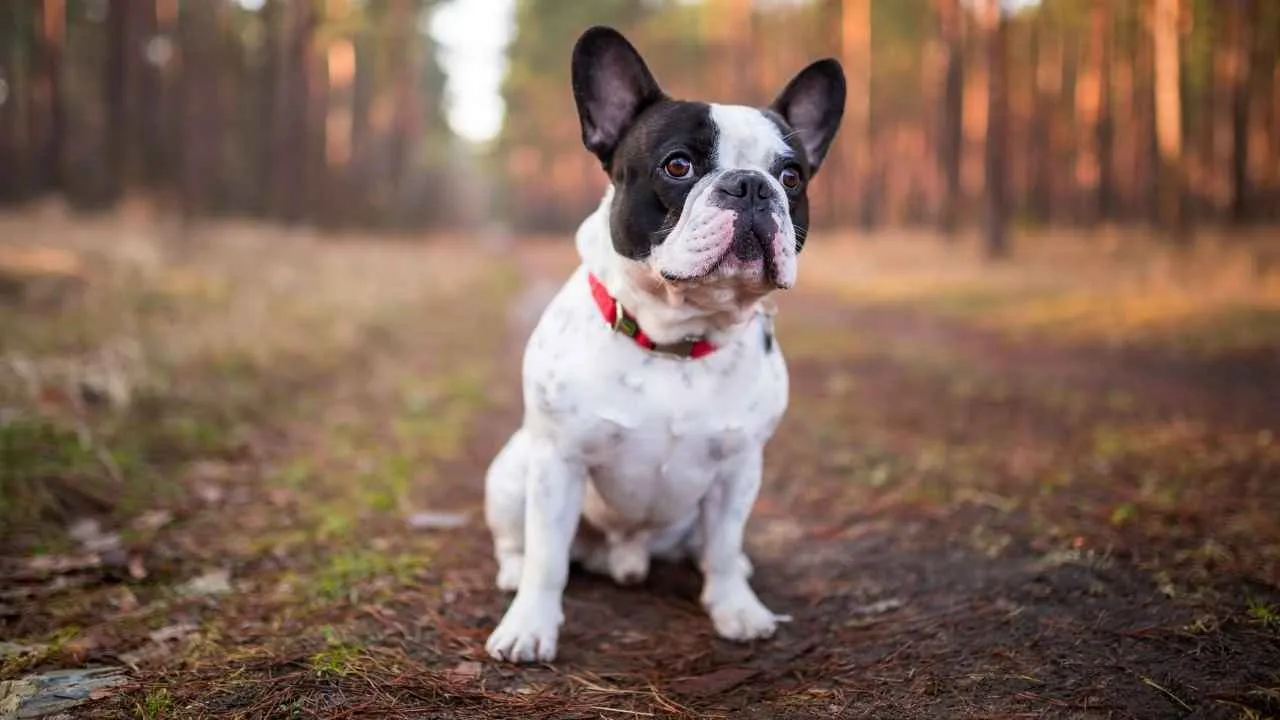
If you’re after a dog that’s not just quiet but also stays genuinely alert, letting you know when something unfamiliar’s going on, French Bulldogs fit the bill nicely. They’re celebrated worldwide for their bat-like ears, affectionate nature, and refreshingly low maintenance.
Nicknamed “Frenchies,” these little dogs thrive on human companionship and form tight bonds with their families. Their easygoing, happy-go-lucky personality makes them a great match for first-time dog owners, especially. They also tend to get along well with other dogs and animals when raised together from a young age.
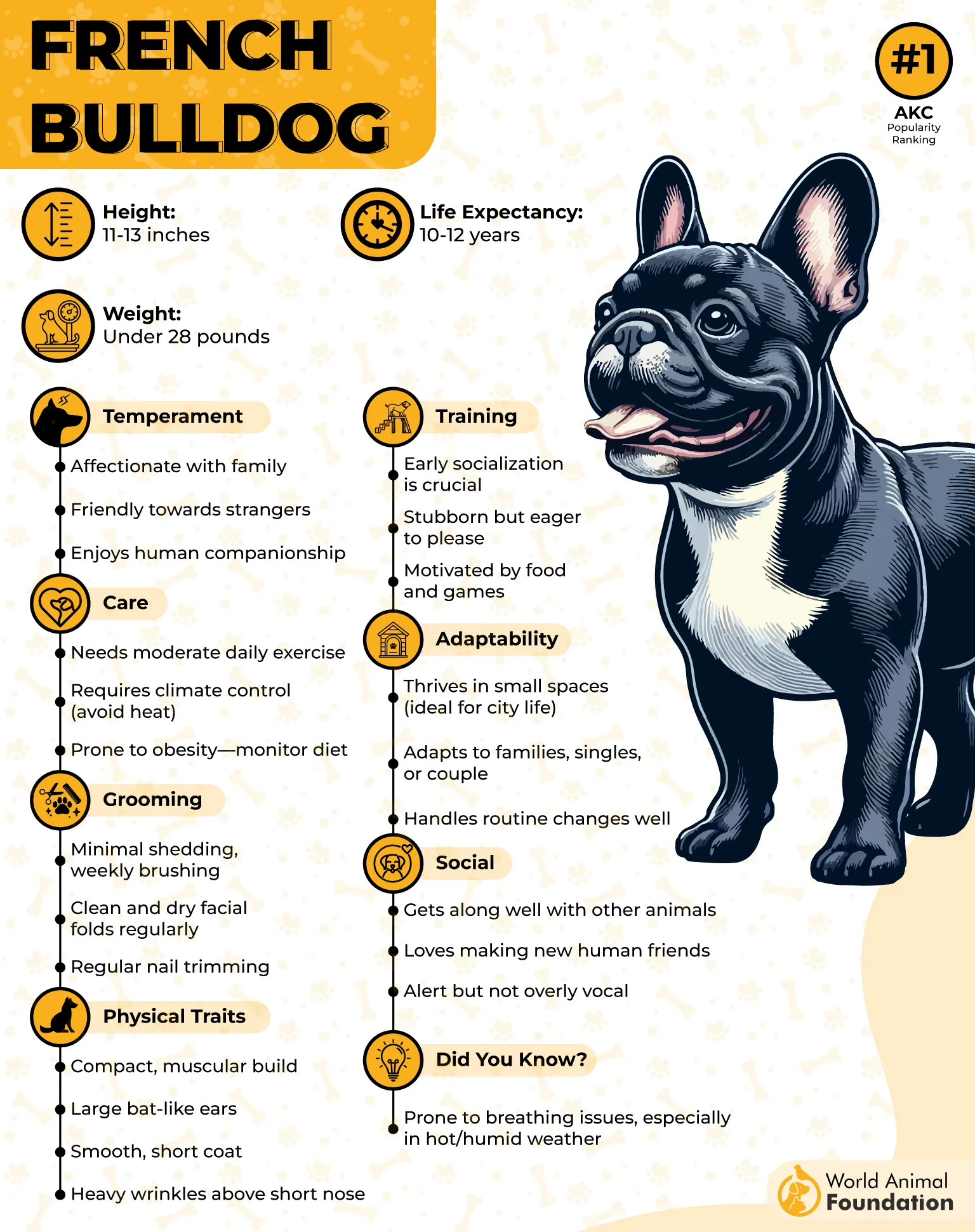
Their quirky habit of sitting with hind legs splayed out has earned them the playful nickname “frog dogs.” Between their low energy levels and easy-care coat, Frenchies make a low-maintenance companion suitable for people of pretty much any age.
As for training, they’re intelligent but can be a bit strong-willed, so reward-based methods tend to get the best results.
4. Whippet
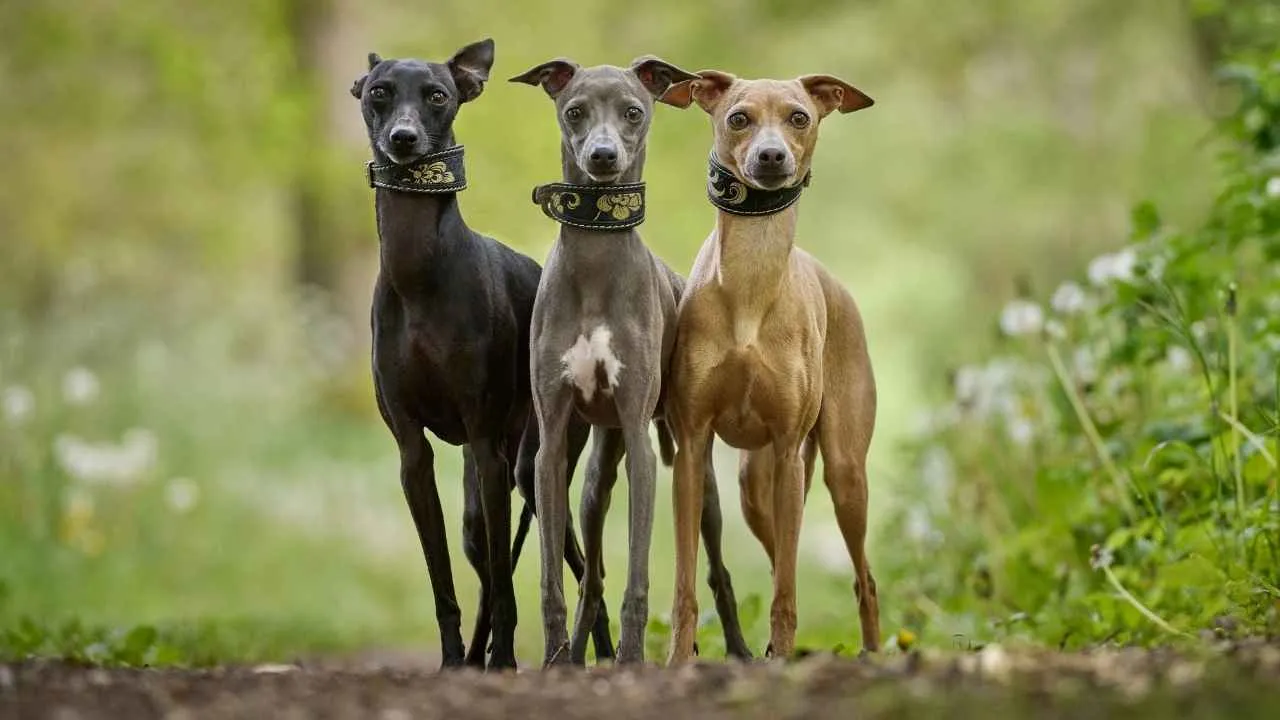
Not known for excessive barking, Whippets are quiet, sensitive, and calm dogs by nature. Despite their working-dog origins, they were never meant to be guard dogs or live in tough outdoor conditions; in fact, they’re perfectly content spending most of their time indoors, sleeping or lounging around.
Originally developed in Northern England for hunting small game like rabbits, Whippets still carry a strong prey drive today, which means proper training and a securely fenced yard are important.

Thanks to their trusting, easygoing nature, they’re rarely aggressive or standoffish, and they tend to warm up to strangers nicely when properly socialized.
While they’re not an especially high-energy breed, Whippets still need a healthy dose of physical and mental stimulation to stay happy and well-balanced. Short bursts of running in the morning and evening are usually enough to burn off their energy, according to PetMD.
5. Golden Retriever

Winning hearts across generations, Golden Retrievers are famous for their friendly, loyal, and intelligent personality. They’re generally considered a fairly quiet breed too, rarely vocalizing unless they’re genuinely stressed or reacting to something out of the ordinary.
When socialized early on, Goldens make wonderful family pets, getting along beautifully with kids and other pets under the same roof. Their warm, welcoming nature means they usually greet strangers happily, though you might hear an excited bark or two when someone knocks at the door.
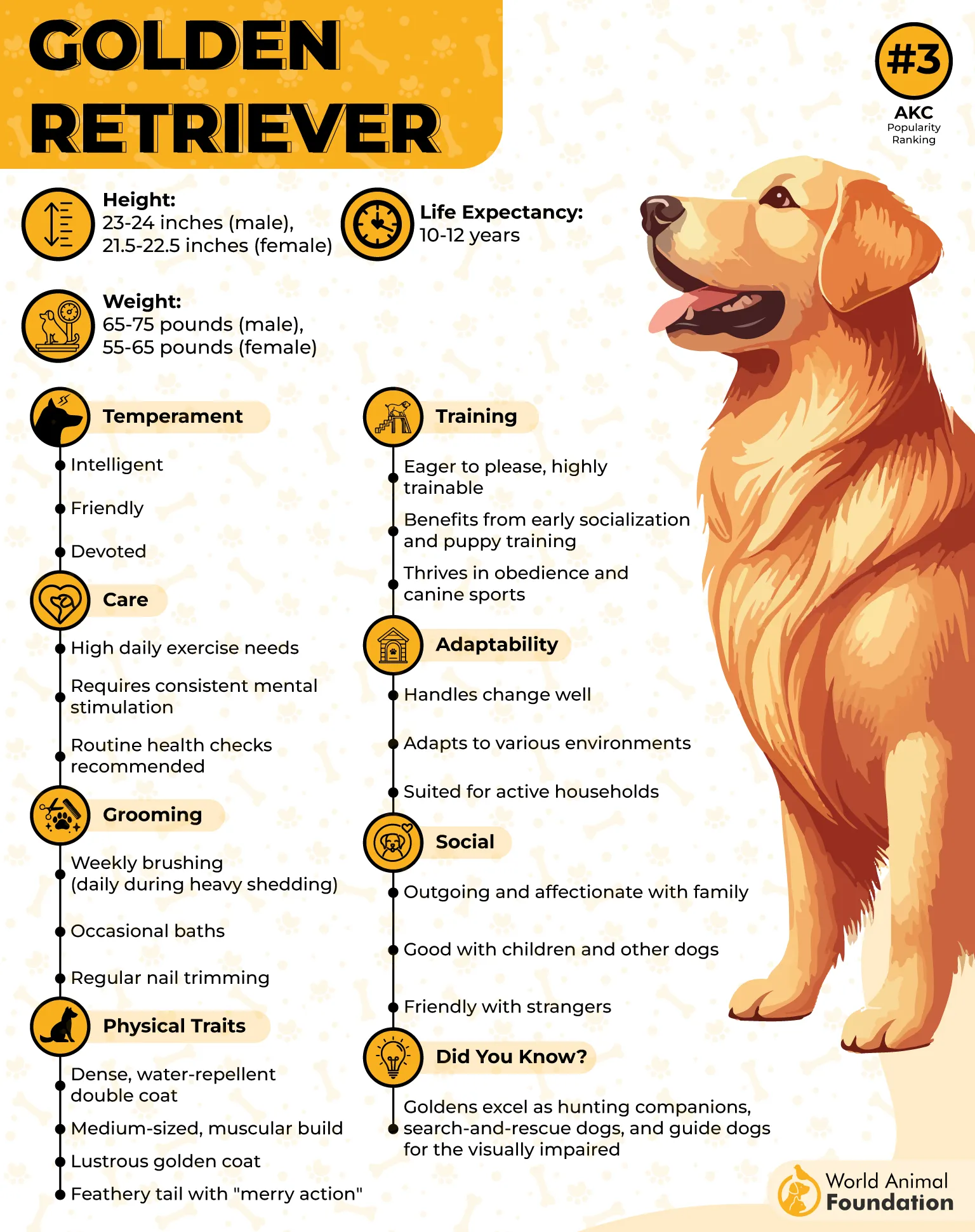
As one of the top breeds in agility and obedience competitions, Golden Retrievers are known for making training feel refreshingly easy for their owners.
Even well into their senior years, Goldens tend to hold onto plenty of energy, making them a great match for active households where outdoor adventures are simply part of the routine.
6. Newfoundland
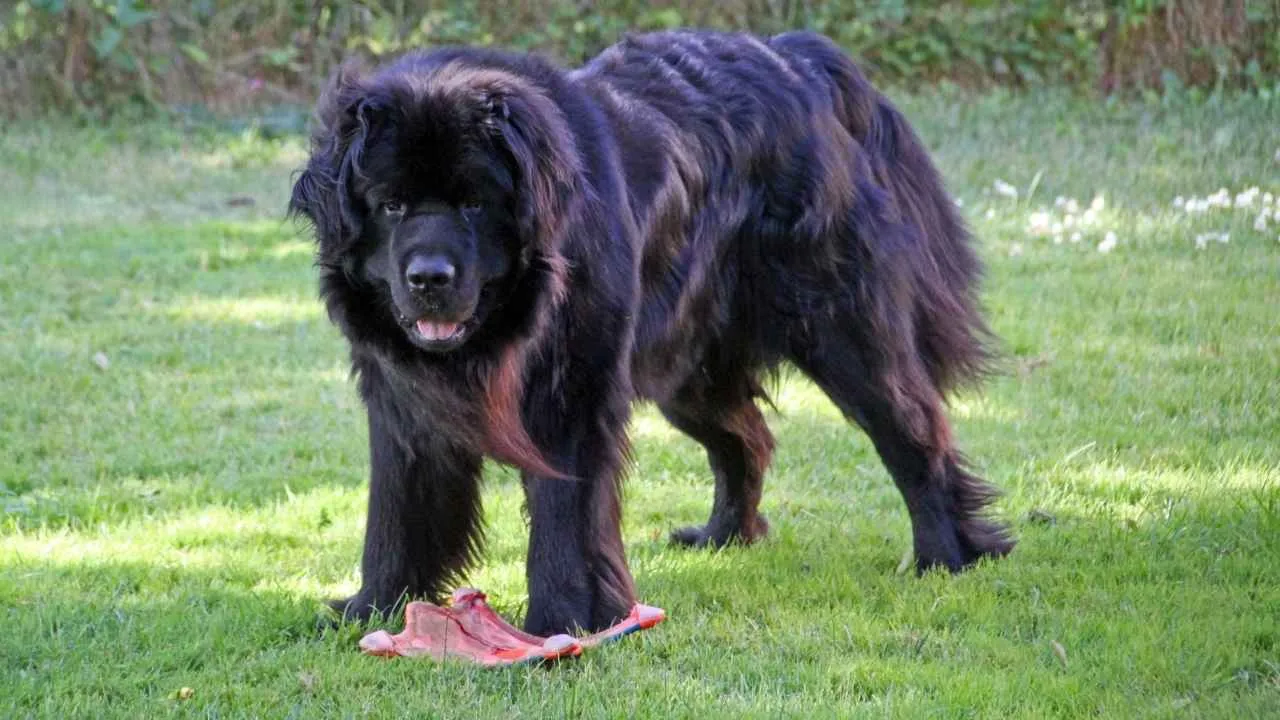
These large dogs might look intimidating at first glance, but Newfoundlands are truly gentle giants of the canine world. Quiet, calm, and naturally protective, they make wonderful protectors without the constant barking you might expect from a guard-type breed.
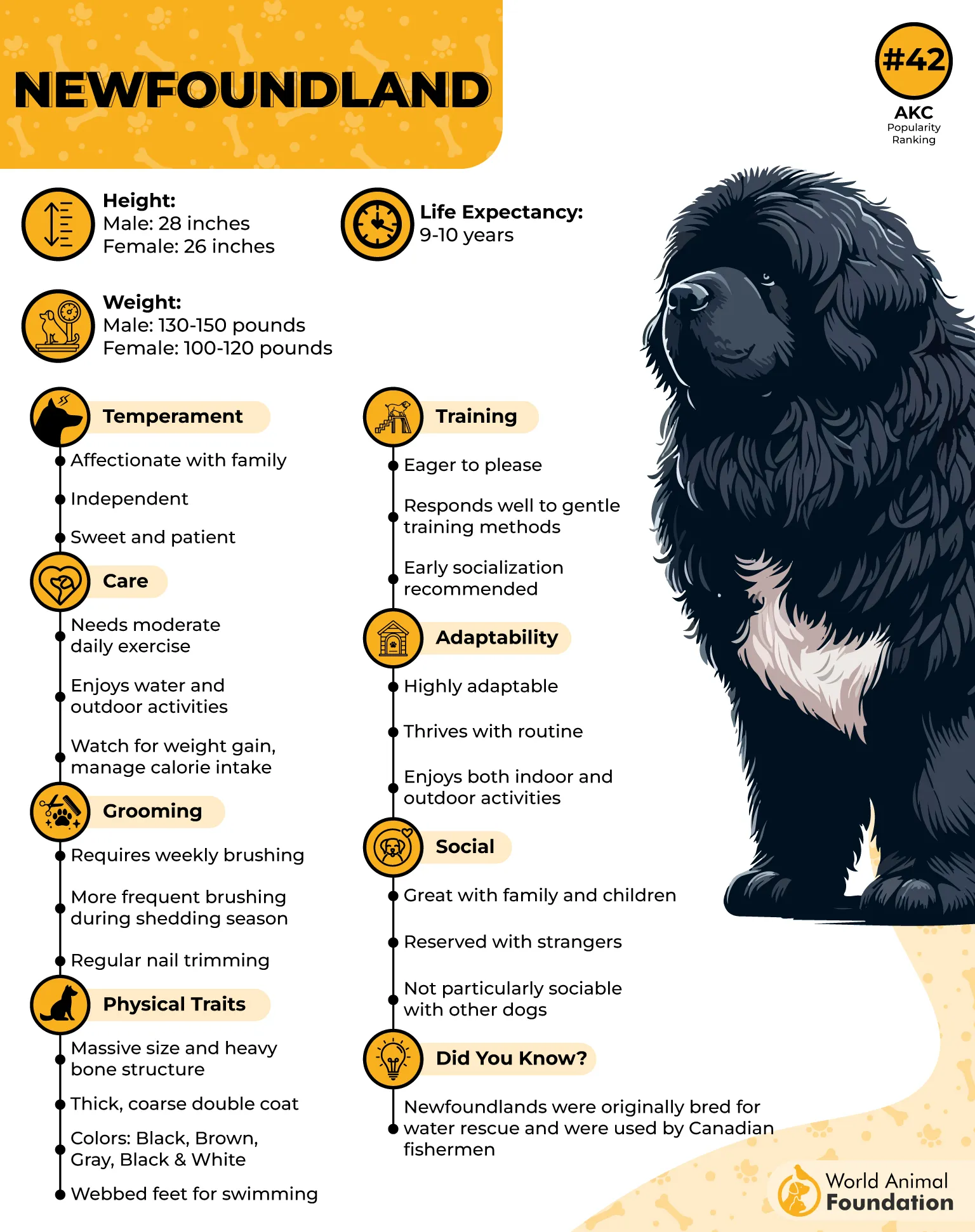
According to the AKC, Newfoundlands have a special affinity for children and take real joy in watching over them. They thrive in peaceful environments and, being prone to separation anxiety, really shouldn’t be left alone for extended periods. At their core, Newfies are loving, loyal, sweet-natured dogs through and through.
Beyond their quiet demeanor, they’re also patient and easygoing, though early training and socialization as puppies remain essential. Given their sheer size, though, Newfoundlands aren’t the best fit for apartment living; they really need enough space to stretch out and relax comfortably.
7. Saint Bernard
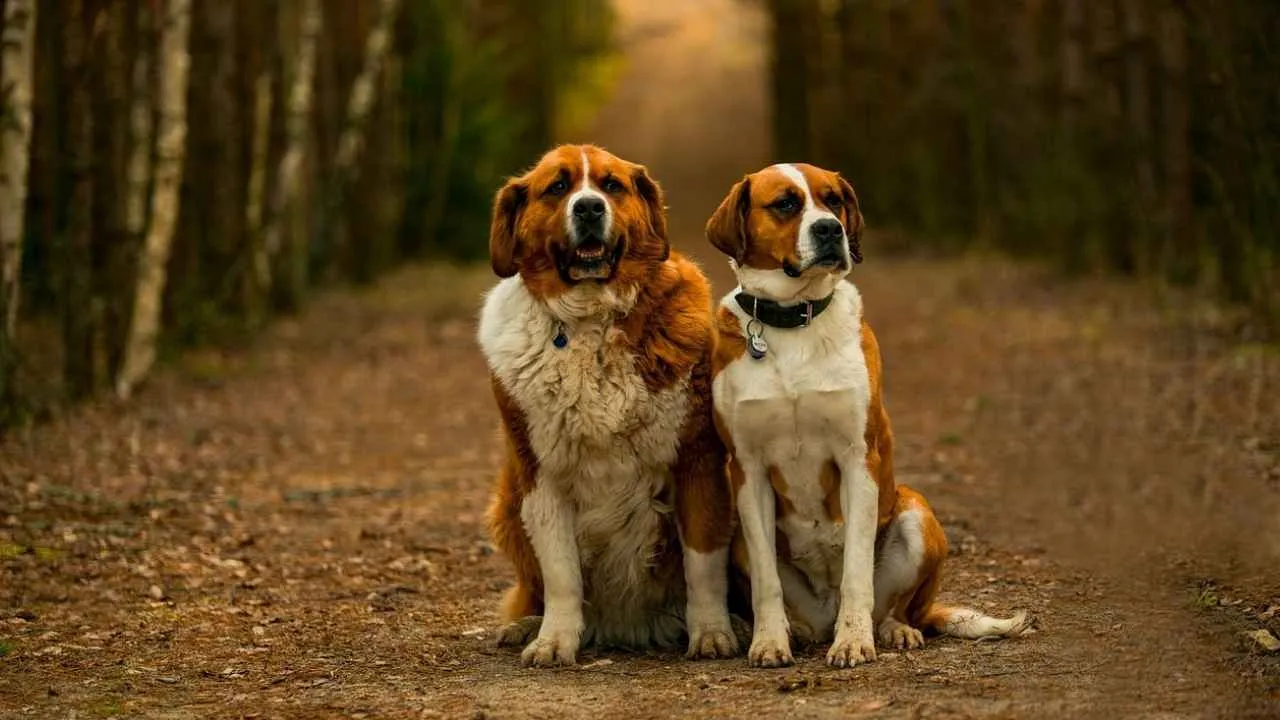
One of the most beloved dog breeds around the world, Saint Bernards were once used to rescue people trapped in the snow, a legacy that speaks to their remarkable endurance, strength, and gentle kindness all at once.
With that same patient, easygoing approach to life, these big dogs tend to stay wonderfully calm and quiet at home, especially in a household full of love and attention.
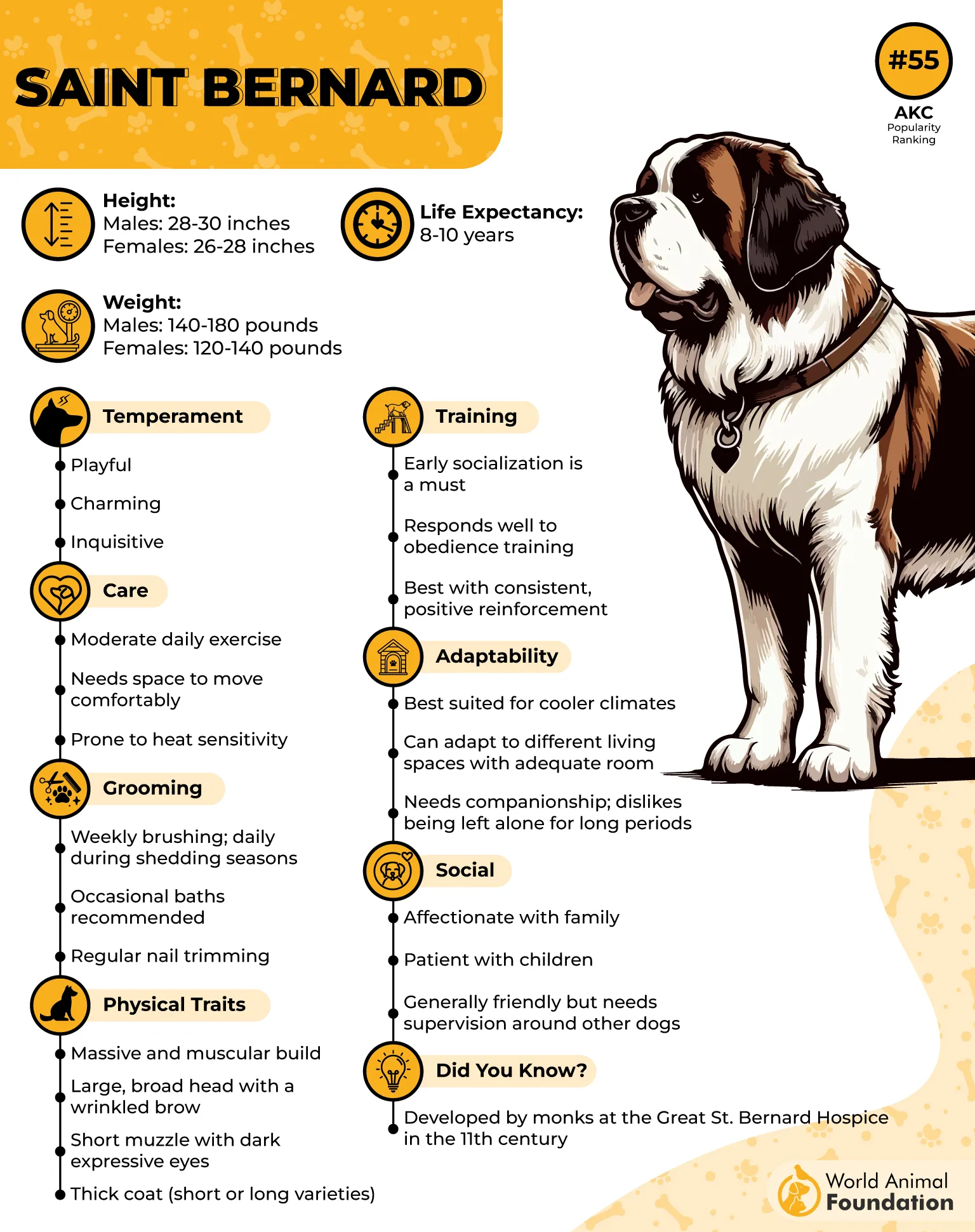
Saint Bernards aren’t just protective of their families; many can also be trained for search and rescue work. According to Omlet UK, they have a mellow temperament and moderate energy levels, meaning even a fairly laid-back household can meet their exercise needs without much trouble.
That said, this breed can be a bit stubborn and sensitive, so training should be approached thoughtfully. Starting early, while they’re still puppies, tends to work best, using positive reinforcement to build good habits before that stubborn streak has a chance to set in.
Conclusion
For families who truly value a peaceful home, a generally quiet dog can be the perfect addition to the household. Whether small or large, plenty of breeds offer the same devotion, love, and companionship you’d expect, just without the constant background noise of frequent barking.
Still, it’s worth looking beyond noise level alone and factoring in grooming, exercise, and trainability too. With the right match and a little responsibility, a quieter dog breed can become a cherished part of the family, bringing comfort and joy while helping preserve the calm atmosphere so many households genuinely appreciate.
