





Some dogs are naturally calm and prefer a quieter way of living, making them ideal for peaceful homes and relaxed owners.
Instead of reacting to every sound, they tend to stay generally quiet and observe their surroundings with a steady, composed nature. This makes them especially appealing to people who want a less vocal companion without constant barking interruptions.
For apartment dwellers and shared living spaces, quiet dog breeds are often a perfect fit because they don’t create unnecessary disturbance when the doorbell rings or when strangers pass by. Many of these dogs communicate more through body language than noise, and with proper training and regular exercise, they adjust well to daily routines.
Mental stimulation and a strong bond with humans also help keep them balanced and content.
Overall, dogs that don’t bark excessively bring a calm presence into the home, offering affection, loyalty, and comfort without turning every moment into a noisy event.
Least Barking Dog Breeds
1. Basenji
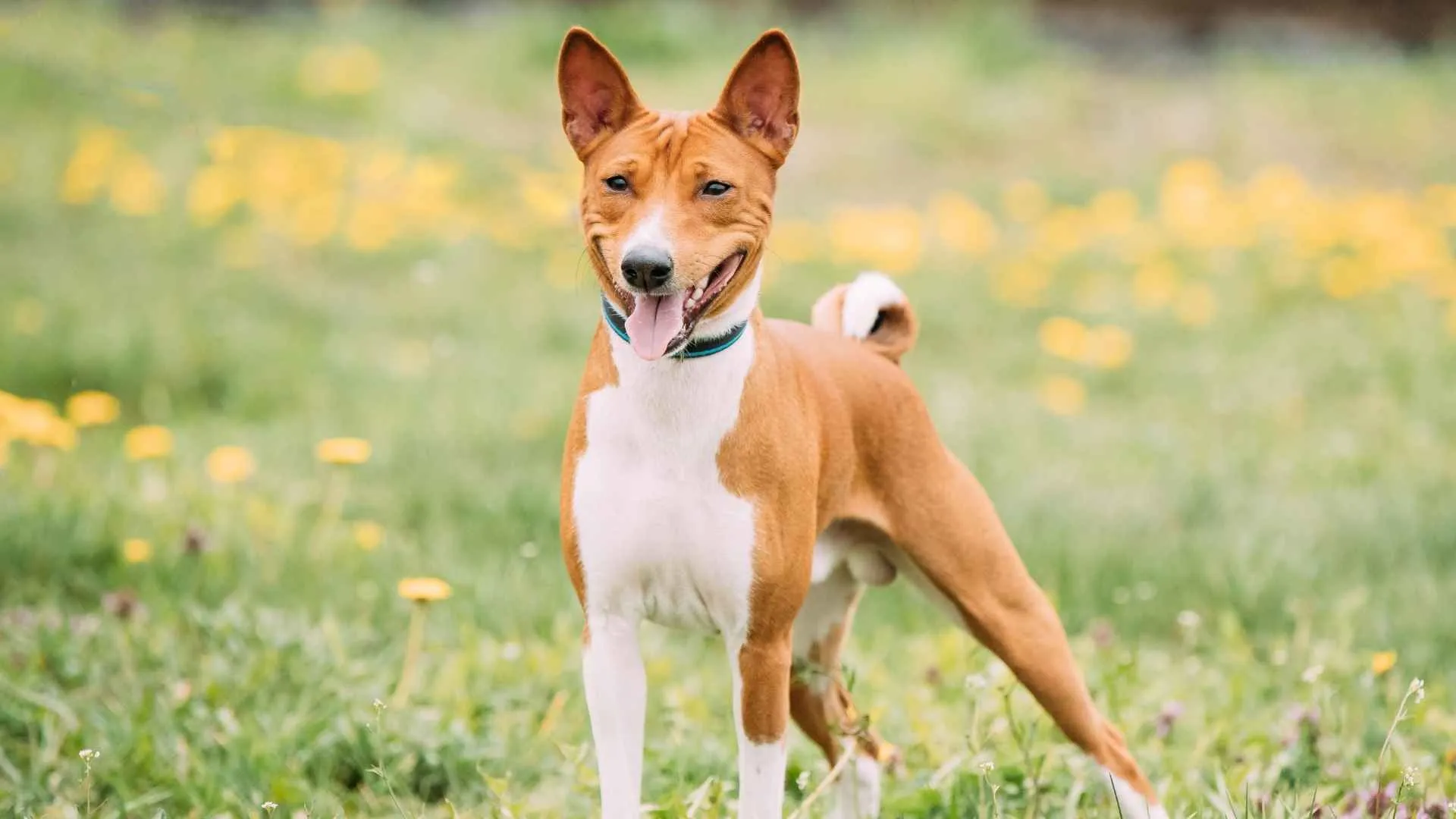
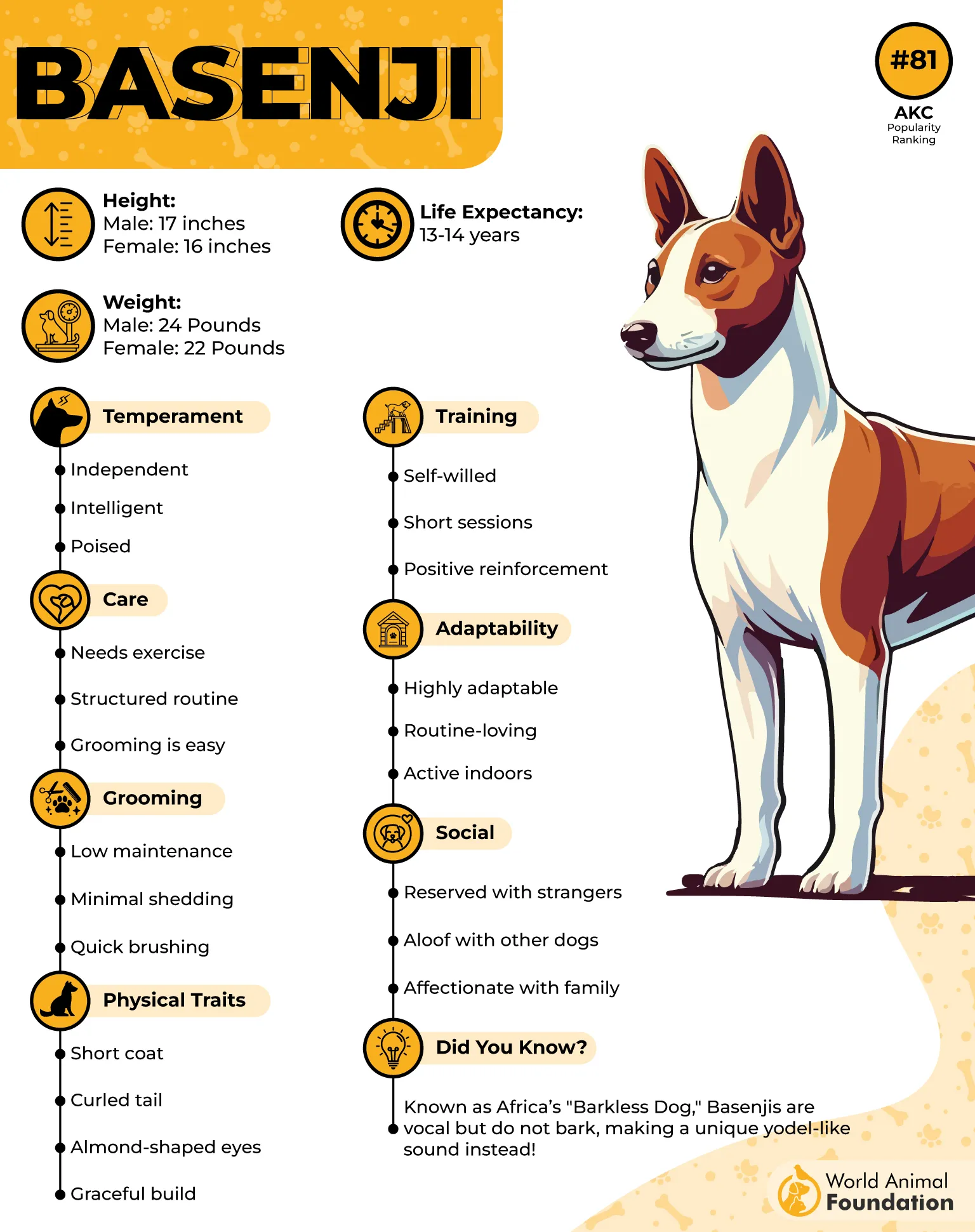
The Basenji, often called Africa’s barkless dog, is a compact hunter with a catlike personality and a talent for silence. Instead of barking, it produces a quirky mix of chortling and yodeling sounds when emotions get too strong.
With a shiny short coat, curled tail, and expressive eyes, it communicates more through looks than dog barks, often giving humans judgmental but adorable stares. It moves with smooth, athletic strides and carries the energy of a mini sprinter with curiosity turned to maximum.
Energy, training, and mischief management
High energy levels mean this clever dog needs daily exercise and mental puzzles or it may redesign your furniture out of boredom. Its strong hunting instinct demands secure spaces, because a sudden chase can turn a calm walk into a dramatic sprint.
Training works best in short, playful bursts with rewards, since attention switches off faster than a light bulb, as per AKC. With patience and structure, this lively companion shines in agility games and daily adventures without losing its mischievous charm.
2. Borzoi
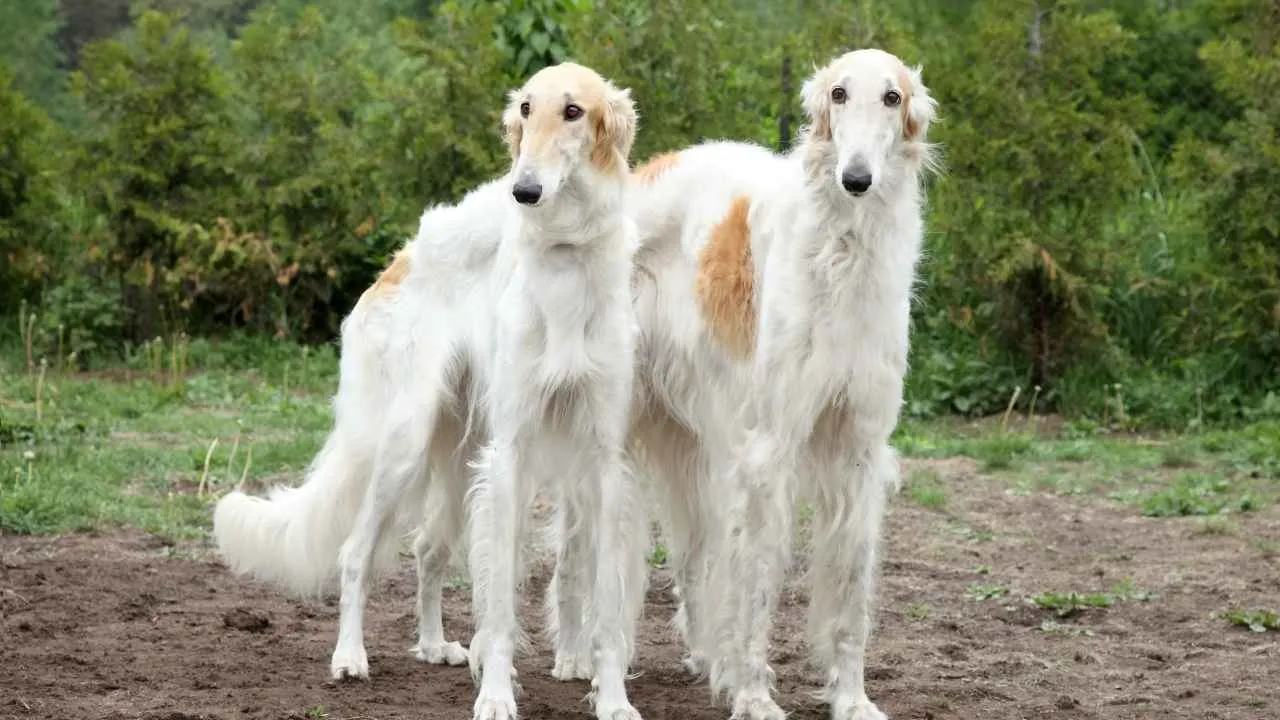
The Borzoi, also known as the Russian Hunting Sighthound, carries a long history of chasing wolves across open lands, where speed and vision mattered more than noise.
With its tall, graceful frame and long snout, it looks like a moving piece of art rather than a typical hunting dog. Its silky coat flows like fabric in motion, often wavy or slightly curled, adapting easily to seasons with a thick winter layer that sheds when heat arrives.
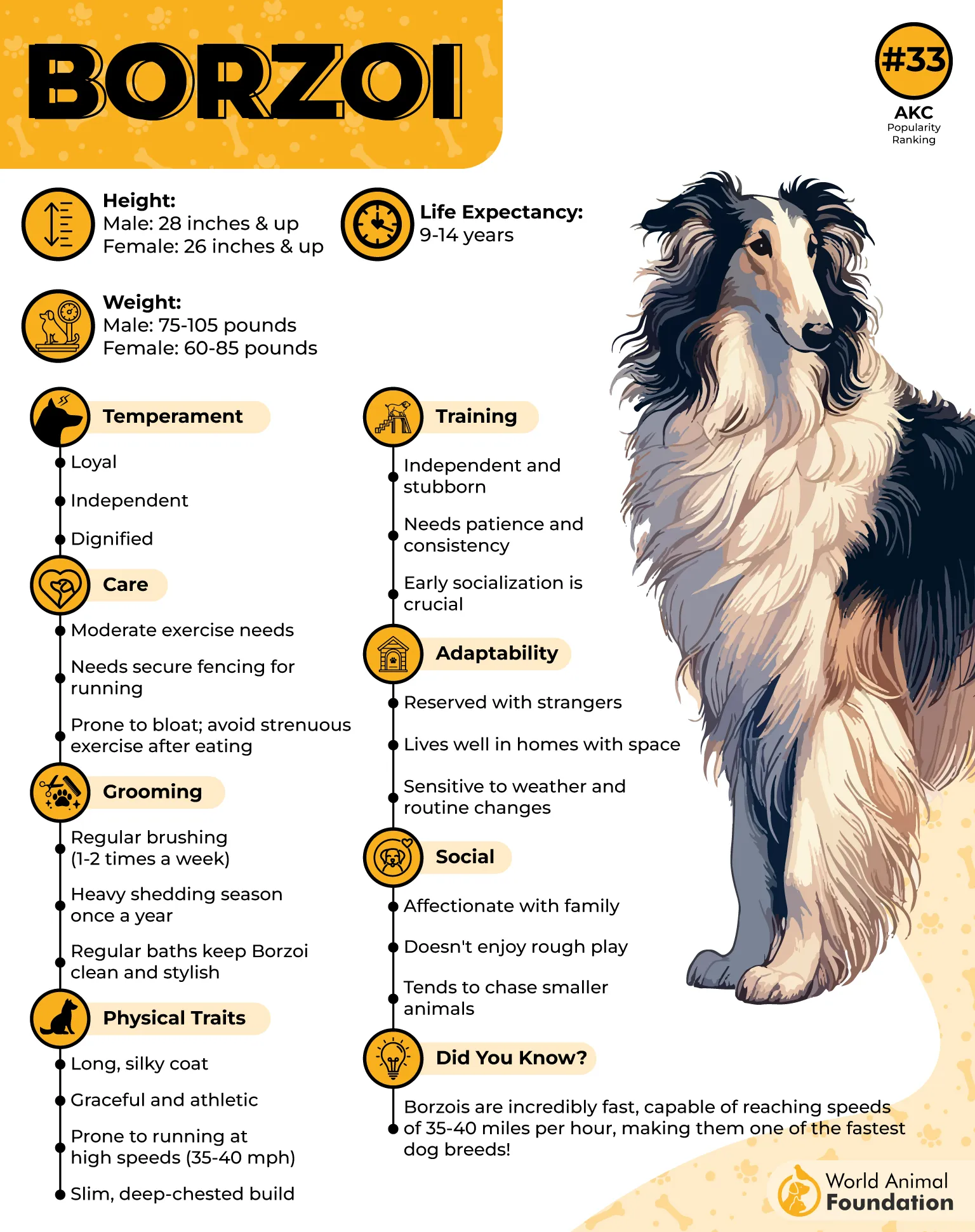
Despite its royal appearance, it moves with surprising athletic ease and calm focus, giving off a peaceful but alert presence rather than a constant excitement or big barkers personality.
Calm mind, clever limits
They are affectionate dogs, but it is not fans of repetition or dull routines, often losing interest quickly when training feels like a loop. Motivation needs creativity, or it may simply decide to ignore instructions with elegant silence.
Still, with short and engaging sessions, it can perform well in activities like agility or obedience without losing its cool temperament, as per Wikipedia. Its independent nature adds charm, making it a quiet companion that prefers thoughtful interaction over noisy attention-seeking behavior in everyday life.
3. Scottish Deerhound
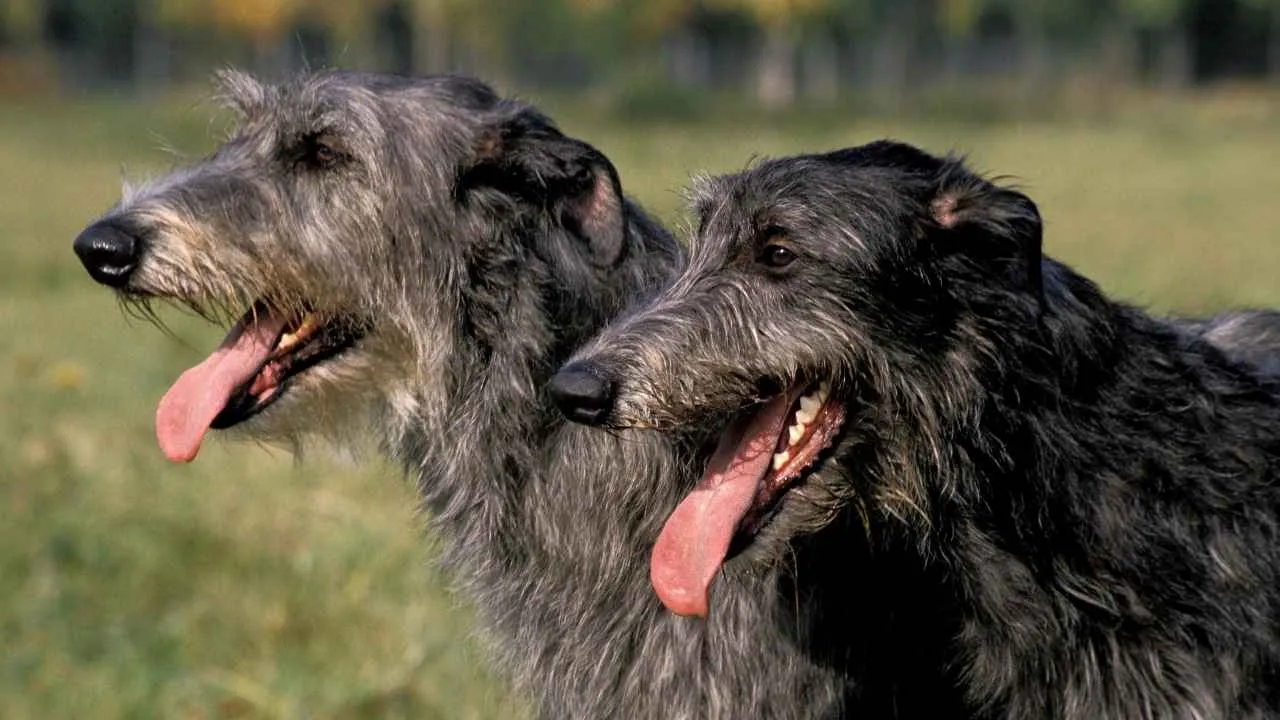
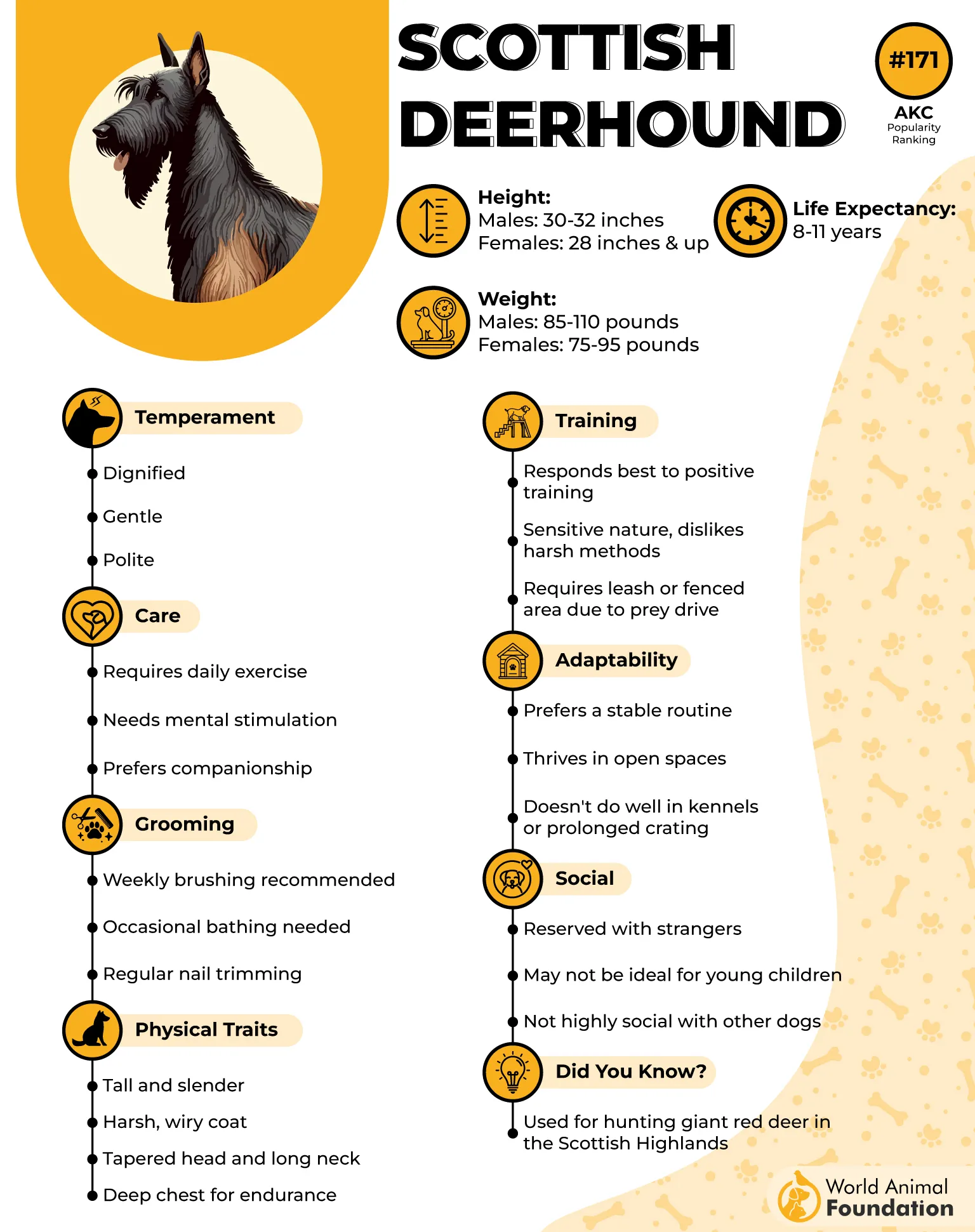
The Scottish deerhound is a towering sighthound once prized for chasing down wild deer across rugged landscapes. With a deep chest, narrow waist, and aerodynamic build, it moves with quiet power rather than much noise.

Despite its size, it carries a soft, almost poetic temperament that earned admiration from writers like Sir Walter Scott, who once described it as a creature of remarkable grace, as per WebMD. Its calm nature at home contrasts with its athletic history, where packs of these dogs worked alongside hunters in open fields.
Calm companion with bursts of wild youth
At home, this breed is often gentle, affectionate, and surprisingly rarely barks, preferring to stay close to its humans rather than create noise or fuss. However, puppies can be a different story, full of aggressive energy and a talent for turning everyday objects into chewable adventures.
Regular exercise is essential, as this large sighthound enjoys long, free movement sessions that keep both body and mind balanced while maintaining its calm, easygoing adult personality.
4. Whippet
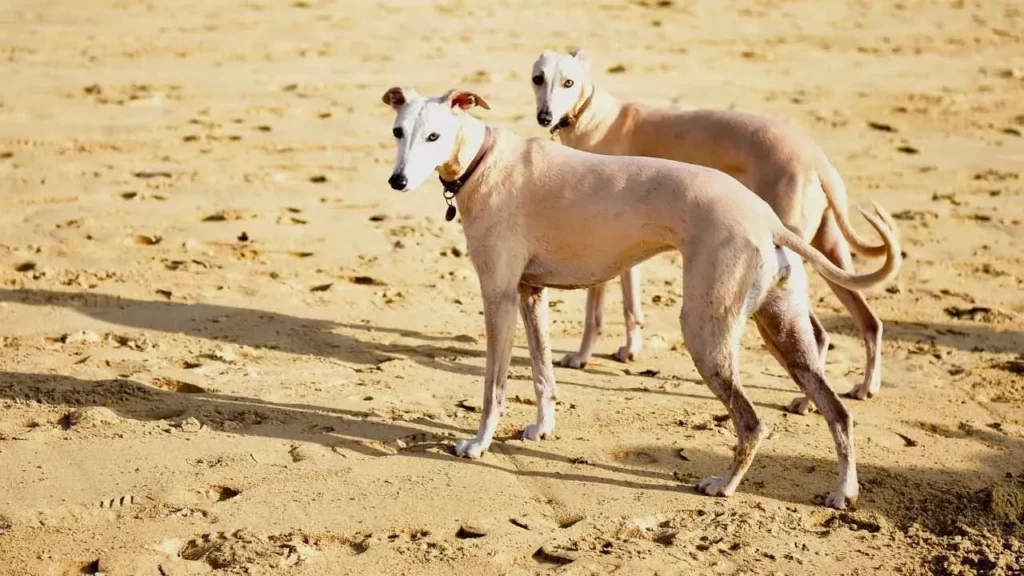
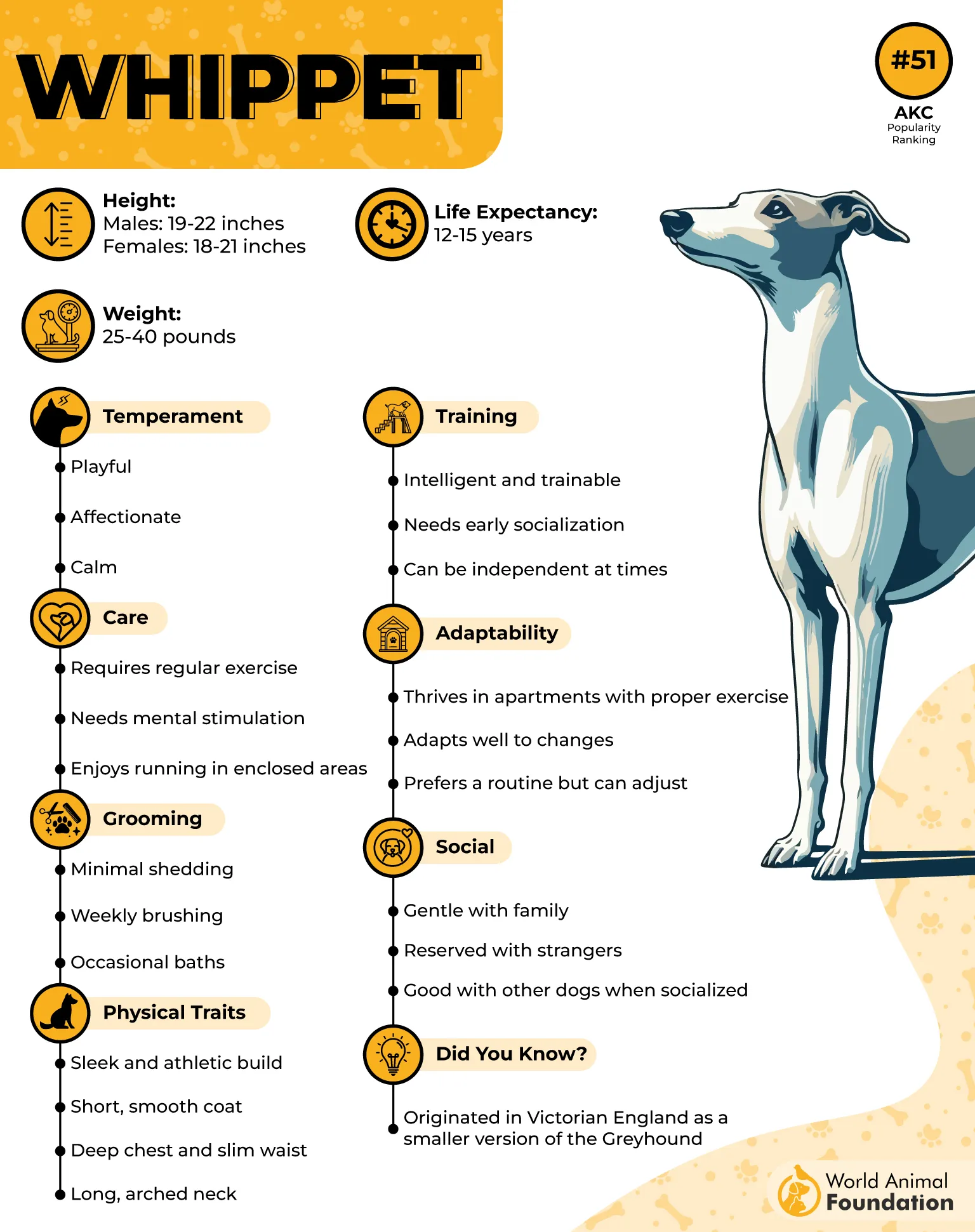
The Whippet is a lightning-fast sighthound that can reach impressive speeds, yet it is surprisingly quiet once the zooming phase is over. Built with a slim, aerodynamic frame, long legs, and a graceful stride where all four feet can leave the ground mid-sprint, it looks like motion itself when running, as per Orvis.
After a good run or playful burst in open space, it happily transforms into a cuddly companion, often choosing the softest spot in the house for long, peaceful naps beside its humans.
Gentle nature with selective instincts
At home, this breed is known for its sweet temperament, friendly behavior, and easygoing attitude toward both family members and visitors. It does not bark a lot and does not react dramatically to everyday sounds, making it a calm presence in most environments.
However, its strong chasing instinct can suddenly activate when it spots fast-moving small animals, so secure outdoor spaces are important. While it is intelligent and quick to learn commands, it sometimes chooses independence over obedience, adding a slightly stubborn but charming twist to its otherwise placid personality.
5. Akita
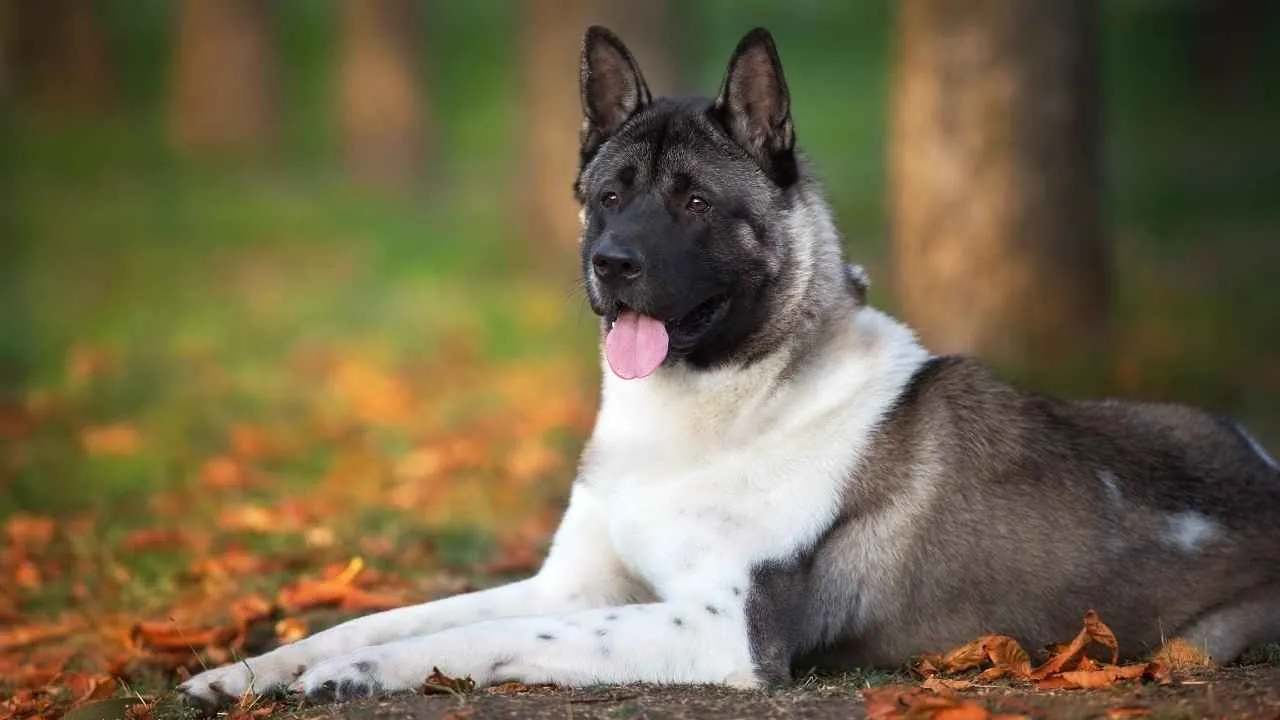
The Akita is a strong and dignified dog originally from Japan, known for its deep loyalty and fearless nature. Built as a large and muscular breed, it carries the strength of a guardian combined with the instincts of a hunting dog.
Its history includes roles in guarding homes and tracking game, which explains its sharp awareness of surroundings and naturally alert behavior.
Despite its powerful appearance, it often forms deep emotional bonds with its family, staying close and observant rather than constantly seeking attention or making noise. Its calm confidence gives it a quiet but commanding presence in any home.
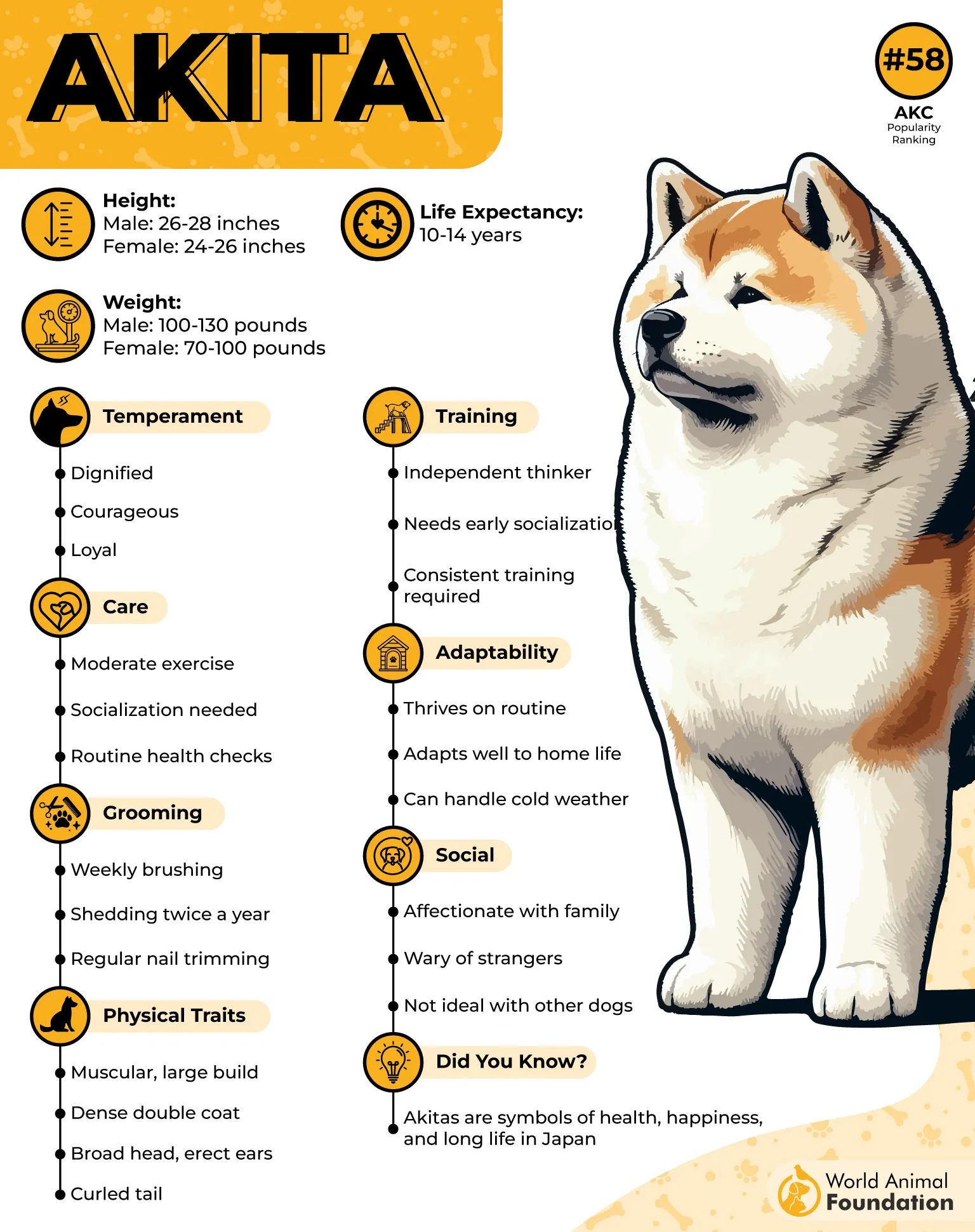
Intelligent mind with an independent spirit
This breed is highly intelligent and quick to learn, but that intelligence often comes with an independent streak that can look like stubbornness. It needs consistent guidance, early socialization, and structured routines to stay a balanced and well-behaved pet in different situations.
Because it becomes strongly attached to its humans, long periods alone are not ideal, as boredom or separation anxiety leads to unwanted behavior, as per PDSA. Regular exercise, secure outdoor spaces, and mental challenges help channel its energy in a positive direction.
6. Chow Chow
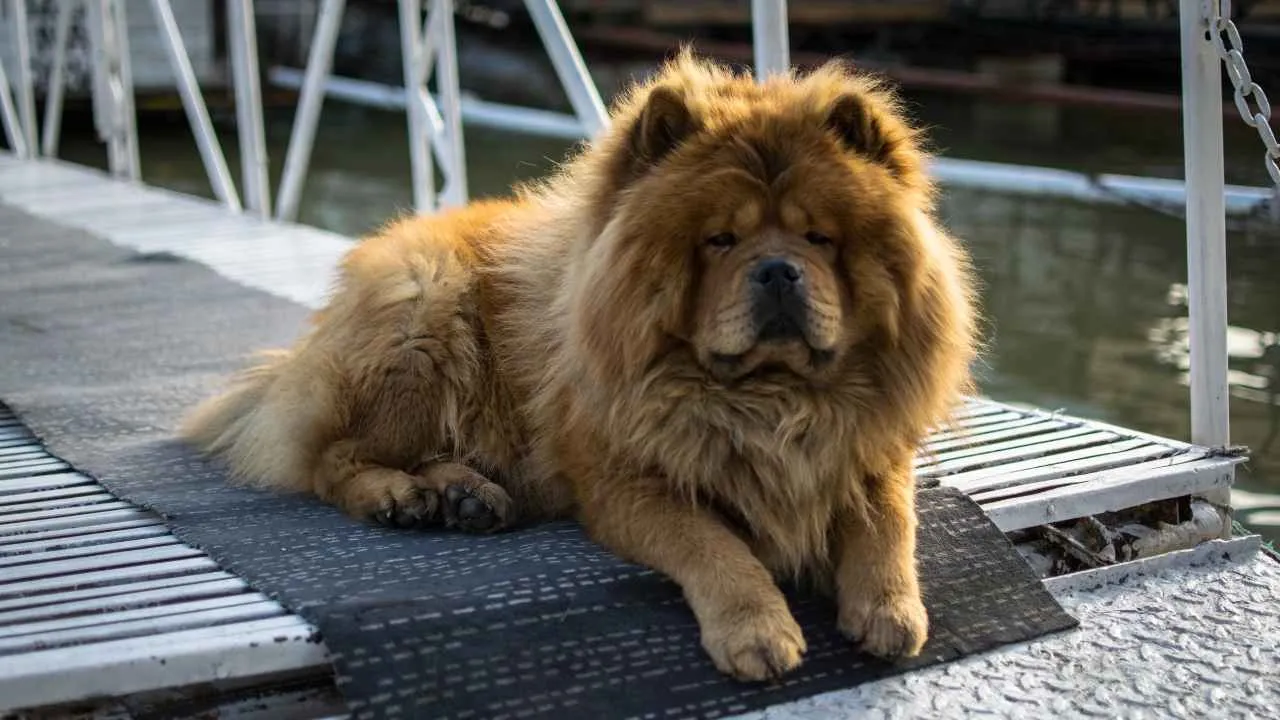
The Chow Chow is one of the oldest known dog breeds, tracing its roots back to ancient China, where it once served as a guard, hunter, and even cart-puller. With its thick, fluffy coat, deep-set eyes, and unique blue-black tongue, this dog has an almost lion-like appearance that naturally turns heads.
Behind this striking look lies a reserved and quiet nature, often observing the world with calm detachment rather than constant interaction.
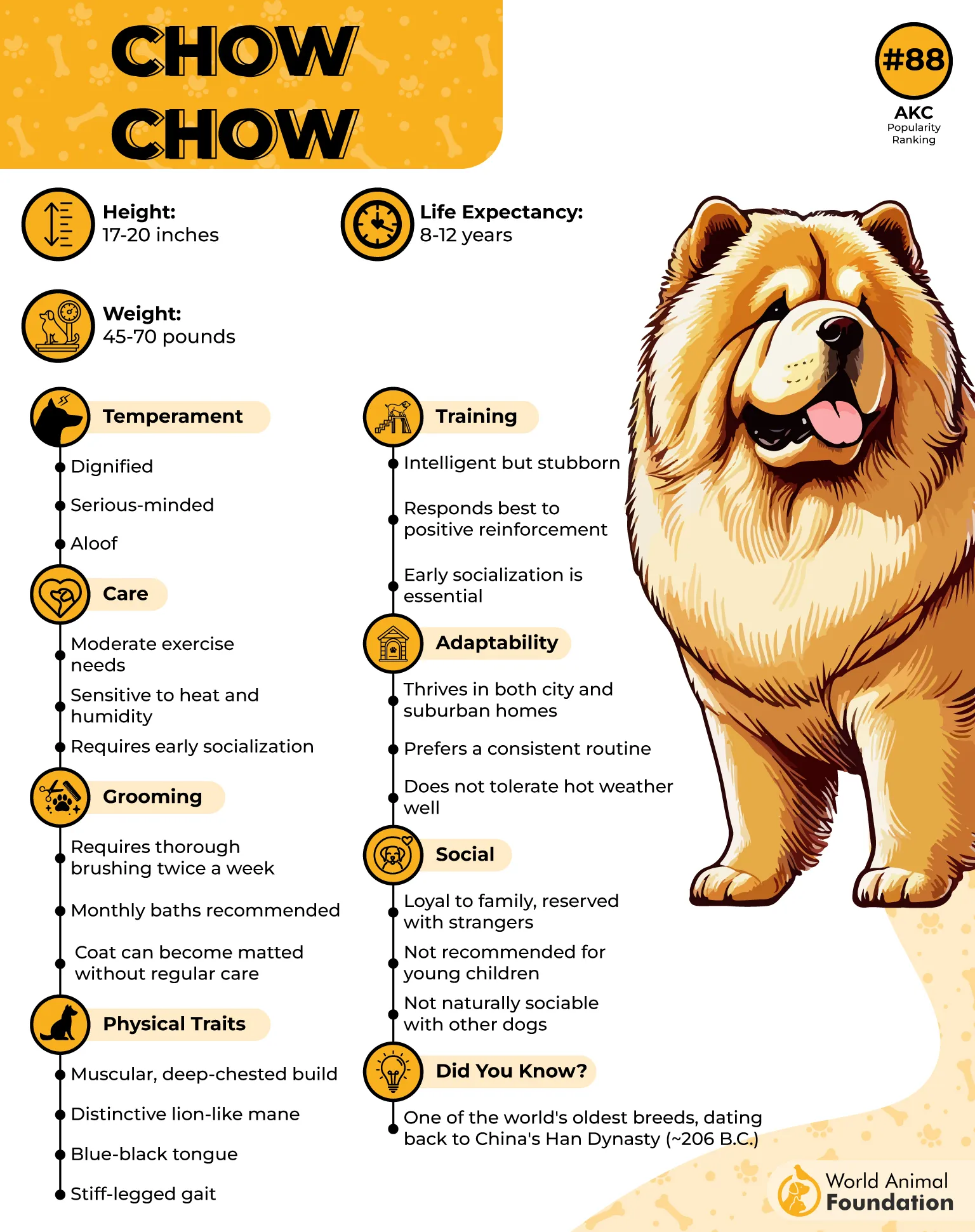
Independent thinker with a loyal heart
This breed is intelligent but strongly independent, often choosing its own way of responding rather than blindly following commands. It can be stubborn at times, so training works best when kept short, creative, and consistent with positive reinforcement, as per PetMD.
It prefers structured routines, moderate daily walks, and mental stimulation rather than long, exhausting activity. While it may enjoy its personal space and quiet moments, it forms deep bonds with its chosen humans and stays quietly devoted in its own calm, composed style.
7. Newfoundland
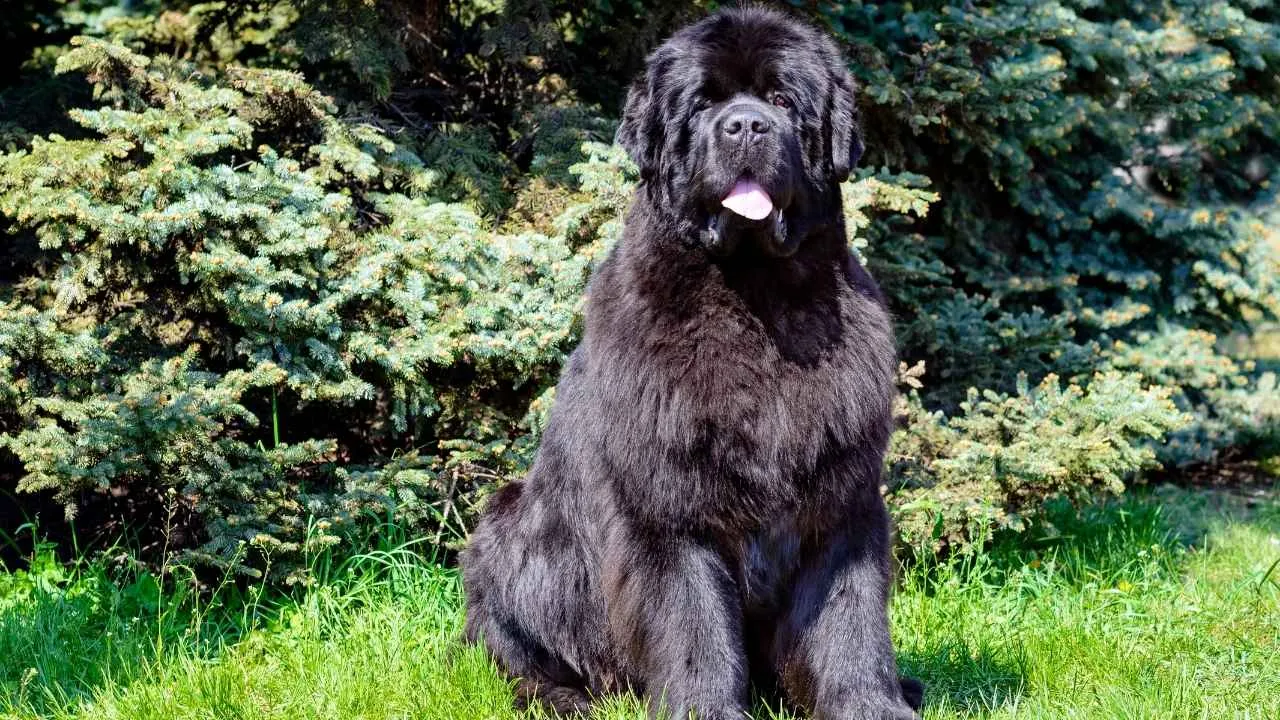
The Newfoundland is a massive working dog known for its calm spirit and legendary water rescue skills.
Built with strength, endurance, and a thick coat suitable for cold climates, it has historically helped save people from potential threats of icy water while staying remarkably composed under pressure.
Despite its impressive size, it carries a soft and patient nature that makes it more comforting than intimidating.
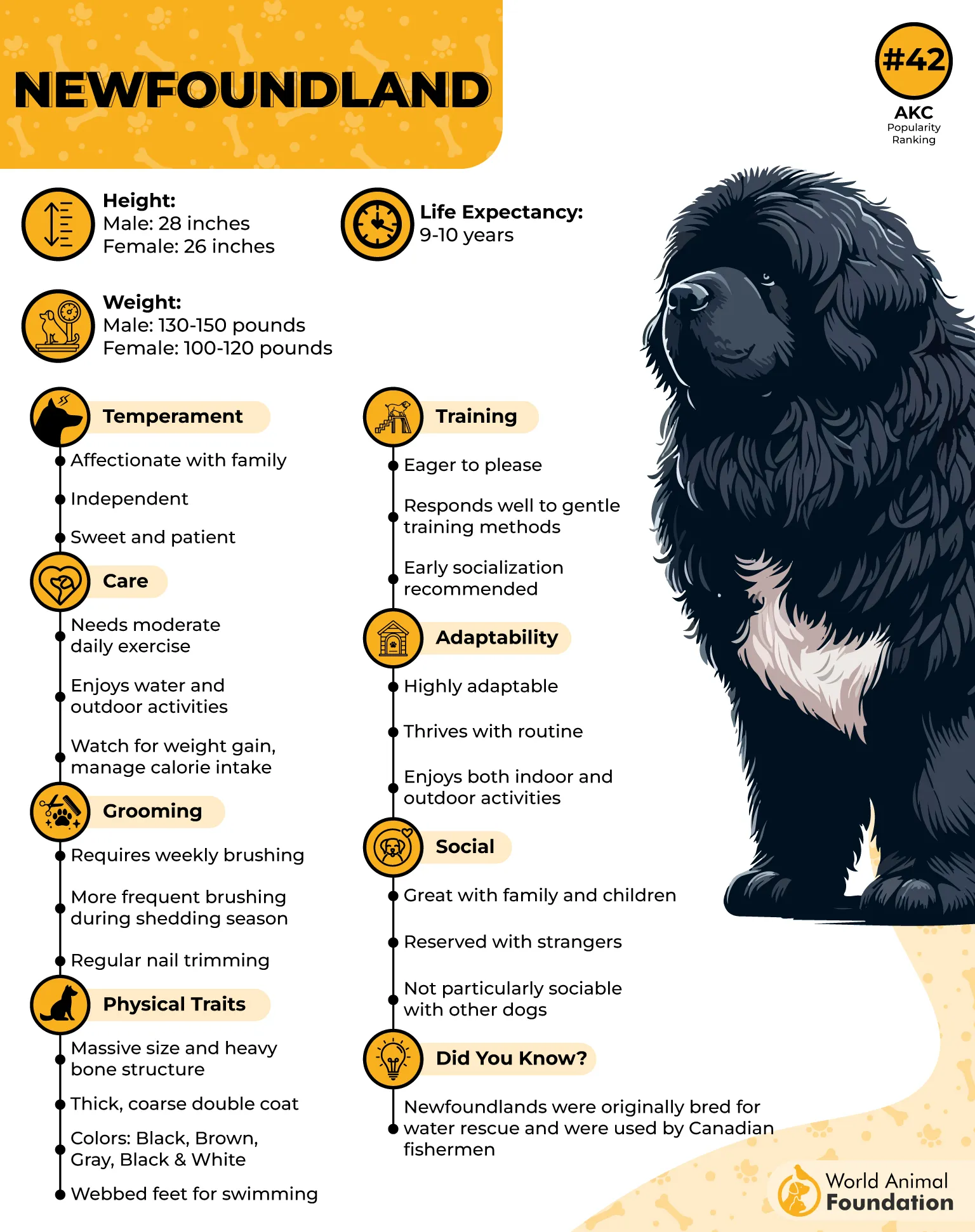
Calm companion with a strong but soft presence
This breed is naturally affectionate and friendly, often showing warmth toward strangers, children, and other animals without hesitation. Its gentle behavior and protective nature around families has earned it a reputation as a caring “nanny-like” presence, though its large size requires mindful handling.
It does not demand intense exercise, preferring moderate walks, relaxed play, or water-based activities that match its natural abilities, as per Britannica. While it learns well and is willing to cooperate, it may respond at a slower pace due to its laid-back temperament.
Overall, it balances strength with kindness, making it a steady and dependable companion in many home environments.
Conclusion
In the end, these quiet dog breeds show that not every companion needs to be loud to be loving or expressive.
From gentle giants to calm apartment-friendly companions, many dogs naturally prefer peace over constant barking, relying more on personality, body language, and bonding with humans.
What truly stands out is how each breed balances temperament with lifestyle needs, whether it’s light exercise, mental stimulation, or simply being close to family.
If you’re considering a dog for a calmer home, focus less on noise and more on compatibility, training, and daily routine. Meeting the right match can make life smoother not just for you, but for the dog, too.
Because sometimes the best companions aren’t the loudest in the room—they’re the ones quietly choosing to stay by your side.
