




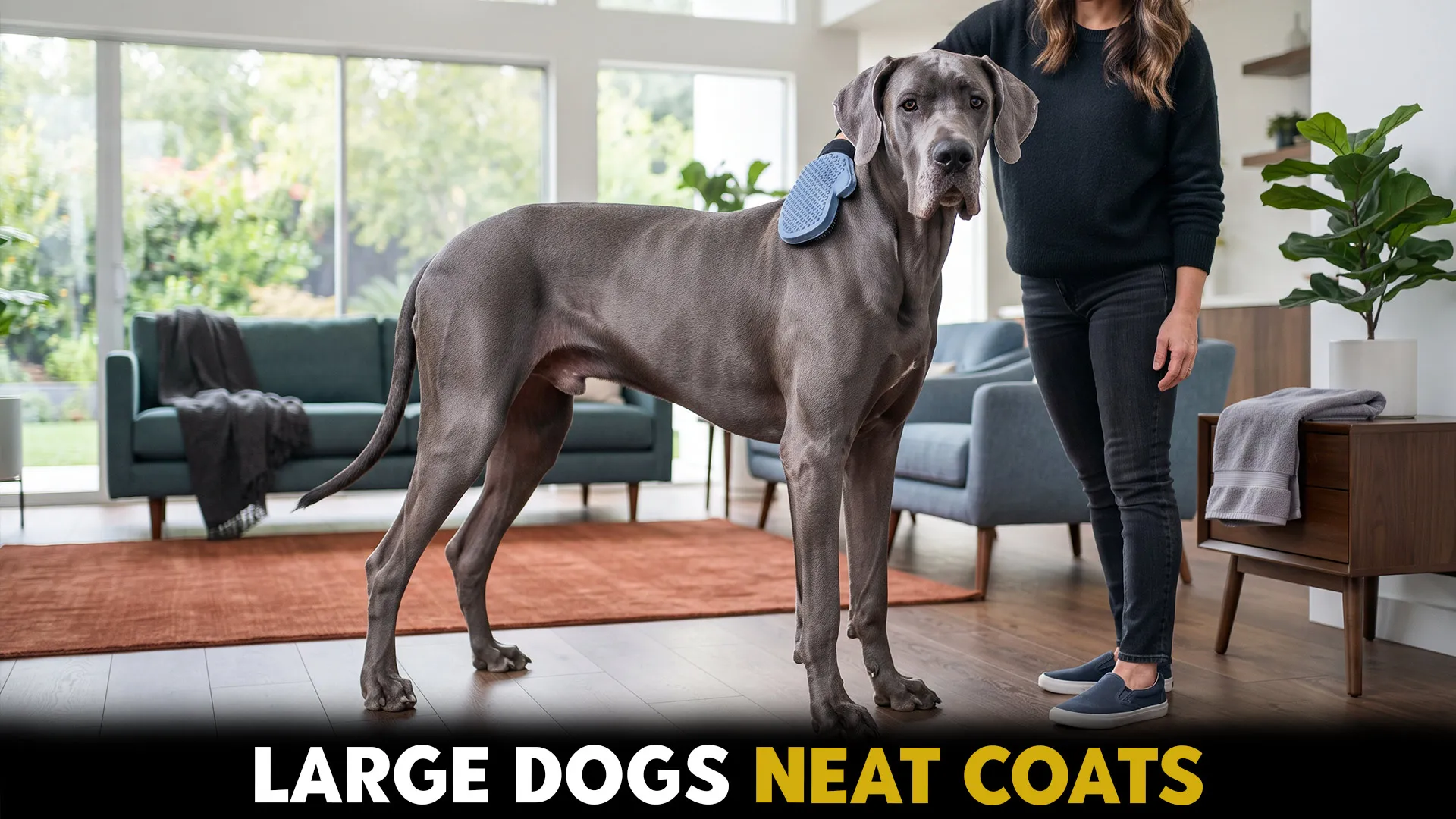
A large dog does not need a complicated grooming routine. That assumption can make people overlook some easier coats among bigger breeds. Coat length, texture, density, and shedding pattern all affect how much daily care a dog requires.
A short coat usually takes less brushing and avoids many of the tangles and mats associated with longer dog hair. It can also make bathing and drying less time-consuming, which matters when the dog weighs enough to turn grooming into a full household project.
Shedding still happens, and short hair can be surprisingly noticeable on dark furniture or clothing, so these dogs are not maintenance-free. The advantage is simplicity rather than the absence of upkeep. For busy families that want a strong, large companion without a high-maintenance coat, this category deserves closer attention today.
Here, you will find large dogs with manageable coats, along with useful practical details about grooming, shedding, and daily care.
Key Takeaways
Large dogs often look like they should come with a frequent grooming checklist. Several breeds here make that assumption easy to rethink.
The Dogue de Bordeaux keeps things simple with its short coat, while its loose facial folds need a little extra attention.
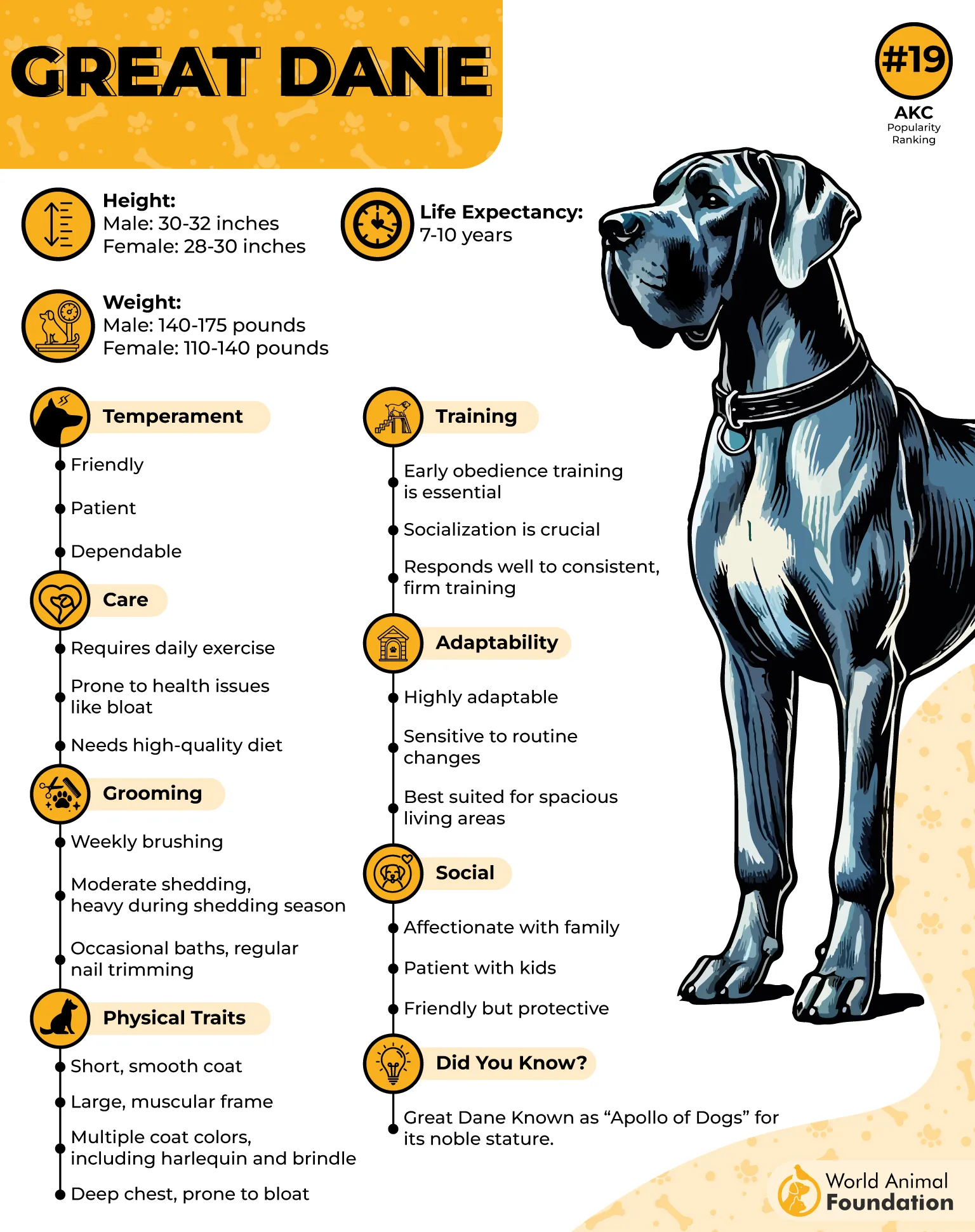
The Great Dane has an ancient history stretching back thousands of years, yet its grooming routine is refreshingly easy for such a giant breed.
Then there is the Rhodesian Ridgeback, known for hunting lions and carrying a distinctive strip of hair along its back.
Large Dog Breeds with Short, Manageable Coats
1. Dogue de Bordeaux
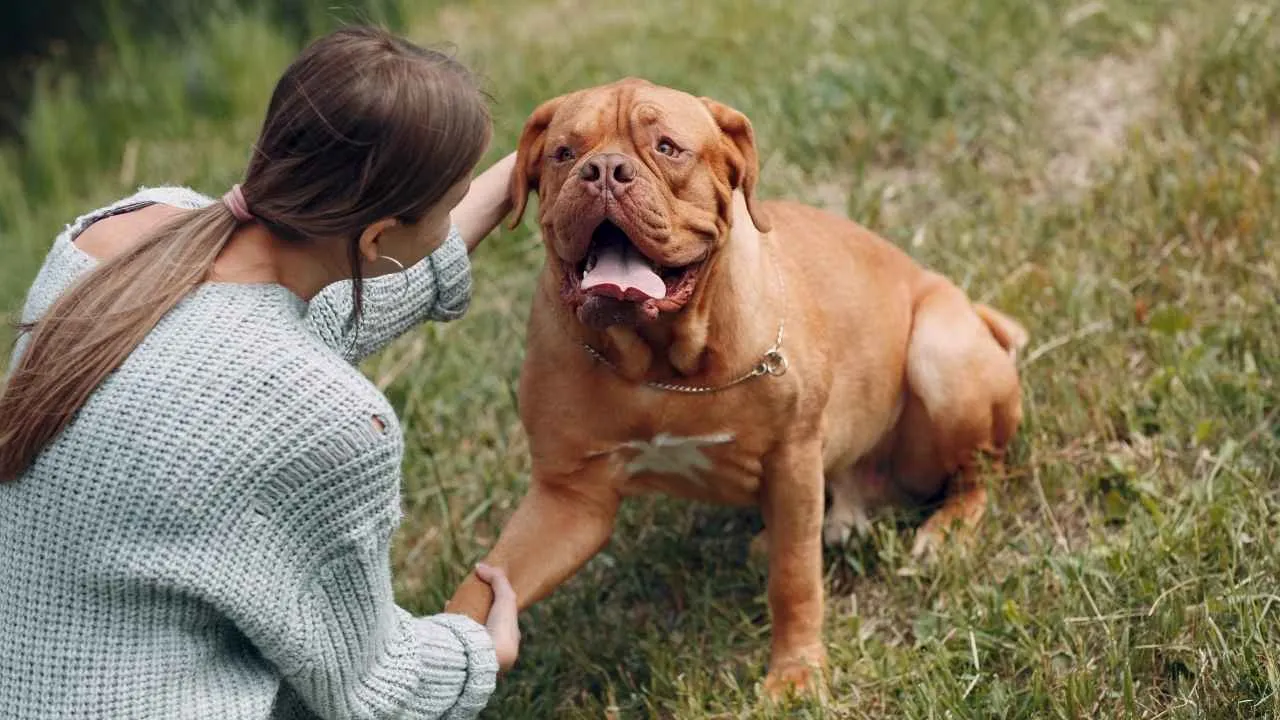
Dogue de Bordeaux comes from France’s Bordeaux region, with dogs of this type documented as far back as the 1300s. The recognizable form of the breed emerged around 1920, after centuries of work involving property protection, livestock guarding, carting, and pulling.
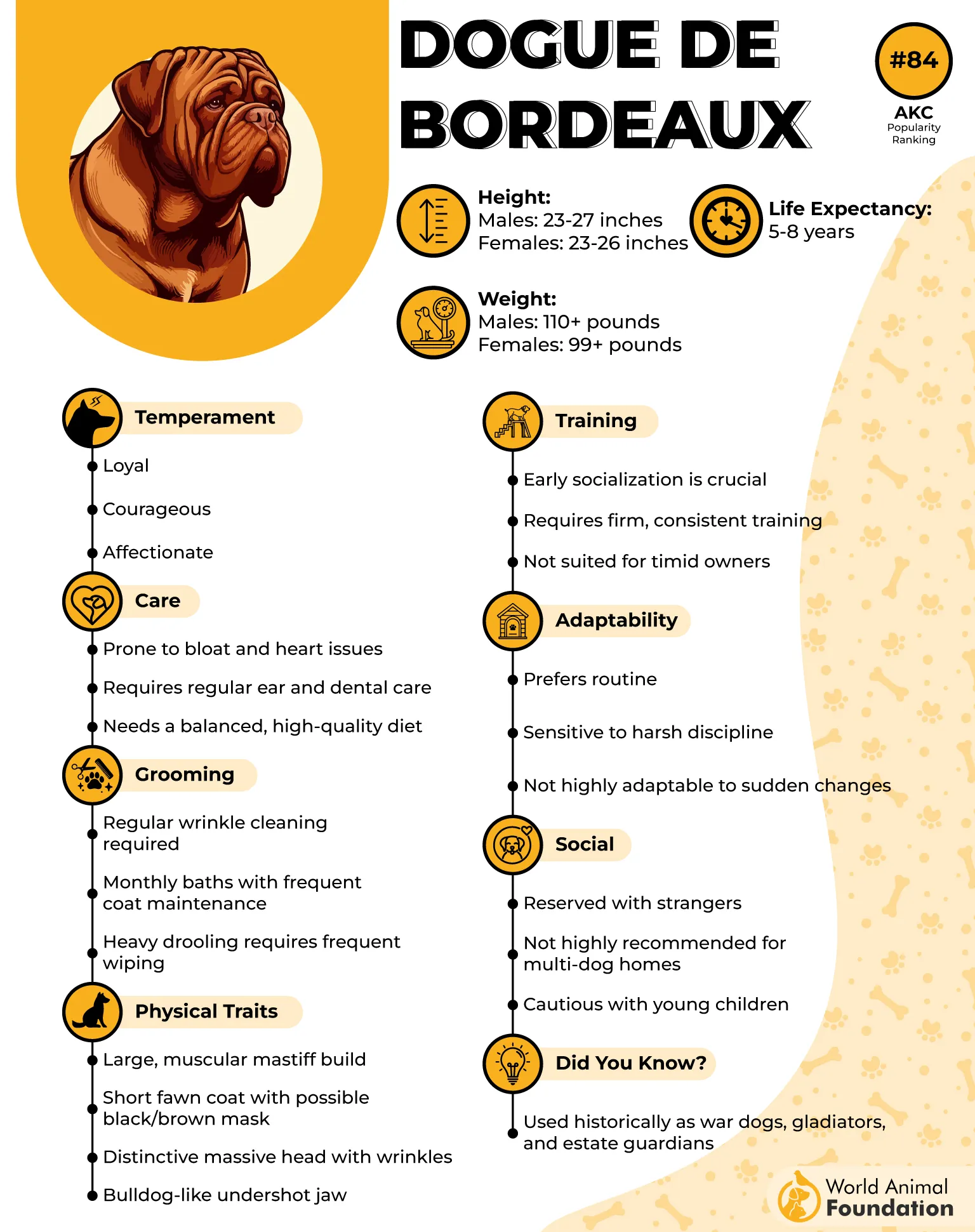
Easy Coat Care
Grooming is pretty straightforward with this short-haired dog breed, especially compared with dogs carrying heavier or longer coats. A quick weekly session with a rubber grooming glove helps lift away loose hair while keeping the coat smooth and tidy, as Royal Canin suggested.
However, these traits also need grooming attention:
Loose facial folds need frequent cleaning
Ears should be checked and wiped regularly
Drooling can be heavy
Calm at Home
Dogue de Bordeaux has a mild, easygoing nature and often prefers relaxing with its family after periods of activity. It can also react quickly when needed and is surprisingly speedy for such a massive dog, adding an unexpected burst of athleticism to its otherwise relaxed demeanor.
2. Great Dane
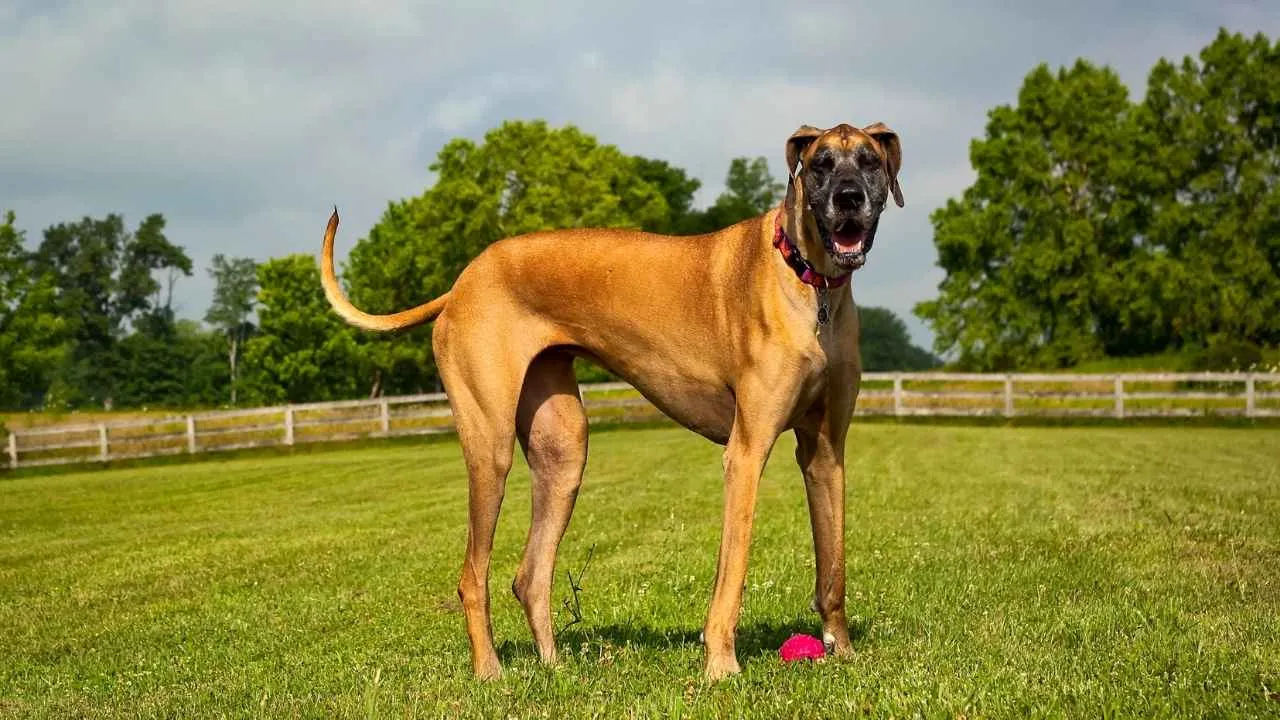
Great Dane is linked to a far older story than its modern name suggests, with Egyptian artifacts from around 3000 BC and Babylonian temples from 2000 BC depicting similar large dogs. Chinese writings from 121 BC add another early reference, while the breed is often associated with Tibet.
Easy to Groom
An easy grooming routine comes naturally with this large breed’s short, smooth coat, which tends to shed lightly through most of the year. Occasional brushing handles loose hair nicely, while a daily brush is useful when heavier shedding rolls around once or twice a year.
A little regular care goes a long way:
Medium-bristle brushes work well
Rubber grooming mitts can remove loose hair
Baths are needed only occasionally
Maintains Gentle Temperament Well
This big dog has a patient, affectionate temperament and enjoys physical attention, often pushing its large head toward a person’s hands or lap for a pat. Some individuals even attempt to climb onto the couch owner’s lap, seemingly unaware of how much space their size requires, as Greencross Vets notes.
3. Doberman Pinscher
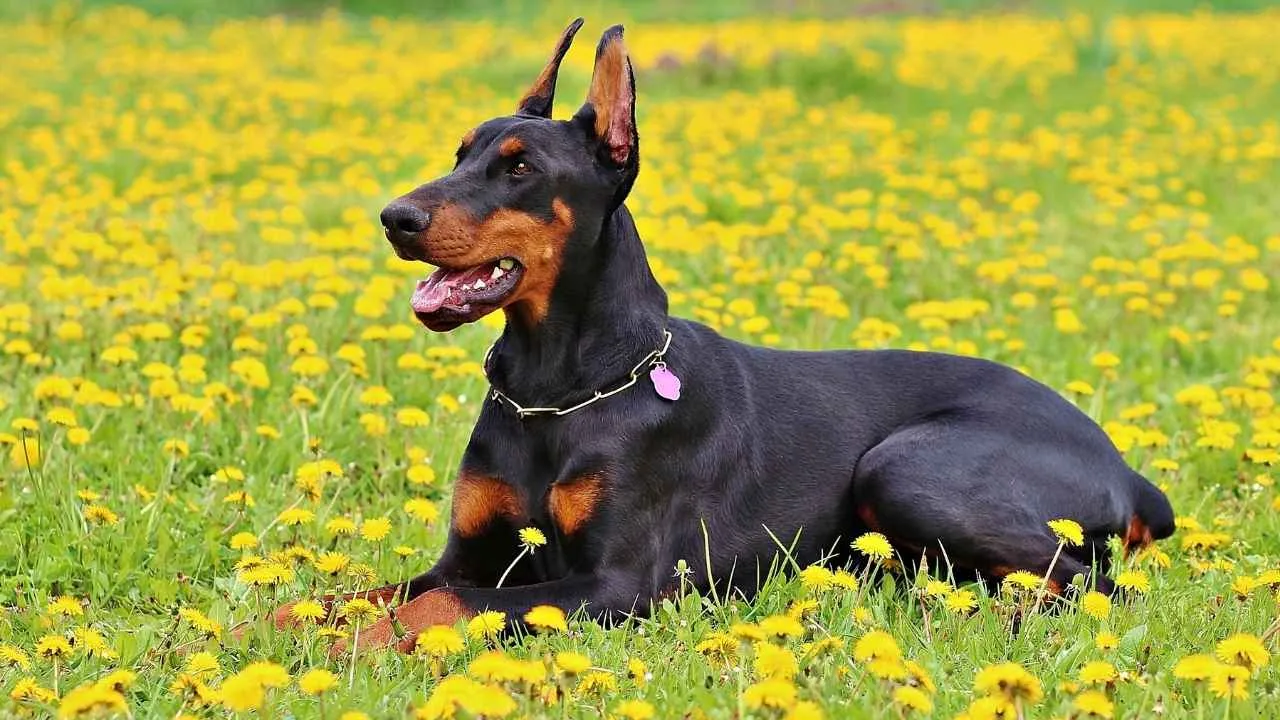
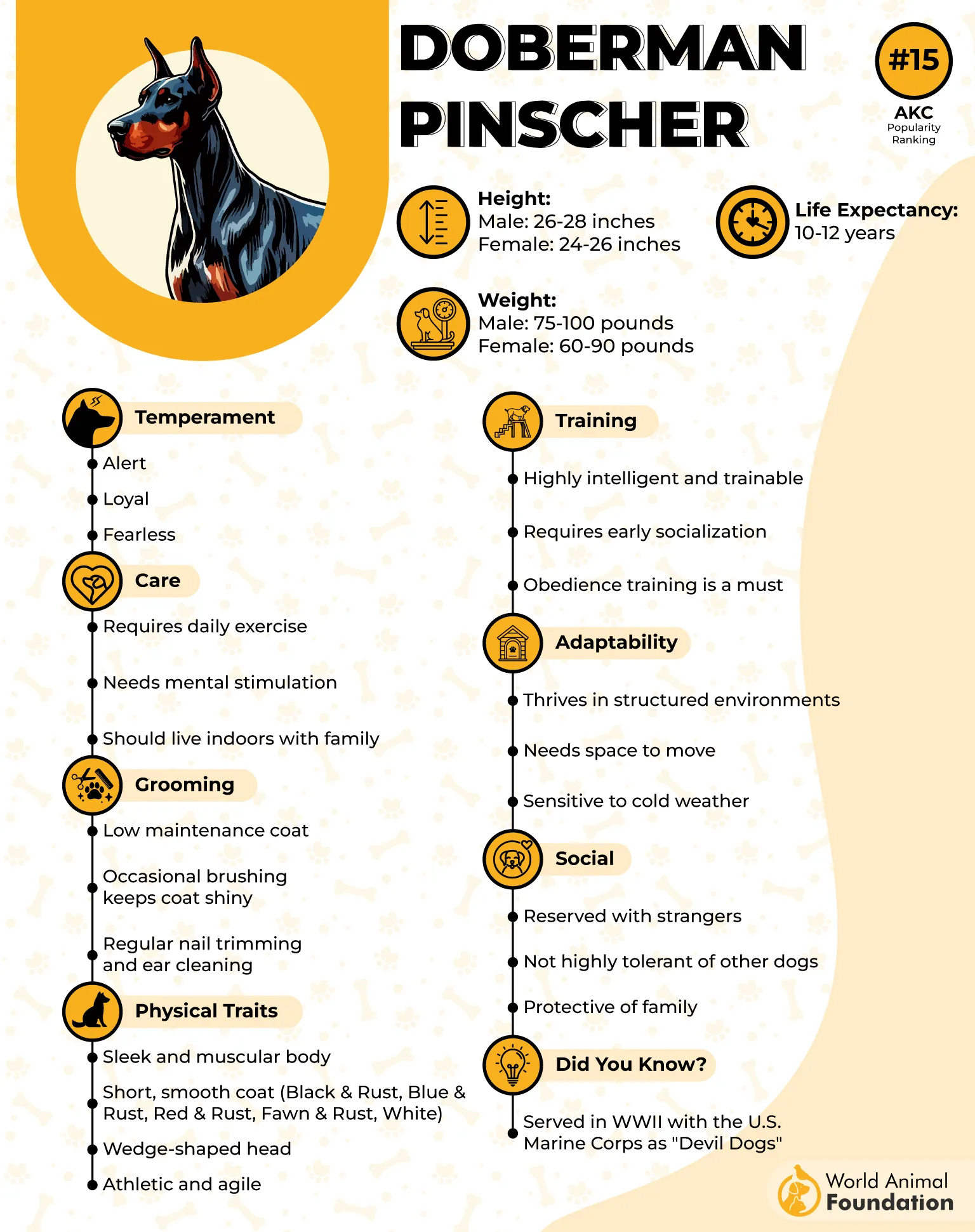
Doberman Pinscher originated in Germany as a dog suited to both guarding and companionship, bringing those two roles into the same working breed. Its protective nature, alertness, and willingness to cooperate with people have remained important parts of its character over time.
Sleek and Simple
This short-haired breed has a smooth, close-fitting coat with a firm texture that gives its lean frame a polished look. Weekly brushing with a rubber curry brush or grooming glove can remove loose fur, while a quick daily brushing helps keep the coat glossy and healthy.
Good grooming comes down to a few basics:
Moderate shedding dog
Only bathe when muddy or dirty
Must apply conditioner at the end of bathing to avoid dryness
A Busy Mind
Doberman Pinscher is highly intelligent and responds well to activities that make it think, including training sessions and challenging games, as noted by Orvis.
Its high activity level also calls for regular opportunities to use its physical abilities, especially for a breed that can become pushy when it lacks direction.
4. Cane Corso
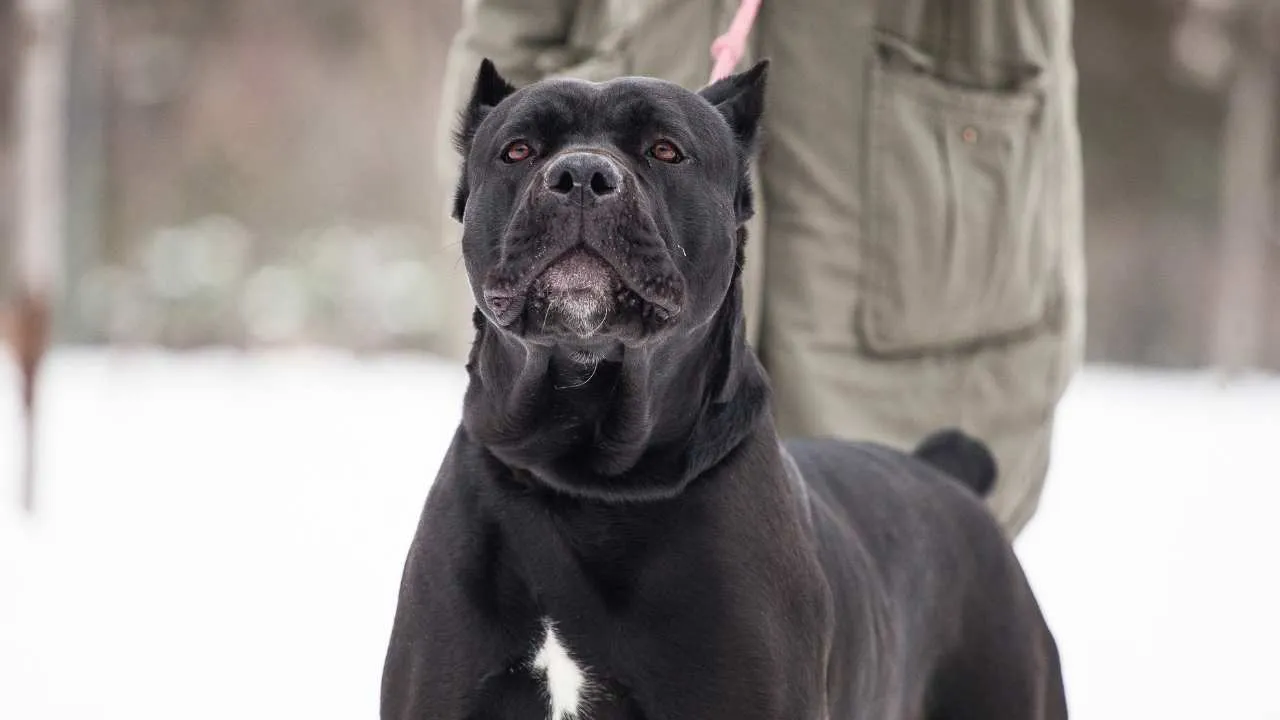
Cane Corso emerged as an Italian mastiff used for property protection, livestock guarding, and, in some regions, boar hunting. Its name is commonly connected with the Latin cohors, referring to a protector of a farm or yard, while the breed later came close to disappearing as traditional agriculture declined.
A Coat With Purpose
They have a short, coarse, dense coat with an undercoat that provides weather protection without demanding the upkeep of a long-haired breed. Weekly brushing helps remove dead hair, particularly during spring shedding.
These practical coat details are worth noting:
Dense coat texture like a cow’s coat
Coat density can increase in colder climates
Shed lightly to moderately
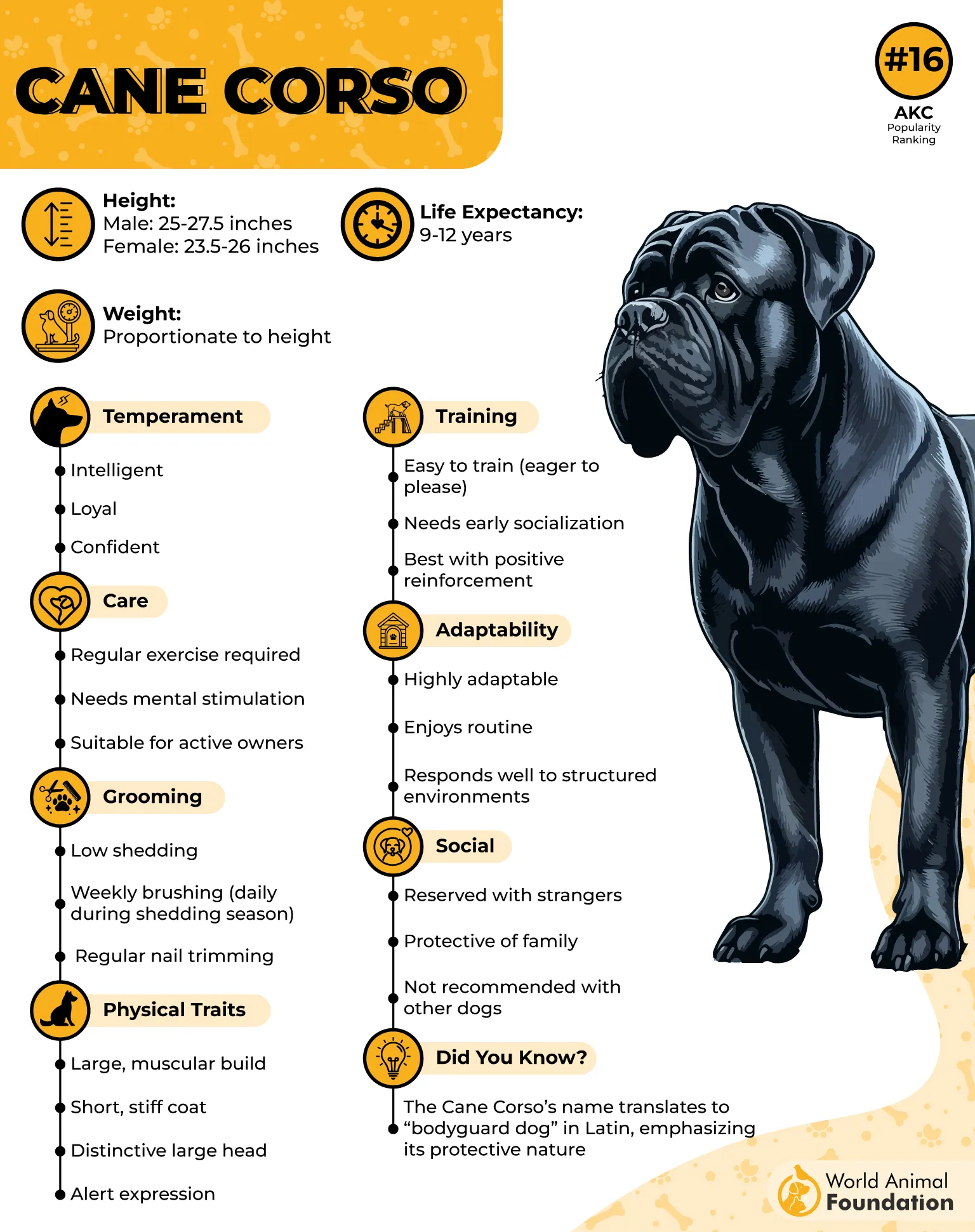
Power Without Excess Bulk
Cane Corso has an athletic mastiff build, with a powerful chest and strong hindquarters that support agility and endurance during demanding farm work. Its lighter facial wrinkling also gives it a more streamlined appearance than heavily wrinkled mastiff breeds.
5. Rottweiler
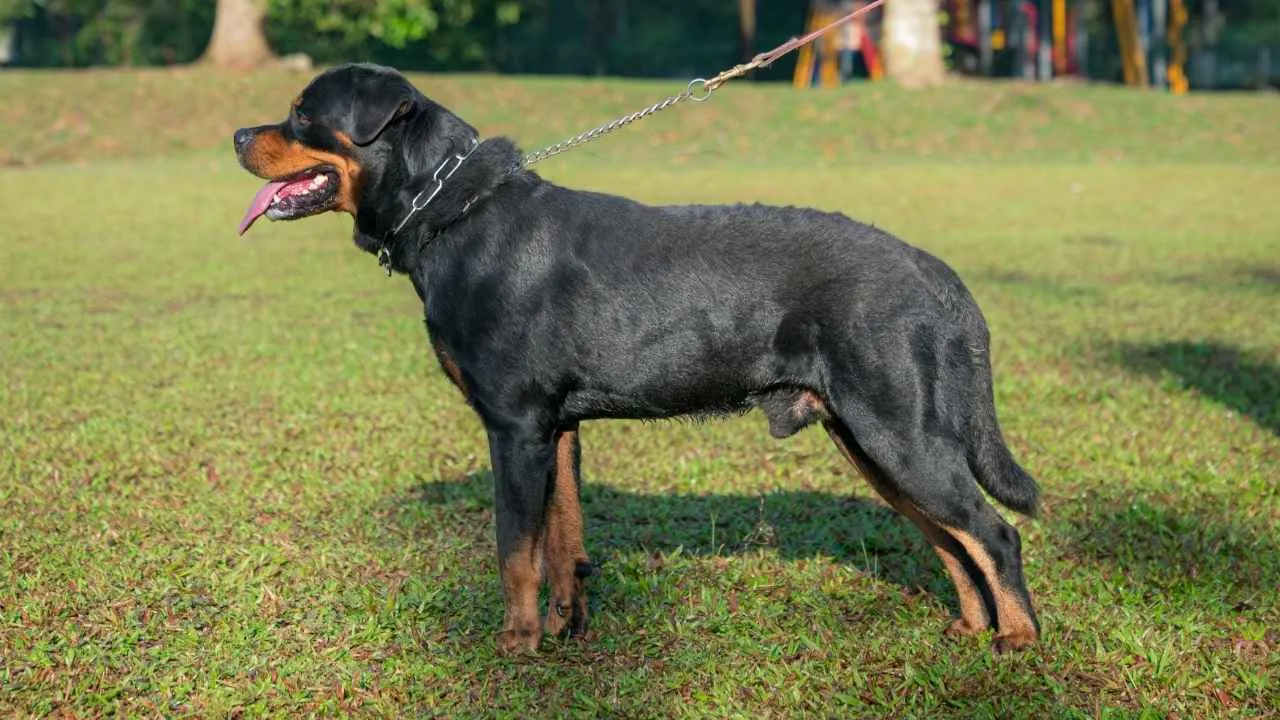
Rottweiler began as a working cattle dog associated with Rottweil in southern Germany, where its duties extended well beyond driving livestock to market.
Butchers also relied on these powerful dogs to pull meat carts, while money from livestock sales was sometimes secured around their necks against thieves.
A Short Working Coat
They have a flat-lying outer coat of medium length with a dense undercoat, giving their black coat a neat appearance without the length of a heavy-coated breed. The undercoat becomes fuller in cooler climates and lighter in warmer regions, while moderate shedding occurs throughout the year.
Three practical details make the coat easier to understand:
Brush once a week
Bath only when needed
Doesn’t require any professional haircuts
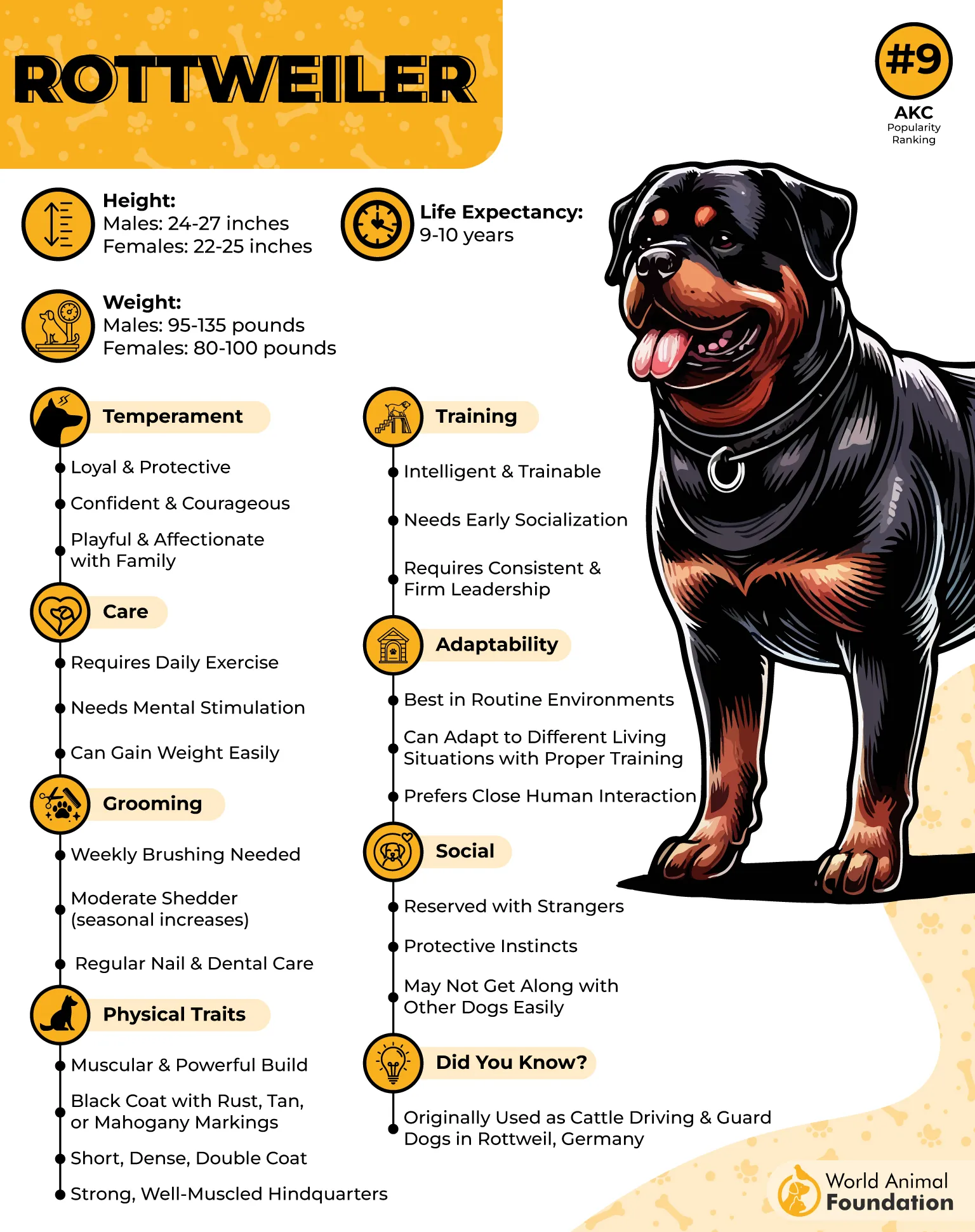
People Matter
Rottweiler often wants to remain near its favorite people and can become stressed when left isolated for long periods. Treats and toys can make training more engaging, while regular companionship helps prevent unwanted behaviors linked to prolonged separation.
6. Rhodesian Ridgeback
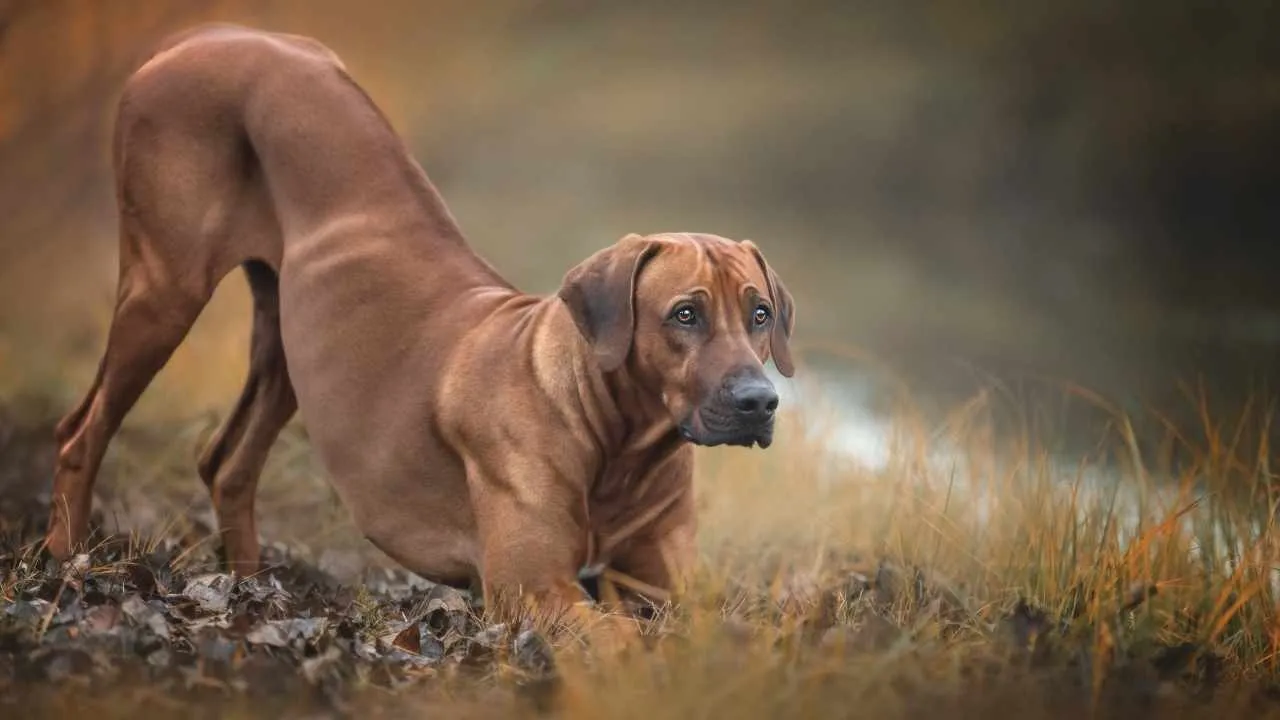
Rhodesian Ridgeback has deep roots in southern Africa, where it was valued as a hunting hound capable of tracking and flushing large predators, including lions. Its other name, African Lion Hound, reflects the demanding work associated with the breed in that setting.
That Distinctive Ridge
Their short coat has a striking ridge of hair running along the spine in the opposite direction from the surrounding fur. Its muscular, athletic frame pairs with a coat that needs far less upkeep than its imposing appearance might suggest.
A few details make the breed’s coat especially practical:
Weekly brushing with a soft-bristle brush
Rubber curry brushes can catch loose hairs
Occasional baths are generally sufficient
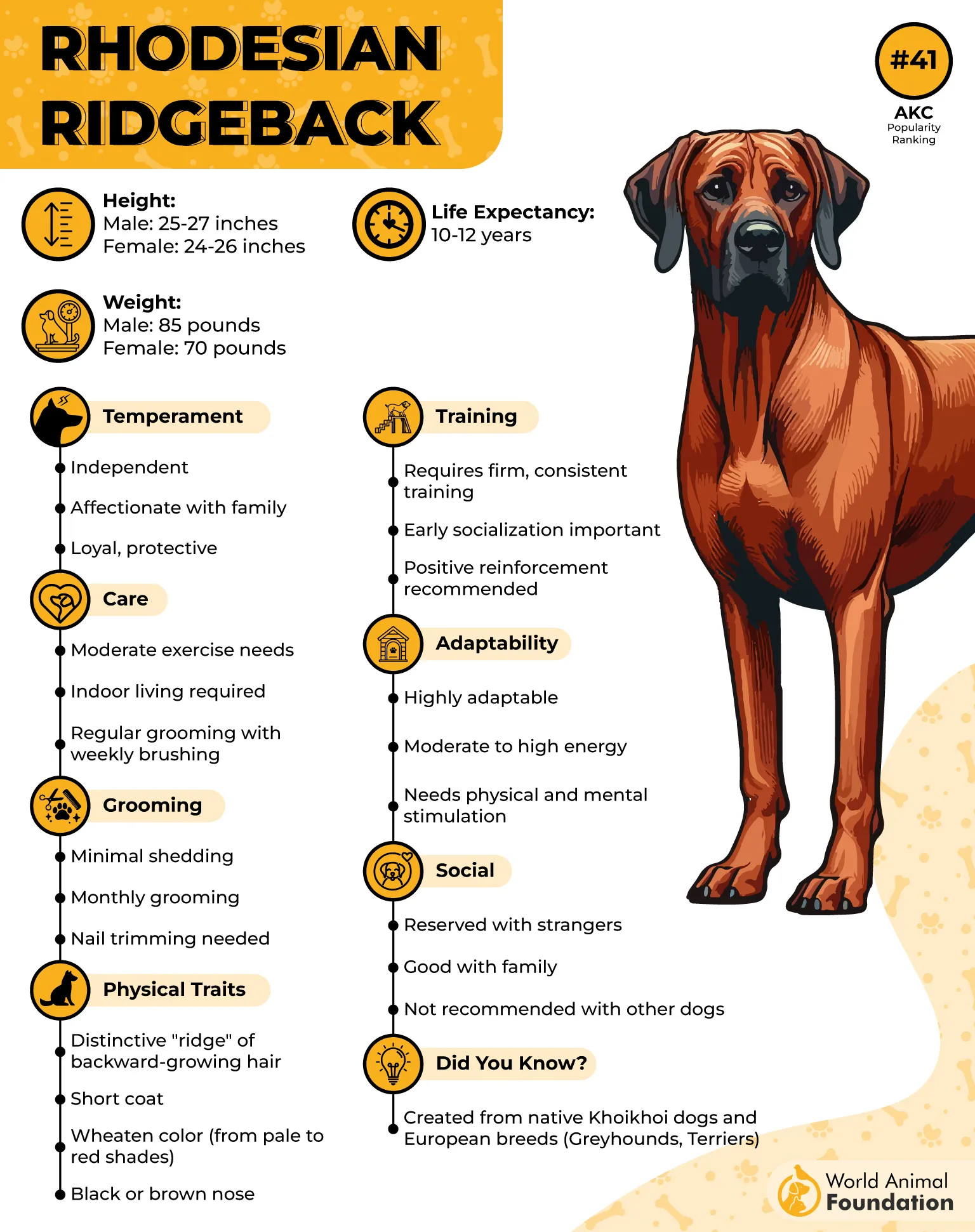
Athletic by Nature
Rhodesian Ridgeback brings plenty of stamina to an active household and needs at least 45 minutes of exercise each day. Running, hiking, swimming, agility work, and other purposeful activities can give this energetic hound an outlet while daily mental enrichment helps prevent boredom.
7. Boerboel
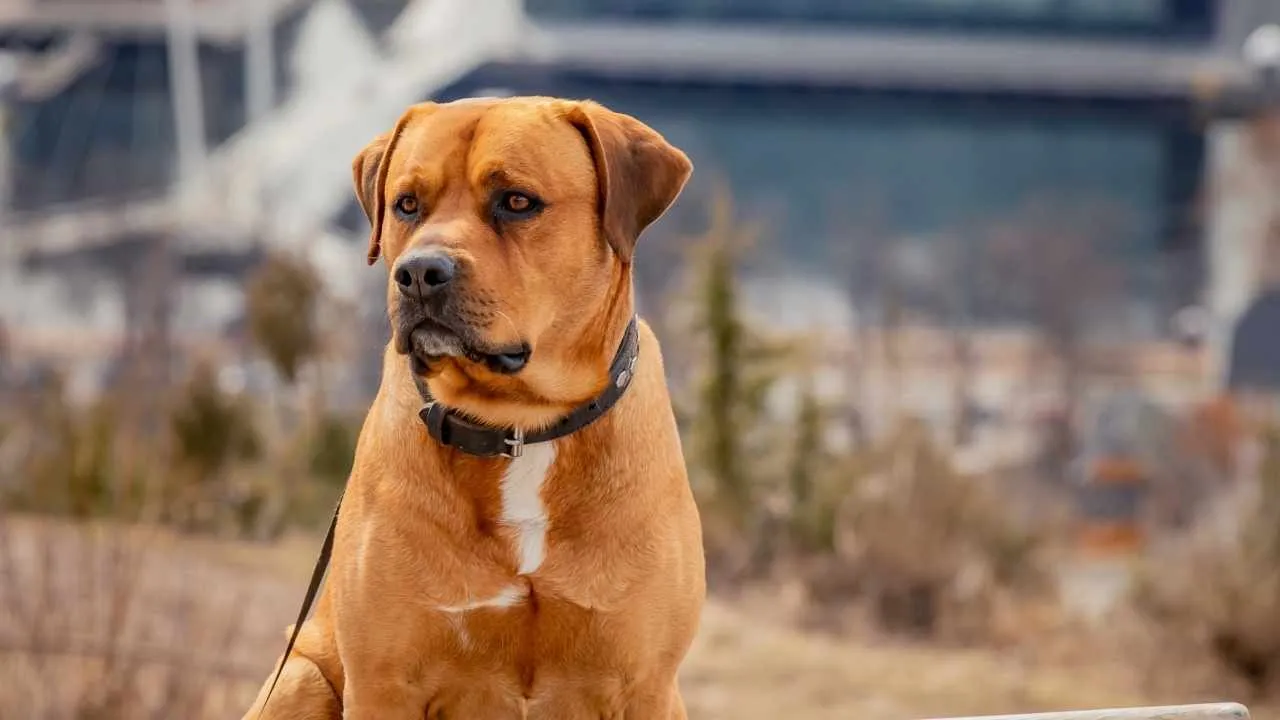
Boerboel, pronounced “Burbull,” takes its name from the Afrikaans words associated with a farm dog or farm mastiff. By the 17th century, South African farmers relied on this powerful breed to guard homes, livestock, families, and property from intruders and wild animals.
A Close-Lying Coat
Boerboel has a dense, close-lying coat that requires practical grooming rather than elaborate coat care. Its substantial body size also means loose hair, skin oils, and general cleanliness can become noticeable around the home without a consistent routine.
Three grooming concerns deserve particular attention:
Soft brush for weekly brushing
Use a hand glove to remove loose hair
Sheds year-round moderately
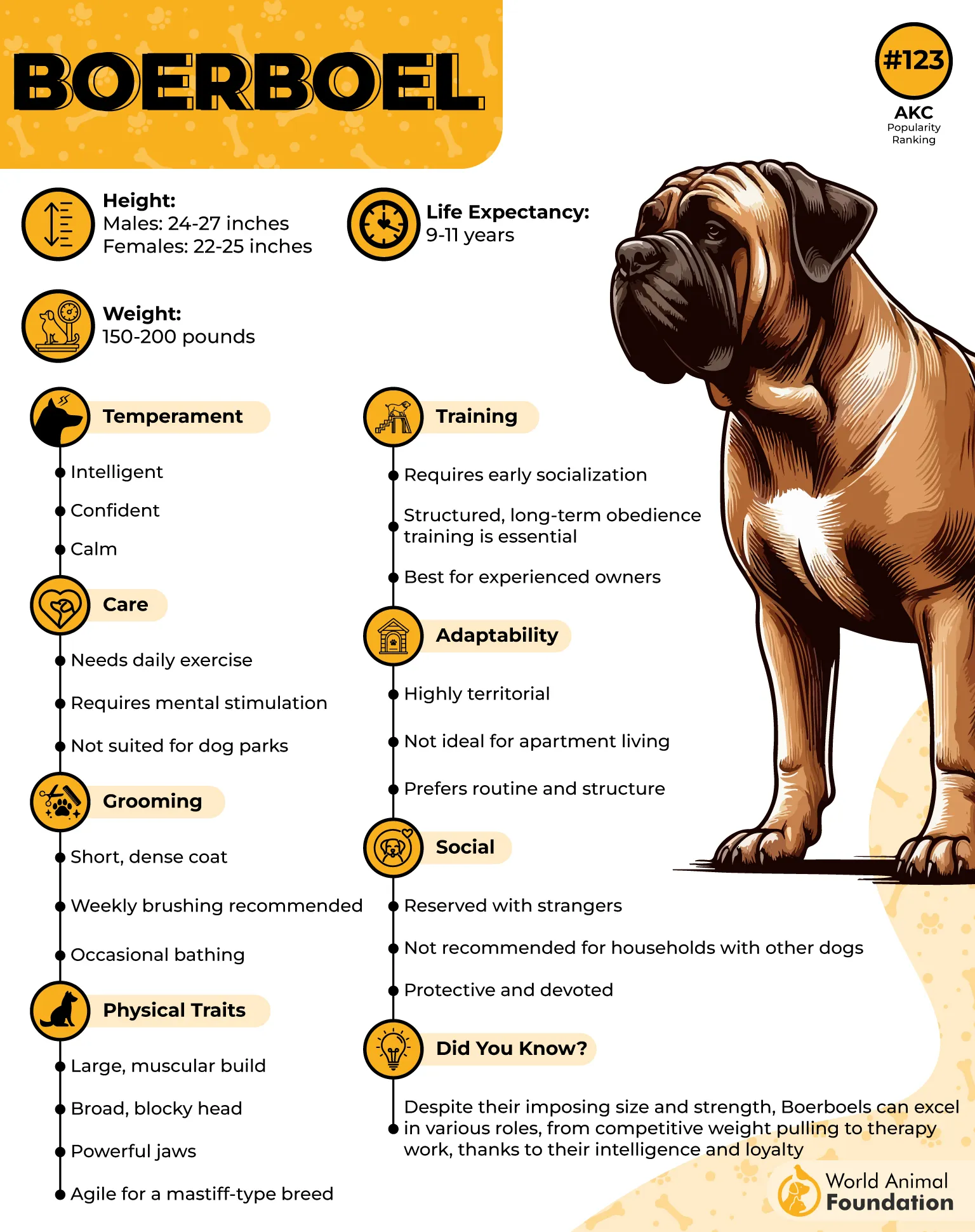
A Thinking Guardian
Boerboel has a keen sense of smell and a watchful nature, allowing it to notice unfamiliar people or animals approaching its family. Reward-based training works well with this intelligent breed, especially when lessons are consistent and built around trust.
Conclusion
A manageable coat type can make life with a large dog more convenient, especially when regular brushing keeps loose hair under control without complicated trimming. A low-maintenance coat may offer minimal grooming, while a healthy coat still depends on care suited to the breed’s individual grooming needs. Professional grooming may occasionally be useful, too.
Some dogs have low-shedding coats that appeal to allergy sufferers, while others need more regular attention from pet parents. Exercise, training, companionship, weather tolerance, and individual temperament can shape the experience just as much. Looking at the whole routine makes it easier to find a good match for a large companion.
