




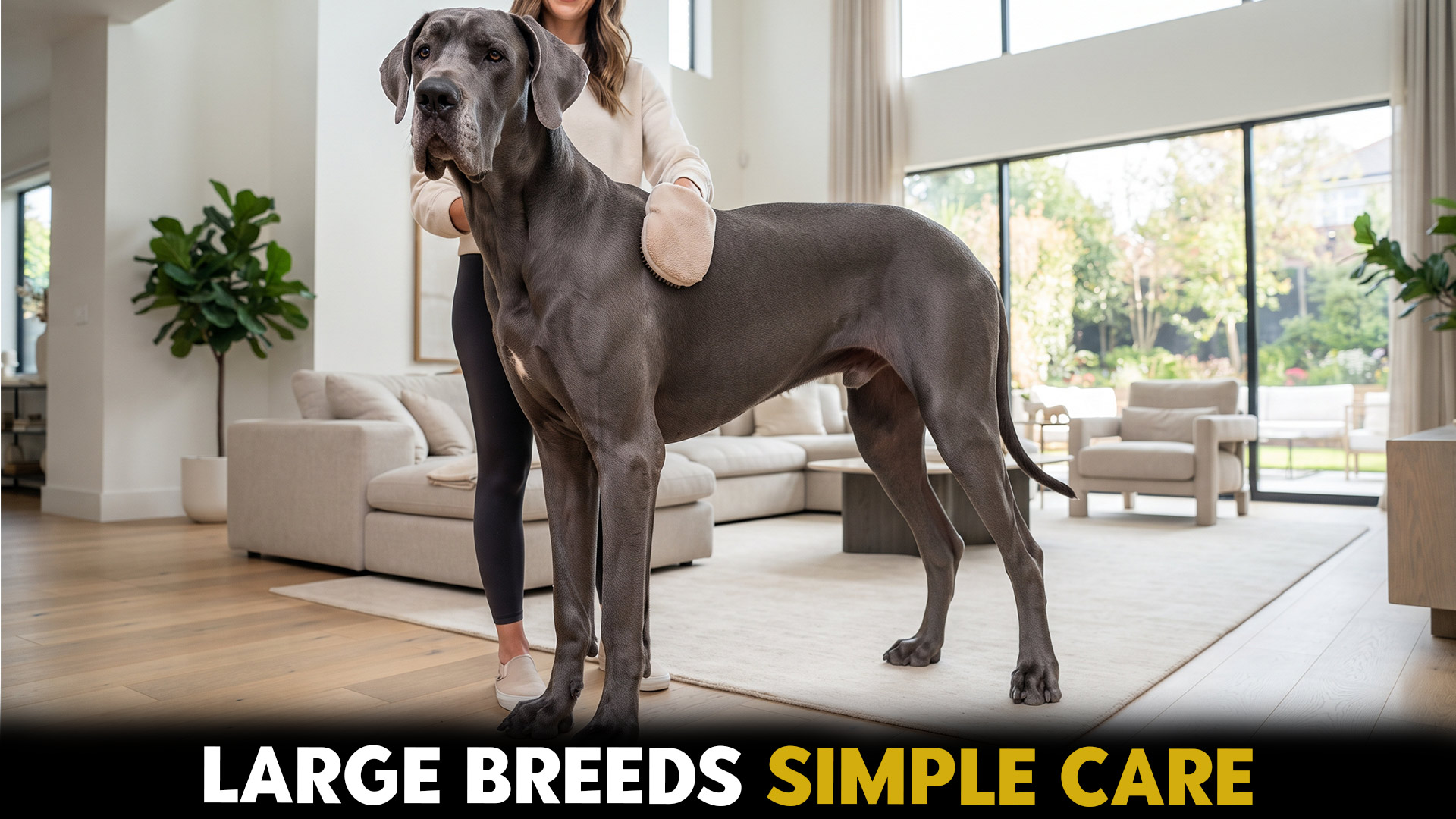
Large dogs have a way of making a lasting impression. Their size, confidence, and loyal nature make them wonderful companions, but many people assume that owning a big dog automatically means dealing with endless grooming and coat maintenance. Fortunately, that’s not always the case.
Many large dog breeds come with naturally short, sleek coats that are surprisingly easy to care for. A quick weekly brushing is often enough to keep their coat looking healthy and help manage loose hair around the house.
For busy families, first-time pet parents, and anyone who prefers a lower-maintenance pet, these dogs offer the perfect balance of companionship and convenience.
The best part is that easy-care coats don’t mean sacrificing personality. These dogs come in a wide range of temperaments, from laid-back couch companions to energetic outdoor adventurers.
In this article, we’ll introduce some of the best short-haired dog breeds and explore what makes each one such a fantastic addition to the right home.
Key Takeaways
Meet the Boerboel, Bullmastiff, and Great Dane with coats that are surprisingly easy to maintain.
Discover why the Doberman, Rhodesian Ridgeback, and Ibizan Hound are as practical as they are impressive.
Find out which short-haired giant best matches your home, lifestyle, and activity level.
Big dogs, less grooming—see which breed is your perfect fit.
Large Dog Breeds Sporting Easy-Care Short Hair
1. Boerboel
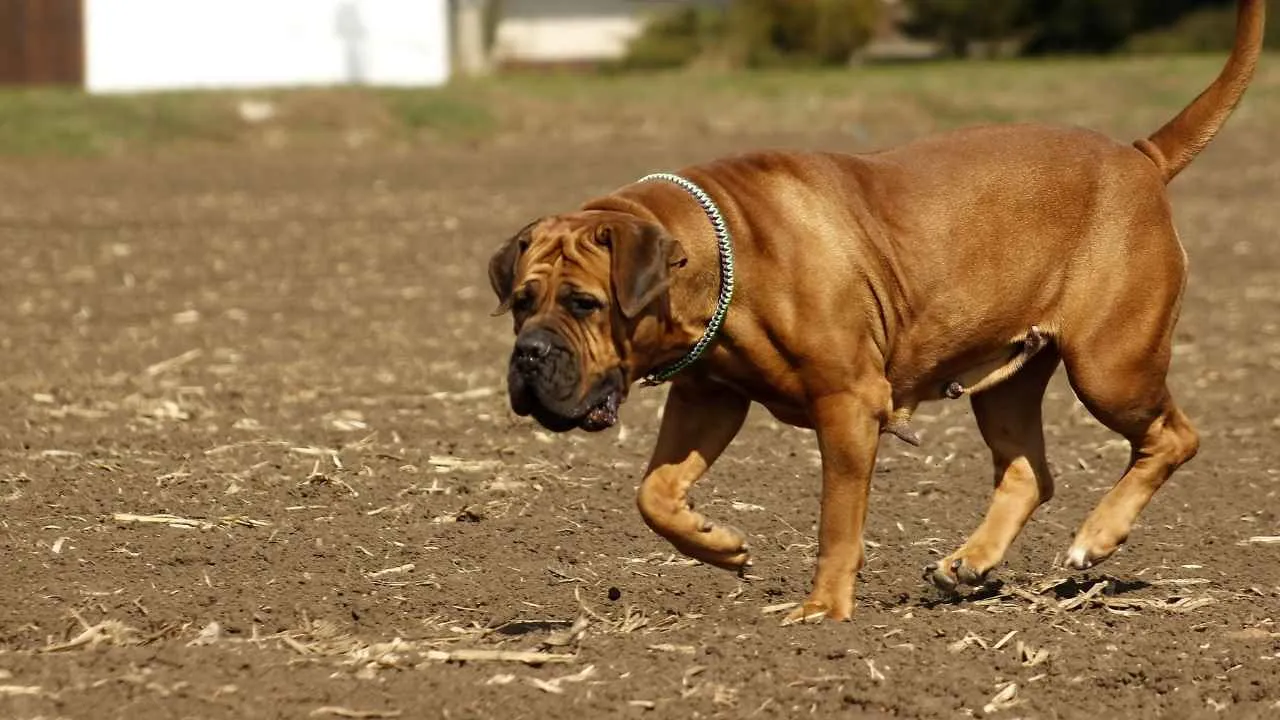
Originally developed in South Africa, Boerboels were bred to guard farms and protect families from dangerous predators.
According to the American Kennel Club, their name means “farmer’s dog,” reflecting the role they have played for centuries. Today, they are best known as loyal family protectors with a short, dense coat that is easy to maintain.
Temperament
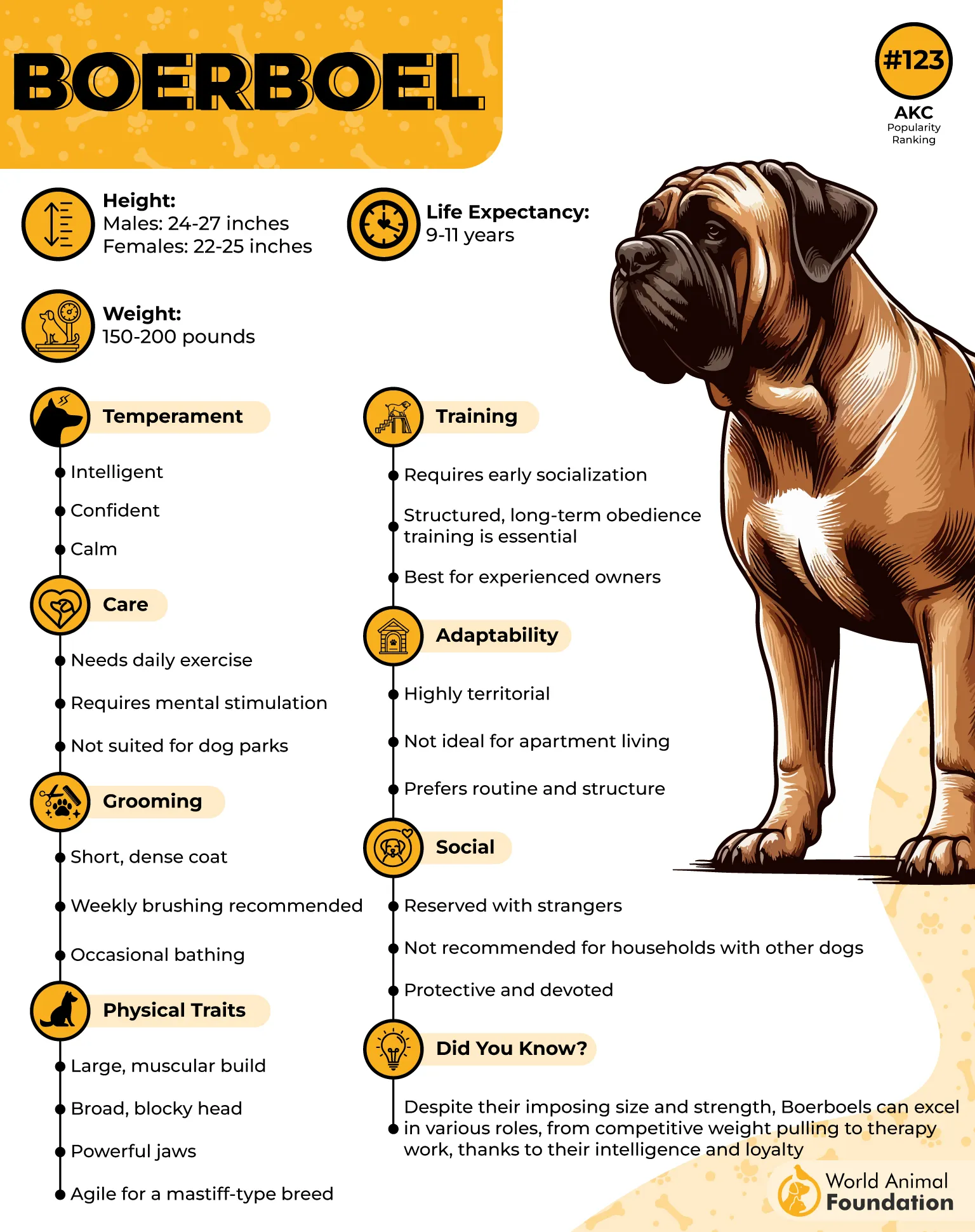
Boerboels are confident, intelligent, and deeply devoted to their families. They form strong bonds with their owners and are especially affectionate with children.
While they are naturally reserved around strangers, proper introductions, early socialization, and consistent training help them become well-mannered companions. Their protective instincts make them excellent watchdogs, but they also have a playful and gentle side at home.
Care
These large dogs need plenty of daily exercise and room to move. They also enjoy puzzle toys and other activities that keep their minds busy.
Their smooth, shiny coat only needs a weekly brushing to remove loose hair and keep it healthy, with baths required only when they get dirty. Boerboels are generally hardy dogs, though they can be prone to hip and elbow dysplasia, bloat, heart disease, eyelid conditions, and, in rare cases, juvenile epilepsy.
2. Doberman Pinscher
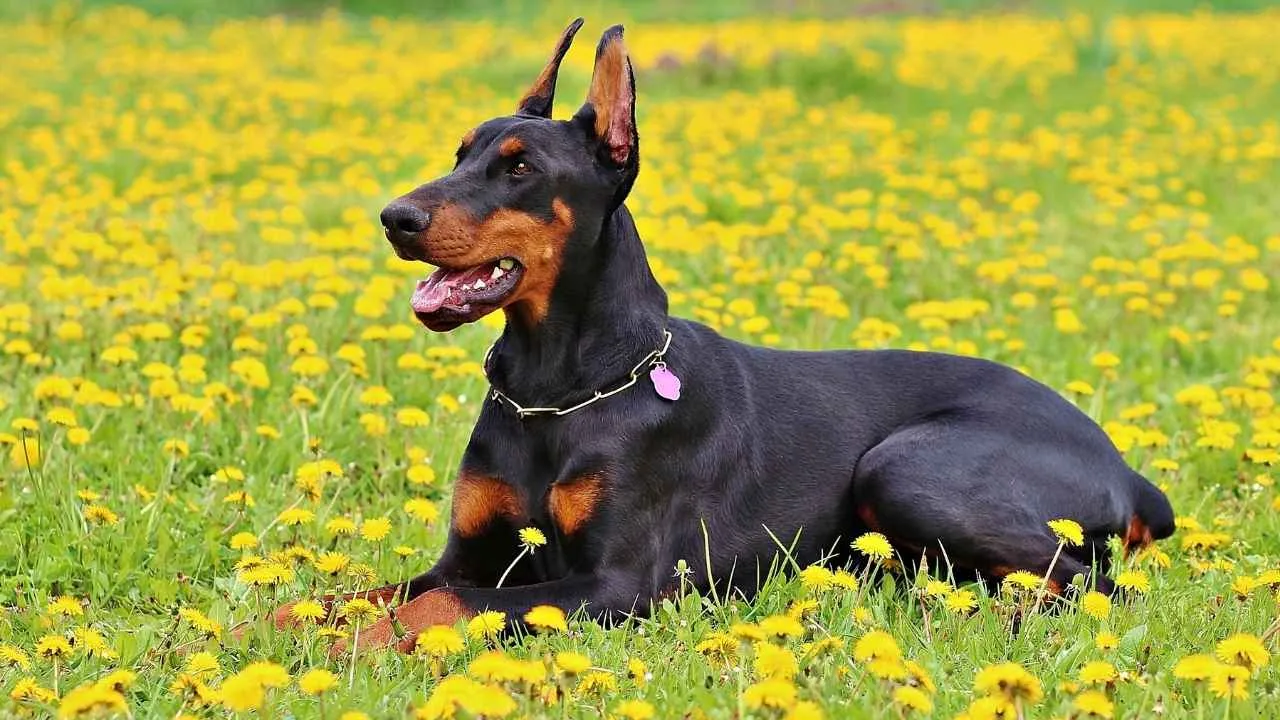
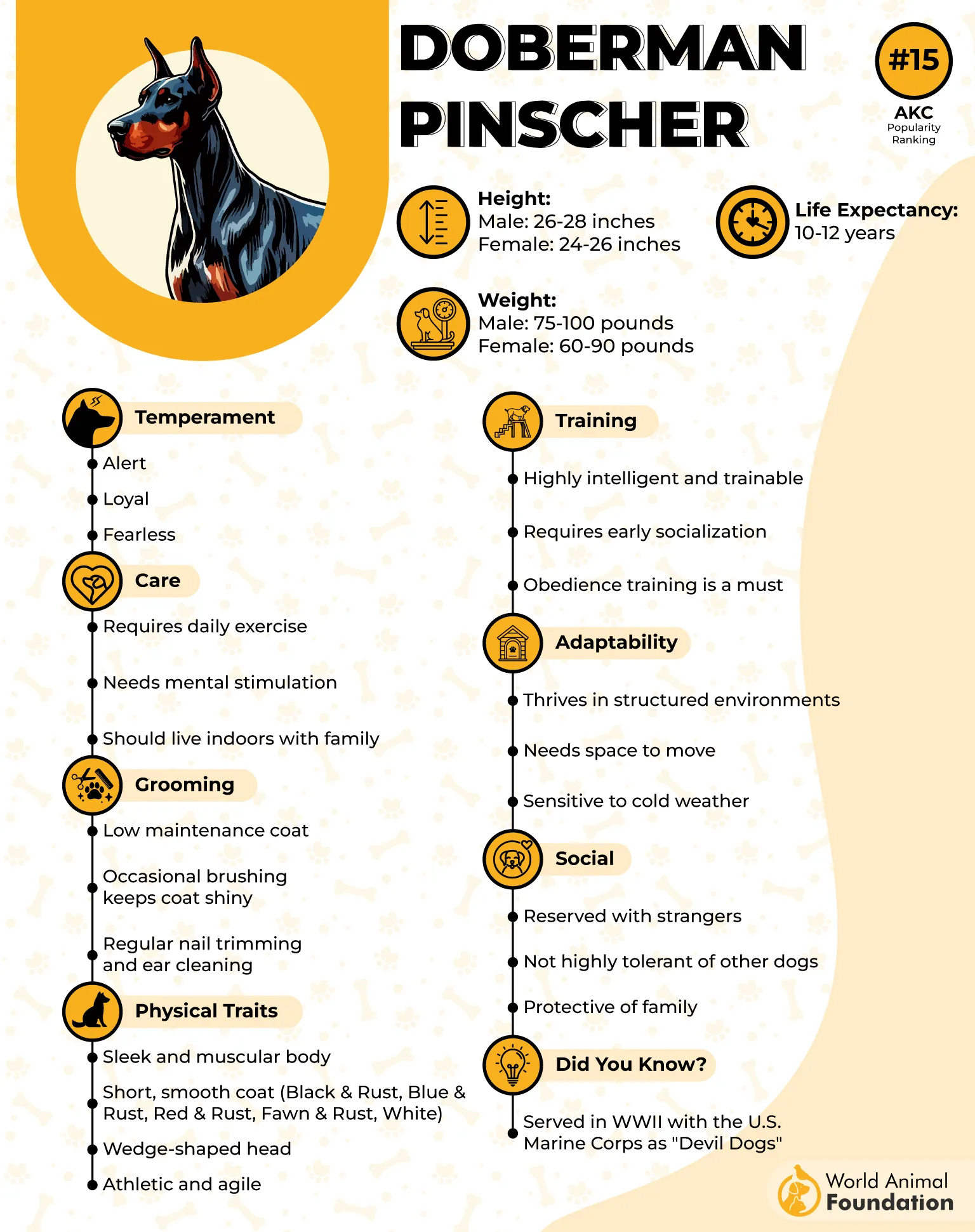
Originally developed in Germany as a working and protection dog, Doberman Pinschers are admired for their athletic build, intelligence, and unwavering loyalty.
Their sleek, short coat is one of the easiest to care for, making them a great choice for owners who want a large dog without the extra grooming effort. They come in black, red, blue, or fawn with distinctive rust markings, as noted by Doberman Planet.
Personality
Dobermans are alert, confident, and deeply attached to their families, often earning the nickname “Velcro dogs” because they love staying close to their people.
They excel in police work, search and rescue, and dog sports thanks to their quick minds and eagerness to learn. While they can be cautious around strangers, early socialization helps them grow into friendly and well-mannered companions.
Care
This breed thrives in active households where it has plenty of opportunities to run, train, and stay mentally engaged. Without enough exercise, Dobermans can become bored and develop unwanted behaviors.
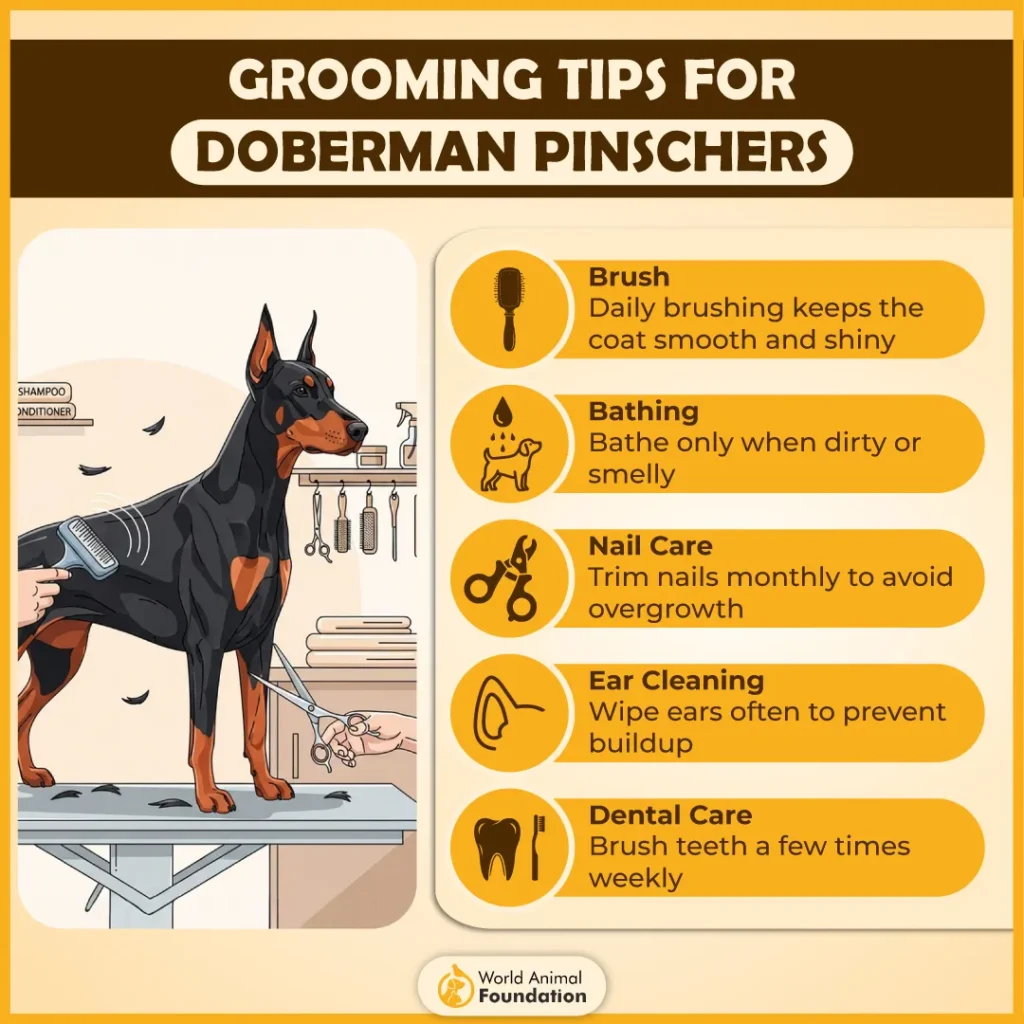
Their smooth coat only needs a quick brush once or twice a week and occasional baths to stay in great condition. Although generally healthy, they are more prone to conditions such as dilated cardiomyopathy (DCM), hip dysplasia, von Willebrand disease, and Wobbler syndrome.
3. Rhodesian Ridgeback
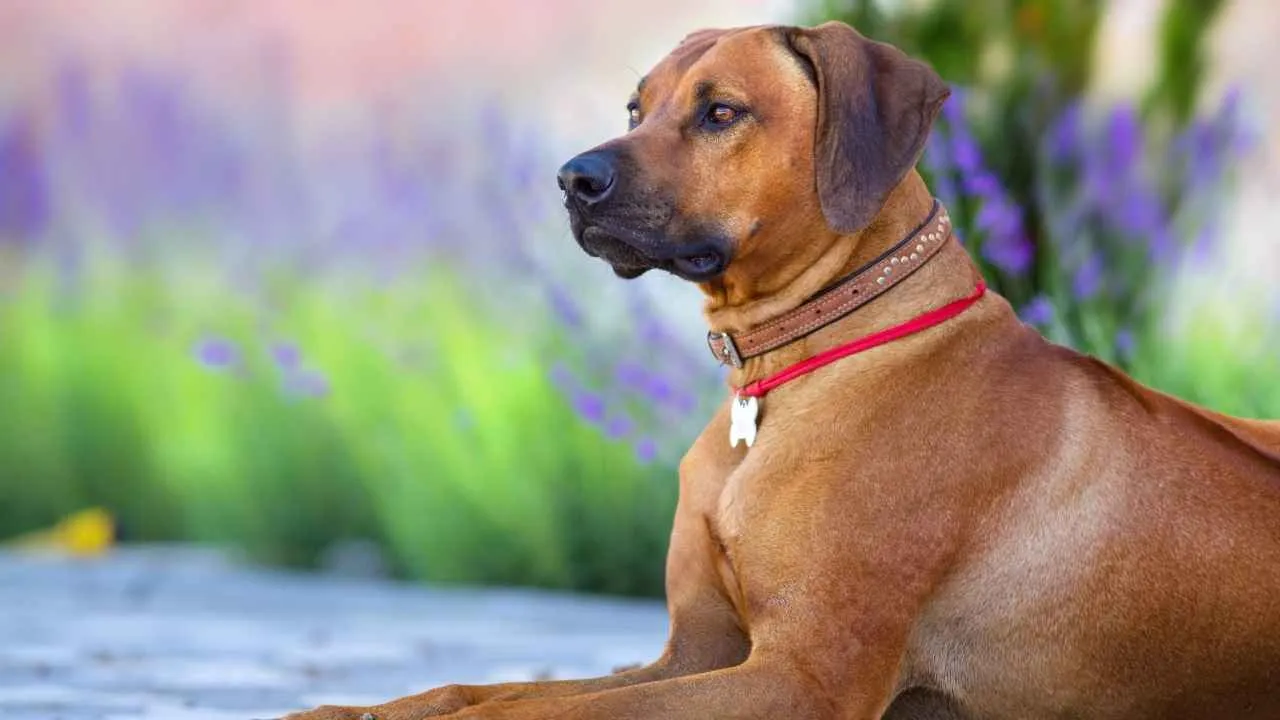
Rhodesian Ridgebacks were developed in southern Africa to track and corner large game, including lions. Their most recognizable feature is the narrow ridge of hair running along their back in the opposite direction of the rest of their coat.
Combined with their sleek, short fur, this gives the breed a unique appearance while keeping grooming simple.
Personality
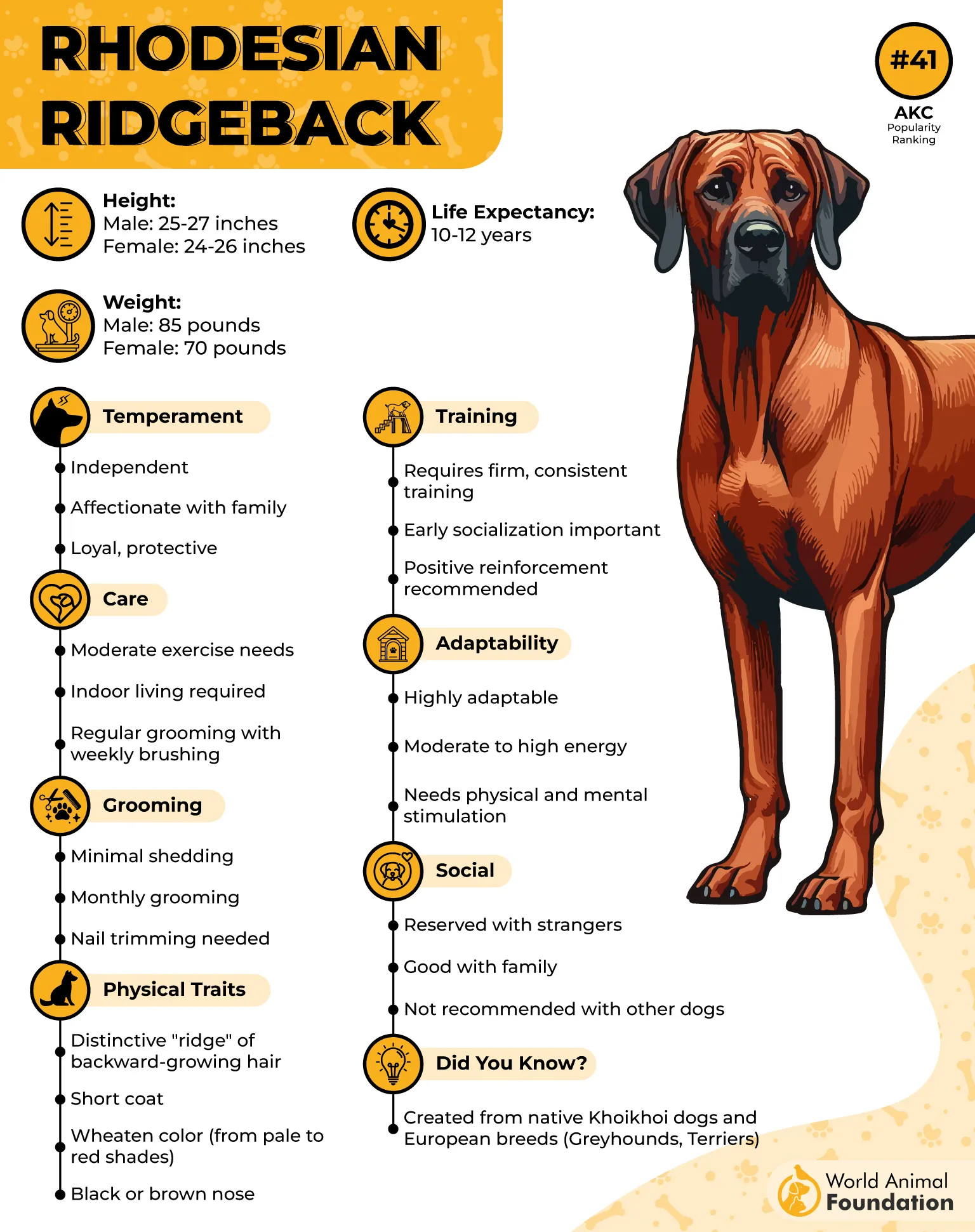
These dogs are calm, intelligent, and strongly devoted to their families. They usually form close bonds with their owners but tend to be reserved around unfamiliar people.
Originally bred as hunters, they also have a strong prey drive and may not be the best choice for homes with smaller pets. With patient training and early socialization, they grow into loyal and dependable companions.
Care
Rhodesian Ridgebacks are natural athletes with excellent stamina, so they enjoy activities like hiking, jogging, tracking, and agility. They also benefit from puzzle toys and mental stimulation to prevent boredom.
Their short coat only needs a weekly brushing and occasional baths to stay in good condition. The breed is generally healthy, but owners should be aware of conditions such as hip dysplasia, dermoid sinus, and certain eye problems.
4. Great Dane
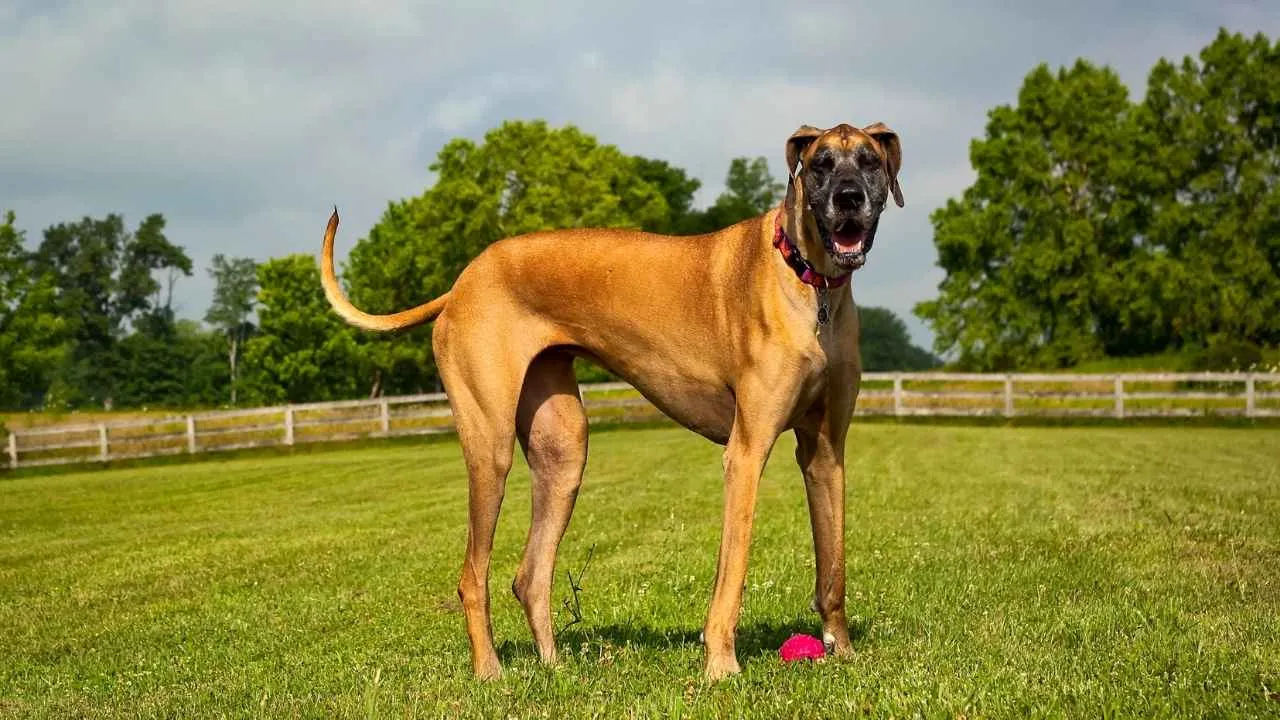
Despite their enormous size, Great Danes are best known for their calm, fun-loving, and even-tempered nature. Originally developed in Germany to hunt wild boar and guard estates, they later became trusted family companions.
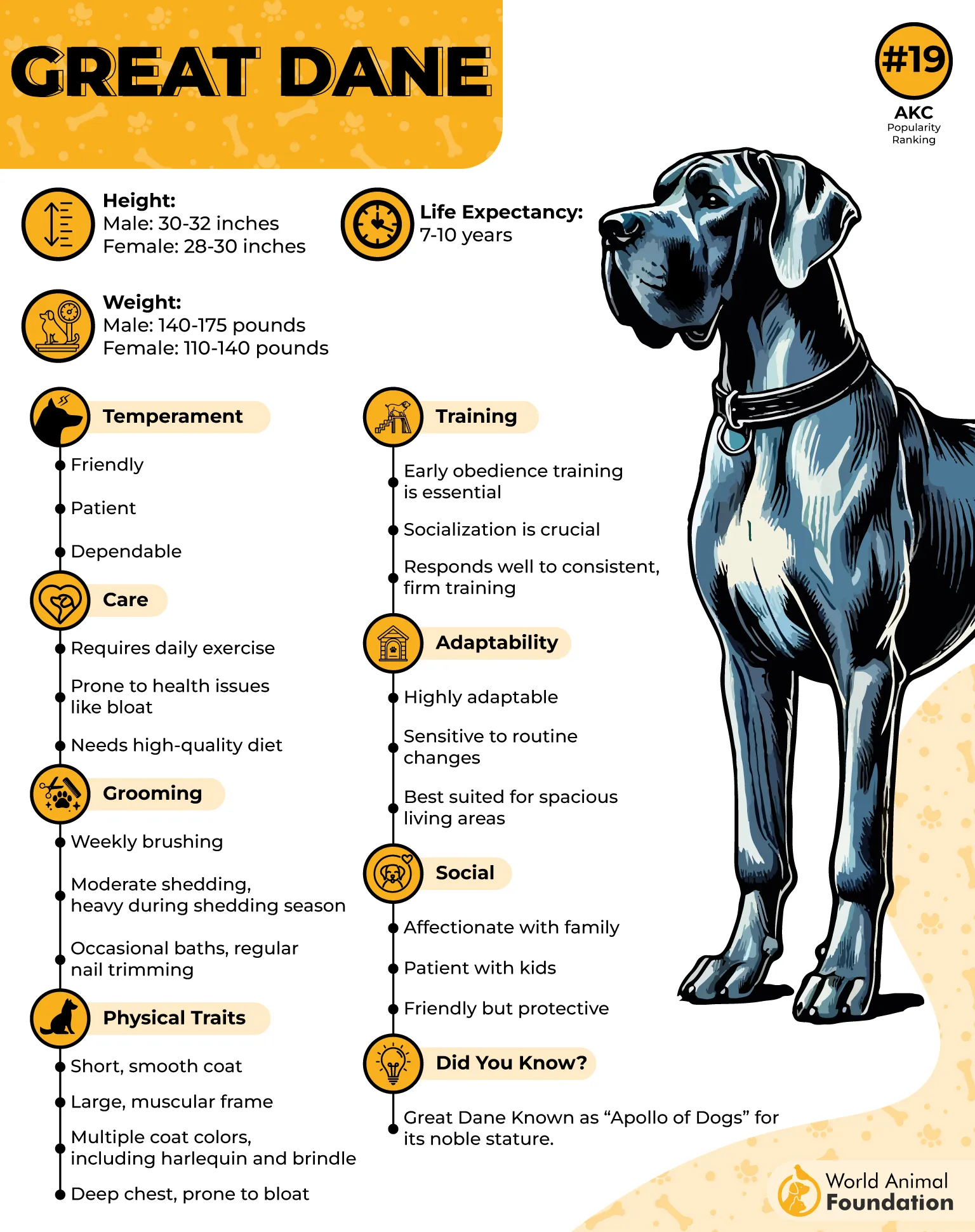
Often called the “Apollo of Dogs,” they combine an impressive presence with a short, easy-care coat that requires very little grooming.
Personality
Great Danes are quiet, patient, and enjoy spending time with their families. They are generally good with children and can live peacefully with other pets when raised together.
Although intelligent and quick to learn, they benefit from early training and socialization to help them grow into confident, well-mannered adults.
Care
Because of their giant size, these dogs need plenty of room to stretch, play, and move around comfortably. Regular walks and moderate daily exercise help keep them healthy without overworking their growing joints.
Their sleek coat only needs a weekly brush and occasional baths. Owners should also be aware that the breed has a shorter lifespan than many large dogs and is more prone to bloat, making proper feeding routines especially important.
5. Dogue De Bordeaux
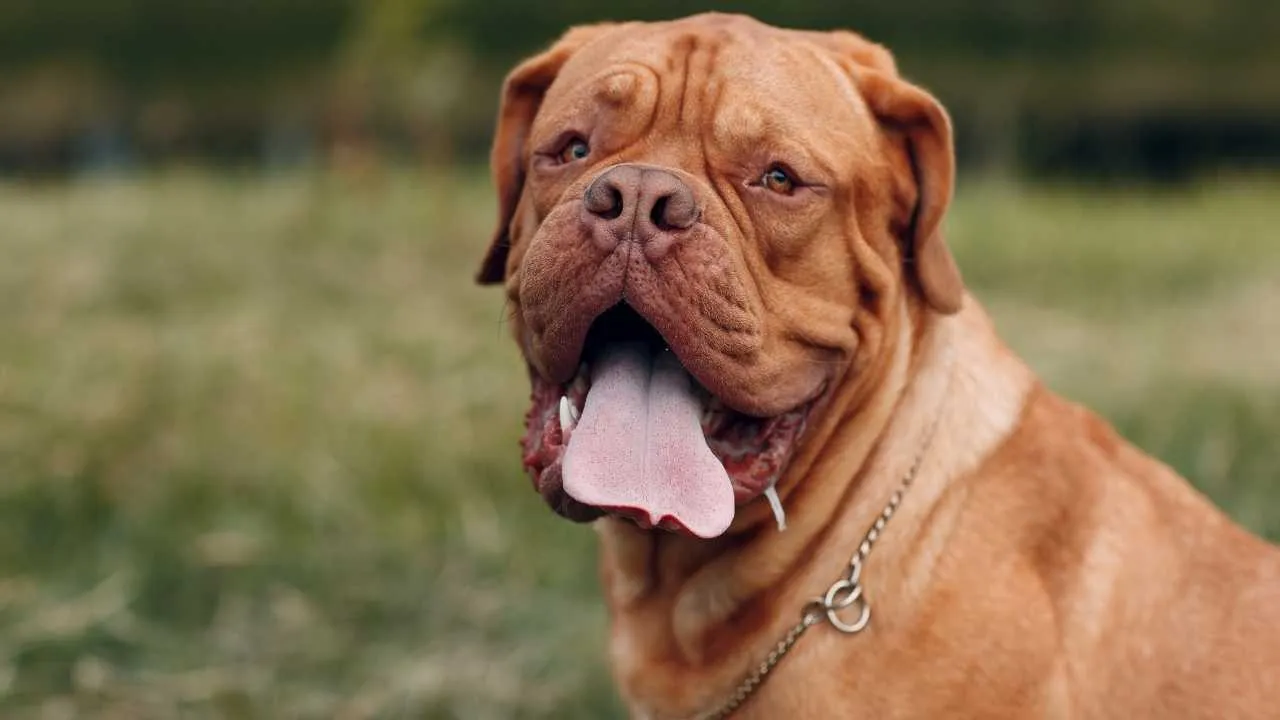
The Dogue de Bordeaux, also known as the French Mastiff, is one of France’s oldest dog breeds. Originally used to guard estates, pull carts, and hunt large game, this muscular breed has been a dependable working companion for centuries.
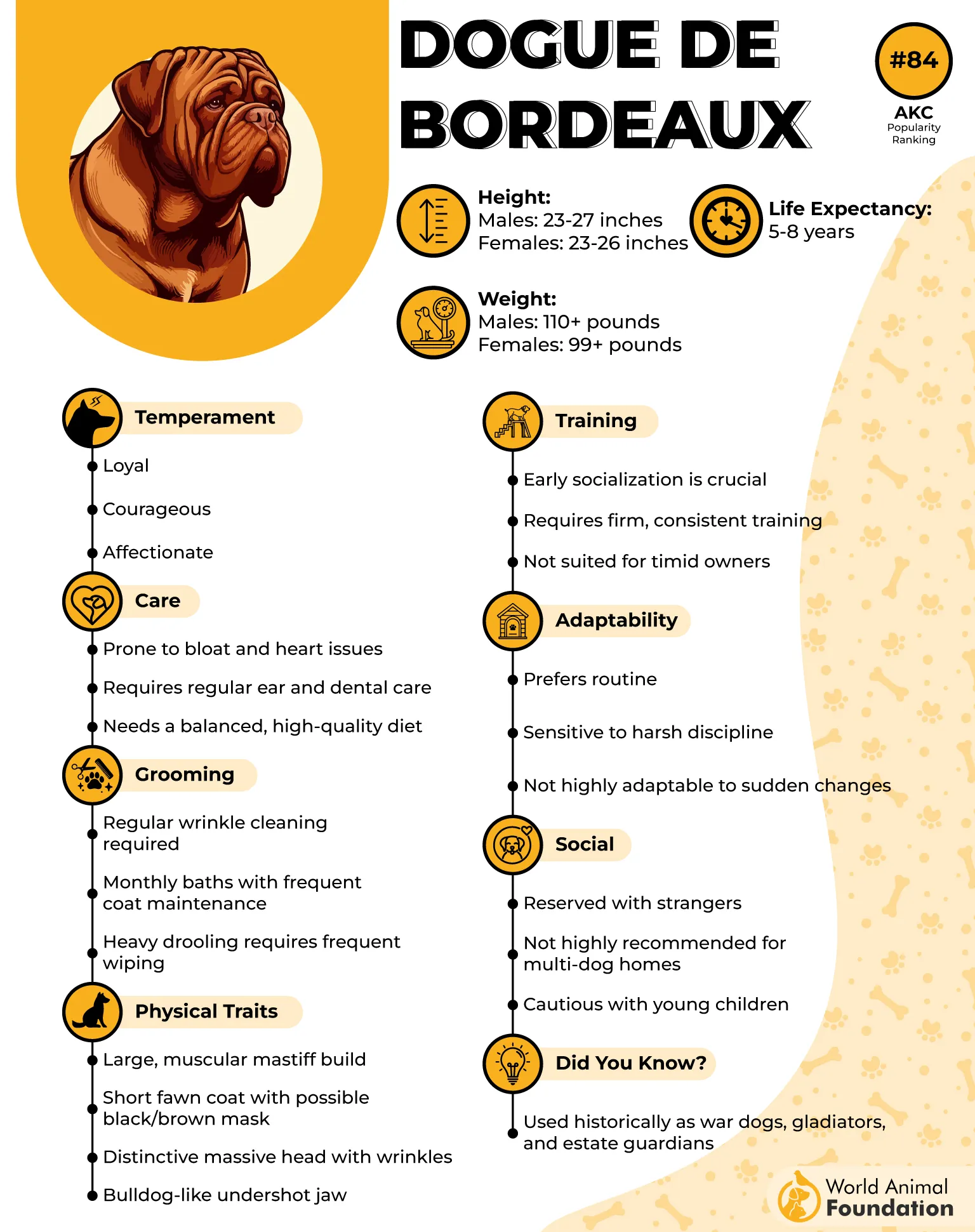
Despite its imposing appearance, its short, dense coat is easy to maintain and doesn’t require frequent grooming.
Personality
Dogues de Bordeaux are calm, patient, and incredibly devoted to their families. They enjoy being close to their owners and often think they’re lap dogs, despite their massive size.
Naturally protective, they are usually cautious around strangers but are not aggressive without reason. Early socialization and consistent training help them become confident, well-mannered companions, especially around other dogs.
Care
This breed enjoys moderate daily exercise and is happiest with regular walks and playtime rather than intense activities. Their short coat only needs weekly brushing, but owners should be prepared for one thing: lots of drool.
Cleaning their facial folds regularly also helps keep their skin healthy. Dogues de Bordeaux can be prone to hip and elbow dysplasia, bloat, breathing difficulties, eye conditions, and skin fold infections, making routine veterinary care especially important.
6. Ibizan Hound
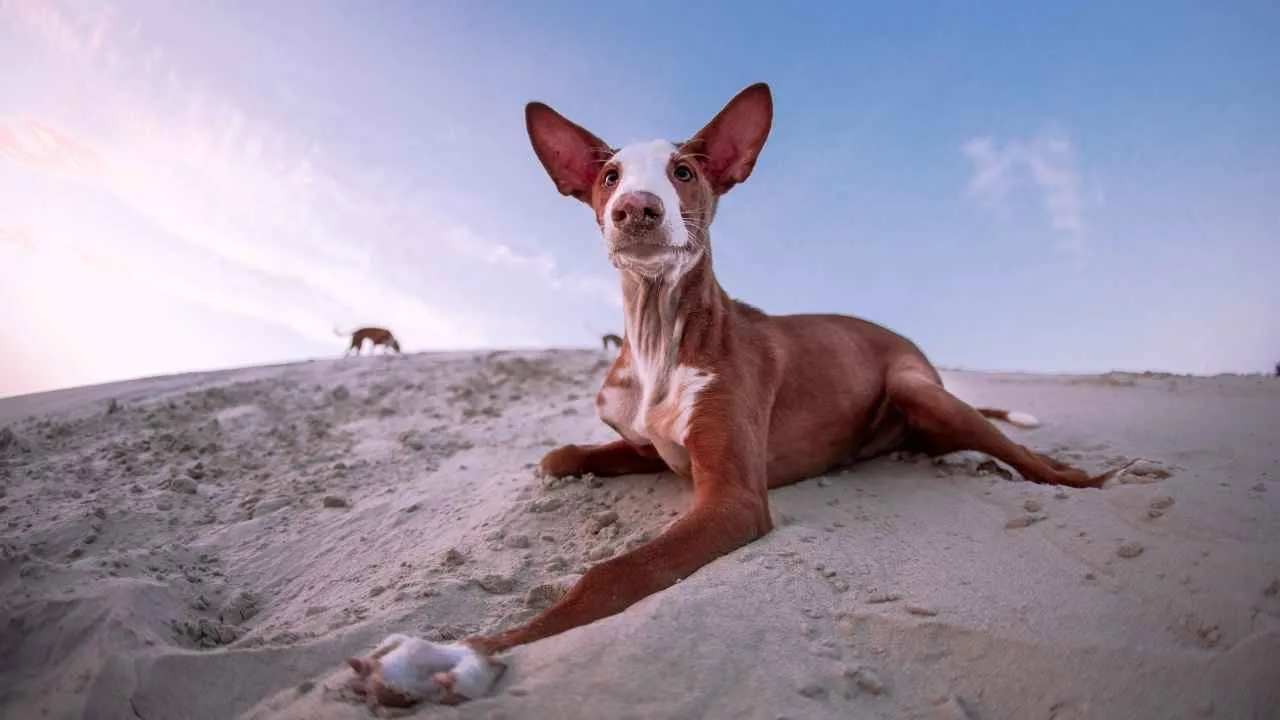
Originating on the Mediterranean island of Ibiza, the Ibizan Hound was bred to hunt rabbits across rocky terrain using its sharp sight, hearing, and keen sense of smell.
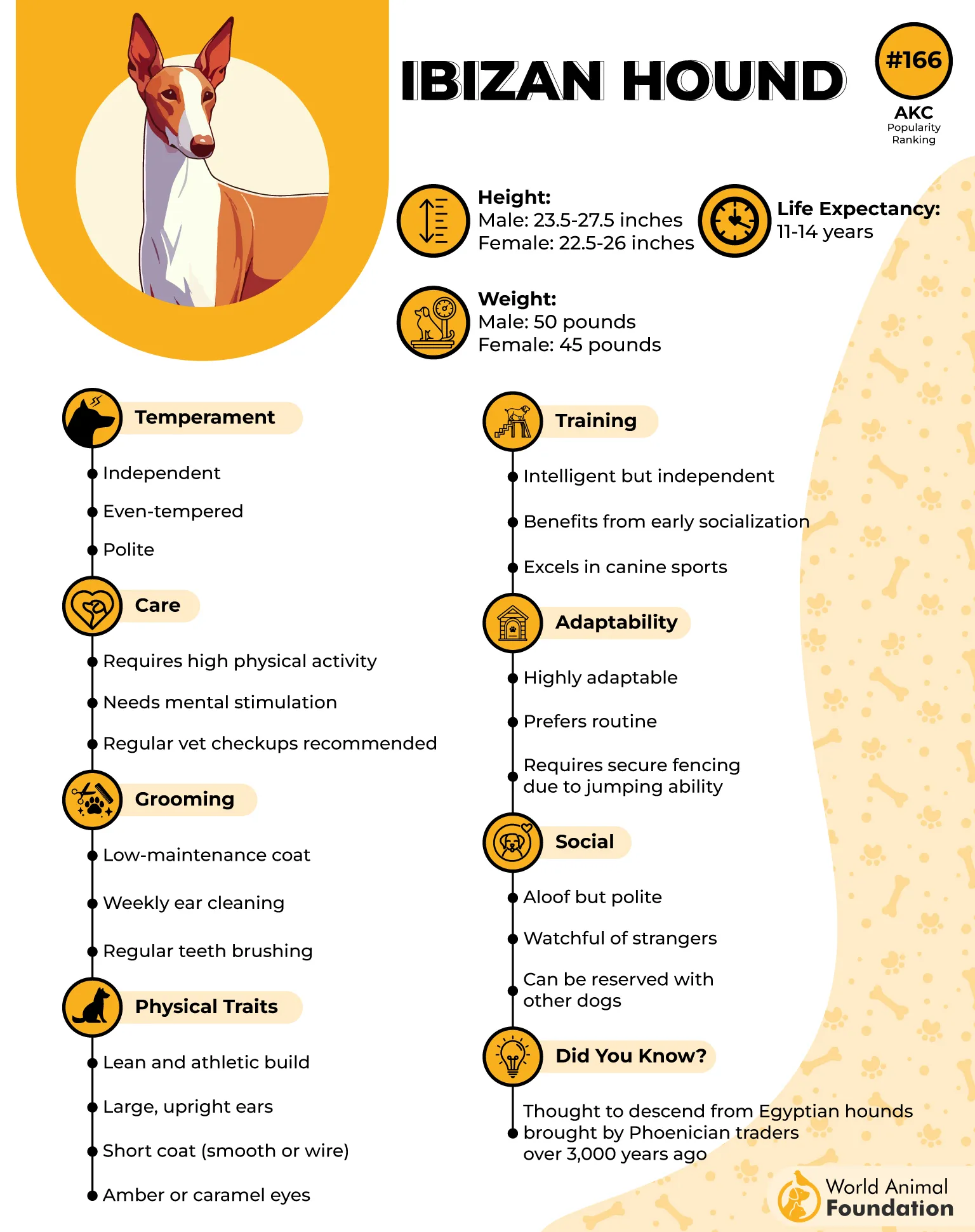
This rare breed is instantly recognizable by its tall, upright ears and elegant build. Its short, smooth coat is also refreshingly low-maintenance, making grooming quick and simple.
Personality
Ibizan Hounds have a unique mix of independence and affection. They enjoy relaxing with their families but are always ready to sprint after anything that catches their attention.
Gentle with children and friendly with other dogs, they can be reserved around strangers and have a strong instinct to chase small animals. Positive, consistent training works best with this intelligent but free-thinking breed.
Care
These athletic dogs need plenty of opportunities to run, play, and burn off energy each day. Once their exercise needs are met, they are usually calm and quiet around the house.
The short coat only requires weekly brushing and occasional baths to stay in good condition. Ibizan Hounds are generally healthy, although they can be prone to hip dysplasia, hypothyroidism, congenital deafness, and certain inherited eye conditions.
7. Bullmastiff
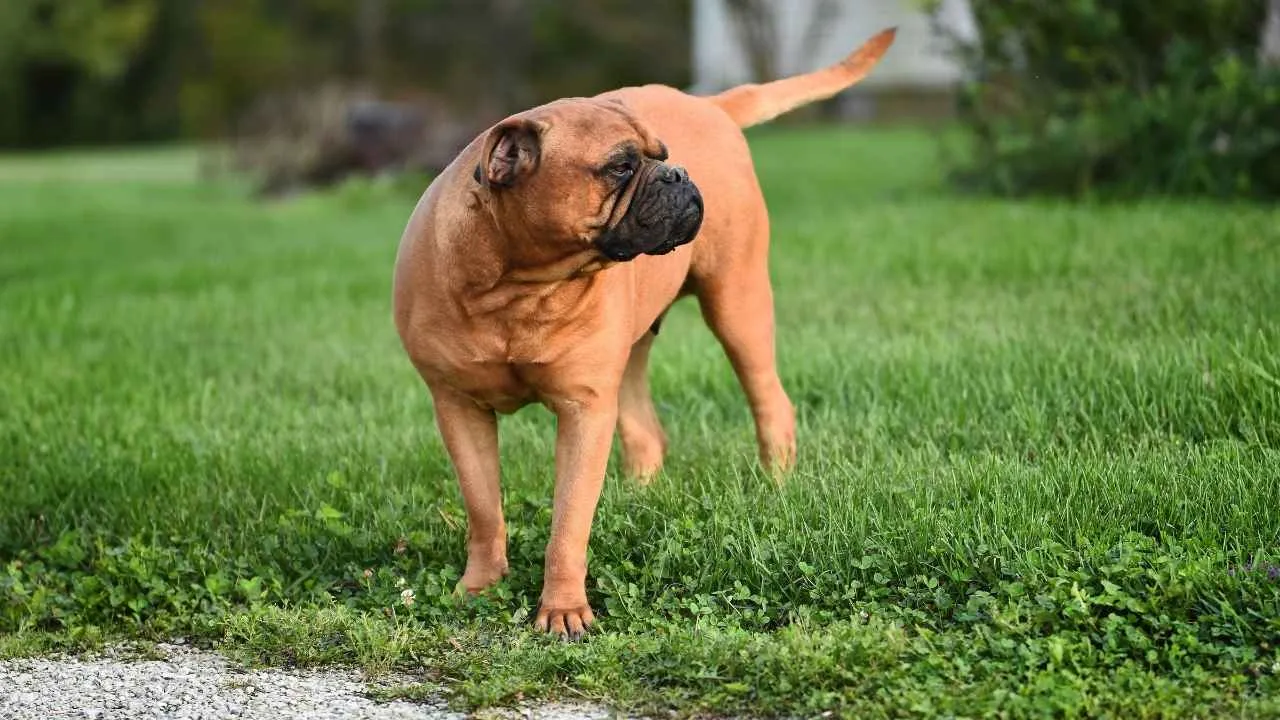
Developed in England during the 19th century, the Bullmastiff was created by crossing the Bulldog with the Mastiff to help gamekeepers guard large estates against poachers, according to Orvis.
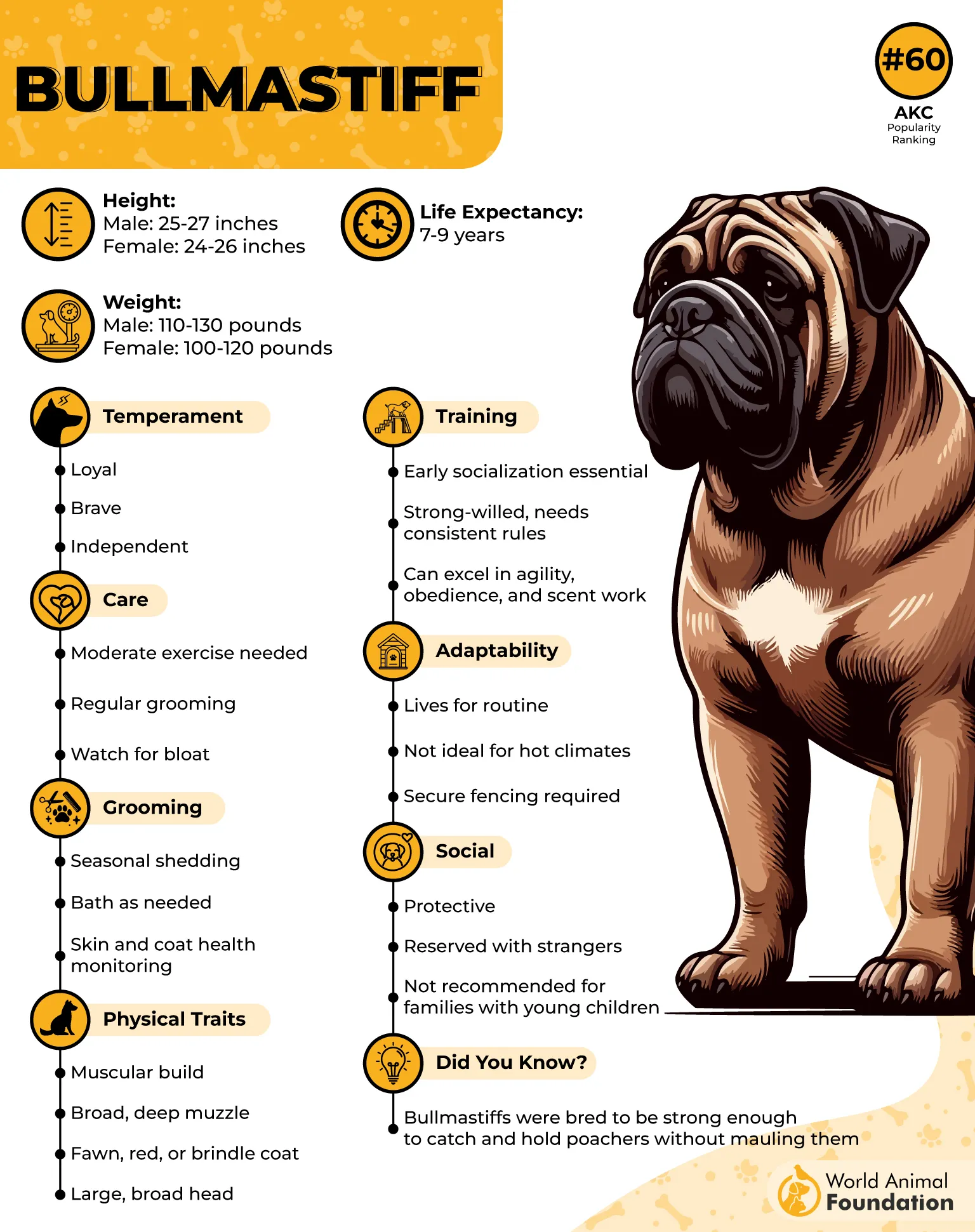
Bred to be powerful, fearless, and obedient, this giant breed combines impressive strength with a calm nature. Its short, dense coat is easy to maintain and comes in fawn, red, or brindle.
Personality
Bullmastiffs are loyal, affectionate, and devoted to their families. Despite their imposing size, they are gentle with children and generally calm indoors.
They can be naturally reserved around strangers, making early socialization essential. Intelligent but sometimes strong-willed, Bullmastiffs respond best to patient, positive, and consistent training from an early age.
Care
Bullmastiffs need daily walks and moderate exercise to stay healthy, but they are not built for long-distance running. Their short coat requires only occasional brushing, though their droopy jowls often need regular cleaning to manage drool.
This breed is prone to health issues such as hip and elbow dysplasia, bloat (GDV), certain eye conditions, allergies, and a relatively short life span, making regular veterinary care especially important.
Conclusion
The best low-maintenance short-haired breeds prove that you don’t have to sacrifice size to enjoy an easygoing companion.
From gentle giants with simple grooming needs to calm breeds that thrive with moderate exercise, there’s a big dog to suit many different lifestyles. Understanding each breed’s personality, energy level, and care requirements is the key to finding the perfect match.
Before bringing home any large dog, consider the time, space, and commitment they need to live happy, healthy lives. With the right breed and proper care, you’ll gain a loyal companion whose love and companionship will far outweigh the extra space they take up in your home.
