




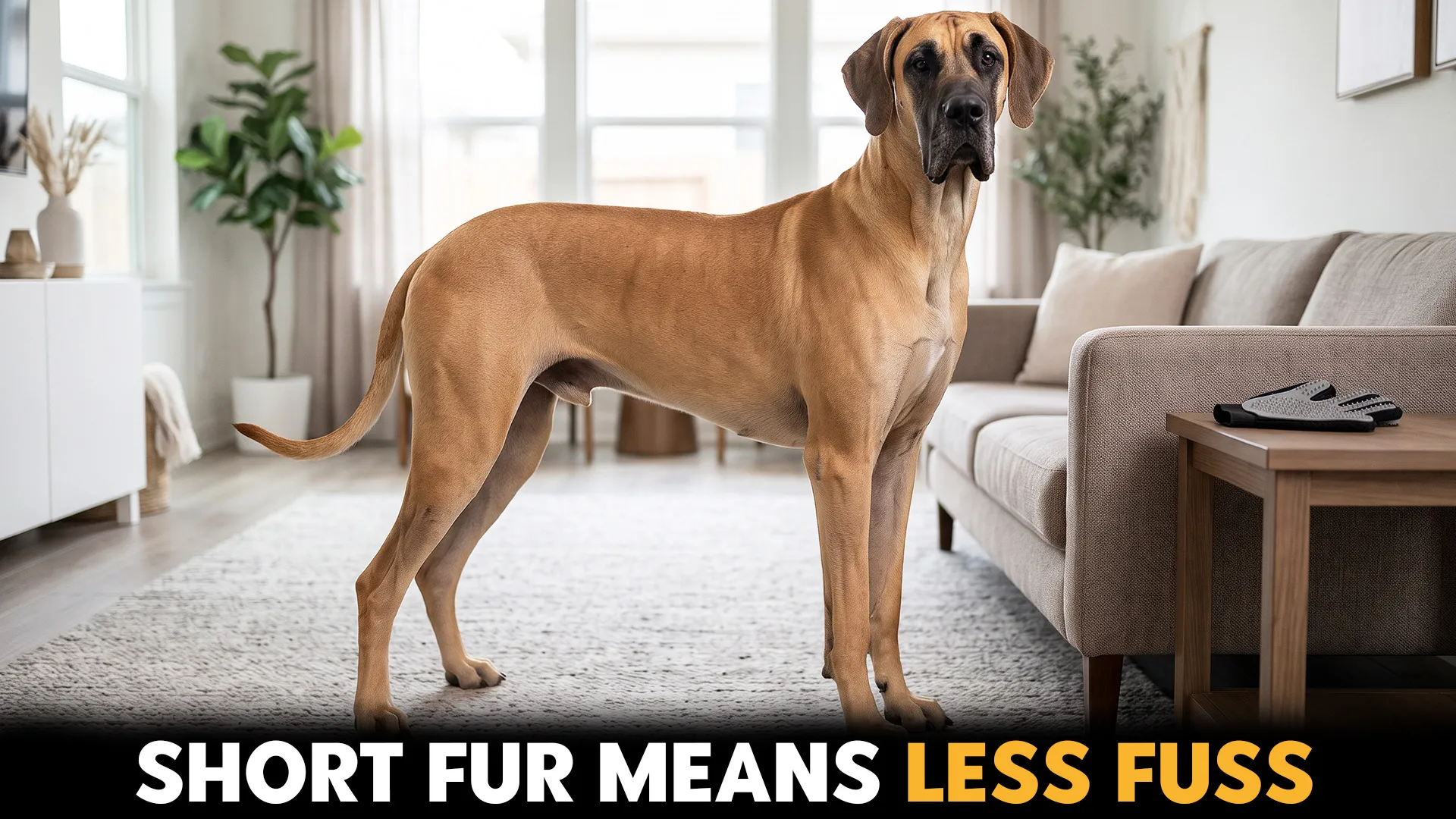
Love big dogs but not exactly thrilled about spending half your weekend detangling fur? You’re in luck: some of the most impressive canine giants have surprisingly straightforward hairstyles. Some breeds rock sleek, short coats that show off their powerful builds without requiring complicated haircuts or endless salon appointments.
But don’t confuse short fur with boring fur because these dogs have plenty of coat personality. Some have glossy, almost satin-like hair that reflects light beautifully, while others sport dense, slightly coarse coats designed to protect their skin during demanding outdoor activities.
Their colors range from dramatic jet black and rich mahogany to golden fawn, steel gray, and striking brindle patterns, giving every breed a signature look.
Let’s explore seven magnificent large dog breeds whose simple, short fur proves that sometimes the coolest hairstyles require the least styling.
Large Dog Breeds Boasting Simple, Short Fur
1. Great Dane
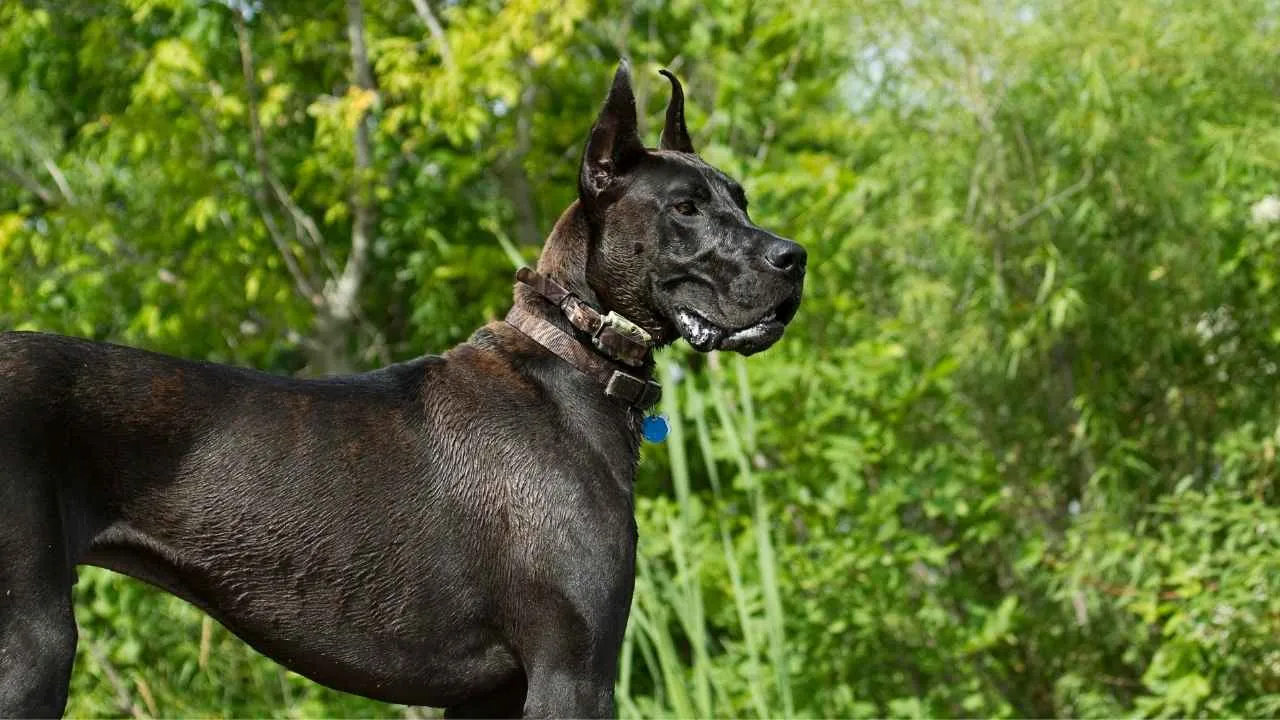
The Great Dane is basically a supermodel trapped inside a giant dog’s body, complete with long legs, a majestic posture, and an effortlessly sleek hairstyle. Nicknamed the Apollo of Dogs, this German giant has a smooth, close-fitting coat that highlights its muscular silhouette.
This dog’s coat is appealing for its remarkably short, thick, glossy texture. The hair lies flat against the body, following the contours of the shoulders, chest, and powerful hindquarters without creating unnecessary volume.
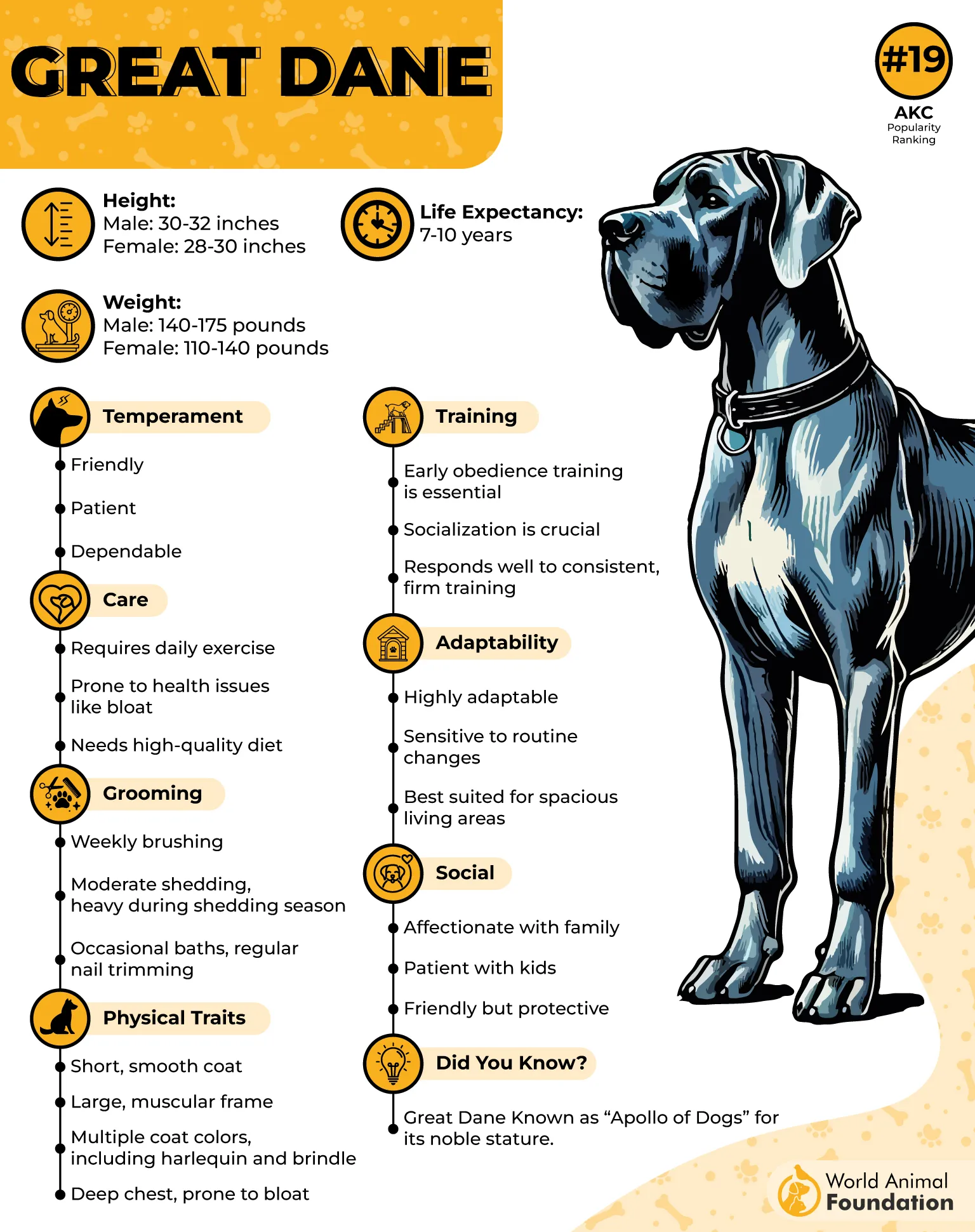
They also bring an impressive variety of colors and patterns to the world of short-haired dogs. Fawn coats often feature warm golden shades with striking black facial masks, while blue Danes display an elegant steel-gray color that looks almost metallic in sunlight.
Grooming this truly gentle giant is refreshingly simple compared with maintaining the long coats of giant fluffy breeds. The AKC recommends brushing weekly with a medium-bristle brush, rubber grooming mitt, or hound glove to remove loose hair and distribute natural skin oils.
2. Rottweiler
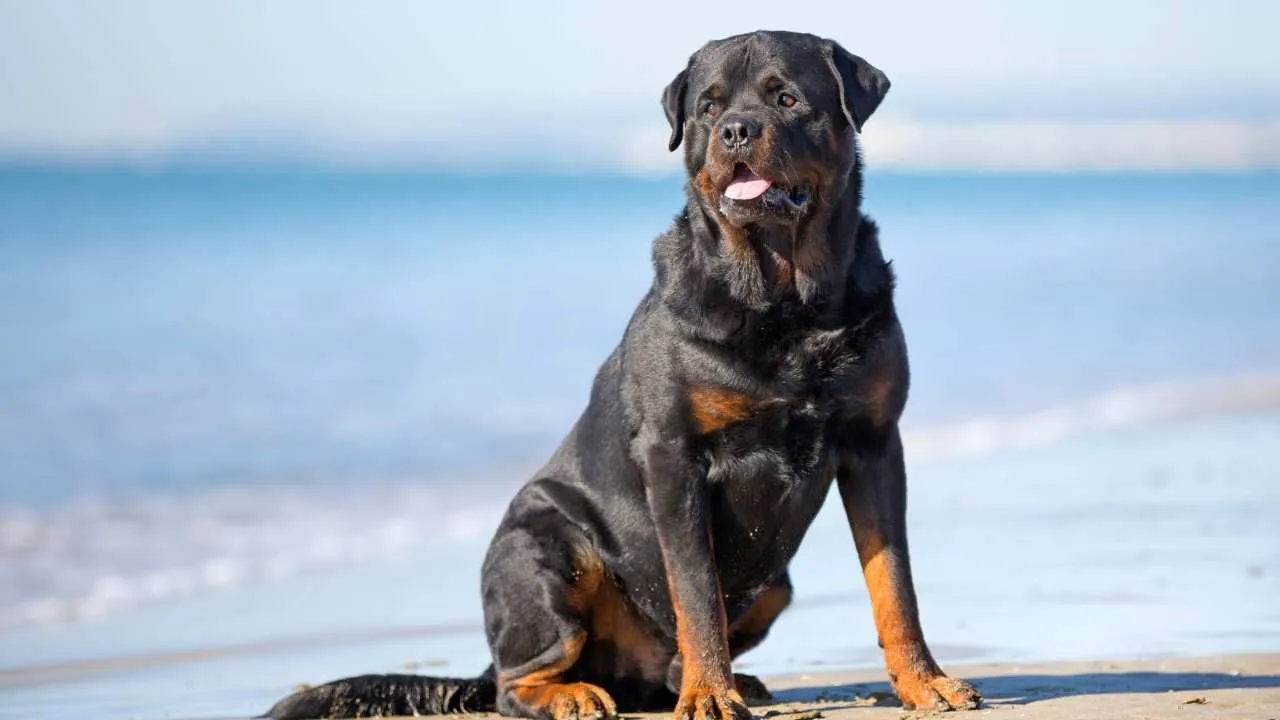
With its muscular frame, broad shoulders, and striking black-and-rust coloring, the Rottweiler is one of the most recognizable breeds in the dog world. Its coat stays close to the body, keeping the strong contours of the chest, back, and legs visible without long hair getting in the way.
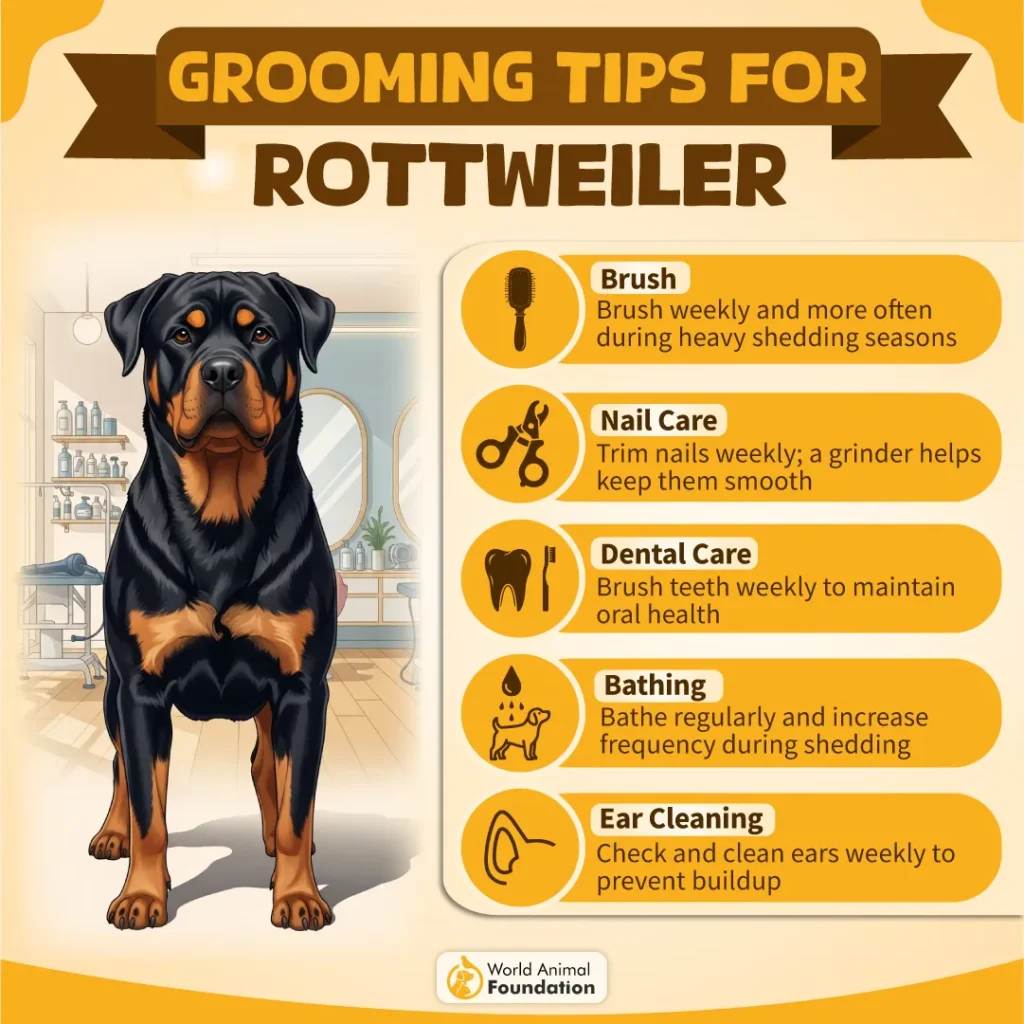
Here’s an interesting detail: the Rottweiler has a short-to-medium-length double coat. The straight, coarse outer hairs lie flat against the body, while the undercoat is especially visible around the neck and thighs.
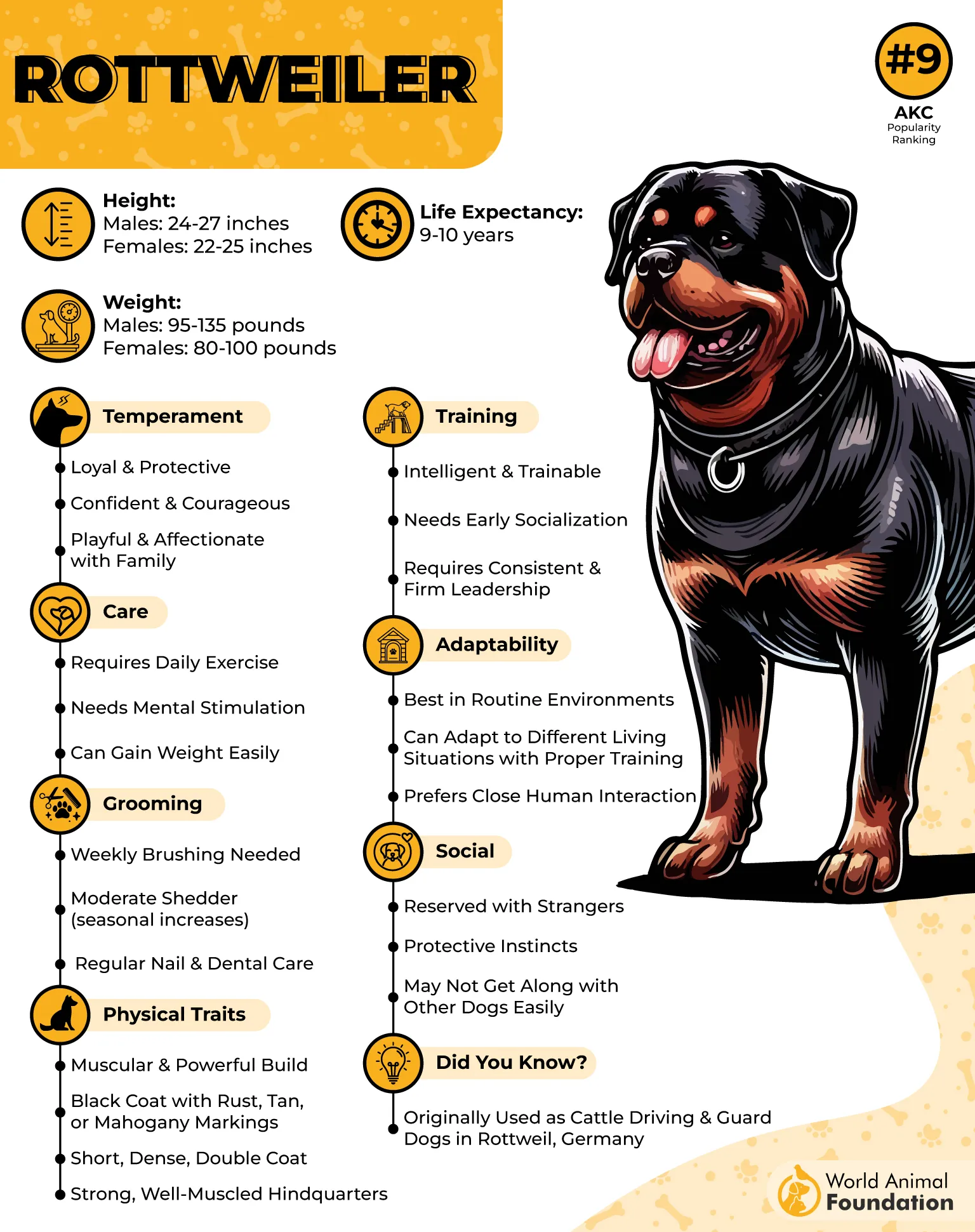
Its color pattern is surprisingly specific: a predominantly black coat decorated with clearly defined rust-to-mahogany markings. These warm accents appear above the eyes, around the muzzle, on the chest, and along parts of the legs, creating a distinctive look that almost resembles a tailored uniform.
Despite its practical coat length, a Rottweiler can release more loose hair than people expect because of that hidden insulating undercoat. Brush weekly for routine maintenance, with extra attention in spring and autumn when shedding typically increases.
3. Cane Corso
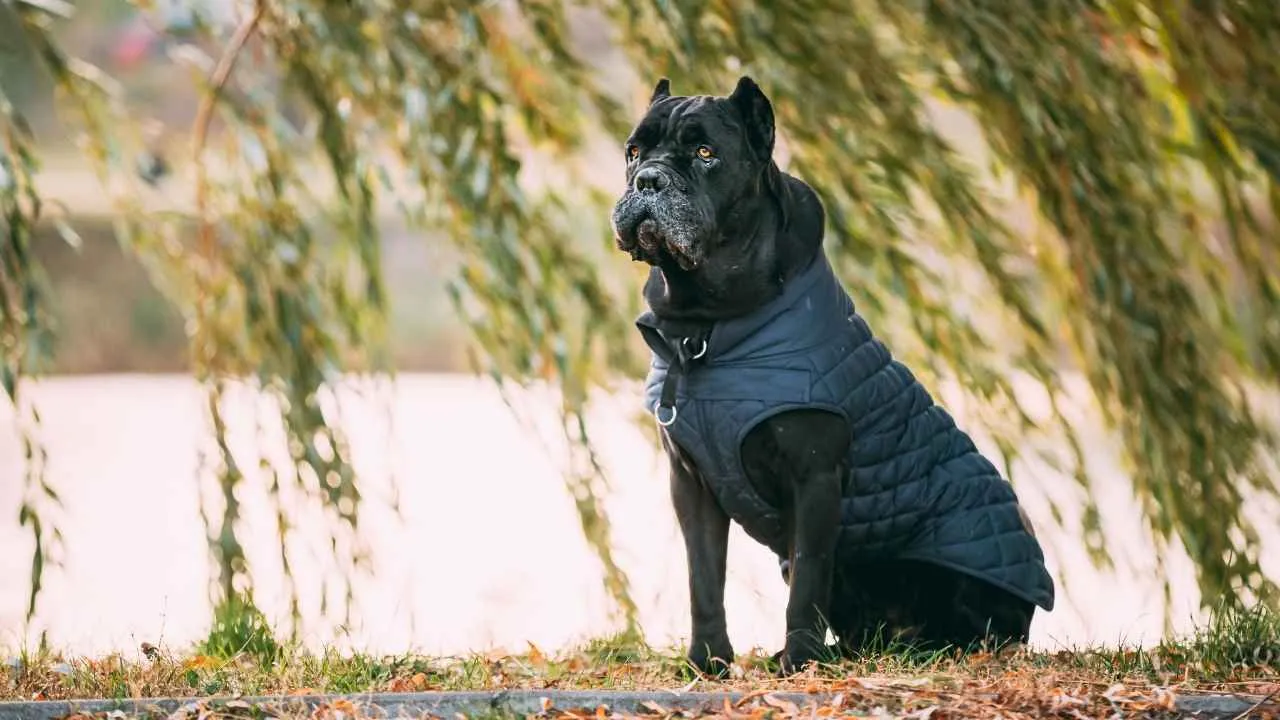
The Cane Corso has serious ancient-gladiator energy, with a massive head, impressive muscles, and a sleek coat that makes every movement look powerful. Originating in Italy, this confident mastiff-type dog developed through generations of guarding, farm work, and other physically demanding responsibilities.
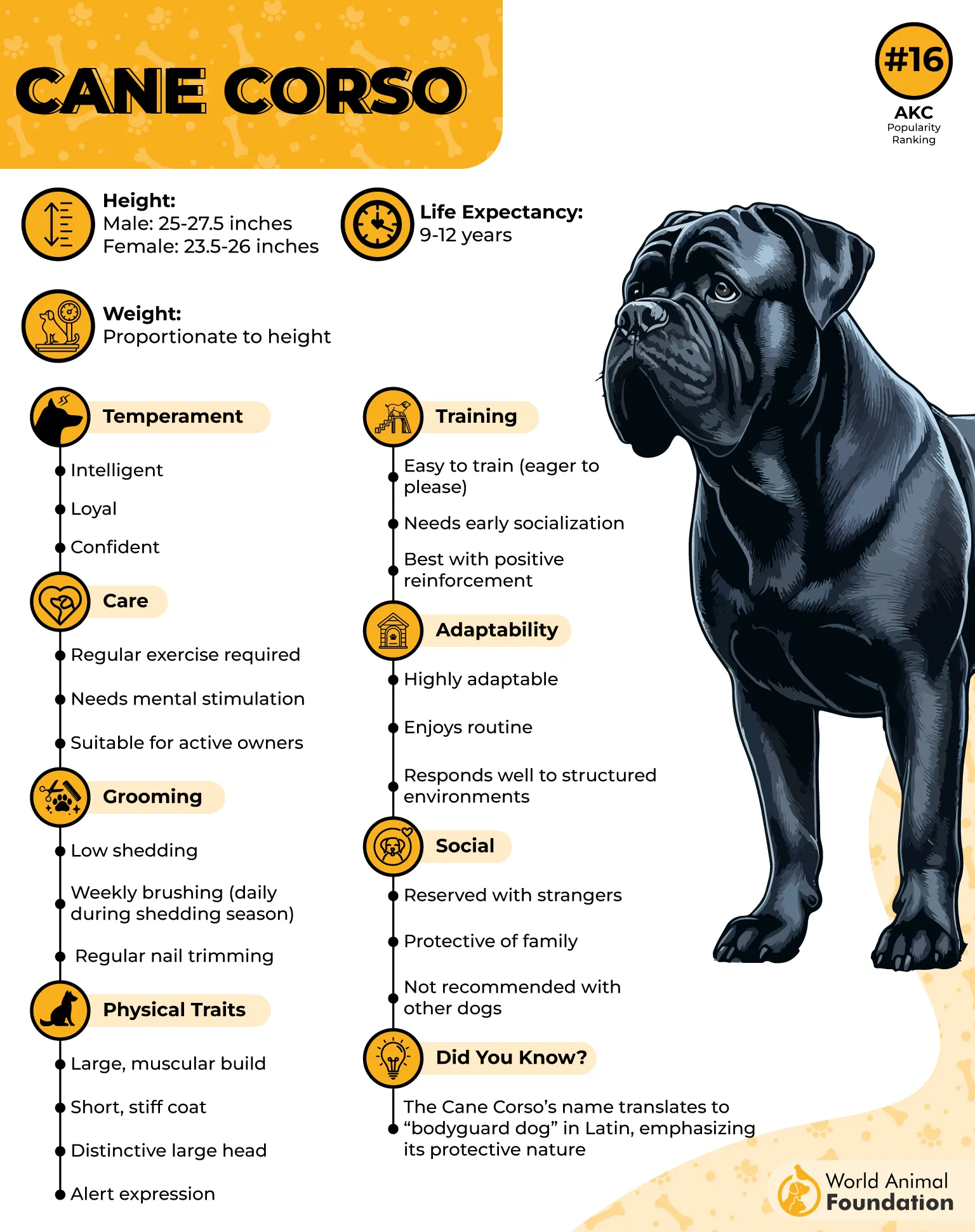
One of the Cane Corso’s most distinctive physical features is its short, dense coat, which feels firmer and coarser than the silky-looking fur of some other large breeds. PDSA describes that the hair lies close to the skin, creating a clean, athletic silhouette that emphasizes the shoulders, muscular thighs, and broad chest.
Unlike a Great Dane’s especially smooth finish, the Corso’s short coat has a more substantial texture suited to its traditional working background.
Cane Corsos appear in several beautiful colors, including black, gray, fawn, red, and different brindle combinations. Black individuals can look almost sculpted from dark stone, while gray Corsos display cool charcoal or slate tones that emphasize their imposing structure.
4. Mastiff
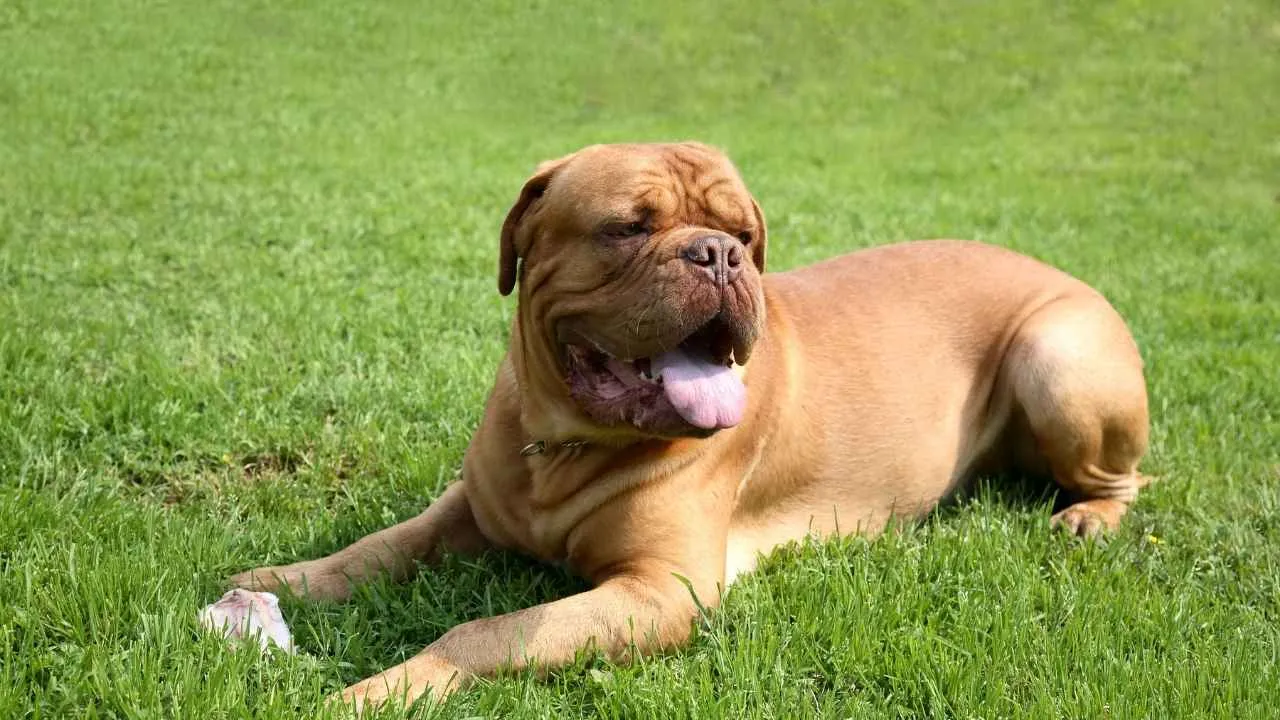
The Mastiff, also known as the English Mastiff, is basically a gentle giant wearing the canine equivalent of a simple, perfectly fitted T-shirt. With its enormous head, broad chest, and powerful body, this historic British breed has all the physical drama it needs without adding an elaborate hairstyle.
The Mastiff’s short, dense fur lies close to its enormous body, giving the coat a smooth appearance while retaining a slightly firm texture. Unlike heavily feathered breeds, it has no flowing hair around the ears, legs, or tail to tangle during everyday activities.
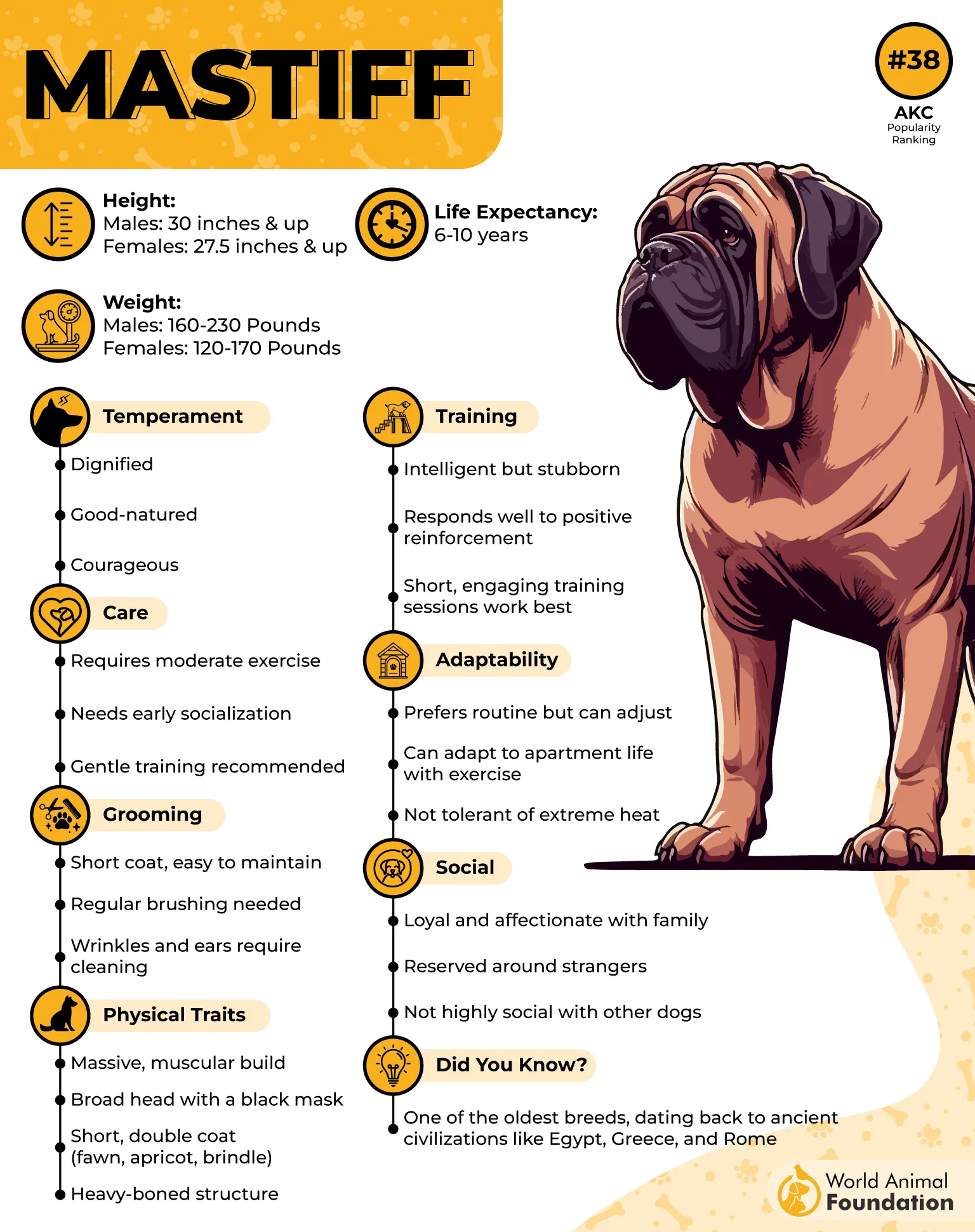
Mastiffs typically appear in apricot, fawn, or brindle, with a characteristic dark mask around the muzzle, nose, and eyes. Apricot individuals may display warm reddish-golden tones, while fawn Mastiffs have softer beige coloring that contrasts beautifully with their black facial markings.
Brindle Mastiffs offer something more dramatic, featuring dark stripes across a lighter background that adds visual texture without changing the coat’s short, practical structure. Despite its giant size, the Mastiff is surprisingly straightforward to groom because its coat generally needs only quick brushing sessions every few days.
5. Bullmastiff
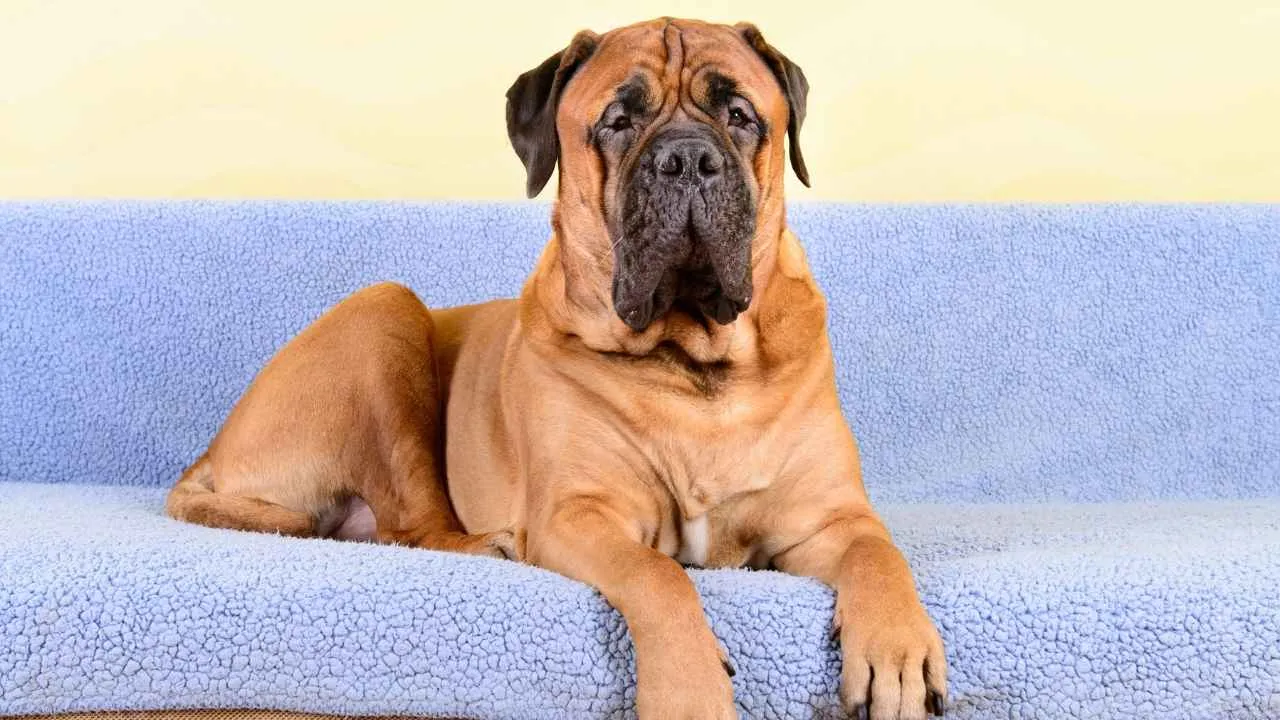
The Bullmastiff looks like a muscular security professional who prefers a practical haircut and has absolutely no time for unnecessary styling. Developed in nineteenth-century Britain to assist gamekeepers protecting estates, this powerful breed combines substantial strength with a short, tidy coat.
Its coat is short, dense, and weather-resistant, creating a smooth-looking surface over its broad shoulders and muscular body, according to Royal Canin. Its individual hairs are relatively firm and lie close against the skin, helping the dog maintain a neat outline without the long feathering found on many other working breeds.
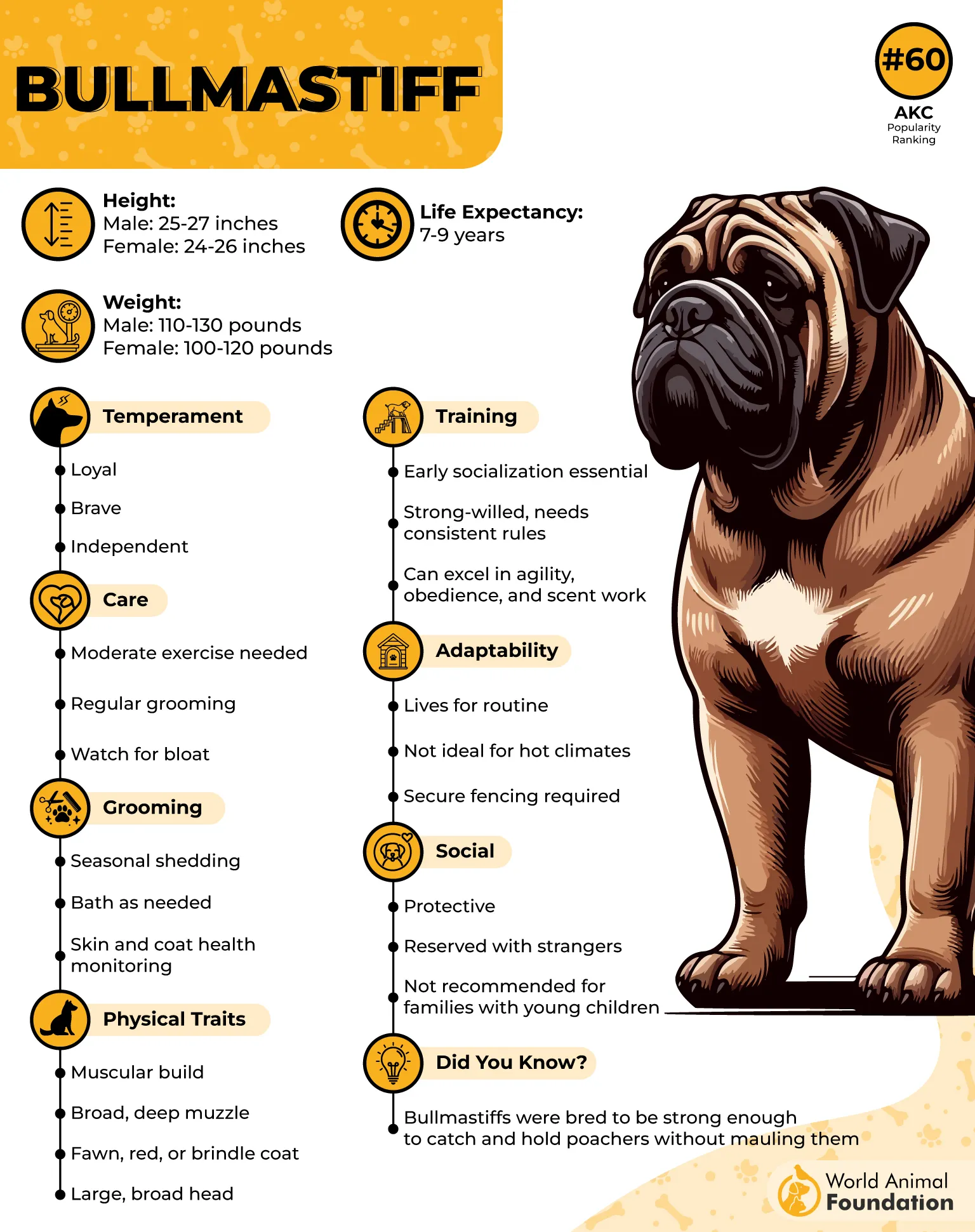
Color choices also contribute to this big dog breed’s unmistakable appearance, with red, fawn, and brindle among their recognized varieties. Their dark facial masks contrast beautifully against lighter coats, creating a striking expression that seems permanently serious even when the dog is relaxing.
Brindle individuals display darker striping that can visually break up the body’s outline, while solid-colored dogs highlight the breed’s impressive muscular proportions.
One of the biggest grooming advantages is that Bullmastiffs don’t need frequent haircuts, complicated detangling, or endless brushing sessions to look presentable. Seasonal shedding is normal, and regular grooming and bathing can help keep the coat healthy.
6. Bloodhound
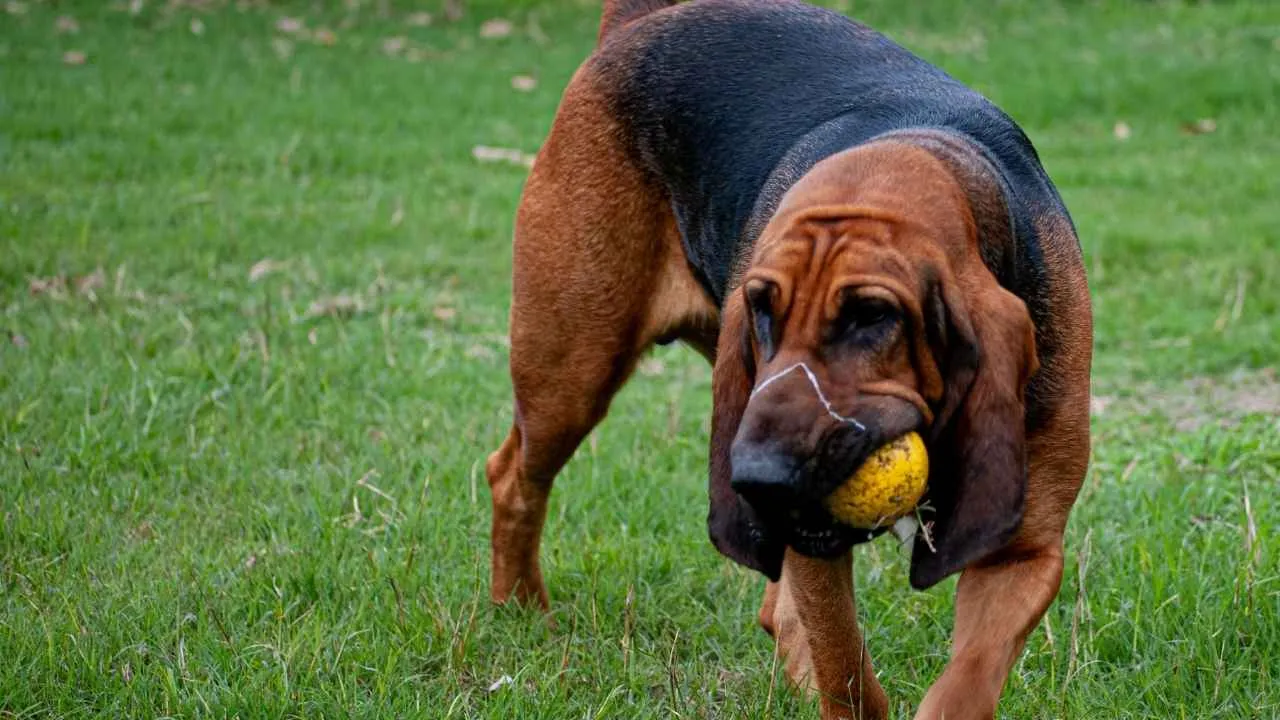
Famous for its extraordinary scent-tracking abilities, the Bloodhound has loose facial skin, enormous drooping ears, and a short coat that follows the body’s natural contours.
The Bloodhound’s fur is short and dense, creating a relatively smooth finish across its muscular shoulders, broad back, and powerful legs. Its coat feels firmer along much of the body, while the hair on its large ears and head is especially fine and close-fitting.
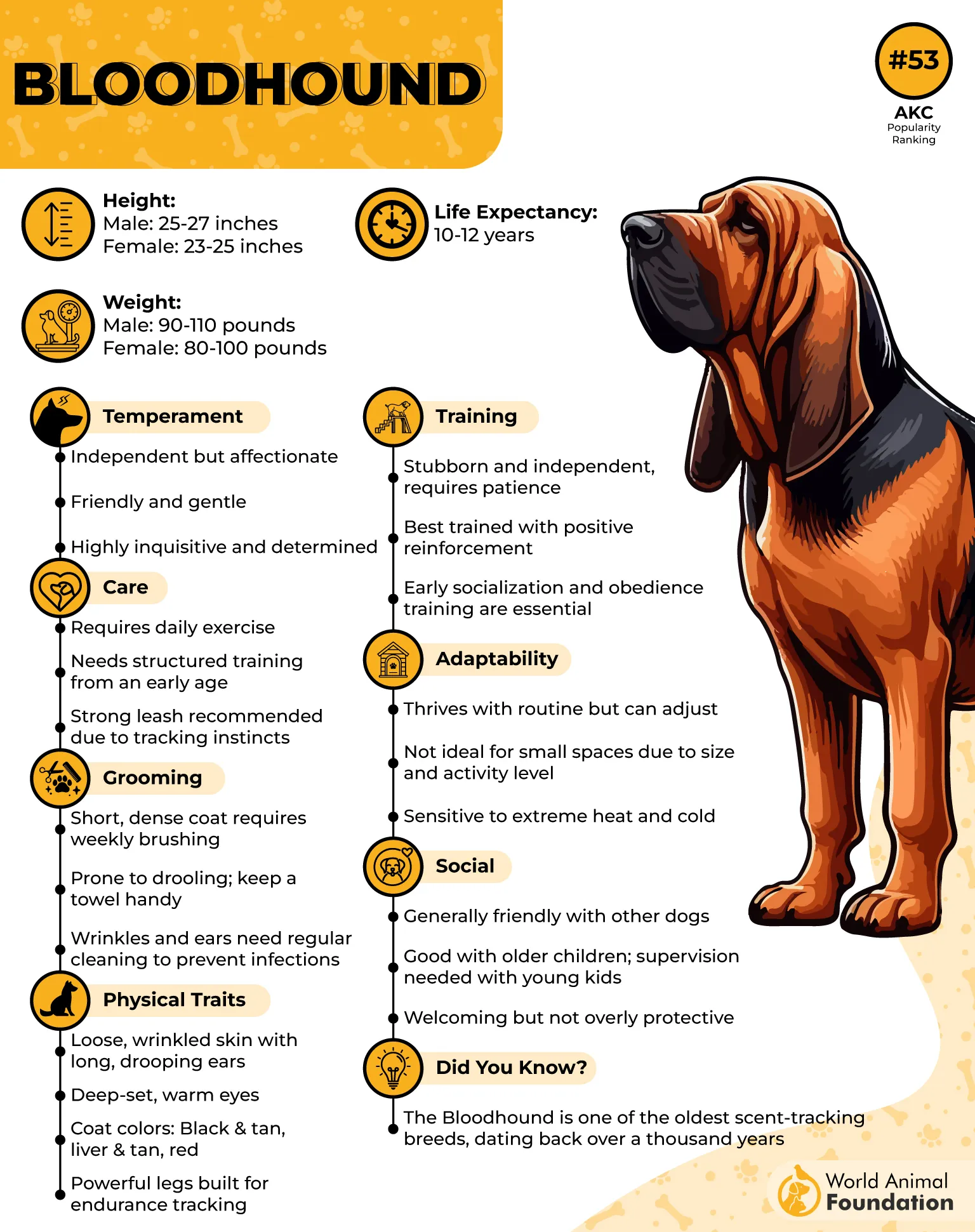
These hound dogs come in several traditional colors, including black and tan, liver and tan, and red. The darker saddle patterns on black-and-tan individuals contrast with warmer markings on the face and legs, while solid red dogs display a rich, understated appearance.
Their short coats don’t form elaborate waves or curls, making these handsome hounds look naturally tidy even when their expressions suggest they’ve spent the afternoon solving an extremely complicated mystery.
Brush weekly with a medium-bristle brush, rubber grooming mitt, or hound glove to manage loose hair and distribute natural skin oils. Bloodhounds can shed heavily once or twice a year, but their short fur generally doesn’t require professional clipping or intensive detangling.
7. Broholmer
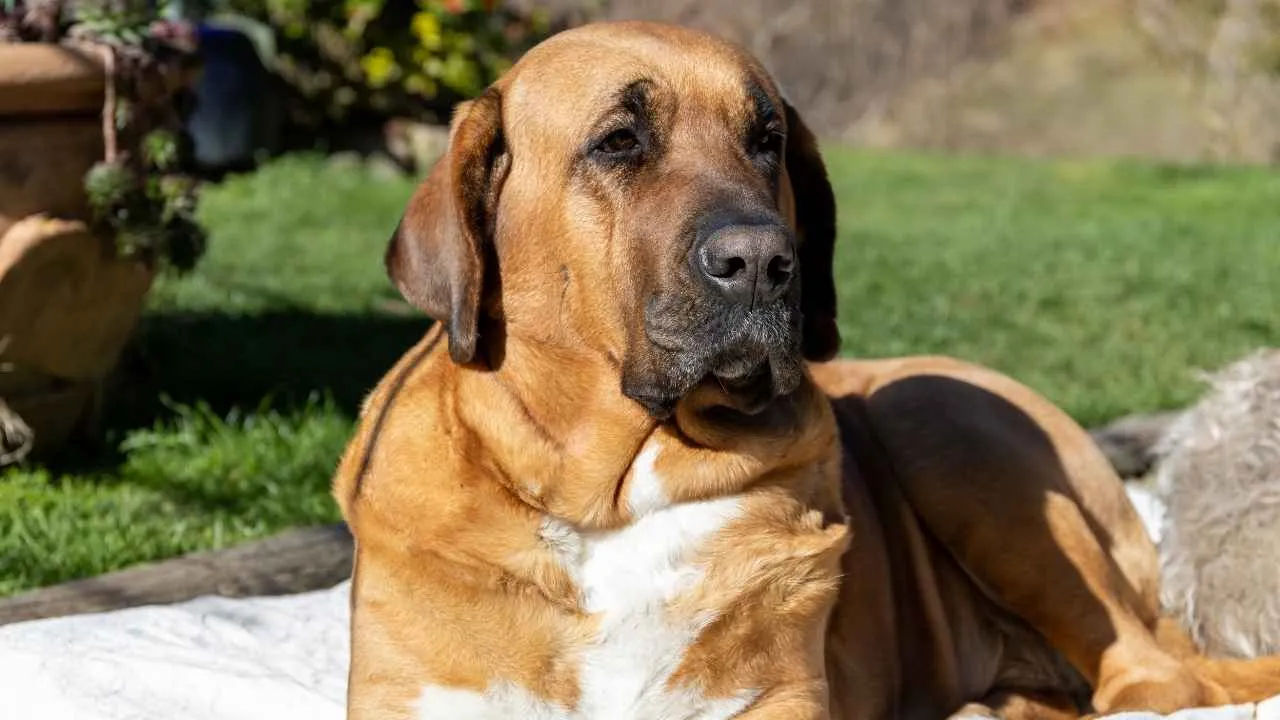
Also known as the Danish Mastiff, the Broholmer is a historic breed that was originally bred to guard estates, farms, and households in its native country.
The Broholmer’s coat is particularly interesting for its combination of short outer hairs and a thick undercoat. The fur lies close to the body rather than creating a fluffy silhouette, while the underlying layer adds density and insulates during cooler weather.
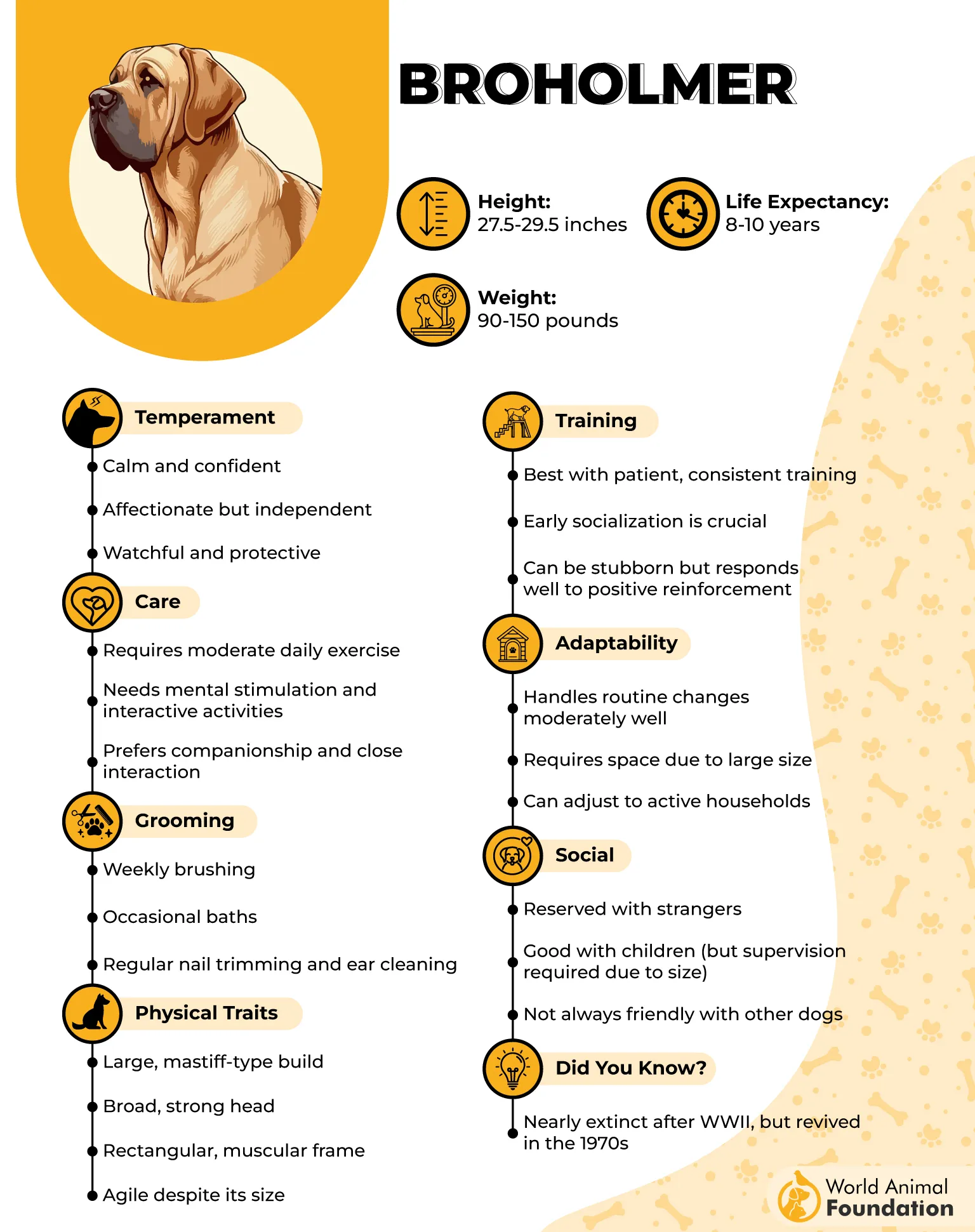
Broholmers are recognized in yellow, golden-red, and black, with certain white markings permitted on the chest, feet, and tail tip. Yellow individuals often display striking black facial masks, creating a handsome contrast against their warm golden fur.
Their short coats reveal the breed’s substantial neck, powerful shoulders, and muscular hindquarters, creating a clean silhouette that makes them appear both imposing and surprisingly elegant.
Despite the coat’s uncomplicated length, pet parents should expect seasonal shedding because this great family dog carries a meaningful amount of undercoat beneath its smooth outer appearance. Weekly brushing with a suitable grooming mitt or brush helps remove loose hair, and extra sessions may help during heavier shedding periods.
Conclusion
From the sleek elegance of the Great Dane to the Broholmer’s dense, practical coat, these seven breeds prove that large dogs don’t need long, flowing fur to look magnificent.
These breeds are particularly appealing because their grooming routines are generally easier to manage than those of long-haired giants. Most benefit from regular brushing, occasional bathing, and basic skin care rather than complicated trimming or professional styling sessions.
However, short hair doesn’t mean zero maintenance because seasonal shedding, undercoat changes, facial folds, ear hygiene, and healthy skin still need consistent attention.
