




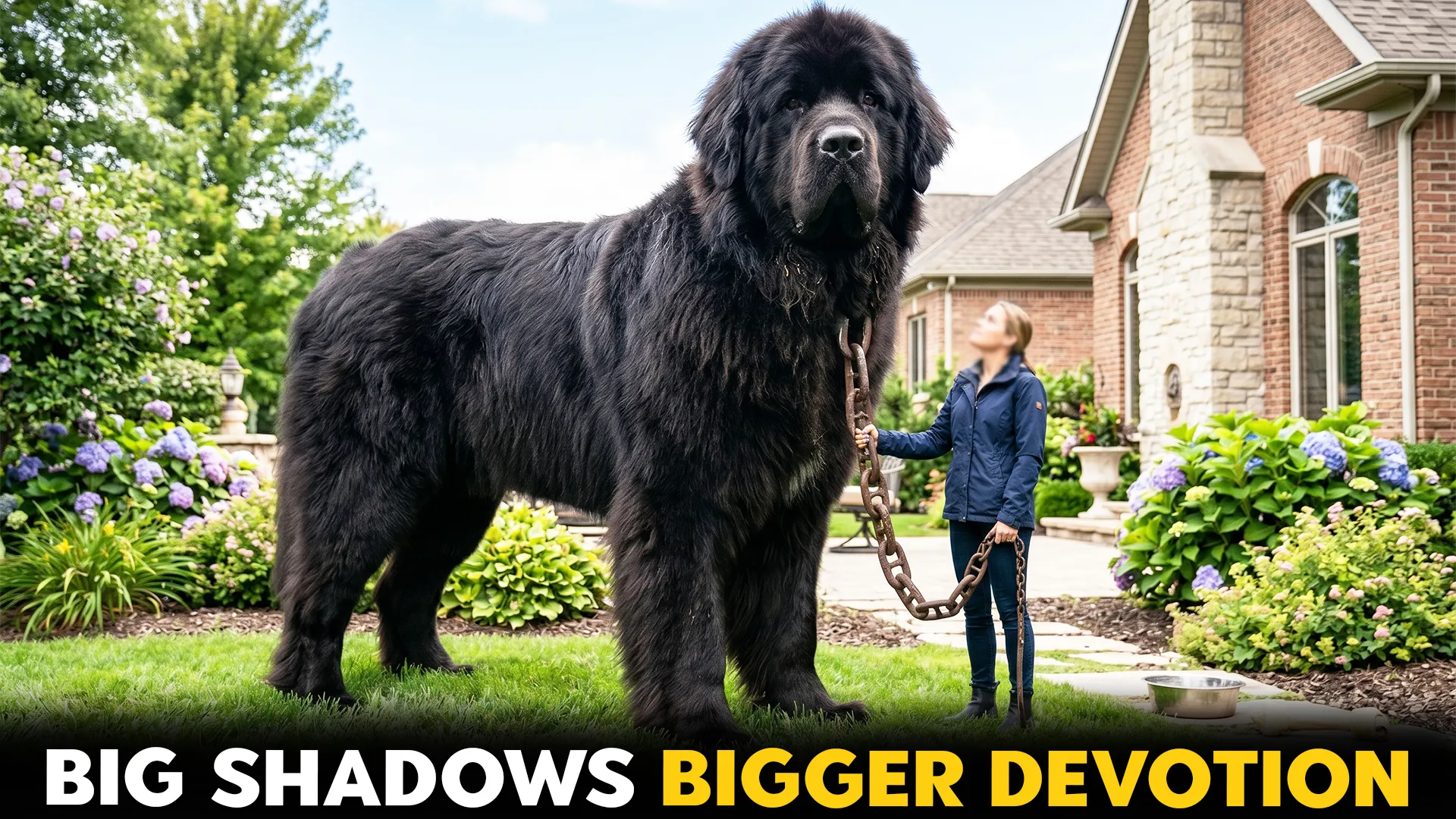
Some dogs are pets. Others are a whole personality. If you have ever had a big, loyal dog press its entire body against your leg like you are the only person on the earth, you already get it. No human has ever looked at you that way. These breeds are not just your pets, but they are your emotional support and loyal companions as well.
According to the American Kennel Club, dogs have walked alongside humans for over 15,000 years. Some breeds simply took that job description way more seriously than others.
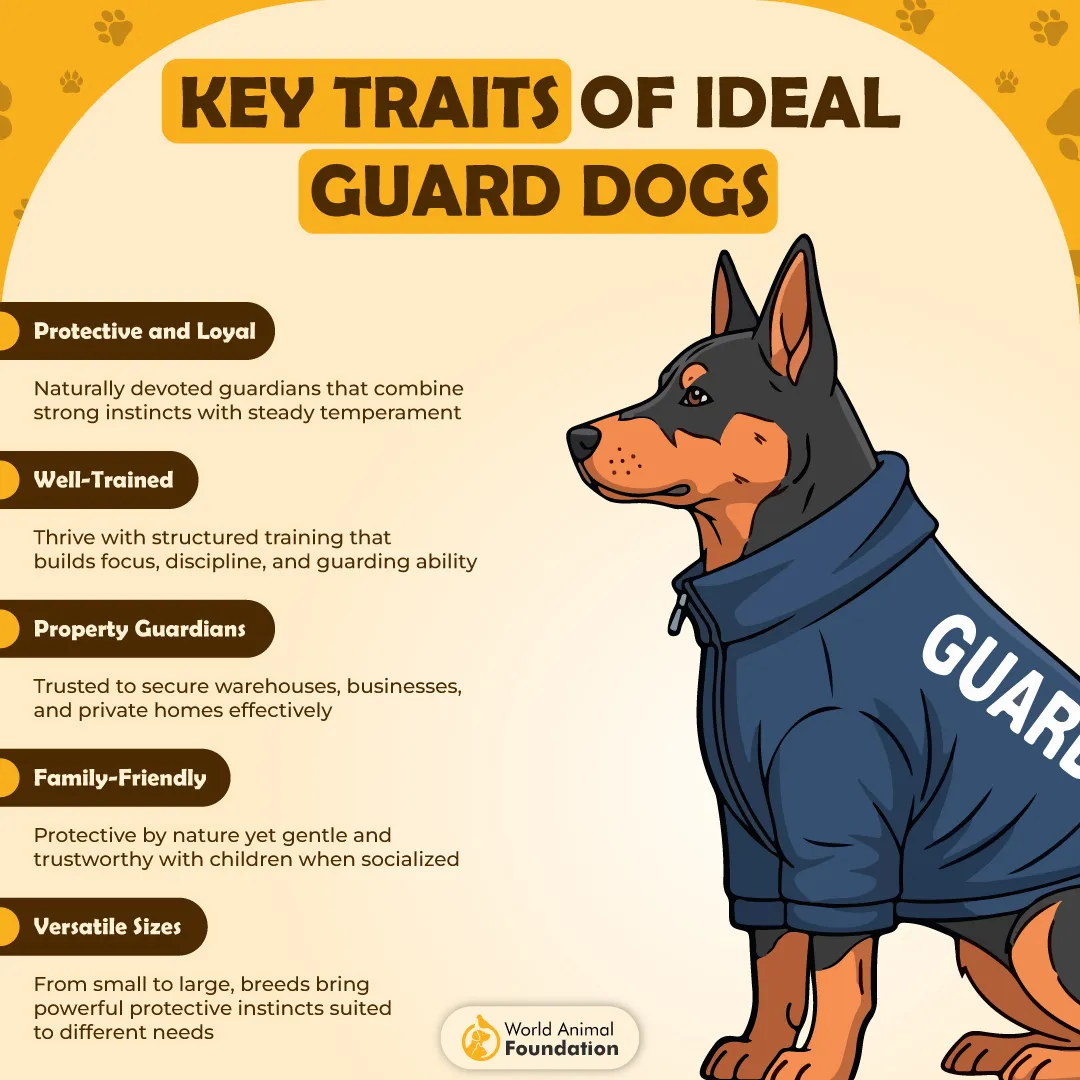
This is not a basic list of cute pups. It is the proper lineup of the large dog breeds that would genuinely ride or die for their people. No fluff, no filler, just seven breeds that redefine what loyalty actually looks like.
Stunning Large Dog Breeds Noted for Their Unwavering Loyalty
1. German Shepherd
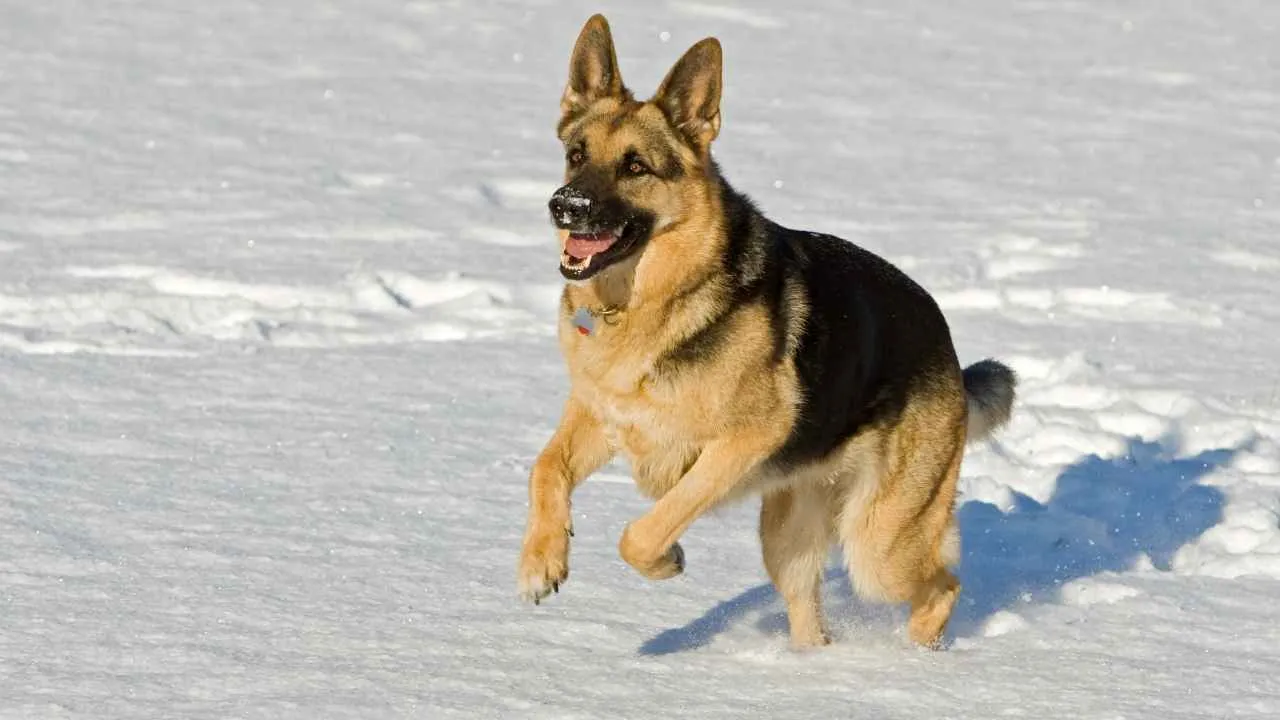
Originally developed in Germany as a herding dog in 1899 by Max von Stephanitz, the German Shepherd is a medium to large-sized dog breed and is ranked as the third most intelligent breed in the dog world. It is widely used as an assistive, guide, therapy, and protection dog, according to Wikipedia.
A barrel-shaped chest and a well-defined muscle mass enable the breed to sprint at a high speed (30 mph). It has a broad and wedge-shaped head with a square muzzle that gives it a scissor bite with a bite force of 238-291 PSI, enough to tear the muscle and crush the bones. The sloping back and well-angled hind legs act as a shock absorber while working on rough terrain.
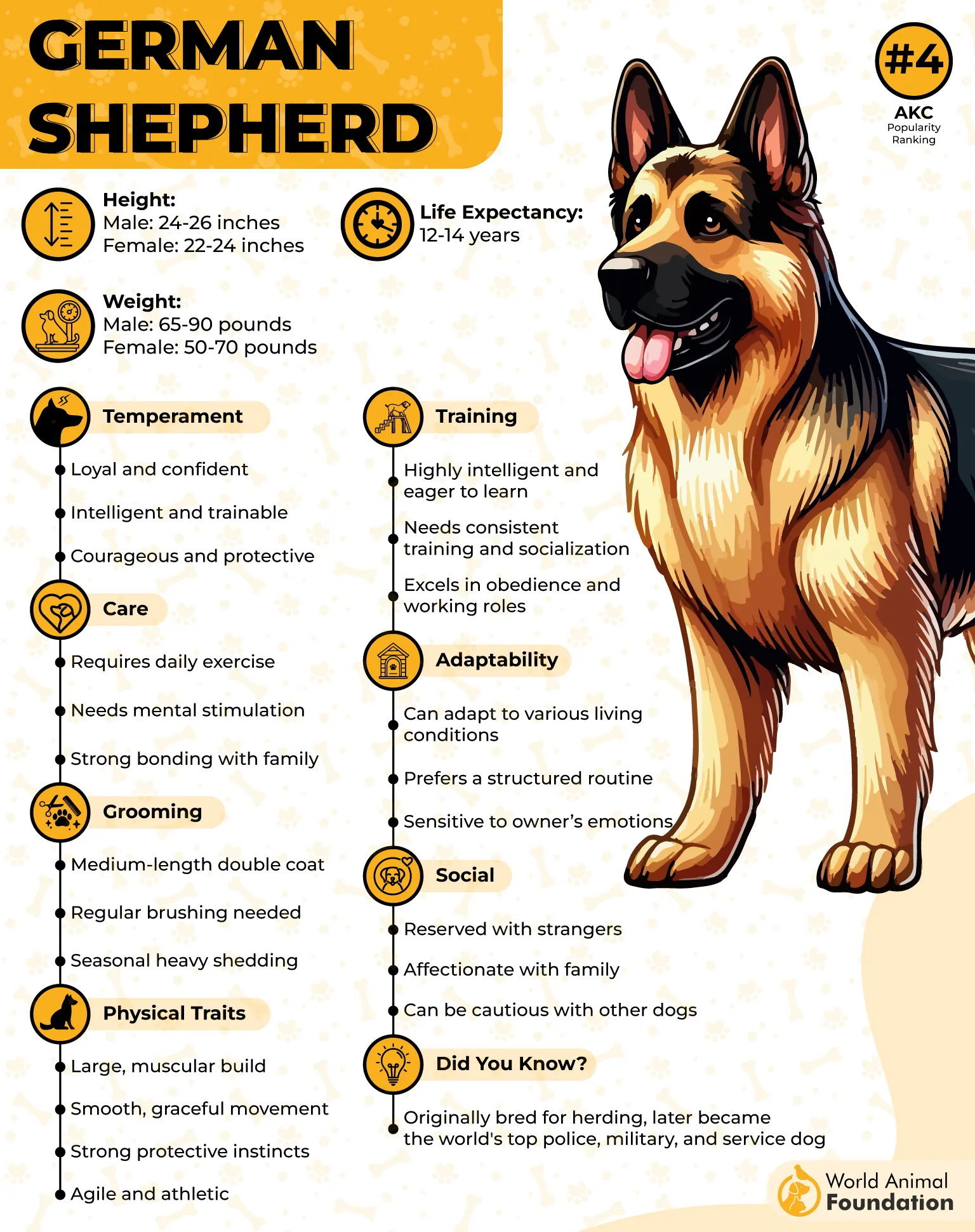
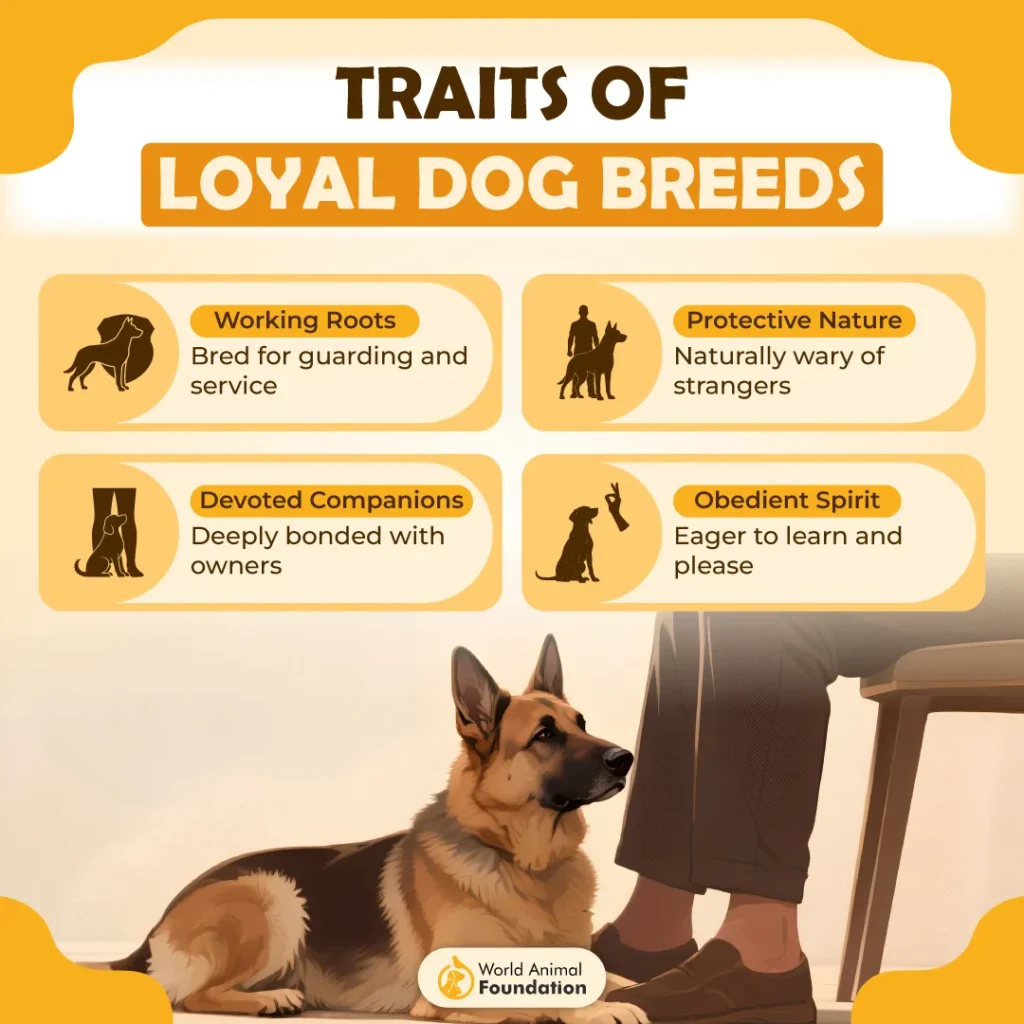
This is an incredibly loyal breed that sees its human family as a ‘pack.’ It positions itself between the owner and the intruder in a threatening situation. It has a weather-resistant double coat that needs brushing 3-4 times a week. It also needs vigorous exercise for 1-2 hours daily for physical stimulation.
2. Labrador Retriever
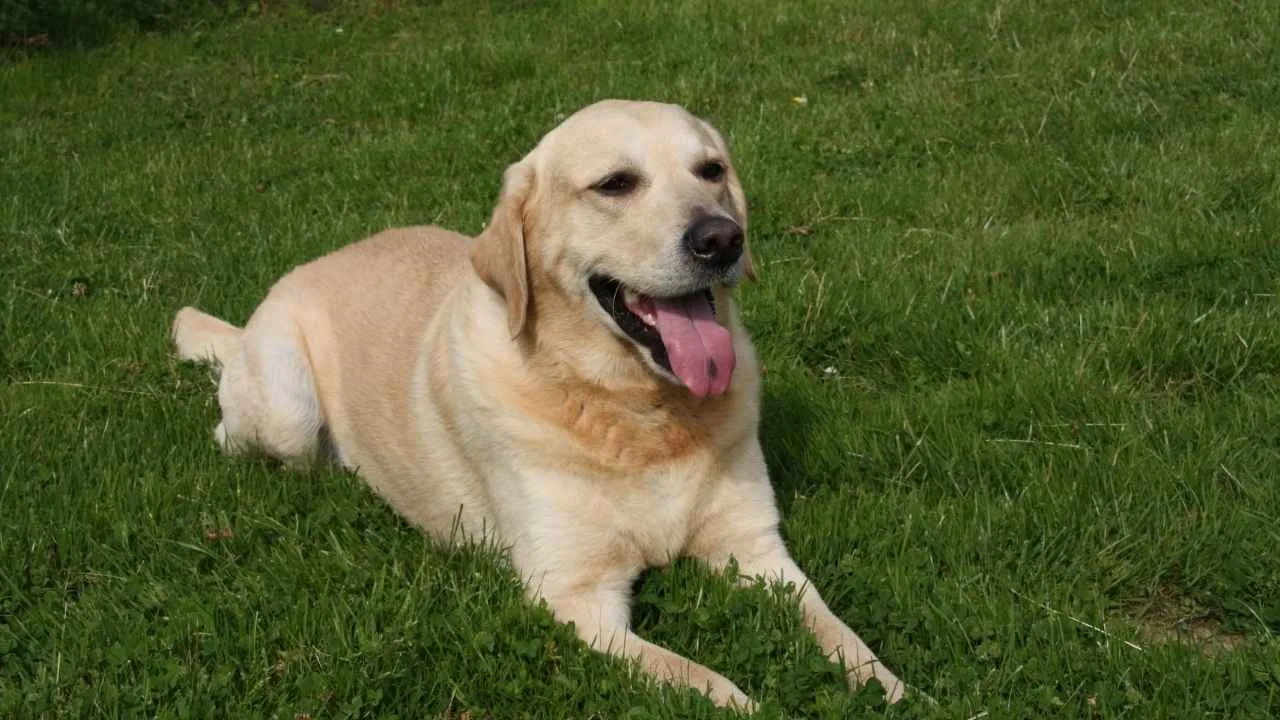
Originally bred as a retrieving gun dog in the United Kingdom from St John’s water dogs imported from Canada, the Labrador Retriever is a playful and energetic breed. It has been used as a sporting and hunting dog, and is widely used as a family pet.
The strong jaw is built to retrieve the game without physically damaging it. The ‘otter tail’ acts as a rudder, generating significant thrust during swimming. It has a thick double coat and webbed feet that make it an excellent swimmer. Thus, it is widely used as a rescue dog.
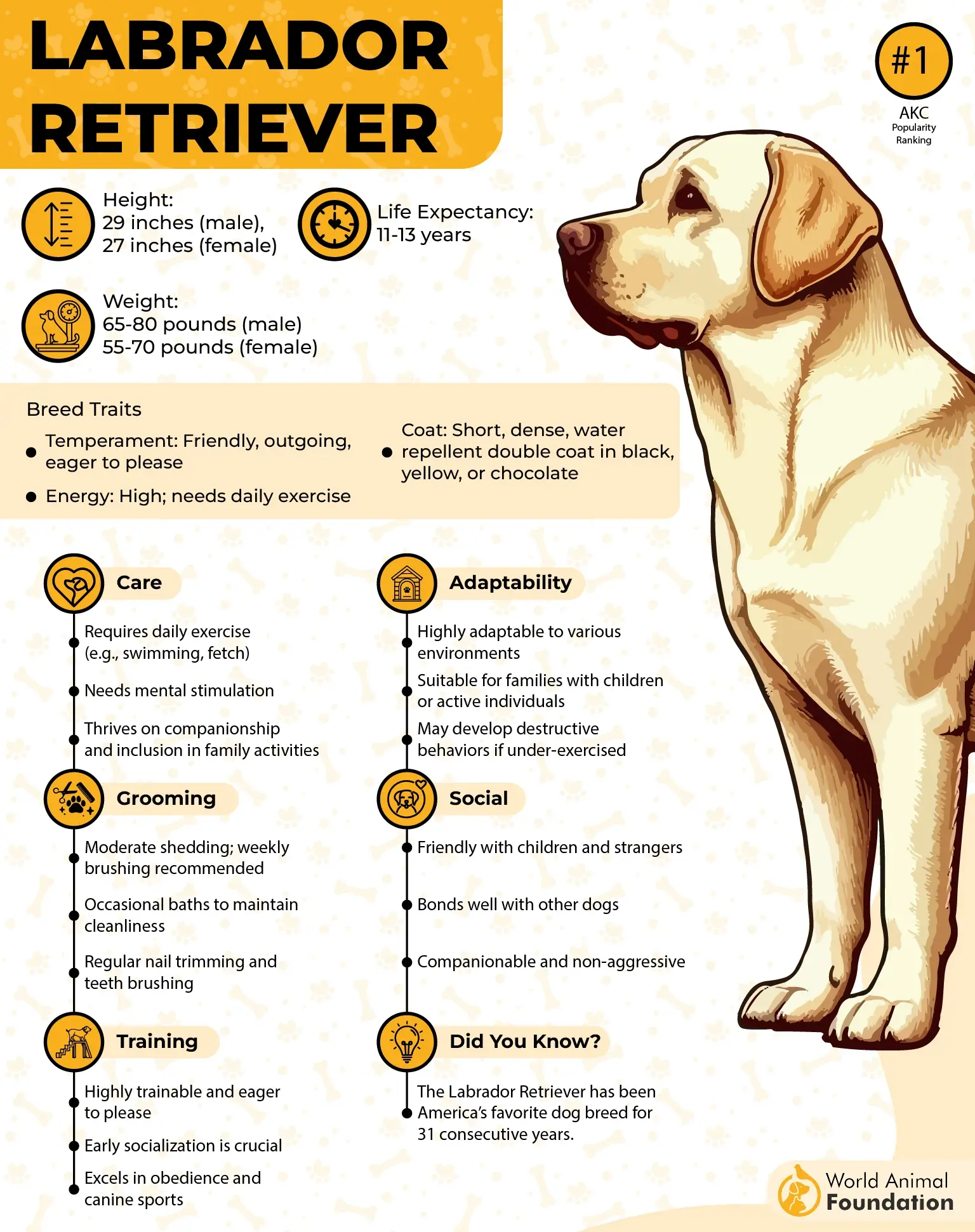
This is one of the most loyal dog breeds and is motivated by human praise. Its high emotional intelligence makes it read the owner’s body language and facial expressions. It is less likely to attack humans. It has extensive exercise needs (1-1.5 hours a day): long walks, fetching, swimming, and scent-tracking.
3. Irish Setter

The Irish Setter was developed by the Irish huntsmen in the 1800s to attain an aesthetic breed that hunts game birds by crouching low. Because of its sleek physique, it has also been used as a show dog for decades. It was also known as a ‘Red Setter’ because of the red coat, as per the AKC.
The wide chest reaches down to the elbows, increasing the space for heart and lungs; thus improving cardiovascular strength. The strong, sinewy legs enable a far-reaching stride (30-40 mph). It is a velcro dog, forming strong bonds with family members, small kids, and other pets when properly trained.
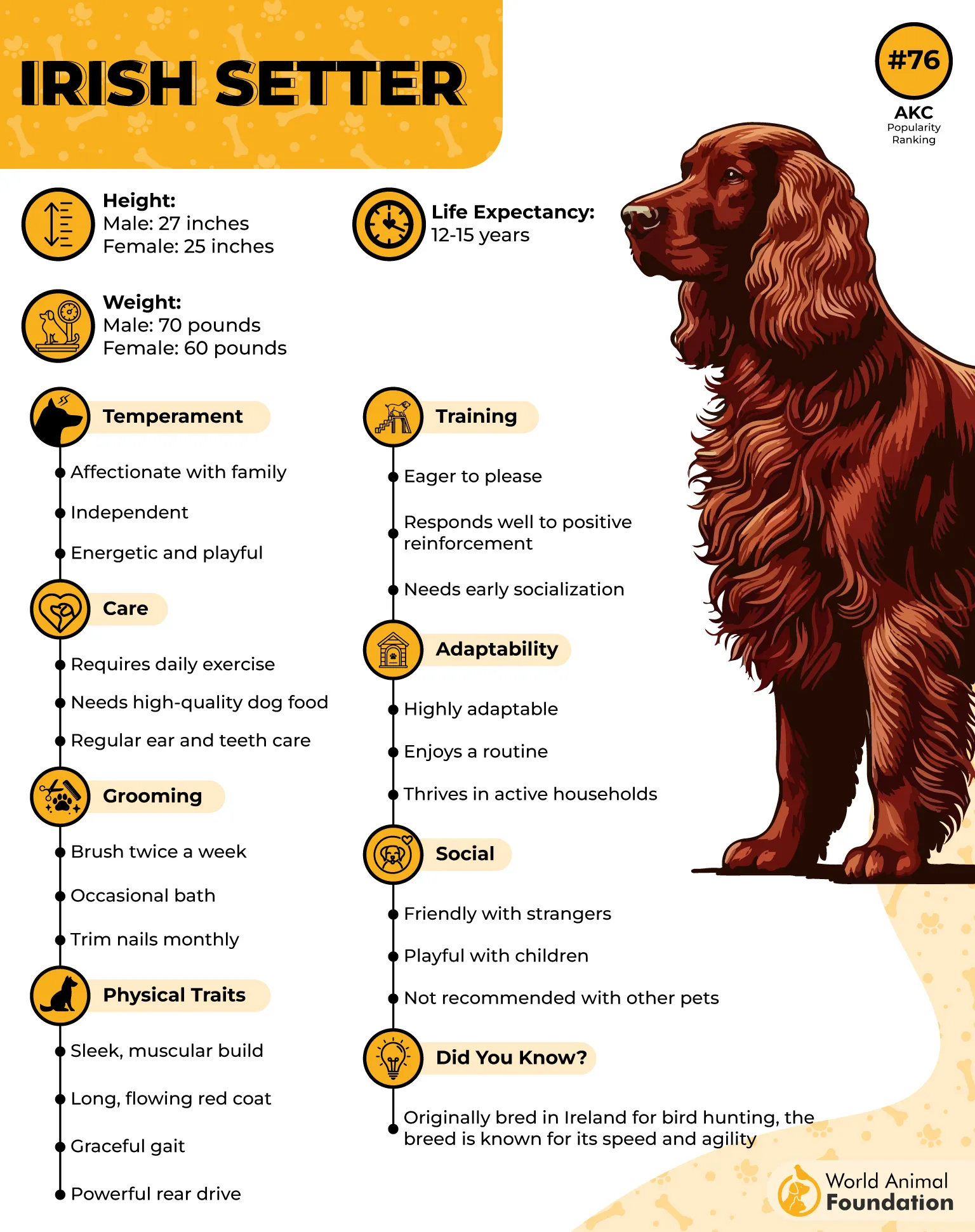
The signature rich-red coat needs brushing 2-3 times a week using a soft bristle brush and a pin brush to remove dirt, tangles, and loose hair. ‘Feathering’ must be combed using a long-toothed metal comb. This gentle giant needs 1-2 hours of daily vigorous exercise. Puppies should not be exposed to high-impact exercise til they reach 18-24 months of age because of developing joints.
4. Briard
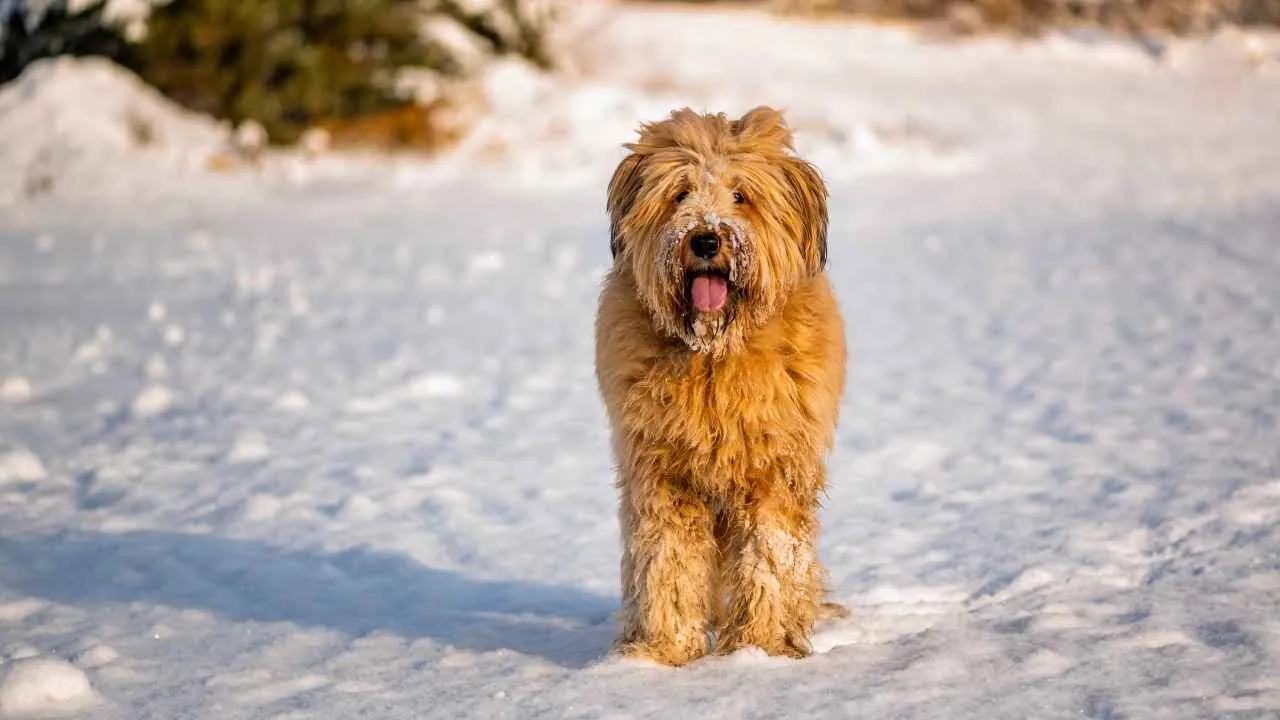
The breed is thought to have originated in the Middle Ages in France when nomadic people brought their sheep herding dogs to this region and interbred with the local herding dog, called ‘Chien Berger de Brie’ (Sheepdog of Brie). This ancient breed is such a loyal family companion that Sir Aubry de Montdidier was murdered while his Briard was the only witness.
This dog followed the lead of the murderer relentlessly, and the king heard of the matter. He decided to have a combat between the alleged person and dog, and the dog won, of course.
The hallmark of the breed is its double dewclaws, providing balance to cover uneven terrain. It has a ‘quicksilver’ movement because of the muscled neck and arched shoulders, allowing it to turn a dime and spring into a sudden action.
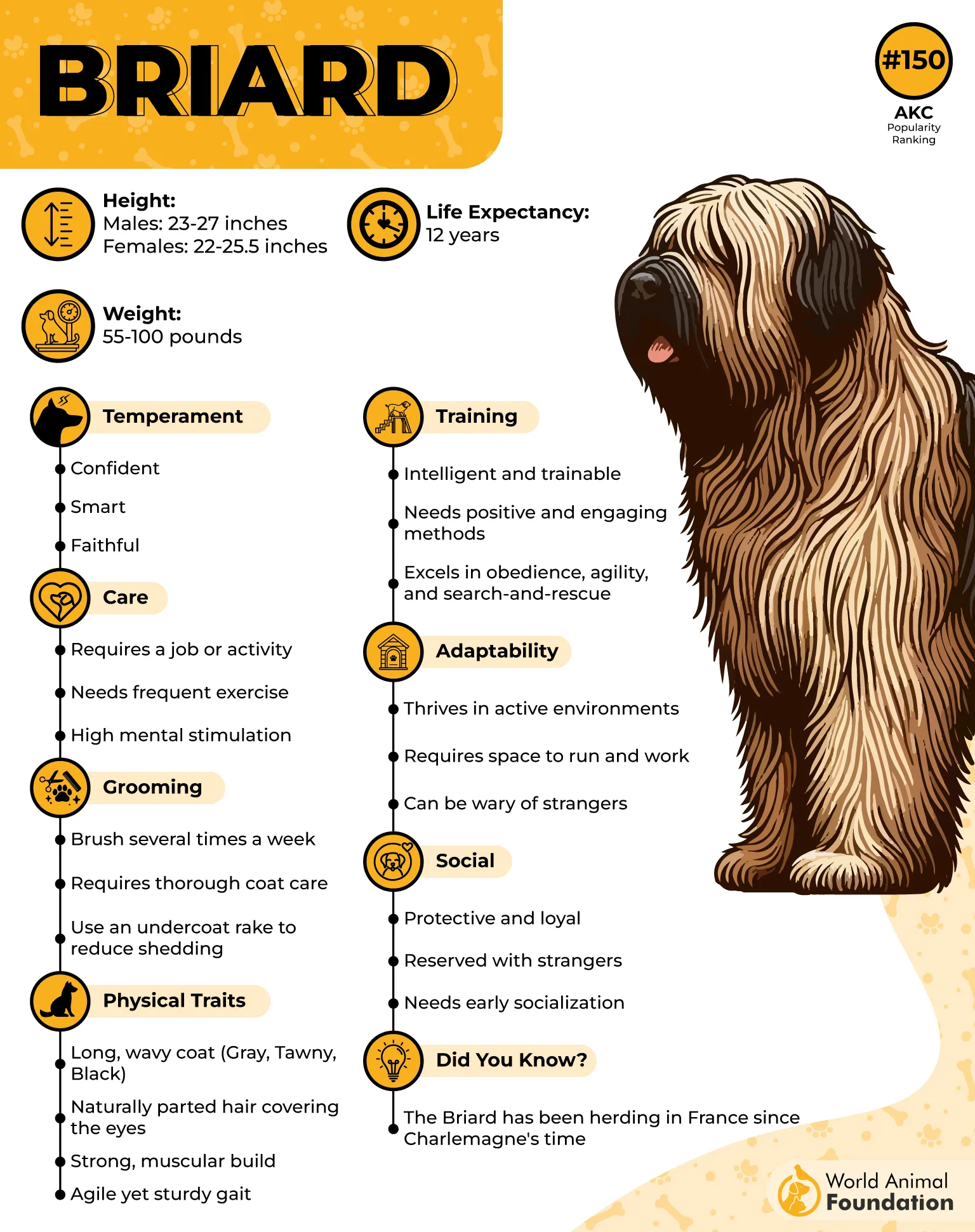
It has a protective nature because of its herding history and tends to fiercely fight for the owner. This made them fight in the French army during World War I and II. The stunning double coat consists of a coarser outer coat and a softer undercoat that requires 1-2 hours of grooming weekly. Adopt the ‘line brushing’ technique to brush the breed.
5. Newfoundland
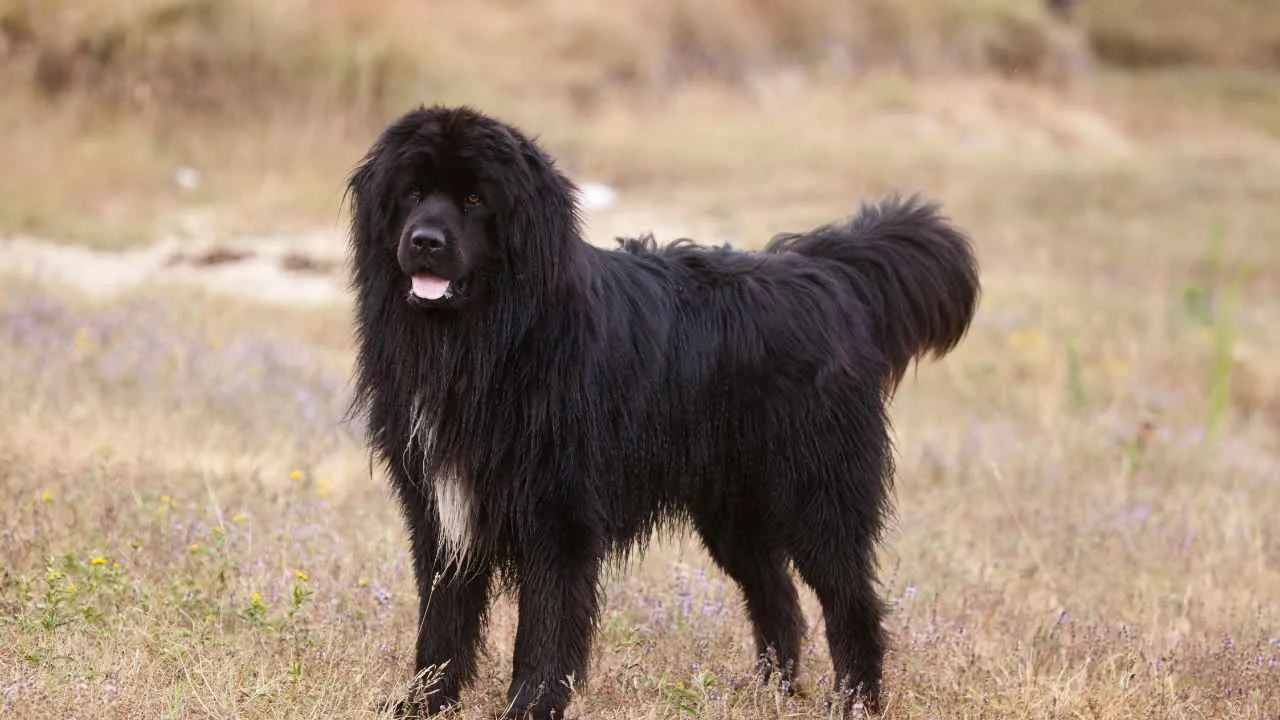
Historically bred as a water rescue dog, the Newfoundland was developed in Canada and shares its traits with the Mastiffs and the St Bernard dogs. The history starts with the Portuguese Fishermen’s Mastiffs in the 16th century, where it was used to pull heavy carts, haul nets, and swim for the fishermen, says Omlet UK.
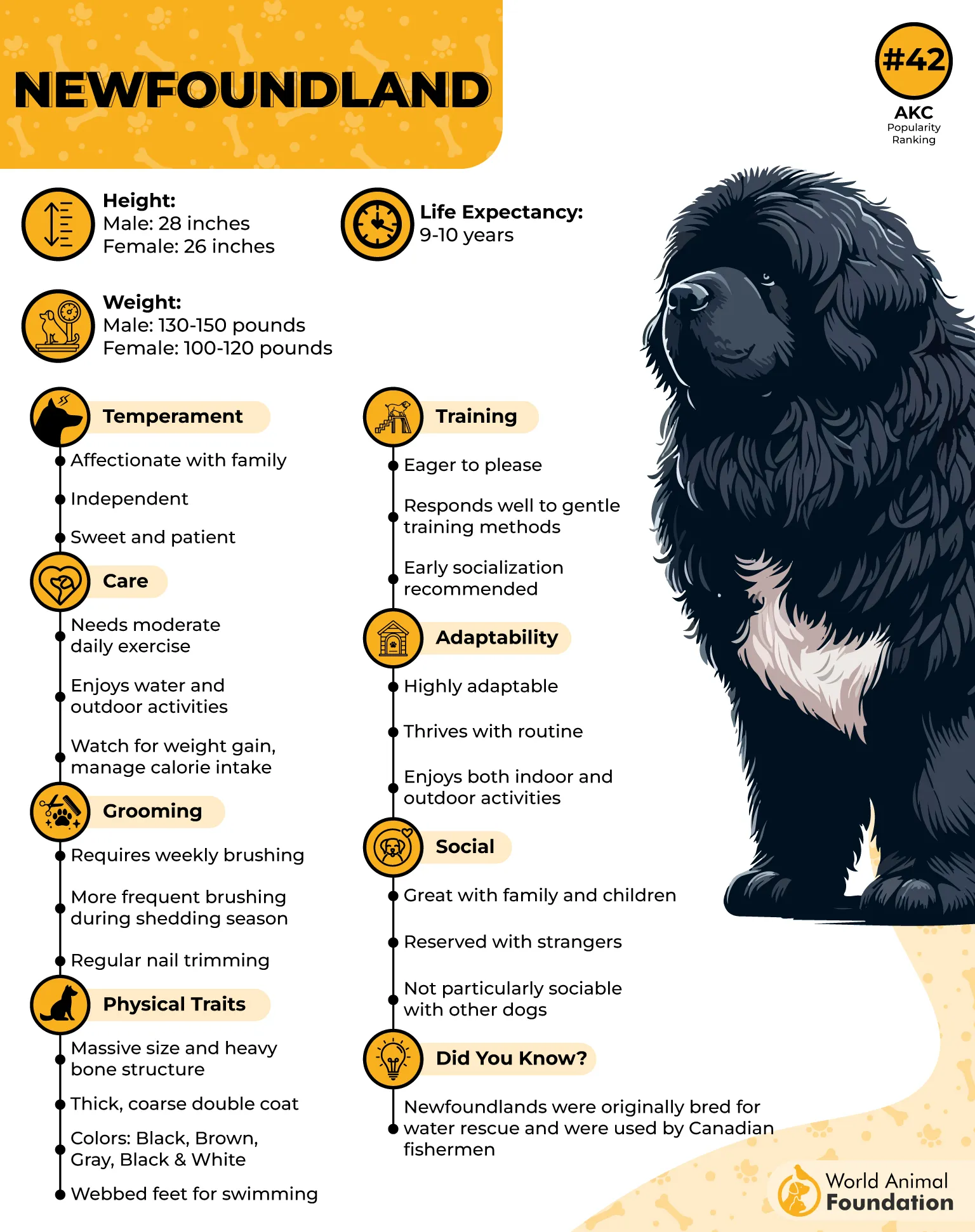
Weighing around 130-150 pounds and standing almost 28 inches tall, the excellent guard dog can pull loads weighing 3 times its body weight because of the strong shoulders and hindquarters. Being incredibly patient, it can be an incredible ‘nanny dog.’ It can sense anxiety, sadness, and fear because of high emotional intelligence and tends to console accordingly.
This giant dog breed is a low-energy dog breed and excels in low-impact exercise (30-60 minutes daily): swimming, walking, and slow jogging. The dense double coat needs daily brushing in short strokes using a pin slicker brush and then an undercoat rake.
6. Great Pyrenees
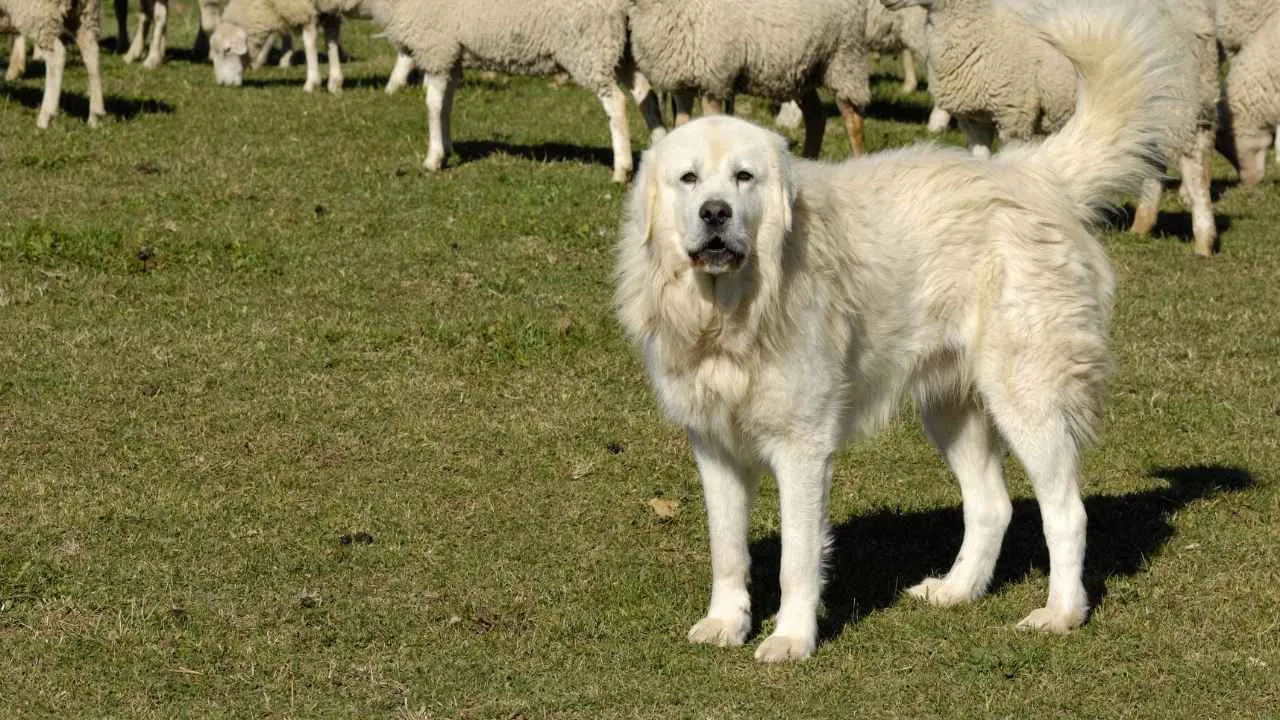
Bred in France as a livestock guardian breed, the Great Pyrenees was used to protect the livestock from large predators, such as wild boars and bears. Also known as ‘Patou’ in French, which means ‘shepherd,’ it is thought to be the descendant of the Pyrenean Mastiff.
With a massive size of 100-160 pounds, this dog is an excellent nocturnal breed; it excels more at night. It activates its alert instincts and tends to monitor the territory. The front shoulders act as a shock absorber, while the hindquarters provide explosive power to go from the resting phase to the instant sprint.
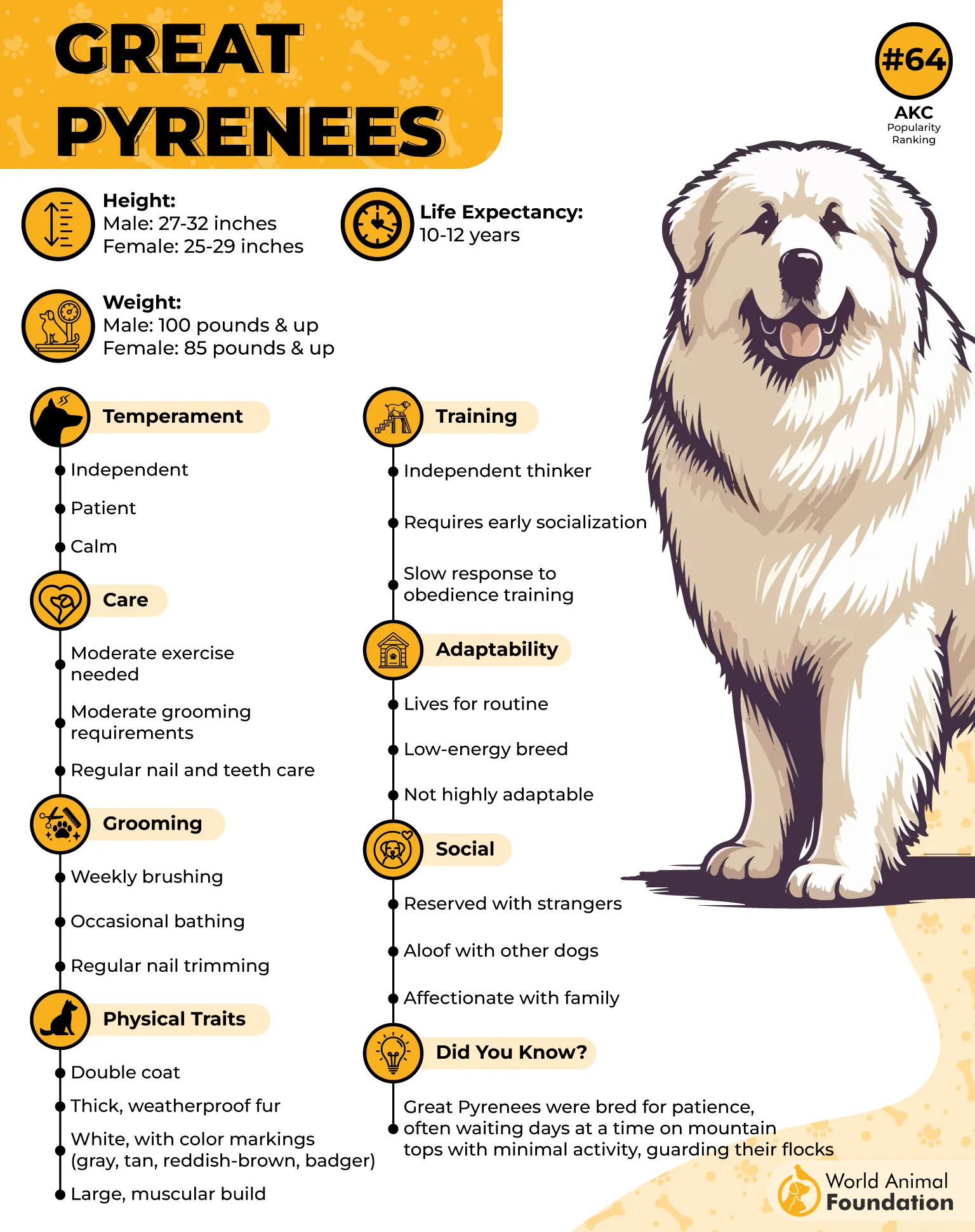
There is a dense ruff around the neck and the shoulders, protecting the throat region from attacks while providing insulation. It is an independent breed that makes its own decisions without human supervision. This can lead to stubborn behavior. Thus, consistent training and proper socialization are non-negotiable.
7. Akita
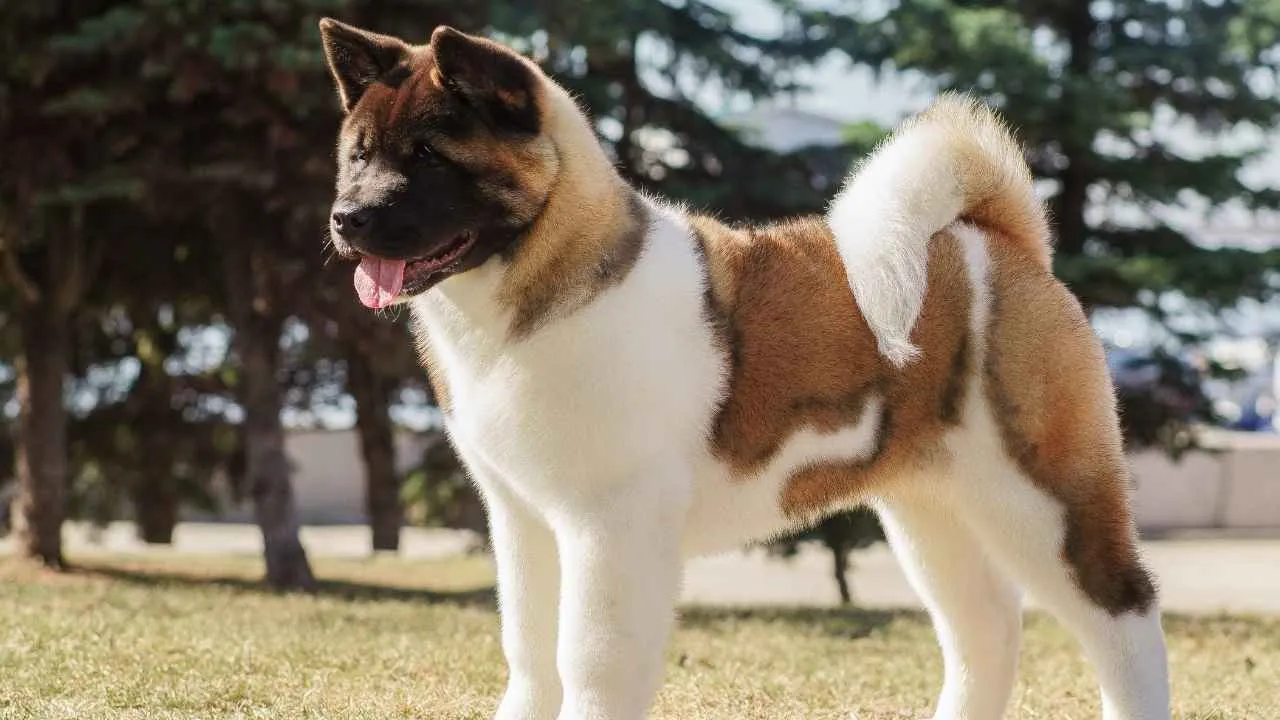
This breed was developed in the northern mountains of Japan and is believed to be a fighting dog alongside Samurai during wars. It is considered the symbol of wealth and good luck across the Japanese culture. An Akita, Hachikō, is famous for waiting for his owner at Tokyo railway station for 10 years, not knowing he was already dead.
It has a bear-like skull with heavily muscled jaws. With a bite force of 350-400 PSI, it can easily take down and hold large game firmly. It has splayed-out paws and well-knuckled feet, enabling it to smoothly travel the snowy surfaces. The double coat provides insulation against harsh cold winds.
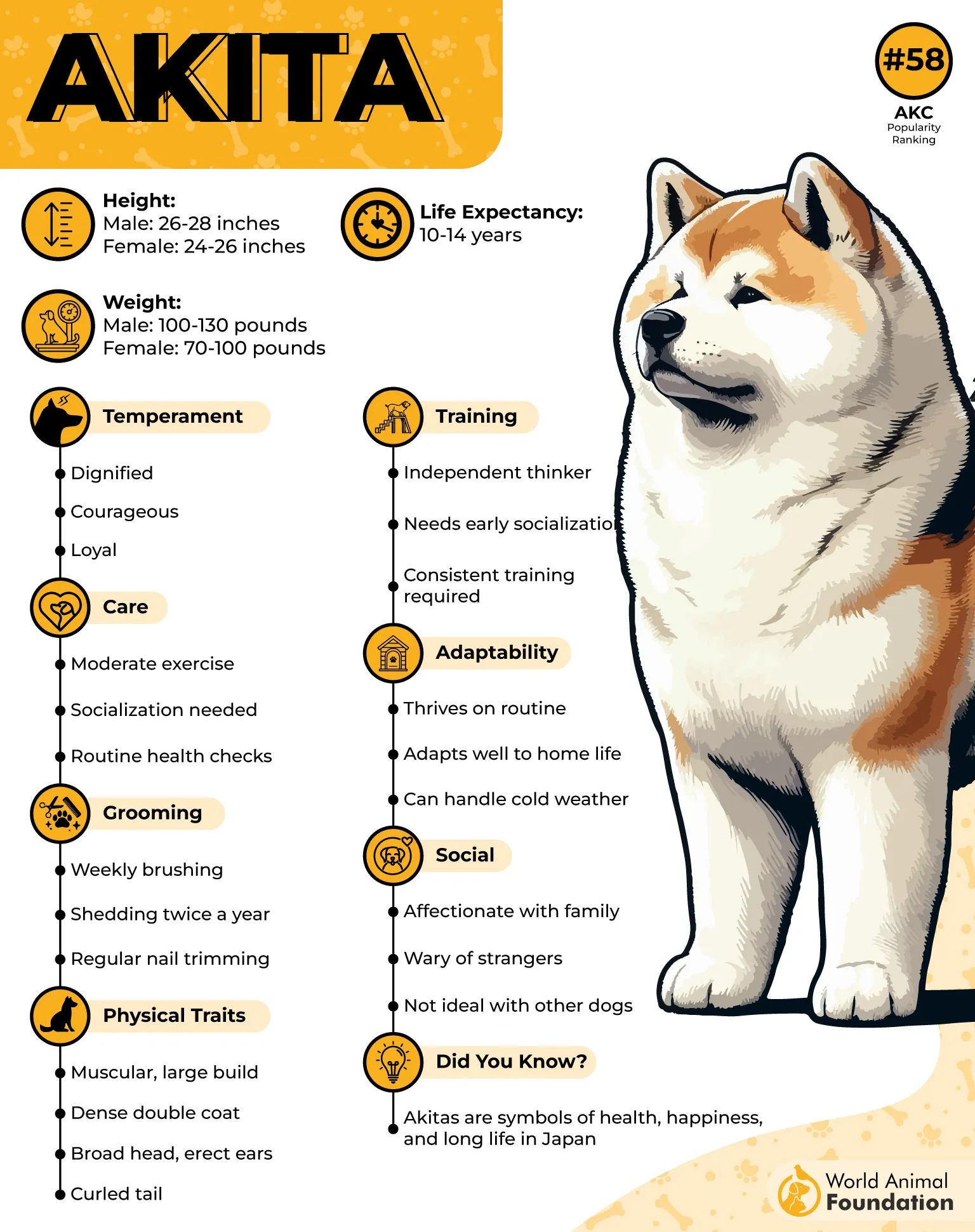
Also known as a ‘silent guardian,’ the Akita is not a barky dog and remains calm mostly. It only barks to alert the owner of a potential threat. It has moderate exercise requirements (30-60 minutes): brisk walks, fetching, and mental stimulation. It has a cat-like personality and licks its paws and coat to remove dust and debris.
Conclusion
Big dog breeds do not just fill a room. They fill the silence when you are lonely, the space when you are scared, and the years when you need someone completely steady beside you.
This bond stretches back over centuries, and breeds like these make it clear why it is never broken. Whether it is the sharp devotion of a German Shepherd, the gentle watch of a Newfoundland, or the iron-willed commitment of an Akita, one thing is true across all seven.
They do not love you because it is convenient. They love you because that’s simply who they are. Choose your companion wisely, and the chances are, they already chose you.
