




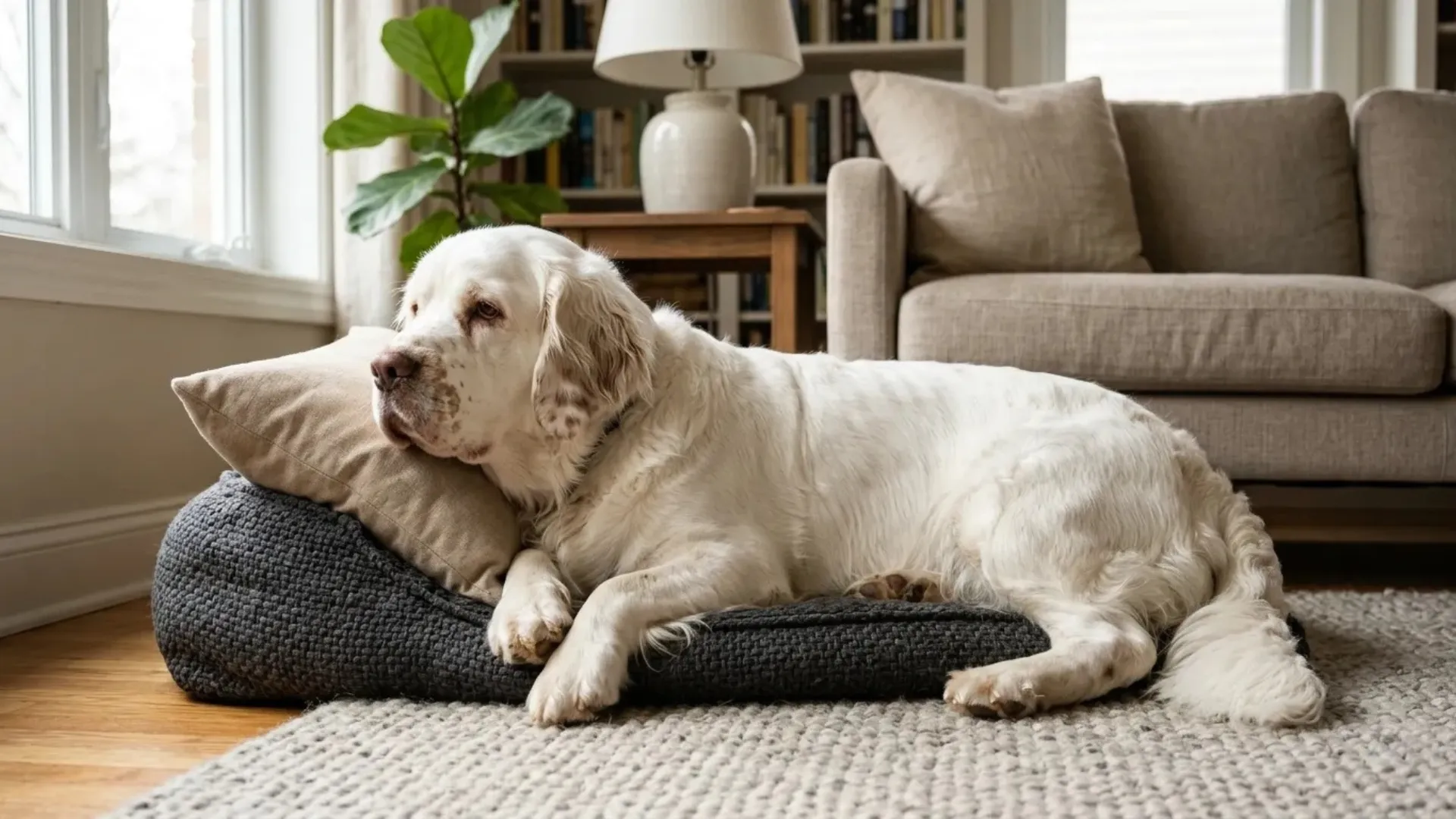
If your ideal weekend involves your favorite Netflix series and a four-legged bestie snoozing beside you, laid-back dog breeds might be exactly your vibe.
These relaxed companions bring something special to everyday life because their personalities often lean toward gentle affection, comfortable routines, and manageable bursts of activity.
From tiny royal lapdogs to enormous gentle giants, many breeds have developed temperaments that appeal especially to people who prefer a calmer household atmosphere.
Get ready to meet some seriously lovable dogs that know how to make the most of life’s quieter moments.
Laid-Back Dog Breeds for Peaceful Living
1. Bulldog

Although Bulldogs descended from dogs once used in the cruel historical practice of bull-baiting, modern breeding has transformed them into affectionate companions known more for their gentle nature and love of lounging than their athletic ambitions.
A typical relaxed adult may spend much of the afternoon stretched out on a cool floor, resting beside the sofa, or quietly watching household activities with an expression that suggests everything is moving too fast.
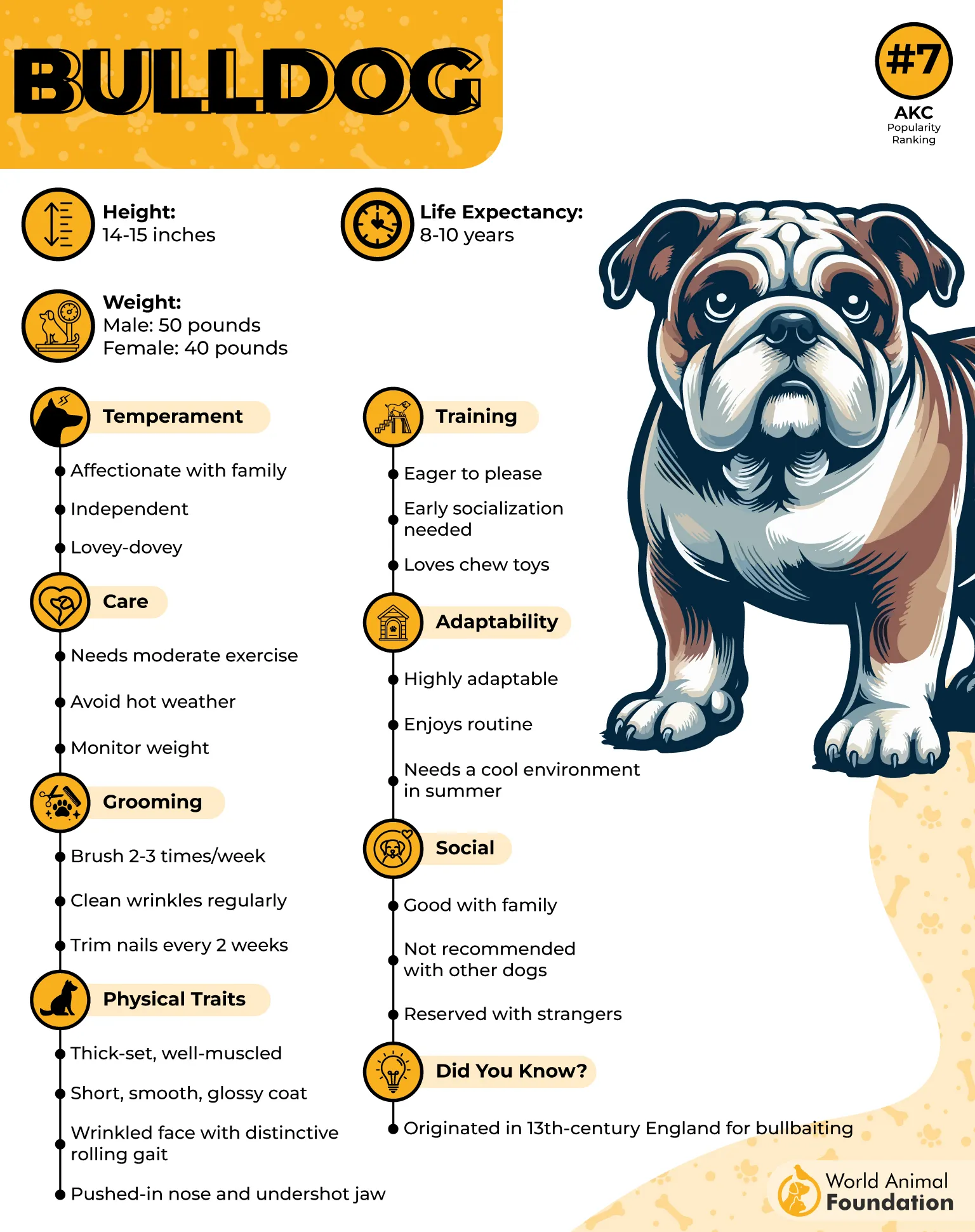
Their calm indoor behavior can make them appealing apartment companions, provided you meet their social needs, health concerns, and exercise requirements.
This calm dog breed tends to form affectionate bonds with familiar people, and many enjoy simply being in the same room as their favorite humans. They’re often described as patient and good-natured, though some have an independent streak.
Unlike energetic working breeds that need prolonged physical activity, Bulldogs generally do best with shorter exercise sessions suited to their individual abilities.
2. Cavalier King Charles Spaniel
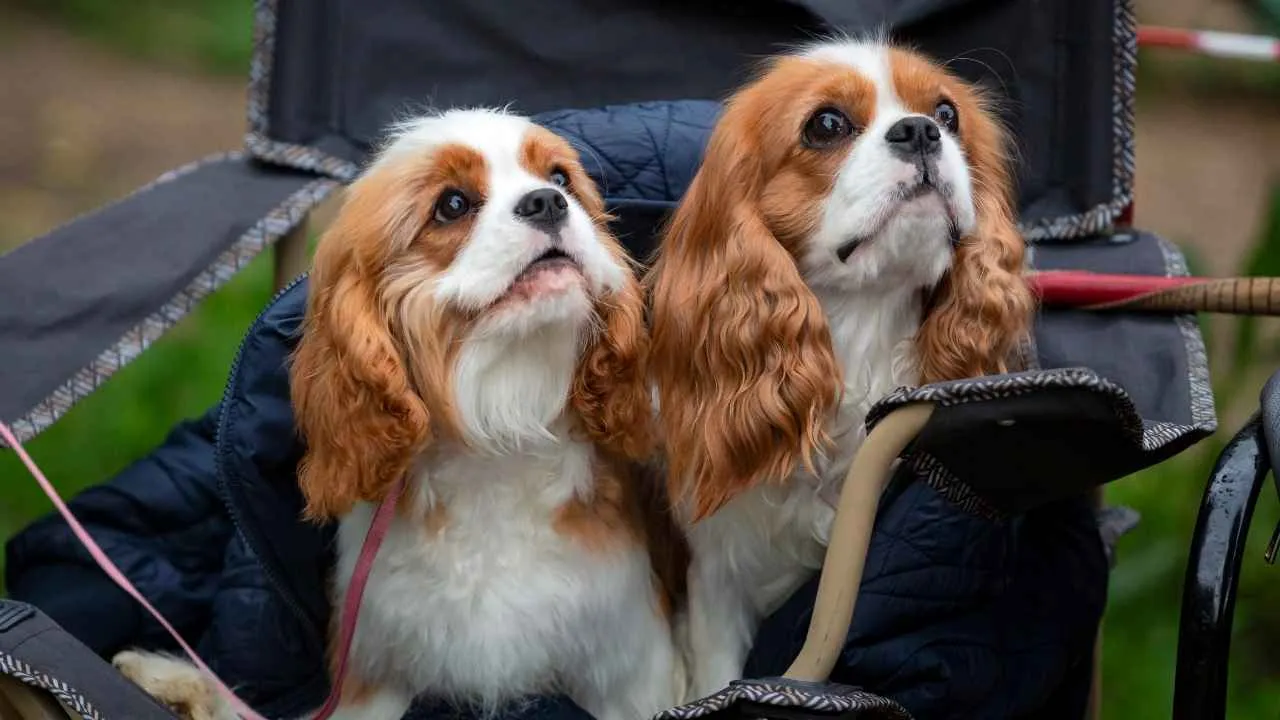
Historically associated with British royalty, Cavalier King Charles Spaniels are graceful little dogs that were bred for affectionate companionship rather than demanding physical labor.
Their laid-back personality is closely connected to their strong desire for human affection and emotional closeness. A Cavalier may happily follow its owner into the living room, settle nearby during a movie, and remain content simply knowing everyone is together.
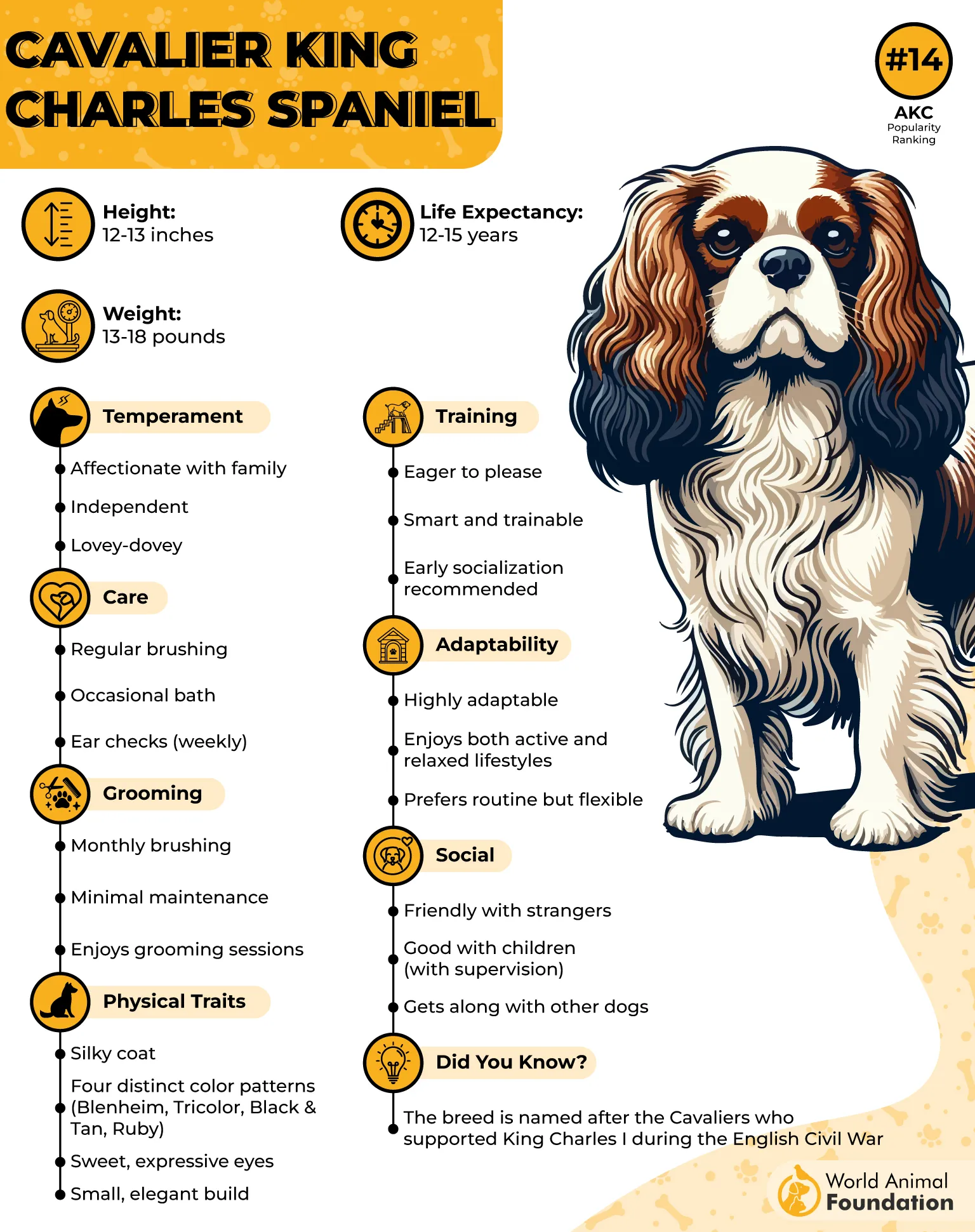
This gentle attachment is one reason the breed often appeals to retirees living a quiet life, home-based workers, and households that want an affectionate dog without an overly demanding working temperament.
Here’s what makes Cavalier puppies special: their relaxed nature doesn’t take away from their playful, enthusiastic side. Petplan says they descend from sporting spaniels and often enjoy exploring interesting scents, participating in gentle games, and taking pleasant outdoor walks before returning to their favorite resting place.
These calm and lazy dogs also have a reputation for approaching familiar people with remarkable warmth, often using gentle body language and an enthusiastic tail wag to communicate affection. When properly socialized, many get along well with other dogs and respectful children, making them appealing in homes where peaceful interactions matter.
3. Greyhound
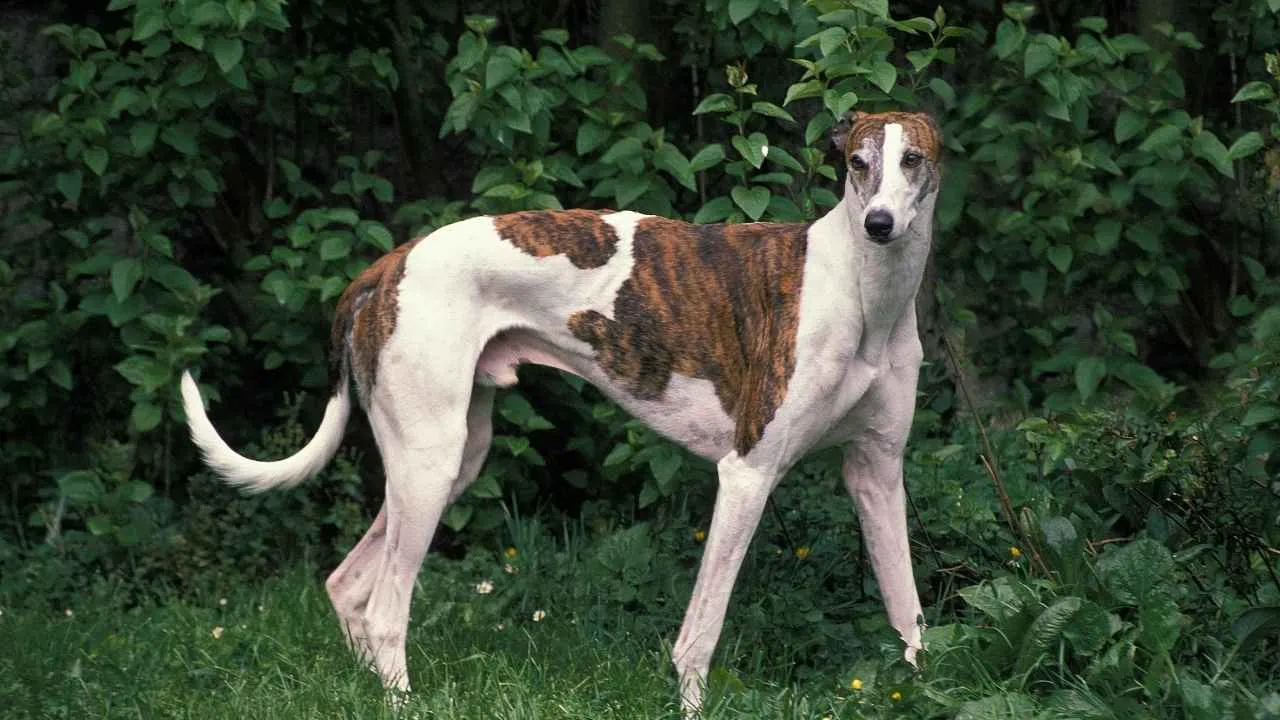
The Greyhound is a sleek, elegant sighthound celebrated for astonishing sprinting abilities and an unexpectedly relaxed indoor personality. Despite reaching speeds of around 40–45 miles per hour under ideal conditions, many adult Greyhounds are perfectly content to spend much of their downtime resting comfortably at home.
This surprising combination of athletic talent and low-key household behavior has earned Greyhounds a reputation as remarkable couch companions that love chilling out. Rather than demanding nonstop exercise, many enjoy brief bursts of energy followed by long periods of quiet recovery.
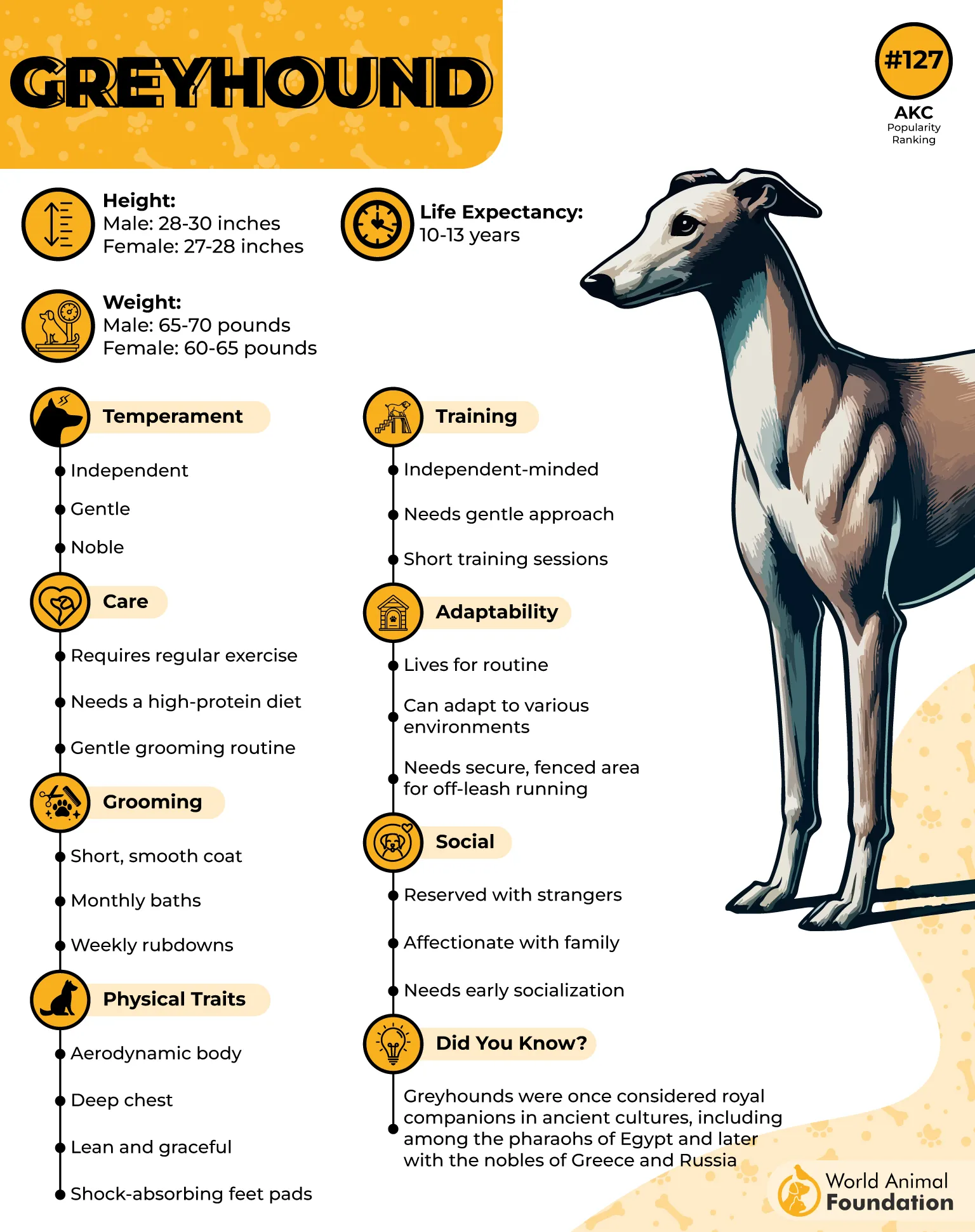
One distinctive feature of Greyhounds is their relatively reserved approach to affection compared with more exuberant companion breeds. Some prefer resting beside their owners instead of constantly climbing into their laps, while others become enthusiastic cuddle enthusiasts once they feel secure.
Their sensitivity to loud voices, unpredictable environments, and harsh handling means gentle communication and a peaceful household atmosphere can make a meaningful difference to their confidence.
4. Clumber Spaniel
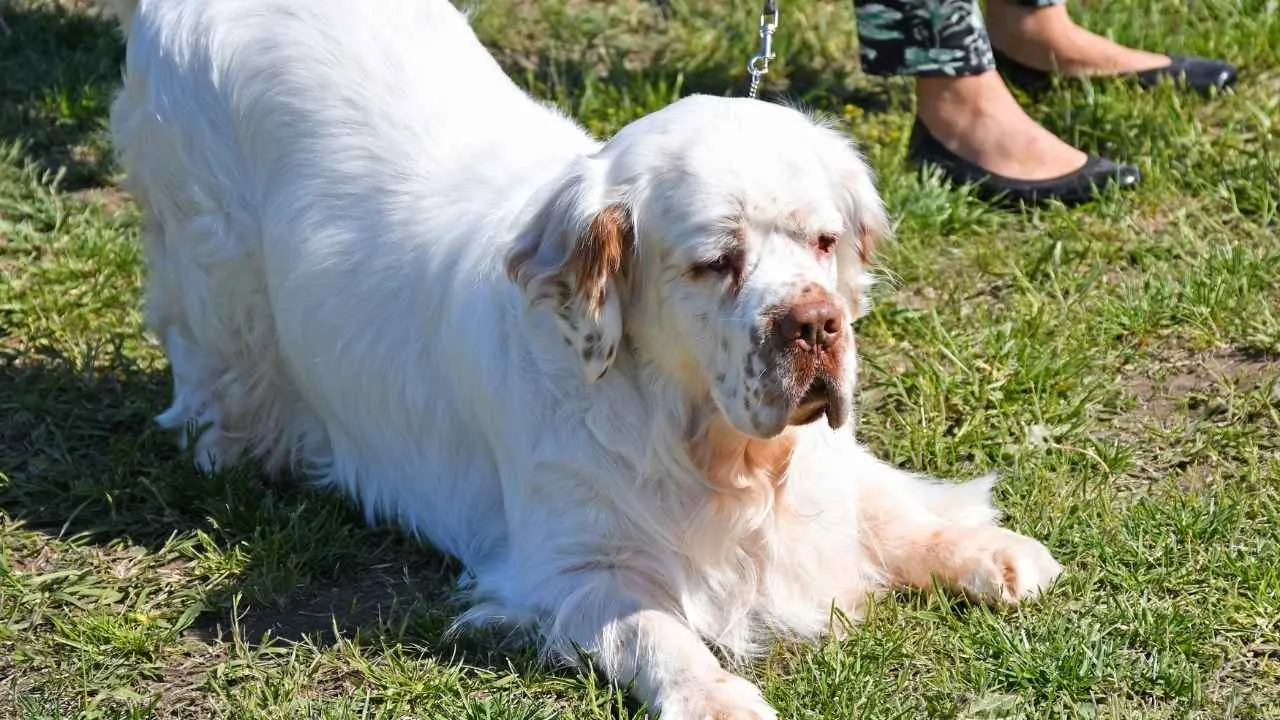
Originally developed as a sporting dog associated with British aristocratic estates, the Clumber Spaniel combines a heavy, low-set body with a mellow personality and an unmistakably thoughtful expression.
The American Kennel Club describes Clumbers as dignified, amusing, and gentlemanly, which sounds suspiciously like someone who enjoys afternoon tea and a comfortable armchair.
One of the breed’s most appealing characteristics is its steady, unhurried approach to familiar household situations. A Clumber Spaniel may quietly follow family members from room to room, investigate a visitor at its own pace, and settle down without demanding constant excitement.
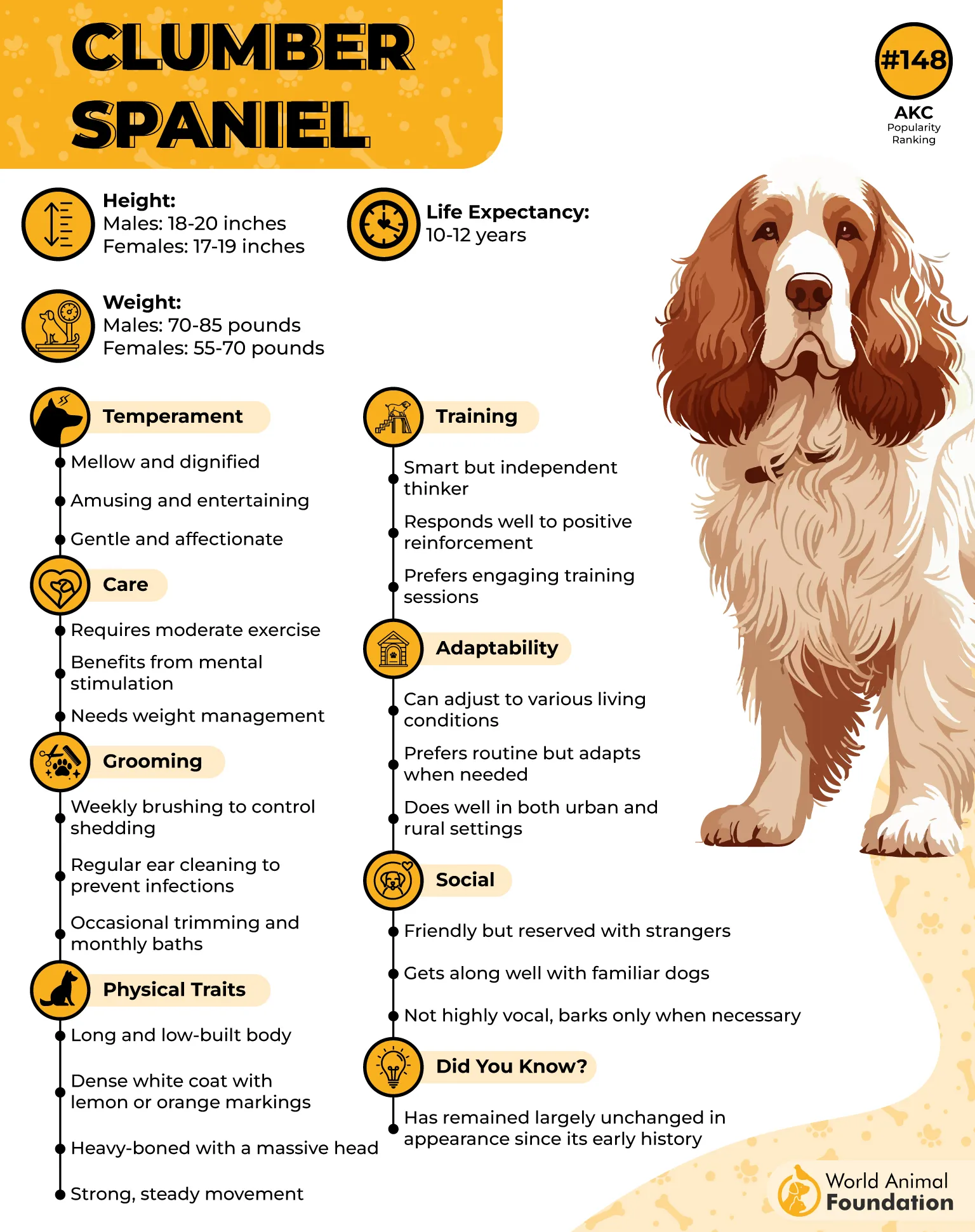
Interestingly, these calm, lazy dogs aren’t just decorative sofa companions; their original hunting duties required endurance, concentration, and an excellent sense of smell. Breeders developed them to move through dense vegetation to locate and flush game birds, often working methodically rather than relying on impressive speed.

Living with a calm Clumber also means accepting a few wonderfully messy realities that its dignified appearance doesn’t always show. Their thick coats need regular brushing, and shedding, drooling, and occasional enthusiastic investigations of muddy outdoor spaces can add unexpected cleaning duties.
5. Shih Tzu
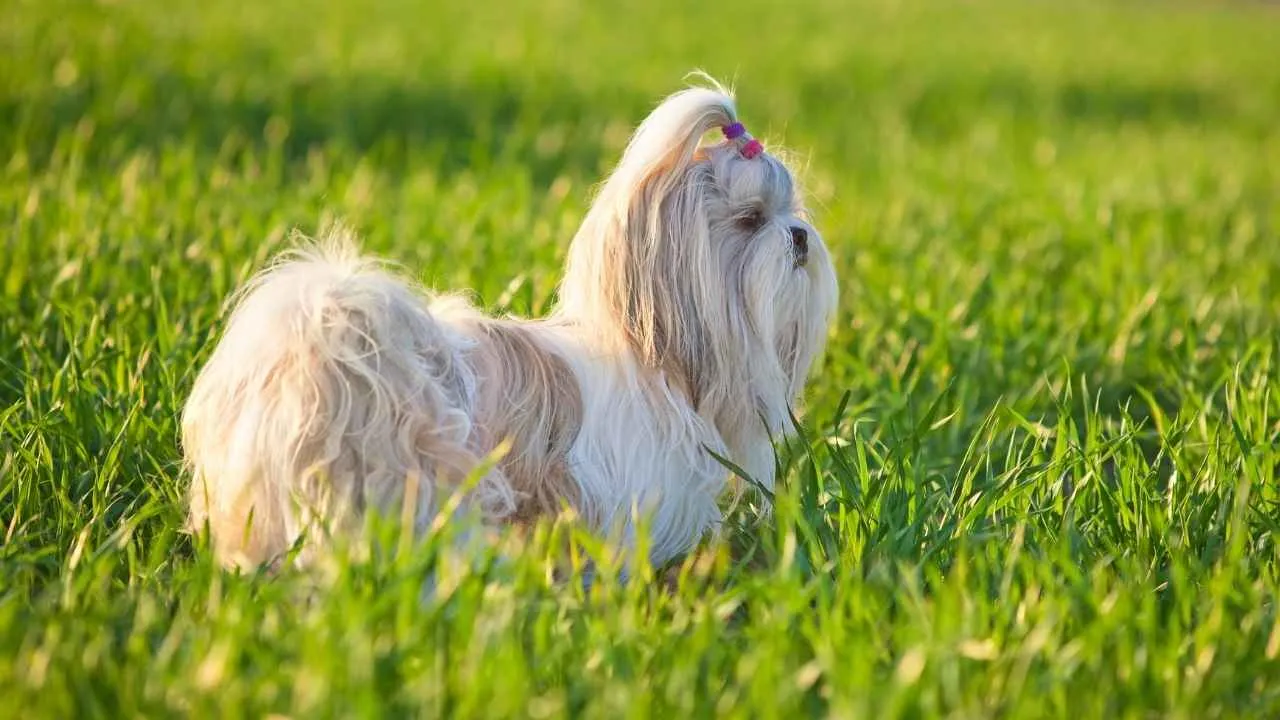
Developed as a treasured companion in Chinese imperial households, this small breed became associated with elegant surroundings, affectionate relationships, and time spent close to important people.
What makes this breed particularly suited to peaceful living is its ability to enjoy ordinary domestic routines without needing large amounts of outdoor exercise. A Shih Tzu may happily spend the morning exploring a few interesting corners, enjoy a short play session, and then settle beside someone working at a desk.
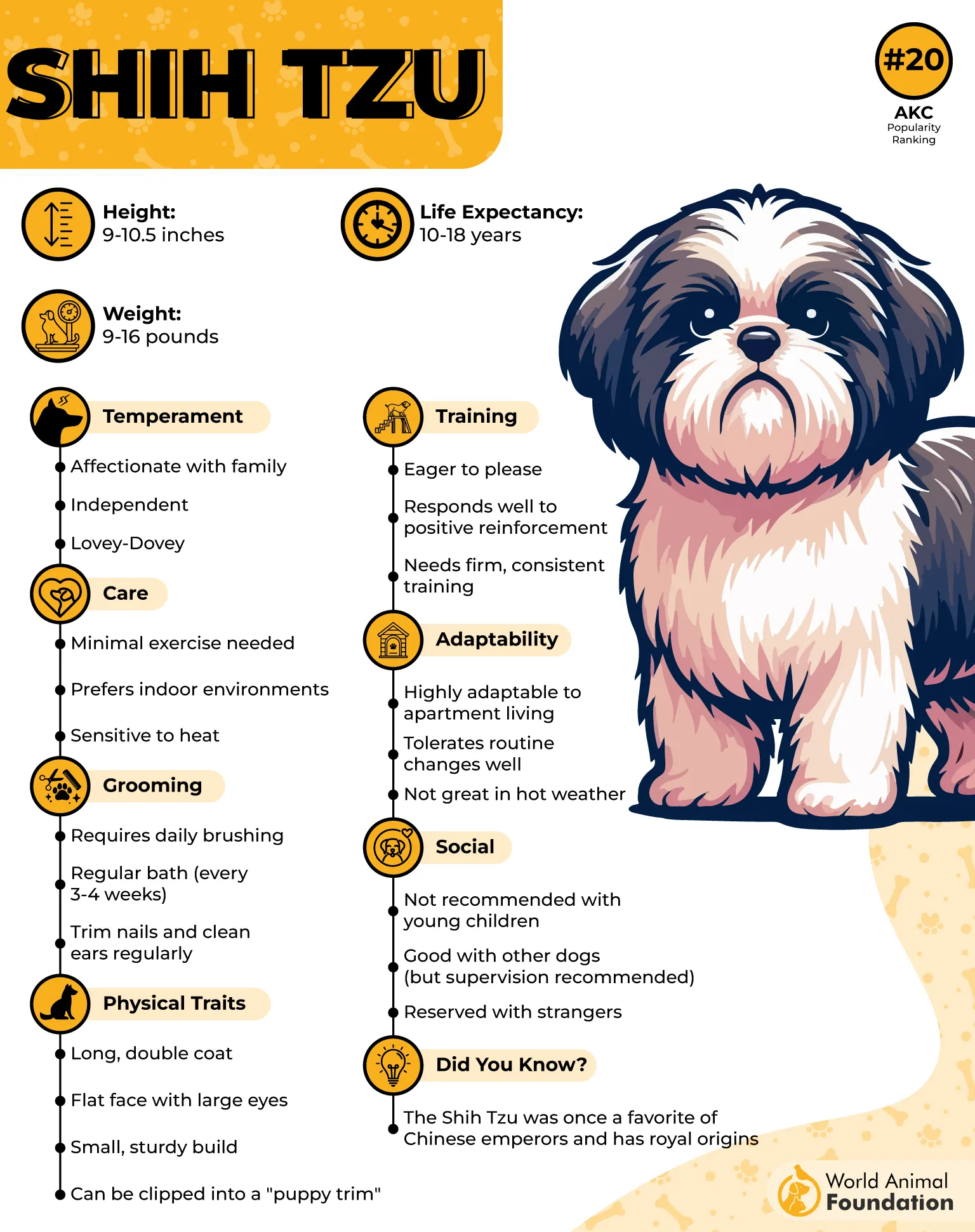
Don’t mistake a Shih Tzu’s preference for comfort for a lack of personality; these tiny companions can be hilariously expressive. Many enjoy greeting familiar visitors, investigating household activities, and demanding attention through playful antics that seem surprisingly dramatic for such small dogs.
Their relaxed side shows most clearly once their social needs are met and they can settle into a comfortable spot near their favorite person. PDSA warns that Shih Tzus often form strong attachments to their families and may dislike being excluded from everyday activities.
6. Pekingese
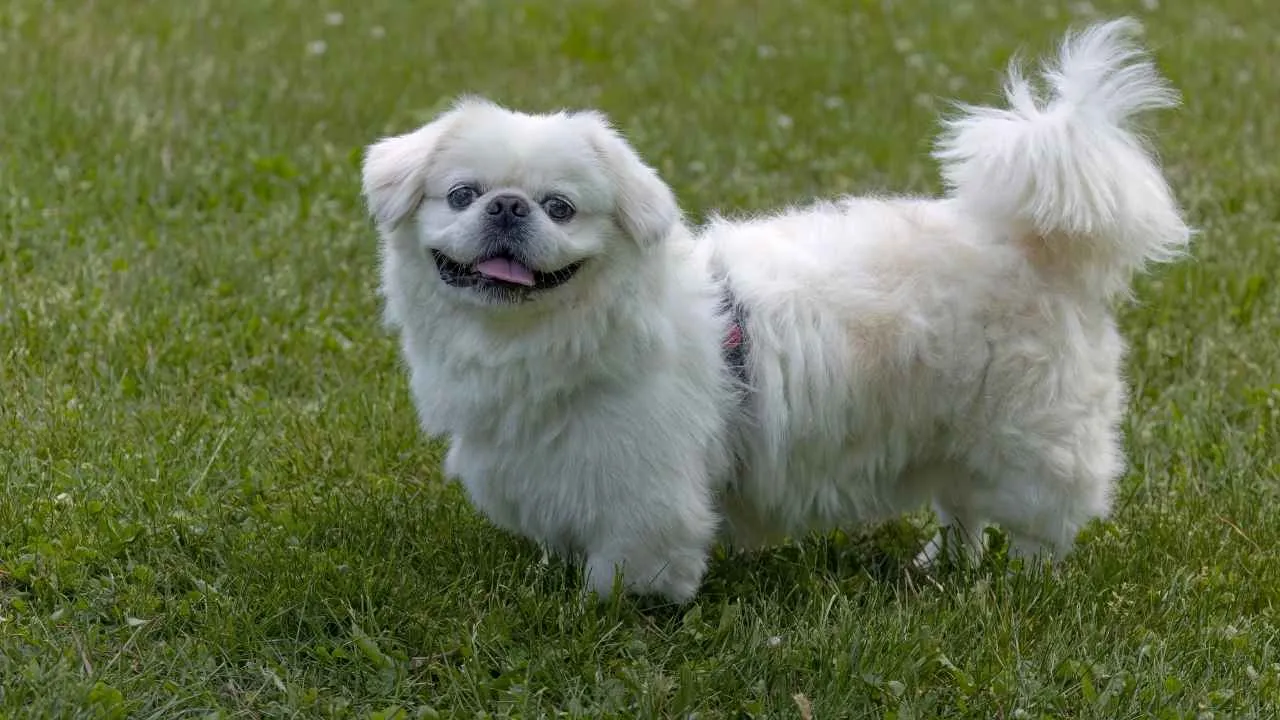
Pekingese is an ancient Chinese companion breed closely associated with imperial palaces, where its distinctive appearance and dignified personality made it a symbol of royal life.
These low-maintenance pups often approach daily life with a wonderfully self-assured attitude that sets them apart from more attention-demanding toy breeds. Rather than constantly searching for the next exciting adventure, many prefer to observe their surroundings from a comfortable resting place and choose when to participate.
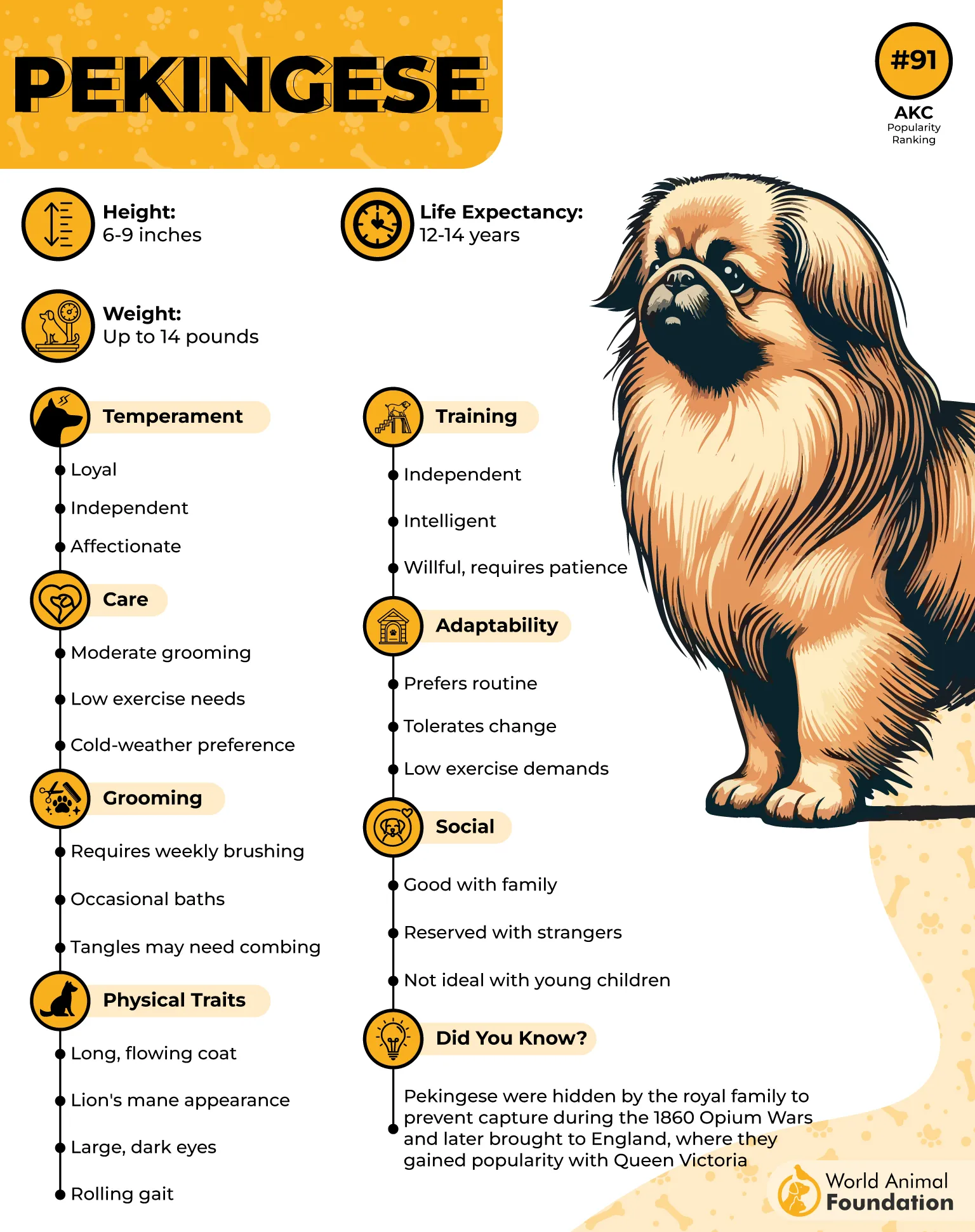
Their laid-back personality can especially appeal to adults who enjoy peaceful routines and want a companion they can snuggle with.
One particularly fascinating trait is how selectively affectionate some Pekingese can be with unfamiliar people. They may form strong emotional bonds with trusted family members while staying reserved or cautious around visitors they haven’t met.
Although they enjoy comfortable living, Pekingese shouldn’t be expected to spend their entire lives indoors without exercise or enrichment. Short walks, gentle exploration, and manageable play sessions help support physical fitness while respecting their modest activity requirements.
7. Newfoundland
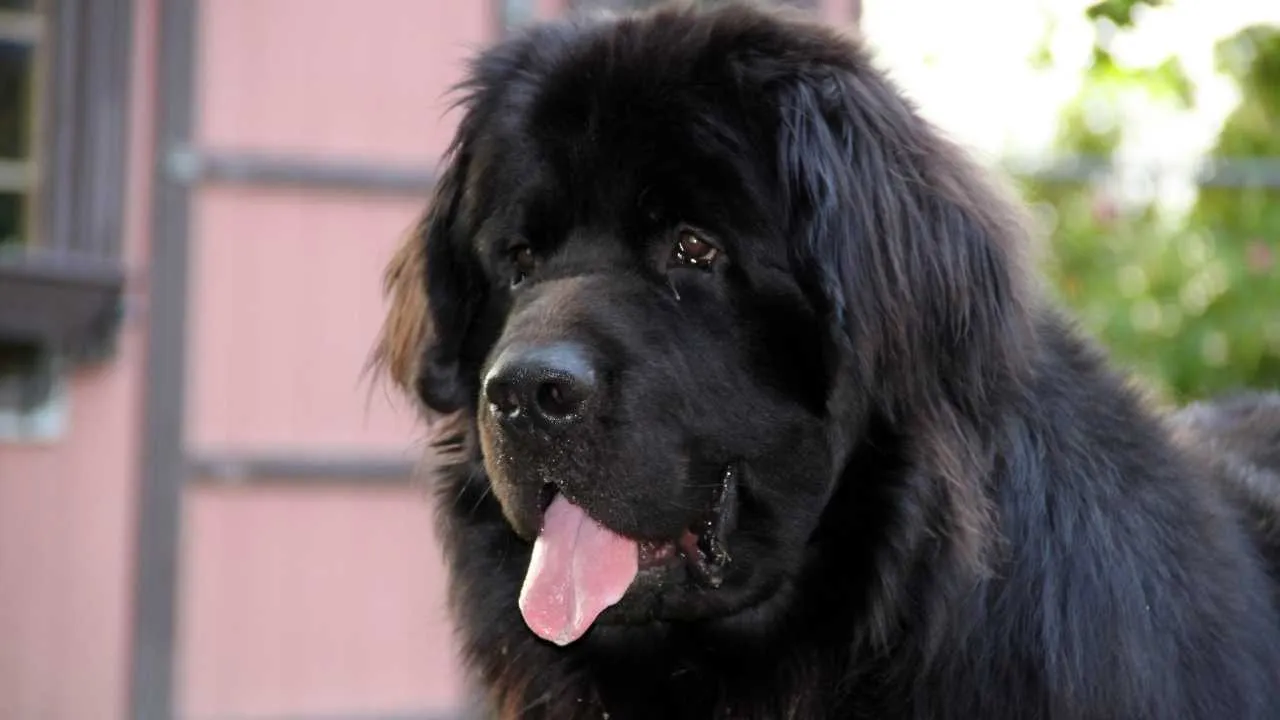
Originating in Canada, these powerful working dogs historically helped fishermen haul equipment, assist with water-based tasks, and perform physically demanding jobs in coastal communities.
One of the most remarkable things about Newfoundlands is how peacefully many transition between purposeful outdoor activity and quiet family life. Despite their enormous size, well-trained adults may spend extended periods resting near familiar people, carefully observing family routines, and enjoying peaceful companionship.
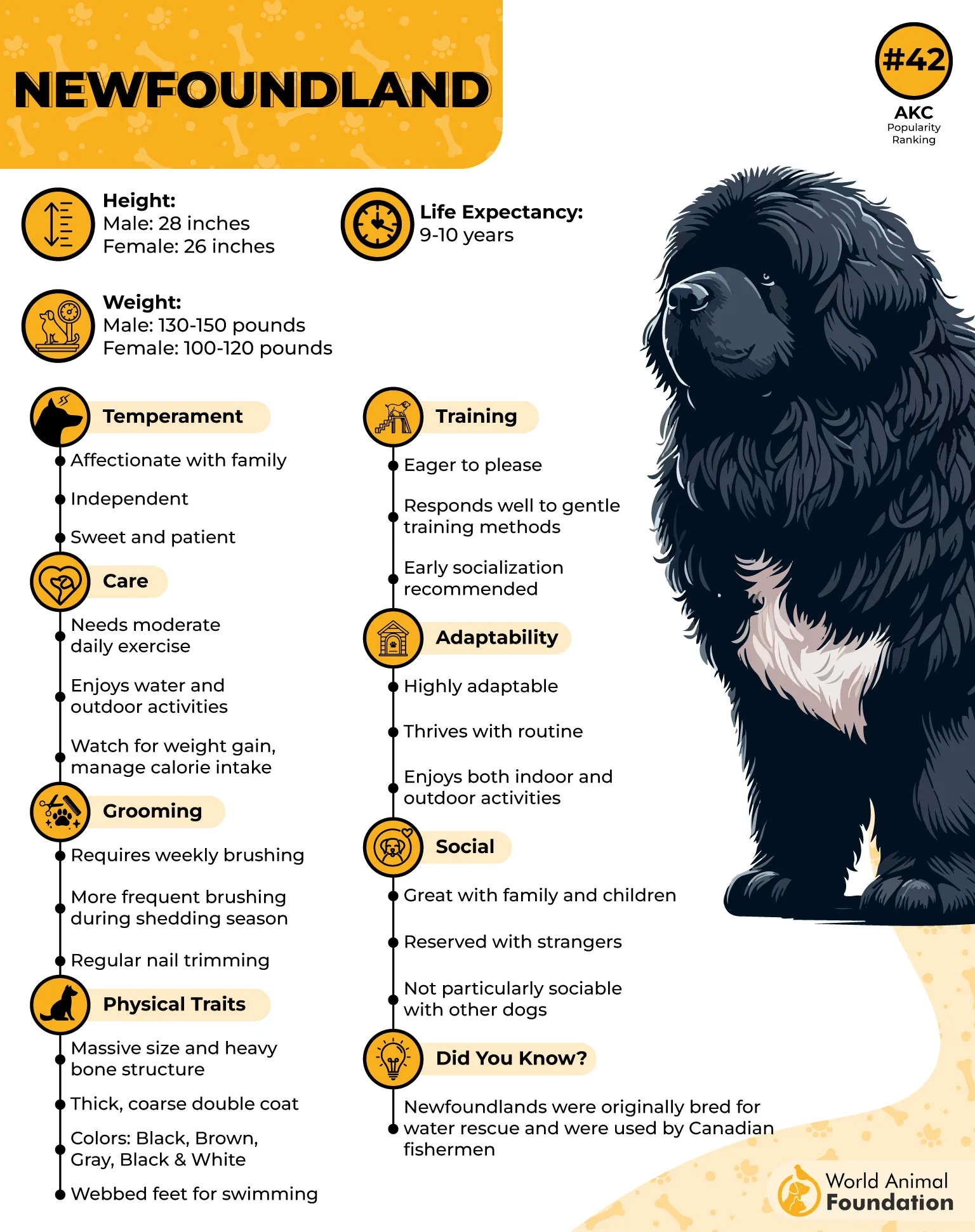
Traditionally, these dogs were expected to work alongside fishermen, follow instructions, and remain manageable despite their tremendous physical strength. The breed standard even emphasizes a sweet temperament as a key trait, showing that a calm disposition is central to its identity rather than an accidental bonus.
However, their relaxed indoor behavior shouldn’t distract from the practical realities of owning an enormous working dog. Newfoundlands need regular moderate exercise, plenty of space, and careful weight management, and many enjoy swimming or other water activities that let them use their natural abilities.
8. Saint Bernard
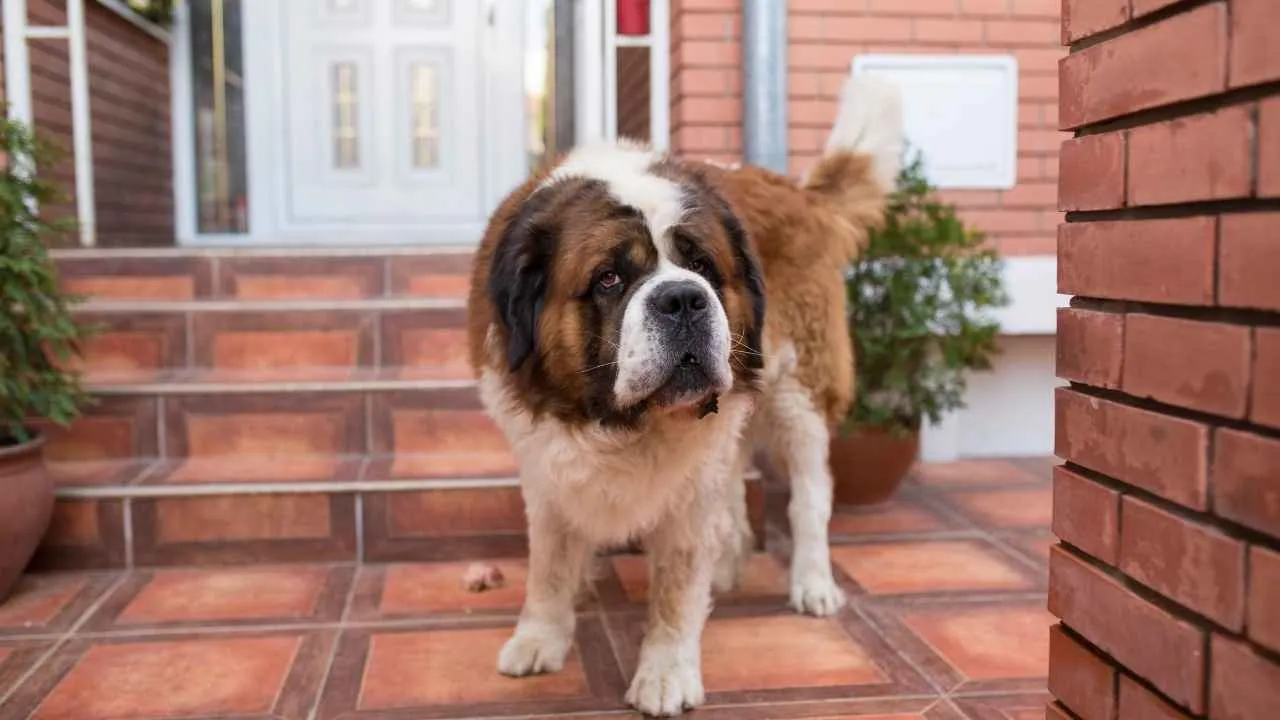
Saint Bernard is a historic breed that became famous for assisting travelers and rescue workers in difficult mountain conditions. Modern Saint Bernards retain their impressive size and powerful build, but many are better known for their patient, friendly personalities and preference for a more relaxed lifestyle.
Despite this extraordinary body mass, many mature Saint Bernards approach familiar household situations with a gentle, deliberate manner rather than frantic excitement. PetMD says they may enjoy settling near their owners, observing family activity, and receiving affection without insisting on energetic entertainment at every moment.
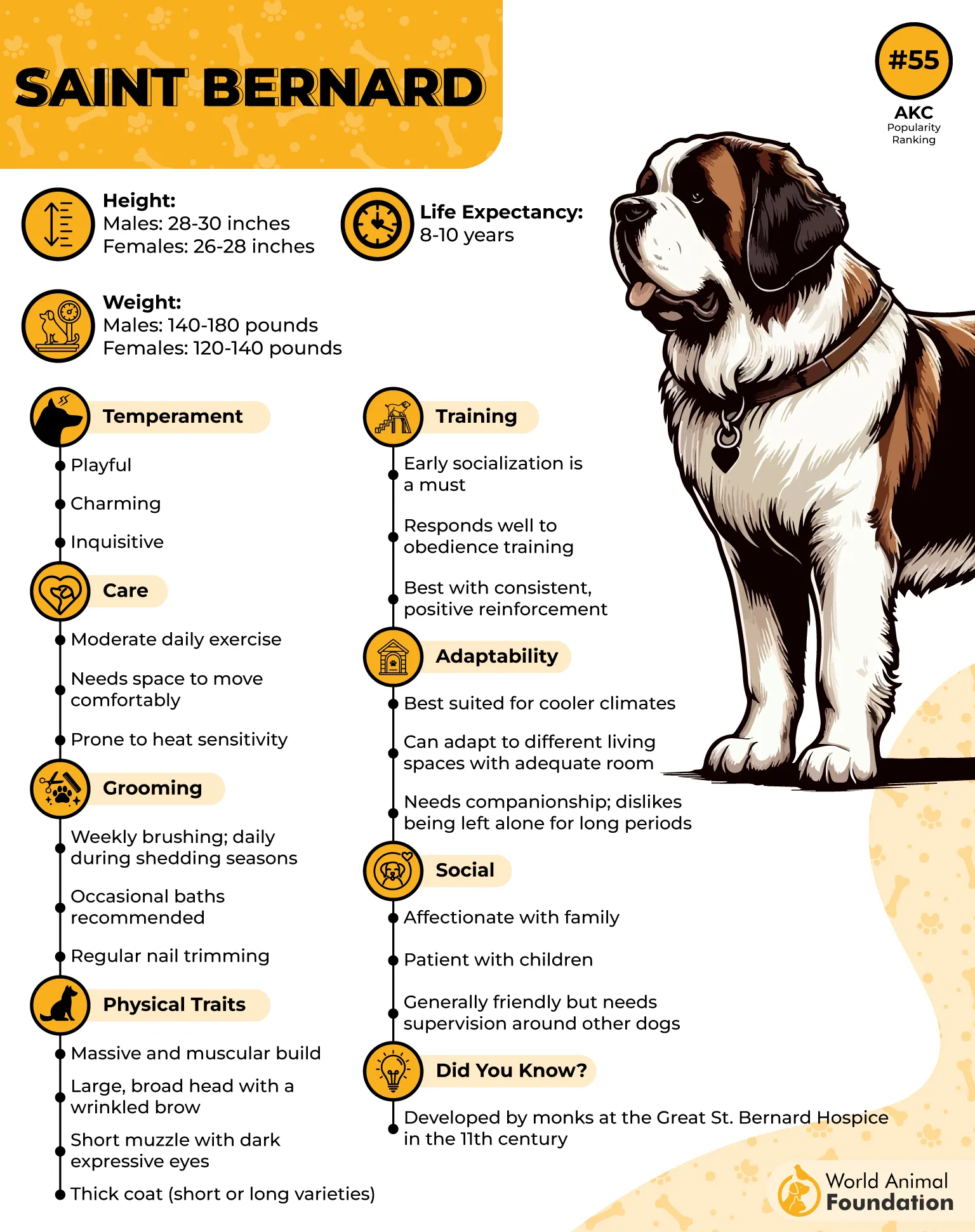
Their easygoing reputation and cheerful nature become particularly charming when paired with their sometimes comically affectionate habits. Some enjoy leaning against familiar people, resting an enormous head nearby, or following family members from room to room in search of companionship.
Keeping a Saint Bernard comfortable takes more than an oversized bed and unlimited access to the family sofa. Their large bodies can put considerable stress on their joints, so weight management, appropriate nutrition, and sensible exercise are especially important throughout growth and adulthood.
9. Mastiff
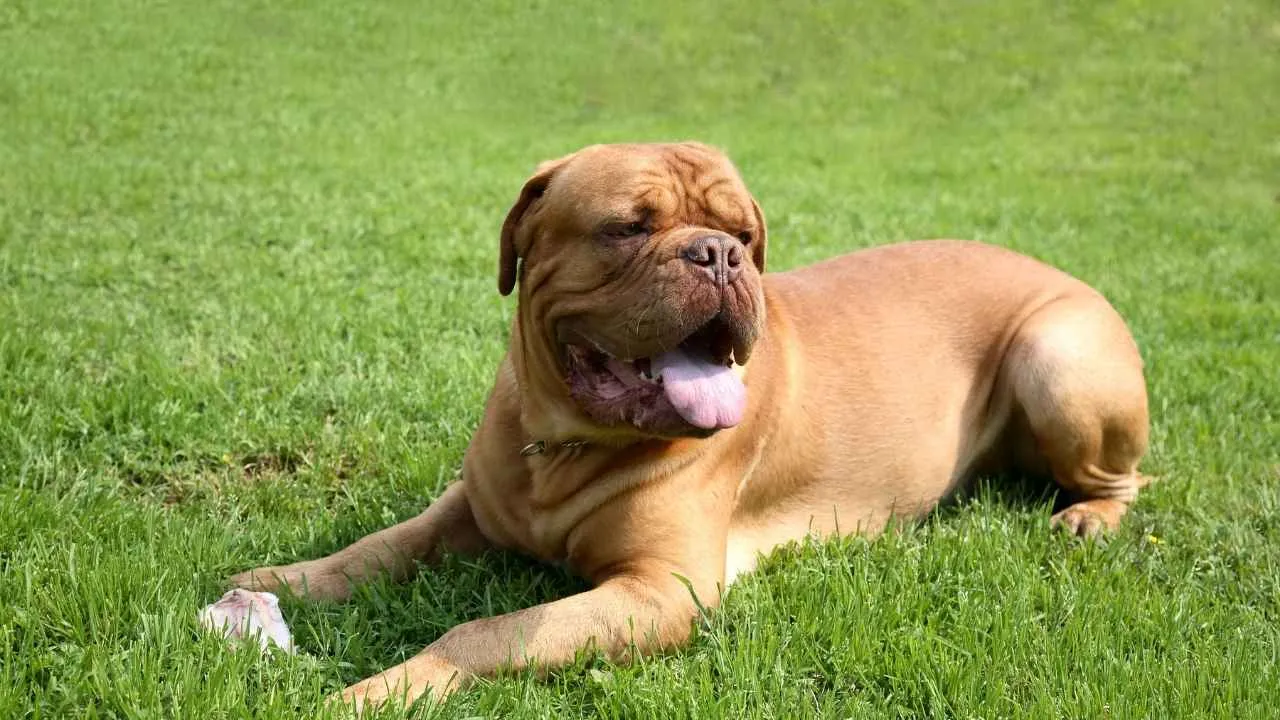
The Mastiff, often called the English Mastiff, is what happens when an enormous guardian dog decides that a quiet afternoon is the highest form of luxury. With its massive head, broad chest, powerful muscles, and famously dignified expression, this historic breed looks imposing but often acts like a relaxed household companion.
Despite their intimidating appearance, these calm dogs are remarkably relaxed around familiar people and prefer a predictable daily rhythm. An adult may spend hours resting in a favorite corner, occasionally moving to investigate household activity before returning to its comfortable spot.
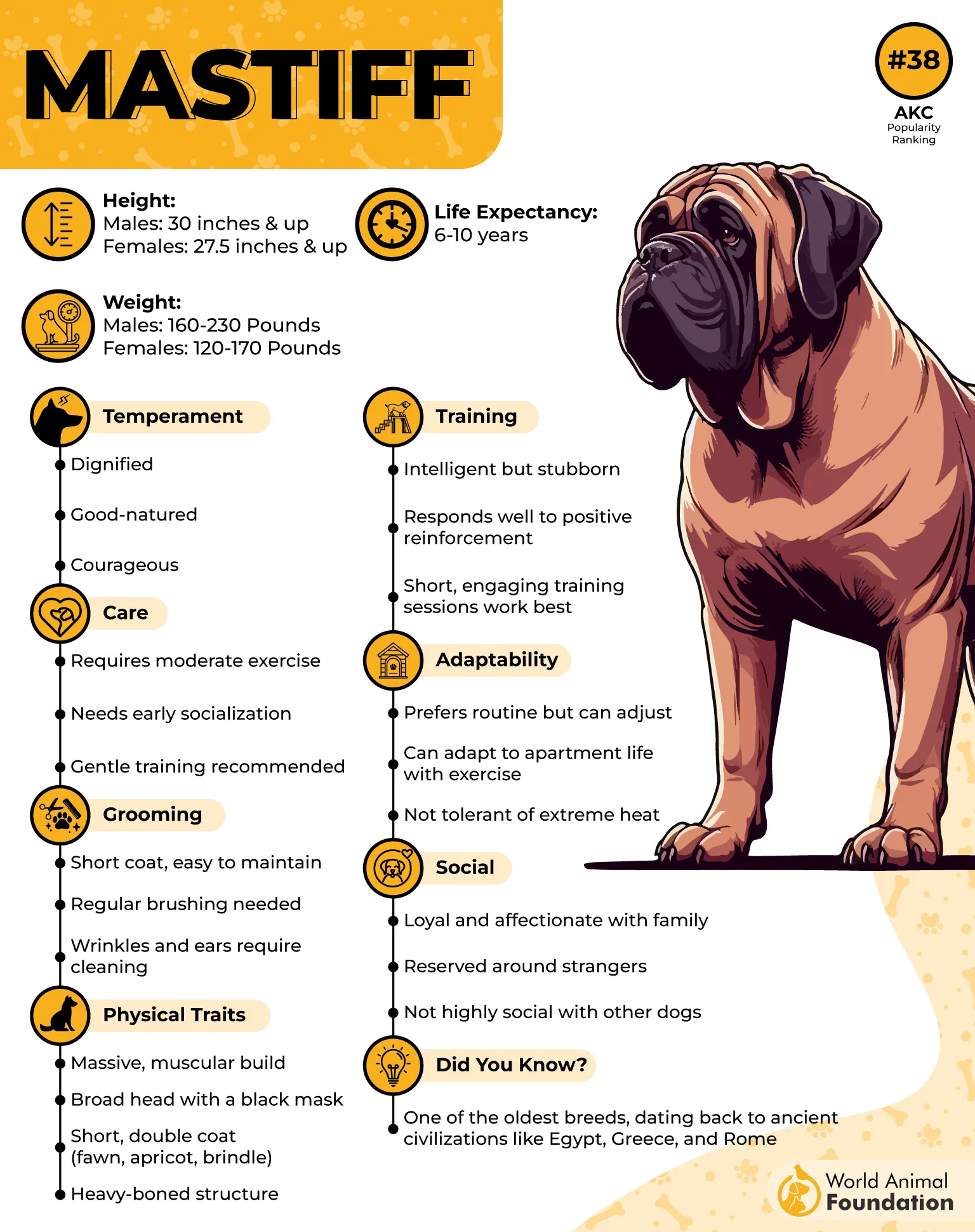
This steady, low-maintenance indoor behavior can appeal to owners who want a quieter home, though temperament depends on breeding, upbringing, age, and individual experiences.
Their calm behavior doesn’t eliminate the need for careful socialization, especially because a nervous or poorly trained giant dog can be extremely difficult to manage. Mastiffs may be naturally reserved around strangers, so positive early introductions and controlled exposure to unfamiliar environments help them build confidence.
Conclusion
Finding the perfect laid-back dog isn’t about choosing the breed that sleeps the most or needs the fewest walks. It’s about discovering a loyal breed whose personality, activity preferences, emotional needs, and everyday habits align with the peaceful lifestyle you want to create.
However, even the calmest dream dog needs attention, enrichment, social opportunities, healthcare, and regular physical activity to remain comfortable and emotionally balanced. Some relaxed breeds come with substantial grooming needs, while others face serious medical challenges that prospective owners should research carefully before committing.
Choose thoughtfully, prioritize the individual dog’s health and temperament, and you may find a wonderful companion who makes life’s ordinary quiet moments feel genuinely special.
