




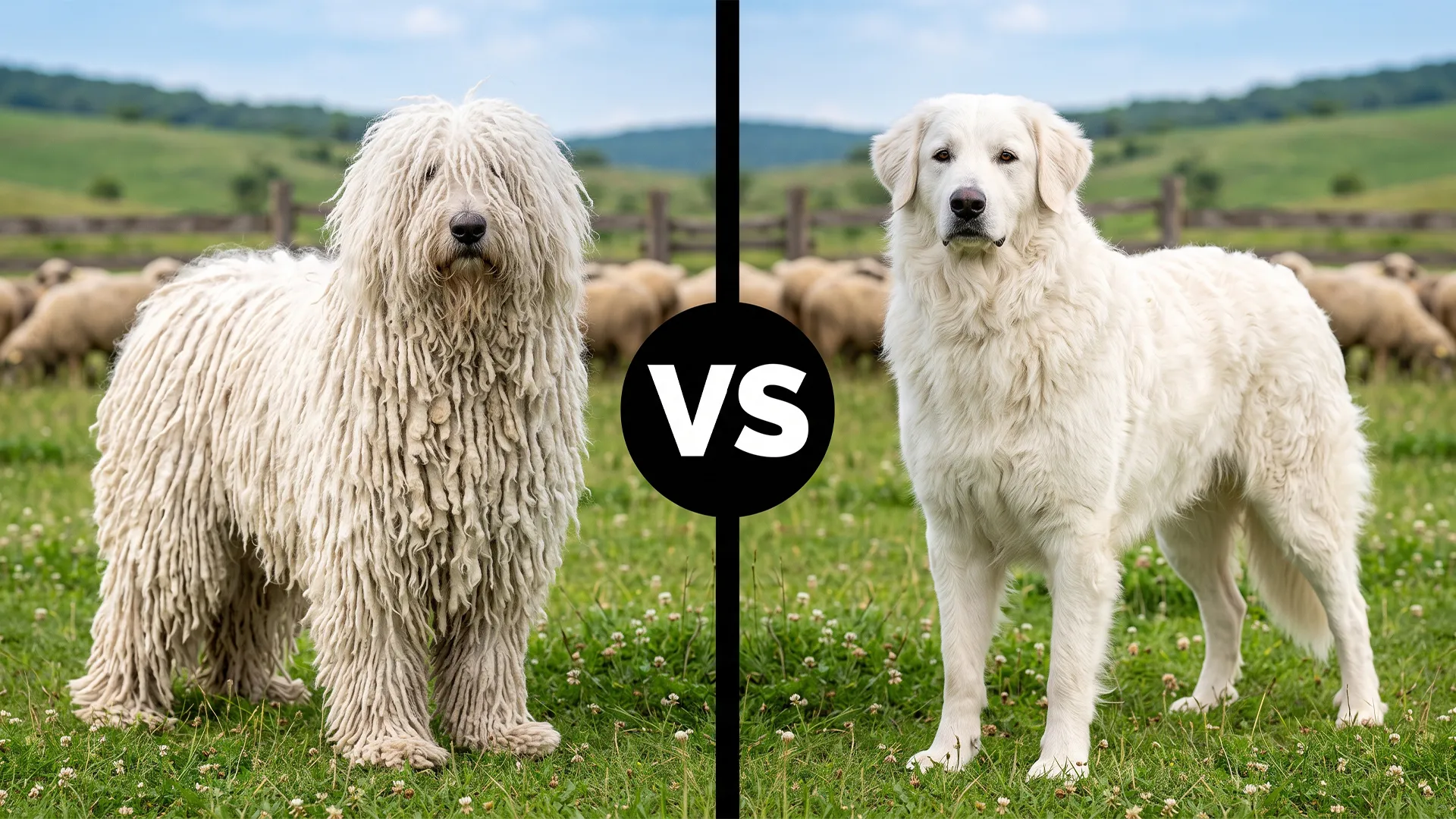
A family searching for a reliable guardian narrowed their options down to two respected working dogs. On paper, the choice seemed straightforward.
Both had long histories of protecting livestock, both carried an unmistakable presence, and both earned praise for their loyalty. Confident that either option would work, they expected the final decision to be easy. Then the research began. The deeper they looked, the more differences they uncovered.
Temperament, independence, trainability, and daily management all revealed important distinctions that had been hidden beneath their similar reputations. What started as a simple comparison quickly became a much more thoughtful decision. That experience is common among people exploring these breeds for the first time.
The sections ahead break down those differences clearly, helping you understand what each guardian brings to the table and why it matters.
Key Takeaways:
At first glance, these two Hungarian guardians seem almost interchangeable, both built for protection and both trusted for centuries.
The Komondor stands out with its corded coat and quiet, self-reliant guarding style that works almost like silent protection across open land.
The Kuvasz brings a more athletic build and a sharper sense of connection with its handler, reacting with awareness that feels more engaged and tuned in.
By the time you see how they differ in temperament, training, and daily life, the choice between them starts to feel far less straightforward.
Komondor vs. Kuvasz: Must‑Know Traits
Origins & Purpose
Guardian of the Flock
Komondor earned its place in Hungary as a livestock guardian rather than a herding dog, spending centuries protecting sheep from predators. Nomadic groups are believed to have brought the breed into the region during the 13th century, where its white corded coat helped it blend directly into the flock.
That purpose shaped a dog built for surprise and protection. Predators could struggle to distinguish a Komondor from the sheep it guarded, giving the breed a tactical advantage when danger approached. Even after AKC recognition in 1937, the breed remained uncommon and nearly disappeared during World War II before careful restoration efforts revived it.
From Royal Courts to Farmyards
Kuvasz has an even older story, with roots linked to ancient regions around Tibet and Turkey before becoming established in Hungary. By the Middle Ages, it had earned a reputation as a dependable livestock guardian, capable of confronting wolves while remaining calm and patient around the animals it protected.
Its status rose even further during the reign of King Matthias Corvinus in the 1400s, who relied on Kuvasz dogs for both hunting and security. The breed nearly vanished during World War II, leaving fewer than thirty recorded dogs. Still, dedicated preservation efforts restored its numbers and secured its place as one of Hungary’s most respected guardian breeds.
Size & Build
Komondor Power and Presence
Komondors stand at a minimum of 27.5 inches for males and 25.5 inches for females, with weights often exceeding 100 pounds. Beneath the famous corded white coat sits a heavily muscled frame built to confront predators and endure long hours guarding livestock.
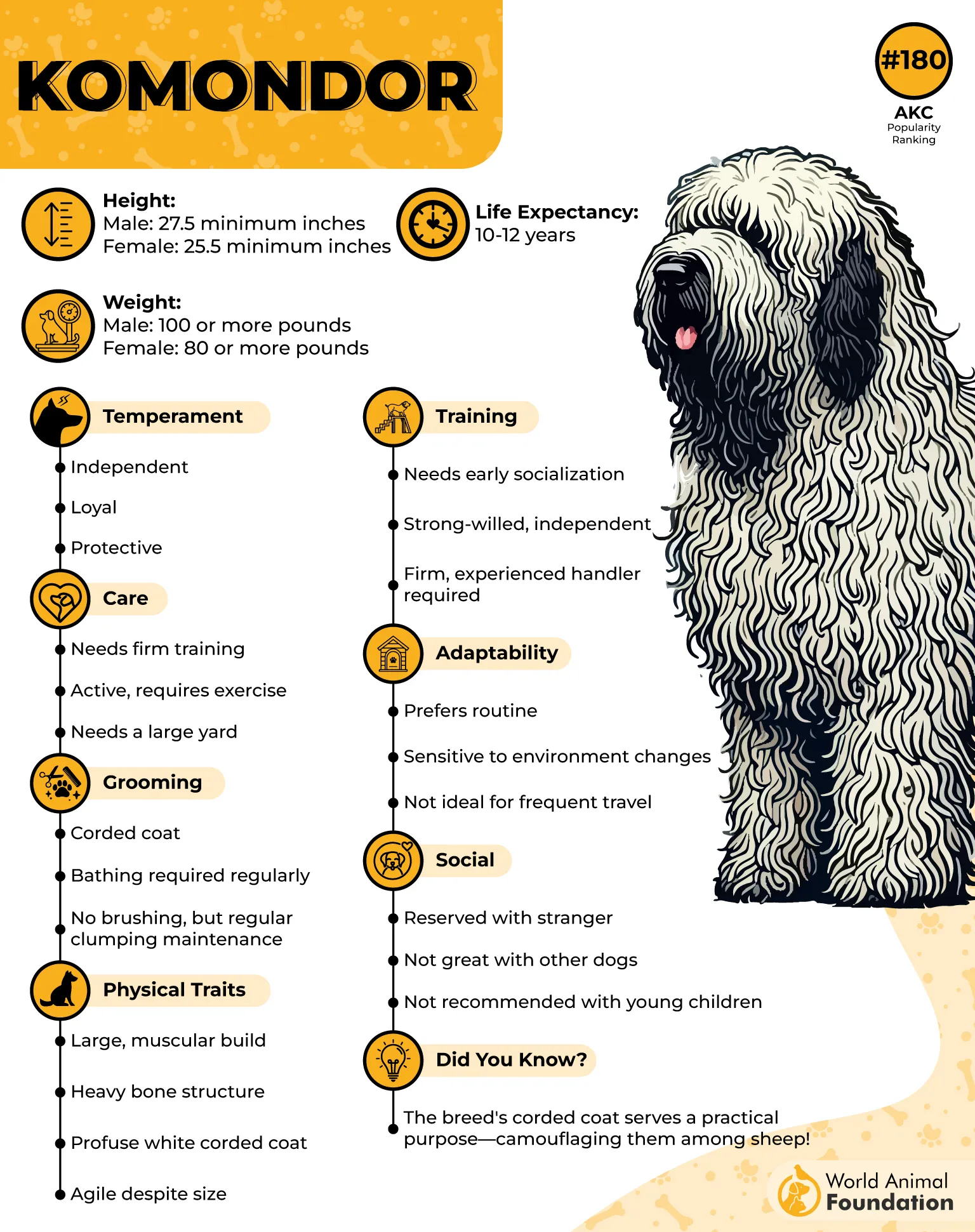
The body forms a near-square outline supported by strong bone, a deep chest, and a thick, powerful neck. Even without considering the dramatic coat, the breed projects substantial mass and physical authority from every angle.
Kuvasz Strength with Agility
Kuvasz males typically reach 28 to 30 inches and females 26 to 28 inches, while weight ranges from 70 to 115 pounds, depending on sex. As mentioned in the AKC, their size is impressive, yet the structure emphasizes athletic movement rather than sheer bulk.
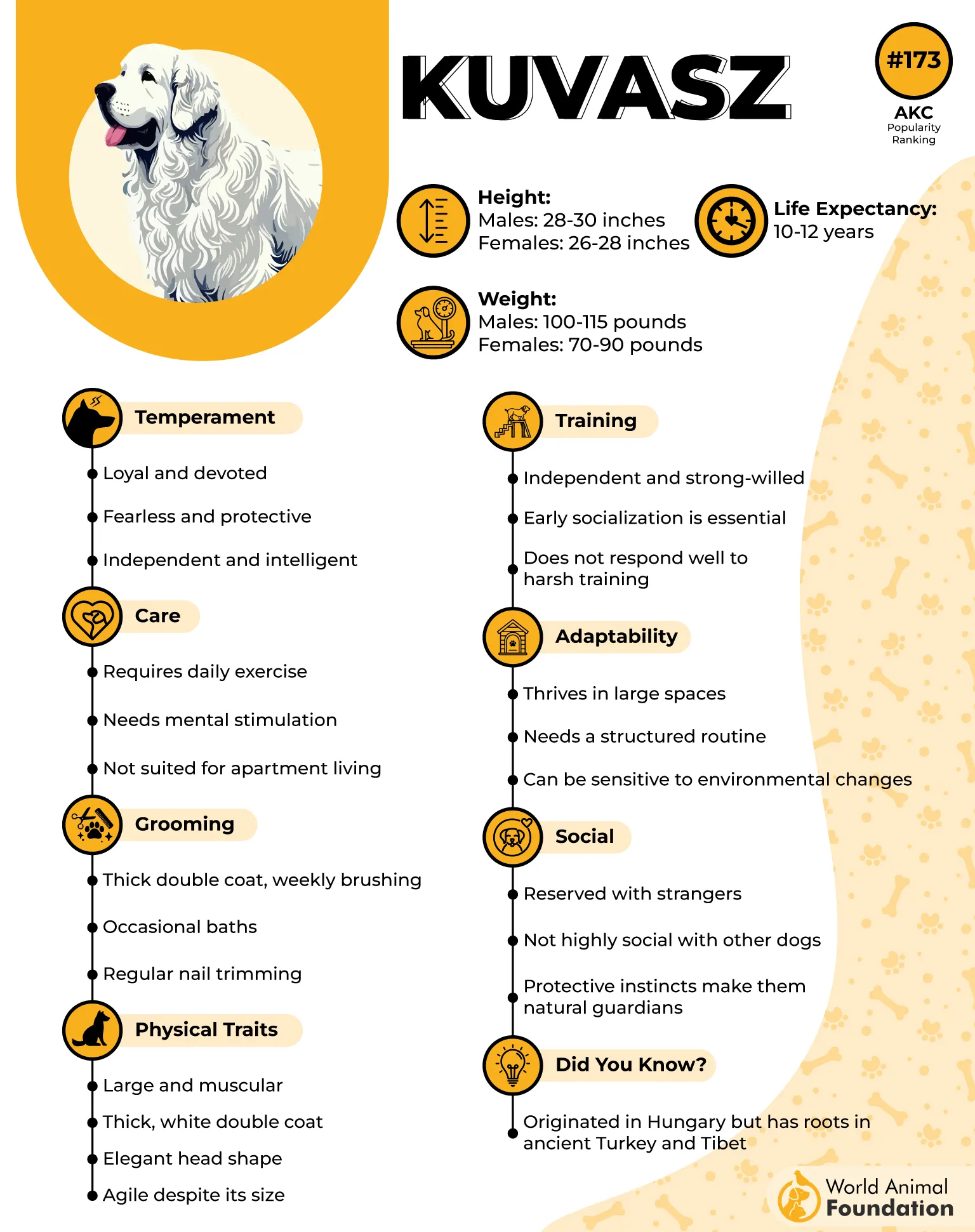
A deep chest, level back, and slightly rectangular body help create a more agile silhouette. The breed still possesses the strength expected of a livestock guardian dog breed, but its build feels lighter, quicker, and more elastic in motion.
Pricing & Availability
Komondor Cost and Availability
Komondors are usually the more affordable option at first purchase, with puppies commonly priced between $800 and $1,200. Prices can rise significantly when pedigrees, established bloodlines, or show-quality breeding are involved, making some dogs far more expensive than the average range.
Finding one may require a bit of patience since the breed is relatively uncommon compared to more mainstream dogs. Along with reputable breeders, rescue organizations, and local shelters, they occasionally provide opportunities for people interested in bringing a Komondor home.
Kuvasz Pricing and Availability
Kuvasz puppies generally fall into a higher price bracket, with most costing between $1,300 and $2,500, depending on the breeder and the dog’s lineage. That higher investment often includes health screenings, temperament evaluations, and documented pedigree information from established breeding programs.
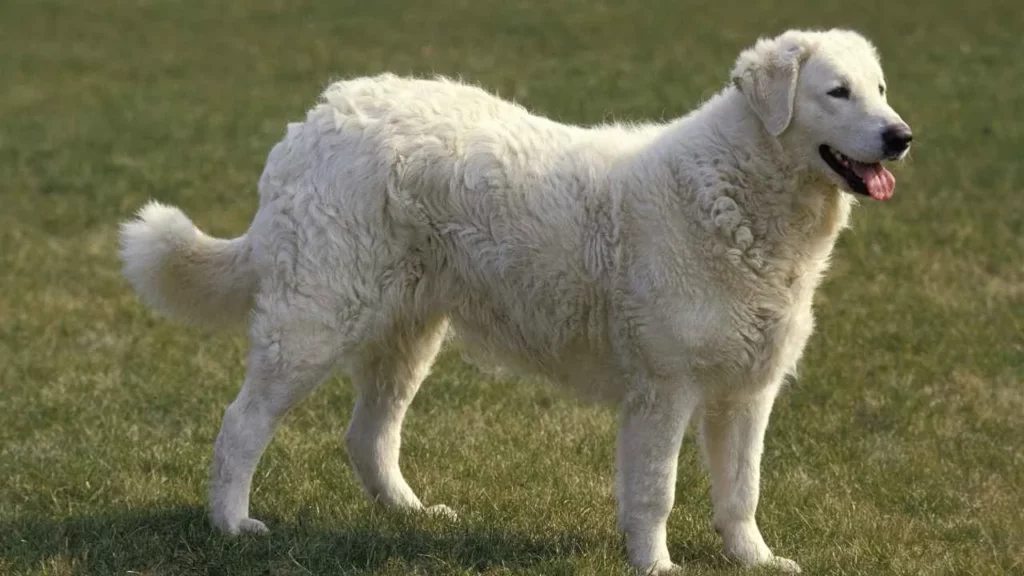
Availability can also be somewhat limited, though dedicated breeders and breed-specific rescue groups remain the most reliable places to start the search. Prospective owners may spend more up front, but the breed is often offered with additional breeder support and documented health history.
Temperament & Personality Style
Komondor Personality at Home
Komondorok tend to approach life with a calm and steady attitude, rarely reacting without a reason. They are intelligent, affectionate with their family, and often gentle around children, though early guidance plays a major role in helping them develop balanced responses to unfamiliar situations.
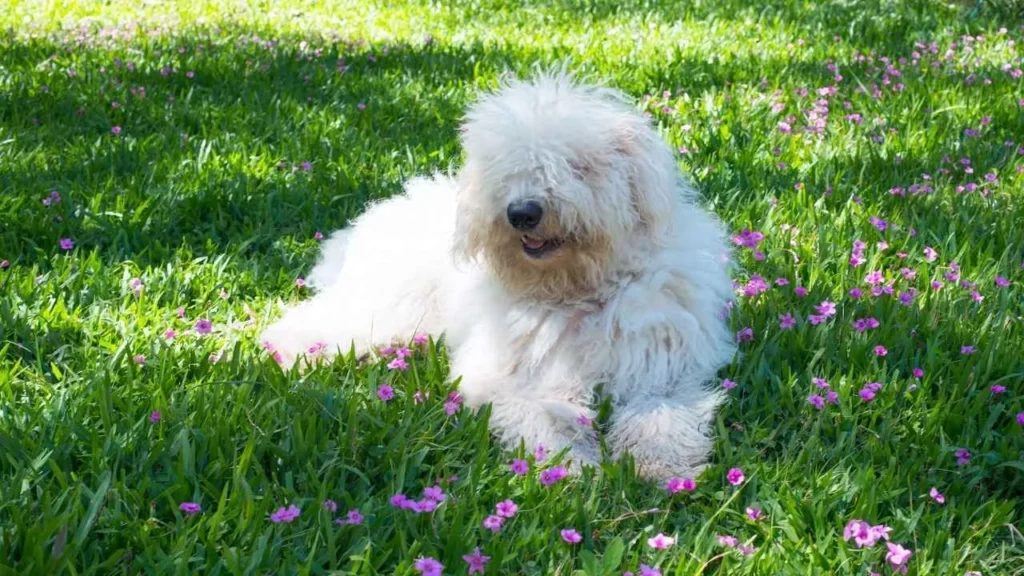
Their confidence shows through attentiveness rather than nervousness. Because they can be naturally cautious around strangers, regular exposure to new people, environments, and experiences helps them become more comfortable and appropriately responsive as adults, as PetMD describes.
Kuvasz Character and Confidence
Kuvasz dogs combine intelligence with a strong sense of independence, often preferring to assess situations for themselves before reacting, as noted by WebMD. Around their family, they are calm, attentive, and emotionally steady, creating a reassuring presence rather than an overly demanding one.
That self-assured nature also makes them reserved with unfamiliar people. Early socialization is especially important for this breed, helping them learn to accept newcomers comfortably while maintaining the watchful awareness that has long been part of their temperament.
Exercise Needs & Energy Level
Komondor Energy and Daily Activity
Komondors may look heavy and grounded, but they still carry a surprising level of agility for their size, and they stay healthiest when given steady daily movement. Around 30 to 60 minutes of controlled activity is usually enough to keep them balanced, especially when it includes walking, open-yard movement, or calm play sessions with familiar dogs.
Their energy is closely tied to their guarding instincts, which is why open environments like dog parks can sometimes create tension rather than relaxation. A secure space where they can move freely without unpredictable interactions tends to suit their working mindset far better than crowded social settings.
Kuvasz Stamina and Activity Demand
Kuvasz dogs operate on a noticeably higher activity requirement, shaped by their role as active working guardians that were expected to stay alert for long stretches. They generally need around 60 to 90 minutes of daily exercise to stay physically and mentally settled, especially in structured environments.
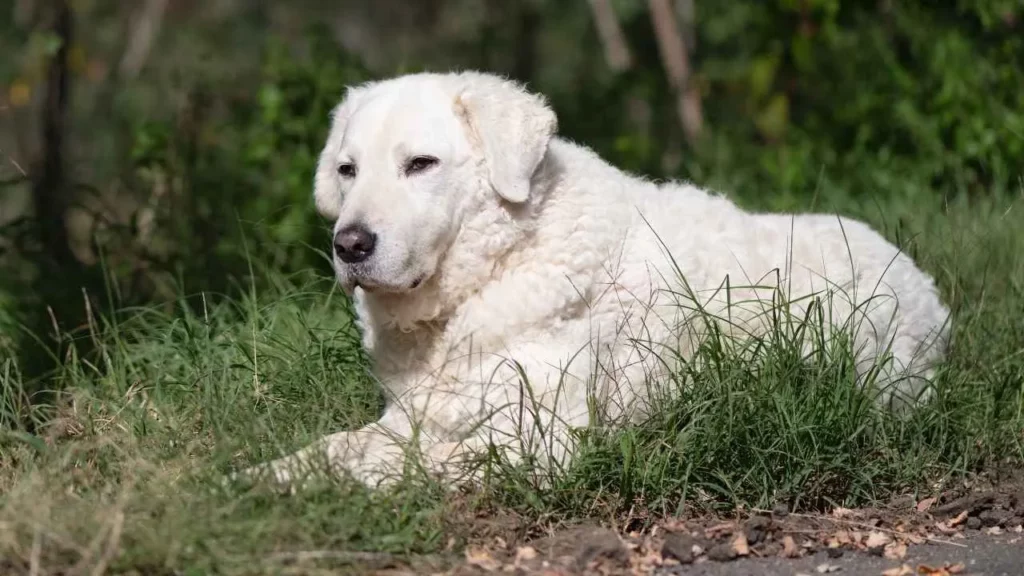
Their size and rapid growth in early stages also make controlled movement important, with a fenced outdoor space often becoming a key part of their routine. The focus here isn’t just on movement but on sustained engagement, since their energy level stays consistent throughout the day rather than peaking in short bursts.
Trainability & Obedience
Komondor Training Approach & Obedience
Komondors respond best when training starts early, especially during puppy stages when rules and structure are easier to build into their routine. They are independent thinkers, so clear leadership matters from the beginning. Their natural guarding instinct can become too strong in everyday situations.
By the time they reach around one year, consistent command-following is expected, which is why structured obedience training works well for them. Many handlers aim for formal obedience goals because they help channel their protective mindset into controlled responses instead of unchecked reactions.
Kuvasz Learning Style & Discipline Needs
Kuvasz dogs bring strong intelligence along with deep loyalty, which makes them highly committed but also mentally independent during training. They tend to mature slowly, so progress often requires patience rather than fast repetition or forceful correction.
They also react poorly to harsh or repetitive methods, preferring a calmer, problem-solving style of guidance that respects their sensitivity. Since they were originally bred as livestock guardians, their protective instincts are always close to the surface, naturally extending toward family and property when properly guided.
Grooming Needs & Shedding
Komondor Coat Care and Shedding Control
The Komondor’s coat grows into its signature corded form through careful separation of naturally clumping hair rather than regular brushing. As the coat develops around 9 to 10 months, the strands are divided into small sections that continue forming tight cords over time, creating that heavy, rope-like appearance.
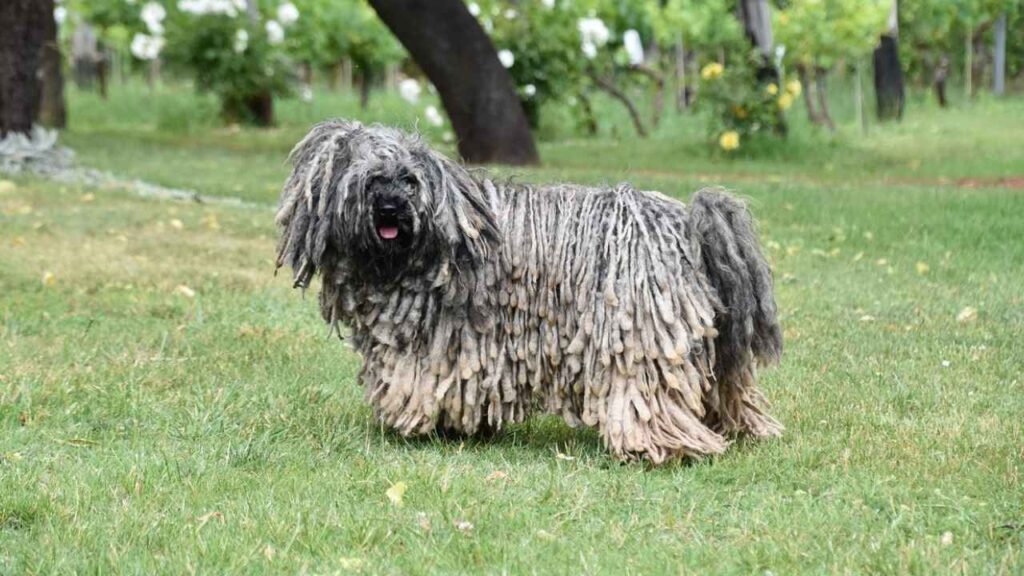
Despite its dramatic look, the coat stays clean when maintained correctly with proper washing and complete drying. Gentle shampoo rinsing followed by thorough drying is essential, since trapped moisture or residue can affect texture and lead to odor issues if not fully removed.
Kuvasz Coat Maintenance and Shedding Level
The Kuvasz carries a dense double coat made of a protective outer layer and a soft undercoat that supports insulation and seasonal shedding control. This structure gives the dog its large, white, and full-bodied appearance while still allowing natural airflow through the layers.
Coat care stays fairly simple compared to its size, needing only weekly brushing to clear loose hair and outdoor debris. Occasional bathing helps maintain brightness and cleanliness, keeping the coat in good condition without heavy grooming demands.
Guarding Instincts & Alertness
Komondor Protective Instincts & Awareness
The Komondor carries a long-standing guarding instinct shaped through centuries of working alone in Hungarian livestock fields, where independence mattered more than constant human direction. Its role was never about guiding animals but about standing between threats and the flock, relying on instinct, presence, and silent control of its territory.
That mindset still defines how it reacts today, with alertness focused on boundaries and anything it perceives as an intrusion. It tends to observe first and act only when necessary, showing a calm but firm approach that reflects its history as a self-directed protector in open landscapes.
Kuvasz Guarding Drive & Territorial Sense
The Kuvasz shares a similar heritage as a Hungarian livestock guardian, shaped to work in remote mountain regions where human supervision was minimal, and decisions had to be made independently. It was bred to confront large predators like wolves and bears, relying on confidence and situational awareness rather than constant commands.
In everyday behavior, this translates into a strong territorial presence and a steady sense of responsibility toward family and space. The breed stays watchful without being overly reactive, maintaining a quiet alertness that activates quickly when it senses unfamiliar movement around its environment.
Health & Lifespan
Komondor Health & Longevity Insights
Komondors typically live around 10 to 12 years, and overall, they don’t have many breed-specific health issues when bred responsibly. Reputable breeding lines are usually screened through organizations like the Orthopedic Foundation for Animals to help reduce risks such as hip dysplasia, along with eye health checks encouraged by the Komondor Club of America.
Like many large, deep-chested dogs, they can still face serious concerns such as bloat, a sudden stomach condition that can become life-threatening if not addressed quickly. Awareness of early signs and fast response becomes an important part of caring for this breed as it matures.
Kuvasz Health Overview & Screening Focus
Kuvasz dogs also live around 10 to 12 years and are generally considered a healthy breed, especially when sourced from responsible breeders who actively screen for genetic conditions. Health evaluations often include checks for hips, elbows, thyroid function, heart conditions, patellar luxation, and progressive retinal atrophy.
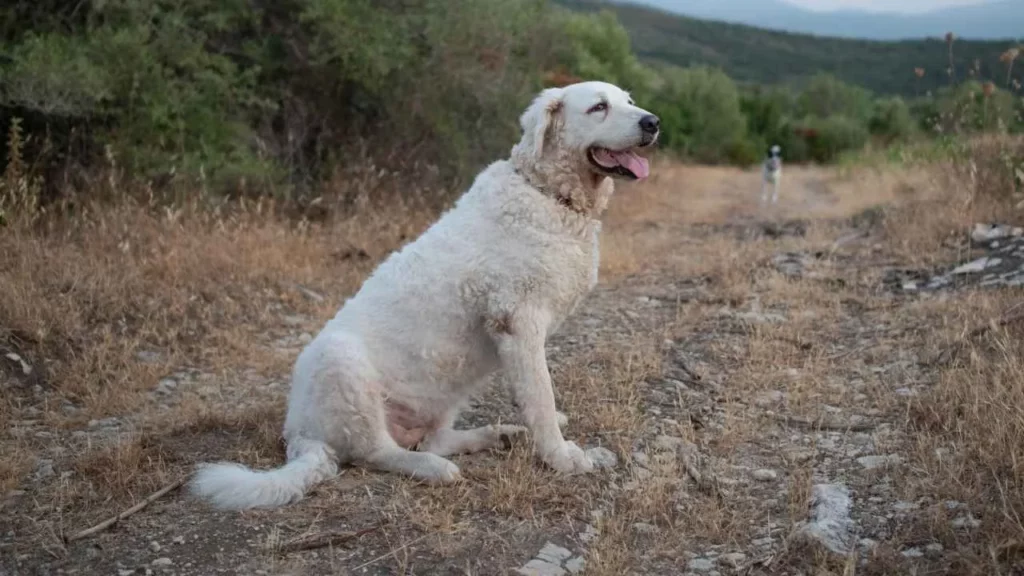
These screening practices help reduce long-term risks, but deep-chested structure still brings a possibility of bloat, similar to other large guardian breeds. Recommended evaluations typically focus on hips, elbows, and thyroid health to maintain structural and metabolic soundness over time.
Which Livestock Guardian Fits Your Lifestyle?
With these two, the difference is less about ability and more about how they “do the job.” The Komondor usually works in a quieter, more independent way, staying with the flock and making decisions on its own without constantly looking to people for input. It has this steady, almost low-profile presence that fits a guardian meant to blend into the background while still staying fully aware.
The Kuvasz feels a bit more tuned in to its handler. It still takes guarding seriously, but it tends to stay more responsive to human direction and reads its people a little more closely, which can make it feel more connected in everyday handling.
The Komondor suits someone comfortable with a dog that operates more independently and doesn’t need constant checking in, while the Kuvasz fits better if you prefer a guardian that feels slightly more interactive without losing its protective edge.
Conclusion
What begins as a comparison between two breeds often becomes a closer look at personality, lifestyle, and daily expectations. Both carry centuries of protective instinct, unwavering loyalty, and the confidence to watch over what matters most. The real difference appears in how they approach that responsibility.
One leans toward independence and quiet decision-making, while the other maintains a stronger connection to human guidance and interaction. Neither approach is better in every situation. Success depends on understanding which style fits your environment, experience level, and expectations.
The right choice is the one that feels connected with you more every day.
