




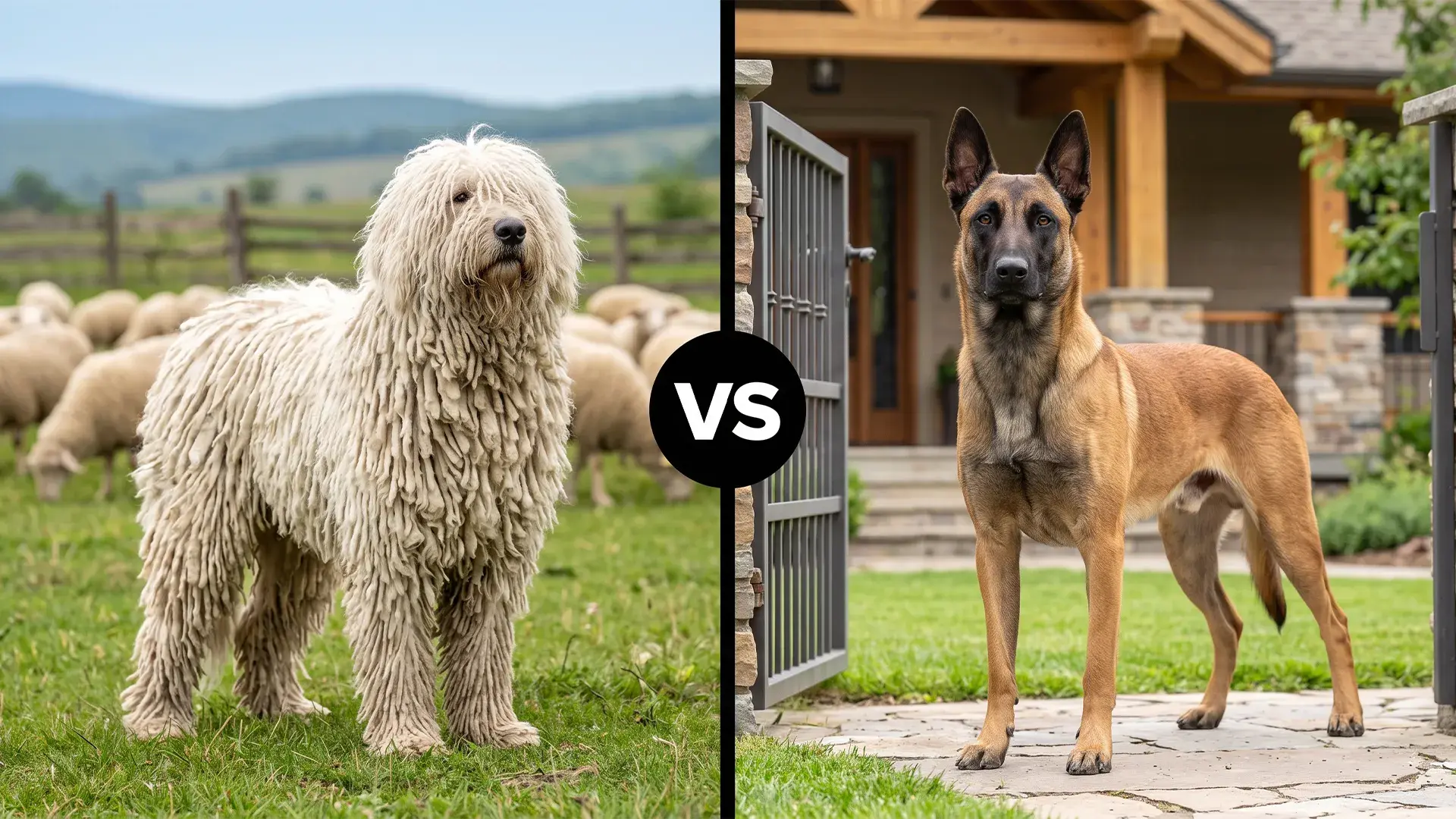
Choosing between the Komondor and the Belgian Malinois means comparing two exceptional working breeds with very different strengths. While both are intelligent, loyal, and protective, they differ significantly in size, grooming needs, energy levels, and the lifestyles they suit best.
The Komondor is a Hungarian guardian with a distinctive corded coat that demands regular maintenance and thrives in spacious environments. The Belgian Malinois, on the other hand, is a lean, agile Belgian herding dog known for its trainability, athleticism, and lower grooming requirements, making it a favorite for active owners and working roles.
This comparison breaks down their temperament, maintenance, exercise needs, and family compatibility to help you determine which remarkable guardian is the right fit for your home and daily routine.
Komondor vs. Belgian Malinois: Insider Tips for Choosing
Origins & Purpose
The Komondor and Belgian Malinois were both developed as hardworking dogs, but they evolved for different responsibilities. Originating in Hungary, the Komondor accompanied nomadic people and became a fearless flock guardian, while the Belgian Malinois was bred around the Belgian city of Malines to skillfully herd sheep across demanding terrain.
Their original purposes shaped very different personalities. According to Hill’s Pet, Komondor dogs are powerful and independent livestock guardians. So, the Komondor was expected to work independently, silently protecting livestock from predators, whereas the Belgian Malinois relied on speed, agility, and close cooperation with shepherds to control and move flocks efficiently.
These contrasting backgrounds still influence the breeds today. The Komondor remains a naturally protective guardian with strong decision-making instincts, while the Belgian Malinois excels in active working roles that demand responsiveness, athleticism, and continuous engagement with its handler, making each breed suited to a very different lifestyle.
Size & Build
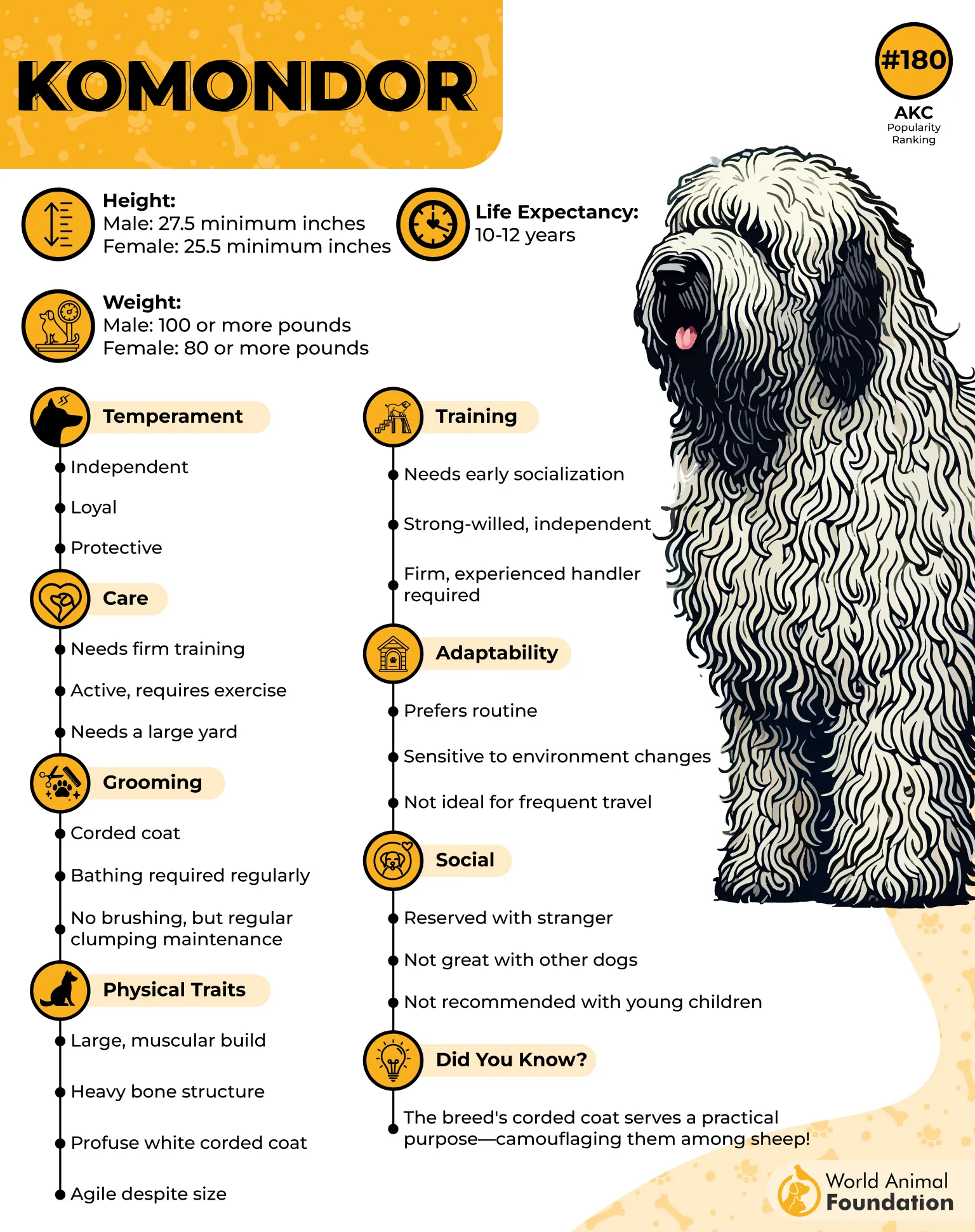
The Komondor is the larger and heavier of the two breeds, with a solid frame built for standing its ground against predators. Its broad head, square muzzle, and strong body create an imposing appearance, yet it remains surprisingly agile when duty calls.
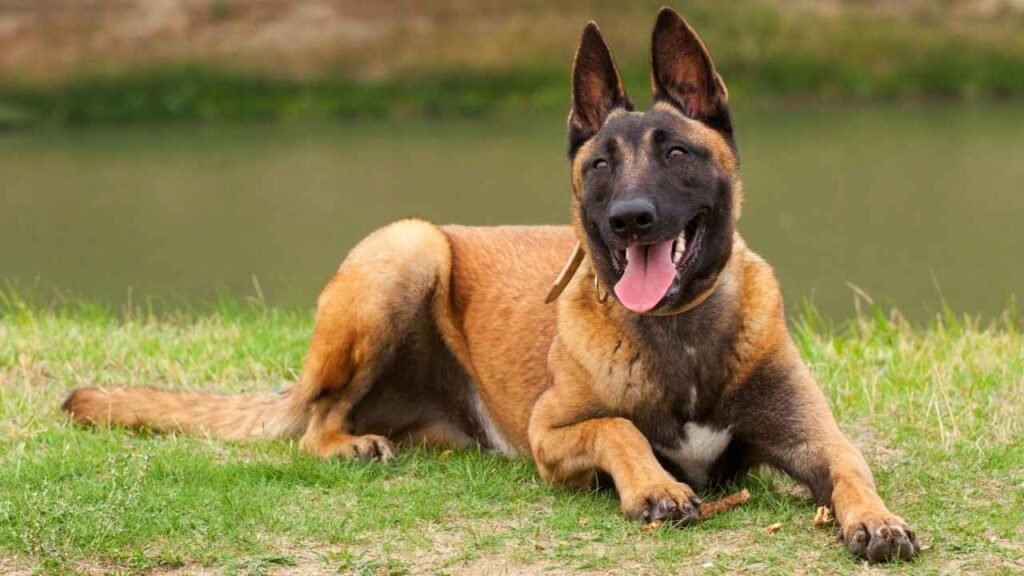
The Belgian Malinois has a leaner, more athletic build designed for speed and endurance. Standing up to 26 inches at the shoulder, it combines a muscular frame with alert ears and a balanced body that allows quick, precise movement during demanding work.
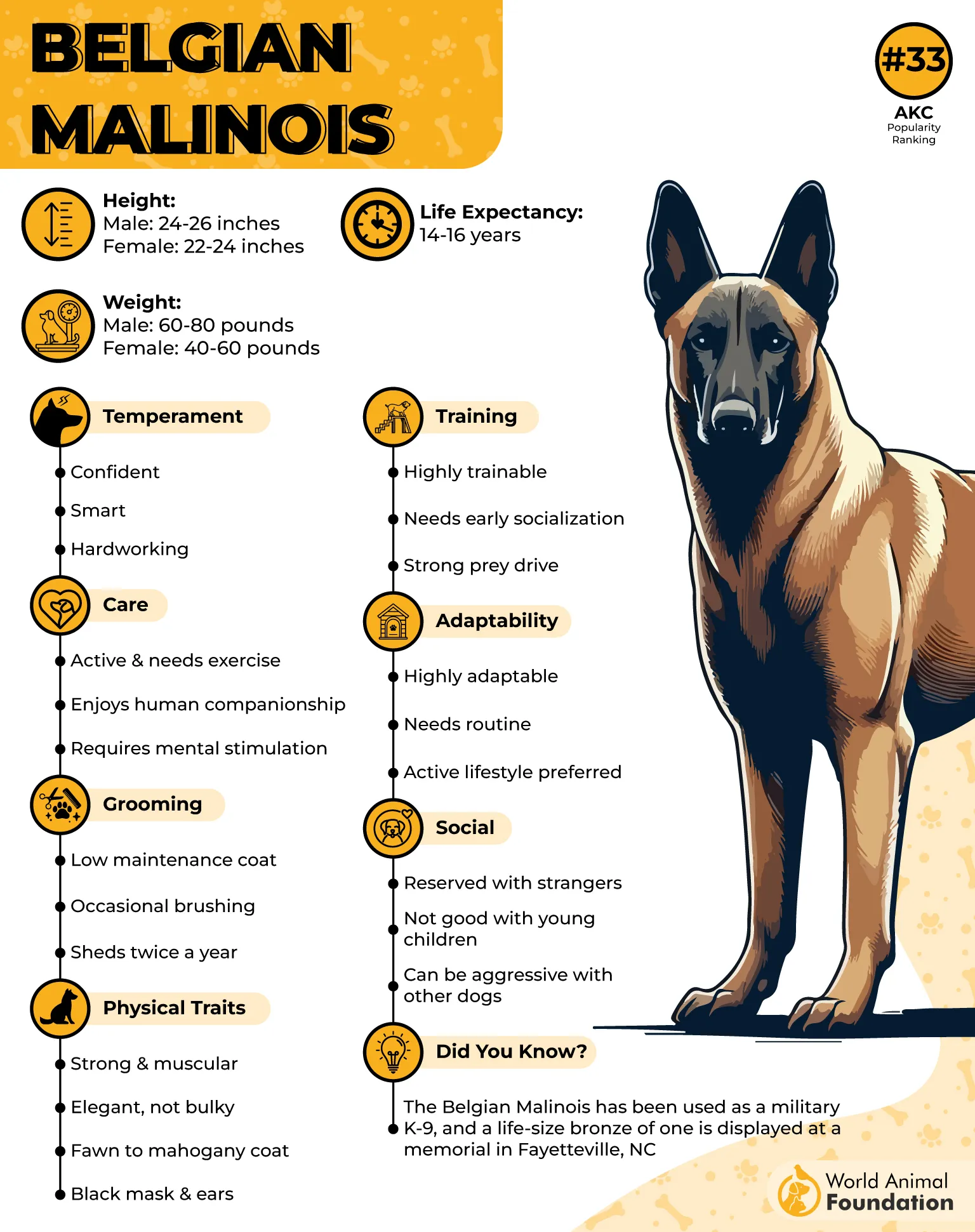
These physical differences reflect their original roles. The Komondor’s substantial size favors guarding and defense, while the Belgian Malinois is built for constant action, making it a better fit for owners seeking a highly energetic partner. Regardless of breed, regular dental care is important to maintain healthy teeth and gums throughout life.
Pricing & Availability
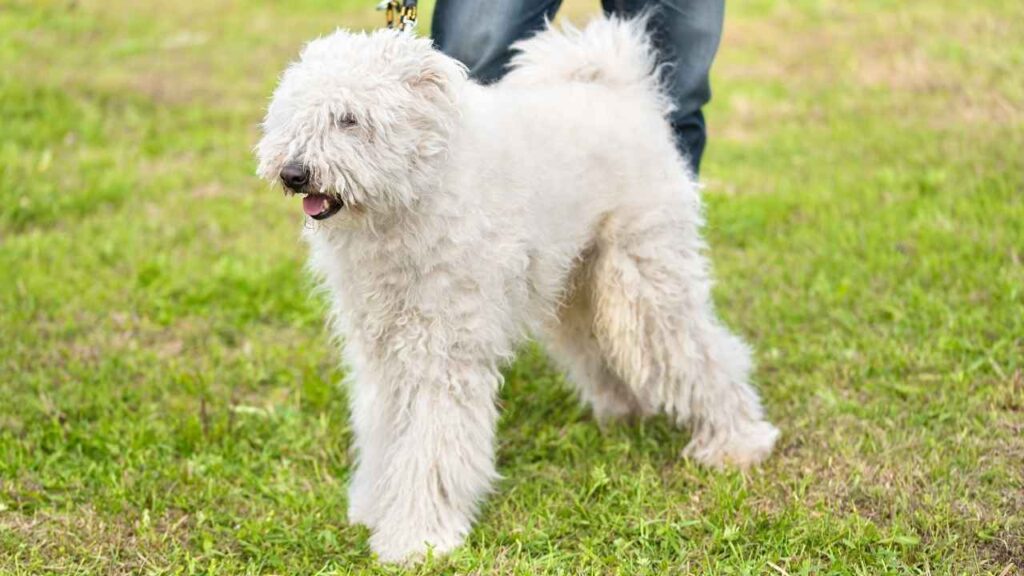
Finding a Komondor often requires patience because the breed is relatively rare. Reputable breeders may have waiting lists, and taking time to choose a puppy from health-tested, experienced breeding programs is usually more important than finding one quickly.
If you plan to use a Komondor for livestock protection, look for breeders with proven working lines. Puppies from parents with strong temperaments, sound structure, and a history of working with livestock are generally the best choice for owners seeking a dependable guardian.
Belgian Malinois are typically much easier to find, especially through breeders that specialize in working or police-line dogs. Before making a decision, consider whether you want a family companion, a livestock guardian, or a high-drive working dog, as availability and breeder focus often differ between these two breeds.
Temperament & Personality Style
The Komondor and Belgian Malinois are both loyal protectors, but they approach their responsibilities very differently. The Komondor is calm and naturally suspicious of unfamiliar people, preferring to quietly assess situations before acting, while remaining deeply affectionate with its family.
The Belgian Malinois is far more energetic and thrives on constant interaction with its handler. According to PetMD, Belgian Malinois dogs are highly intelligent, confident, and hardworking companions.
Quick to process information, it responds exceptionally well to structured training, although its boldness and drive require experienced leadership and early socialization to prevent unwanted behaviors.
When choosing between them, consider your lifestyle and training experience. The Komondor suits owners seeking a composed guardian capable of making independent decisions, whereas the Belgian Malinois is better matched to active individuals who can provide daily mental challenges, consistent obedience work, and plenty of physical exercise.
Exercise Needs & Energy Level
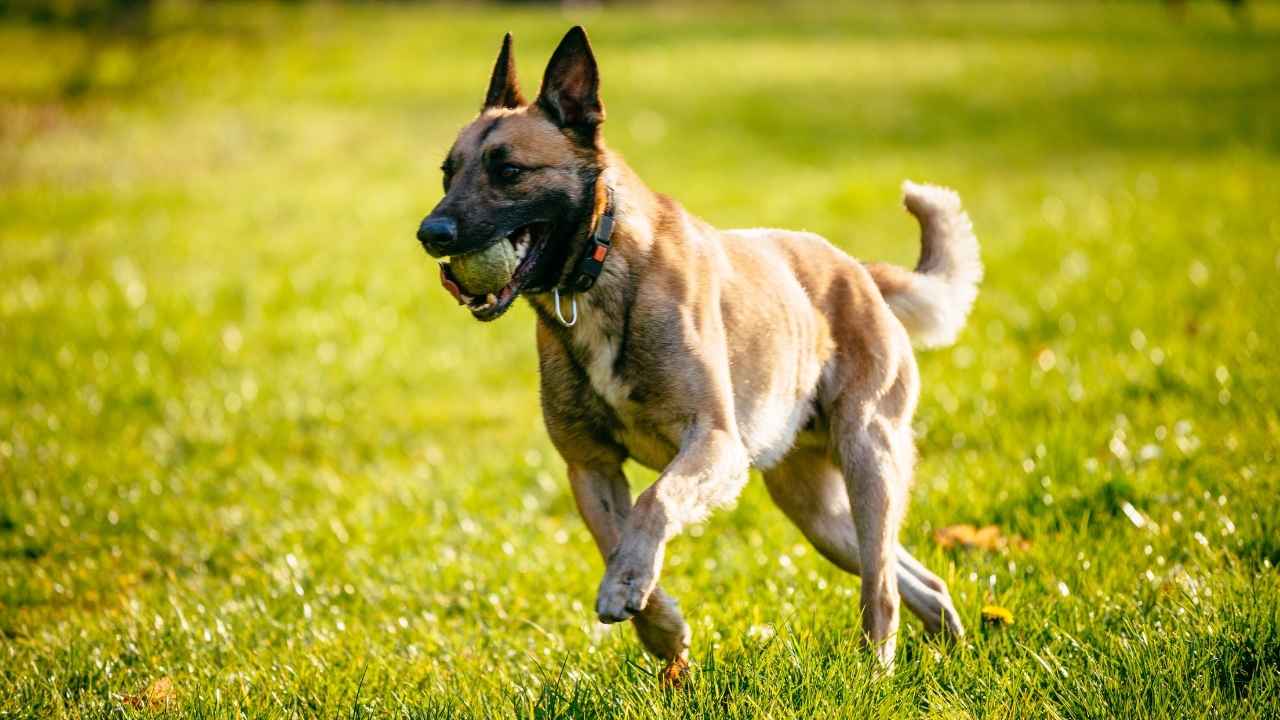
Although both breeds are athletic, their activity requirements are very different. The Komondor has a moderate energy level and is satisfied with daily walks, play sessions, and space to patrol, while the Belgian Malinois thrives on intense physical exercise and demanding mental challenges every day.
The Belgian Malinois excels in activities such as running, hiking, agility, tracking, and obedience work. It needs structured engagement with its owner and can become frustrated without enough exercise or purposeful training, making it better suited to experienced, highly active households.
The Komondor prefers a calmer routine but still needs regular activity and close family interaction. Short, creative training sessions work best because of their independent nature, while early socialization remains essential.
If you want a lower-energy guardian, the Komondor is the easier match, whereas the Belgian Malinois is ideal for owners seeking a nonstop working partner.
Trainability & Obedience
The biggest training difference comes down to willingness versus independence. The Belgian Malinois is highly responsive and eager to learn, making it a standout in obedience, agility, tracking, and service work. It flourishes with structured routines, early socialization, and owners who can provide consistent daily training.
The Komondor is equally intelligent but prefers making its own decisions. It can appear stubborn during lessons. Positive reinforcement, patience, and calm leadership help build trust, while harsh corrections often have the opposite effect.
If easy obedience is your priority, the Belgian Malinois is the stronger choice. The Komondor requires a more experienced handler who respects its independent nature and invests time in early socialization. Both breeds benefit from training from puppyhood, but the Malinois generally masters commands faster and enjoys having purposeful work to do.
Grooming Needs & Shedding
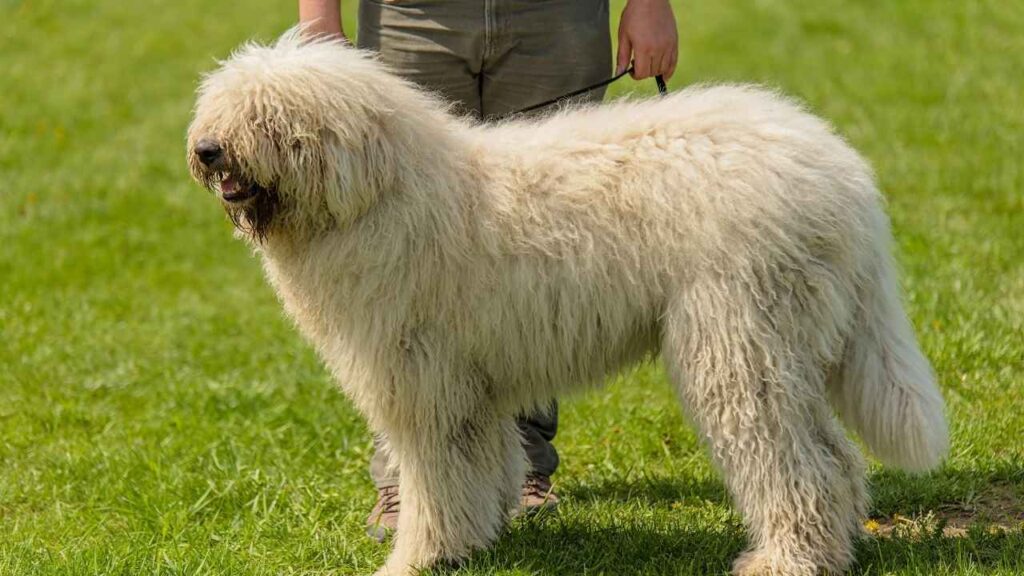
These breeds sit at opposite ends of the grooming spectrum. According to Purina, Komondor dogs are large dogs best known for their distinctive white corded coat.
The Komondor’s famous coat demands intensive care, with cords separated by hand every few days to prevent matting and skin issues. Bathing is followed by an exceptionally long drying time, making this one of the most maintenance-heavy coats in the dog world.
The Belgian Malinois, by comparison, is much easier to manage. Weekly brushing keeps the short double coat healthy, while heavier seasonal shedding calls for more frequent grooming. Occasional baths and professional grooming every few months can help maintain coat condition without excessive effort.
If you want a low-maintenance routine, the Belgian Malinois is the clear winner. The Komondor sheds very little once its cords develop, but that advantage comes with a significant grooming commitment that requires patience, consistency, and regular coat care throughout the dog’s life.
Guarding Instincts & Alertness
Both breeds are exceptional protectors, but they guard in different ways.
The Komondor naturally watches over its home and family with quiet confidence. It is suspicious of strangers, quick to sound the alarm, and willing to step in if it senses a genuine threat.
The Belgian Malinois relies more on responsiveness and teamwork. Highly alert and intensely focused, it excels as a protection and security dog because it combines natural guarding instincts with outstanding trainability. It constantly monitors its surroundings and reacts rapidly when guided by its handler.
For owners seeking an instinctive, self-reliant guardian, the Komondor stands out. If you prefer a versatile protector that thrives with structured training and close cooperation, the Belgian Malinois is the stronger choice. In either case, early socialization is essential to ensure confident, controlled, and reliable protective behavior.
Health & Lifespan
Both breeds are generally robust when responsibly bred and properly cared for, with similar life expectancies of around a decade or slightly longer. Regular veterinary checkups, balanced nutrition, and maintaining a healthy weight play an important role in supporting long-term health.
The Komondor is most commonly associated with hip dysplasia, bloat, ear infections, and skin problems such as hot spots. Choosing a puppy from health-tested parents and staying alert for signs of stomach distress can help reduce the risk of serious complications.
Belgian Malinois are typically healthy, though they can still develop orthopedic issues and other routine canine illnesses. Their active lifestyle requires high-quality nutrition, good dental care, and regular exercise to stay in peak condition.
Whether you choose a Komondor or a Belgian Malinois, preventive care and responsible breeding are the strongest foundations for a long, healthy life.
Komondor vs. Belgian Malinois: Which Breed Is Right for Your Lifestyle?
Your lifestyle should guide your choice more than appearance alone. The Komondor suits owners who appreciate an independent guardian with moderate exercise needs and are prepared for extensive coat care. Its calm nature at home makes it ideal for those seeking a devoted protector rather than a constantly active companion.
The Belgian Malinois is a better fit for highly active people who enjoy training, hiking, running, or canine sports. This intelligent working breed thrives when given daily physical challenges and structured mental stimulation, while its short coat is much easier to maintain.
If your priority is a powerful, self-reliant livestock guardian with deep loyalty, the Komondor is the stronger match.
If you want an energetic, highly trainable partner that excels in obedience and active lifestyles, the Belgian Malinois is likely the better choice. Both breeds reward committed owners with remarkable intelligence, courage, and unwavering devotion.
Conclusion
Choosing between the Komondor and the Belgian Malinois ultimately comes down to your lifestyle, experience, and expectations. Both are intelligent, loyal working breeds, but they excel in very different roles and require different levels of daily involvement.
The Komondor offers calm confidence, natural guarding instincts, and unwavering devotion, making it a strong fit for owners who appreciate an independent protector and can commit to its demanding coat care. The Belgian Malinois, meanwhile, thrives with constant activity, structured training, and purposeful work.
Neither breed is the right choice for every household. By understanding their origins, temperament, grooming needs, exercise requirements, and trainability, you can confidently choose the companion that best matches your home and long-term commitment.
