




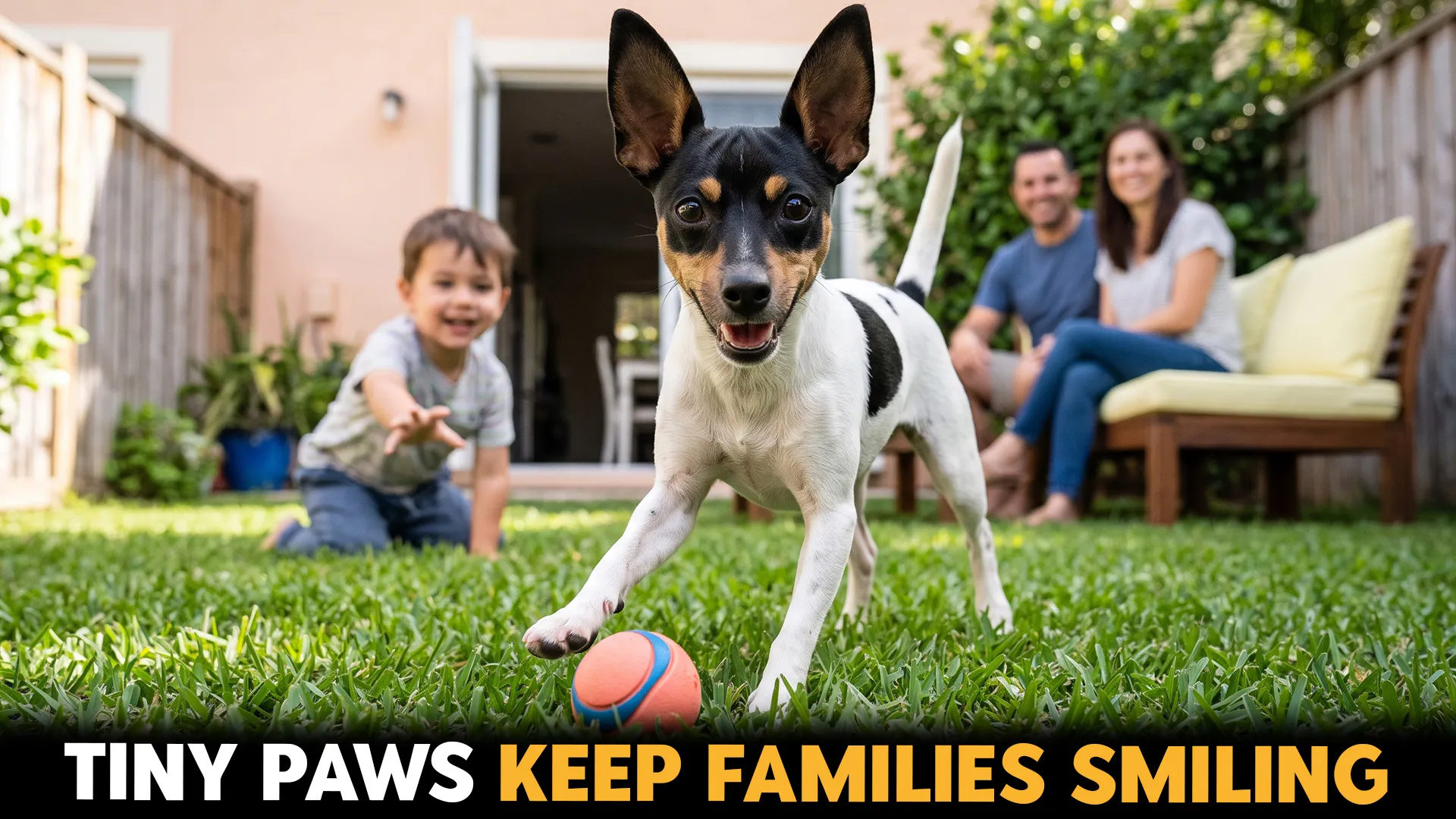
A family movie night can quickly turn into something more entertaining when a little dog decides the sofa belongs to everyone.
One minute, it is chasing a toy across the room, and the next, it is comfortably settled beside a child with its favourite blanket. That is part of the appeal of miniature dogs. Their compact size makes them suitable for different living arrangements, while their personalities can bring plenty of excitement to everyday family routines.
Many are naturally sociable, and some enjoy learning tricks, playing fetch, or joining their families on outdoor adventures. Their small frames, however, require careful handling, especially when young children are involved. A suitable match also depends on energy levels, temperament, and the amount of attention a household can provide.
In this article, we explore delightful miniature dog breeds that can turn ordinary family moments into something worth looking forward to.
Key Takeaways
What can a tiny dog add to family life? For these seven breeds, the answer can include games around the house, outdoor adventures, and plenty of time on the sofa.
Biewer Terriers may happily tackle puzzle toys and agility exercises, while Miniature Pinschers can turn fetch, chase, and hide-and-seek into everyday entertainment.
Papillons bring another side to the fun, greeting visitors warmly and learning tricks quickly when praise and play are involved.
Read till the end because choosing between these little dogs comes down to much more than which one looks cutest beside the family.
Joyful Miniature Dog Breeds for Fun-Filled Family Life
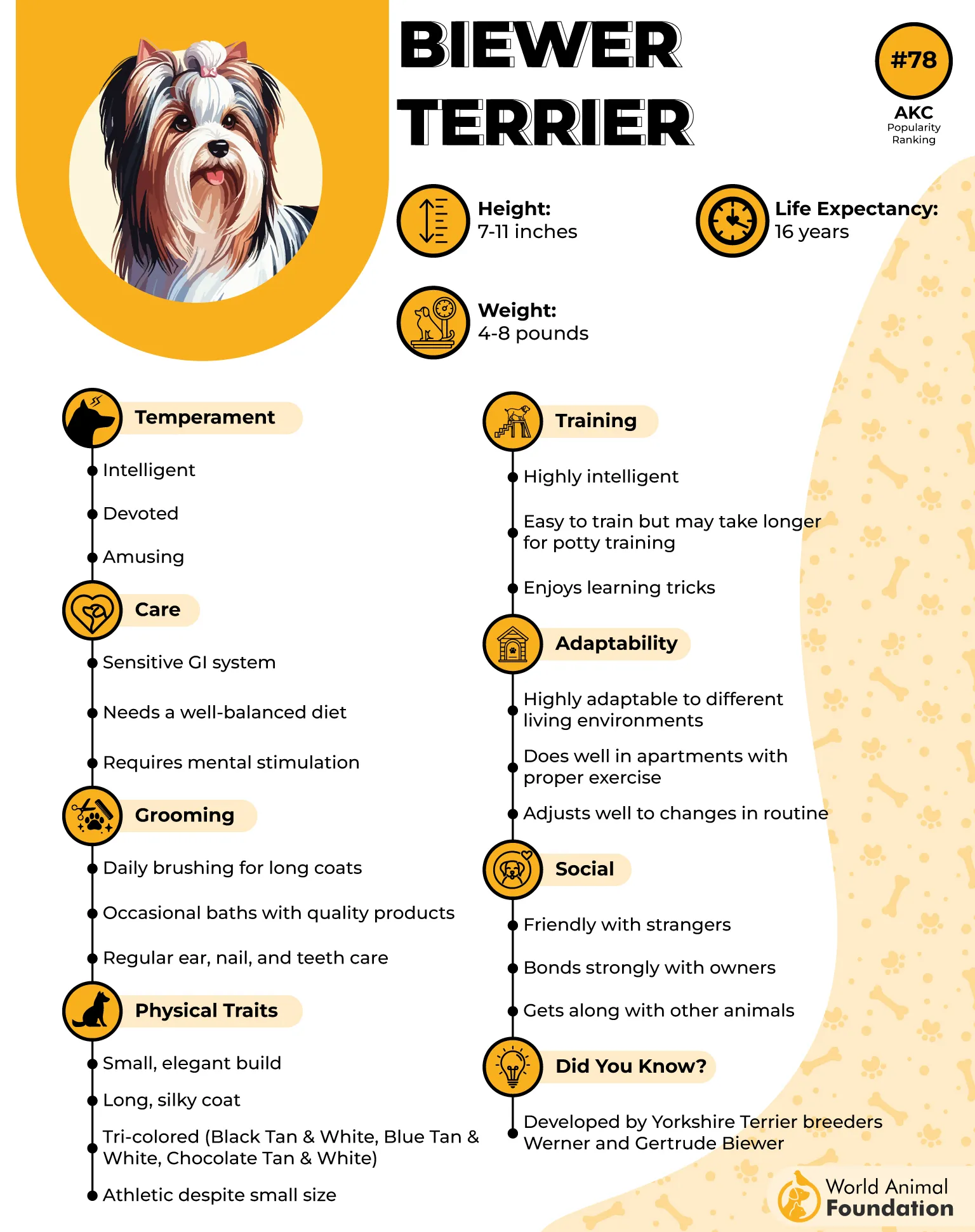
1. Biewer Terrier

The Biewer Terrier was originally bred in Germany in 1984, when two Yorkshire Terriers bred by Werner and Gertrud Biewer produced puppies with an unusual white, black, and tan coat.
A recessive piebald gene caused this distinctive coloring, leading to the creation of a separate breed initially known as the Biewer Yorkshire Terrier.
A Friendly Little Greeter
Biewer Terriers are naturally sociable and often greet unfamiliar people with enthusiasm during walks or visits.
They may bark when strangers approach, particularly without proper training, making early guidance important for managing their reactions around visitors.
Their playful side comes through in several activities:
Enjoying puzzle toys and problem-solving games
Learning agility courses and rally exercises
Playing fetch and exploring outdoor trails
Affectionate and Full of Energy
This miniature dog breed often follows their favourite person around the house and can become unsettled when left alone for extended periods.
They enjoy obedience lessons and interactive play, while supervision around toddlers is important because their tiny frames can be injured during rough handling.
2. Toy Poodle
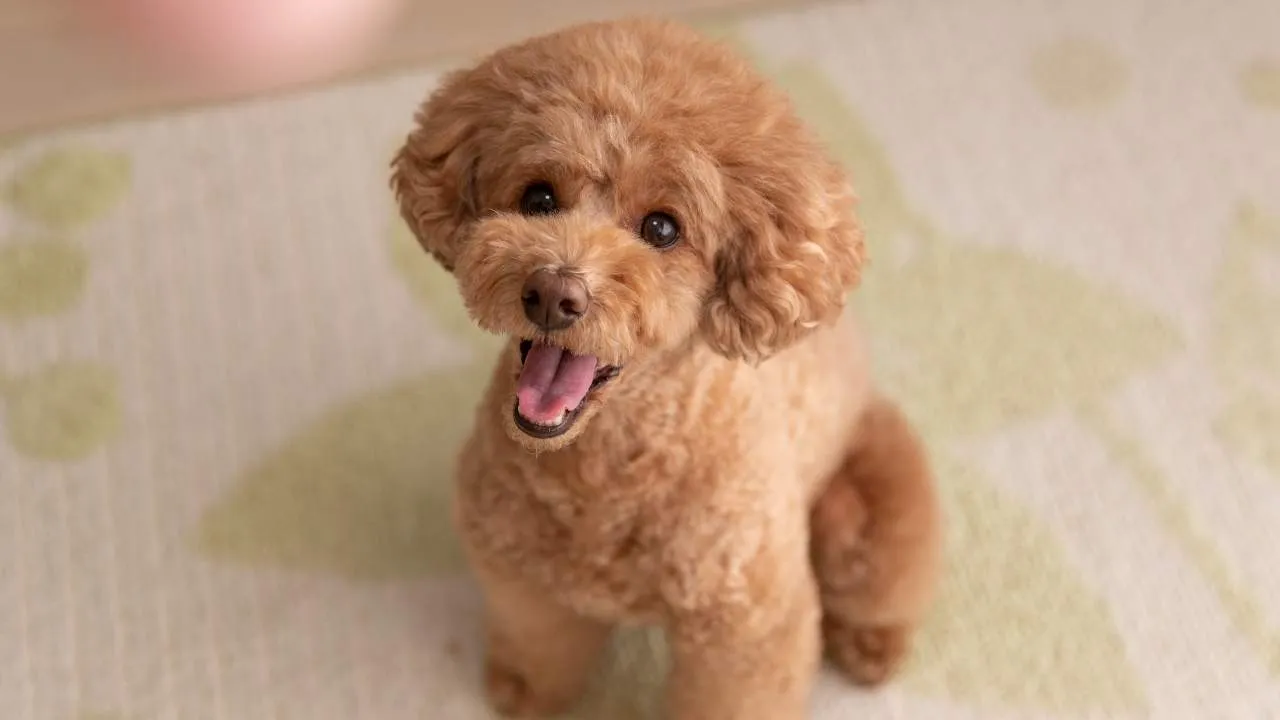
The Poodle has European roots, although its earlier origins are often linked to curly-coated Asian dogs brought west by travelling herders.
Germany shaped the breed into the skilled water retriever known today, while its popularity in France eventually led to the creation of smaller varieties, including the Toy Poodle.
Quick to Learn and Eager to Join In
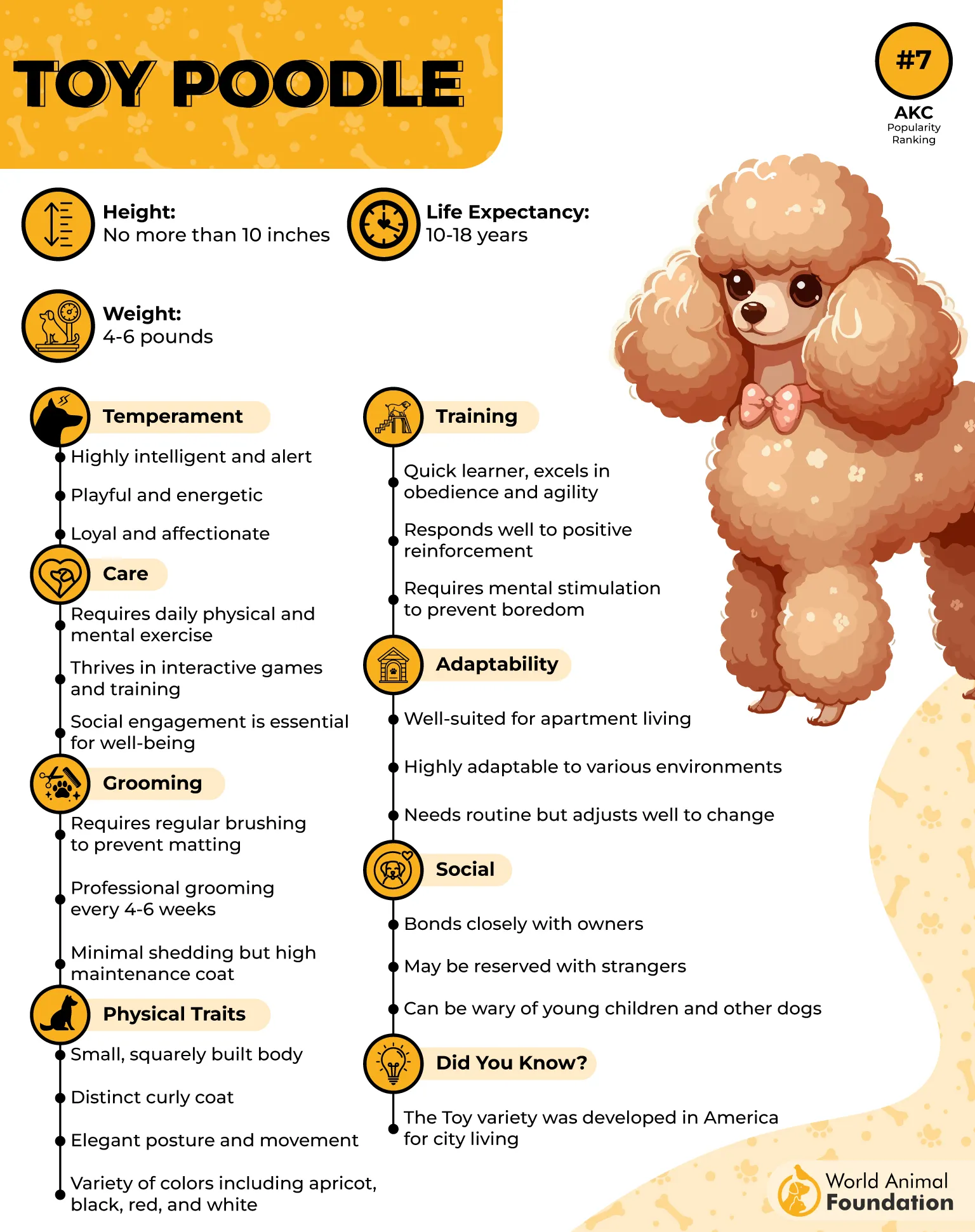
Toy Poodles are exceptionally alert and quick to respond to household activity, often rushing over when someone arrives or an interesting sound catches their attention.
Their intelligence also makes them quick learners, so teaching them a few useful household cues can be surprisingly easy.
Their cleverness comes with some entertaining habits:
Inventive ways of getting attention
A natural talent for learning tricks
Impressive performances in agility and obedience
A People-Oriented Personality
These best breeds are affectionate companions who prefer having people around and can become destructive when left without enough interaction.
Their small size also calls for careful supervision around young children and larger dogs, since rough play or accidental falls can cause serious injuries.
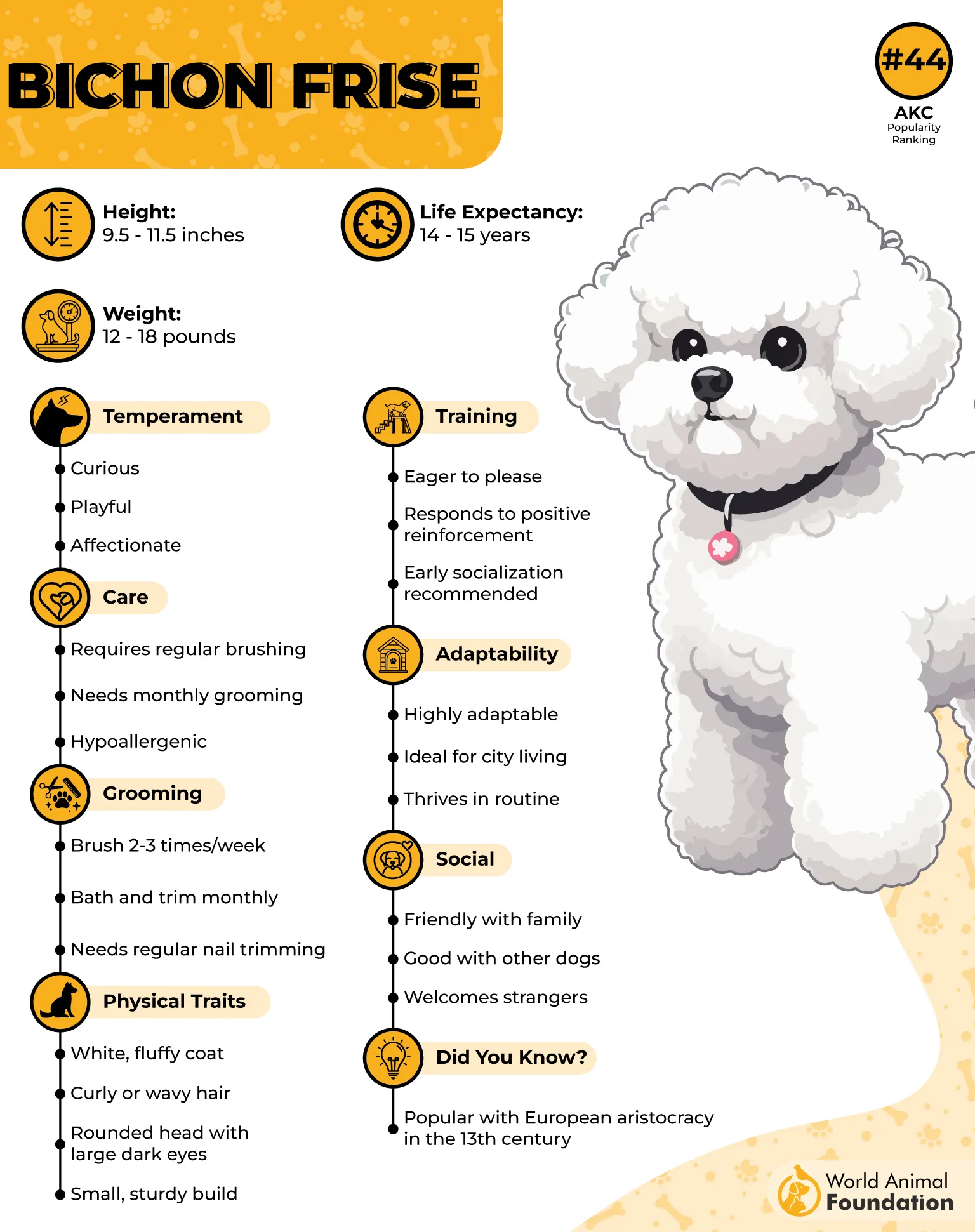
3. Bichon Frise
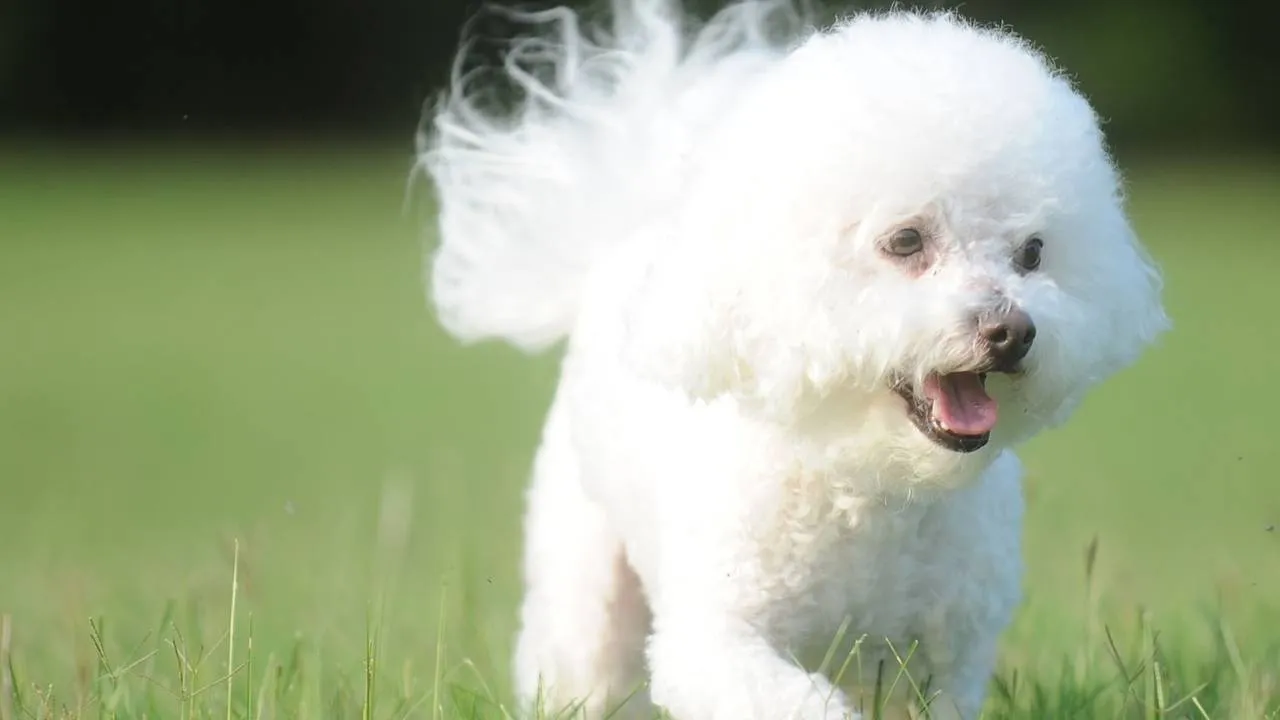
The Bichon Frise belongs to a Mediterranean family of small white dogs descended from crosses between water dogs and smaller companion breeds.
Its ancestors included the Tenerife type, which sailors brought to Italy, where the dogs became favourites among wealthy households before later entertaining street audiences with their tricks.
A Natural Little Entertainer
This small dog breed has a cheerful personality and a fondness for entertaining people, making family activities more enjoyable, as per the AKC.
Its eagerness to interact and perform tricks makes it an enthusiastic playmate for children, especially when early socialization teaches gentle interaction.
There is plenty of personality behind its playful antics:
Quick to learn amusing tricks
Enjoys praise during training sessions
Often follows family members around the house
Always Part of the Action
That fluffy white coat gives the Bichon Frise its familiar plush-toy appearance, while its intelligence makes everyday interactions surprisingly engaging.
It enjoys learning new activities and often turns ordinary moments, from household chores to playtime, into opportunities for attention.
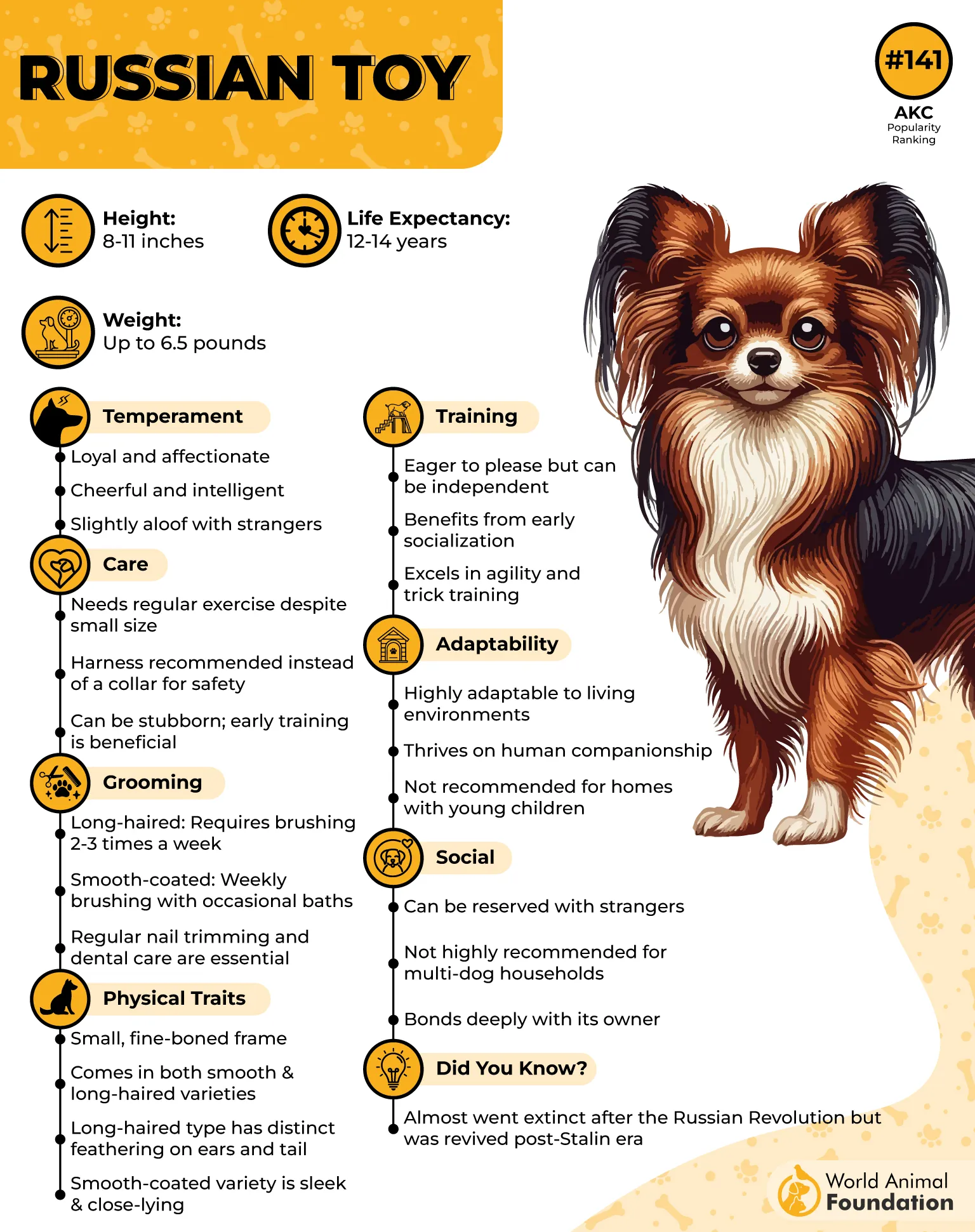
4. Russian Toy
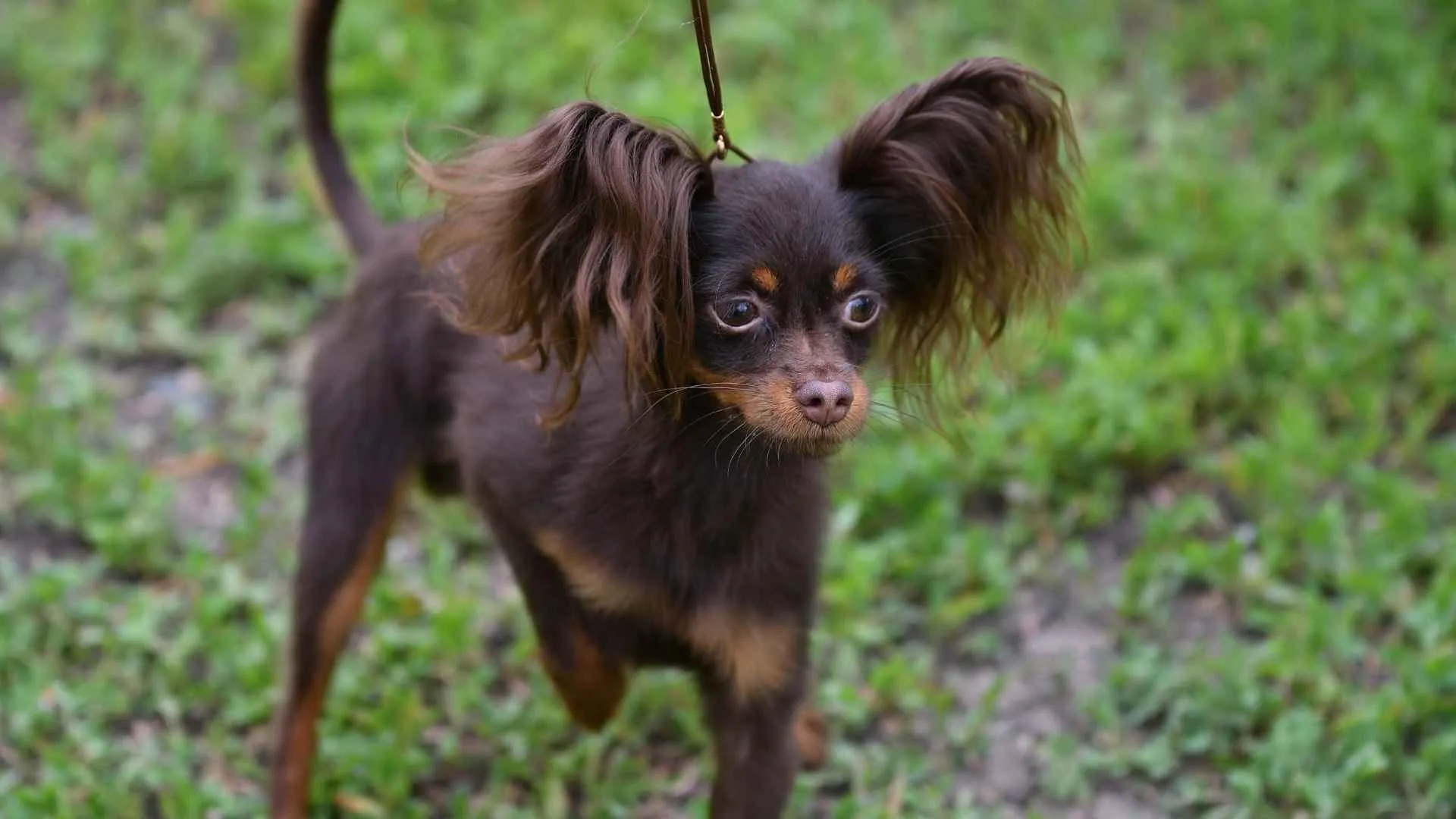
The Russian Toy has an interesting connection to England, where its small toy terrier ancestors originated. Russian aristocratic families admired English dogs and began keeping these little companions in the early 1700s.
You may be surprised to know that one black-and-tan toy terrier named Lizetta even has a place in the Zoological Museum in St. Petersburg.
Always Close to the Family
This cute little dog can turn a quiet afternoon into a lively game of chase. This cheerful little dog enjoys being around its family, whether everyone is playing together or relaxing at home. It can become vocal when it feels overlooked, so regular attention matters.
A few activities highlight its love of family time:
Loves racing after toys through the house or yard.
May happily trade playtime for a long cuddle on someone’s lap.
Enjoys learning new things through training and family activities.
Smooth or Long-haired?
There are two coat varieties, and each has its own appearance. Smooth-coated Russian Toys have a short, sleek coat, while the long-haired variety has feathering on its ears, tail, legs, and chest. The longer coat takes time to mature, with full feathering sometimes appearing around three years of age.
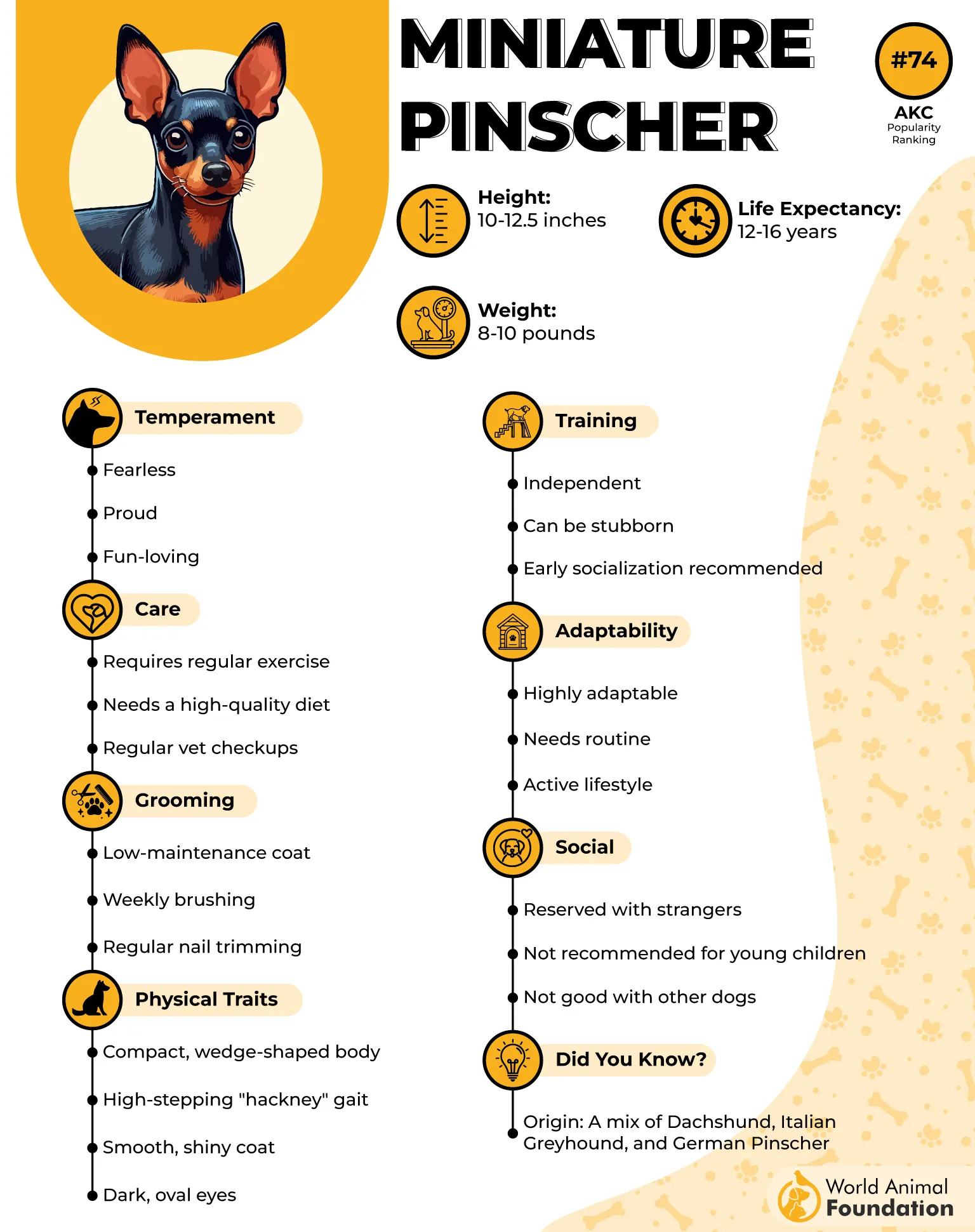
5. Miniature Pinscher
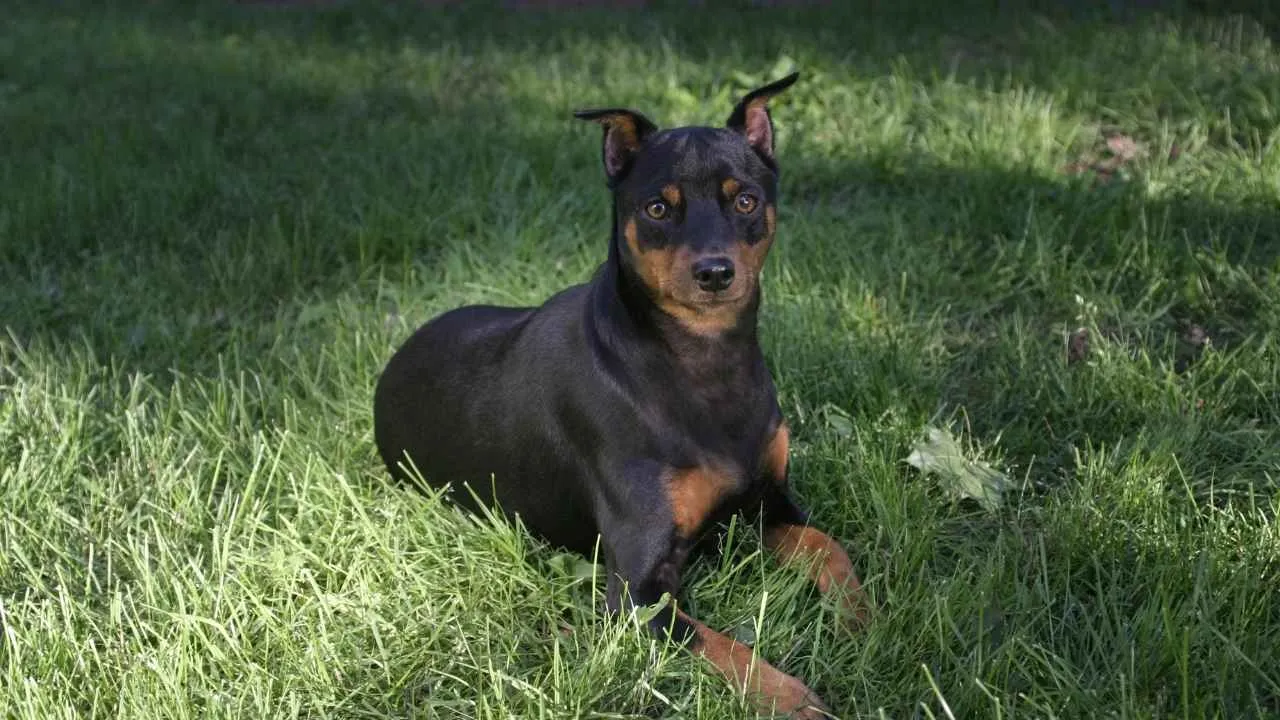
The Miniature Pinscher developed in Germany, where it spent centuries helping control rats and other vermin in homes and on farms.
Although often mistaken for a smaller Doberman, this is an older, separate breed. Written records of the Min Pin date back roughly 200 years.
At Home Wherever You Are
A Miniature Pinscher can adapt to an apartment, suburban home, or larger property, provided it gets enough activity and company.
It prefers being alongside its family rather than spending long periods outdoors alone, making everyday involvement an important part of life with this dog.
There are plenty of ways to keep this little athlete busy:
Enjoys short games of fetch, chase, and indoor hide-and-seek.
Can join family walks and try agility courses.
Benefits from interactive toys, scent walks, and nose work.
Best Around Gentle Kids
These excellent companions can enjoy being around children, but kids over 10 who already know how to behave around dogs are usually a better match, as Orvis noted. Rough play is not something this little dog handles well, and its small body can get hurt easily. Meeting children from puppyhood can help a Min Pin grow more comfortable around them.
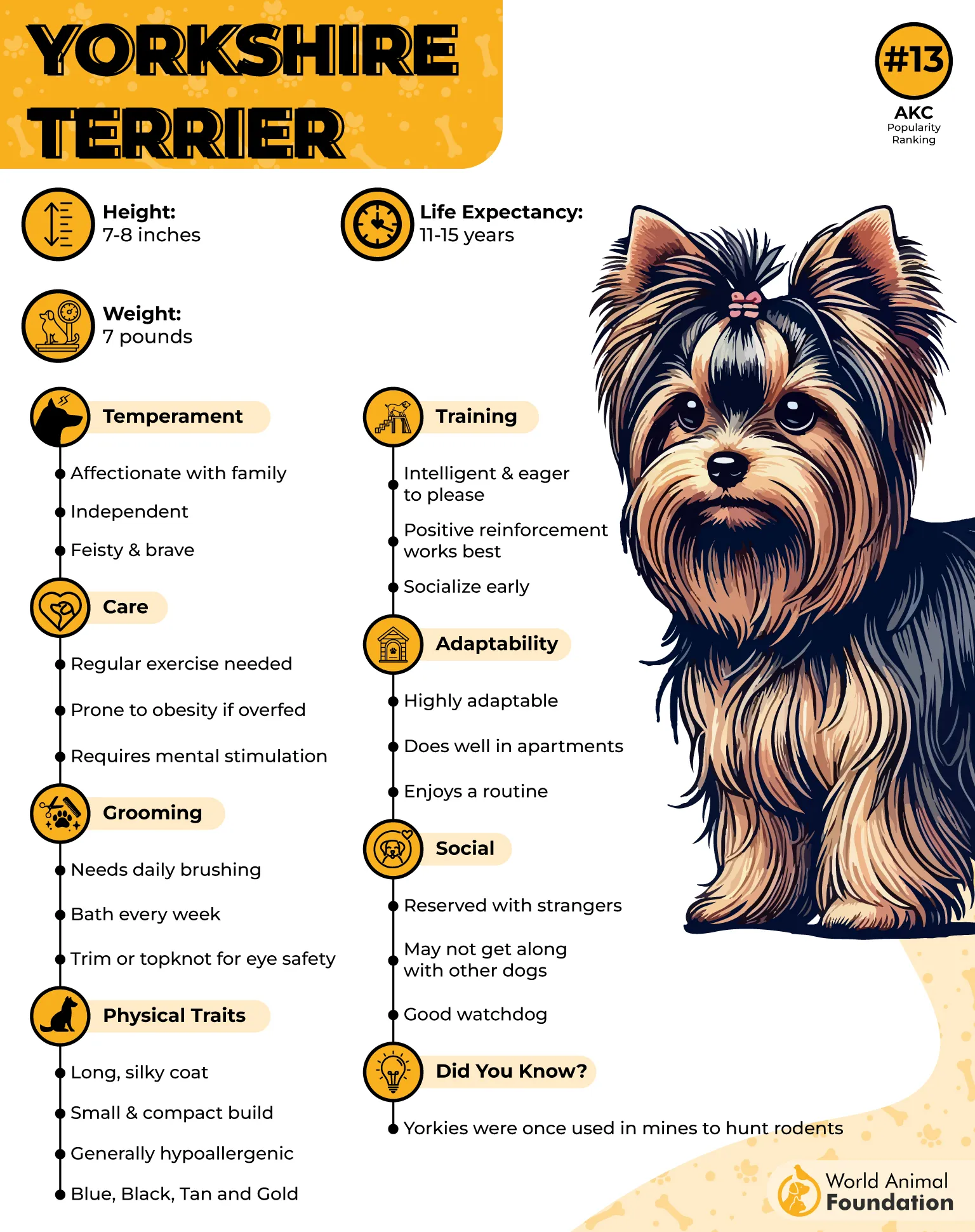
6. Yorkshire Terrier
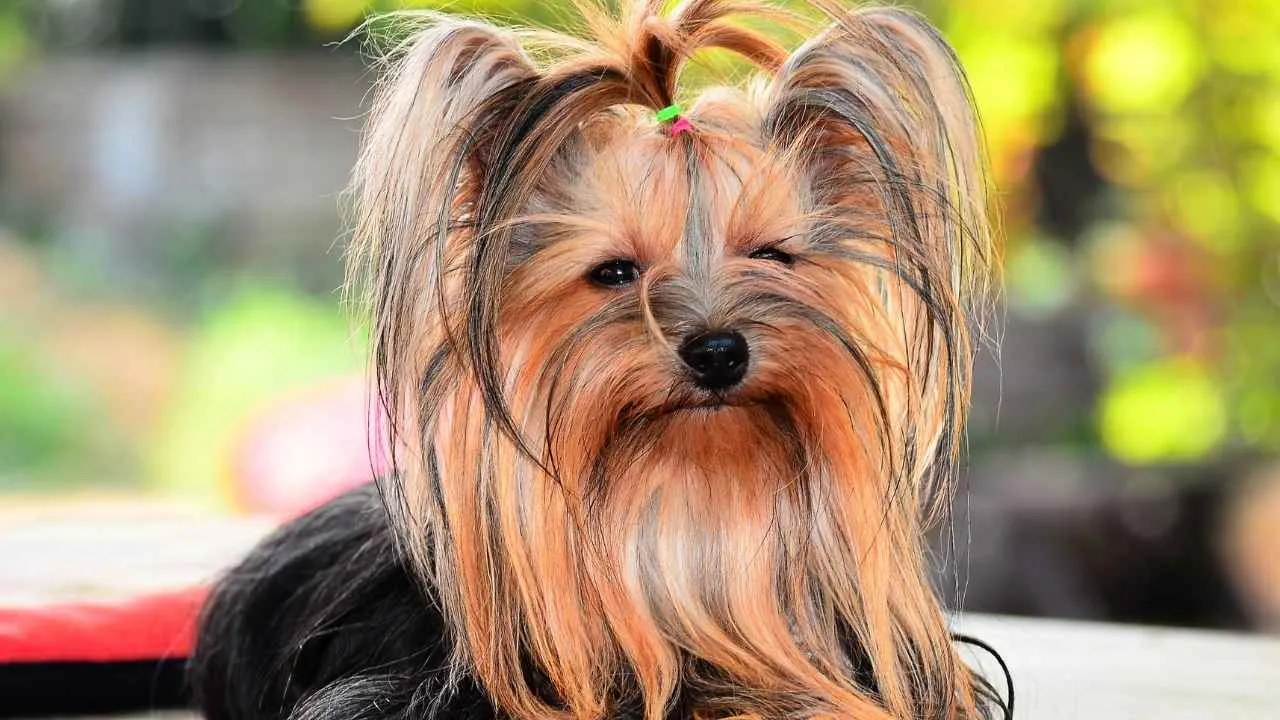
The Yorkshire Terrier originated in Yorkshire during the mid-19th century, when Scottish workers brought small terriers to England’s cotton mills. These little dogs helped control rats, with Waterside, Paisley, and Skye Terriers believed to have influenced the breed we know today.
A Spirited Little Family Member
Yorkies can bring plenty of enthusiasm into family life and are always ready for a game or a little attention. They can get along well with children, provided both learn to interact gently, while early socialization helps them feel at ease around younger family members.
There is plenty to enjoy about its everyday personality:
Clever enough to enjoy puzzle toys and interactive games.
Often follows its favorite people from room to room.
Happy to alternate lively play sessions with time on someone’s lap.
An Easy Fit Indoors
The distinctive coat of this charming and fun-loving breed sheds very little, which means less loose fur around the house.
Its small size and moderate exercise needs also suit apartment living, while its friendly nature can make it a pleasant companion for older adults and other animals.
7. Papillon
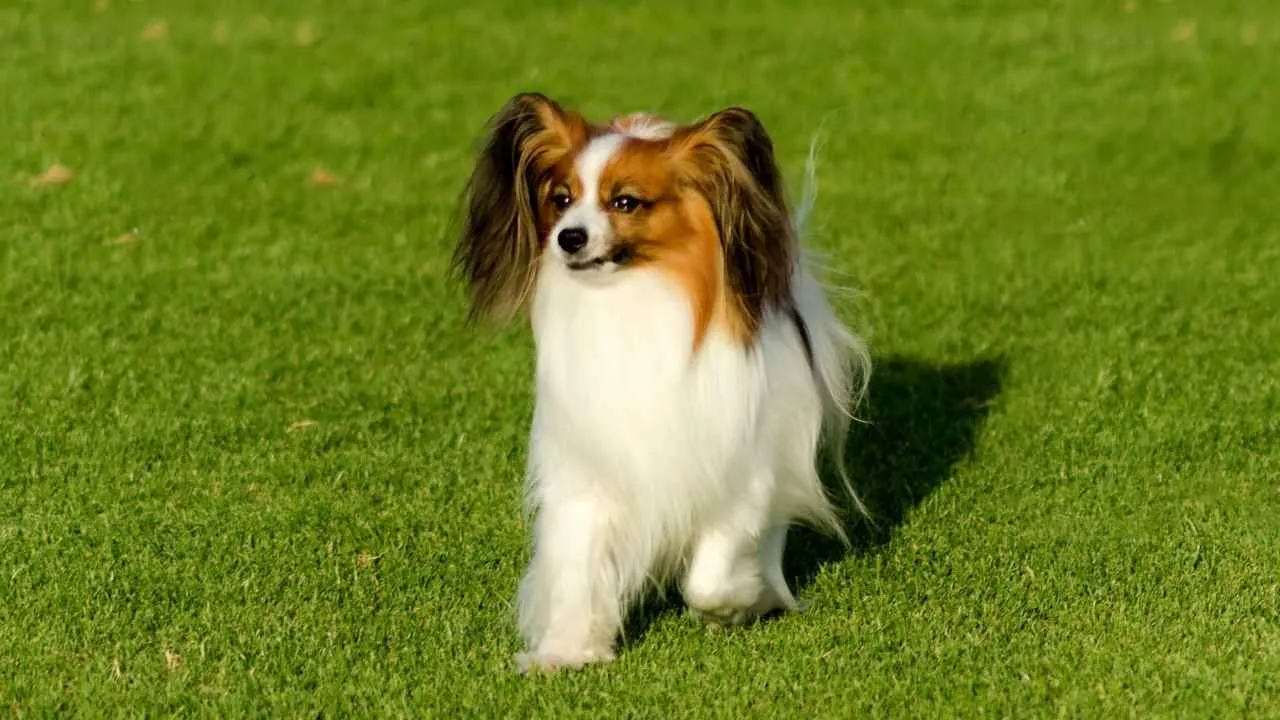
The Papillon has French roots and a history stretching back several centuries. Favored by aristocratic women as a small household companion, this Toy Spaniel also appears in paintings dating to the 16th century, offering a glimpse into its early place in fashionable homes, as mentioned by Purina.
Always Ready to Join In
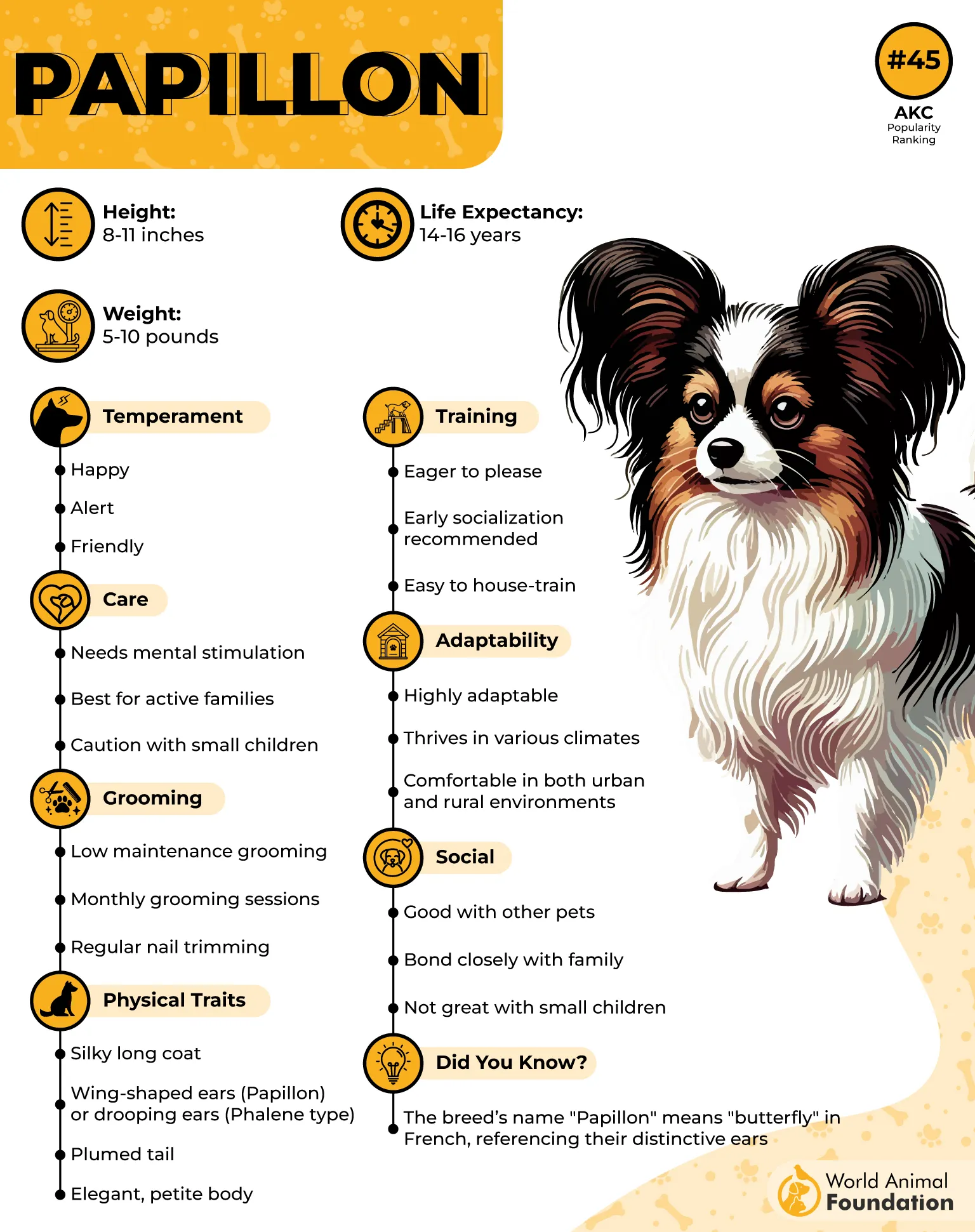
A Papillon brings an outgoing personality to family life and enjoys being involved in everyday activities. It generally gets along well with children, cats, and other dogs, although its small, delicate frame calls for gentle handling around very young children and larger playmates.
A few little habits add to its personality:
Barks when someone approaches the door.
Greets visitors in a friendly manner.
Enjoys cuddles but also values personal space.
A Quick Learner With Plenty to Do
This toy dog is an intelligent dogs that enjoy learning tricks and responding to praise, play, and positive reinforcement. They also need regular walks and activities, along with grooming for their long, silky coat. Their small size makes them suitable for apartments and larger homes alike.
Conclusion
Life with a small dog can add a pleasing bit of fun to ordinary family routines. Some enjoy chasing toys with the children, making them a pleasing choice for fun-loving families, while others are happiest curled up beside someone during a quiet evening. Their personalities, however, vary, and their care needs deserve attention before bringing one home.
Gentle handling is especially important because a small body can be easily injured during rough play. Regular interaction, suitable training, and activities that match their energy levels also help keep them content.
A good-natured companion can suit fun-loving families when the whole household understands its needs, making a miniature dog a lovely part of family life.
