




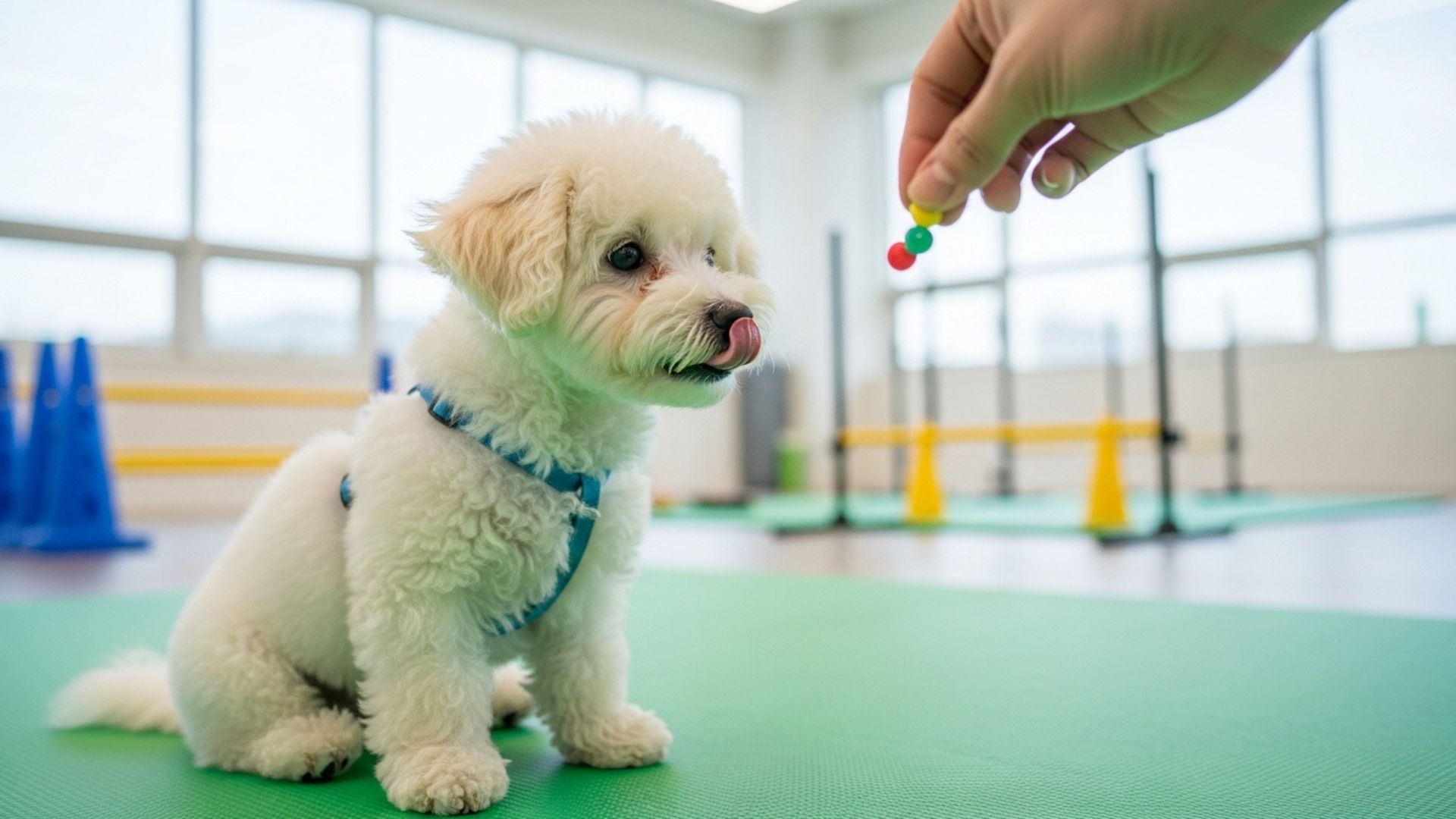
What if the most disciplined and responsive training partner you could choose came in a small frame? Intelligent small dog breeds that excel in obedience training challenge common assumptions about size and capability. They listen closely, observe, and respond with clarity when given consistent direction.
Their intelligence shows in how quickly they grasp patterns and how reliably they repeat learned behaviors. Training them requires structure, patience, and mental engagement, but the reward is precision and cooperation that feels natural.
They often anticipate cues before they are fully spoken, demonstrating sharp attention to their handler. Because of their manageable size, training sessions can happen almost anywhere, making consistency easier to maintain.
This article will guide you through the qualities, learning strengths, and training potential that define these remarkable small companions.
Key Takeaways
Small size doesn’t mean small brains. Some dogs stand out for their quick thinking and love for learning.
Boston Terriers and Papillons pick up commands with astonishing speed, their alert focus making agility and obedience look effortless.
Pugs and Bichon Frises combine playful energy with steady concentration, proving that learning can be fun for both dog and owner.
By the end, you’ll see which seven breeds turn smart instincts into impressive obedience skills that delight every handler.
Intelligent Small Dog Breeds That Excel in Obedience Training
1. Boston Terrier
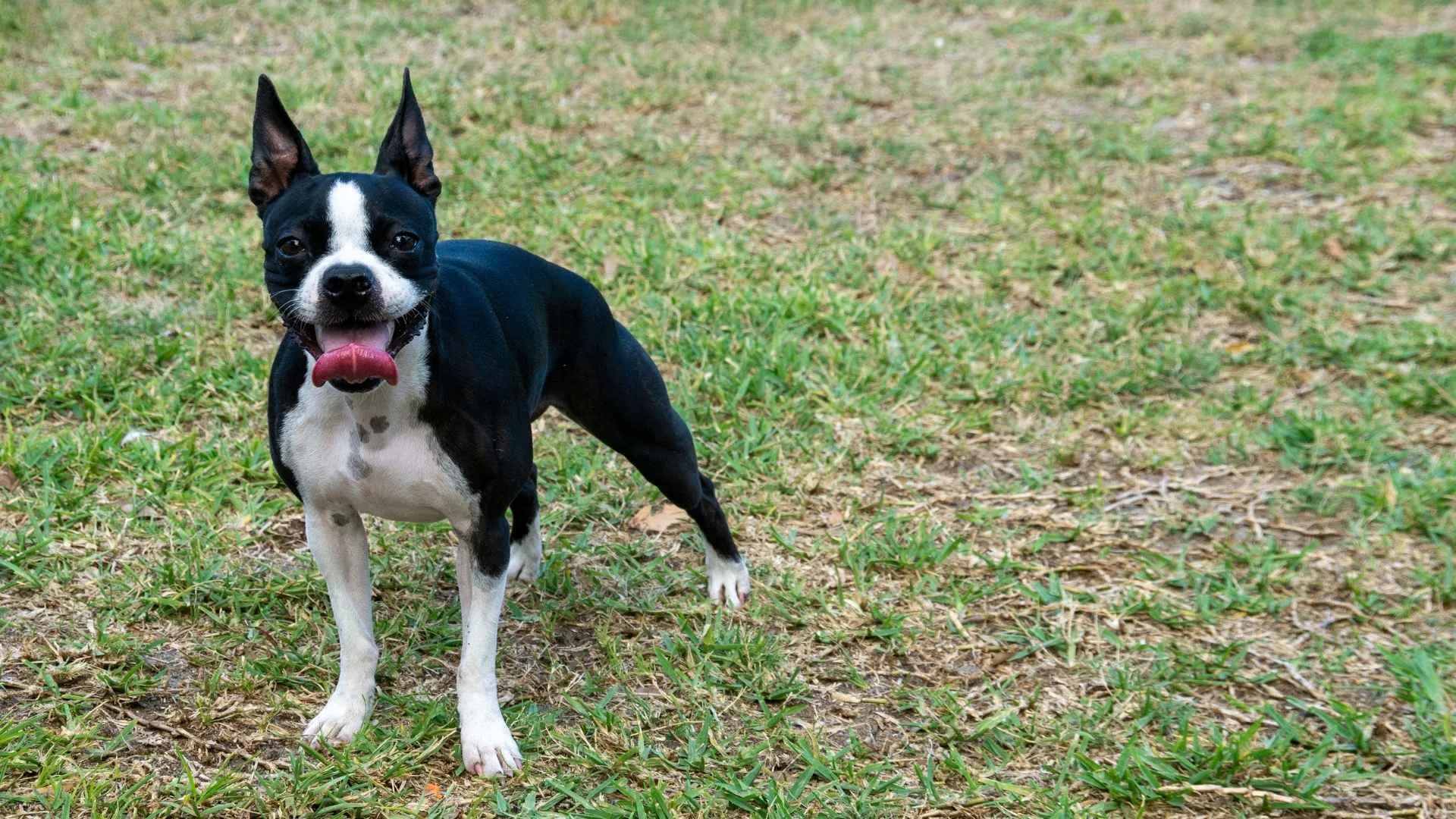
Boston Terrier stands out for its ever-alert expression and rhythmic, jaunty movement that reflects constant awareness. That sharp attentiveness makes the breed responsive to cues given in real time. In structured obedience work, this steady focus allows instructions to register quickly.
Engaged Learner
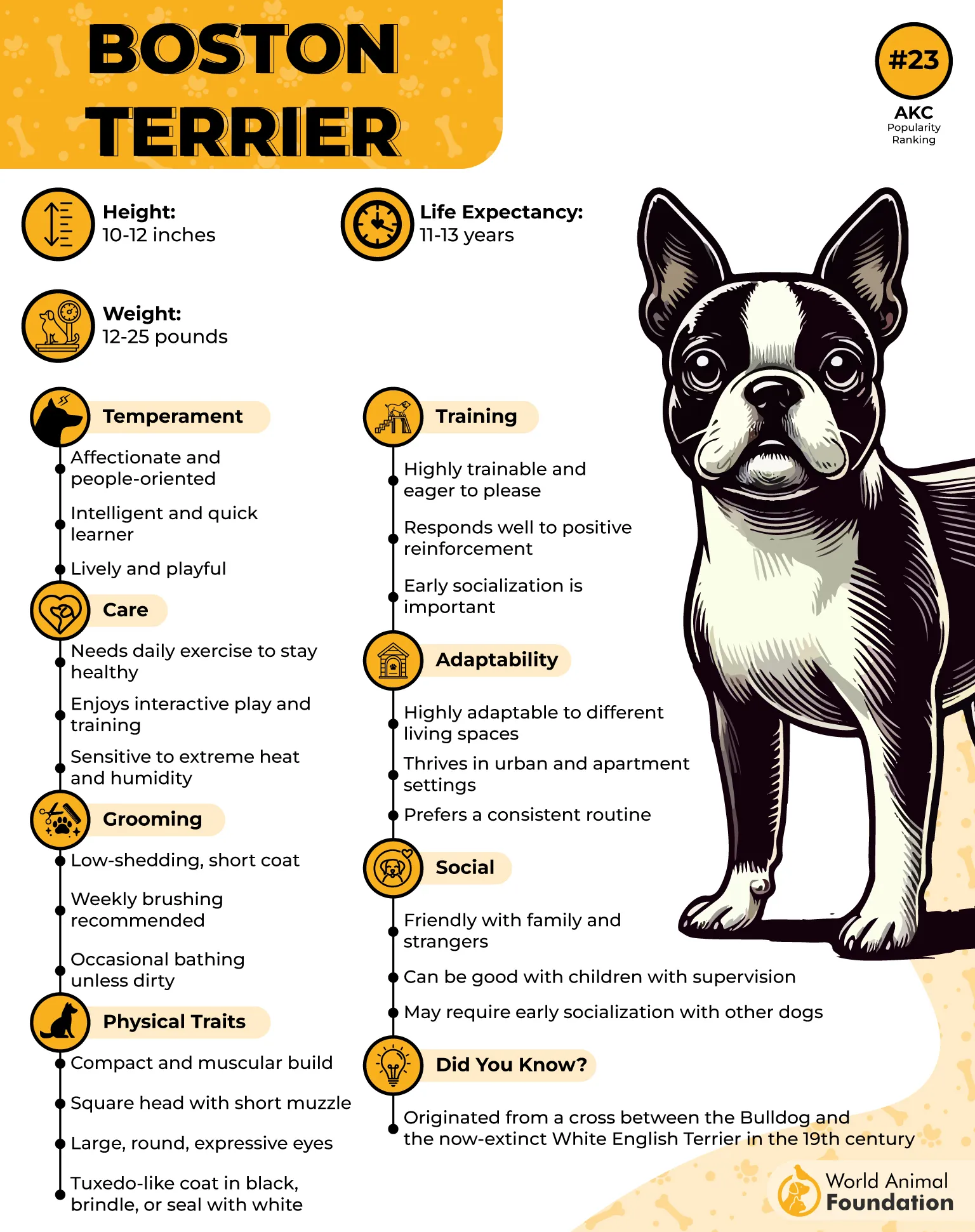
Boston Terrier enjoys interactive play and structured activities such as agility, obedience, rally, and flyball, as the AKC stated. Participation in organized dog sports gives this compact athlete a productive outlet for energy and direction.
Precision becomes easier when these elements are present:
Strong environmental awareness
Enthusiastic toy motivation
Responsive body coordination
Energy With Direction
Boston Terrier does not benefit from being left alone for long periods, as frustration can lead to undesirable behaviors. Regular interaction and guided activity help maintain mental balance and cooperation. A brisk walk may satisfy some, while others require more active play to stay attentive.
2. Pug
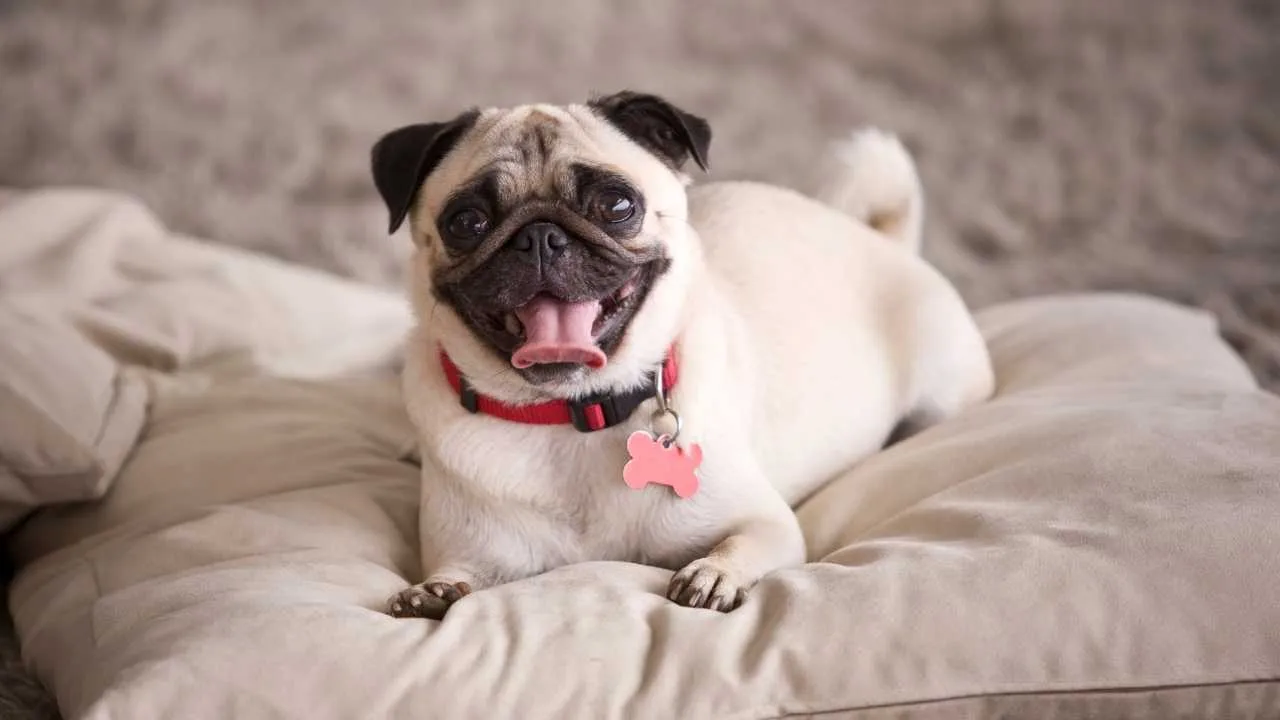
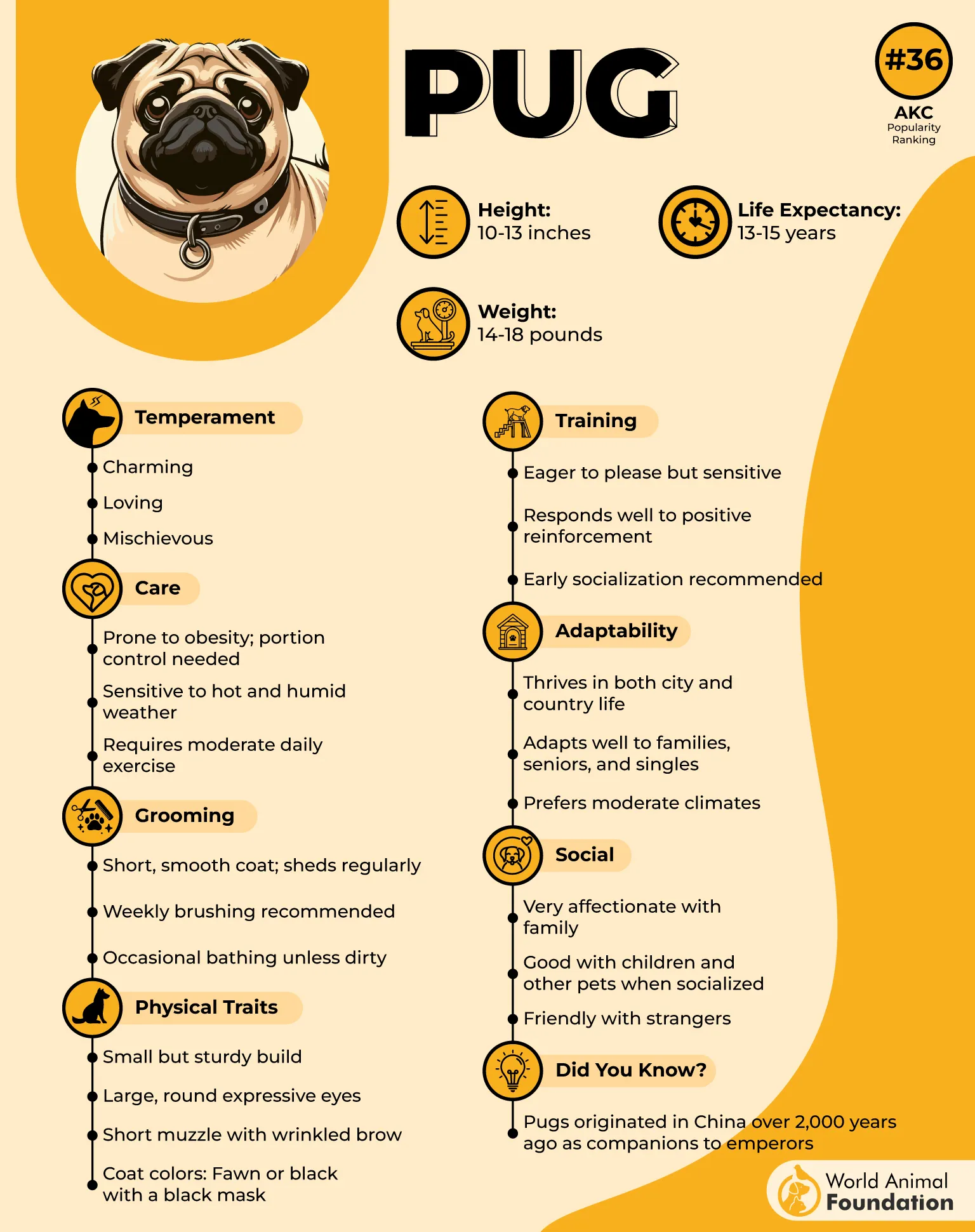
Pug is a small yet solid companion once favored by Chinese emperors and later chosen as the mascot of Holland’s royal House of Orange. That long history as a close human companion shaped a dog deeply tuned to people and responsive to attention.
Playful Precision
Pug combines playfulness with a sturdy build, which allows them to stay lively during organized activities such as agility, obedience, and rally events.
That ability becomes clearer in practice:
Strong food motivation during drills
Consistent response to repeated cues
Social confidence in group classes
Energy Managed With Care
Pug enjoys moderate walks and short play sessions, which help maintain both fitness and mental engagement. As a short-faced breed, it does not tolerate heat well and should avoid strenuous activity in warm or humid conditions. Indoor sessions in a cool space often suit structured obedience work best.
3. Bichon Frise
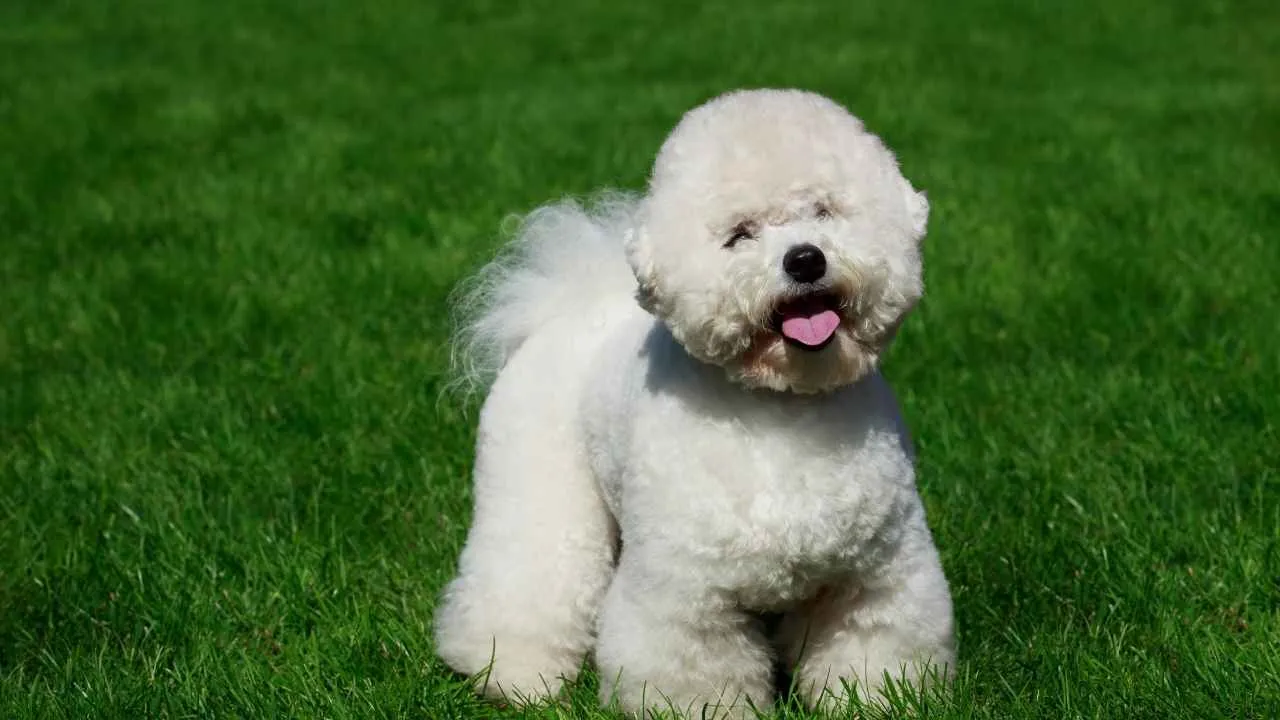
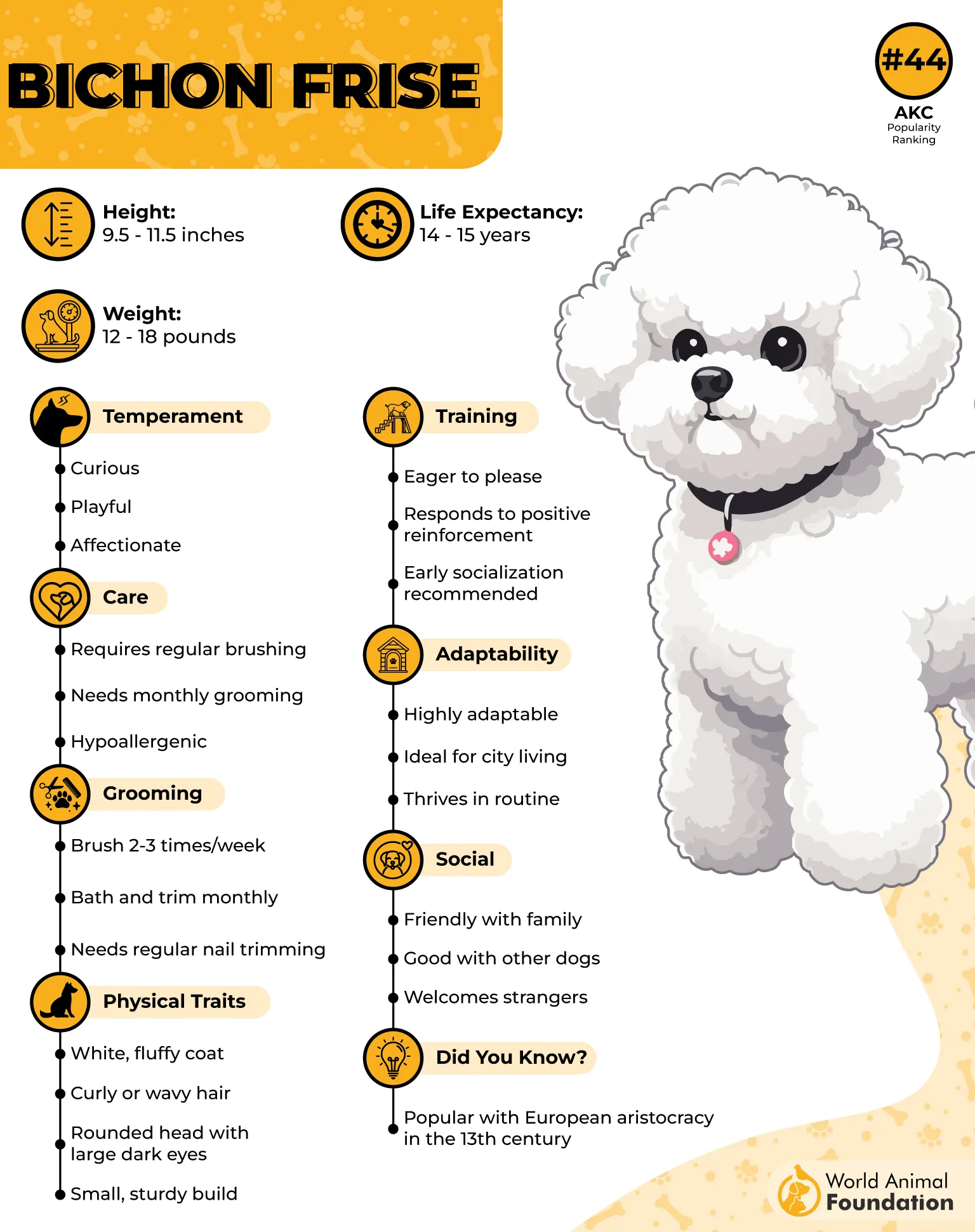
Bichon Frise is a playful and affectionate member of the non-sporting group known for its curiosity and friendly nature. This small dog enjoys meeting new people and interacts comfortably with children and other dogs. That openness makes early obedience work feel more like engagement than pressure.
Activity in Short Bursts
Bichon Frise is often described as somewhat active, shifting between calm stretches and quick bursts of running through the house or yard. These sudden spurts of energy create natural opportunities to reinforce recall and command timing.
Watch how this rhythm supports training progress:
Quick response during play
Fast directional changes
Alert engagement with handler cues
Competitive Potential
Bichon Frise frequently participates in obedience, agility, and rally competitions, reflecting its responsiveness and enthusiasm for guided tasks, as the Kennel Club noted. Its surprising speed in open spaces means secure areas are important during off-leash practice.
4. Papillon
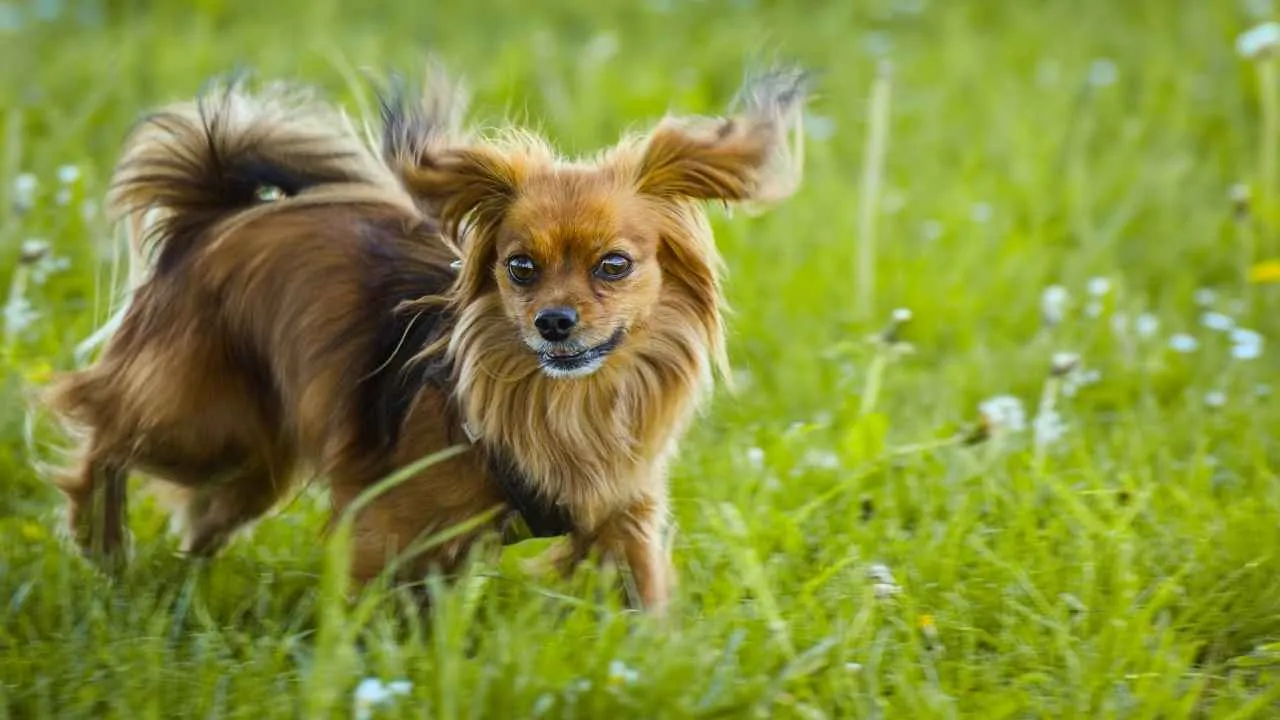
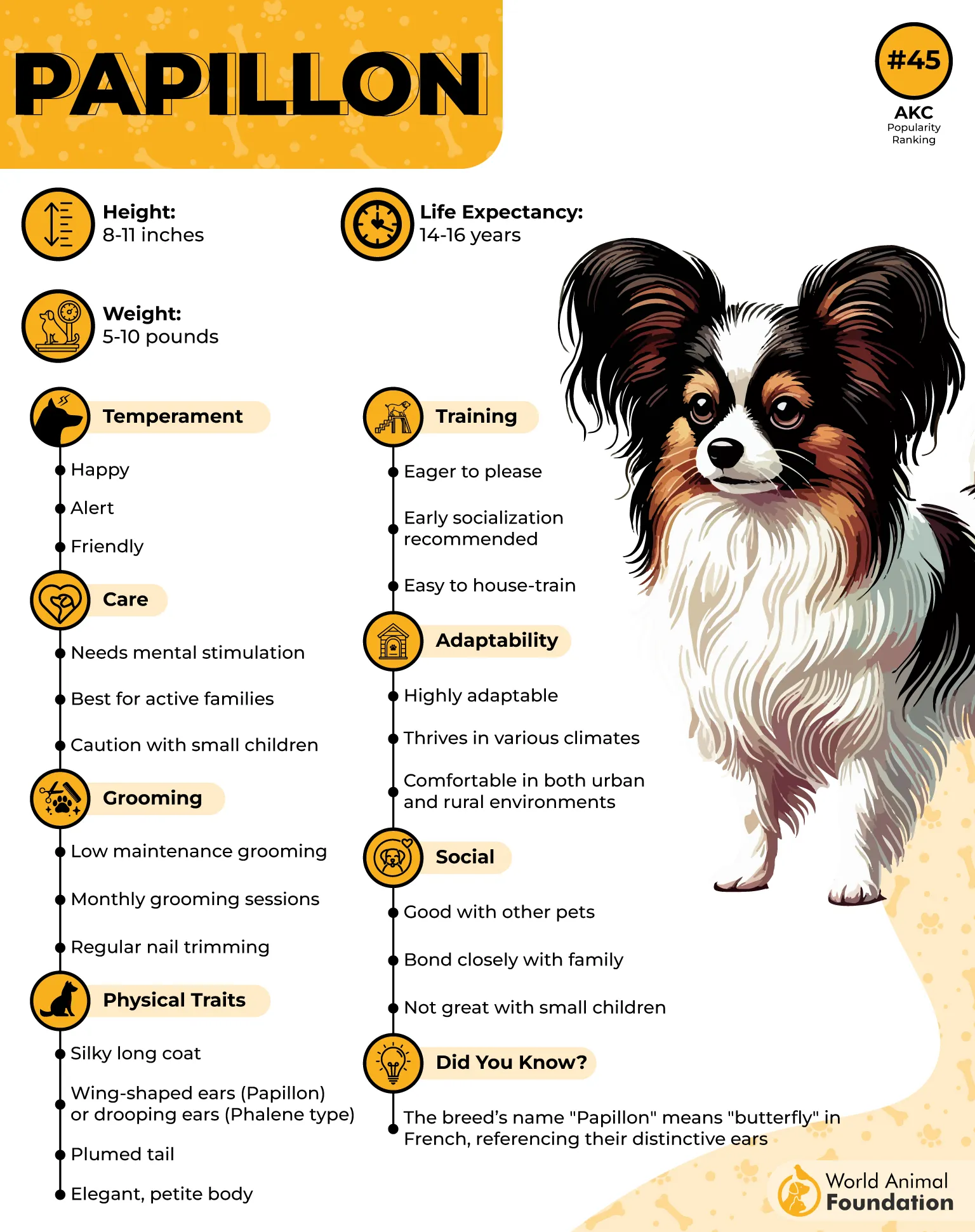
Papillon stands out for its quick curiosity and lively athletic ability packed into a refined toy frame. Beneath the elegant appearance is the smartest small dog with alert focus and steady engagement. Their sharp responsiveness gives them a natural advantage when learning structured commands.
Precision in Training
This intelligent dog is described by fanciers as happy, alert, and eager to please the people it bonds with. In competitive agility, it consistently performs at high levels, which reflects strong coordination and mental speed.
The training edge becomes clear in moments like these:
Fast command association
Light, precise footwork
High responsiveness to handler cues
Learning Without Delay
Papillon tends to make housetraining smoother than expected for a small breed, responding well to consistency and routine. Early socialization paired with obedience classes strengthens discipline while preventing overindulgence. Clear boundaries help shape a confident and well-mannered companion.
5. Cavalier King Charles Spaniel
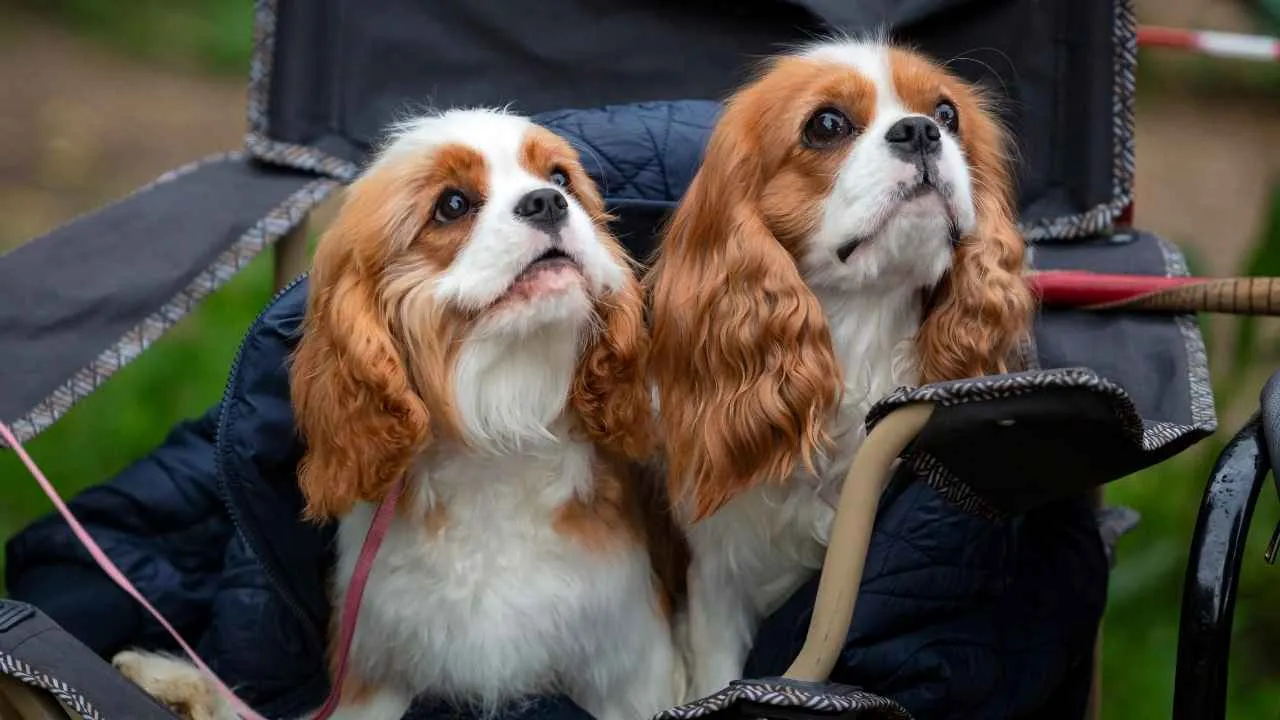
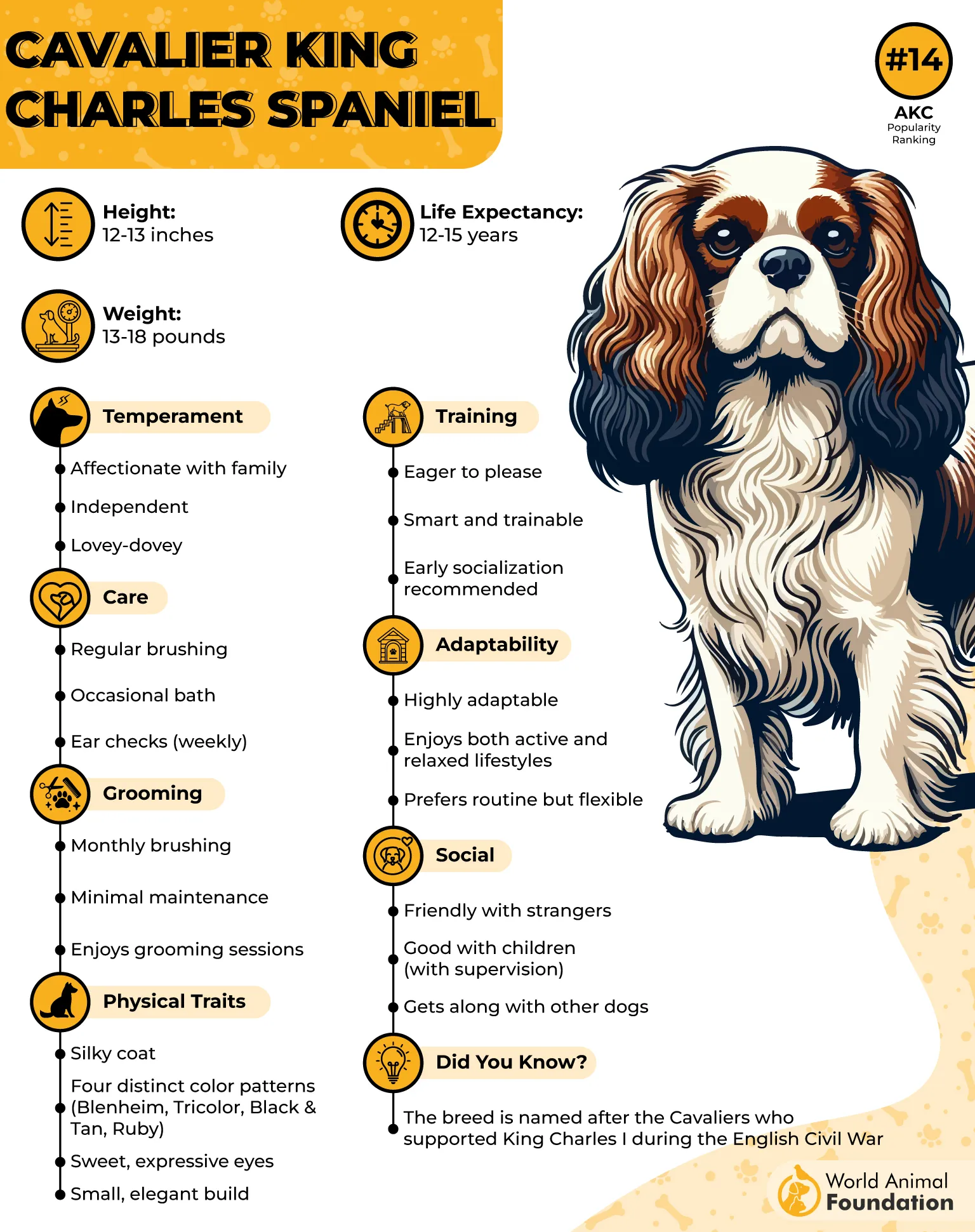
Cavalier King Charles Spaniels reflect their British ancestry in both elegance and alertness. This smart breed combines the gentle attentiveness of a toy dog with the athleticism of a sporting spaniel. Their even temperament makes them eager and responsive companions during training sessions.
Quick Learners
Cavaliers pick up commands quickly and adapt easily to structured routines, making them ideal for obedience-focused households. Their playfulness allows them to perform confidently in agility and structured training sessions.
Their skills and focus show in these key abilities:
Excels in rally and obedience exercises
Responds well to positive reinforcement
Maintains attention through short, engaging tasks
Affectionate Companions
The breed naturally bonds with humans, reading subtle cues and responding with cooperation. Cavaliers interact well with other animals and children, making them attentive and social learners, as Omlet claims. This attentiveness helps them succeed in canine sports and therapy work.
6. French Bulldog
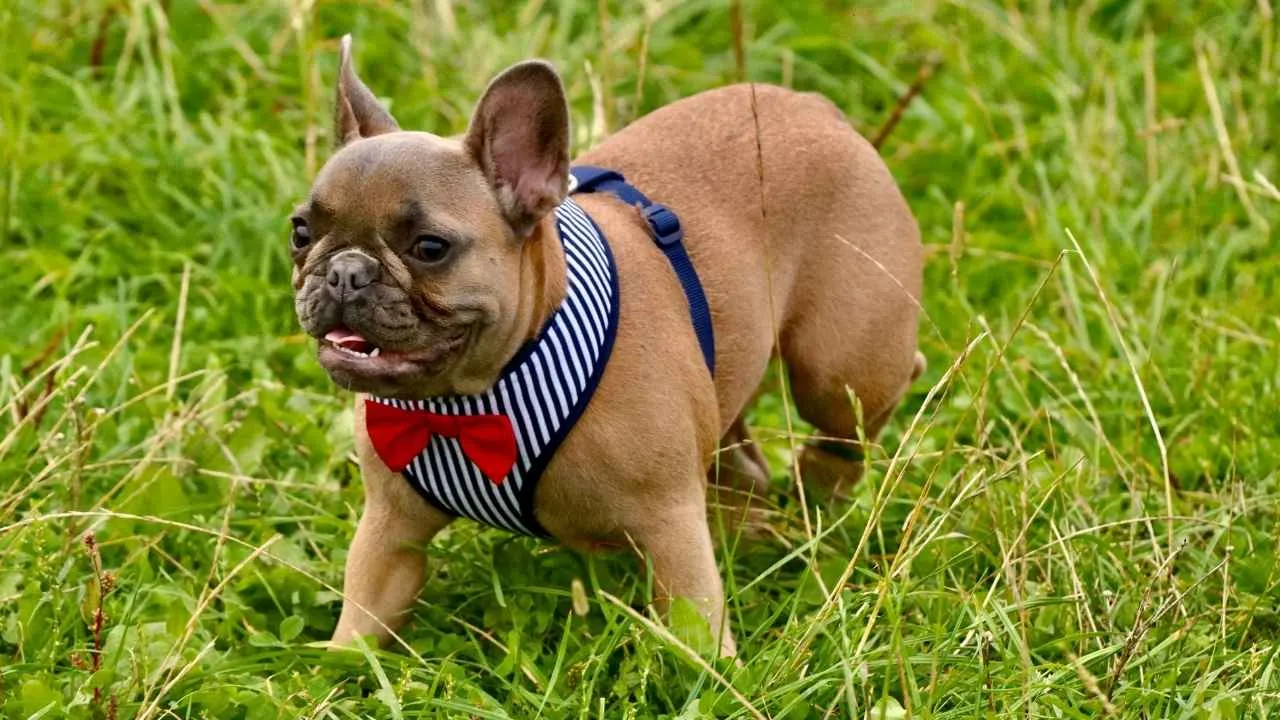
French Bulldogs are instantly recognizable for their large bat-like ears and compact, muscular build. Their alert nature allows them to notice subtle changes in their environment while remaining calm indoors. Their attentiveness makes them well-receptive to interactive tasks.
Training & Engagement
Early socialization and puppy classes help Frenchies develop confidence and proper behavior with people and surroundings. Their adaptability and willingness to learn shine especially when guided consistently.
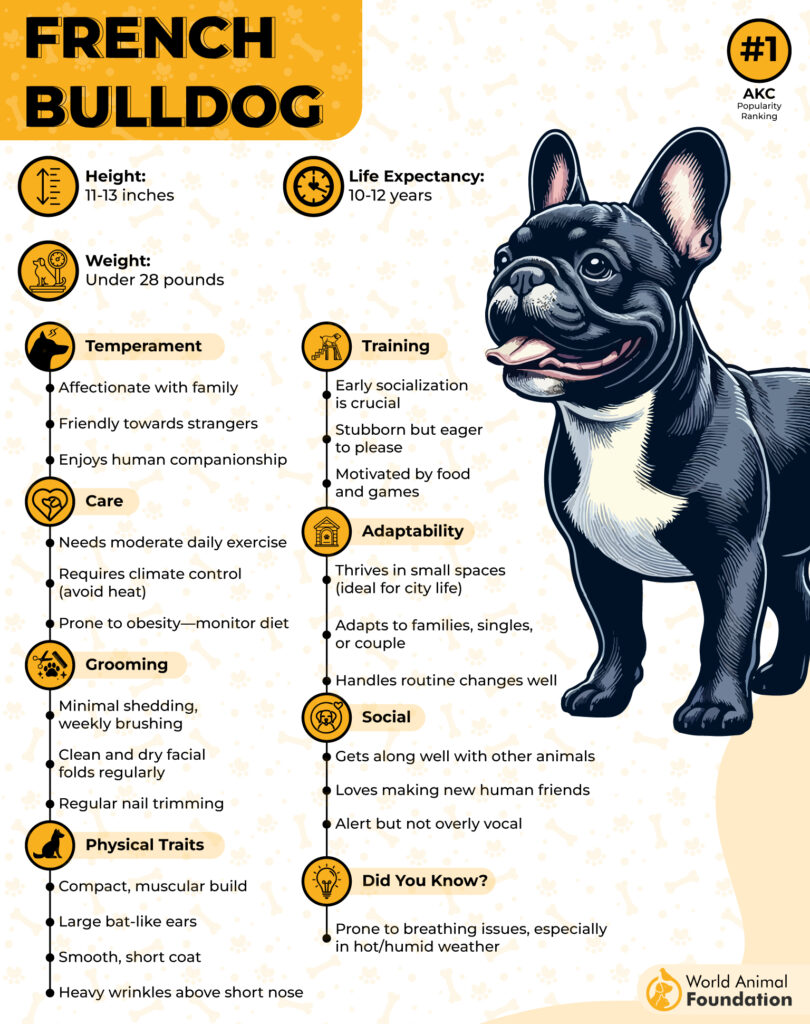
These points reflect their trainable nature:
Quick recognition of new commands
Smooth participation in short training sessions
Responsive to gentle reinforcement
Controlled Activity
Short daily walks or playful sessions keep them fit without overdoing it. Though small, they thrive in canine sports like obedience, rally, and agility, showing focus beyond their size. This active engagement keeps their minds sharp and balanced.
7. Border Terrier
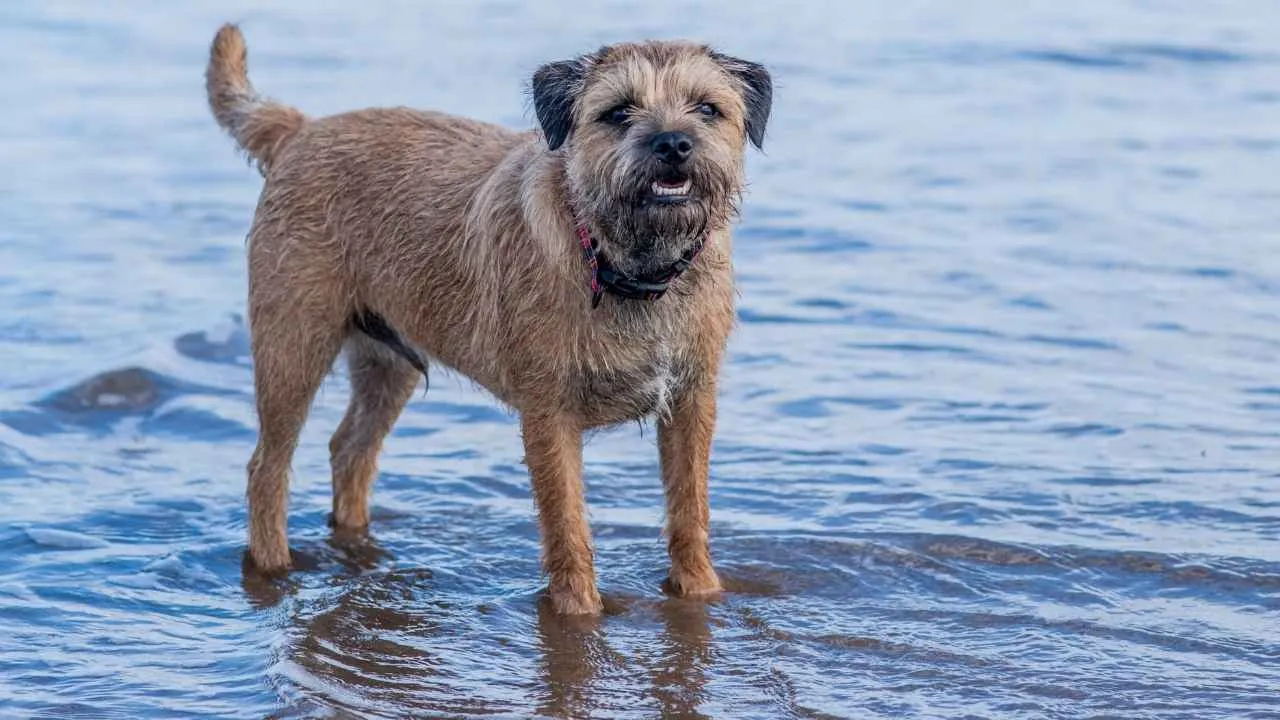
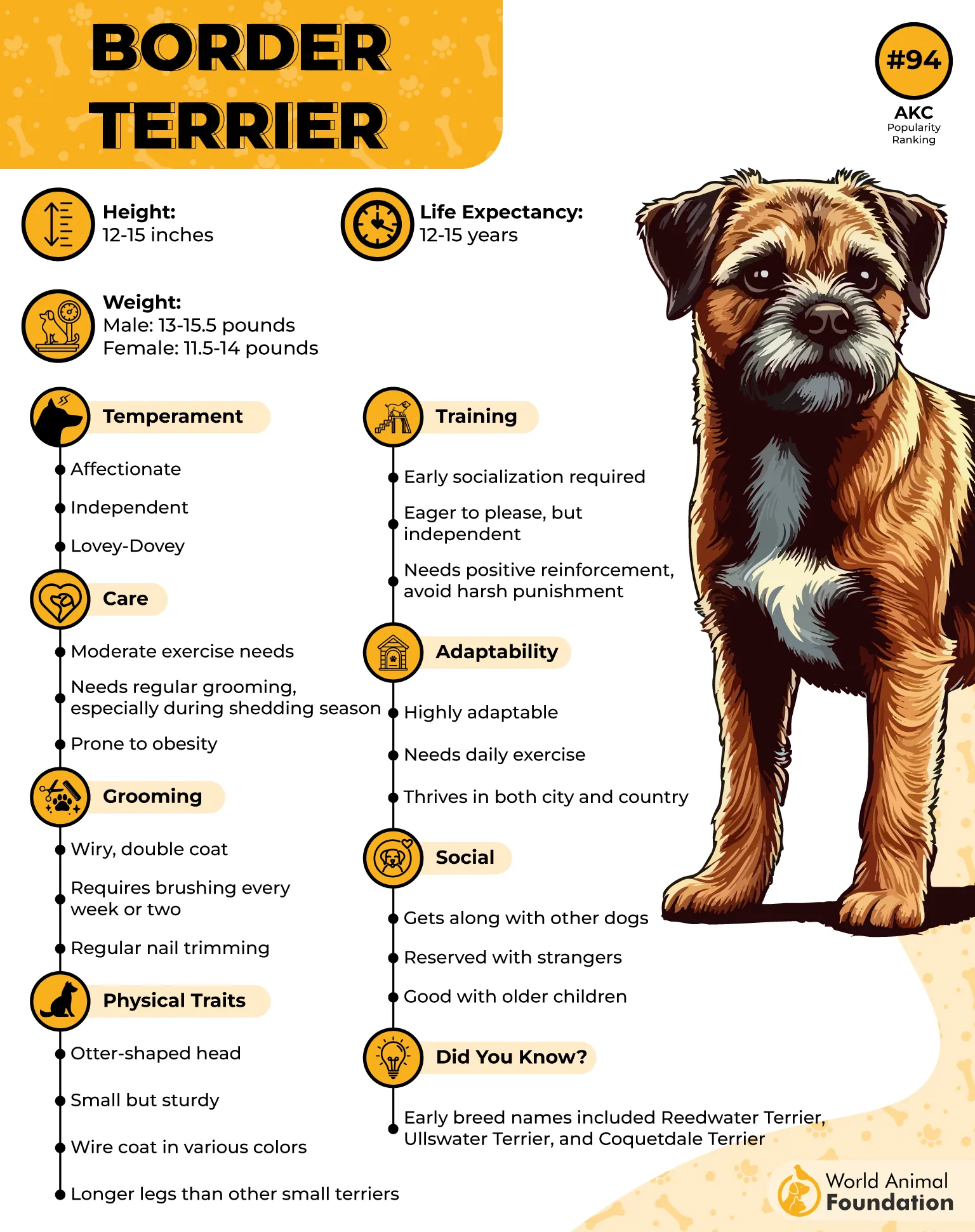
Border Terriers are lively dogs known for their agility and plucky spirit. They were bred as tough, no-nonsense working terriers, which gives them independence and clever problem-solving skills. Their curiosity drives them to explore, making outdoor activity a natural part of their day.
Skillful and Versatile
These dogs excel when given structured challenges that engage their body and mind. They often join children’s play or follow owners through outdoor adventures.
Their eagerness to participate translates into strengths like:
Quick learning in agility and obedience
Natural talent for tracking and earthdog games
Focused energy during flyball and lure coursing
Intelligent Problem-Solvers
This breed thinks for itself, responding to commands in a way that can surprise trainers while staying engaged in tasks. They enjoy structured canine sports that challenge their instincts and energy. Purposeful activities channel their cleverness into consistent, manageable focus.
Conclusion
The breeds highlighted here prove that size does not limit capability. Among the smartest small dog breeds, focus, quick response, and steady engagement make many of them easy to train in structured settings. Their success in dog sports and agility training reflects both intelligence and willingness to work alongside a handler.
While not all are the easiest dog breeds for every household, consistent guidance and mental stimulation bring out their best qualities. Combined with an affectionate nature, this balance of brains and companionship creates small dogs who excel in obedience and remain rewarding partners long after training sessions end.
