




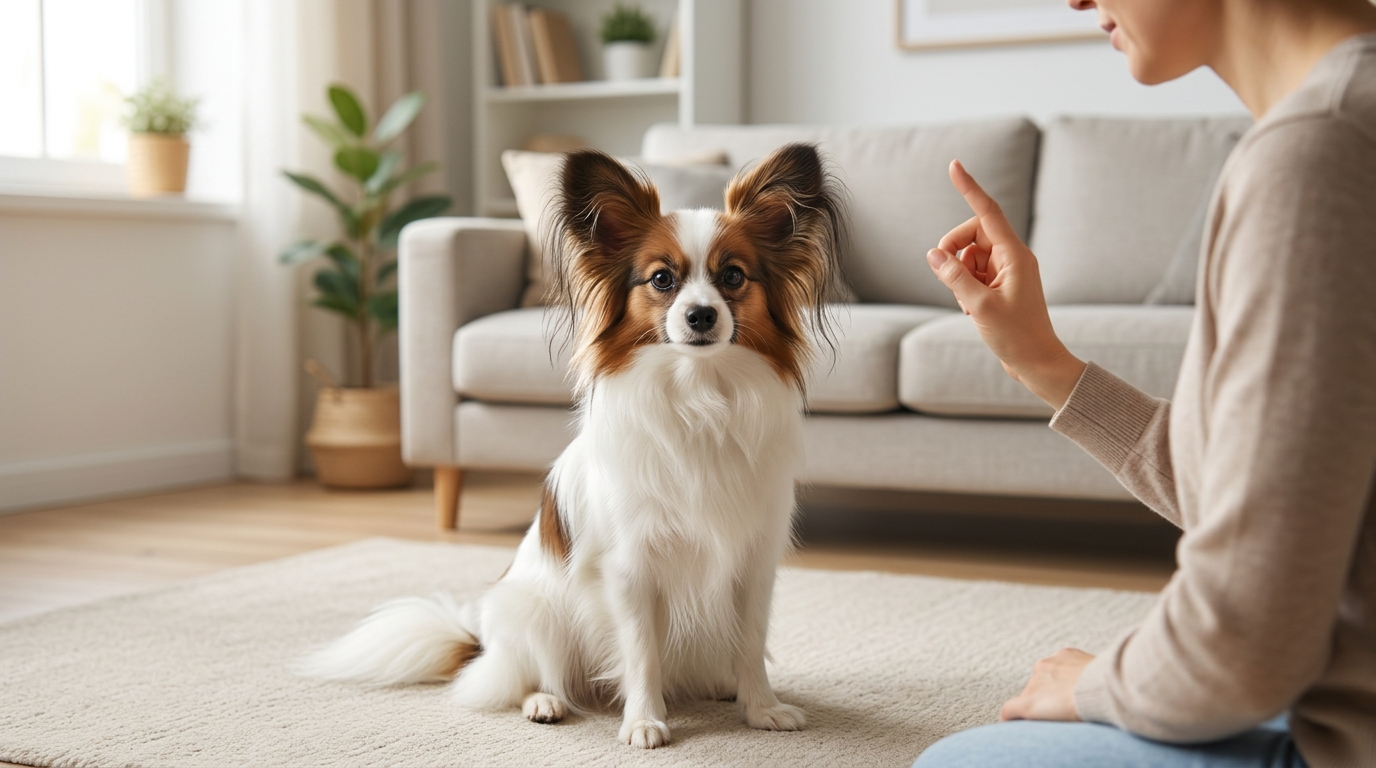
Canine intelligence comes in several forms, including learning from humans, independent problem-solving, and instinctive abilities developed through generations of breeding.
Home training works best when humans make desirable behavior rewarding instead of turning every lesson into a dramatic confrontation. Research comparing training approaches has found advantages for reward-focused methods.
At the same time, studies of aversive techniques have raised welfare concerns, so treats, toys, praise, and access to fun activities are more than just feel-good extras. The seven breeds below showcase that regular training sessions at home can effectively train dogs.
Intelligent Small Dog Breeds Ideal for Home Training
1. Cavalier King Charles Spaniel
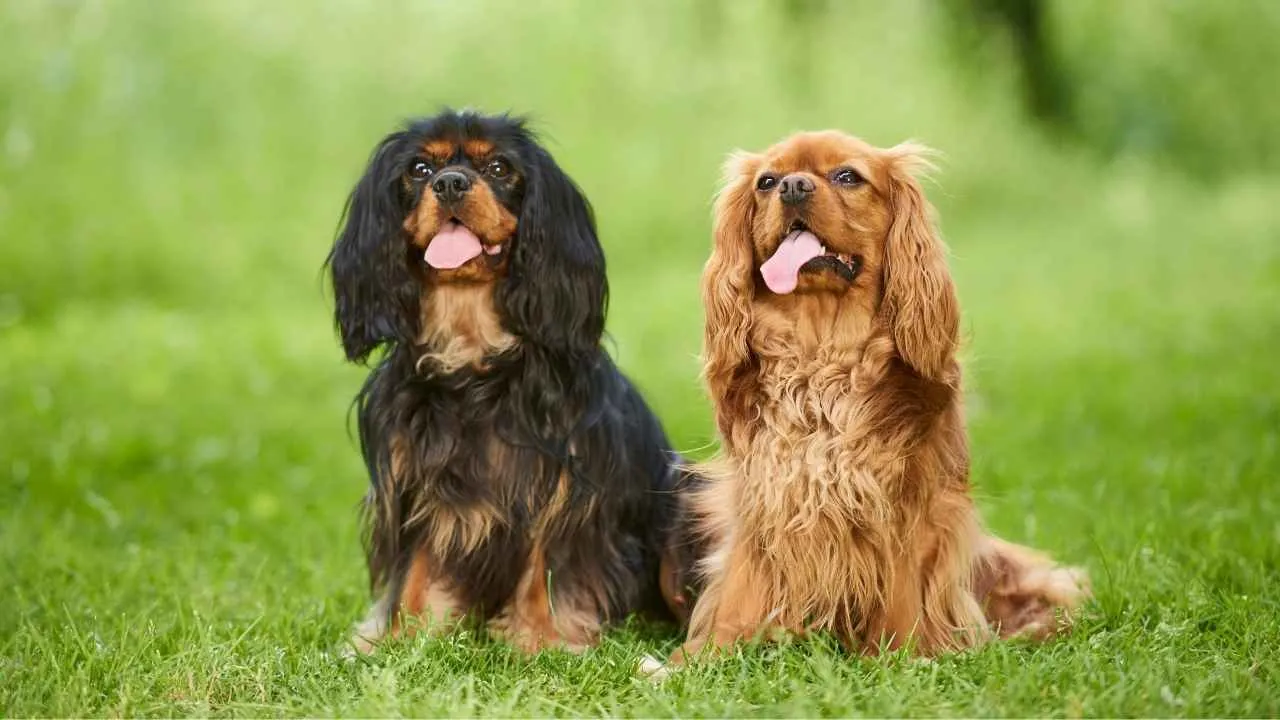
The Cavalier King Charles Spaniel looks like it belongs in an oil painting, but behind that royal-core aesthetic is a highly people-oriented companion.
A Cavalier’s intelligence often shines through social awareness rather than hardcore independent problem-solving. These dogs pay close attention to people, which means your voice, expression, movement, and rewards can become powerful training signals.
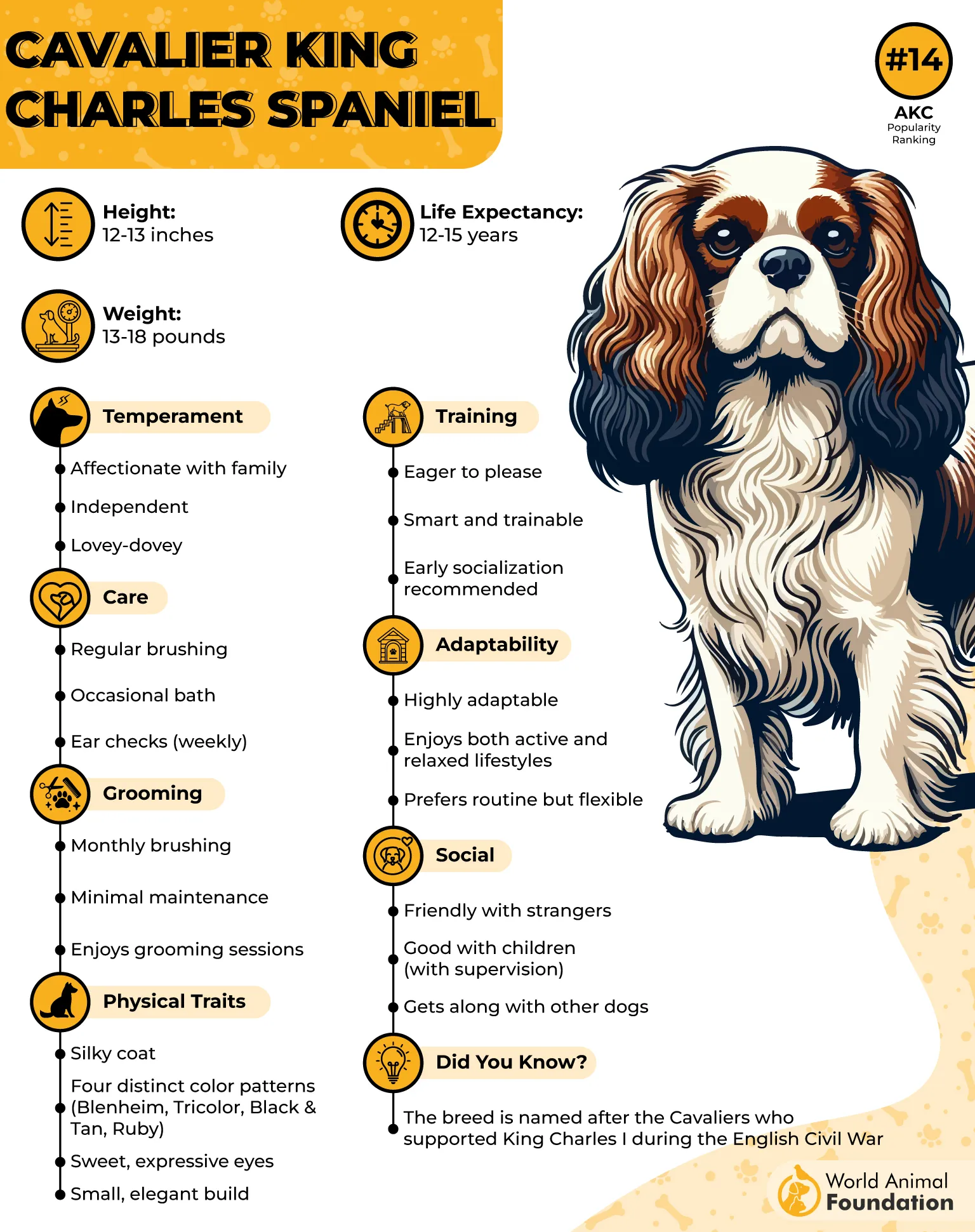
American Kennel Club has emphasized structured early experiences, including handling, crate exposure, socialization, housetraining, and gradual introductions to normal household life. The training guidance also recommends predictable schedules because consistency makes expectations easier for puppies to understand.
Food puzzles, beginner scent games, gentle retrieving, trick sequences, and supervised hide-and-seek give a Cavalier’s brain something productive to process without requiring a giant backyard.
Tips To Train Them At Home
Build lessons around connection first: call your Cavalier over, reward eye contact, then introduce the actual cue while you already have their attention.
Turn household routines into practice by asking for a calm sit before meals, leash clipping, door opening, or couch invitations.
2. Miniature Schnauzer
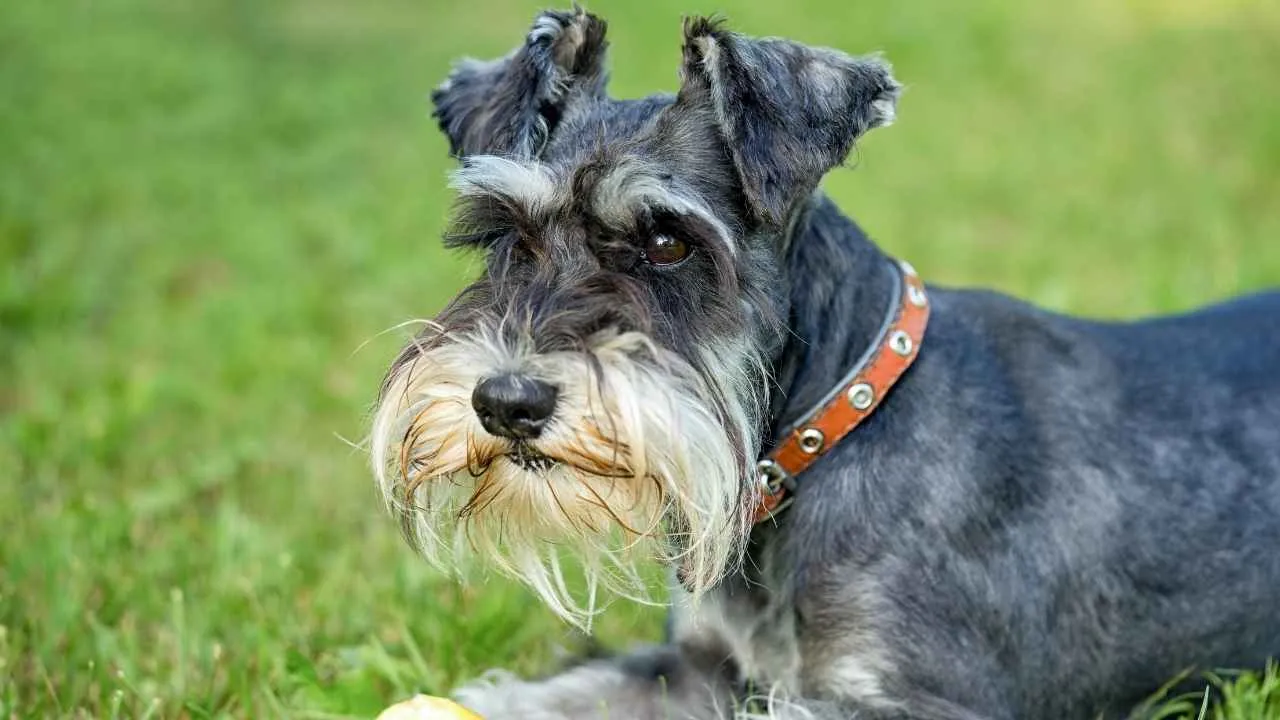
Developed from German farm-dog stock and historically used for jobs such as controlling vermin, the Miniature Schnauzer still carries alertness, curiosity, and working-dog determination in a compact frame.
These well-behaved dogs are quick enough to learn both what you intentionally teach and what you accidentally allow. This breed figures things out rapidly but can lose interest in unnecessary repetition, recommending sessions of roughly five to ten minutes.
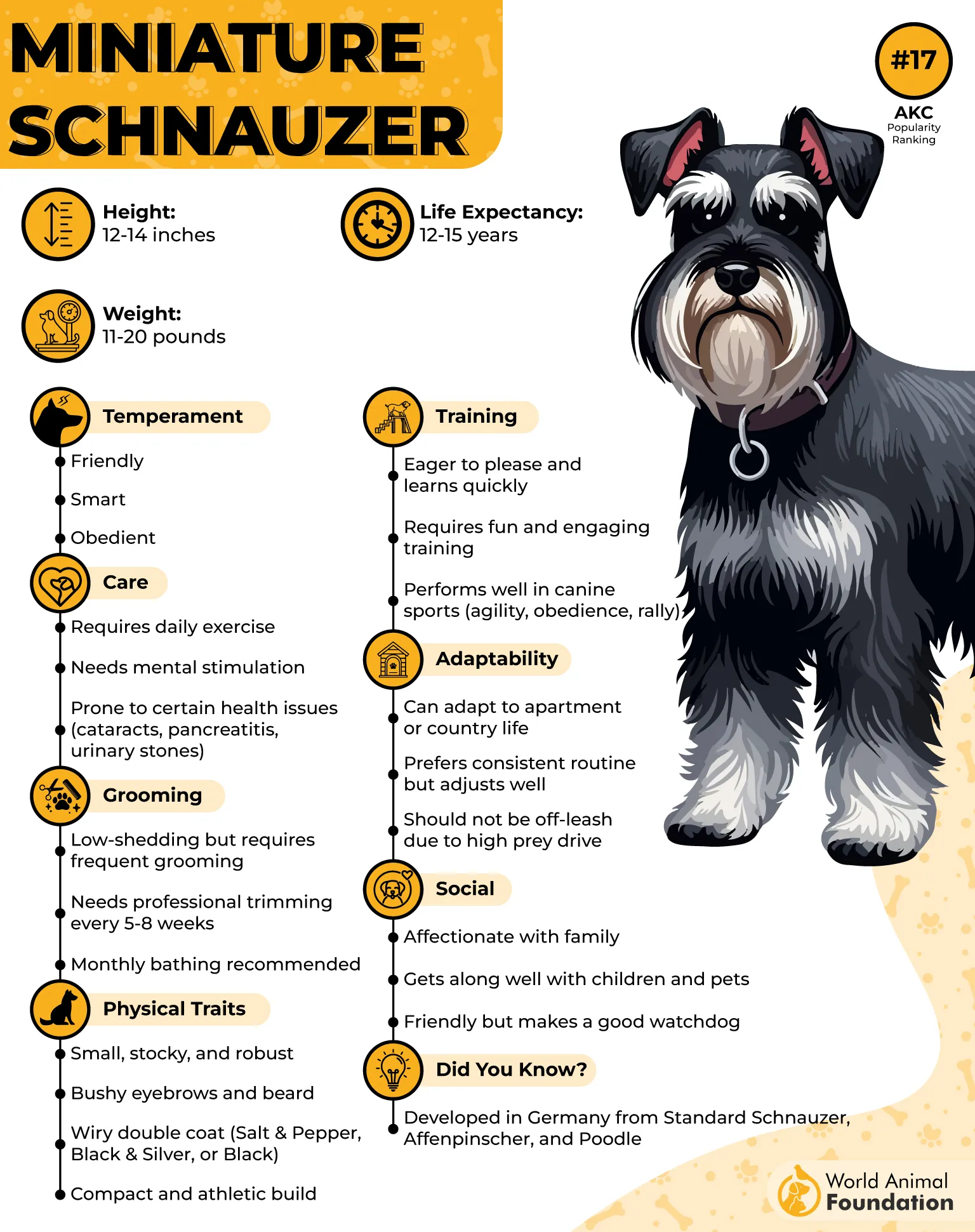
That alert terrier brain can also produce enthusiastic opinions about delivery drivers, hallway noises, neighbors, leaves, birds, or suspicious plastic bags. Instead of repeatedly yelling over barking, home training can teach an alternate assignment such as “place,” “find it,” or checking in with the owner after an alert.
This intelligent dog breed also benefits from learning grooming cooperation because their distinctive double coat and facial furnishings require ongoing maintenance.
Tips To Train Them At Home
Give your Schnauzer fast-moving mini-challenges rather than 20 identical repetitions of one cue.
Rotate puzzle feeders, scent searches, toy names, and trick practice so that cleverness has somewhere legal to go.
3. Papillon
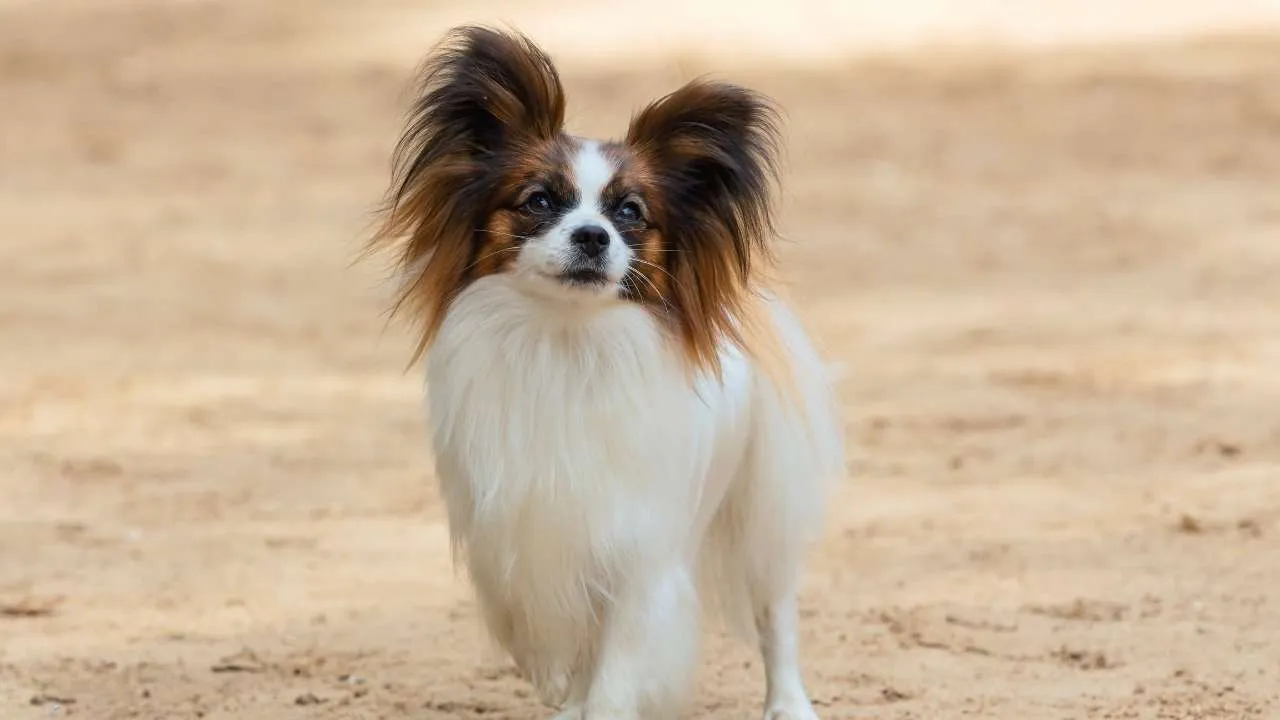
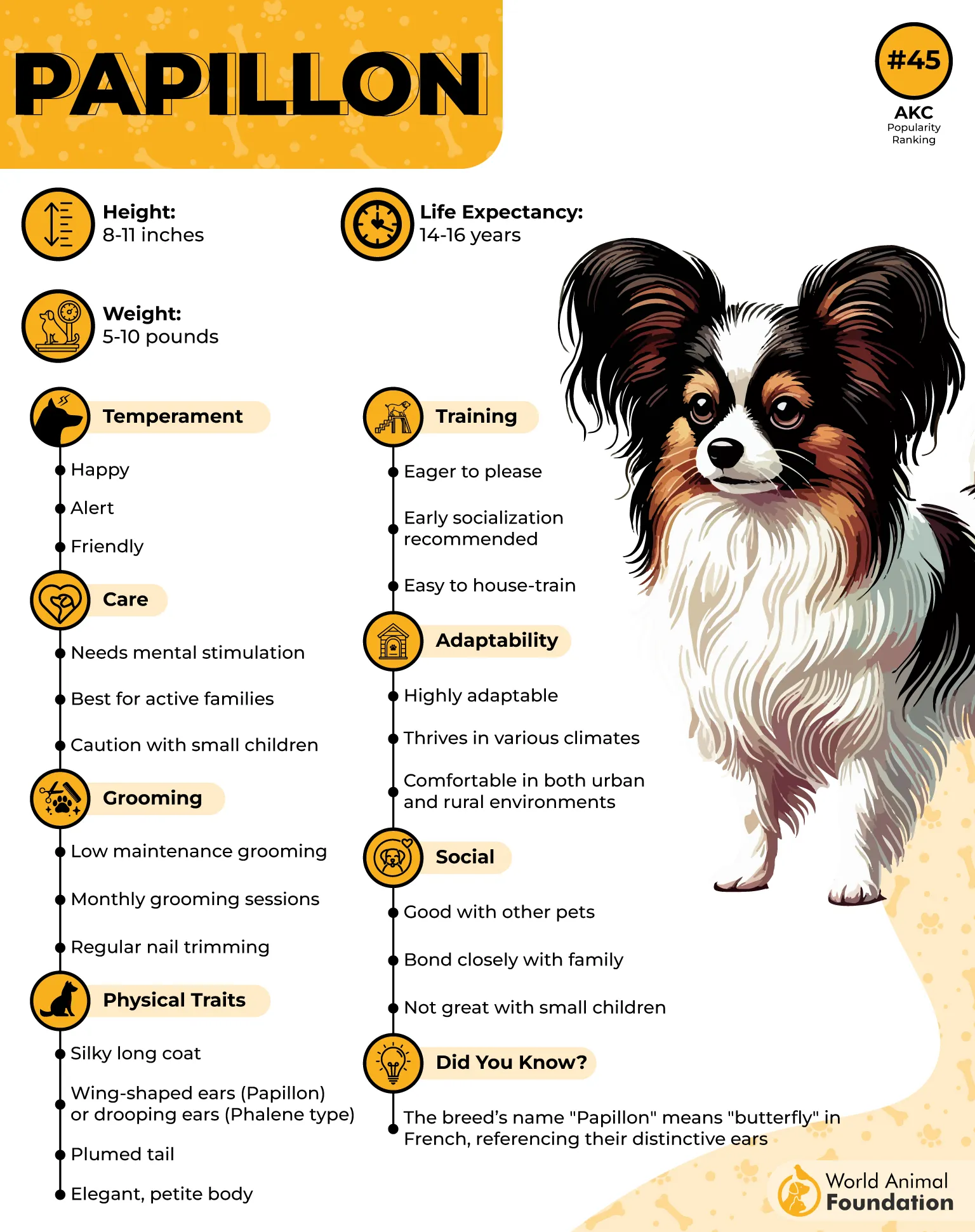
The Papillon proves that butterfly ears and athlete mode can absolutely exist in the same dog.
Among toy breeds, they have an especially strong reputation for trainability. They thrive on mental stimulation and have a history of success in obedience, agility, tricks, and other performance activities.
Their observational learning is another reason consistency matters, as per Purina. A Papillon that discovers barking gets someone to throw a toy may rapidly decide that barking is now the official toy-ordering system, while one rewarded for quietly bringing the toy can learn an entirely different strategy.
Indoor spaces offer plenty of possibilities for this dog. Teach directional cues around cushions, send the dog to different mats, hide treats under lightweight containers, practice retrieving named toys, or create low-impact obstacle patterns appropriate for the individual dog.
One caution is that mental speed deserves thoughtful management rather than constant stimulation. A Papillon should also learn how to switch off, relax on a bed, ignore irrelevant noises, and wait patiently instead of believing entertainment must happen every second.
Tips To Train Them At Home
Create a tiny trick curriculum featuring spins, paw targets, toy retrieval, platform work, and object discrimination.
Use household objects creatively: a cardboard box can become a scent station, target platform, or “go inside” exercise.
4. Toy Poodle
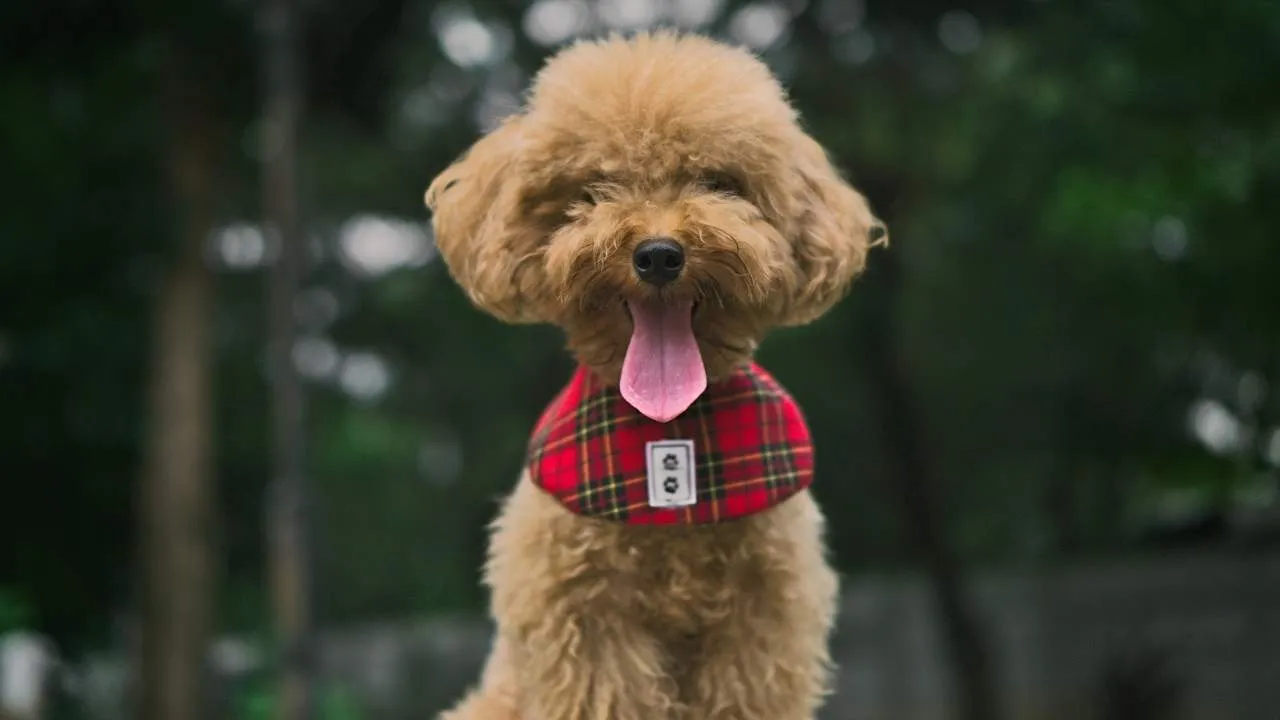
Toy Poodles are tiny, curly proof that sophisticated aesthetics and ridiculous brainpower can coexist.
They were developed from retrieving dogs, and modern members of the breed retain a strong combination of responsiveness, athletic ability, and interest in activities involving their humans. They are extremely intelligent, readily trained, and capable in areas such as obedience and agility.
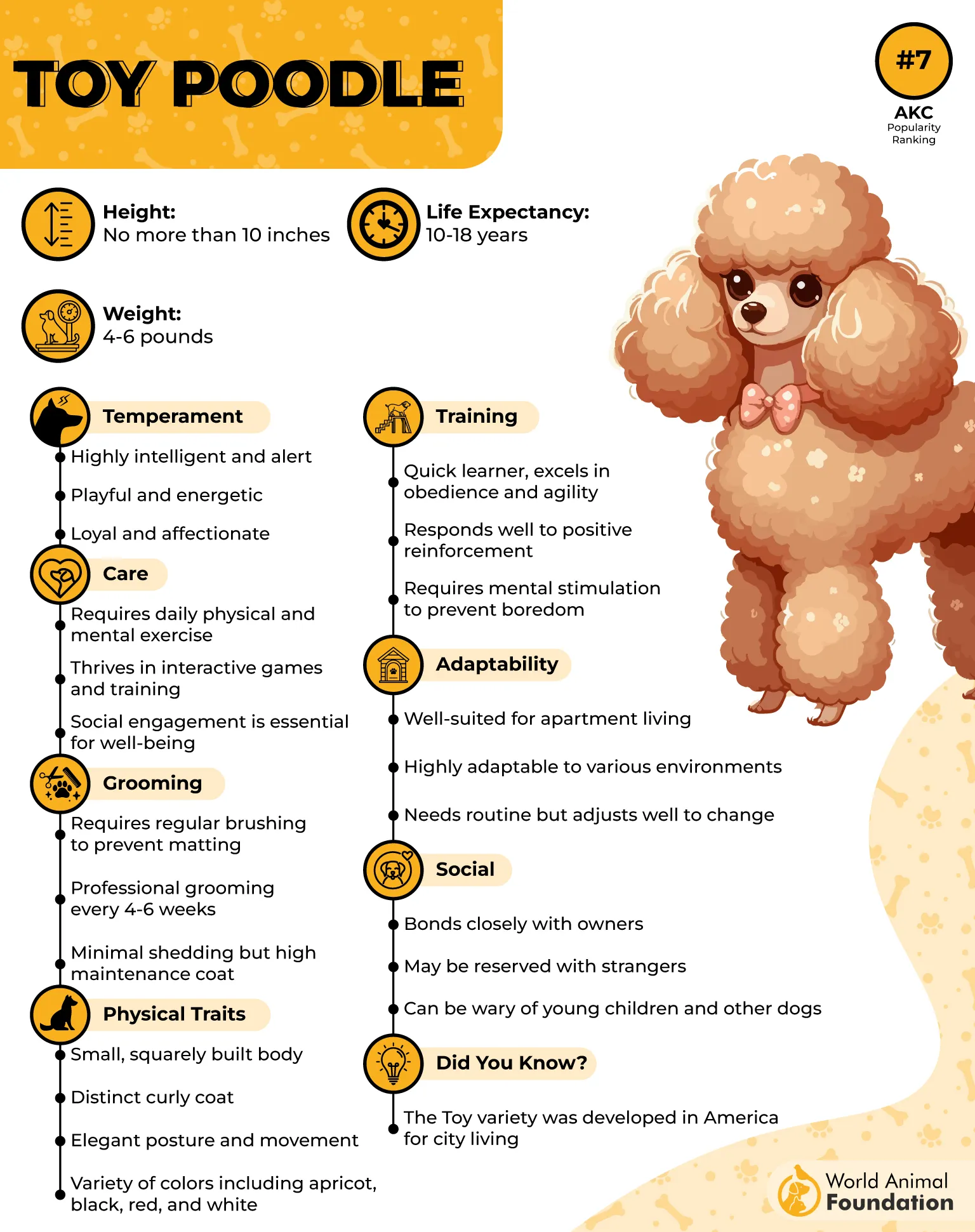
Real-world trainers have been demonstrating this versatility for generations. They are known for their intelligence, temperament, and ease of training. That sort of long-term performance history makes the “Poodles are smart” reputation considerably more than internet hype.
Try chaining several behaviors together once individual cues are strong. For example, your Poodle can learn to collect a toy, carry it to a basket, drop it inside, and return to you for reinforcement, turning tidying into an actual brain game.
Tips To Train Them At Home
Challenge your Poodle with multi-step behaviors once basic cues are reliable, rather than stopping at isolated tricks.
Introduce names for favorite toys and reward correct selections to make indoor retrieving more mentally demanding.
5. Havanese
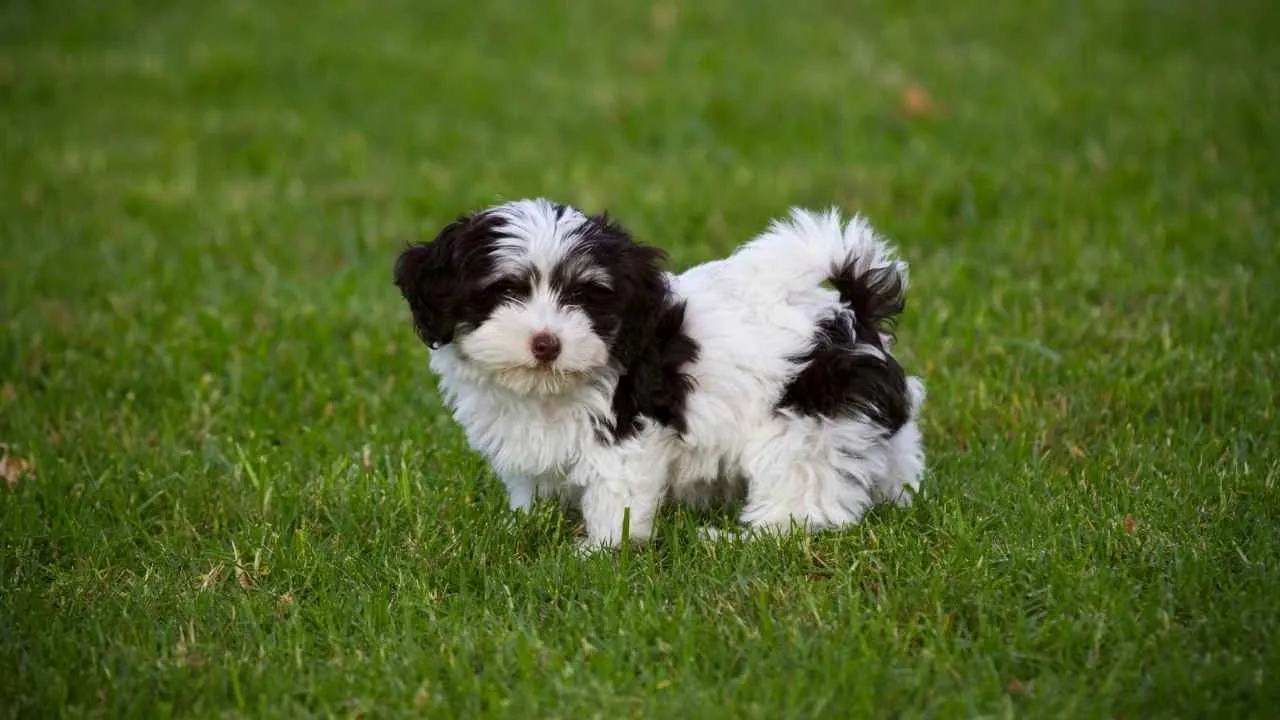
The Havanese arrives with fluffy hair, cheerful energy, and the unmistakable confidence of someone who knows the party improves when they enter.
Their intelligence is deeply connected to sociability, claims Omlet. The breed has spent generations living closely with people. It is bright, social, affectionate, and comparatively approachable to train. Human attention, therefore, carries genuine motivational value rather than simply being background noise.
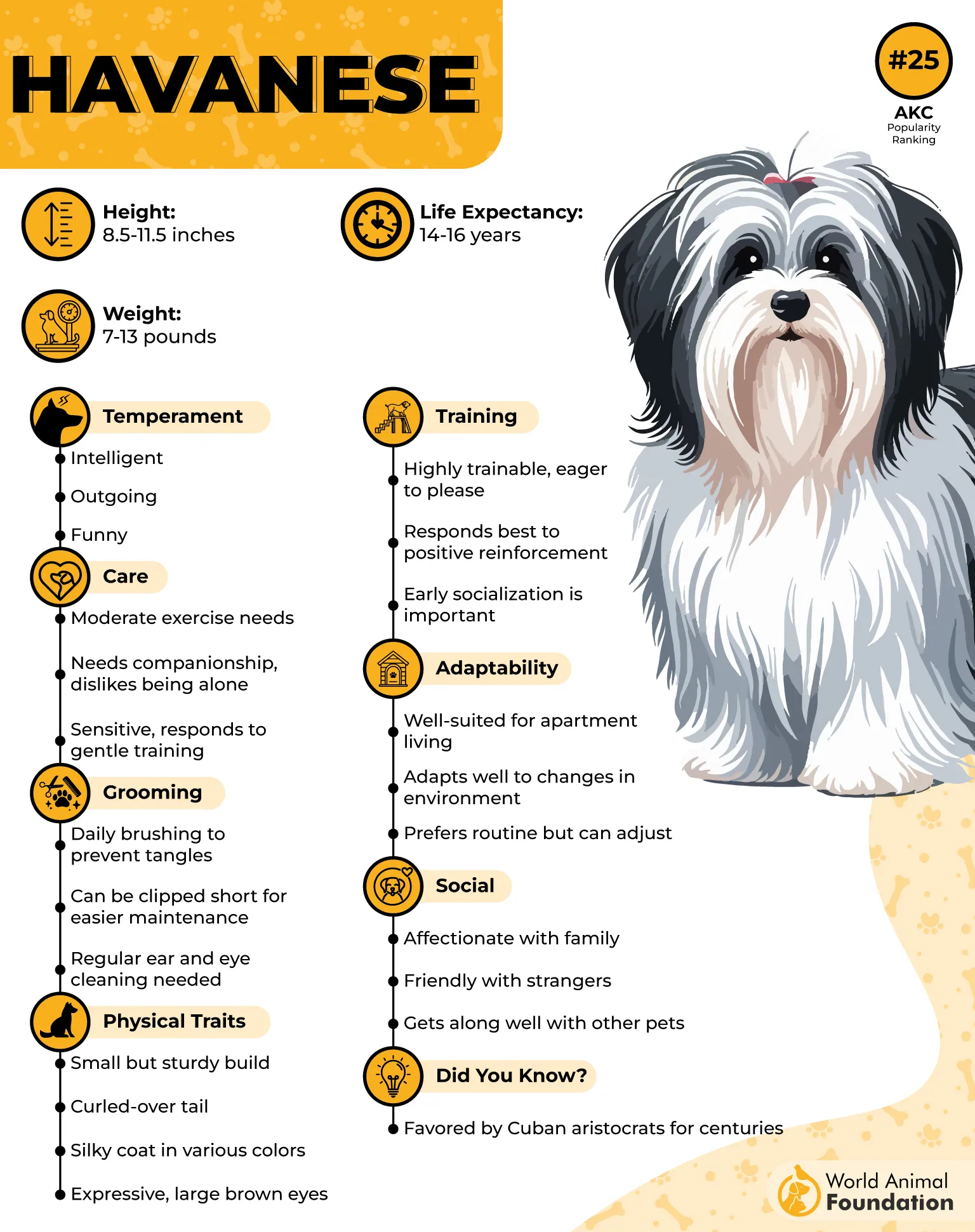
They have a much wider skill set than that of a “professional lap warmer.” Havanese participate in activities including obedience, Rally, agility, and tracking, while many also work successfully in therapy settings.
Teach dramatic bows, backing up, circling objects, retrieving slippers, touching targets, or ringing a bell, and you may accidentally create a four-legged content creator. Home training with positive reinforcement offers a useful framework for teaching independence in small doses.
Tips To Train Them At Home
Make social interaction part of the paycheck by mixing treats with praise, play, and enthusiastic reunions after successful exercises.
Transform your hallway into a mini training lane for recalls, heel-position games, targeting, and controlled retrieves.
6. Shih Tzu
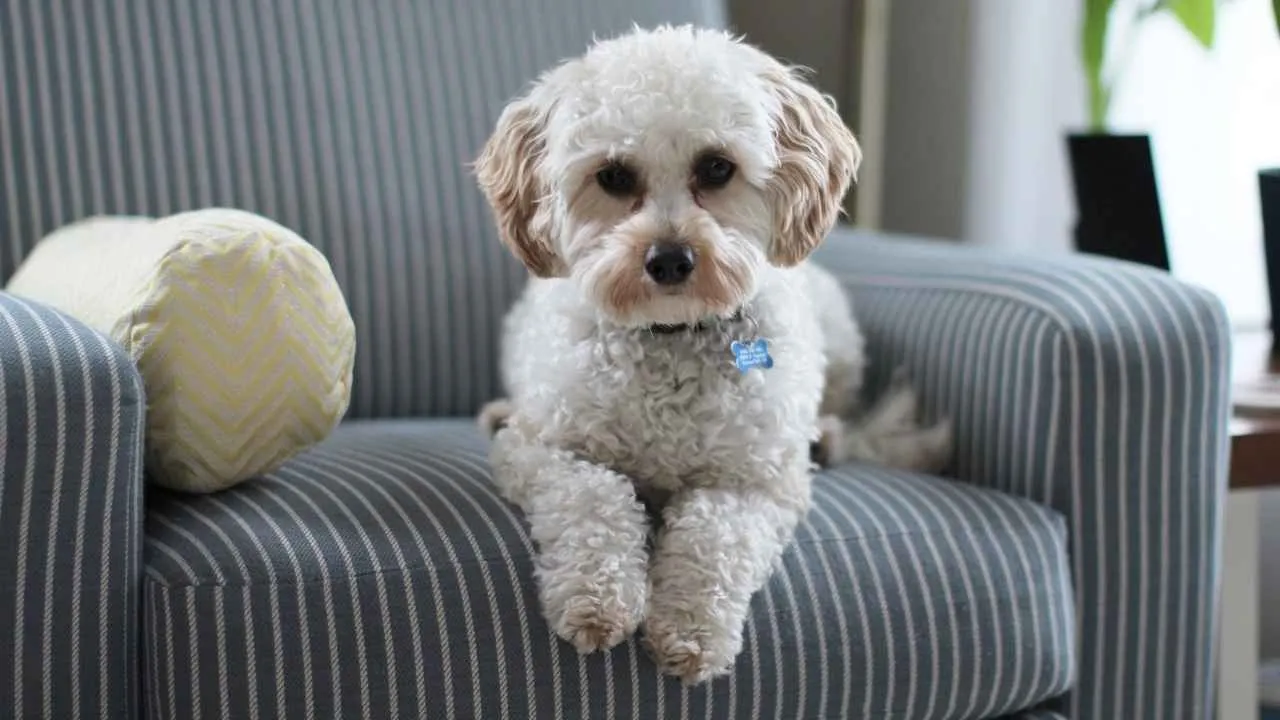
A Shih Tzu may look like royalty that has outsourced all manual labor, and historically that vibe is not completely wrong. The breed has centuries of history as a treasured companion dog associated with Chinese palace life.
Their learning style differs from that of breeds created specifically to perform repetitive working tasks. They can be clever, observant, playful, and perfectly capable students, but motivation matters enormously because unthinkingly following instructions was never their historic job description.
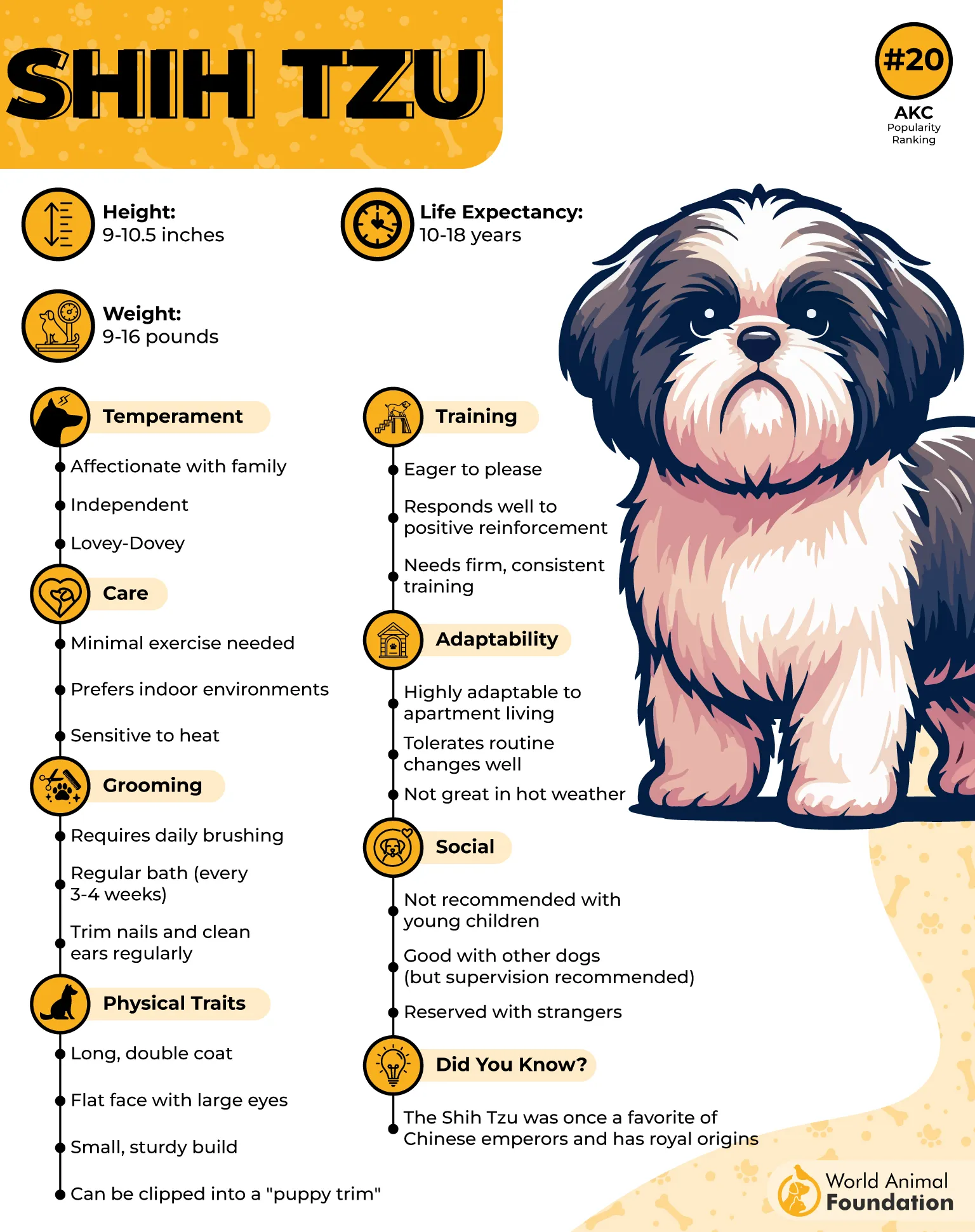
Consistent schedules for eating, resting, play, and bathroom breaks can make housetraining expectations much clearer. In other words, the Shih Tzu may negotiate the contract, but once the terms make sense, cooperation becomes much easier.
At home, Royal Kennel Club says that this means you should approach training less like military drill and more like collaborative game design. Reward fast responses generously, finish while the dog is still interested, and use tricks or playful movement to break up more practical work such as grooming manners and house rules.
Tips To Train Them At Home
Treat routine as your secret weapon, especially for potty training, meals, naps, and predictable practice periods.
Sneak useful behaviors into games: hand targeting can become recall practice, while “touch” can guide positioning during grooming.
7. Border Terrier
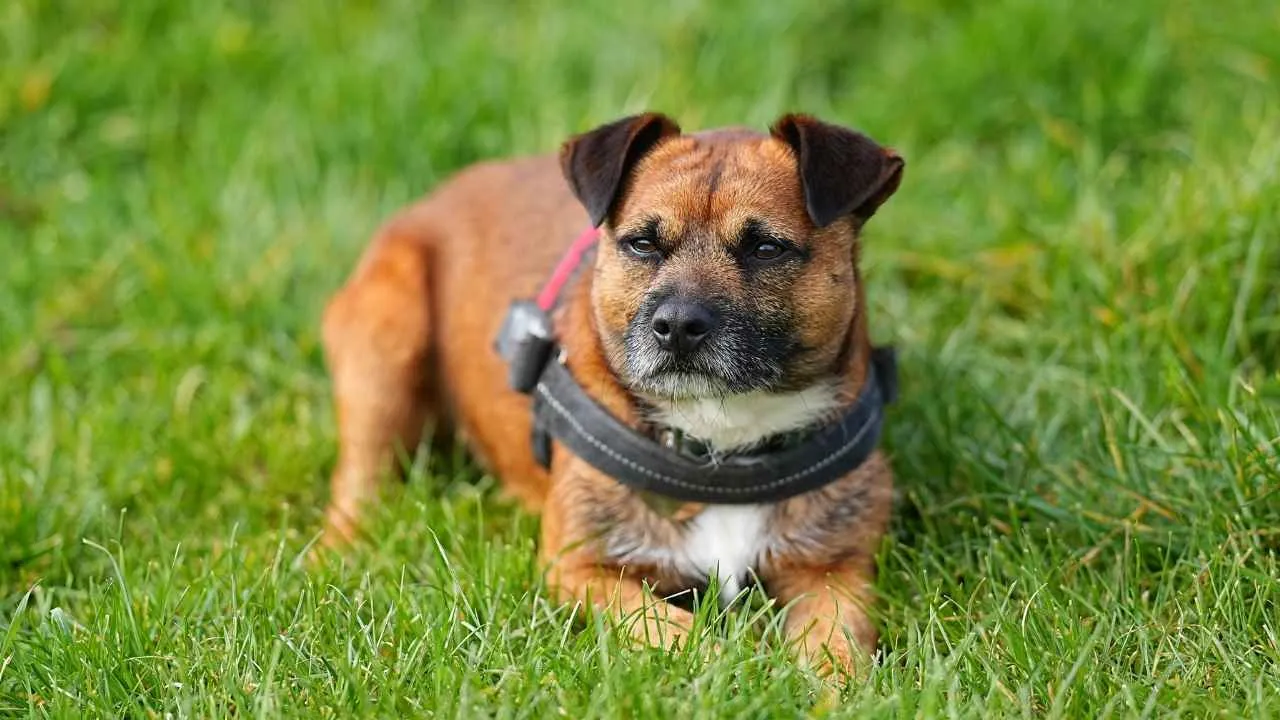
Border Terriers are small dogs that love big adventures. Their traditional terrier background produced dogs valued for toughness, endurance, agility, and the ability to think while working.
Interestingly, the official breed standard does not portray them as impossible little rebels. It describes the ideal Border Terrier as good-tempered, affectionate, obedient, and readily trained, even while preserving the determined working attitude expected of a terrier.
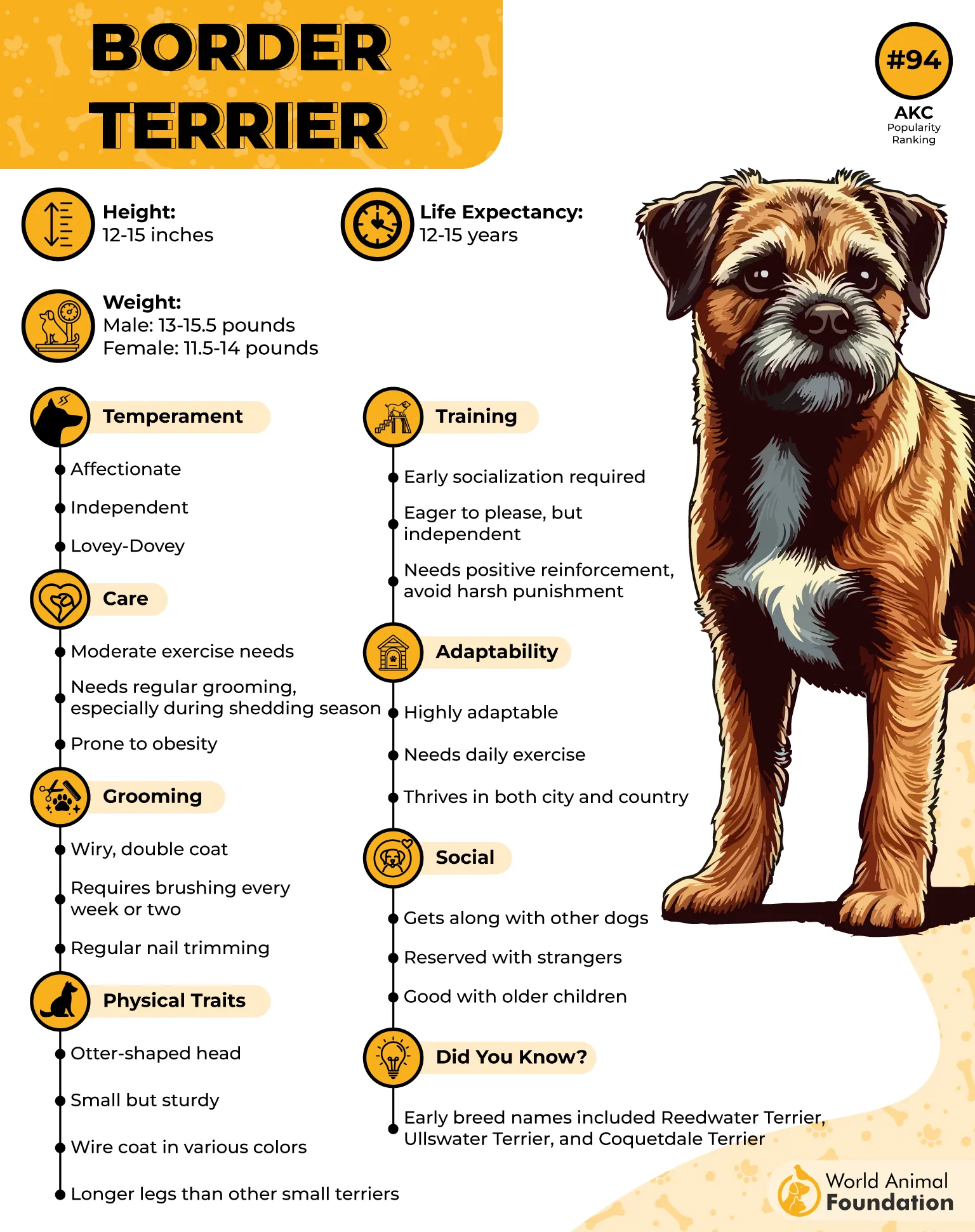
Prey drive is the part owners need to take seriously. They can become highly interested in small moving animals, so reliable recall, leash skills, impulse control, and secure exercise spaces deserve real attention rather than wishful thinking.
Put that working brain to use by teaching jobs with a clear outcome. Searching for hidden objects, finding specific toys, going to a station, navigating cardboard-box scent puzzles, or following simple tracking trails can scratch the problem-solving itch in ways that repetitive obedience may not.
Tips To Train Them At Home
Spend your best rewards on recall and disengagement, especially when your Border Terrier turns its radar toward something chase-worthy.
Hide kibble or toys around one room and release the dog to search only after a calm waiting cue, combining scent work with impulse control.
Conclusion
The smartest small dog for home training is not necessarily the breed that memorizes a cue in record time. Miniature Poodle, Bichon Frise, Shetland Sheepdog, French Bulldog, Golden Retriever, Labrador Retriever, and Border Collie are some other dogs that are good at house training.
The biggest training hack is also the least glamorous: be consistent, notice the behavior you want, and make good choices pay. Evidence from canine-training research supports reward-focused approaches, and experienced breeders and competitors repeatedly emphasize motivation, routine, engagement, and age-appropriate learning.
