




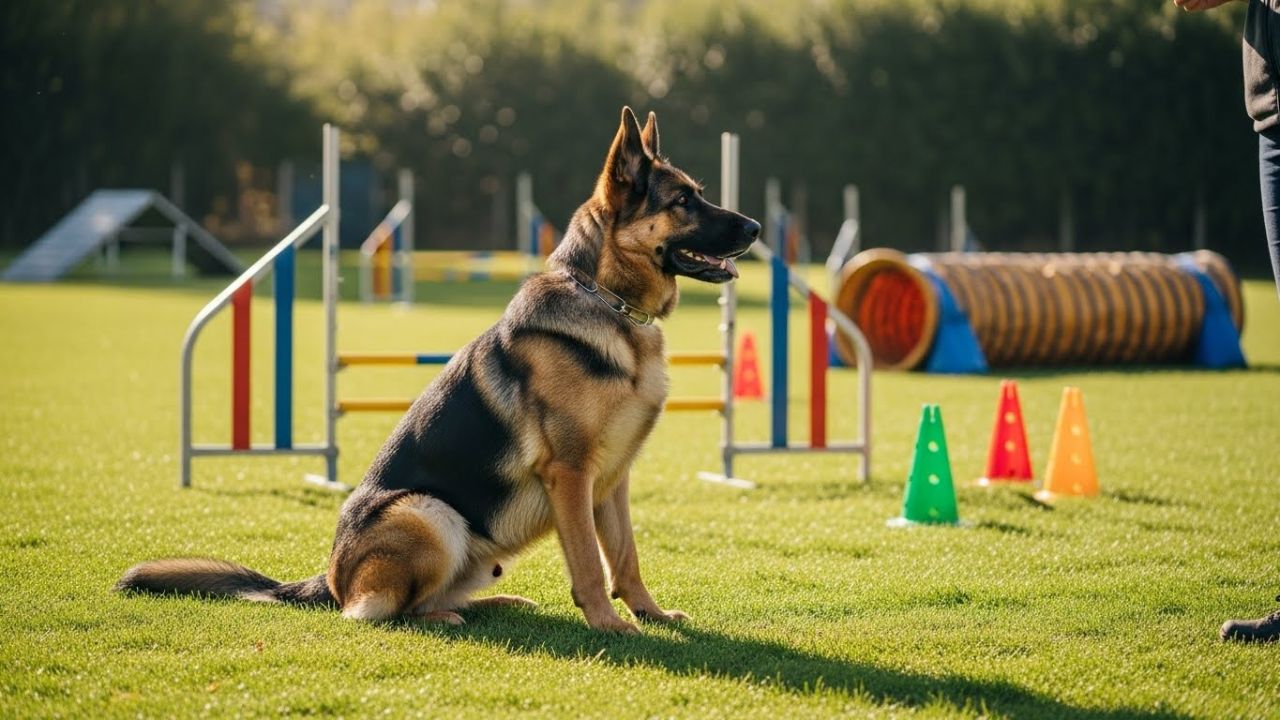
Have you ever met a dog that seems to read your mind and learn new things in minutes? Some dogs really do pick up patterns fast, but that does not mean they train themselves.
The American Kennel Club says dogs can learn basic words and signals, and many can understand around 100 words or more with steady practice.
In this blog, we will talk about what makes certain dogs quick learners and how you can train them in a way that feels kind and clear.
You will learn how to keep training simple, how to stay calm when progress is slow, and how to build trust without being strict.
If you want a smart dog that listens in real life, you are in the right place.
Intelligent Dog Breeds and How to Best Train Them
1. Border Collie
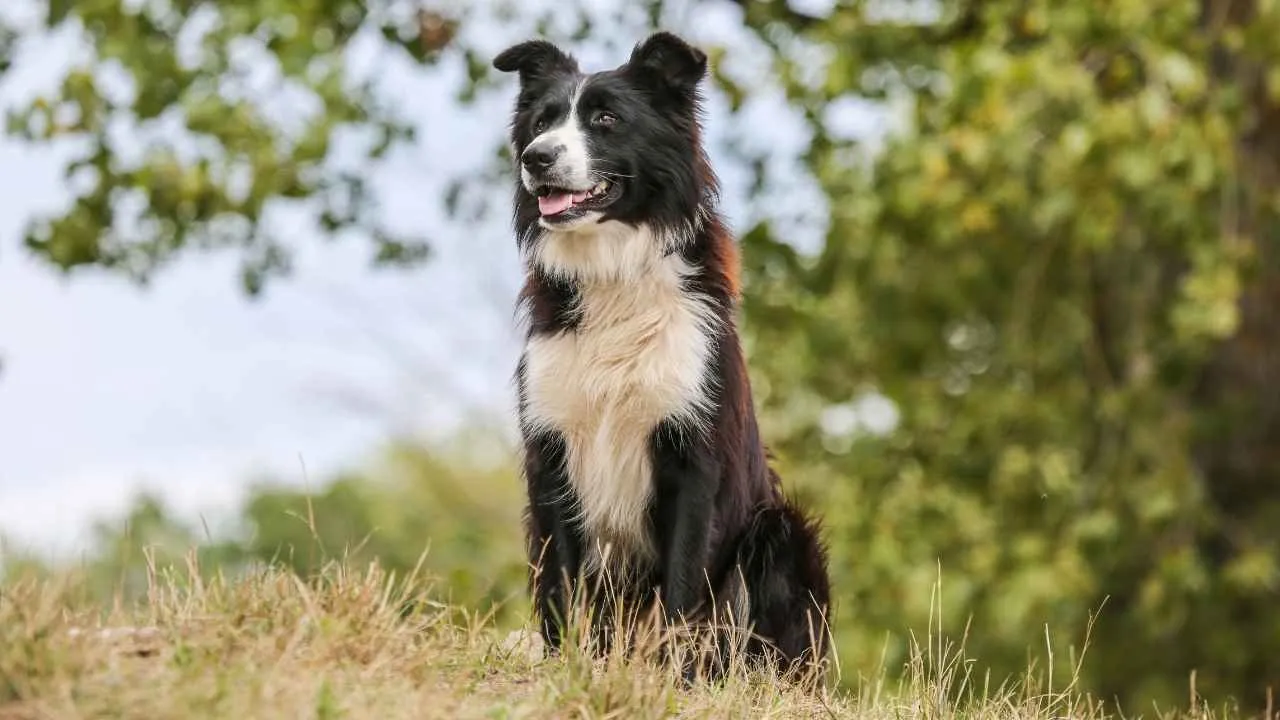
Border Collies are basically tiny professors in fur form. They notice patterns fast. They also get bored fast. Sounds crazy, right?
These dogs love a job. They were originally bred to move animals with a sharp stare and quick feet. So your dog training should feel like a fun mission, not a long lecture.
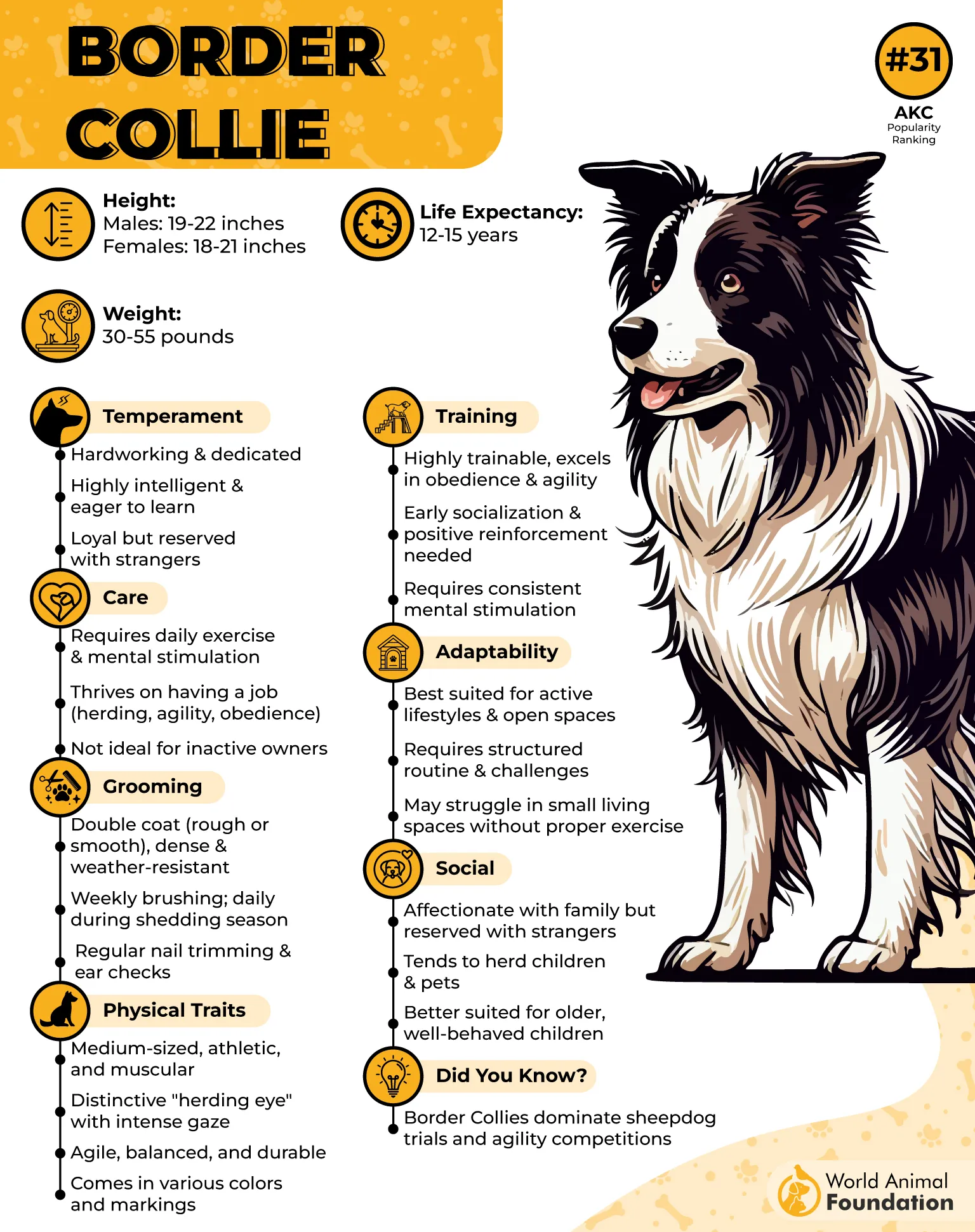
Keep sessions short, add games, and celebrate every tiny win with positive reinforcement.
But wait, there’s more! Border collies thrive when you give them a brain workout. Mix basic obedience with silly challenges. Teach new commands often. Then rotate mental challenges so they stay engaged.
Best way to train this brainy dog
Use puzzle toys for calm focus
Try agility training once the basics feel solid
Keep consistent training and upbeat rewards
2. German Shepherd
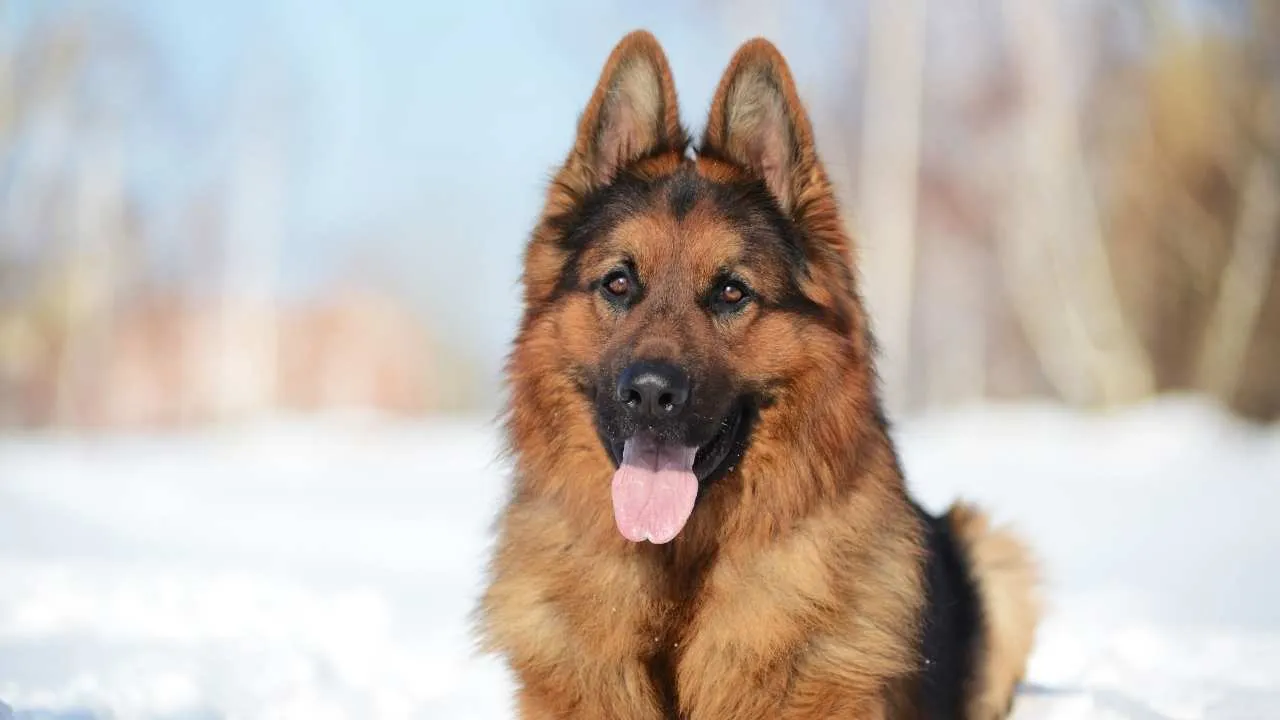
A German Shepherd is an all-in kind of learner. They watch you. They remember everything. Exactly.
This is one of the most clever dog breeds for serious focus. They can perform tasks with a strong desire to work beside you.
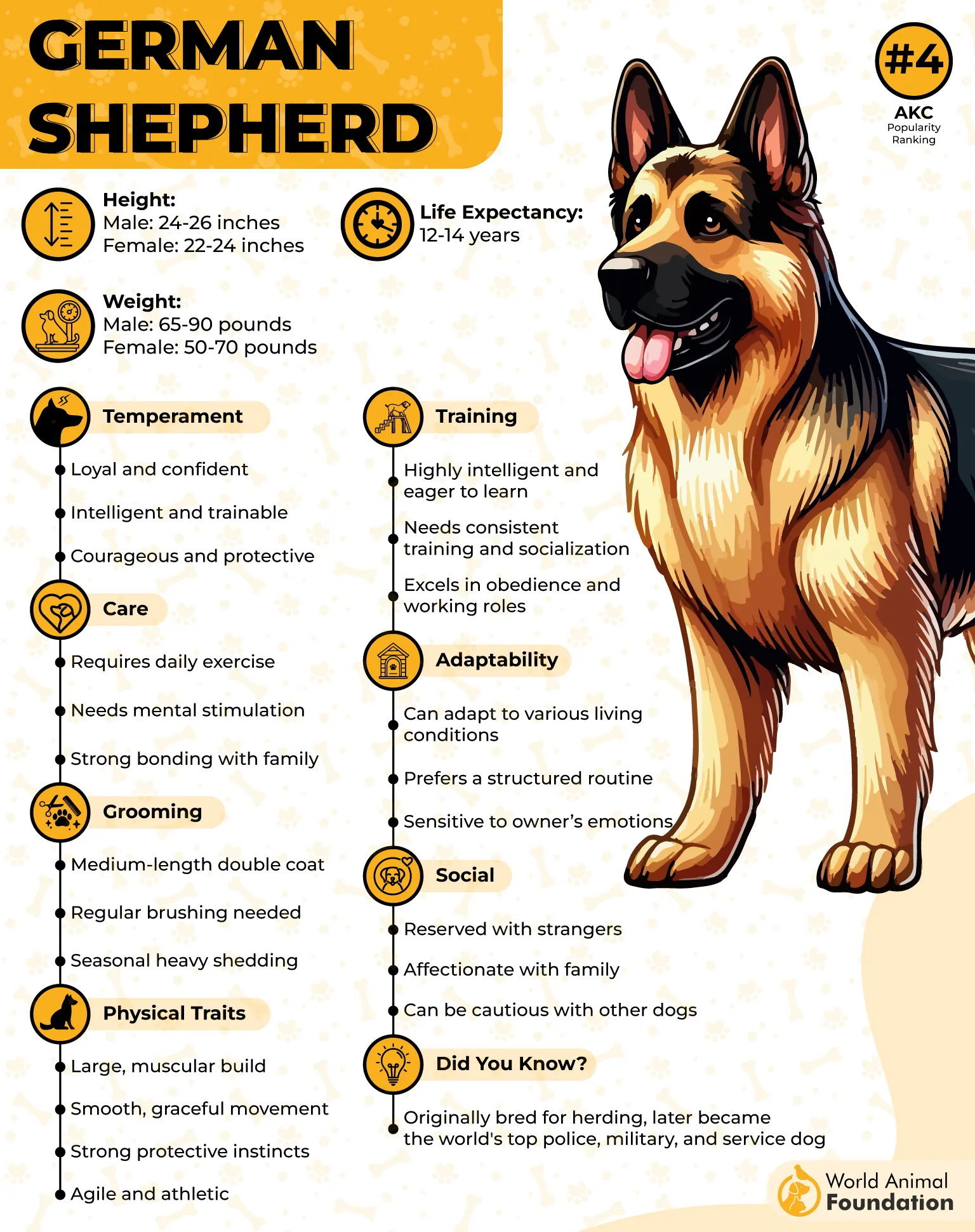
That is why you often see them in service dog roles, according to PetMD. You will also spot them in search and rescue missions.
Here’s the good part. Start early socialization, so they stay confident and polite. Keep dog training clear and steady. Use positive reinforcement and calm rules. These intelligent dogs love structure.
Training tips that actually work
Practice basic obedience every day
Add advanced training in small steps
Use reward-based methods to drive and trust
3. Golden Retriever

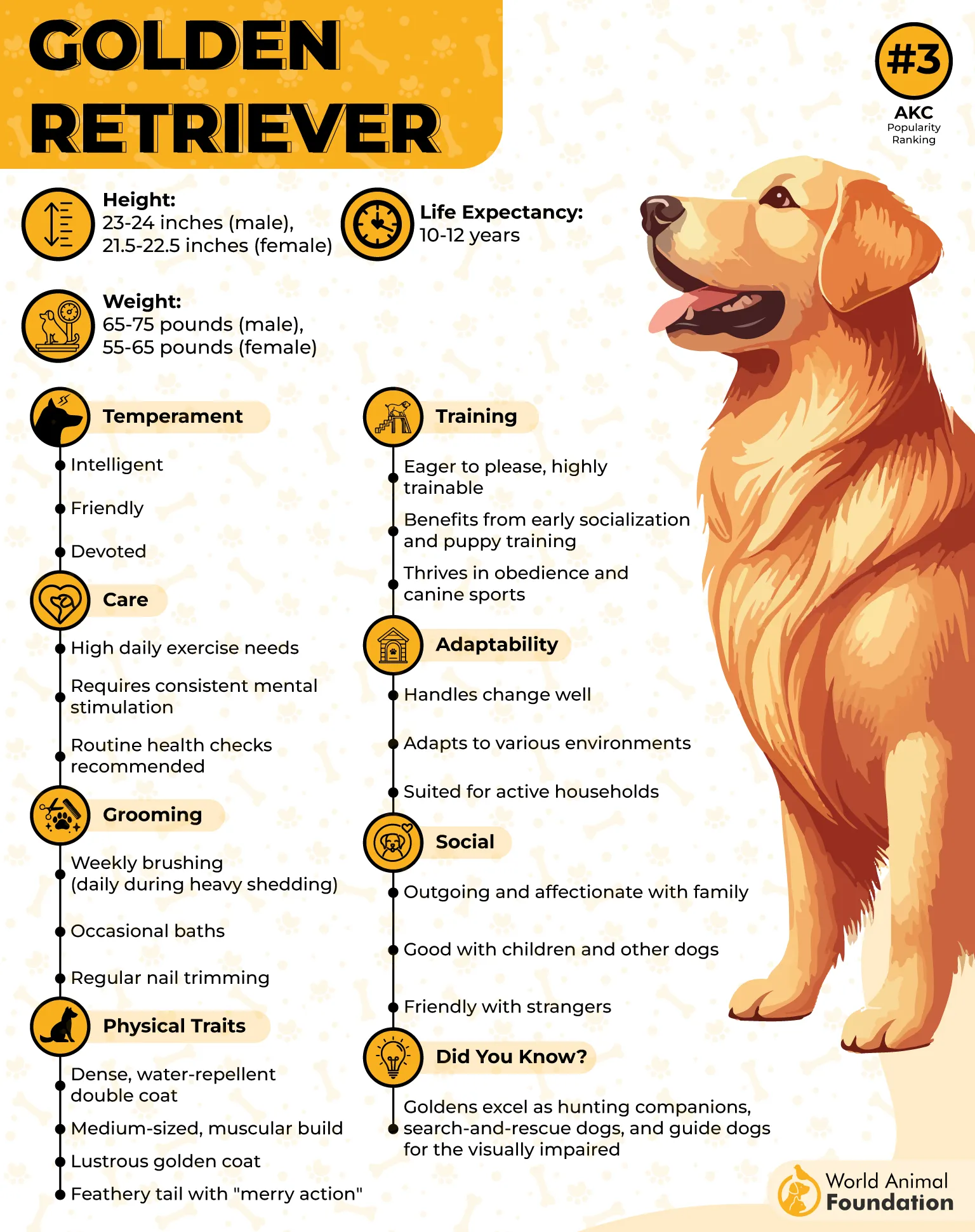
The Golden Retriever is the friendly genius who thinks everyone is their bestie. And yes, they still want to learn. Even when they are busy being adorable.
A Golden Retriever is easy to train because the eagerness to please is real. Keep your dog training warm and simple.

Use positive reinforcement, quick rewards, and happy praise. These are great family dogs and sweet family pets.
But why bother with that? Because this breed shines in training programs that involve people work. You will see golden retriever teams in service dogs and therapy work. They also do well with basic commands and gentle manners in family life.
Sweet spot for training
Short sessions with positive feedback
Build learning commands through play
Add puzzle toys for mental stimulation
4. Labrador Retriever

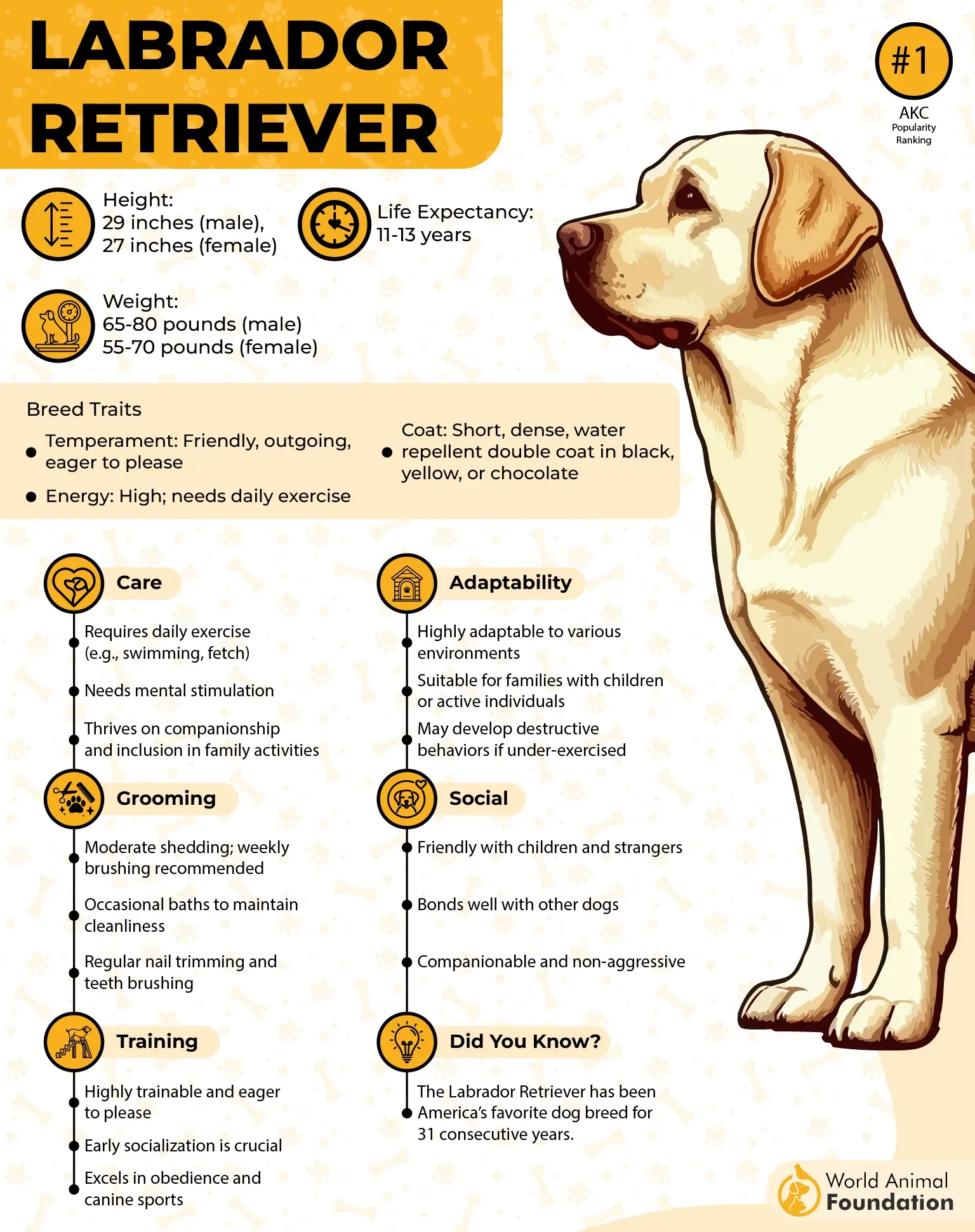
Labrador Retrievers are sunshine with a brain. They want to be near you. They also want to do the thing right now.
This is one of those intelligent dog breeds that learns fast when training is fun. Labrador Retrievers were originally bred to work with people and bring things back.
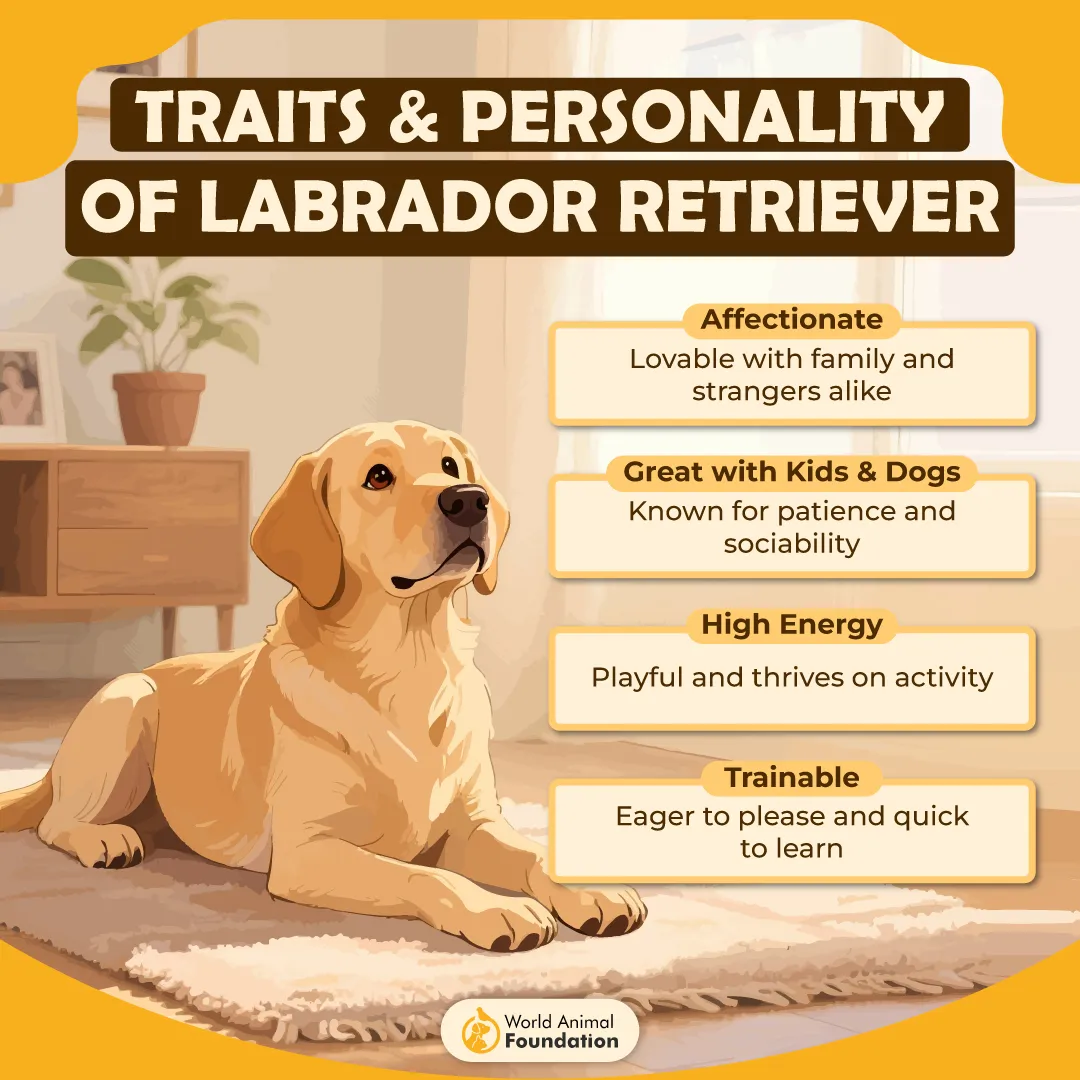
That history shows up in their dog’s ability to follow cues and stay engaged. Keep it upbeat and reward the good stuff.
And here’s the best part! Labrador Retrievers often go into training programs for service dogs and therapy work. You will also see them in rescue missions and search and rescue. Use positive reinforcement, keep sessions short, and they stay highly trainable.
Make training feel like a game
Teach basic obedience with fetch breaks
Use puzzle toys on rainy days
Practice new commands in new places
5. Doberman Pinscher
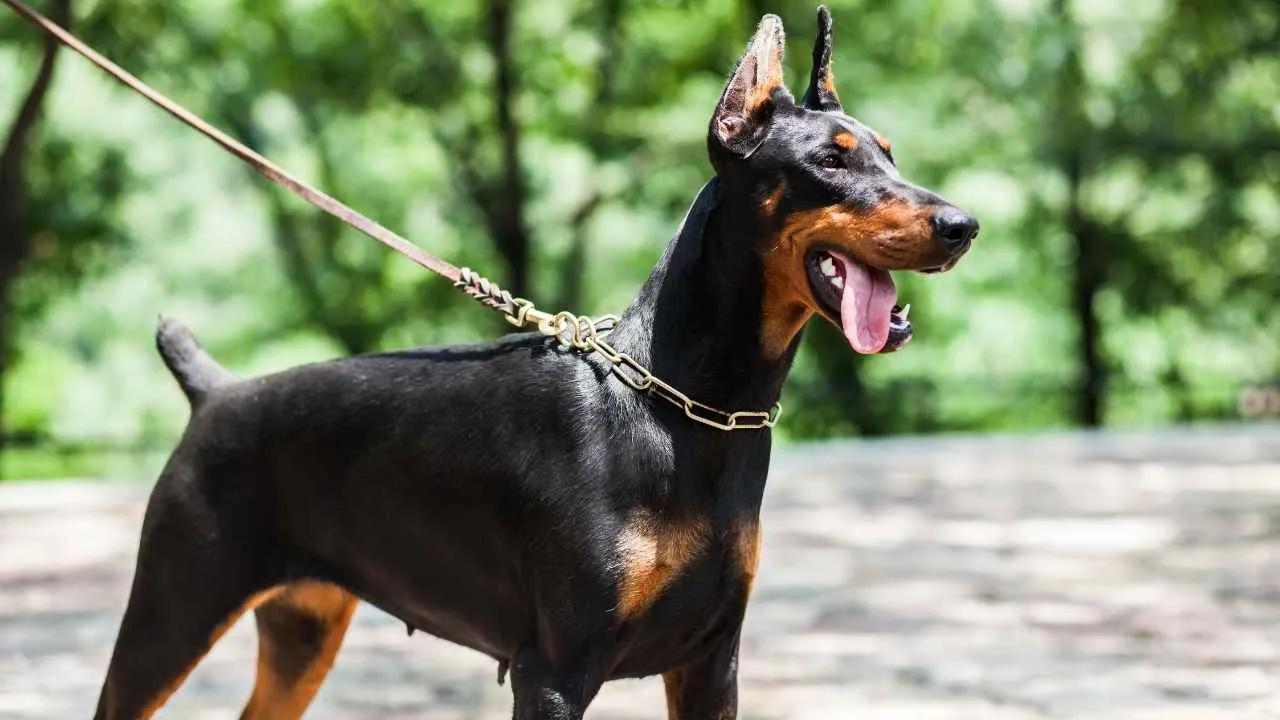
The Doberman Pinscher is alert, fast, and very tuned in. Like, they notice your mood before you do. Rude. But also amazing.
This is one of the smartest dog picks for focused training. The Doberman Pinscher loves a clear plan and a confident handler. Keep dog training calm and consistent.
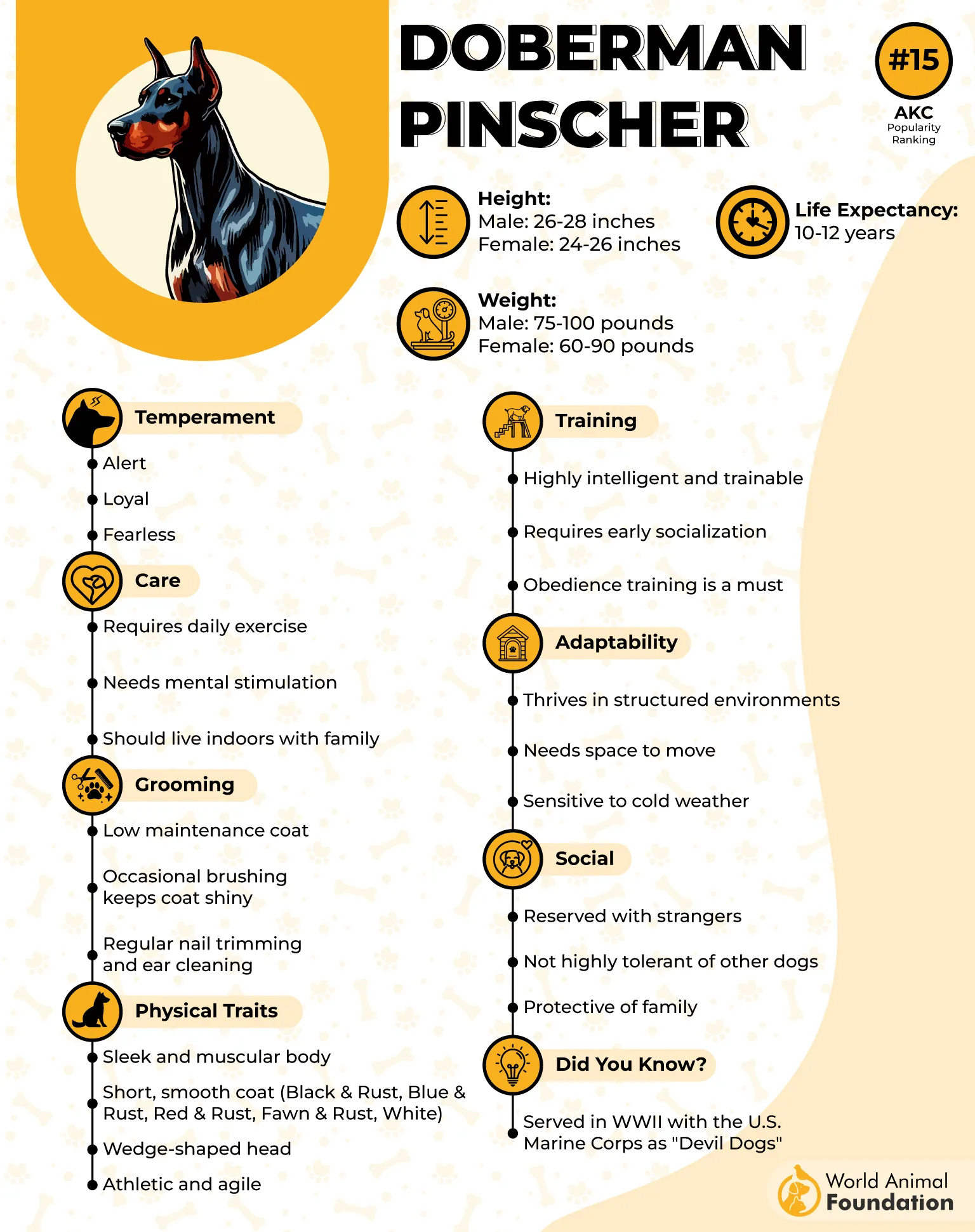
Use positive reinforcement, not harsh stuff. These are strong dogs with big feelings.
Here’s the good part. Early socialization matters a lot. Once they trust you, they can form strong bonds and become incredibly loyal. Add advanced tricks and obedience tasks to keep that sharp mind busy.
Train the brain, not the ego
Keep sessions short and proud
Use reward-based methods
Add mental challenges between walks
6. Papillon
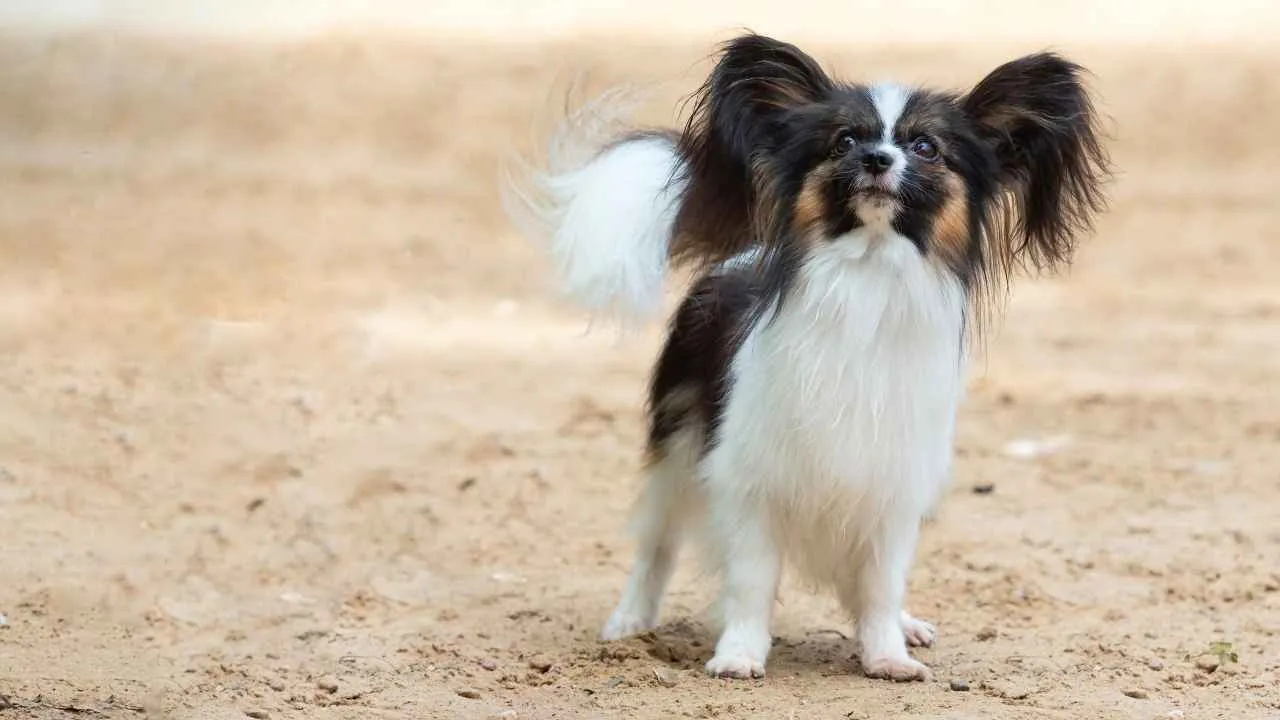
Papillon dogs are tiny but spicy smart. They learn fast. Then they act like they invented the trick. Iconic.
These intelligent dogs do best with gentle, playful dog training. They love learning commands and showing off.
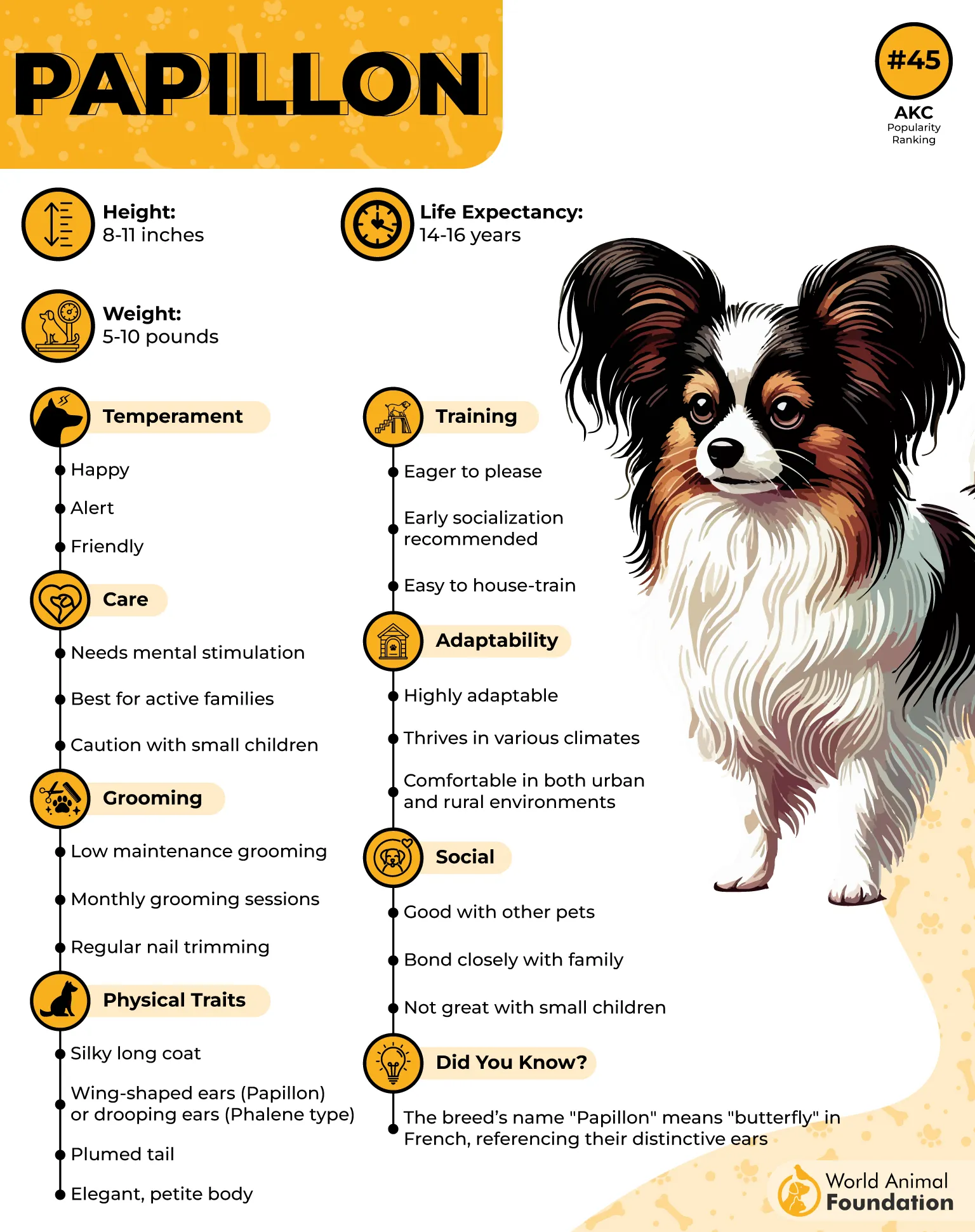
Use positive reinforcement and quick rewards. Keep basic obedience light and fun. You will see quick learners here for sure.
One quick truth check. They do not have hypoallergenic coats. They can shed. So, plan simple grooming as part of training support. Teach calm handling early, and you save your future self. You are welcome.
Tiny dog, big brain plan
Teach basic commands in 2-minute rounds
Use puzzle toys for indoor energy
Try agility courses at an easy level
7. Shetland Sheepdog
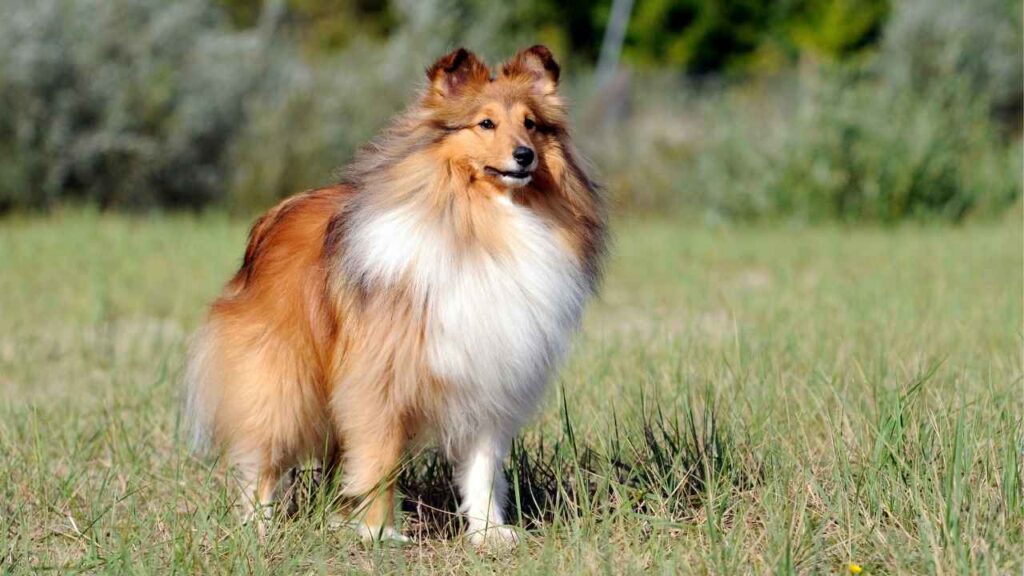
The Shetland Sheepdog is a sensitive little thinker. They want to do well. They also want you to notice. Fair.
Britannica calls them one of the most intelligent dog breeds for people who enjoy a chatty, clever buddy. The Shetland Sheepdog is highly trainable and often easy to train with kind guidance.
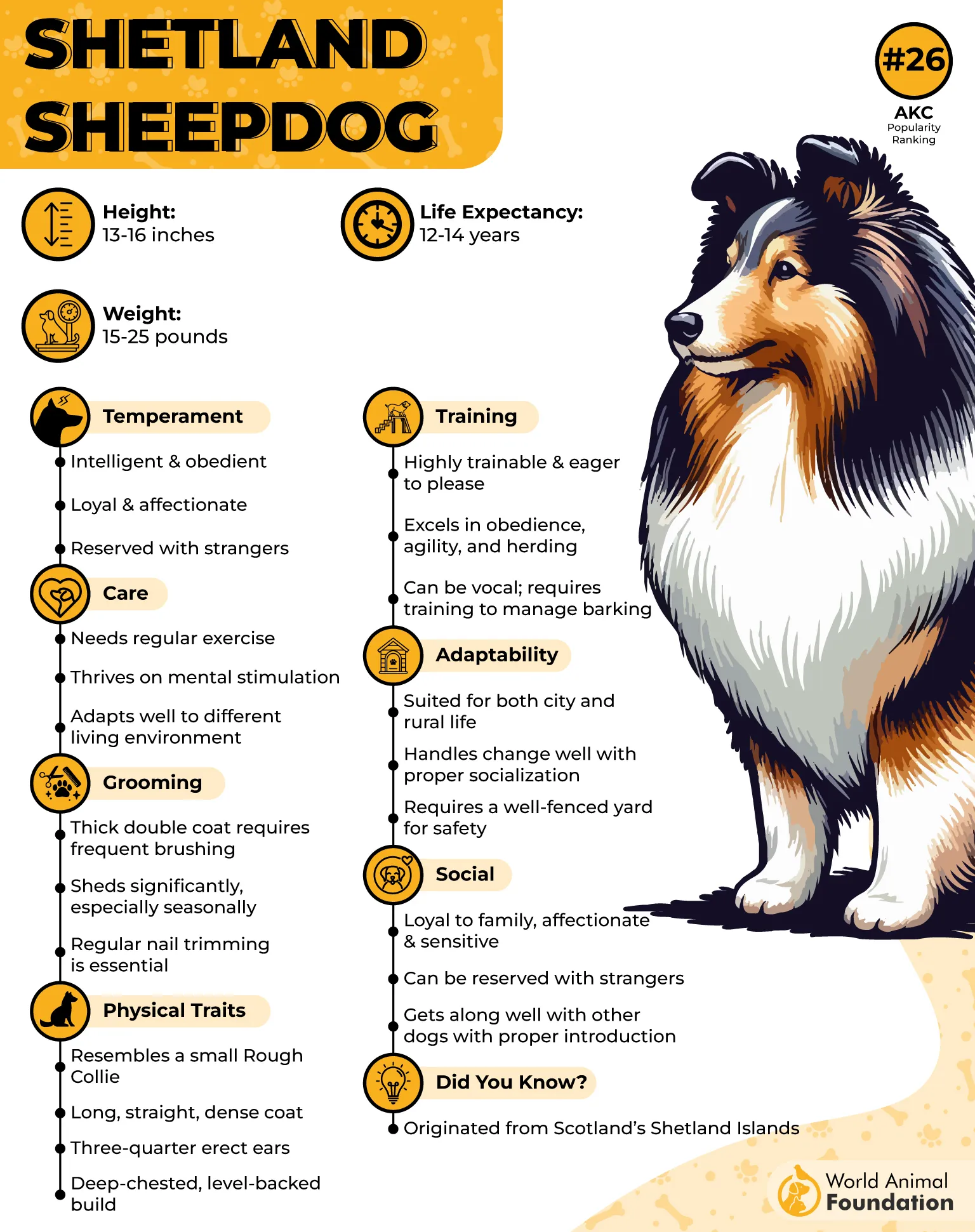
Keep your dog training gentle. Use positive reinforcement and soft routines so they feel safe.
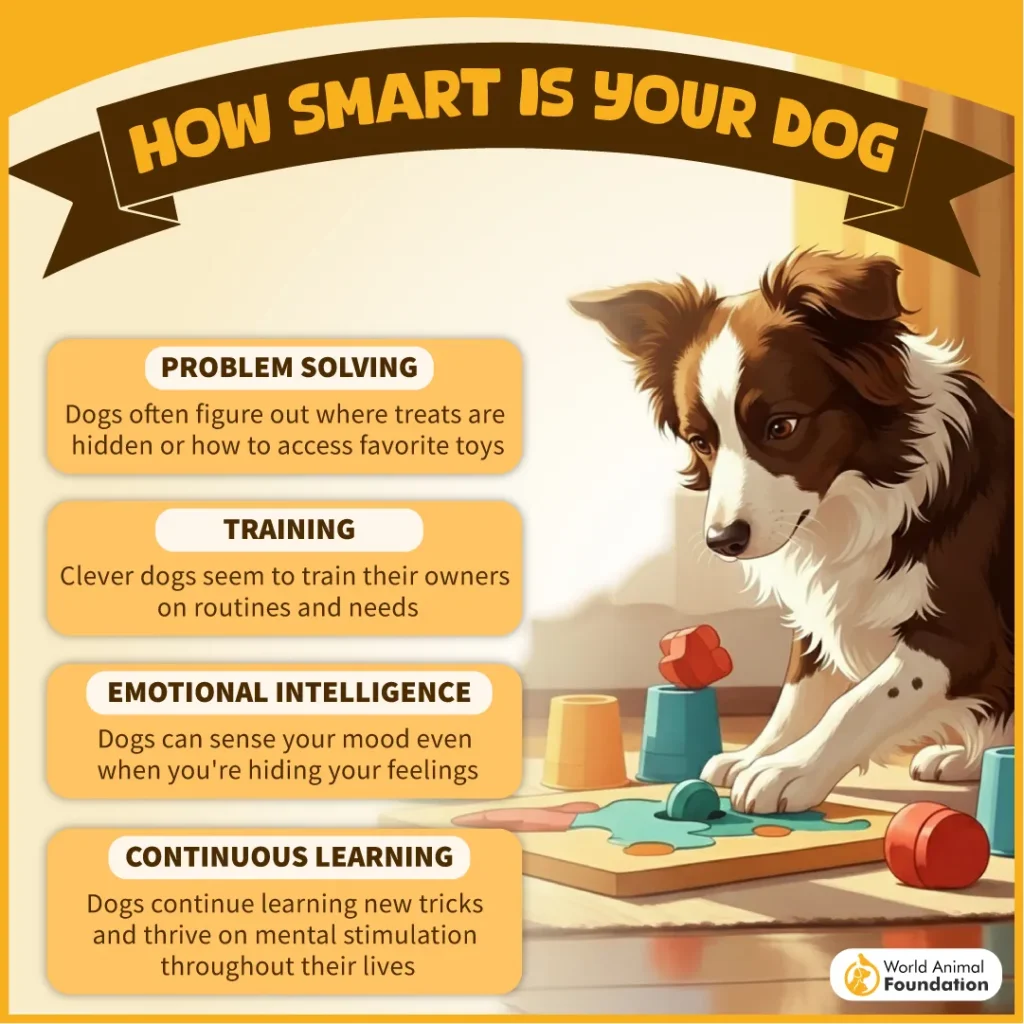
But wait, there’s more! This breed loves dog sports. You will often see them in agility and obedience competitions. Add learning commands, new commands, and simple problem-solving skills games. It keeps that dog’s intelligence busy in a good way.
Keep it fun and calm
Mix basic obedience with games
Add agility training once confident
Use puzzle toys for mental challenges
8. Rottweiler
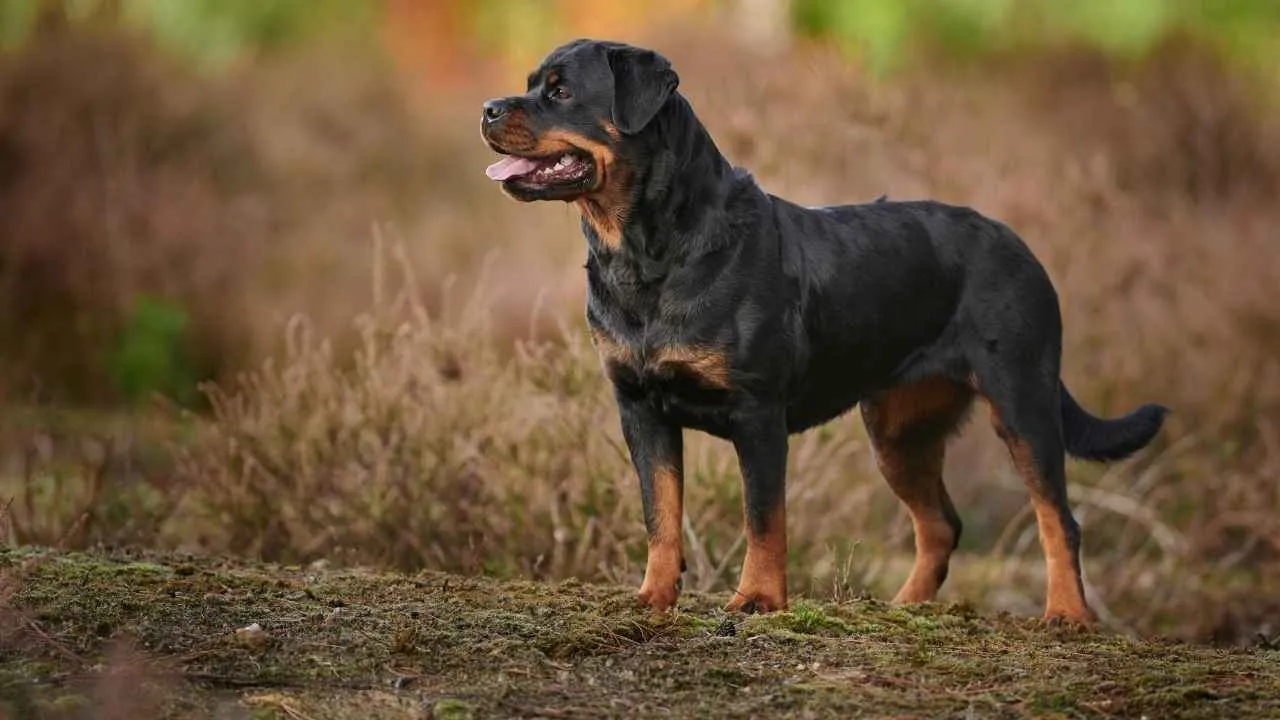
Rottweilers can look serious. Then they lean on you like a giant baby. Classic.
This is one of the intelligent breeds that does best with steady leadership. These intelligent dogs can be quick learners, but they also test the rules.
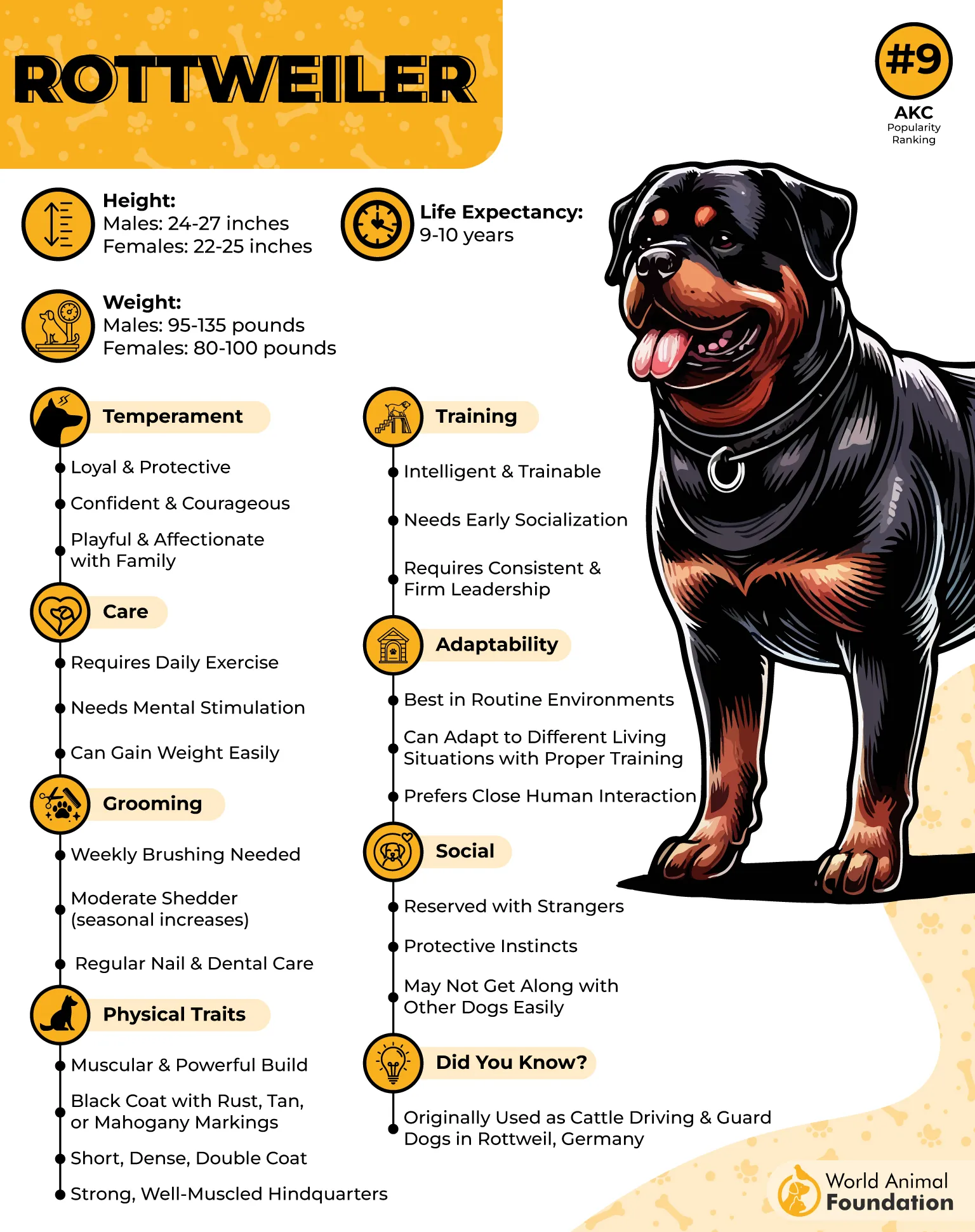
So dog training has to stay clear and consistent. Use positive reinforcement, not yelling. They respect calm confidence.
Here’s the best part. When trained well, they can be easy to train for real-life manners. Keep early socialization strong. Practice basic obedience in short bursts. And keep mental challenges in the routine so they stay focused.
Strong brain, steady plan
Train basic commands with clear cues
Keep consistent training every week
Add puzzle toys for calm focus
9. Australian Cattle Dog
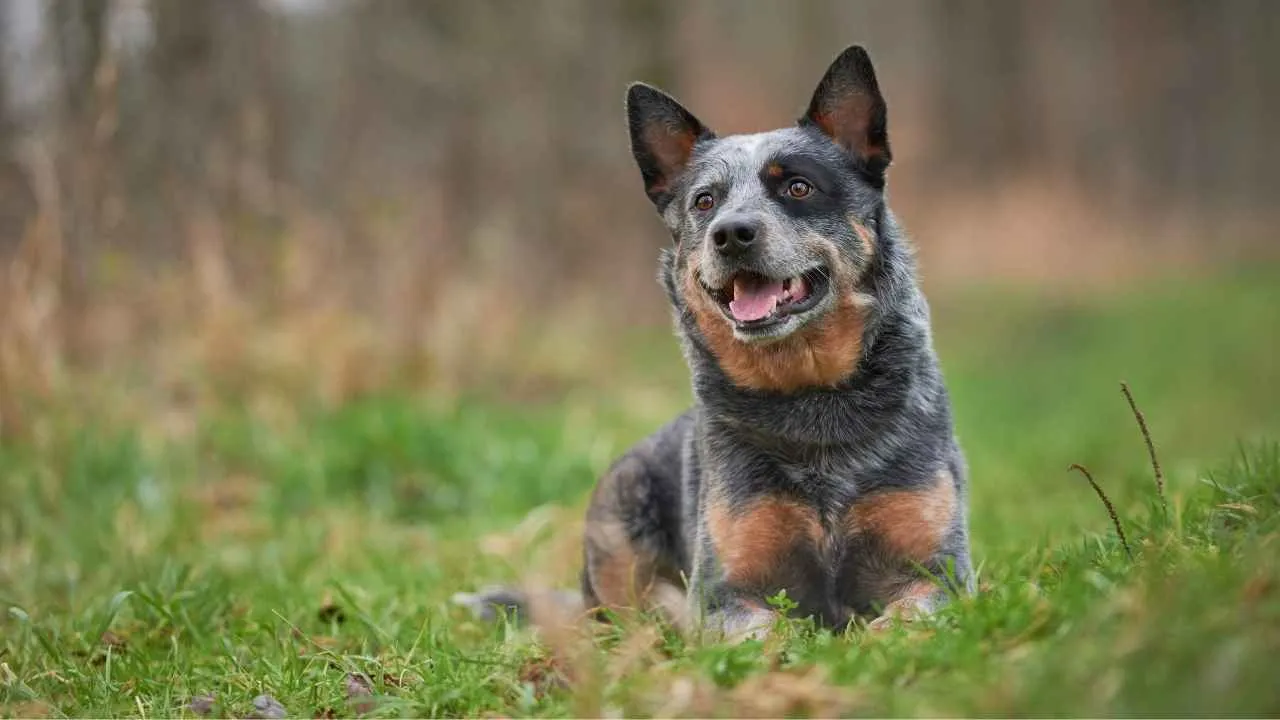
This dog is basically a smart coworker who never clocks out. They think. They move. They plan. Exactly.
Australian Cattle Dogs are often listed among the smartest dog options for active owners. They are one of the easiest dogs for people who enjoy training. But they need mental stimulation, not just walks. Give them a job, and they light up.
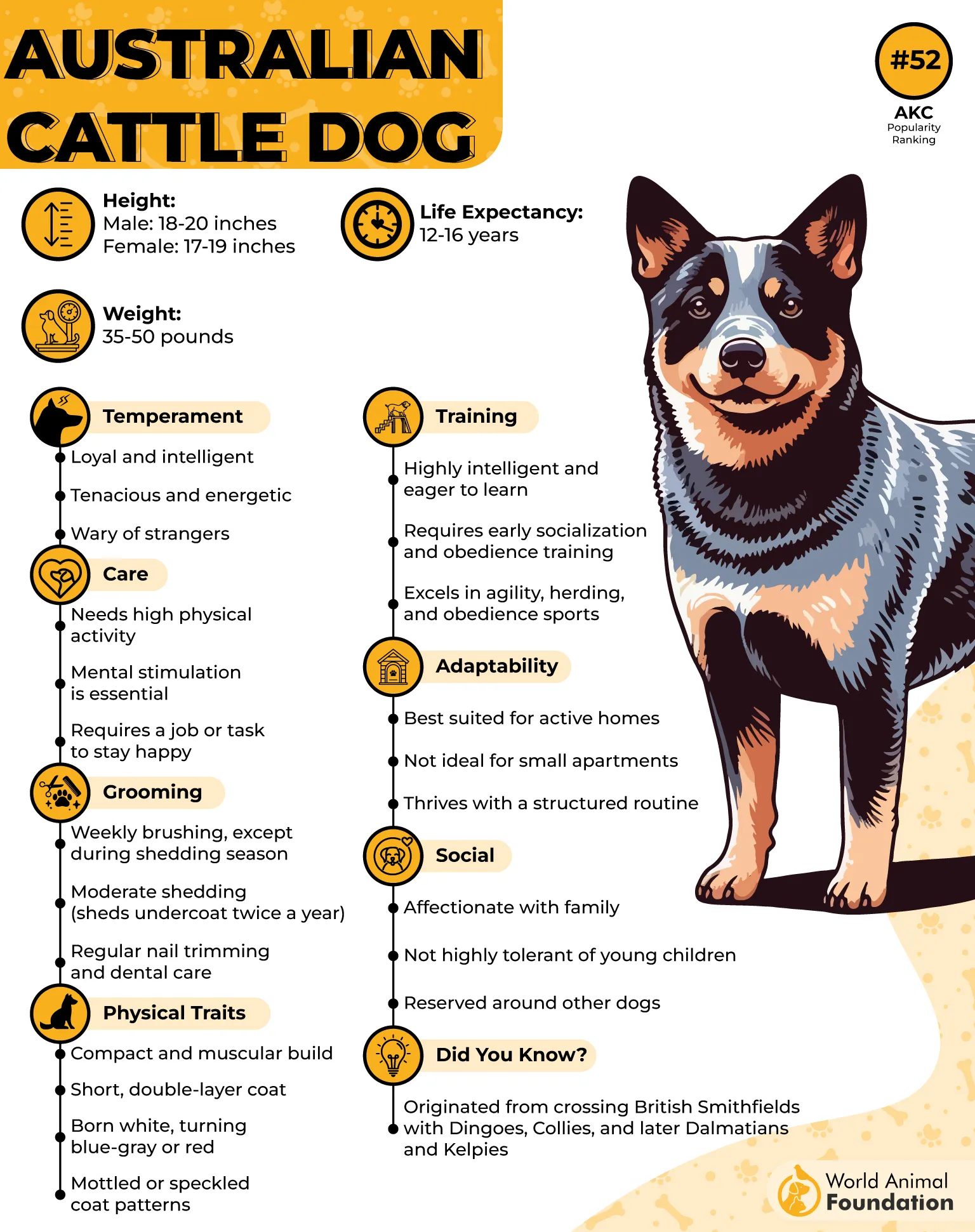
Sounds crazy, right? If they get bored, they will invent their own fun. And you may not love that fun.
Keep dog training playful and clear. Use positive reinforcement techniques and lots of short training programs. Add various dog sports, such as agility and obedience, to keep them happy.
Keep the brain busy
Use puzzle toys for daily mental challenges
Practice agility and obedience skills
Focus on early socialization around kids
Conclusion
Choosing dog breeds can feel like a lot in the dog world. But canine intelligence is not a mystery only pros can crack. With obedience training, many certain breeds become easy to train, even for first time dog owners and first time owners.
A German Shepherd can be highly intelligent and focused, while an Australian Shepherd can bring big energy and an eagerness to please.
And hey, brains are great, but hearts matter too. If you want an affectionate breed, look for a friendly nature and that sweet, affectionate nature at home.
Some pups come in standard miniature and toy sizes, and they still love learning. Even a Border Terrier can shine with steady practice, especially if you try fun obedience trials or low-pressure obedience trials when you feel ready.
