




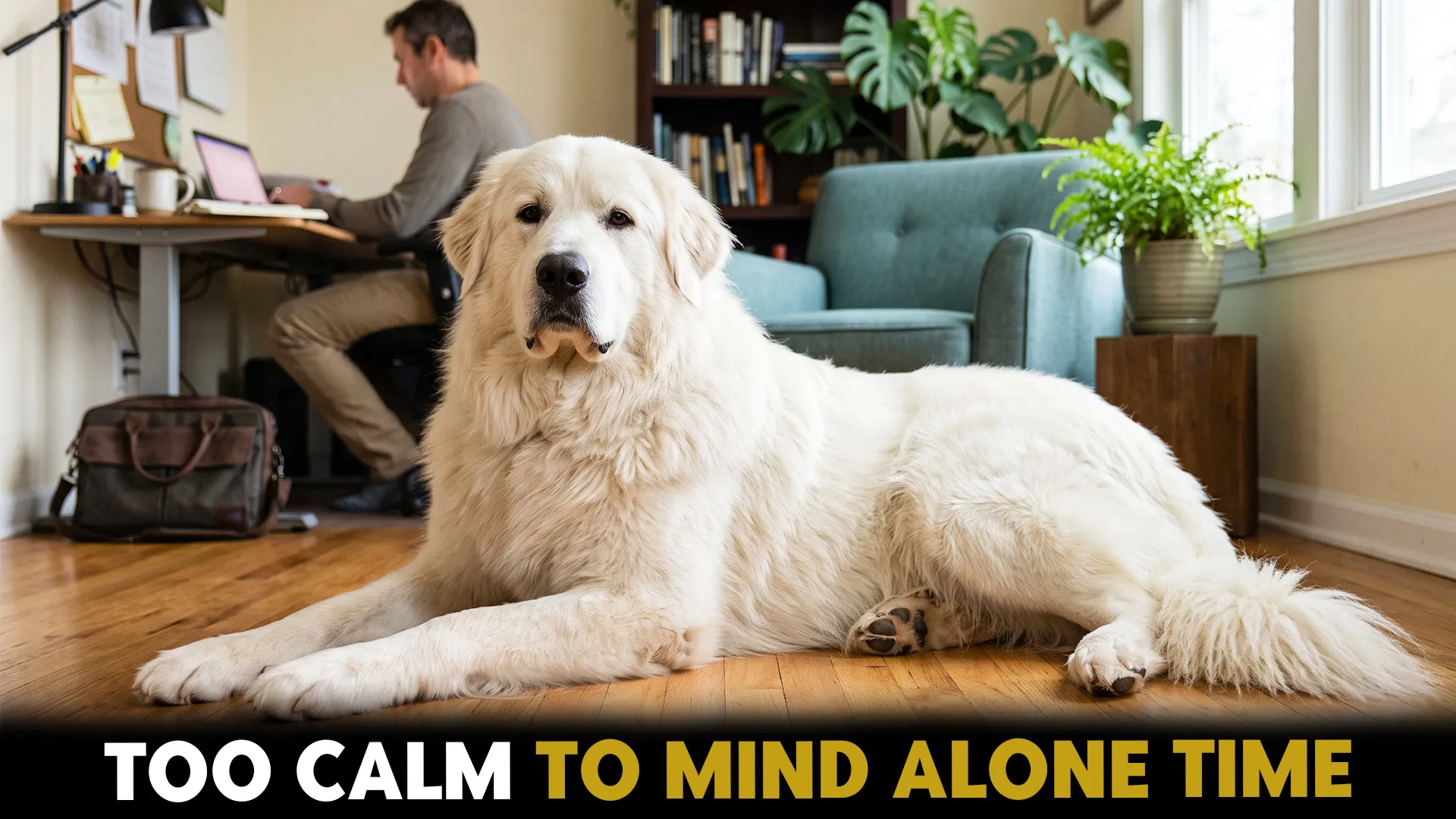
Selecting a dog can be more complicated when you have a demanding job. A dog that requires constant attention can be a little difficult to manage if its dog owner is busy at work all day, has long meetings, commutes, or travels.
Giant breeds may sometimes be more suitable for busy owners; some giant breeds are naturally calm, self-directed, or can be at ease when spending time around their owners without demanding interaction.
However, independence doesn’t mean that you can ignore a dog for 10 hours. All dogs require exercise, companionship, training, mental stimulation, and good care.
The following breeds are notable for their working history because they were often required to think and work independently without constant human direction.
Independent Giant Dog Breeds for Busy Workaholics
1. Saint Bernard
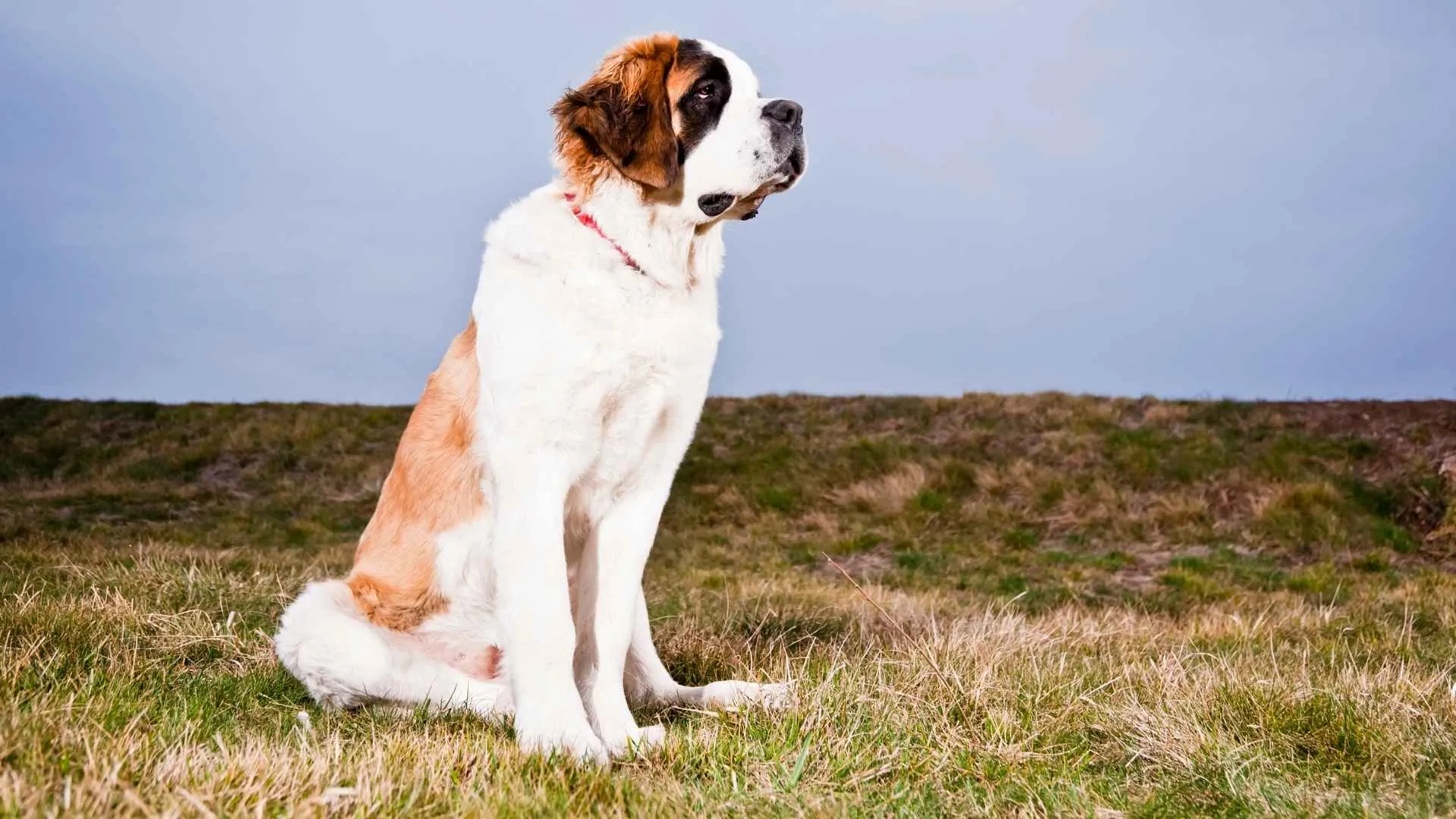
Saint Bernards are independent working dogs that may suit a busy family because of their gentle adult demeanor.
They have a long history of working with monks at the Great St. Bernard Pass, assisting them in finding travelers in the difficult terrain of the Alps. The American Kennel Club points out that these rescue dogs were even sent out without monks, indicating that they had the capacity to operate independently.
Today, the breed is noted to be much quieter. When they have their basic exercise requirements fulfilled, they are usually calm house dogs.
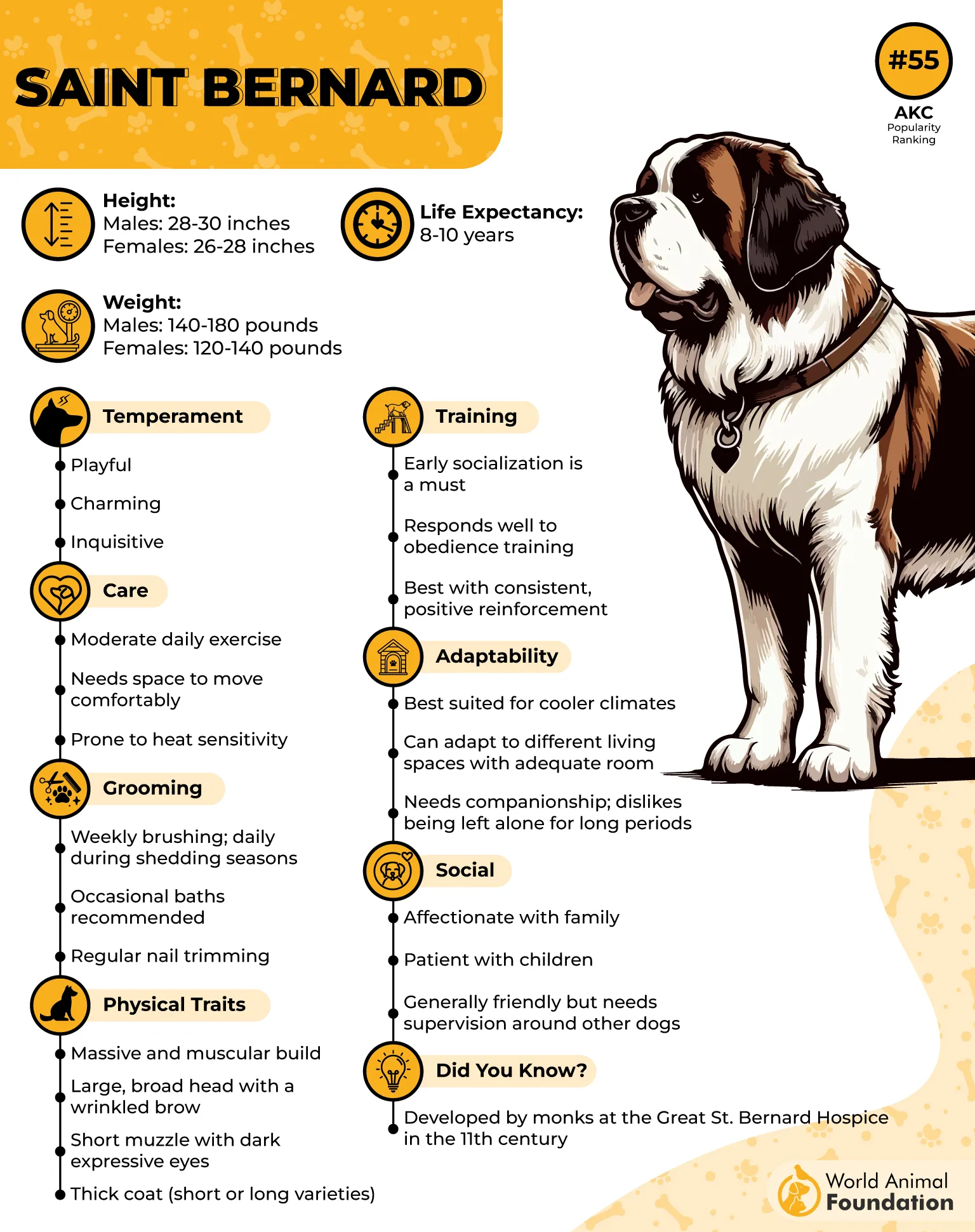
This may be helpful for an owner who is busy. A Saint Bernard does not need high-intensity exercise for hours every day. Walking or jogging for a few minutes makes these dogs content.
This is a large breed that has significant feeding, grooming, veterinary, and space needs. Drooling may be excessive, and warm weather is a major concern for the Saint Bernards, as they are more tolerant of cold weather than heat.
2. Rhodesian Ridgeback
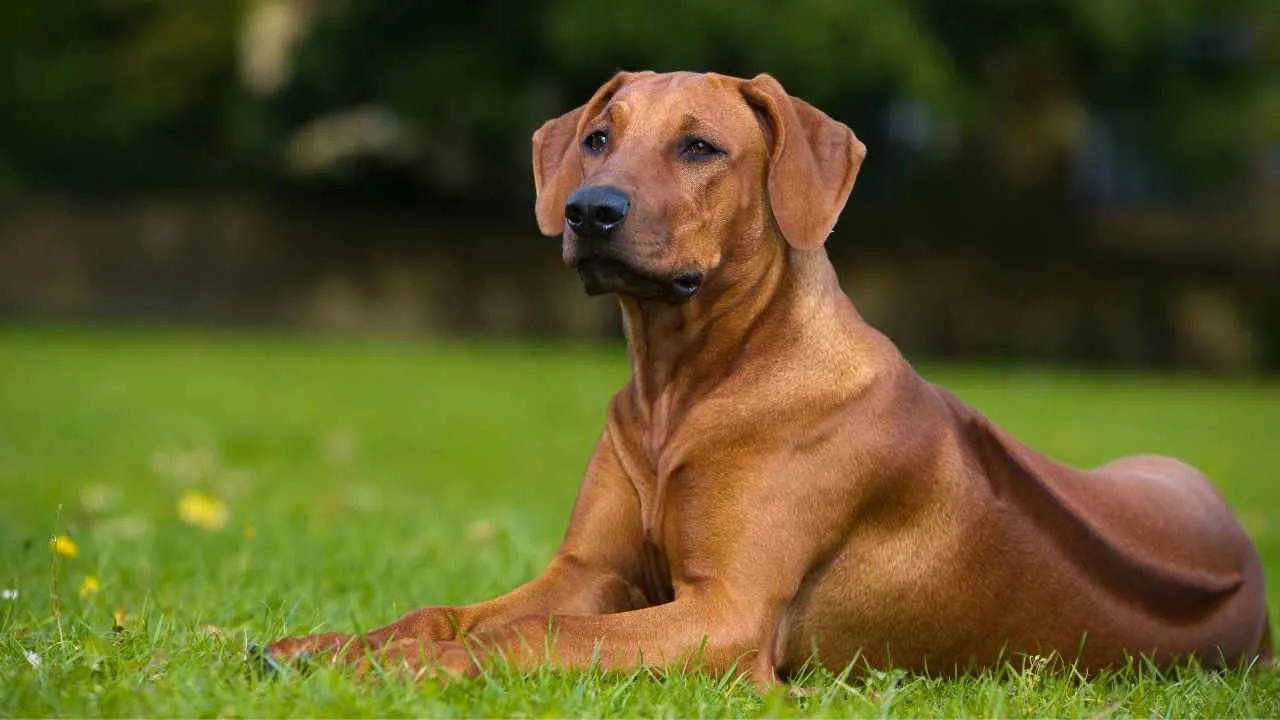
The Rhodesian Ridgeback is one of the most independent dogs in this list.
This dog is an expert at hunting and tracking large game in southern Africa. It worked in situations that required it to be physically fit, confident, and capable of working at a distance from its handlers.
Today’s Ridgebacks are tough, independent, and sometimes even stubborn. Purina states that if their exercise needs are properly met, then these dogs can be well-behaved. Obedience training is also important to make them aware of hostile and non-hostile situations.
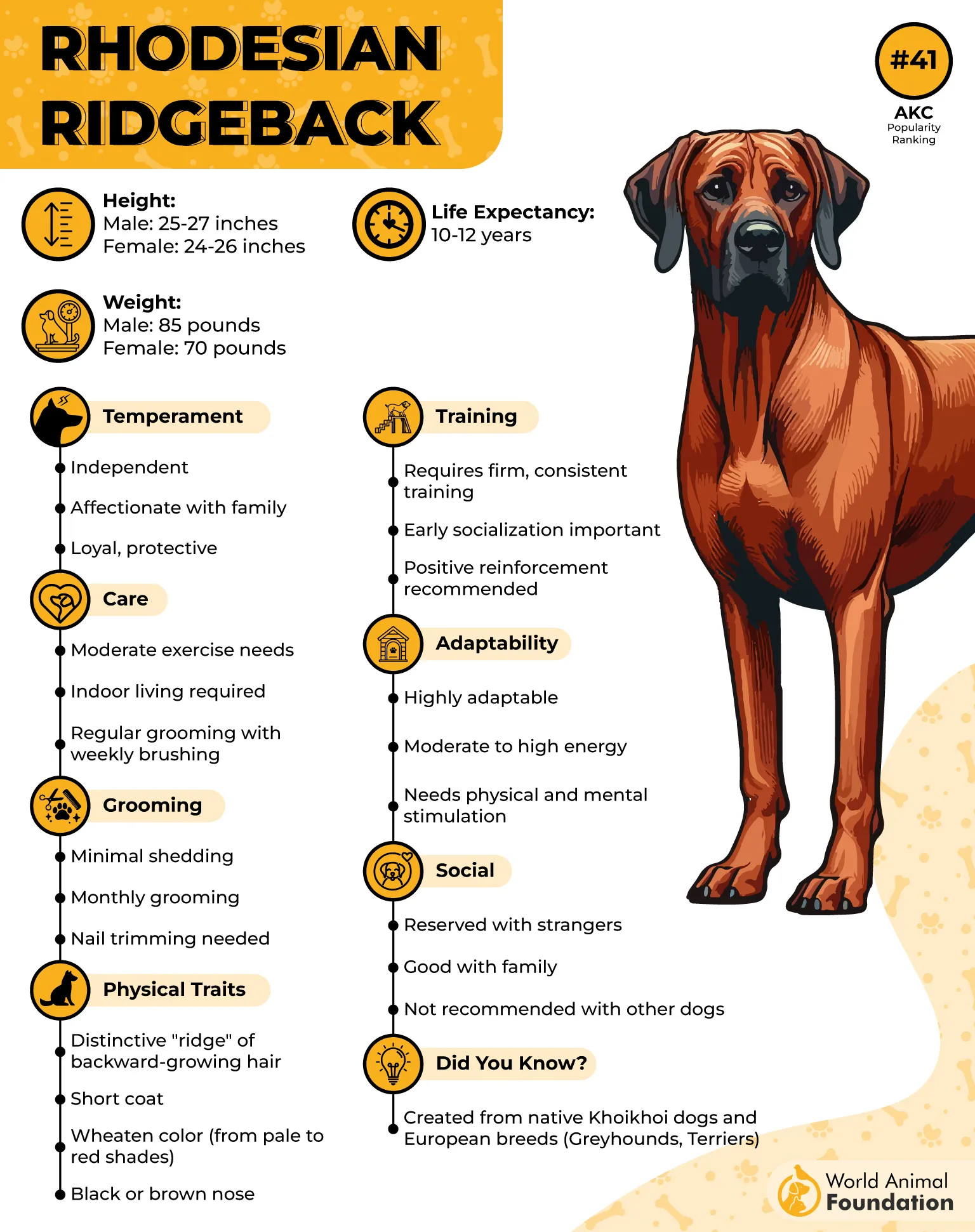
If you have a busy schedule that requires a lot of activities, this dog might be a great fit for you.
A Ridgeback does not require constant interaction when at home. The dog can be accommodating for an owner who can take it for occasional walks. Its short coat can be easily cleaned by brushing. Just be aware that moving animals or objects may trigger their instinct to chase.
3. Irish Wolfhound
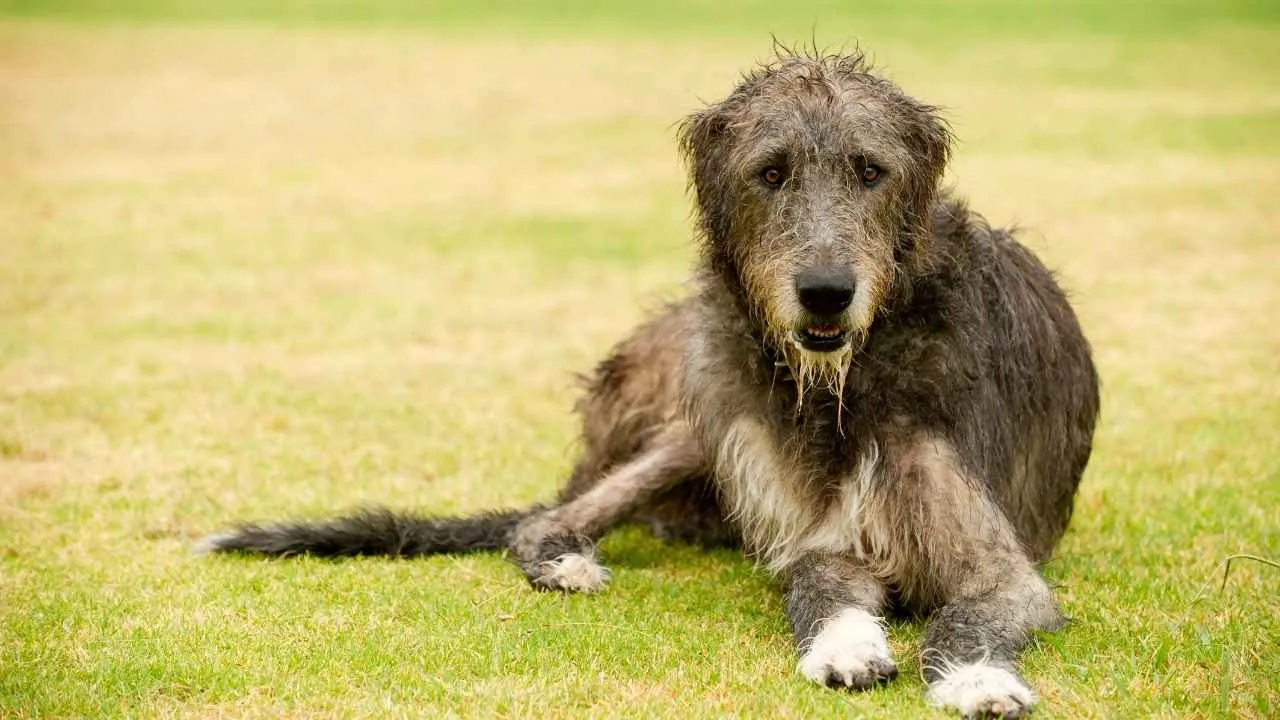
The Irish Wolfhound is a huge dog and one of the largest breeds on this list.
The breed was once used in the hunting of large game and wolves. When chasing prey, this activity was physically exhausting and required a certain level of independence. Historically, these dogs do have a reputation for being aggressive, but modern-day Wolfhounds are a lot more docile.
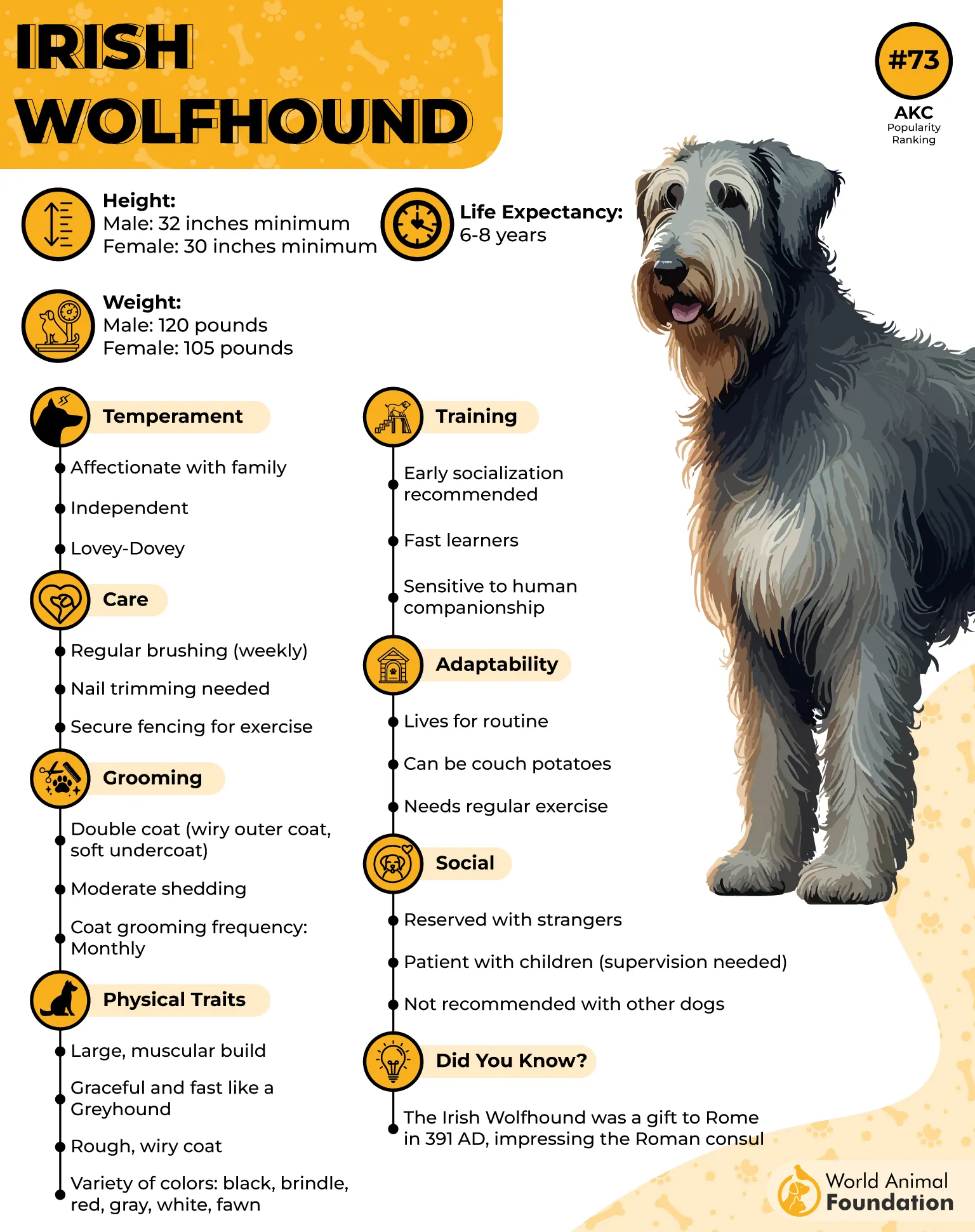
When their exercise needs are met, they can grow into good house dogs and enjoy lounging around the house according to Dog Breed Info. They don’t require constant entertainment and are content with the time that their owners give them, which is great for workaholics.
Their prey drive can present challenges. These dogs may react instinctively when they detect the scent of another animal, so secure fencing and reliable leash training are important.
4. Great Dane
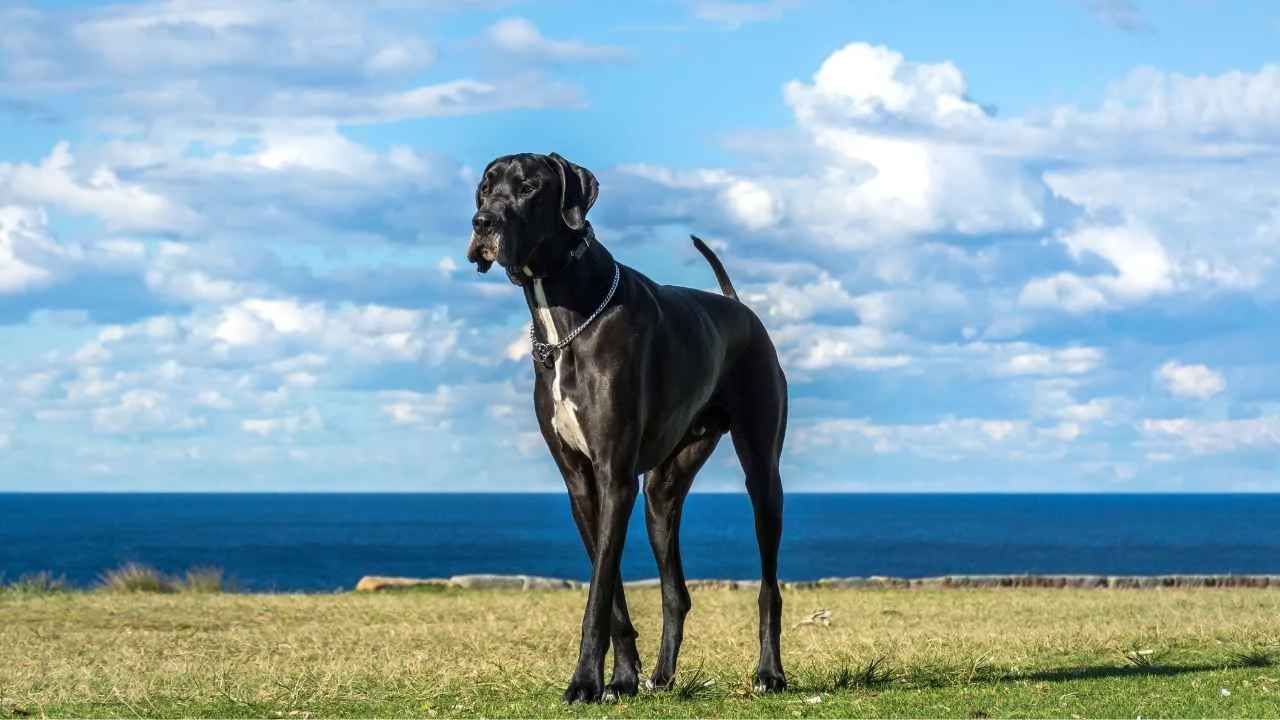
The most imposing independent breed on this list is the Great Dane.
Great Danes are generally considered easygoing, friendly, dependable, and very social. The breed requires moderate exercise and is a good walking and hiking companion.
There are some professionals who might work long hours but have a regular morning and evening schedule. For that lifestyle, Danes can fit in seamlessly. They are people-centric and can suffer from separation anxiety if left alone for extended periods.
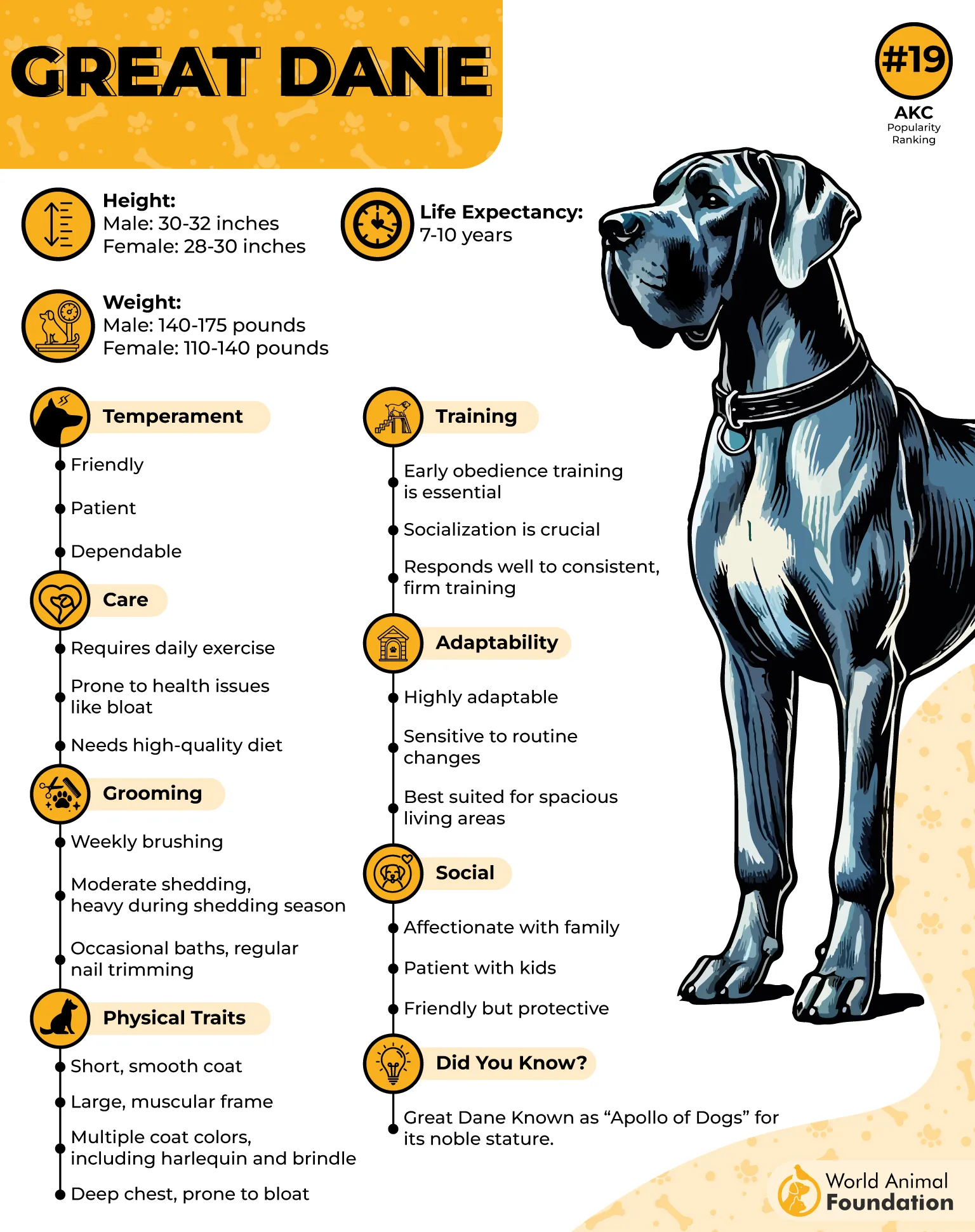
Great Danes may look like they do not move at all, but this is not true. Just like herding dogs and working breeds, Great Danes also require physical exercise. Regular walks and appropriate daily activity are needed to satisfy their physical needs.
Training is especially crucial because even ordinary behaviors can become difficult to manage with a giant dog. Early socialization, scent work, and obedience training are recommended to make them well-behaved and loyal pets.
5. Great Pyrenees
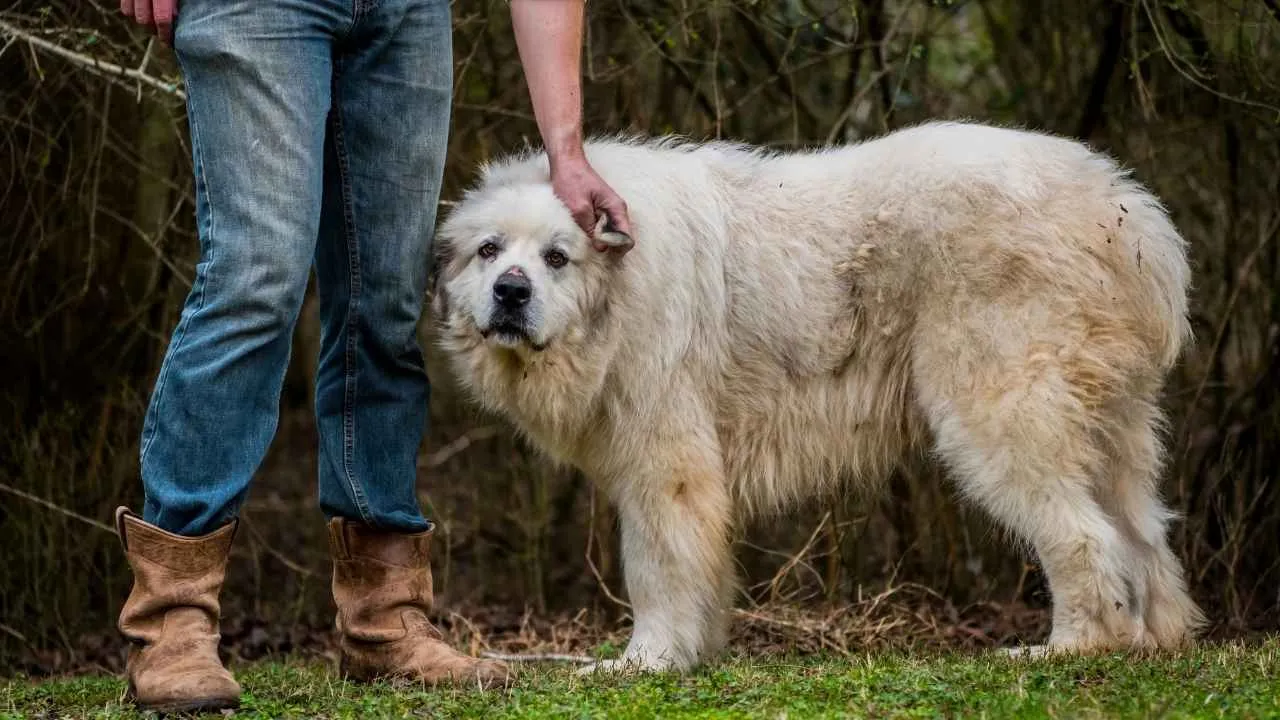
The Great Pyrenees is one of the most obvious examples of a giant dog that works without the need for constant human direction. This dog was originally bred to protect livestock in mountainous areas.
They usually didn’t wait around for instructions from their owners before doing something. They remained alert to potential dangers and relied on their own instincts. When guarding property, these dogs could remain alert and respond to potential threats without constant direction.
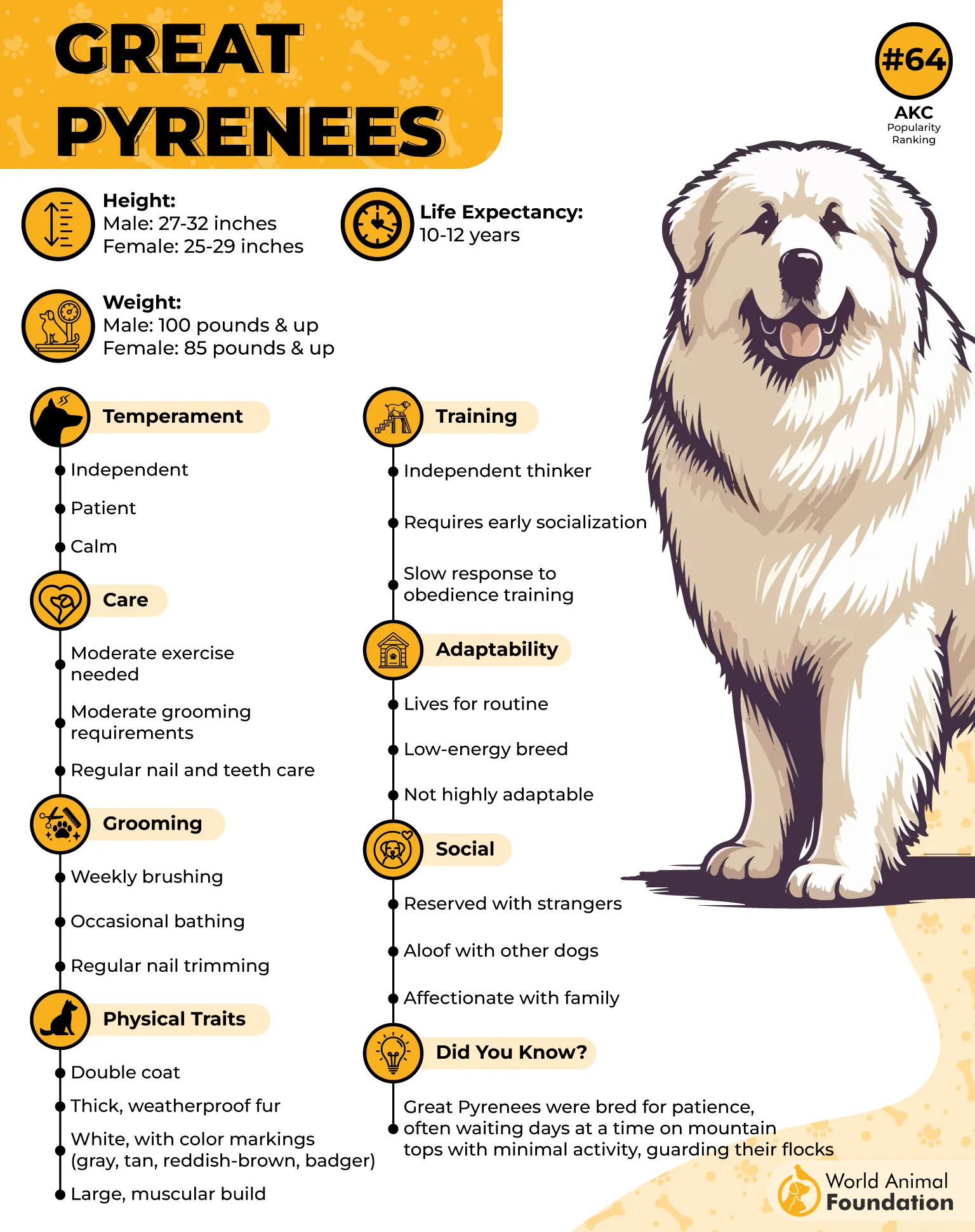
The dog’s independent nature is attractive to a busy person. A Great Pyrenees doesn’t require constant activity from its owner.
It is also a relatively quiet pet indoors, once its physical requirements are met. Its strong guarding instincts mean it may investigate strange noises or suspicious activity. It also requires a large outdoor safe space in which it can roam around.
6. Anatolian Shepherd Dog
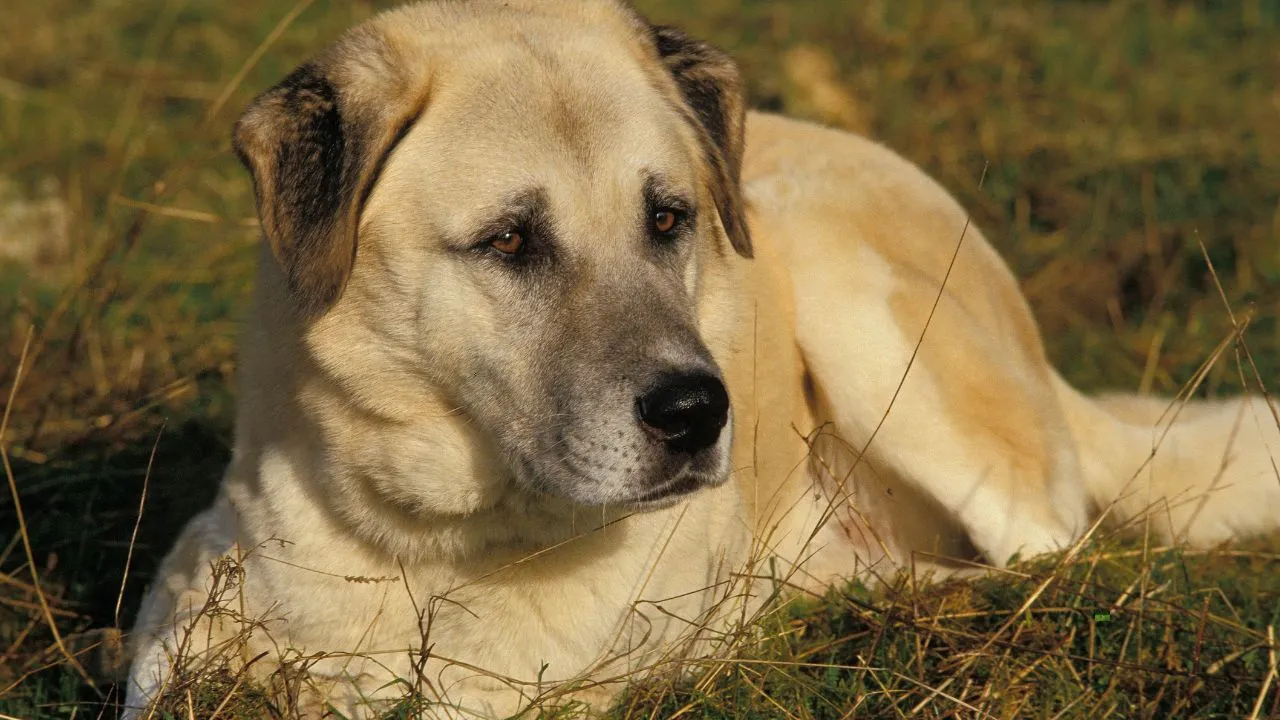
The Anatolian Shepherd Dog goes the extra mile when it comes to independence.
This breed was bred in Turkey as a livestock guardian dog. Whereas a herding dog is often directed by its handler, the Anatolian was expected to guard livestock from predators and make its own decisions. It does not have to be told what to do at every moment. It watches and evaluates based on instinct.
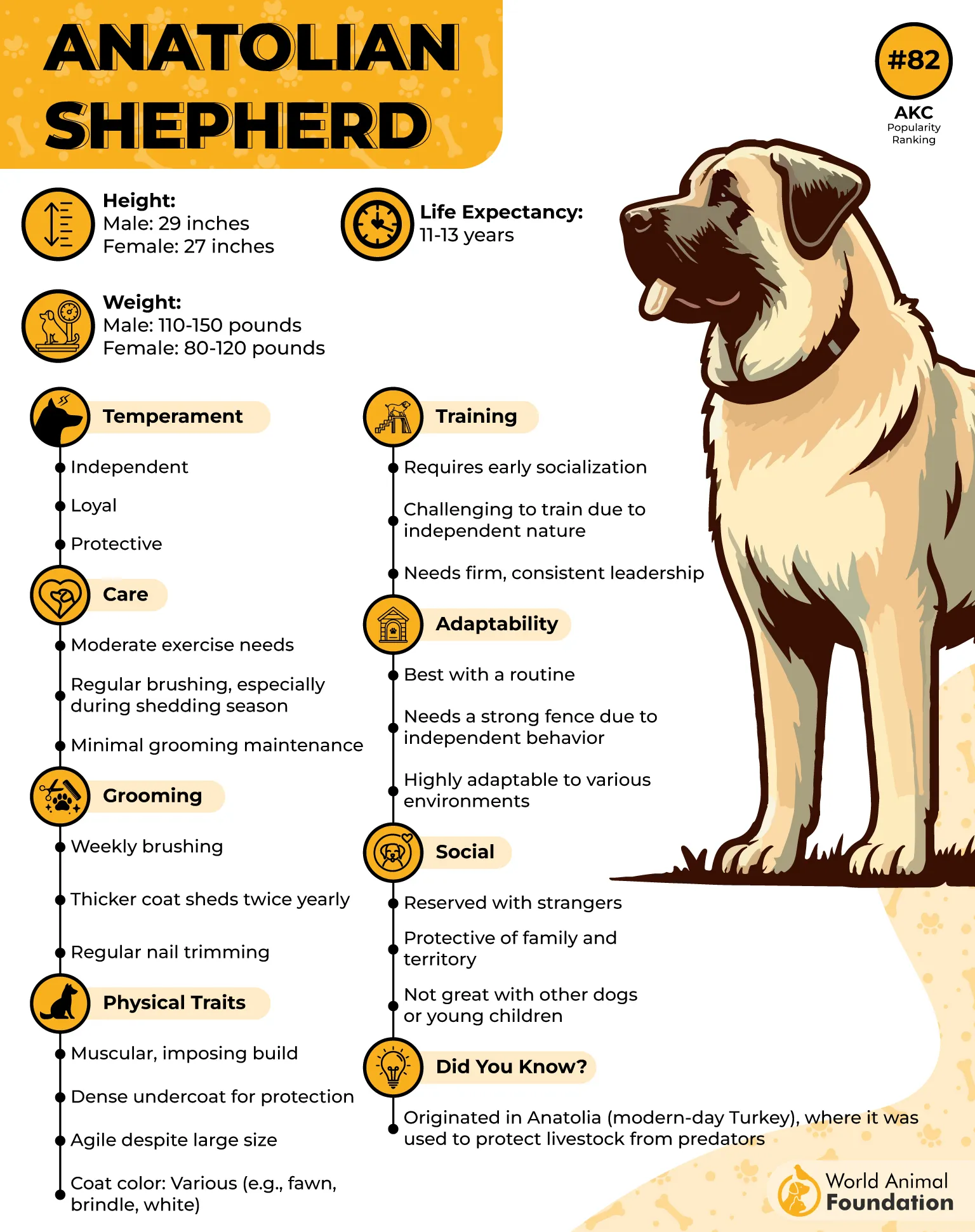
This can be attractive to a busy owner, but also possess a big training issue. Just because a dog is smart doesn’t mean it will obey commands obediently. They must be socialized at an early age, and clear boundaries must be set for their behaviors.
They’re a good choice for owners who have a hectic lifestyle, as these dogs don’t demand a lot of time from their owners.
7. Tibetan Mastiff
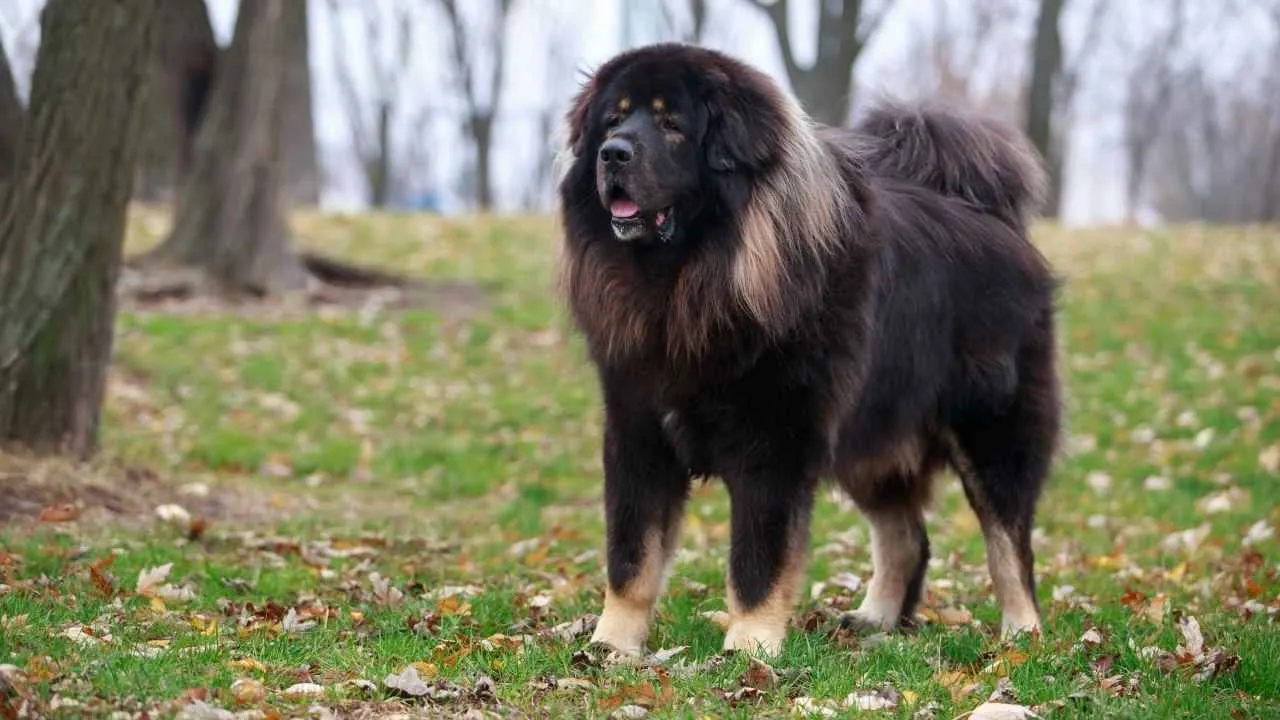
The Tibetan Mastiff is a huge and highly independent breed. Given their traditional role, Tibetan Mastiffs have ancestors that guarded homes, monasteries, and livestock in the Himalayan region. As a result, the breed tends to have strong territorial instincts and may evaluate situations before responding to commands.
Tibetan Mastiffs are said to be reserved and independent. They possess high intelligence and high energy. These dogs can be harder to train than other pets because of their independent nature.
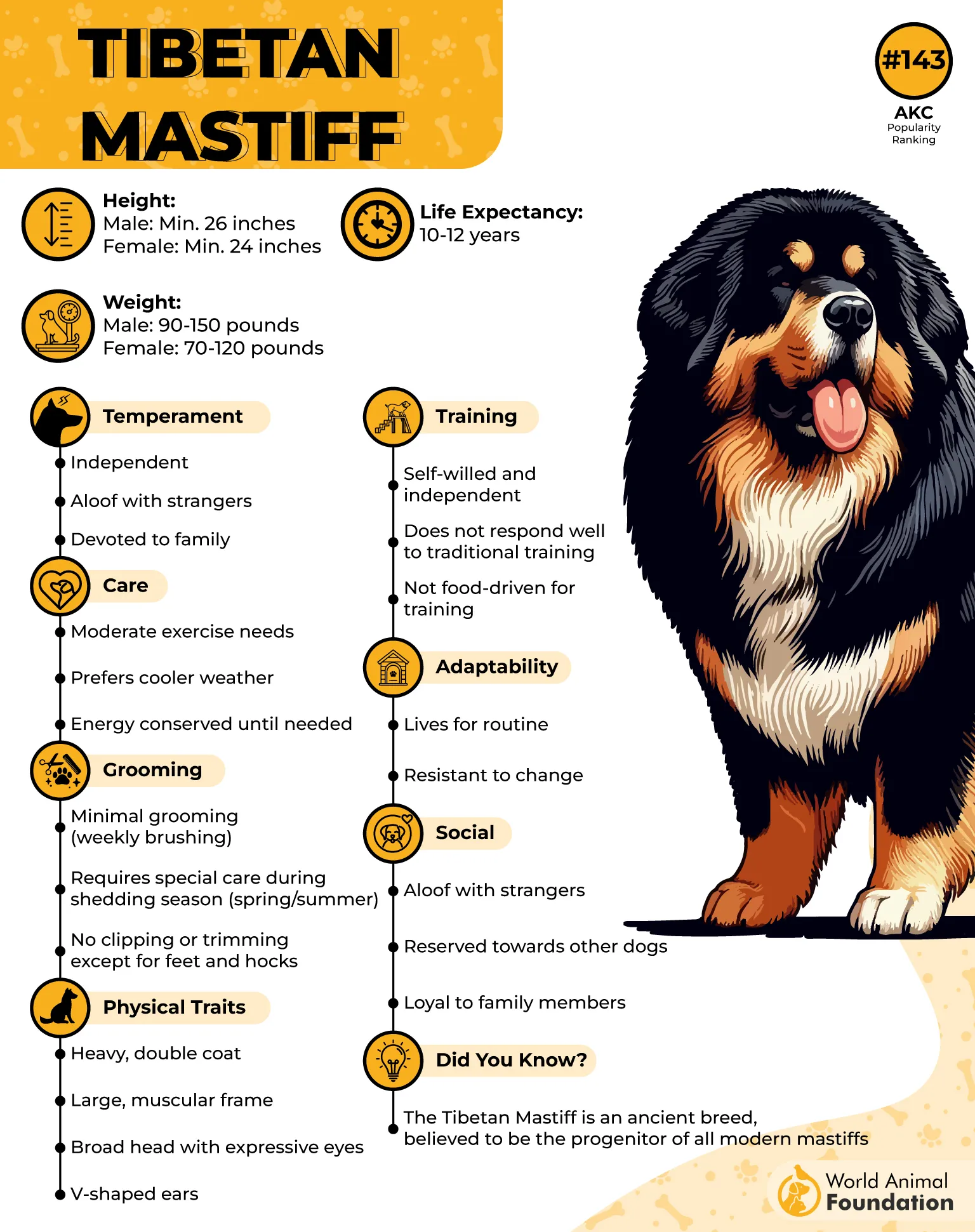
However, these dogs have a lively personality around friends and loved ones. They tend to be very calm and form strong bonds with children as well. Even though they thrive well in public places, these affectionate dogs can easily differentiate between a familiar visitor and a stranger.
These dogs are better suited to experienced individuals who can train large dogs and will have absolutely no problem handling them. These dogs are not to be trusted off leash because of their extremely independent nature.
Conclusion
An independent large dog may be less demanding of its busy owner, but it doesn’t mean that it does not have its own wishes or desires.
It all comes down to matching the dog’s temperament with their owner’s schedule. Just because you think that an independent dog can handle some alone time does not mean that you can stay away from home for days.
These dogs need to be exercised daily and have proper nutrition. An independent dog can make your life easier by being comfortable with some downtime, but it will still need your support and attention just like any other pet.
The ideal dog for a workaholic is not the one that plays on its own all day but is the one that can stay calm even when the owner is not at home.
