




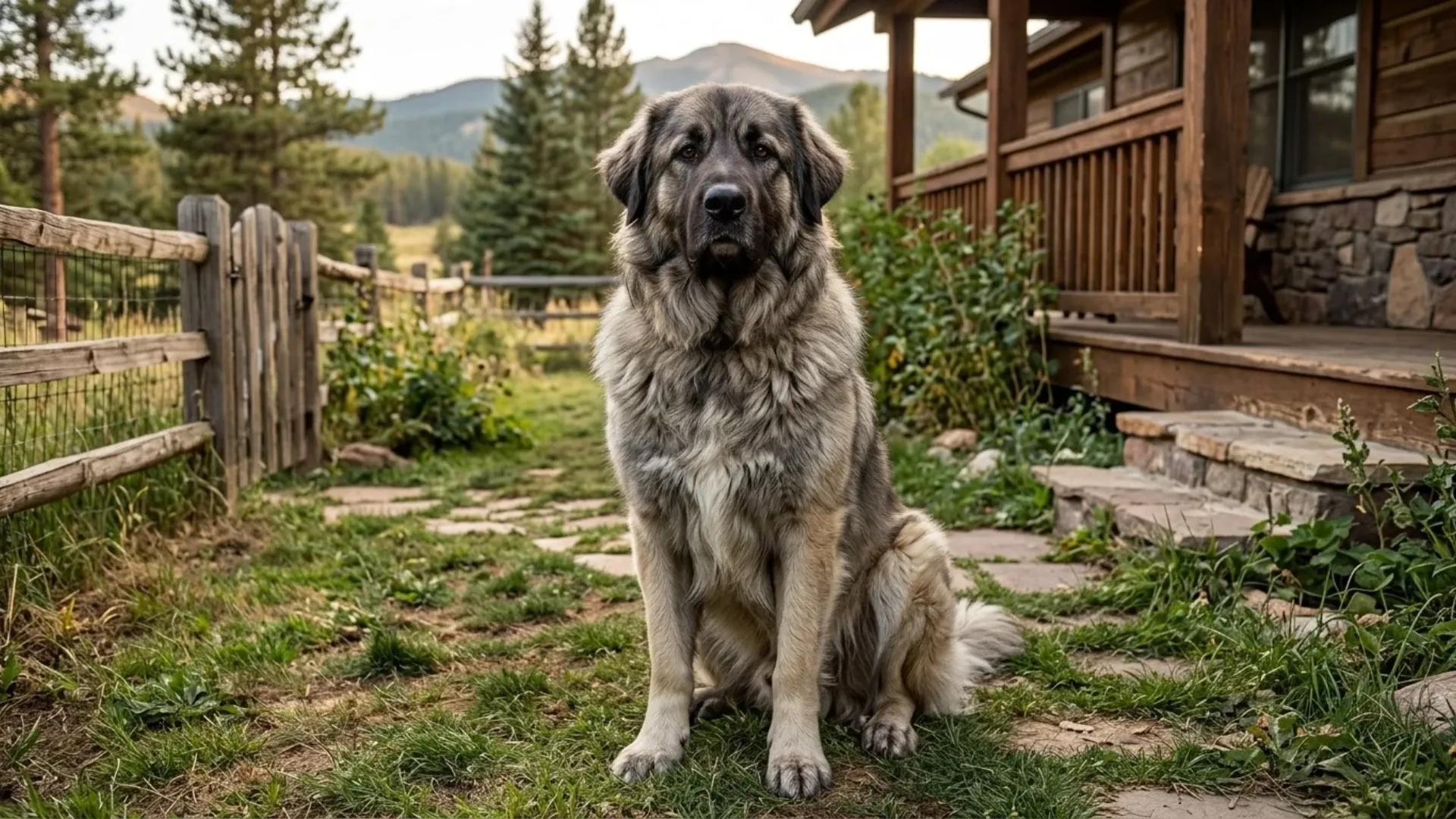
Your dog’s loyalty isn’t just a feeling; it’s a hormone. A simple, lingering gaze between a dog and its owner triggers the same oxytocin spike seen between a parent and a newborn.
That 2015 study found that wolves raised by humans never showed the same chemical loop. Somewhere in a long history of domestication, big dog breeds and small ones alike rewired themselves to bond through human interaction, the way children bond with parents.
Large dog breeds take that biology and scale it up, wrapping serious size around serious devotion to family members. Gentle giants like these don’t just protect a household; they fold themselves into it.
Not every big dog breed shows that protective nature the same way, and picking the wrong type is an easy mistake to make. Keep reading to find out which guardian gentle giant actually fits your household, and why that match matters most.
Incredibly Loyal Giant Dog Breeds for Every Home
1. Estrela Mountain Dog
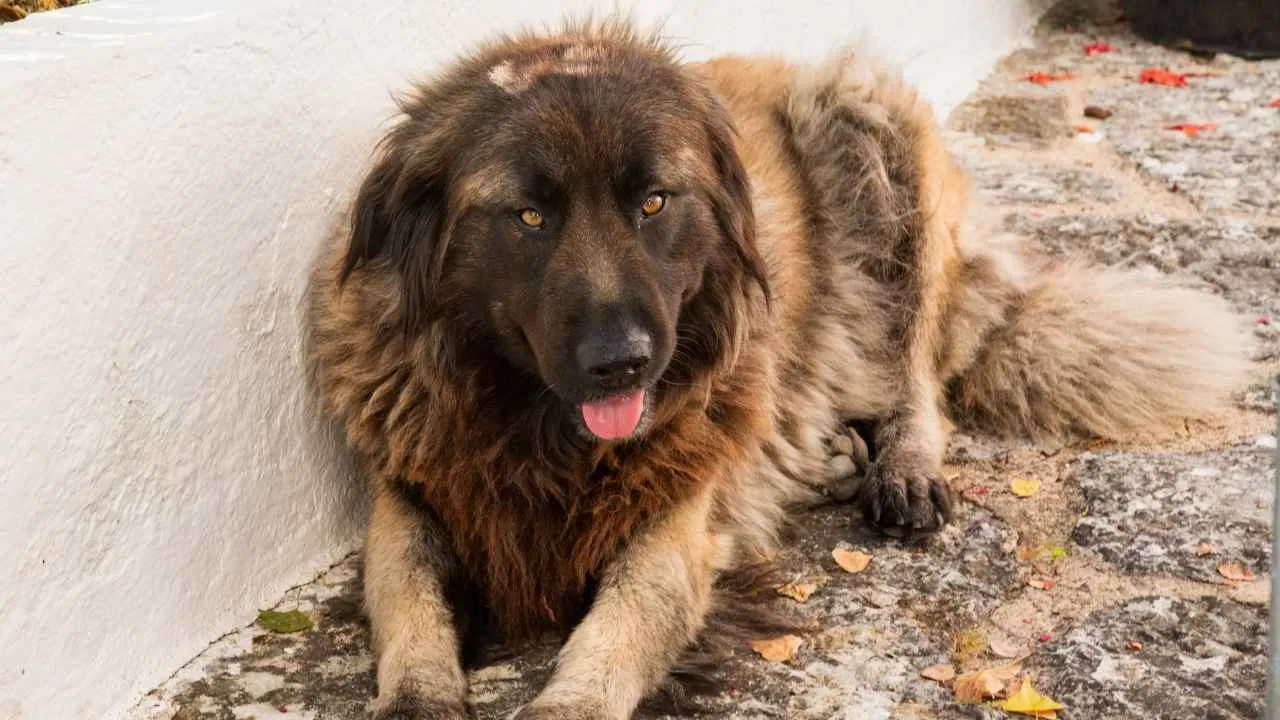
The Estrela Mountain Dog was originally bred to guard Portuguese sheep flocks alone on remote mountains. That solitary job built a true guardian type, loyal through watchfulness rather than affection. The American Kennel Club notes this breed stays wary of strangers yet devoted to family.
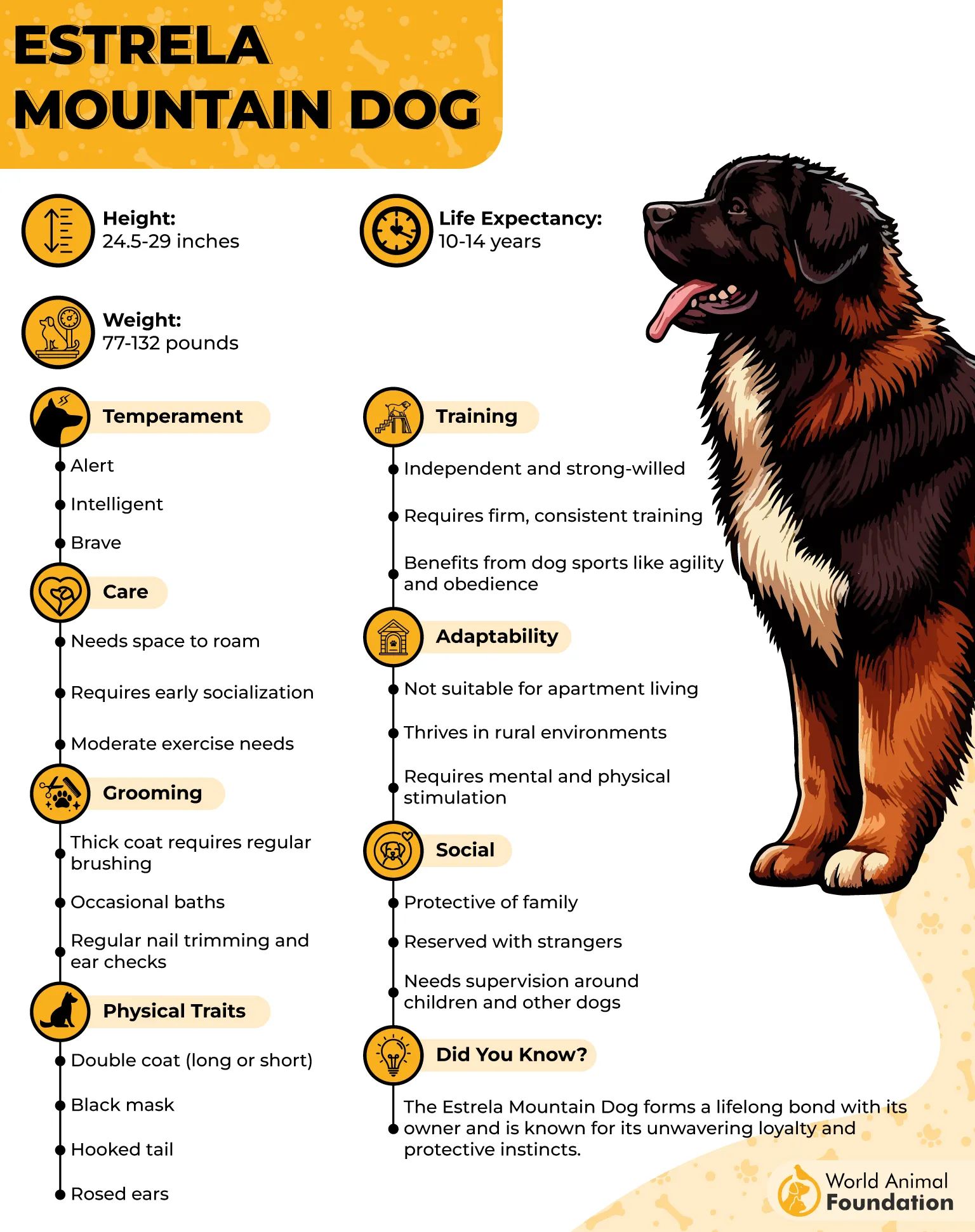
Picture an Estrela posted by a window long after the house goes quiet. That’s guardian loyalty in motion, not couch cuddling. Given a yard to patrol, this breed settles into most large dog breeds households with room to spare.
Socialization step: Introduce puppies to new faces and places early, so natural caution never turns into blanket suspicion.
Common misconception: A cool reaction to strangers gets read as aggression, when it’s really just a guardian assessing first.
Inside the family circle, this guardian turns gentle, especially with kids they’ve grown up around. New pets need slow introductions, since the Estrela evaluates before accepting them. Once accepted, they become part of the flock being protected.
2. Leonberger
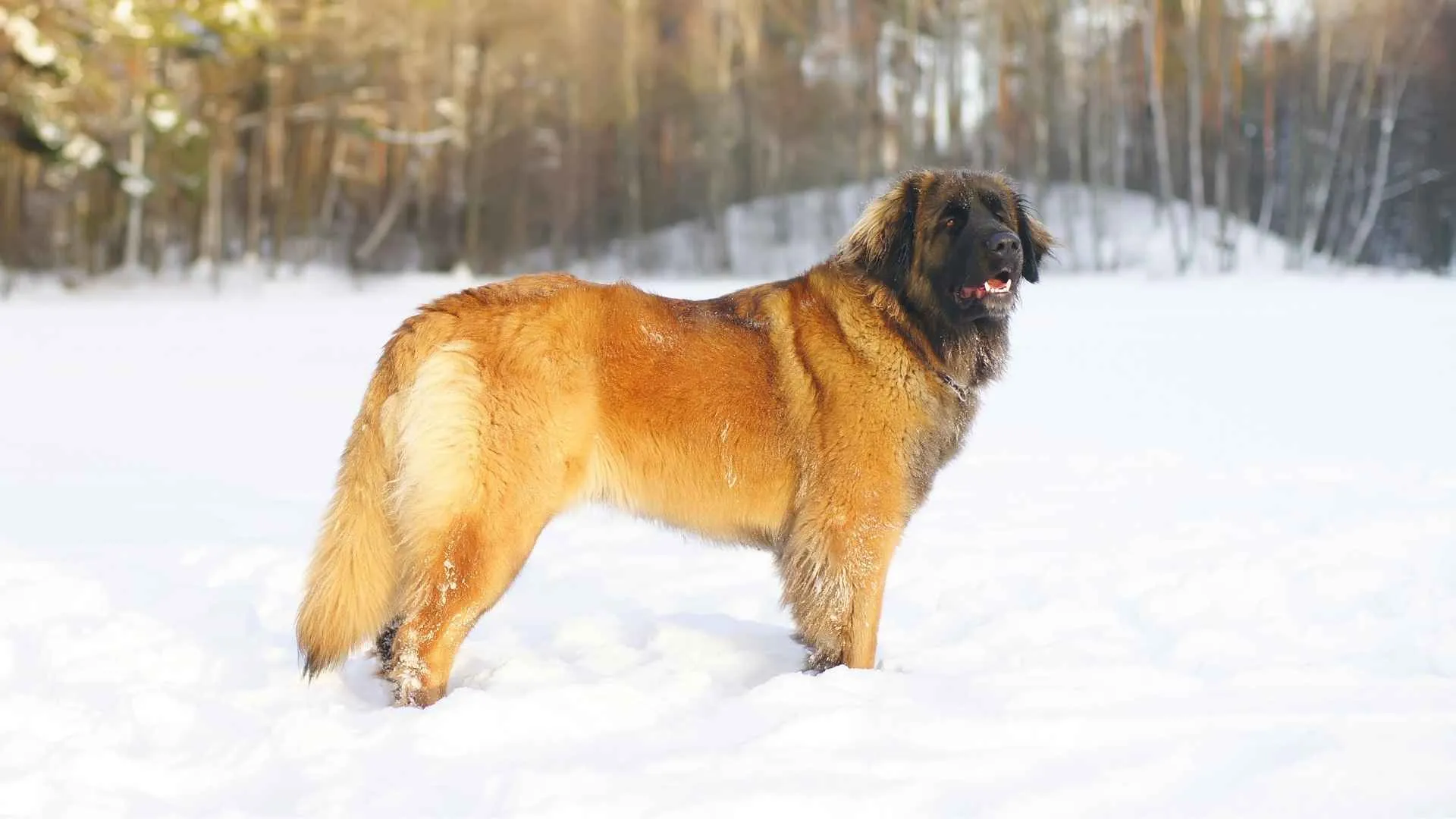
Bred in 19th-century Germany to work farms beside the family that owned them, the Leonberger became a true companion type. Their devotion is about staying close, not guarding ground. PetMD notes this breed now often works in search-and-rescue or simply lives at their people’s side.
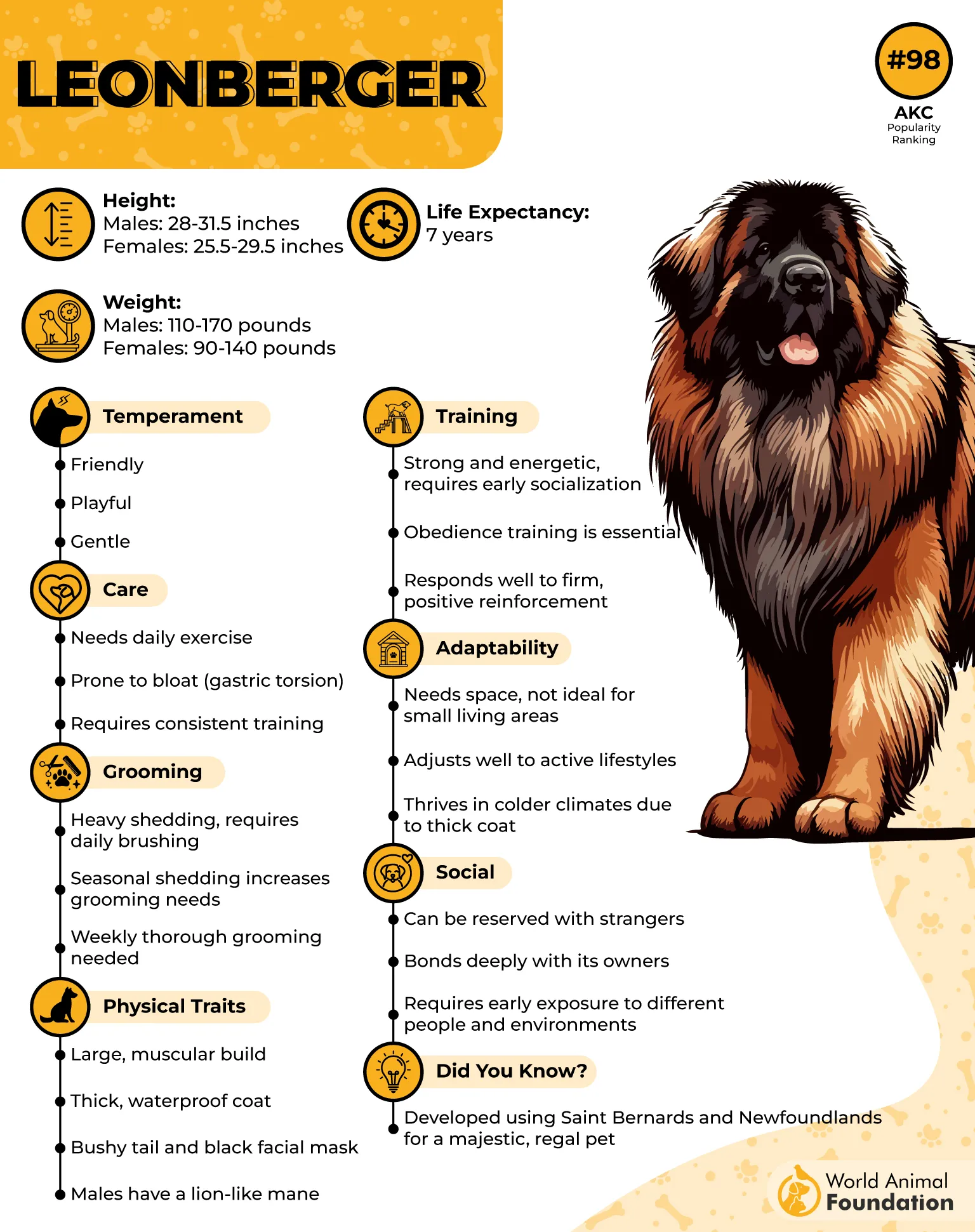
A Leonberger shadows you room to room, flopping down wherever you land. That’s companion loyalty, closeness over patrol duty. Their giant frame suits homes with space to stretch out, not tiny apartments.
Socialization step: Start obedience training young, since a dog this size needs manners before it outweighs the furniture.
Common misconception: Always being nearby gets mistaken for separation anxiety, when it’s simply this breed’s natural way of bonding.
Leonbergers are famously gentle with children, quick to form strong bonds with them. Introduce other pets early, and this companion type usually welcomes them in. Another animal is rarely seen as competition.
3. Great Dane
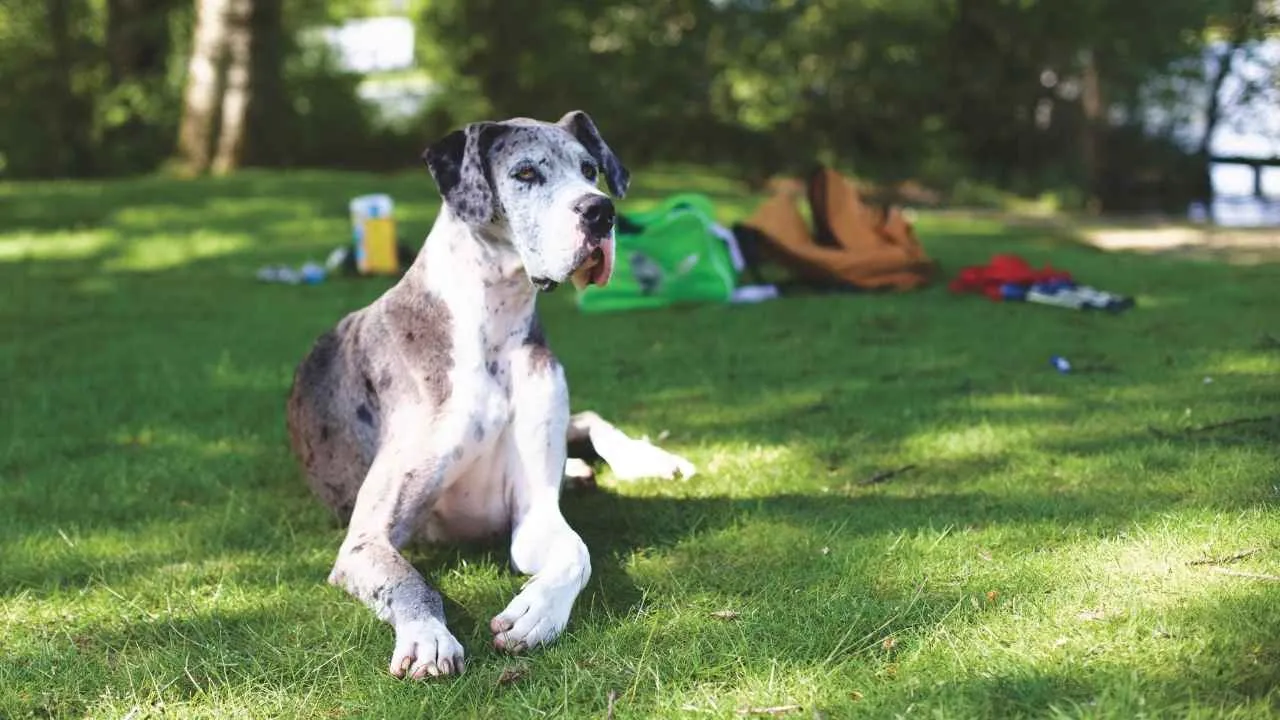
The Great Dane was originally bred in Germany to hunt wild boar and guard large estates. Over time, this breed settled into life as a companion type, built for closeness rather than patrol. WebMD notes that today’s Great Dane is mainly a companion, especially good with children.
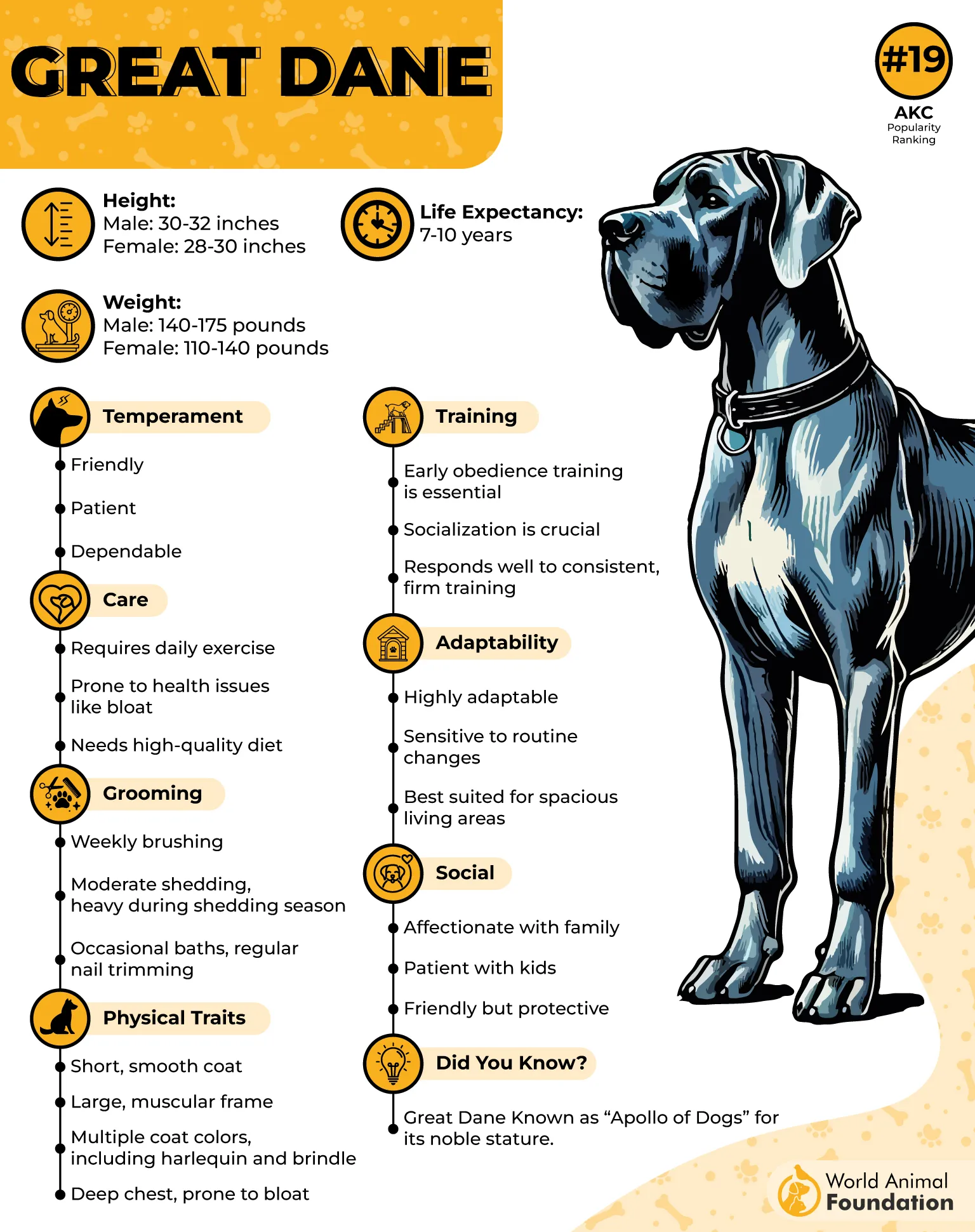
A Great Dane leans its full weight against your leg the moment you sit down. That’s its version of a hug. The towering height doesn’t stop this breed from thriving in a smaller home, as long as it’s near its people.
Socialization step: Start leash and polite-greeting training early, since enthusiastic greetings get overwhelming fast once a dog is this big.
Common misconception: A deep bark and towering height make this breed seem aggressive, when most Great Danes would rather nap on the sofa than confront anyone.
Great Danes are a favourite among families with kids, thanks to their patient, easygoing nature. They generally accept other dogs and cats without much fuss when raised together. The whole household becomes their circle.
4. Mastiff
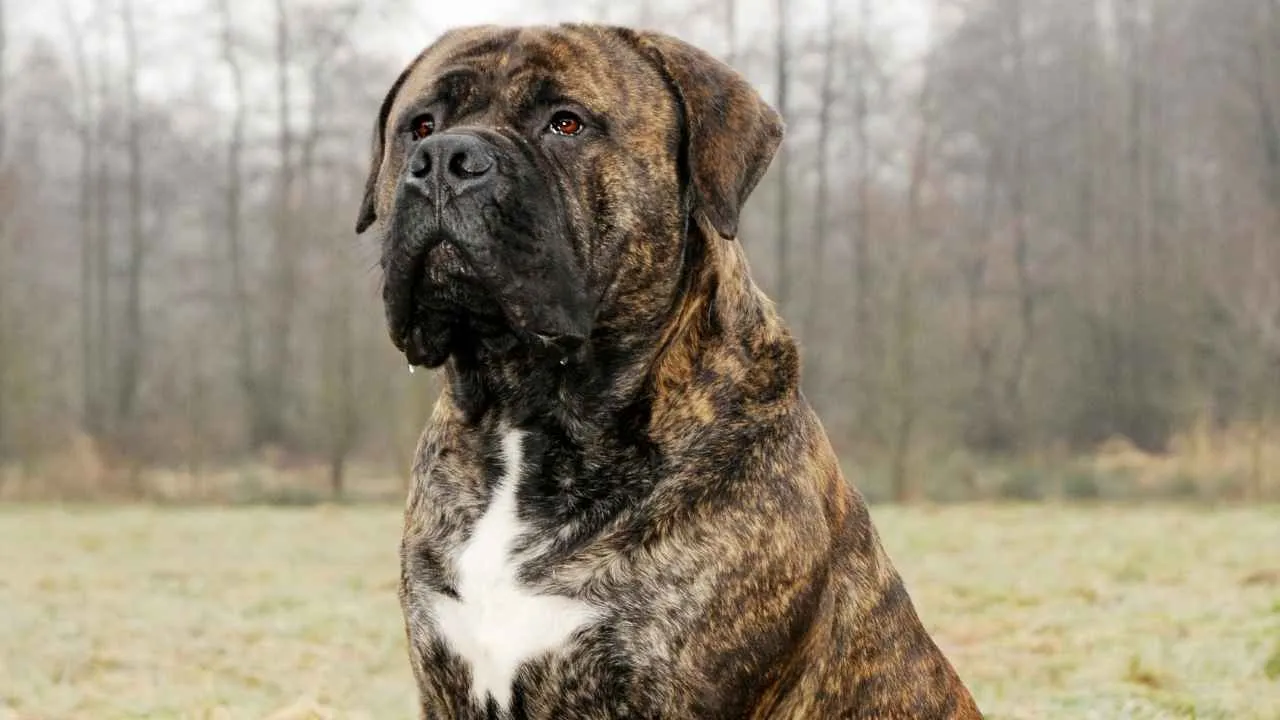
The Mastiff was bred in England over 2,000 years ago purely as a watchdog. That history makes this breed a classic guardian type, calm until it senses a real threat. Purina calls the Mastiff a home-loving companion still ready to protect its human family.
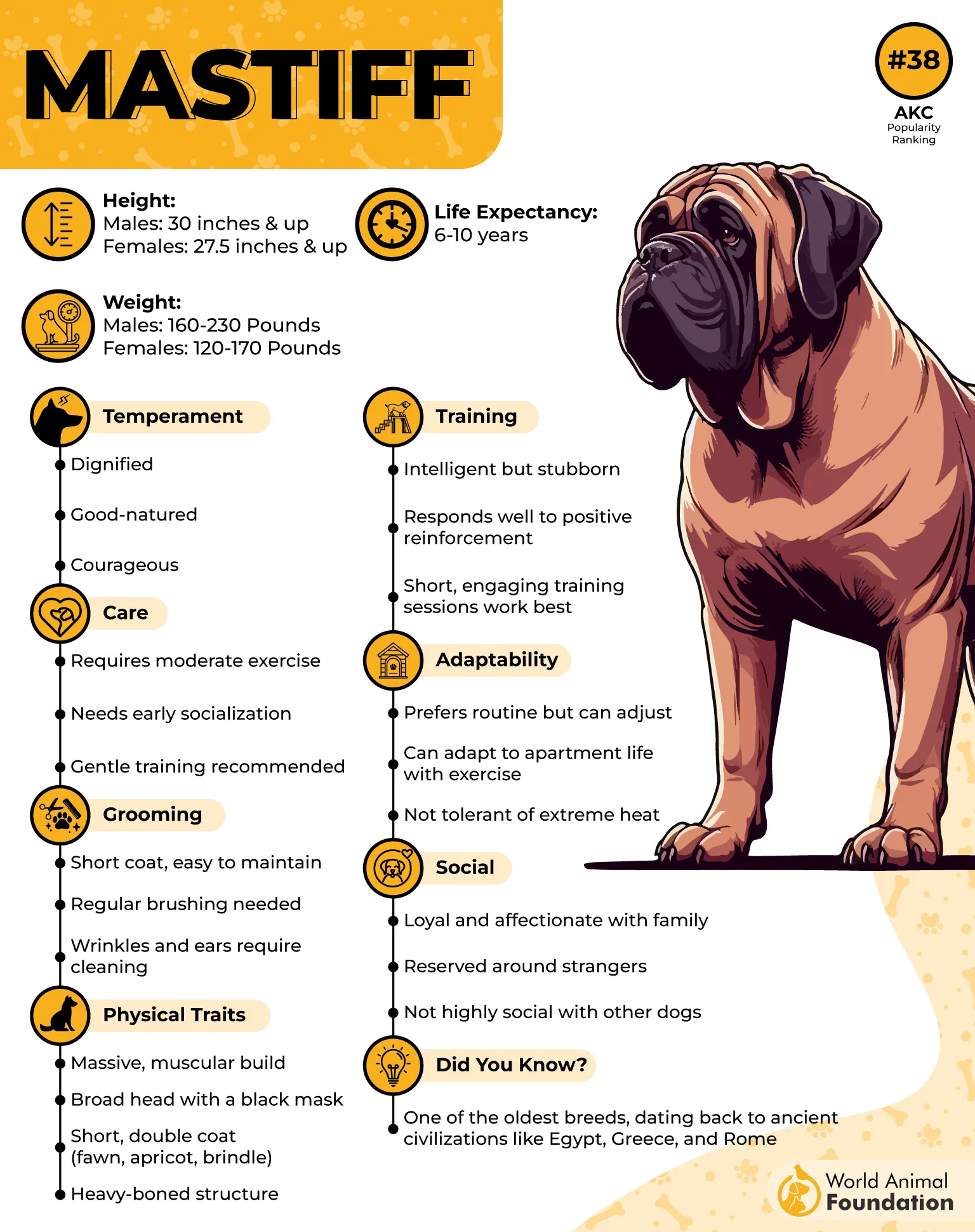
A Mastiff posts itself by the door and simply exists there, a wall of calm muscle. That presence alone deters most trouble before it starts. This guardian suits homes without a backyard, since it’s a low-energy protector, not a patrol dog.
Socialization step: Expose puppies to visitors and everyday noise early, so protective instincts never turn into unnecessary wariness.
Common misconception: Sheer size and calm guarding style get mistaken for a bad temper, when Mastiffs are famously good-natured.
Mastiffs are gentle with the children in their own family, often called foot warmers rather than fierce guard dogs. New pets need a proper introduction, since this guardian type takes time to decide who belongs. Once that happens, patience follows naturally.
5. Newfoundland
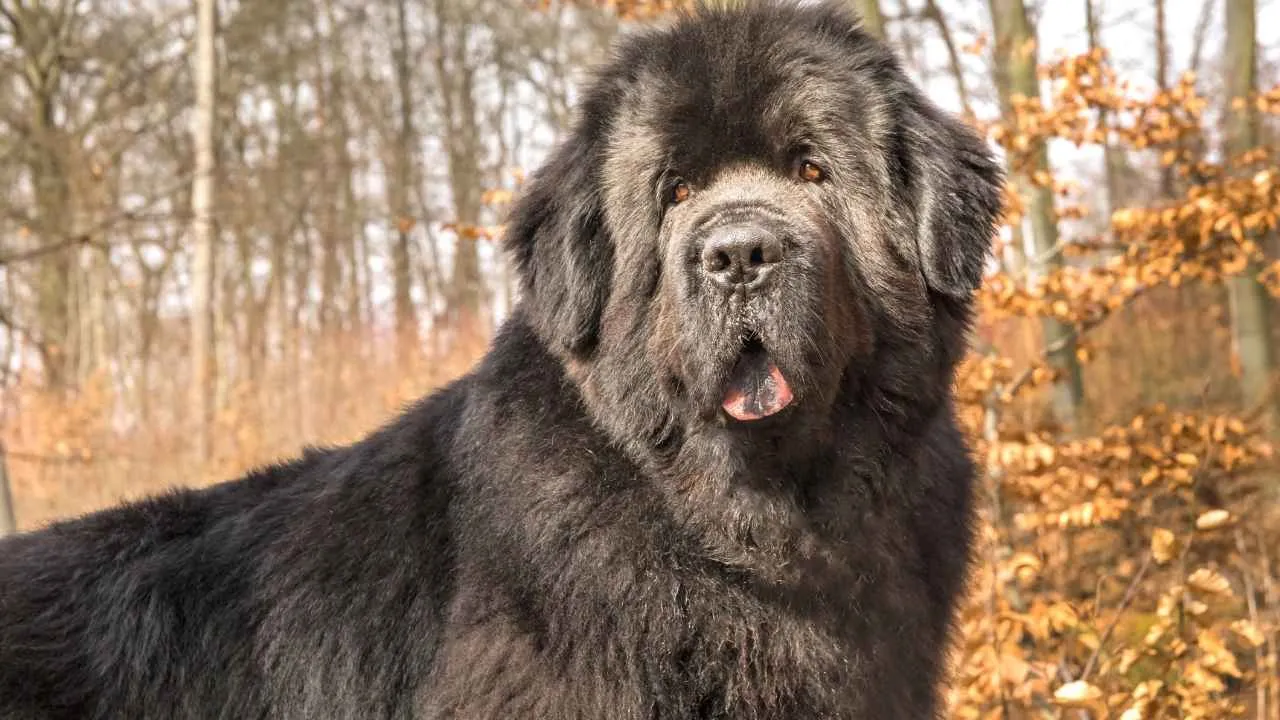
The Newfoundland was developed to work alongside fishermen, hauling nets and pulling carts. Real fame, though, comes from water rescue, making this breed a true service type. Britannica describes a huge, gentle giant of a dog, patient enough to be trusted with saving lives.
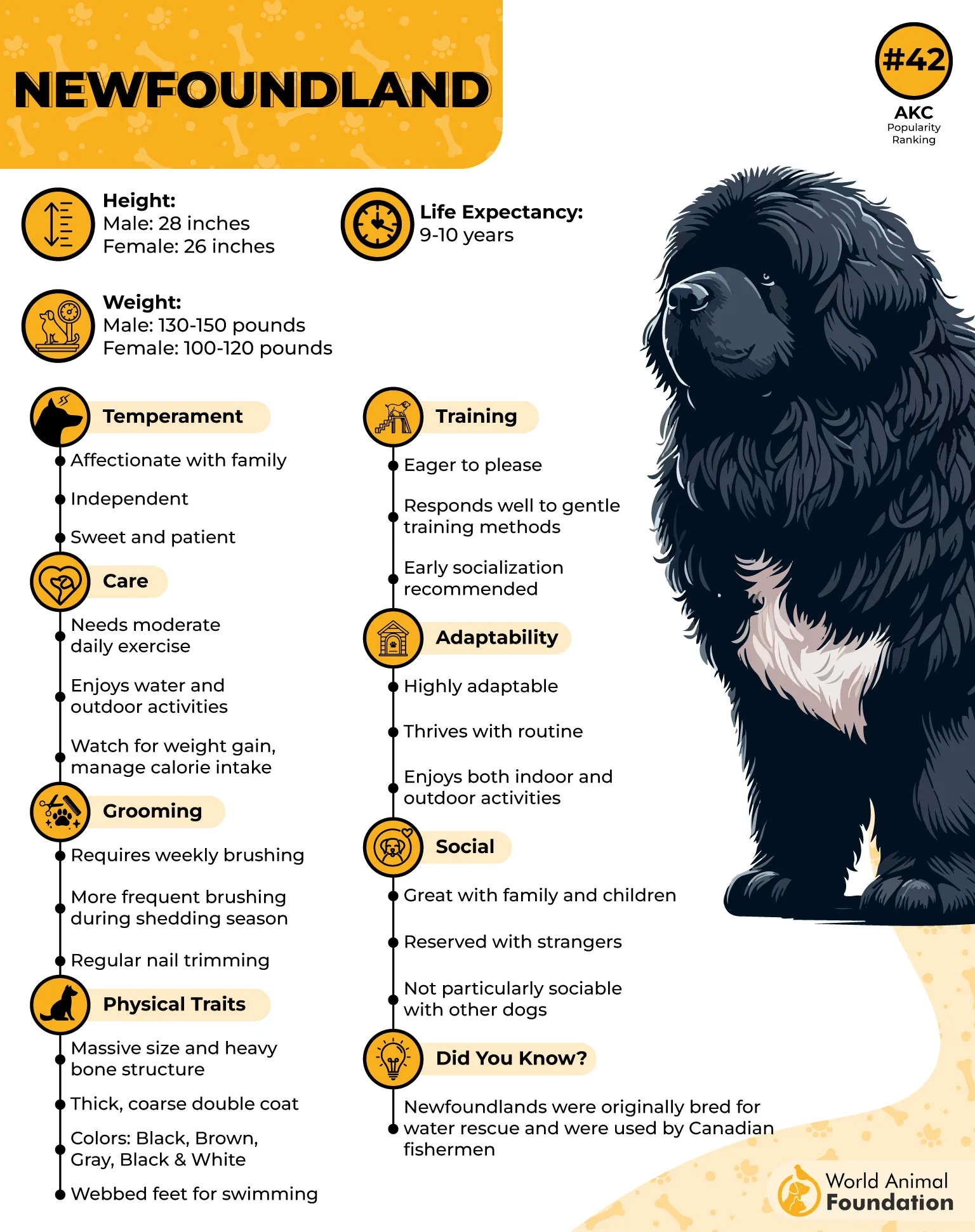
A Newfoundland wades into a pool the moment a child starts splashing too hard. That instinct to check on people in trouble never really switches off. Love of water and a need for room to move mean this breed suits a home with a yard or a nearby lake.
Socialization step: Teach a reliable release cue early, so rescue instincts don’t turn into pulling people from the water unasked.
Common misconception: Heavy drooling and a laid-back look make this breed seem lazy, when it’s actually built for serious swimming endurance.
Newfoundlands earned the nickname nanny dog for how patiently they watch over kids. That patience carries over to other pets, which this service type tends to supervise rather than compete with. The whole household gets treated as something worth protecting.
6. Saint Bernard
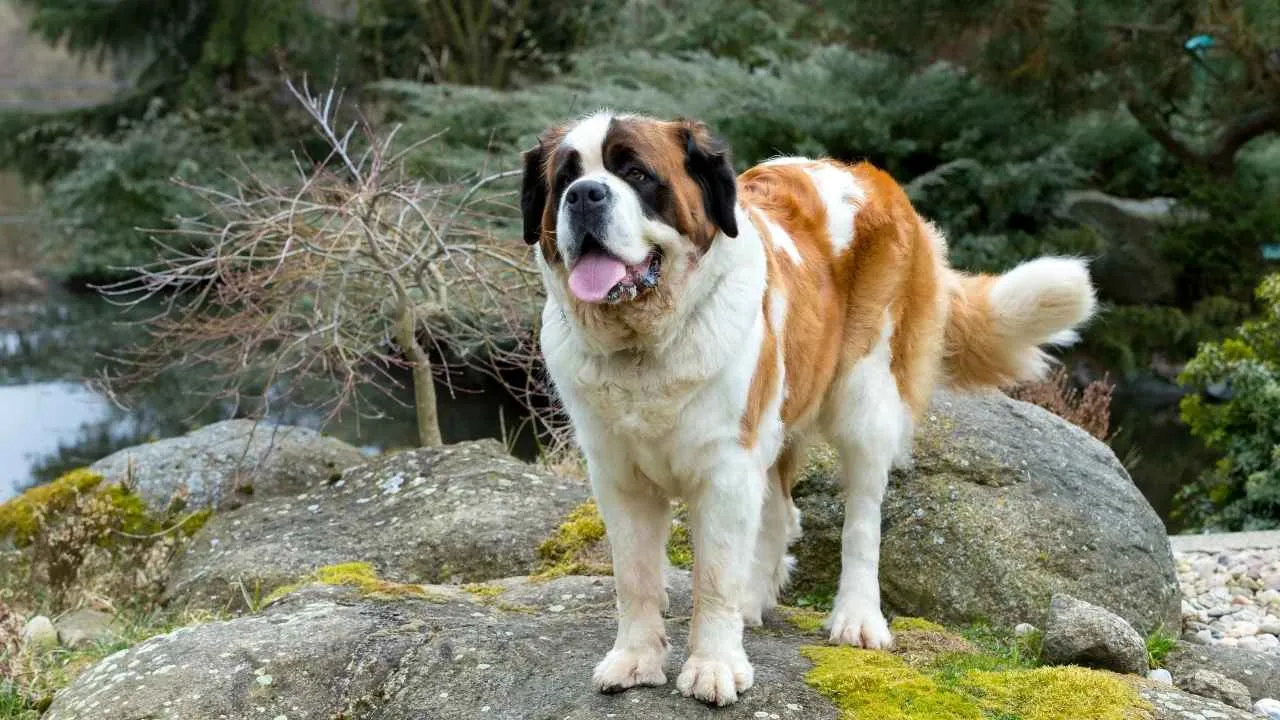
Monks at the Great St Bernard Hospice bred this dog to find travelers lost in Alpine snowstorms. That rescue mission makes the Saint Bernard a service type through and through. Loyalty here was never about one owner; it was about anyone stranded in the snow.
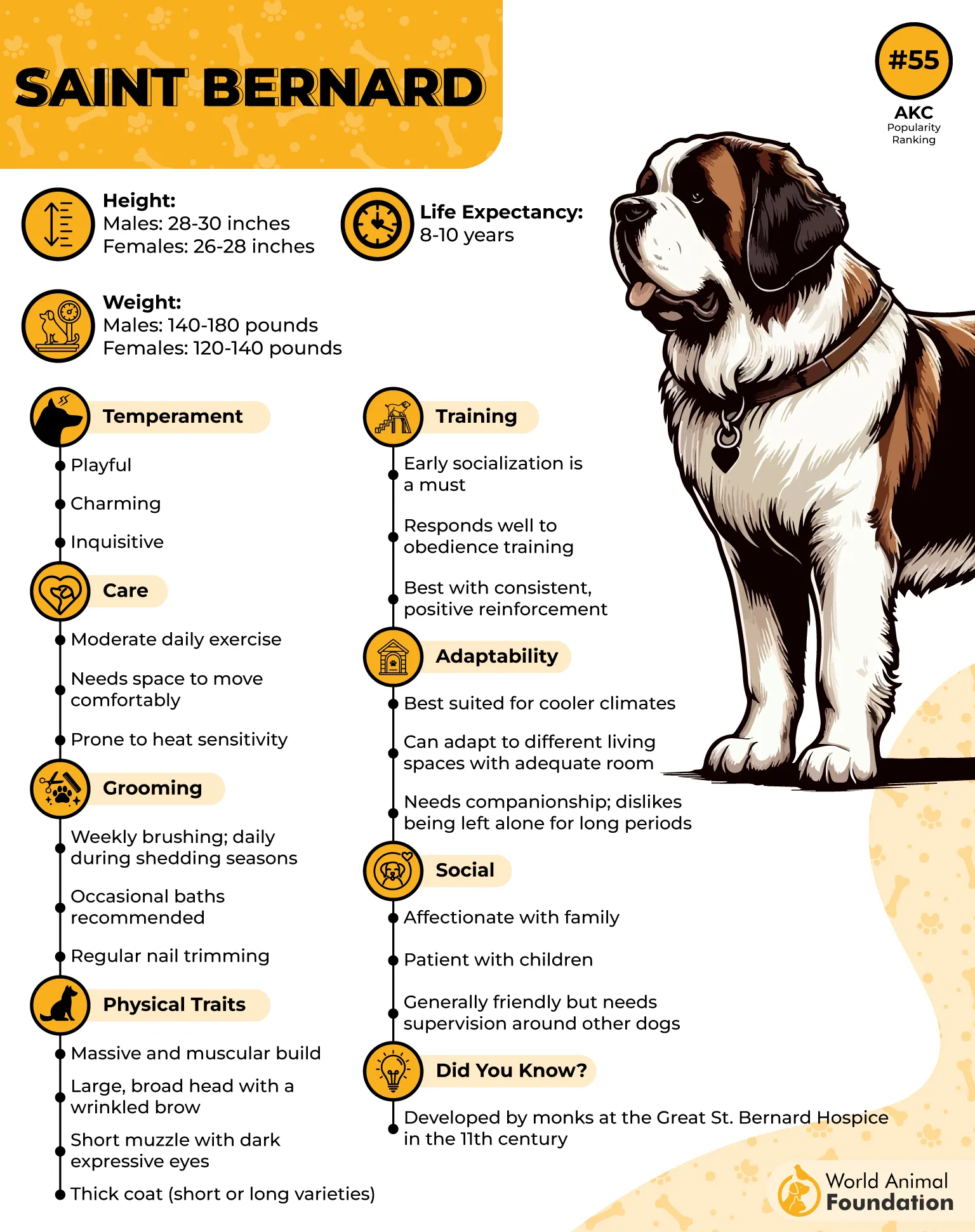
A Saint Bernard will plant itself beside a crying toddler until help arrives, calm and steady the whole time. That steadiness is loyalty in action. Cold climates and homes with space suit this breed best, since its thick double coat was built for mountain winters.
Socialization step: Start obedience work young, since this breed’s size means good manners matter more than they would for a smaller dog.
Common misconception: Drooling and a slow-moving image get mistaken for laziness, when this is actually an alert, capable working dog.
Saint Bernards are famously patient with children, happy to be climbed on without complaint. Introduce other pets gradually, and this service type usually settles into peaceful coexistence. Watching over the household appeals more than competing within it.
7. Bernese Mountain Dog
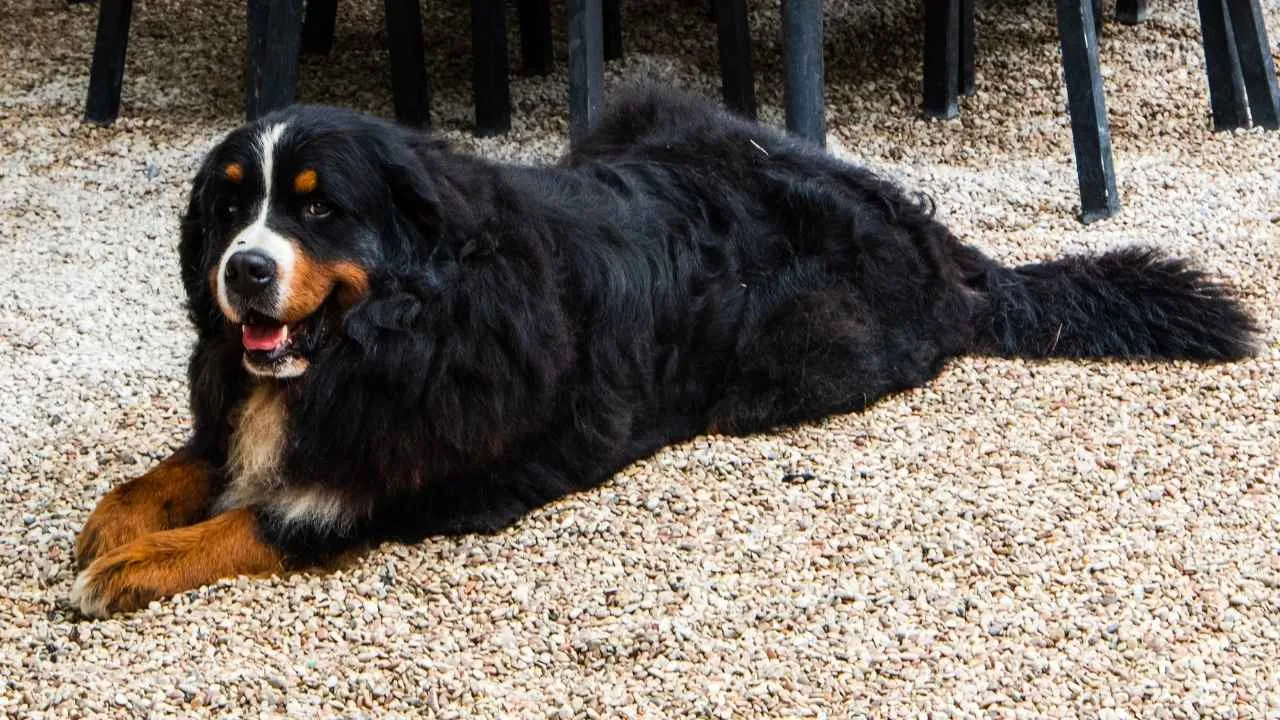
Bernese Mountain Dogs worked Swiss farms, pulling carts and driving cattle beside the families who owned them. That farm partnership built a companion type through and through. Loyalty today still looks like sticking close to one person’s side, not patrolling a fence line.
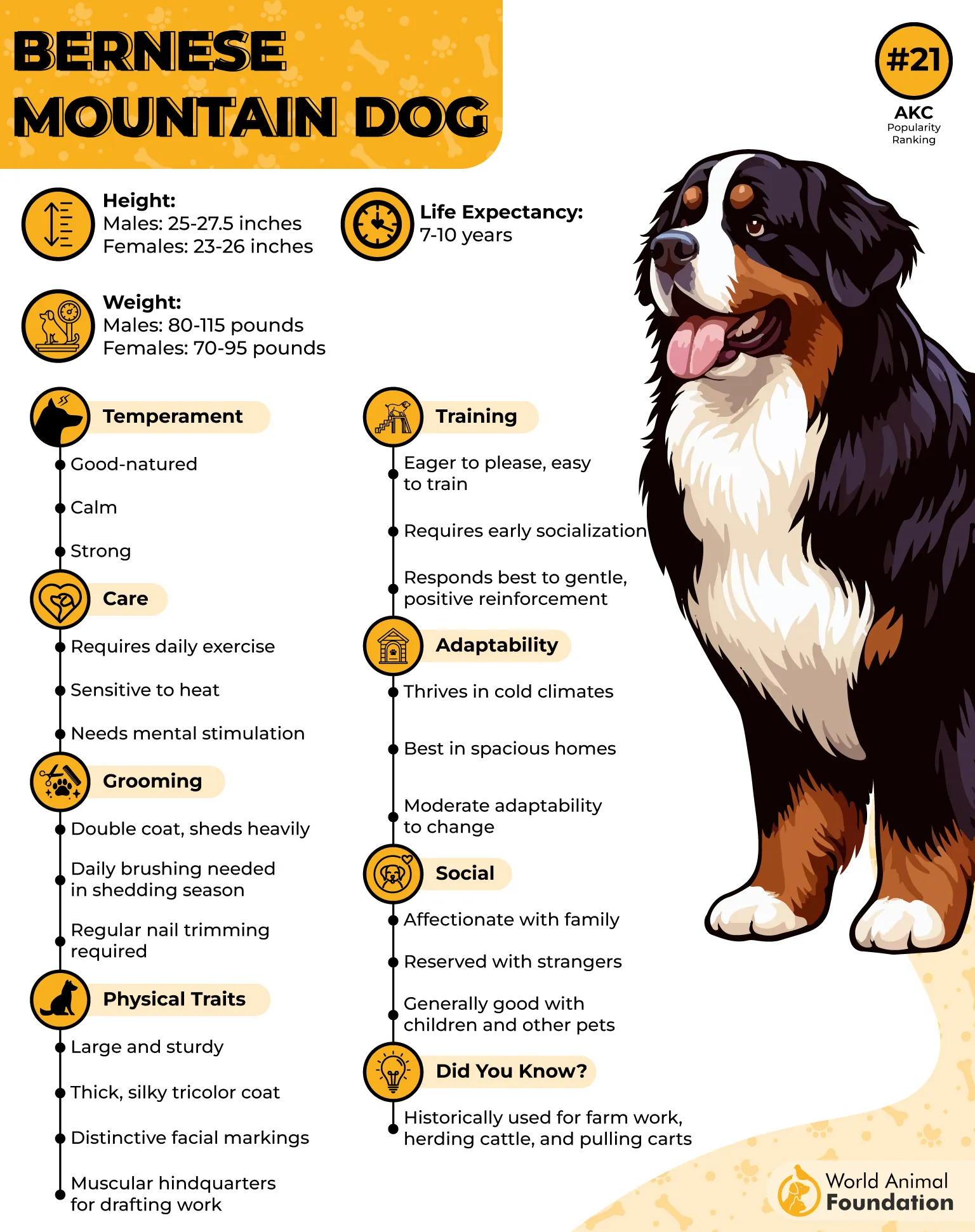
A Bernese will follow you from the kitchen to the garden to the garage, just to stay in the same room. That’s companion loyalty doing its quiet work. Size and a thick double coat suit homes with space and cooler weather better than a hot, cramped apartment.
Socialization step: Start gentle obedience training early, since this breed matures slowly and benefits from patient, consistent guidance.
Common misconception: Calm size gets read as low energy, when Bernese Mountain Dogs actually need daily exercise to stay healthy.
Bernese Mountain Dogs are known as gentle, patient family pets, especially around children. They typically welcome other dogs and cats as part of their social circle. For this companion type, acceptance comes naturally once introductions are made with care.
Conclusion
Whichever loyalty type wins your heart, these giant breeds prove size has nothing to do with how deeply loyal a dog can be. From guardian instincts to nanny-dog patience, big dogs simply love on a bigger scale, making them some of the most loyal companions pet parents will ever bring home.
Pick the loyalty style that fits your home, give these loyal family companions enough space and consistent training, and you’ll have one of the best large dog breeds for life. Ready to welcome a gentle giant? Start meeting reputable breeders or checking rescue dogs near you today.
