




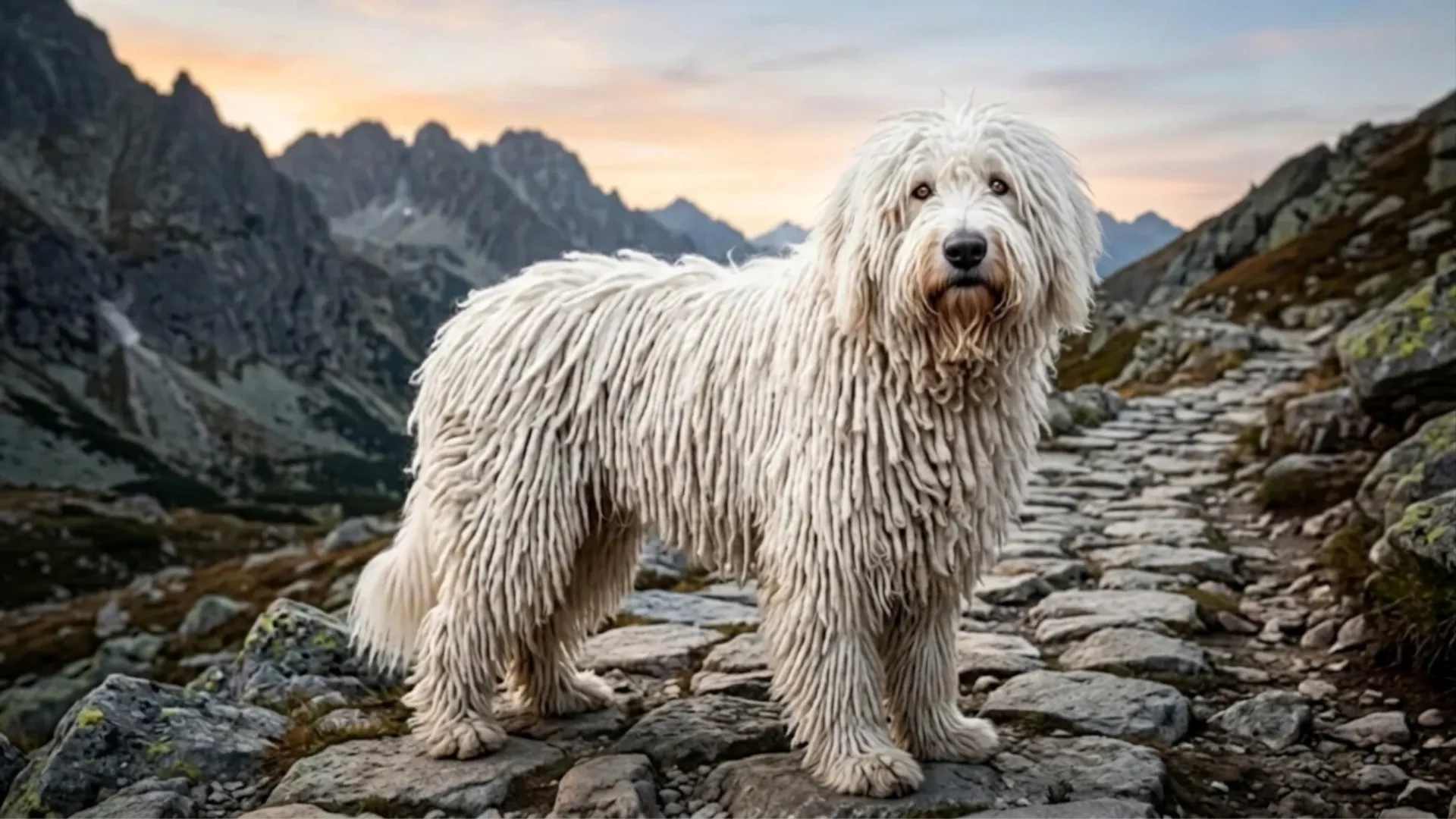
There’s something special about a giant dog that you rarely see. Beyond their impressive size, these uncommon dogs can have distinctive appearances, fascinating histories, and personalities that make them stand out.
Of course, owning a rare giant dog comes with big responsibilities. They may need plenty of space, early training, regular exercise, and a larger budget for food and care.
If you’re ready for the commitment and want a dog that’s anything but ordinary, these incredible rare giant breeds may be worth discovering. Let’s meet some of the most unique big dog breeds around.
Key Takeaways
Meet rare giants like Leonbergers and discover what makes them unforgettable.
See how Komondors stand out with their iconic coats and protective nature.
Explore the gentle side of Irish Wolfhounds, Neapolitan Mastiffs, and more.
Find out which rare giant breed fits your space, lifestyle, and experience.
Incredible Rare Giant Dog Breeds That Truly Stand Out
1. Leonberger
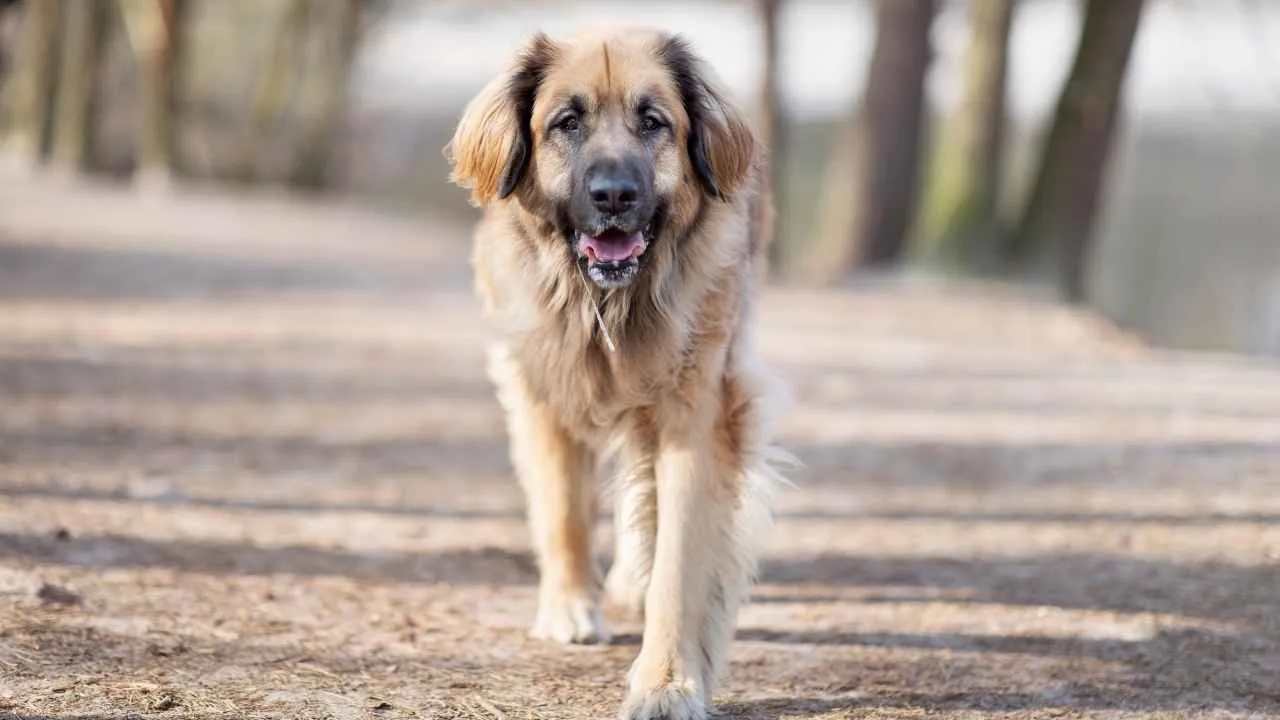
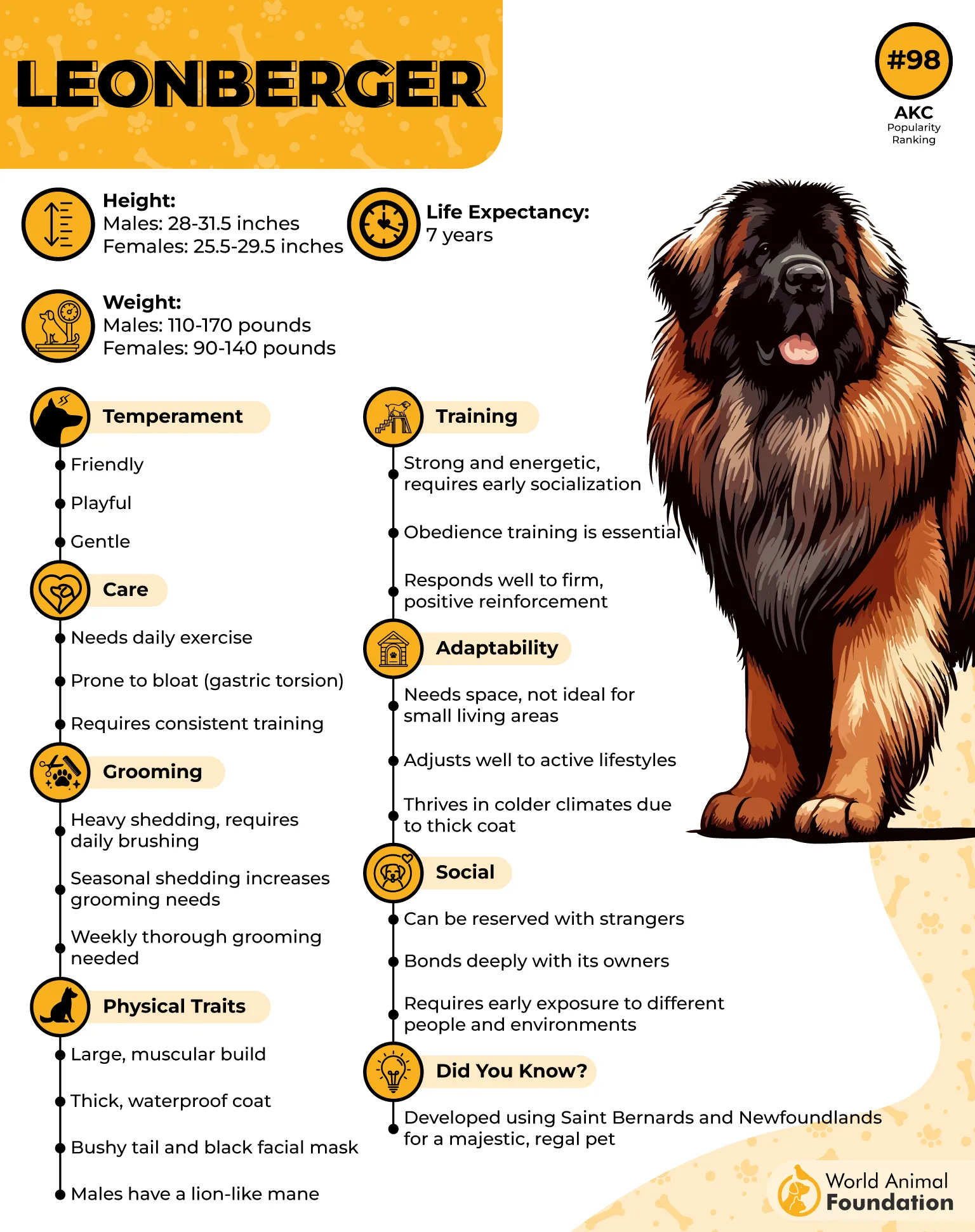
Leonbergers are rare giant dogs with a fascinating history rooted in Leonberg, Germany. They were developed in the 19th century from large working breeds, including mountain and water rescue dogs. They were first bred as protectors but later became valued family companions.
The breed nearly disappeared during the World Wars, but dedicated breeders helped bring it back. Today, Leonbergers are recognized by the AKC as part of the Working Group.
Personality and Training
Leonbergers are sweet-tempered, loyal, and affectionate with their families. They usually assess situations before reacting and may become more protective during adolescence. Early socialization and obedience training are important.
They respond best to short, positive, and consistent sessions. Their moderate energy levels make walking, hiking, swimming, agility, and cart or sled pulling good choices. They also love being around their people and may struggle when left alone for long periods.
Grooming and Care
Leonbergers have dense double coats that require frequent grooming. Daily brushing helps prevent mats, especially around the ears, legs, chest, and undercarriage.
Regular baths and ear cleaning are also needed. They can be prone to allergies and cataracts as they age, so their skin, ears, and eyes should be monitored.
2. Komondor
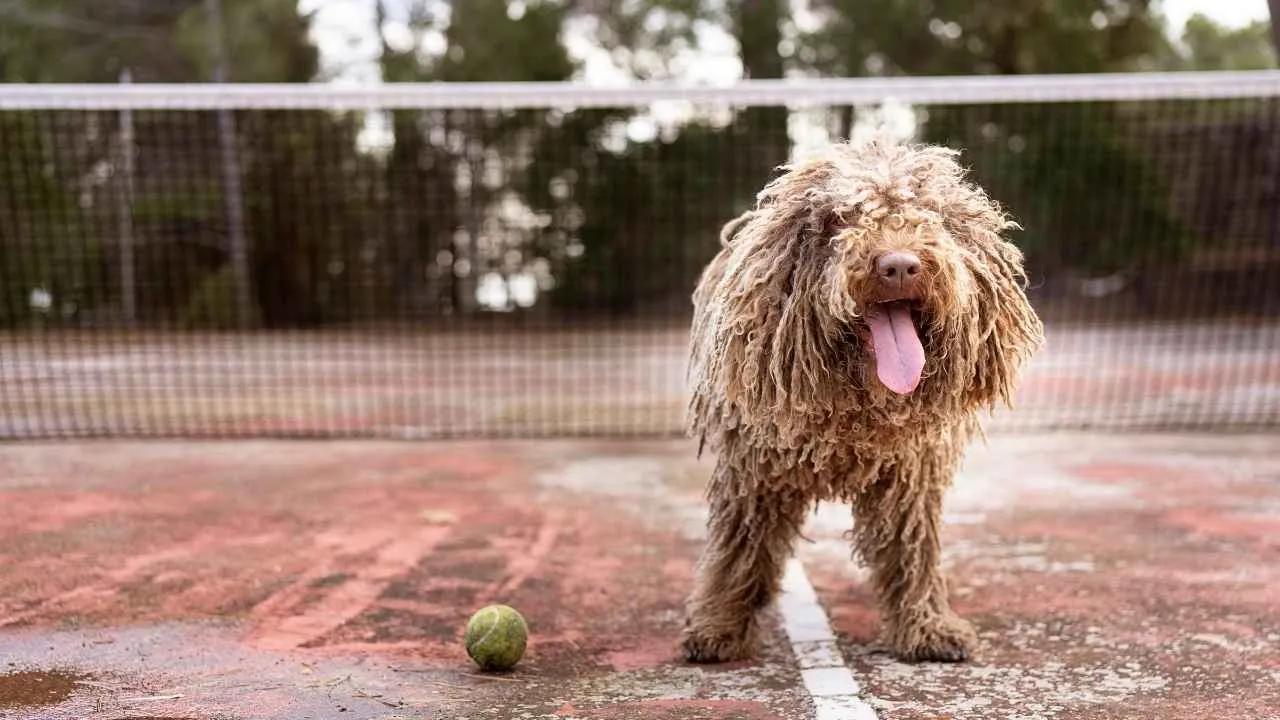
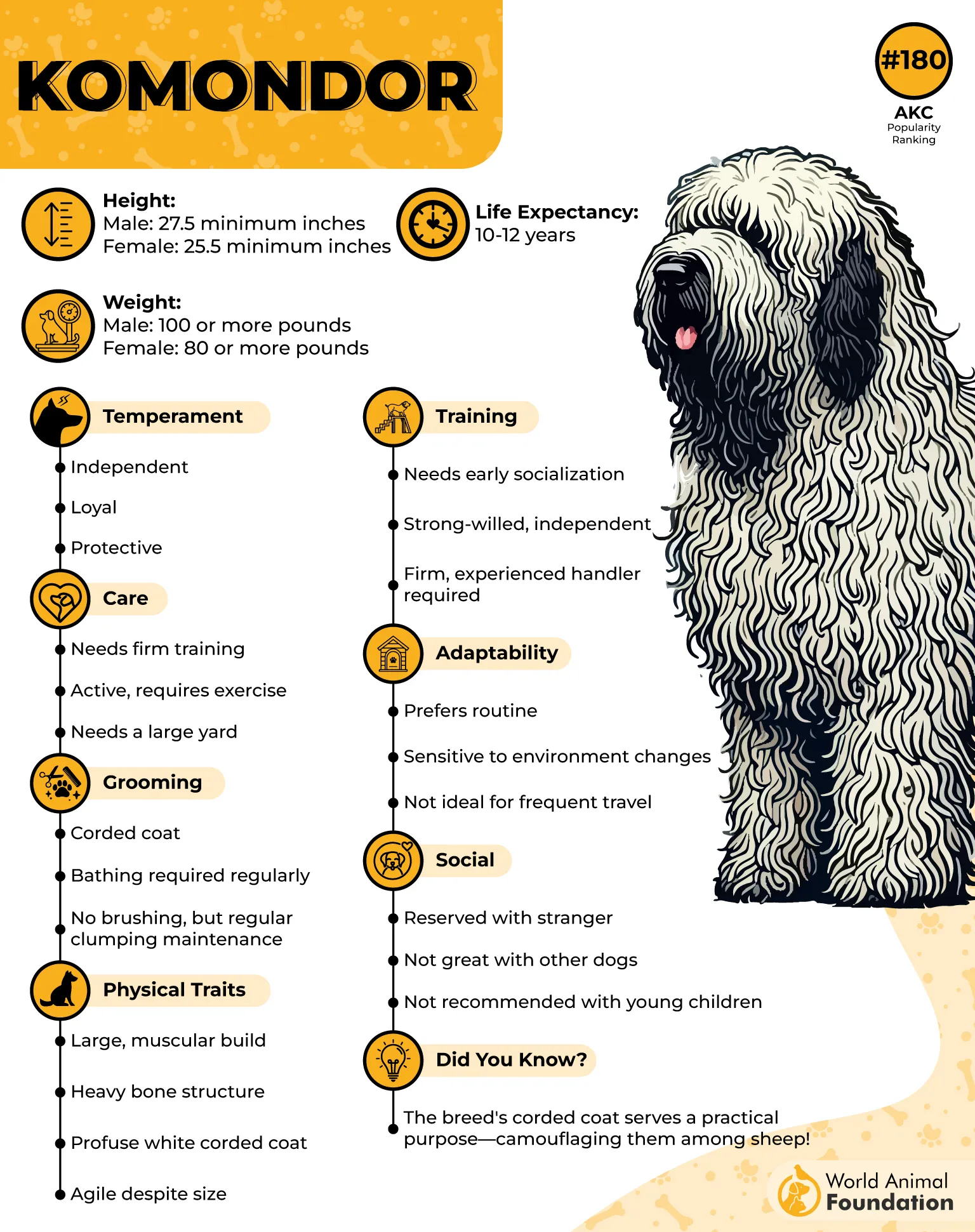
Komondors are rare giant dogs from Hungary, best known for their long, white, corded coats. Their history dates back to the 12th or 13th century when Cumans brought them to Hungary. They were bred to guard livestock and sheep rather than herd them.
Their unusual coats helped them blend into flocks while protecting them from predators. The breed nearly disappeared during World War II but was later re-established. Today, Komondors remain uncommon outside Hungary.
Temperament and Training
Komondors are calm, affectionate, and deeply protective of their families. They are independent thinkers and can be stubborn, so they need a confident and experienced dog owner. They may be wary of strangers and can become protective of their homes.
Early socialization is essential. Training should be firm but fair, with short and varied sessions using play, treats, and positive reinforcement. They enjoy daily walks, free running, fetch, puzzle toys, and agility. Although active outdoors, they can be very calm and loving at home.
Grooming and Care
The Komondor’s corded coat is one of its biggest challenges. The cords usually develop fully by around two years of age and need regular separation to prevent matting and dirt buildup.
The coat must also be dried thoroughly after bathing, as trapped moisture can cause unpleasant odors. Swimming is not ideal because the heavy cords can take a very long time to dry.
3. Irish Wolfhound
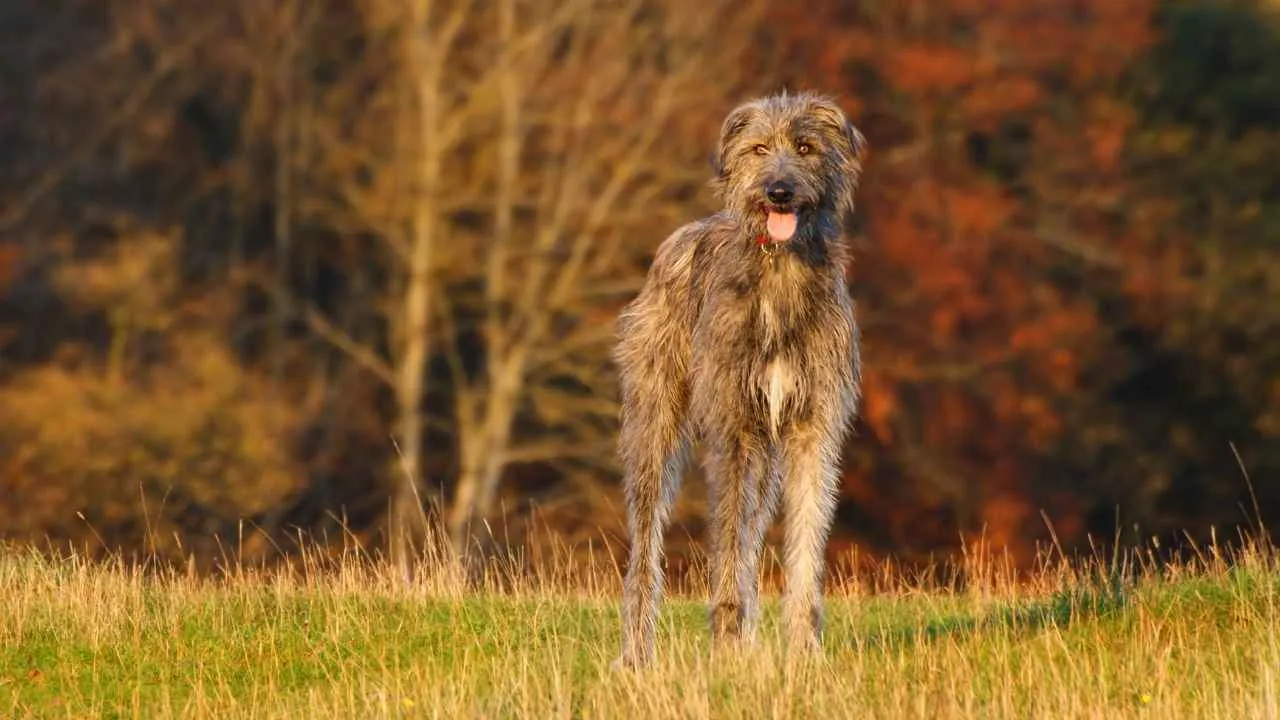
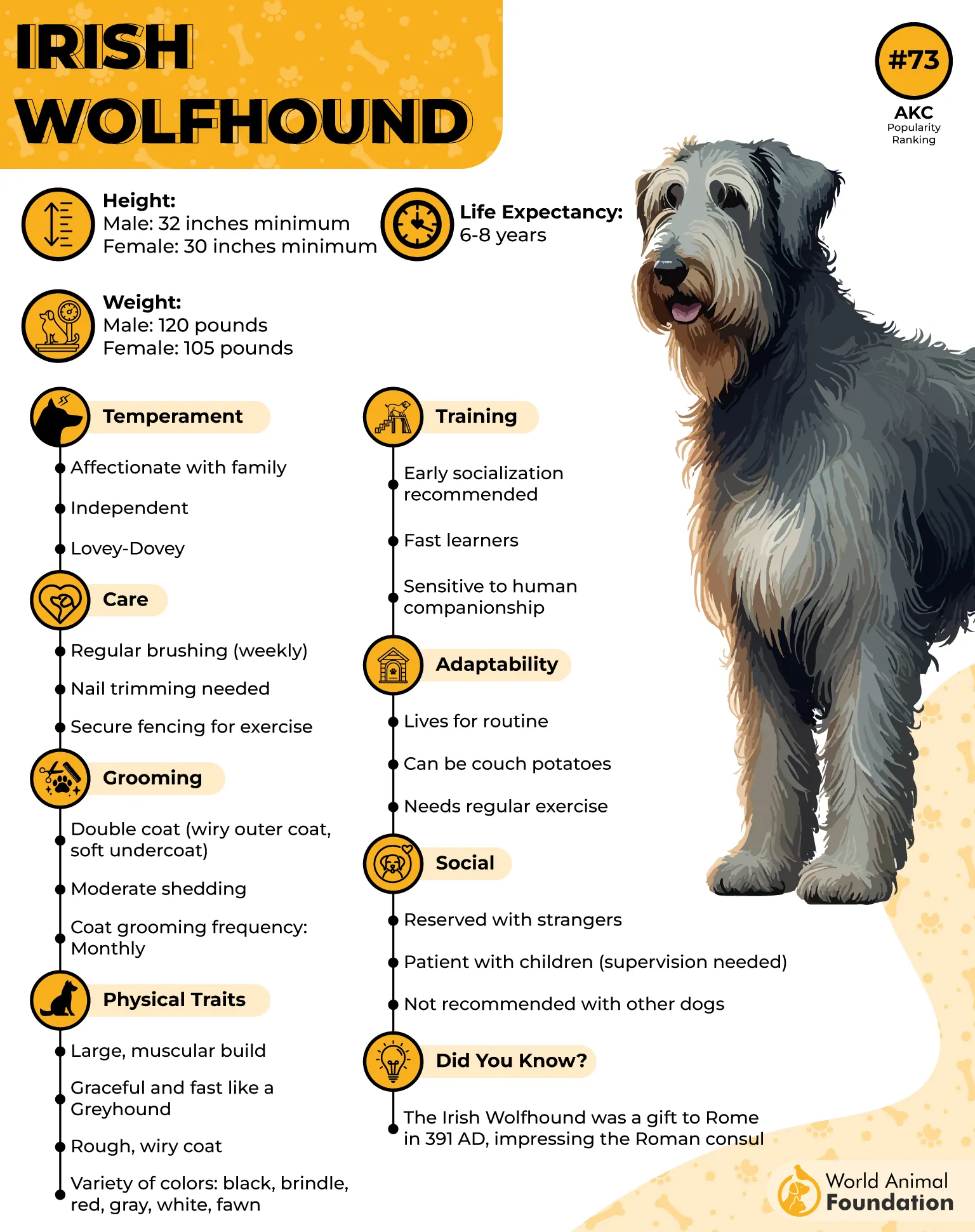
Irish Wolfhounds are rare giant dogs with a history that stretches back to ancient times. They were bred to hunt wolves, protect people and livestock, and even assist in battles. Their first recorded mention dates to 391 AD, according to PetMD.
Today, these impressive dogs are known less for hunting and more for their calm, loyal, and gentle nature. Their rare status and dignified appearance make them a standout choice for pet parents seeking something truly special.
Temperament and Training
Irish Wolfhounds are sweet, affectionate, and easygoing. They enjoy spending time with their family members and are generally patient with children and other dogs when properly socialized.
Despite their hunting background, they are not usually strong guard dogs, although their imposing presence can deter strangers. They have a strong prey drive and may chase smaller animals, so secure fencing and leashes are important.
Grooming and Care
Irish Wolfhounds have wiry coats that need relatively simple care. Weekly brushing helps remove loose hair, while hand-stripping about twice a year removes dead coat. Regular nail trimming, dental care, and ear cleaning are also important.
Their large size means they need appropriate large-breed nutrition, and strenuous exercise should be avoided around mealtimes because of the risk of bloat. They can also develop separation anxiety if left alone for long periods.
4. Neapolitan Mastiff
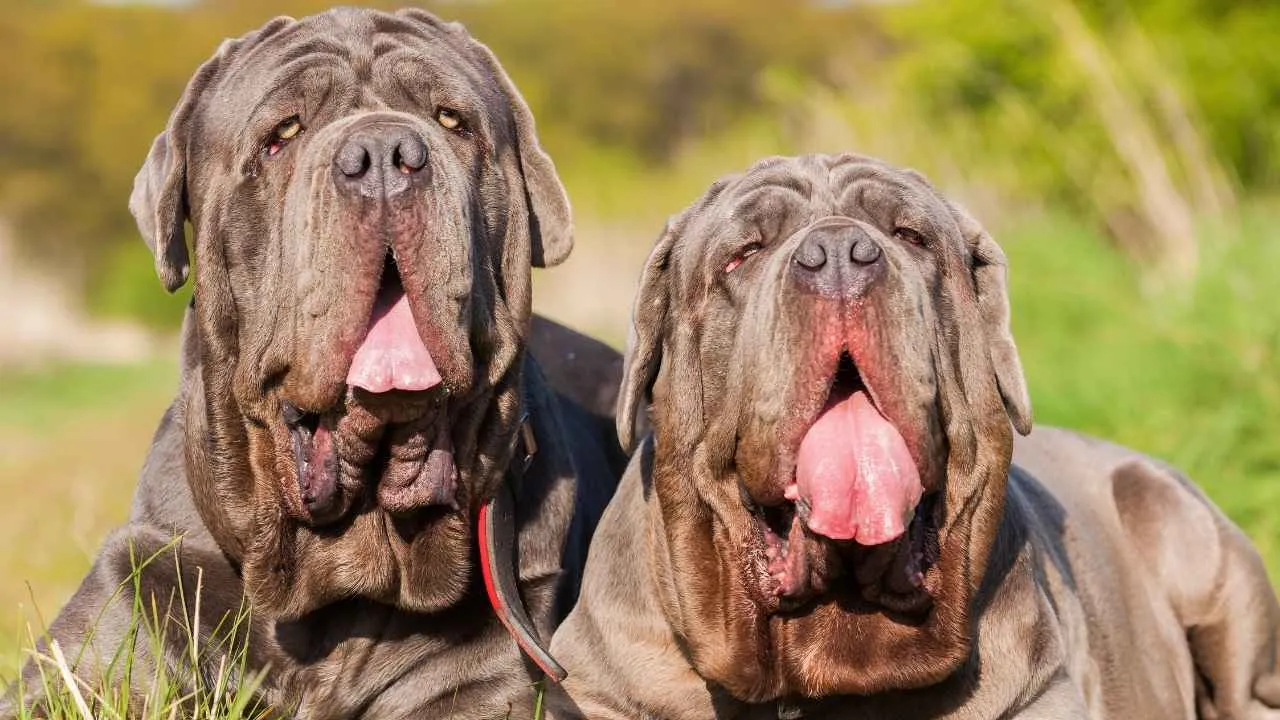
Neapolitan Mastiffs are rare Italian giants known for their massive build, loose skin, and deep facial wrinkles. Their unusual appearance gives them a powerful presence, but their personality is much softer.
These dogs are deeply loyal and incredibly affectionate with their families. They often follow their favorite person everywhere and love staying close to their humans. Their strong guarding instincts also make them naturally watchful of their homes.
Temperament and Training
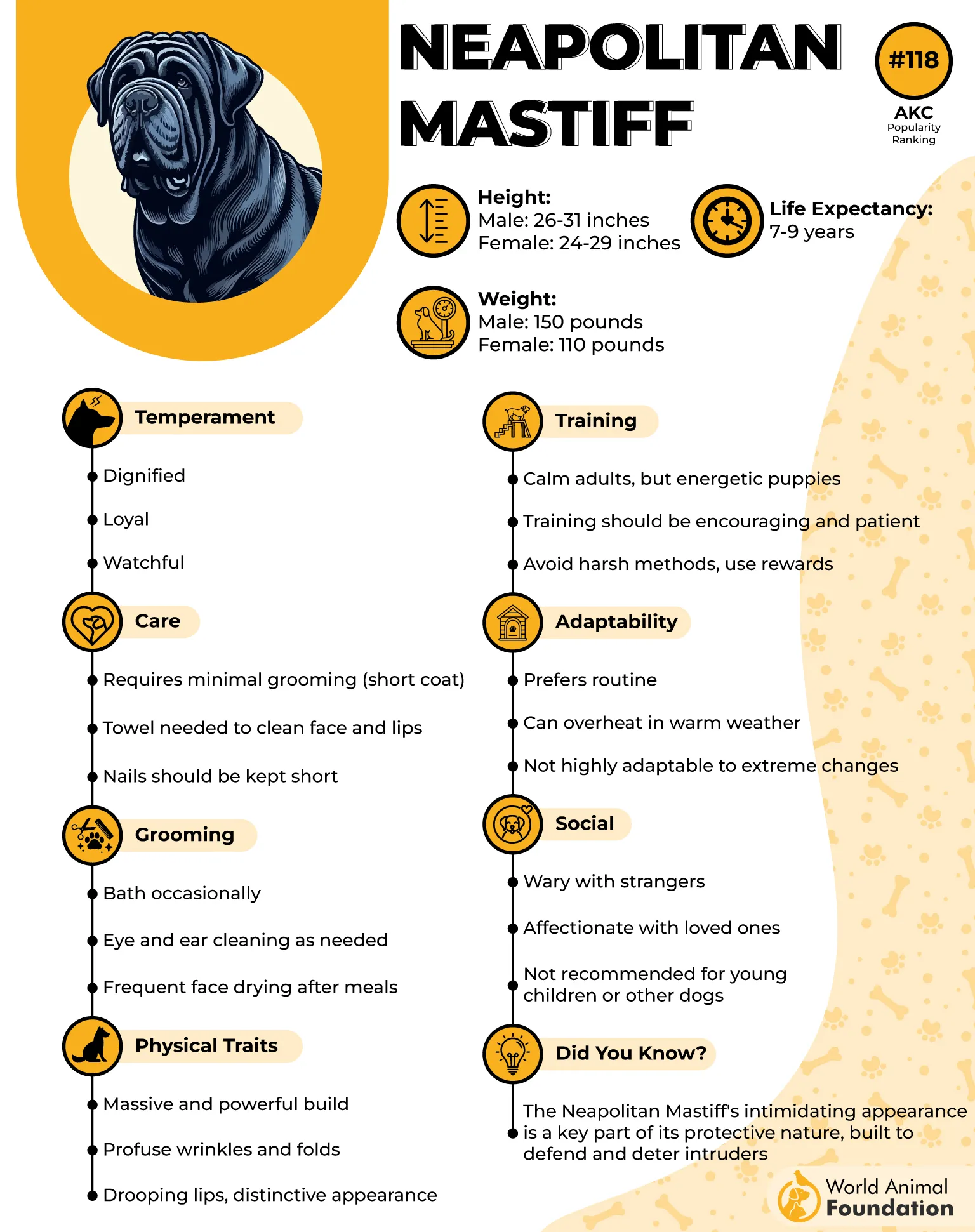
Neapolitan Mastiffs are intelligent, gentle, and calm, especially as adults. Puppies can be playful and energetic, but adults usually prefer lounging beside their families. Around strangers, they can be suspicious and reserved, so early socialization is essential.
They need an experienced owner who can provide firm but fair guidance. Obedience training is important, although their stubborn nature means they may not always enjoy repetitive sessions. Around 30 to 40 minutes of daily exercise can help keep them healthy.
Grooming and Care
Their short coats are relatively easy to maintain, but these dogs are heavy droolers and can make quite a mess around the home. Their loose skin and wrinkles also need regular attention to stay clean and healthy.
Neapolitan Mastiffs can live comfortably in smaller homes when their exercise needs are met, but they need plenty of companionship and a comfortable place to rest.
5. Scottish Deerhound
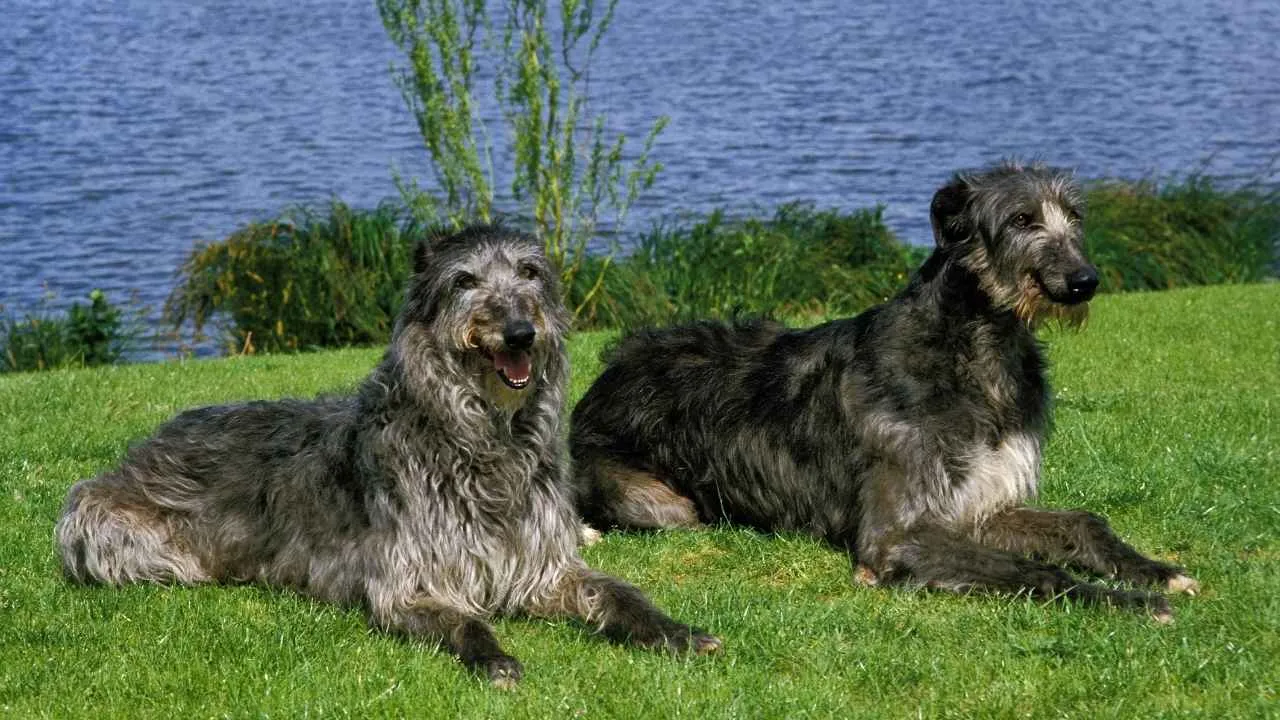
Scottish Deerhounds are elegant Scottish giants known for their tall, athletic build, wiry coat, and graceful appearance. Originally bred to hunt red deer in the Scottish Highlands, these sight hounds combine impressive athleticism with a gentle and affectionate personality.
They form close bonds with their families and enjoy being near their favorite people without demanding constant attention. Despite their size and hunting heritage, adult Deerhounds are usually calm, quiet, and happy to spend much of their day relaxing at home.
Temperament and Training
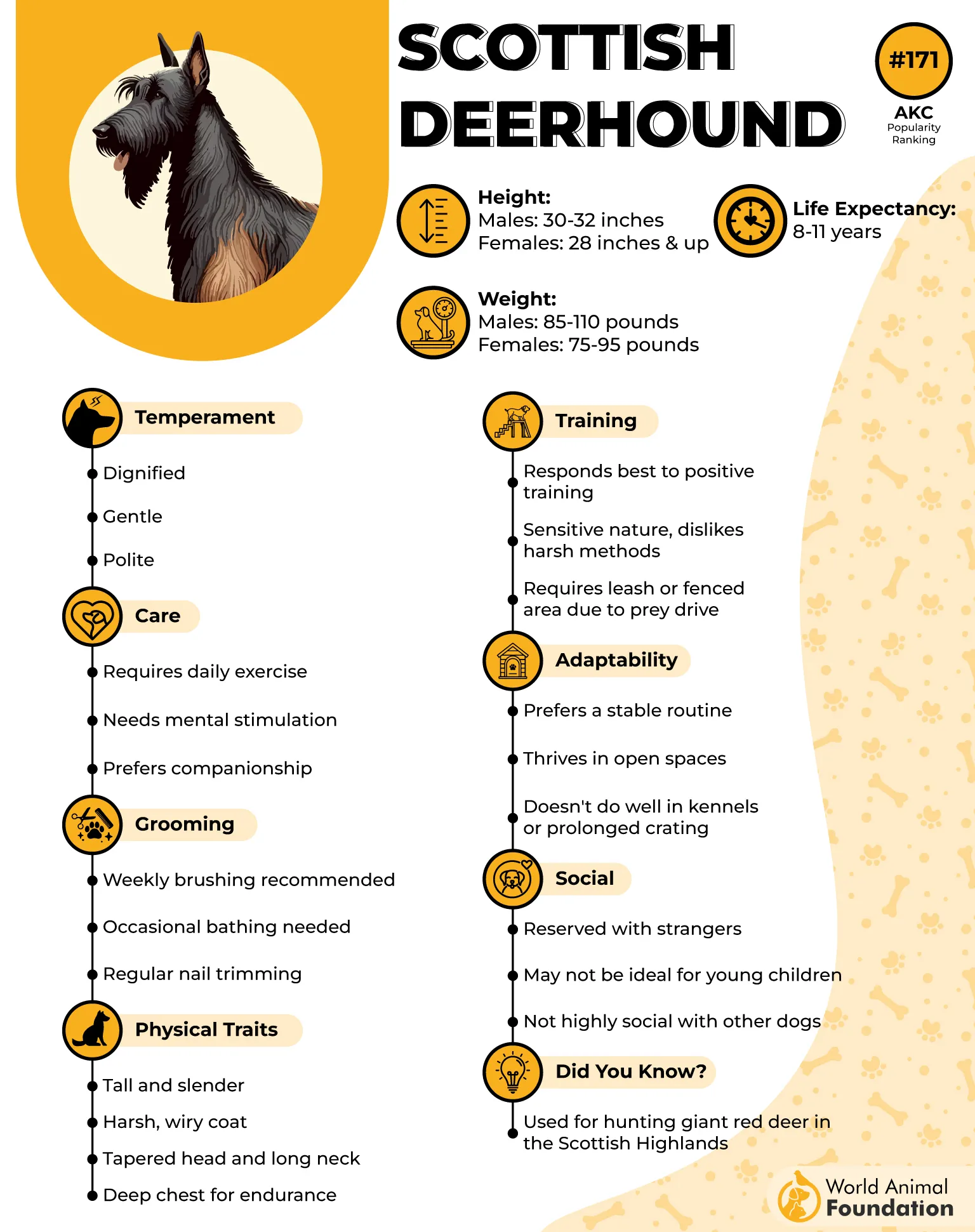
Scottish Deerhounds are gentle, friendly, and sensitive dogs that generally get along well with people and respectful children. Omlet says they can be reserved around strangers at first but usually warm up once they feel comfortable.
Their strong prey drive means they may instinctively chase squirrels, rabbits, cats, and other fast-moving animals, so secure fencing and leash control are important. They are intelligent but independent thinkers and may not always be eager to obey simply to please their owner.
Grooming and Care
Scottish Deerhounds have a coarse, wiry coat that is relatively easy to maintain. Weekly brushing helps remove loose hair, distribute natural oils, and keep the coat in good condition, while occasional baths are usually enough to keep them clean.
They need enough space for exercise and a secure area where their prey drive can be safely managed.
6. Greater Swiss Mountain Dog
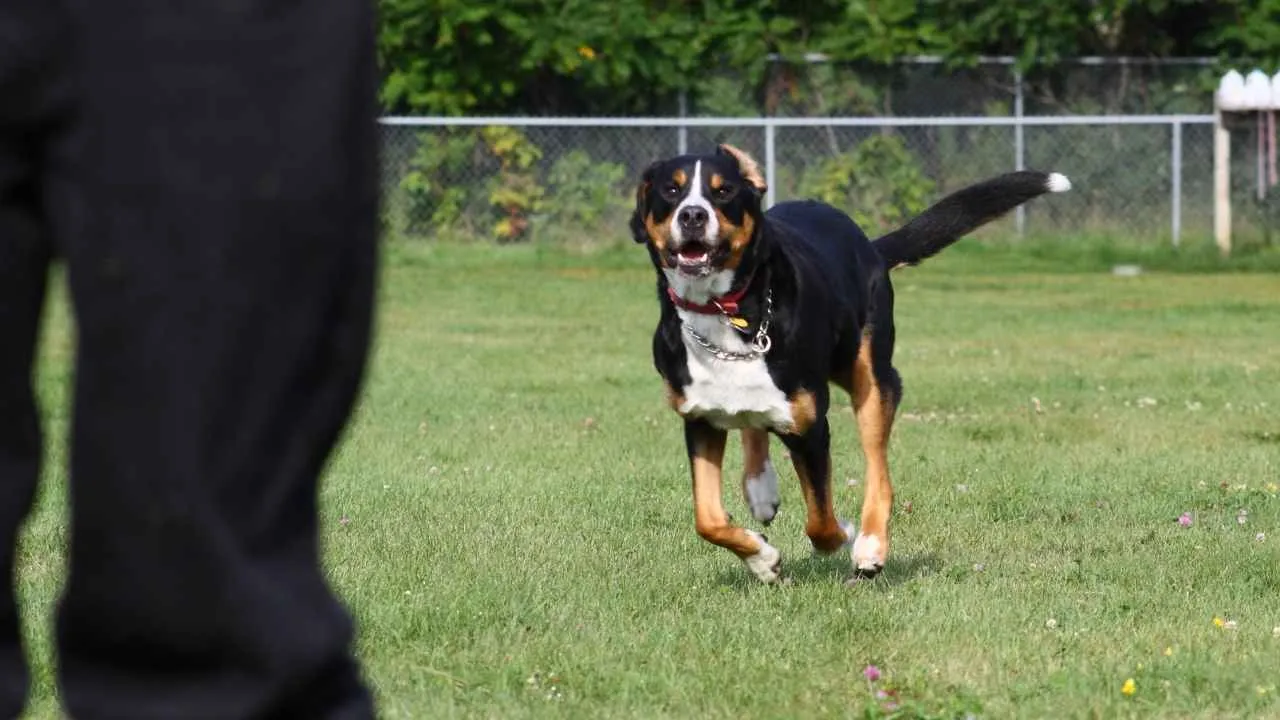
Greater Swiss Mountain Dogs are large, strong Swiss working dogs known for their tricolor coats, athletic build, and cheerful personalities.
They are loyal and people-oriented, forming strong bonds with their families and enjoying time with children. Despite their size, these affectionate dogs can be calm at home after getting enough daily exercise.
Temperament and Training
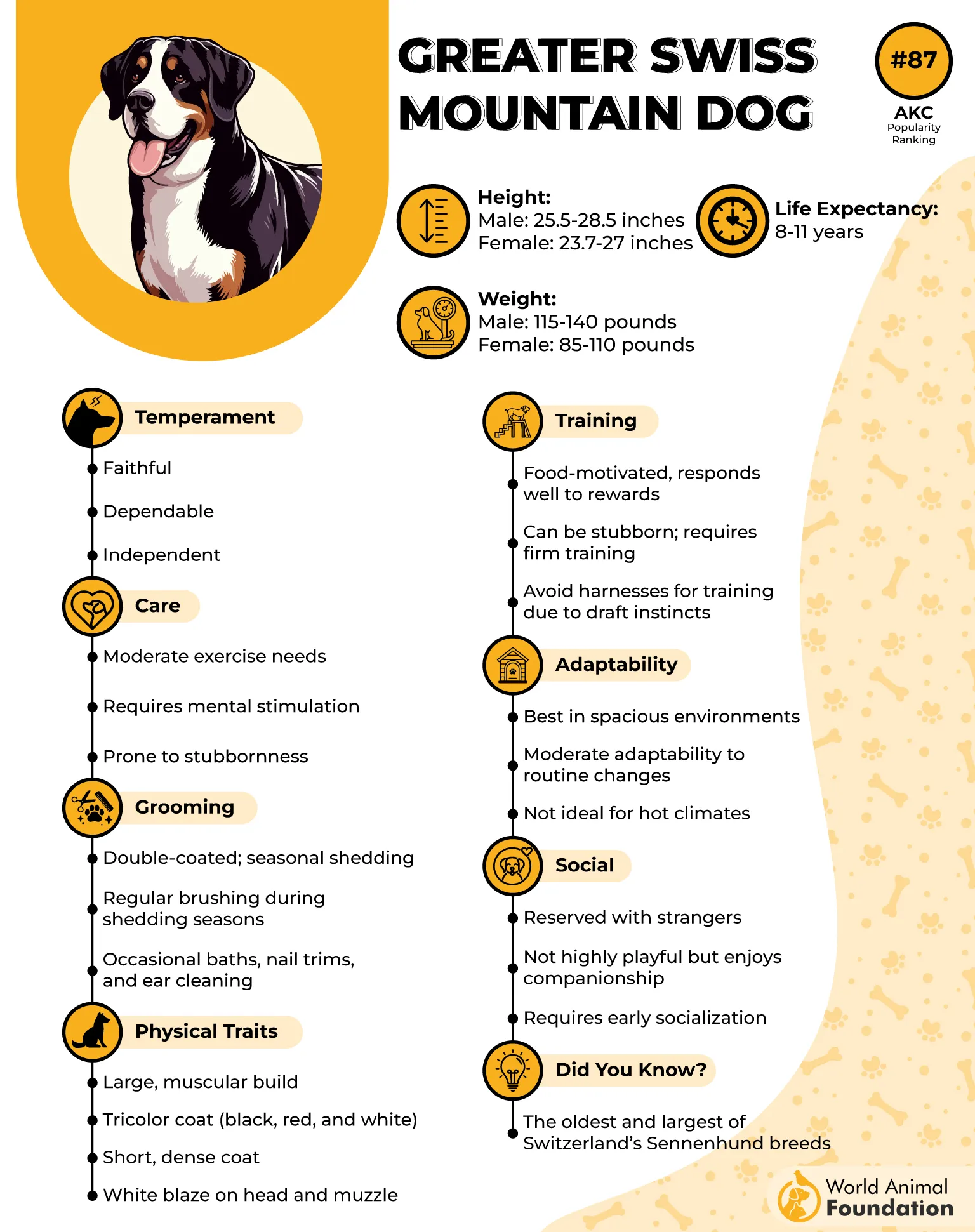
Swissies are friendly, playful, and alert, making them excellent family dogs. They may bark when they notice something unusual but are generally welcoming toward strangers.
Their independent and sometimes stubborn nature means they benefit from consistent socialization and positive-reinforcement training. Regular walks, hiking, and other activities help keep them happy and well-behaved.
Grooming and Care
Their short, thick double coat is easy to maintain but sheds heavily, especially during seasonal changes. Regular brushing and occasional baths help keep their coat clean. They also need routine ear and eye checks.
Greater Swiss Mountain Dogs thrive on companionship and do best with owners who can provide daily exercise, training, space, and plenty of family time.
7. Estrela Mountain Dog
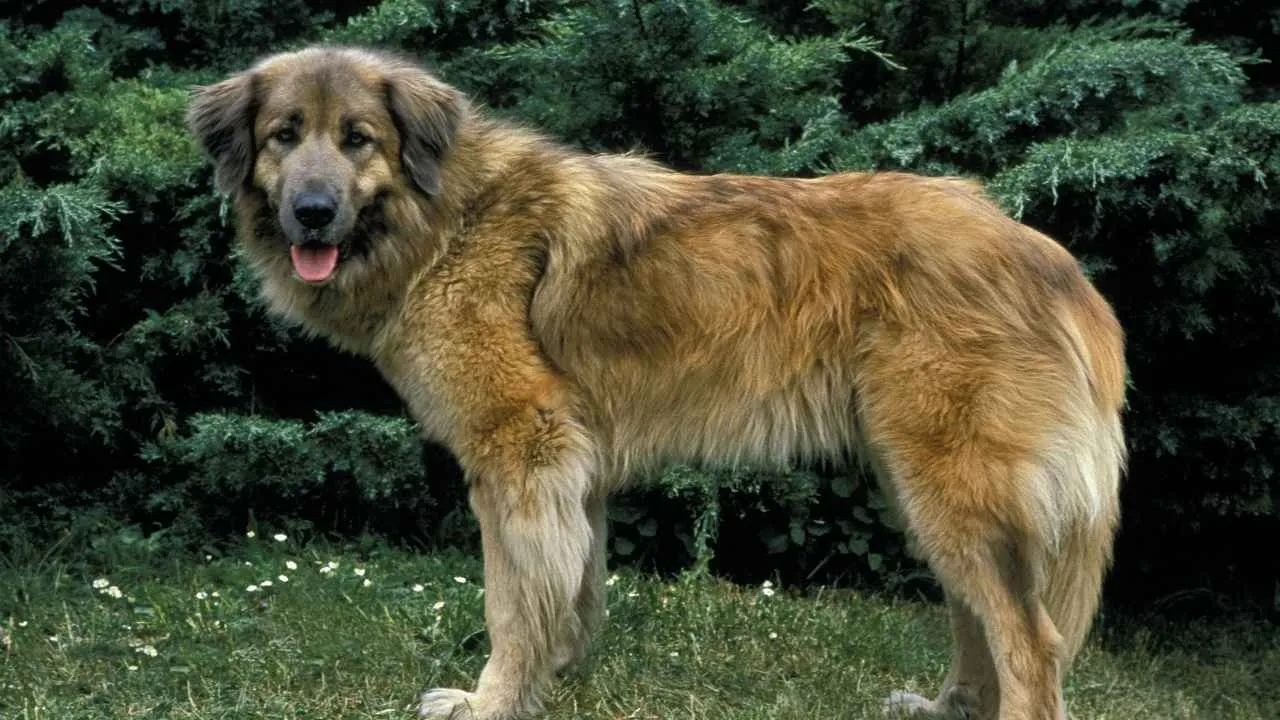
Estrela Mountain Dogs are rare Portuguese giants known for their thick fur, hooked tails, and strong protective instincts.
Originally bred to guard livestock in the mountains, they are loyal and affectionate with their families while remaining cautious around strangers, as noted by the AKC. They are especially devoted to children and make excellent watchdogs.
Temperament and Training
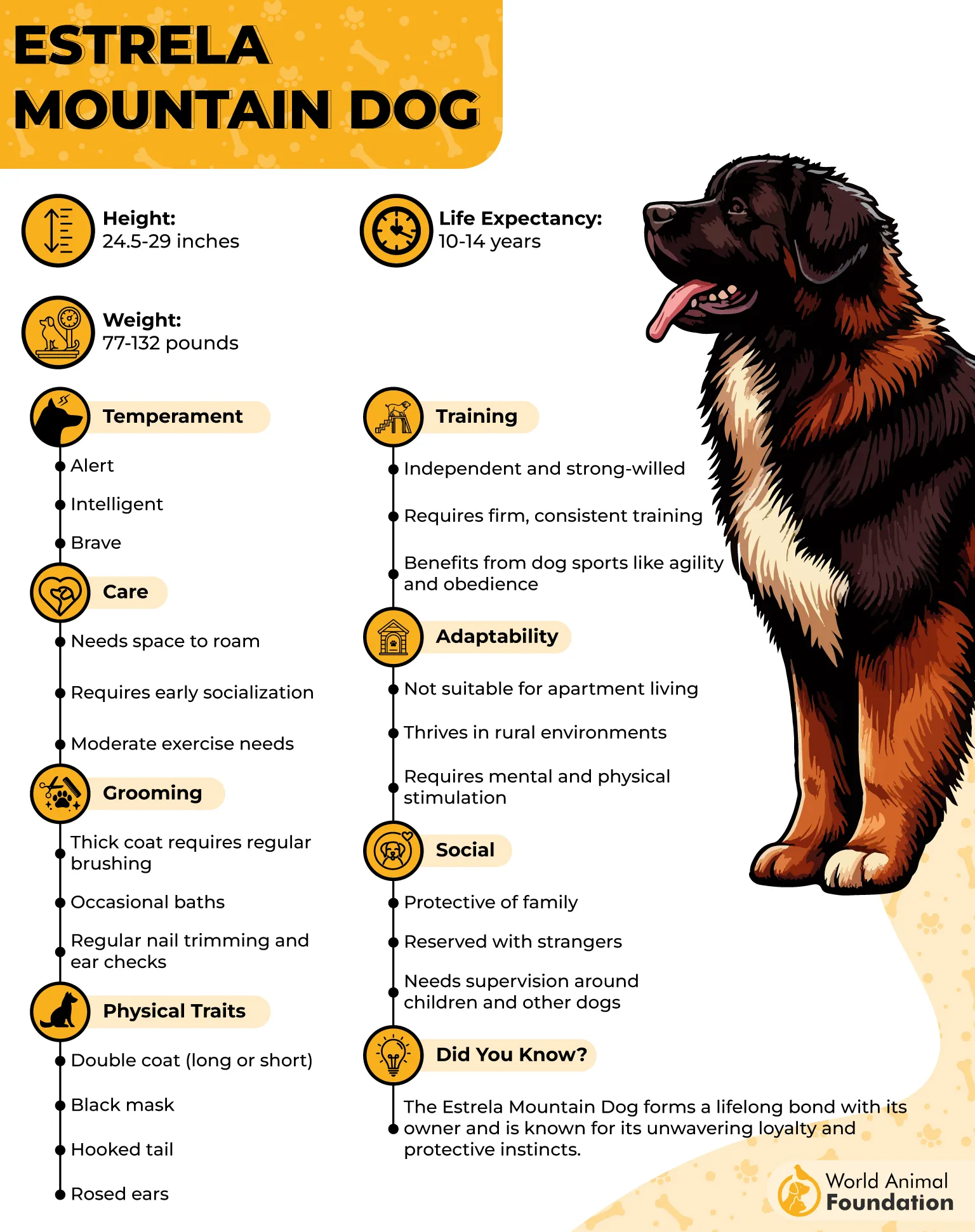
Estrelas are intelligent, independent, and protective dogs that need early socialization and consistent training. They can be stubborn and may not always follow commands immediately, so positive reinforcement and patience work best.
They have moderate energy levels and usually do well with daily walks, playtime, and opportunities to explore. A secure fenced yard is ideal because they can be watchful and may wander.
Grooming and Care
Estrela Mountain Dogs have long or short coats that generally need weekly brushing to remove dead hair and control moderate shedding.
Regular nail, ear, and dental care is also important, especially because they have distinctive double dew claws. They enjoy being close to their families but need enough space and daily activity to stay content.
Conclusion
Rare giant dog breeds may be unusual to find, but each brings its own combination of loyalty, strength, personality, and charm. From gentle family companions to protective working dogs, these breeds can make wonderful pets for the right owners.
However, their large size also means they need appropriate space, exercise, training, socialization, and care. If you’re considering one of these uncommon giants, take time to understand the breed’s temperament and needs before bringing one home.
The right match can give you more than an impressive-looking dog. It can give you a devoted companion with a truly unforgettable presence.
Looking for more large dog breeds? You can also check out the Tibetan Mastiff, Bernese Mountain Dog, Alaskan Malamute, Bull Mastiff, German Shepherd, Saint Bernard, Great Dane, French Mastiff, Doberman Pinscher, and Anatolian Shepherd.
