




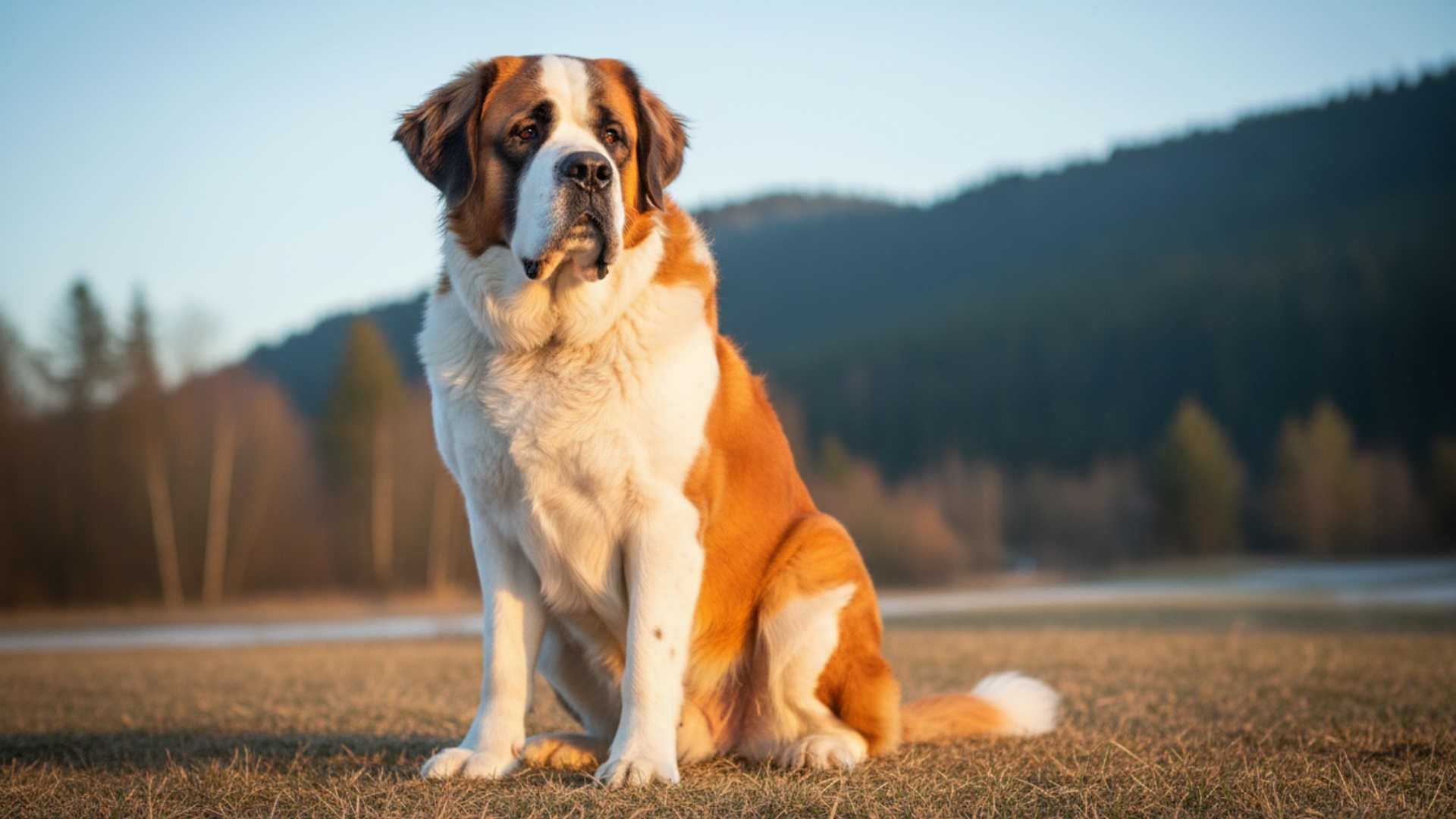
Big dogs often surprise people because their huge size makes many expect loud energy, rough play, or behavior that feels hard to manage at home.
Yet when people meet them, they often find calm eyes, slow steps, and gentle habits that feel warm and comforting in daily life.
It feels funny in the best way because a dog that looks strong can act soft, sweet, and even a little shy with the people it trusts. It looks like they even understand human emotions.
Size does not define the heart, because a large body can still carry a kind spirit that enjoys quiet moments, gentle touch, and steady time with family members.
That is why many large breeds fit family life so well, since they often show patience with children, care for other pets, and calm behavior in busy homes.
According to the American Kennel Club, large dogs often behave in calmer ways than smaller dogs when owners guide them with care and consistency.
With that in mind, let’s explore the incredible giant dog breeds that are gentle giants.
Incredible Giant Dog Breeds That Are Gentle Giants
1. Newfoundland
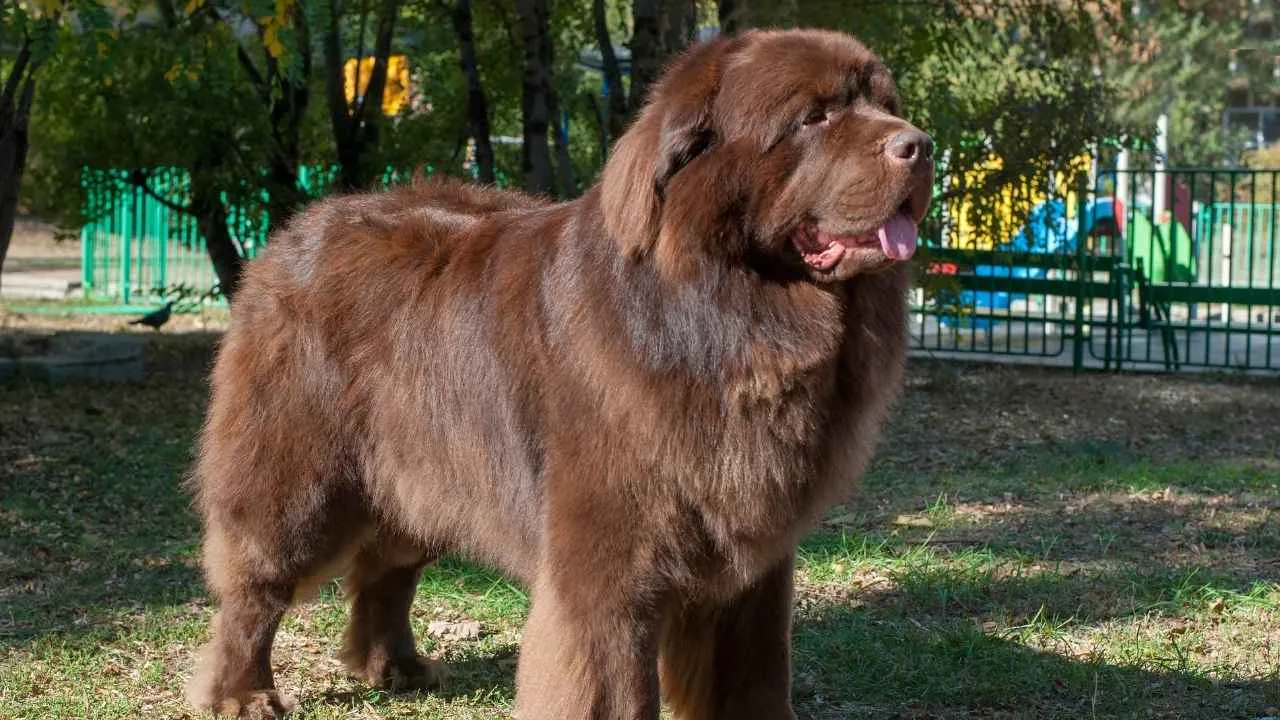
The Newfoundland is often called a gentle giant dog breed because of its calm nature and deep care for people around it. According to Wikipedia, this sweet-tempered working dog was originally bred to help fishermen, and their strength in water still shows today in many rescue stories.
Their thick double coat and webbed feet help them move with ease in cold water, which makes them strong and steady swimmers. In family life, this breed shows an incredibly gentle disposition that makes them an excellent family fit for homes with children.
They stay patient during loud play, and they remain calm in busy homes where people come and go all day. Their affectionate nature helps them build trust fast, which brings comfort to kids who enjoy quiet company and safe play.
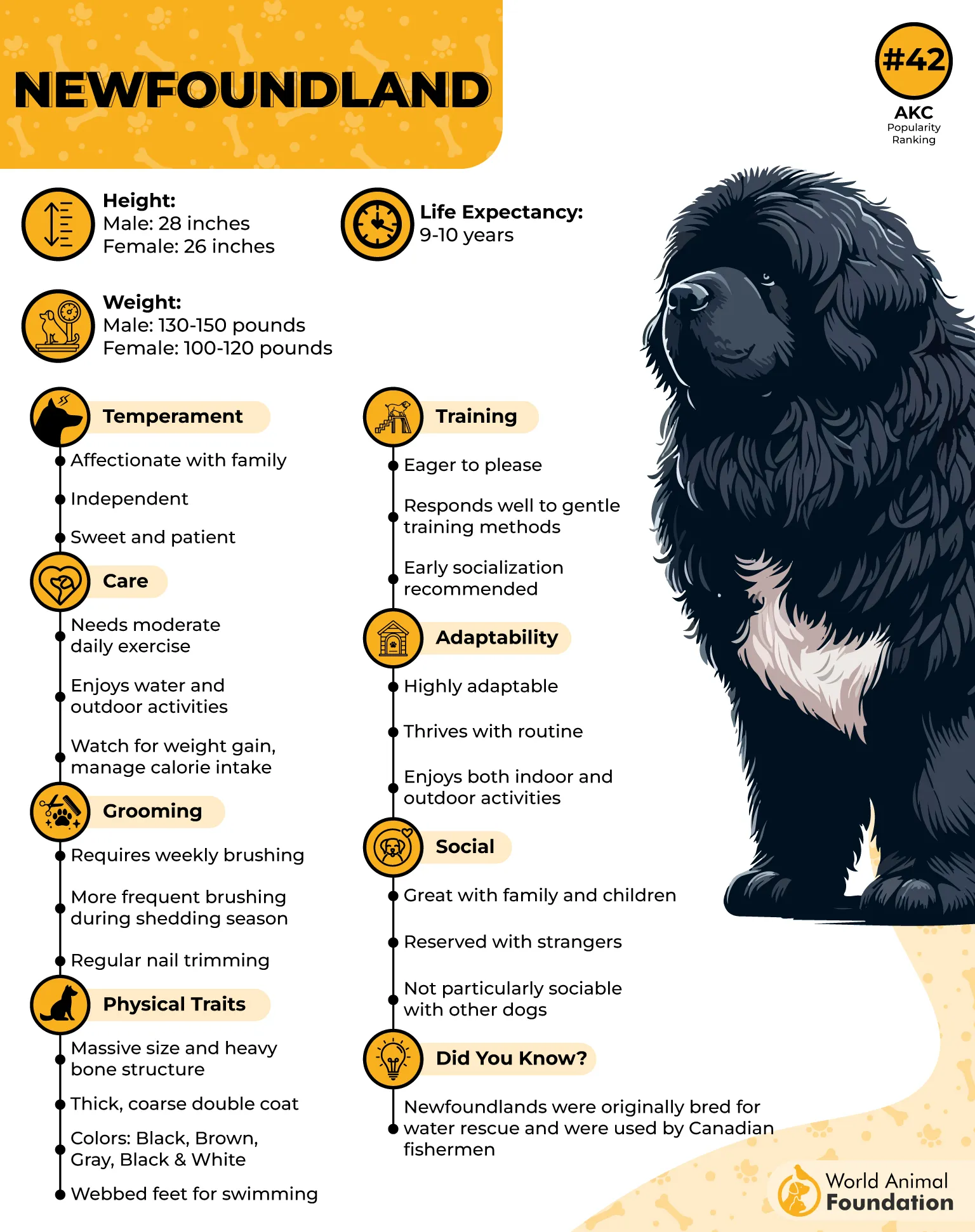
Daily walks support their health and help manage their large size, especially for families with a bigger house and more room to move.
These dogs enjoy steady routines and feel relaxed when they know what to expect each day.
Simple habits, like calm mornings and evening strolls, help them stay balanced and happy at home.
Extra care tips for water-loving families:
Use a secure life vest during long swims in open water.
Add non-slip mats near pools and lake docks.
Set clear water boundaries during playtime.
Rinse the coat after lake or ocean swims.
2. Saint Bernard
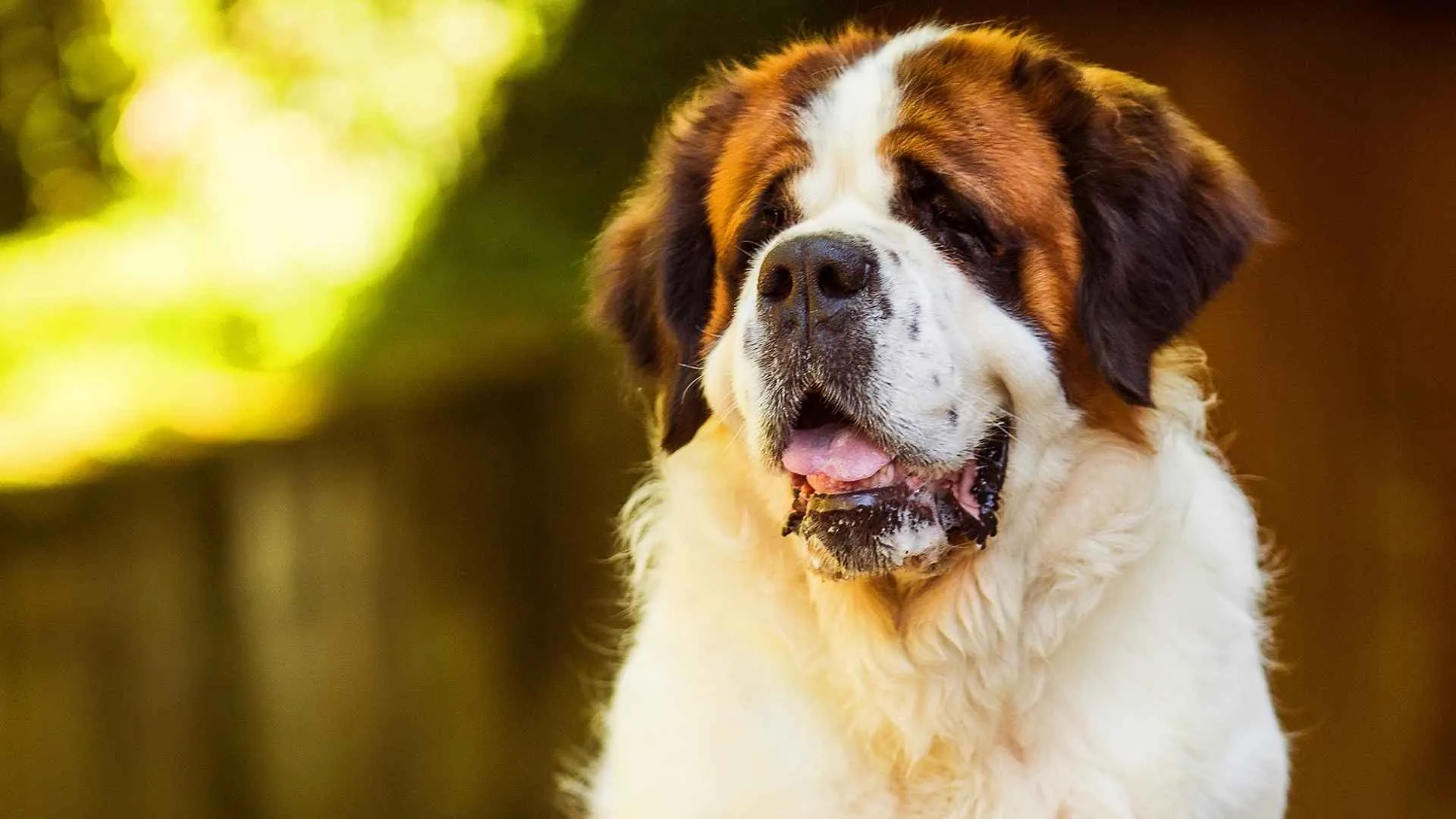
The Saint Bernard is a legendary hero in snowy mountains, originally bred to rescue travelers trapped in blizzards and harsh alpine weather. Their thick double coat protects them from cold, making them ideal for chilly climates, but it also requires proper grooming to keep their skin and fur healthy.
These generally gentle giants adapt surprisingly well to home life, showing patience and a calm demeanor even in busy households with children or other dogs.
Because of their large size and joint-sensitive build, Saint Bernards need regular exercise that is low-impact, like slow daily walks or gentle play in a spacious yard.
Deep pauses during activity are essential to prevent strain and support long-term health for their strong, heavy frames.
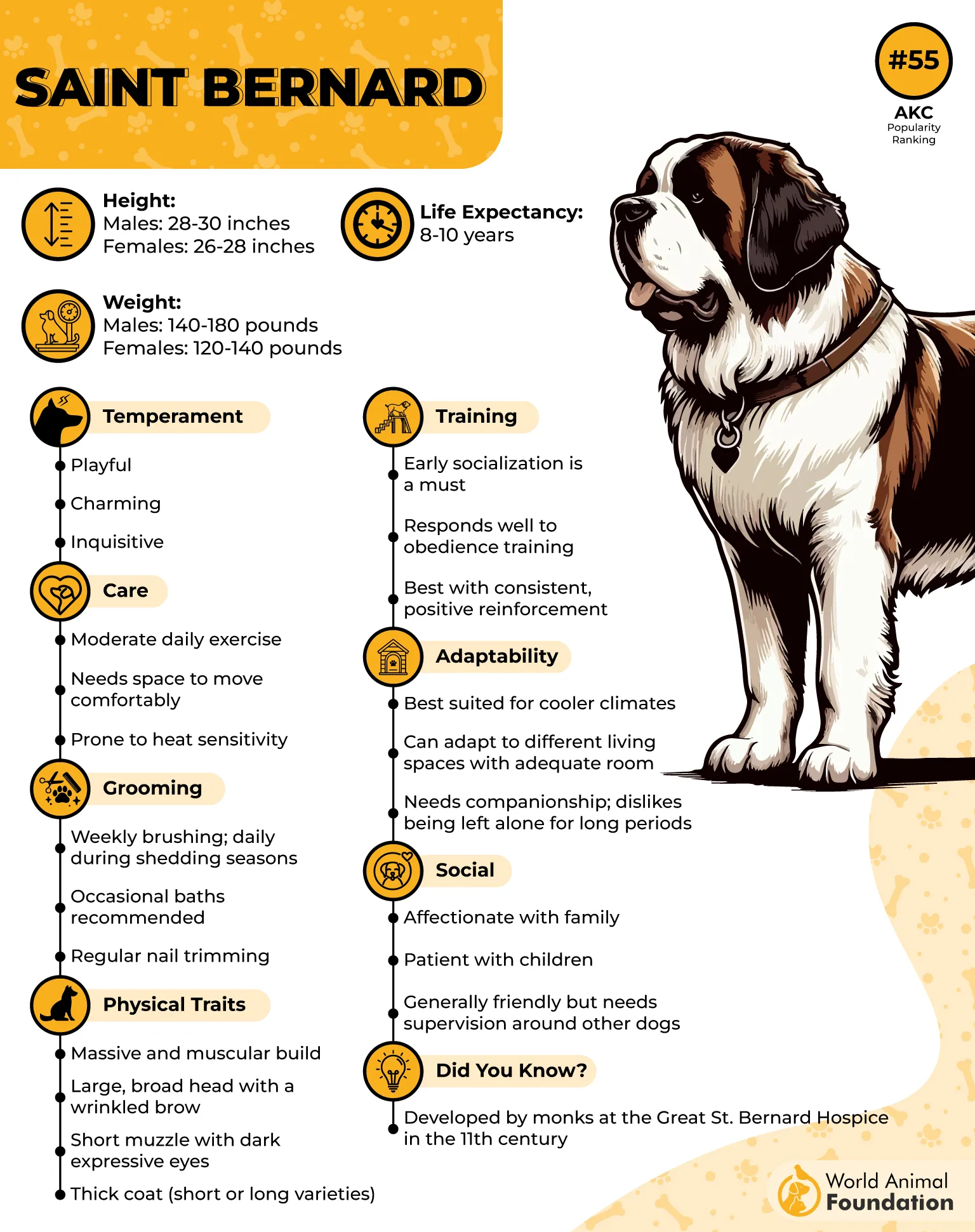
Families who take the time to bond with their Saint Bernards often find that these dogs form incredibly loyal attachments and provide steady, affectionate companionship.
According to PetMD, their popularity soared after the release of the 1992 family movie Beethoven, introducing millions to their friendly, protective, and playful nature.
Even today, Saint Bernards make excellent family pets, thriving in homes that provide room, gentle routines, and loving care.
Tips for keeping Saint Bernards happy and healthy:
Provide a spacious indoor area to move comfortably.
Schedule daily exercise to protect joints.
Groom thick coats regularly to prevent mats and skin issues.
Encourage bonding time with calm family interactions.
3. Tibetan Mastiff
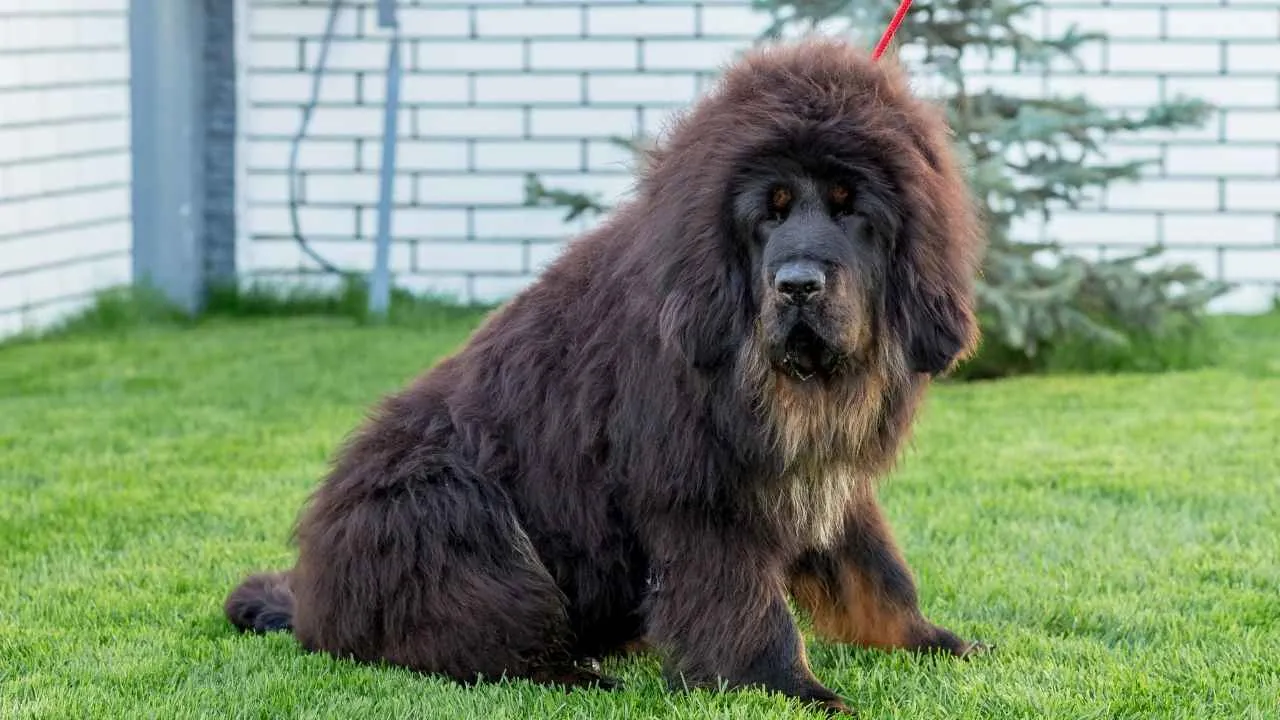
The Tibetan Mastiff is a powerful and muscular large dog breed with a massive wedge-shaped head, originally known in Tibet as Do Khyi, meaning “home guard,” as noted by Purina.
These intelligent dogs were bred to protect sheep and homes in harsh mountain regions, and their protective instincts remain strong even today.

They are reserved around strangers but deeply loyal to family, making them remarkable guardians with a natural sense of boundaries.
They are independent thinkers, which means they often make decisions on their own and require owners who understand firm, consistent training.
Early socialization with other dogs and people is crucial to help them thrive in family life while maintaining their strong, protective nature.
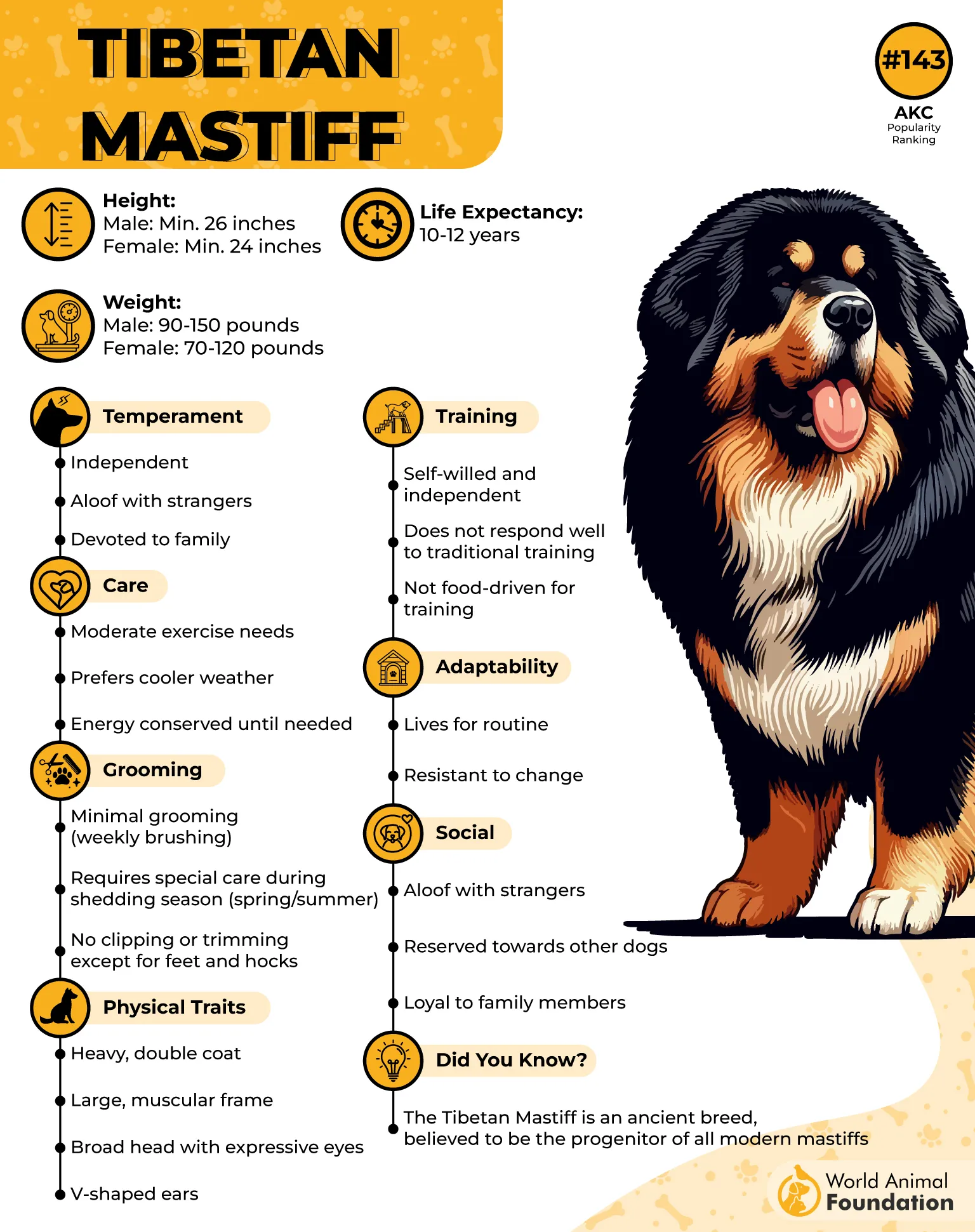
Their substantial size and muscular build mean they need a home with plenty of space, ideally with a secure yard where they can move freely and safely.
Though they are affectionate with family, these dogs are best suited to experienced owners who can respect their independence and guide their intelligence wisely.
Tips for raising a Tibetan Mastiff:
Start socialization early with children, other animals, and visitors.
Use consistent, positive training methods to channel intelligence.
Provide a large, secure outdoor space for daily activity.
Respect their reserved nature while encouraging gentle family interaction.
4. Irish Wolfhound
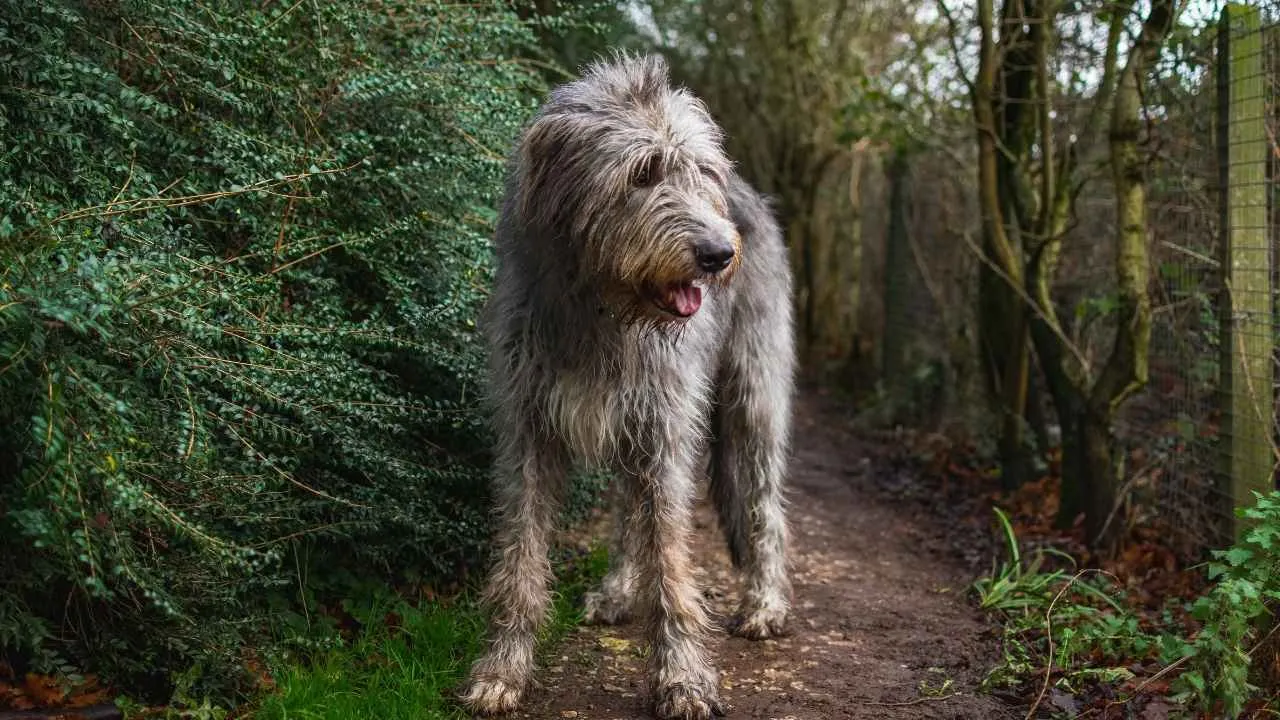
The Irish Wolfhound is the tallest dog breed in the modern era, known for great height, long legs, and a calm presence that stands out in any setting.
In the past, this giant breed helped guard livestock for bigger herds, yet today they are valued as a wonderful companion in family homes.
WebMD notes that while the Irish Wolfhound’s personality does not make them much of a guard dog, their imposing size alone often works as a natural deterrent to strangers. These dogs enjoy short bursts of speed followed by long rest periods, which is why quiet homes suit them best for daily comfort and balance.
They benefit from gentle routines that include mental stimulation through slow games, calm walks, and relaxed time with their people. Because of their long legs and fast starts, planning safe daily walks helps protect joints while still supporting healthy movement.
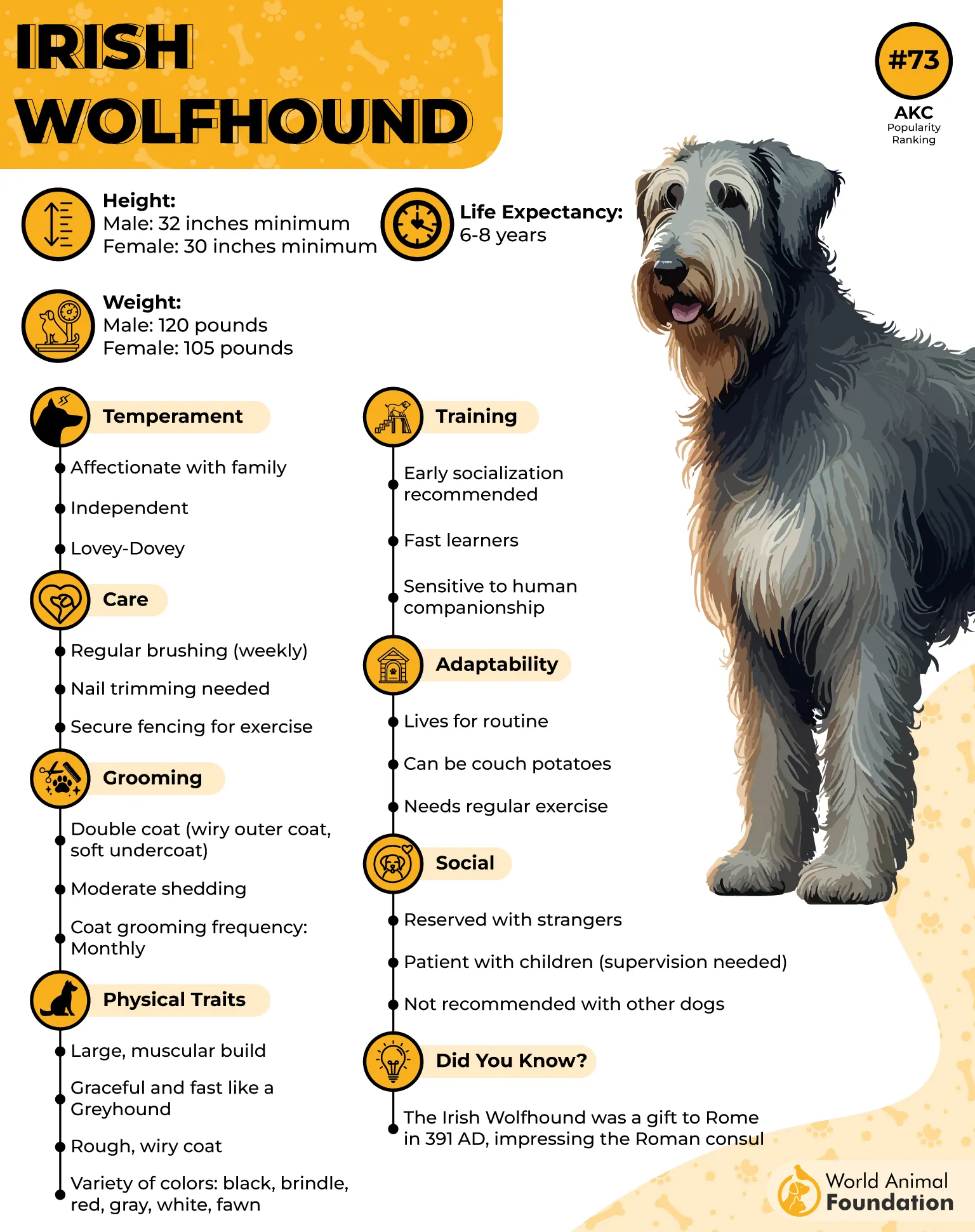
In modern life, the breed is known as a faithful and docile companion that forms deep bonds with humans through calm presence and steady affection.
Their gentle nature supports trust, patience, and emotional connection, which helps families build lasting routines around comfort and care.
Helpful care tips for Irish Wolfhounds:
Choose soft ground for regular walks to reduce joint stress.
Use wide spaces for short, safe running sessions.
Provide quiet rest areas for long recovery periods.
Offer calm handling to support gentle care habits over time.
5. Great Dane
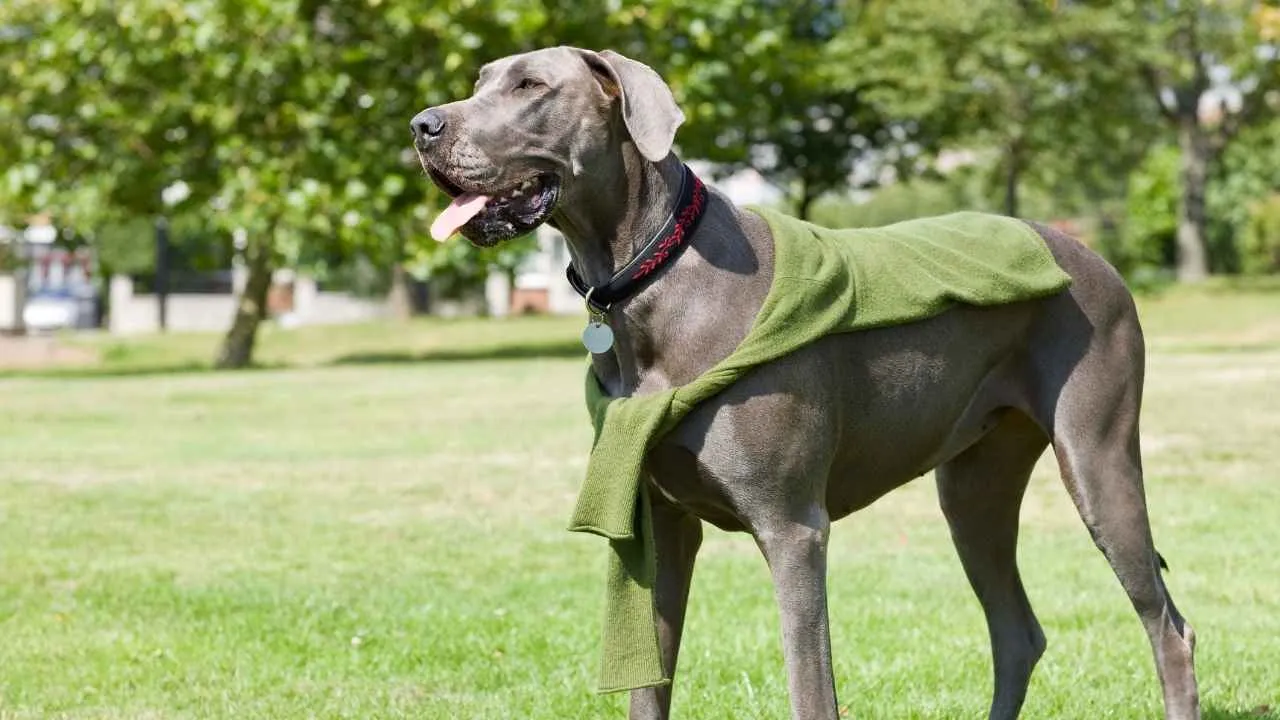
Living with a Great Dane means sharing daily life with a gentle giant dog breed whose giant size changes how families plan space, furniture, and simple movement around the home.
According to Hill’s Pet, these dogs are often called the Apollo of dogs in Germany, and their affectionate nature, patient behavior, and loyal companion traits make them family-friendly, even in busy homes.
Many city dwellers choose this breed today, yet thoughtful home layout choices, like clear walk paths and open floor space, help everyone move with ease.
Their steady nature supports family life because they stay calm around children, show kind manners with visitors, and enjoy couch sharing without becoming rough or restless.
Great Danes are moderately playful and good with children, which makes daily routines feel relaxed and fun when families include them in gentle games and quiet time. A feeding plan designed for large breeds helps support growth, energy levels, and long-term health in daily life.
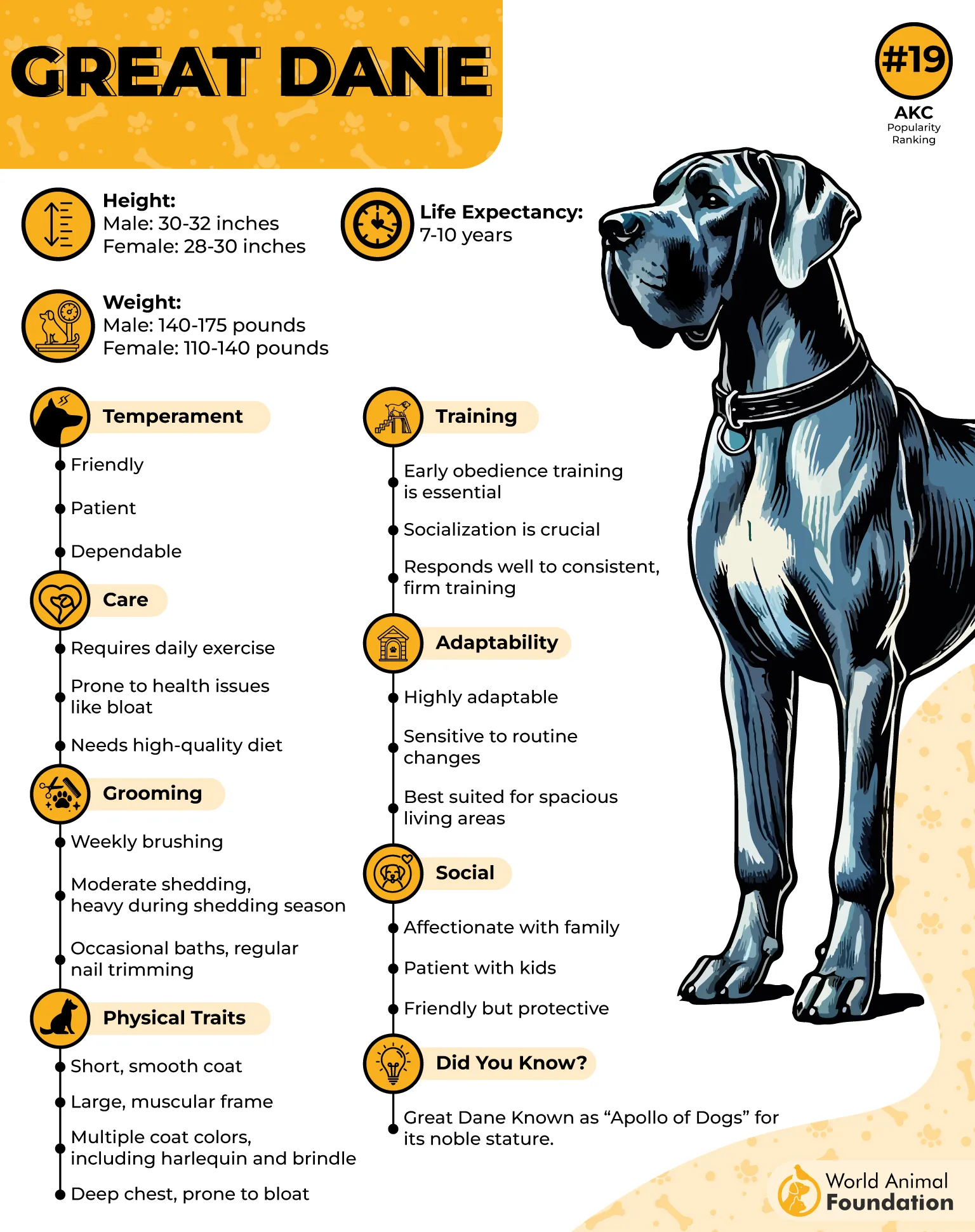
Because of their size, preventing joint strain matters, so slow warm-ups before walks and soft resting areas can protect growing joints over time.
Fun ways to include them in routines, like relaxed morning stretches or evening strolls, build strong habits and a strong sense of family connection.
Helpful tips for living with a Great Dane indoors:
Place soft rugs in walking areas to reduce slipping.
Use raised bowls to support a comfortable feeding posture.
Choose wide dog beds to support full-body rest.
Keep play calm to protect joints and muscles.
6. Great Pyrenees
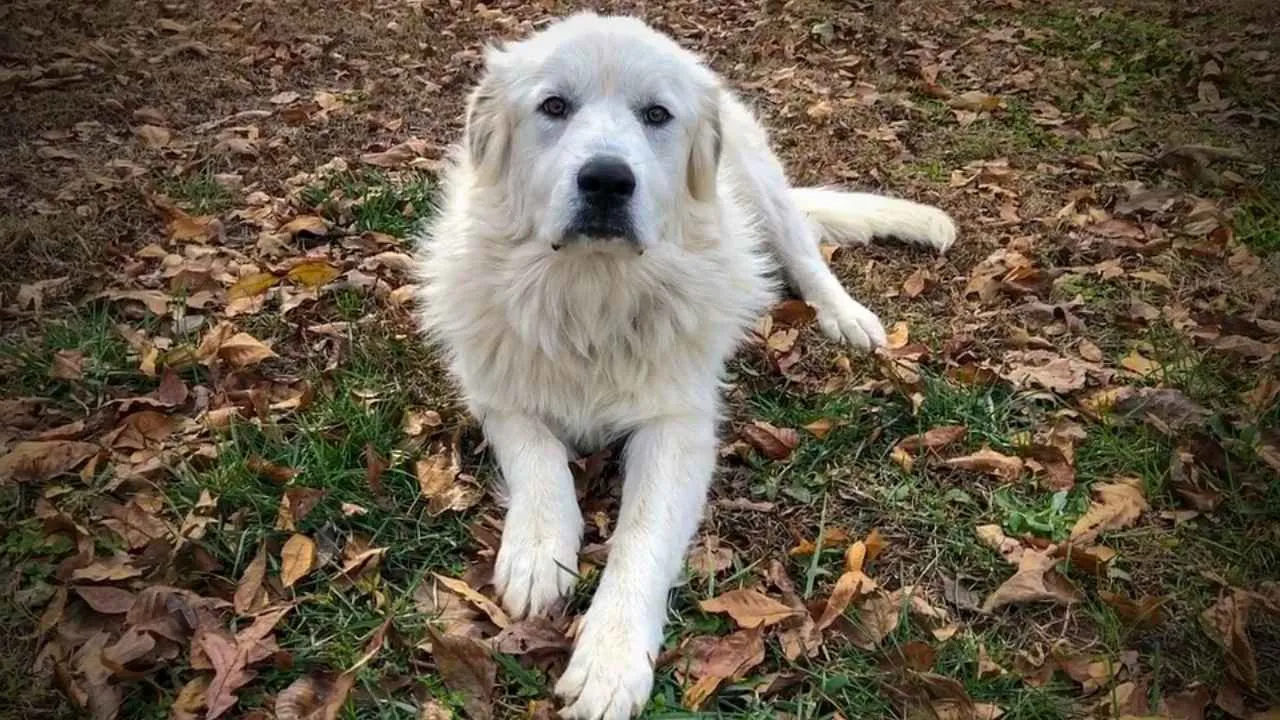
The Great Pyrenees, also known as the Pyrenean Mountain Dog, has a long history of guarding sheep on farms during quiet nights and cold mountain days.
These affectionate giants later served as messenger and pack dogs for the French army during World War II, and today they are popular on every continent from North America to Australia.
Their calm strength and steady presence have helped them remain trusted guardians in both rural and modern home settings. This breed uses a keen sense of hearing and awareness to protect homes, often staying alert during the night when families sleep.
They prefer calm outdoor time where they can watch over yards in peace, which supports an active lifestyle that feels natural and relaxing for them. Because they are loving companions, they enjoy being near family while still keeping a quiet watch over their space.
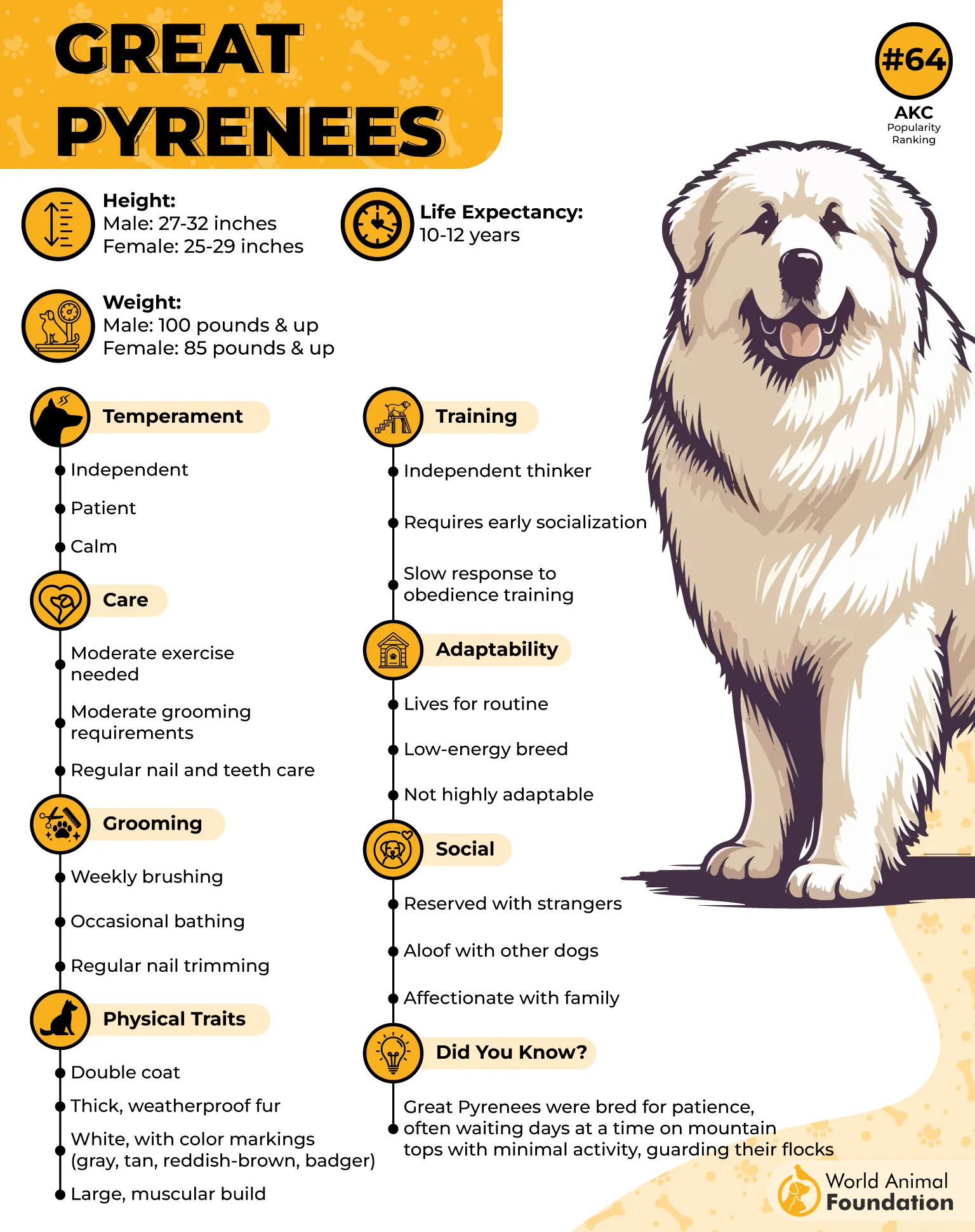
They form strong bonds with their families through steady presence, gentle habits, and daily routines that build trust over time. In suburban homes, managing barking with clear routines and calm guidance helps balance their guardian instincts with neighbor-friendly living.
Outdoor setup tips for Great Pyrenees homes:
Build tall, secure fencing to support safe yard patrols.
Create shaded rest spots for long outdoor watch times.
Set clear yard boundaries to guide nightly routines.
Use quiet evening activities to ease nighttime alertness.
7. Bernese Mountain Dog
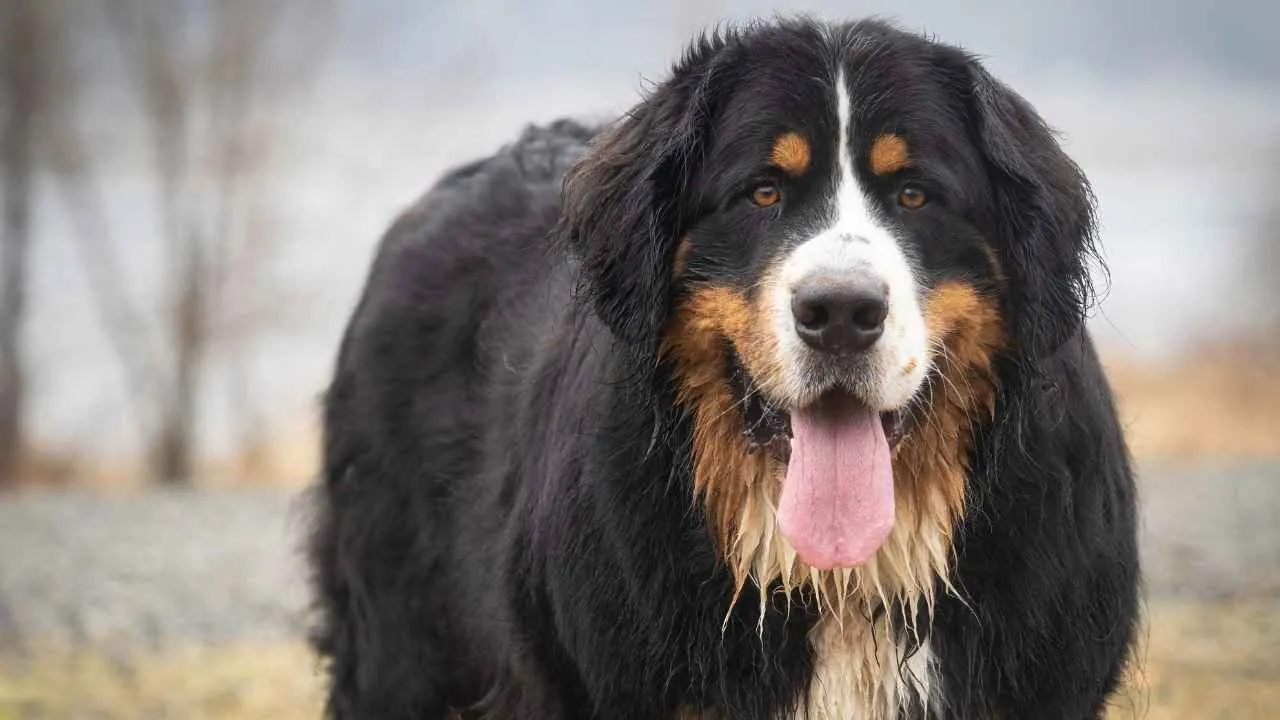
The Bernese Mountain Dog is a gentle giant dog breed known for being friendly, strong, and deeply loyal, making them one of the best affectionate companions a family can ask for.
According to Orvis, also called the Swiss Mountain Dog or Bernese Cattle Dog, they were originally bred in the Swiss Alps to herd cattle, pull carts, and serve as hardworking farm helpers.
Their large, sturdy build and kind temperament helped them work long days, yet they also thrived on human connection, tending to stay close to their people through every season.
Bernese Mountain Dogs continue to shine as loving family dogs because they combine strength with patience, protective instincts, and a gentle nature that makes them good with children and other pets.
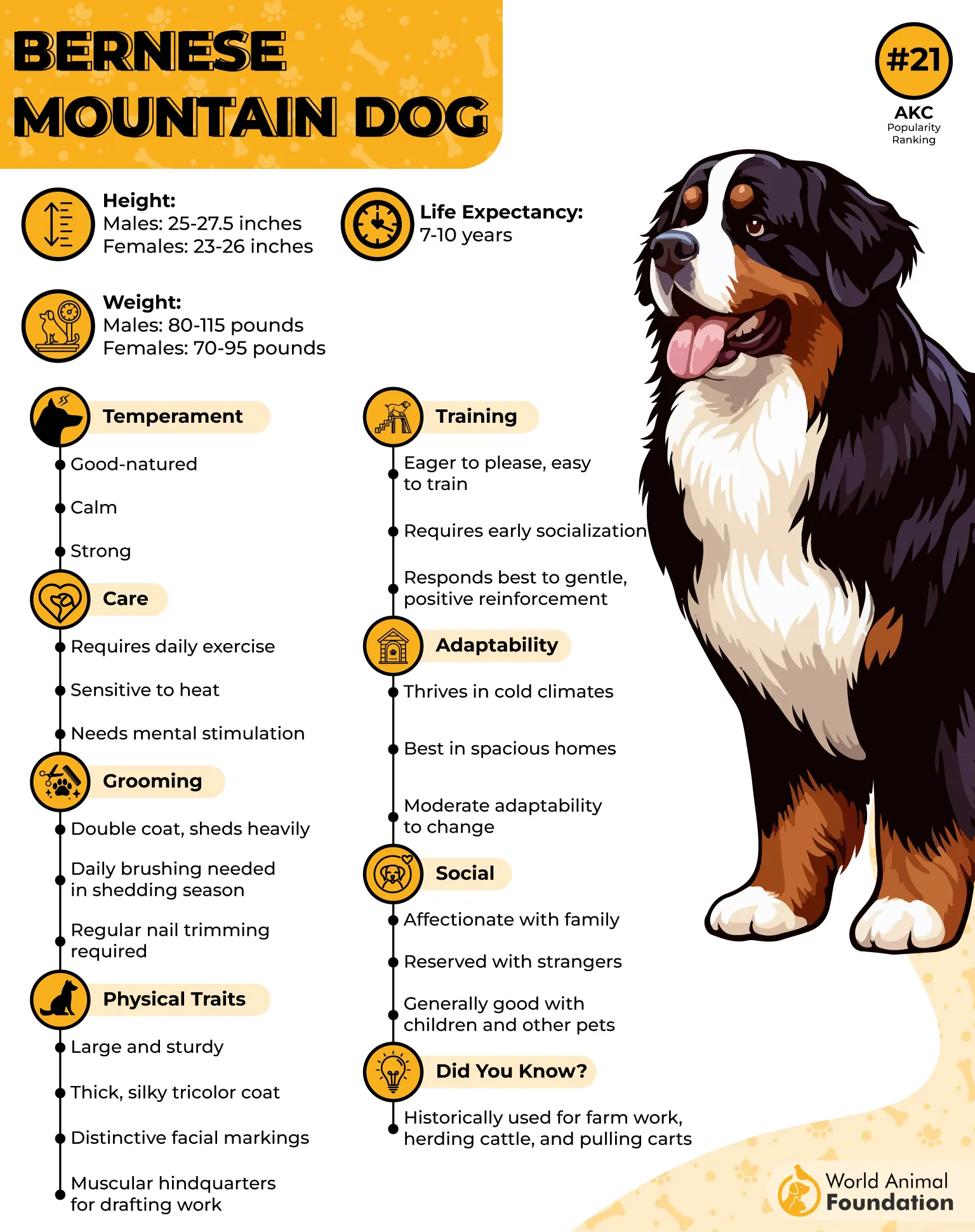
Proper exercise is important for this breed — walks, gentle play, and simple outdoor time help support their strong bodies and prevent boredom or restlessness.
These dogs often form deep emotional bonds with their families, and they enjoy being part of daily life, whether that means joining in activities or relaxing nearby after a day of play and work.
Tips for happy and healthy Bernese:
Make sure they get walks to keep muscles and joints strong.
Include them in family activities to build strong bonds and affection.
Provide soft bedding for rest after exercise and play.
Start training early to support good behavior and patience.
Conclusion
Big dogs may take up more space at home, yet size never limits love, because their hearts bring gentle comfort and steady emotional support. These dogs stay loyal in daily life, show patient behavior during busy moments, and offer quiet strength when families need it most.
Choosing the right breed means matching a dog to your lifestyle, whether that includes time with a working dog, a draft dog, or quiet evenings at home.
When a home fits a dog’s needs, strong bonds grow naturally, and daily life feels smoother for everyone.
Long-term care takes patience, gentle guidance, and simple routines that protect health and build trust over time. In the end, devoted companions remind us that bigger hearts bring deeper love into family life.
