




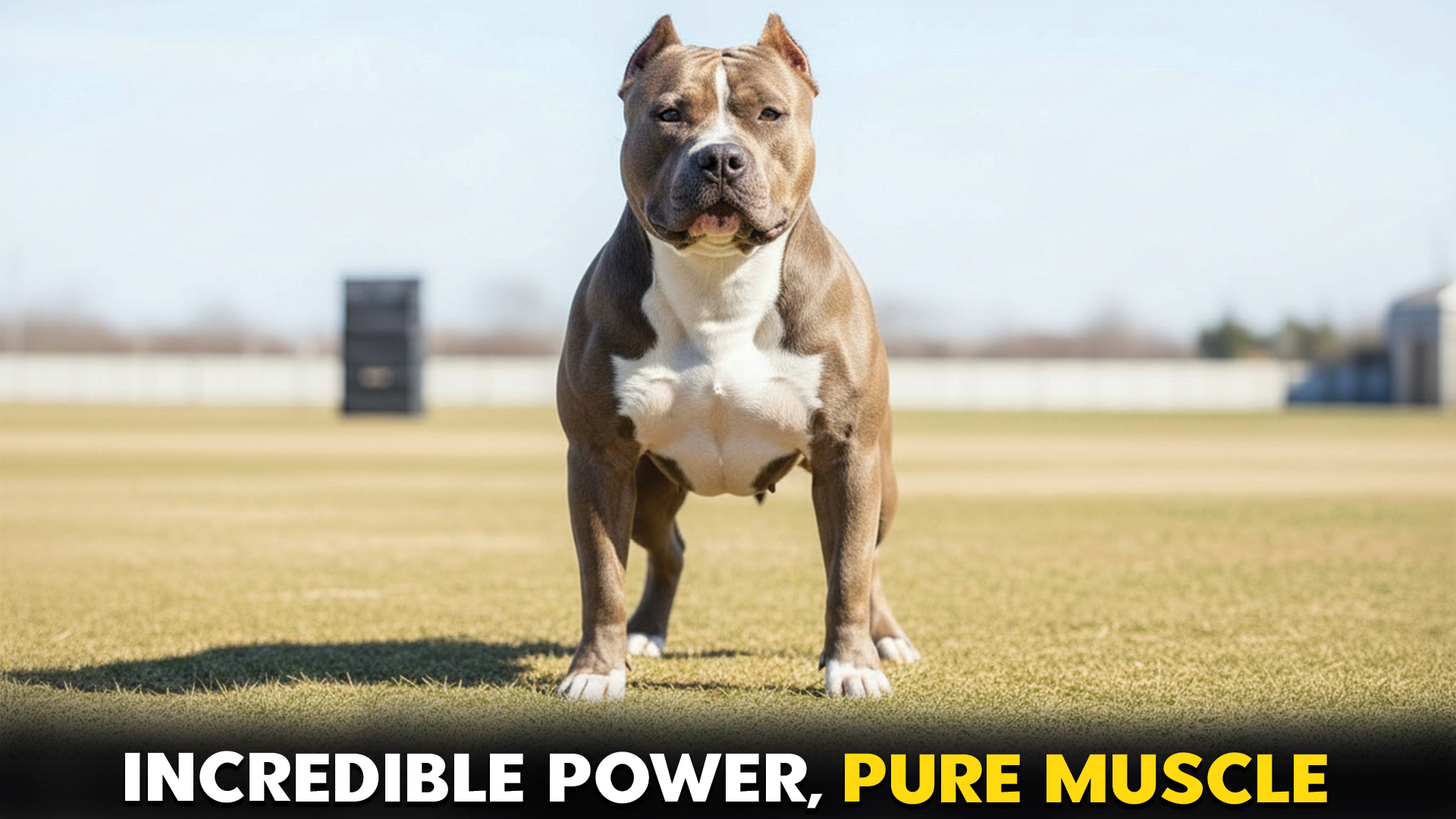
What makes a dog truly muscular is a question that sparks curiosity and admiration worldwide. Is it raw strength, athletic movement, or clearly defined muscle that captures attention in every breed imaginable across the canine world?
Across history, humans have shaped powerful physiques through purpose-driven breeding and demanding working roles. Guardians, hunters, and laborers evolved bodies designed for endurance, control, and impressive physical capability.
Muscular dogs fascinate cultures everywhere because strength often symbolizes protection, loyalty, and confidence. From ancient art to modern media, these tough dogs consistently represent resilience, discipline, and partnership with humans.
Muscle development in guard dogs is shaped by genetics, anatomy, and daily activity. Selective breeding sets the foundation, while exercise refines power, balance, and visible definition over time.
Some dogs appear bulky and massive, while others look lean, sculpted, and athletic. These differences reflect bone structure, muscle distribution, and purpose, proving that strength comes in many fascinating forms.
Incredible Dog Breeds Displaying Amazing Muscle: The Strongest Canines
1. Rottweiler

A Rottweiler’s first impression is unmistakable—solid, confident, and powerfully built from head to tail. This muscular dog breed traces its strength to ancient working roles, including herding livestock and guarding property, which demanded endurance and physical control rather than speed alone.
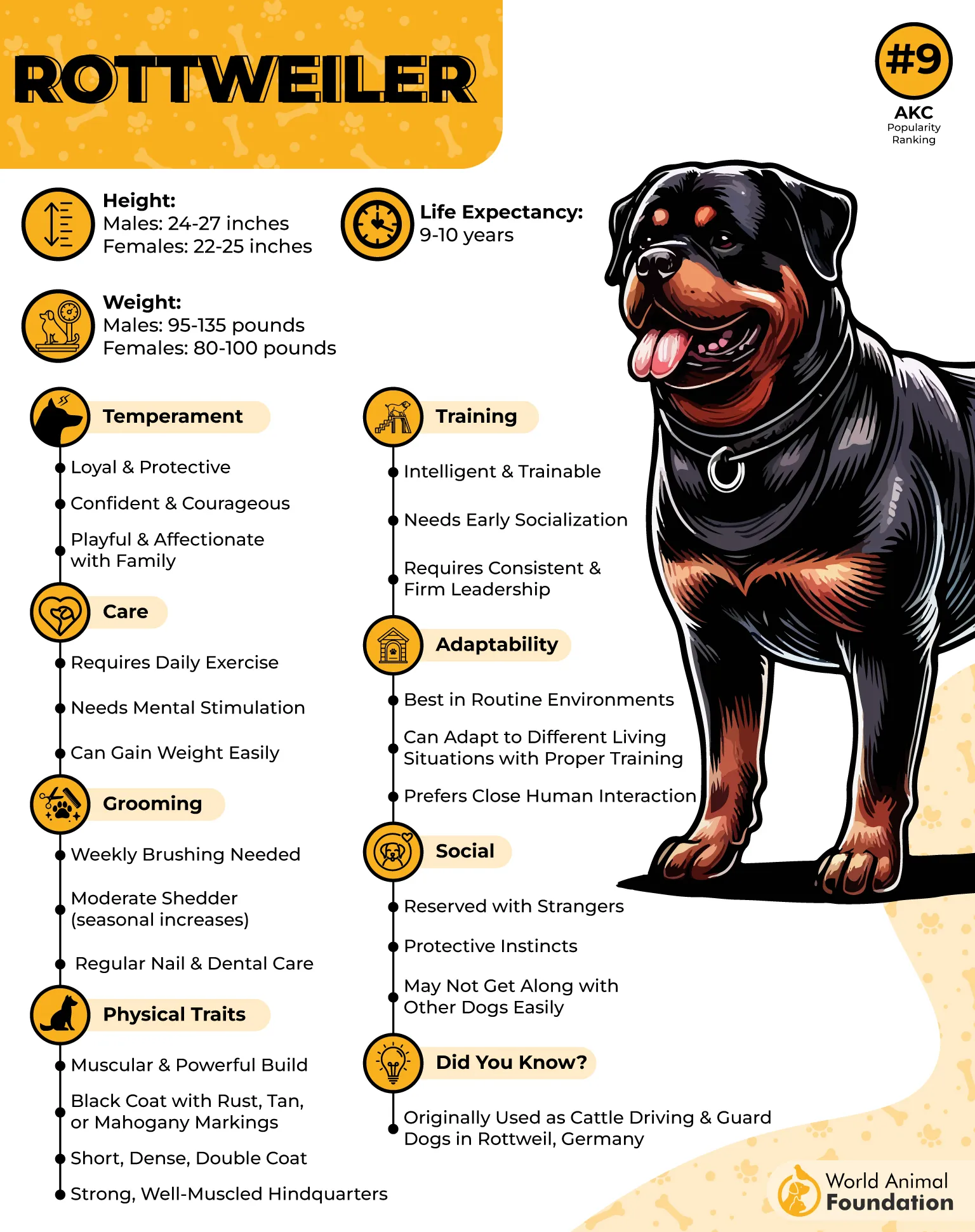
Watch a Rottweiler move, and you’ll notice controlled force rather than flash. AKC explains that their muscular frame supports steady traction, while their intelligence makes them one of the most trainable strong canines, thriving when given structure and mental challenges alongside physical activity.
Care That Supports Strength
regular strength-building exercise, such as walking with resistance and controlled play
High-quality nutrition that supports joint health and lean muscle mass
Early obedience training to channel strength into discipline
Understanding Responsibility vs. Fear-Based Assumptions
Proper socialization shapes confidence, not aggression
Clear leadership prevents behavioral misunderstandings
Education over stereotypes helps dismantle unfair perception
Muscle in this breed signals capability, not hostility. A Rottweiler’s appearance can mislead observers into assuming intensity, while owners often experience calm loyalty and emotional sensitivity.
Living with a Rottweiler suits individuals who value structure, routine, and engagement. This powerful canine thrives in homes ready to commit time, guidance, and respect to a dog bred for purpose-driven strength.
2. Cane Corso
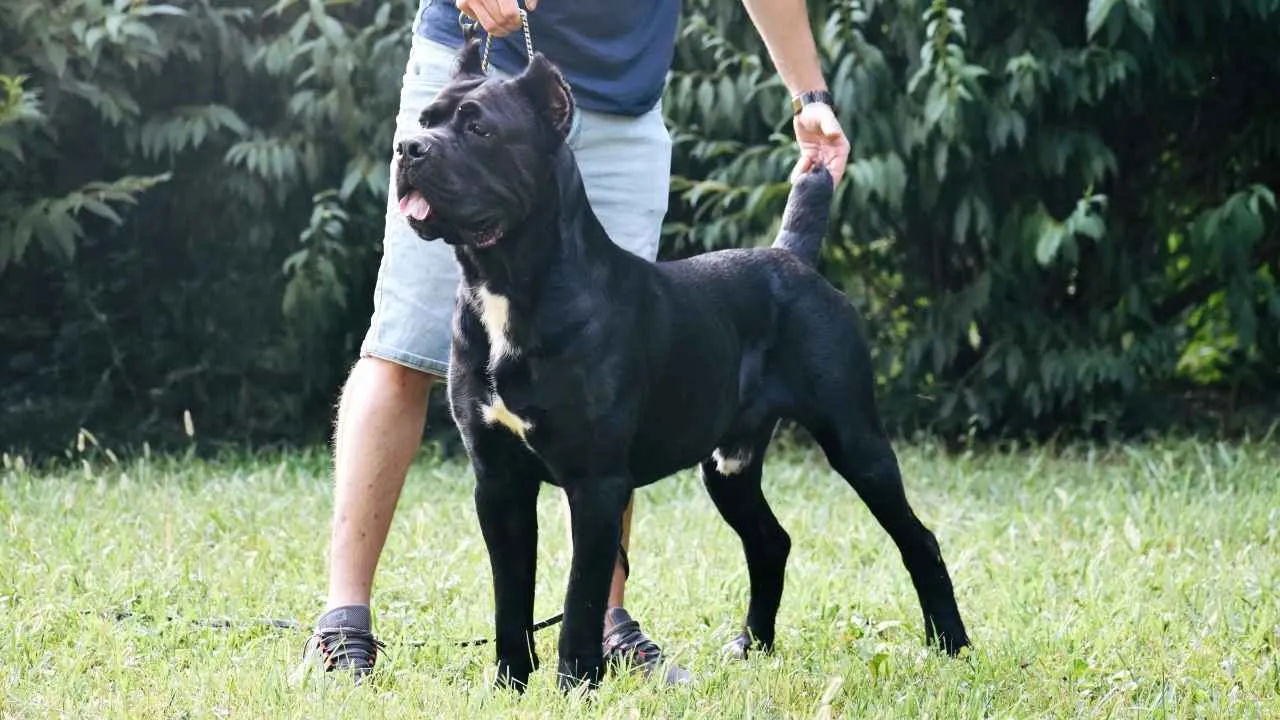
The Cane Corso embodies athletic muscle paired with historic authority. Originating as a guardian and property protector, this impressive canine showcases a sculpted physique shaped by centuries of functional breeding.
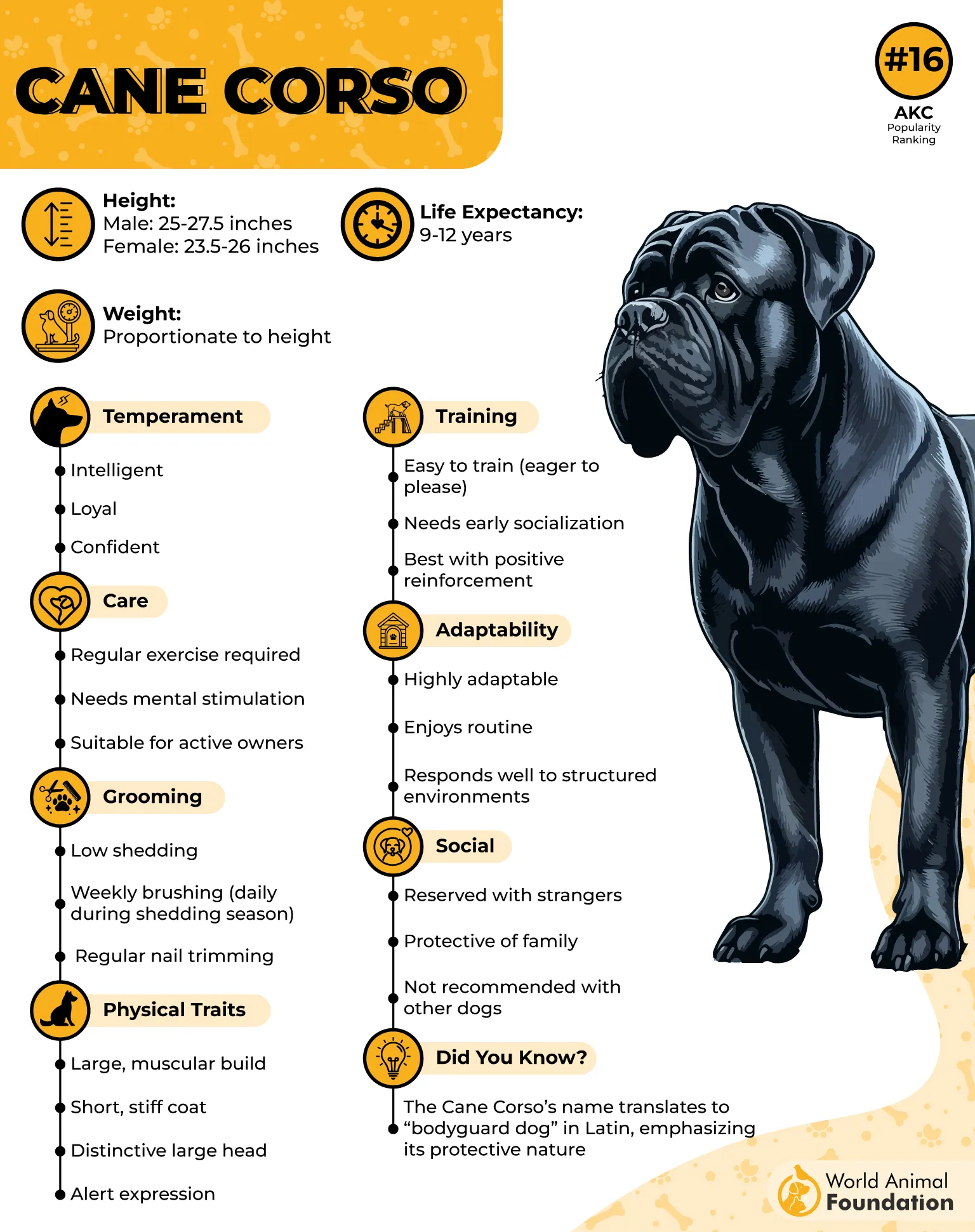
In motion, the Cane Corso displays fluid power rather than brute force. Muscular coordination supports agility, while sharp awareness and problem-solving skills reflect a breed accustomed to making independent decisions in demanding environments.

Care That Supports Strength
Daily controlled exercise focusing on endurance and flexibility
Mental enrichment to match physical capability
Joint-focused nutrition for long-term mobility
Understanding Responsibility vs. Fear-Based Assumptions
Early exposure to environments builds stability
Consistent training boundaries support confident behavior
Owner experience matters more than physical size
PDSA claims that muscular definition often sparks intimidation, yet this breed responds best to calm leadership and trust. Visual power can overshadow the Cane Corso’s thoughtful, observant nature.
This muscular dog fits owners prepared for a serious, involved companionship. Space, time, and commitment help this breed thrive as a balanced and reliable guardian.
3. American Pit Bull Terrier
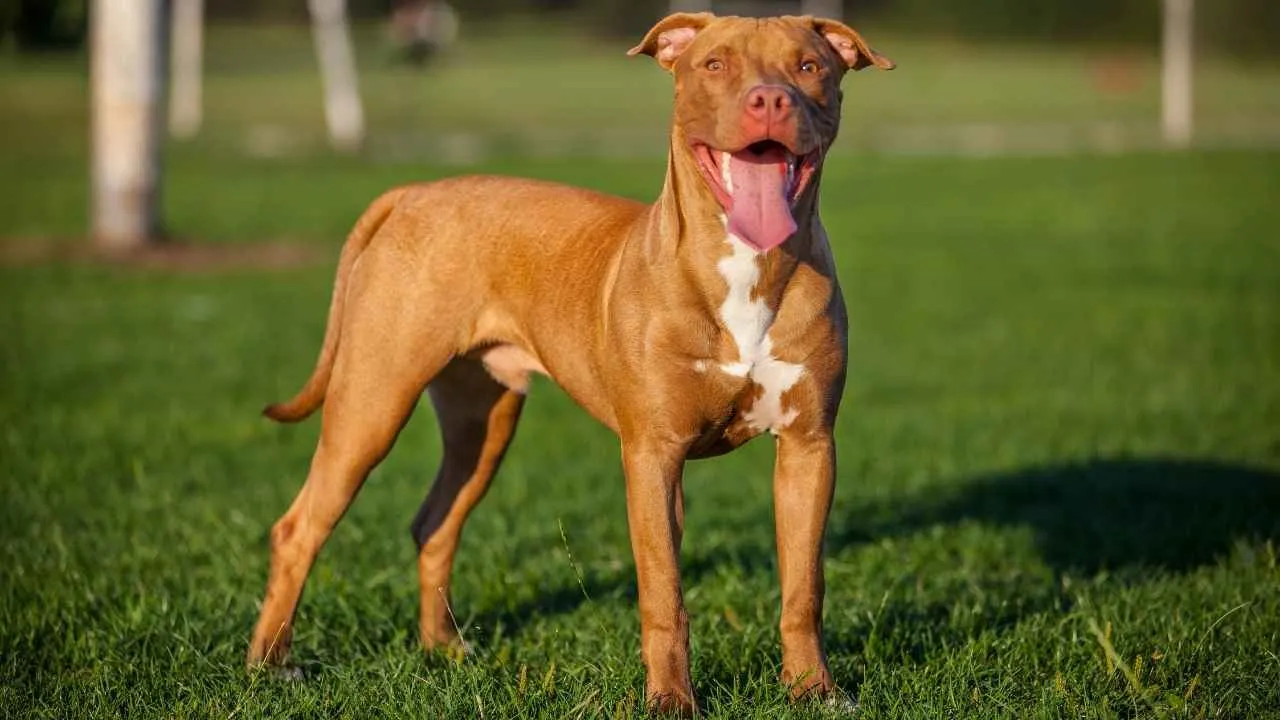
Compact, athletic, and visibly muscular, the American Pit Bull Terrier showcases strength without excess bulk. Bred historically for physically demanding tasks, its muscle development emphasizes balance, stamina, and explosive movement.
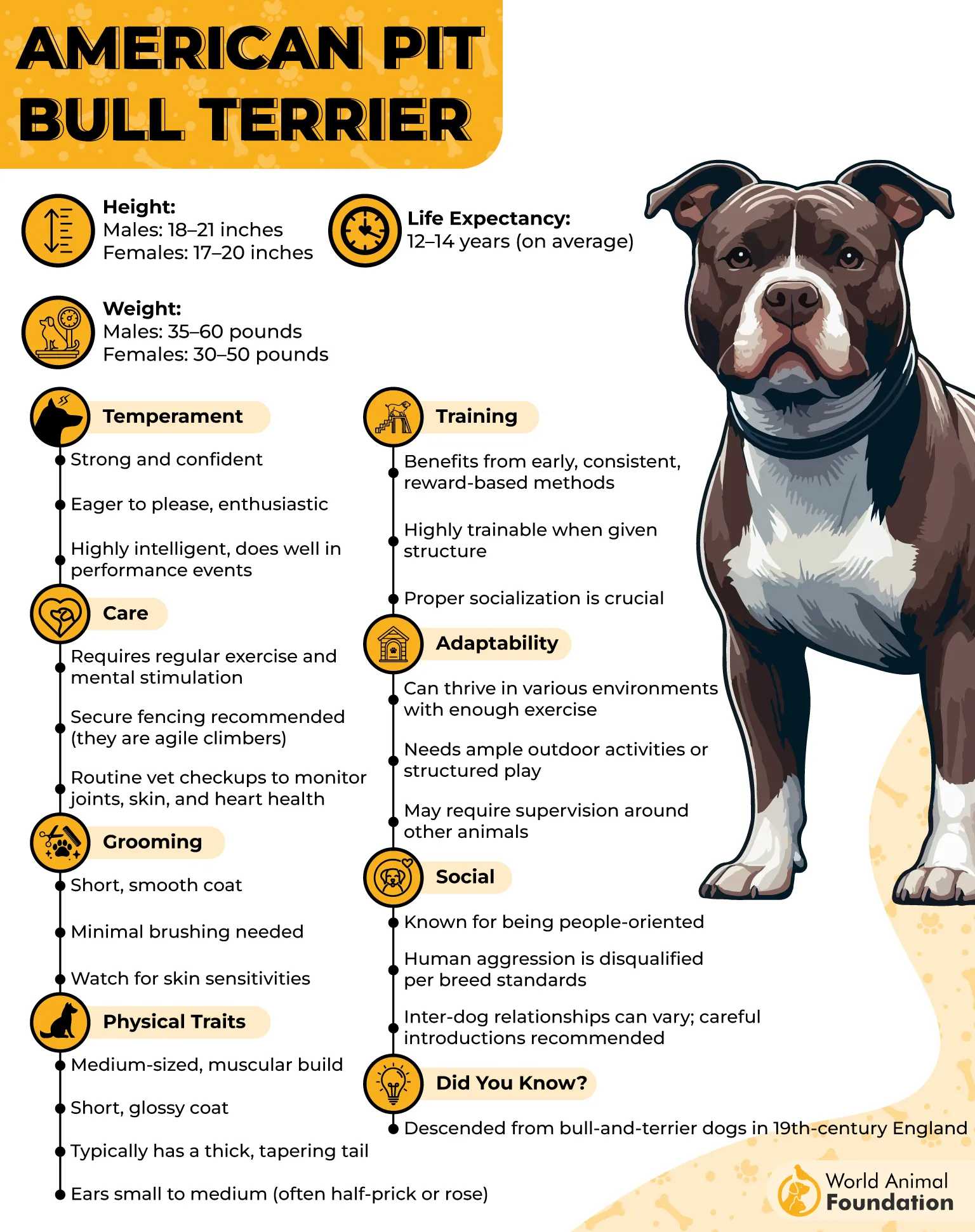
PetMD notes that this breed’s muscle shines during activity, displaying impressive agility and drive. Intelligence, enthusiasm, and eagerness to please contribute to strong performance in training and canine sports.
Care That Supports Strength
Structured physical outlets like agility or weight pull
Lean-protein nutrition supporting muscle tone
Positive reinforcement training for focus
Understanding Responsibility vs. Fear-Based Assumptions
Responsible ownership shapes public perception
Early social exposure fosters adaptability
Behavior reflects training, not body type
Muscle often leads to misjudgment, yet temperament studies consistently highlight people-oriented behavior. Physical appearance alone fails to capture this breed’s affectionate and energetic personality.
This muscular canine suits active households ready to engage daily. Commitment to training and enrichment unlocks the best version of this powerful companion.
4. Doberman Pinscher
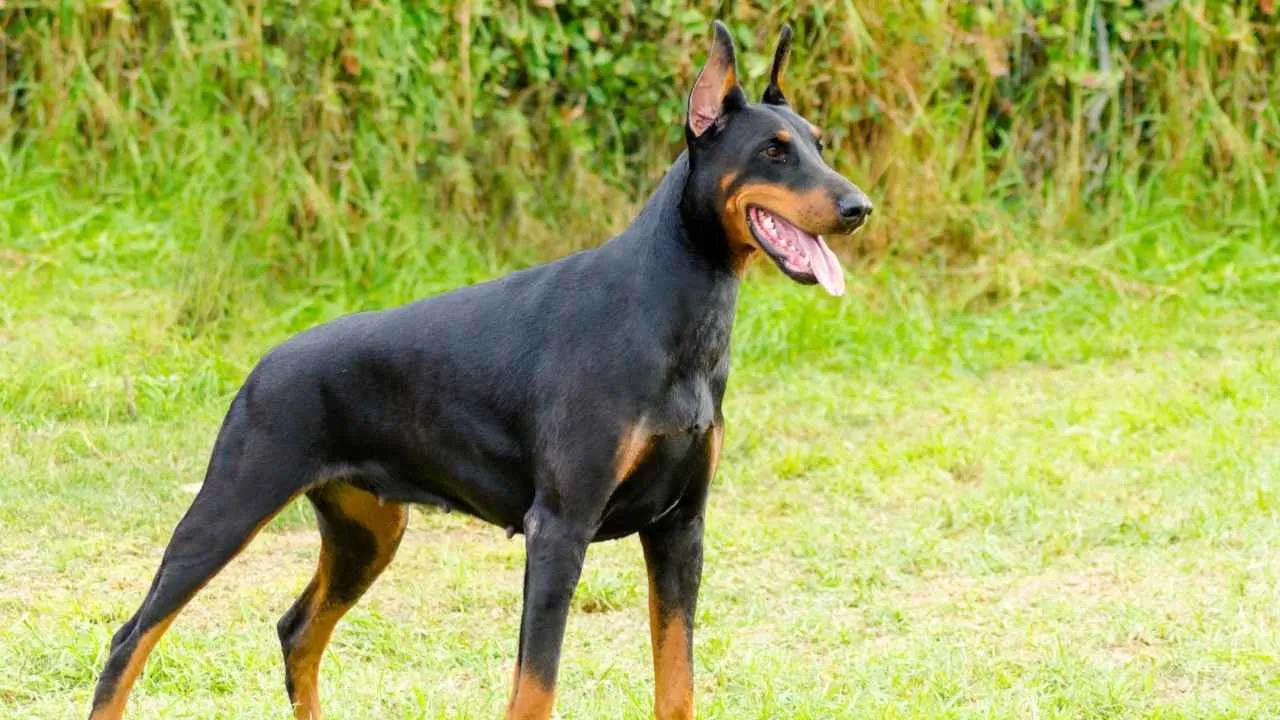
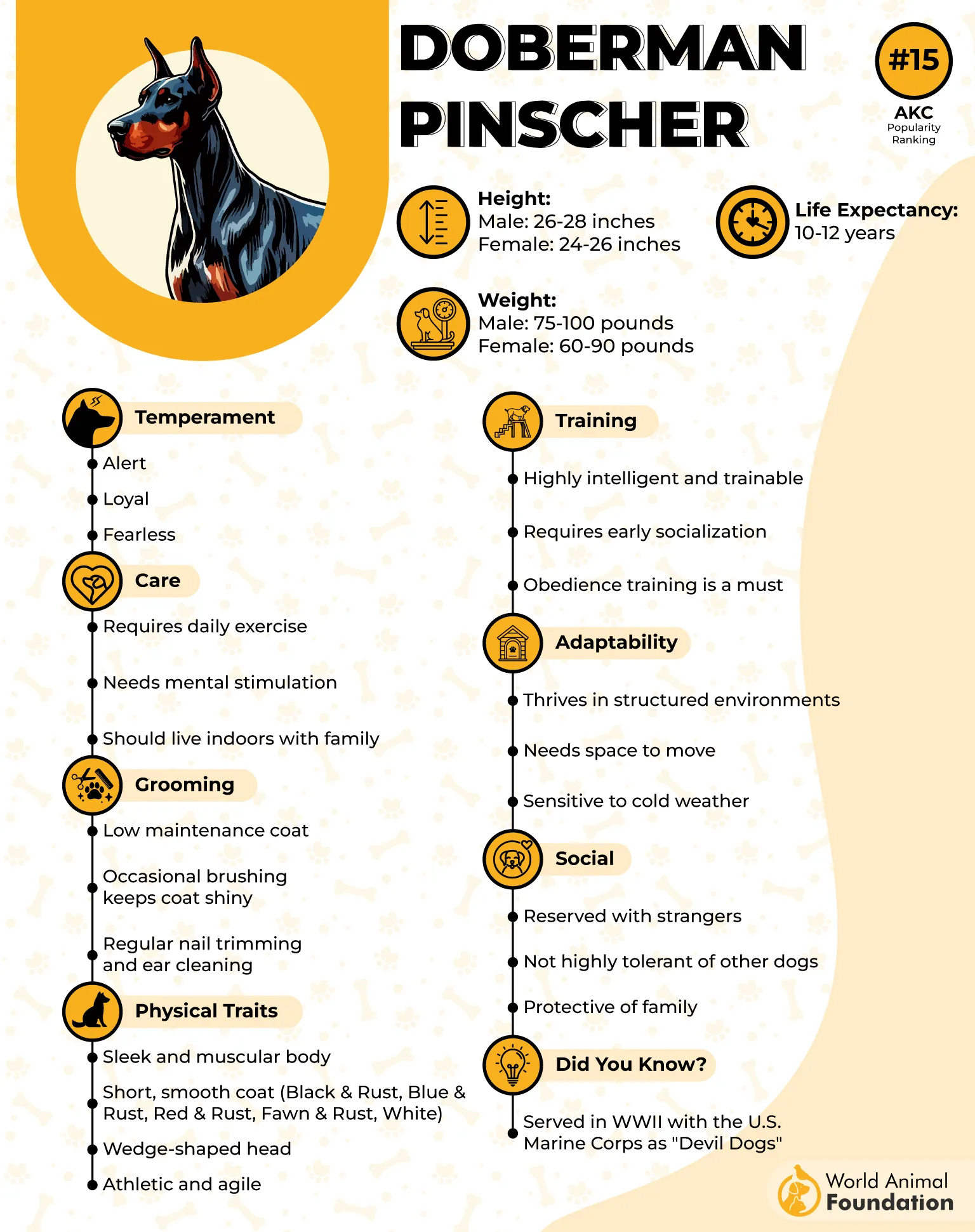
The Doberman Pinscher presents muscle through elegance rather than mass. Designed for protection and speed, this breed blends lean strength with refined athleticism.
Movement reveals a smooth, efficient stride driven by strong core muscles. Intelligence ranks high, making this muscular dog highly responsive and capable of advanced obedience and working roles.
Care That Supports Strength
Aerobic exercise to maintain lean muscle
Mental challenges to prevent boredom
Balanced diet supporting heart and muscle health
Understanding Responsibility vs. Fear-Based Assumptions
Confidence grows from guidance, not force
Proper outlets reduce anxiety-driven behaviors
Education dispels visual misconceptions
Muscle here reflects function, not aggression. The Doberman’s alert posture often masks a deeply loyal and intuitive companion.
This excellent guard dog breed thrives with experienced owners who value engagement and structure. Active lifestyles and close bonding suit this intelligent, muscular canine best.
5. American Bully
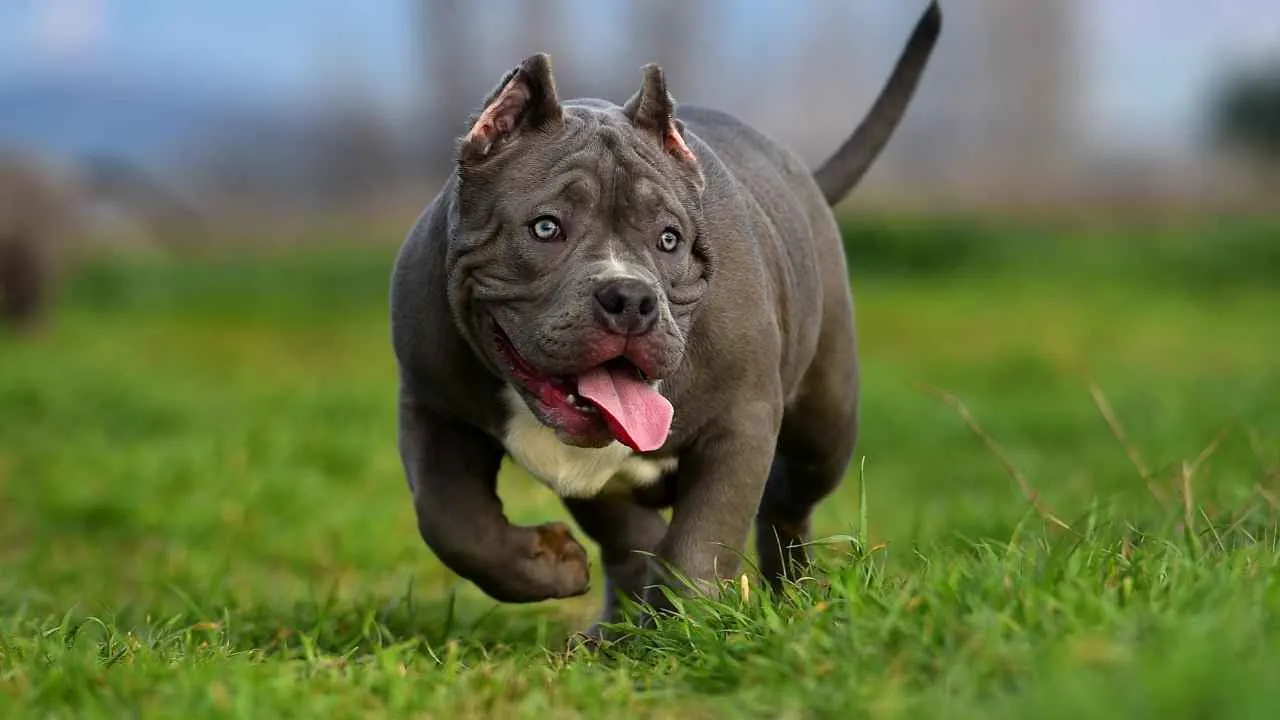
The American Bully commands attention with its broad chest and exaggerated muscle definition. Purposefully bred for appearance and companionship, this breed emphasizes physical presence paired with stability.
Muscle mass supports strength rather than speed, giving movement a grounded, powerful quality. Intelligence and sociability make this breed responsive and people-focused.
Care That Supports Strength
Low-impact exercise protects joints
Portion-controlled nutrition to avoid excess weight
Regular conditioning to maintain healthy muscle
Understanding Responsibility vs. Fear-Based Assumptions
Temperament reflects upbringing
Appearance does not predict behavior
Calm leadership encourages balance
Bulky structure often invites incorrect assumptions, yet this breed commonly displays affectionate and relaxed behavior. Visual power can distract from emotional gentleness.
This muscular dog fits owners seeking companionship with structure. Commitment to health management ensures strength remains functional and sustainable.
6. Dogo Argentino
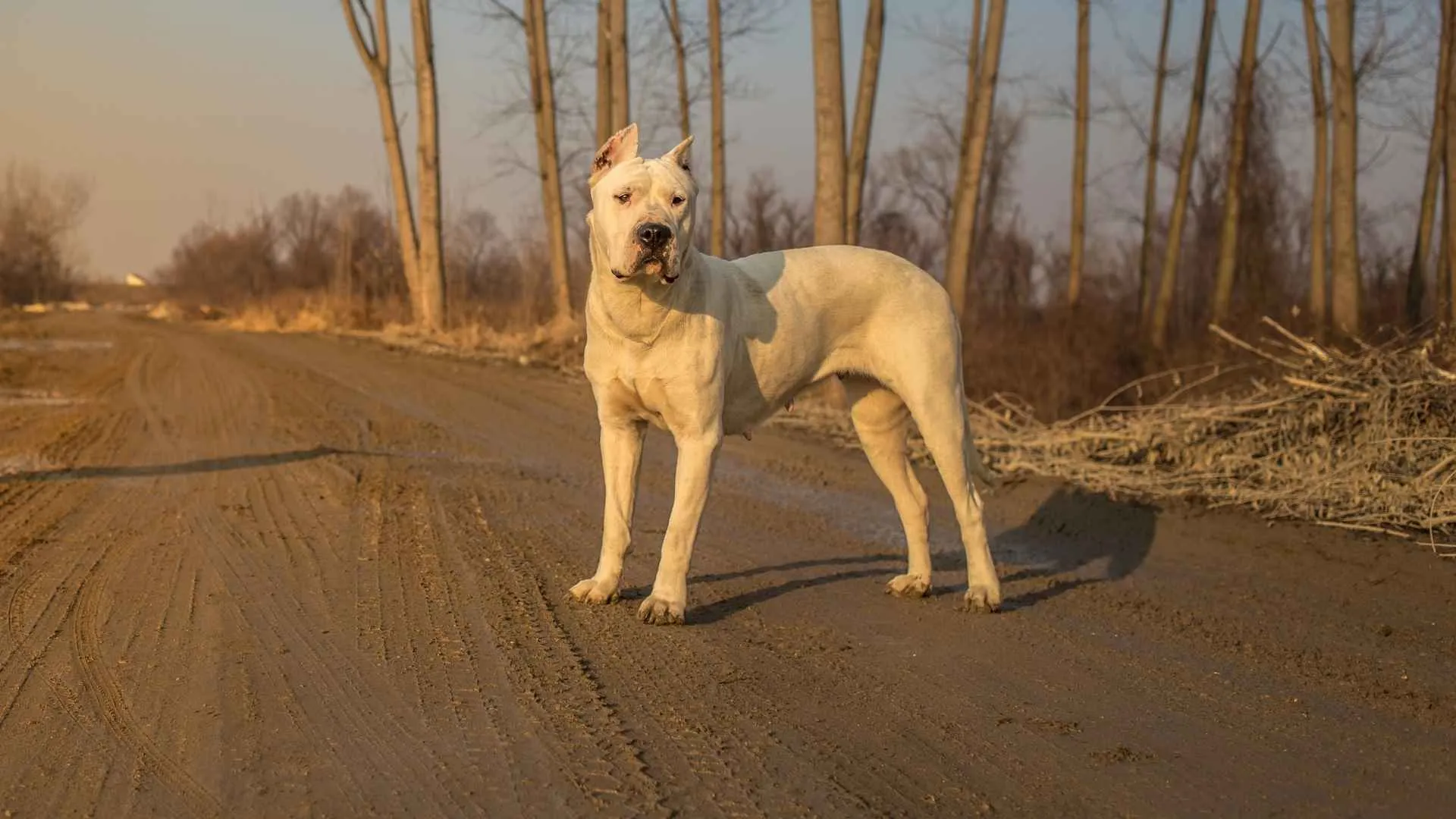
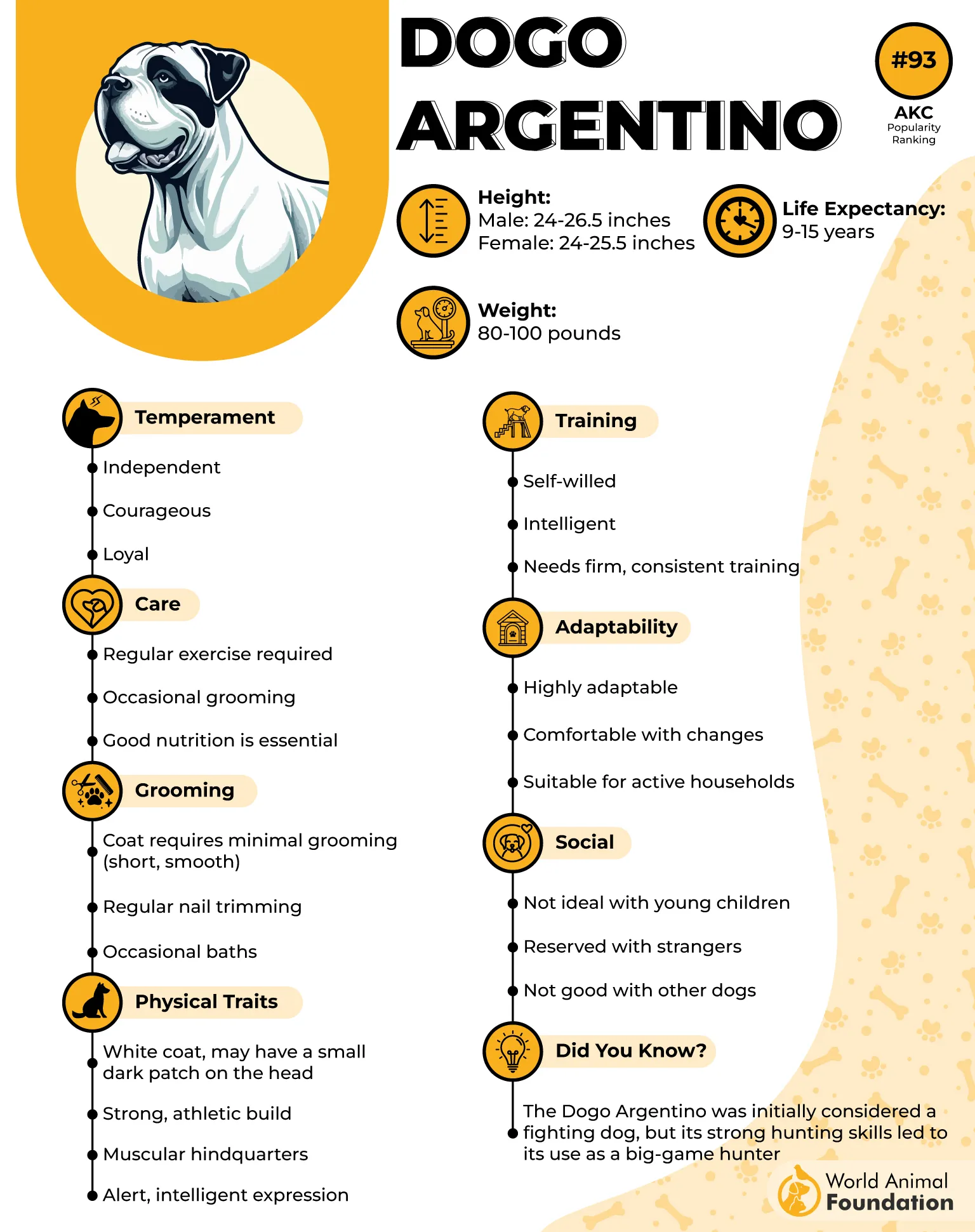
Athletic and commanding, the Dogo Argentino showcases muscle built for endurance and pursuit. Developed for demanding outdoor work, its physique reflects stamina, coordination, and strength.
Movement highlights the balance between speed and power. Intelligence and determination shape a dog capable of focus and adaptability in challenging environments.
Care That Supports Strength
High-energy exercise routines
Protein-rich nutrition supporting lean muscle
Early obedience training for control
Understanding Responsibility vs. Fear-Based Assumptions
Clear boundaries build trust
Socialization shapes confidence
Owner involvement is essential
Muscle often suggests intensity, while behavior depends heavily on guidance and structure. Physical capability does not define temperament.
This breed suits experienced owners who enjoy active lifestyles. Space, time, and leadership unlock the Dogo Argentino’s full potential.
7. Boxer
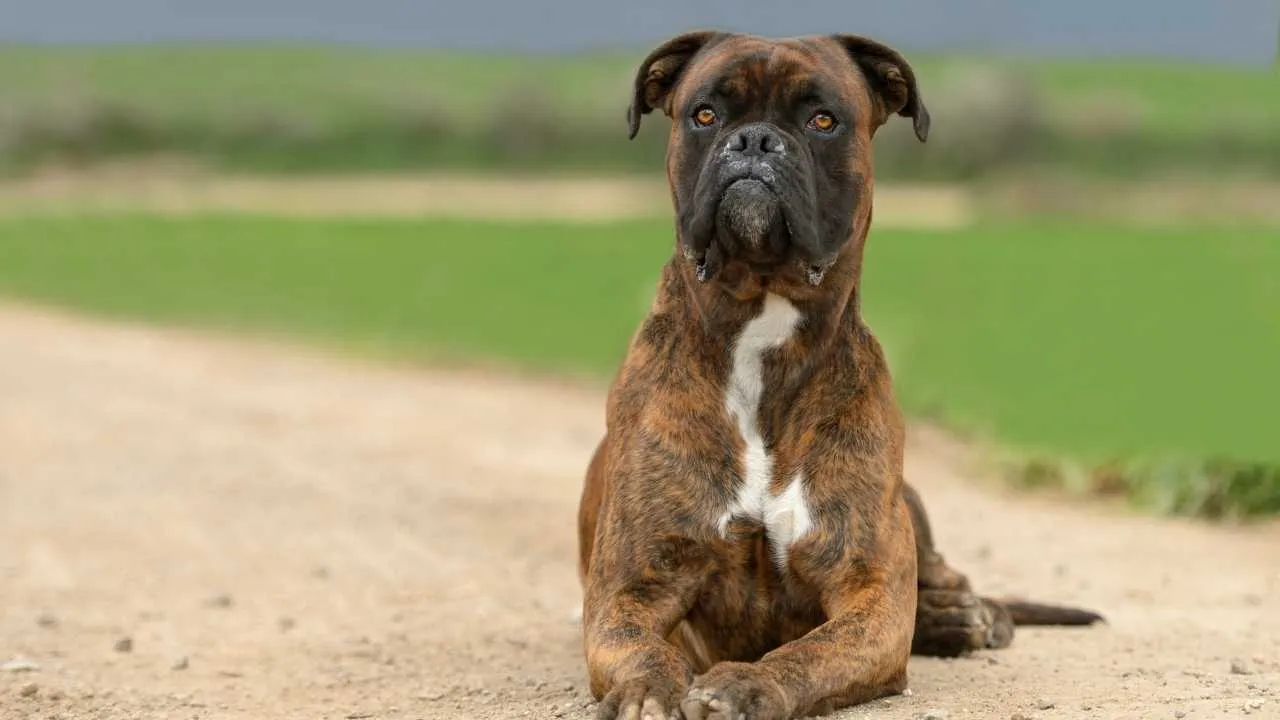
The Boxer’s muscular build blends power with playfulness. Originally bred for physically demanding tasks, this breed developed strong limbs and a resilient core.
Motion reveals springy energy supported by athletic muscle. Intelligence and expressive behavior make training engaging and interactive.
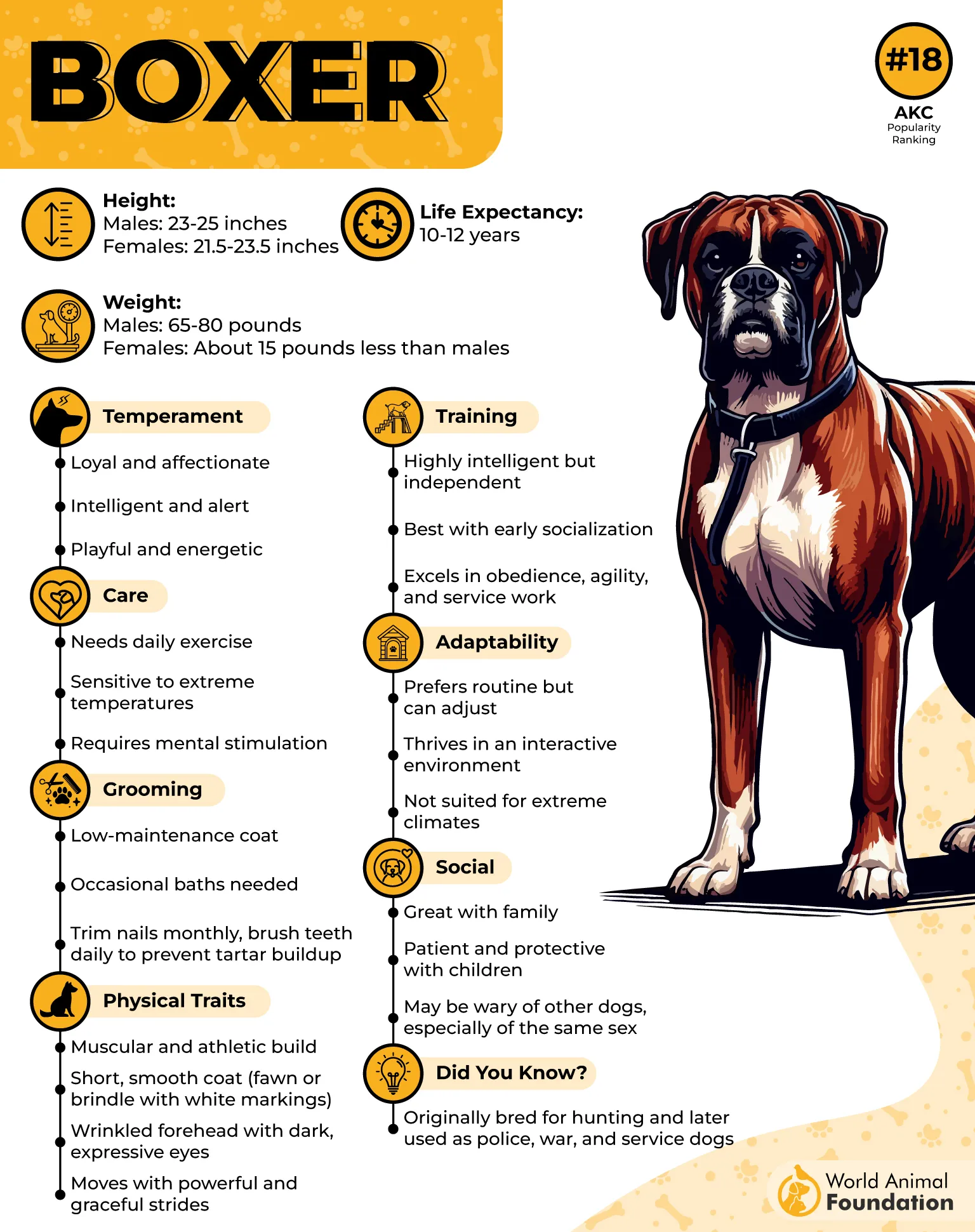
Care That Supports Strength
Energetic daily play
Cardio-focused exercise
Balanced nutrition for sustained energy
Understanding Responsibility vs. Fear-Based Assumptions
Energy needs guidance
Muscle does not signal dominance
Consistency shapes behavior
A strong frame may appear imposing, yet personality often leans joyful and social. Appearance can distract from the breed’s friendly nature.
This muscular dog thrives in active homes ready for engagement. Families who enjoy interaction and routine often find the Boxer a rewarding companion.
Conclusion
Muscular breeds highlight physical power, physical strength, and a calm demeanor that often contrasts with their solid stance and broad shoulders. With proper training, a powerful dog breed can be incredibly loyal, protective, and a loving family pet.
Beyond this guide, breeds like the German Shepherd, Irish Wolfhound, Alaskan Malamute, Staffordshire Bull Terrier, and American Bulldog are known for protective instincts, police work, heavy sleds, and guarding livestock. These strongest dog breeds combine strong bite force and intelligence with a protective nature.
From Boxers to other strong dogs, many become great companions for active families. Explore responsibly, build strong bonds, and choose a powerful dog that fits your lifestyle.
