




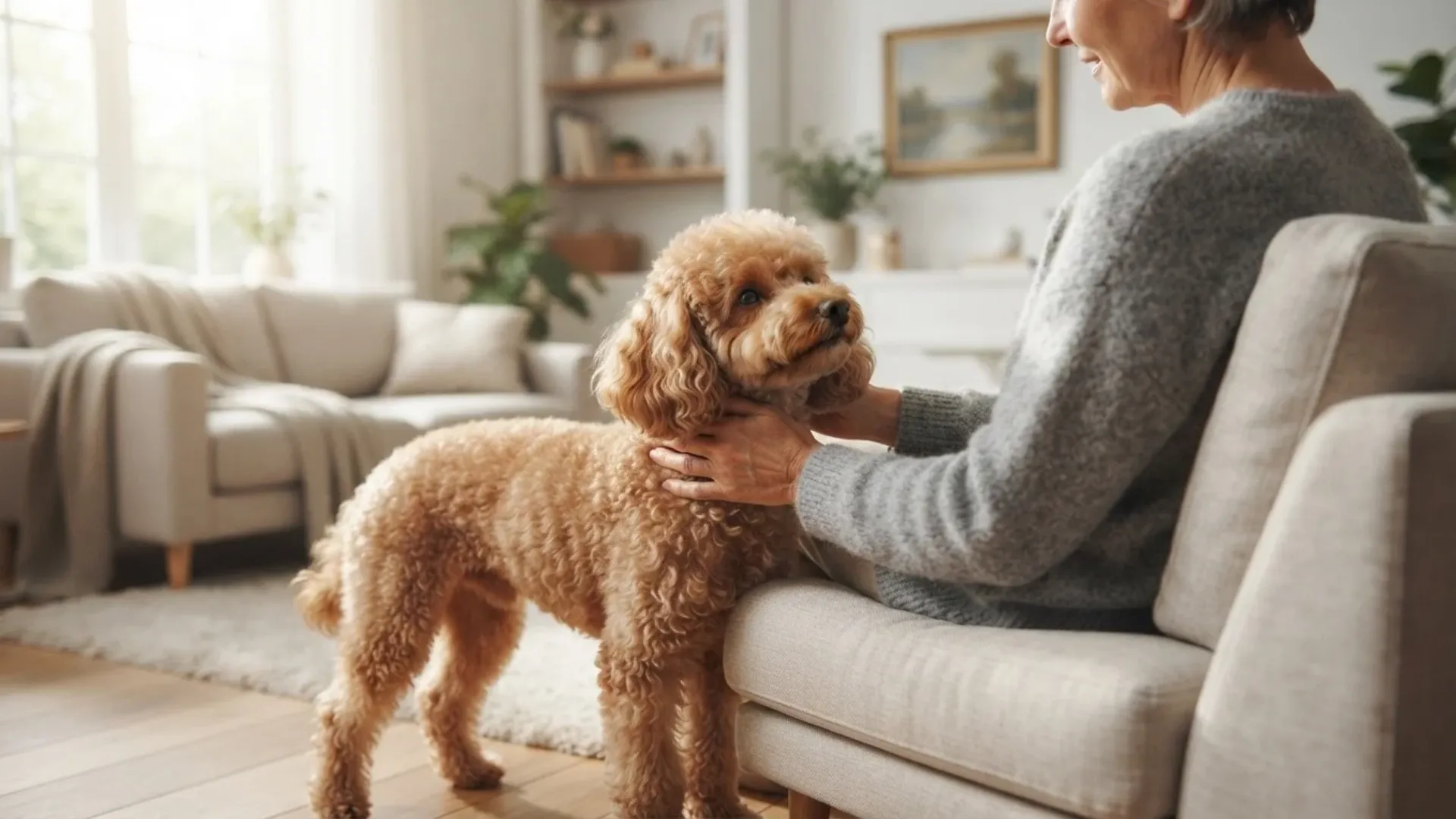
Did you know the AKC’s Toy Group officially includes 22 recognized breeds? That is a lot of small dogs built for one very specific job.
Their job was never herding or guarding. It was companionship, plain and simple, and few companion dogs do affectionate nature better than humans.
Not every lap dog loves the same way, though. Some crave constant contact, some pick one favorite person, and some are surprisingly independent for their small size.
If you are hoping to welcome a genuinely loyal, gentle, and friendly companion into your family life, figuring out which style of affection actually fits your home changes everything.
Ready to meet the toy dogs that thrive on closeness, charm strangers on sight, and follow you everywhere? Let’s dig in.
Ideal Toy Dog Breeds for Those Seeking Affection
1. Cavalier King Charles Spaniel
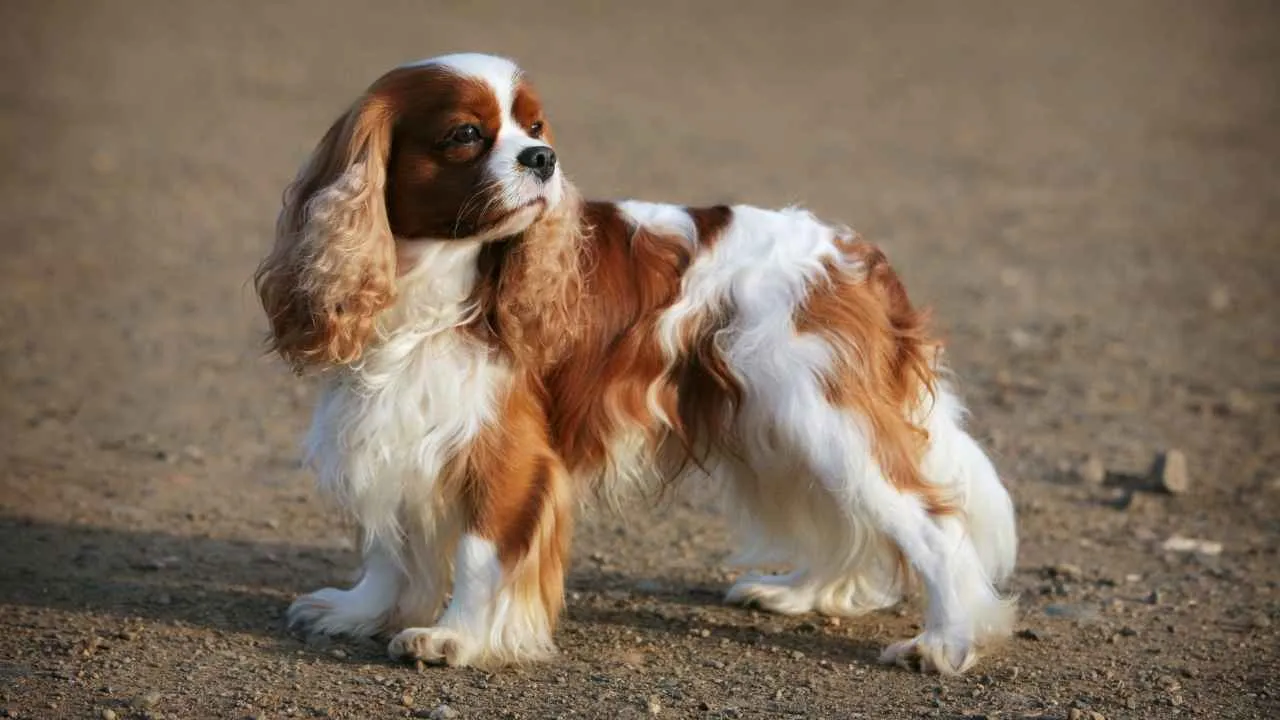
Some dogs love you. Cavaliers make it their whole personality. This Spaniel was bred centuries ago for one job, warming laps in drafty castles, and it never forgot the assignment.
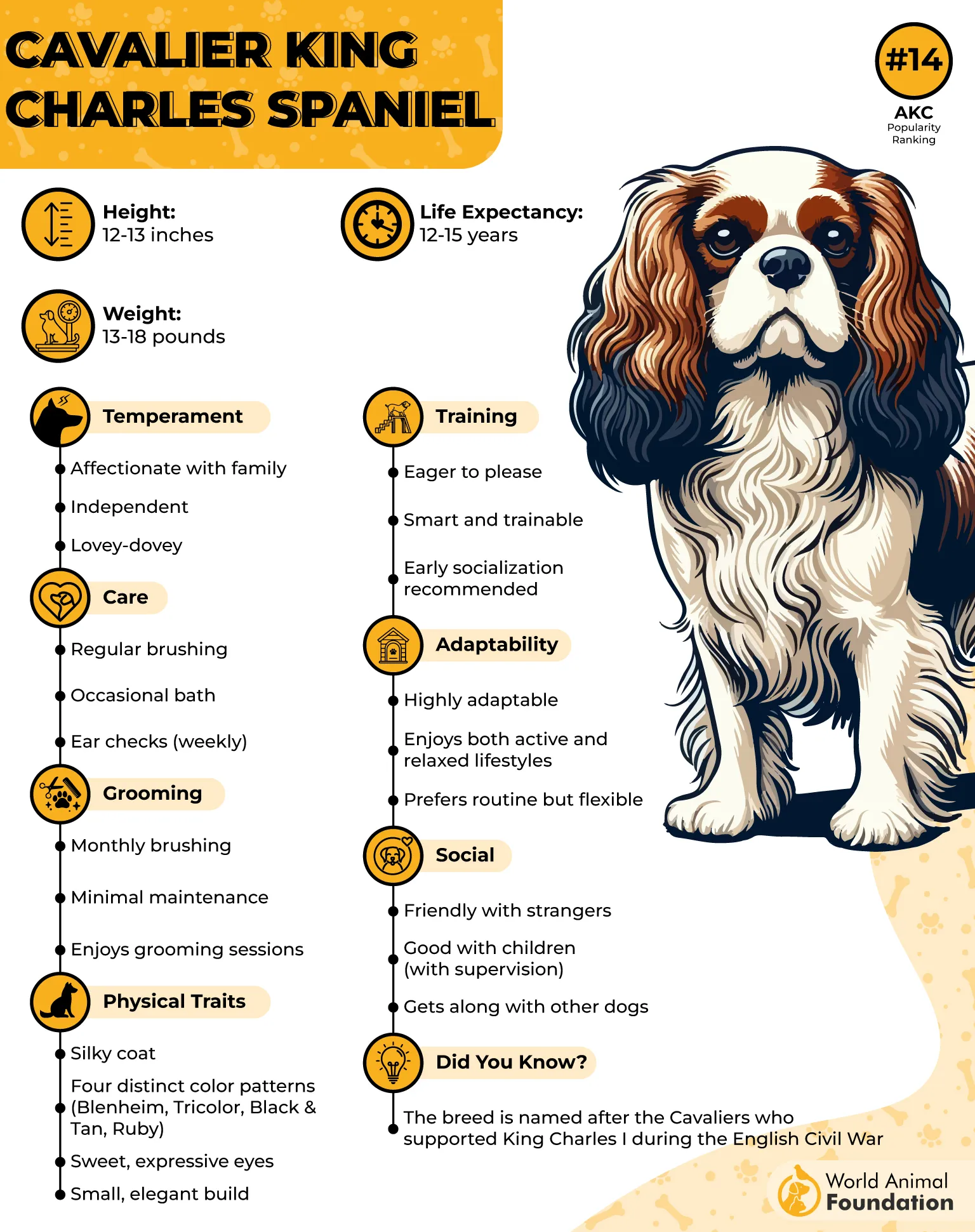
Strangers do not stand a chance either. A Cavalier greets a new face the same way it greets you, tail going, eyes pleading for a lap to borrow. There is no gatekeeping here; everyone gets the full welcome.
Bonding-relevant temperament: Gentle and trusting, which is why this breed is such a favorite for first-time owners and homes with kids.
Affection style: A lap dog with a sporty streak, just as content curled up as it is trotting beside you.
That constant nudge for attention looks sweet, but it can quietly train you into rewarding neediness. As AKC points out, this breed is a sweet, loving mix of lap and sporting dog, so pair the affection with steady routines and regular vet checkups.
2. Havanese
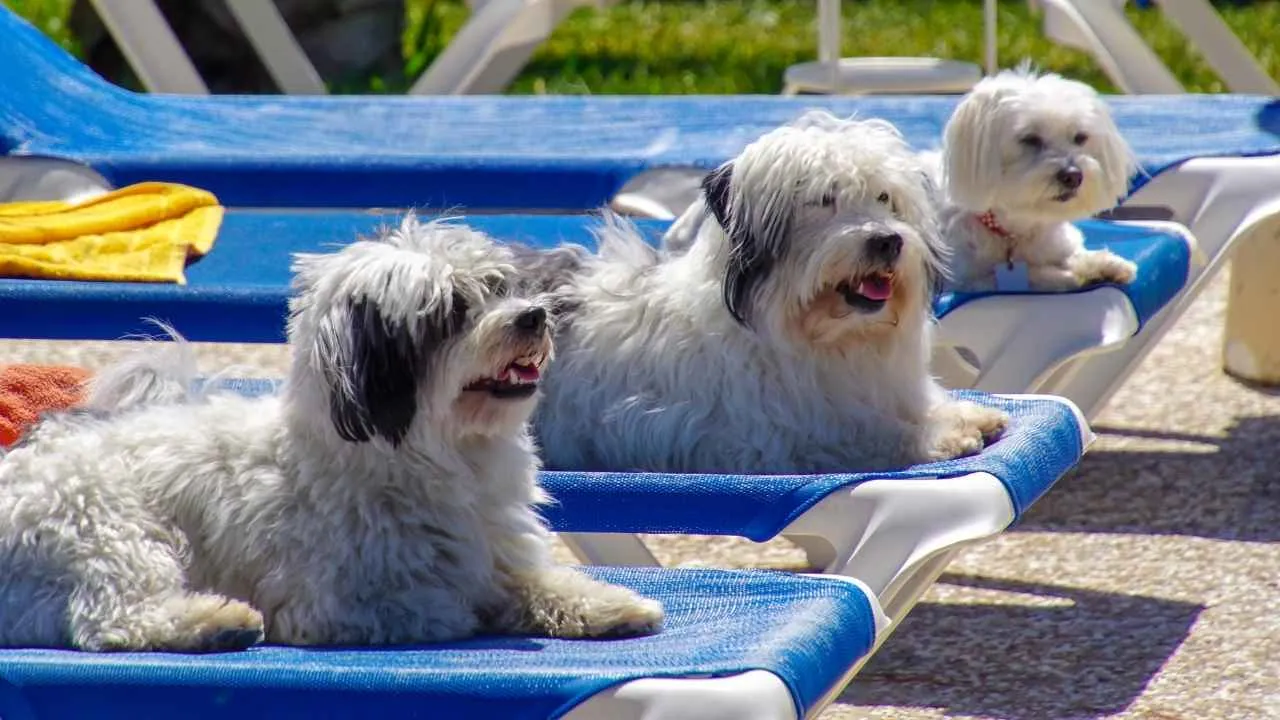
Cuban aristocrats knew what they were doing when they bred this one. The Havanese was designed from the ground up to stick to a person, and it shows in every single move it makes.
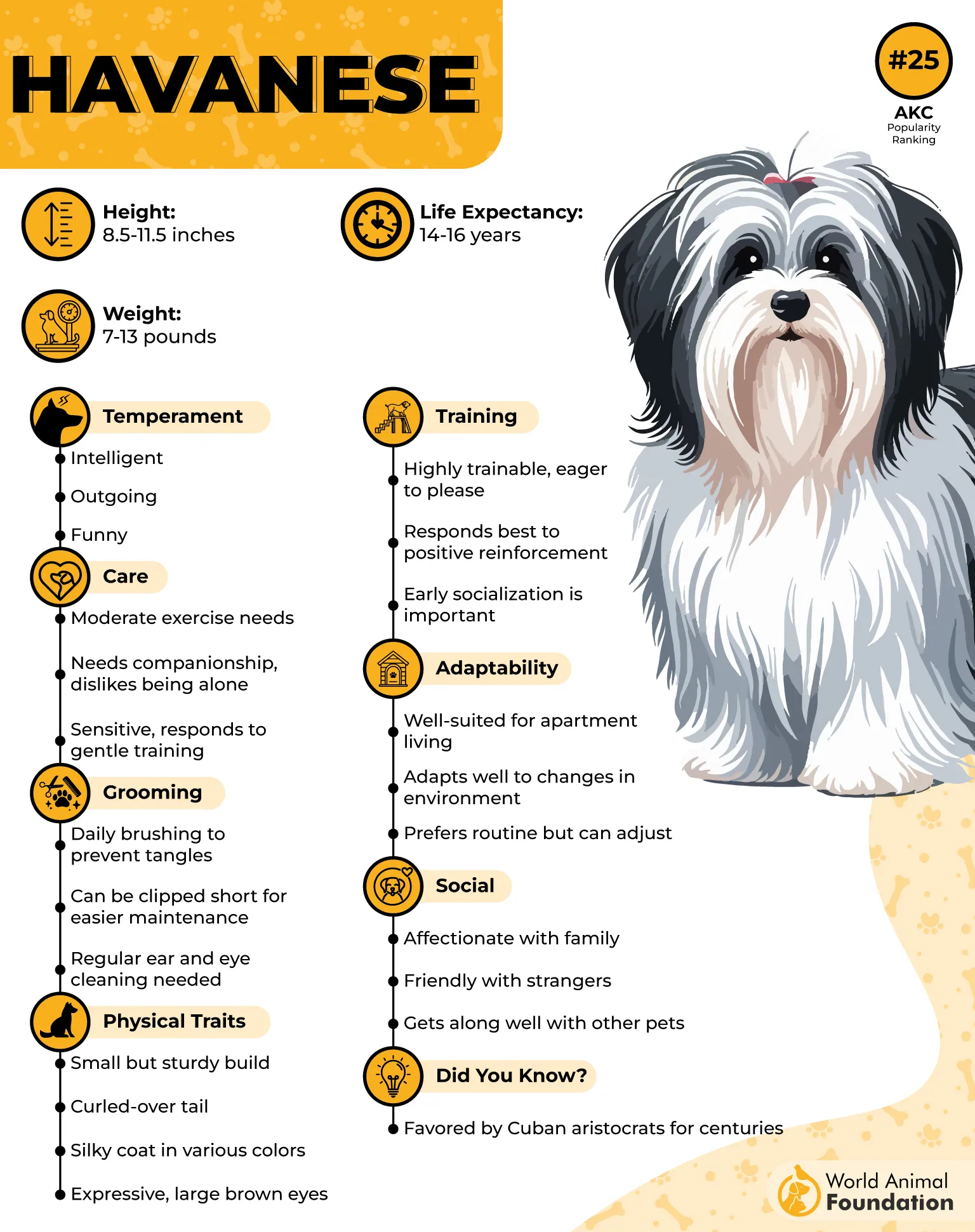
With strangers, a Havanese stays cheerful rather than wary, happy to charm anyone willing to sit down. That easygoing streak makes it a natural fit for busy households, guests included. Nobody feels like an outsider for long.
Bonding-relevant temperament: Playful, intelligent, and quick to treat family life as its favorite activity.
Affection style: The original velcro dog, following you from room to room like a small fluffy shadow.
Do not mistake the constant following for pure devotion. Left alone too long, that closeness can tip into real separation anxiety, with barking or chewed furniture as the tell. Regular brushing sessions double as bonding time and help keep that anxious energy in check.
3. Shih Tzu
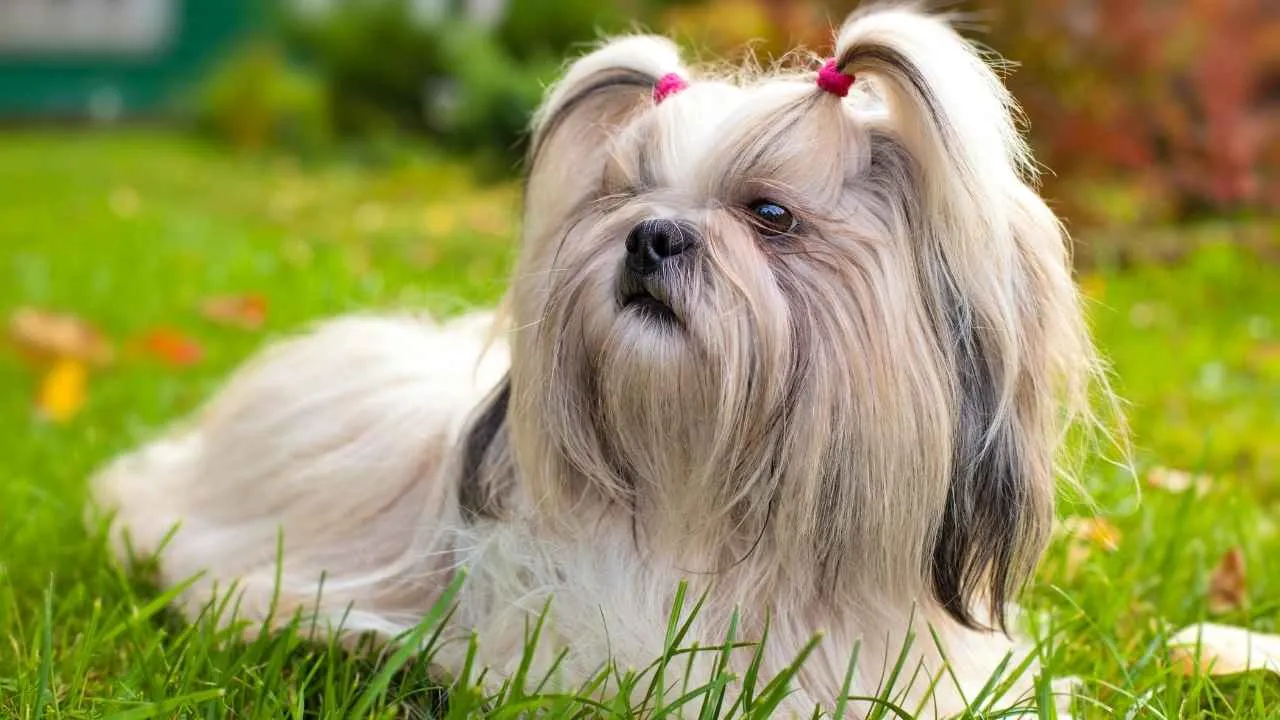
The Shih Tzu was bred to be the lapdog of emperors, and it still carries itself that way. This little lion dog wants exactly one thing, and that is you, preferably within arm’s reach.
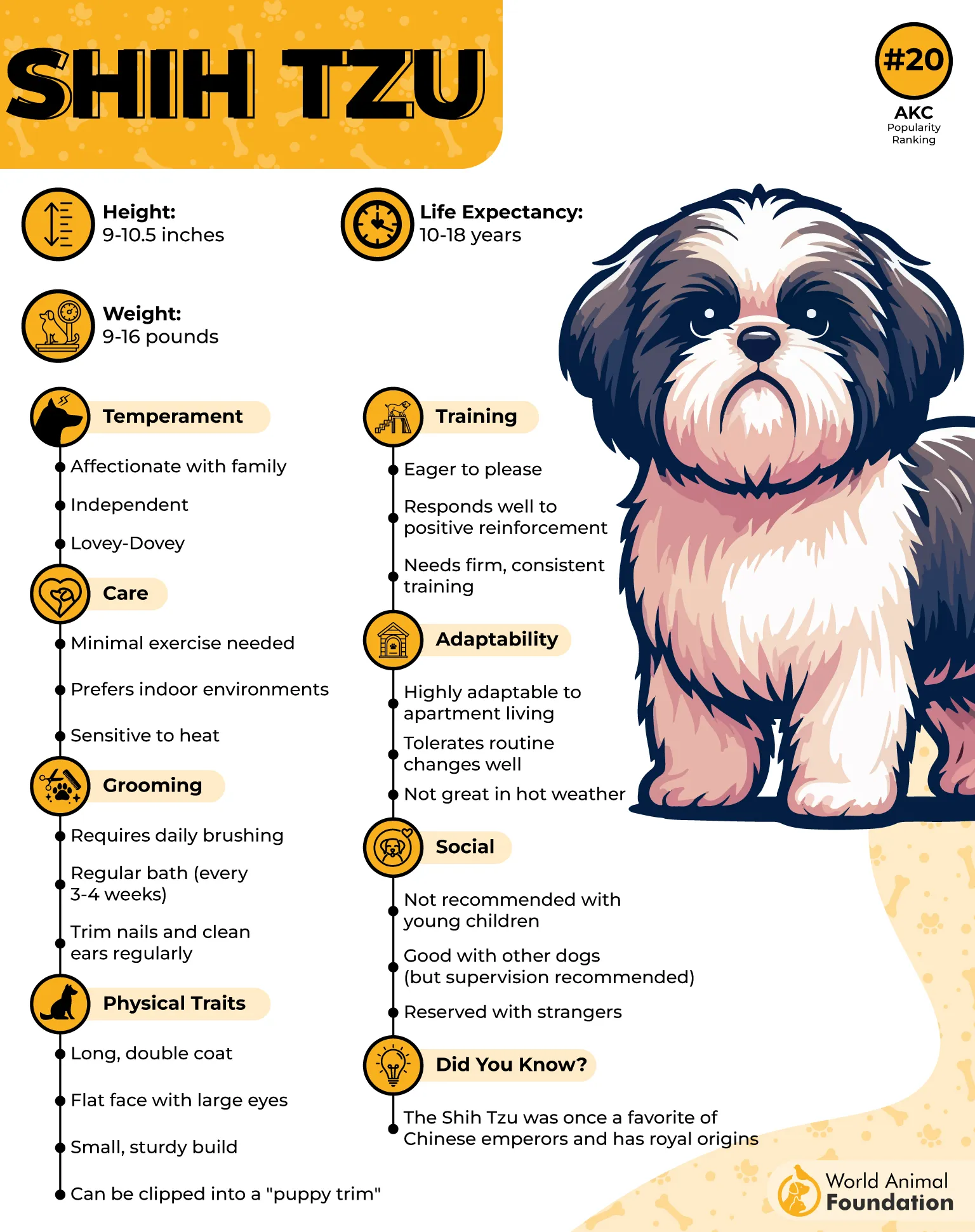
A Shih Tzu treats strangers almost as warmly as family, which is charming but not exactly useful for home security. Do not expect a guard dog. Expect a greeting committee instead.
Bonding-relevant temperament: Outgoing, trusting, and endlessly friendly, happiest when included in whatever the household is doing.
Affection style: A true lap specialist, content to sit for hours as long as you are nearby.
That eagerness to please can look like nonstop affection, but a Shih Tzu also needs its own space sometimes. Orvis notes this breed is perky, playful, and affectionate, so daily grooming and a little independence go a long way toward keeping that flowing coat and calm temperament happy.
4. Yorkshire Terrier
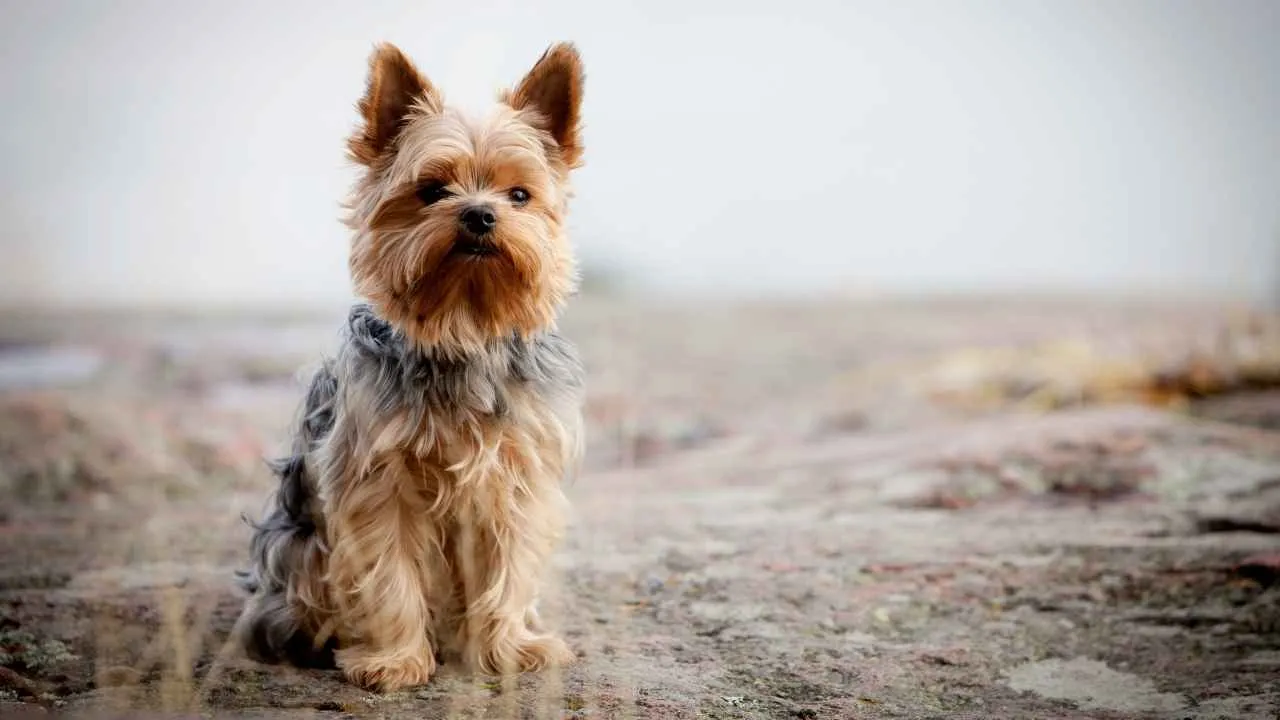
Do not let the ribbon and the silky coat fool anyone. The Yorkshire Terrier has the confidence of a much bigger dog, and it channels most of that confidence straight at one lucky person.
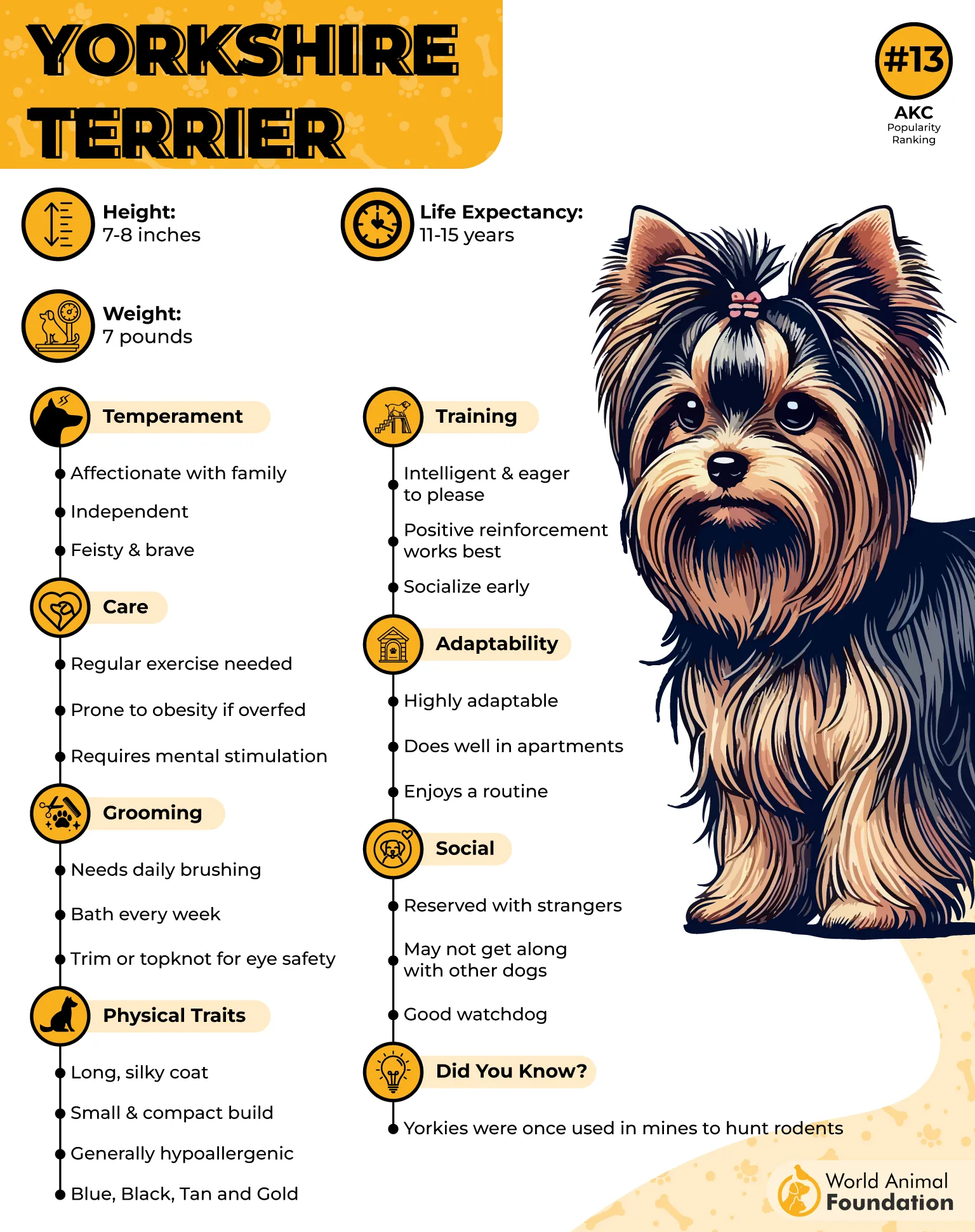
Strangers get a friendlier reception than you might expect from such a bold little terrier. Many Yorkies treat new people warmly at first, saving the deepest loyalty for their chosen human. It is a small dog with a very specific heart.
Bonding-relevant temperament: Feisty, alert, and fiercely loyal once that special bond forms.
Affection style: Often a one-favorite-person dog, happiest tucked close to whoever earns that spot.
That intense focus on one person can slide into clinginess if nobody sets boundaries. Hill’s Pet notes the breed wants a lot of attention, so daily coat care and consistent house rules help keep devotion from tipping into demanding.
5. Toy Poodle
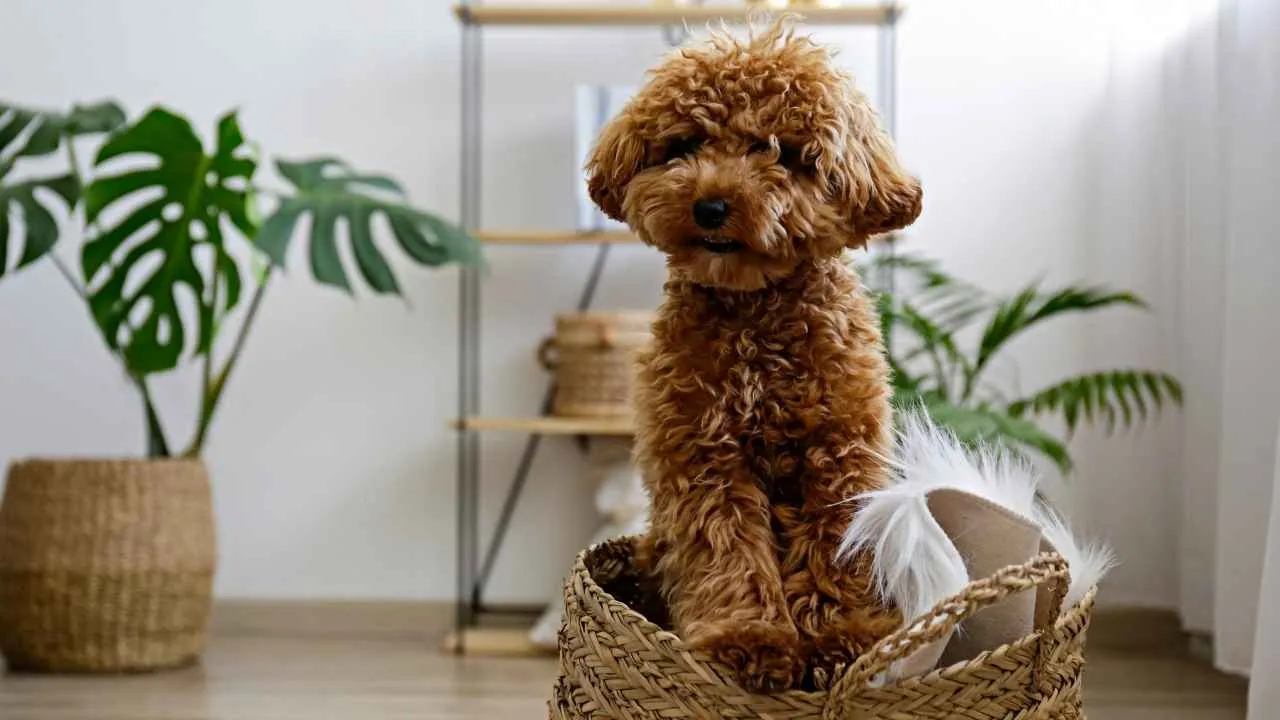
Smart dogs bond differently, and the Toy Poodle proves it. This is not affection on autopilot; it is affection with intent, the kind that studies your routine and shows up right on cue.
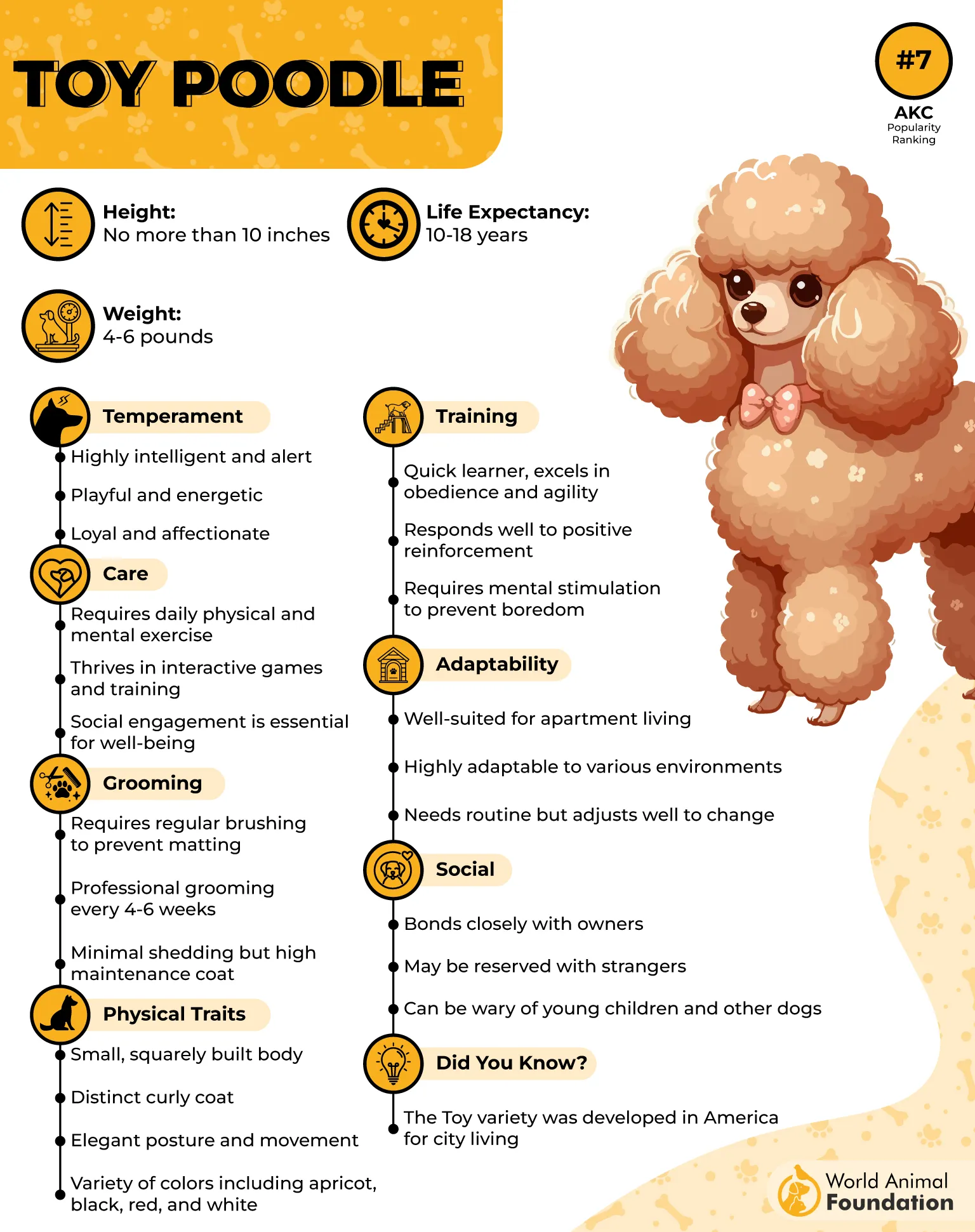
New people get a gentle, curious welcome rather than instant best-friend energy. A Toy Poodle tends to size someone up first, then warms up quickly once it decides they are trustworthy. Patience earns its trust fast.
Bonding-relevant temperament: Sharp, eager to please, and deeply tuned in to routines and moods.
Affection style: A close family bonder, tracking your habits and inserting itself into daily life.
That intelligence can be mistaken for pure devotion, when really part of it is a clever little dog managing you. PetMD notes the breed bonds closely and may develop separation anxiety, so regular mental stimulation and grooming every few weeks keep things balanced.
6. Maltese
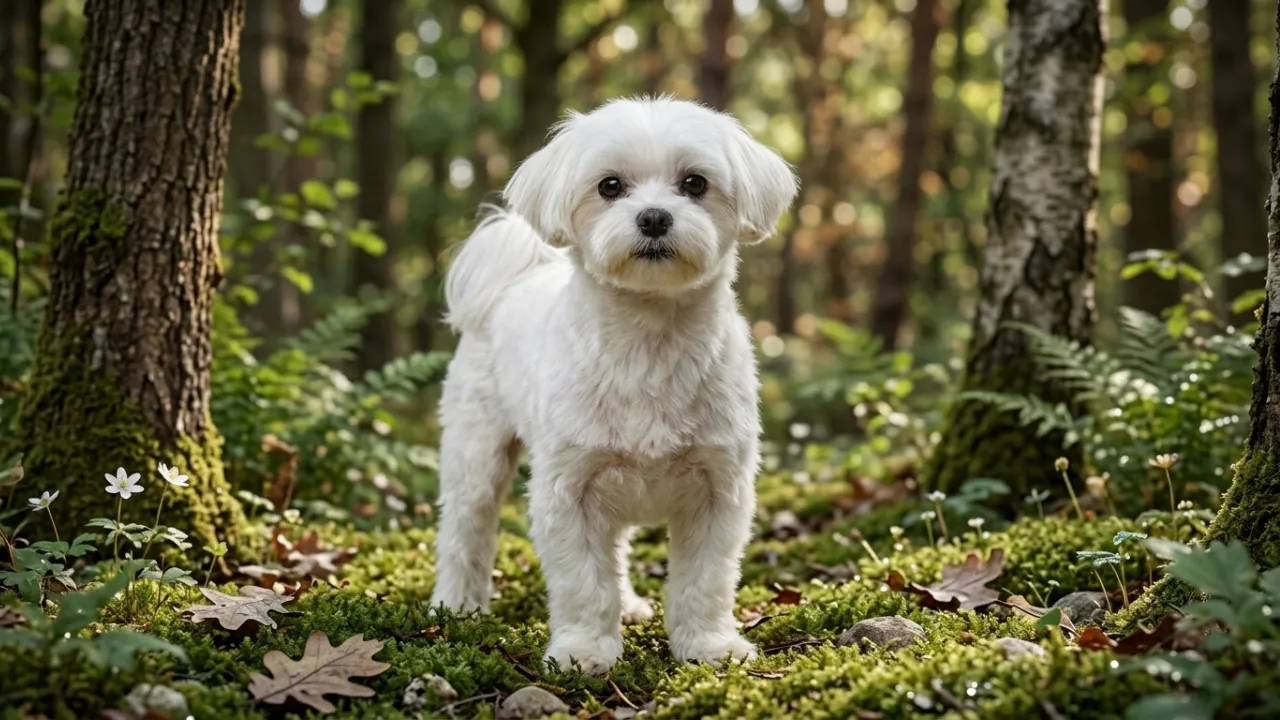
Ancient Roman lapdogs had it good, and the Maltese still lives as if nothing has changed. This tiny white companion was built for one purpose: tucking in close and staying there.
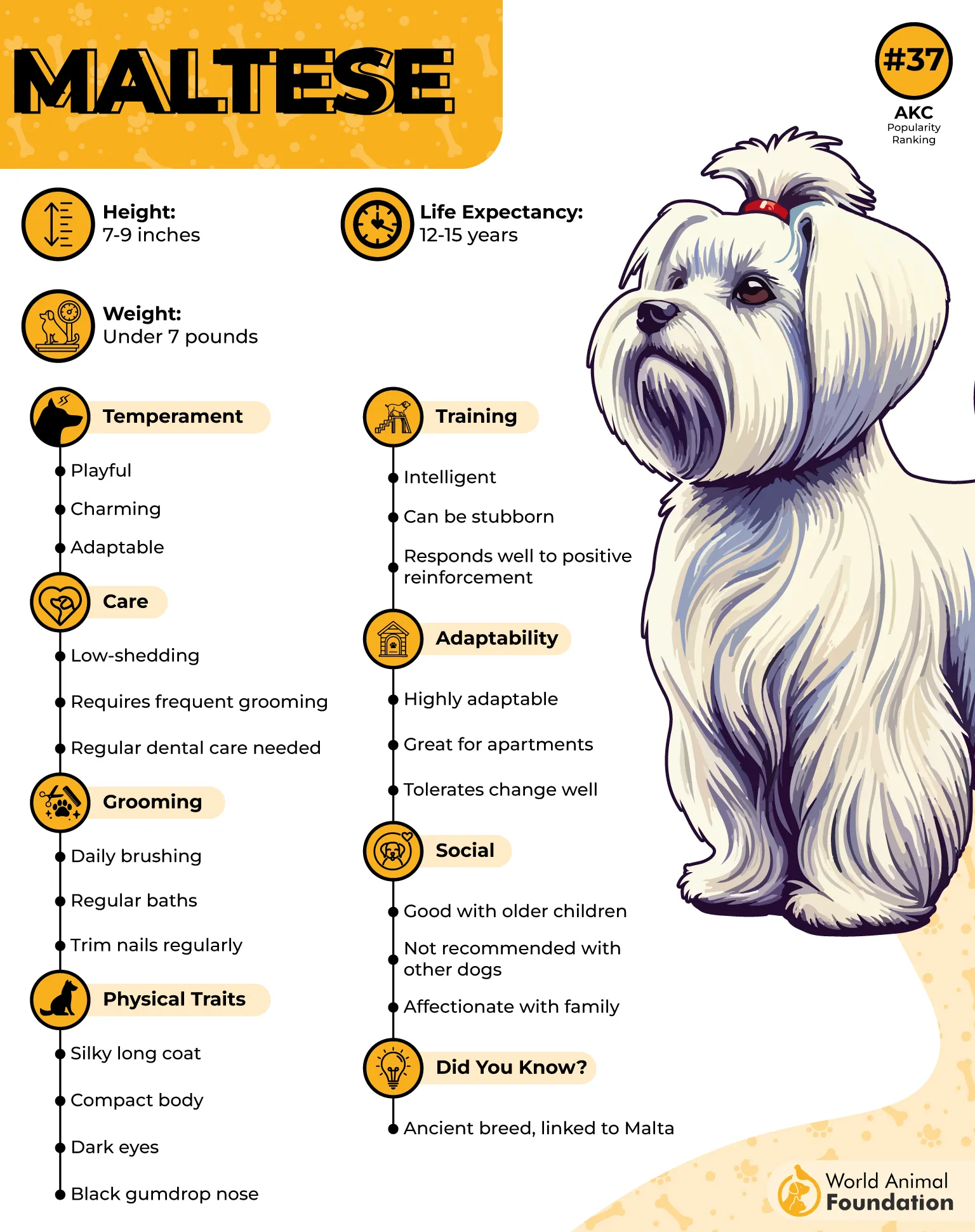
Strangers do not get the same instant warmth family members do. A Maltese tends to hold back a little at first, saving its full affection for people it already trusts. Familiar faces get the good stuff.
Bonding-relevant temperament: Gentle, loyal, and prone to real distress when left alone too often.
Affection style: A dedicated cuddler, happiest tucked against you on the couch or under the covers.
That reserved streak with newcomers can look like shyness rather than pickiness, and it usually just means trust takes time. Pawlicy Advisor notes this breed forms close bonds and can develop separation anxiety, so gradual alone-time training and regular coat brushing keep that bond steady.
7. Pomeranian
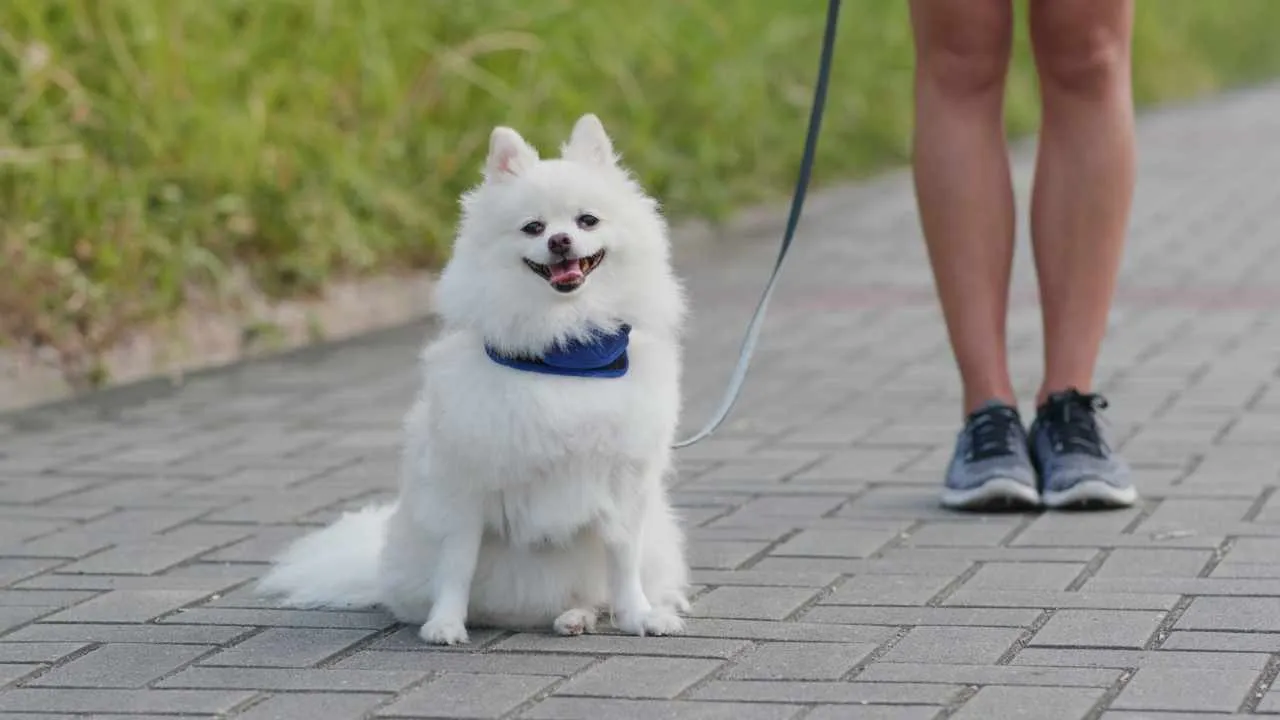
Here is the plot twist on this list. The Pomeranian looks like the ultimate lap dog, then spends most of its energy exploring the room instead of sitting still in anyone’s arms.
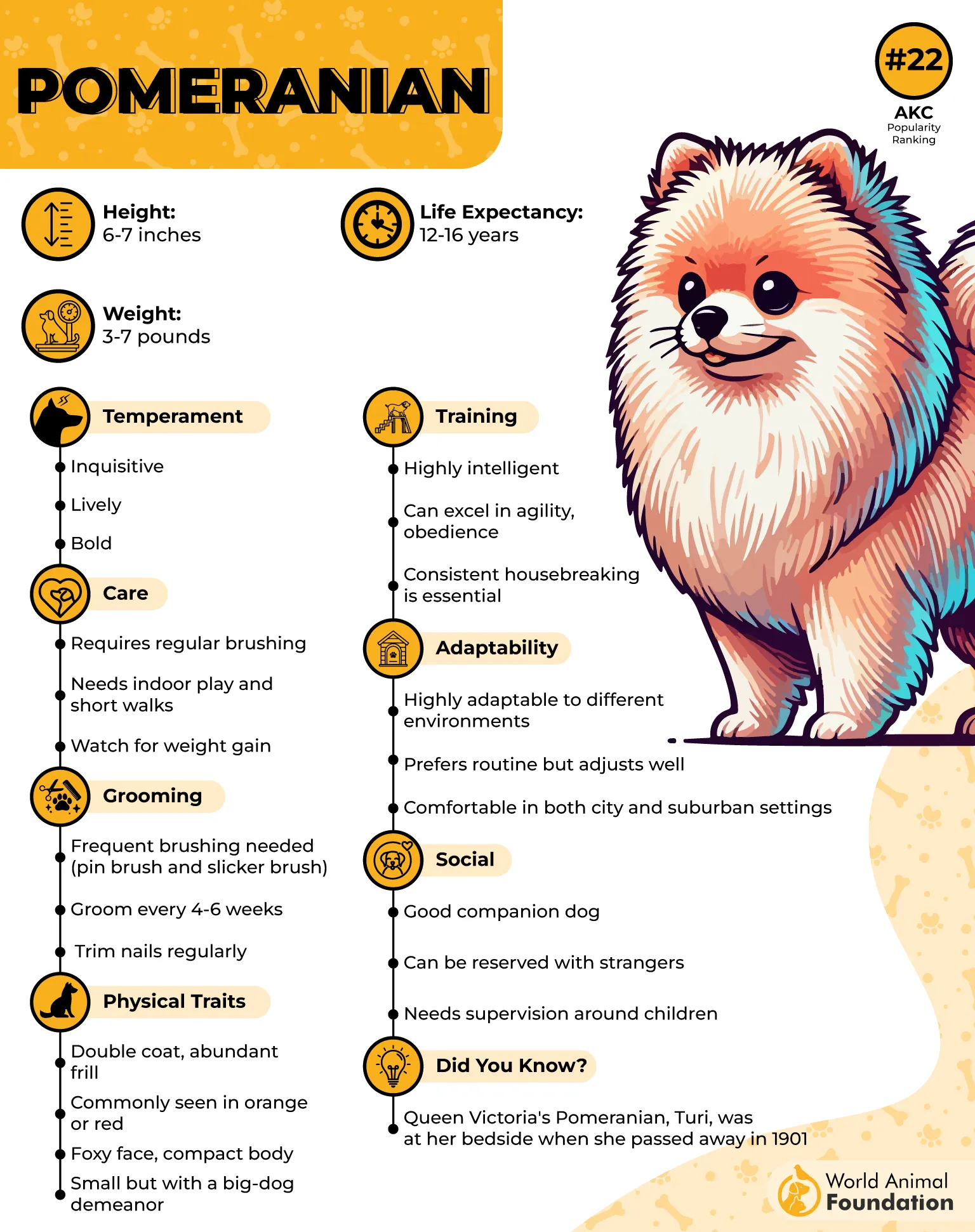
Strangers rarely get much of a look, honestly, and neither does most of the family. A Pomeranian often narrows its whole heart down to one chosen person and stays fairly reserved with everyone else. That loyalty is intense but exclusive.
Bonding-relevant temperament: Confident, alert, and often described as a one-person dog at heart.
Affection style: Selective and proud, offering big love only once it decides you have earned it.
That independence can look like coldness, but it is really just a small dog with strong opinions about who gets close. Consistent, reward-based training and steady socialization from puppyhood help this confident little fox-face warm up without losing its spark.
Conclusion
Seven toy dog breeds, seven completely different love languages. Whether you want a Cavalier’s velcro devotion, a Pomeranian’s one-person loyalty, or a Havanese shadow following your every move, there is a companion dog here built for real connection, not just a cute face in a small size.
The right pick comes down to how you want to receive that affection, cuddled on your lap, trotting beside you, or earned slowly over time. Spend time with a few of these breeds in person, trust your gut, and get ready to welcome home a furry friend who is just as invested in the bond as you are.
