





Small dogs have a reputation for being the loudest thing in the room, yappy, high-strung, and impossible to settle. Turns out that reputation might say more about us than about them.
A Vienna University survey of over 1,200 dog owners found small breeds were more excitable and reactive than larger dogs, but researchers traced much of it back to inconsistent training rather than genetics, according to the AKC.
That detail changes everything about picking a calm companion. The real question isn’t which breeds are naturally quiet; it’s which ones hold onto their gentle nature even when life gets loud.
Many small breeds genuinely lean calm from the start, while others just need the right environment and early socialization to settle into peaceful homes.
Curious which toy breeds actually earn their quiet reputation? Keep reading to find your perfect match.
Ideal Toy Dog Breeds for Calm and Quiet Households
1. Maltese

Picture a dog that would rather nap on your lap than bark at the mailman. The Maltese has a naturally low tendency to bark, saving its voice for real alarms instead of background noise. The experts list it among the most affectionate companions a first-time owner could ask for.
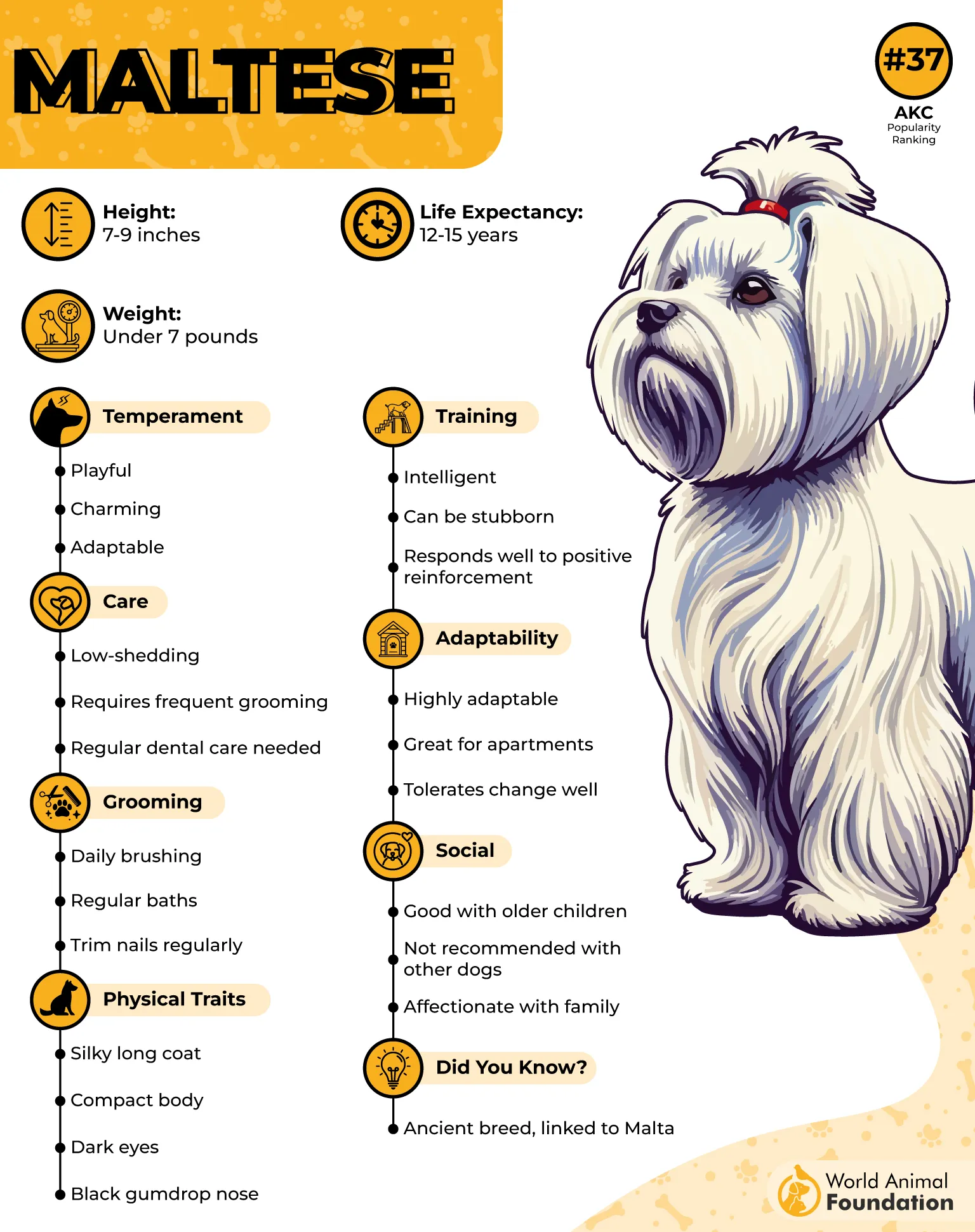
That said, a Maltese still perks up fast at strangers near the door. It settles again within seconds once it sees there’s no real threat, then goes right back to lounging.
Exercise: Short indoor play sessions burn off extra alertness.
Training: Early training and positive reinforcement teach it to trust your cues over its instincts.
Environment: A steady daily routine keeps its nerves calm.
This makes the Maltese a great match for apartment living and thin walls. A newborn won’t rattle it, and it handles long WFH days curled up quietly nearby.
2. Pomeranian
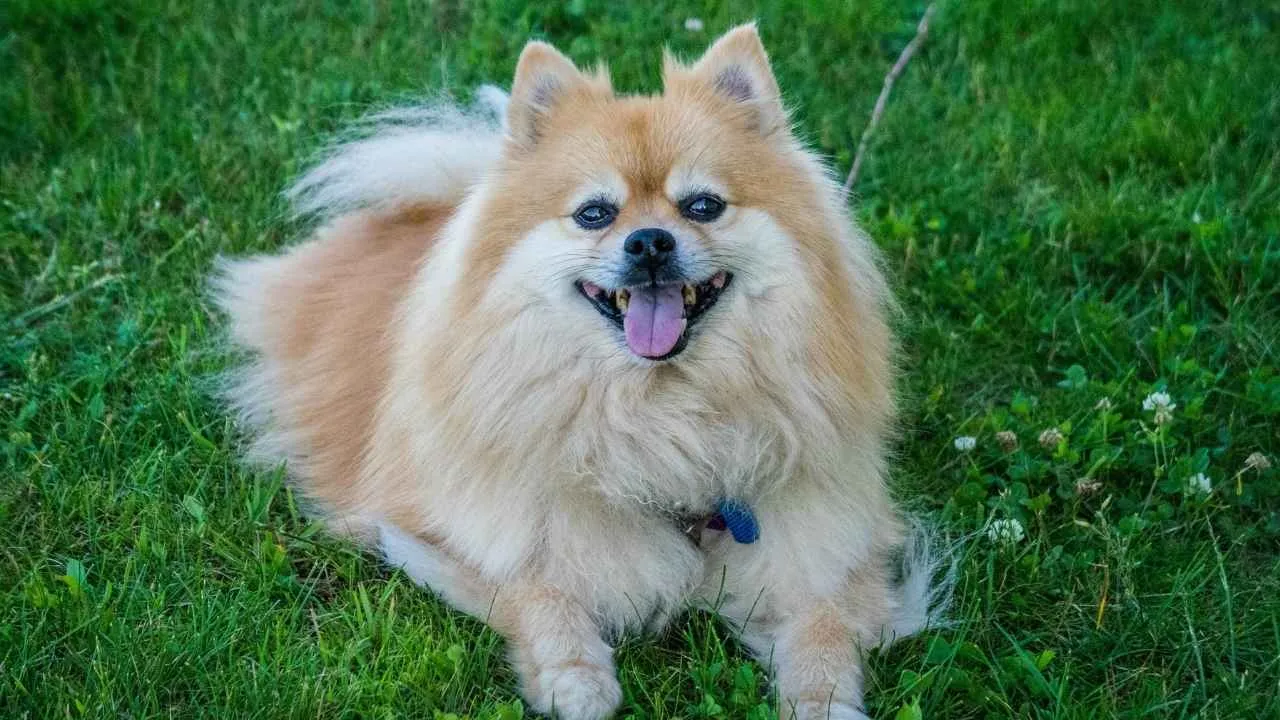
The Pomeranian is the plot twist of this list. Under that fluffy coat sits a dog capable of real calm indoors, though its vocalization tendency runs higher than most toy breeds, especially when bored.
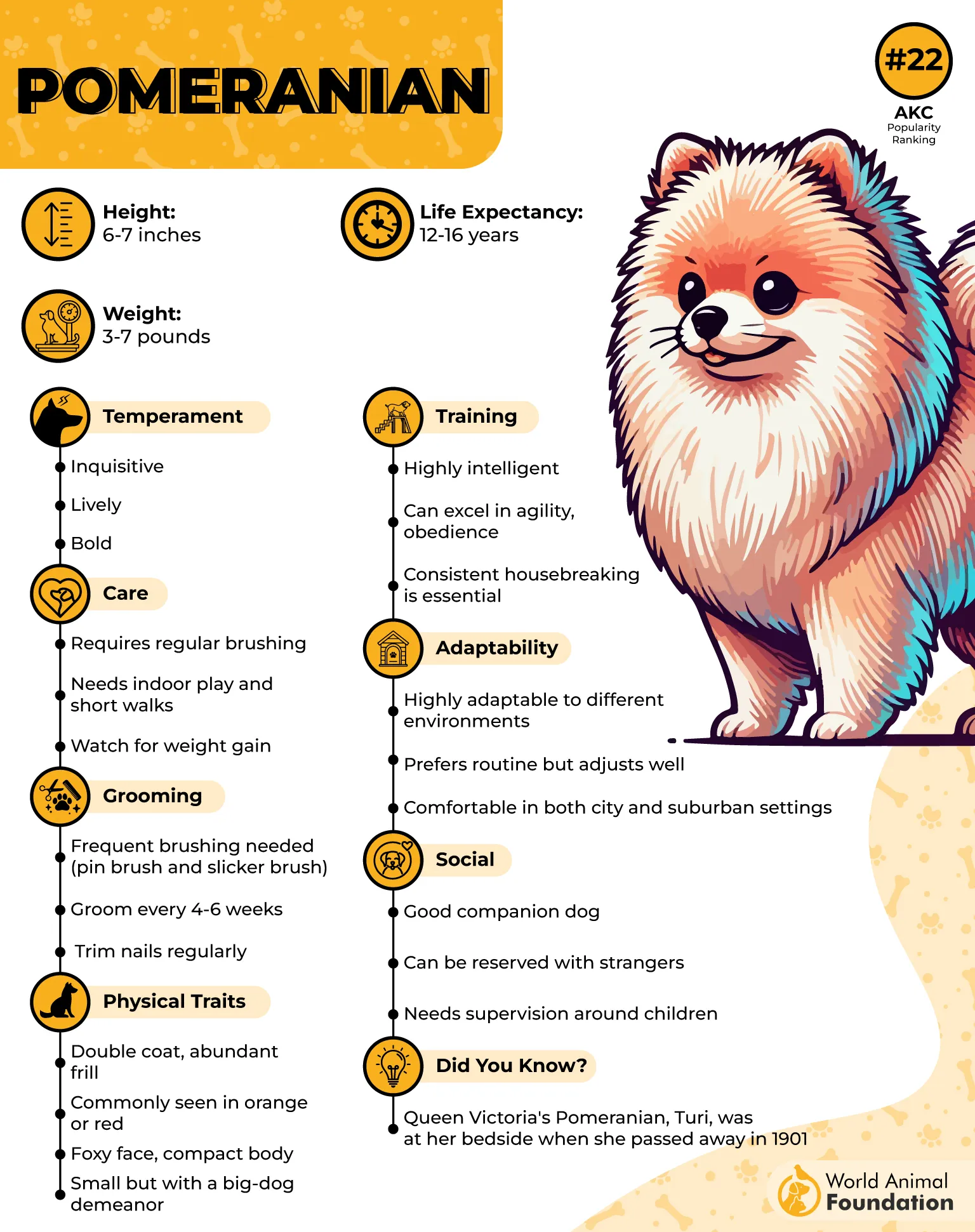
Here’s the honest trigger: Pomeranians alert bark at sounds outside, deliveries, and other dogs passing by. The good news is they drop the act fast once they confirm nothing’s wrong.
Exercise: Daily walks and short bursts of play use up pent-up energy.
Training: Consistent training redirects barking into calmer alert behavior.
Environment: Constant stimulation like puzzle toys prevents boredom barking.
- For quiet households, a Pomeranian works best with some training investment upfront. Apartment living is fine once it’s properly socialized, though a very sound-sensitive newborn setup may need extra patience early on.
3. Pekingese

Dignified, a little stubborn, and happy to just exist near you. That’s the Pekingese in a sentence. Its bark tendency is naturally minimal, more of a low grumble than an alarm.
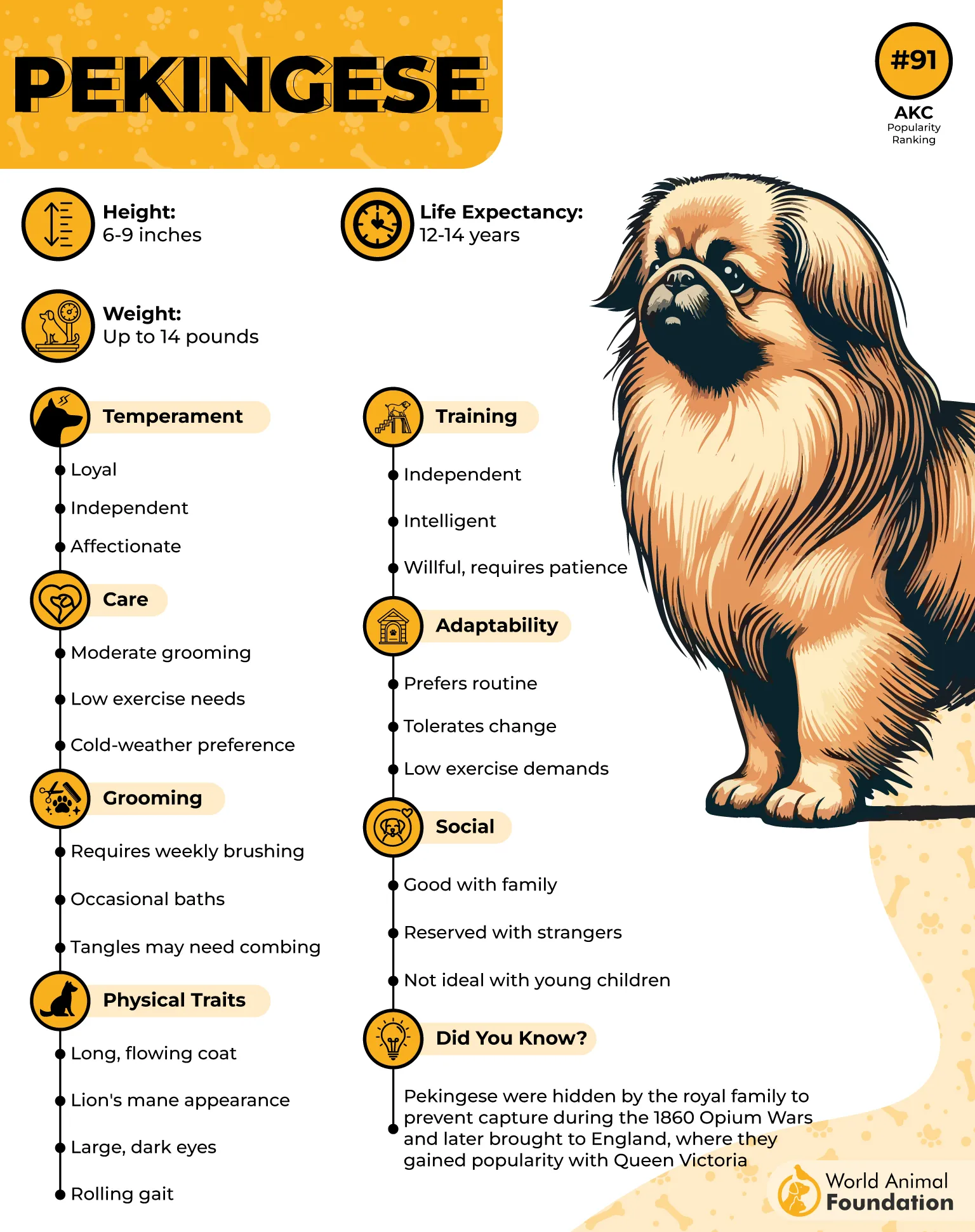
Omlet US notes this breed alerts occasionally to unfamiliar footsteps but rarely escalates. It settles fast once it clocks you as the source of the noise.
Exercise: Low energy needs mean short strolls are enough.
Training: Early socialization smooths out any wariness toward visitors.
Environment: A predictable routine suits its laid-back personality.
The Pekingese thrives in small living spaces and handles thin walls without issue. It’s a calm presence around a baby and barely notices long stretches of WFH silence or sudden video calls.
4. Japanese Chin
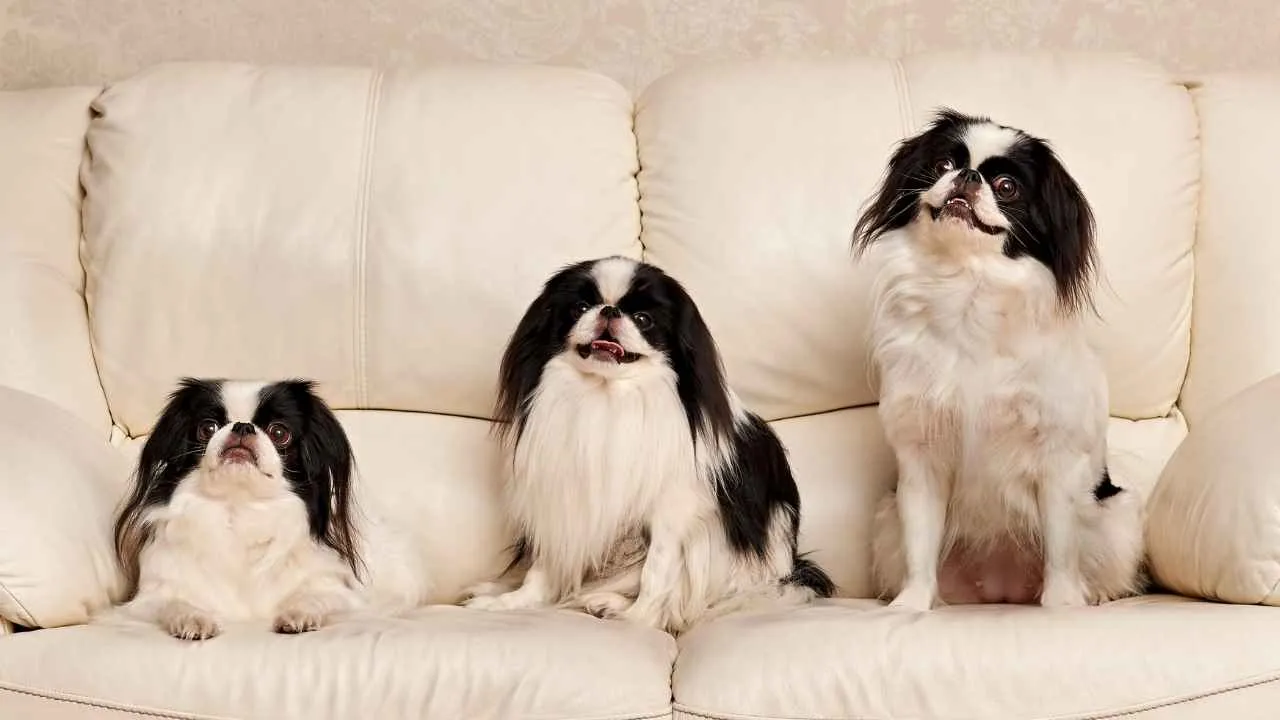
The Japanese Chin moves like a cat and barks like one too, rarely. Its vocalization tendency is famously gentle, more chirp than bark, which makes it stand out among toy breeds.
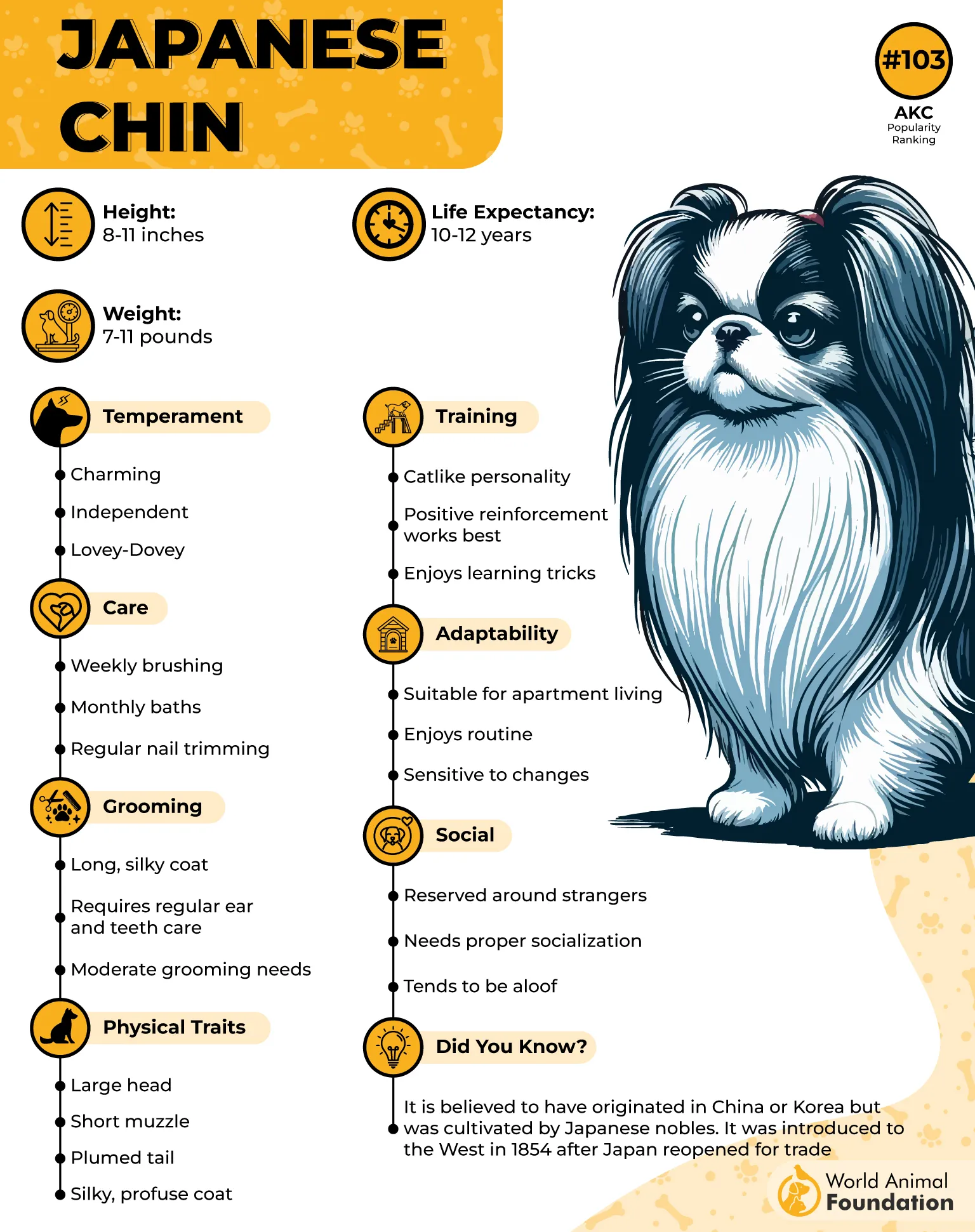
It can get briefly vocal around new pets or sudden visitors. That moment passes quickly, and it returns to its quiet, observant self within minutes.
Exercise: Gentle daily play keeps its mind occupied without overstimulation.
Training: Positive reinforcement reinforces its naturally quiet habits.
Environment: Calm households help it stay relaxed around new faces.
This breed is an excellent match for apartment living and family members of all ages. Its tolerance for long periods of quiet makes it a dependable companion during WFH days or a baby’s nap schedule.
5. English Toy Spaniel

Soulful eyes, a gentle nature, and almost no interest in making noise. The English Toy Spaniel’s barking tendency sits near the bottom of the toy breed scale, closer to silent than chatty.
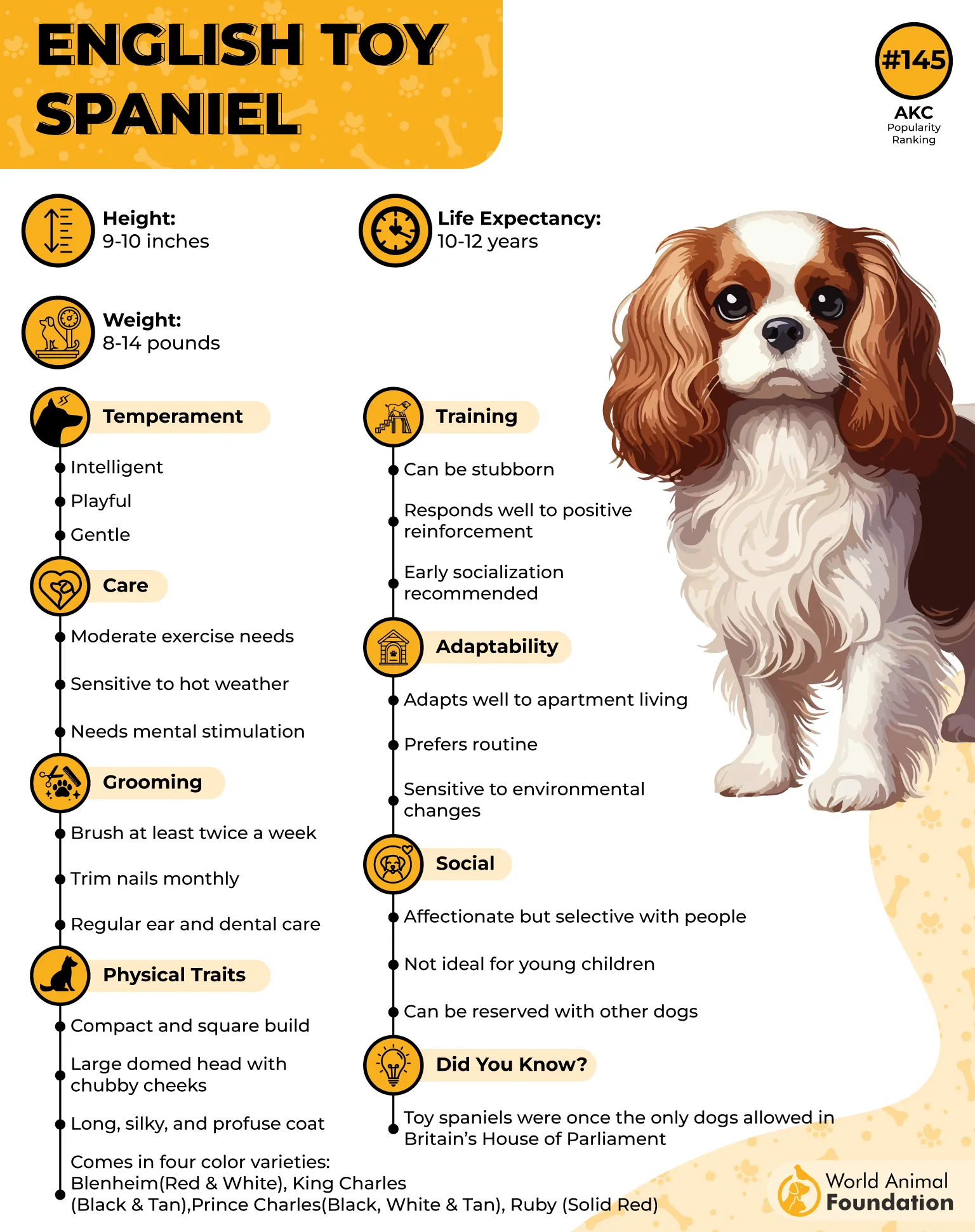
The AKC points out it can be a touch reserved around strangers at first. It warms up on its own time rather than reacting loudly.
Exercise: Minimal grooming and light daily walks cover its basic needs.
Training: Early training builds confidence around new people.
Environment: A peaceful home reinforces its naturally quiet temperament.
Thin walls, studio apartments, newborns — none of it fazes this breed much. It’s content lounging through long WFH hours, making it one of the better picks for truly peaceful homes.
6. Papillon

Don’t let the butterfly ears fool you. The Papillon is sharp, alert, and its vocalization tendency leans toward occasional watchdog barking rather than constant noise.
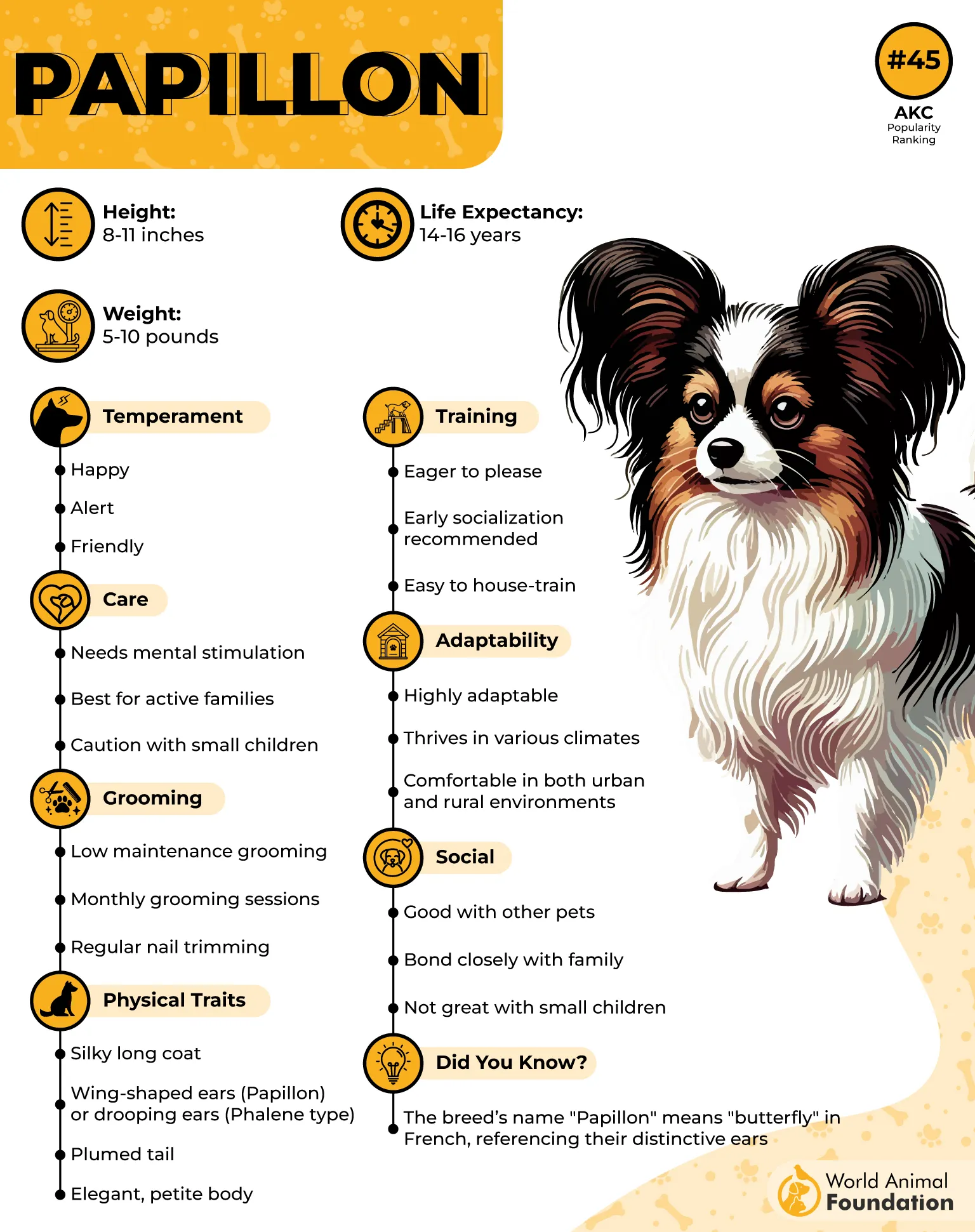
It tends to sound off at sudden movement or unfamiliar visitors. Once it confirms things are fine, it settles back into its usual cheerful calm.
Exercise: Daily walks and short training games satisfy its active mind.
Training: Consistent training channels its alertness into quieter habits.
Environment: Regular mental stimulation prevents restless barking.
With some structure, the Papillon adapts well to apartment living and shared walls. A baby in the house is usually fine once it’s properly socialized, though WFH owners may notice occasional alert barks during the day.
7. Toy Poodle

Smart enough to learn quiet on command, the Toy Poodle has a naturally moderate bark tendency that responds well to guidance. Pedigree describes it as one of the most trainable toy breeds around.
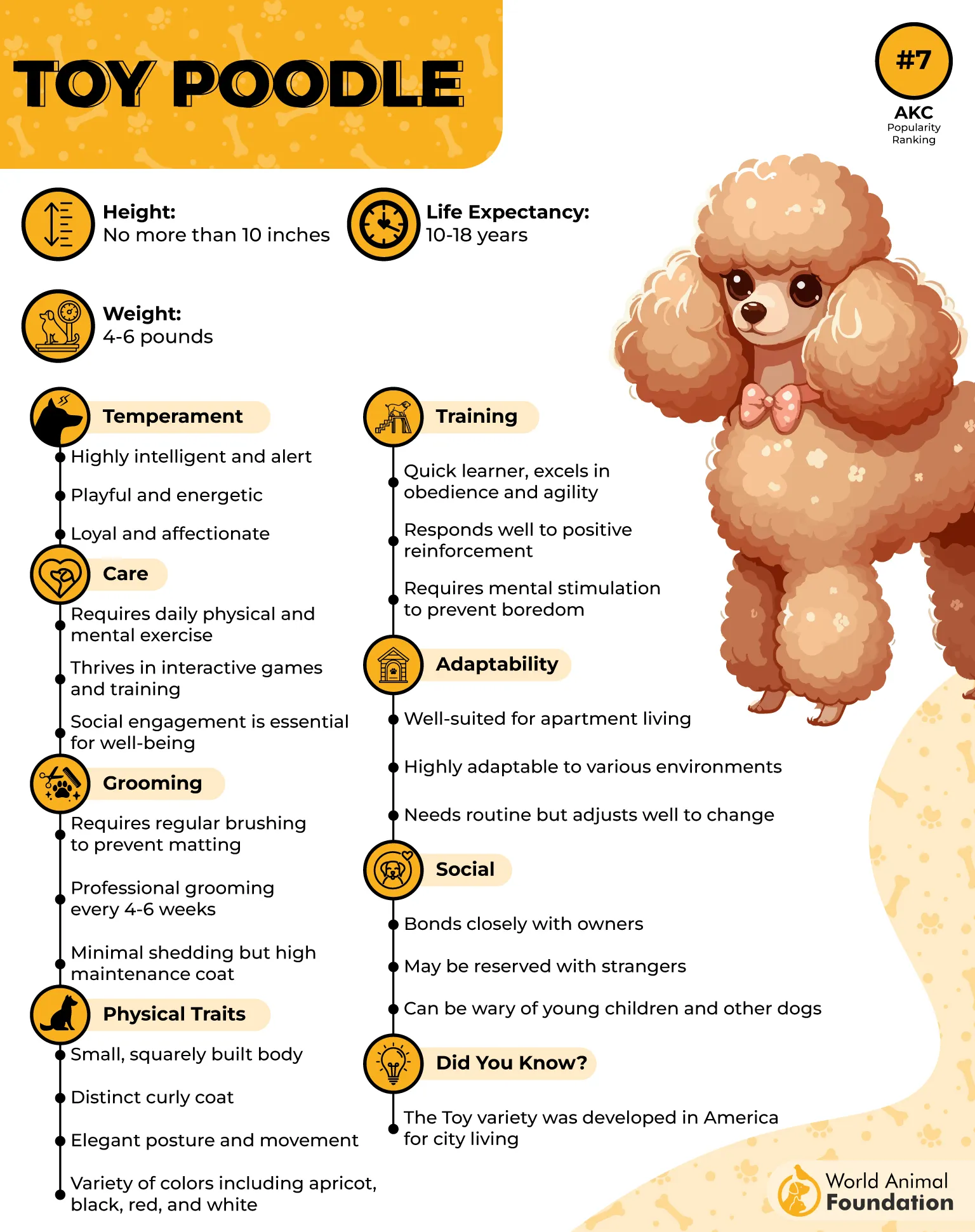
It can get vocal when left alone too long, a mild form of separation anxiety rather than random noise. Catch that early, and it rarely becomes a habit.
Exercise: Daily walks plus short bursts of mental exercise keep it settled.
Training: Early socialization and consistent training curb excess barking fast.
Environment: Gradual alone time practice builds independence.

This makes the Toy Poodle a strong fit for families, first-time owners, and apartment living alike. It handles a baby’s unpredictable schedule and long WFH stretches with surprising ease.
8. Shih Tzu

Built for laps, not for barking matches. The Shih Tzu’s vocalization tendency is low by toy breed standards, and it would rather lounge than react to every sound.
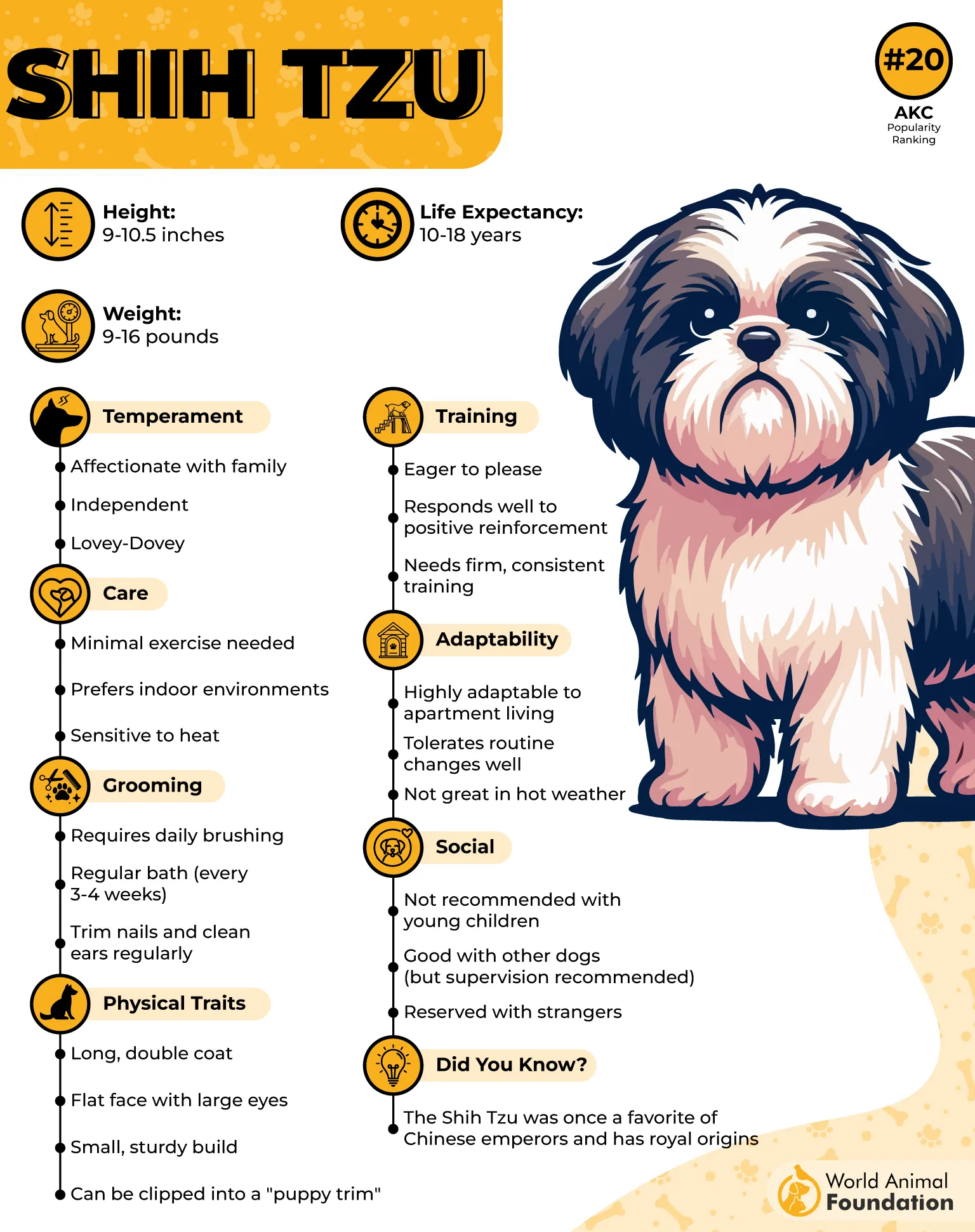
It may bark briefly at the doorbell or a knock. That’s usually the end of it, since this breed loses interest in noise almost as fast as it starts.
Exercise: Short play sessions and daily brushing cover its routine needs.
Training: Positive reinforcement keeps its naturally calm habits intact.
Environment: A steady, low-chaos home suits its personality well.
Shih Tzus are widely regarded as excellent companions for calm households with kids or a new baby. Thin apartment walls and long WFH silence rarely bother this breed at all.
9. Silky Terrier
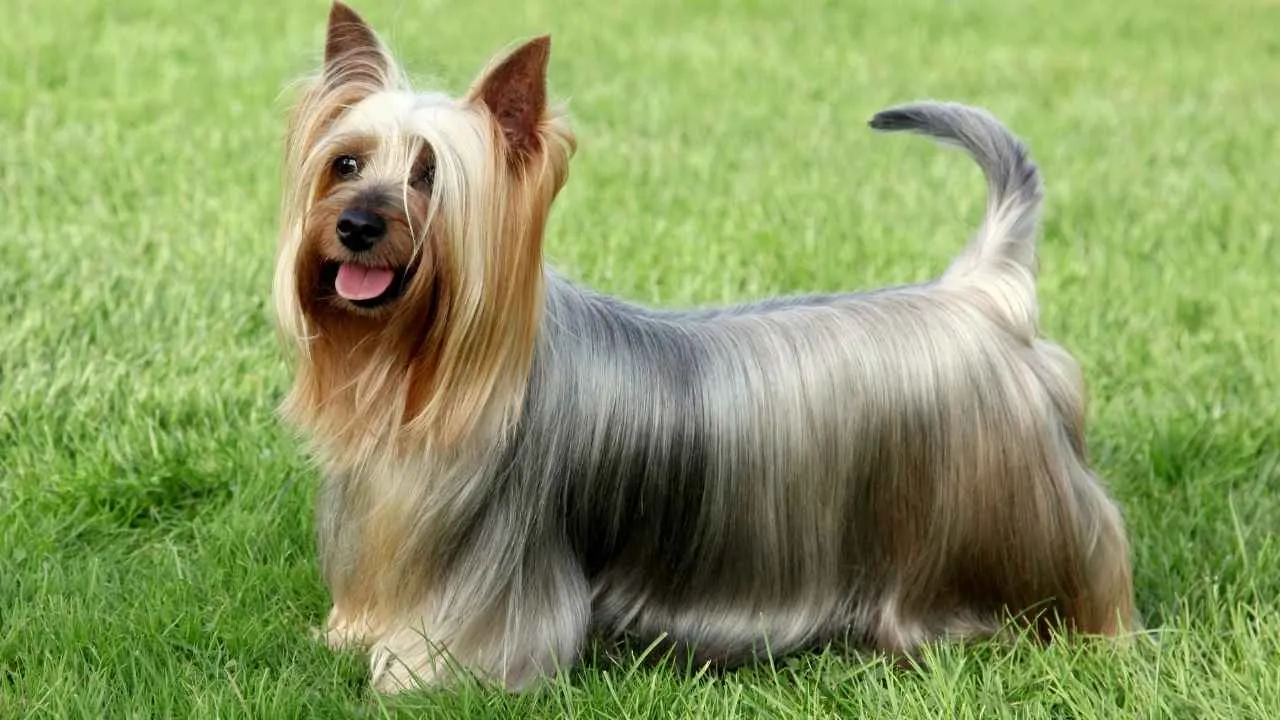
Don’t expect total silence here. The Silky Terrier carries some natural terrier alertness, giving it a moderate bark tendency compared to the rest of this list.
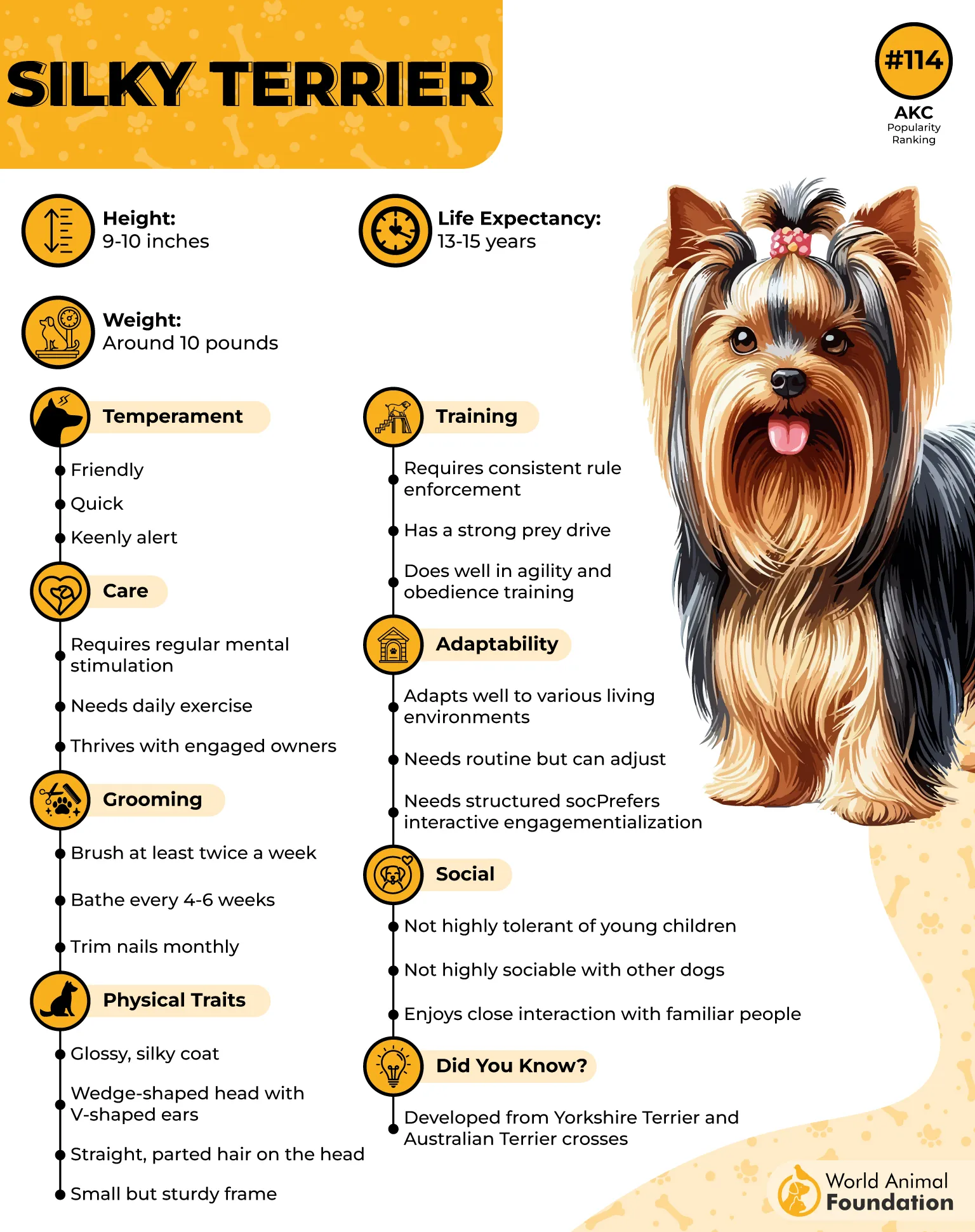
Orvis notes it tends to alert bark at unfamiliar sounds or other animals nearby. It calms down once it decides the coast is clear.
Exercise: Daily walks and regular grooming keep its energy and coat in check.
Training: Early training and consistent boundaries reduce its instinct to sound off.
Environment: Predictable routines help it feel secure rather than reactive.
For quiet households, the Silky Terrier works best with training investment and a stable routine. It can adapt to apartment living, though very sound-sensitive setups with a newborn may want to weigh this one carefully.
Conclusion
So no, toy breeds and quiet homes aren’t a contradiction. Many small breeds on this list prove that gentle nature and a calm temperament can live happily in a studio apartment, around kids, or alongside a napping baby, with just a little early socialization and consistent training to back it up.
Pick the one that matches your energy and your walls, give it the basic needs it thrives on, and you’ll have a peaceful home and a lap warmer for life. Ready to bring one of these calm companions into your quiet household?
