




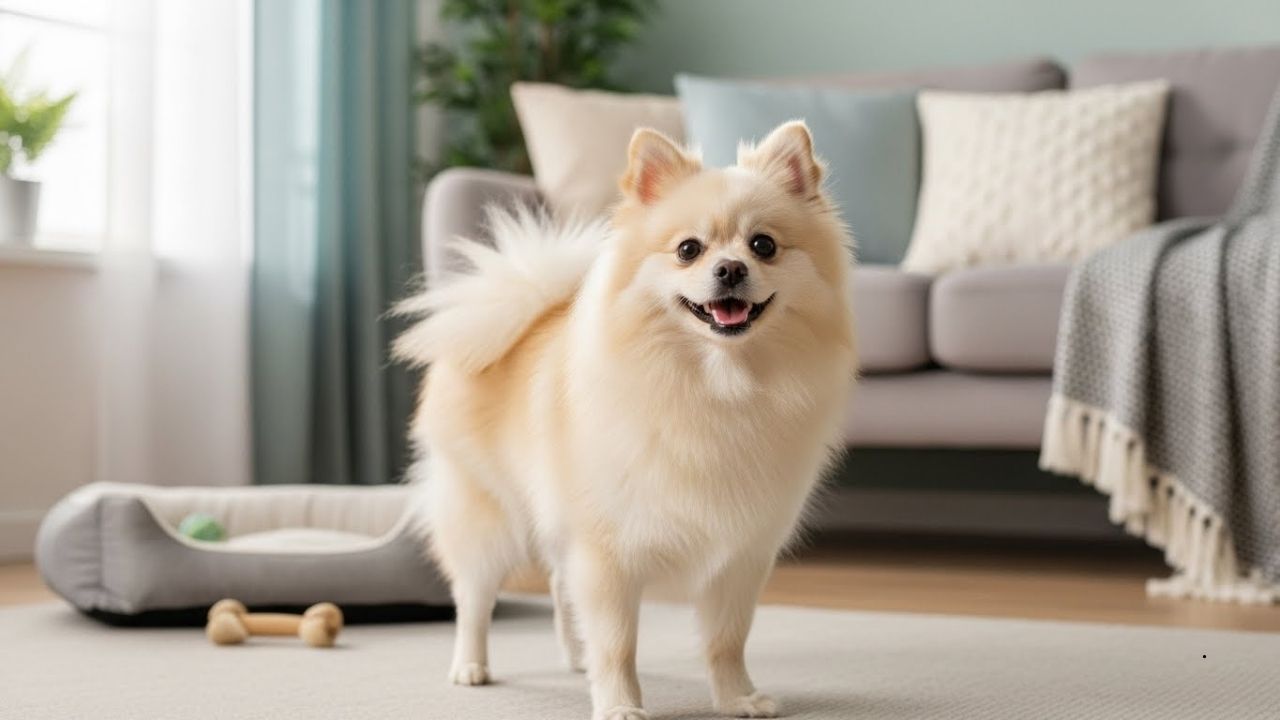
Small dog, big heart, and a best-friend vibe every single day.
A companionable lifestyle is not about being fancy. It is about feeling less alone. It is about a warm body beside you during a movie. It is about a tiny shadow that follows you from room to room, like, “Yep, we are a team now.”
Toy dog breeds can be perfect for this life. Many are lap-ready, home-friendly, and built for close bonds.
But each breed brings a different kind of “bestie energy.” Some are soft and sweet. Some are bold and chatty. Some are calm and quiet, like they pay rent and hate drama.
Below are nine toy breeds that can fit a cozy, companion-first routine.
Ideal Toy Dog Breeds for a Companionable Lifestyle
1. Maltese
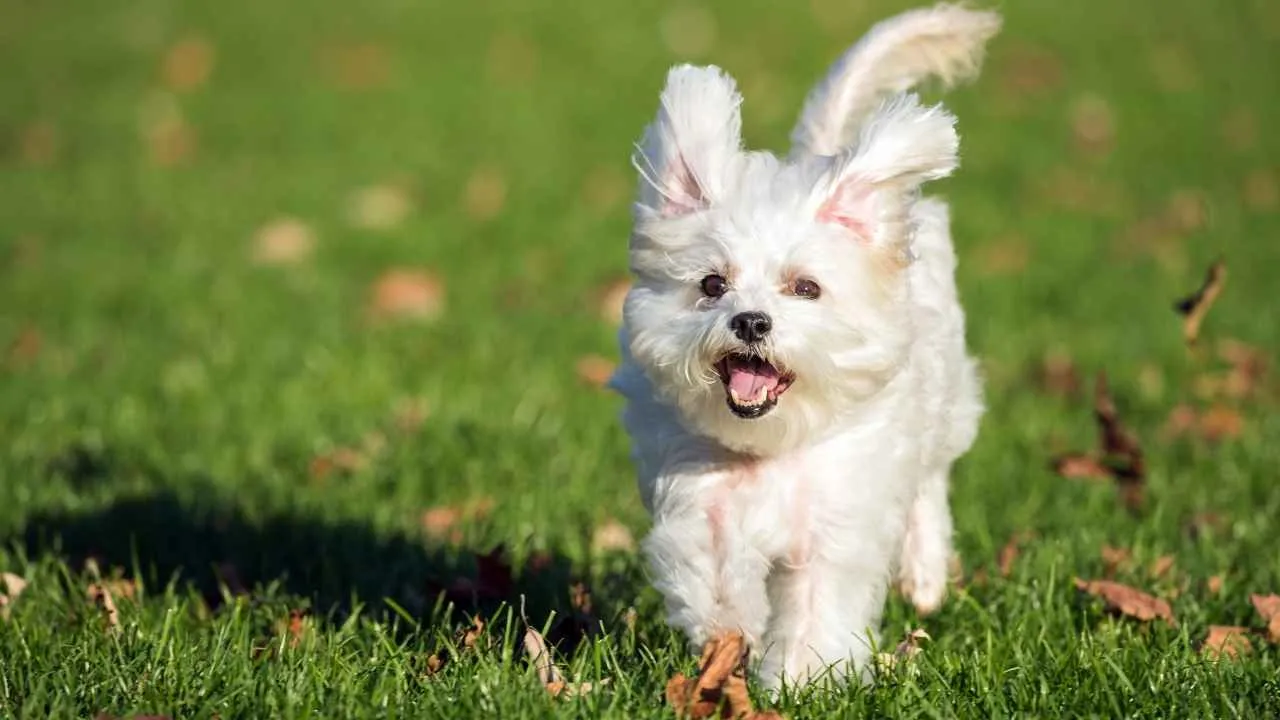
The Maltese is basically a little heart in dog form. They are playful, charming, and very adaptable, which is a fancy way of saying they can be happy in many home setups.
They are also very small, often under 7 pounds, so they fit nicely into apartment living and calmer routines.
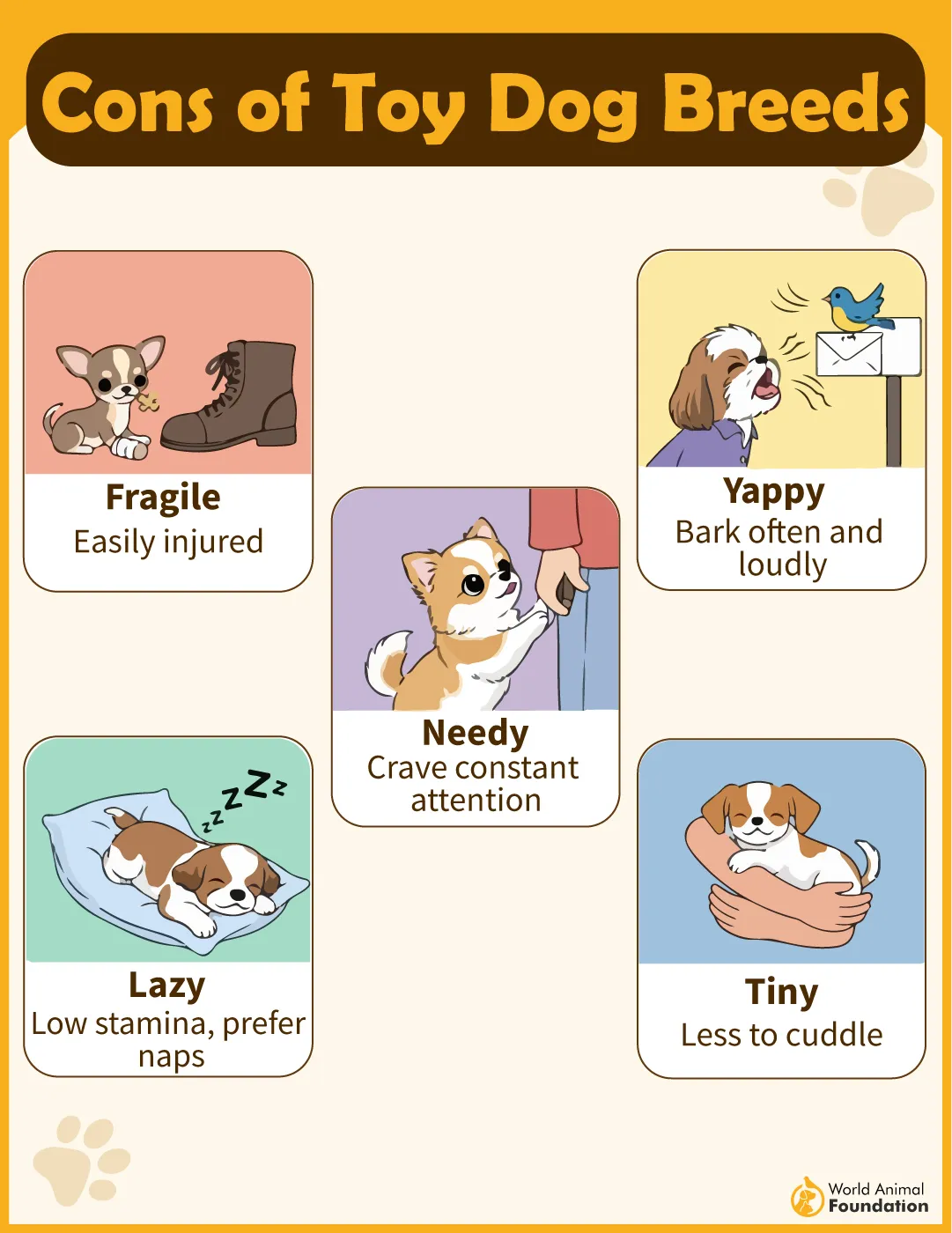
If you want a dog breed that loves being close, this breed often delivers. They tend to bond hard with their person. Expect a lot of “Where are you going?” energy. The good part is that closeness is exactly what many people want in a companion dog.
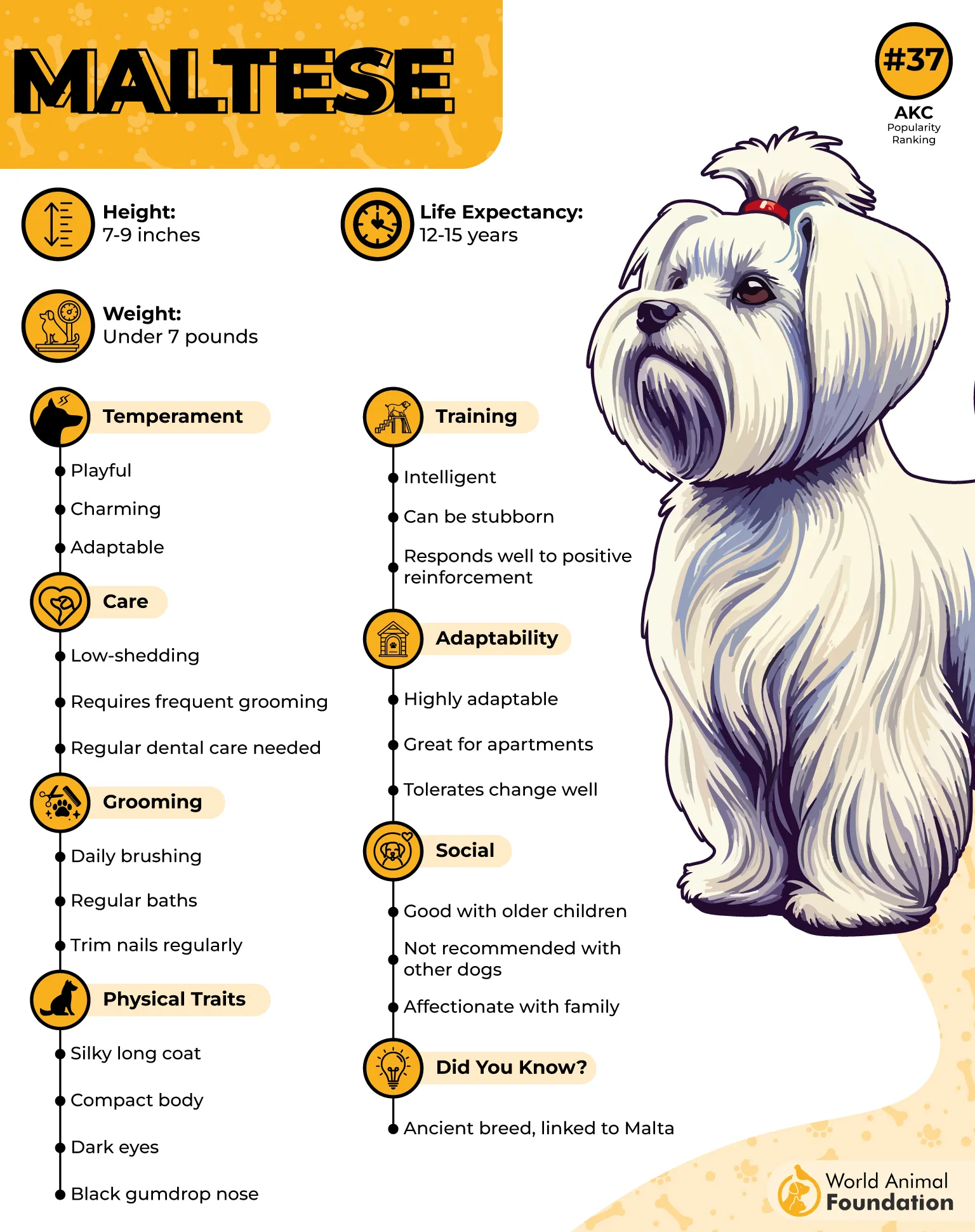
That famous white coat is stunning, but it is not magic. It takes care. Daily gentle brushing helps prevent tangles, and regular grooming keeps them comfy and cute. If you like a tidy home vibe, you will also like being on top of coat care.
Best for cozy bonding
Loves lap time and being near you
Great for smaller homes
Needs steady coat care, not intense exercise
2. Pomeranian
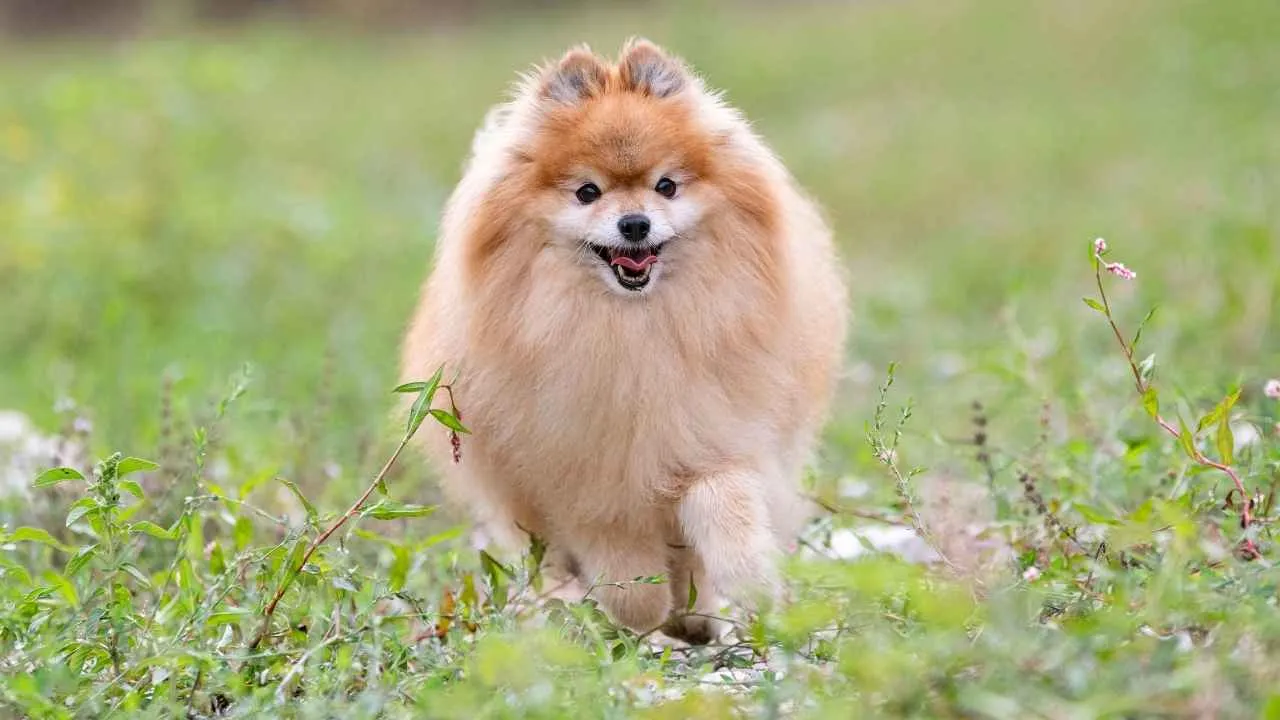
A Pomeranian is a tiny dog breed that believes it is the main character. And here’s the best part! That confidence can be hilarious and sweet when you want a lively little buddy around the house.
Poms are often described as an “ideal companion,” and it makes sense. They are bright, vivacious, and very into their people. The breed is known for that glorious double coat and fox-like smile, which can make even a bad day feel slightly less awful.
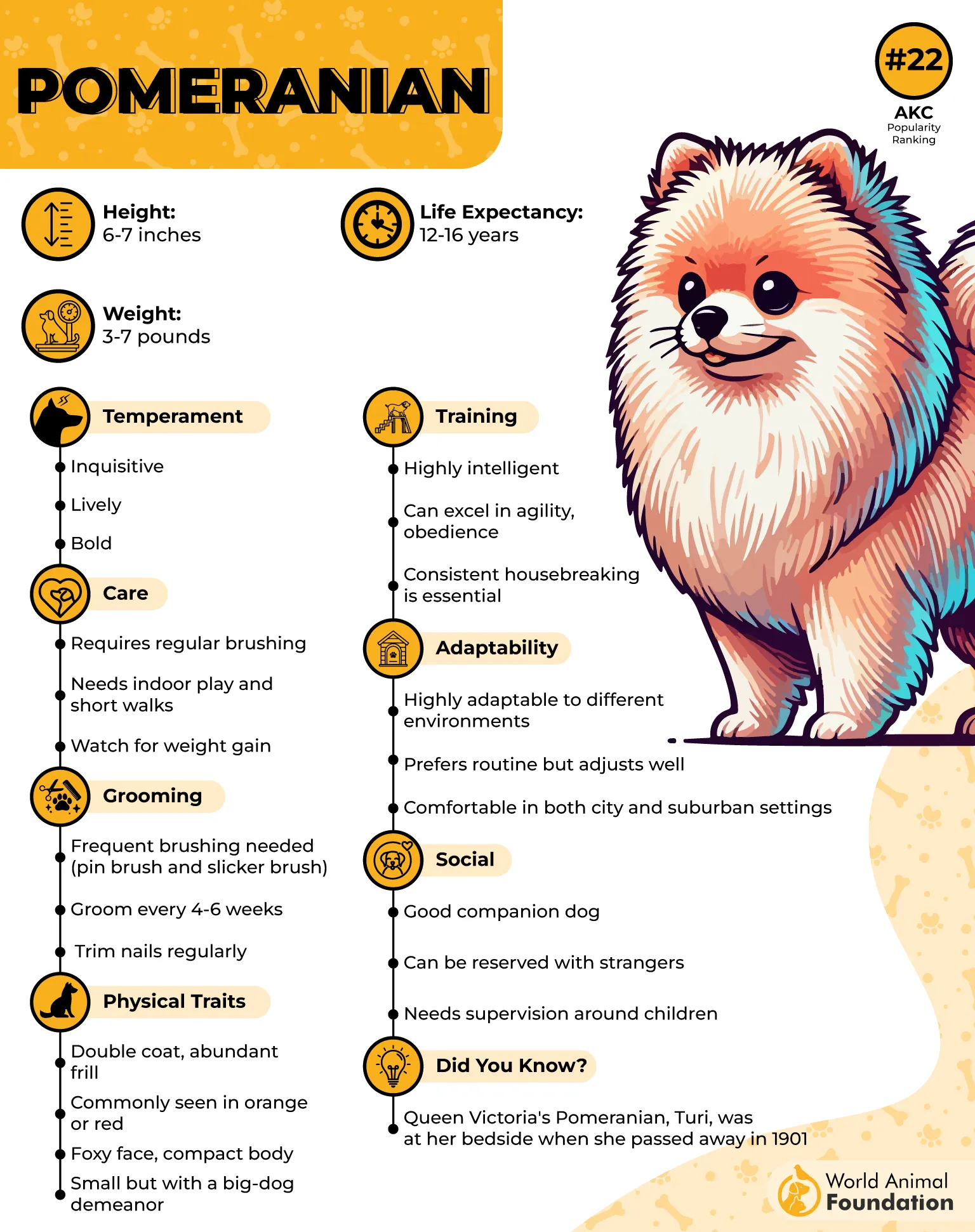
But why bother with that? The grooming, I mean. Because that coat is thick. You will deal with brushing and seasonal shedding.
Also, many Poms can be vocal. With calm training and early social time, you can shape that “I must announce everything” habit into something more manageable.
They are small, usually in the 3 to 7 pound range, but they still enjoy short play bursts and little walks. Think “pocket athlete,” not “needs a marathon.”
Best for lively companionship
Big personality in a tiny body
Enjoys play and short walks
Coat care is a real commitment
3. Pekingese
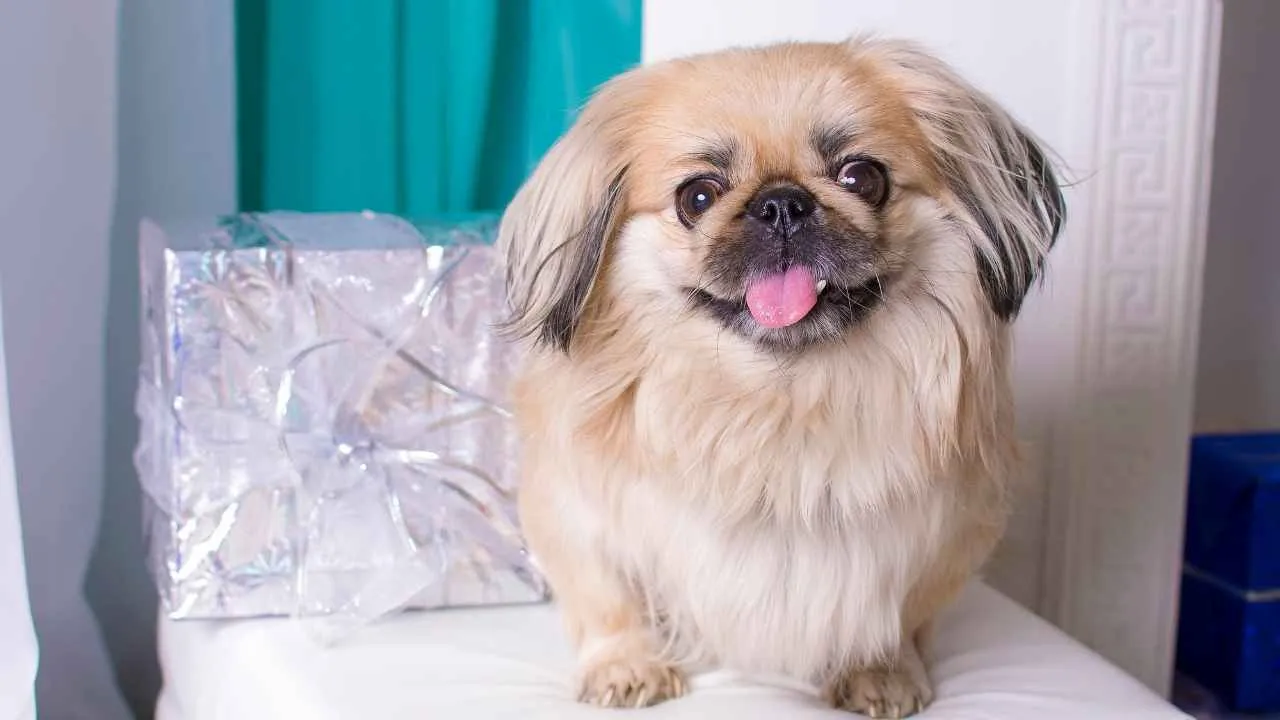
The Pekingese has strong “royalty in a small package” vibes. They were bred for ancient Chinese ruling classes, and honestly, they still act like it sometimes. Sounds crazy, right? But it is also part of their charm.
PetMD notes that for a companionable lifestyle, this breed can be a sweet match if you like calm company. Many Pekingese are loyal, affectionate, and happy to stay close without needing constant action.
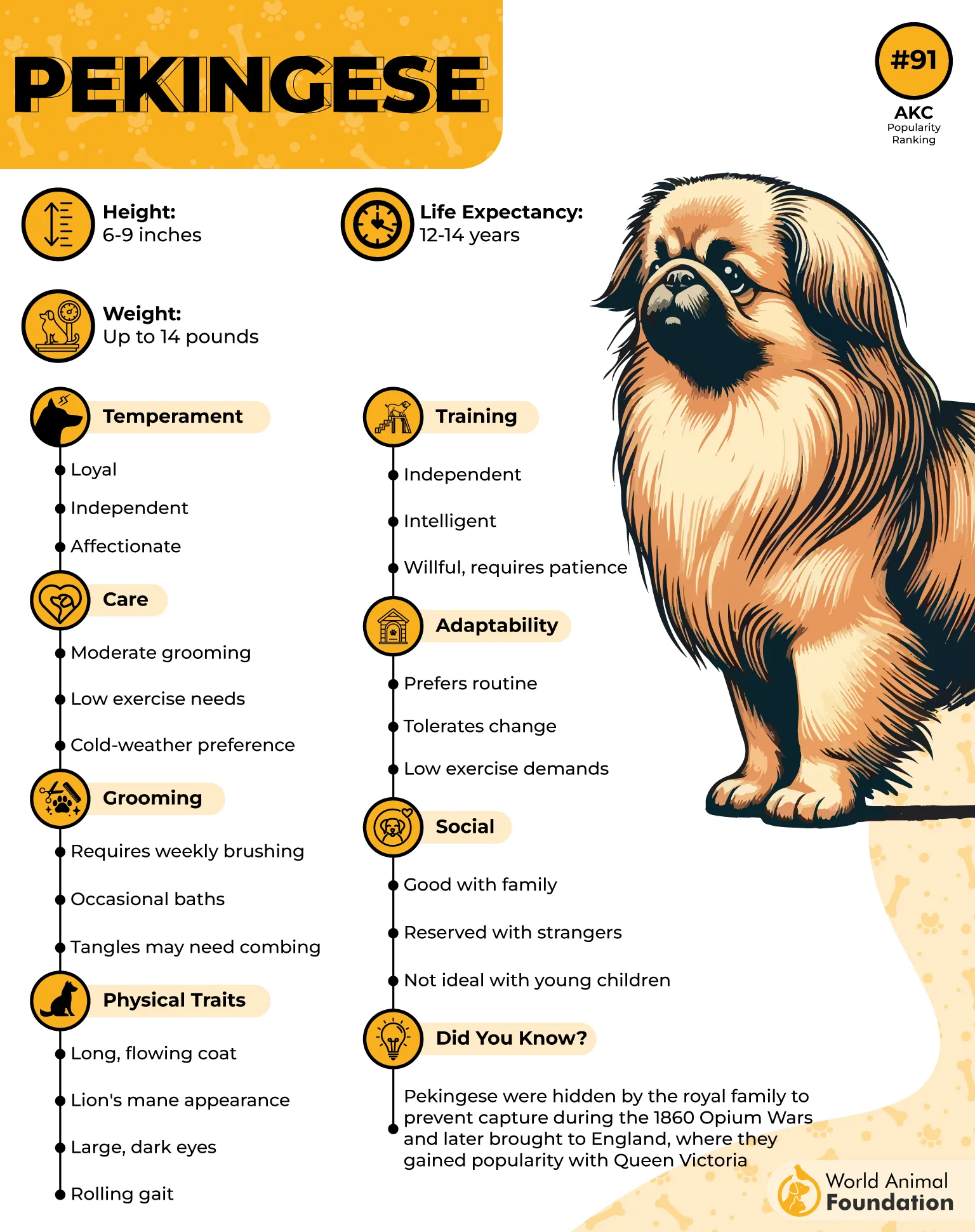
They often prefer a steady home and familiar people, which can make them feel like a true little household partner.
They are compact and stocky, up to about 14 pounds. That heavier toy build can feel sturdy in your arms, but it also means you should watch the heat and avoid overdoing exercise. Their face shape and thick coat can make hot weather harder, so a cool, comfy home helps a lot.
Best for calm, loyal vibes
Devoted and home-oriented
Low-key energy for relaxed routines
Needs coat care and heat caution
4. Japanese Chin
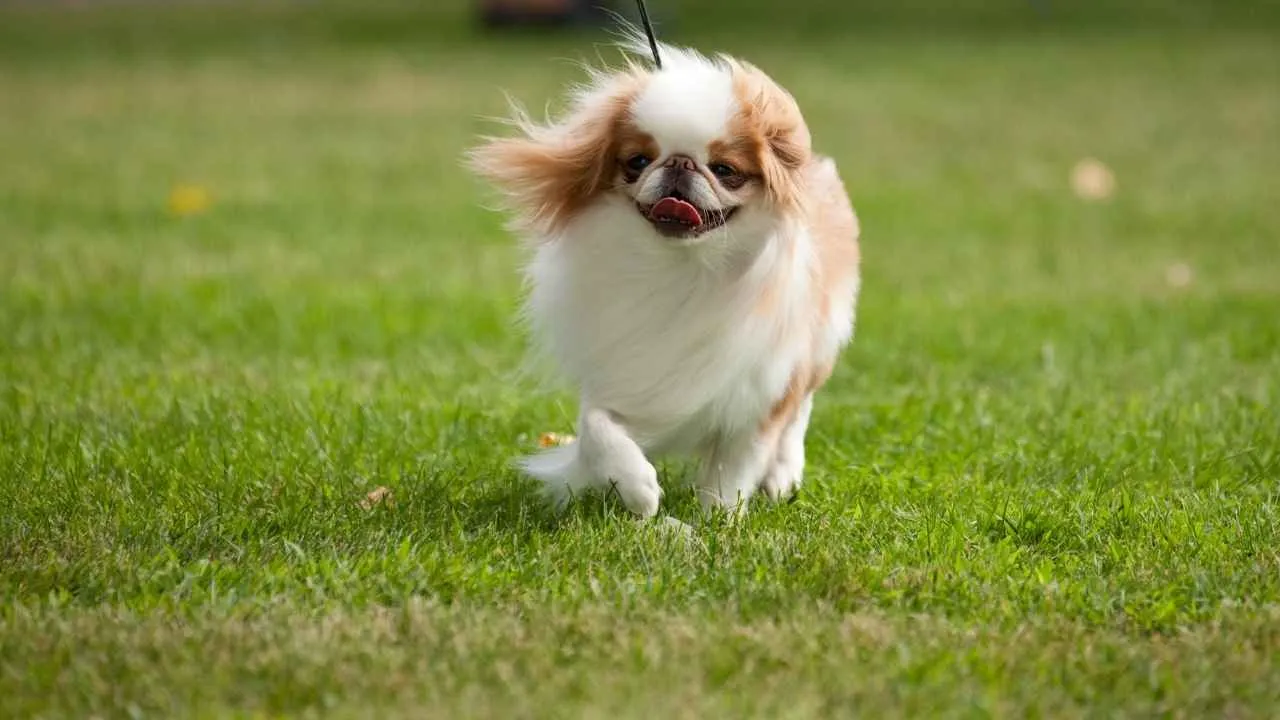
If you want a dog breed that feels almost cat-like, meet the Japanese Chin. They are often described as fastidious, graceful, and generally quiet. It gets even better, though, because many Chins even groom themselves and love perching up high, like the back of a couch.
This breed can be amazing for a companionable lifestyle because they often match your mood. Quiet morning? They chill. Light activity? They join.
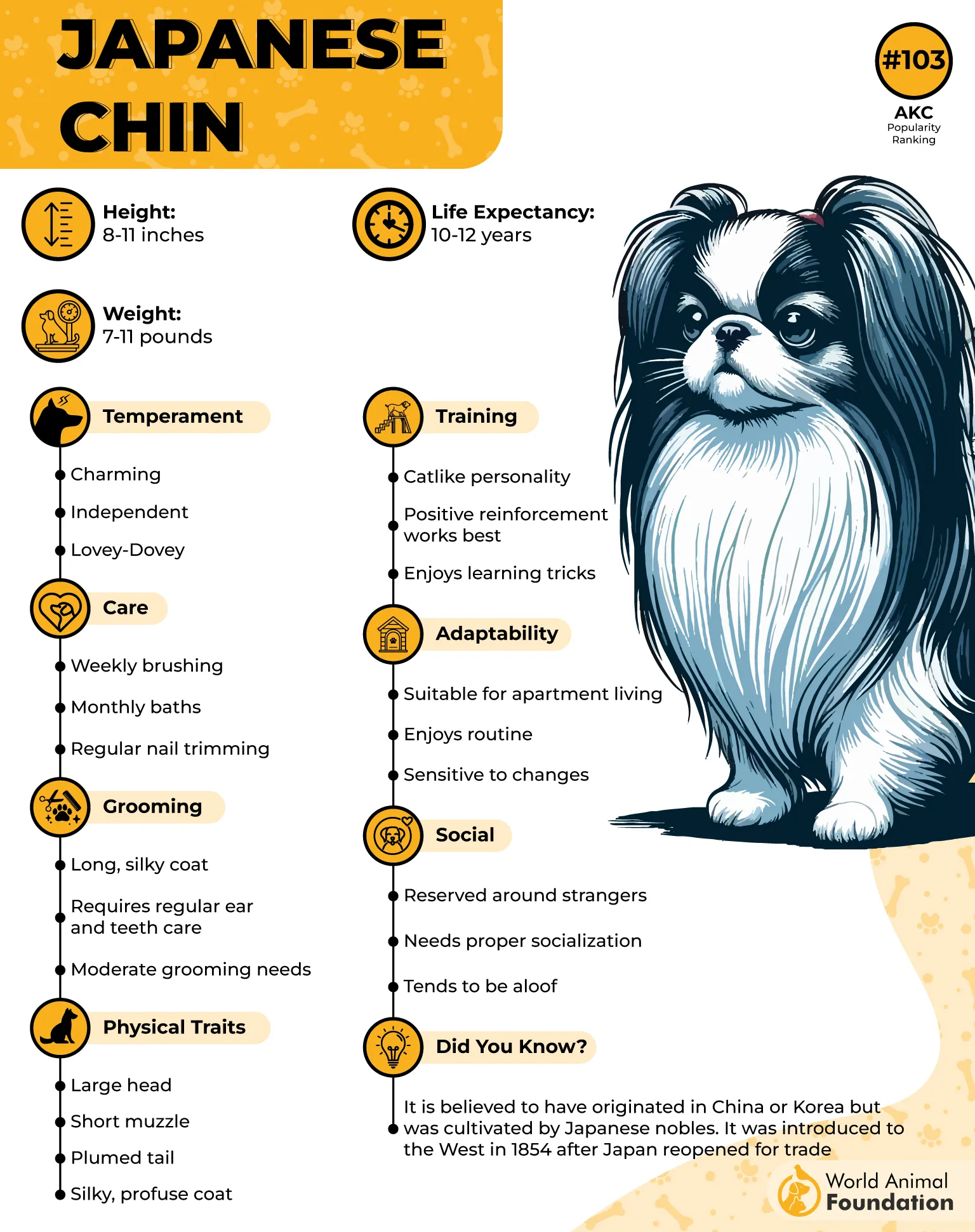
They tend to be bright and amusing, and they can feel like a little comedian who does not need loud chaos to be fun.
They are small, often around 4 to 9 pounds, and they do well in smaller spaces when they get gentle daily movement. They may be a bit wary of strangers sometimes, so kind social exposure matters. You want them to feel safe, not pressured.
Best for quiet homes
Often calm and not super barky
Loves comfy spots and close company
Gentle social time helps confidence
5. Silky Terrier
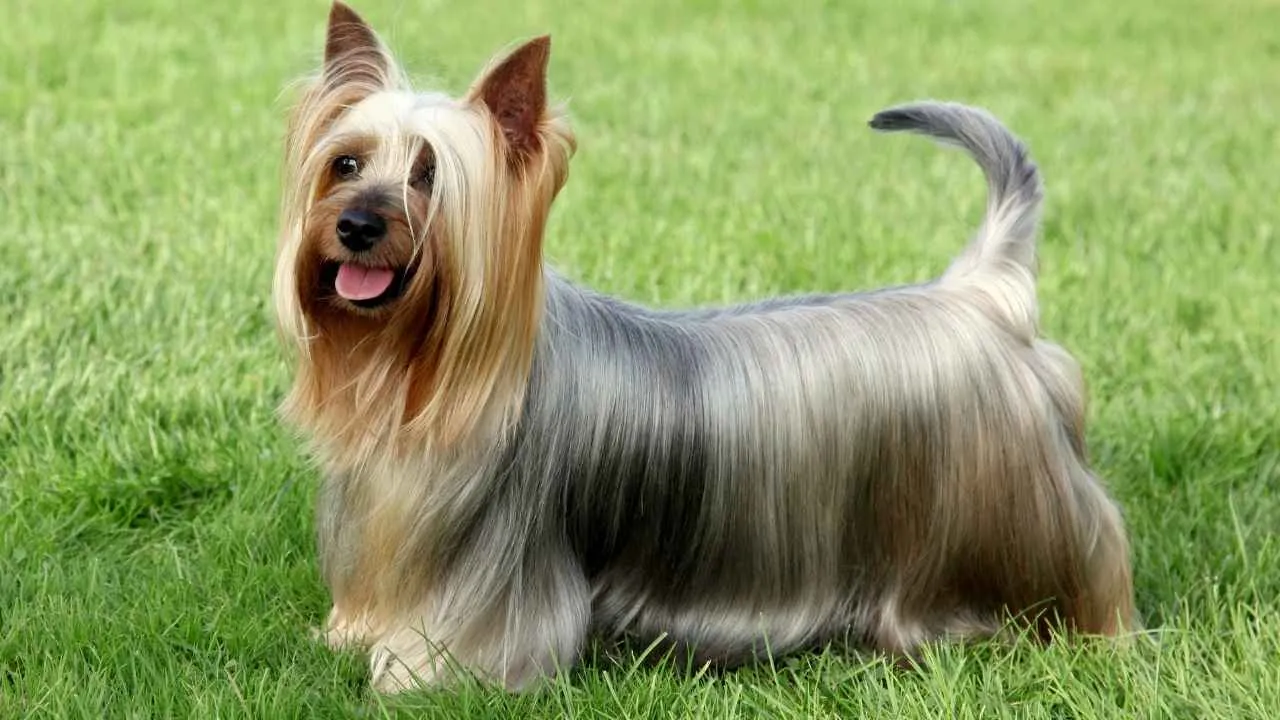
The Silky Terrier is for someone who wants a companion dog with some spice. They are in the Toy Group, but they are still true terriers at heart, meaning energetic, alert, and a little bit mischievous. Now, that can be very fun if you like a companion who keeps life interesting.
Silkies are usually around 10 pounds and often have a long, glossy coat. They can be loyal and affectionate with their people, but they also need more activity than many “classic lapdogs.”
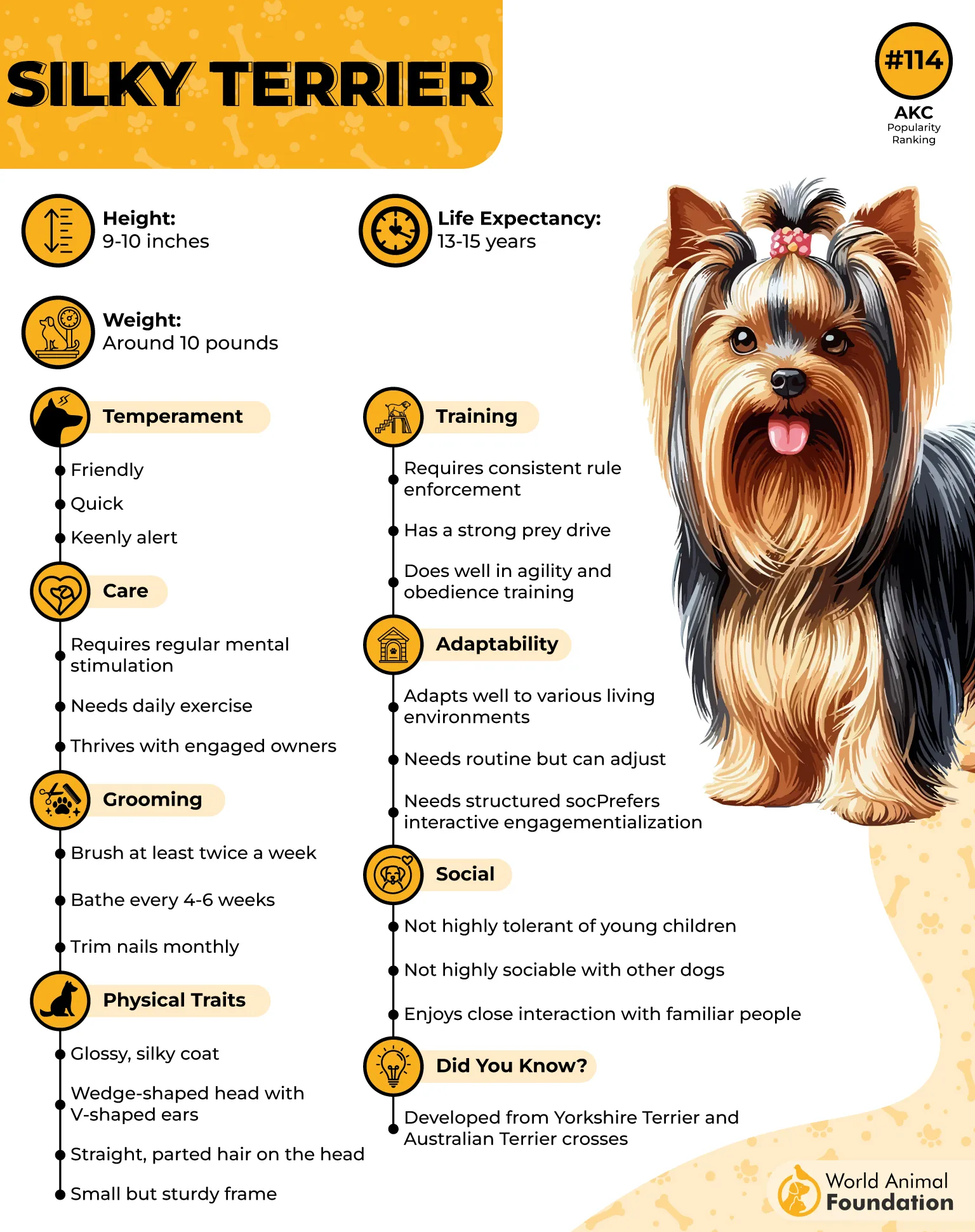
AKC suggests around an hour of exercise daily, which can be walking, playing, or training games. This breed can struggle if left alone too much.
Separation stress can show up, so they do best when your lifestyle includes real together-time. If you can give them that, you get a tiny, confident sidekick who is always ready for the next thing.
Best for playful routines
Affectionate, bright, and energetic
Likes training games and movement
Not a “leave me alone all day” breed
6. English Toy Spaniel
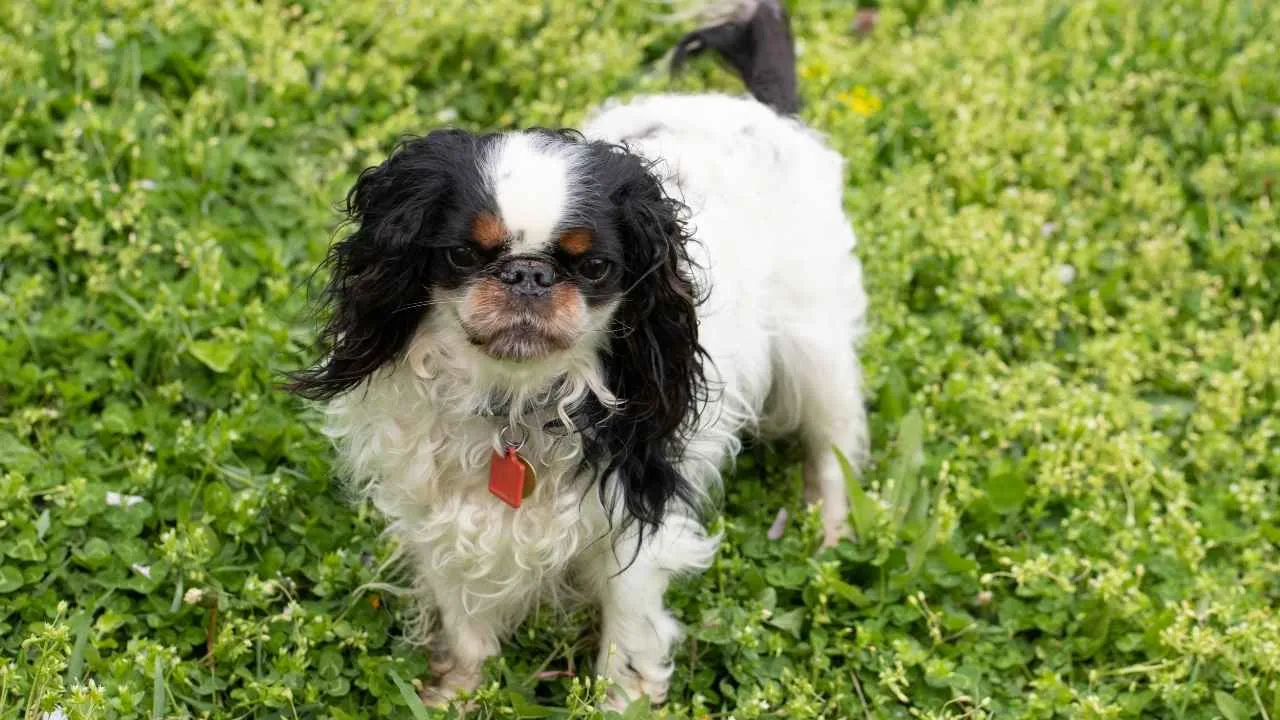
English Toy Spaniels are the definition of “soft companion.” They are happiest doing strolls, gentle lounging, and serious snuggle sessions. Here’s the good part: they often fit perfectly into a calm home rhythm.
Many have a quiet, peaceful demeanor, which can feel like a relief if you want a peaceful household. They can still play, but the vibe is usually more “short happy games” than “bounce off the walls.”
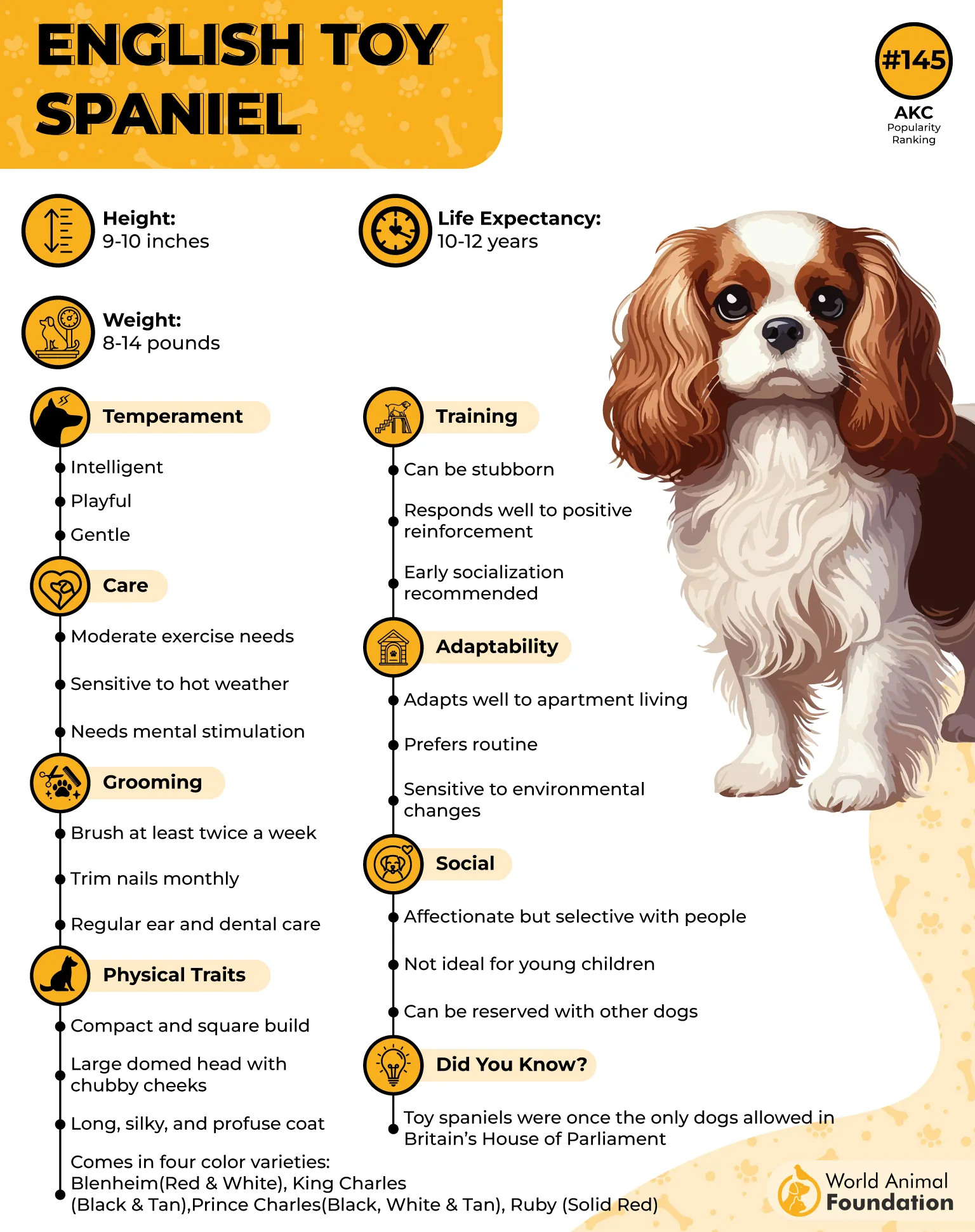
They are known as affectionate with family, and they can be a nice match for people who want a close bond without constant intensity.
One thing to watch is attachment. Some can develop separation anxiety, so steady routines and gentle independence training help. If your lifestyle is companionable and home-based, you are already halfway there.
Best for gentle comfort
Calm, cuddly, and home-friendly
Low to moderate exercise needs
Does best with steady routines
7. Papillon
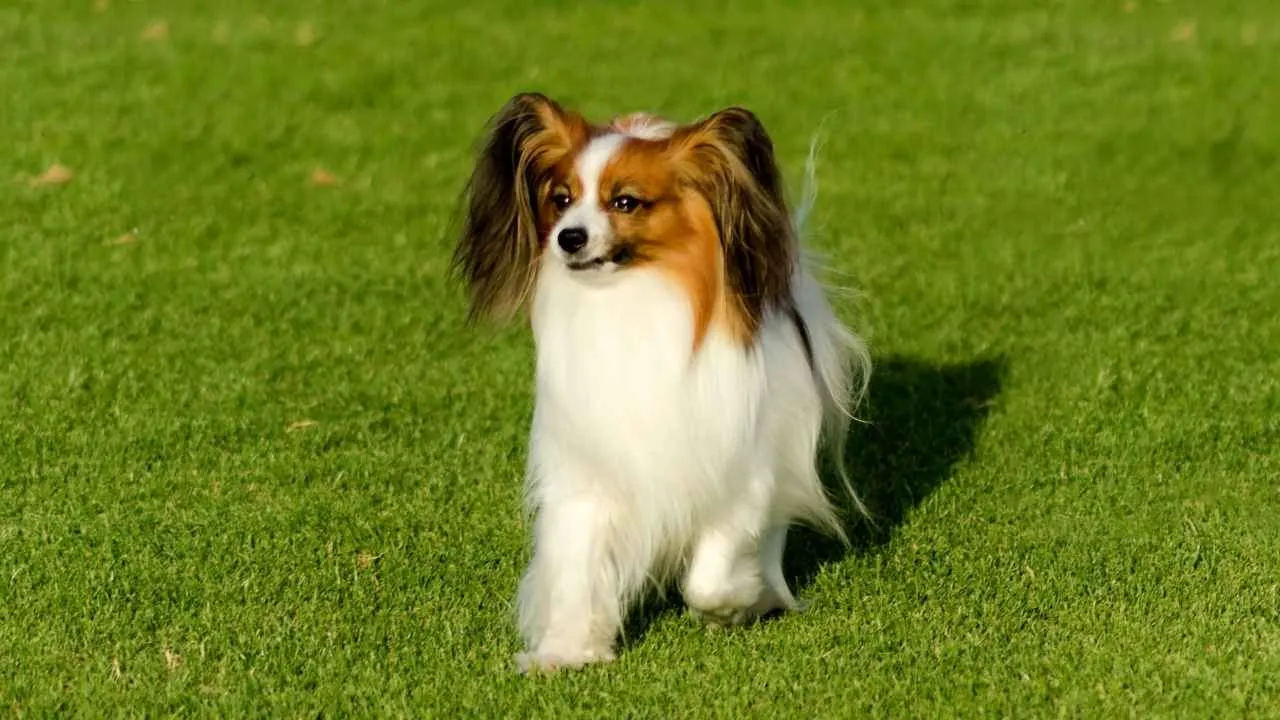
Do not let the pretty ears fool you. Papillons are upbeat, athletic, and very “let’s do something” for a toy breed. WebMD describes them as happy, alert, and friendly, and they can feel like a tiny teammate instead of a fragile ornament.
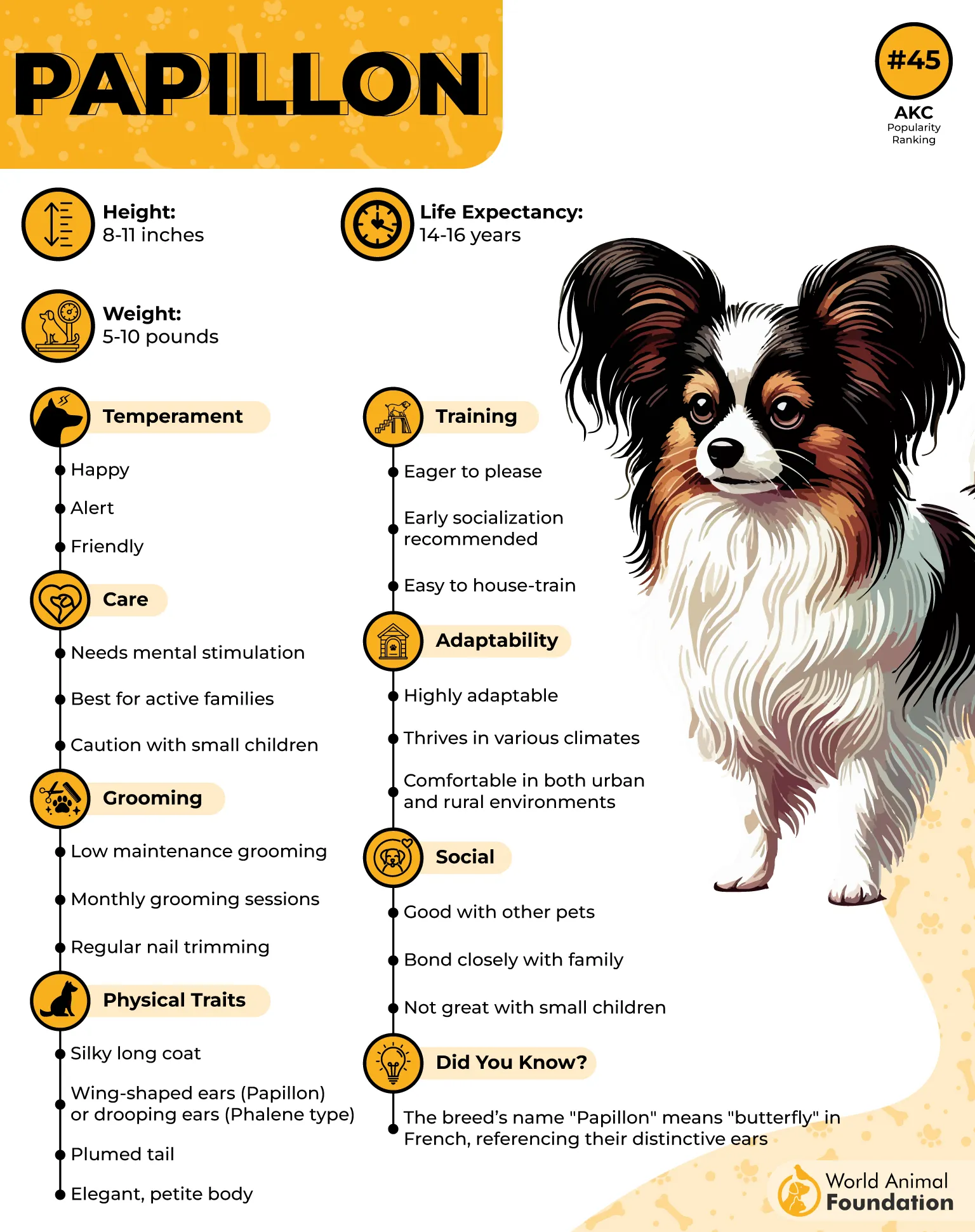
If your companionable lifestyle includes light adventures, this breed can shine. Papillons tend to enjoy training, tricks, and active play. They are small, around 8 to 11 inches tall, but they often act like bigger dogs in confidence and curiosity.
Important note: because they are small, rough handling is a risk, especially with very young kids who do not understand “gentle.” With kind training and safe play, Papillons can be wonderful companions who keep your days lively and connected.
Best for smart, playful bonding
Bright, active, and fun to train
Loves interactive play
Needs gentle handling and safe spaces
8. Yorkshire Terrier
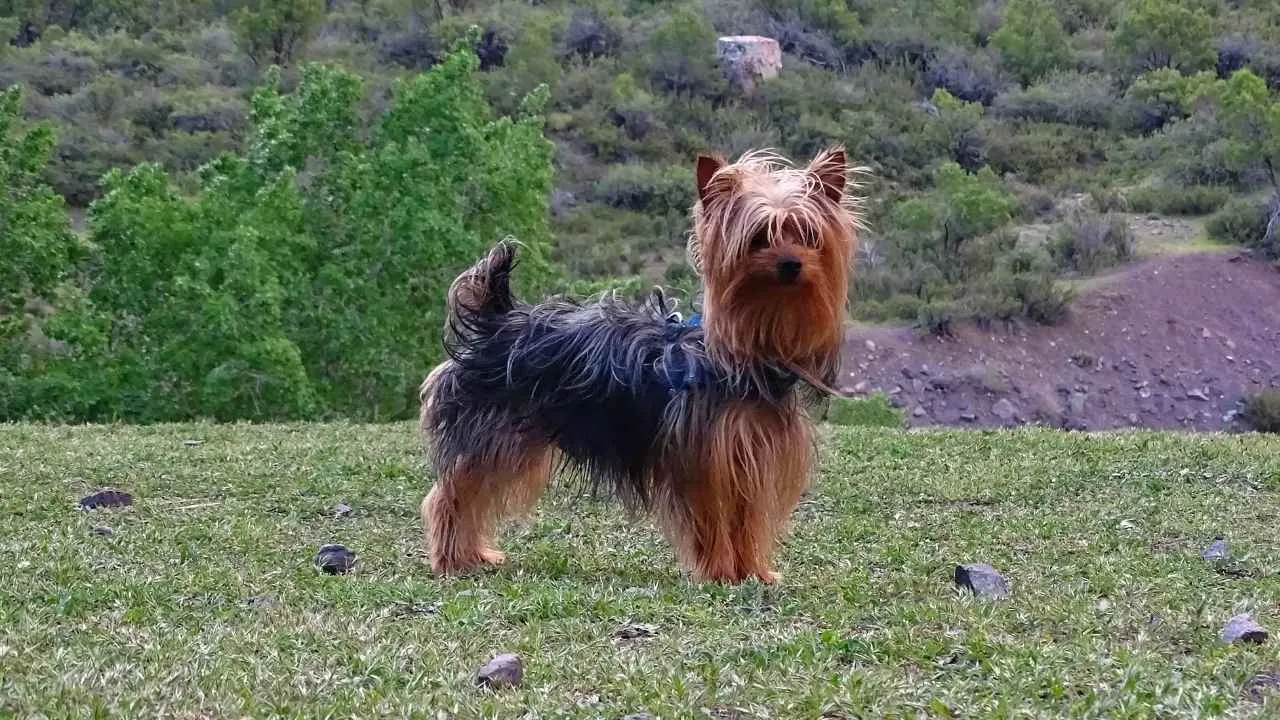
Yorkies are tiny, but the attitude is not. Beneath that glossy, floor-length coat is a feisty terrier heart. Exactly. They were working ratters long before they became famous lap dogs, and you can still feel that bold spark today.
For a companionable lifestyle, Yorkies are often deeply people-focused. Many are affectionate and want to be included in everything. They can make you laugh with their confidence, and they often carry themselves like they are ten feet tall.
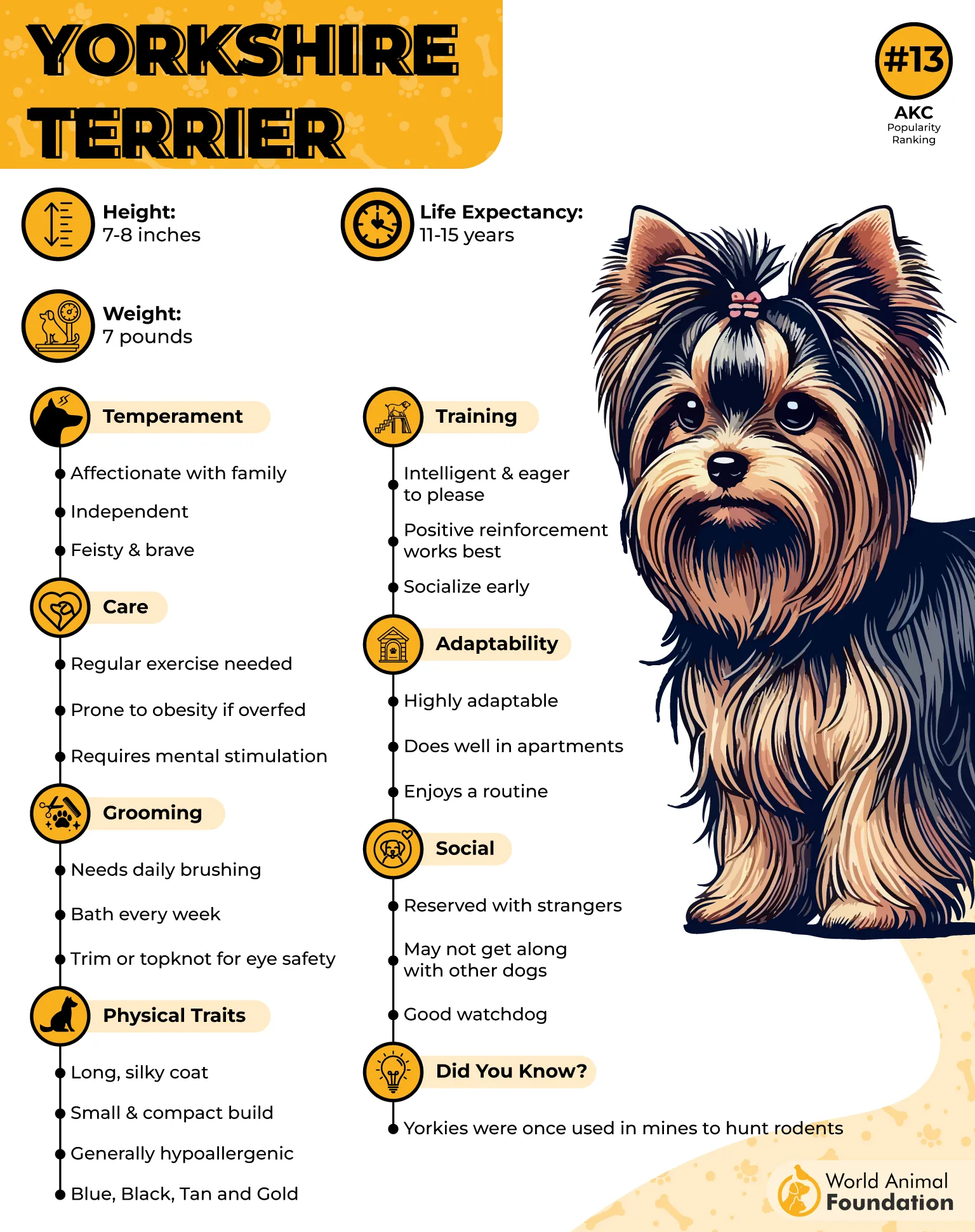
But wait, there’s more! That hair-like coat needs real grooming. Regular brushing, trims, and dental care matter.
Small dog breeds can have dental issues, and Yorkies are often mentioned as needing steady coat upkeep. If you are okay with a little “self-care routine,” you may actually enjoy this part.
Best for bold little besties
Loyal and very people-driven
Small size, big personality
Grooming and dental care are key
9. Toy Poodle
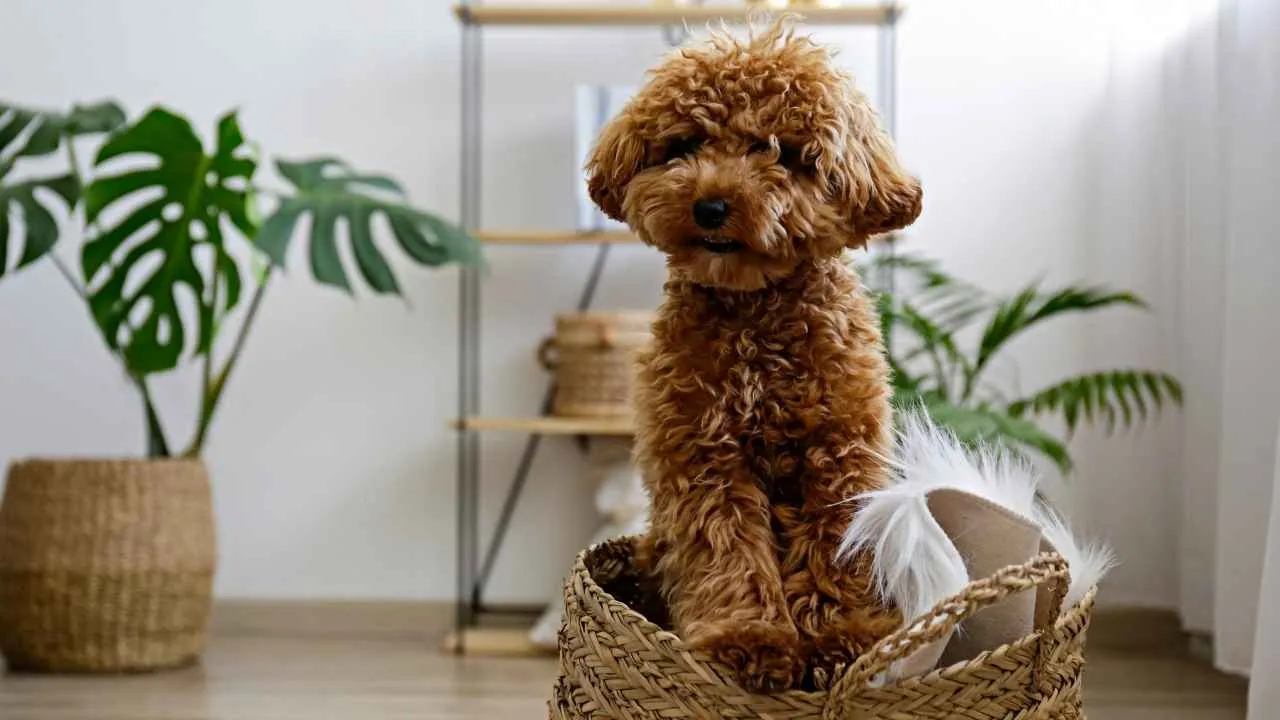
Toy Poodles are small, smart, and honestly kind of brilliant. They are known for being easy to train and eager to please, which makes daily life smoother. If you want a companion dog who learns quickly and enjoys being part of your routine, this is a strong pick.
They are tiny, usually under 10 inches and around 4 to 6 pounds, but they still like mental challenges. A short walk, plus play, plus a few training minutes can make them very content. You do not need a huge yard. You need consistency and attention.
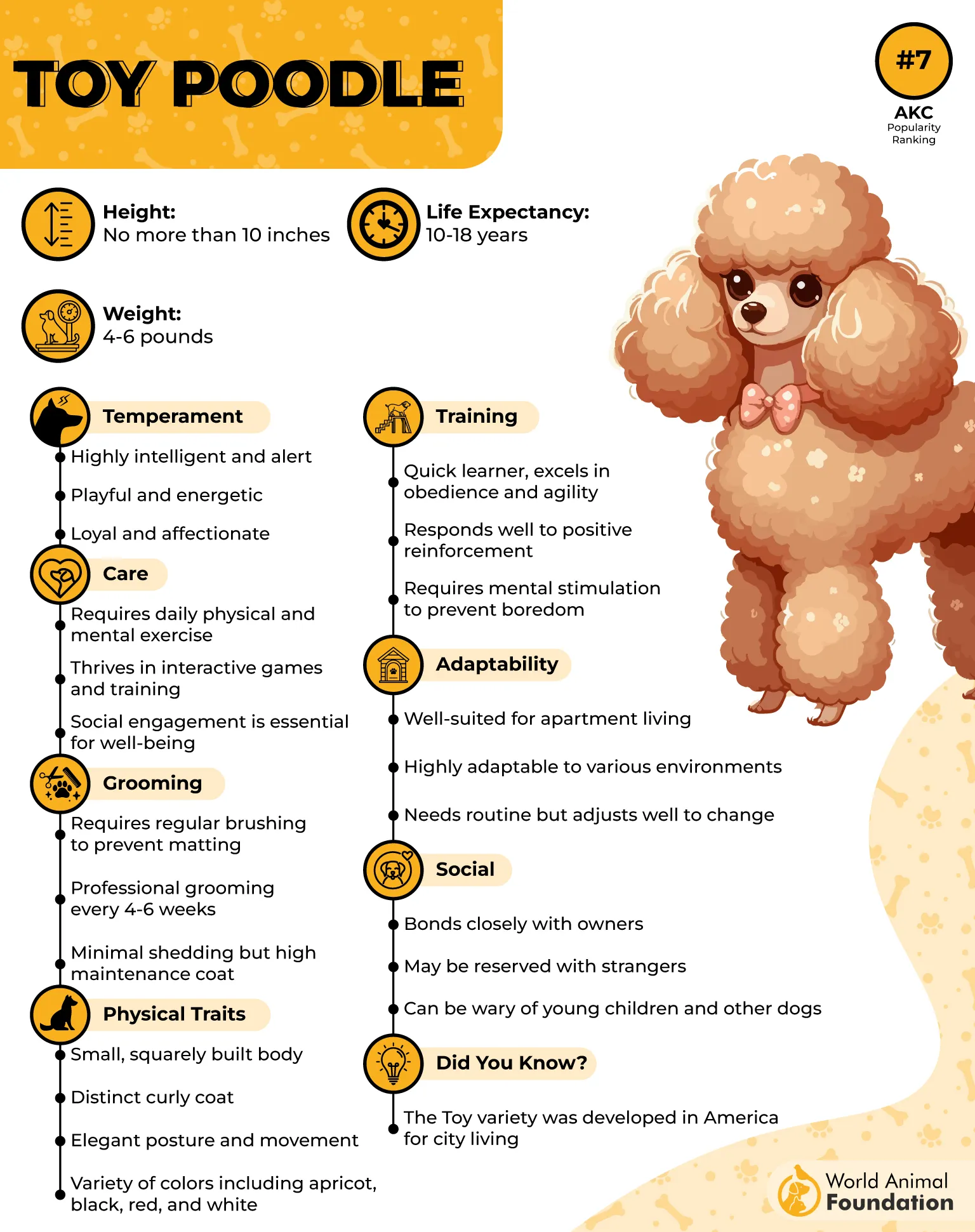
Many people also like Toy Poodles for their coat style options. They are often described as having a hypoallergenic-type coat, but grooming is still needed.
Regular trims and brushing keep the curls comfy and clean. If allergies are a concern in your home, this breed is often on the short list for a reason.
Best for smart, steady companionship
Very trainable and routine-friendly
Small body, big brain
Needs regular grooming, not tons of space
Conclusion
Choosing a companion dog breed is about real life, not perfect pictures. Your living space matters, whether it is a small apartment for apartment dwellers and city dwellers, or a bigger home with room for outdoor activities.
Some people love big dogs, but many pet parents lean toward small breeds, petite dogs, and the toy group because they fit daily routines. Still, every breed type has its own needs, so do not lock in on one particular breed too fast.
Now, here’s the good part. When you pick smart, life gets easier. If you want low maintenance, look at the coat needs and how much they shed. Some have a hypoallergenic coat, some are low shedding or even seen as non-shedding, but every coat still needs grooming.
A smooth coat can be simple, while a silky coat or flowing coat may need more brushing to keep fur neat and comfy. You might fall for a Chihuahua, a Havanese, or a Bichon Frise, or go quirky-cute with a Brussels Griffon, Miniature Pinscher, or a Biewer Terrier.
