




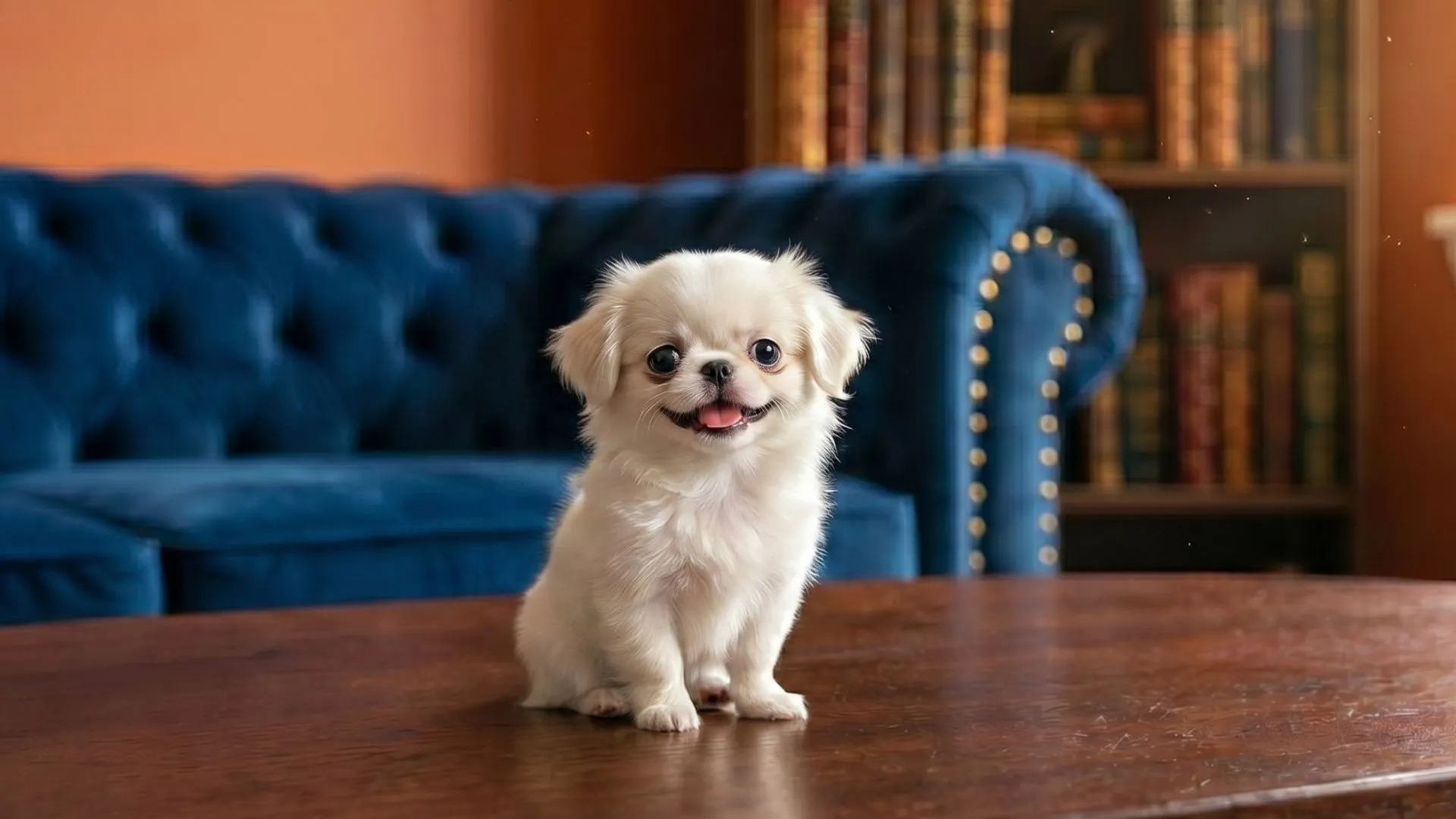
People often assume toy dog breeds are loud, needy, and impossible to relax around. That reputation has followed small dogs for years, especially among families looking for peaceful companions.
In reality, many toy breeds are far calmer than larger dogs that require constant exercise, outdoor activity, and nonstop stimulation throughout the day. The right small companion can quietly settle into household routines without demanding major lifestyle changes.
They take up less space, adapt more comfortably to indoor living, and often enjoy relaxed environments just as much as their owners do. For households that value quiet evenings, slower mornings, and manageable routines, temperament matters far more than size alone.
Coming up are toy dog breeds that consistently stand out for their calm personalities and ability to bring a peaceful energy into everyday life.
Key Takeaways
A calm household does not depend on size, but on temperament, and several toy breeds prove this every day.
The Cavalier King Charles Spaniel and Shih Tzu were shaped by history as devoted lap companions, thriving in quiet indoor routines.
Breeds like the Pug and Japanese Chin show how gentle temperaments and steady habits can fit smoothly into slower lifestyles.
Keep reading to see which toy breeds consistently blend loyalty, balance, and a naturally peaceful presence.
Ideal Toy Dog Breeds for a Calm Household
1. Cavalier King Charles Spaniel
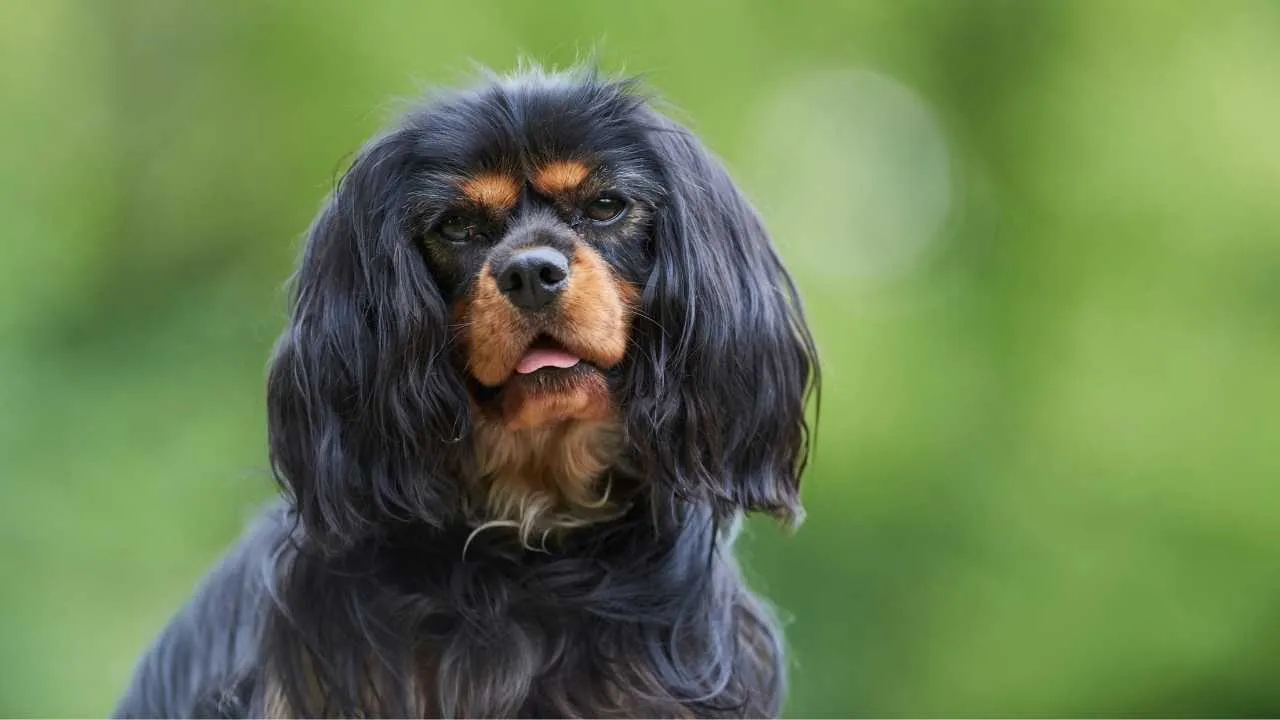
The Cavalier King Charles Spaniel was named after 17th-century British royalty, reflecting its role as a favored lap companion in courts and carriage travel. It was bred to provide warmth and closeness in drafty castles and during long journeys. This purpose shaped a dog centered on human proximity.
Gentle behavior in daily life
This small dog interacts with a soft, patient manner that fits households with children and other pets, as Petplan claims. Its friendly response to people makes introductions smooth, even in first-time homes.
This comfort-focused nature can be seen through simple patterns:
Prefers sitting close to people
Adapts well to shared family spaces
Responds calmly to gentle handling
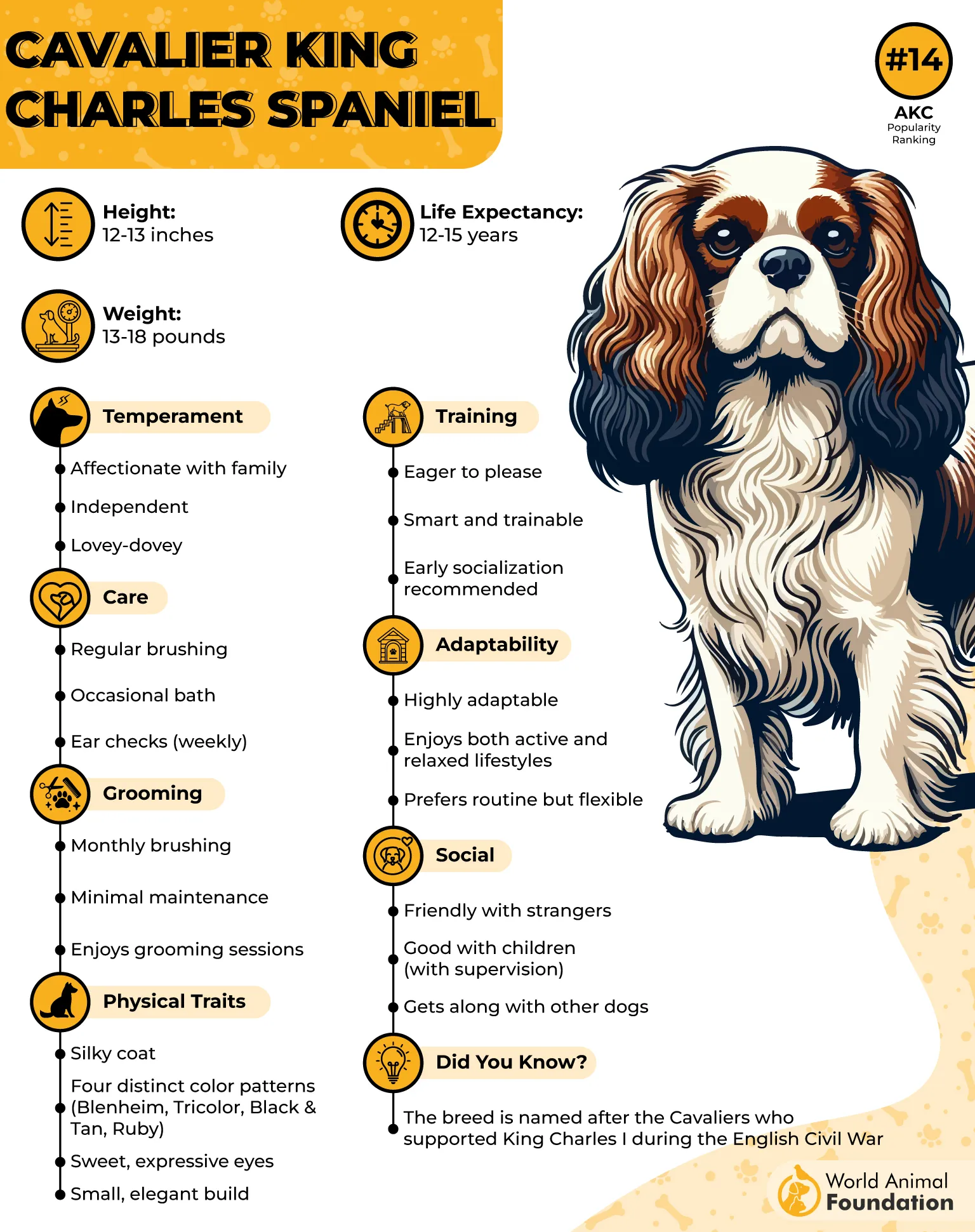
Balanced activity level
They enjoy moderate outdoor time, including walks and light canine activities, yet remain equally content resting indoors. Its sporting ancestry supports steady movement without demanding intense routines. This flexibility allows both active moments and quiet downtime within the same day.
2. Havanese
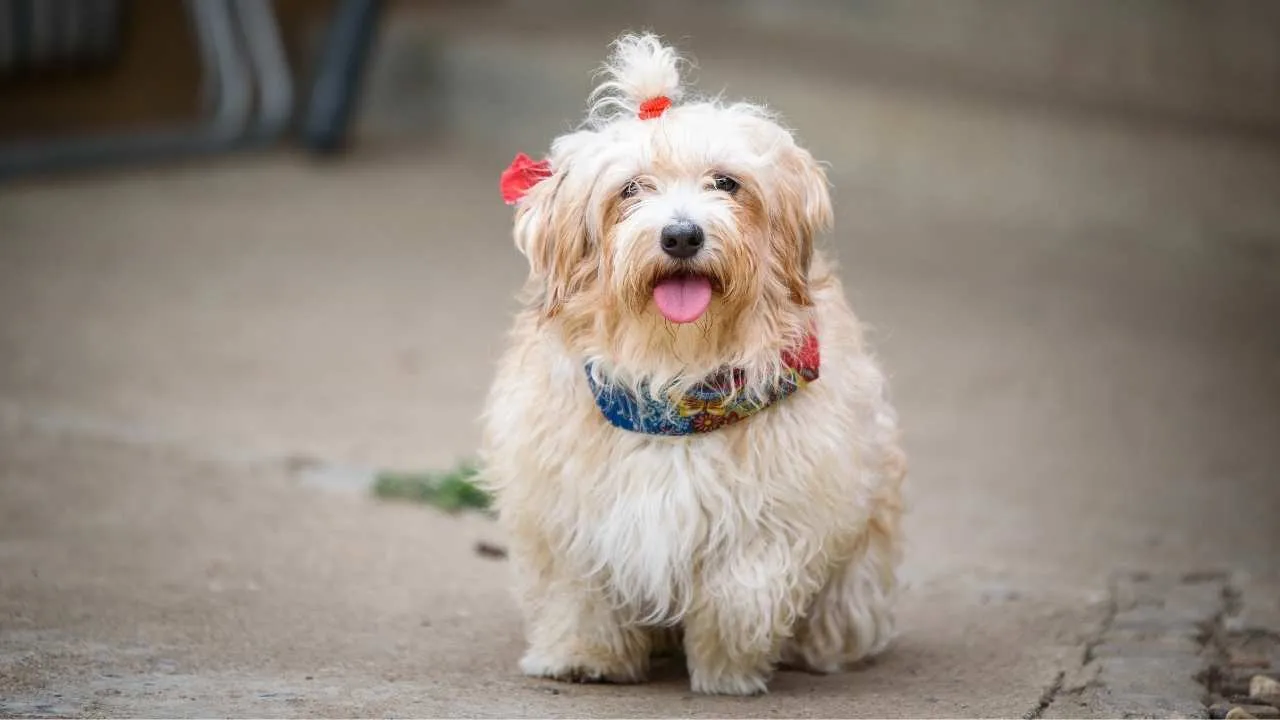
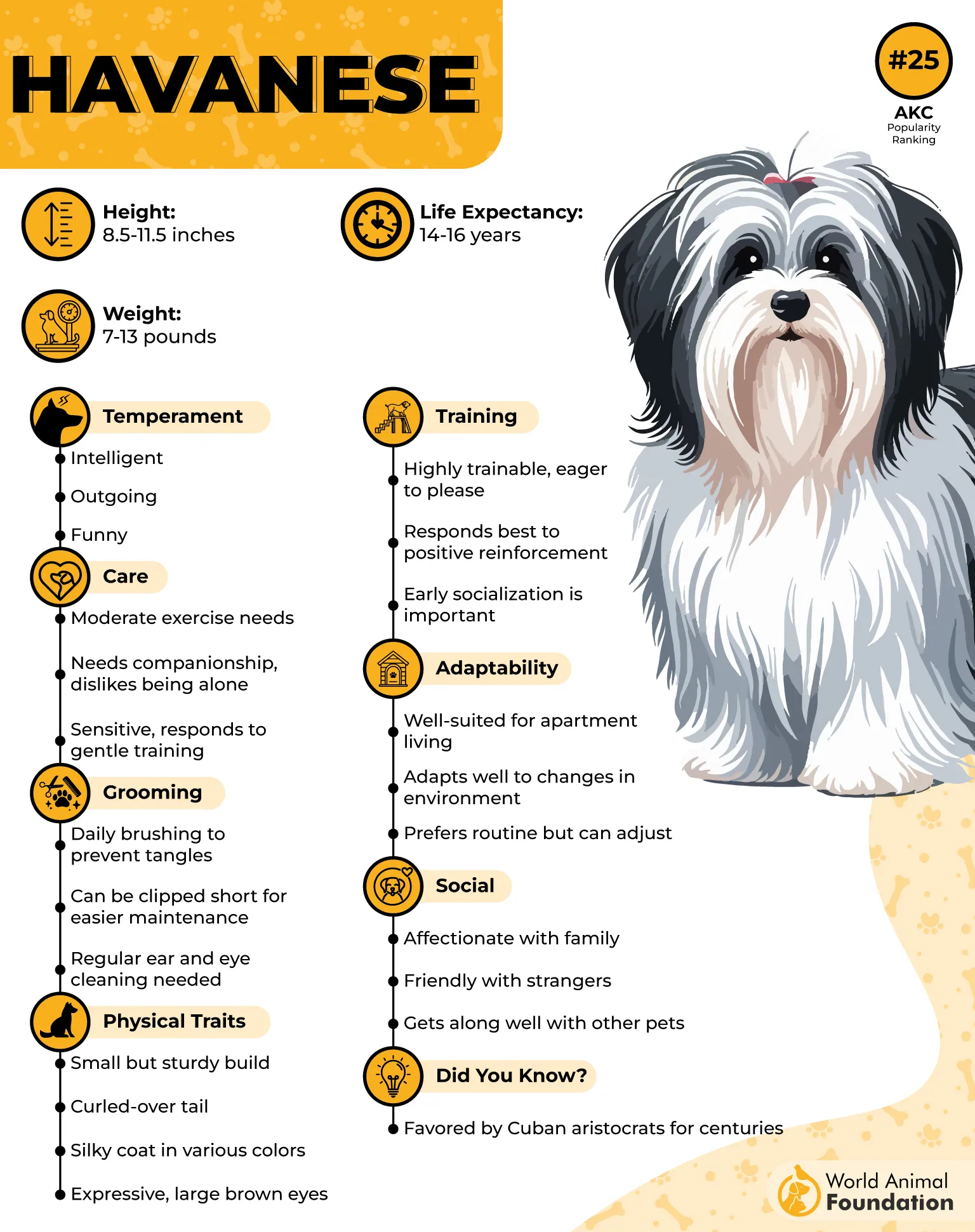
Havanese is the only dog breed originating from Cuba, with ancestry linked to dogs brought from Spain in the 1600s. Its identity reflects a small companion built for close human presence rather than distance or independence. This foundation shaped a spirited, attentive dog that fits comfortably into indoor living.
Daily routine and activity balance
As a toy breed, they benefit from consistent daily walks combined with short play sessions that fit into a calm household rhythm. Around thirty minutes of total activity, divided into brief sessions, matches its needs without pushing beyond comfort, as PetMD noted.
These activity patterns can include:
Short ten-minute walks spaced throughout the day
Backyard play with a family member
Indoor romping as light exercise
Temperament and companionship focus
They form strong attachments to people and feel most settled when someone is nearby. Its cheerful nature brings energy into shared spaces, yet it responds best when interaction remains steady and positive. Without guidance, barking can increase, making early structure useful.
🎧 Dogcast
Episode 37 — Why Dogs Stay Close without Touching
If you don't hear sound, tap the button above to enable audio.
3. Pug
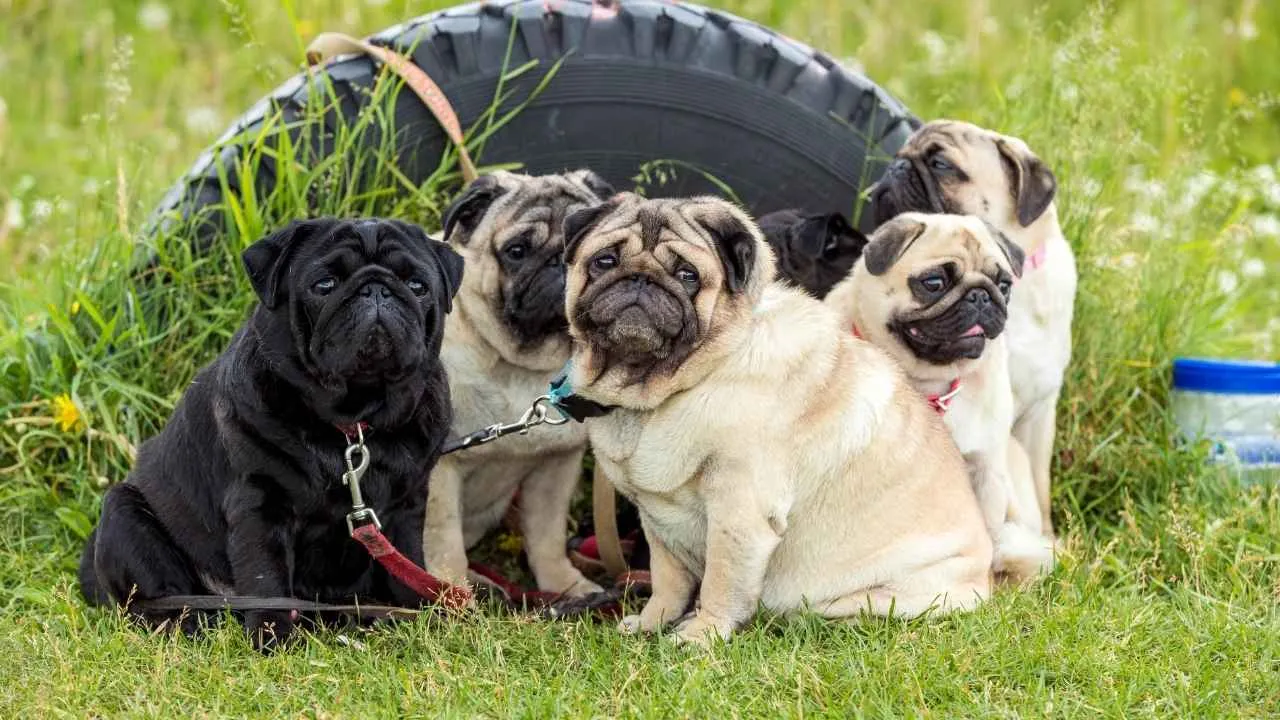
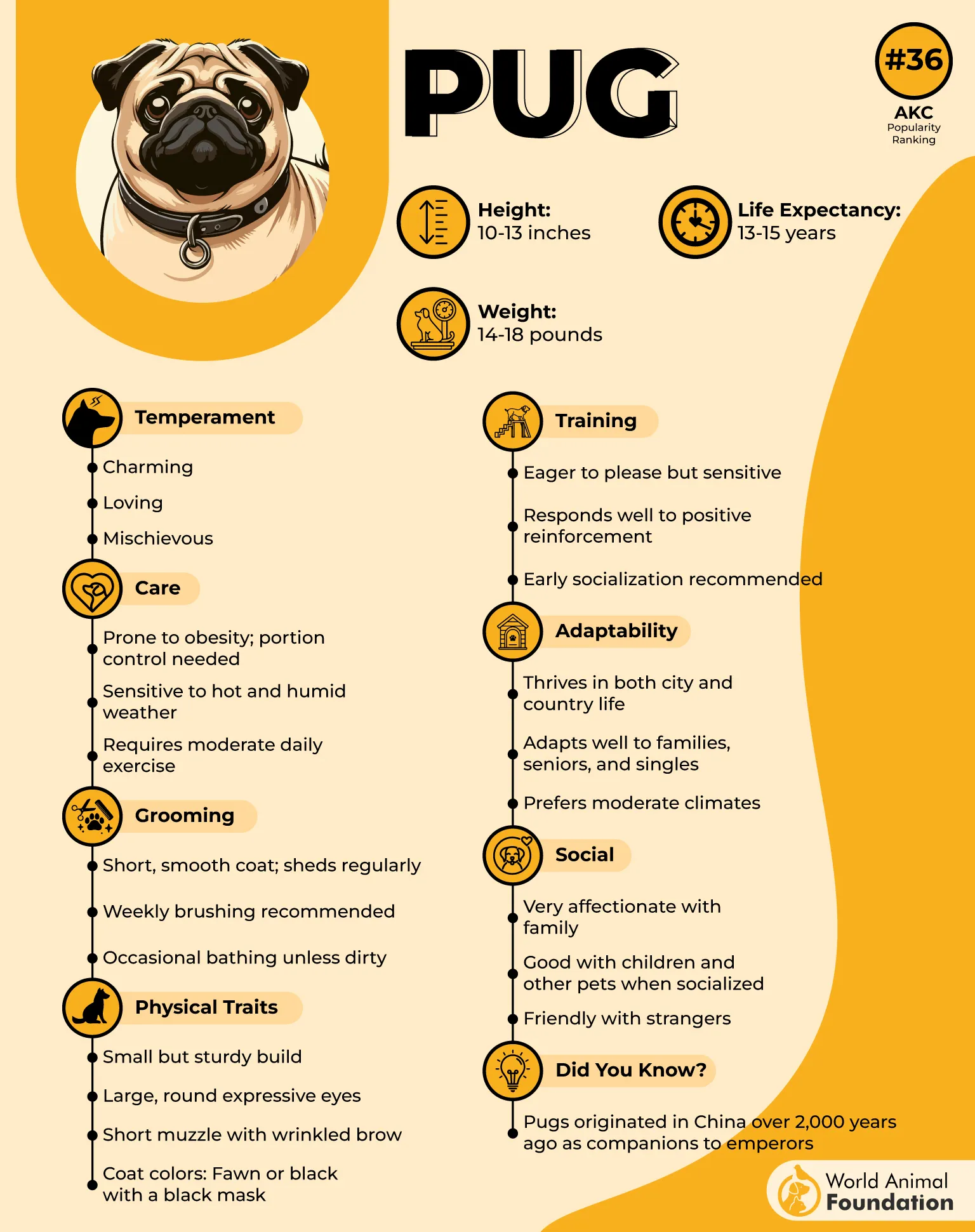
Pugs began in China nearly two thousand years ago and later became valued among royal households, shaping a breed centered on human companionship. Its compact frame and expressive face reflect a dog designed for proximity rather than distance.
Daily interaction patterns
This companion dog responds strongly to attention, often wanting involvement in household routines and close contact with people. It enjoys short, manageable walks and light play rather than intense physical demands.
These habits are reflected in everyday preferences:
Prefers brief walks of moderate length
Enjoys gentle play sessions
Seeks regular human contact indoors
Temperament centered on affection
Pugs show a naturally friendly and eager-to-please attitude, often gravitating toward close interaction and physical affection, as per the AKC. It reacts quickly to social engagement and enjoys being included in daily moments at home. This social drive defines much of its behavior in shared spaces.
4. Japanese Chin
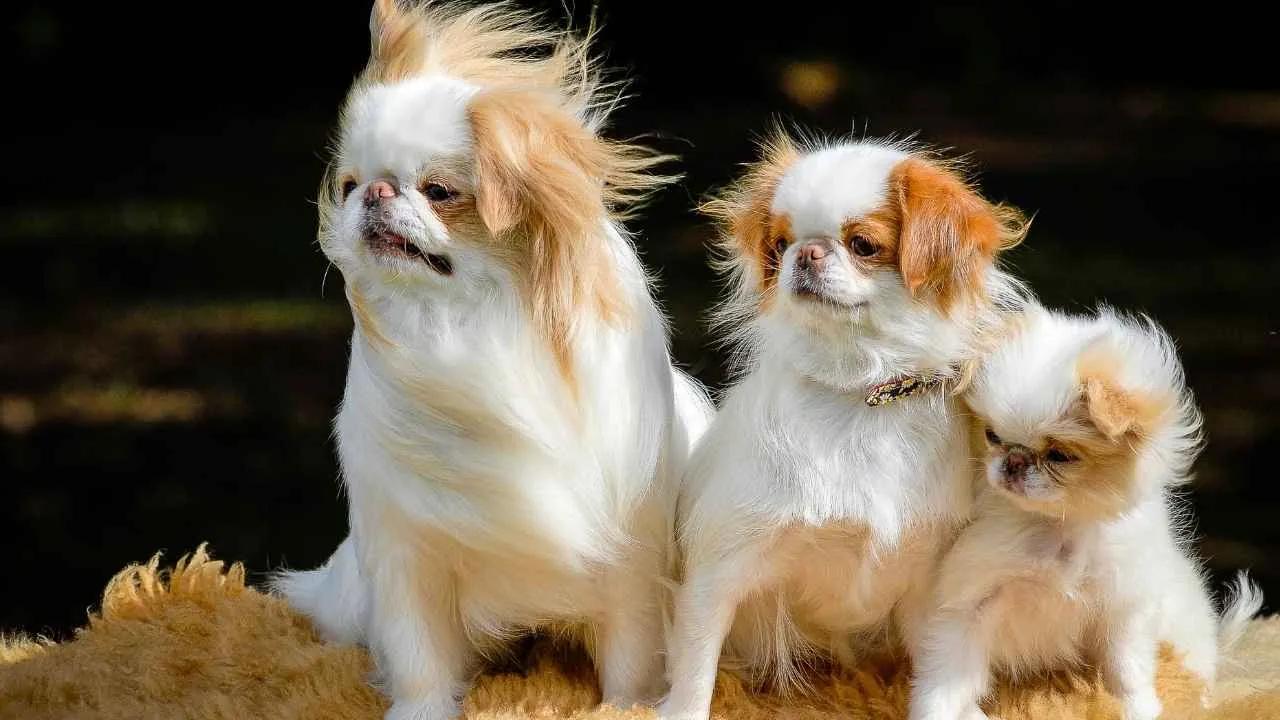
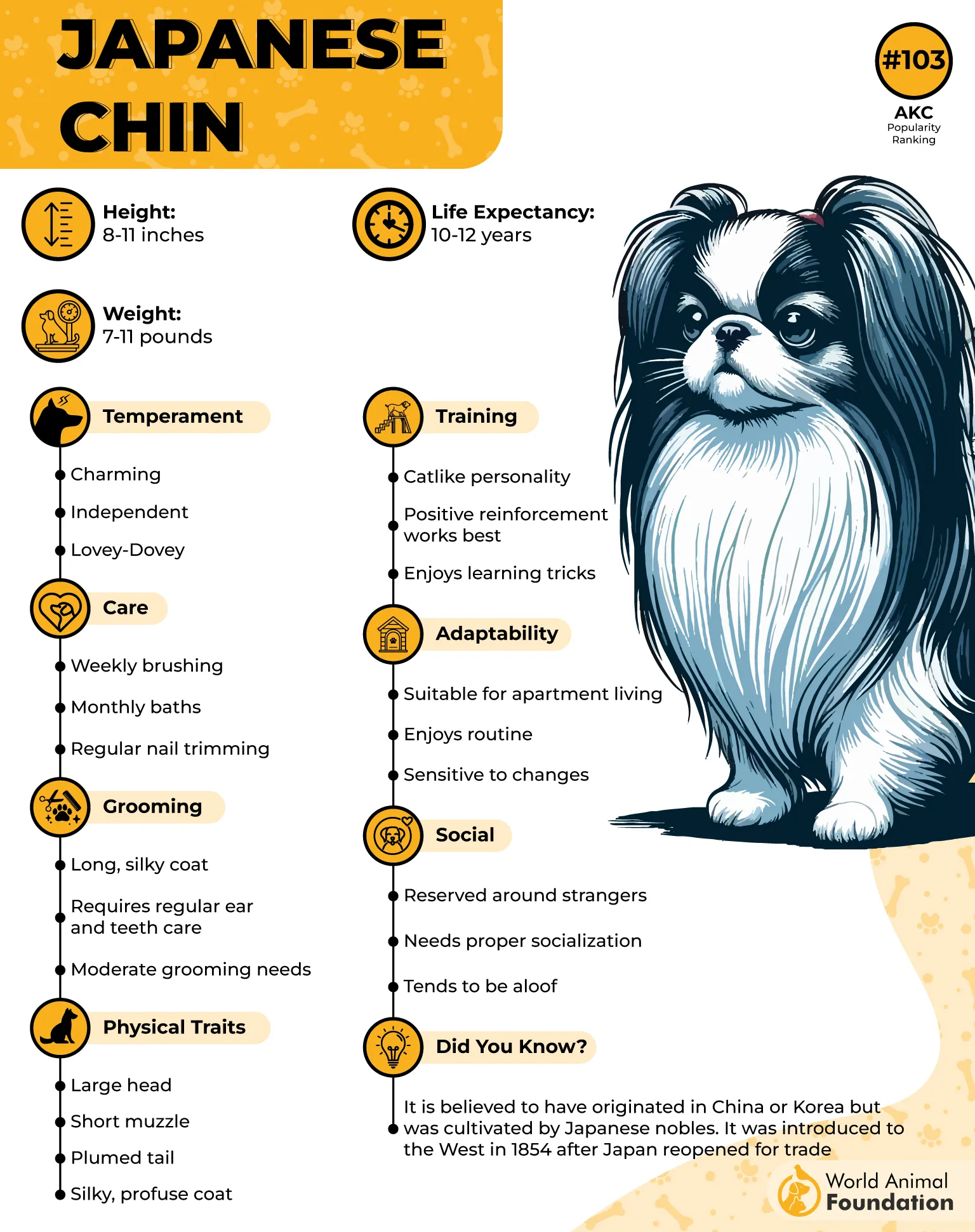
Japanese Chin is a silky-coated toy companion known for its refined bearing and unmistakably Eastern appearance. Its small frame pairs with graceful movement and a quiet nature that fits indoor life. Often described as having a feline-like character, it approaches daily routines with careful precision.
Indoor personality traits
This lap dog feels most comfortable in close household settings, where its calm temperament and fastidious habits can be appreciated. It enjoys slow walks and short explorations within secure spaces.
This behavior becomes clearer through key patterns:
Prefers controlled outings over open roaming
Responds selectively to commands when distracted
Adapts well to apartment-style living
Daily activity style
They remain fairly active despite their toy size, engaging in gentle walks or exploring within a fenced yard. Its energy level suits calm environments where movement is moderate rather than intense. The breed balances light activity with extended periods of indoor relaxation.
5. Pekingese
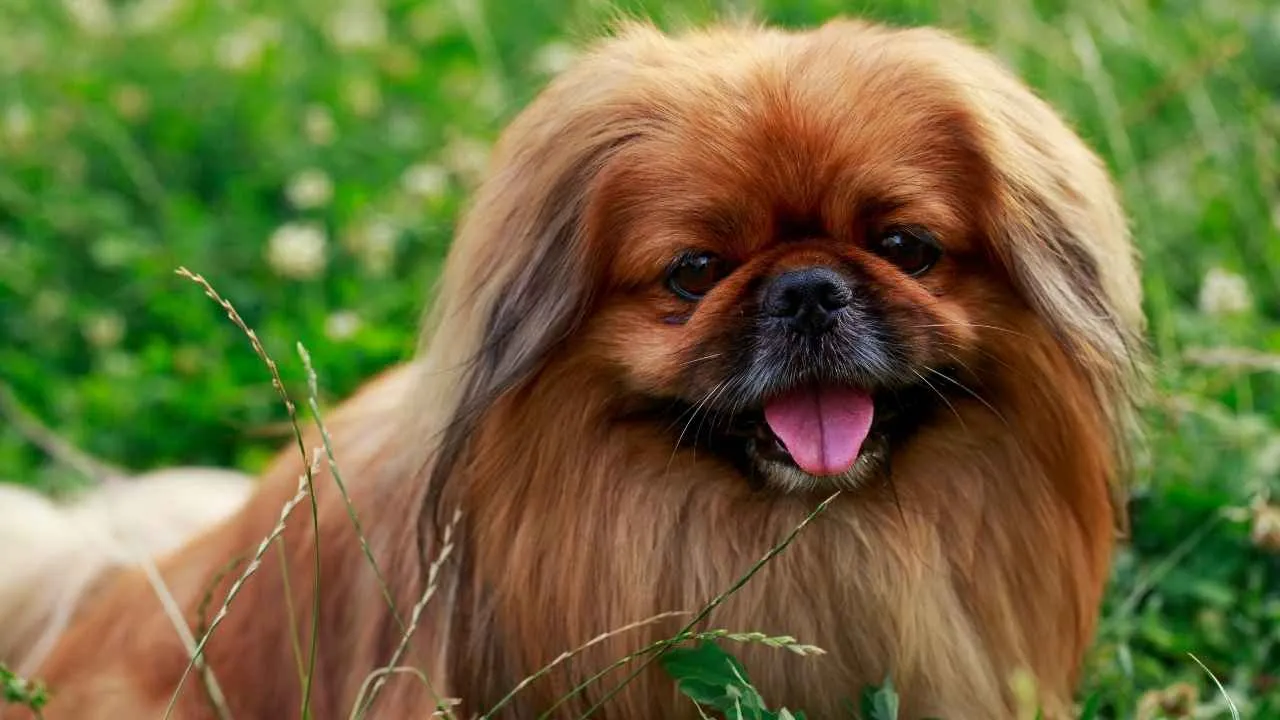
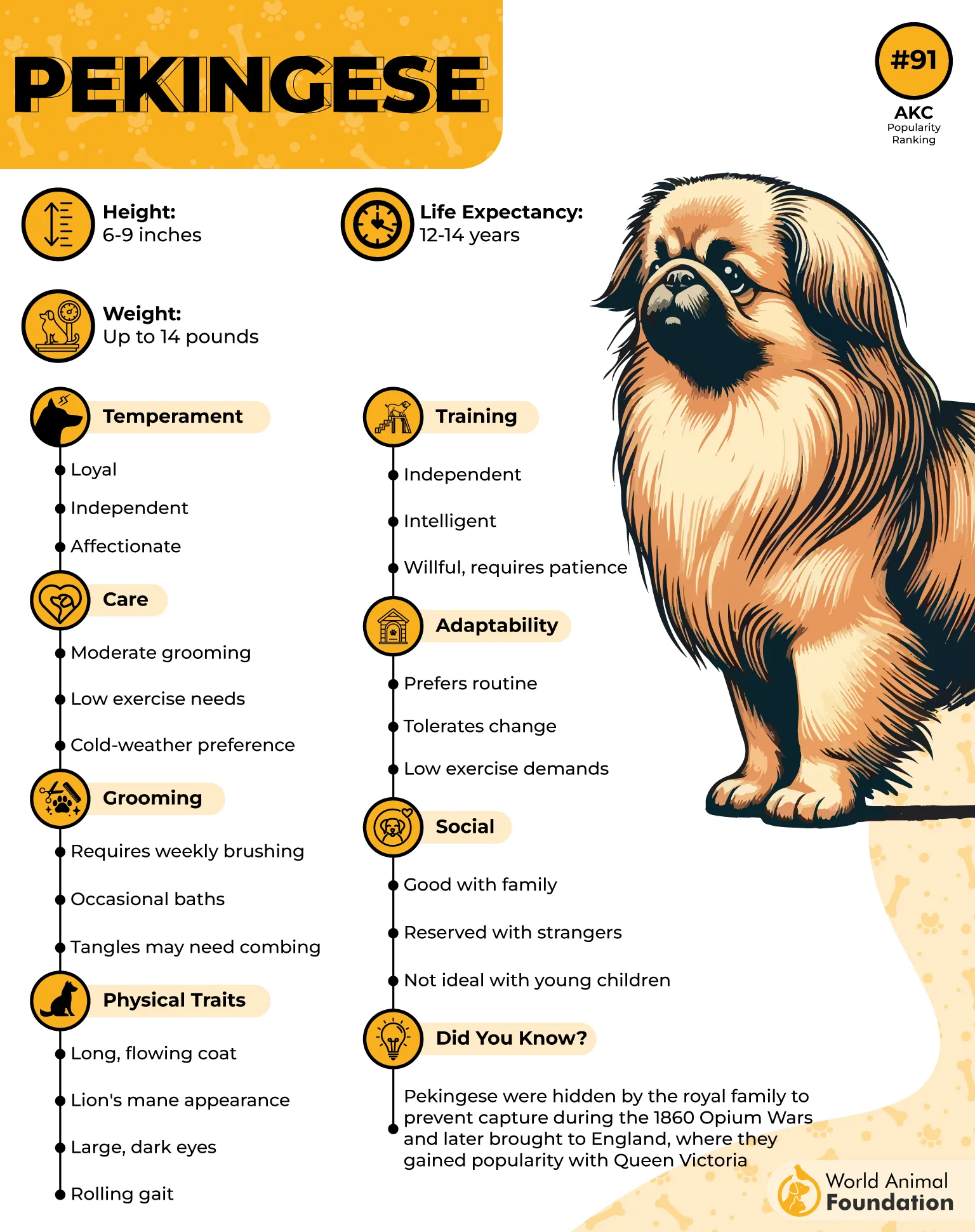
Pekingese were originally bred for the royal courts of ancient China, reflecting a life centered around close human presence and refined companionship. Its flat-faced structure aligns it with other toy breeds created in the same era, built for indoor living rather than field labor.
Companionship pattern within a tiny frame
They form a strong attachment to a limited group of people, responding with loyalty and confidence toward those it trusts. Its daily routine tends to be calm indoors, with activity levels that remain modest yet adaptable to gentle engagement.
This behavior becomes clearer in practical habits:
Bonds tightly with select individuals
Participates in light canine activities at its own pace
Remains relaxed during quiet home routines
Living rhythm and daily comfort
Pekingese spend much of their time in a settled state, fitting well into environments where noise and high intensity are limited. While generally laid-back, it can take part in structured activities when encouraged gently and consistently. Its energy pattern aligns with a slower household rhythm.
6. English Toy Spaniel
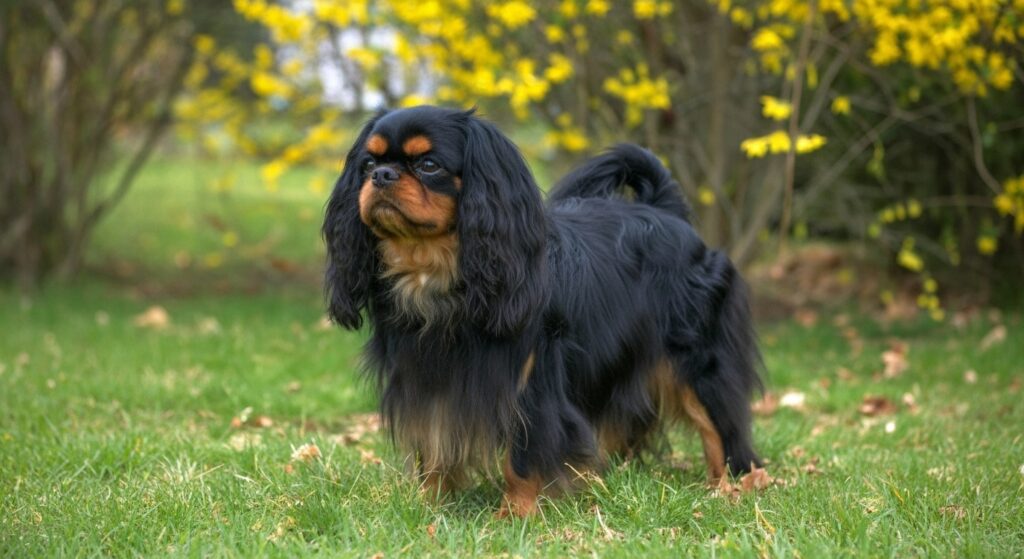
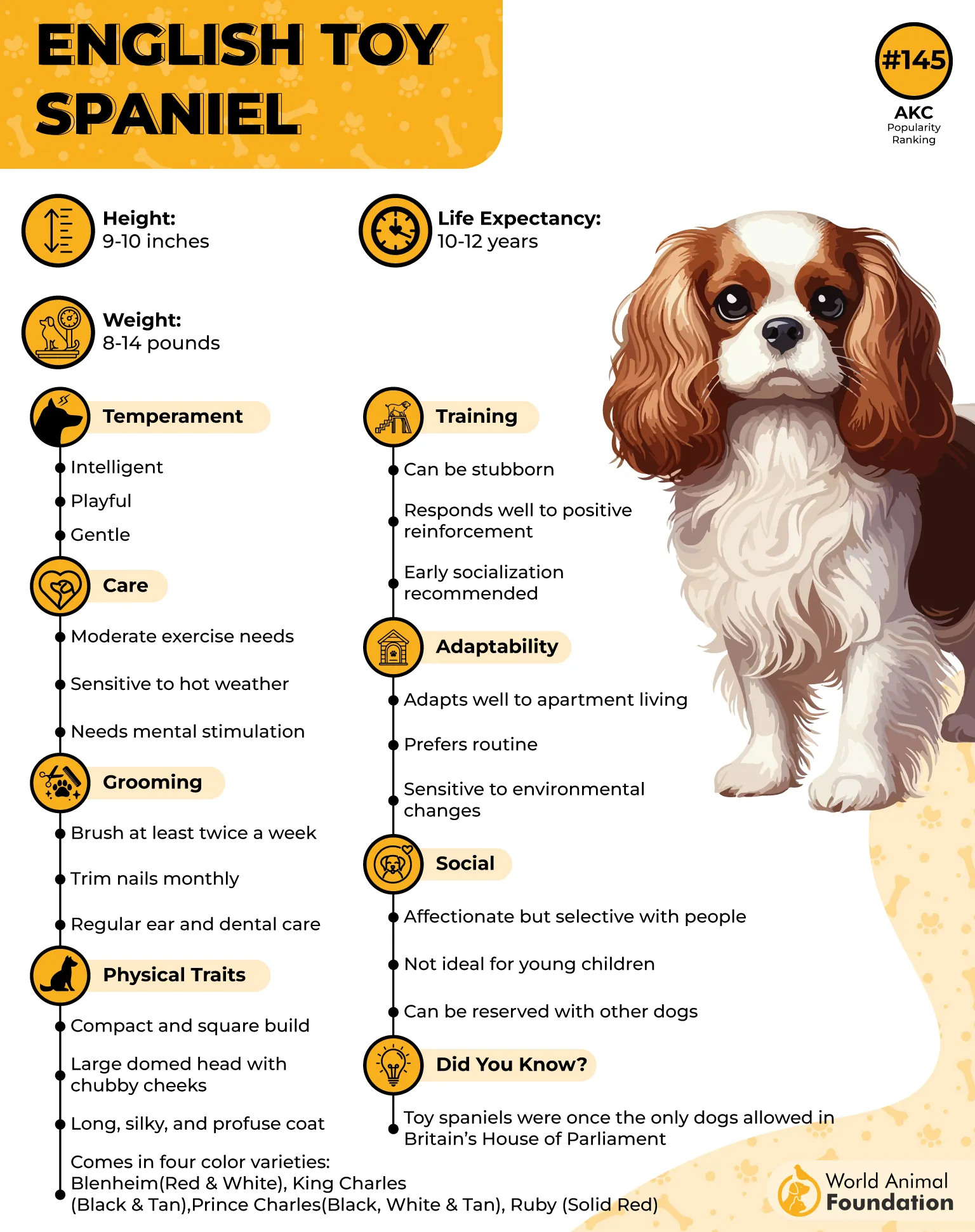
The English Toy Spaniel is recognized for its refined presence and close bond with its human circle, once favored in 17th-century England and closely associated with King Charles II. Its small frame was shaped for life indoors, centered around comfort and constant proximity to people.
Daily rhythm built around closeness
These spaniels prefer predictable surroundings and form strong attachments, often choosing quiet spaces over busy activity. It interacts warmly with family members while remaining slightly reserved around unfamiliar faces.
This lifestyle fits a simple routine:
Enjoys short walks rather than long outings
Responds well to calm play sessions indoors
Benefits from interactive toys during alone time
Behavior shaped by a quiet temperament
This calm dog usually keeps a low noise level and does not rely on frequent barking or digging. Some individuals may alert their household to visitors, but overall behavior leans toward calm observation. Its curiosity appears in gentle exploration rather than energetic roaming.
7. Shih Tzu
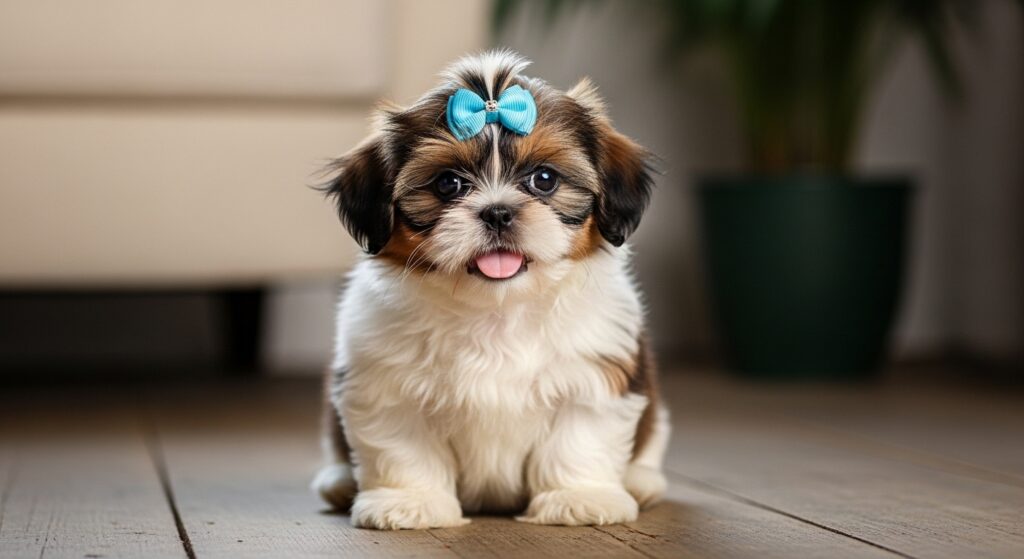
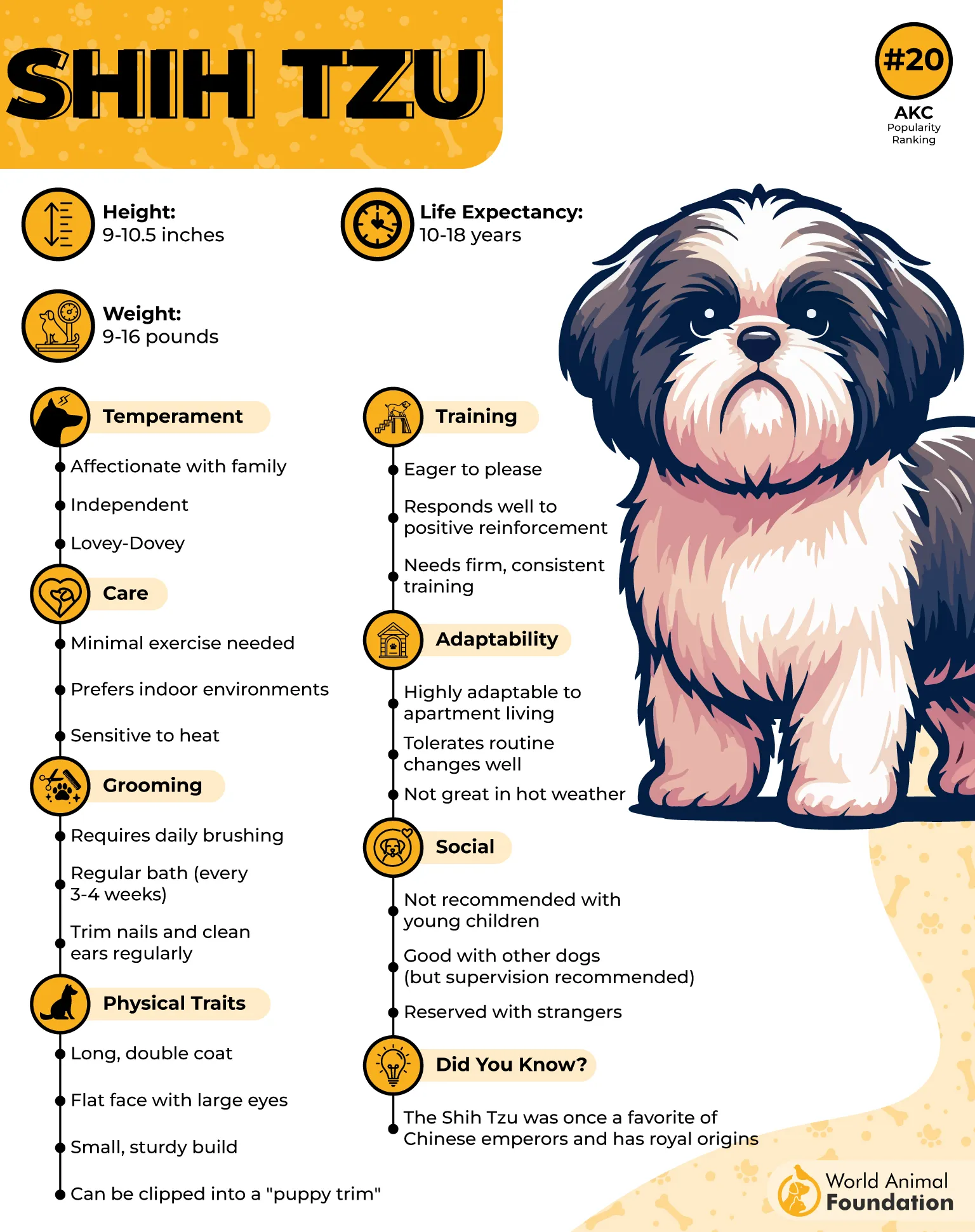
The Shih Tzu is a Tibetan toy breed originally bred for companionship, with roots linked to Buddhist culture and lion-inspired symbolism. Its identity centers on closeness with people rather than independent living. This purpose shapes a dog that values shared space and daily presence.
Social Habits in Daily Life
As a family dog, they prefer interaction over solitude, often seeking company from people and other animals of different ages. Early social exposure strengthens its comfort level around children and household pets.
This interaction pattern becomes clearer in everyday behavior:
Enjoys consistent human contact
Responds well to gentle handling
Adapts smoothly when introduced early to others
Activity Level and Routine
Shih Tzu usually feels satisfied with a short daily walk paired with indoor play, fitting naturally into smaller living spaces. Its energy can range from quiet indoor relaxation to light outdoor activity. This flexibility allows the routine to match the household's pace.
Conclusion
Not every small dog fills a home with nonstop barking or restless energy. Many of the best toy dog breeds were shaped for companionship, which explains why they settle naturally into peaceful routines and quieter indoor environments. These dogs often prefer closeness, comfort, and steady interaction while needing only minimal exercise throughout the day.
Their smaller size also makes daily care feel more manageable for pet parents who value simplicity and calm surroundings. While personalities vary between individuals, the breeds on this list stand out for their relaxed presence and affectionate nature, much like many lazy dog breeds today.
