





Some dogs may barely reach your knees, yet somehow manage to fill your home with laughter, affection, and endless personality. If you love the idea of having a canine companion but worry about limited space, small dog breeds can be a wonderful fit.
Their petite frames make them easier to accommodate in apartments and smaller homes, while their individual personalities offer something for almost every kind of owner.
Small dogs have shared their lives with humans for thousands of years, and today, they remain beloved companions for people seeking a dog that does not grow too large. However, choosing the right breed involves more than finding the tiniest puppy.
Grooming requirements, exercise needs, temperament, and training all play an important role in everyday life. Some breeds are content with indoor play and short walks, while others need more activity and attention. Discover these ideal small dog breeds that stay tiny and manageable, helping you find a companion who fits your home and lifestyle.
Key Takeaways
The best small dog breeds are ideal for apartments and homes with limited space.
Tiny size does not mean low maintenance; every dog needs proper care and attention.
Some small breeds can be challenging to house-train and need extra patience.
Gentle handling is essential because tiny dogs can be vulnerable to accidental injuries.
Families with young children should choose a suitable breed and supervise interactions carefully.
Ideal Small Dog Breeds That Stay Tiny and Manageable
1. Yorkshire Terrier
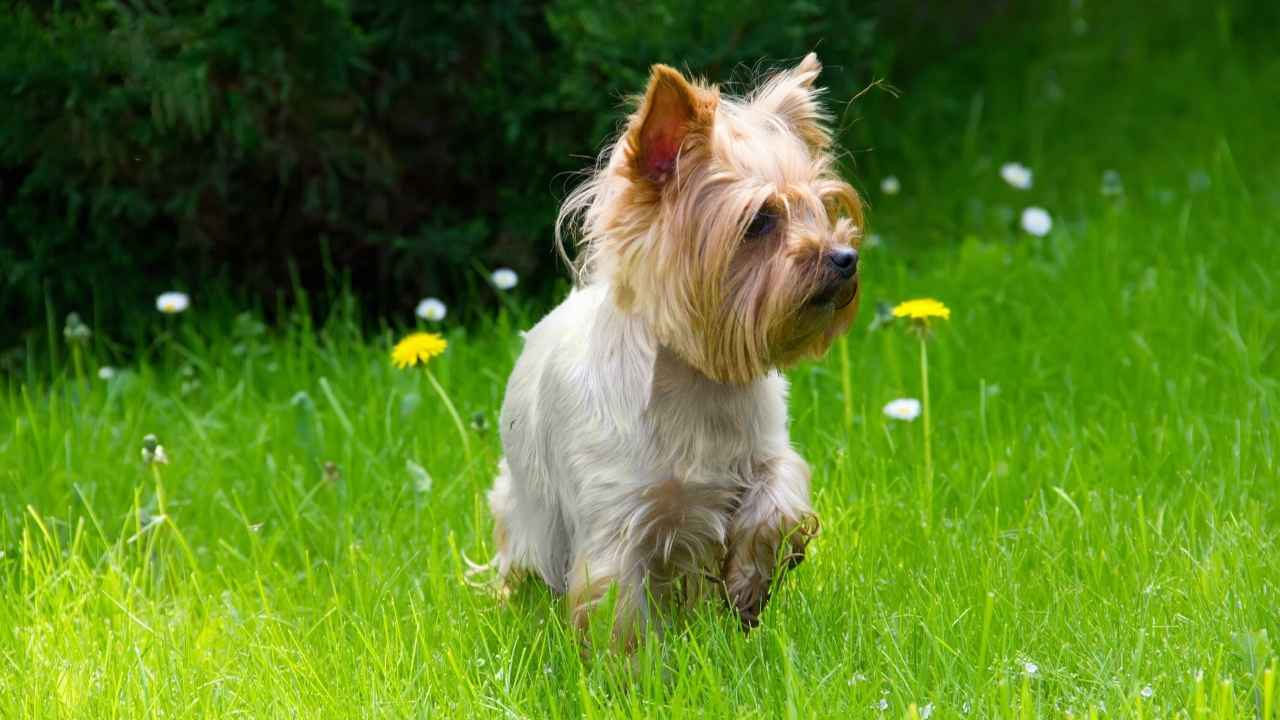
The Yorkshire Terrier proves that a small dog can have a huge personality. Weighing no more than seven pounds, this tiny breed combines a silky, steel-blue and golden-tan coat with the fearless spirit of its terrier ancestors, who once hunted rats in mines and mills.
Today, Yorkies make delightful companions for people living in apartments or smaller homes, offering affection, intelligence, and plenty of playful attitude in a manageable package.
They are also long-lived and considered low-shedding, making them appealing to owners who prefer less loose hair around the house.
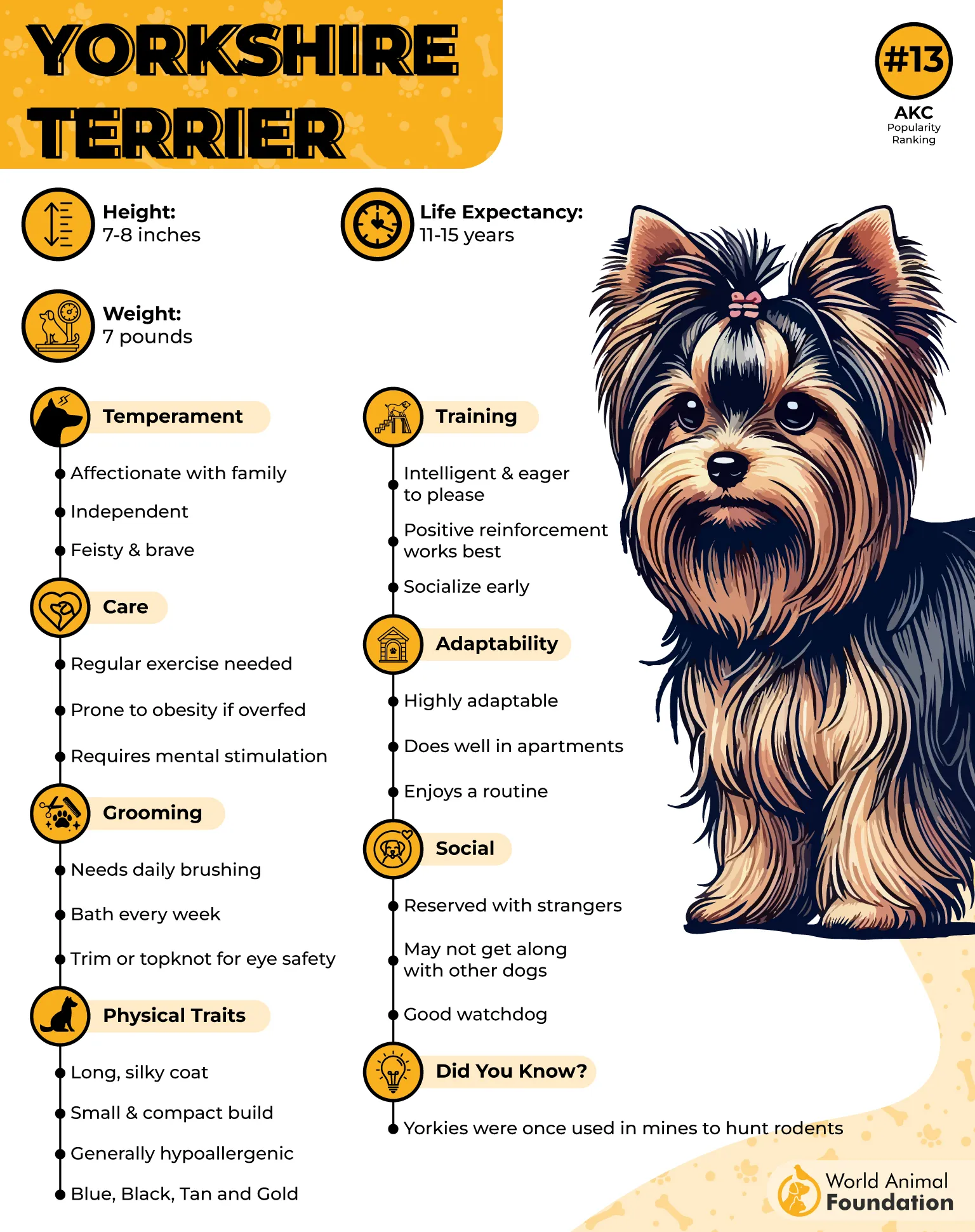
However, their beautiful coat needs daily brushing if kept long, along with regular bathing and ear checks.
Short daily walks and playful activities help keep them healthy, while gentle training, praise, and early socialisation encourage good behaviour, according to the American Kennel Club.
Although small enough to fit comfortably into compact homes, Yorkies still need attention, exercise, and consistent care to thrive as loving, lively companions.
2. Havanese
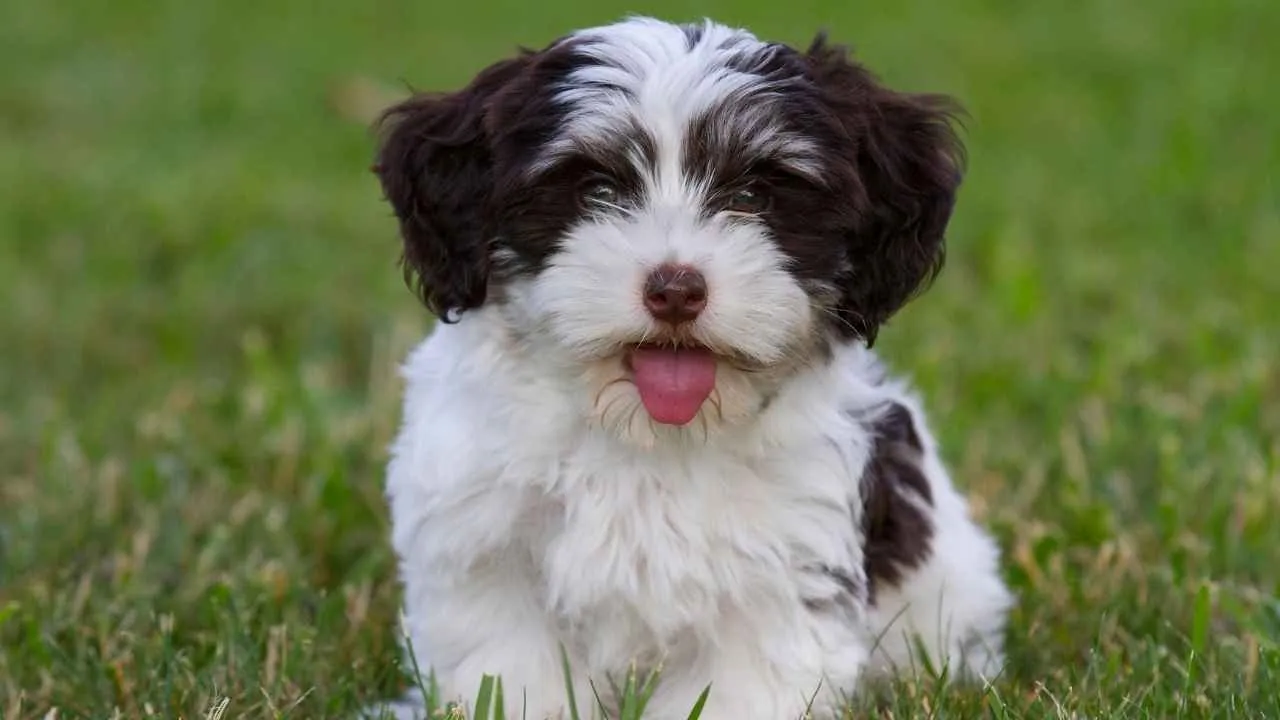
The Havanese is proof that a tiny dog can bring an extraordinary amount of joy into a home. This Cuban breed is an excellent companion for people who want a small, affectionate dog without demanding exercise routines.
Often called a “Velcro dog,” the Havanese loves staying close to its family, whether joining in playtime, learning new tricks, or relaxing indoors. Its cheerful personality, intelligence, and friendly nature make it a lovely choice for families and apartment dwellers alike.
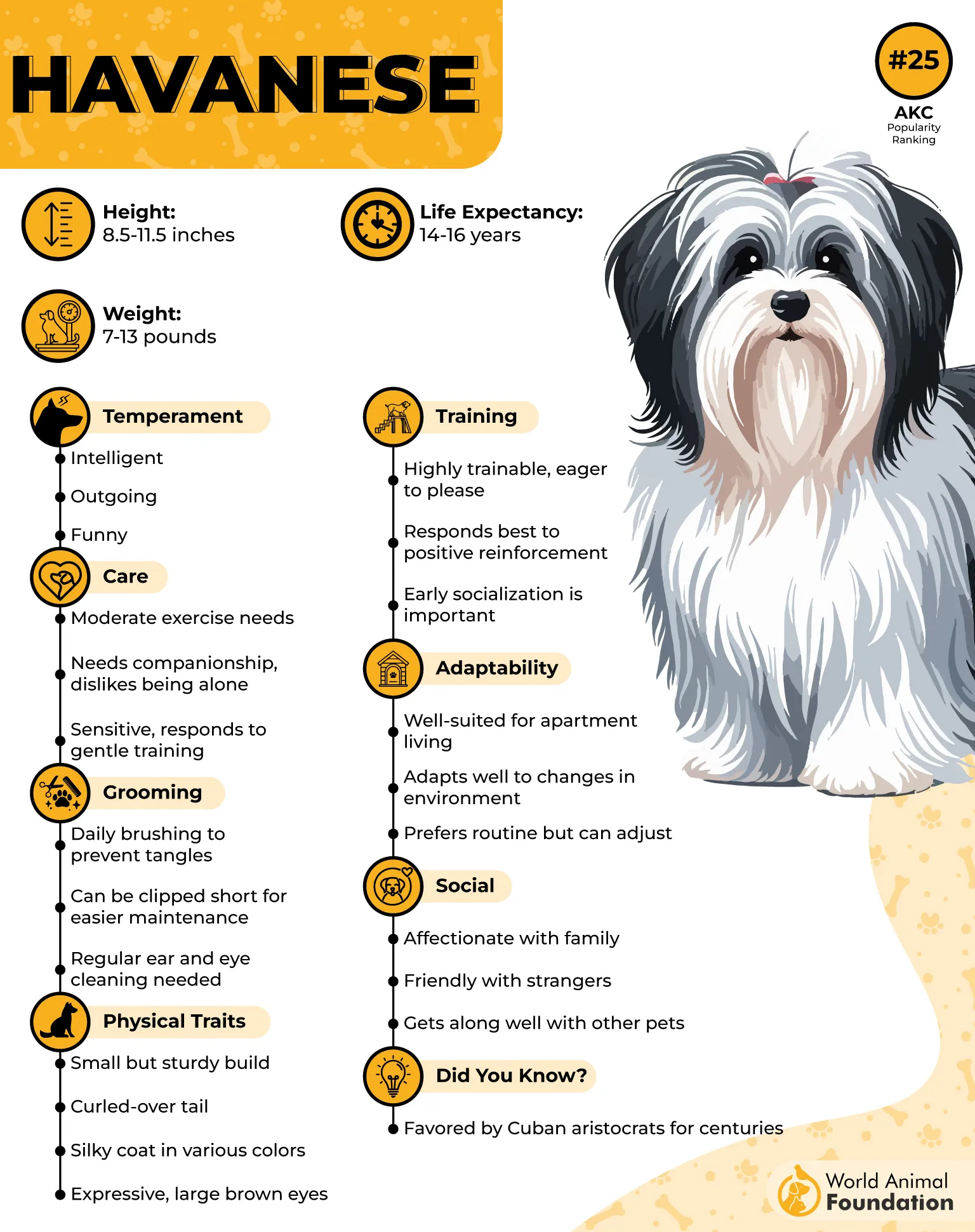
Despite its compact size, this lively little dog enjoys daily walks and playful activities to stay physically and mentally stimulated.
However, its beautiful, silky coat requires regular grooming to prevent tangles and matting. Havanese also prefer company and may struggle when left alone for long periods.
For owners who can offer affection, attention, and consistent care, this small breed makes a delightful lifelong companion.
3. Maltese
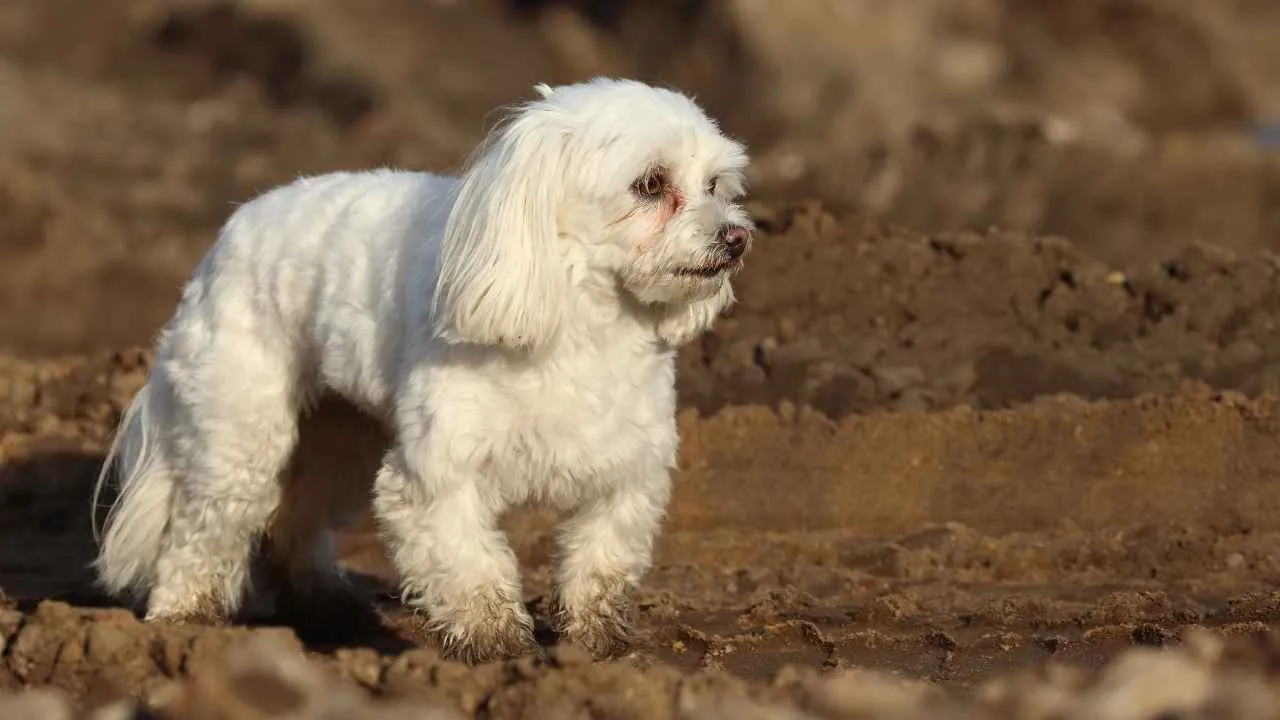
The Maltese is a wonderful choice for anyone who wants a tiny companion with a gentle heart and a lively personality. This ancient Mediterranean breed fits comfortably into smaller homes and does not require a backyard to stay happy.
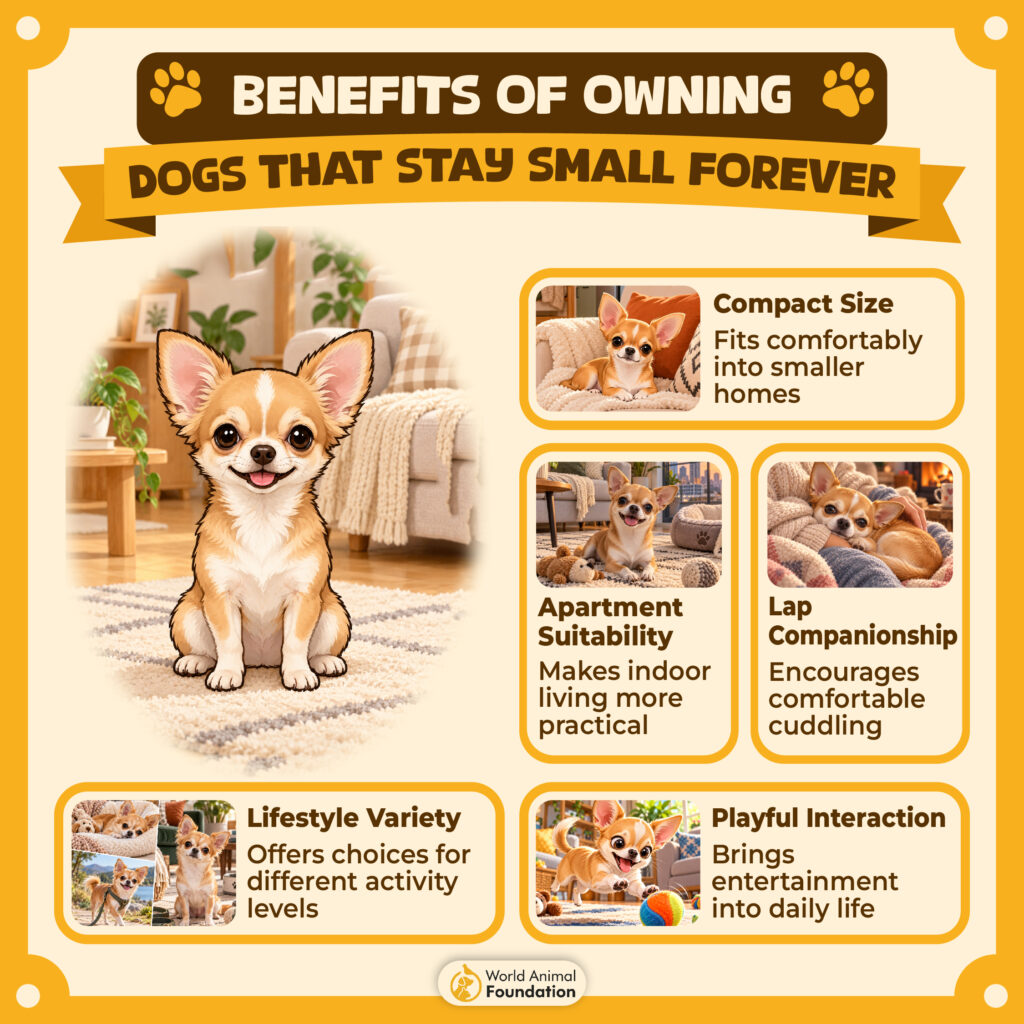
Maltese dogs are devoted to their families, enjoying everything from playful moments with their favourite toys to quiet evenings curled up on the couch.
Though sweet and affectionate, they can also be surprisingly alert, barking to warn their owners when strangers approach.
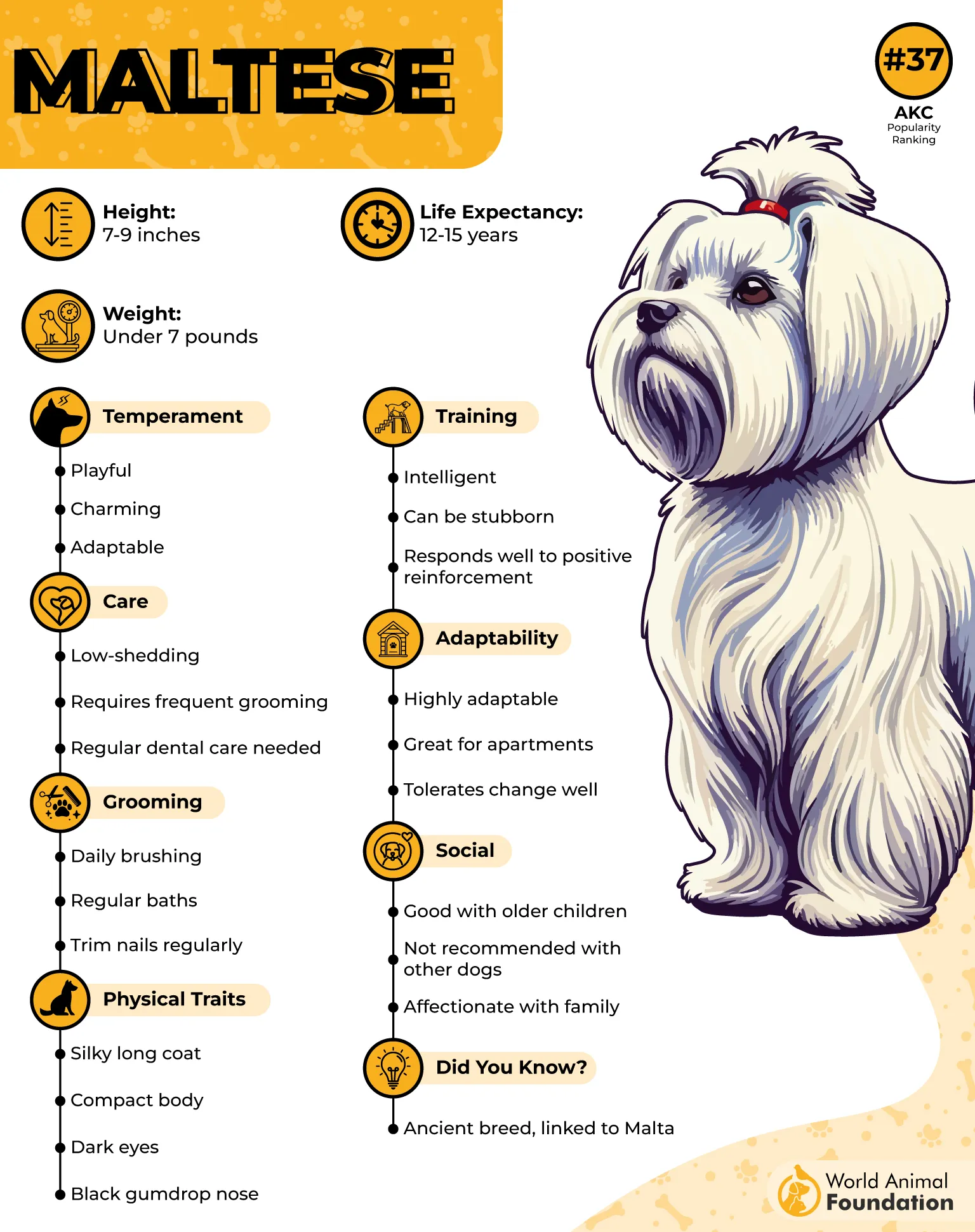
Their beautiful white, silky coats add to their charm, but keeping them looking their best requires regular grooming, as stated by Greencross Vets. Owners can choose a shorter haircut to make maintenance more manageable or keep the coat long with more frequent care.
Daily walks, indoor play, and consistent training help meet their needs. Dental care is particularly important because Maltese dogs can develop plaque and tartar buildup. For families seeking a small, loving companion, this breed offers plenty of affection in a petite package.
4. Shih Tzu
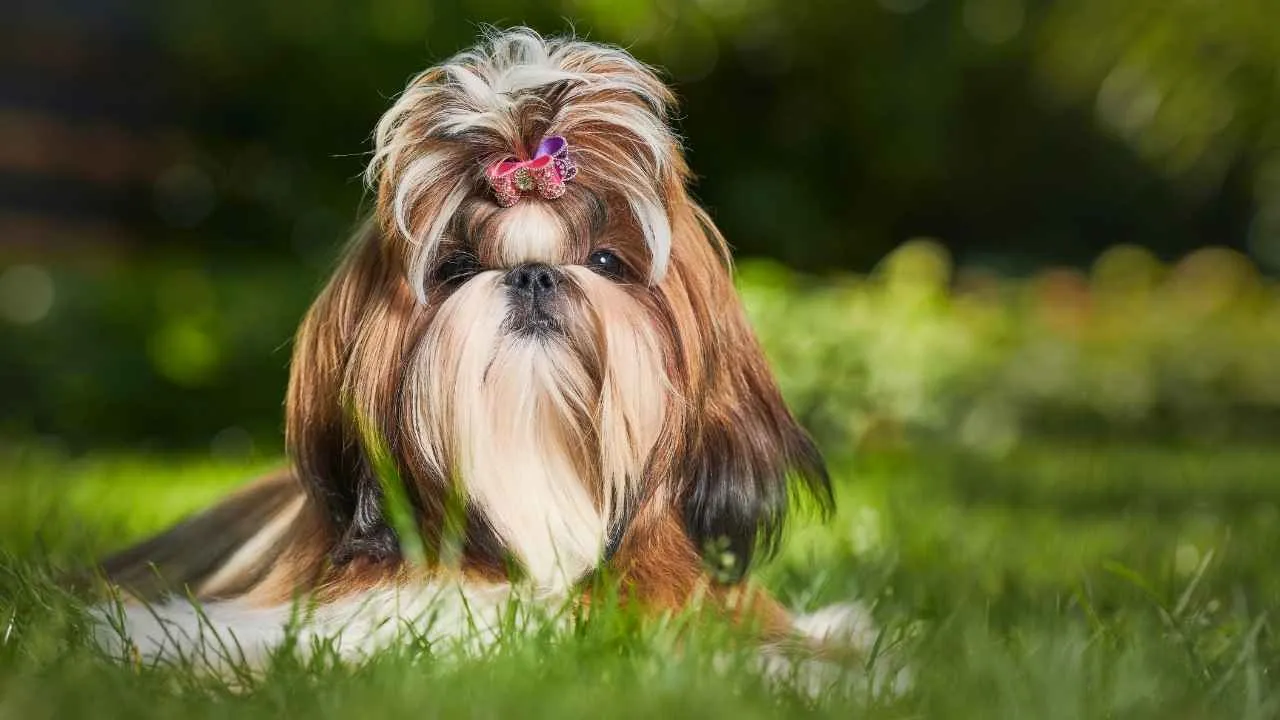
With its affectionate nature and compact size, the Shih Tzu makes a lovely companion for anyone who wants a little dog with plenty of character.
Nicknamed the “little lion,” this charming breed is playful, friendly, and happiest when spending time with its favourite people. Shih Tzus typically enjoy indoor living, making them well suited to apartments and smaller homes where they can stay close to their families.
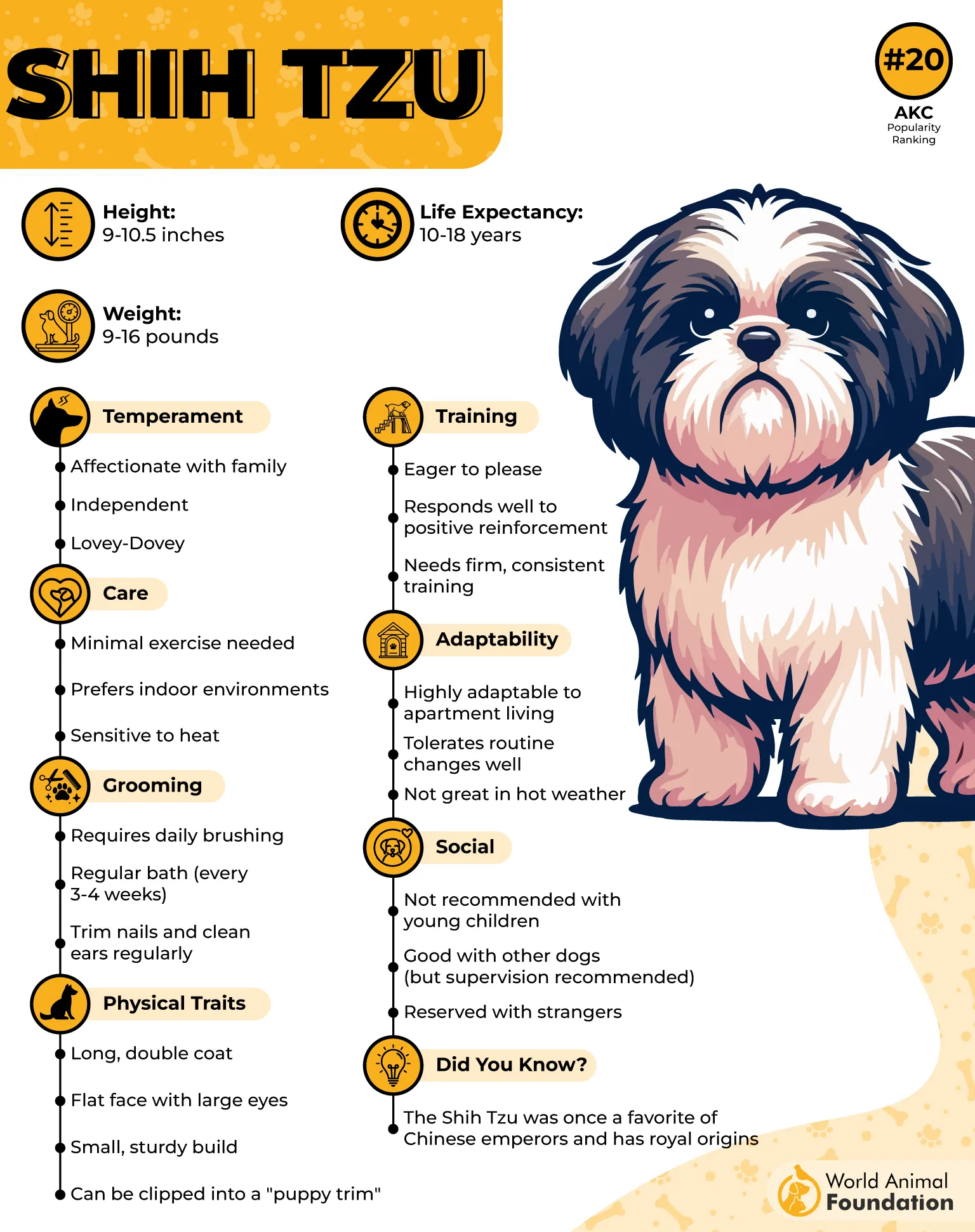
They have moderate exercise needs, with daily walks and indoor games helping them burn energy without requiring an extensive workout routine.
Although intelligent and eager to please, these dogs can have a stubborn streak, so short, enjoyable training sessions work best. Their long, silky coats are undeniably beautiful but need daily brushing to prevent tangles, unless kept in a shorter style.
Shih Tzus can also be prone to certain health problems, making regular veterinary care and weight management important. For owners seeking a small, playful, people-loving companion, this breed offers plenty of charm in a manageable size.
5. Papillon
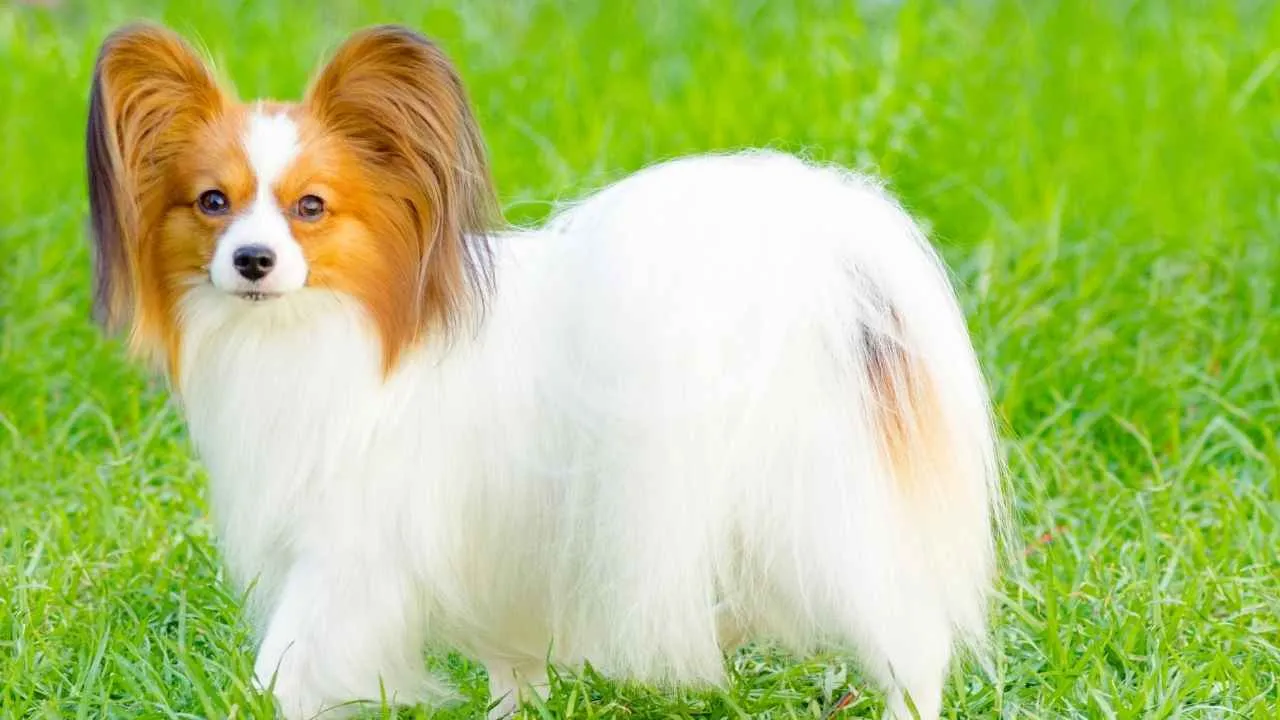
The Papillon may look delicate, with its silky coat and distinctive butterfly-shaped ears, but this tiny dog has a lively spirit and a remarkably sharp mind.
It is an excellent choice for owners who want an energetic companion without the space requirements of a larger breed. Papillons are affectionate, alert, and eager to learn, often enjoying everything from family activities to mastering new tricks.
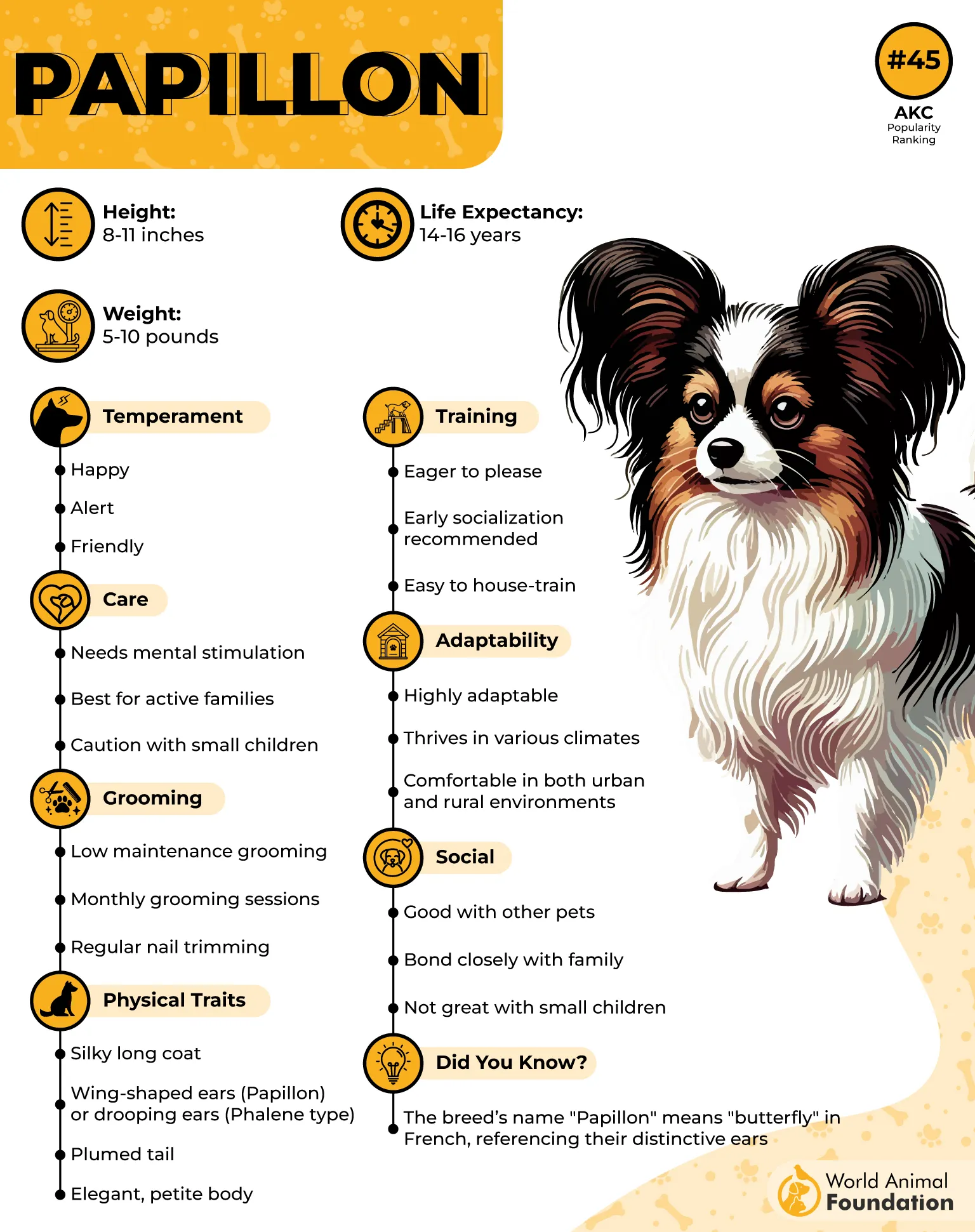
Their intelligence makes training rewarding, while their playful nature keeps everyday life entertaining. Despite their petite size, they need regular exercise, with walks and interactive games helping channel their energy, as explained by Purina.
They can adapt to apartment living, provided their activity needs are met. Their long, silky coat also requires brushing several times a week to prevent tangles.
Papillons generally get along well with other pets when socialised early, but their small frames need gentle handling around children. For active owners seeking a clever, trainable dog in a compact package, the Papillon is a wonderful fit.
6. Toy Poodle
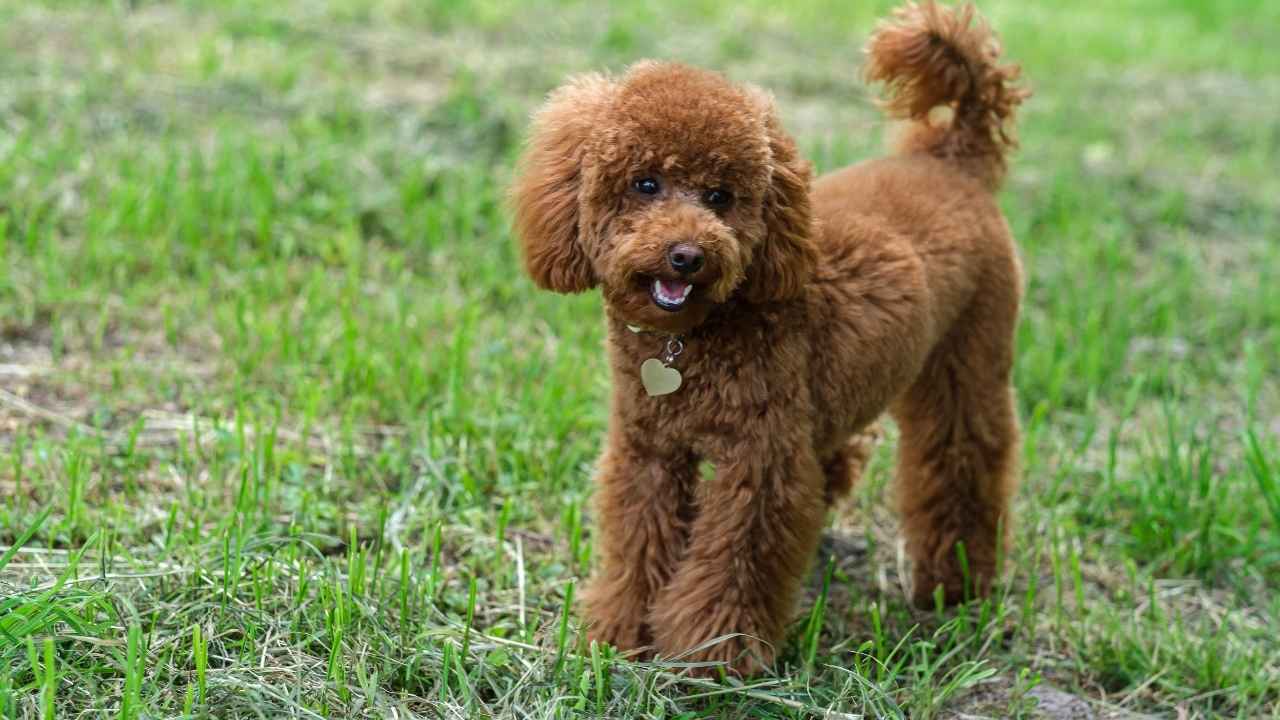
The Toy Poodle brings together a tiny frame, a brilliant mind, and a personality that can brighten even the quietest home. This curly-coated companion is well suited to apartment living and smaller spaces, provided its daily needs are met.
Toy Poodles are affectionate, confident, and eager to please, making them rewarding companions for owners who enjoy teaching tricks and sharing playful moments.
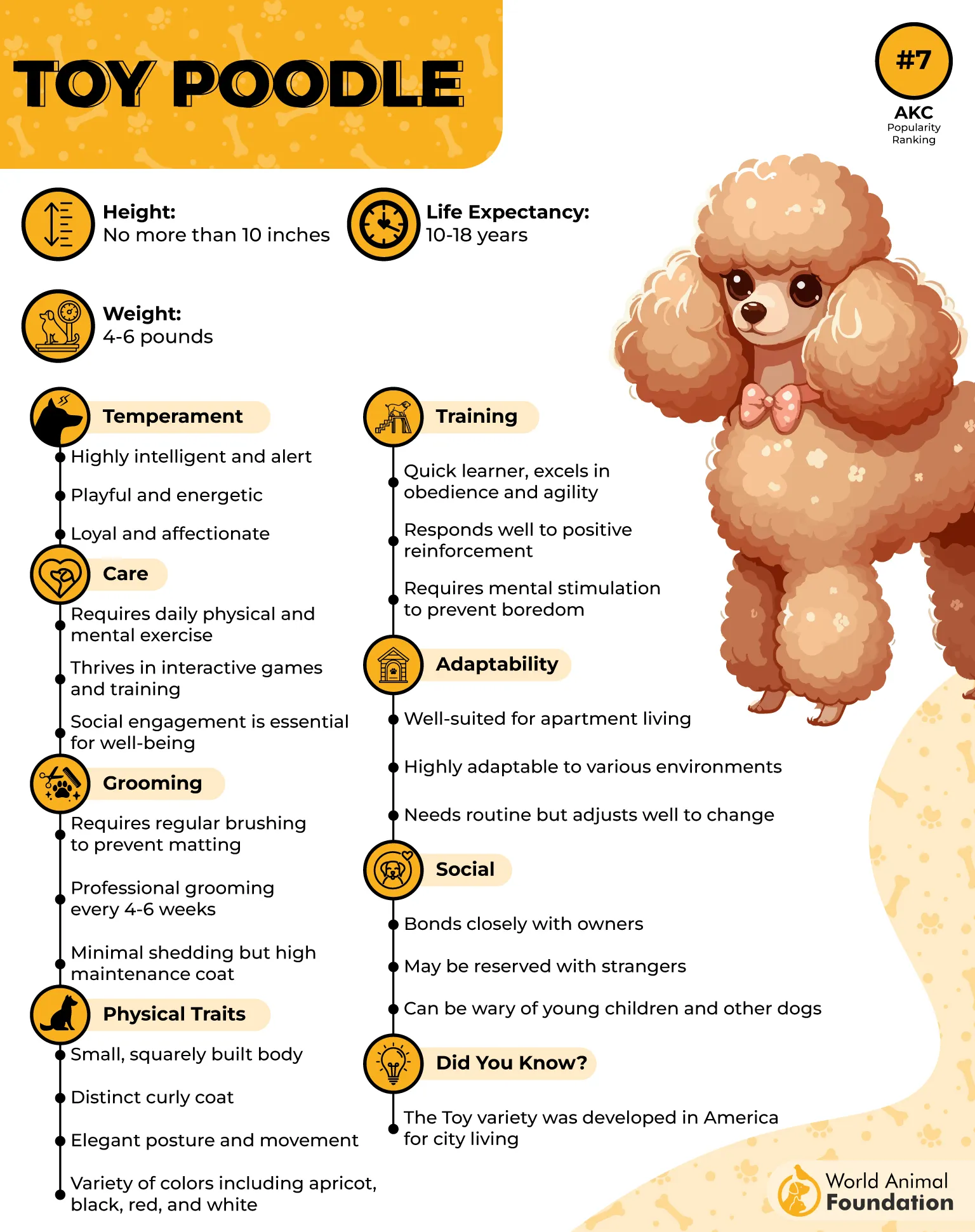
Their intelligence allows them to learn quickly, but they also need mental stimulation and around 40–60 minutes of daily exercise to stay happy and prevent boredom.
These dogs form strong bonds with their families and may struggle when left alone for extended periods. Their low-shedding coat can appeal to some allergy sufferers, although no dog is completely hypoallergenic.
However, their curls require daily brushing and regular professional grooming to prevent matting. With consistent training, companionship, and attentive care, the Toy Poodle offers an appealing combination of manageable size, affection, and remarkable intelligence for the right household.
7. Pomeranian
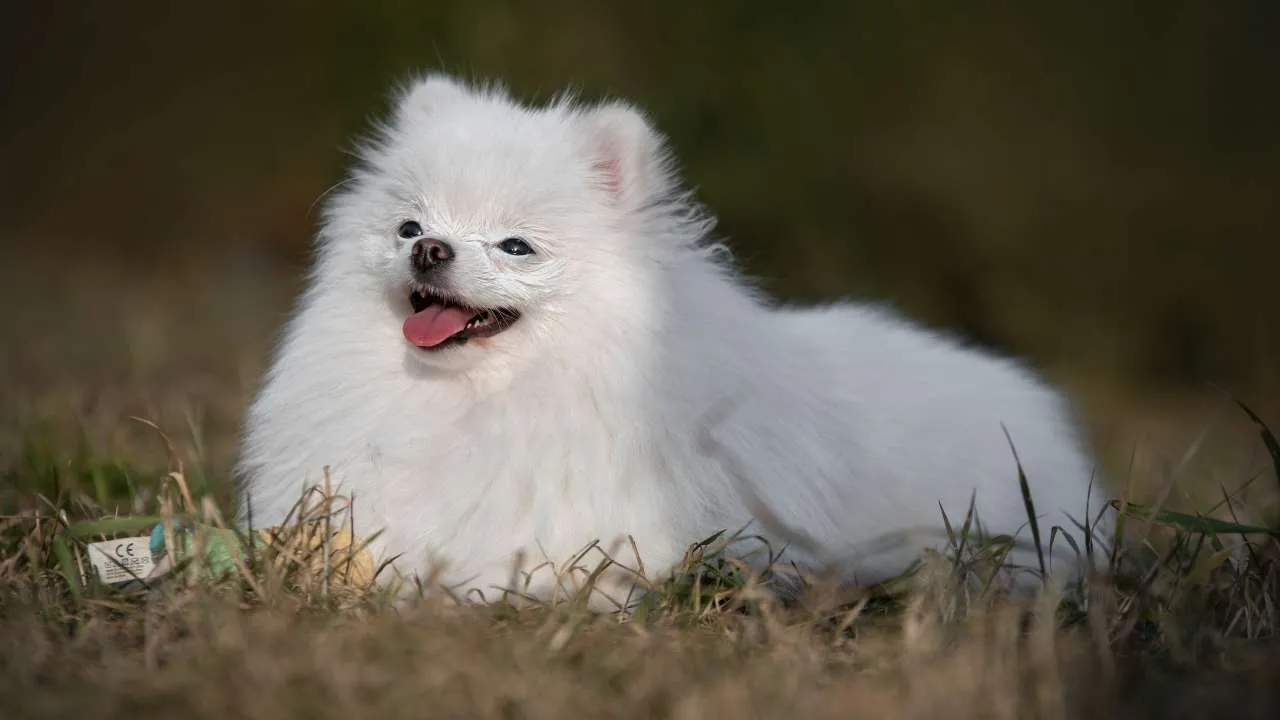
The Pomeranian proves that a tiny dog can have a personality that fills an entire room. This fluffy companion is well suited to small homes, apartments, and owners who want a dog that is easy to carry along.
Pomeranians are curious, intelligent, affectionate, and lively, enjoying everything from cuddles on the sofa to short walks and playful indoor activities.
Their alert nature makes them attentive to their surroundings, although frequent barking can be a challenge in quieter households, according to WebMD.
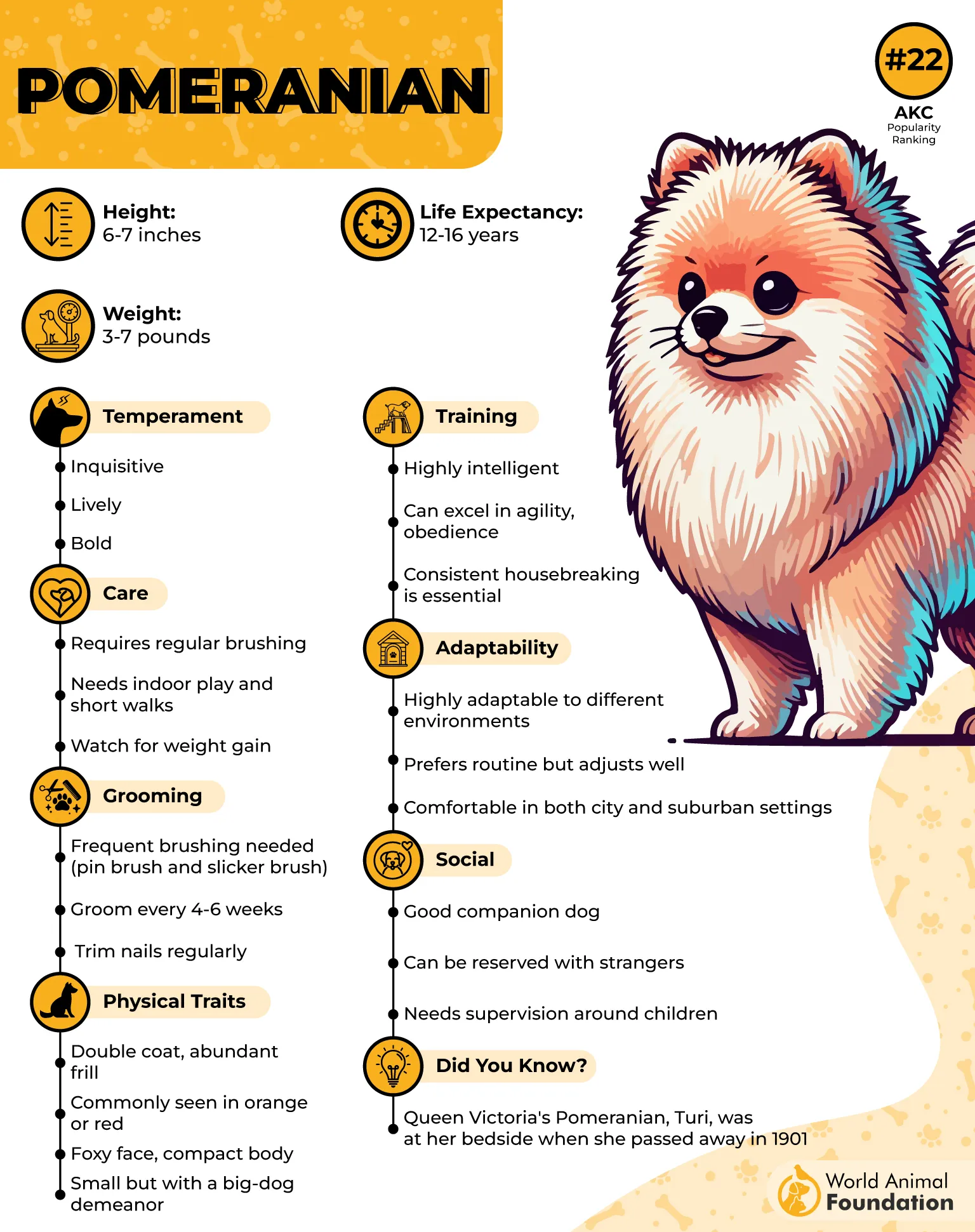
Their thick double coat gives them a distinctive, fox-like appearance but needs regular brushing to prevent tangles, along with occasional professional grooming.
Early socialisation and patient, consistent training help bring out their best qualities, though house-training may take time.
Because of their delicate size and tendency to be defensive around young children, they are generally better suited to families with older, gentle children.
Conclusion
Choosing a small dog is about more than finding a breed that fits comfortably into your home. The right companion should also match your lifestyle, energy level, and expectations for daily care.
From affectionate lapdogs to clever little companions who love playtime, tiny breeds offer plenty of personality without requiring a large living space.
However, their small size does not mean they need less attention. Regular grooming, gentle handling, consistent training, and daily exercise remain important for keeping them happy and healthy. Some breeds may also need extra patience with house-training or careful supervision around young children.
Before bringing a puppy home, consider its temperament, grooming needs, and potential health concerns rather than choosing based on appearance alone.
With thoughtful preparation and plenty of affection, a small dog can become a cherished part of your everyday life, bringing companionship, playful moments, and a surprising amount of joy to even the smallest home.
