




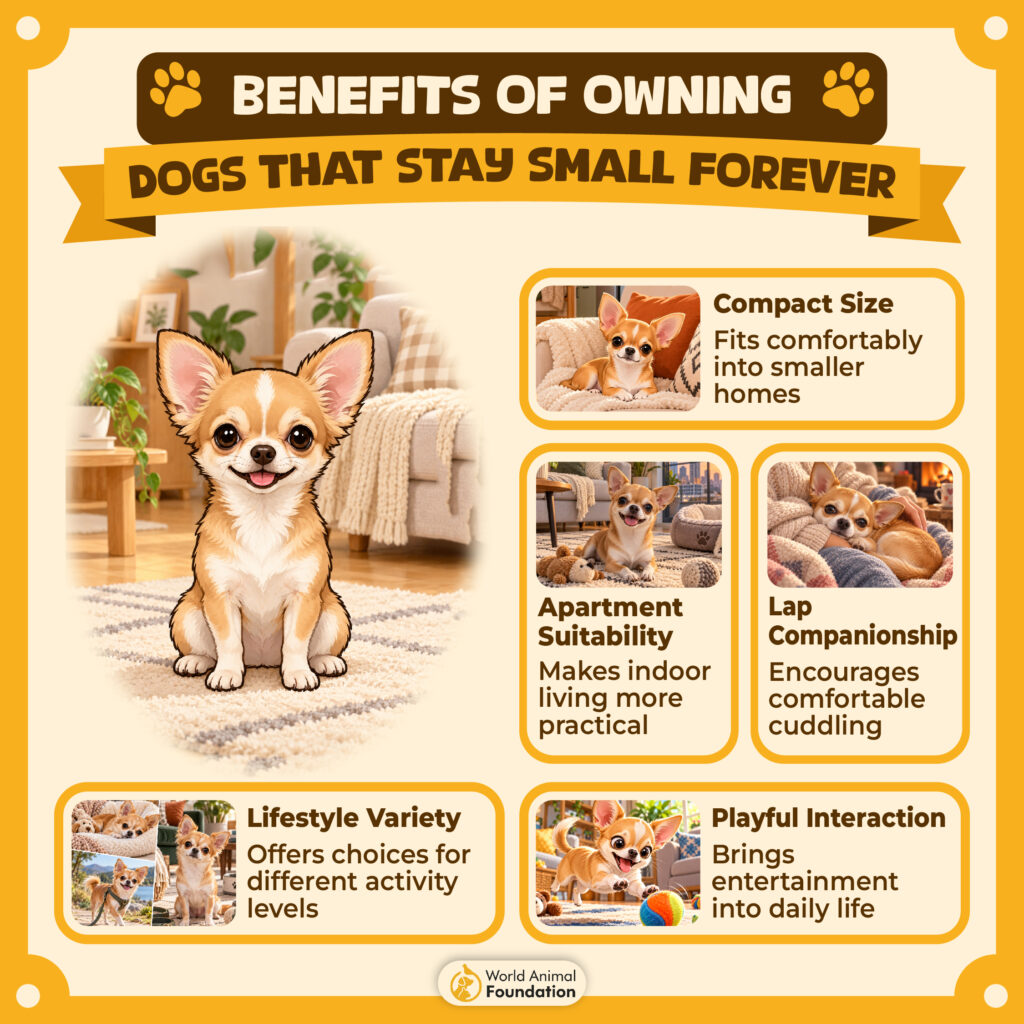
Some dogs carry a puppy-like charm that never truly fades, staying wonderfully small, light, and portable for their entire lives. For owners who love the convenience of a tiny companion—whether for easy apartment living, relaxed travel, or simply having a cuddly shadow that easily fits in your lap—perpetually petite breeds offer all the joy of a dog without the extra size.
These toy and miniature companions combine big personalities with compact frames, proving that great things truly do come in small packages.
From lively little charmers with big hearts to calm, affectionate lap dogs who treat cozy days indoors as their primary mission, these always-small breeds adapt seamlessly to everyday life. They navigate tight spaces with ease and require manageable exercise, making them exceptionally convenient companions.
For anyone looking for a sweet, pocket-sized best friend that stays delightfully pint-sized forever, these adorable breeds deliver endless love in a wonderfully miniature form.
Ideal Small Dog Breeds That Stay Petite Always
1. Pomeranian
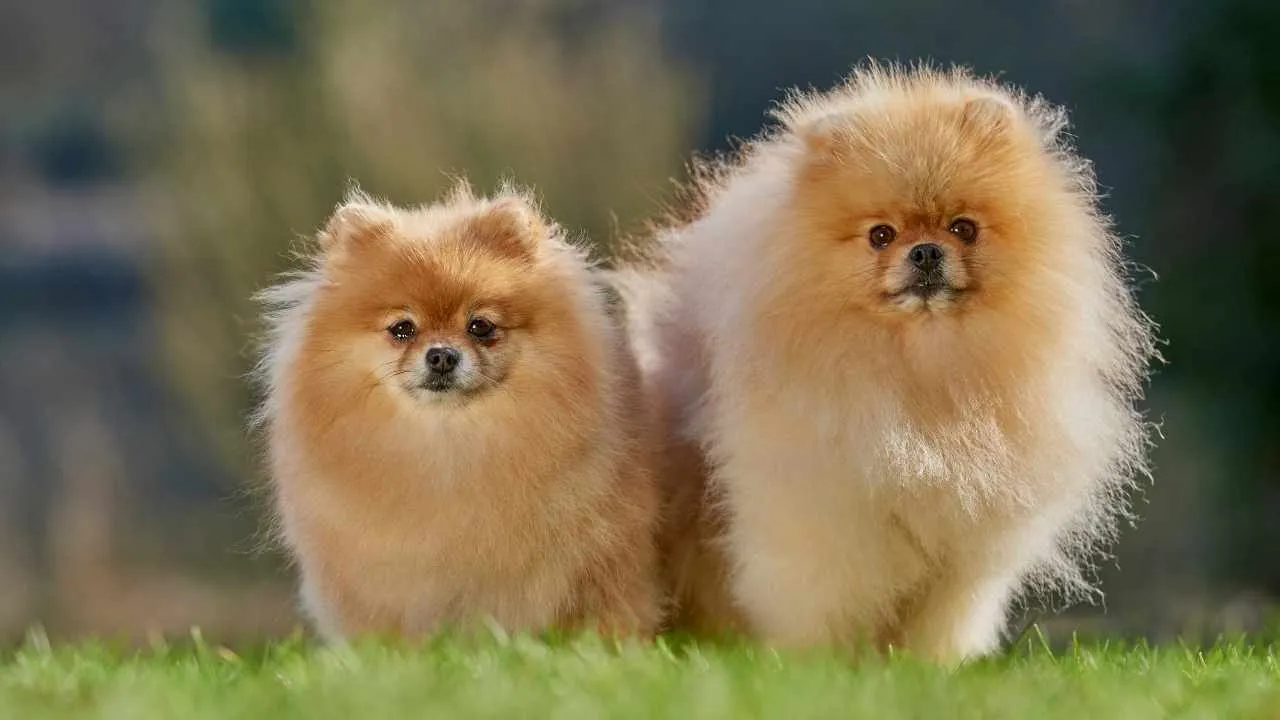
Picture a fluffy orange cloud that fits on one palm, strutting with the high-stepping gait the AKC standard describes. That strut and that size lock in early, long before most new owners expect it, so the shape you meet is the shape you keep.
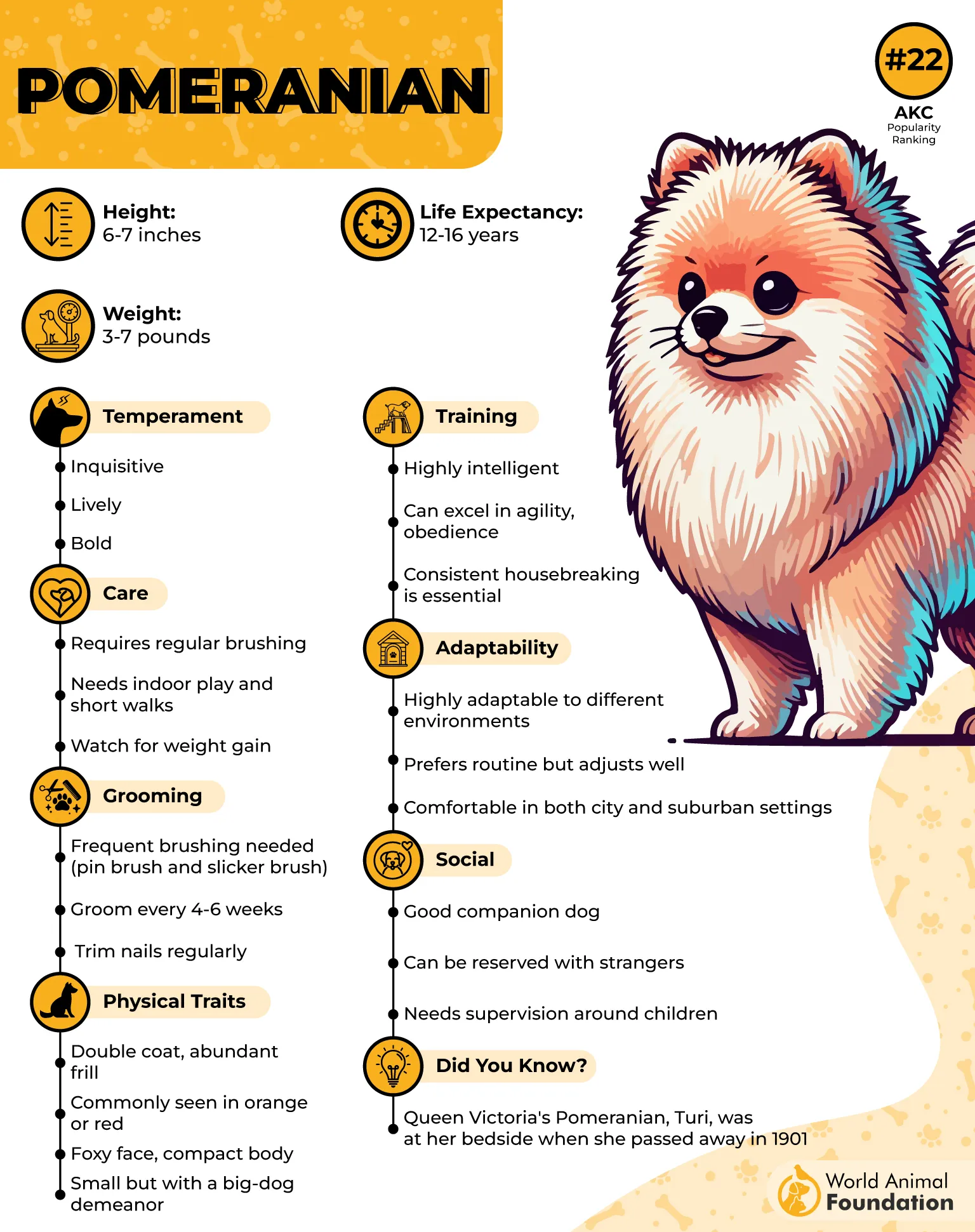
Underneath the fluff is a bold, affectionate companion that would rather claim a lap than roam a yard, and its alert nature makes it a loud watchdog for its size. The one wrinkle in the petite promise is lineage, since a few litters still echo the breed’s much larger spitz ancestors.
Coat: Needs regular brushing so the thick double coat never mats against such a small frame.
Teeth: Tiny jaws crowd easily, so dental checks deserve extra attention.
Pomeranians stay refreshingly consistent in scale, a legacy of the Pomeranian royal patronage that pushed breeders toward smaller dogs generations ago. An adult littermate is a fair preview of your own puppy’s future, with no secret late growth spurt waiting to surprise you.
2. Maltese
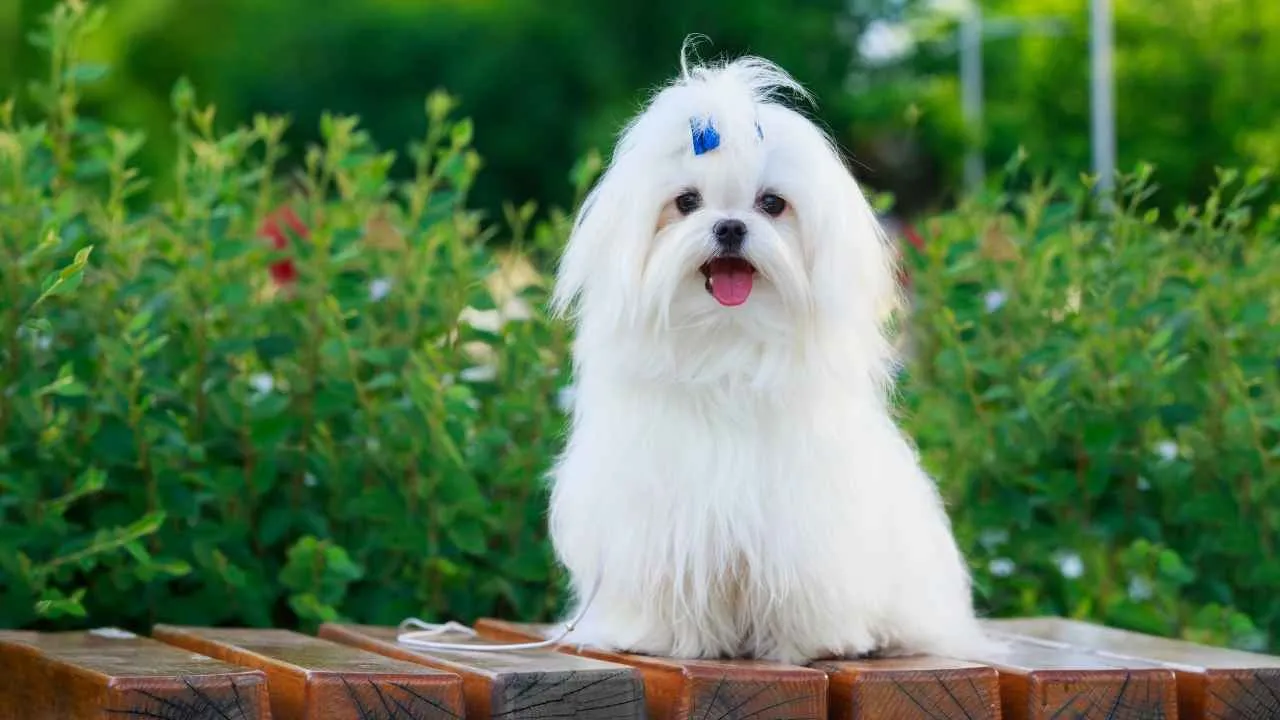
Think of a small drift of white fluff you could carry in a handbag without anyone noticing the extra weight. A Maltese reaches its finished look early, with the frame settling well before the coat grows into its full glory. What you see at that point rarely changes again.
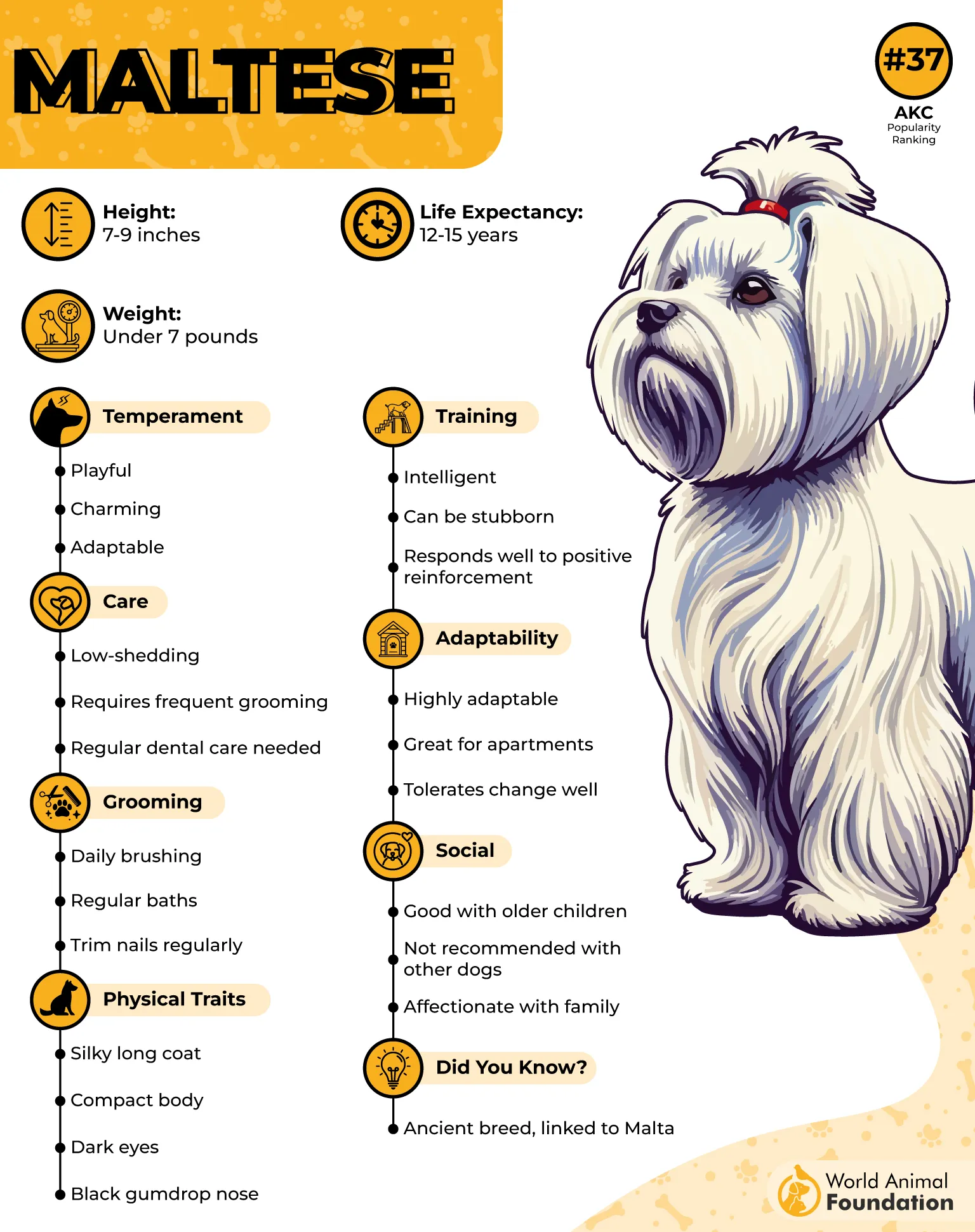
This is one of the original lap dogs, prized for an affectionate nature that is happiest draped across a cushion or a forearm, and it adapts easily to apartment life as long as company is nearby.
The petite promise here is about as solid as it gets, since centuries of breeding for one tiny companion type left little room for size drift.
Coat: The long coat needs daily brushing to stay tangle-free against such delicate skin.
Eyes: Tear staining shows up fast on white fur, so gentle daily wiping helps.
Few toy breeds are as uniform as the Maltese. Line up several adults and the sizes barely differ, which is rare reassurance for anyone nervous about surprises.
3. Papillon
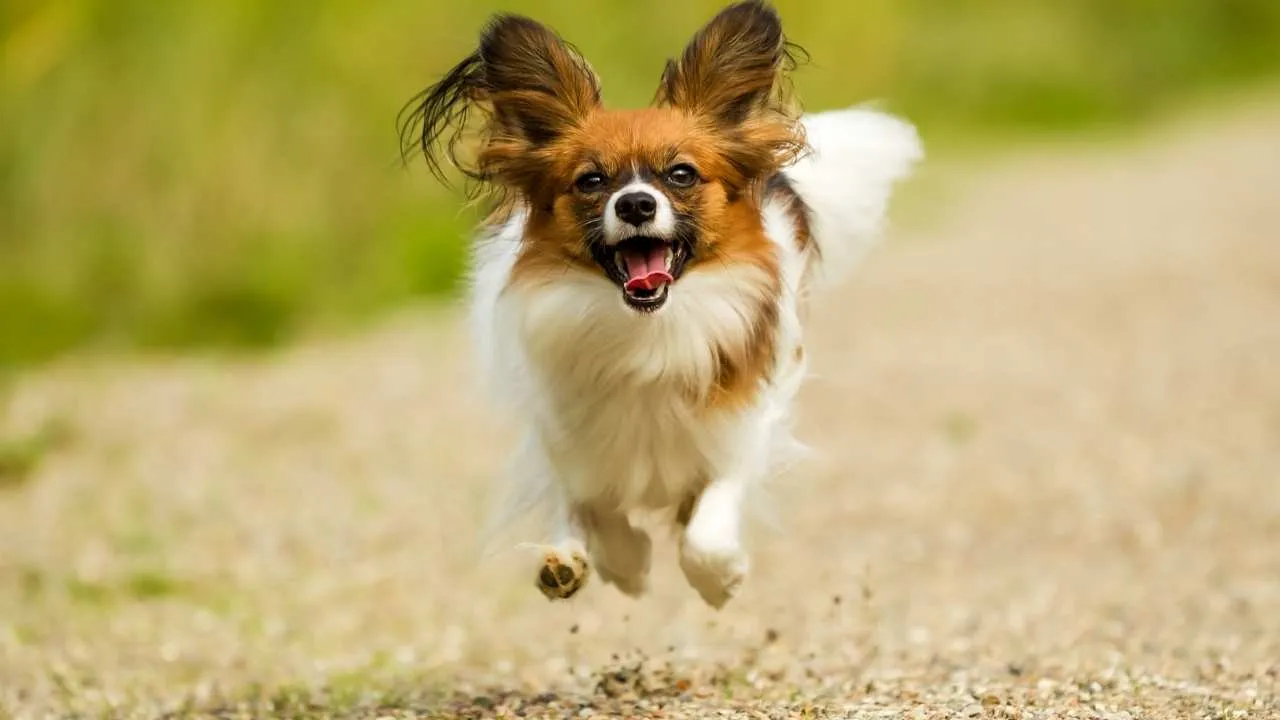
Think of two bright butterfly wings perched on a dog small enough to tuck under one arm, which is exactly why the French named it the butterfly dog. A Papillon finishes most of its growing while still very much a puppy, long before its ears grow into their full feathering. The compact little frame underneath is set early and stays that way.
This is a sharp, busy little companion. Its energetic and alert nature keeps it tuned in to everything happening in the house, from a knock at the door to a dropped crumb.
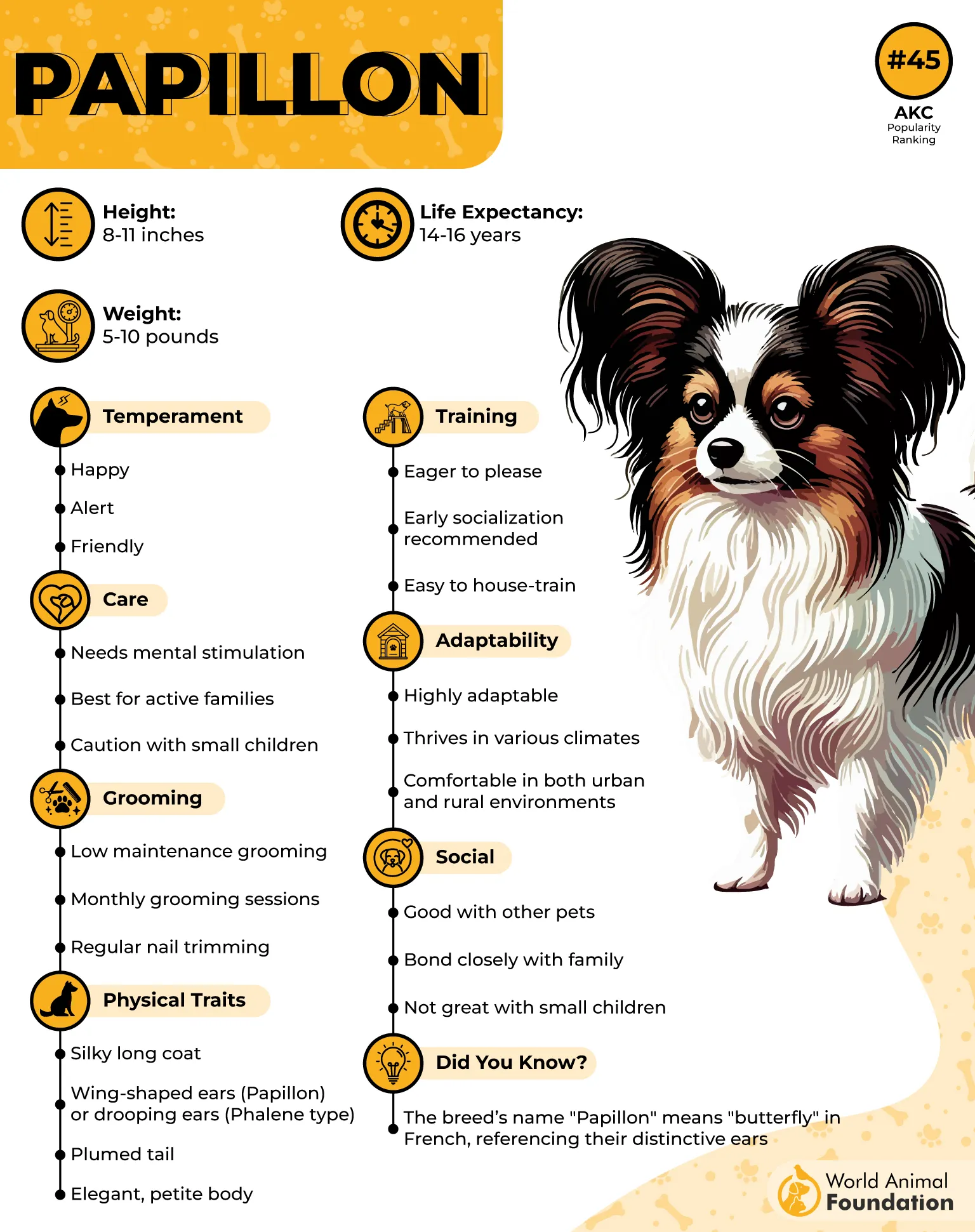
Papillons have stayed a true toy type for centuries, so the petite promise holds up well, with only the occasional pup landing on the larger side of the standard.
Ears: The fringed ears need regular checks to stay clean and free of matting.
Joints: A delicate frame means jumping off furniture is best discouraged.
Papillons run fairly true to type from one dog to the next. A littermate’s adult size is a decent guide to your own puppy’s finished size, without much guesswork involved.
4. Yorkshire Terrier
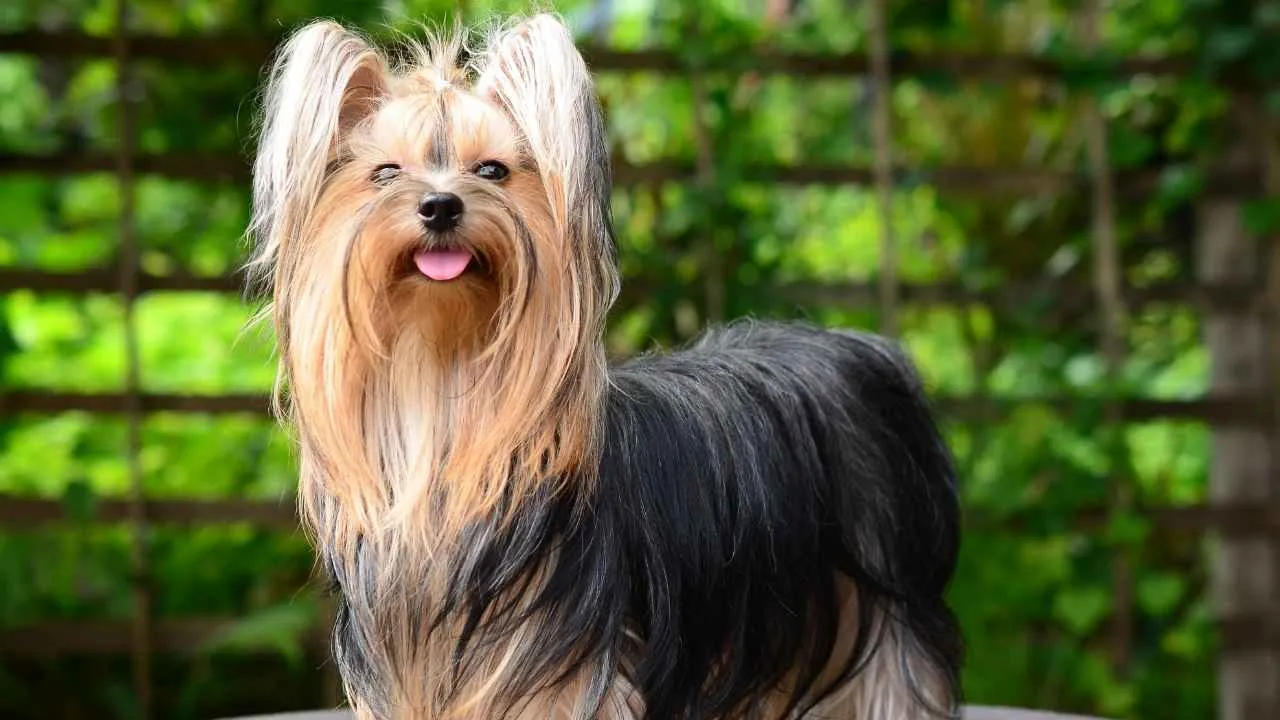
Think of one of the smallest terrier-type dogs, small enough to ride in a jacket pocket and finished with a silky coat that only adds to the illusion of daintiness.
A Yorkshire Terrier does most of its growing early, with the frame essentially finished well before the coat reaches its full length. What you hold as a young adult is what you will be holding for years.
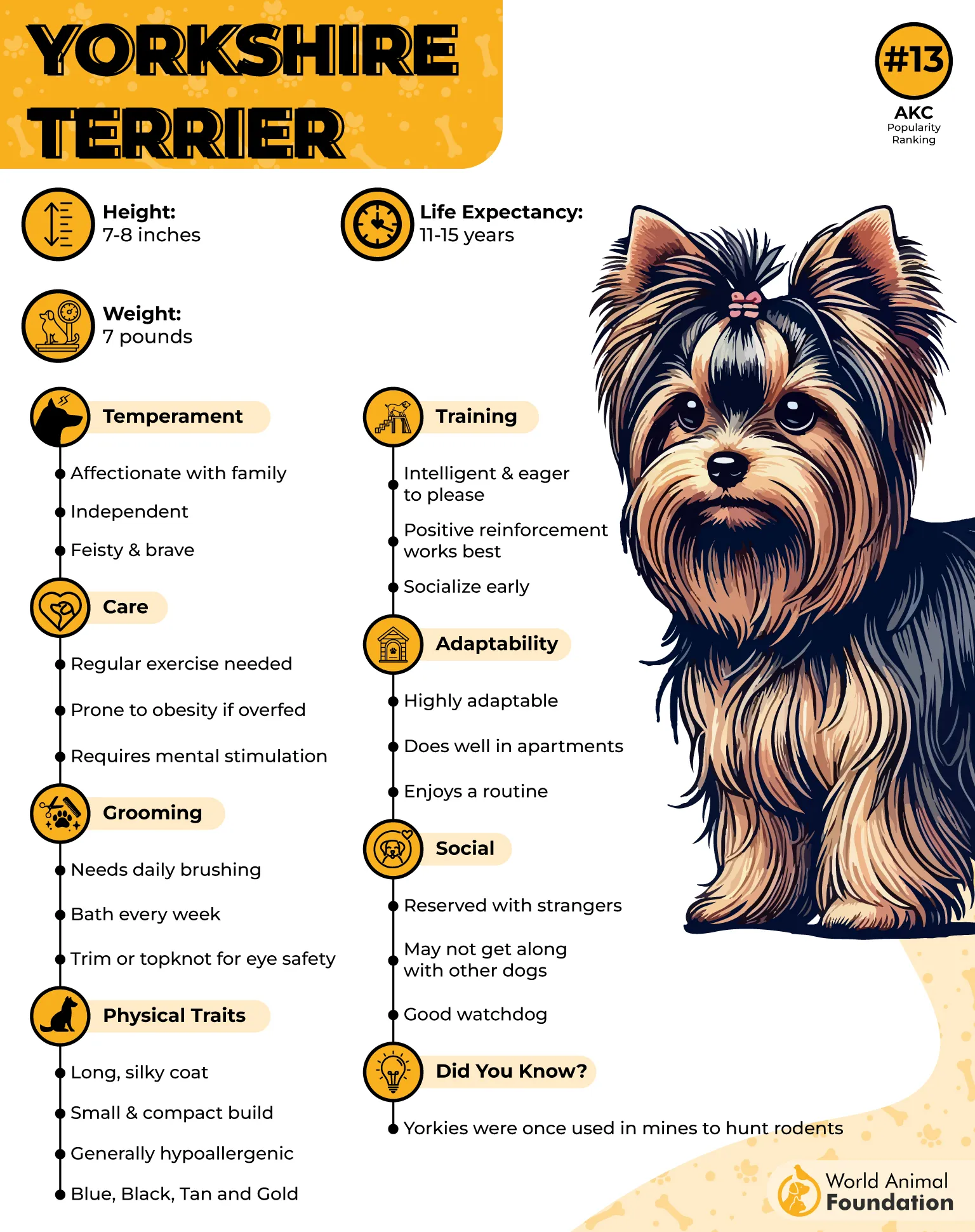
History left this breed with more backbone than its size suggests. According to VCA, the Yorkshire Terrier was specifically bred as a watchdog and rat catcher for mills and mines, and that scrappy streak still shows up today.
The petite promise can wobble slightly when a pup carries more of those working terrier genes, occasionally finishing a touch sturdier than the show standard favors.
Teeth: Small, crowded jaws make regular brushing and dental checks important.
Warmth: Short fur underneath the topcoat means a jumper helps on cold walks.
Just a Yorkshire Terrier is rarely just one size. Build can vary more than people expect, and marketing around teacup Yorkies only adds to the confusion, so a reputable breeder’s guidance matters more than a cute label.
5. Toy Poodle
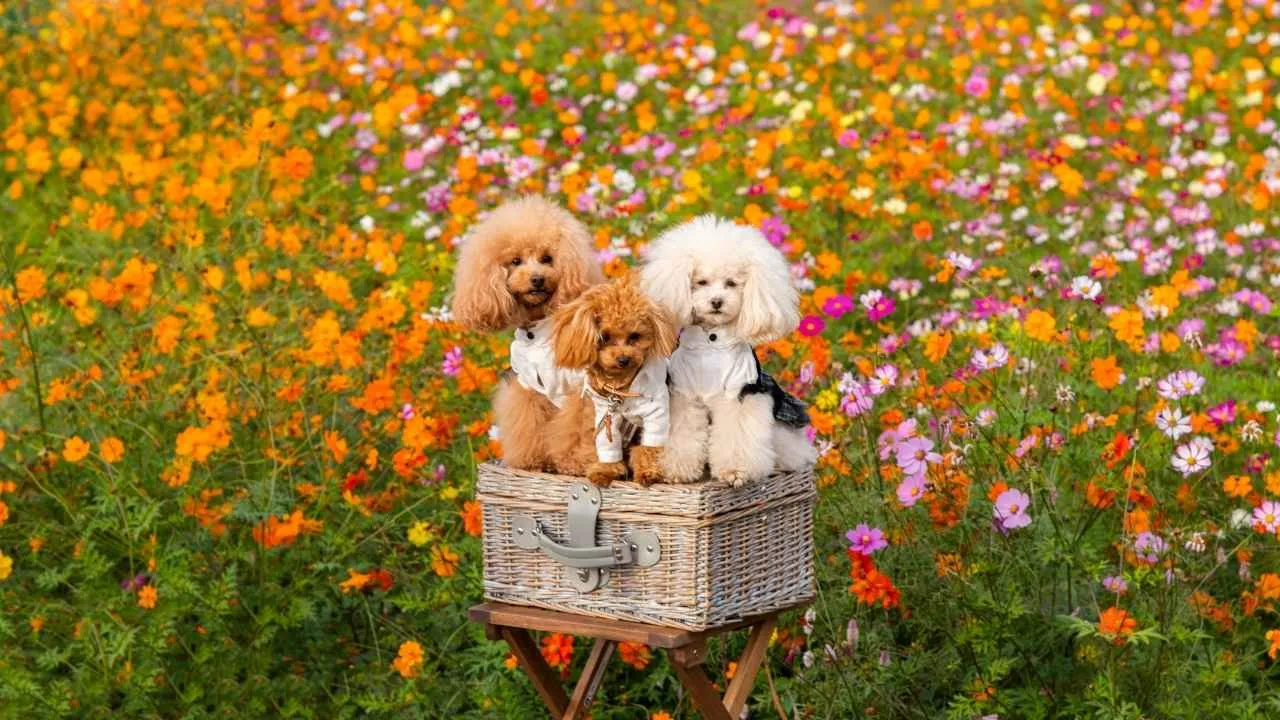
Think of a small, dense-coated dog that could nap comfortably in a tote bag, which is part of why the Toy Poodle turns up so often as a highly trainable companion dog for small spaces.
Most of its growing wraps up while it is still very much a puppy, long before the coat reaches full length. The compact frame you meet early tends to be the frame you keep.
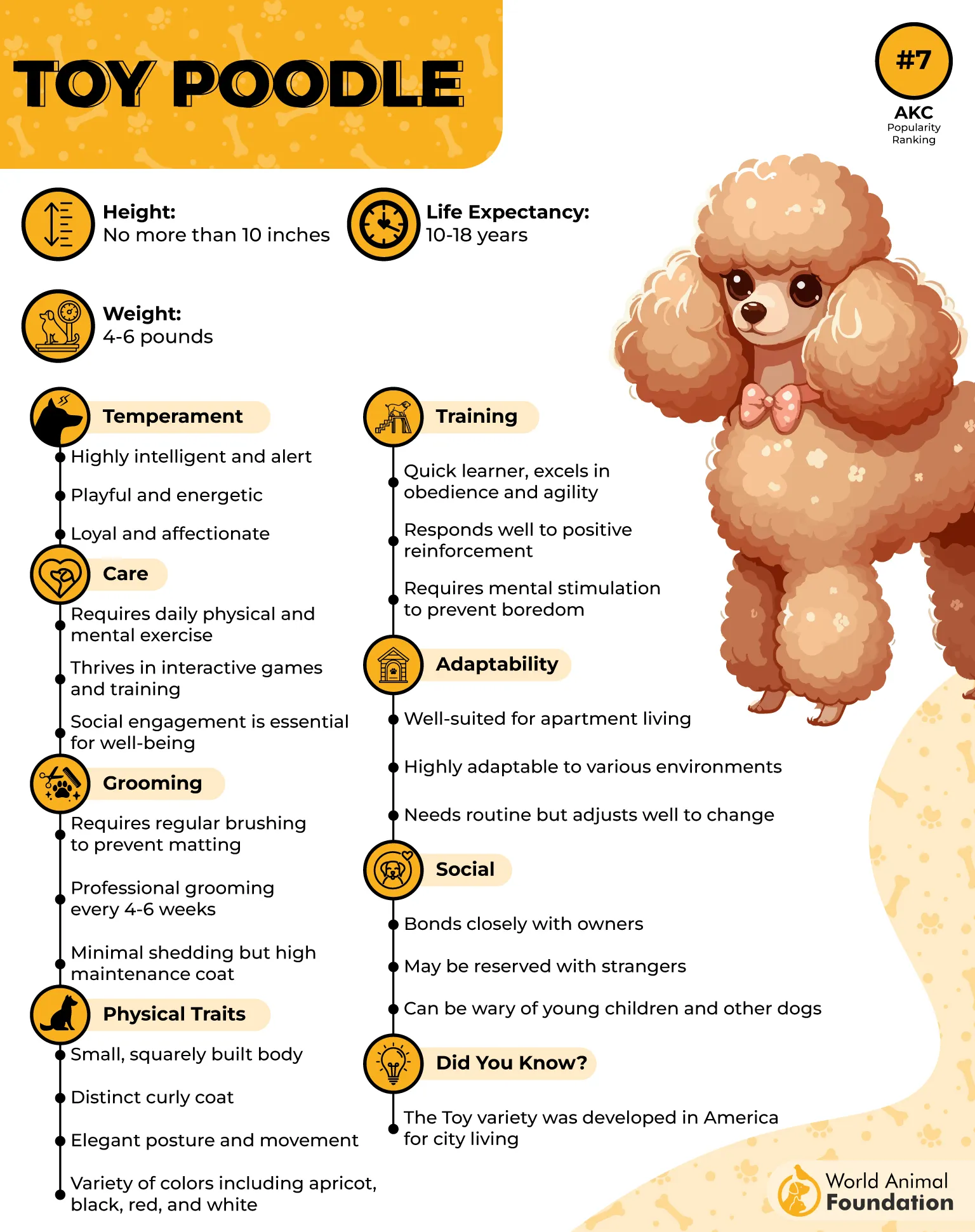
A Toy Poodle is quick, eager to please, and capable of virtually any task you care to teach it, which makes it fast to potty train and keeps the size almost secondary to the brain inside it.
According to PetMD, poodles are a hypoallergenic breed that comes in toy, miniature, and standard sizes under one shared standard, so a pup from a mixed-size litter can occasionally land larger than its toy label suggests.
Coat: The dense, low-shedding coat still needs frequent professional grooming to avoid matting.
Dental: Tiny jaws are prone to crowding, so regular dental care matters.
Within a reputable toy line, size holds fairly steady from one dog to the next. The bigger variable is which branch of the wider poodle family a particular puppy’s parents came from.
6. Havanese
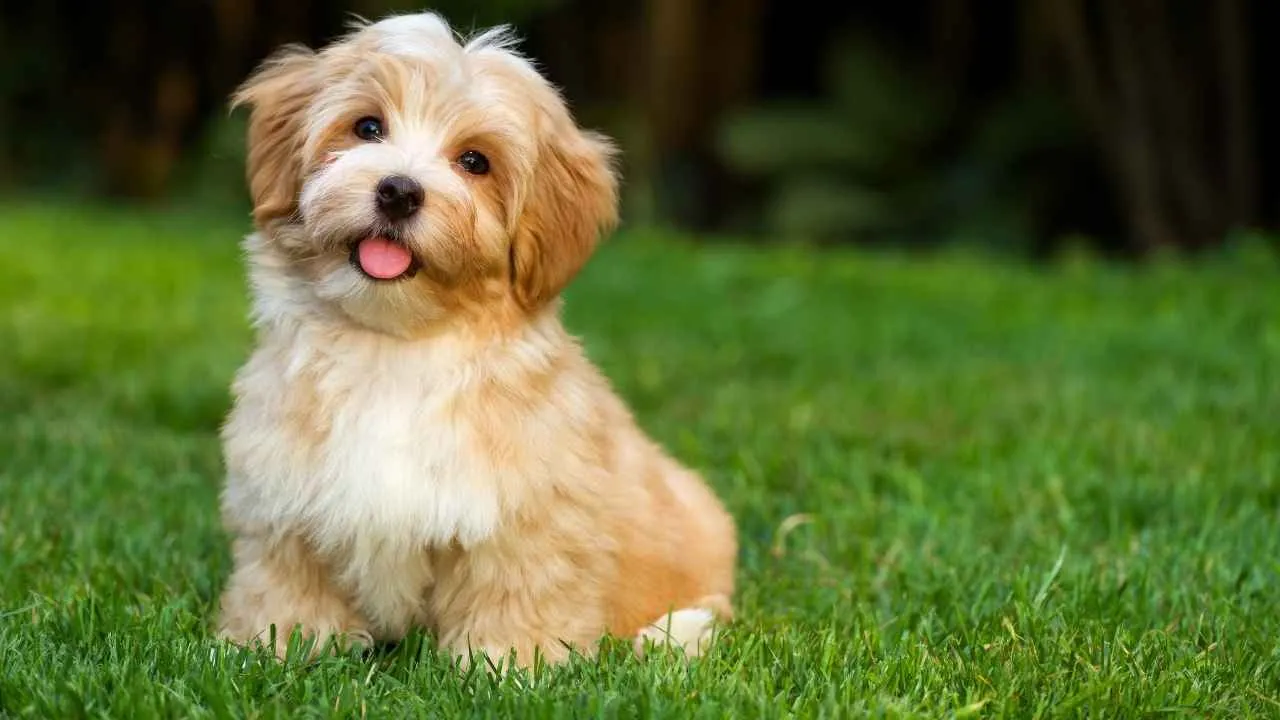
Think of a small, springy dog that fits onto any size lap, bouncing along with a gait so cheerful it looks like it is laughing. A Havanese wraps up most of its growing early, well before its long coat reaches full length. The dog you meet at that stage is close to the dog you will have for good.
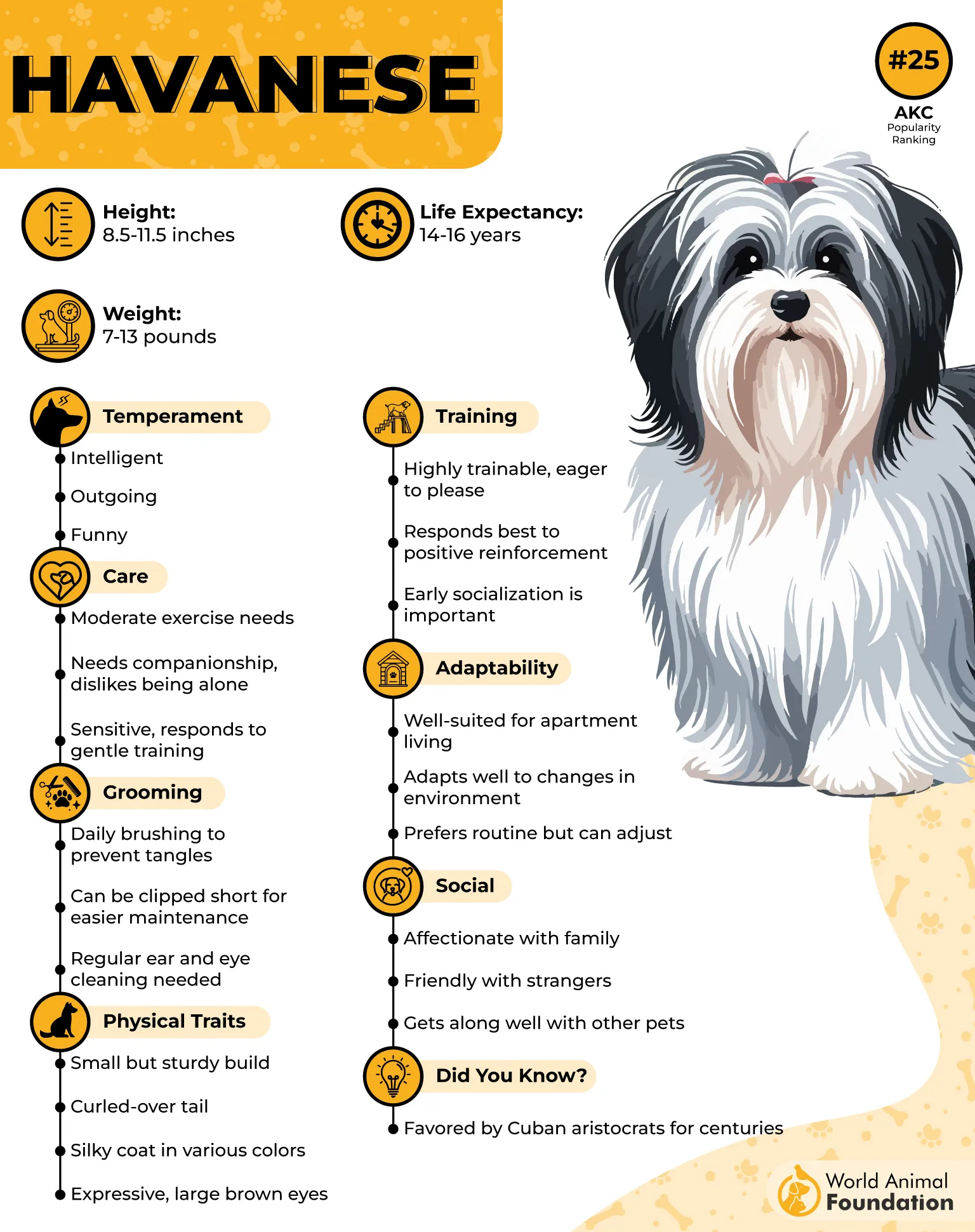
According to WebMD, the Havanese temperament and small size make it an easygoing family dog, happy with kids, other pets, and apartment living alike.
The petite promise stays fairly dependable here, since the breed has a long, settled history as a companion type rather than a working dog pulled in several directions. The rare outlier usually traces back to a less careful breeding line.
Coat: The long, silky coat mats easily, so regular brushing is non-negotiable.
Eyes: Tear staining needs gentle daily cleaning, especially on lighter coats.
Havanese size is reasonably predictable from litter to litter. There is some natural spread, but nothing close to the surprises seen in less settled companion breeds.
7. Chihuahua
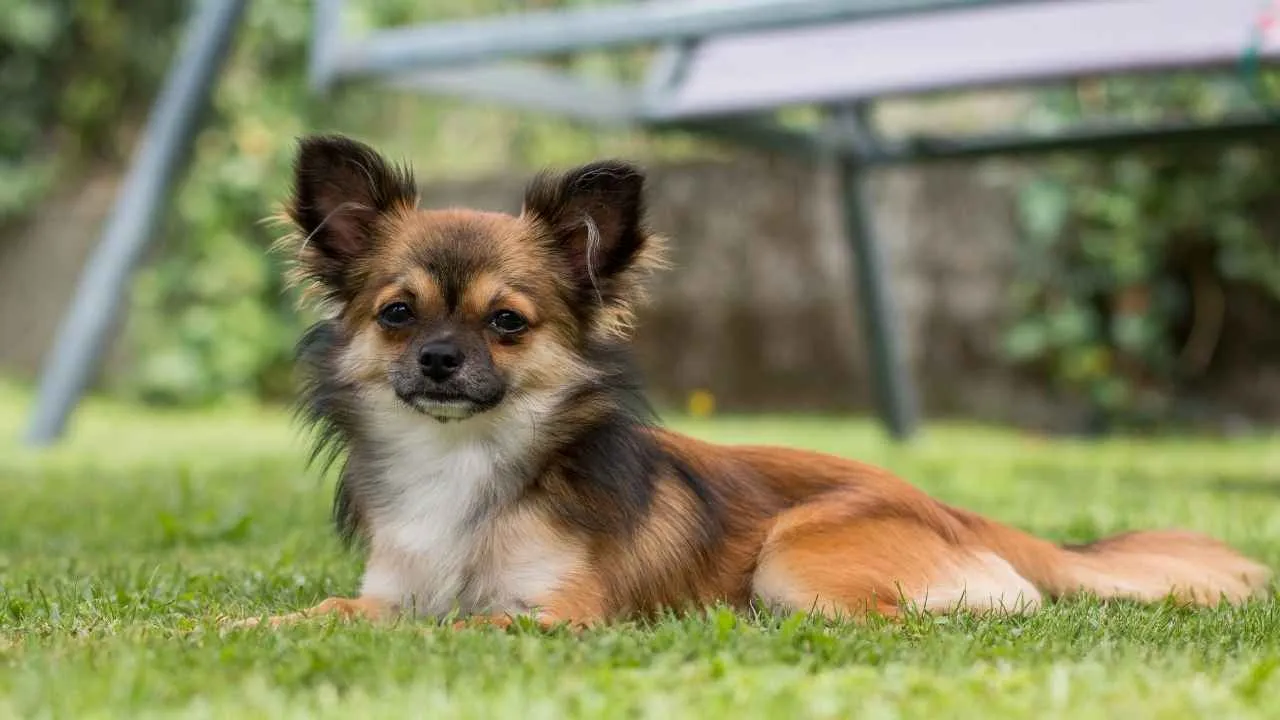
Think of a dog small enough to ride along in a jacket pocket, with a powerful personality too big to fit in one. A Chihuahua finishes most of its growing while still a young pup, long before its confidence catches up to its size. What you meet early is essentially the dog you keep.
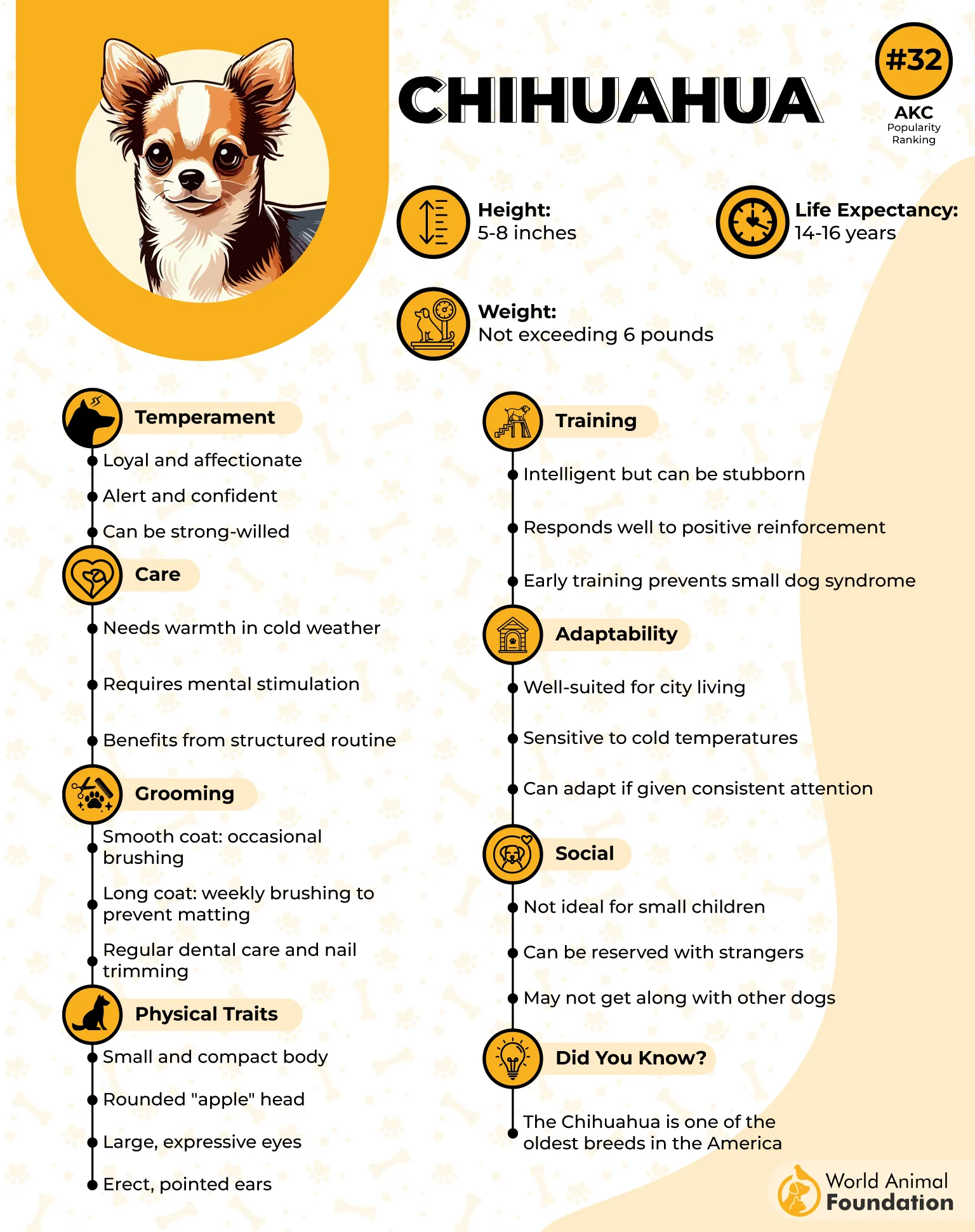
Britannica calls the Chihuahua the world’s smallest dog breed, and that huge heart inside a tiny body makes it an exceptionally loyal, if occasionally bossy, little companion.
The petite promise is mostly reliable, though Chihuahuas come in a wider range of head shapes and builds than most toy breeds, so a pup from a less careful litter can land noticeably larger than its tiny reputation suggests.
Warmth: Thin coats and a small frame mean cold weather calls for a jacket.
Teeth: Crowded little jaws benefit from extra dental attention.
Chihuahua size varies more than people expect from one dog to the next. Even within the same litter, one pup can end up noticeably smaller or sturdier than its sibling.
Conclusion
That ancient gene variant explains a lot, but it isn’t destiny by itself. Breed history, lineage, and a bit of luck still decide whether any single pup stays genuinely small-scale for life.
Any of these seven breeds can be a wonderful companion for apartment living, young kids, or a cozy family life, so pick the personality that fits your home and trust the size to hold steady from here. Scroll back through the list and claim the one that’s already calling your name.
