





Do you love dogs that stay small their whole lives?
Tiny dogs can bring big joy without taking up much space. They often fit well in apartments, condos, and smaller homes. Several breeds remain petite even after reaching adulthood. However, small size does not always mean easy care.
These dogs still need proper grooming, dental care, and safe handling. In fact, small dogs may develop dental disease earlier than larger breeds. Some also face luxating patella and weight-related joint problems. Very tiny puppies can even develop hypoglycemia between meals.
Flat-faced breeds may also struggle with breathing and overheating. So, choosing the right breed matters for every family. This guide explores seven small dog breeds that stay tiny through life. Each one offers unique traits, needs, and challenges for owners.
Ideal Small Dog Breeds – Staying Tiny Through Life
Here we go, one by one.
1. Havanese
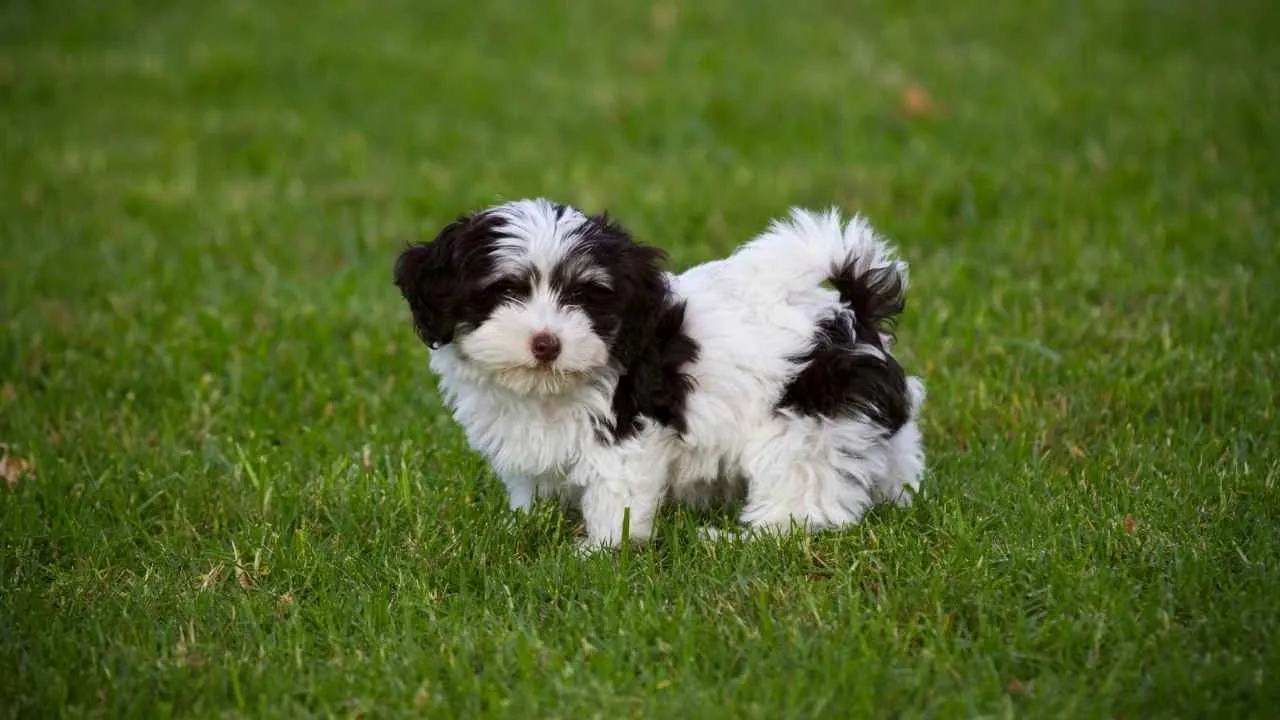
The Havanese is a cheerful small dog breed from Cuba. It is the national dog of Cuba and was originally bred as a companion dog. Havanese dogs are known for their lively nature and strong social skills.
This breed that stays small has an average weight of 7–13 pounds and stands about 8.5–11.5 inches tall. Their affectionate nature makes them wonderful companions for people who enjoy close bonds.
They also adjust well to city homes and smaller living spaces. Wikipedia notes that the breed has also been known as the “Havana Silk Dog.”
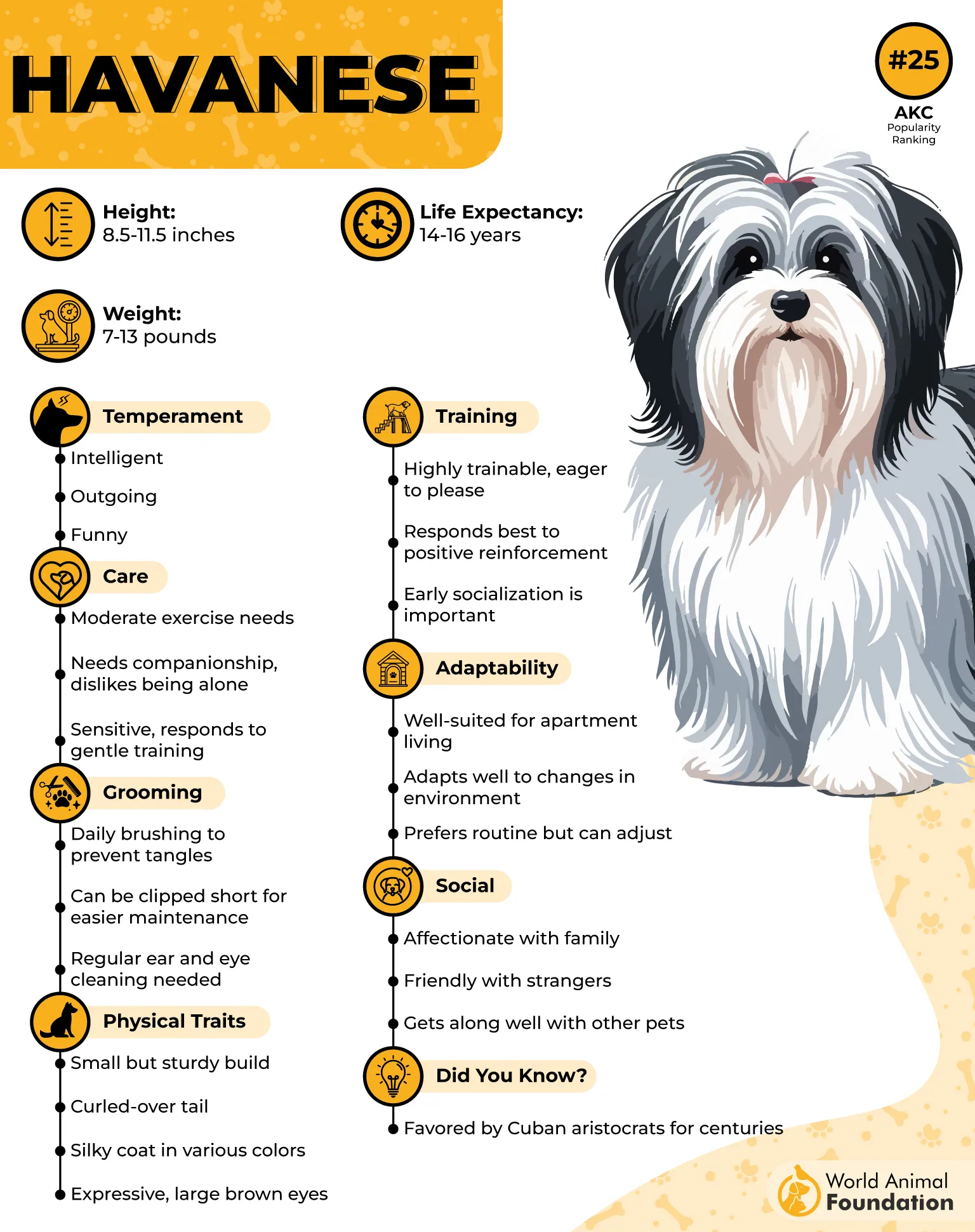
A Clever Little City Companion
Their silky coat comes in many colors.
Regular brushing helps prevent unwanted tangles.
Their curled tail adds a distinctive feature.
Havanese dogs often enjoy learning fun tricks.
They can become an excellent watchdog at home.
2. Bichon Frise
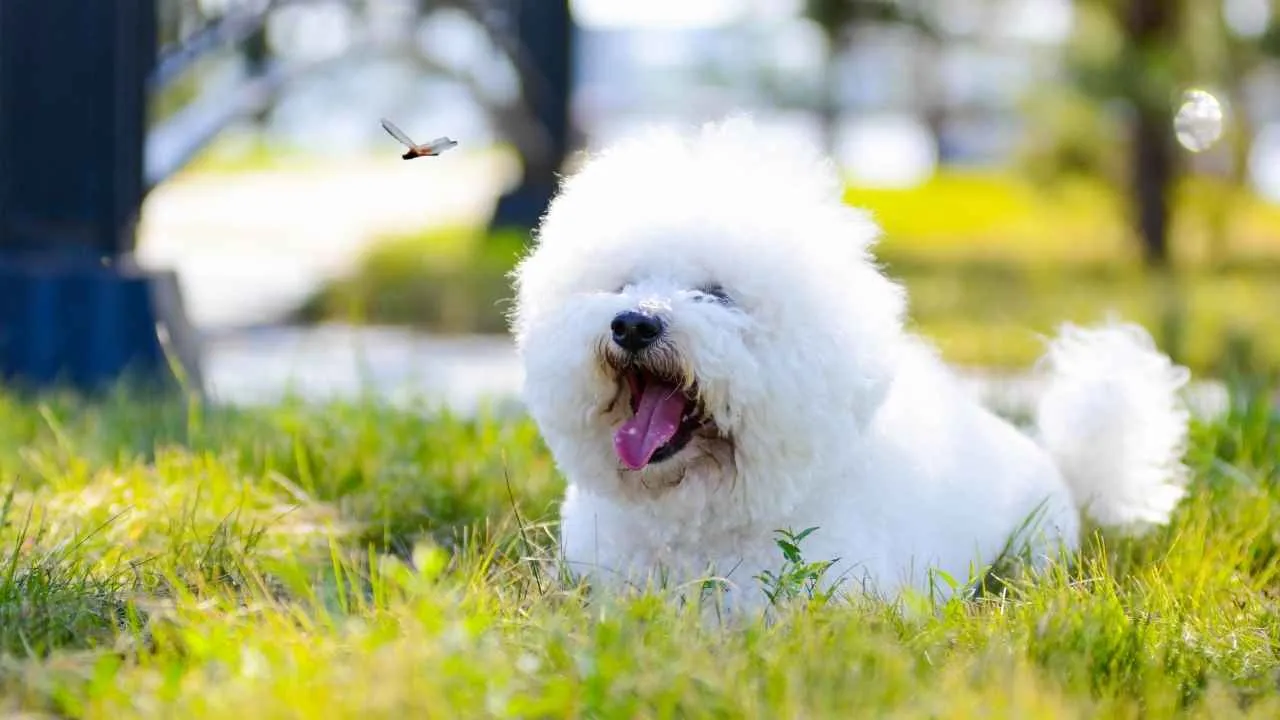
The Bichon Frise is a charming little dog with plenty of personality. According to the American Kennel Club, this small dog stands among the world’s great personality dogs. It is also a hypoallergenic dog breed with a soft, plush white coat.
With an average weight of about 12–18 pounds, this breed can stay small forever. Bichons have an affectionate temperament and often enjoy living with children and other pets. Their playful nature brings plenty of fun to family life.
Indoor play can also keep them engaged on quieter days. This great family dog loves attention and often entertains people with silly antics. Its confident nature can also suit busy city homes. However, that beautiful coat needs steady care to remain soft and healthy.
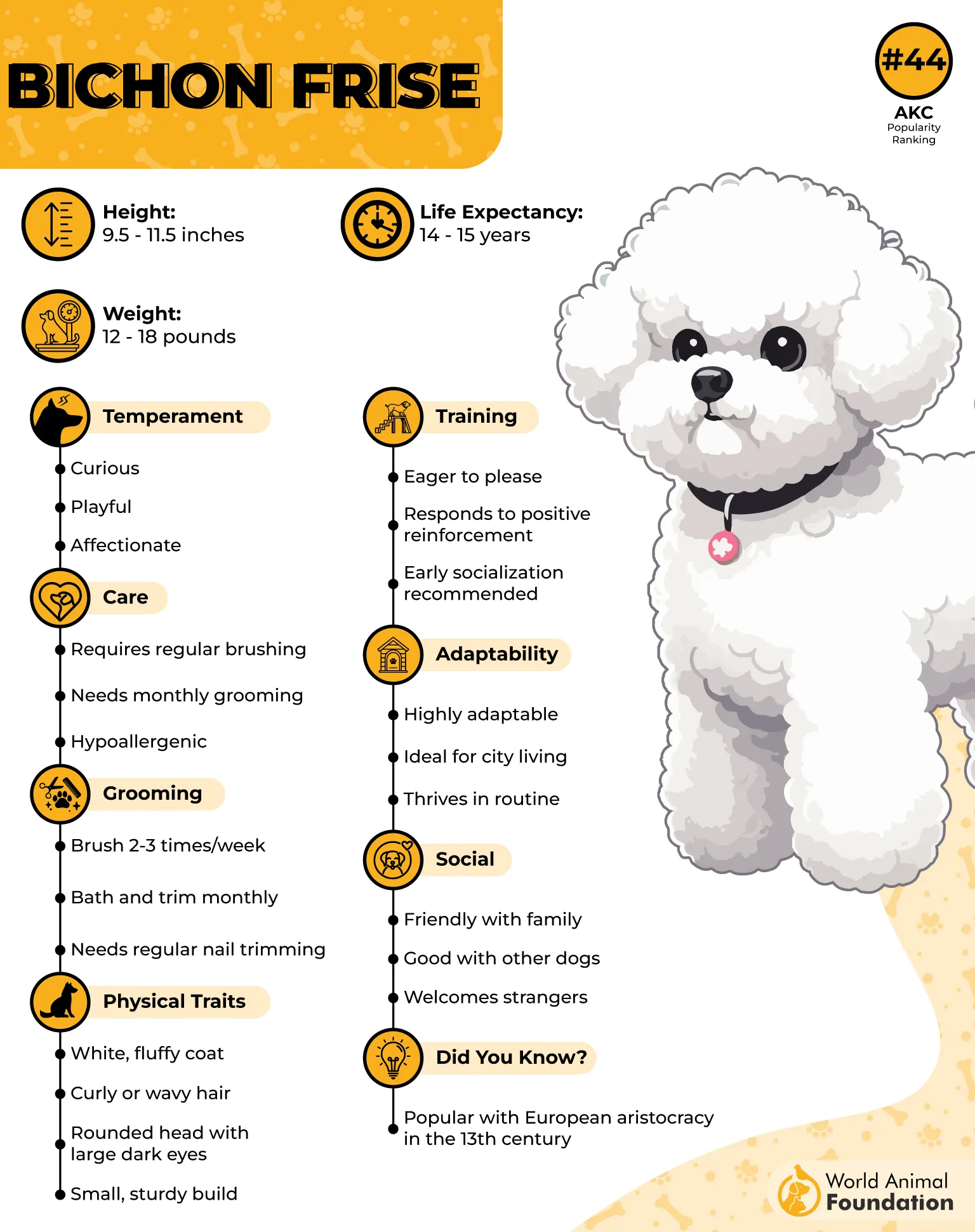
Keeping That Fluffy Coat Healthy
Professional grooming every 4–6 weeks keeps coats neat.
Daily brushing helps reduce mats and tangles.
Their rounded head frames their dark eyes beautifully.
Regular ear checks can help prevent buildup.
Their curious nature makes them fun little companions.
3. Pug

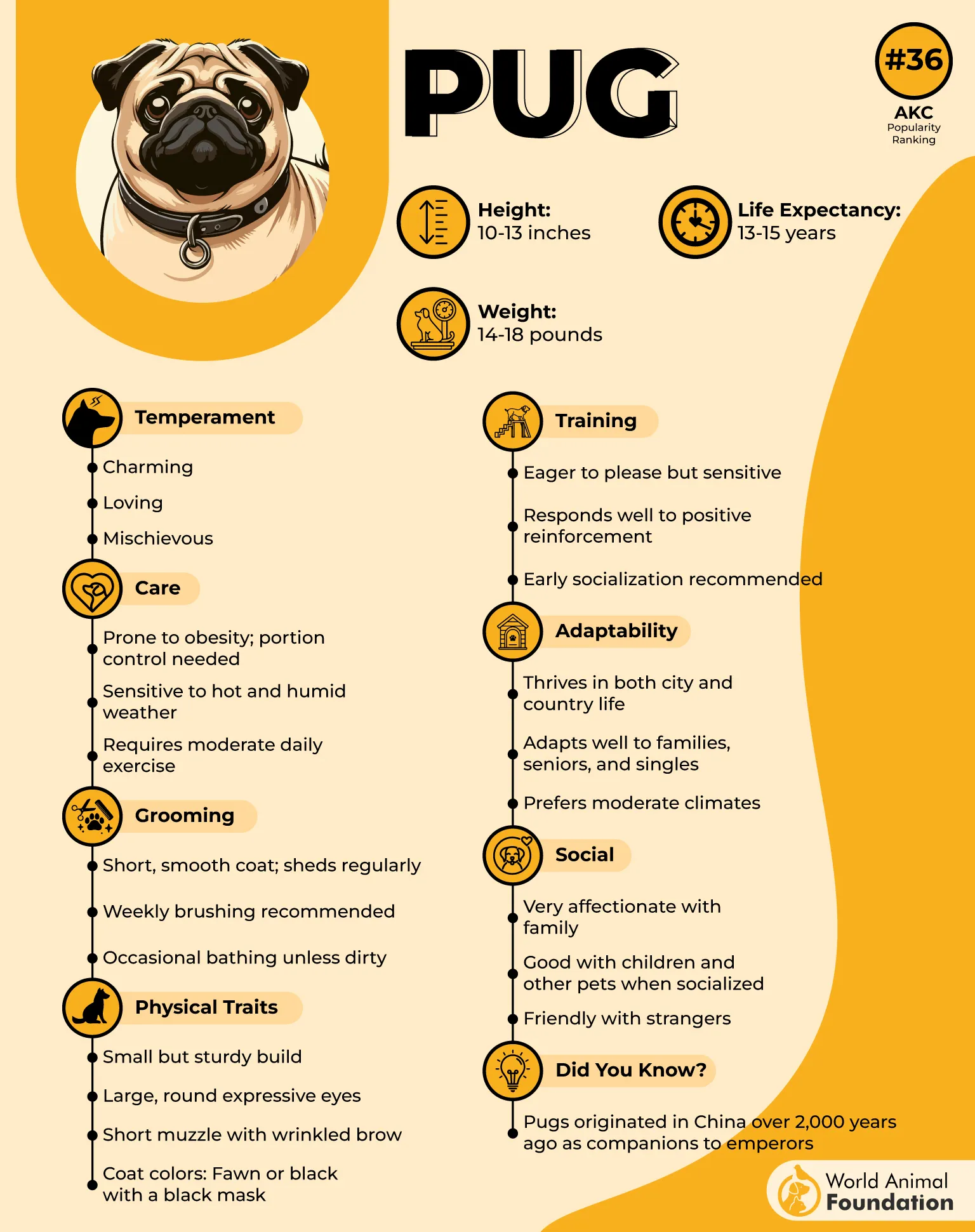
The Pug is a small dog breed with a fascinating royal past. This ancient dog breed originated in China about 2,000 years ago. It was originally bred as a treasured companion for Chinese rulers. Today, this small breed fits well into many homes, including apartments.
A typical Pug has an average weight of 14–18 pounds and stands about 10–13 inches tall. Its short muzzle makes it a brachycephalic dog, so heat deserves special attention. Pugs can struggle to cool themselves during hot weather. For that reason, moderate temperatures suit them best.
They also tend to enjoy food a little too much. Keeping their weight healthy helps protect their joints and overall health. PetMD describes Pugs as friendly dogs that enjoy attention and staying involved with their families. They can also live happily with children, older adults, and other pets.
Staying Safe in Warm Weather
Avoid strenuous activity during hot afternoons.
Watch closely for heavy or difficult breathing.
Keep fresh water available throughout the day.
Use cool indoor spaces during warm weather.
Regular weight checks help prevent excess pounds.
4. Pomeranian
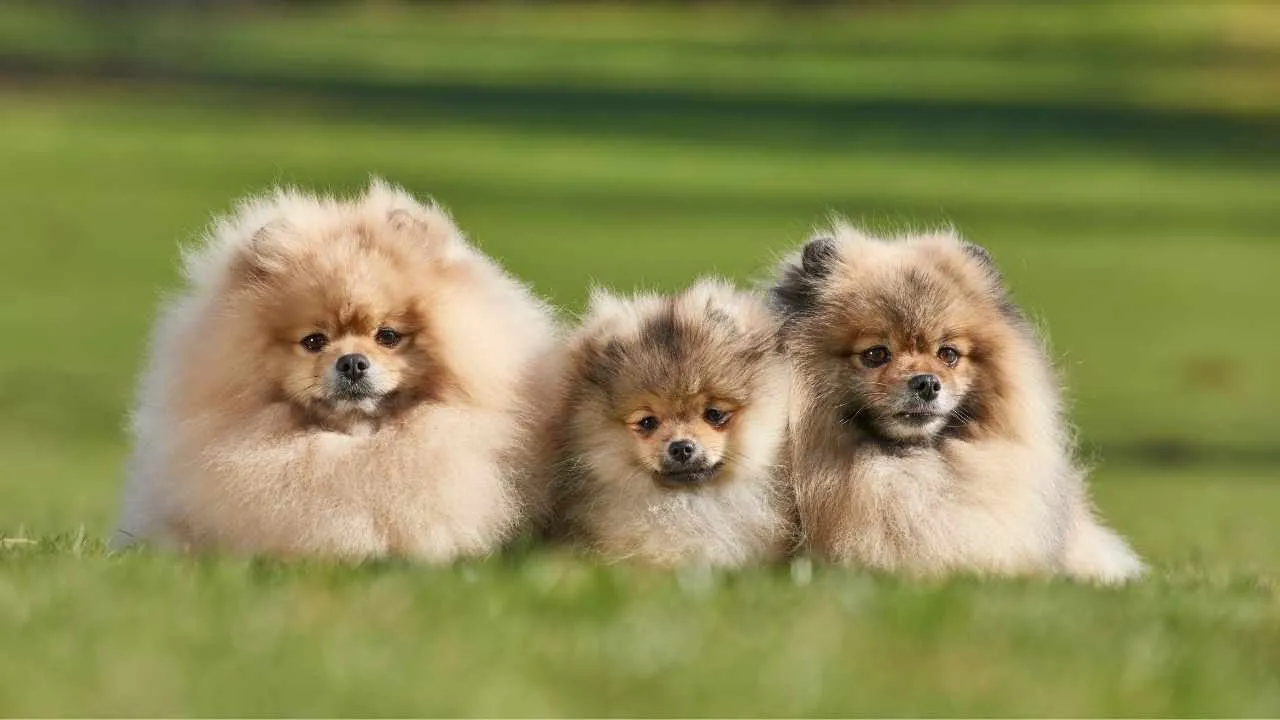
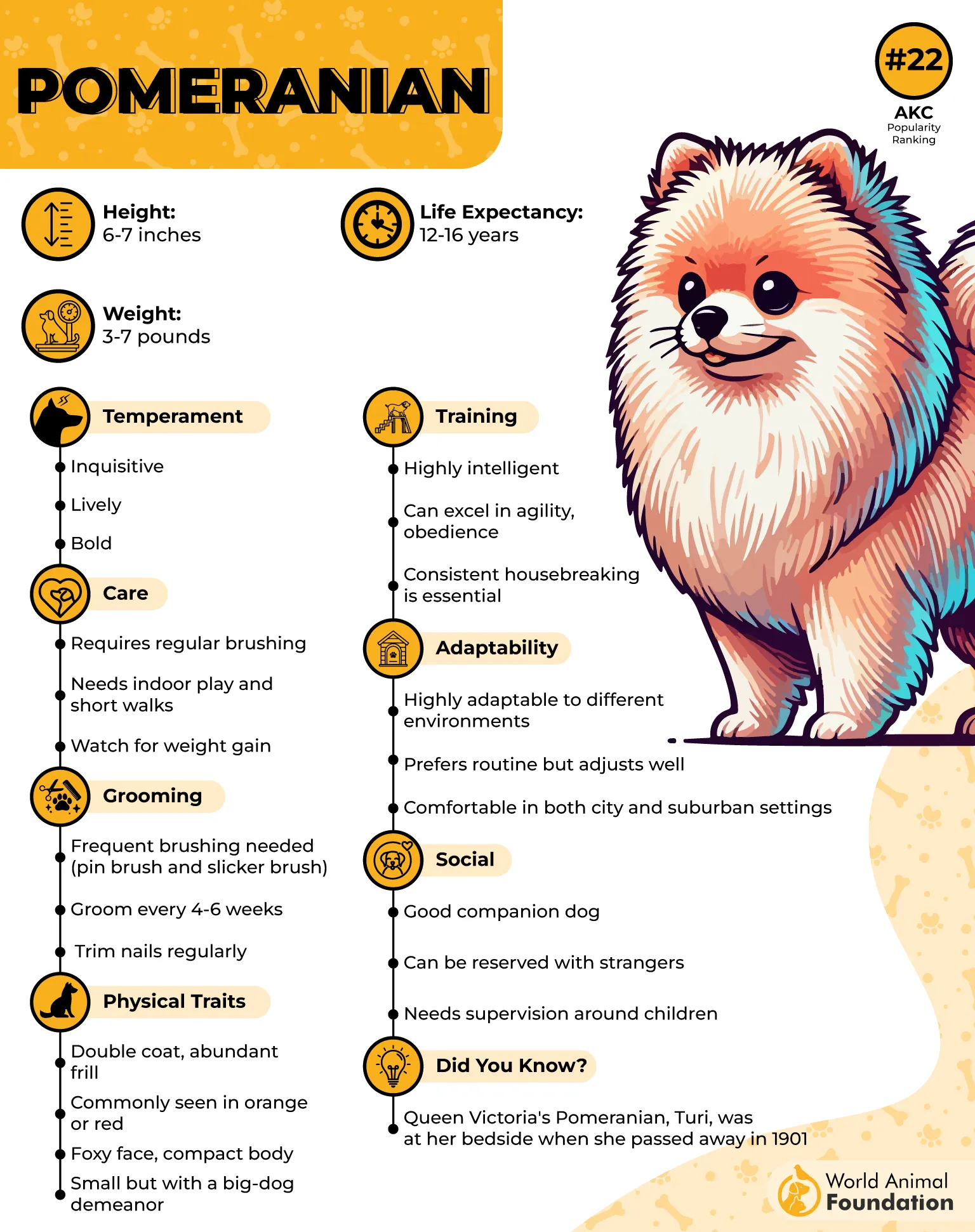
The Pomeranian is a small breed with a surprisingly bold spirit. This dog typically weighs 3–7 pounds, making it a dog breed that stays small forever. Despite its size, the Pom often carries itself like a much larger dog. Hill’s Pet describes Pomeranians as perky and friendly little dogs.
They may even challenge a larger dog without hesitation. Their alert minds also make them quick learners during games and simple lessons. This ideal dog can enjoy indoor activities when outdoor space is limited. As a lap dog, it also loves relaxing beside its favorite person.
Yet, their lively side should not be overlooked. Some Pomeranians enjoy dog sport activities that challenge their minds and bodies. Their tiny frames still require careful handling around bigger pets and busy households.
Big Personality in a Tiny Package
Their thick double coat creates a distinctive ruff.
Orange and red shades remain especially popular.
Their foxy face gives them a bright expression.
Short walks can complement their indoor activities.
Their playful tricks often become favorite family entertainment.
5. Shih Tzu
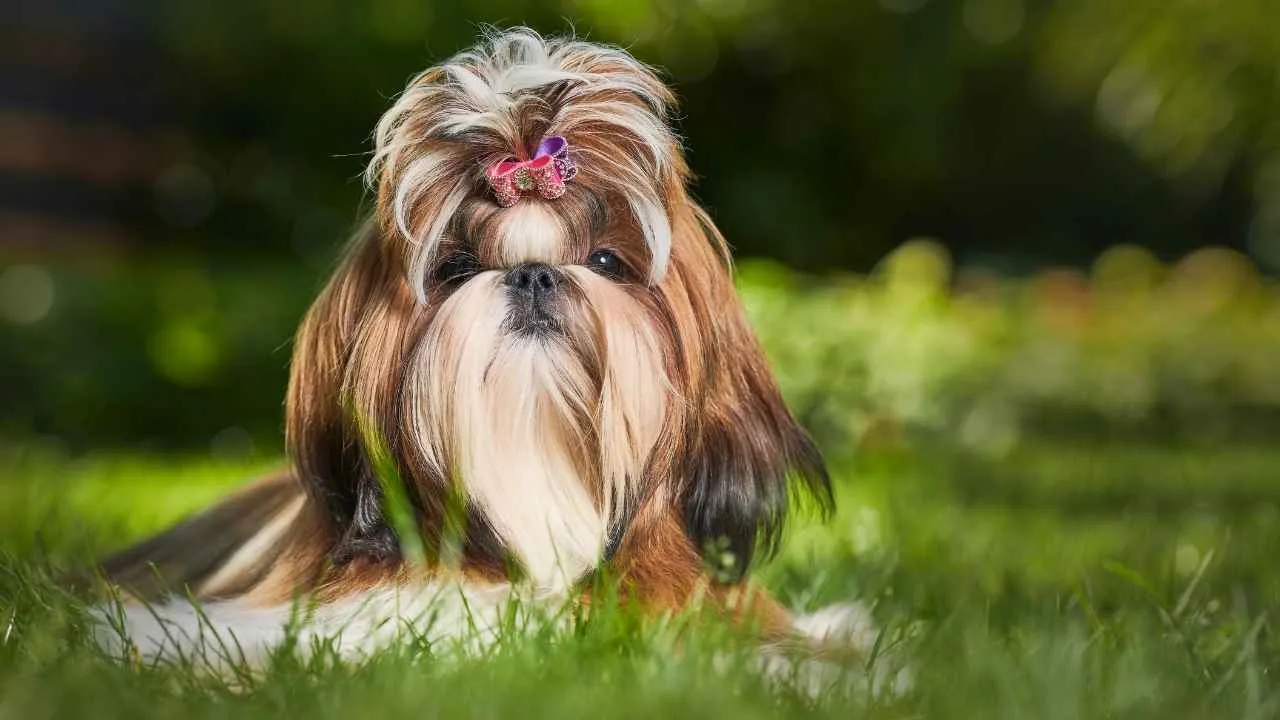
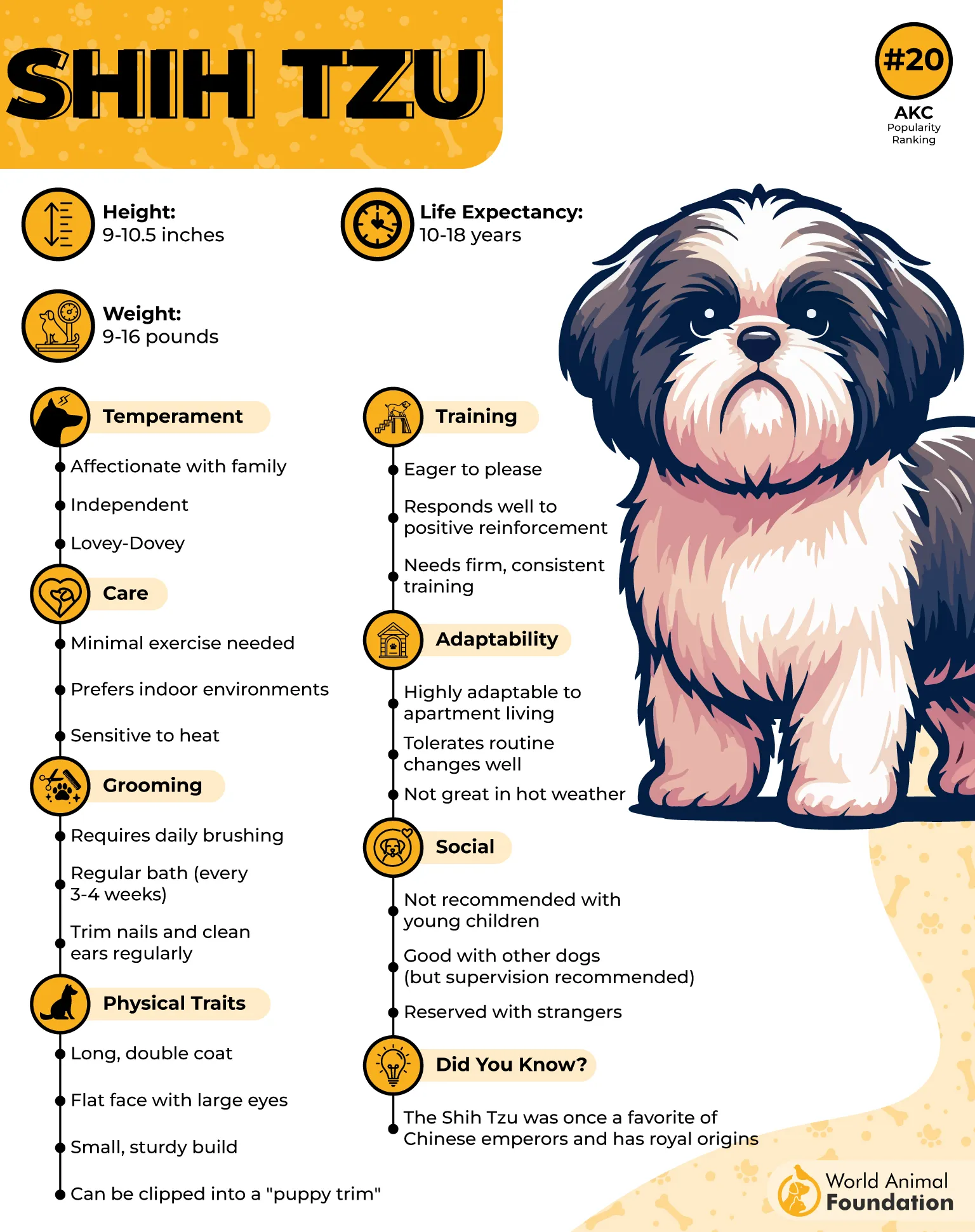
The Shih Tzu is a small dog breed with a long history. This Toy dog breed traces its roots to Tibet and has strong links to the Pekingese and Lhasa Apso. It was originally bred as a cherished palace companion. With an average weight of 9–16 pounds, it has a sturdy build for its size.
This makes it well suited to apartment life and homes without large yards. Shih Tzus do not need much exercise to stay content. Their long, flowing coat does require regular attention. Purina notes that the breed has a friendly and affectionate nature.
Although often described as low-shedding, owners still need steady coat care. Consistent training can also help shape polite habits indoors. Even country living can suit this adaptable breed when its daily needs receive proper care.
Caring for the Famous Long Coat
Daily brushing helps keep the coat free from mats.
Regular trims can make home care easier.
Their coat comes in many attractive color combinations.
Gentle eye cleaning helps remove visible tear buildup.
Their small size makes careful handling especially important.
6. Chihuahua
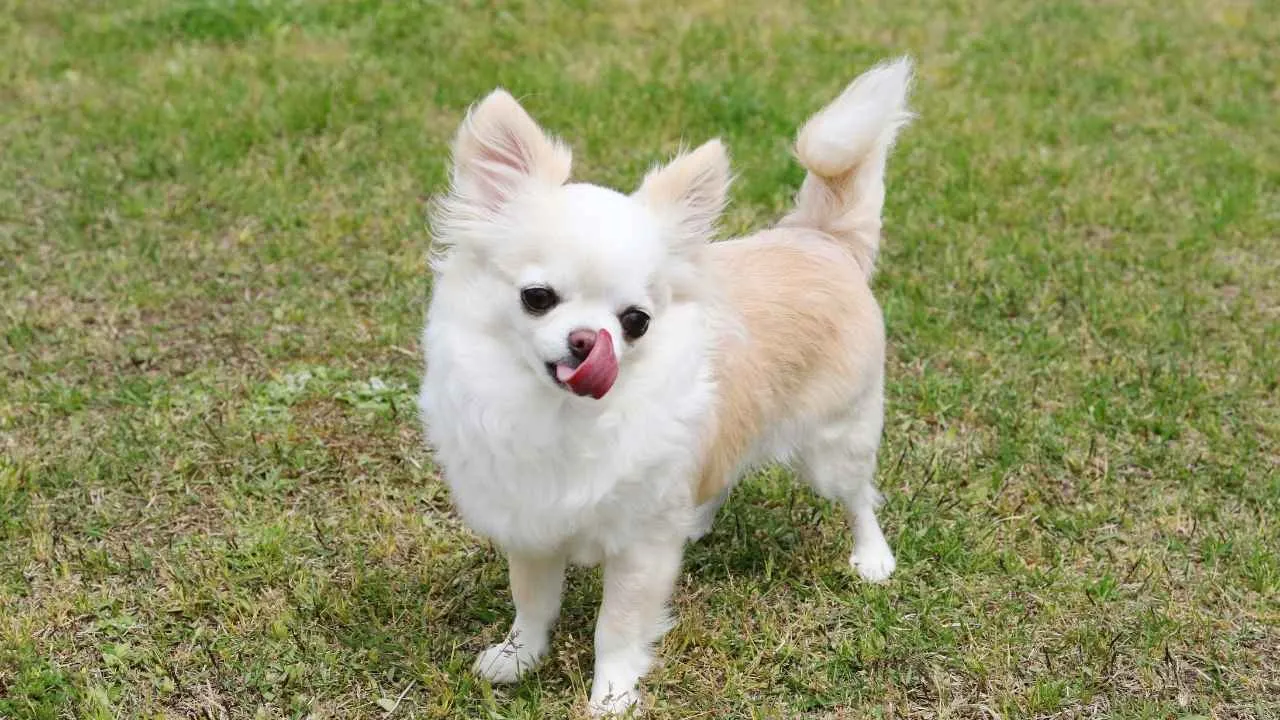
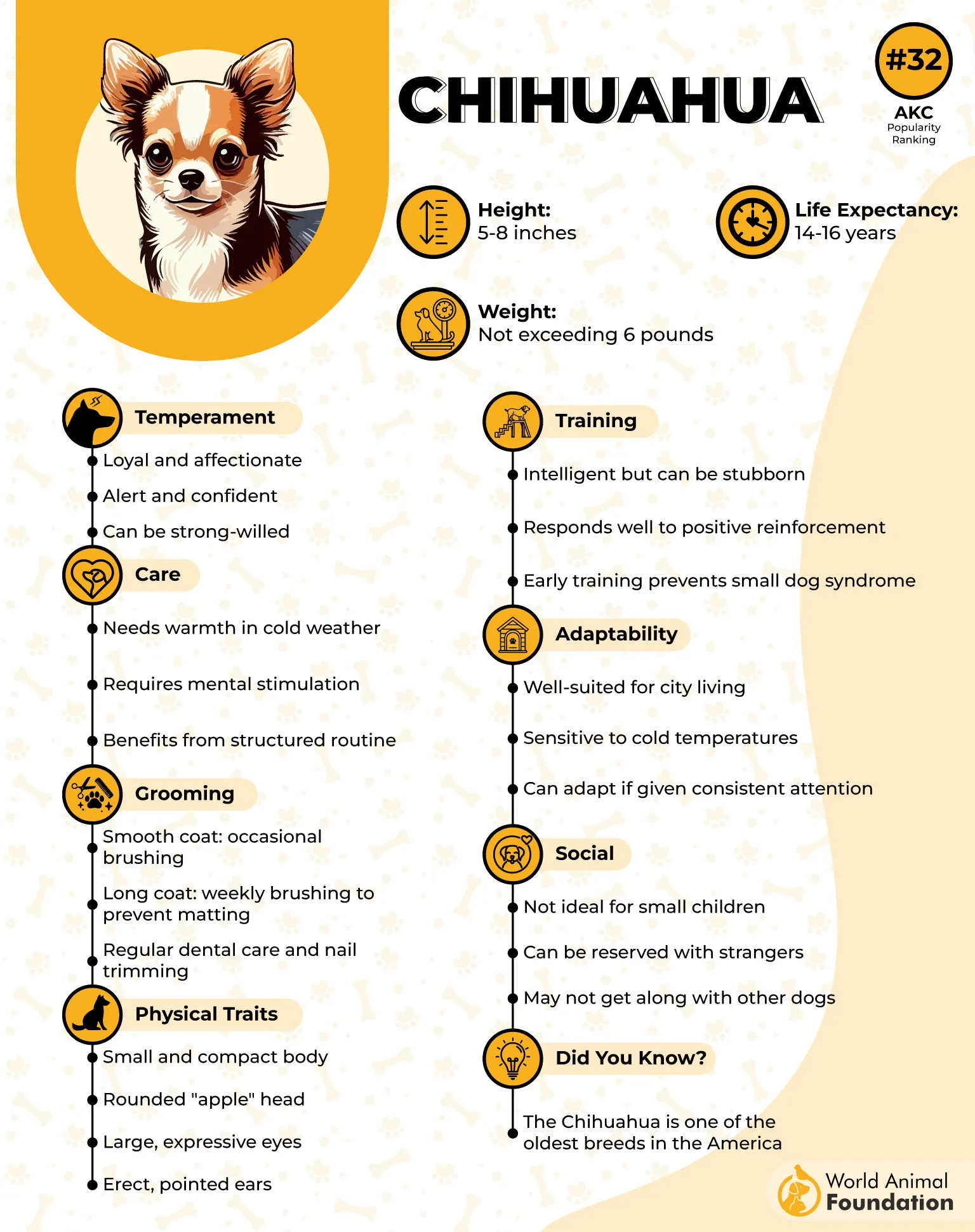
The Chihuahua is a small companion dog with an outsized personality. Britannica describes it as a strong contender for the world’s smallest dog breed. This Mexican breed weighs about 4–6 pounds and stands roughly 5–8 inches tall. Its compact size makes it a practical choice for small space living.
Despite its tiny frame, it can act like a fearless watchdog. A Chihuahua may even challenge another dog without hesitation. Its smooth or long coat can show many colors and patterns. Moderate shedding makes basic coat care fairly manageable.
These clever dogs also need gentle guidance and early socialization. Mental games can keep their sharp minds busy indoors. Because their bodies are fragile, owners should prevent rough play and accidental falls.
Smart Care for a Tiny Body
Dental problems can develop easily in tiny mouths.
Puzzle toys provide useful mental stimulation.
Short walks can meet much of their activity needs.
Cold weather calls for extra protection.
Calm handling helps prevent injuries around children.
7. Yorkshire Terrier
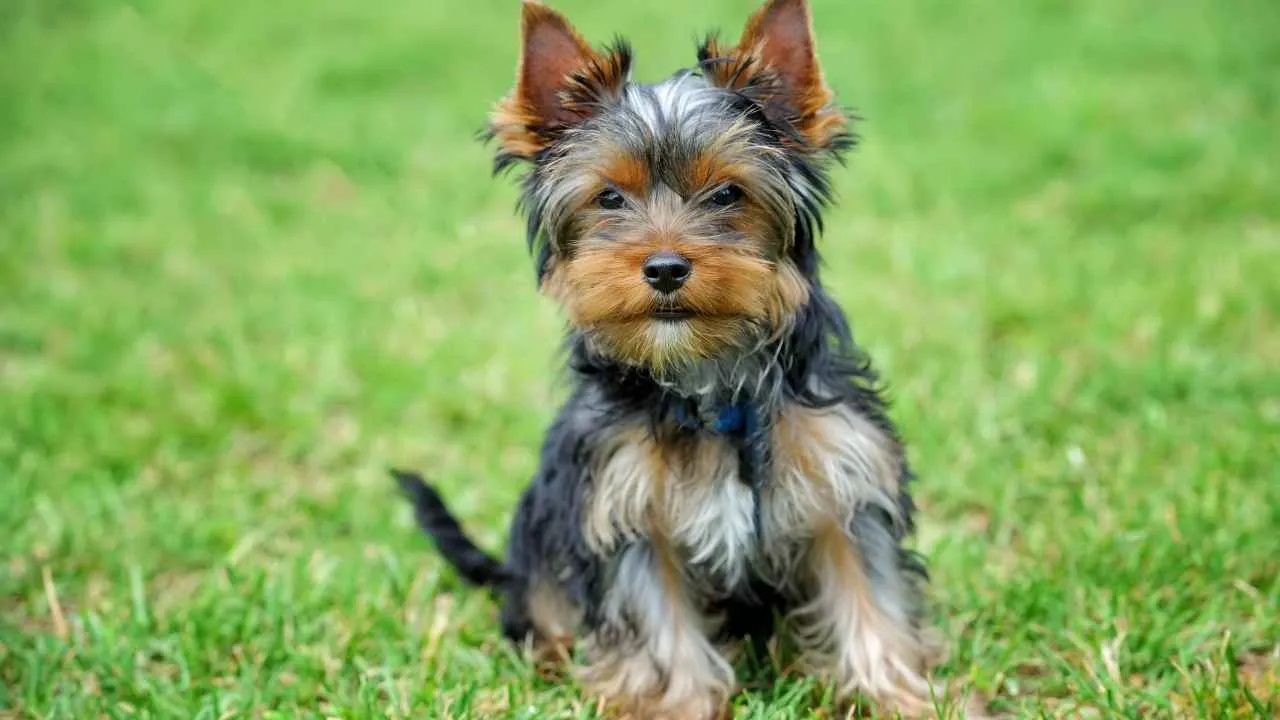
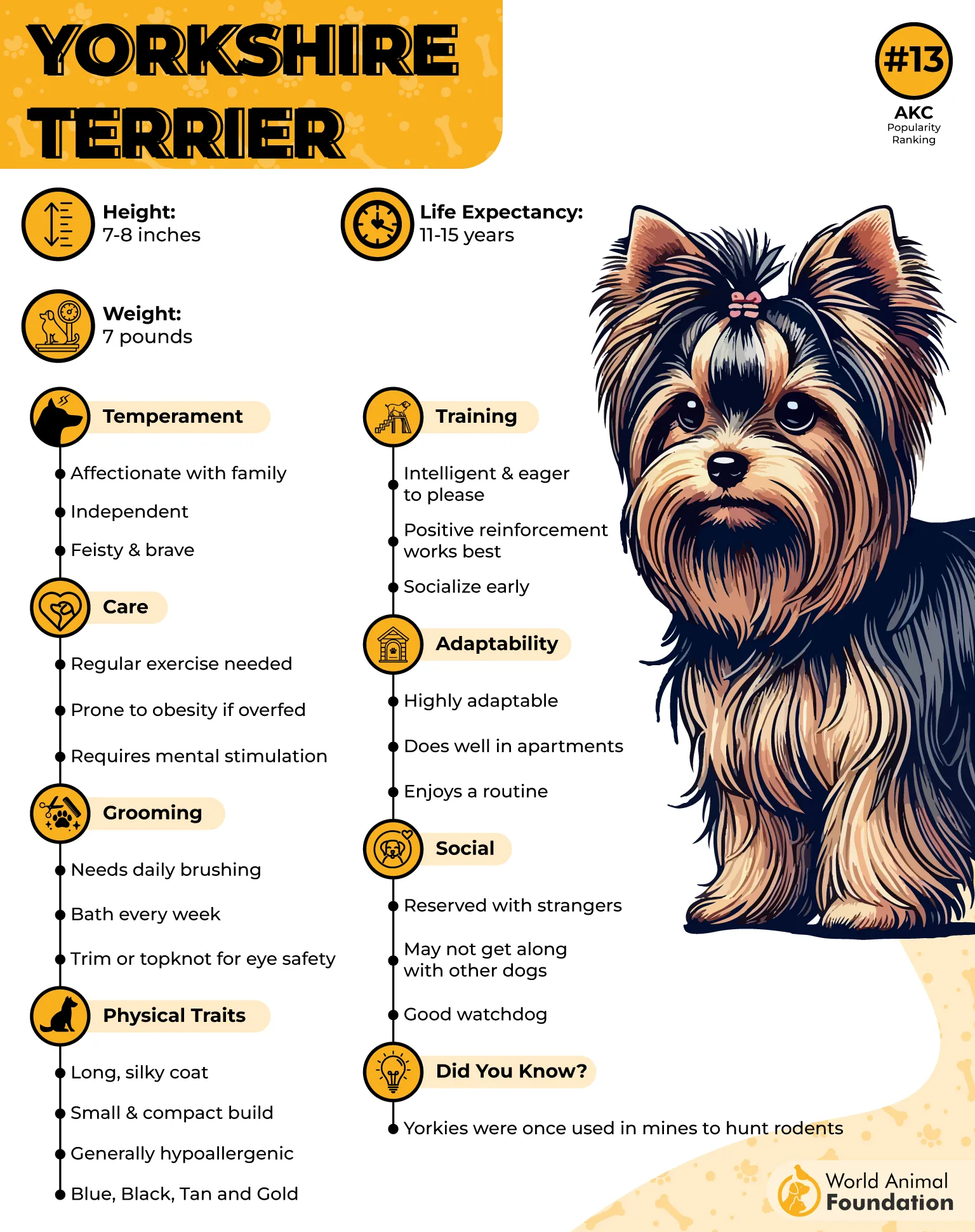
The Yorkshire Terrier is a small dog breed with tough terrier roots. Yorkshire Terrier was specifically bred for catching rats in mills and mines. Today, just a Yorkshire Terrier can charm families as a lively family dog. This cute dog breed has an average weight of about 7 pounds.
Its small frame can fit many living situations, from apartments to compact homes. Despite its size, the Yorkie has high energy and enjoys staying busy. Regular walks and playful games can help channel that spirit. PDSA notes that these dogs can be stubborn, so patient guidance works best.
They often stand their ground around other dogs, too. Their silky coat also gives them a polished look. While a Teacup Yorkie may sound appealing, extra-small dogs need careful handling. With good housekeeping and safe routines, Yorkies can make great pets.
Keeping a Busy Yorkie Content
Their coat resembles human hair more than fur.
Daily brushing helps maintain its silky appearance.
Reward-based methods can encourage better cooperation.
Their terrier instincts can spark chasing games.
They often make surprisingly alert little watchdogs.
Conclusion
Choosing the right small dog breed means looking beyond size alone. Several breeds can stay tiny throughout life, but each one has different needs. Their maximum weight can help you understand their adult size. However, grooming, dental care, exercise, and socialization also matter.
Small dogs can face dental disease, joint problems, and luxating patella. Very tiny puppies may also need careful feeding to avoid hypoglycemia. Safe handling matters because a small body can suffer serious injuries. Owners should also watch food portions and help their dogs stay healthy.
Consider your home, routine, and activity level before choosing. A tiny companion should fit naturally into your daily life. The right match can bring years of fun and companionship.
