





A small dog can bring a surprising amount of personality into a family home without occupying an entire sofa, although some will certainly try. These compact companions may follow parents around the kitchen, curl up beside grandparents, play games with older children, and supervise homework with absolutely no understanding of mathematics.
Basically, they are tiny household celebrities that expect payment in treats, praise, and the warmest available blanket. Small dogs also need respectful handling because their lighter bodies can be injured by rough play, accidental falls, or children who have not yet learned canine boundaries.
The breeds below are widely valued as companion dogs, but none should be treated like a maintenance-free stuffed toy. With thoughtful matching and responsible ownership, however, a small dog can become the affectionate, funny, deeply involved family member nobody knew the group chat was missing.
Ideal Small Dog Breeds for a Loving Family
1. Cavalier King Charles Spaniel
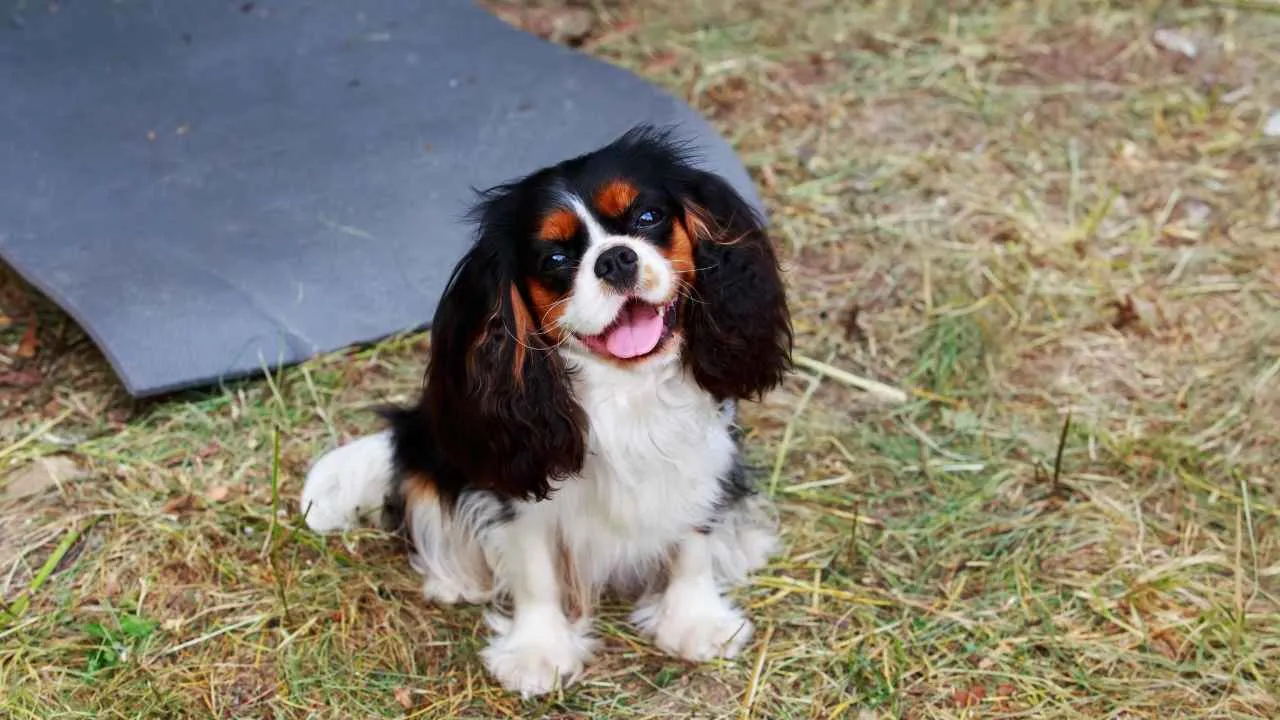
The Cavalier King Charles Spaniel combines the elegance of a royal portrait with the social confidence of someone who assumes every stranger is a future best friend. Cavaliers are generally described as gentle, affectionate, and graceful, while retaining some of the lively sporting instincts found in their spaniel ancestry.
The American Kennel Club says that their adaptable personality helps explain why they are frequently considered appealing companions for families, couples, and older adults. Family involvement is a major part of life with Cavaliers because these dogs usually want to be near their people rather than left alone for extended periods.
They may follow a parent from room to room, rest beside a quieter family member, and enthusiastically greet children who understand how to interact gently.
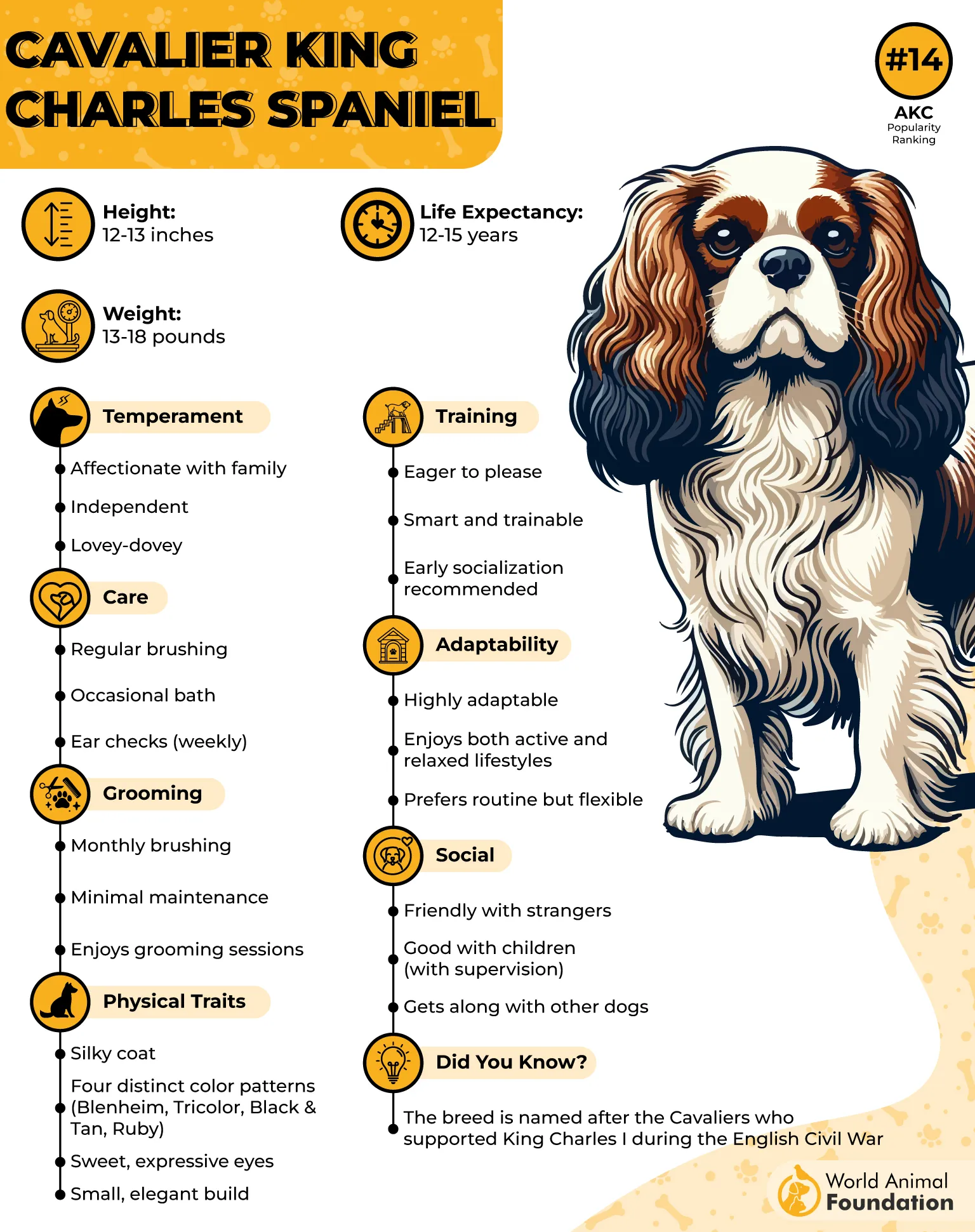
Walks, gentle retrieving games, sniffing opportunities, basic obedience, and short play sessions can support physical and mental well-being. Their sporting background may appear whenever a bird or squirrel enters the scene, so secure spaces and reliable leash handling remain important.
Early socialization can help them feel comfortable around visitors, other dogs, household sounds, car travel, and considerate children. Families should still establish clear rules because a sweet face does not magically prevent counter-surfing, demand barking, or the strategic theft of unattended sandwiches.
2. Bichon Frise
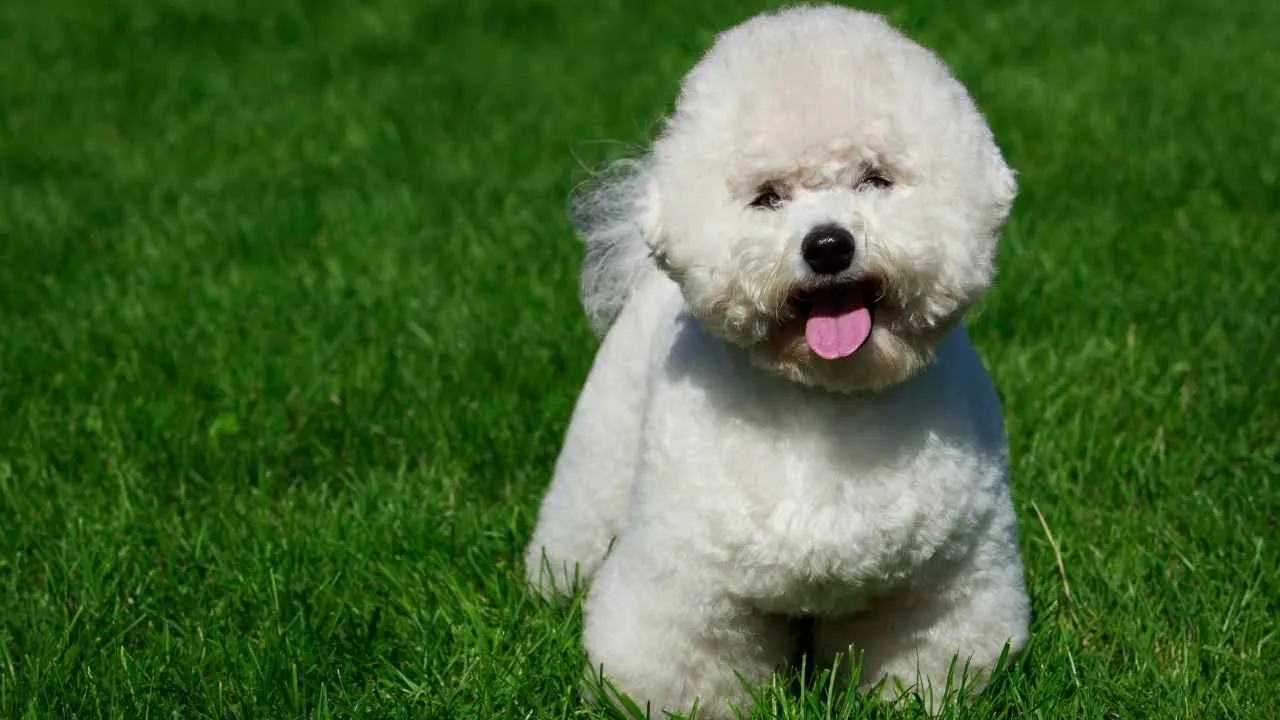
The Bichon Frise resembles a cheerful white cloud that has recently discovered indoor zoomies. Beneath the rounded coat is a sturdy little companion traditionally known for an outgoing, playful, and affectionate nature.
They often enjoy entertaining people, and their expressive reactions can transform ordinary household moments into a low-budget comedy series. They may play with older children, relax near adults, and happily greet familiar visitors when properly socialised.
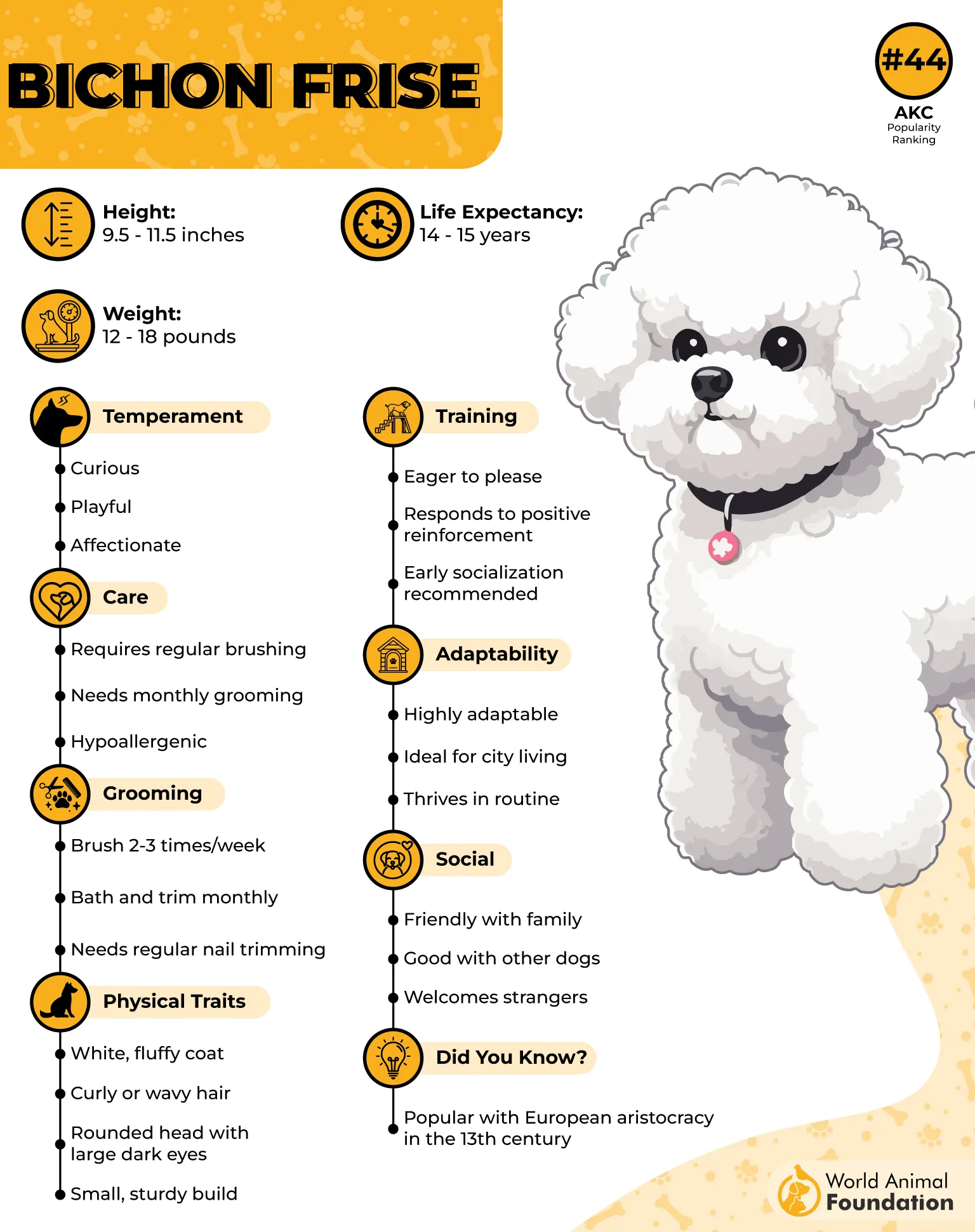
These dogs generally benefit from daily walks and energetic play rather than endless hours of strenuous exercise. Puzzle toys, hide-and-seek games, short training challenges, and indoor retrieving can help use their quick minds when outdoor conditions are unpleasant.
Positive training is especially useful for developing reliable toileting habits, calm greetings, and polite behaviour around meals. Some small dogs are allowed to rehearse unwanted habits because their size makes those habits seem harmless, but consistency helps the entire household live more comfortably.
The famous powder-puff coat sheds less visibly than many coats but demands substantial maintenance to prevent matting. Regular brushing, professional trimming, bathing, eye-area cleaning, dental care, and nail maintenance must be included in the family budget and schedule.
3. Pomeranian
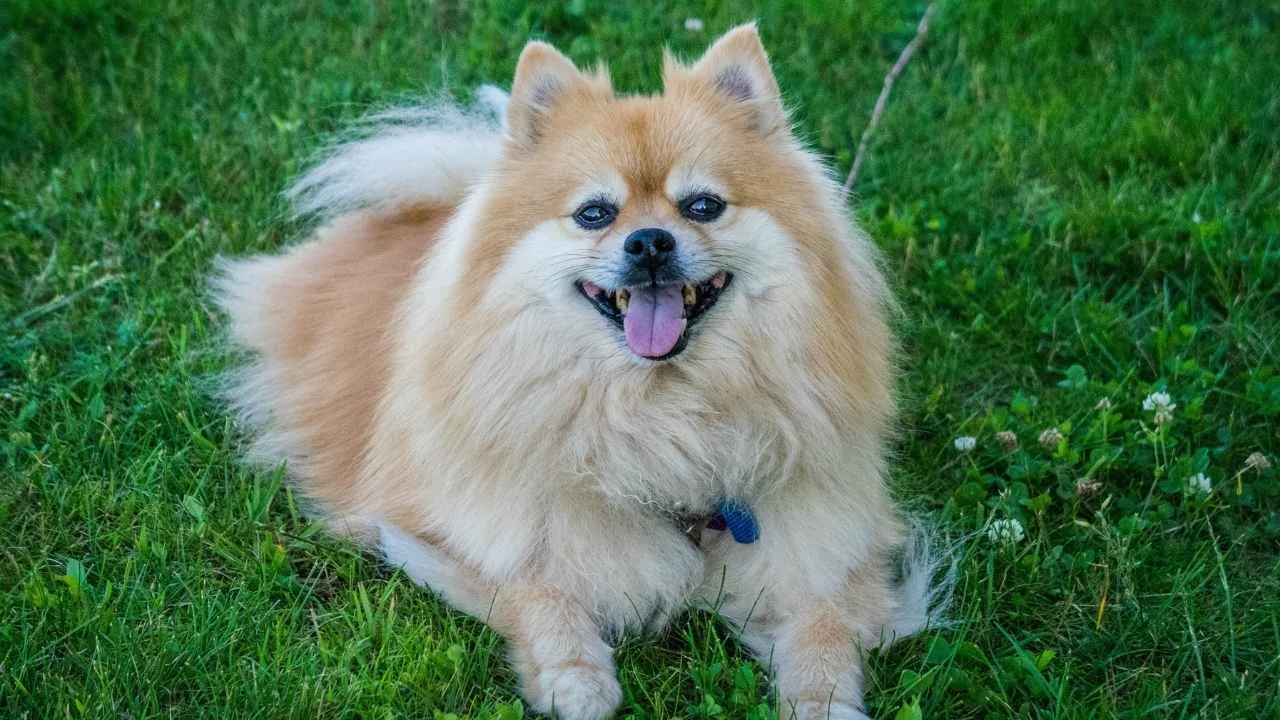
The Pomeranian is a tiny dog with the confidence level of a creature that believes it personally owns the neighbourhood. Its thick double coat, foxlike expression, and animated movement create a dramatic appearance despite the breed’s compact dimensions.
These dogs can become devoted family companions, particularly in homes where adults and older children appreciate an interactive, intelligent pet. Many enjoy sitting close to their people, learning tricks, exploring new environments, and announcing unfamiliar activity with considerable enthusiasm.
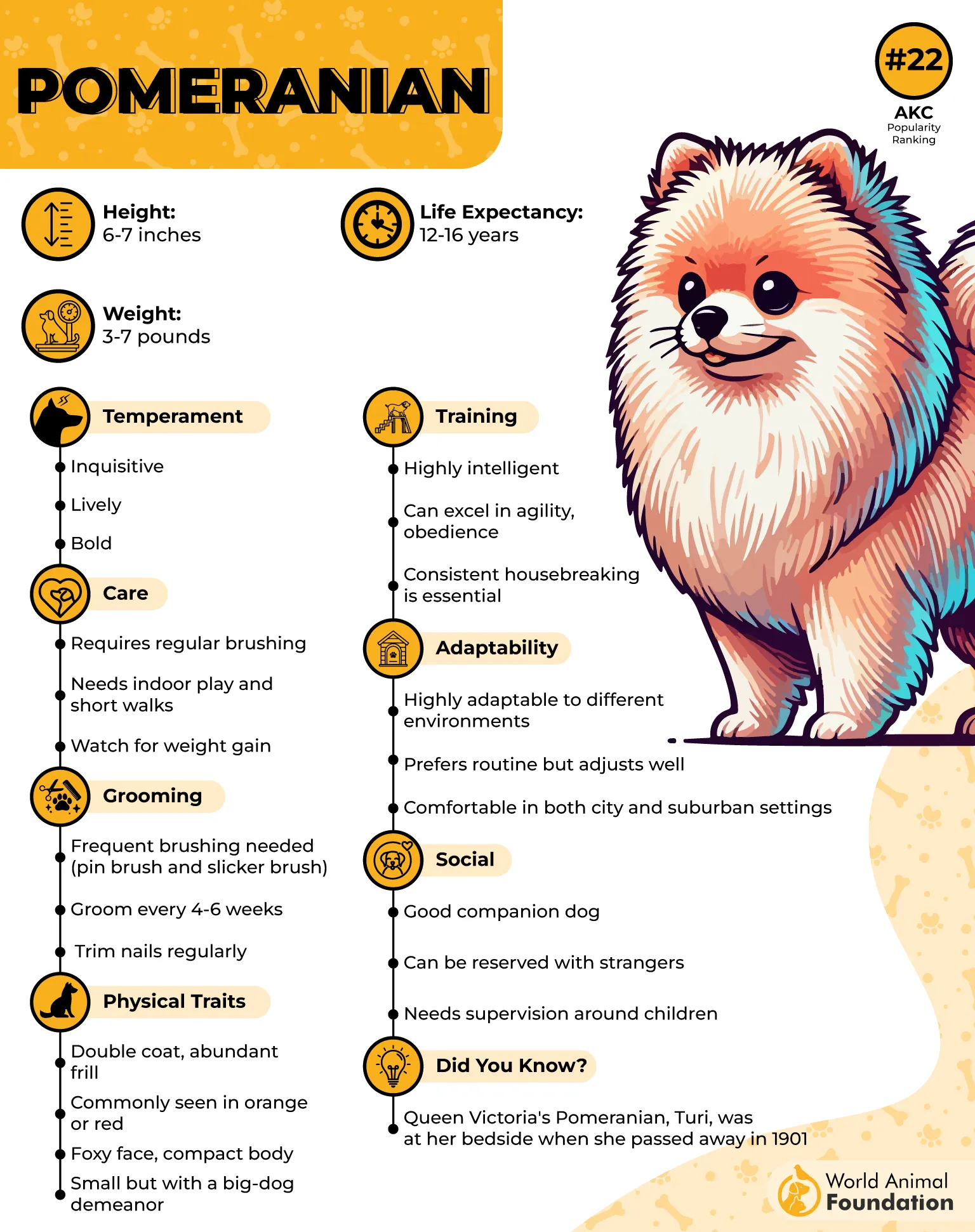
Mental stimulation matters because this breed can be quick, curious, and highly aware of its surroundings, according to PetMD. Short walks, food puzzles, scent games, trick training, and indoor play can provide a satisfying routine without requiring marathon exercise.
They can learn impressive behaviors when training is fun and rewarding, but families should avoid encouraging bossy habits simply because the performance looks cute. Gentle socialisation helps them develop confidence around friendly dogs, different people, grooming tools, household sounds, and respectful handling.
The abundant coat requires regular brushing down to the skin rather than a quick swipe across the fluffy surface. Seasonal shedding, tangles behind the ears, nail care, dental hygiene, and occasional professional grooming can make maintenance more involved than the dog’s size suggests.
4. Shih Tzu

The Shih Tzu has spent generations perfecting the art of companionship, so family life is not a side project for this breed. These compact dogs are widely recognised for an affectionate, outgoing personality and a long history as cherished household companions.
Shih Tzus can fit well into apartments and family houses because their exercise needs are usually manageable for committed owners. Brief walks, indoor play, simple training exercises, and supervised garden exploration can form a balanced routine.
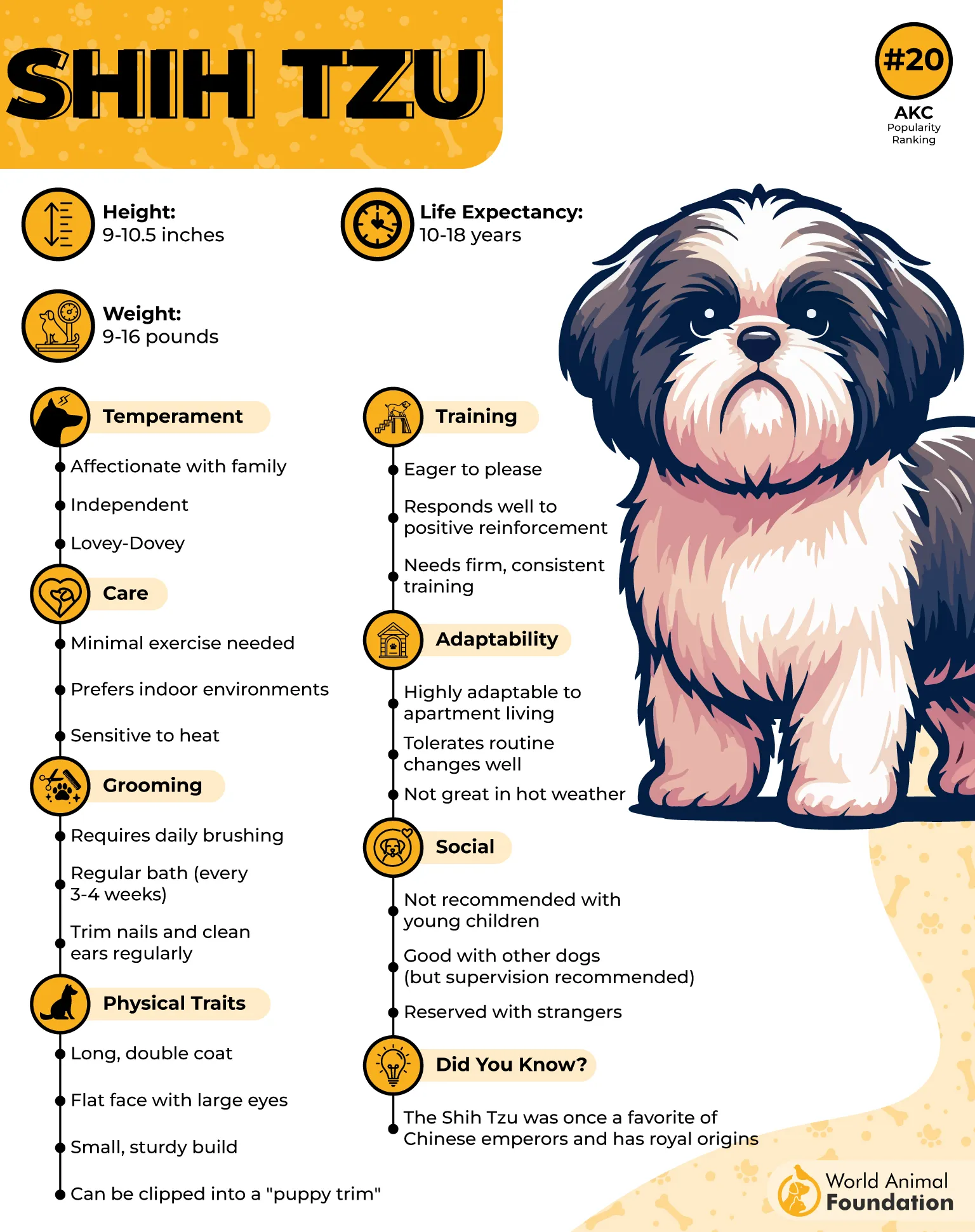
Orvis notes that many Shih Tzus enjoy attention from multiple household members rather than attaching exclusively to one person. They may nap beside an older relative, play gently with considerate children, and greet returning adults as though the family has survived a decade-long separation.
Rewards, short lessons, predictable routines, and calm repetition are more productive than punishment or frustrated shouting. House-training may take time, so families should agree on one schedule and avoid sending the puppy seven completely different messages.
Eye care, dental hygiene, ear checks, nail trimming, bathing, and skin inspection should become routine. Families should choose dogs for health and temperament rather than exaggerated physical features, and they should discuss breathing, eye, joint, and other breed-related concerns with a veterinarian.
5. Papillon
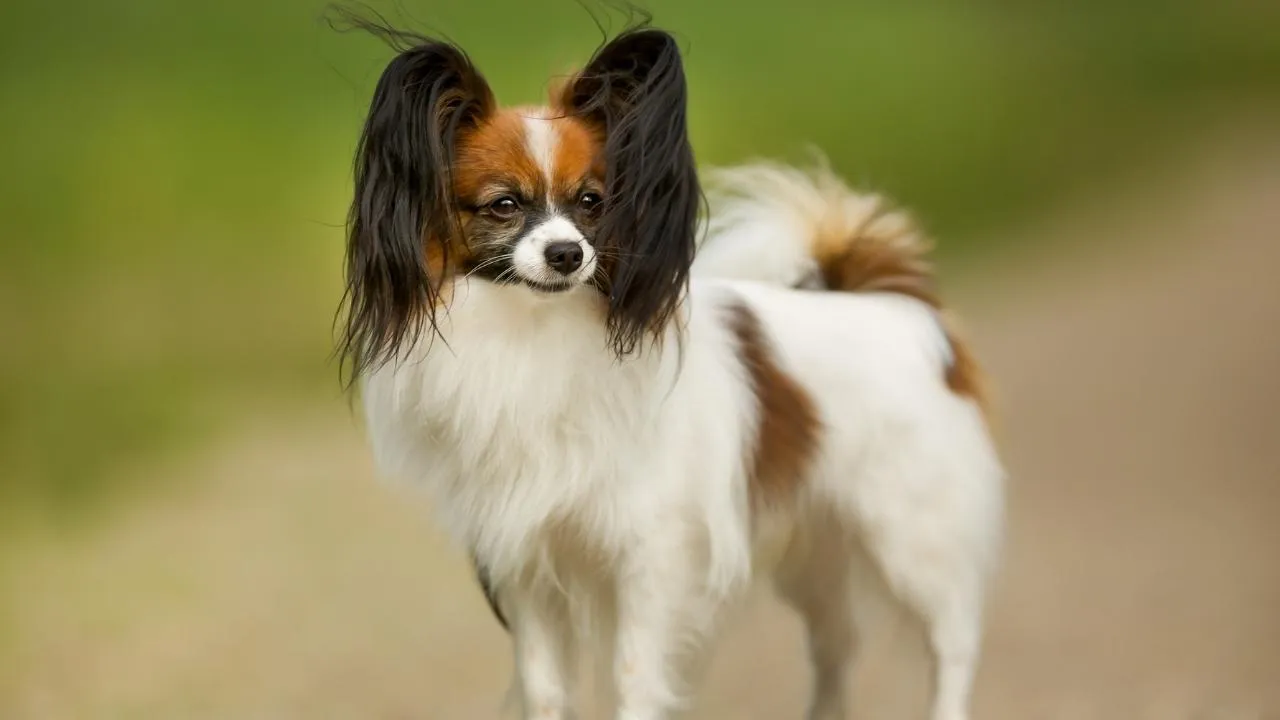
The Papillon gets its name from the French word for “butterfly,” inspired by the breed’s large, fringed ears. This delicate-looking toy dog is often much more athletic and intellectually ambitious than its elegant appearance suggests.
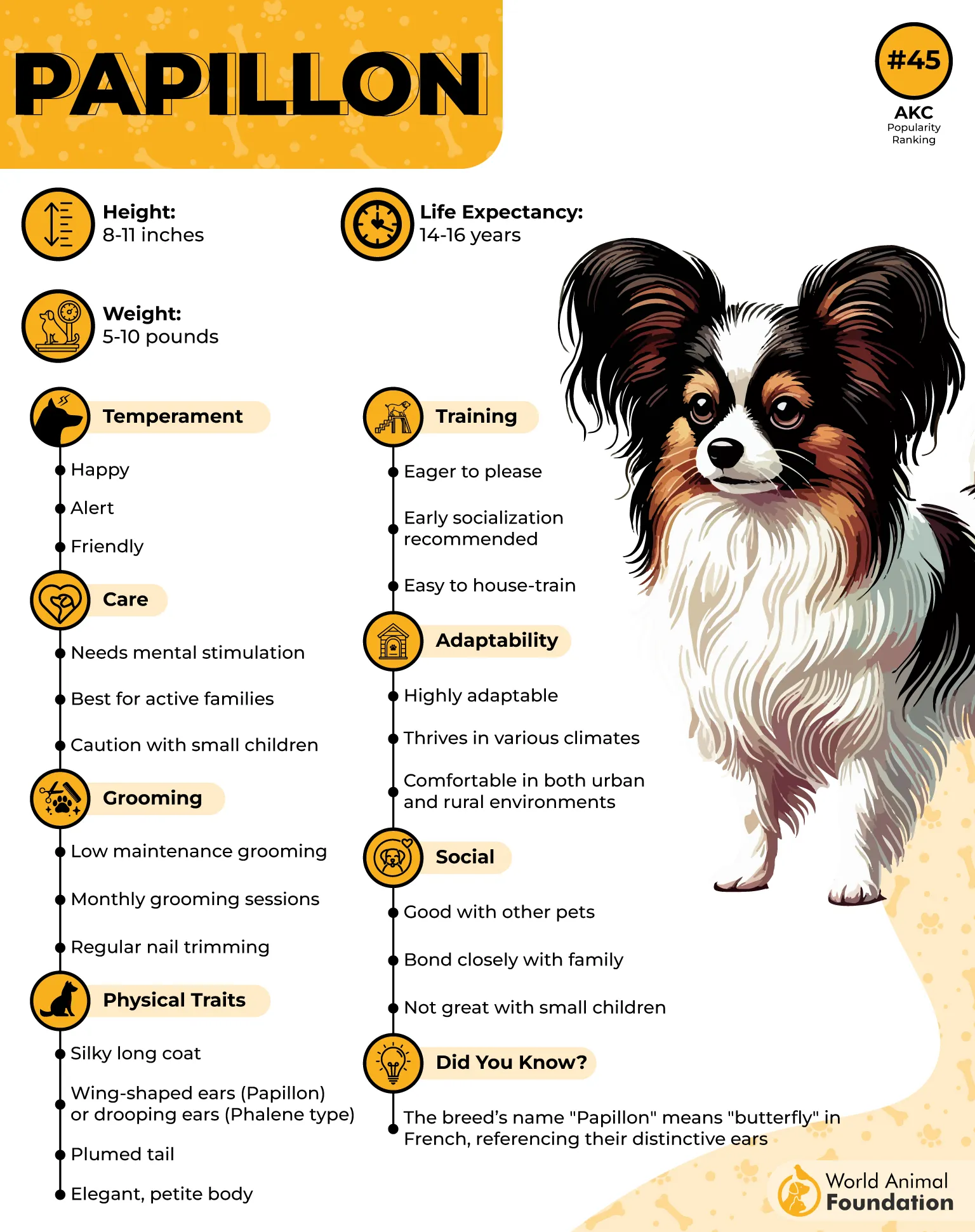
They can thrive in families that want a small dog capable of more than just cuddle sessions. Many enjoy obedience, agility-style games, trick training, brisk walks, and puzzle-solving, making them a strong option for active households with limited space. In other words, this butterfly comes with a surprisingly powerful little processor.

Their intelligence can make training exciting, but it also means they notice inconsistencies quickly. When one family member prohibits sofa jumping, and another celebrates it with snacks, the Papillon will identify the easier policy before the meeting ends.
Papillons often become affectionate companions while remaining alert and interested in everything happening nearby, claims Purina. They may enjoy games with older children, training with adults, and quiet lap time once their mental and physical needs have been met.
Despite the coat’s glamorous appearance, Papillons do not have the heavy undercoat found in some fluffy breeds, although regular combing is still needed to prevent tangles. Particular attention should be given to the ear fringes, tail, leg feathering, teeth, and nails.
6. Havanese
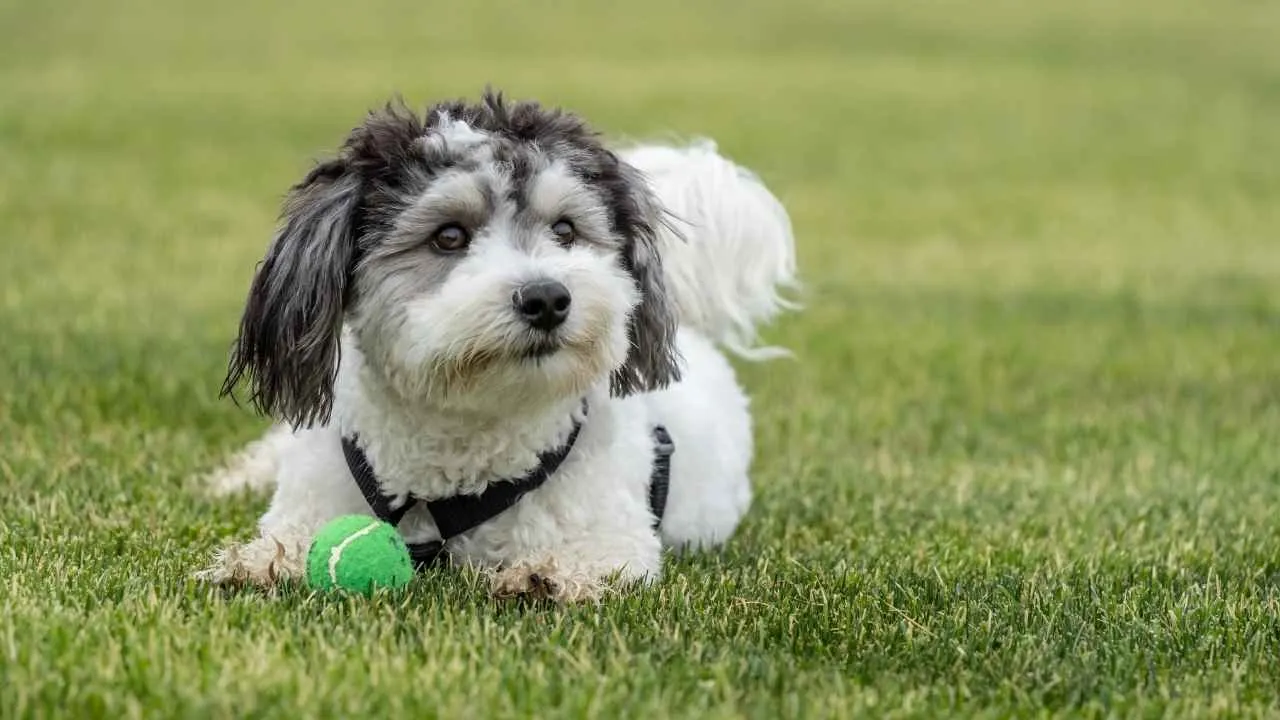
The Havanese is Cuba’s national dog and has built its reputation around companionship, charm, and close involvement with people. Its silky coat, expressive face, and springy movement give the breed an upbeat presence that can brighten a busy household.
These dogs often develop strong relationships with their households and may follow people from room to room. Their social nature can work beautifully in homes where someone is frequently present, but families should still teach independence gradually.
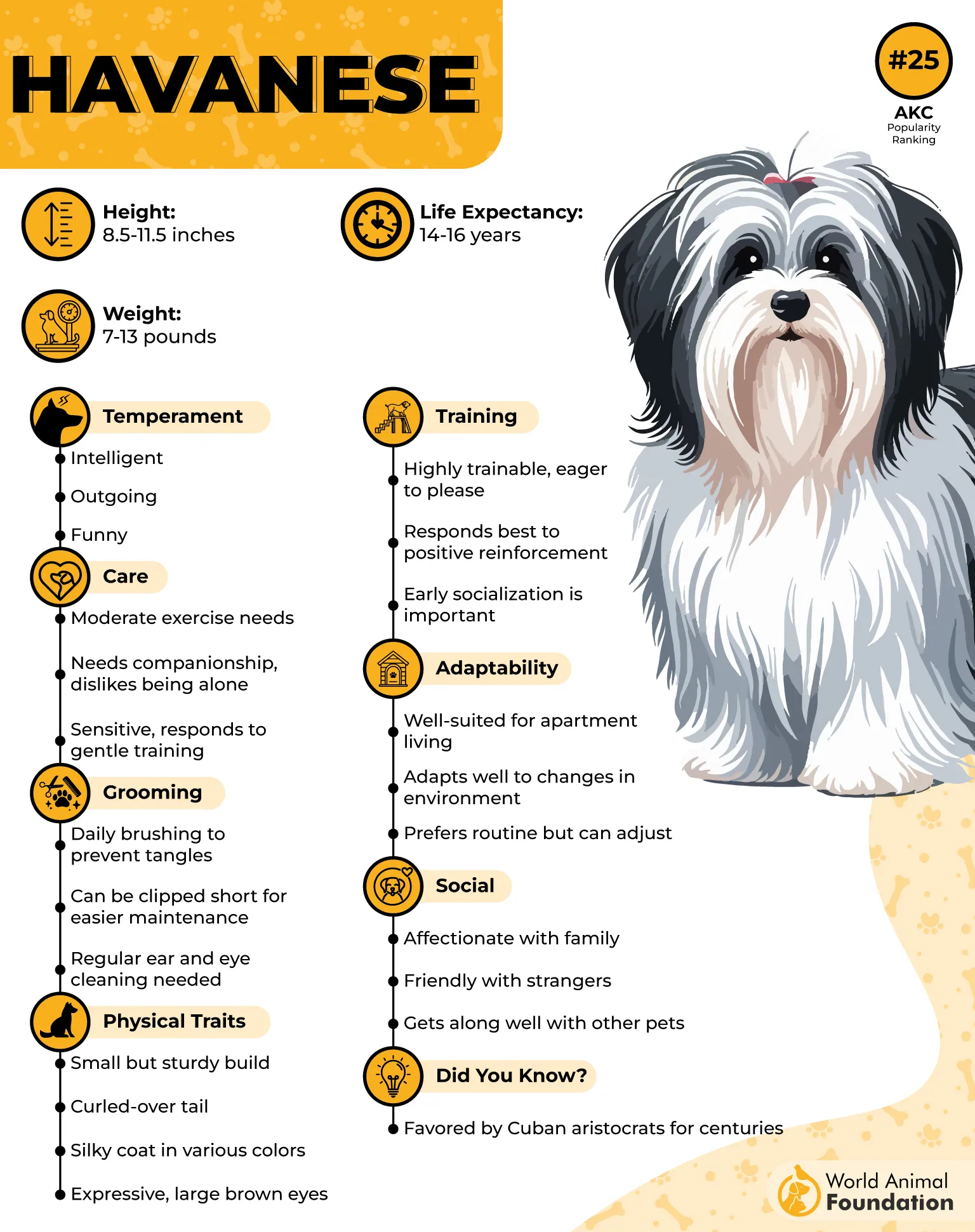
Moderate daily exercise can include walks, playful chasing, retrieving, training games, and safe interaction with compatible dogs. These small dogs are well-suited to apartment living, yet they still need regular opportunities to move and explore.
These dogs can enjoy learning tricks because performing tricks creates another opportunity to interact with their favorite humans. Early exposure to grooming, visitors, children, travel, and household sounds can help transform a sociable puppy into a more adaptable adult.
The Havanese coat may be worn long, trimmed shorter, or sometimes corded, but every style requires informed care. Brushing, combing, bathing, ear checks, nail trimming, and dental hygiene should be maintained even when the coat looks casual.
7. Pug
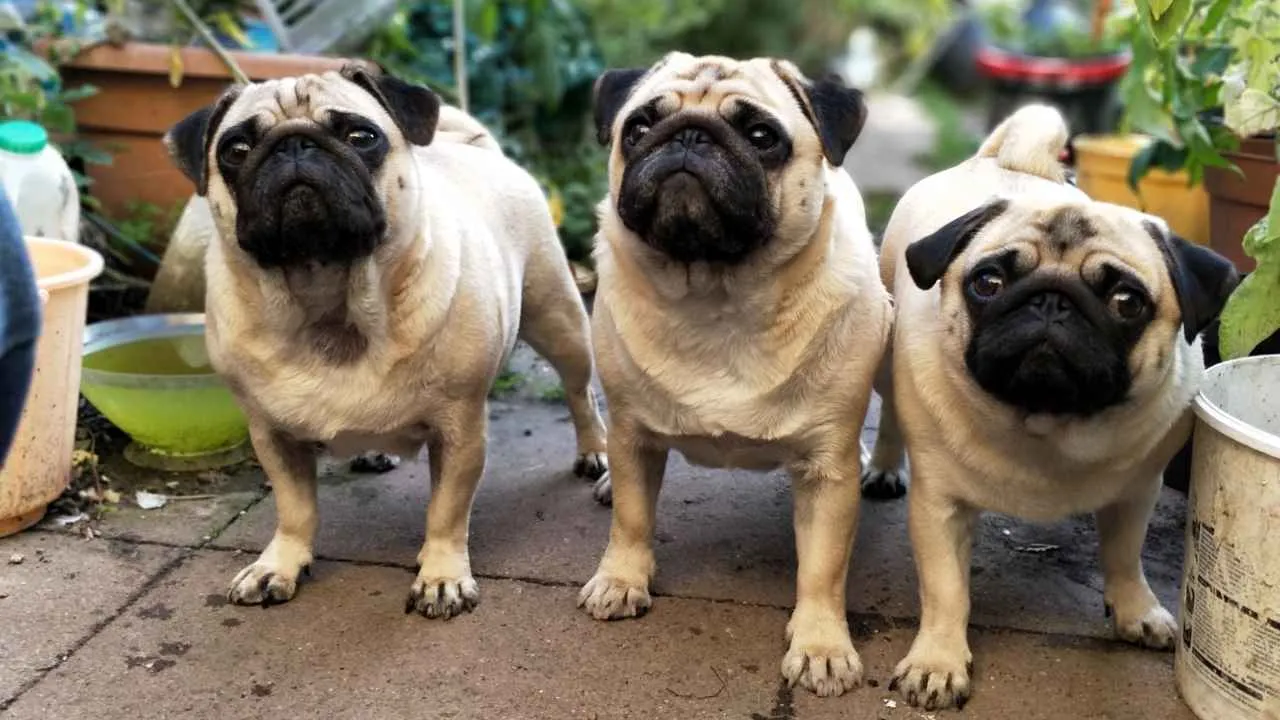
The Pug has an unmistakable face, a compact body, and a talent for turning mild inconvenience into award-worthy physical comedy.
Historically bred as a companion, it usually prefers to be included in family activities rather than to watch life from another room. Its affectionate personality and expressive reactions have made the breed popular with people who want a sociable little dog with maximum character.
Pugs often enjoy children, adults, and visitors when properly socialised, though every interaction should remain respectful and supervised. They may happily participate in play before climbing onto somebody’s lap and snoring through the next family conversation.
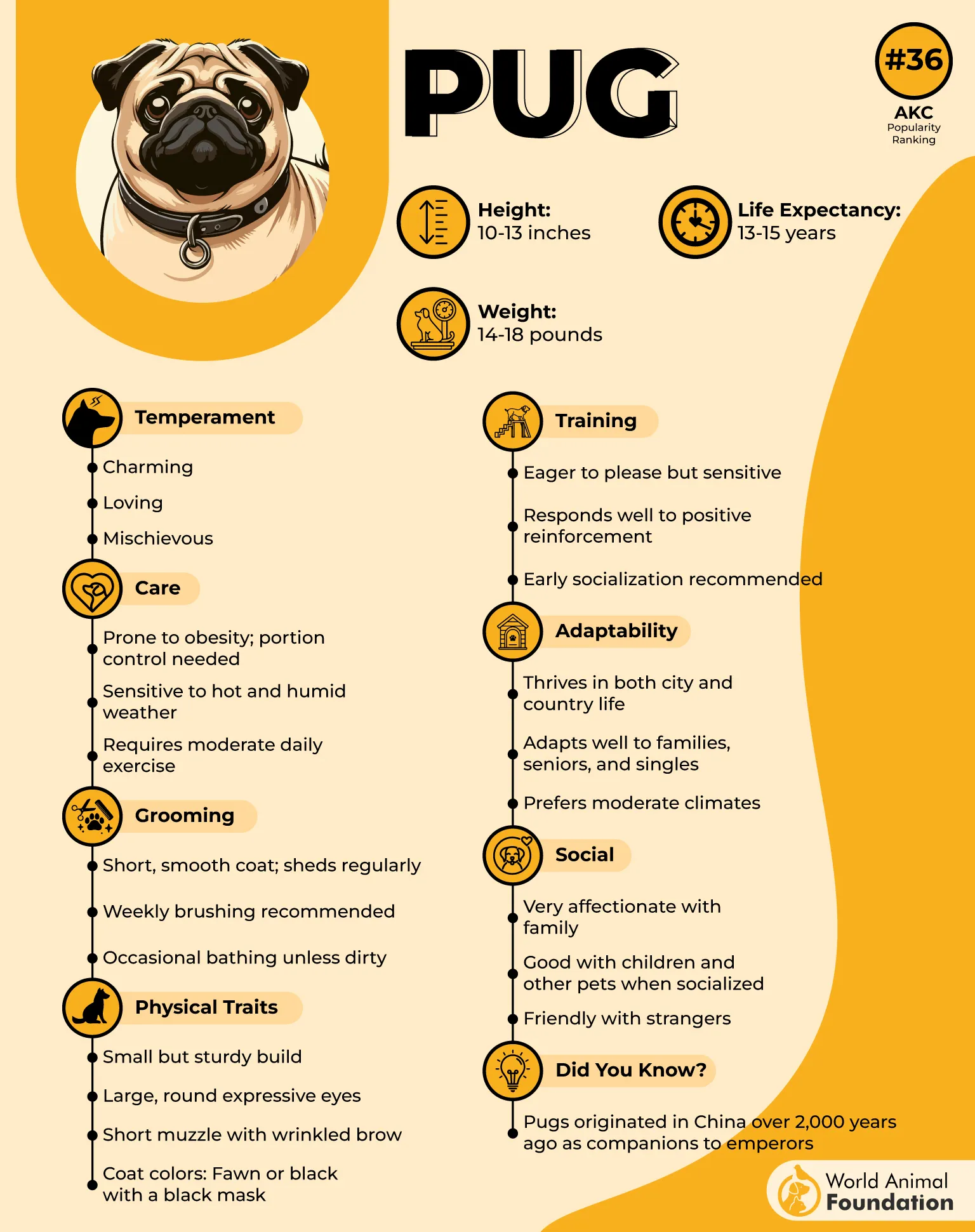
Exercise should be consistent but carefully managed because Pugs are brachycephalic, meaning they have shortened skulls and relatively flat faces. Gentle walks and indoor games can help maintain fitness, while strenuous activity in heat or humidity may create serious breathing and cooling difficulties.
Food motivation can make reward-based training more productive, although calorie intake must be controlled to prevent unhealthy weight gain. Basic obedience, calm greetings, comfortable handling, and sensible barking habits should begin early.
Conclusion
Small dogs can bring affection, comedy, comfort, and genuine companionship into a family home, but each breed offers a different version of that experience.
Golden Retriever, Miniature Poodle, Jack Russell Terrier, French Bulldog, Miniature Schnauzer, Yorkshire Terrier, Cocker Spaniel, West Highland White Terrier, and Boston Terrier are also some excellent family dogs
Families should resist choosing solely on appearance, because a beautiful coat or a viral puppy video reveals very little about daily care. The ideal small family dog is ultimately the one whose needs match the real household rather than an imaginary perfect week.
