





Small dog breeds have a median lifespan of nearly 15 years, well past what most larger breeds reach. That’s not a small detail when you’re choosing a companion meant to grow up alongside your kids.
A family dog is a long game, and size turns out to matter more than most people realize going in. It shapes everything from how a dog handles a toddler’s hug to how many years you’ll actually get together.
Not every small breed fits every household, though. Energy levels, grooming needs, and patience with children vary far more than their size suggests.
If you’ve ever wondered which calm little dog actually earns its cozy reputation, you’re about to find out. Keep reading to see which breed fits your family best.
Ideal Small Dog Breeds for a Cozy Family Home
1. Havanese
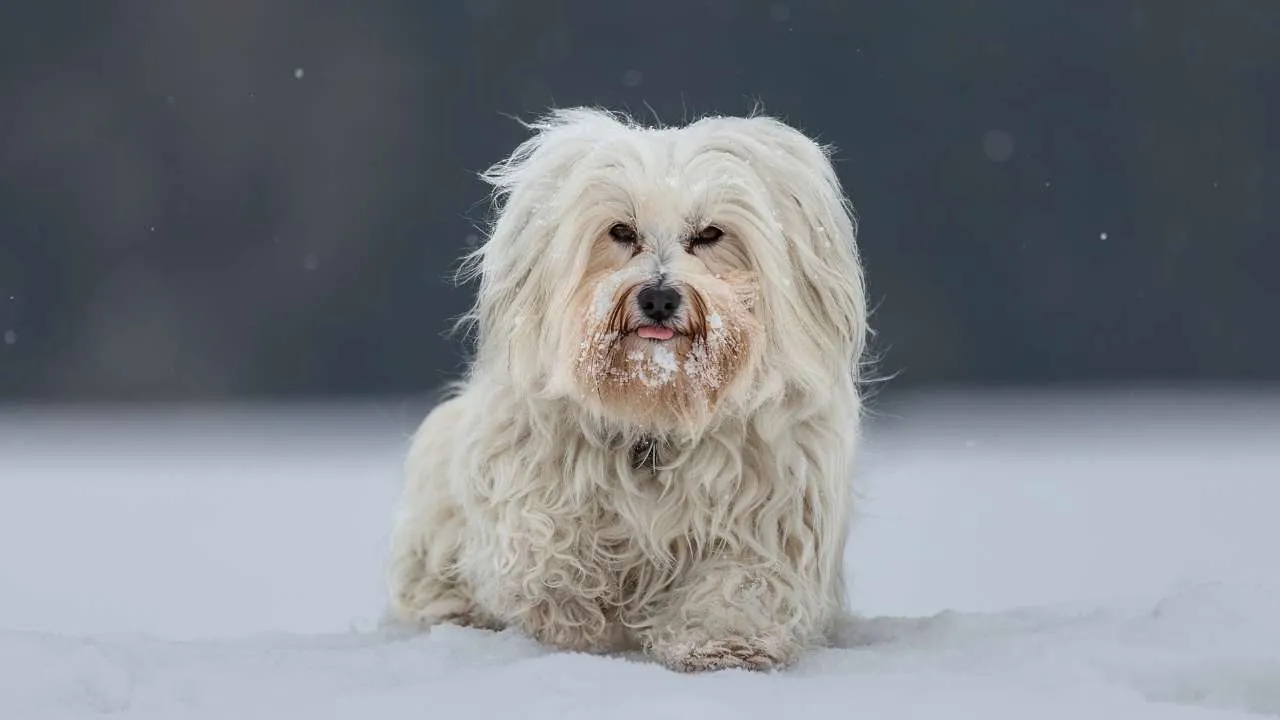
The Havanese is Cuba’s only native breed, once the pampered companion of island aristocrats. Centuries later, this toy dog still lives for lap time and family chaos.
Hide treats for a living-room sniff hunt.
Rotate toys weekly to keep things fresh.
Run five-minute trick sessions after dinner.
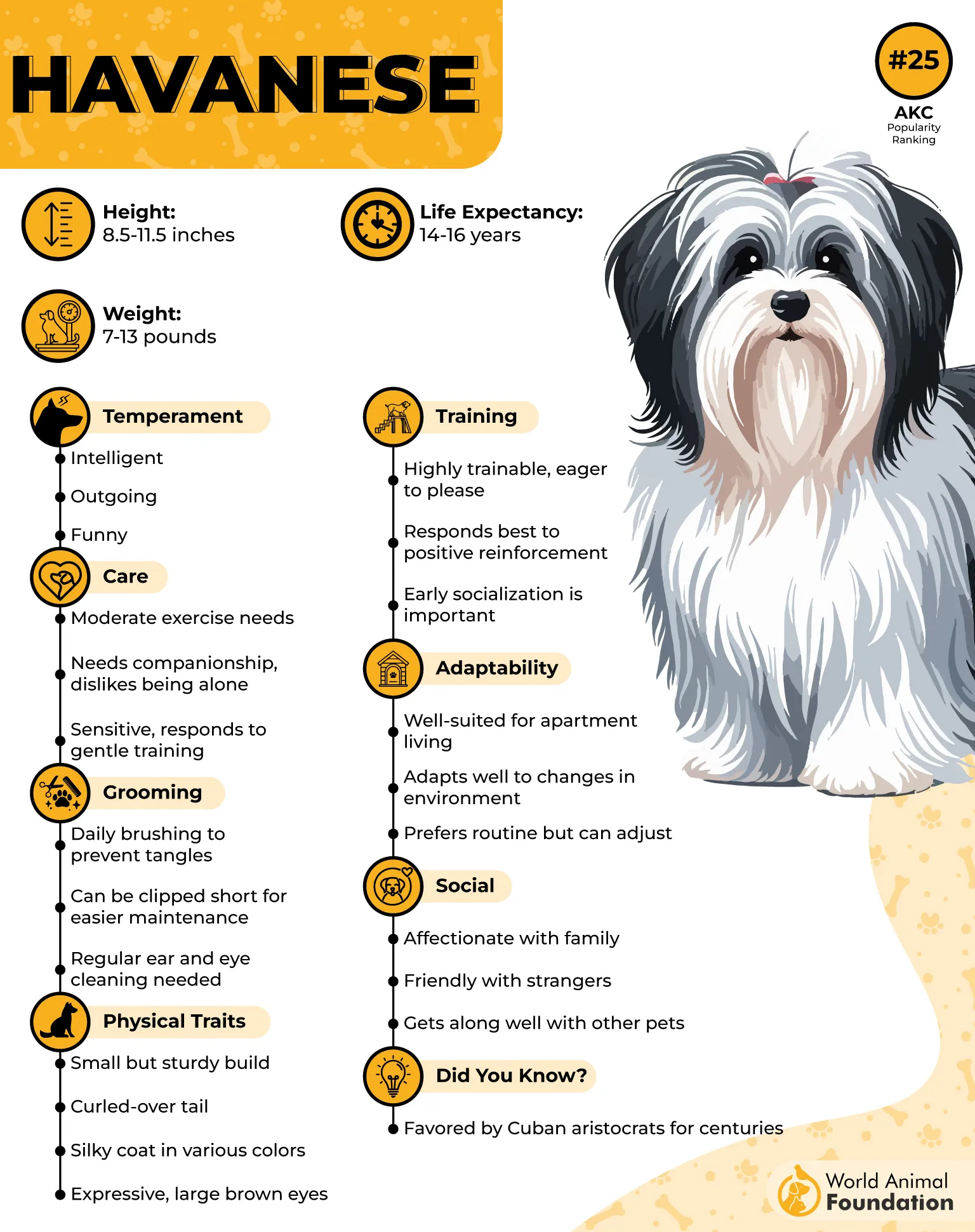
Friendly barely covers it here. Kids, strangers, and other pets all get the same warm welcome, which makes this breed effortless in a busy household. Its silky coat needs regular brushing, though shedding stays refreshingly minimal.
One thing new owners rarely expect: the WebMD rates the Havanese a 4 out of 5 for vocality, so it has plenty to say. Train those vocal cords early, and a chatty Havanese turns into charming background noise, not chaos.
2. Yorkshire Terrier
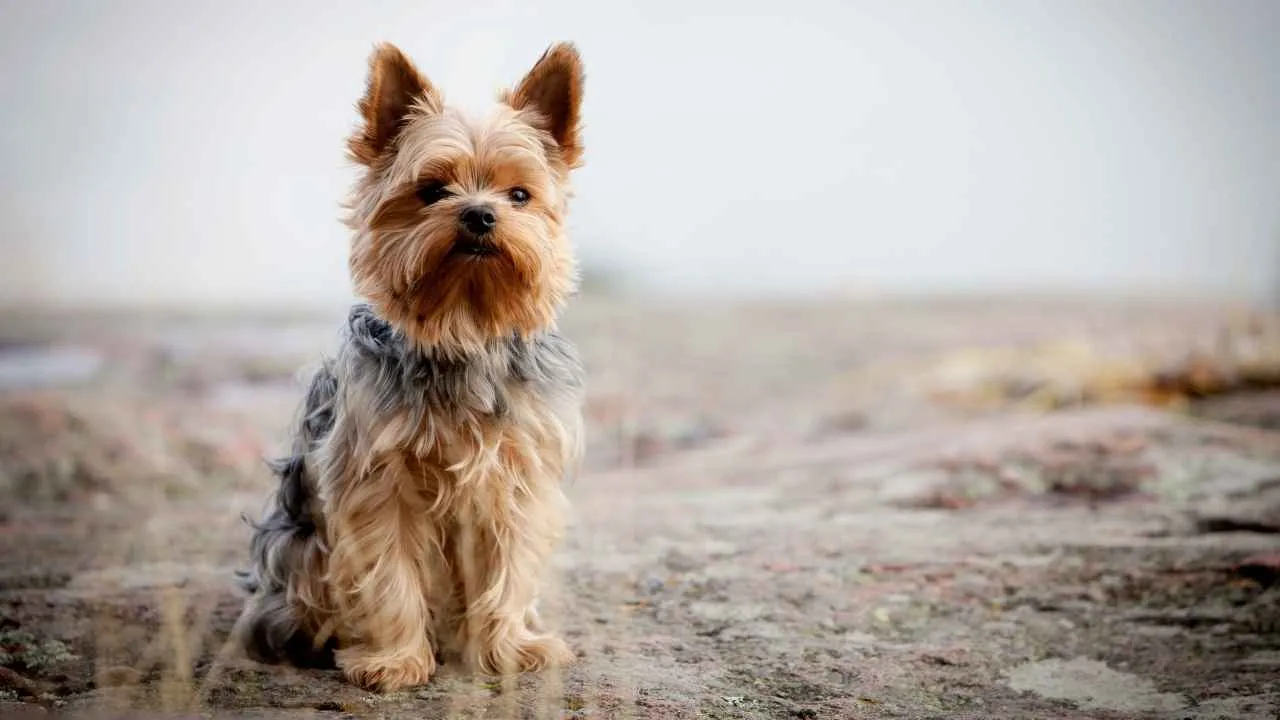
The Yorkshire Terrier started out as a scrappy ratter in Yorkshire’s textile mills before becoming a favorite little companion. Don’t let the size fool you; this tiny dog carries a big personality.
Play short games of fetch down a hallway.
Teach new commands in quick, upbeat bursts.
Offer a sniff walk around the block daily.
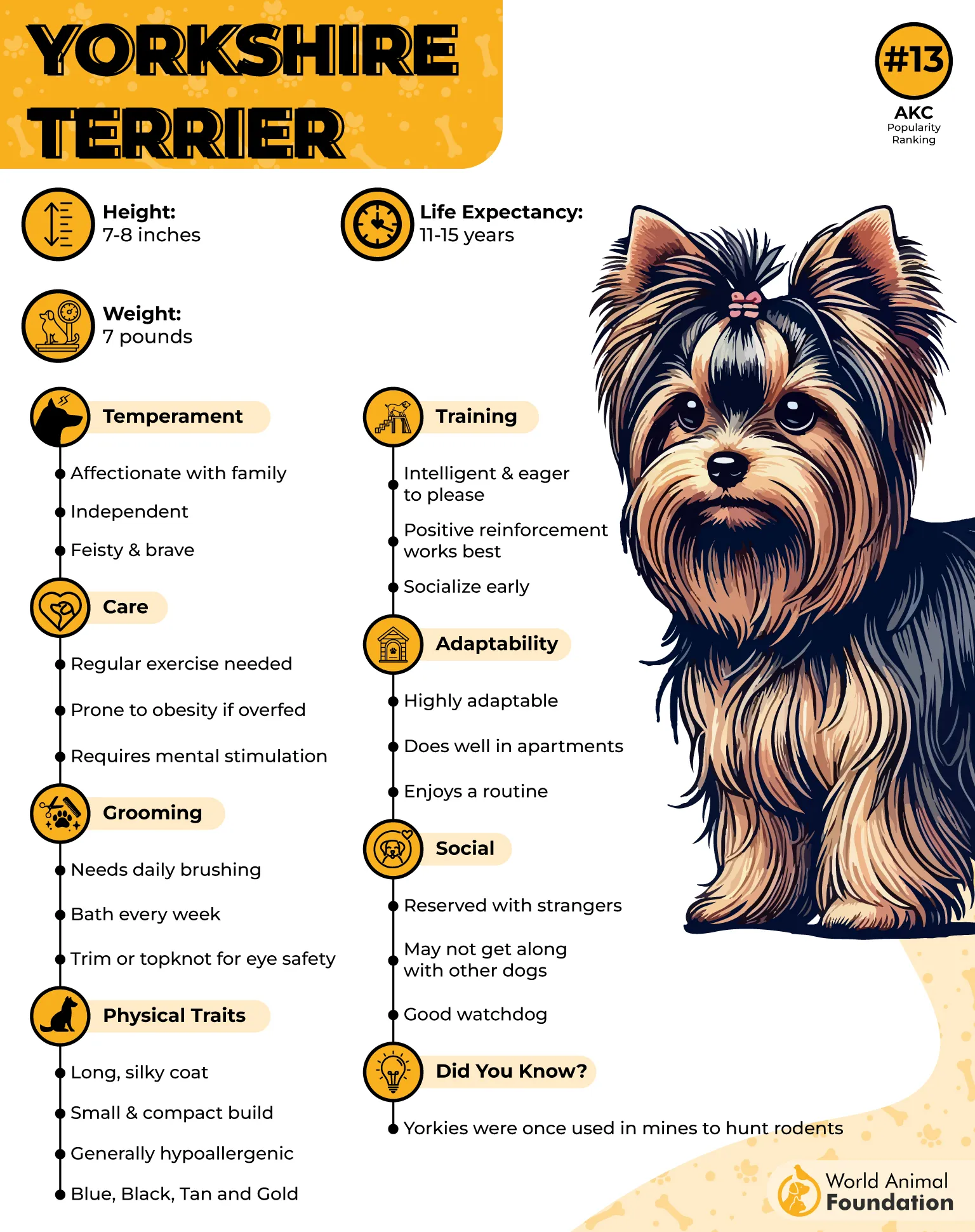
This terrier does best with older kids who know how to handle a small, sturdy-boned dog gently. Its long coat needs daily brushing to stay smooth, though it sheds very little, which suits allergy-conscious households well.
PDSA notes Yorkies need at least 30 minutes of exercise daily, split between walking and play, to keep that famous energy in check. Skip it, and territorial barking tends to creep in fast.
3. Pug
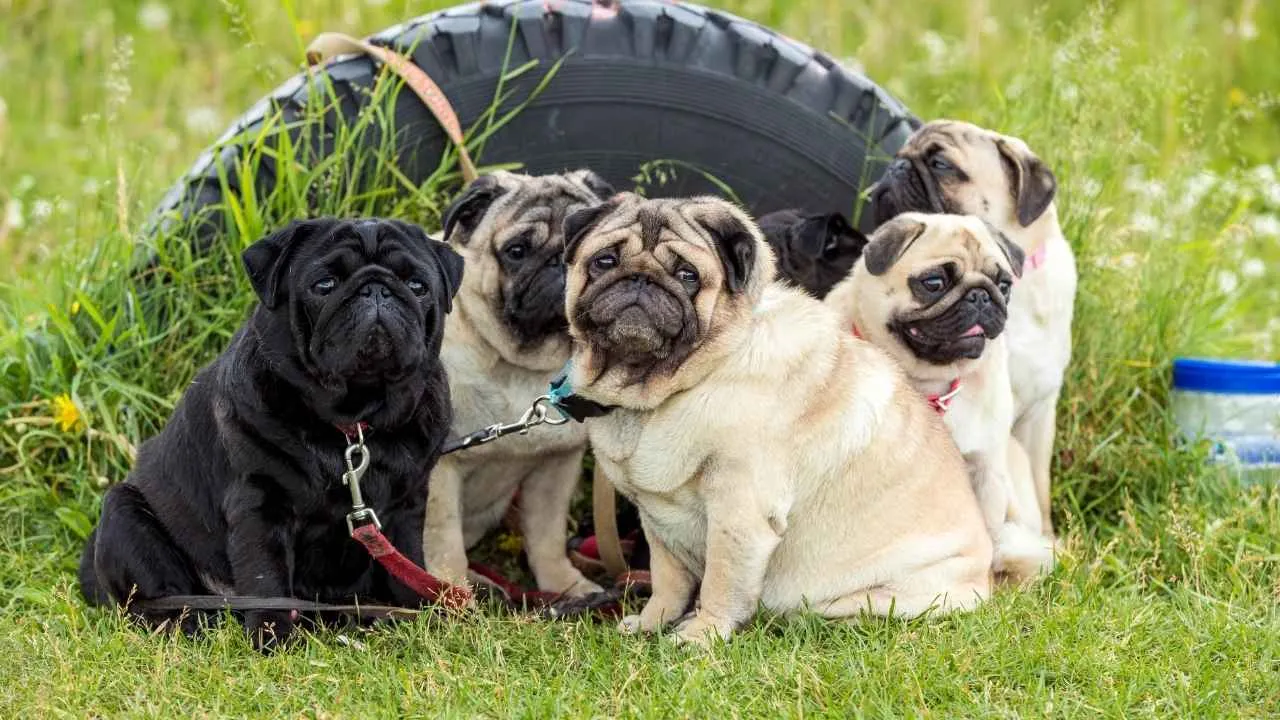
The Pug has charmed royalty and regular families alike for centuries, thanks to a wrinkled face and an even greater sense of humor. This is a dog built for snuggling, not sprinting.
Freeze treats inside a snuffle mat for slow sniffing.
Teach simple tricks using short training bursts.
Offer supervised play with soft, squeaky toys.
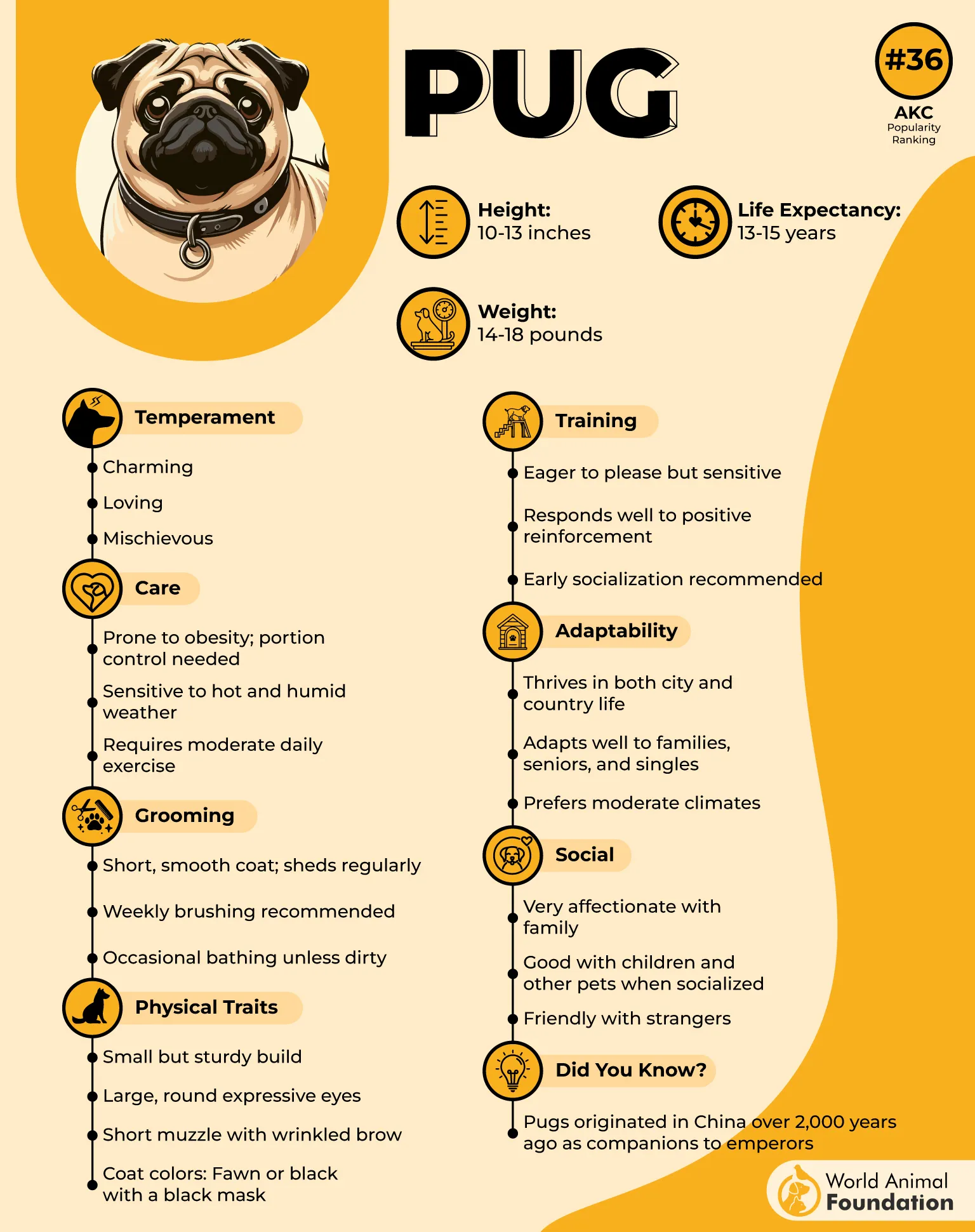
Kids get the full Pug experience here, since this breed is sturdy enough to handle enthusiastic hugs without flinching. Grooming stays simple too, just a quick brush every few days and a weekly wipe of those facial wrinkles to prevent irritation.
According to the AKC, Pugs are the largest of all toy breeds, which explains why they handle rougher family play better than most small dogs. Just don’t leave one alone too long, since Pugs bond hard and hate missing the action.
4. Maltese
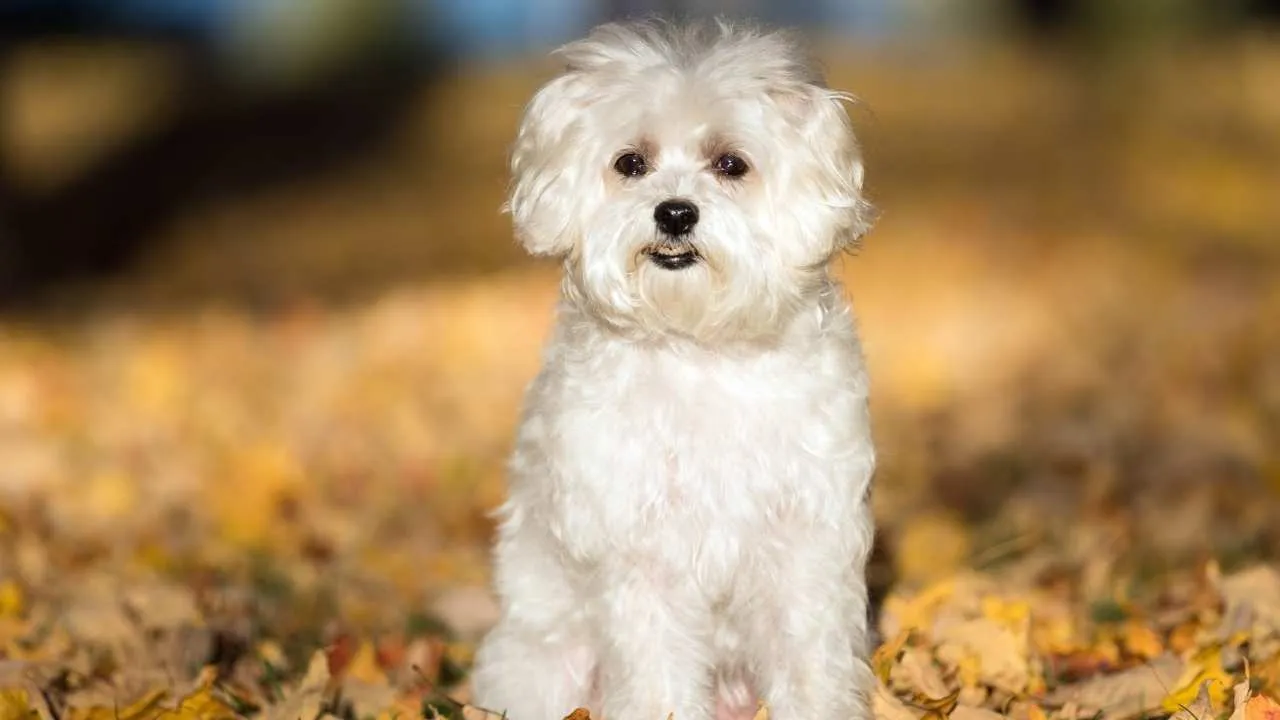
The Maltese has been called “the comforter” since ancient times, once believed to ease sickness just by curling up nearby. These days it mostly just curls up on the sofa.
Set up a gentle indoor obstacle course for fun.
Practice short obedience games with treat rewards.
Rotate soft plush toys to hold interest.
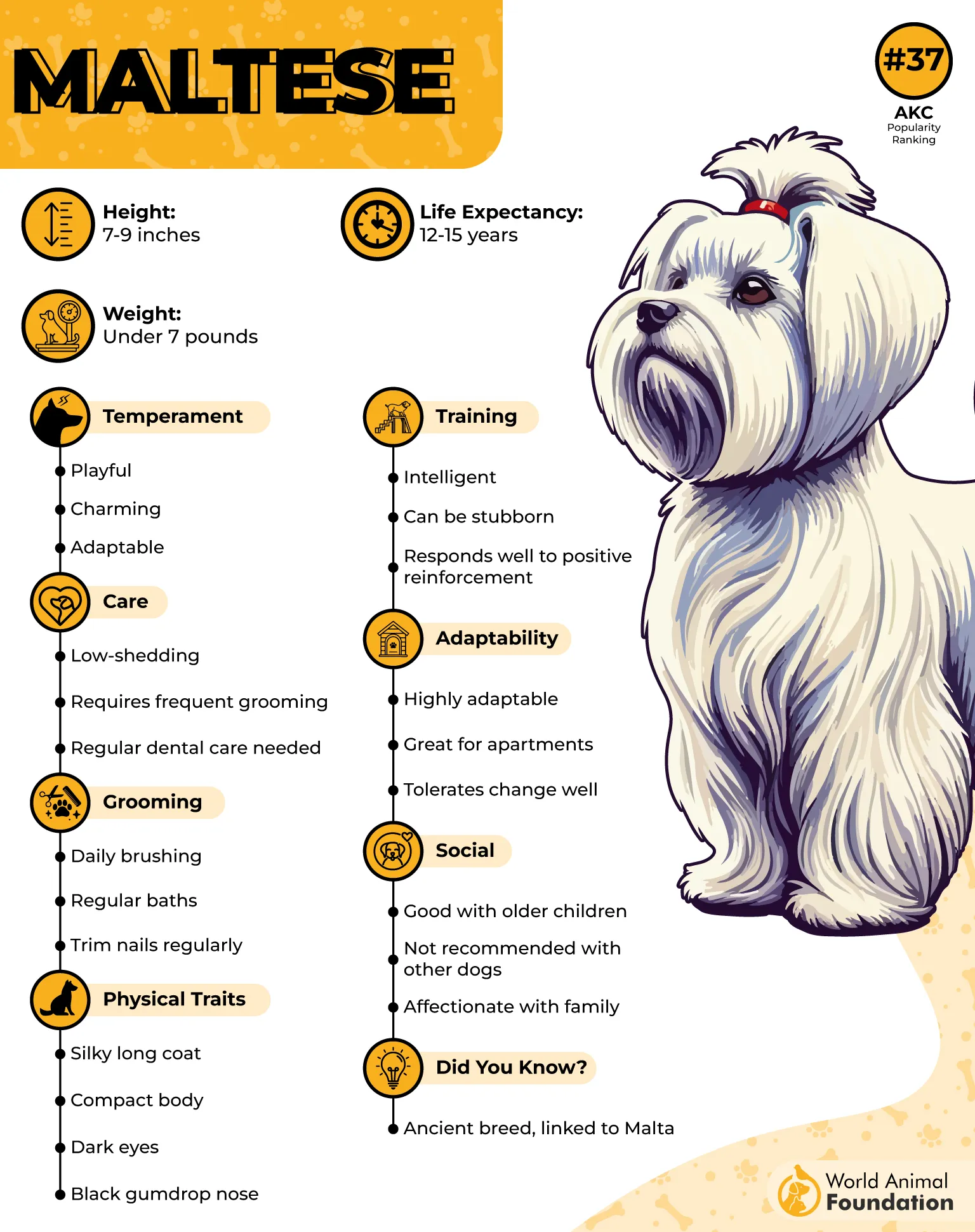
This breed leans toward older kids, since its delicate frame doesn’t love rough handling from little hands. Its flowing white coat looks high-maintenance but mostly needs regular brushing, alongside daily dental care since Maltese often keep baby teeth longer than expected.
VCA points out that Maltese puppies can be surprisingly picky eaters and are prone to low blood sugar, so nutrient-dense meals matter more than owners expect. Feeding this little dog well is part of keeping that big personality running smoothly.
5. Pomeranian
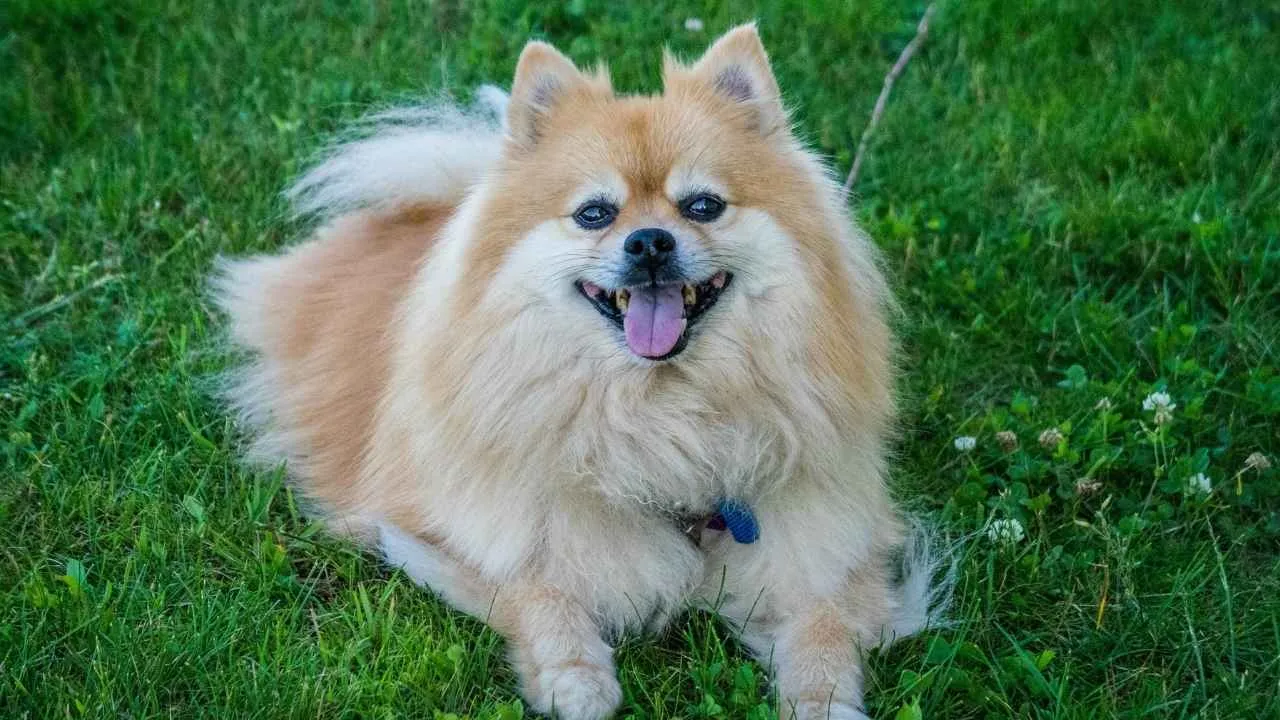
The Pomeranian descends from much larger sled-pulling ancestors, shrunk down over generations into a fluffy, fox-faced companion. Somehow the big attitude never got the memo about the size change.
Brush the coat while practicing calm, sit-still training.
Hide kibble around a room for a treasure hunt.
Teach a trick a week to match its sharp mind.
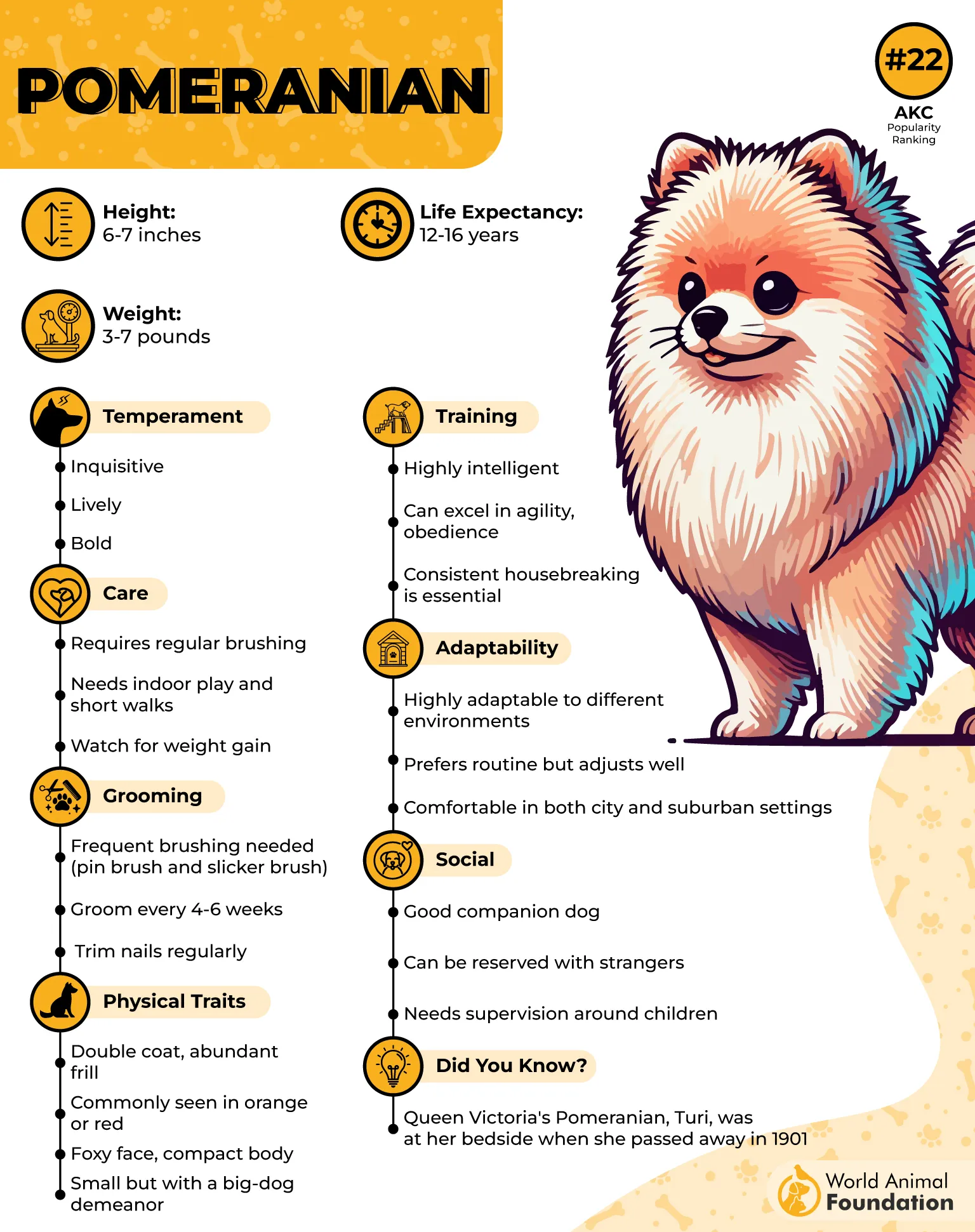
Families with gentle, older children tend to get along with this breed best, given its small, delicate frame. That famous double coat needs brushing a couple of times a week, with a fuller groom recommended every four to six weeks.
One quirk worth knowing: Pomeranians tend to pick a single favorite person in the household and shadow them everywhere. It’s flattering, though the rest of the family may need to work a little harder for attention.
6. Papillon
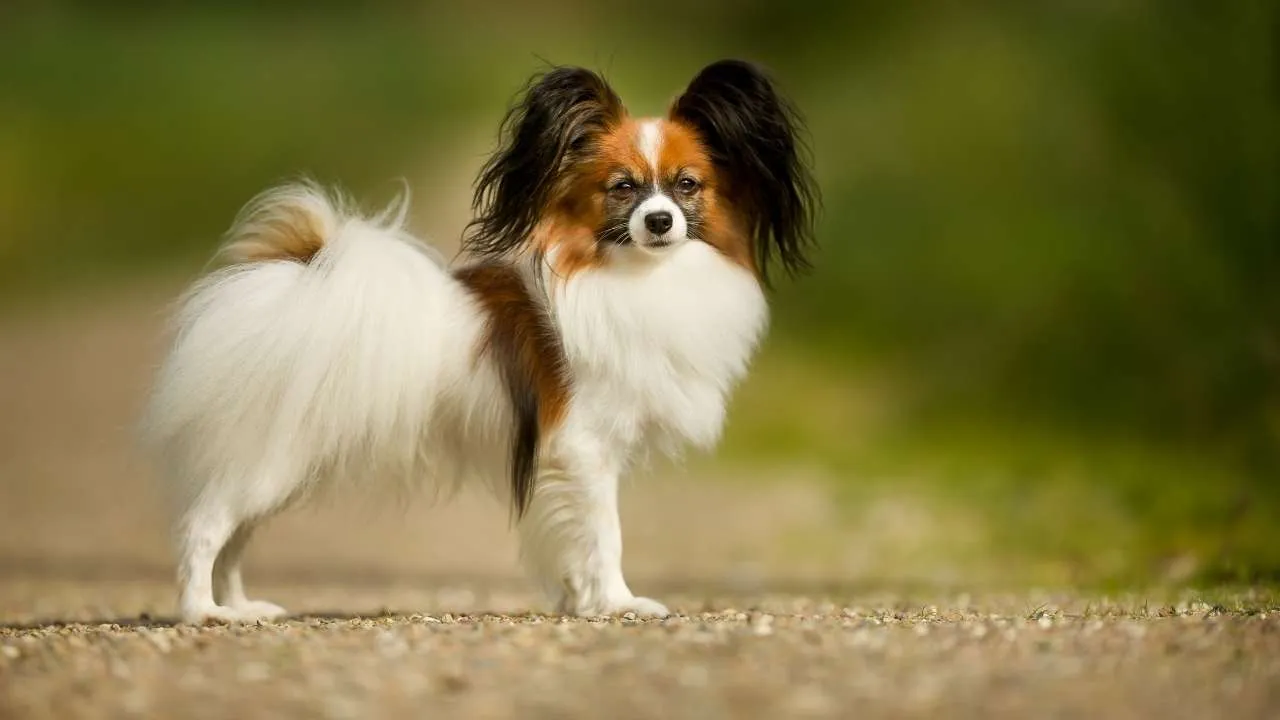
The Papillon gets its name from those signature butterfly-shaped ears, a look that’s been turning heads in European art since the 1500s. This toy dog has always known how to make an entrance.
Set up short agility-style games in the yard.
Practice scent games with hidden treats.
Rotate puzzle toys to match its quick mind.
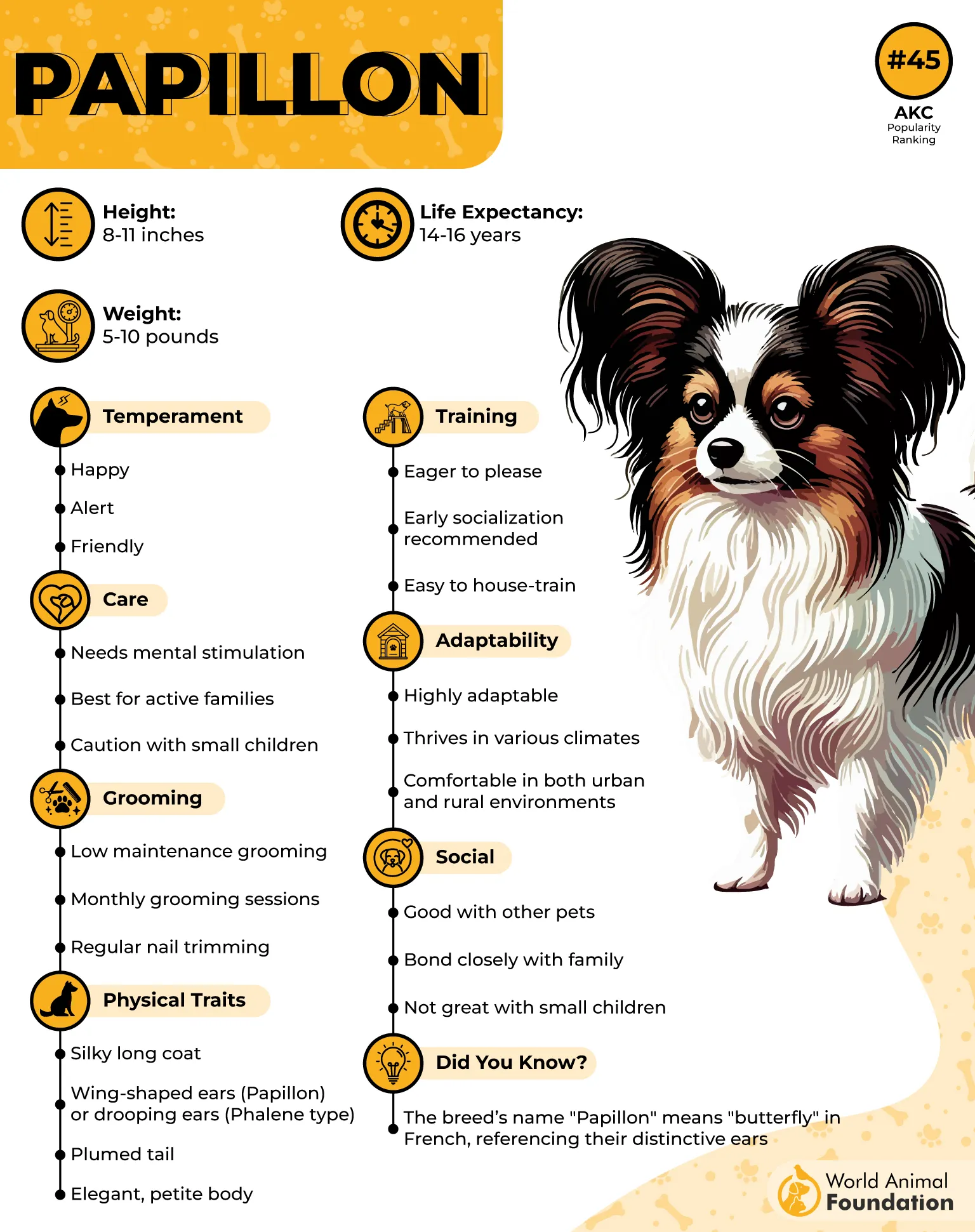
With some early training on both sides, this breed can be a wonderful match for families, though its small size means kids need to handle it gently. Grooming stays fairly light for a long-coated dog, just regular brushing to keep things smooth.
Left without clear boundaries, Papillons can develop what trainers call small dog syndrome, a mix of bossy habits that owners often laugh off in tiny dogs but would never allow in bigger ones. A little consistency early on keeps that big personality in check.
7. Brussels Griffon
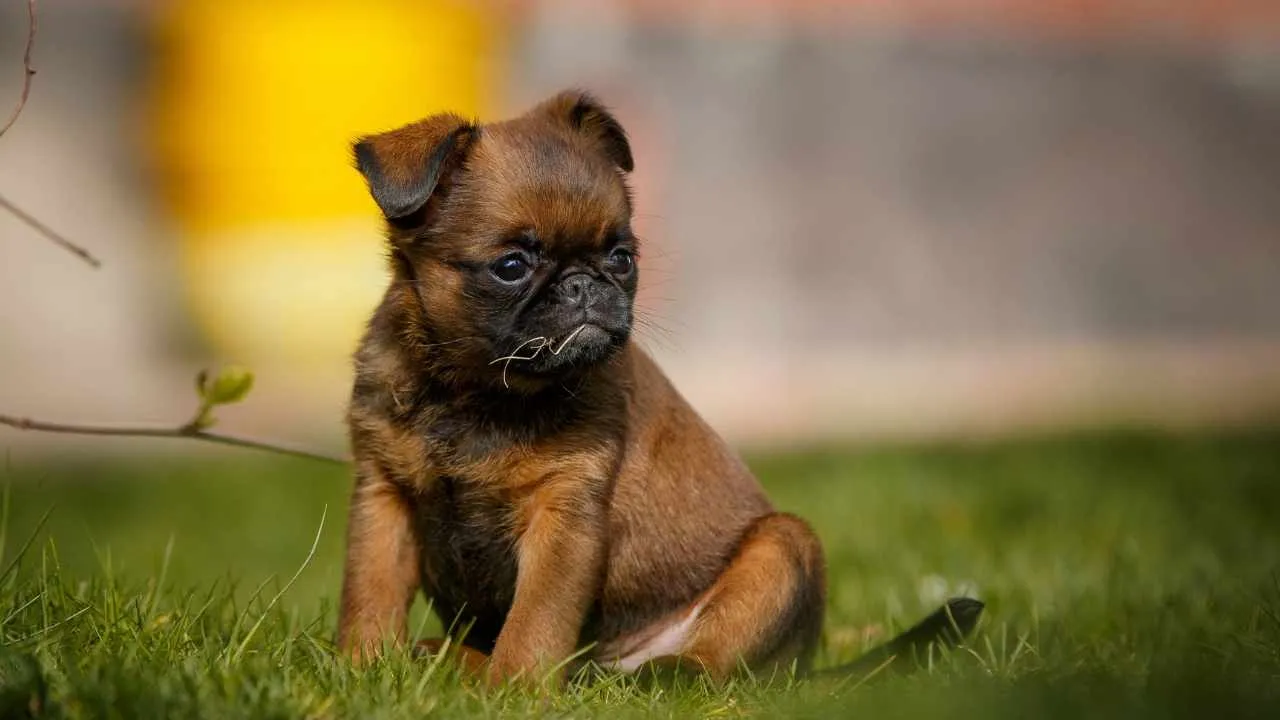
The Brussels Griffon started out guarding stables and riding along with Belgian cab drivers, which explains its confident, no-nonsense streak. These days it mostly guards the couch.
Play short fetch games indoors or in a small yard.
Practice new commands using positive reinforcement.
Offer chew toys to satisfy its curious streak.
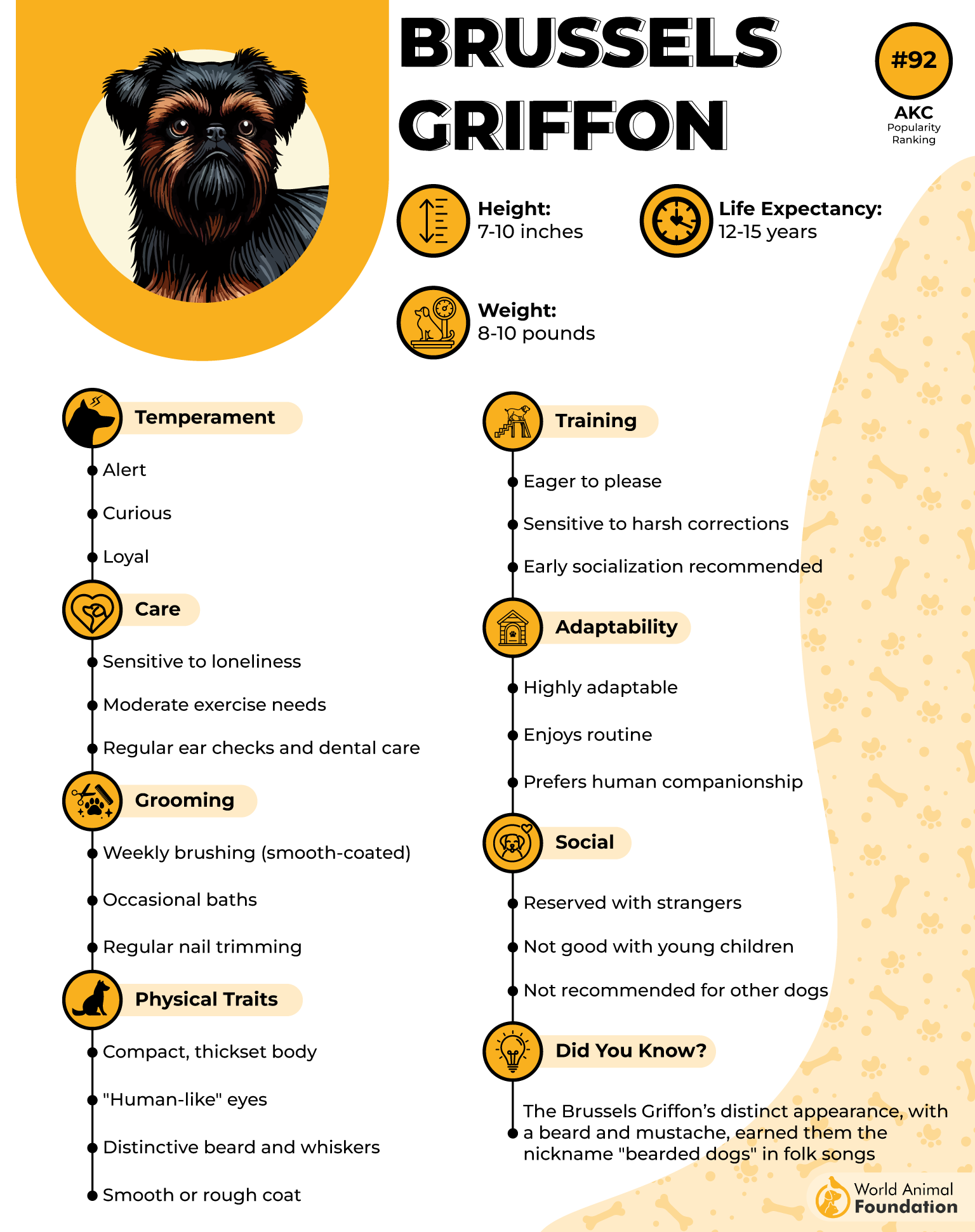
This breed bonds hard with one person, so families with older kids who understand gentle handling tend to be the best fit. Grooming depends on coat type, with wiry coats needing regular stripping and smooth coats needing just a weekly brush.
Hill’s Pet notes that flat-faced breeds like this one can struggle to breathe in hot weather or during exercise, so cool spaces and fresh water matter more than they might for other small dogs. It’s a small trade-off for that much personality in one tiny package.
Conclusion
Size was never really the test here. What actually decides if a small dog thrives in your household is temperament, grooming tolerance, and how gently your kids handle a small, sturdy little frame, not just the number on a height chart. That’s the real filter to run before you fall for a face.
Walk back through the traits that matter most in your home: energy level, shedding, patience with children, and reach out to a reputable breeder or rescue for the breed that checks those boxes. Ask to meet an adult dog in person before you bring a puppy home, since personality is easier to judge outside a photo.
