




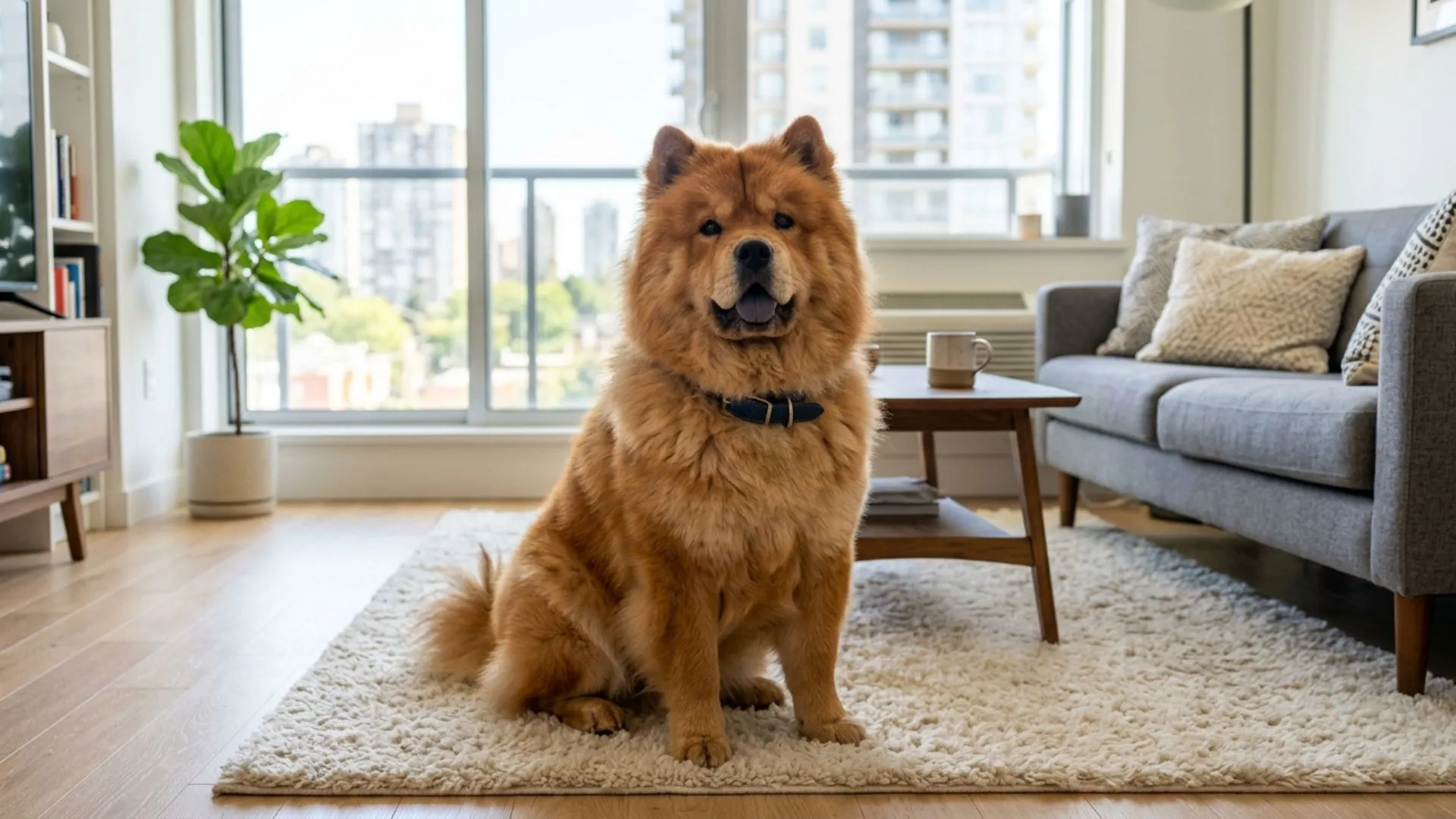
You know that moment when a dog walks into an apartment hallway, and suddenly the whole building feels like it’s under “new management”? That slow, confident thump… thump… thump of paws doesn’t just echo—it announces presence.
Powerful dog breeds aren’t just about muscle. They’re about attitude, loyalty, and that calm “I’ve already assessed the situation” stare that can make even a squeaky stair feel suspicious.
And the surprising part? Some of the most powerful protectors can actually adapt well to apartment living—if their energy gets the right outlet and their minds stay busy.
So how do you choose a dog that can both fit into a small space and make you feel like you’ve got a personal security team at home?
Did You Know?
Many protective dog breeds were originally trained to work closely with humans, which is why they often combine strength with strong emotional awareness and loyalty.
Ideal Protective Dog Breeds for Apartment Living
1. Doberman Pinscher
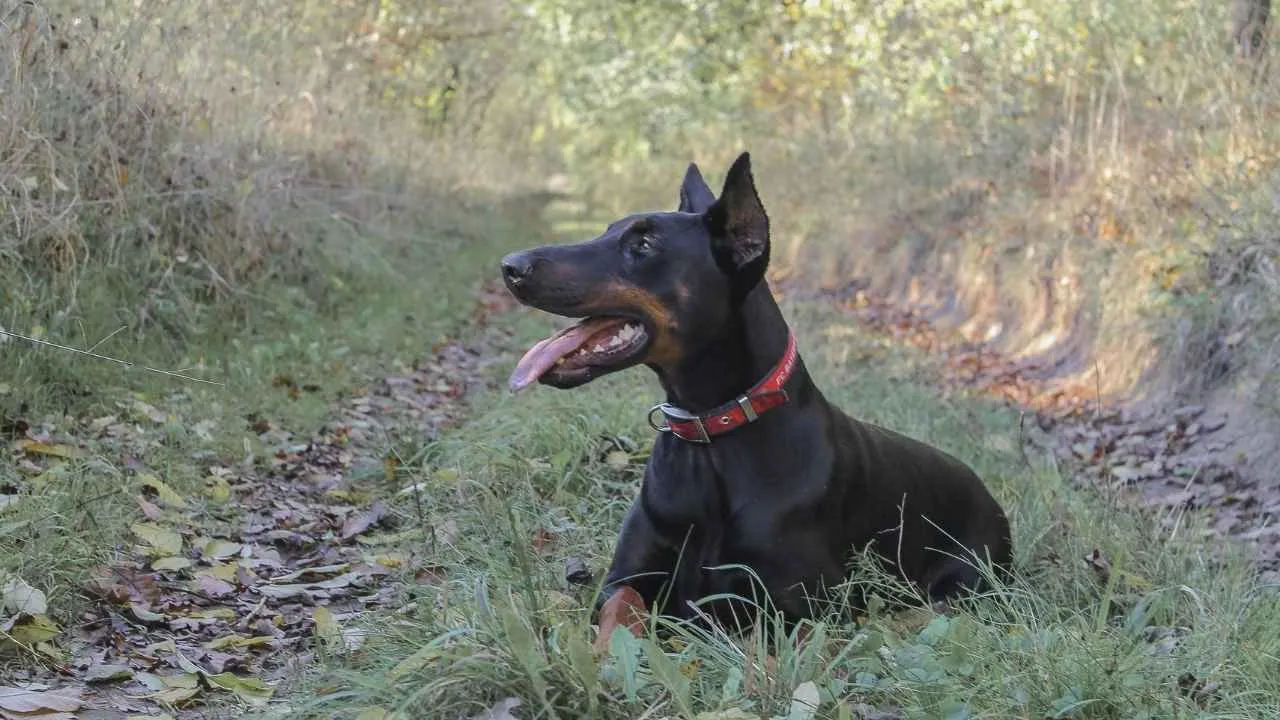
Sleek and powerful, the Doberman Pinscher is a refined guardian that adapts surprisingly well to apartment life when exercised properly.
Originally bred for personal protection, it combines a streamlined muscular frame with sharp intelligence, allowing it to read its surroundings quickly and respond to subtle changes in sound or movement.
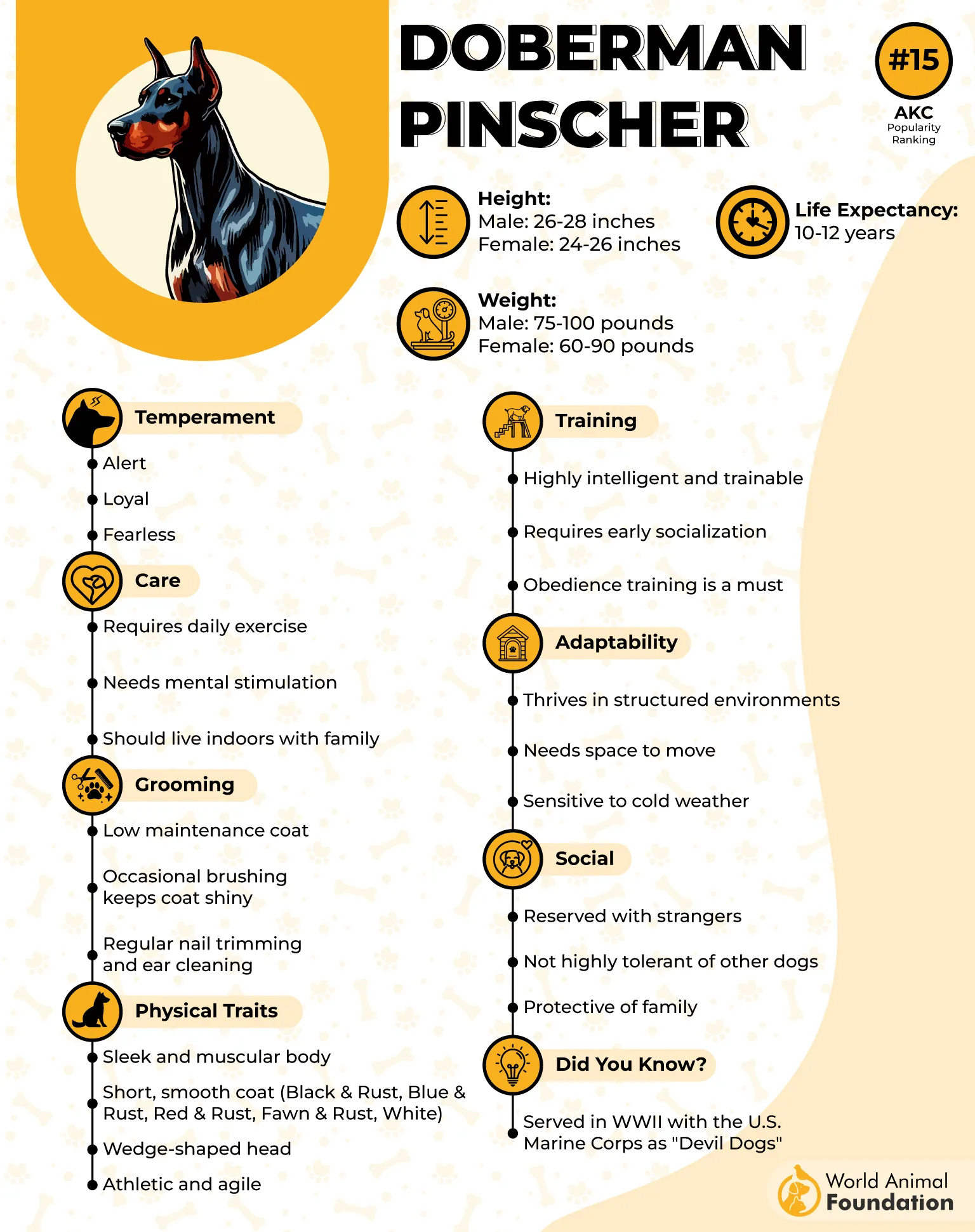
In smaller living spaces, this breed stays composed indoors but remains highly alert to unfamiliar activity outside the door or in shared hallways.
Standing about 24 to 28 inches tall, it moves with controlled speed rather than bulk, which makes hallway walks and stair navigation smooth, even in tight buildings. Its short, glossy coat requires minimal grooming, making it practical for busy urban routines.
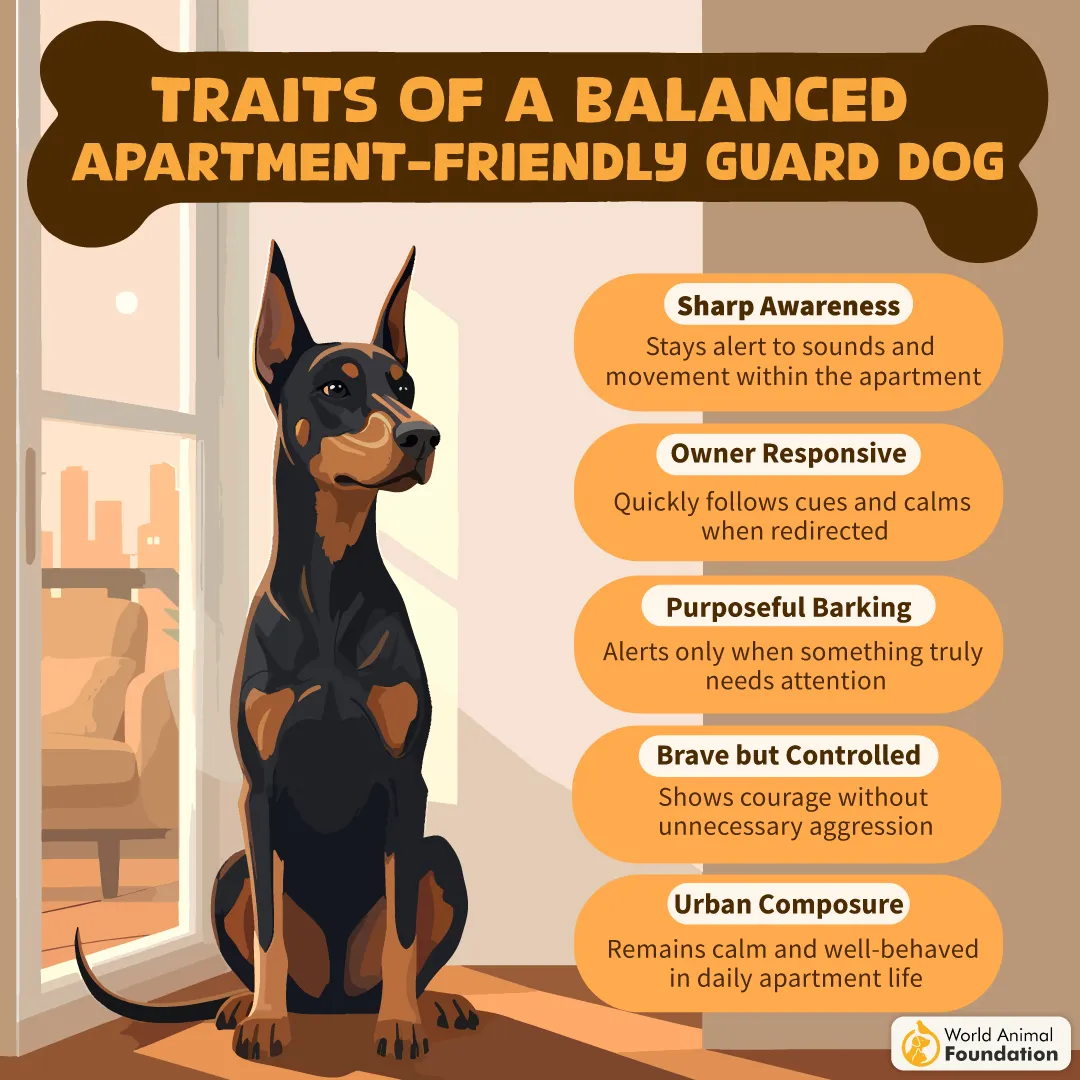
What sets it apart is its unusually fast reaction time to trained commands, which makes structured obedience training highly effective for managing energy in compact environments.
In everyday apartment living, a well-trained Doberman often settles quietly indoors but shifts instantly into watchful mode when it senses unusual behavior nearby, offering reliable protection without unnecessary noise inside.
2. Chow Chow
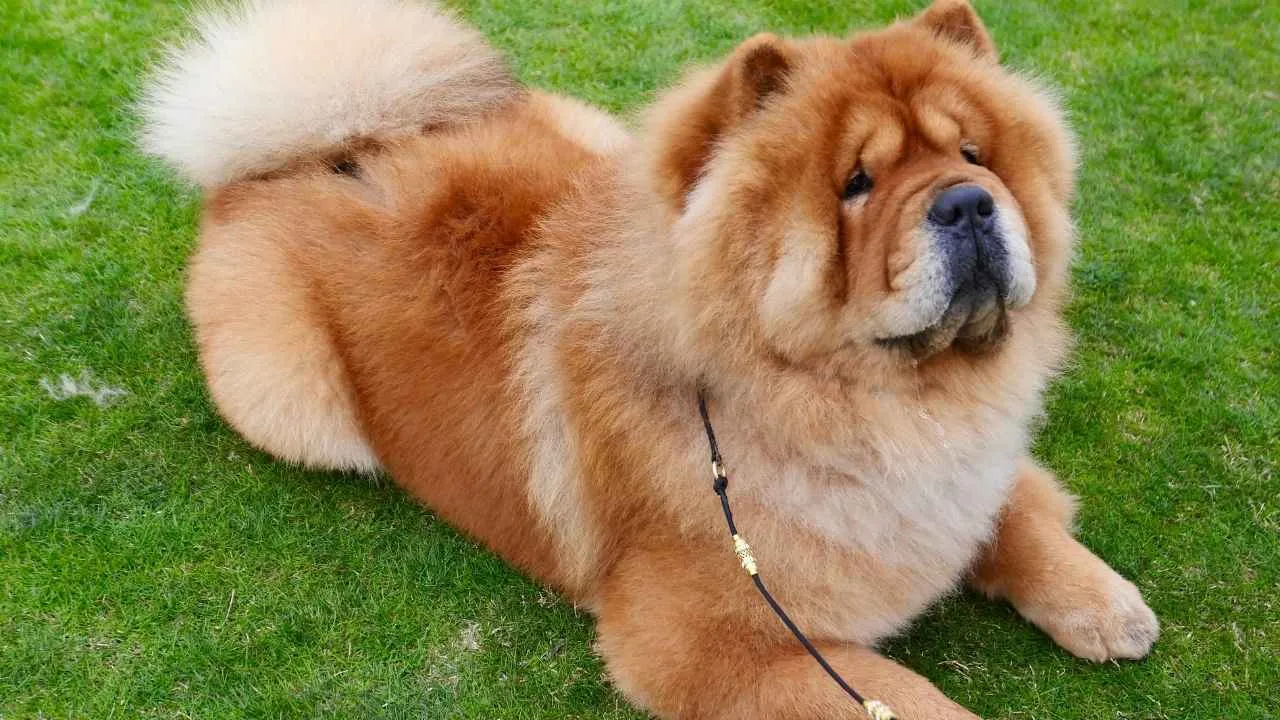
The Chow Chow is an ancient, lion-like companion known for its strong protective instincts and calm but serious presence, making it a recognizable figure among protective breeds considered for apartment living, as stated by WebMD.
Its history traces back over two thousand years to China’s Han Dynasty, where it served as a multipurpose working dog, including guarding property and assisting humans in rural settlements.
Over time, the breed spread beyond Asia through trade routes, eventually reaching Europe, where it gained attention in royal circles, including a famous association with Queen Victoria.
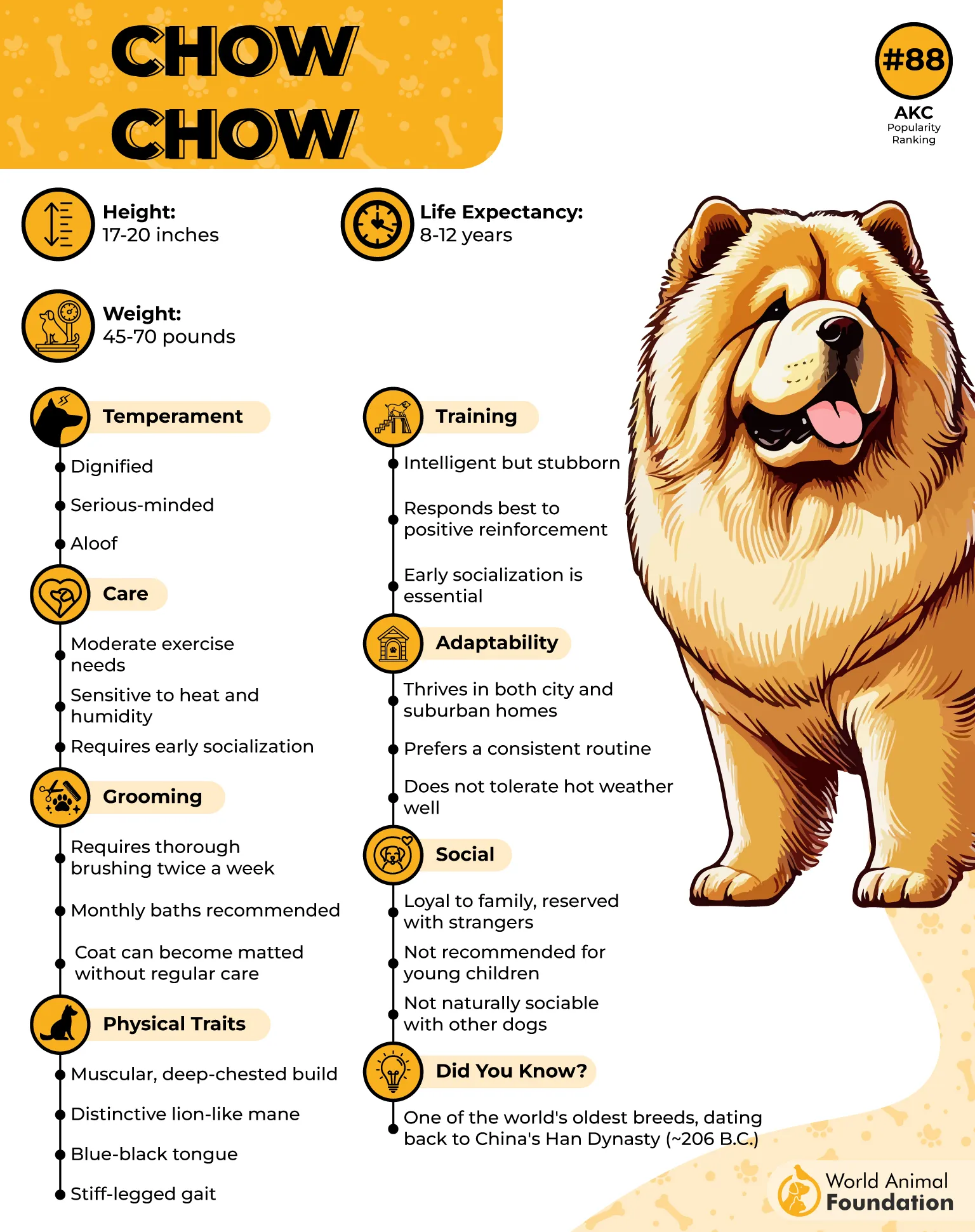
In modern city apartments, this breed can adjust to compact living spaces because it tends to be quiet indoors and not overly demanding of constant activity, as long as it receives structured daily walks and short play sessions.
It is known for its strong territorial awareness, often quietly monitoring unfamiliar sounds or movement near its home environment without unnecessary barking.
One unusual physical feature is its blue-black tongue, a trait rarely seen in dogs, which adds to its unique identity.
In everyday apartment routines, it often prefers calm observation from a favorite corner rather than constant interaction, making it suitable for owners who appreciate a composed, watchful companion with a naturally protective mindset.
3. Rottweiler

The Rottweiler is a powerful yet emotionally steady guardian breed that can adapt to apartment life when given consistent structure, training, and daily exercise.
Historically developed as a herding and protection dog in Germany, it still carries a strong working mindset, which shows in how closely it stays connected to its household and watches over familiar people.
In a home setting, it often moves calmly through rooms, quietly following its owner from space to space, preferring close companionship rather than constant independence.
Its temperament can vary from playful and sociable to more reserved with strangers, but it is widely recognized for forming strong bonds with its family.
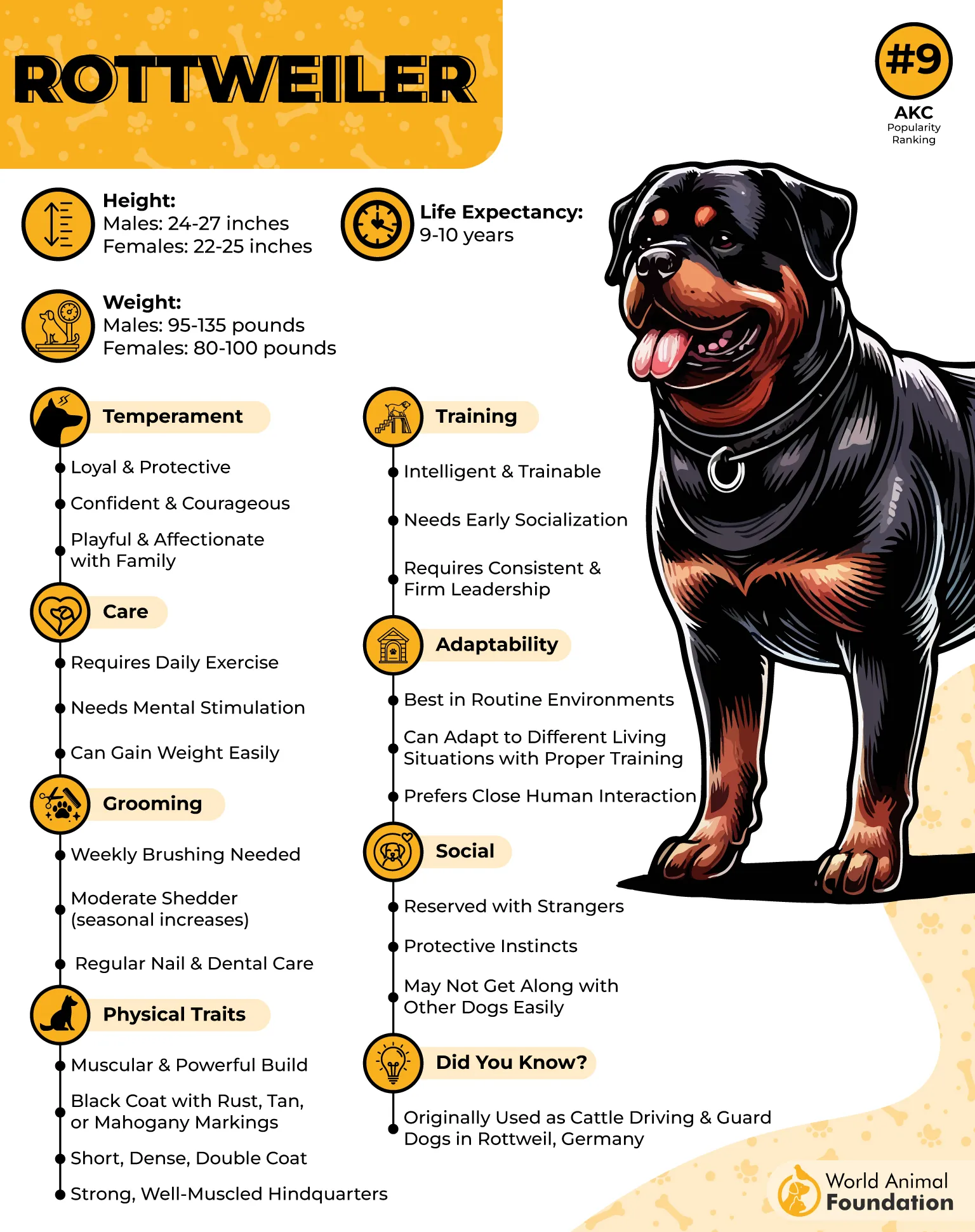
Because of this attachment, early socialization helps it stay balanced in busy urban environments where new sounds, visitors, and hallway activity are common.
In apartments, it can remain surprisingly composed indoors if its physical and mental needs are met through walks and structured activity.
One physical detail that stands out is its naturally broad head and extremely strong jaw structure, which reflects its history as a working protector.
In everyday living, a well-trained Rottweiler often settles quietly beside its owner but remains observant, responding quickly when it senses unfamiliar movement around the home.
4. American Staffordshire Terrier
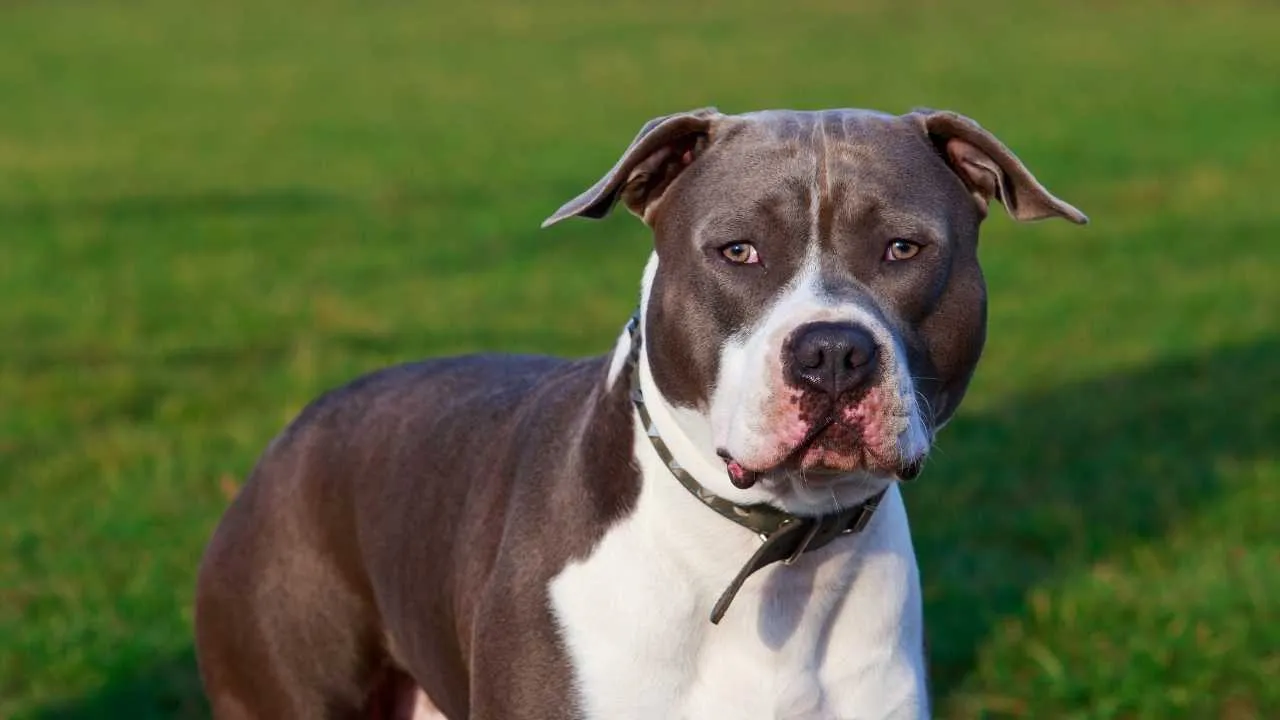
The American Staffordshire Terrier is a people-focused, sturdy companion that brings a rare mix of softness at home and natural watchfulness when something feels out of place.
In an apartment setting, it tends to stay calm indoors, often enjoying close contact with its family and responding well to structured routines that include daily walks and play sessions, as highlighted by PetMD.
Its strong attachment to familiar people makes early socialization important, especially in busy urban environments where elevators, strangers, and sudden noises are part of everyday life.
With proper guidance, it can become steady around visitors and adaptable to different situations, while still staying alert to unusual activity near its home.
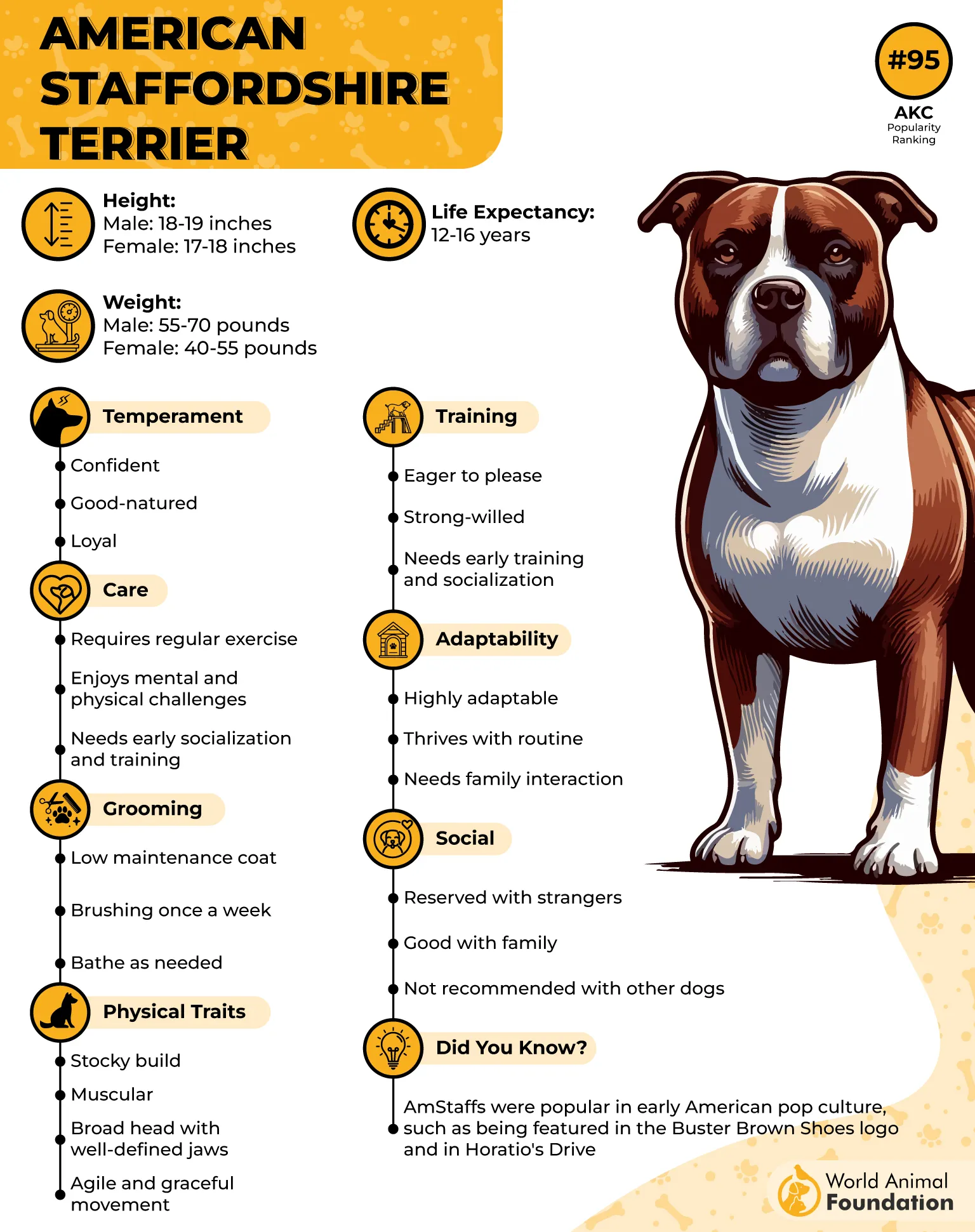
It may react vocally to unexpected sounds in shared buildings, but overall, it can remain manageable in close living spaces when exercised and mentally engaged.
One unusual physical detail is its noticeably wide, powerful chest, which reflects its athletic background and strength-driven build.
In daily apartment life, it is a good apartment dog breed that often balances relaxation with bursts of playful energy, then quickly settles back into a calm, observant state beside its owner, making it both affectionate and quietly protective within a compact living environment.
5. German Shepherd
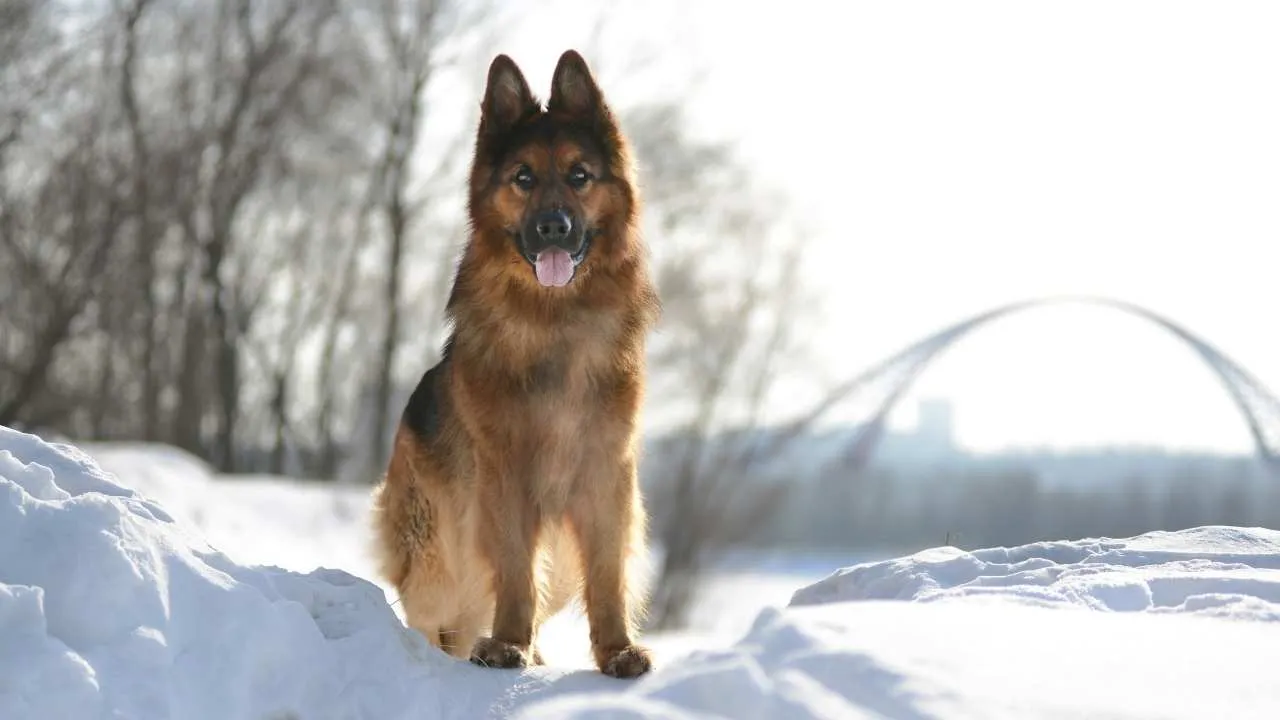
The German Shepherd is a highly intelligent working breed that combines loyalty, alertness, and adaptability, which is why it often performs well in structured apartment environments despite its large size.
Originally developed for herding and protection work, it has a natural tendency to stay closely attuned to its owner’s movements and routines.
In a home setting, it usually remains calm with family members but may become more cautious when unfamiliar people or unusual activity occurs nearby.
Because of its strong working background, this breed thrives when given regular exercise and mental challenges, such as training drills or problem-solving games.

Without proper activity, its energy can build up quickly, especially in smaller living spaces, so consistent outdoor walks and purposeful engagement are essential for balance in urban living.
It is widely used in demanding roles like search and rescue and law enforcement due to its focus and trainability. One notable physical detail is its naturally sloped back structure, which contributes to its efficient, ground-covering stride during movement.
In everyday apartment life, this apartment dweller often acts as a quiet observer indoors but shifts instantly into a focused, protective mindset when it detects anything unusual around its home environment.
6. Dachshund

The Dachshund is a small but surprisingly alert apartment guard dog breed that brings strong watchdog behavior in a compact body, as noted by Orvis.
Originally developed in Germany for hunting burrowing animals, this small dog breed still carries a sharp sense of smell and a strong instinct to investigate movement and scent trails, which often translates into quick reactions to sounds in hallways or near apartment doors.
In everyday living, it tends to stay close to its owner and becomes highly aware of visitors, frequently using its voice to signal anything unusual in its environment.
While well-suited to smaller homes due to its size, it does require early training to manage its tendency to bark and to prevent overreaction to passing noises such as footsteps outside the door or elevator sounds.
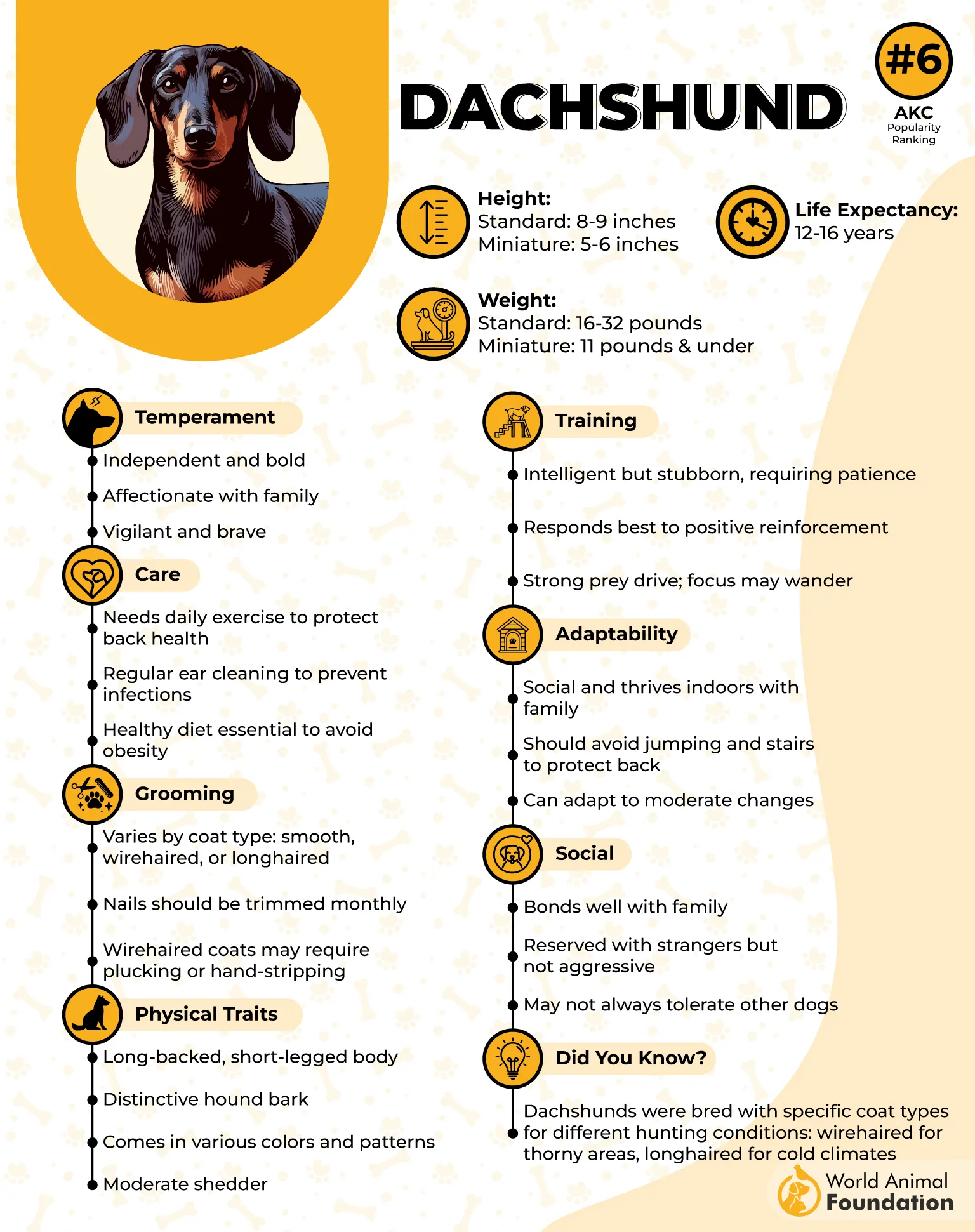
It also has a natural urge to dig and explore, so providing structured play and chew-based activities helps redirect that energy in indoor settings.
One unique physical detail is its long, low-to-the-ground body, which allows it to move easily through tight spaces and burrows.
In apartment life, it often acts as a persistent little sentinel, staying mentally engaged with its surroundings and quickly alerting its household to anything it considers out of place.
7. Miniature Schnauzer
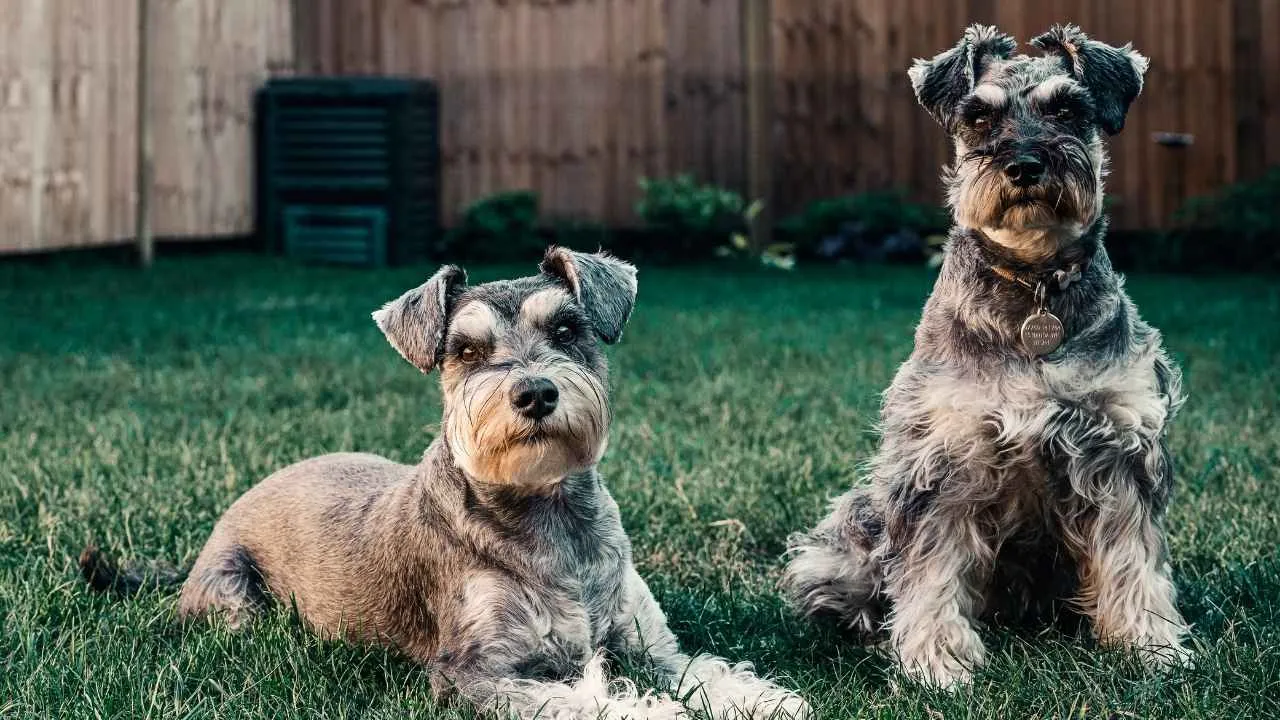
The Miniature Schnauzer is a compact, lively watchdog that fits naturally into apartment living while still offering a strong sense of alertness and protection.
Originally bred in Germany as a small farm ratter, it developed sharp hearing and a quick response to even faint sounds, which in modern homes translates into early warnings for footsteps in hallways, door knocks, or unfamiliar movement outside the apartment.
In daily routines, it stays closely attached to its family and prefers being involved in household activities rather than being left alone for long periods.
One of the good guard dog breeds, it is known for being vocal when something unusual occurs, but it typically settles quickly once it recognizes a situation is safe, making it manageable in shared living spaces when properly trained.
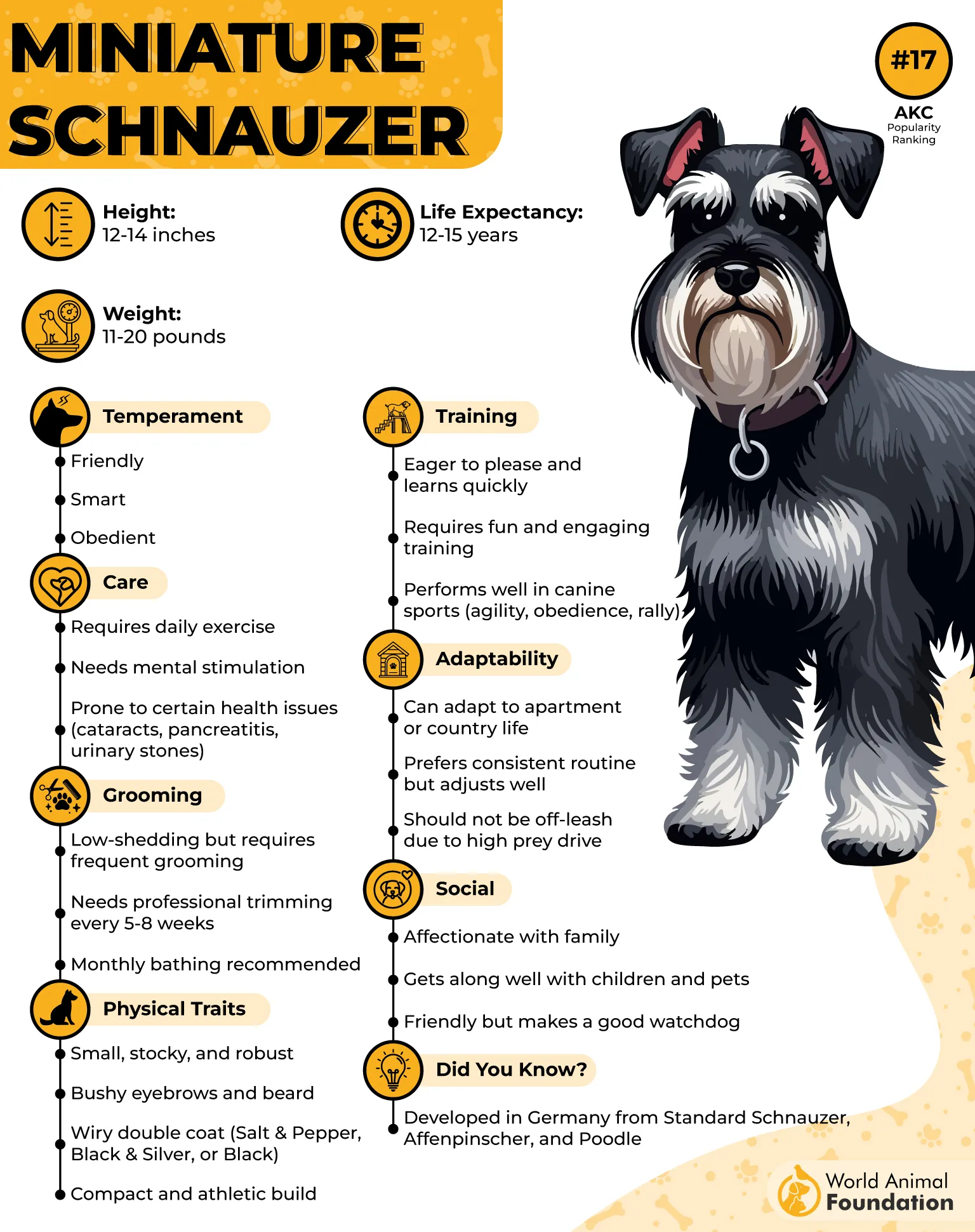
Physical and mental stimulation are important, as boredom can lead to restless behavior indoors.
One noticeable physical detail is its distinctive facial furnishings, especially the thick beard and bushy eyebrows, which give it a constantly alert expression.
In apartment life, it often behaves like a small, ever-watchful guardian, balancing playfulness with a steady habit of monitoring its surroundings and responding quickly to anything it considers out of place.
Conclusion
Choosing a protective companion for apartment living is all about balance—strength paired with adaptability, and alertness matched with calm behavior indoors.
The best choices are dogs that can stay composed in compact spaces while still responding quickly to unusual sounds or movements around the home.
With proper training, socialization, and regular physical and mental exercise, these dogs become reliable household guardians without overwhelming small living environments.
Their loyalty and awareness create a reassuring presence, turning everyday apartment life into a safer, more confident experience for owners who value both companionship and protection.
