




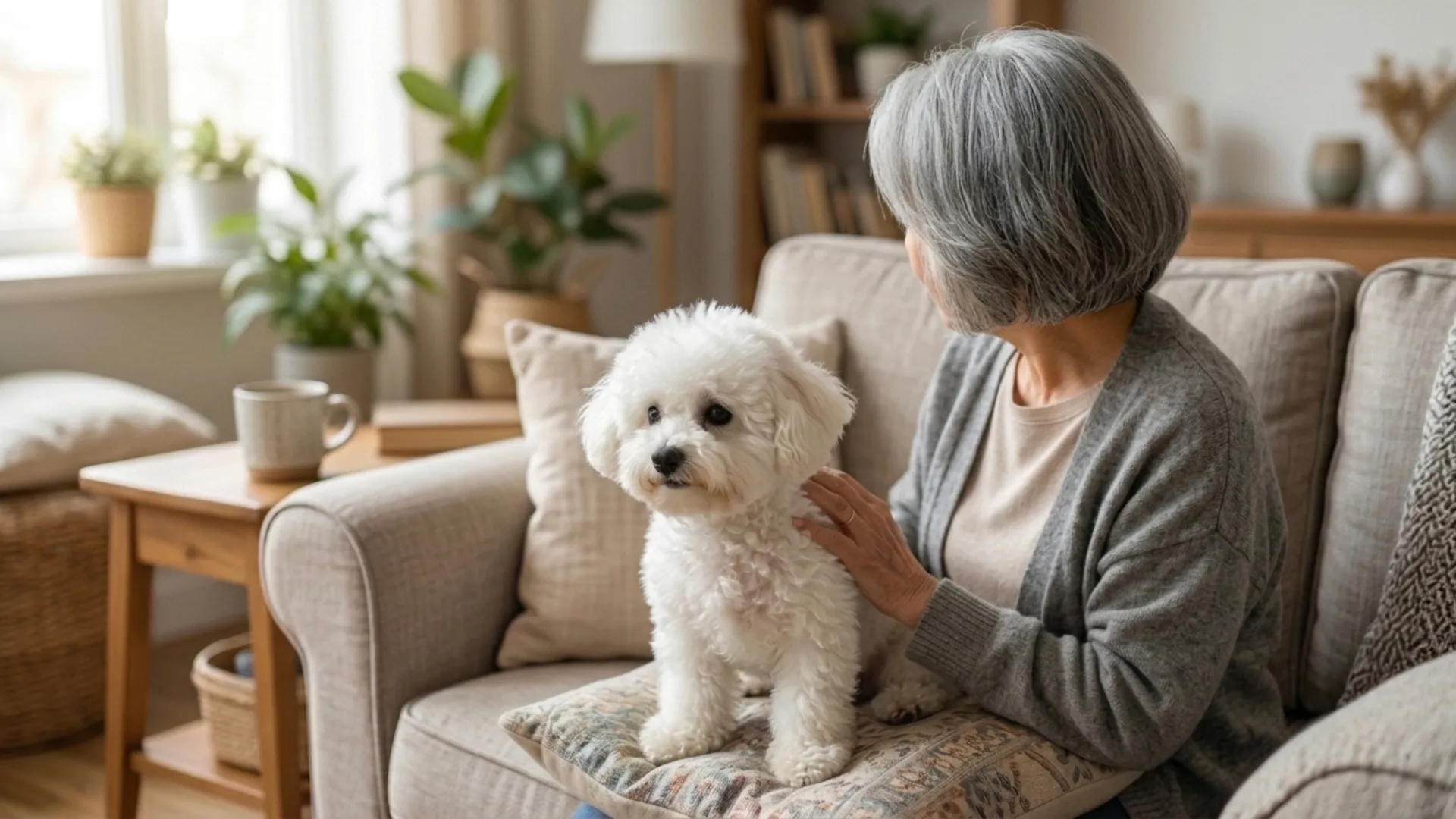
Could a little dog bring more joy to your golden years?
Retirement offers time to relax, explore hobbies, and enjoy life’s simple pleasures. A loving dog can make those moments even sweeter. Small dogs can bring comfort, laughter, and loyal company without needing a large home.
Many also enjoy short walks, gentle play, and quiet evenings by your side. However, every dog has different needs. Some need daily brushing, while others need more exercise or training. A few can be fragile, vocal, or full of energy. So, choosing the right breed matters.
Your lifestyle, health, and daily routine should guide your choice. This guide explores seven pocket-sized dog breeds that may suit seniors and retirees.
From cheerful playmates to cozy lap companions, each offers something special. You’ll also learn what to consider before bringing a new furry friend home. The right match can make retirement warmer, happier, and more rewarding.
Ideal Pocket-Sized Dog Breeds for Seniors And Retirees
Here we go, with a list of the best dog breeds for seniors.
1. Cavalier King Charles Spaniel
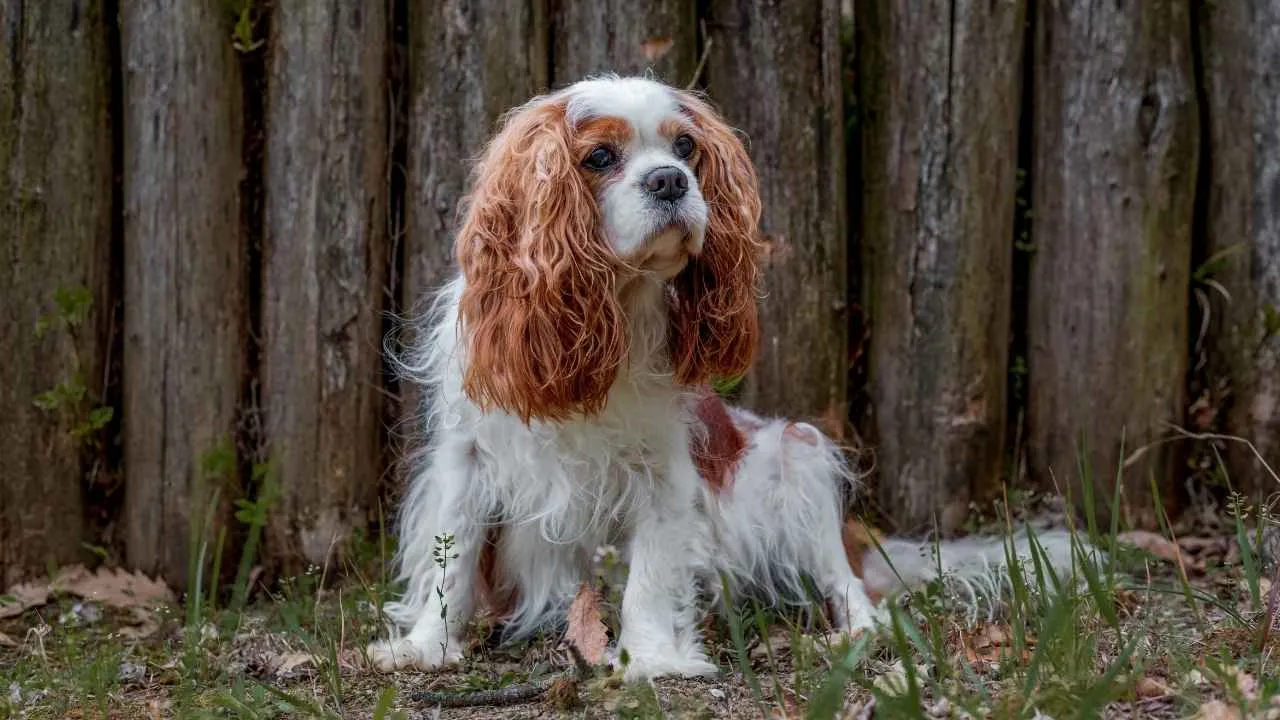
A Cavalier King Charles Spaniel can bring warmth to retirement. This small dog loves being close to its family. Its affectionate nature makes quiet evenings feel less lonely. Hill’s Pet describes the breed as playful, intelligent, and deeply devoted.
These happy dogs enjoy family time and usually welcome friendly company. They can also do well with children. Weighing around 13–18 pounds, Cavaliers are easy to lift when needed. Their energy level often suits older adults who enjoy daily walks without intense exercise.
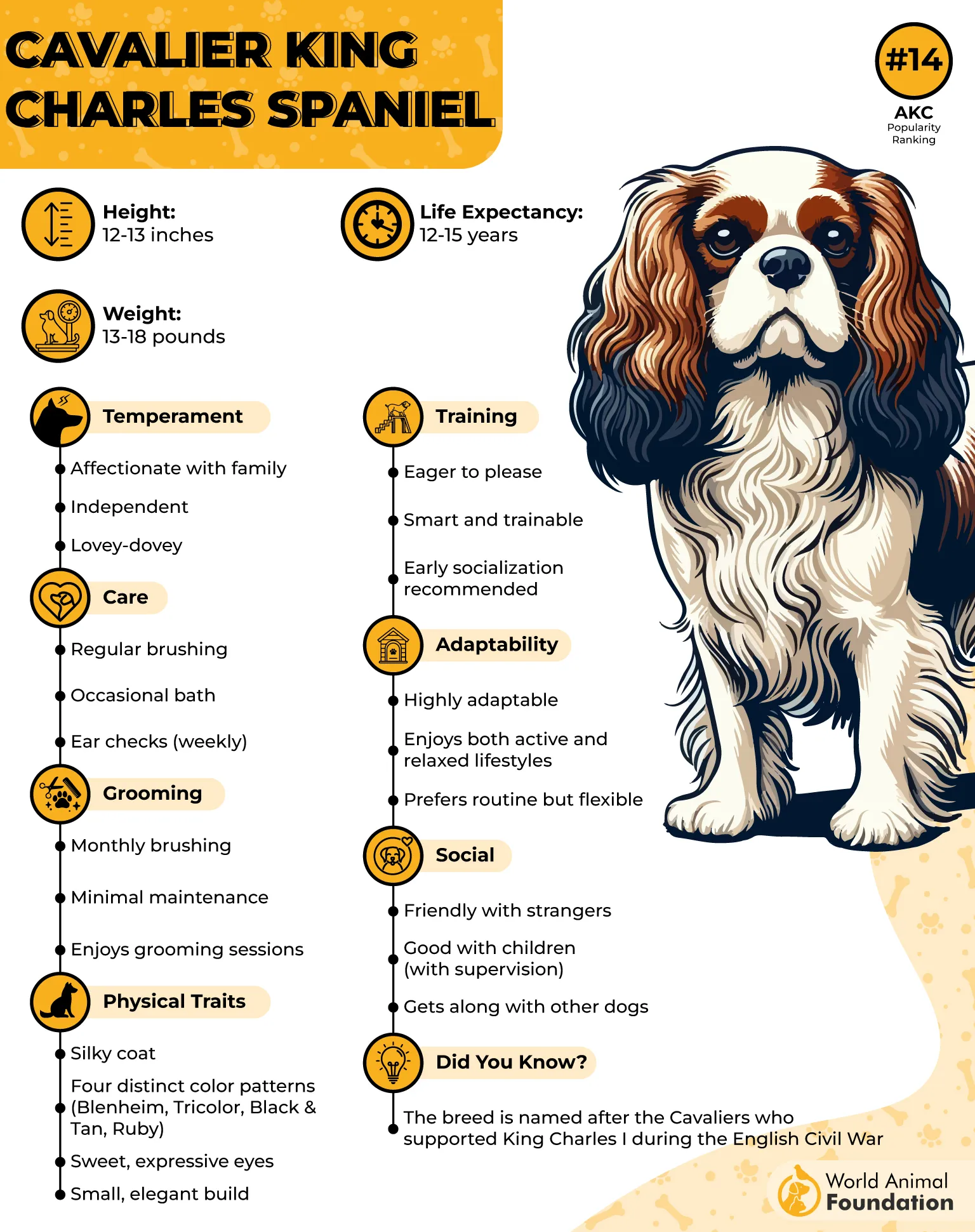
Still, they need care and attention to stay healthy. This breed may face certain heart and other health problems. Regular vet visits help owners spot concerns early. While no dog is truly low maintenance, Cavaliers can suit many homes, including some senior living communities that allow pets.
Caring for Your Cavalier
Use regular brushing to keep its coat neat and free of tangles.
Check and clean its ears as your vet advises.
Ask breeders about heart health and family health history.
Plan gentle play to keep your dog active and engaged.
Compare its needs with other breeds before choosing your best dog breed.
2. Bichon Frise
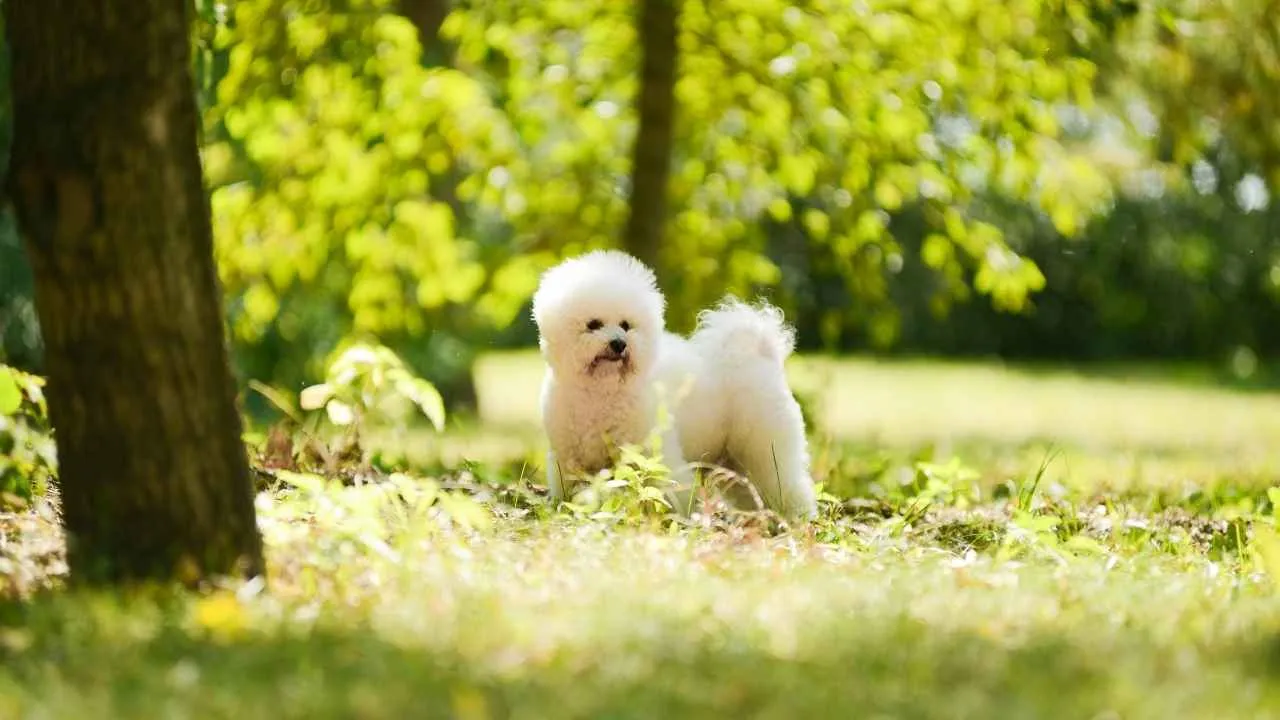
The Bichon Frise brings joy wherever it goes. This white dog breed has a silky coat and a bright, friendly face. Weighing around 7–12 pounds, this small breed fits well in small living spaces. Its naturally gentle nature helps it get along with children and other pets.
PDSA describes Bichons as loving dogs that enjoy family life. They can suit older adults who enjoy meeting other dog lovers. Short outings and indoor games meet their need for moderate exercise. Their playful spirit adds fun to quiet days.
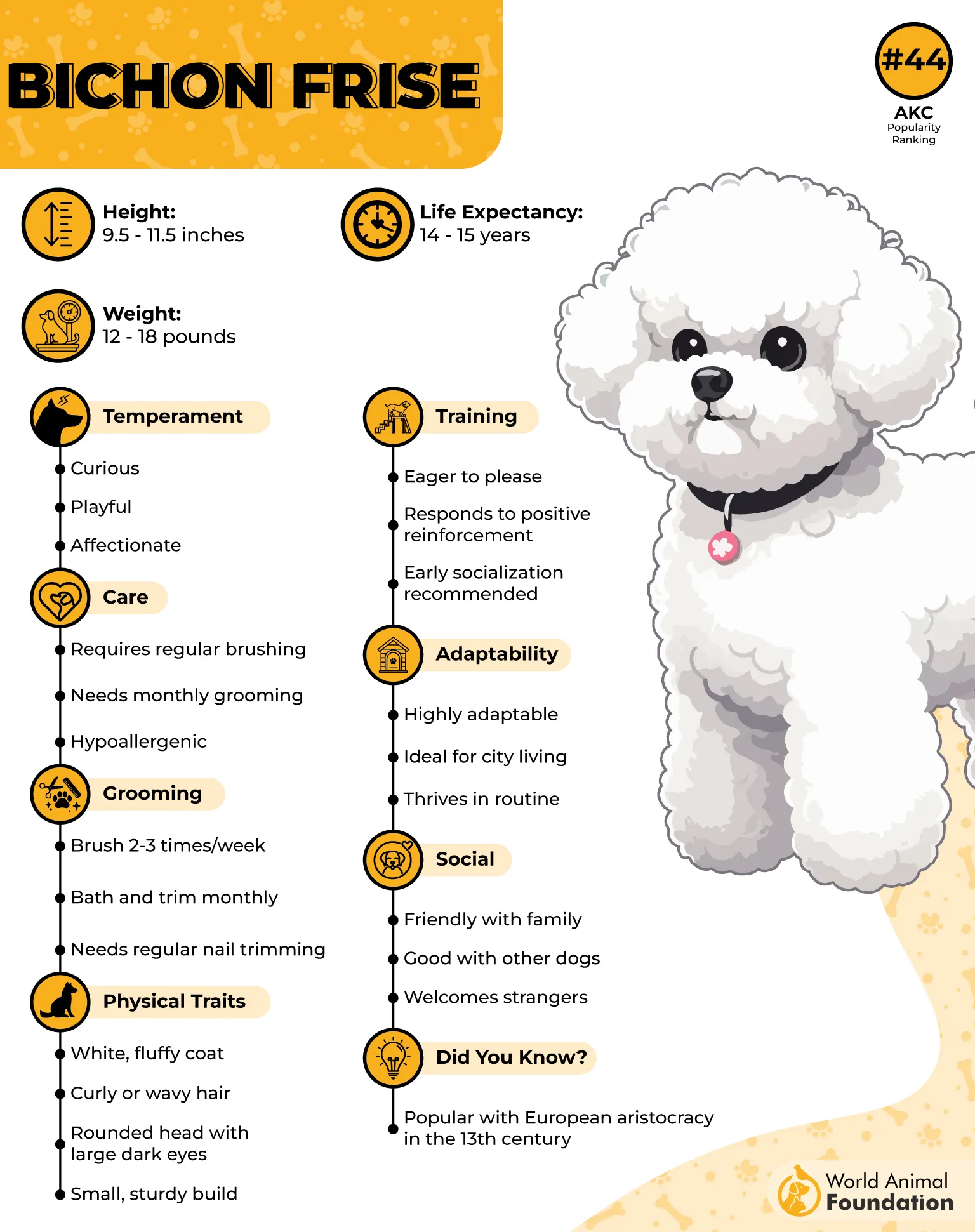
With proper care, these dogs often live for 14–15 years. Their social nature makes them a lovely dog for seniors seeking a cheerful companion. The breed also has a hypoallergenic coat, which may suit some people with allergies, though no dog is truly allergy-free.
Keeping Your Bichon Happy and Healthy
Brush its coat often to prevent knots and mats.
Book professional trims every couple of months.
Check for tear stains and gently clean around the eyes.
Introduce other dogs slowly to build friendly habits.
Plan grooming costs ahead, as this breed’s coat needs steady care.
3. Shih Tzu
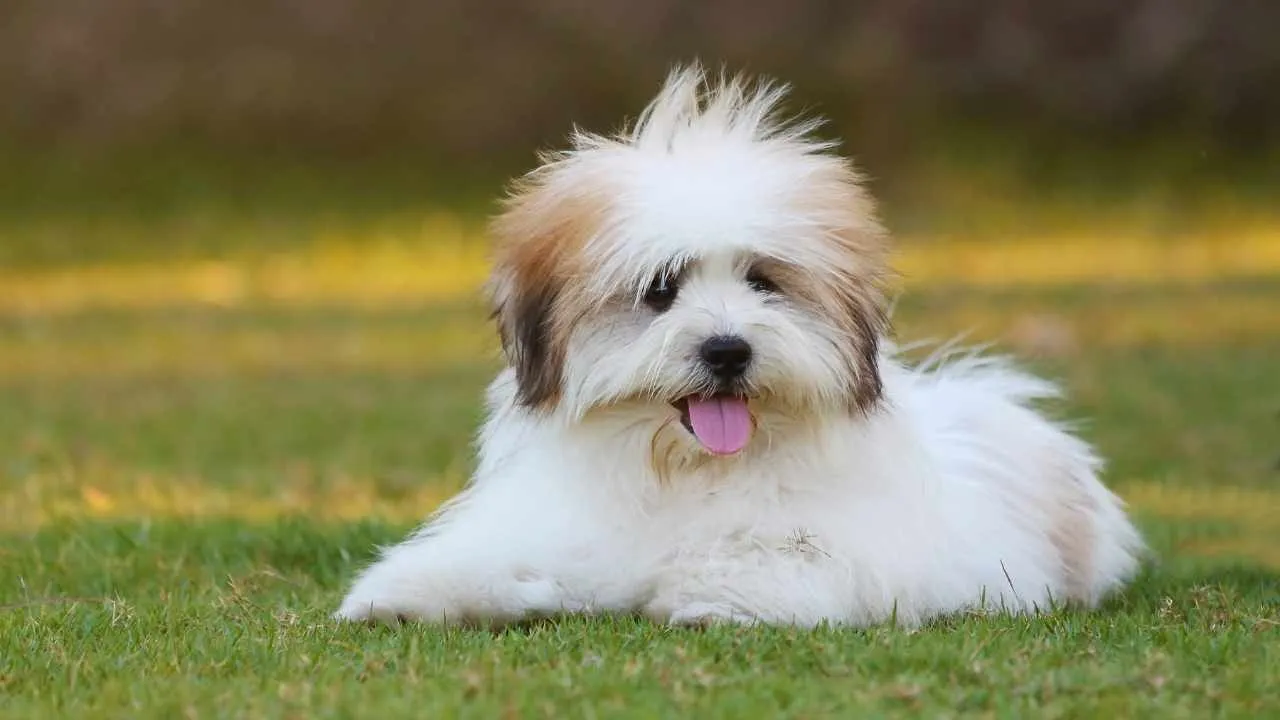
The Shih Tzu can make a lovely friend for a peaceful home. Weighing around 9–16 pounds, this sturdy toy breed suits apartment living. Purina describes the Shih Tzu as a happy, outgoing dog with a friendly nature. Once a pampered lap dog for Chinese royalty, it later became a beloved family pet.
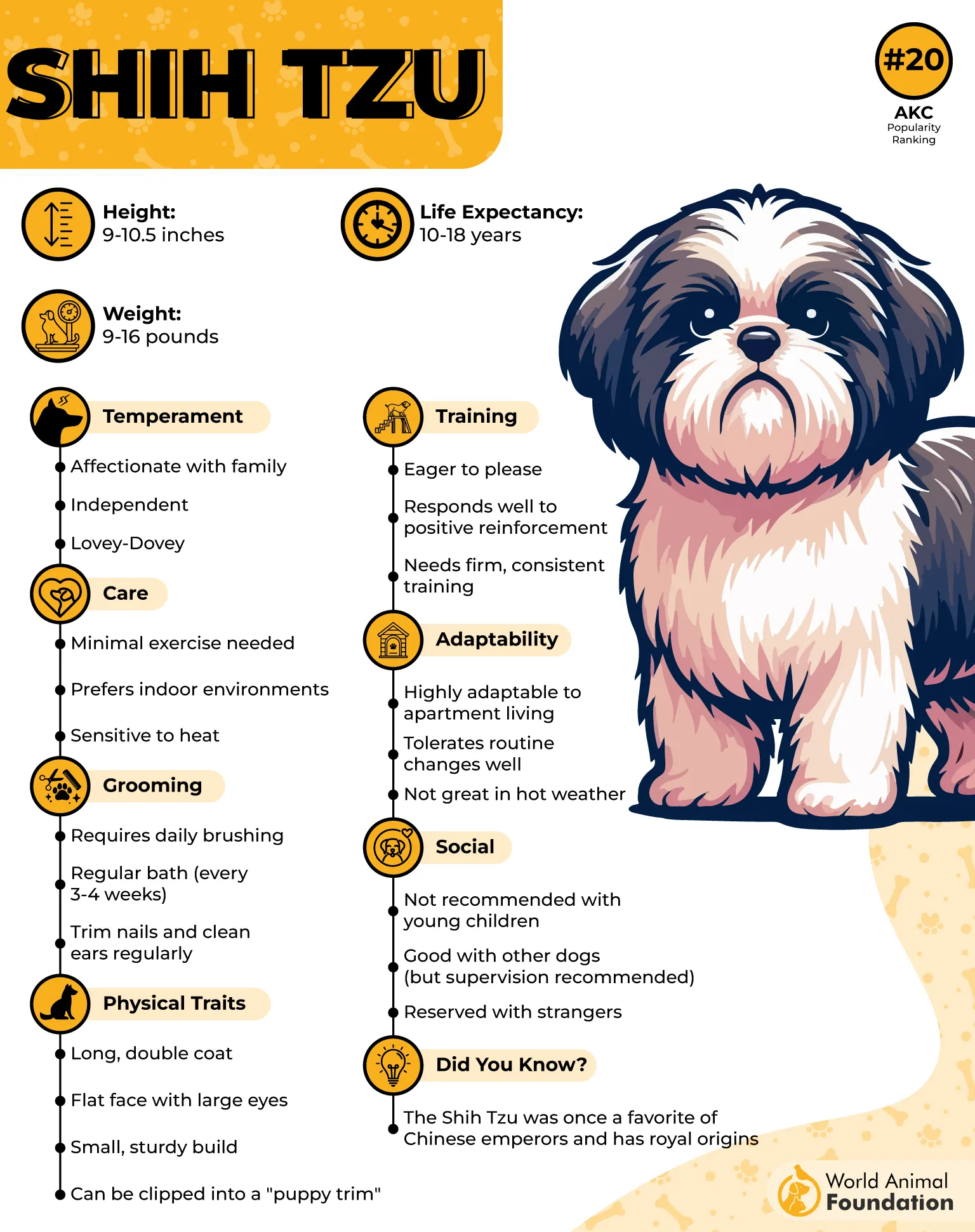
Today, this affectionate companion enjoys cuddles and time with its people. Its small size and modest exercise needs can suit many older adults. While dogs require moderate exercise for good health, Shih Tzus often enjoy short walks and indoor play.

They can also learn simple commands with kind, steady training. Although some people seek a hypoallergenic dog breed, no dog is fully allergy-free. The Shih Tzu’s long coat also needs regular grooming to stay clean and neat.
Keeping That Long Coat Tangle-Free
Brush the coat daily to stop knots from forming.
Arrange professional grooming when the coat becomes hard to manage.
Clean around the eyes gently to remove dirt and tear stains.
Check the ears and paws during routine care.
Consider a shorter trim if coat care becomes too demanding for you or an older dog in your home.
4. Maltese
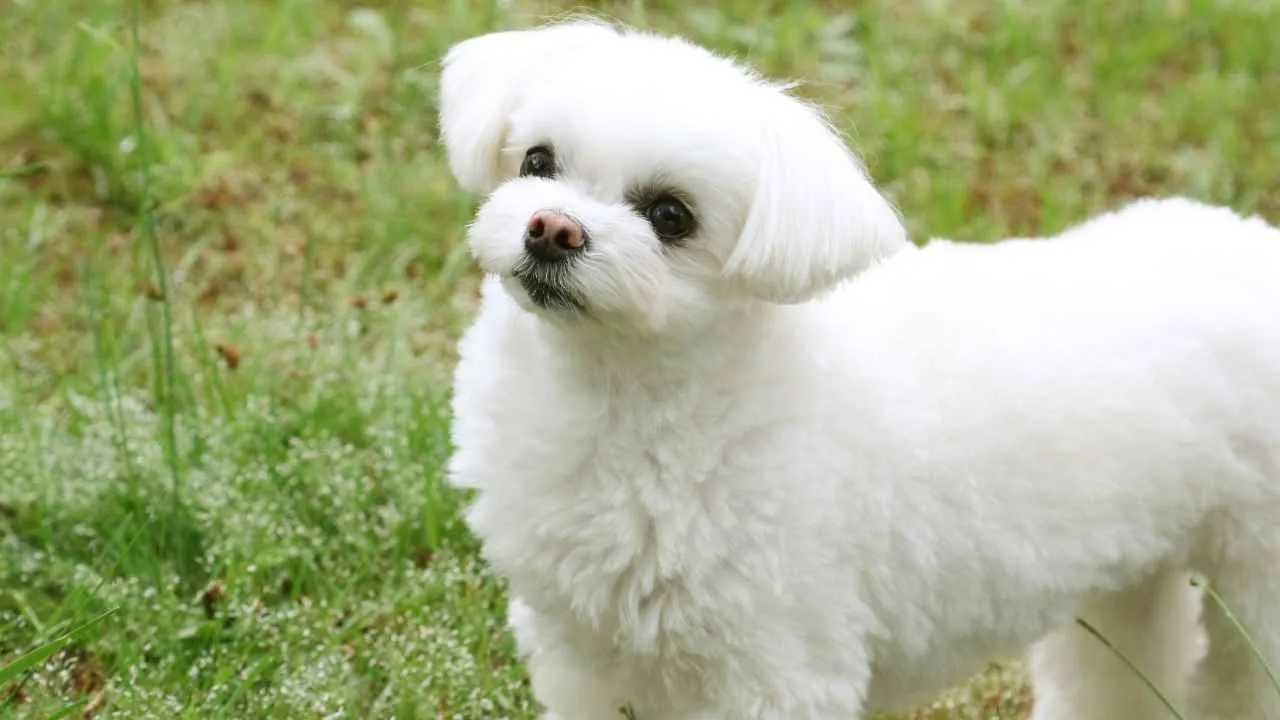
The Maltese have shared their life with people for centuries. Britannica traces this toy dog’s roots to Malta, where it may have originated over 2,500 years ago. It is one of the oldest dog breeds, once prized by wealthy and noble families.
Though delicate in appearance, this little dog is often lively, healthy, and affectionate. Its long, silky, pure-white coat gives it a graceful look. This small dog forms close bonds with its owner and loves company.
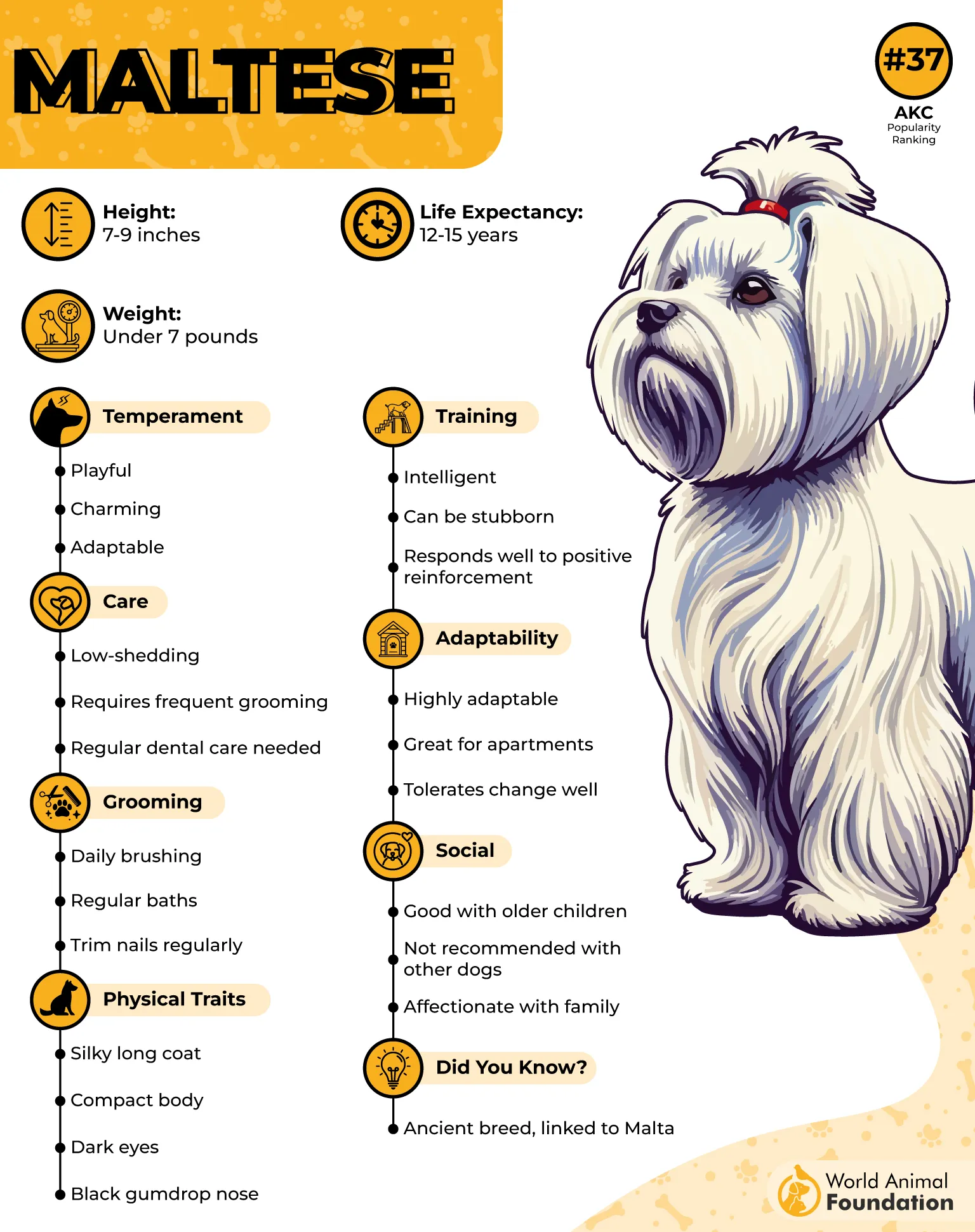
It may suit retirees who spend much of their day at home. A steady routine helps it feel safe and settled. Short play sessions can also bring fun to quiet afternoons. Its loving nature makes it a wonderful choice for seniors seeking a devoted friend.
Everyday Care for a Maltese
Handle this little dog gently to protect its delicate body.
Keep its white coat clean to prevent stains and buildup.
Set regular times for meals, walks, and rest.
Do not assume it has minimal grooming needs; its long coat takes work.
Consider a shorter trim for easier upkeep, though no dog is surprisingly low maintenance.
5. Pekingese
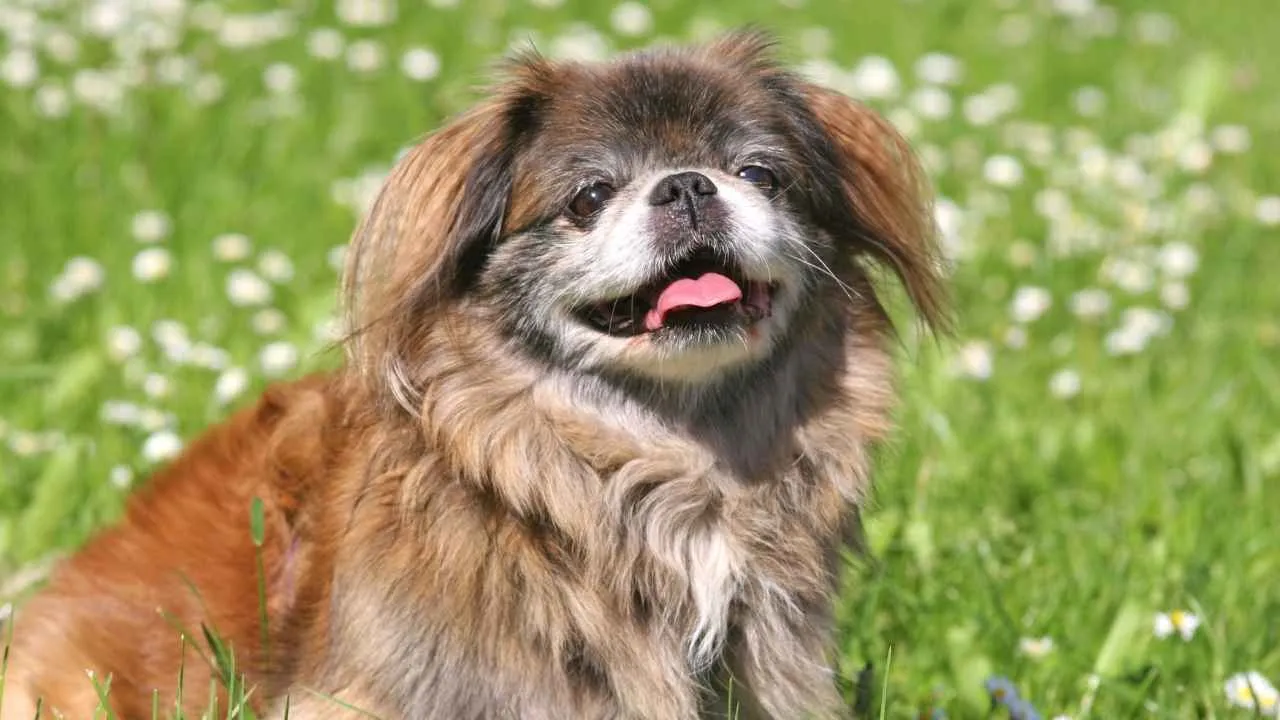
The Pekingese carries itself with quiet pride and confidence. PetMD describes most Pekingese dogs as affectionate, outgoing, and loyal to their favorite people. They form close bonds with familiar faces and enjoy a peaceful home.
This breed may suit older adults who prefer quiet days over an active lifestyle. For someone seeking the best small dog breed for relaxed companionship, the Pekingese may be worth considering. However, this dog has an independent streak.
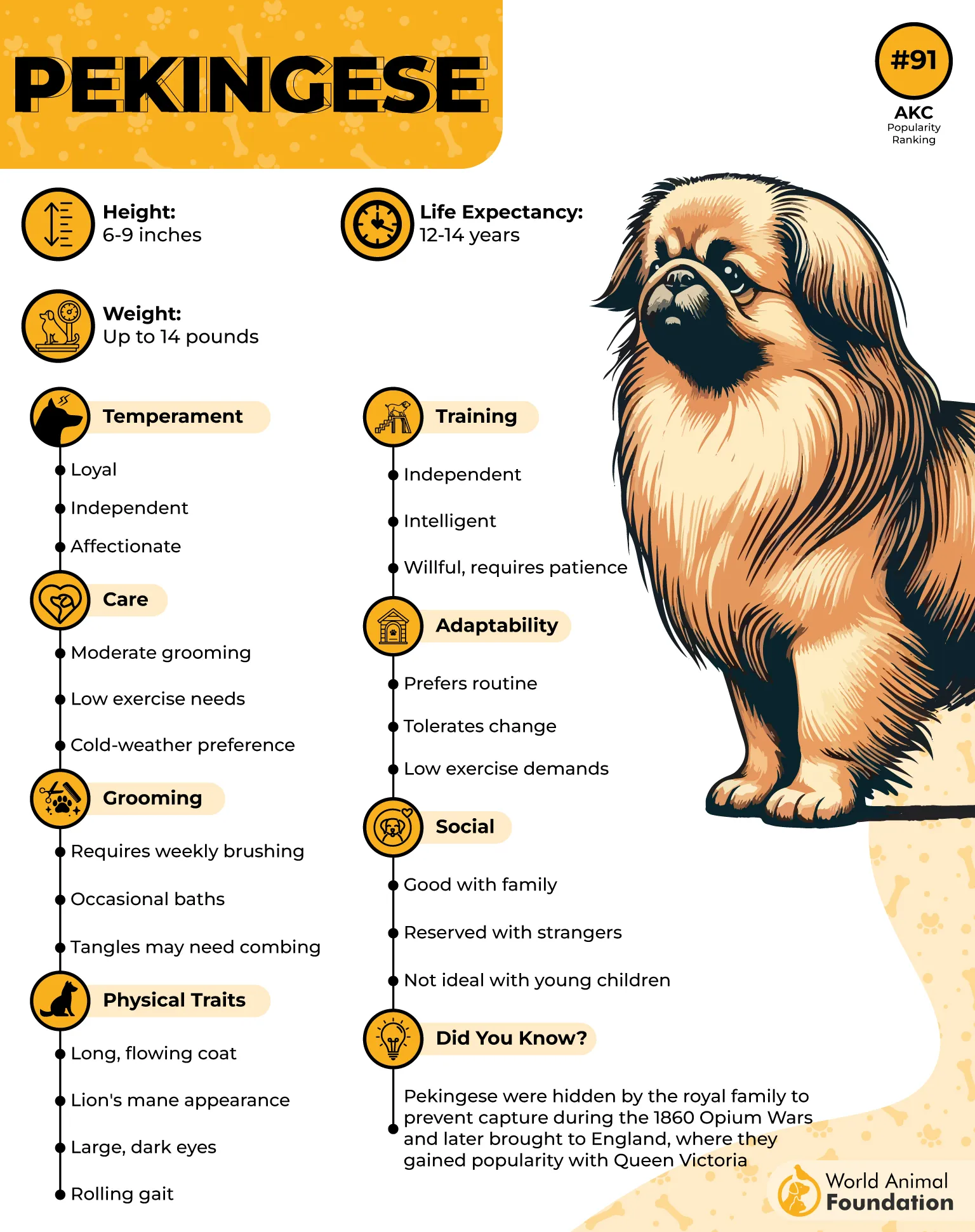
Patient training and early social contact help build good habits. Although Pekingese does not need intense exercise, it still benefits from regular walks. Its short muzzle can cause breathing trouble, especially in hot weather. Ask your vet how to keep your dog safe during warm days.
Helping Your Pekingese Thrive
Brush its thick coat often, as frequent grooming helps prevent tangles.
Keep walks short and gentle when the weather is warm.
Use simple games to provide mental stimulation.
Start house training early with patience and praise.
If you have a senior dog, check whether your housing allows pets and suits this breed.
6. Pug
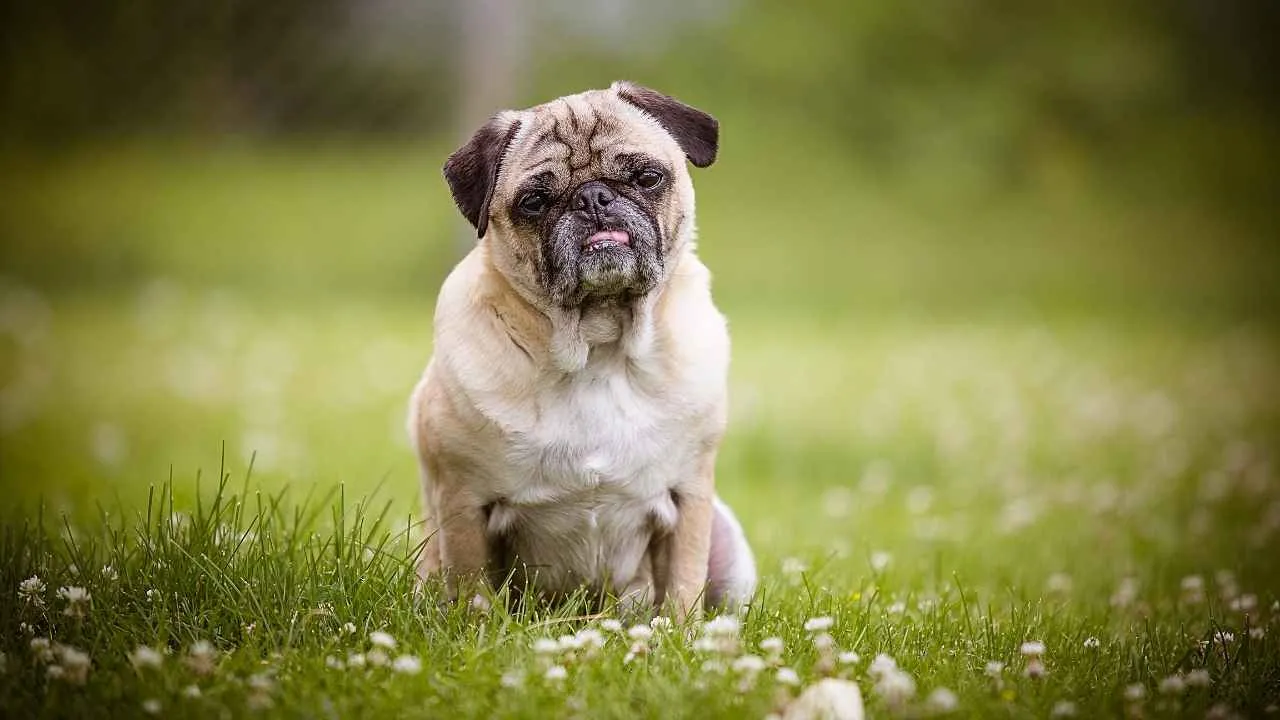
A Pug can bring laughter to quiet days with its silly expressions and playful antics. Wikipedia describes Pugs as sociable, gentle companion dogs that enjoy being around people. Their affectionate nature may make them a comforting friend for senior owners seeking company.
This adaptable dog breed can suit smaller homes and some senior living communities that welcome pets. Despite its compact size, a Pug has a big personality and may act like a big dog when seeking attention.
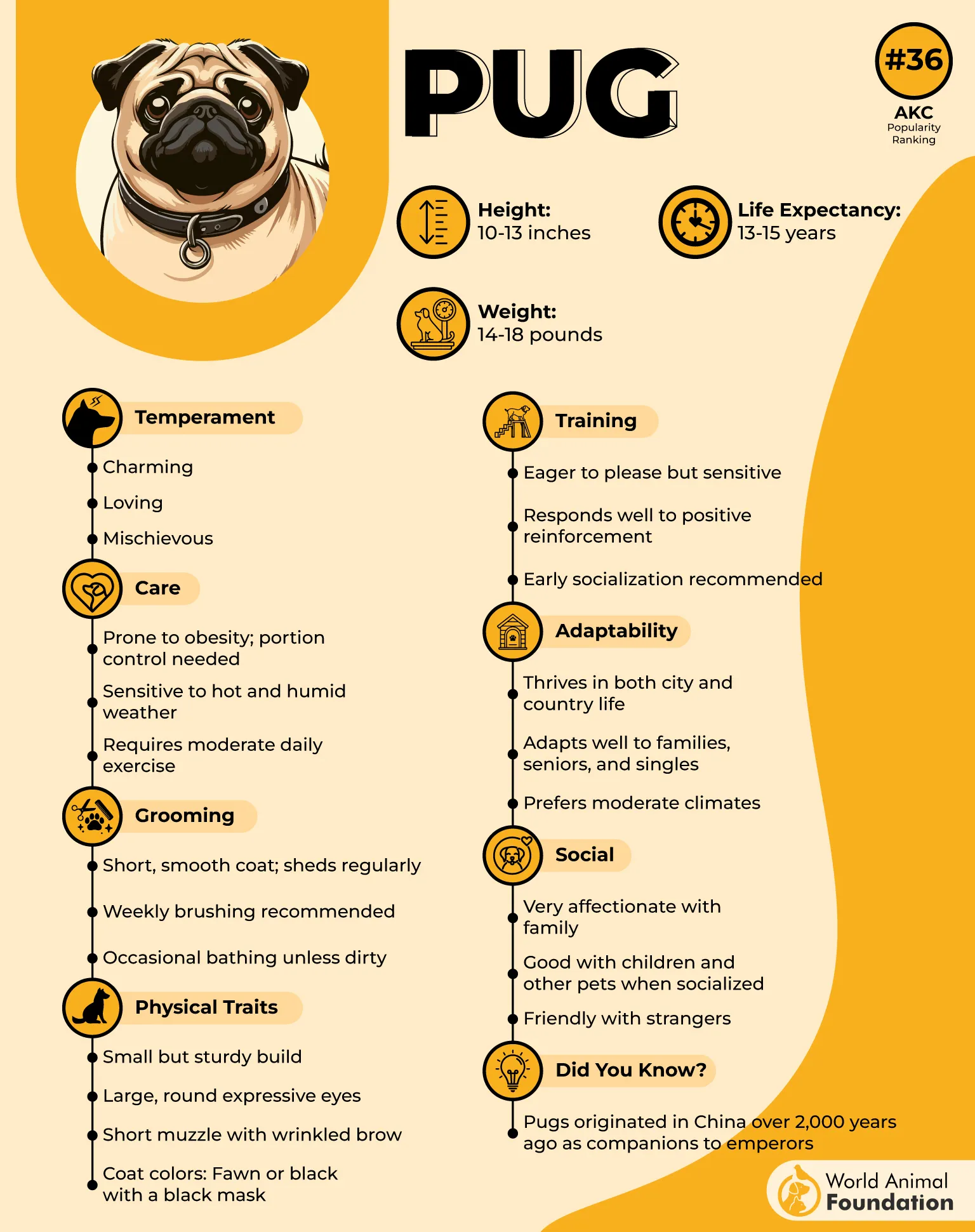
However, this brachycephalic dog breed has a short muzzle that can cause breathing difficulties. Owners should avoid strenuous activity, especially in hot weather. Daily walks and gentle indoor games usually provide enough movement, as Pugs often have a low energy level.
Keeping Your Pug Healthy and Comfortable
Maintain a healthy weight to reduce strain on breathing and joints.
Schedule regular veterinary check-ups to monitor health concerns.
Use daily grooming to clean facial folds and keep the coat tidy.
Watch for excessive barking and encourage calm behavior with positive training.
Focus on a steady routine rather than minimal exercise alone; the ideal dog care plan balances gentle activity, rest, and good health.
7. Havanese
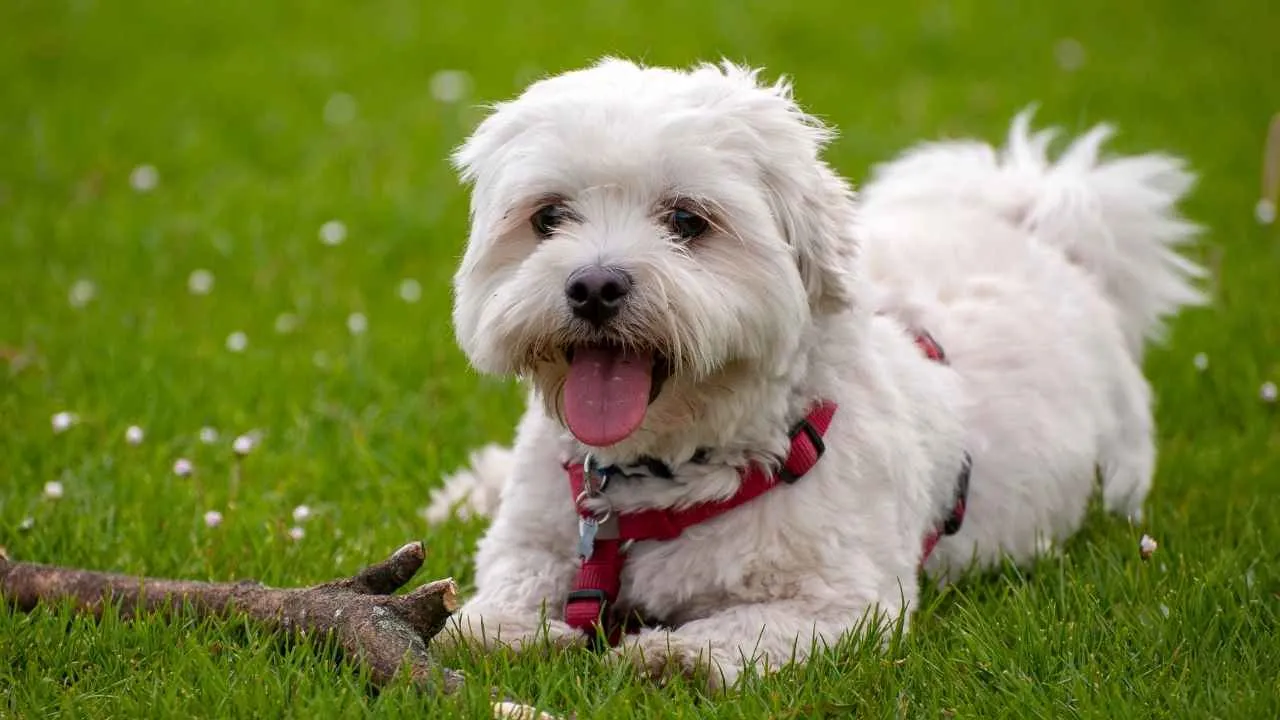
The Havanese is a cheerful, people-focused small dog breed native to Cuba. The American Kennel Club describes these sociable companions as lively, friendly, and eager to please. Their intelligence makes them quick learners, especially when lessons include treats and fun games.
This great breed enjoys daily walks, indoor play, and visits from friendly guests. Its high energy level means it needs regular activity, even if outings remain gentle. Gradual socialization can help build confidence around unfamiliar people and places.
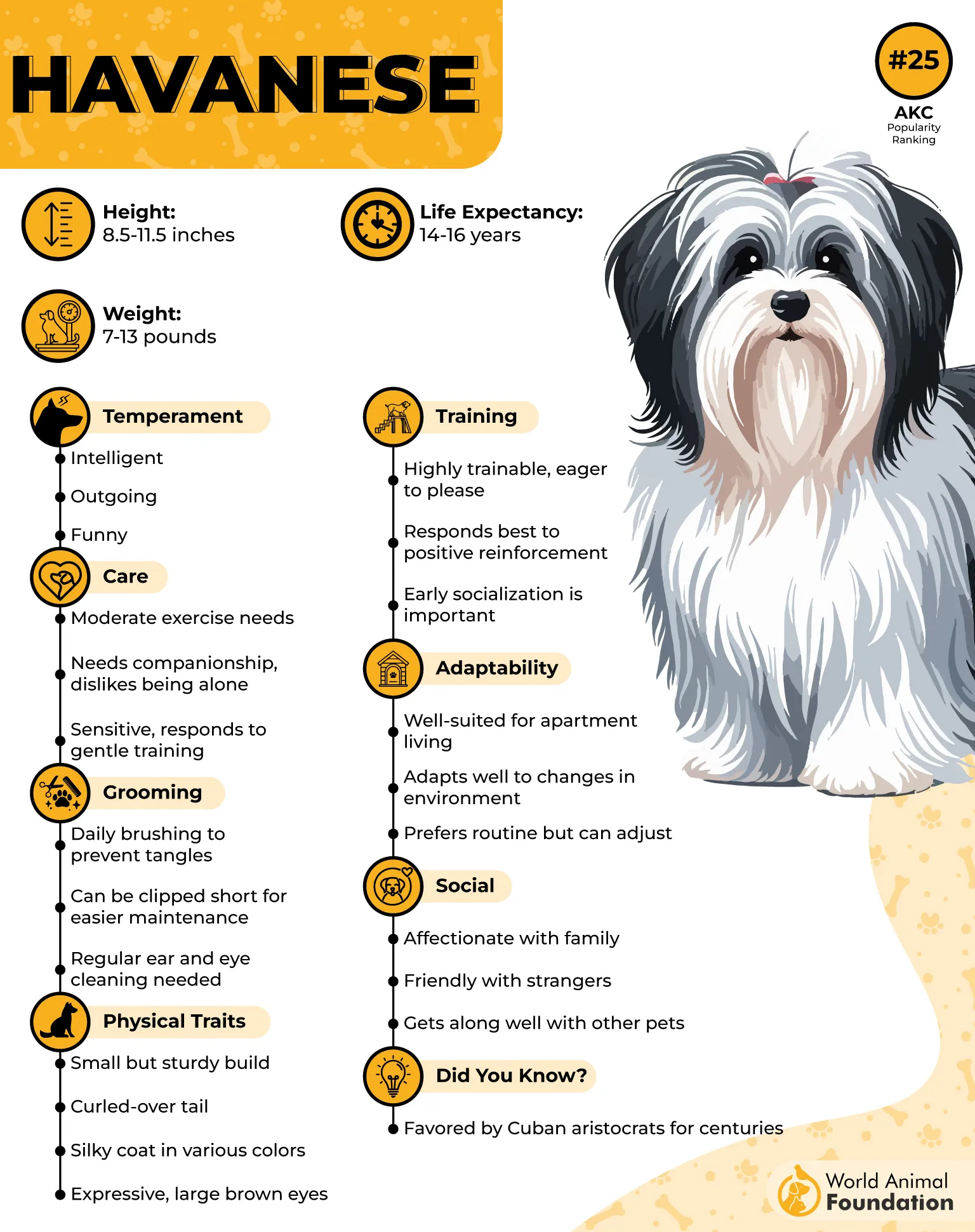
Havanese dogs often suit active seniors who enjoy staying engaged with their pets. Unlike a large dog, their compact, sturdy bodies fit comfortably into many smaller homes.
Their silky coats come in various colors and need consistent care. A shorter trim can make grooming easier. For retirees seeking the best dog for their routine, an adult Havanese may offer a more established temperament.
Keeping Your Havanese Happy and Engaged
Use short training games to develop skills.
Introduce visitors gradually so your dog learns to greet people calmly.
Brush the coat regularly to prevent tangles and keep it comfortable.
Choose gentle activities that match your dog’s age, fitness, and interests.
Consider adopting an adult dog if you prefer a more predictable routine.
Conclusion
Small dogs can bring friendship, comfort, and daily joy to retirement. However, dog ownership requires thoughtful planning. Many breeds have different needs, so consider each breed characteristic before choosing your new friend.
Exercise, grooming, health issues, and veterinary costs should all guide your decision. Think about your home, budget, and daily schedule to find the right dog for your lifestyle. Remember, most dogs need patience, gentle guidance, and consistent training, regardless of size.
Consider adopting an adult or senior dog through a reputable rescue organization. Older dogs may have established habits and temperaments, helping you assess compatibility before adoption.
If you choose a puppy, research responsible breeders who prioritize health and responsible care. Regular vet visits also help protect your pet’s well-being. Ultimately, the best canine companion is not simply the smallest or cutest. It is the dog whose needs, personality, and routine fit your life.
