





Life with kids is rarely quiet, which is why many families look for a small dog that can comfortably fit into busy homes without adding stress to the daily routine.
Pocket-sized breeds often work well in apartments, shared living spaces, and homes where small children want a playful companion they can safely interact with under supervision. Some of these dogs enjoy curling up beside kids during movie nights, while others happily follow them around the house or join short outdoor walks after school.
Many of these dogs are known for being affectionate, social, and adaptable to active families where daily routines can change quickly. Families also appreciate smaller dog breeds because they are easier to travel with during vacations or weekend visits to relatives.
However, parents still need to teach kids how to handle small dogs carefully, especially during playtime. With the right match, these compact companions can become comforting, entertaining, and deeply loved members of everyday family life.
Ideal Pocket Dog Breeds for Families With Kids
1. Bichon Frise
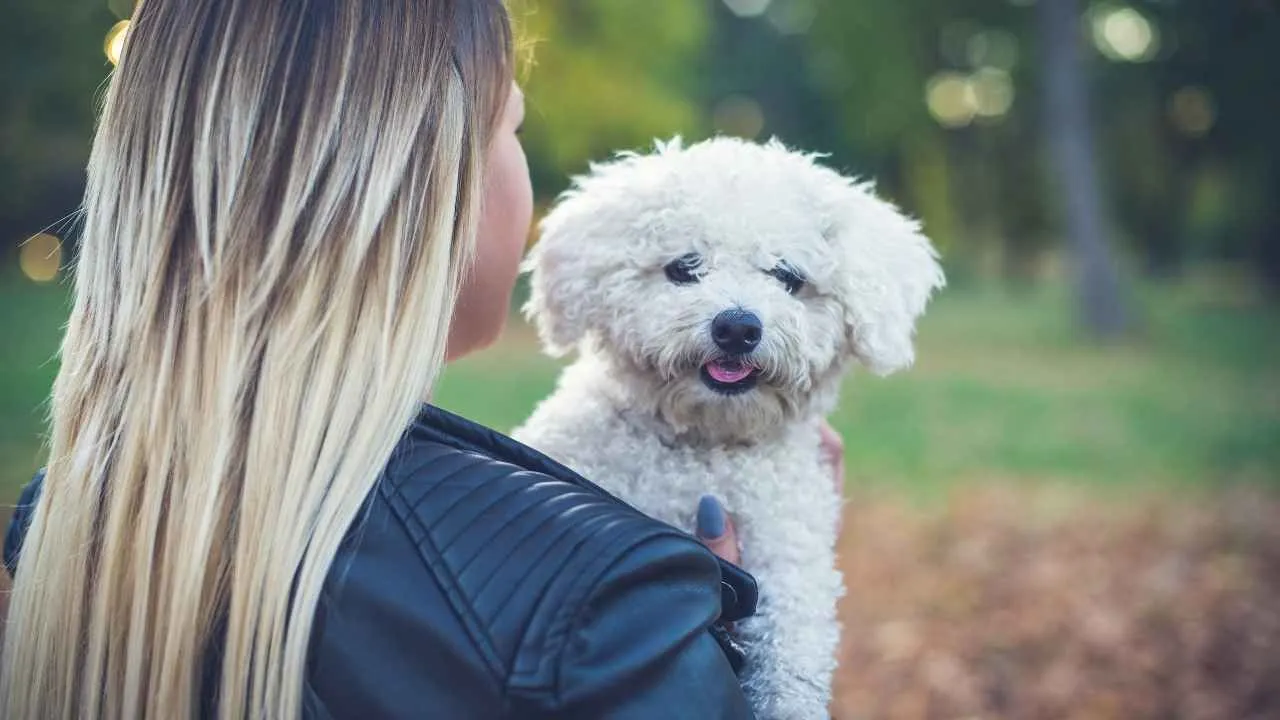
The Bichon Frise is a cheerful little companion that easily settles into family life, especially in homes with children.
Known for its playful and affectionate nature, this breed enjoys being involved in everyday activities, whether that means following kids from room to room, sitting beside them during homework time, or joining short family outings.
Their friendly personality also makes them comfortable around guests and other pets, which is helpful in busy households where visitors are common.
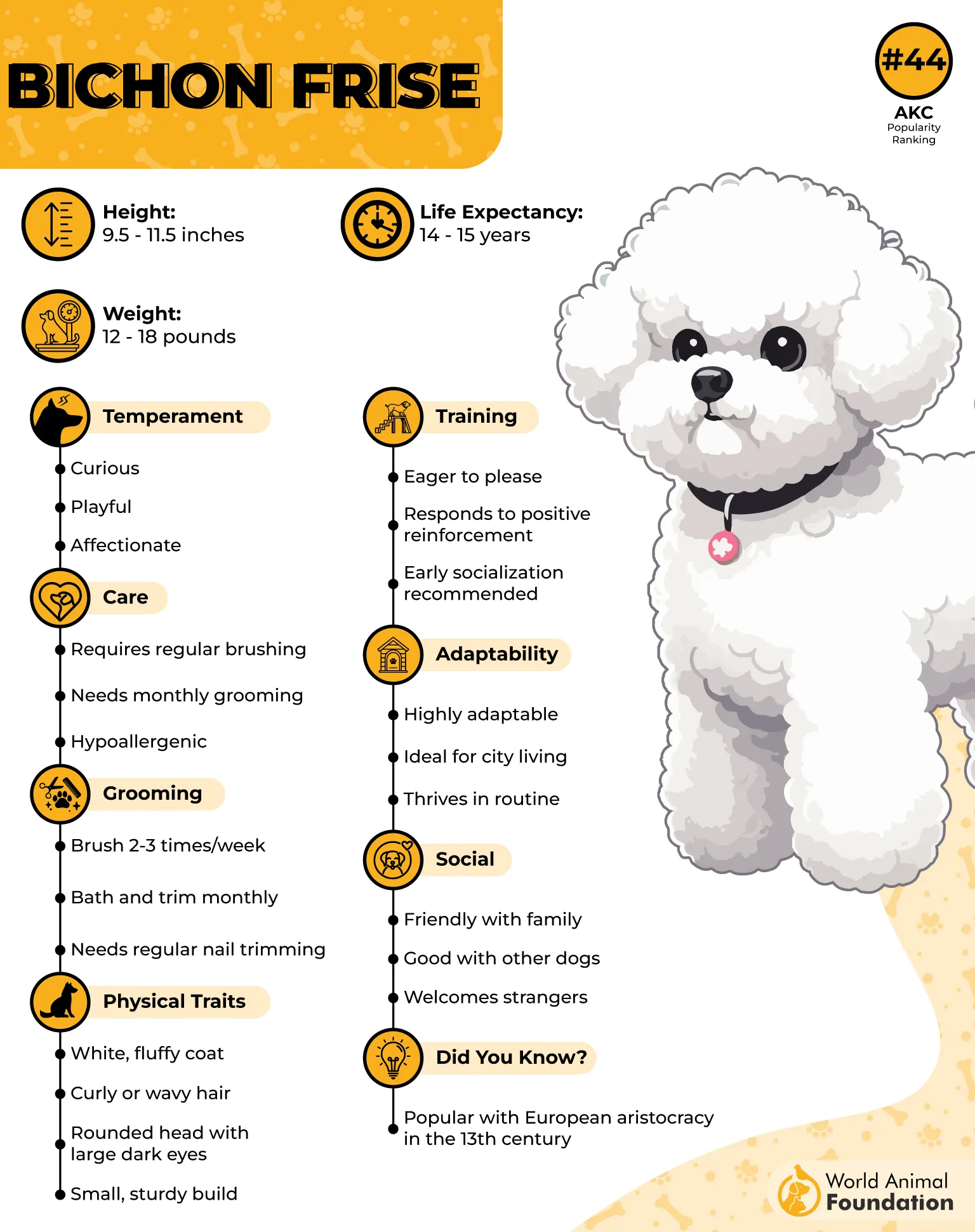
Many families living in apartments or smaller homes appreciate how adaptable these dogs can be. They stay active with indoor games, short walks, and regular interaction, making them a practical choice for parents balancing work, school schedules, and home routines.
They are also known for shedding less than many other breeds, which can make daily cleaning easier for some households.
However, their soft coat needs consistent care. Daily brushing and regular grooming appointments are important to prevent tangles and keep them comfortable.
With attention, training, and social time from an early age, they grow into loving great companions for children and adults alike.
2. Pug

The Pug is a small breed companion with a big personality, making it a popular choice for families with children, as mentioned by Purina.
Known for their playful and even-tempered behavior, these dogs enjoy being close to people and often become part of daily family routines very quickly.
They are the kind of dogs that happily follow kids around the house, curl up beside them during movie nights, and greet visitors with curiosity instead of hesitation.
Families often appreciate how adaptable Pugs can be. These toy breeds fit comfortably into apartment living, suburban homes, or larger households with multiple pets.
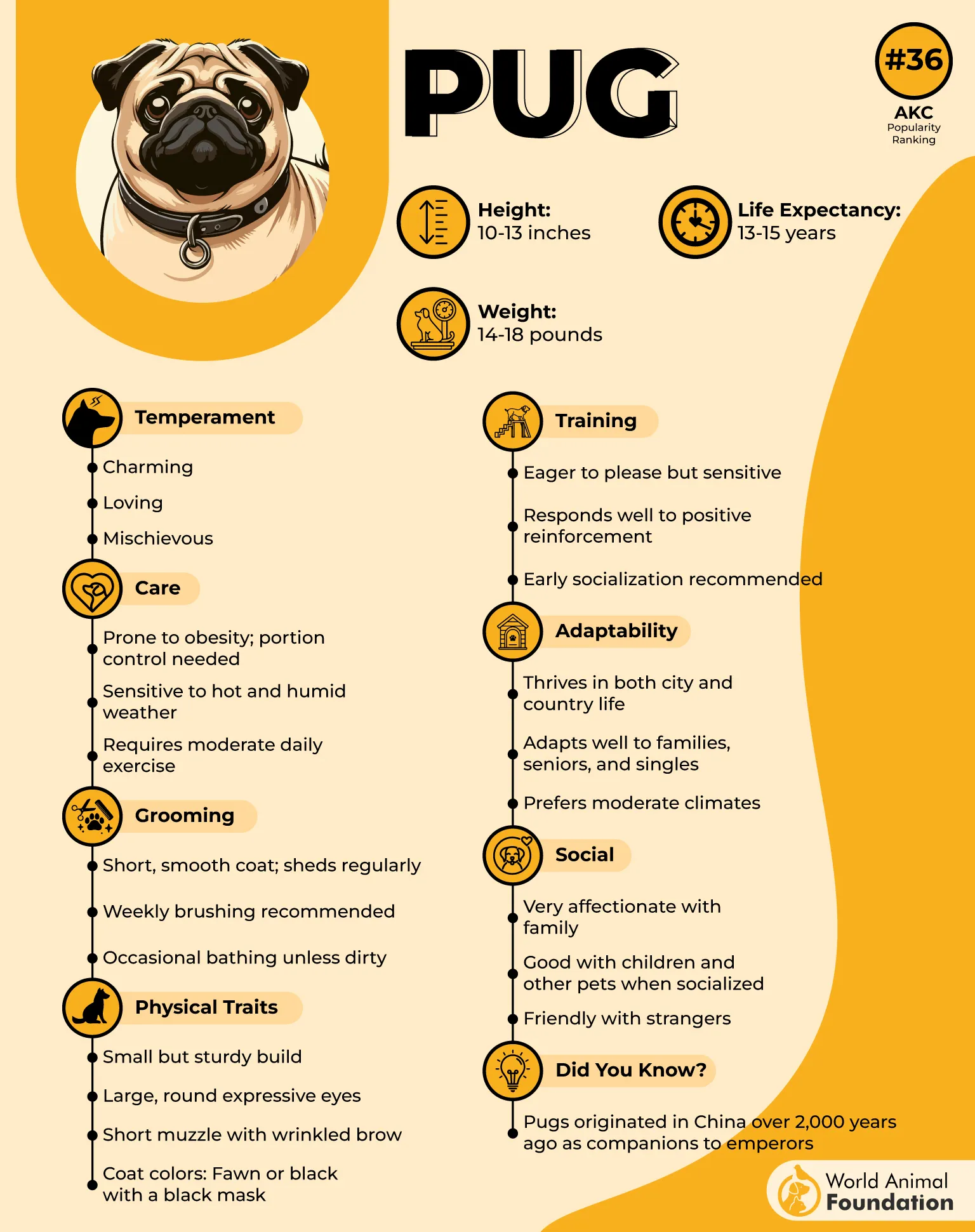
Their sturdy build also makes them a practical option for homes with younger children who are still learning how to interact gently with dogs.
Pugs need short walks, indoor games, and attention from family members for physical and mental stimulation, though they are equally content relaxing on the sofa after playtime.
Because they love food and comfort, pet parents need to manage daily exercise and feeding habits carefully. They also respond best to calm, patient training methods. With regular attention and companionship, Pugs become fiercely loyal, entertaining, and deeply attached family pets.
3. Toy Poodle
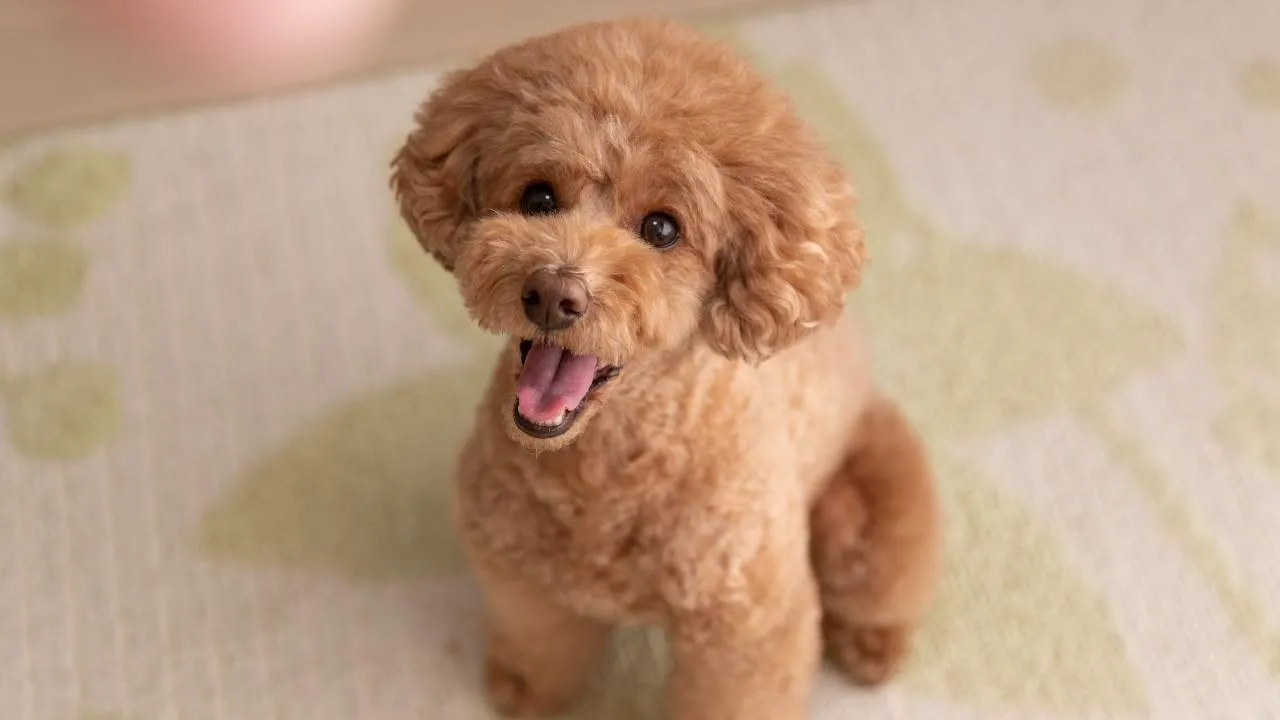
Toy Poodles are a favorite among families looking for a little dog that is both affectionate and easy to live with. Their sharp intelligence and eagerness to please make daily training feel more like a fun activity than a chore.
Many families teach them simple commands, indoor games, and even small routines that children can safely join, helping kids build confidence around pets.
These dogs enjoy being involved in family life without constantly demanding attention. They are usually calm indoors but still appreciate regular play sessions, puzzle toys, short walks, and activities that keep their minds busy.
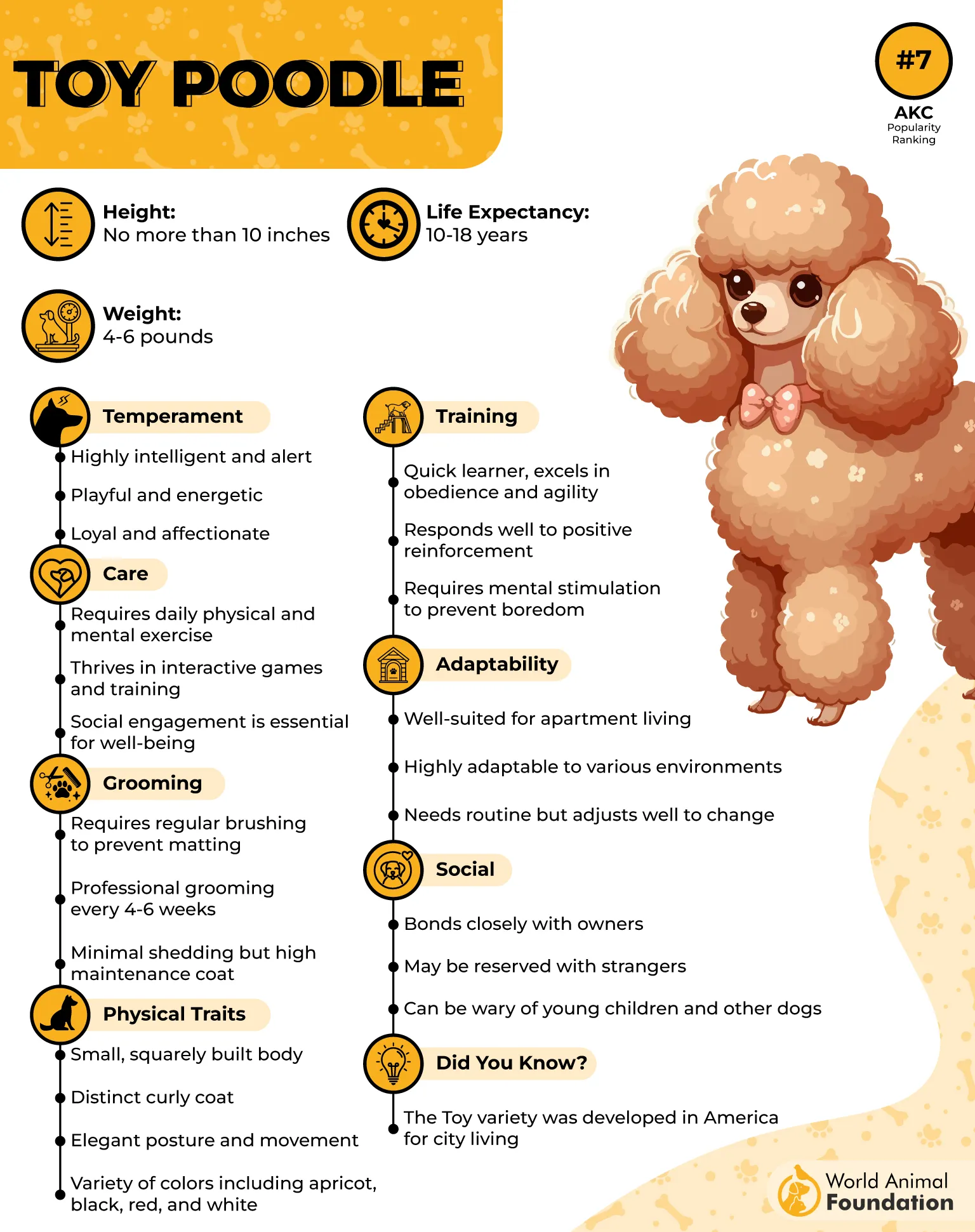
Because they learn quickly, Toy Poodles often adapt well to apartment living, busy households, and homes with other pets when introduced properly from a young age.
Their gentle personality can make them well-suited for children, though supervision during playtime is important because of their small size. Families should also be prepared for regular grooming, including brushing and professional coat care.
With patience, socialization, and consistent interaction, Toy Poodles grow into loyal companions that enjoy staying close to the people they love most.
4. Papillon

Papillons are a lively little companion that fit naturally into family life, especially in homes with children who enjoy playful interaction, as noted by PetMD.
They are known for their affectionate nature and often stay close to their people, happily joining in family activities rather than staying on the sidelines.
Many households appreciate how quickly they adapt to new faces, making everyday moments like visitors coming over feel smooth and stress-free.
These dogs tend to get along well with other pets when introduced properly and raised with early social experiences. In a busy home, they often move between playtime with kids and quiet cuddle moments with adults, adjusting easily to the household rhythm.
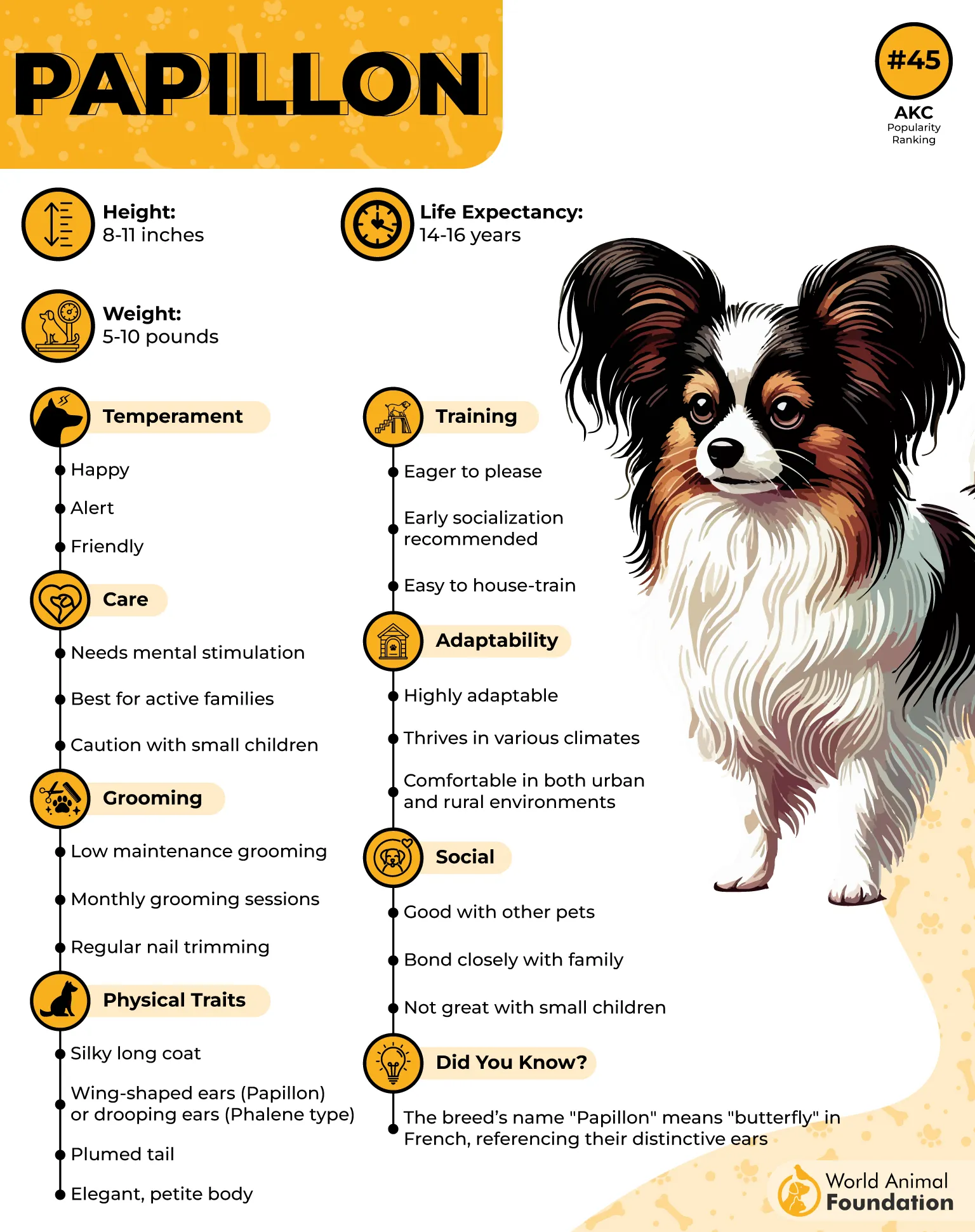
They are energetic and curious, so they enjoy short walks, indoor games, and activities that keep their attention engaged throughout the day.
Families do need to guide interactions carefully, especially with younger children, since their small frame requires gentle handling.
With supervision, structure, and regular activity, they become cheerful, responsive companions that bring both energy and affection into a family’s daily routine.
5. Yorkshire Terrier

The Yorkshire Terrier is a small, confident companion dog known for its silky coat, lively personality, and strong attachment to its family, making it a popular choice for households that enjoy an affectionate but spirited pet.
They are affectionate and tend to form strong bonds with their people, often staying close to one family member while still enjoying attention from everyone in the home.
With early social exposure, they can learn to feel comfortable around children and adapt to the daily noise and activity of a busy household.
Because of their small and sensitive build, Yorkies do best in homes where children are taught to interact gently and respectfully. Simple habits like calm petting, giving space during rest time, and avoiding rough play help create a safer and more positive bond.
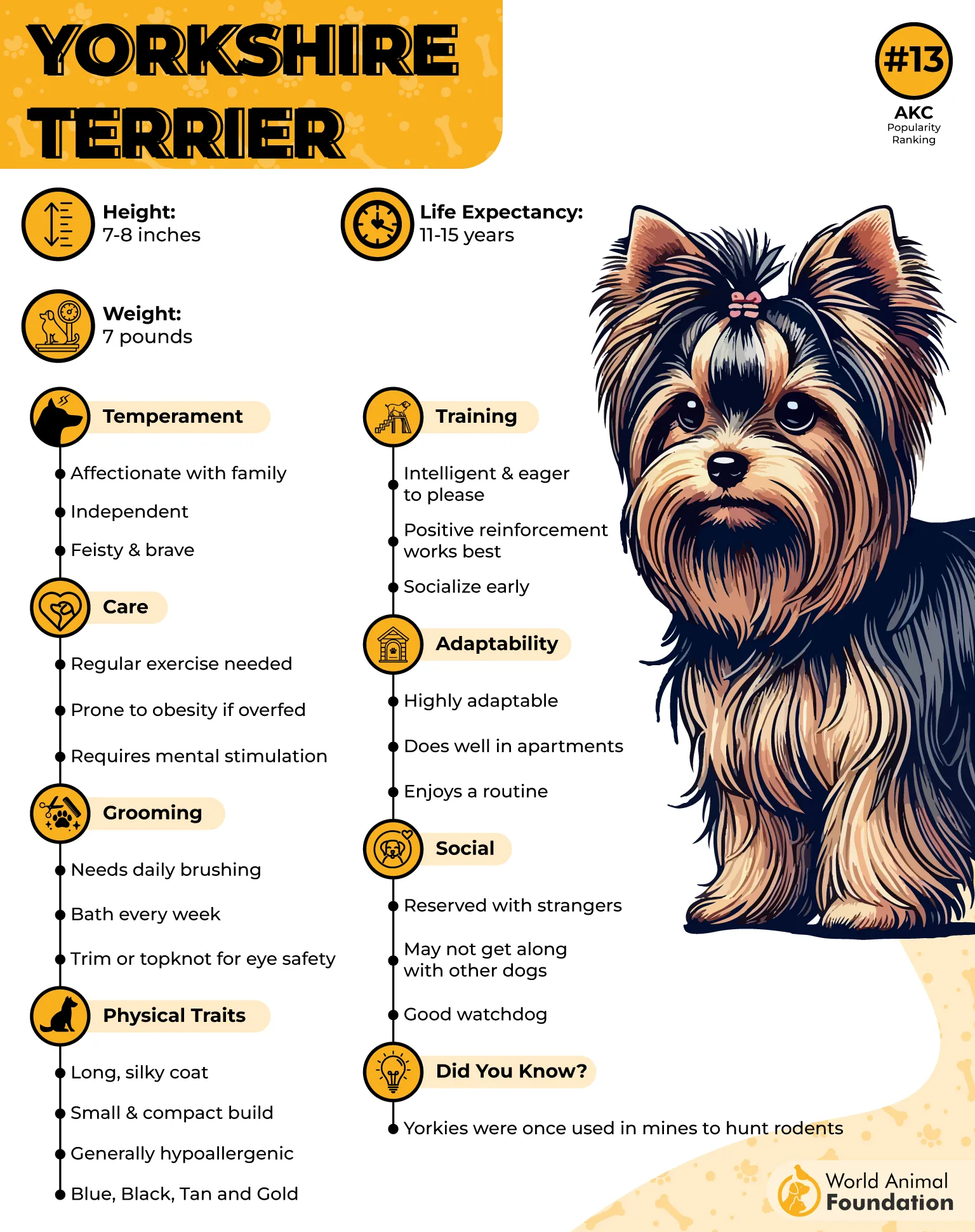
In return, these dogs often respond with loyalty and alertness, sometimes acting protective when they feel uneasy.
They can also live peacefully with other pets if introduced properly from a young age, though their confidence may come through if they feel challenged. Regular supervision during playtime helps avoid misunderstandings.
With consistency, structure, and patience from both adults and children, they become affectionate companions who enjoy being part of everyday family life.
6. Havanese

Havanese are one of the best small dog breeds for families because they naturally enjoy being close to people and tend to stay involved in daily home life, as mentioned by Orvis.
They are known for their gentle nature and often follow children from room to room, becoming a steady presence during play, study time, or relaxed evenings at home.
Their friendly attitude helps them settle well into households where interaction and activity are part of the routine.
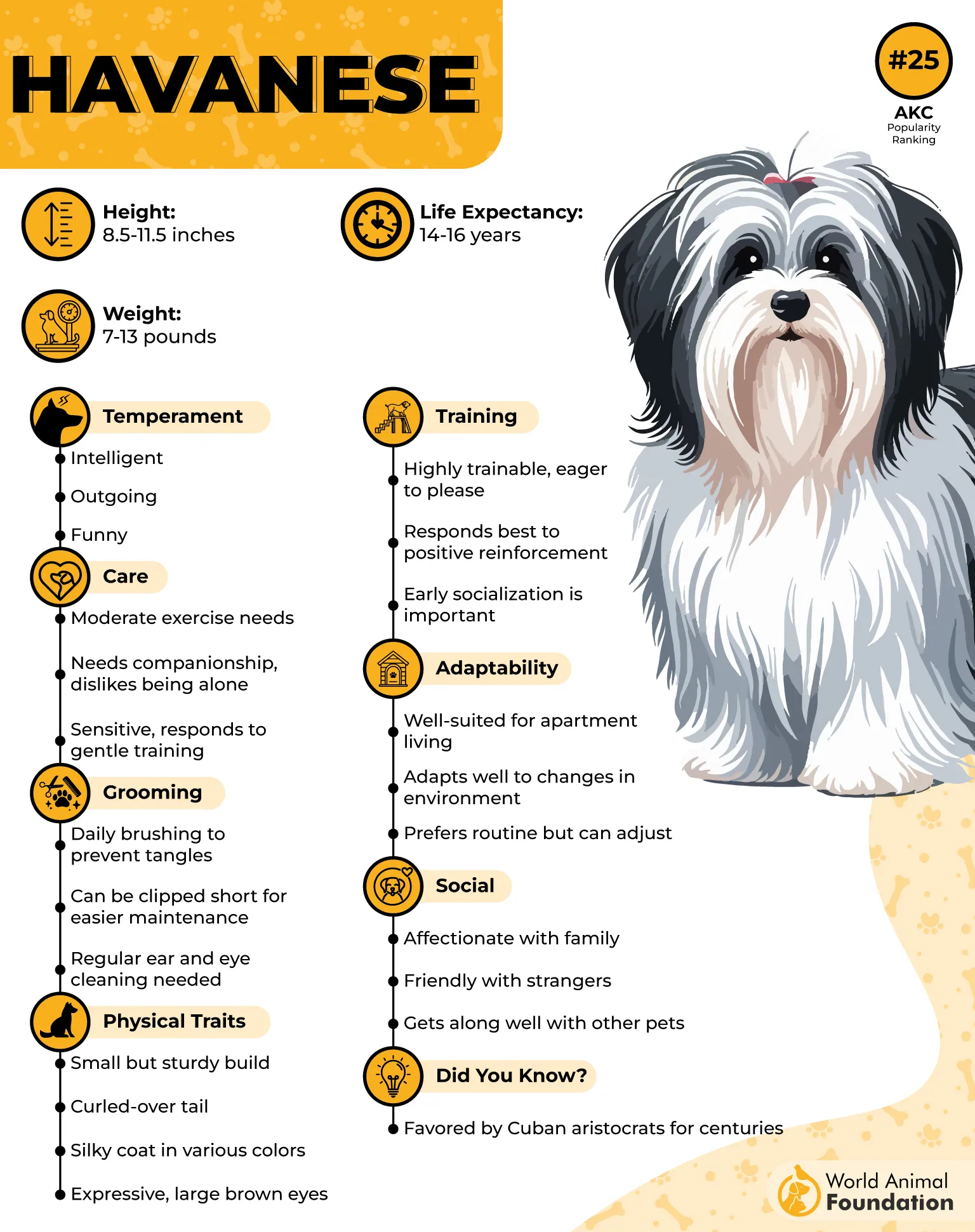
In many homes, these wonderful family dogs also show a calm ability to live alongside other pets. With early introductions, they usually adapt to sharing space with dogs, cats, and other animals, often showing curiosity and a playful interest rather than tension.
This makes them a practical choice for families with more than one pet.
Because they can be sensitive and attentive to their surroundings, they may alert their family when someone unfamiliar approaches, but they are not typically aggressive.
At the same time, they appreciate quiet moments and gentle handling, especially from younger children. With supervision, early social exposure, and consistent routines, they grow into affectionate companions that blend easily into both lively and calm family environments.
7. Shih Tzu
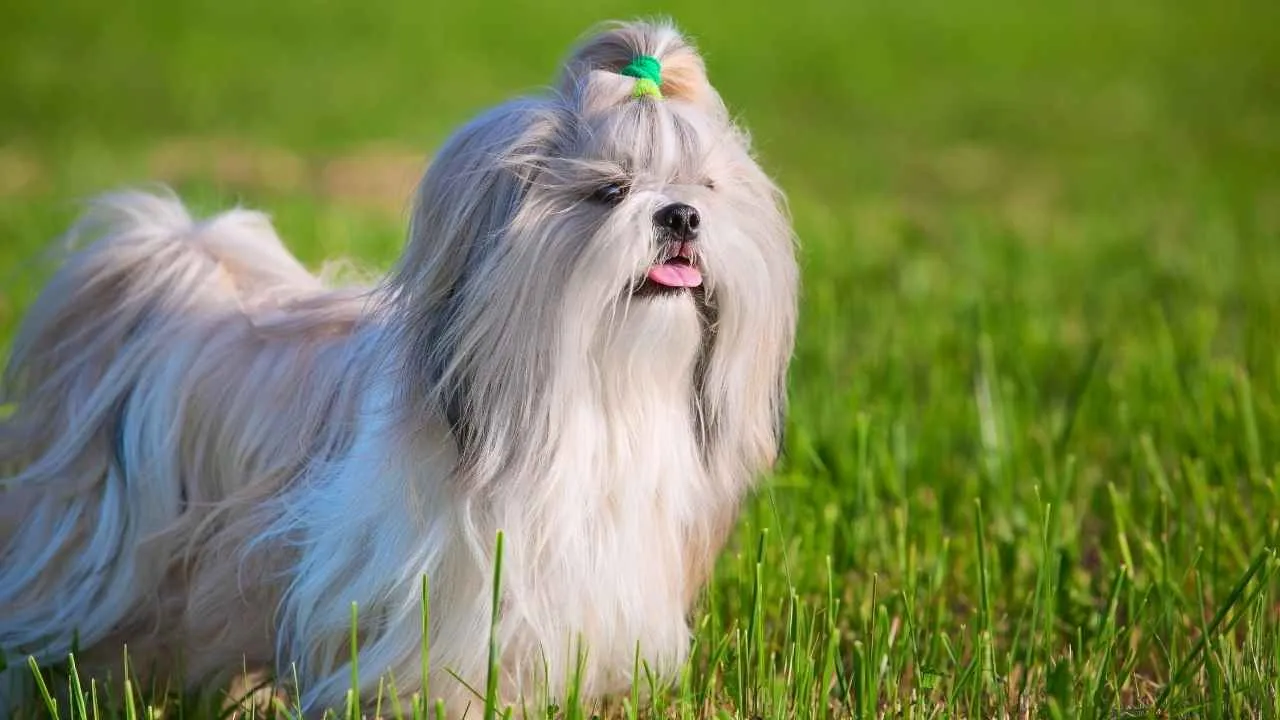
Shih Tzus are companion dogs at heart, often happiest when they are close to their family and included in everyday routines.
In homes with children, they usually enjoy being part of calm playtime, sitting nearby during study hours, or relaxing with the family in the evening. Their friendly and outgoing nature helps them fit into households where attention and interaction are part of daily life.
These dogs can adapt well to family environments, especially when they are introduced early to different people, sounds, and situations.
With proper social exposure, this toy dog often becomes comfortable around children and can also live peacefully with other pets when introductions are handled gently.
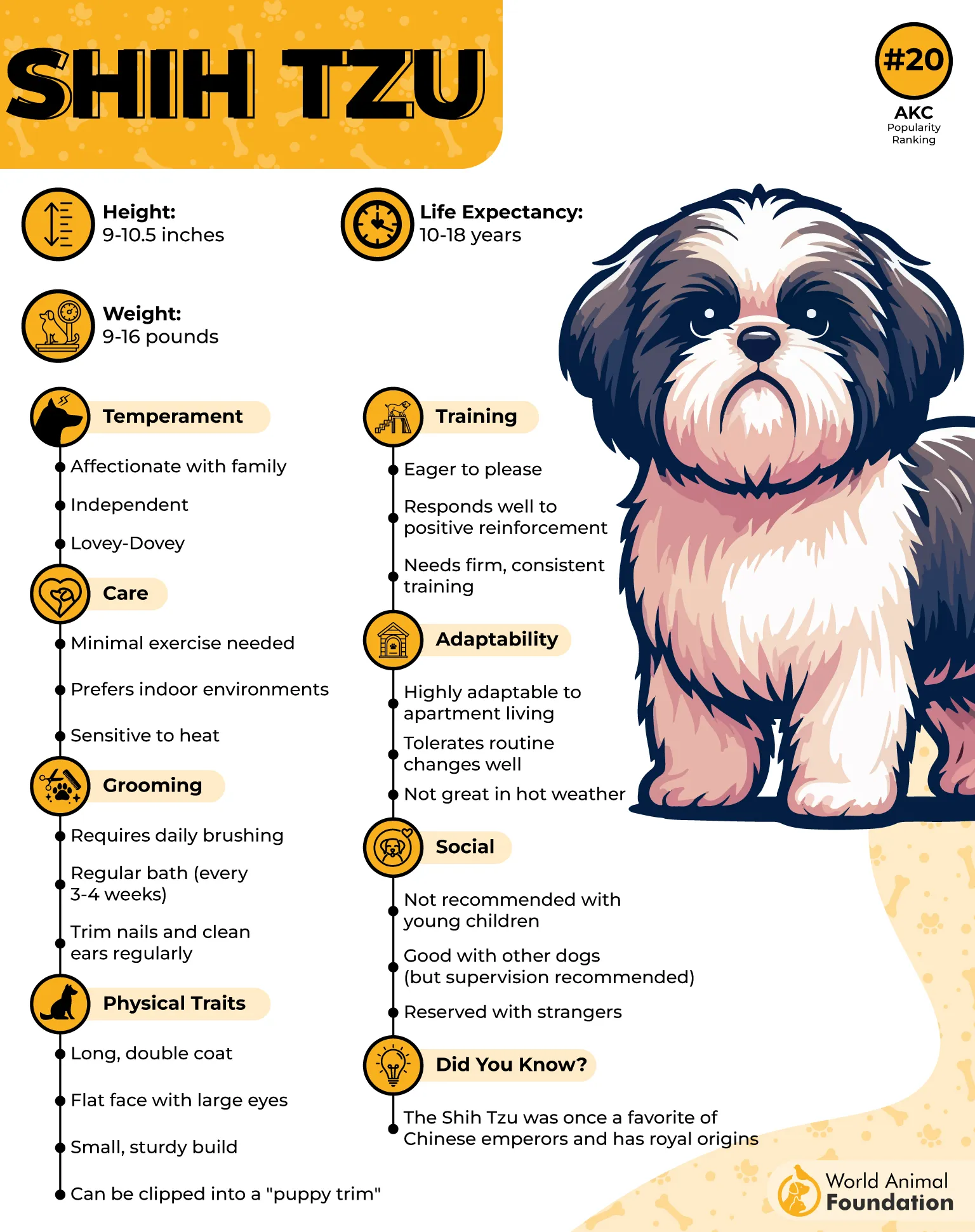
They do best in homes where interactions are respectful and predictable, as they may not enjoy rough or overly energetic handling from young children.
Shih Tzus are affectionate and loyal, but they also have a sensitive side and appreciate a calm, steady routine. They may take time to warm up to strangers, but once settled, they tend to form strong bonds with their family.
With supervision, patience, and gentle guidance for children, they become loving companions that bring warmth and companionship into everyday family life.
Conclusion
Choosing a small companion for a family with children often comes down to finding a balance between energy, gentleness, and adaptability.
These dogs tend to thrive in homes where they are included in daily routines, given regular interaction, and introduced early to social situations.
While they can bring joy, comfort, and playful moments, they also rely on guidance from adults to ensure safe and respectful interactions with younger family members.
With proper supervision, early training, and consistent care, these companions can grow into affectionate, well-adjusted additions to family life.
