





If dogs had a “just right” size category, medium breeds would win the Goldilocks award. They’re sturdy but manageable, playful but not overwhelming, and adaptable enough for family homes, suburbs, or even active city living. For many dog lovers, medium-sized breeds strike that sweet spot between lapdog and gentle giant.
According to the American Kennel Club, many of the most popular breeds in the U.S. fall into the medium-size range, which consistently rank in the top 5. That popularity isn’t random. It reflects temperament stability, trainability, and overall adaptability to modern households.
Medium dogs typically weigh between 25 and 70 pounds, depending on breed standards. This size allows them to participate in hikes, play sessions, and family adventures without requiring a massive living space. They also tend to have longer lifespans than giant breeds, with many averaging 10–14 years depending on genetics and care.
But “ideal” depends on your lifestyle. Some medium breeds are couch enthusiasts. Others need two hours of exercise before breakfast. The key is matching energy levels and personality to your home dynamic.
Let’s break down seven incredible medium dog breeds and see which one aligns with your version of a happy home.
Ideal Medium Dog Breeds: A Guide to Happy Homes
1. Bulldog

The Bulldog is basically the laid-back roommate of the dog world. Originally bred in England for bull-baiting in the 13th century, these medium-sized dog breeds are now gentle, affectionate companions with famously relaxed temperaments.
Adult Bulldogs typically weigh between 40 and 50 pounds, giving them a solid, compact build. Despite their muscular appearance, they are low-energy dogs who prefer short walks and long naps. They’re ideal for households that appreciate calm vibes over chaos.
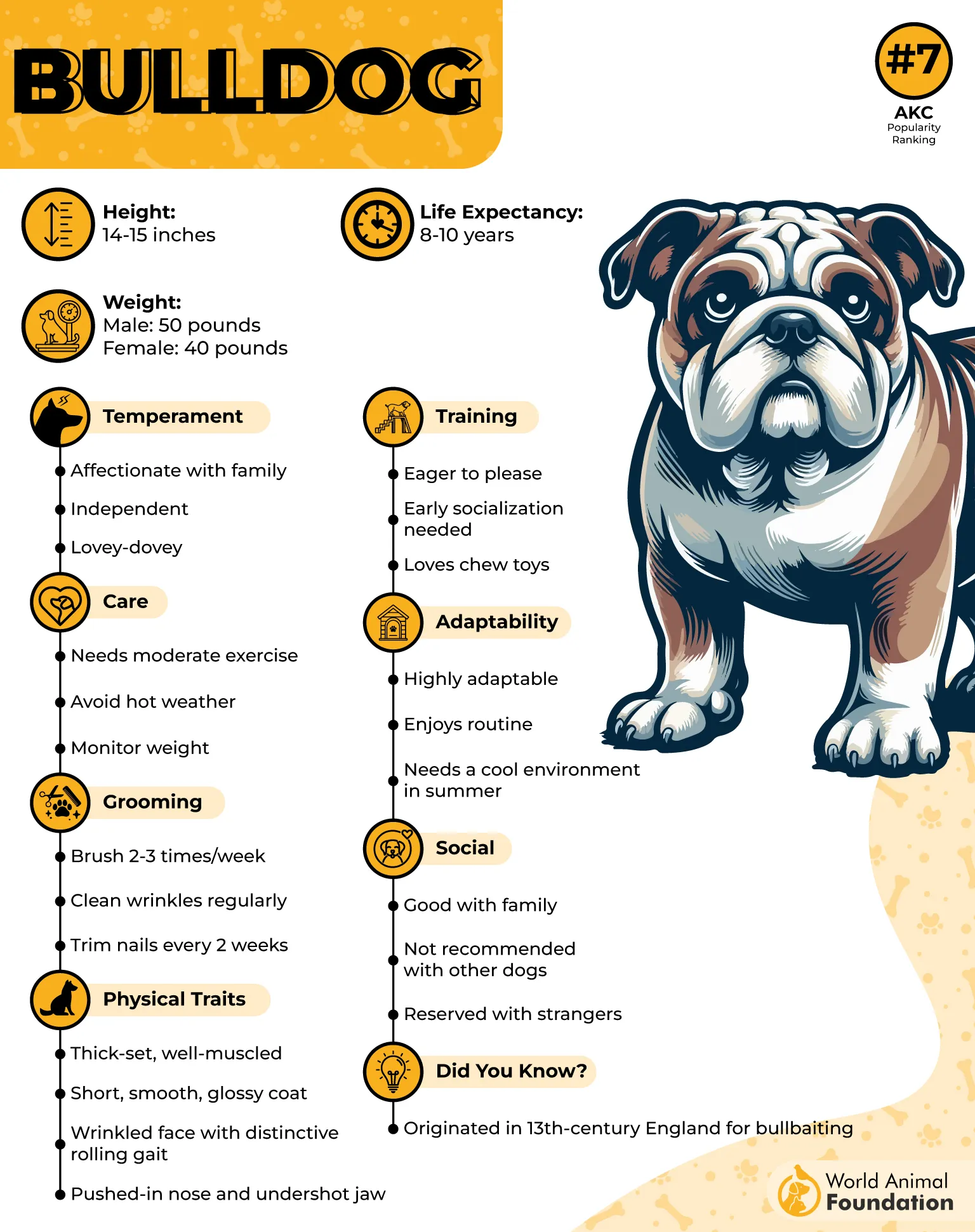
They are affectionate and people-oriented. They bond strongly with their families and often become dedicated couch companions. Their steady demeanor makes them good with children when socialized properly.
Because they are brachycephalic (short-nosed), they are prone to breathing issues and heat sensitivity. Studies show they have a higher incidence of respiratory disorders than longer-muzzled breeds. Climate control and moderate activity are essential.
2. Beagle

Beagles bring joyful chaos in the best way possible. Originally bred as scent hounds in England, they were developed to track rabbits with precision and stamina. Their nose is legendary — ranking among the strongest scenting abilities of all dog breeds.
Weighing between 20 and 30 pounds (though some larger variants exist), PetMD says Beagles are compact but energetic. They require at least an hour of daily activity to stay mentally balanced. Without stimulation, that nose will find entertainment — often creatively.
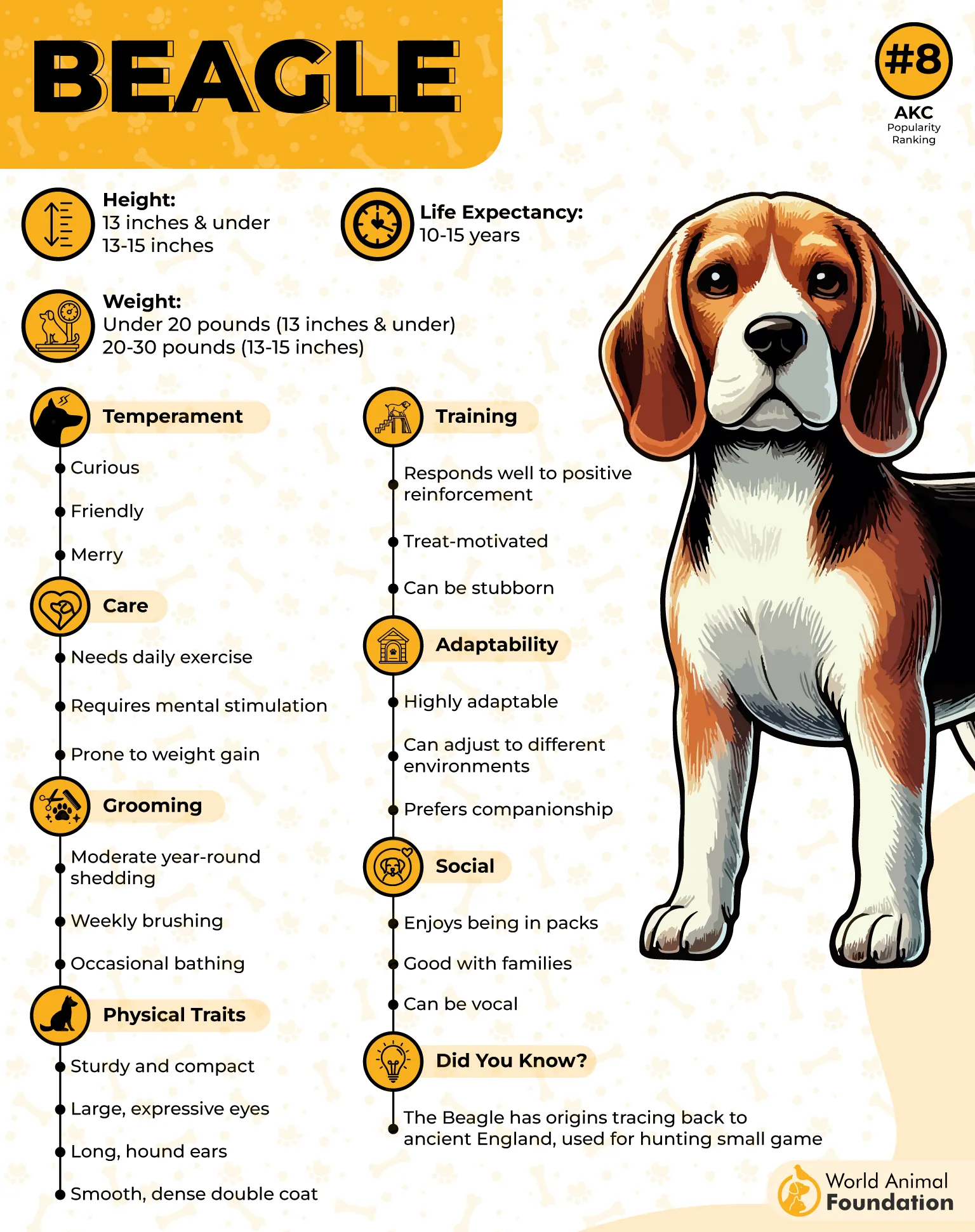
These medium-breed dogs are famously social and affectionate. They typically get along well with kids and other dogs, which makes sense given their pack-hunting background. However, their independent streak can make recall training a long-term project.

They are vocal by nature. Their distinctive baying was designed to alert hunters and can still be heard at home. Early training and enrichment help manage excessive noise.
The Beagle delivers personality and warmth in equal measure.
3. Labrador Retriever

The Labrador Retriever has been one of the most popular dogs in America for over 30 years (according to AKC rankings). Originally bred in Newfoundland as fishing assistants, Labs were trained to retrieve nets and waterfowl in icy waters.
They are athletic, strong, and high-energy, requiring at least 60–90 minutes of daily activity. They thrive in active households that enjoy outdoor adventures.
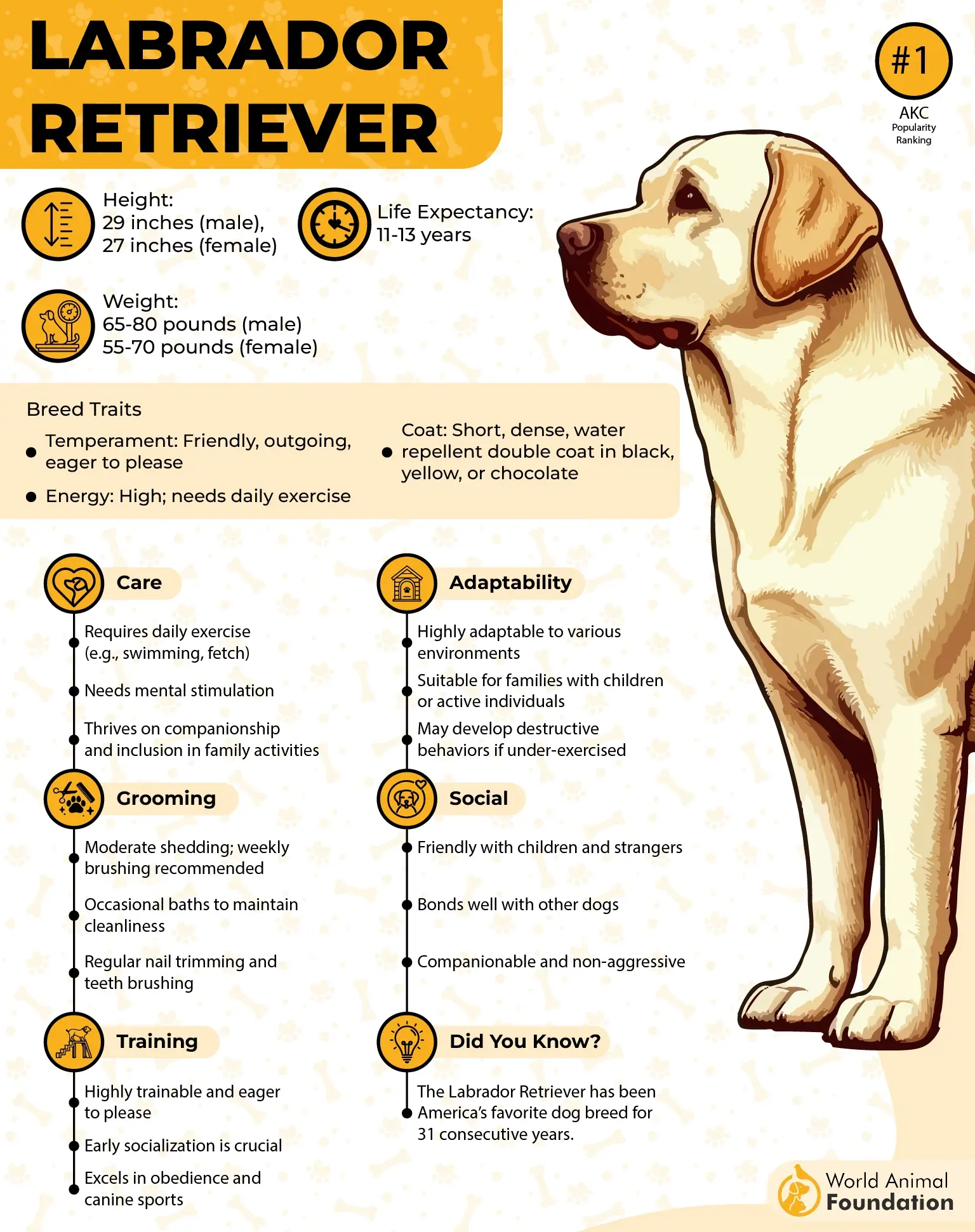
This popular medium dog breed is known for a stable, friendly temperament. They consistently score high in family compatibility and trainability studies. Their eagerness to please makes them excellent for first-time owners.
They’re intelligent and eager to please, which makes them easier to train than many breeds. These affectionate dogs excel in obedience, service work, search-and-rescue, and therapy roles — a testament to their emotional steadiness and ability to learn.
They excel in service work, search-and-rescue, and therapy roles. Their intelligence, combined with social warmth, creates a highly versatile dog.
If you want a dog who can hike with you on Saturday and cuddle on Sunday, the Labrador is hard to beat.
4. Golden Retriever

Golden Retrievers share similar origins with Labs but bring a slightly softer energy. Developed in Scotland in the 19th century for retrieving game birds, they were bred to work closely alongside humans.
They typically weigh between 55 and 75 pounds and require regular exercise to stay balanced. A bored Golden can become mischievous, so structure matters.
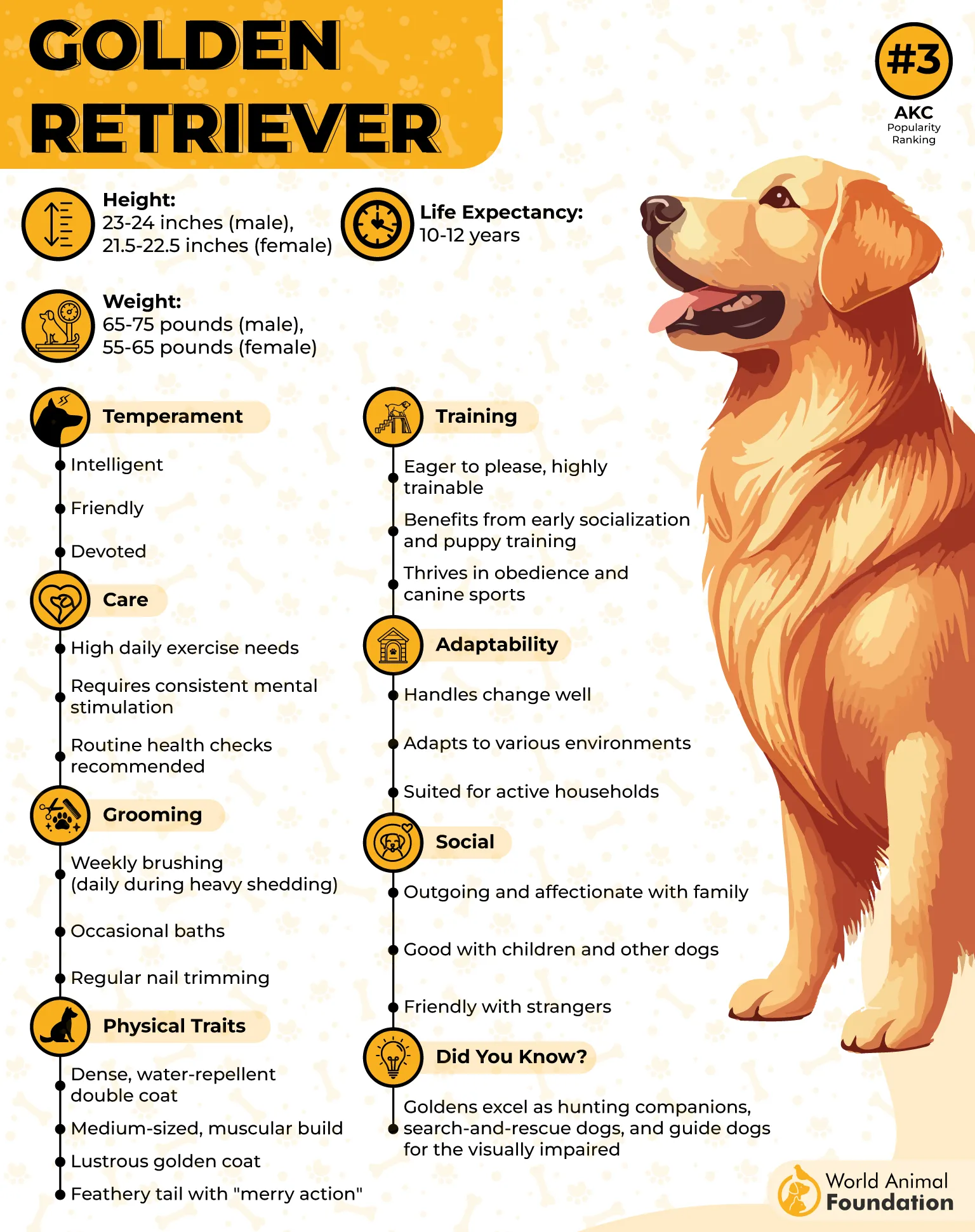
Goldens are famously affectionate and emotionally intuitive. They consistently rank among the top breeds for therapy and emotional support work. These wonderful family companions thrive on companionship.
They don’t like being isolated for long periods and do best in homes where someone is around most of the day. Their affectionate “Velcro dog” tendencies are part of their charm.
Their coat requires regular grooming, especially during shedding seasons. Weekly brushing becomes non-negotiable during heavy coat blows.
5. Basset Hound
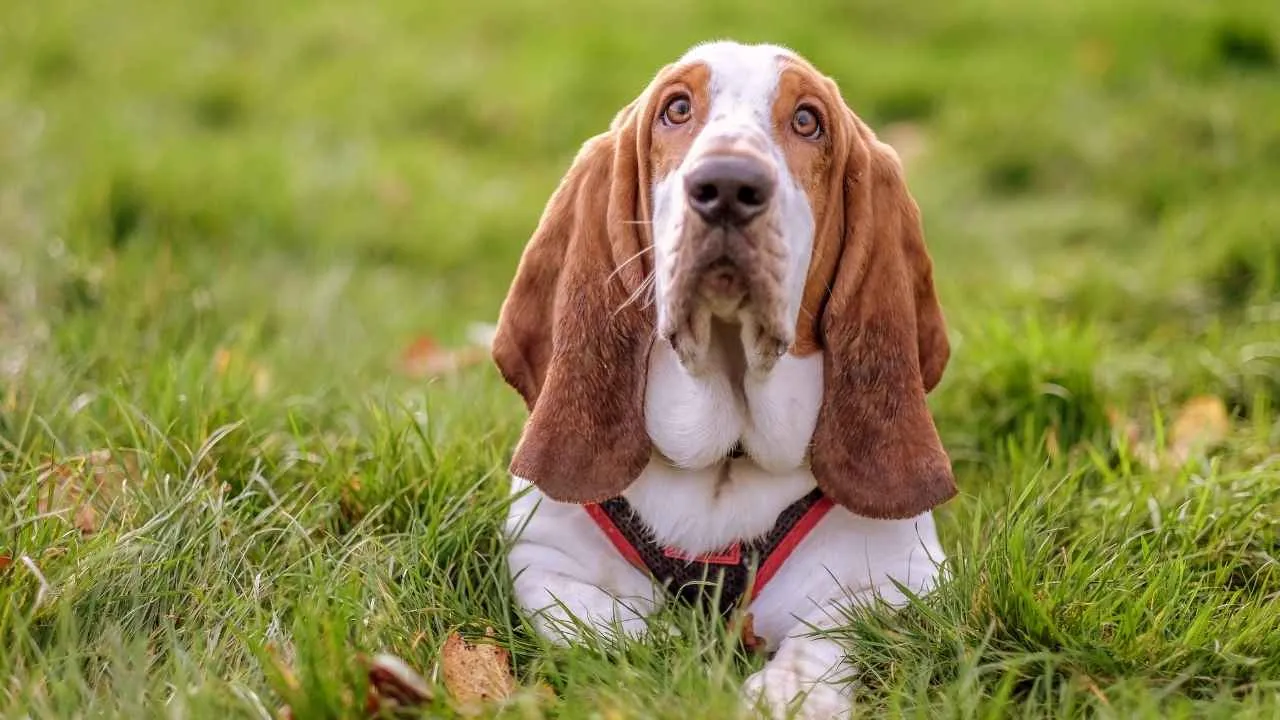
Basset Hounds are low to the ground but big in personality. Originally bred in France for tracking small game, these active dogs have one of the strongest scenting abilities, second only to the Bloodhound.
Purina mentions that they typically weigh between 40 and 65 pounds despite their short stature. Their long ears help funnel scent toward their nose — a built-in tracking advantage.
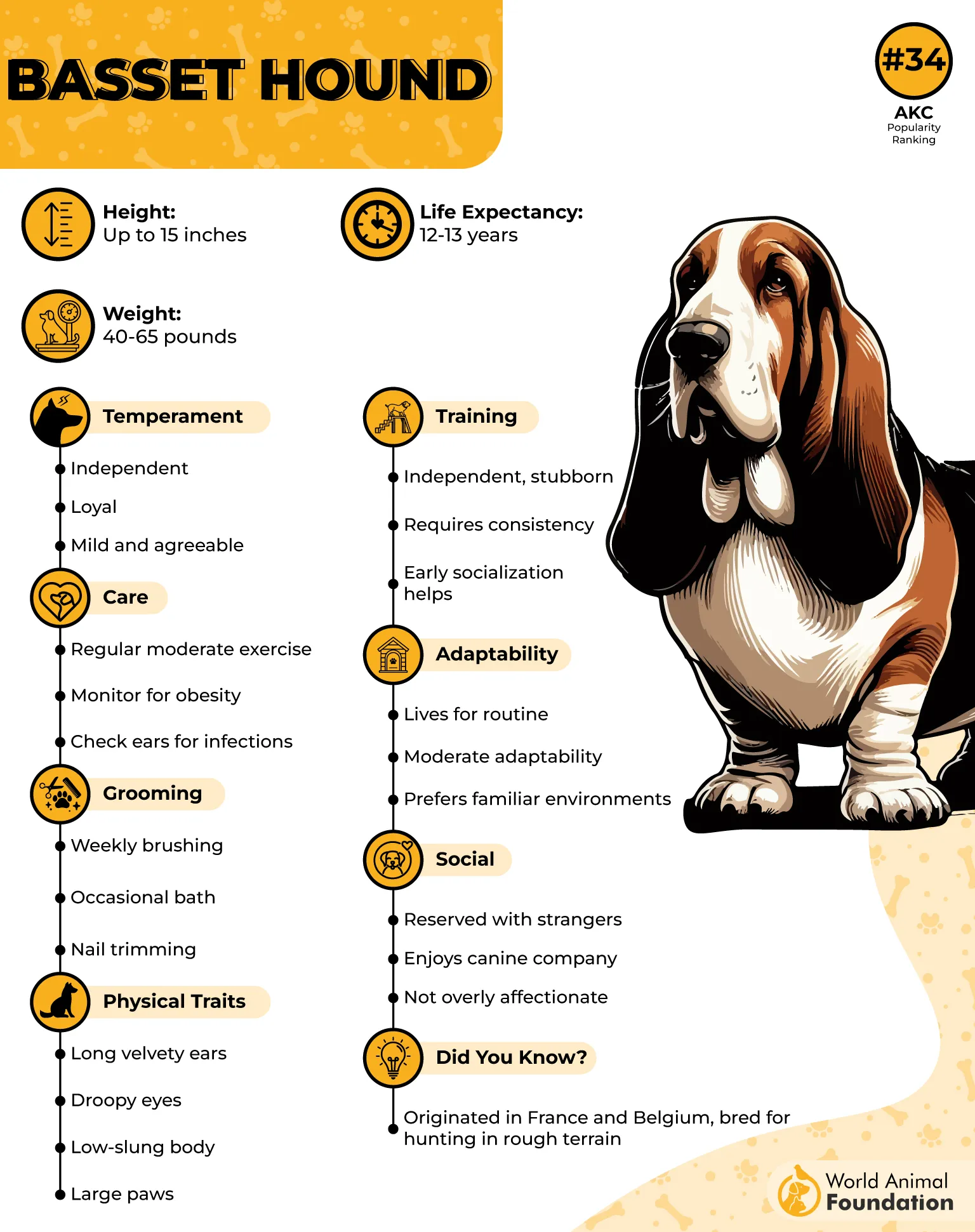
They are generally calm indoors and affectionate with families. They are known for their loyalty but also for a stubborn streak. Training requires patience and food motivation. They need regular exercise — usually 60+ minutes per day — because they were originally bred in 19th-century Scotland as retrieving dogs for hunters.
That said, after a good walk or play session, they’re typically calm and content indoors.
They are moderate shedders and droolers. Owners should be prepared for ear cleaning and routine grooming. Make sure to give them constant opportunities for physical and mental exercise to keep them active and happy!
6. Cocker Spaniel
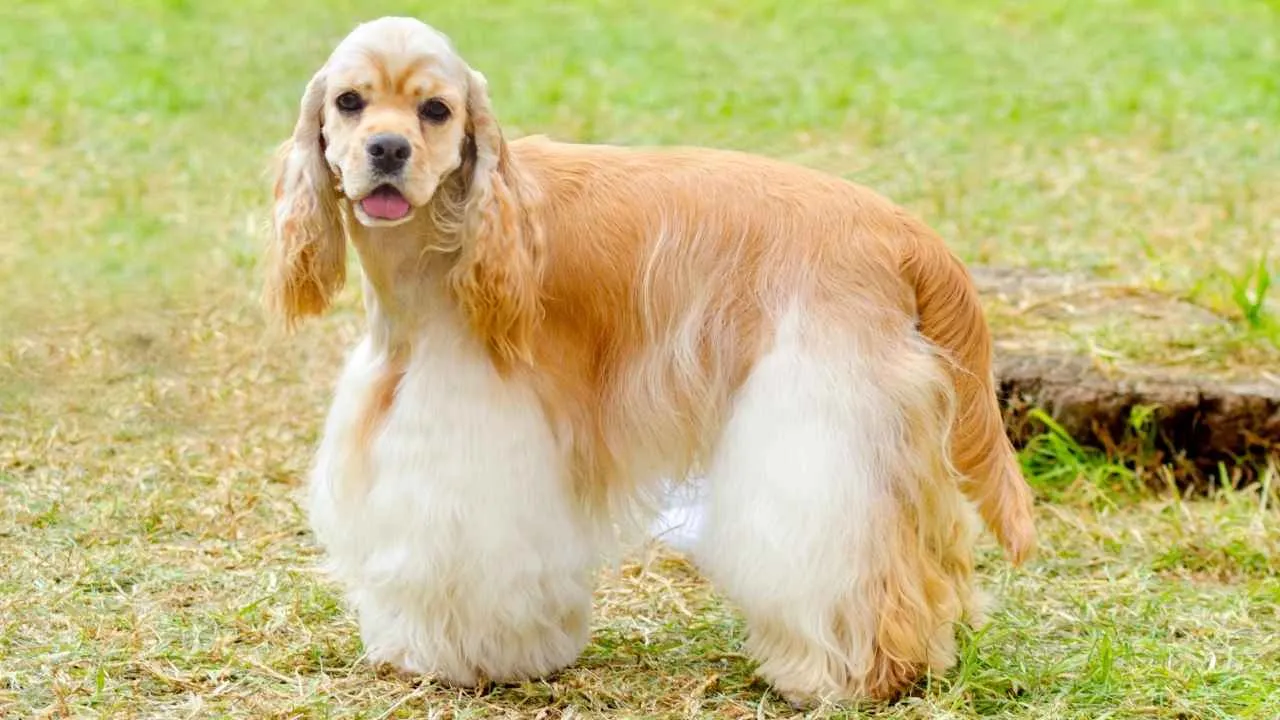
Cocker Spaniels were bred as bird-hunting dogs and remain energetic, affectionate companions. They weigh between 20 and 30 pounds and balance playfulness with sensitivity.
They are highly trainable and responsive to positive reinforcement. Their emotional sensitivity means harsh corrections can backfire.
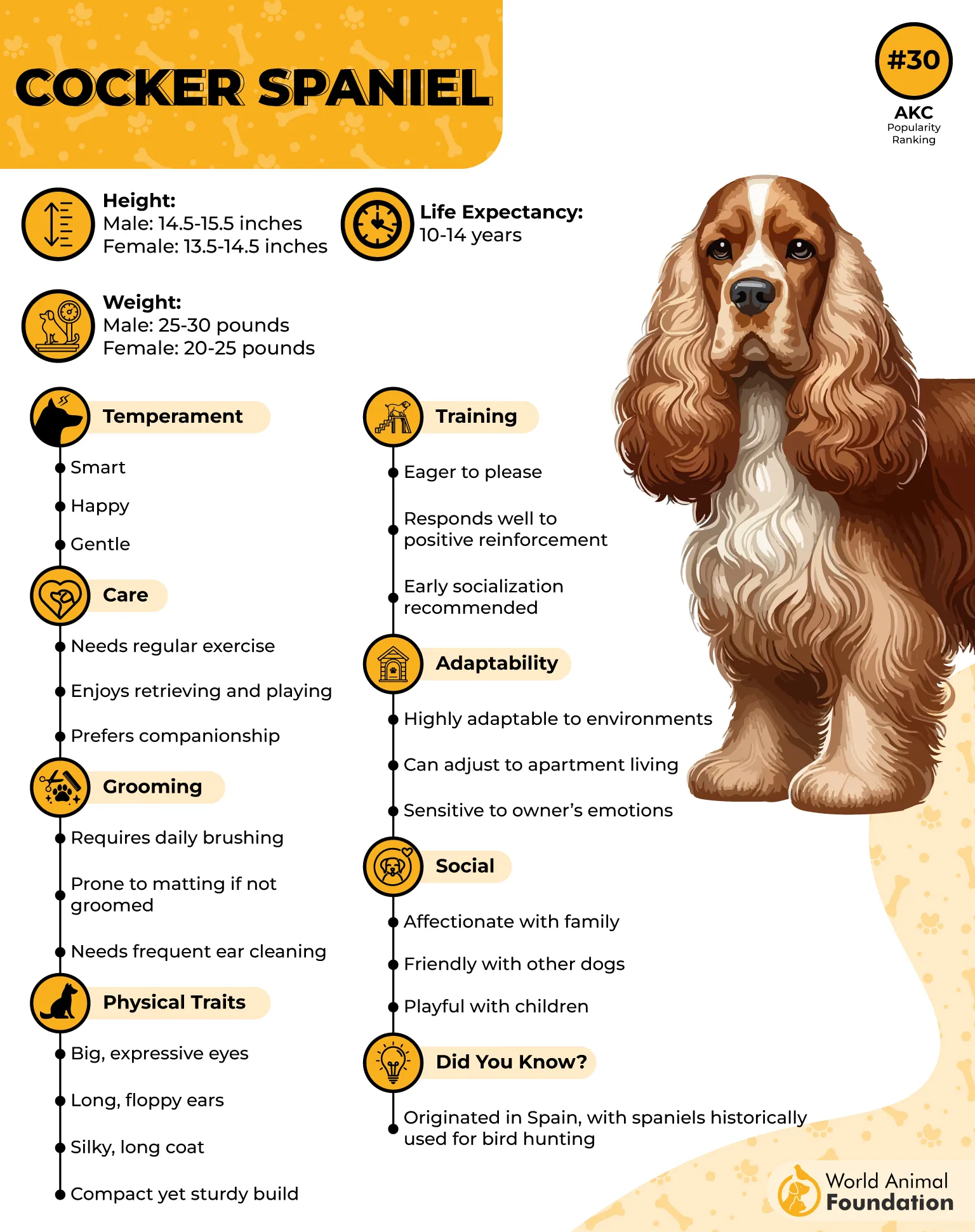
These spaniels are known for affectionate temperaments and often bond deeply with their families. They are typically good with children when properly socialized. Considered to be high-energy breeds, they’re spirited enough to keep up with an active family, but they’re also happy to settle indoors after exercise.
Unlike high-drive sporting breeds, they usually don’t need hours of intense running to stay balanced. They are intelligent and emotionally sensitive. Without stimulation, they can become:
Vocal
Clingy
Destructive (chewing, digging)
But when exercised properly, they’re affectionate, cheerful, and easy to live with.
Grooming is a commitment due to their long, silky coat. Professional grooming every 6–8 weeks is common.
7. Brittany

The Brittany is an athletic field dog originally developed in France. Weighing between 30 and 40 pounds, they are energetic, agile, and highly intelligent.
They require significant exercise — often 90+ minutes daily. As per Omlet, they excel in agility, obedience, and field trials.
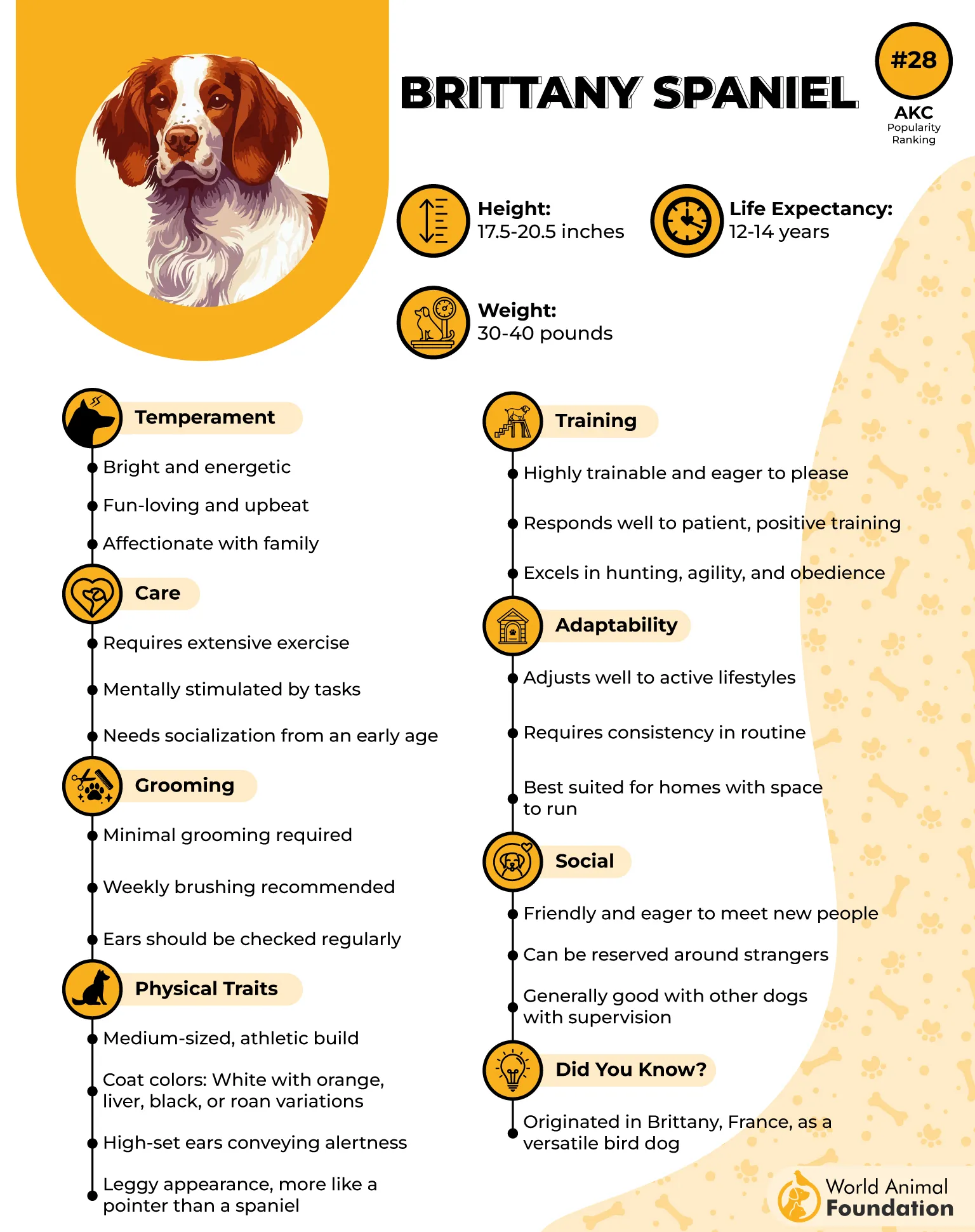
They are affectionate but slightly more independent than retrievers. Their drive makes them best suited for active owners. This dog typically needs at least 60–90 minutes of real exercise daily, and for high-drive individuals, closer to 90–120 minutes is ideal. This isn’t just a casual stroll around the block. They thrive on:
Long off-leash runs in secure areas
Hiking and trail adventures
Fetch sessions that actually make them sprint
Structured activities like agility or field training
Originally bred in France as bird dogs, they were designed to work all day in the field. That endurance hasn’t disappeared. Without enough physical output, they can become restless or develop nuisance behaviors.
This dog, however, benefits from experienced owners rather than beginners.
Conclusion
Medium-sized dogs offer flexibility without extremes. They fit family homes, suburban yards, and active lifestyles with ease.
Bulldogs and Basset Hounds lean relaxed. Beagles and Brittanys bring energy. Labs and Goldens balance friendliness with athleticism. Cocker Spaniels offer affectionate sensitivity.
Australian Cattle Dog, Bull Terrier, Border Collie, Australian Shepherd, Staffordshire Bull Terrier, English Springer Spaniel, and Siberian Husky are some other pets you can consider if you prefer medium-sized healthy breeds.
When you choose based on lifestyle instead of looks, you don’t just get a dog. You get a partner who fits seamlessly into your version of home.
