




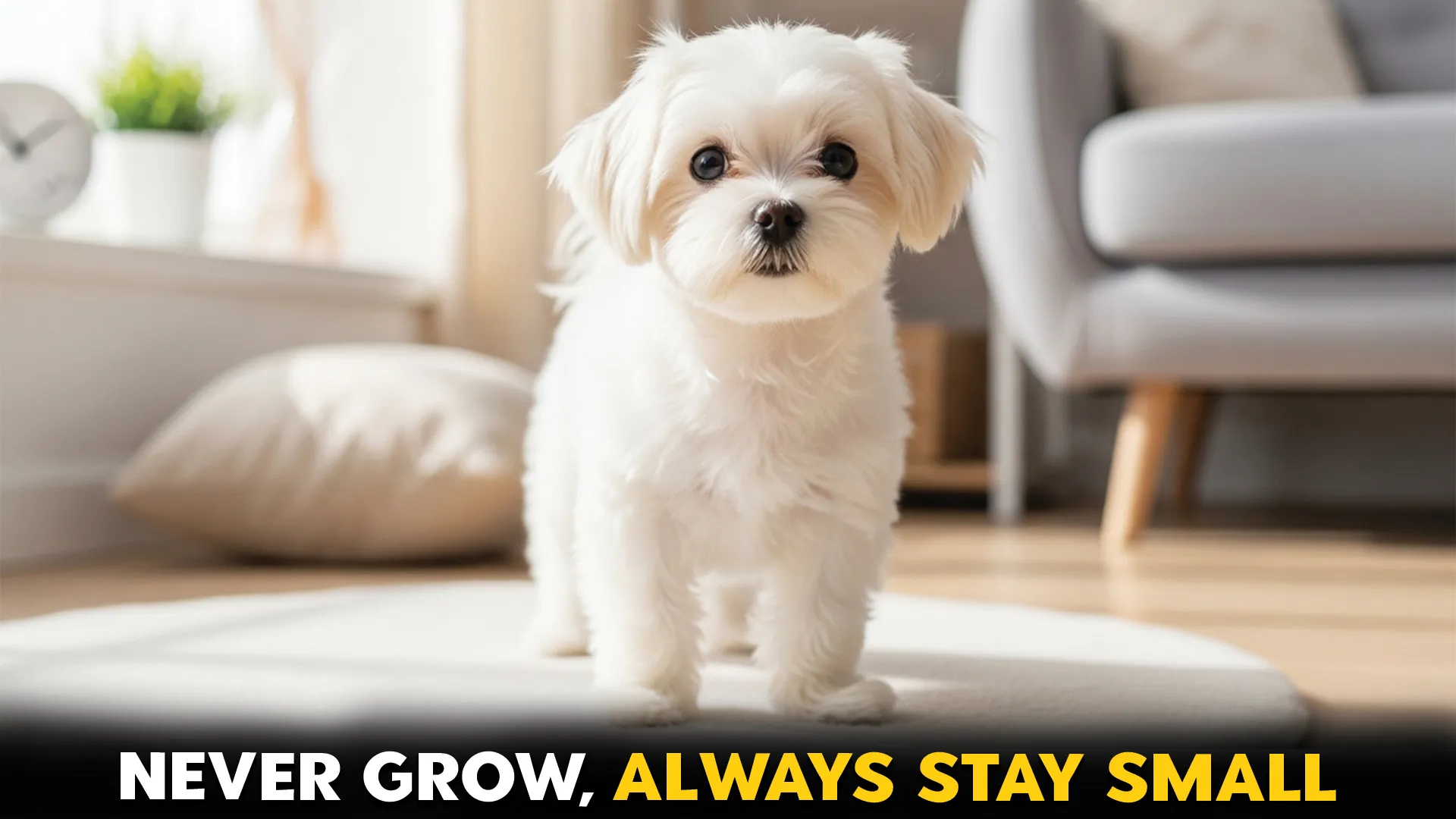
Large dogs often bring presence and power, but not every home is built to hold that kind of space. Small dogs that stay small offer a different experience, one shaped by ease, flexibility, and quiet companionship.
They do not require wide areas to move or constant adjustments to your routine. Instead, they fit into your existing space with little resistance. Their size allows for simple handling, easier travel, and a level of control that feels reassuring, especially for new or pet parents.
Yet this simplicity does not come at the cost of personality. These dogs remain expressive, attentive, and deeply connected to their environment. The difference lies in how naturally these cute little bodies adapt to daily life without overwhelming it.
This article explores breeds that remain small throughout life, focusing on what makes them suitable for apartment life and how they bring lasting comfort without demanding more than you can give.
Key Takeaways
Staying small is one thing, but staying easy to live with every single day is what makes these breeds stand out.
Havanese and Bichon Frise stay close through the day, always involved in little moments that usually go unnoticed
Yorkshire Terrier and Pomeranian bring alertness and curiosity, turning even a calm home into something more lively
As you move through these diminutive breeds, it becomes clear which ones truly fit into life without asking you to change much at all
Ideal Dog Breeds That Stay Small Throughout Life
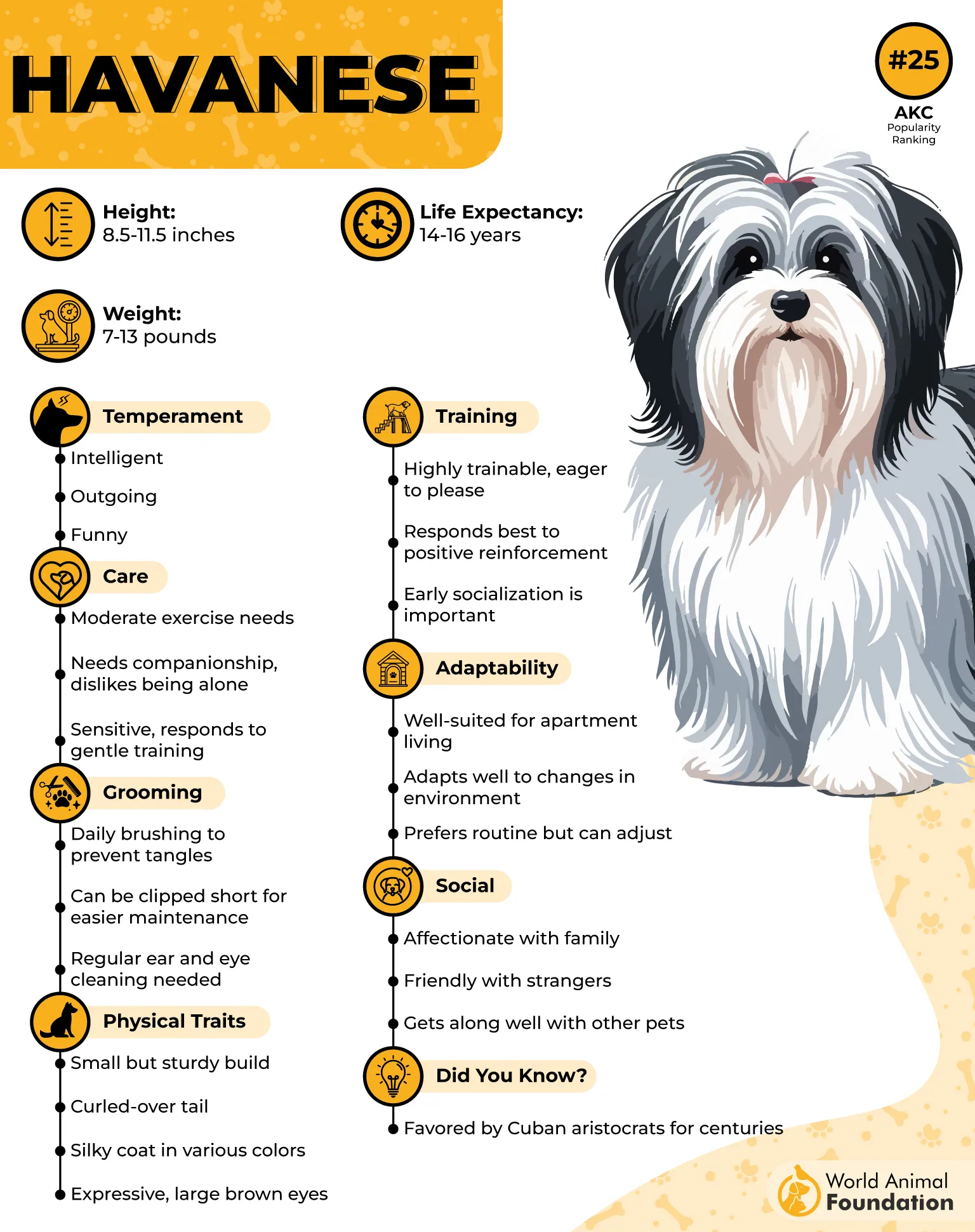
1. Havanese
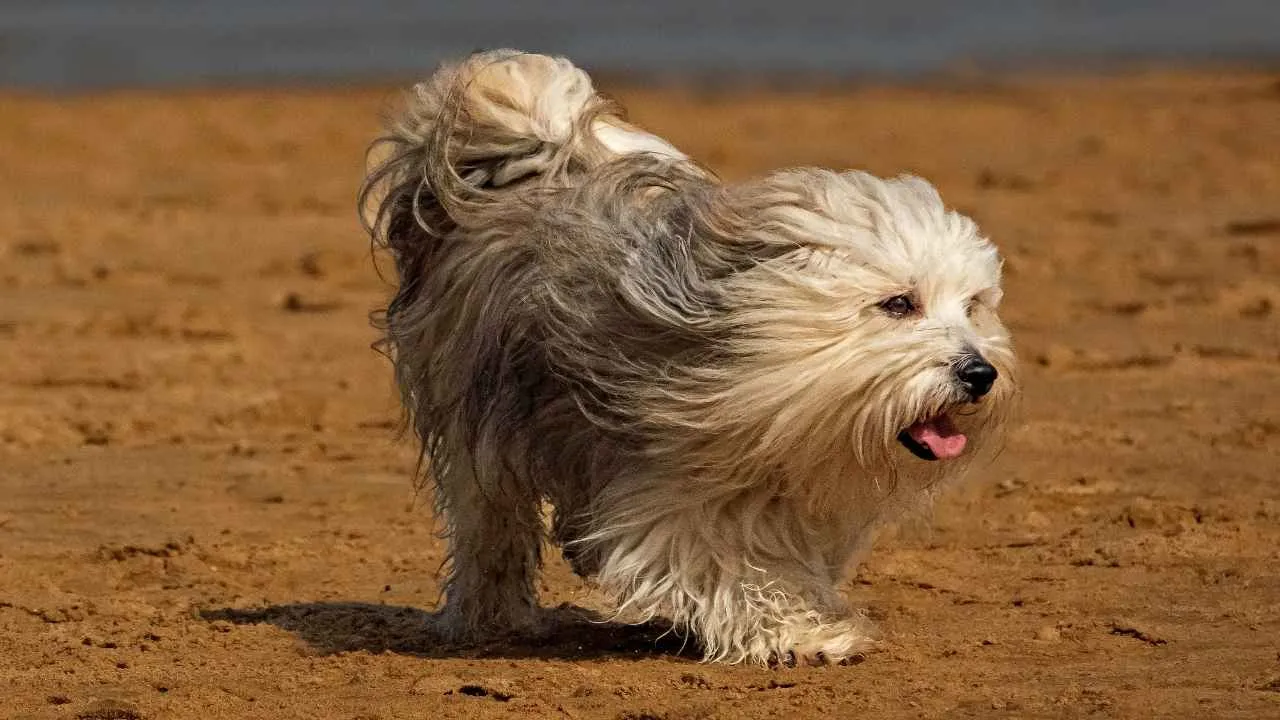
Havanese keep a constant watch on their surroundings, often choosing a high perch just to stay involved in everything happening nearby. Their curious temperament and attention-loving behavior make it hard to ignore, even in a busy home, as Omlet mentioned.
Size and Everyday Living
They remain small while staying active and socially engaged, making it easy to manage in close living spaces. Its need for attention shapes how it connects throughout the day.
A few everyday tendencies explain this clearly:
Seeks constant closeness and interaction
Comfortable around people, other dogs, and strangers
Adjusts well to short periods alone if trained early
Social Behavior and Bonding
This small dog breed builds strong emotional connections and often stays close, earning its “velcro dog” reputation. It looks for engagement rather than distance and easily becomes part of every routine. This steady presence makes companionship feel active rather than passive.
2. Yorkshire Terrier
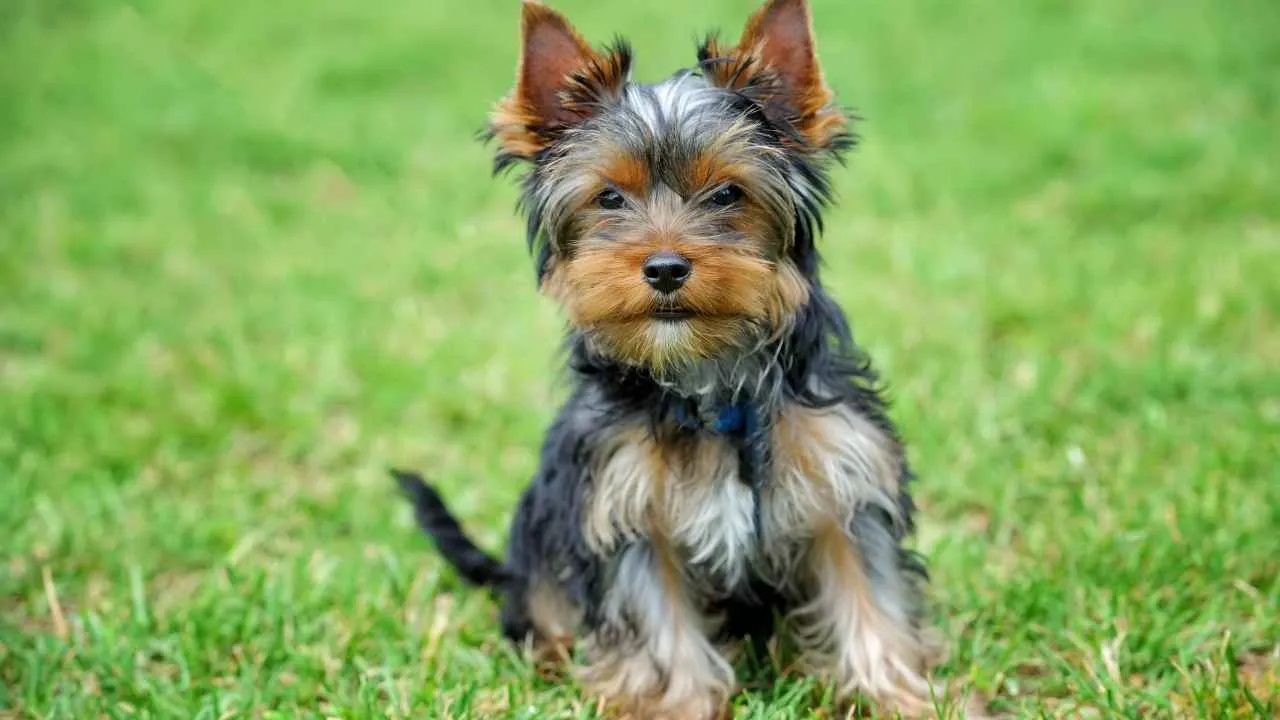
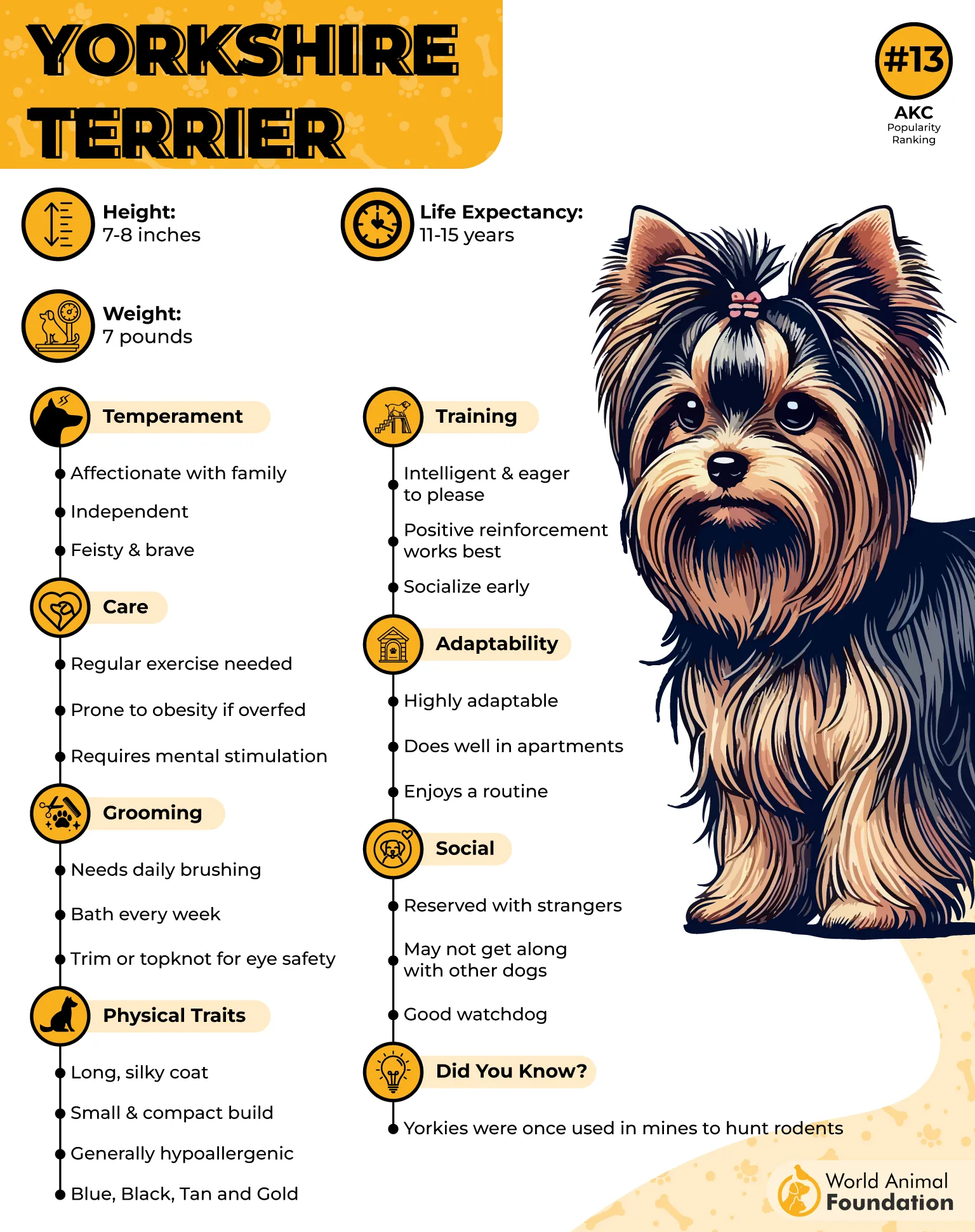
Yorkshire Terrier moves through the house with constant curiosity, always alert to sounds and movement around it. Its small size contrasts with a confident, almost watchful attitude that keeps it engaged in everything happening nearby, as Royal Canin reports.
Everyday Living and Size Advantage
This little dog breed stays compact throughout life, making daily routines easier to manage without adjusting your space or pace. Its energy shows in short bursts rather than long demands, which suits a steady home environment.
That balance becomes clearer in daily habits:
Comfortable with short walks and indoor play
Alert to visitors and quick to signal activity
Enjoys staying close rather than roaming far
Behavior and Social Balance
Yorkies bring an affectionate side, but can become overly protective without early social exposure. Regular interaction with new people helps keep one’s behavior balanced and prevents unnecessary tension. They remain active and inquisitive, often turning simple moments into playful exploration.
3. Pekingese
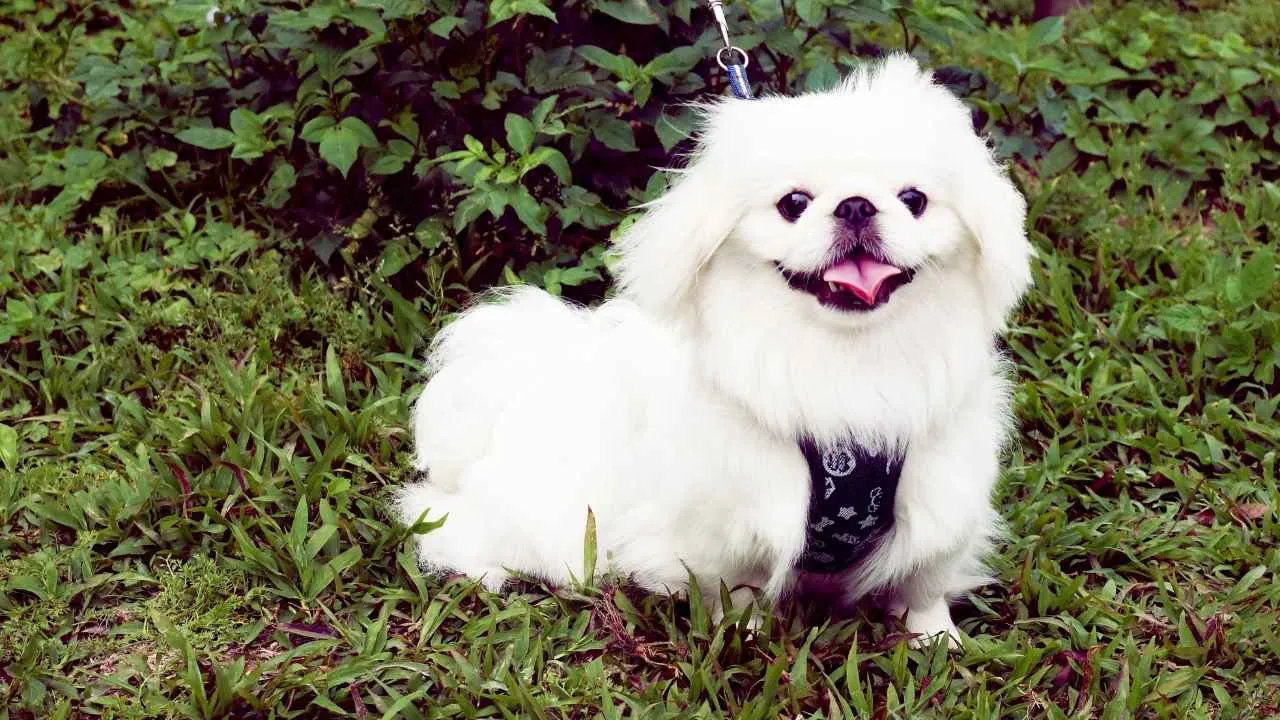
Pekingese presents a bold and self-assured attitude packed into a compact frame, often behaving with quiet authority in everyday settings.
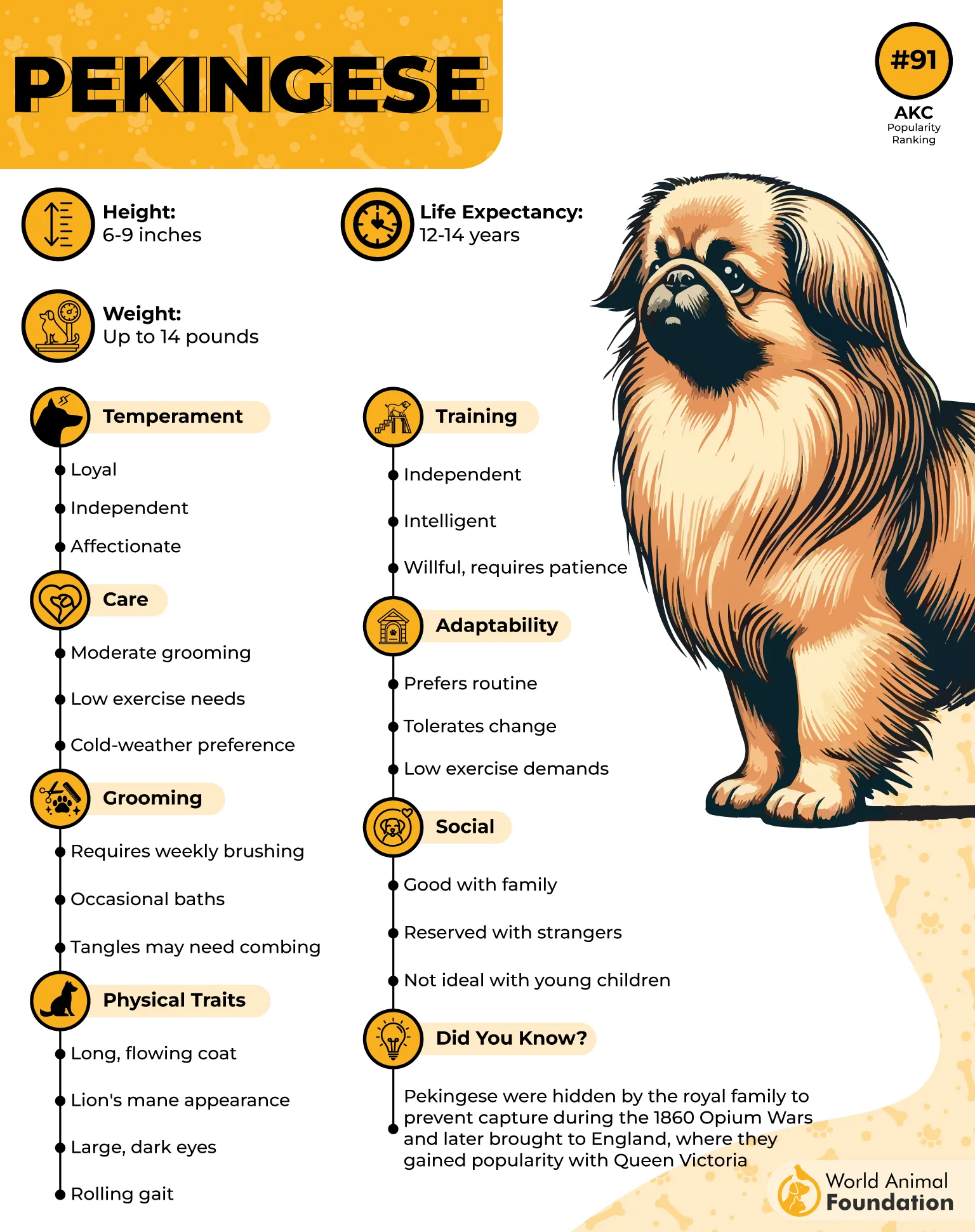
Its expressive presence and confident demeanor make it far more than a typical companion. The breed’s origins trace back to Chinese Buddhist monasteries, where it was admired as the “Lion Dog.”
Compact Living Style
This lap dog adapts well to smaller living spaces, balancing independence with moments of affection on its own terms. Its daily rhythm leans toward relaxed indoor activity rather than constant movement.
A closer look at its habits reveals:
Comfortable spending time indoors
Enjoys short, controlled walks
Handles apartment living with ease
Social Behavior
They show a mix of affection and independence, choosing when to engage rather than seeking constant attention. It interacts well with respectful children and familiar pets when introduced early, as PDSA claims. Its alert nature also leads to quick vocal responses when someone approaches the home.
4. Maltese
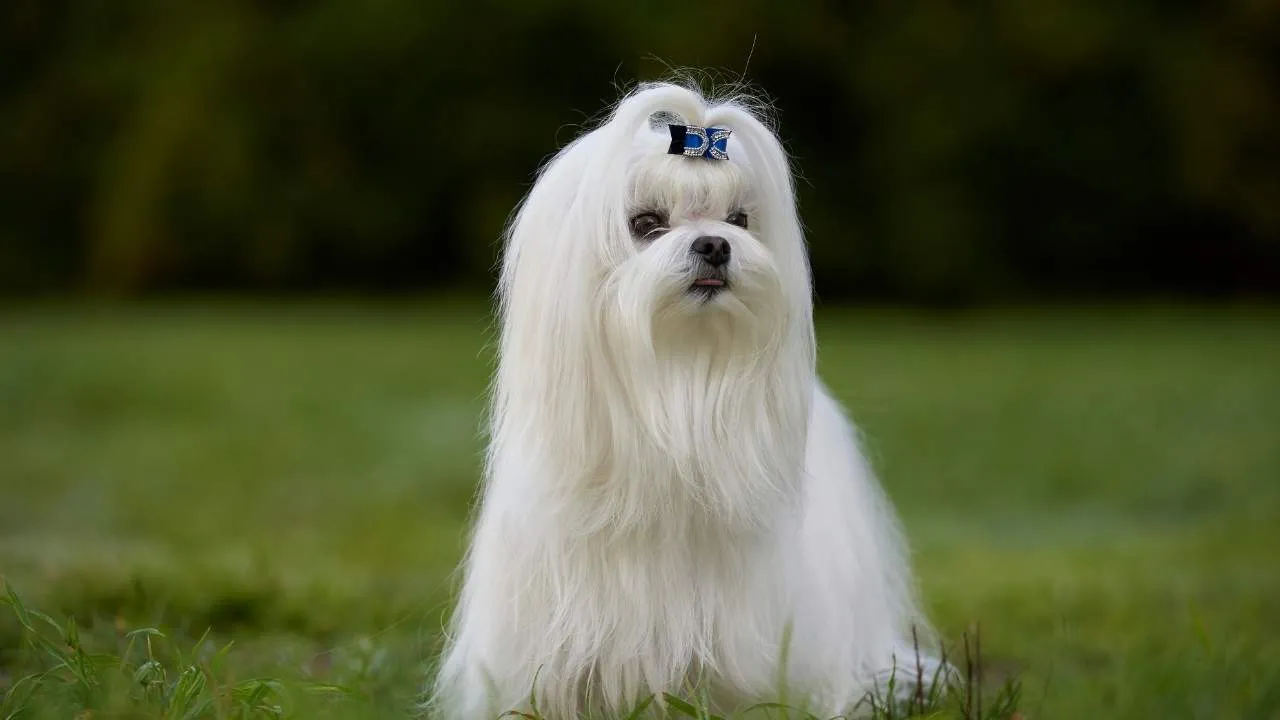
Maltese keeps a lively, almost puppy-like energy that continues well into adulthood, often turning everyday moments into playful interaction. This cheerful attitude pairs with a strong desire to stay close, rarely choosing distance over companionship.
Small Size and Daily Comfort
These companion dogs stay small throughout life, preferring lap time and short activity bursts, which suits a lifestyle that values ease over constant motion.
These experiences shape their daily routine:
Content with short walks or brief play sessions
Enjoys staying close rather than roaming far
Welcomes visitors after the initial alert barking
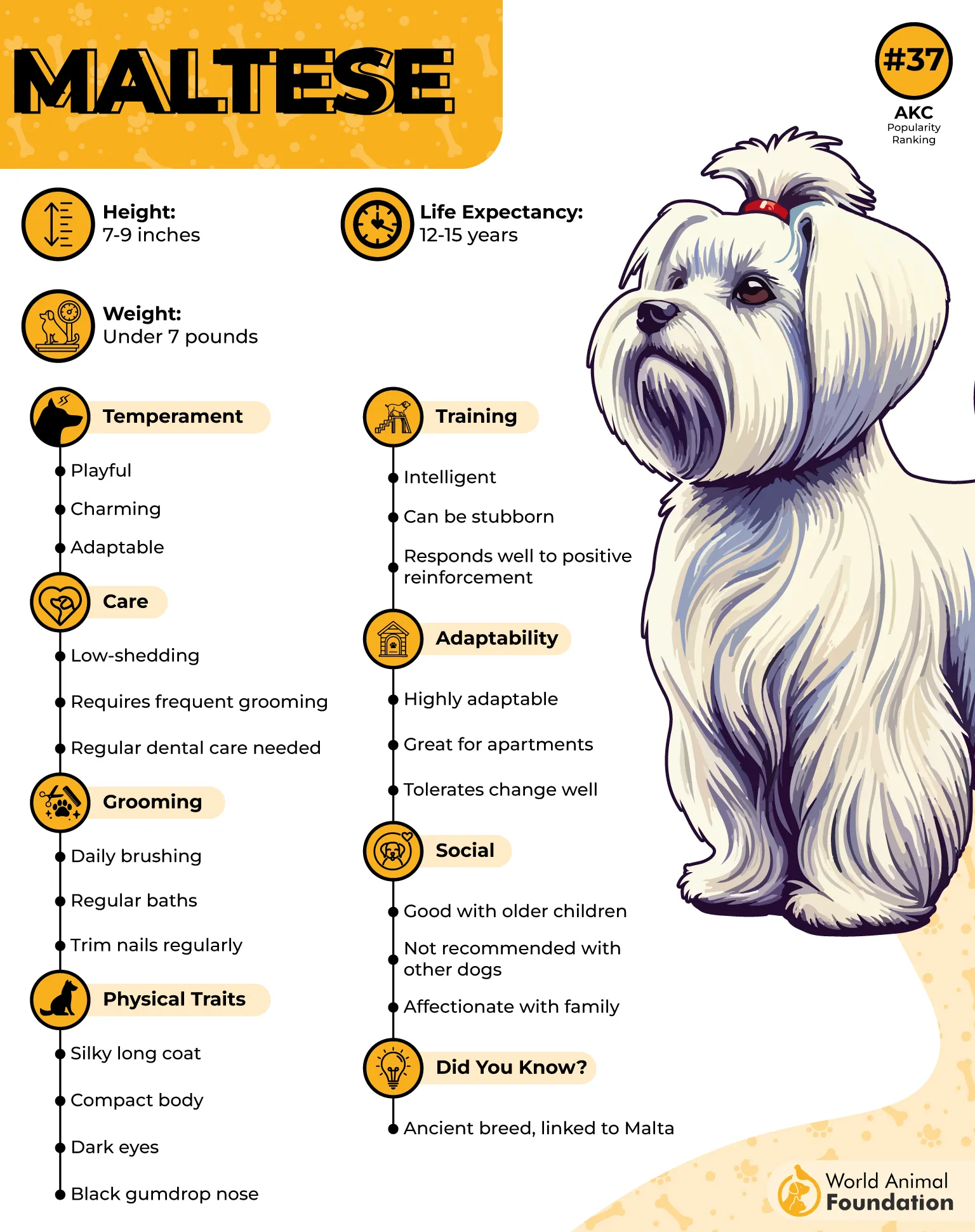
Social Behavior at Home
They show a friendly and affectionate side that extends to children, other pets, and familiar guests. This toy breed may alert quickly when someone arrives, yet the response softens into warmth once interaction begins. This balance keeps the home environment active without becoming overwhelming.
5. Bichon Frise
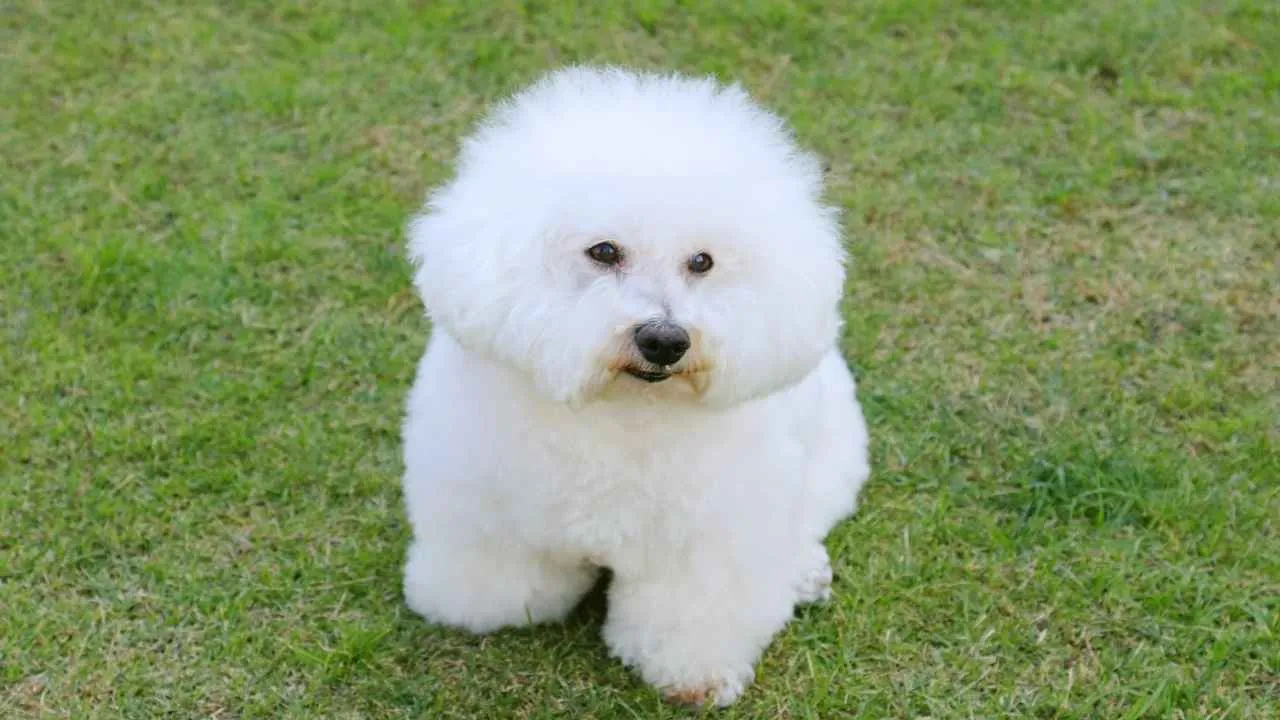
Bichon Frise thrives on constant human interaction, often staying close and seeking attention through playful antics. Its cheerful personality and love for companionship make it hard to ignore in daily life. Originally bred from Mediterranean Barbichon lines, they were shaped to be people-focused.
Everyday Companionship
These gentle and affectionate companions pair with a strong need to stay involved in routine activities, making presence more important than space. This behavior becomes easier to manage when its social needs are understood early on.
A quick look at daily tendencies explains it well:
Seeks attention and dislikes being alone
Friendly with strangers and other pets
Alert with a tendency to bark quickly
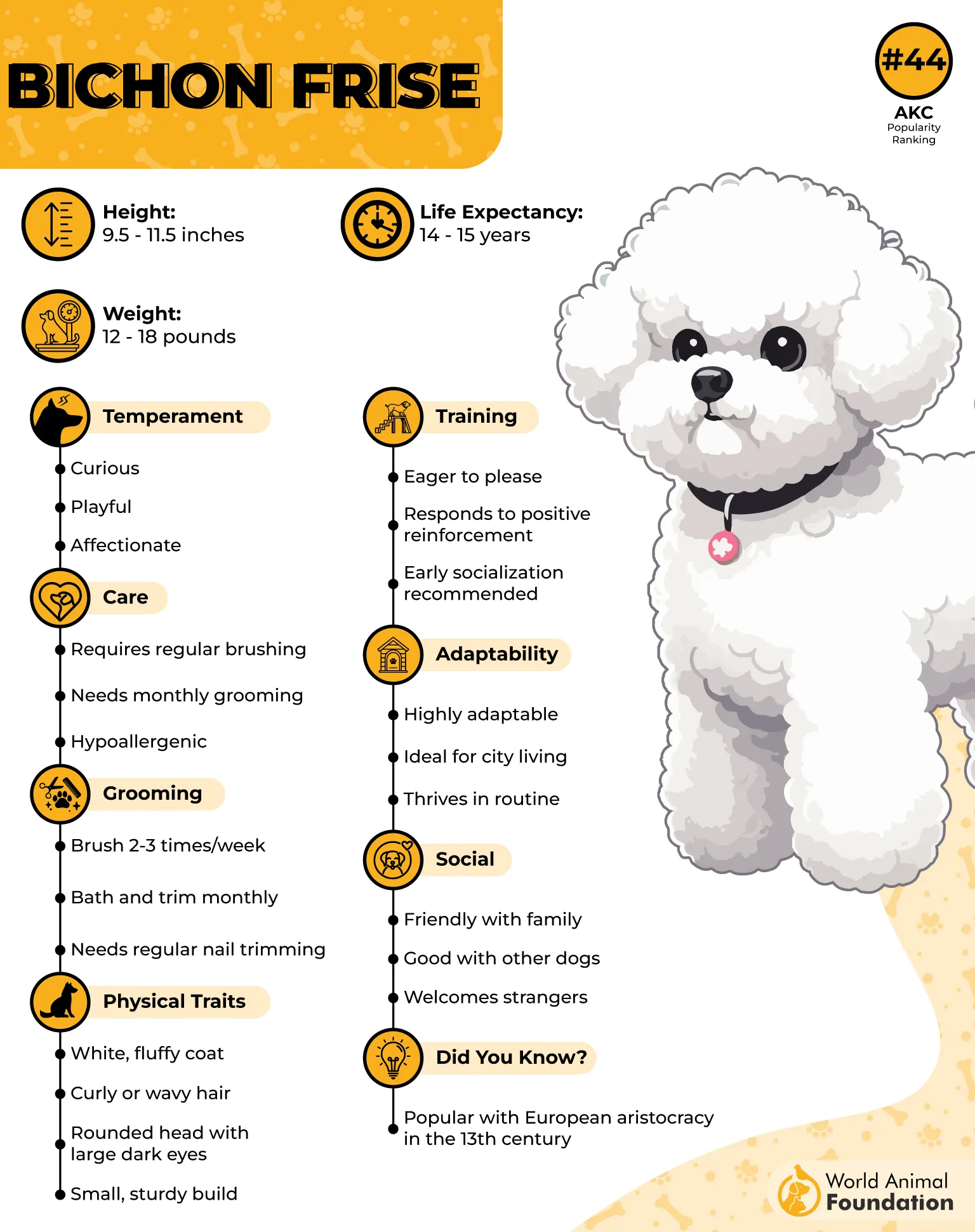
Behavior in Daily Life
Bichon Frise reacts quickly to its surroundings, often picking up on mood changes and responding with sensitivity. Its alert hearing means it notices even slight disturbances, which explains its vocal nature indoors. Without enough engagement, boredom can lead to unwanted habits within the home.
6. Shih Tzu
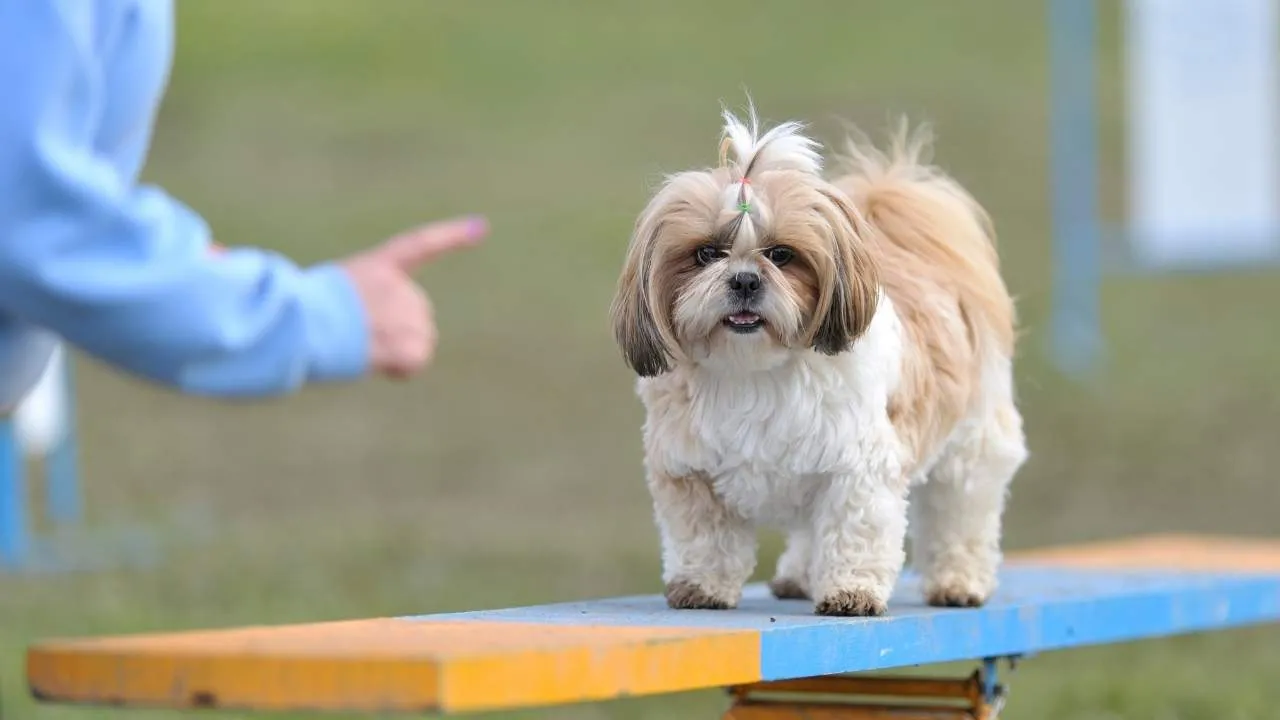
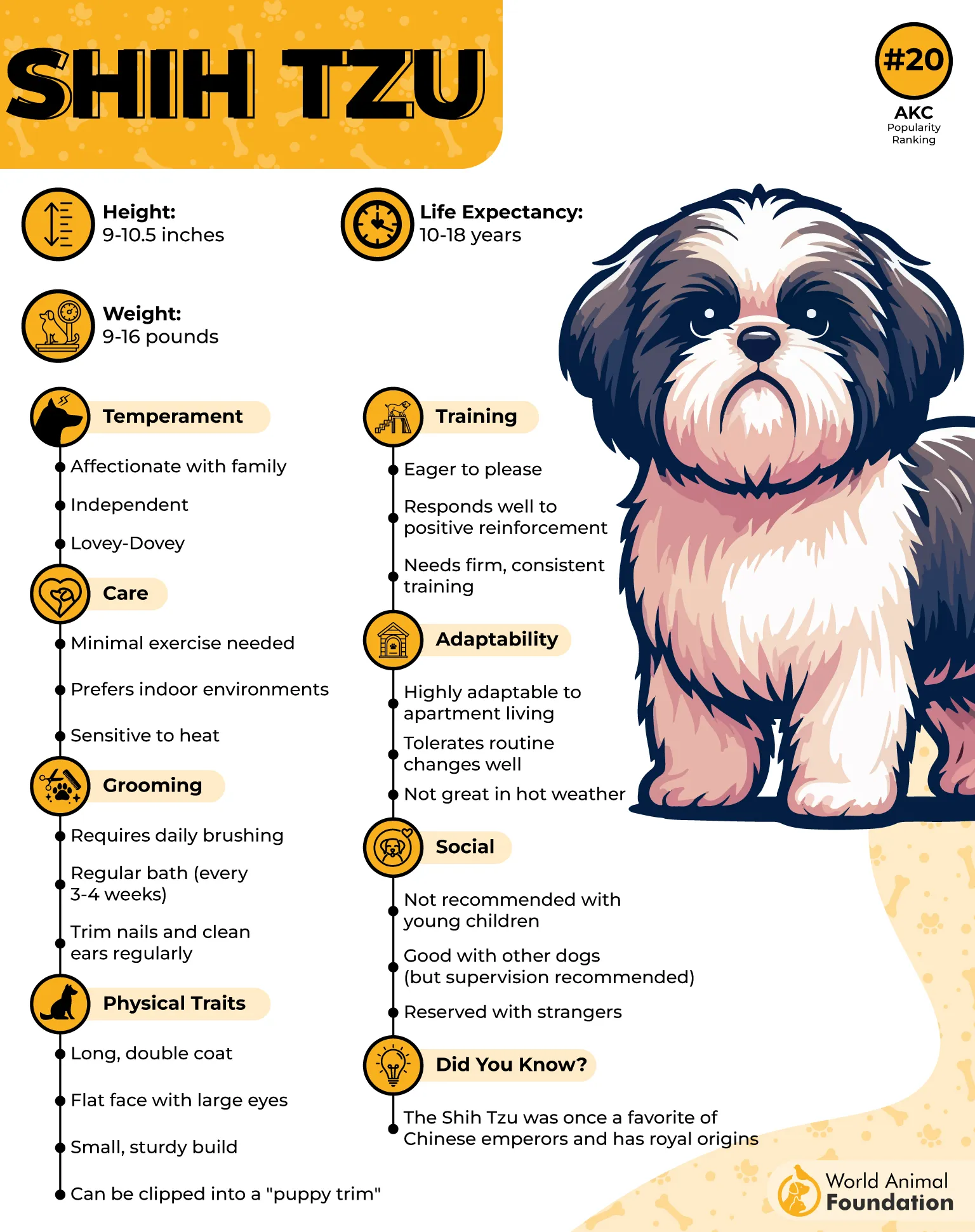
Shih Tzu stays close by choice, often settling on laps, cushions, or beds as part of its daily routine. Its playful and affectionate behavior reflects a long history as a cherished companion in China, where it was linked with Buddhist traditions and known as the Lion dog.
Small Size and Daily Living
This cuddly companion is comfortable in compact spaces, making it suitable for homes where space and activity levels are moderate. Its preference for relaxed routines aligns well with a lifestyle that values companionship over constant activity.
A few everyday traits highlight this ease:
Enjoys lounging on soft spots like beds and sofas
Friendly with familiar people and other pets
Low need for extended physical activity
Behavior and Interaction
They engage warmly with people and often react with excitement when someone arrives, more for attention than alerting. It plays well with respectful children and maintains a social attitude toward strangers and other animals.
7. Pomeranian
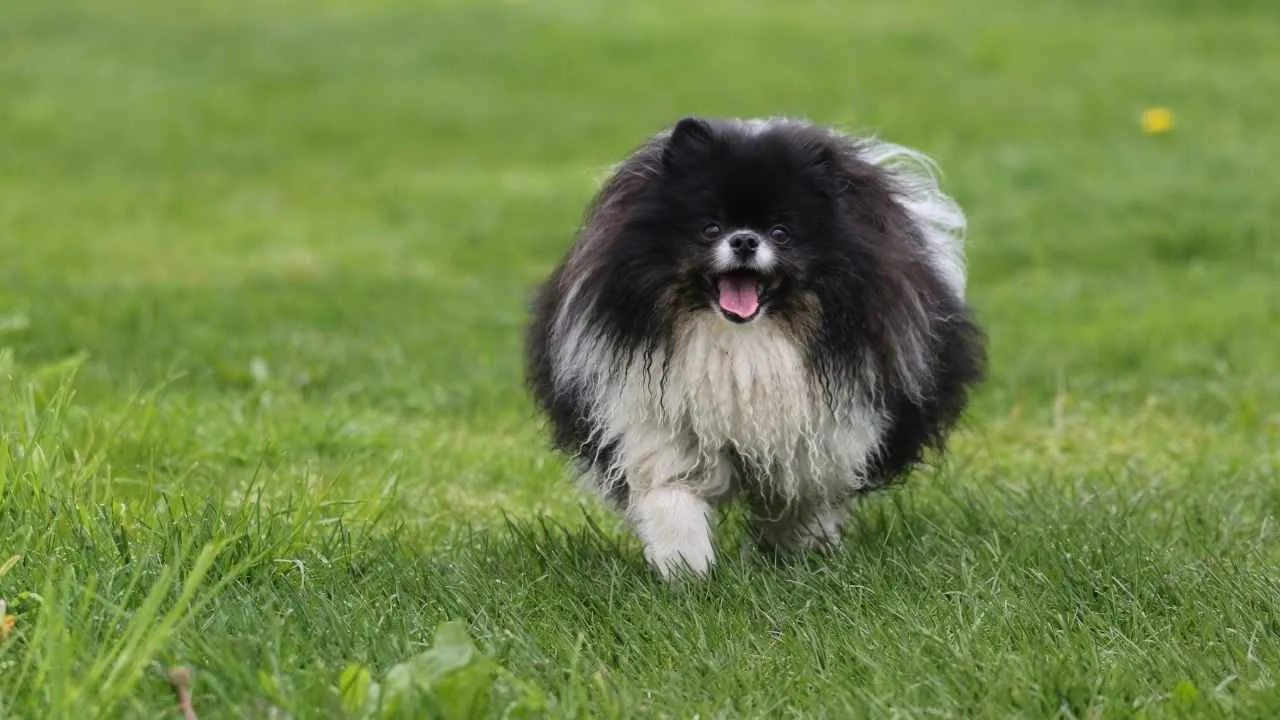
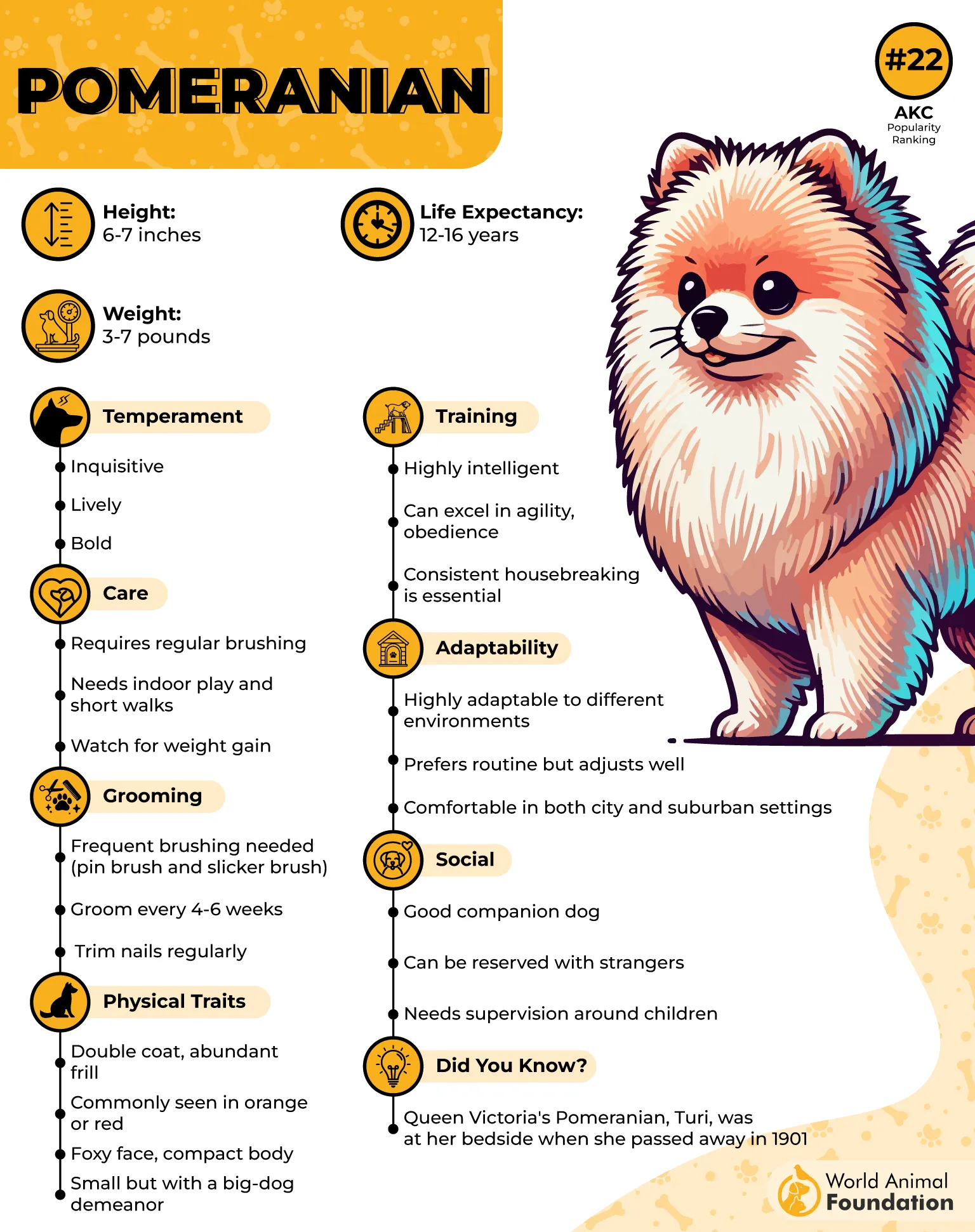
Pomeranian brings constant movement into a room with its alert, curious nature and lively expressions. This small spitz descends from larger German Spitz lines, gradually bred down in Pomerania to achieve its compact form. Their habit of staying involved in everything around it shapes its everyday character.
Compact Living Advantage
Pom remains small by design, making it easy to manage in homes where space and handling matter. Its size works best when paired with interaction and mental engagement rather than isolation.
These traits support their day-to-day behavior:
Enjoys staying close and involved indoors
Quick to learn tricks and routines
Comfortable as a lap companion
Social Behavior and Awareness
They are interested in everyone nearby, often seeking attention from more than one person in the household. It may react to unfamiliar faces with alertness, which makes early social exposure important. This balance of friendliness and watchdog traits shapes how it interacts daily.
Conclusion
Small dogs that remain compact through life offer more than convenience; they create a living experience that feels manageable and steady. The breeds explored here reflect how adaptability and personality shape that experience in subtle ways. Some lean toward constant companionship, while others prefer a quieter, more independent rhythm.
This variation allows different homes to find a natural fit without forcing change. When a dog settles easily into its surroundings, the environment stays balanced and predictable. Over time, that harmony builds a connection that feels effortless, where daily routines continue smoothly, and the presence of the dog adds comfort without disruption, even for first-time dog owners.
