




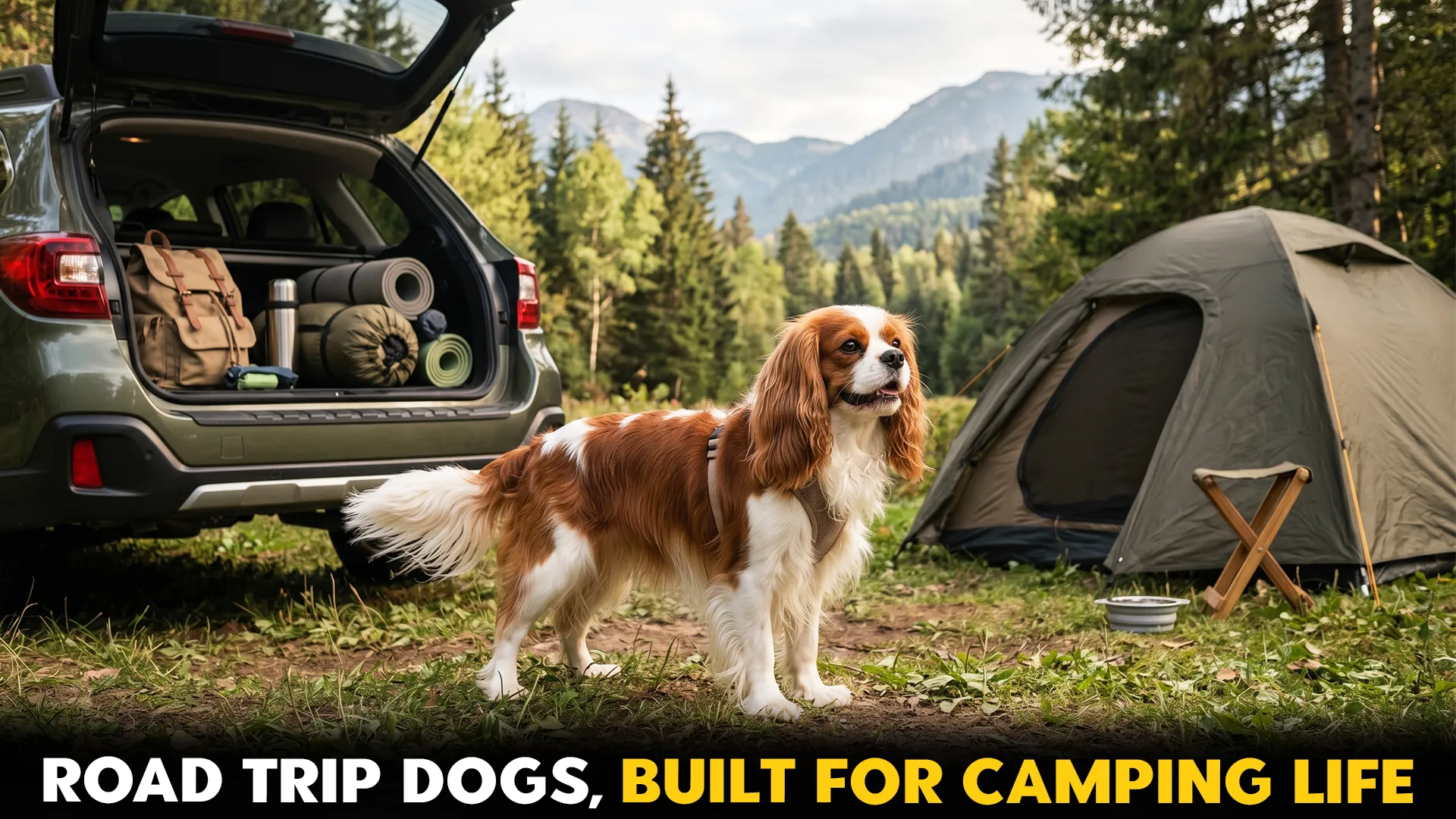
Nothing beats the thrill of packing the car, choosing a trail, and bringing your dog along for the adventure.
The right canine travel partner can make every road trip, campsite stop, lake visit, and mountain walk feel more fun. Still, not every dog is eager for long drives, changing routines, or rugged outdoor days. Some breeds are built for action, while others prefer a quieter weekend at home.
Before you hit the open road, it helps to know which dogs tend to enjoy travel, outdoor activity, and time with their humans.
Here are seven dog breeds that can make road trips and camping adventures even more memorable.
Ideal Dog Breeds for Road Trips and Camping Adventures
1. Labrador Retriever
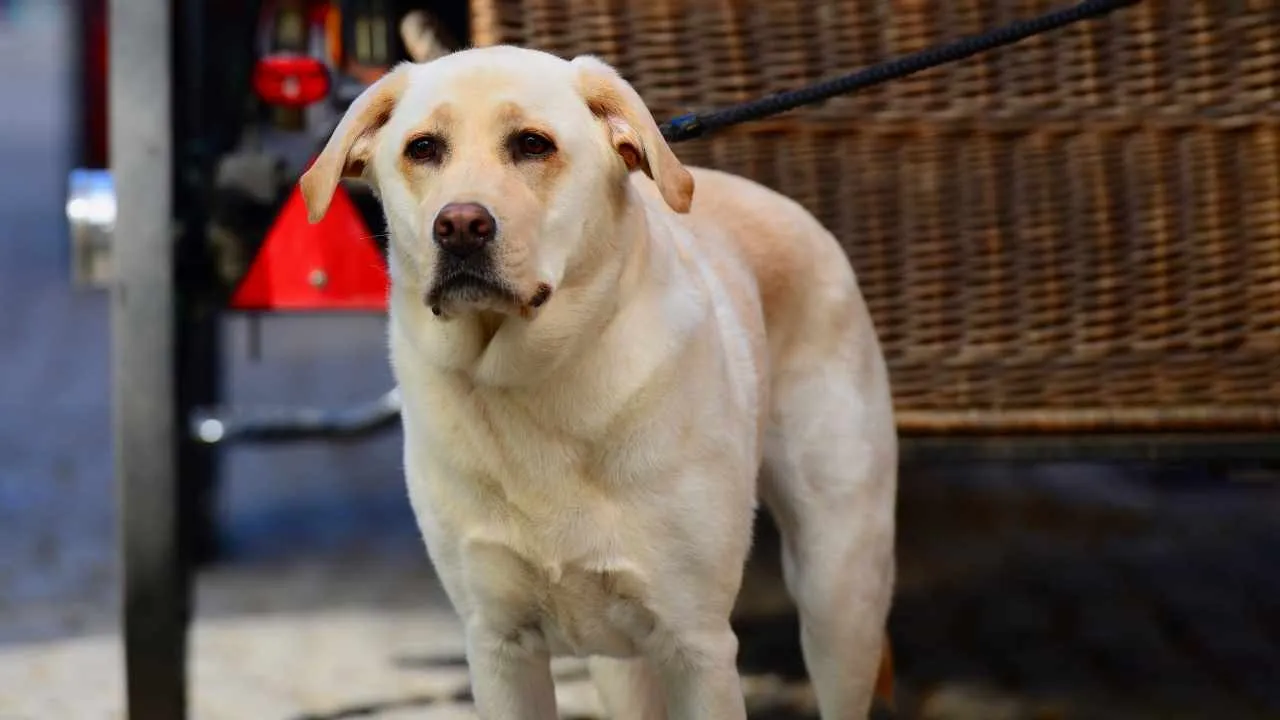
The Labrador Retriever has the kind of sturdy, cheerful build that looks ready for a day outdoors before you even find your keys. Originally from Newfoundland and later brought to England, this sporting dog is known for a short, dense coat, strong body, and the famous thick “otter tail” that helps it steer while swimming.
Labs are rugged, gentle, and even-tempered, which explains why they have been used as guide dogs, rescue dogs, police dogs, and service animals. They are friendly family pets, but young Labs can be strong-willed and powerful enough to drag an unprepared human into “surprise cardio” mode.
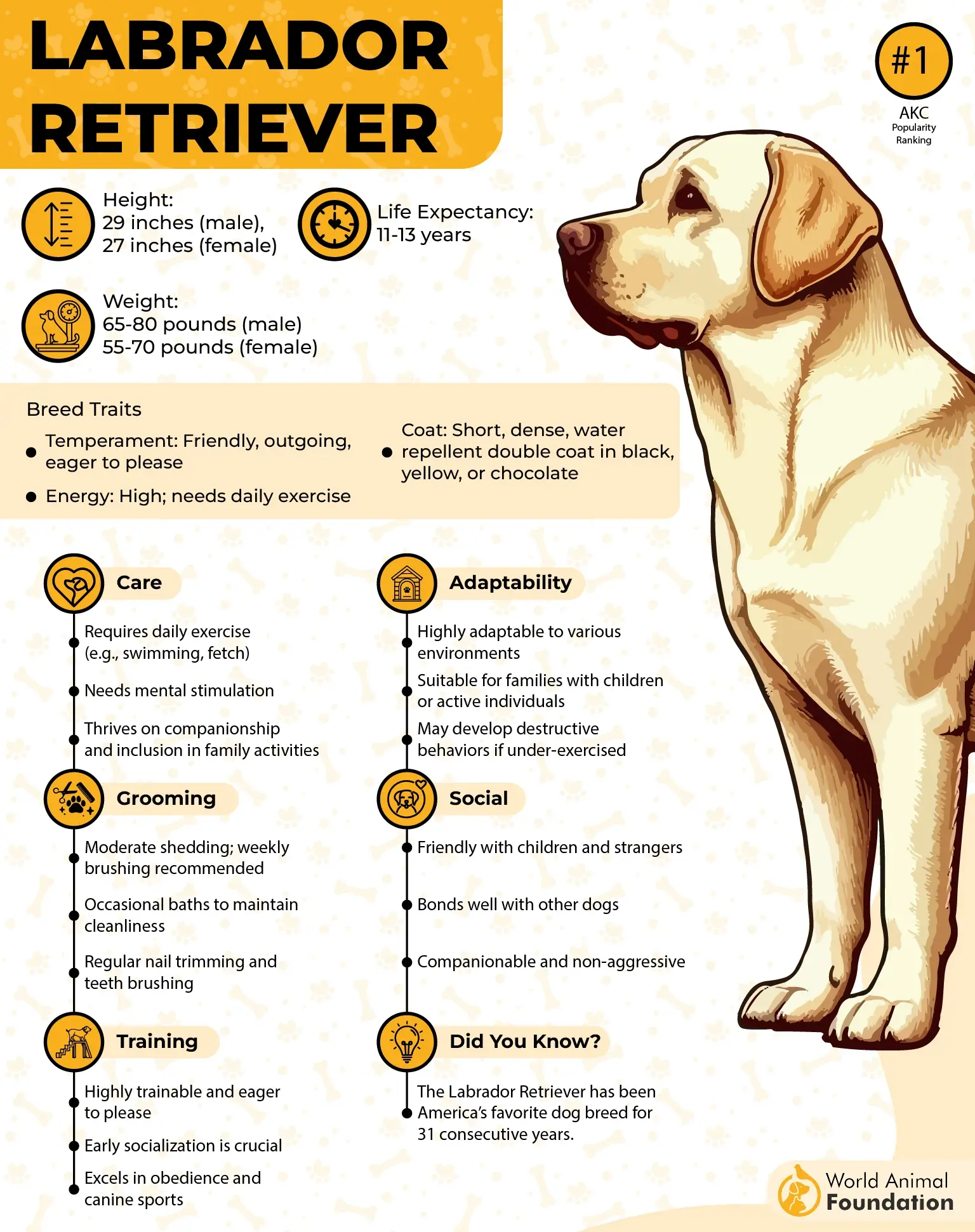
As per Britannica, this breed has serious energy and needs several hours of exercise daily, with running, swimming, retrieving, dock diving, and dog surfing listed among activities they enjoy. Their enthusiasm can also be a lot, since Labs may keep playing even when hot or tired, so owners need to watch them closely in warm weather.
Travel Tips
Plan water-friendly stops when possible, since swimming is a smart way for Labs to burn energy in hot conditions.
Keep a firm handle on younger Labs around trailheads, campsites, and parking areas, because strength plus excitement can become a comedy scene.
Pack a brush for shedding seasons, especially if your car seats are not emotionally prepared for Lab glitter.
2. Golden Retriever
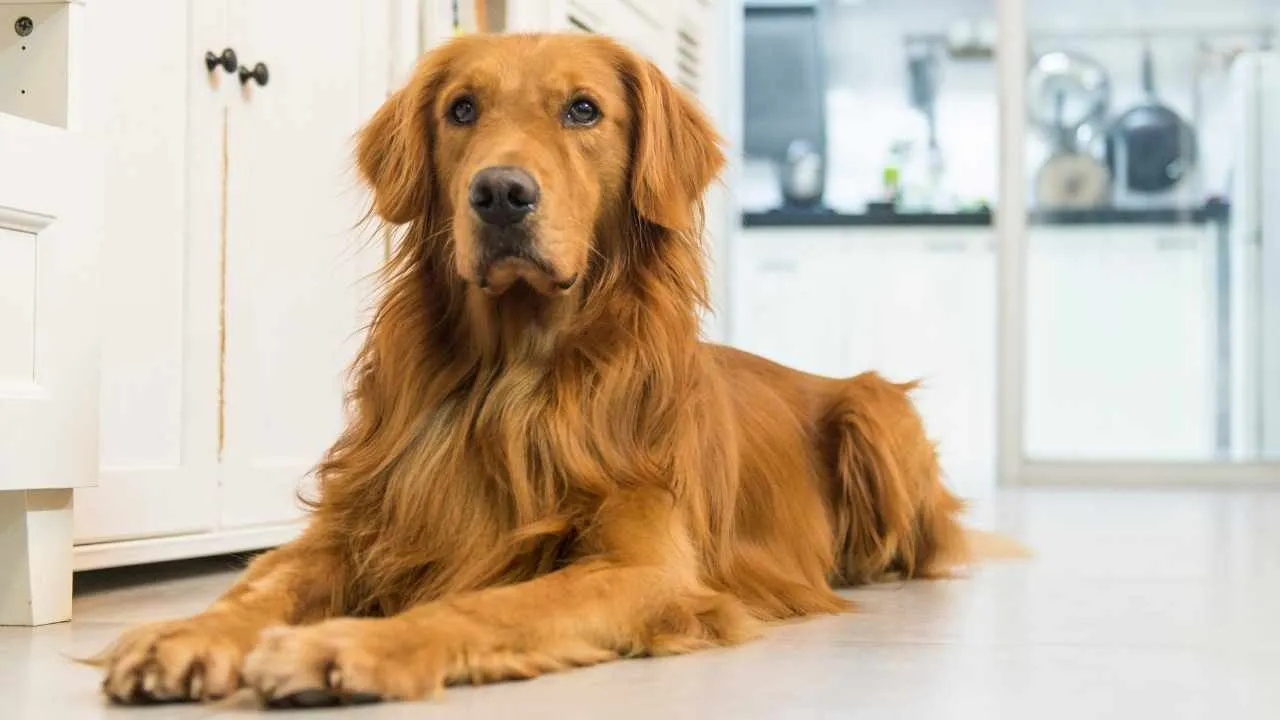
The Golden Retriever brings sunshine wherever it goes, and its friendly, devoted nature makes it easy to see why people love traveling with this breed. Goldens are outgoing, trustworthy, eager to please, and playful into adulthood, so they often treat new places like a bonus chapter in their favorite book.
According to the AKC, this medium-sized sporting dog is sturdy and muscular, with a dense golden coat and a smooth, powerful way of moving. Goldens were built for retrieving waterfowl, so swimming and fetching come naturally, and outdoor play is one of their happiest outlets.
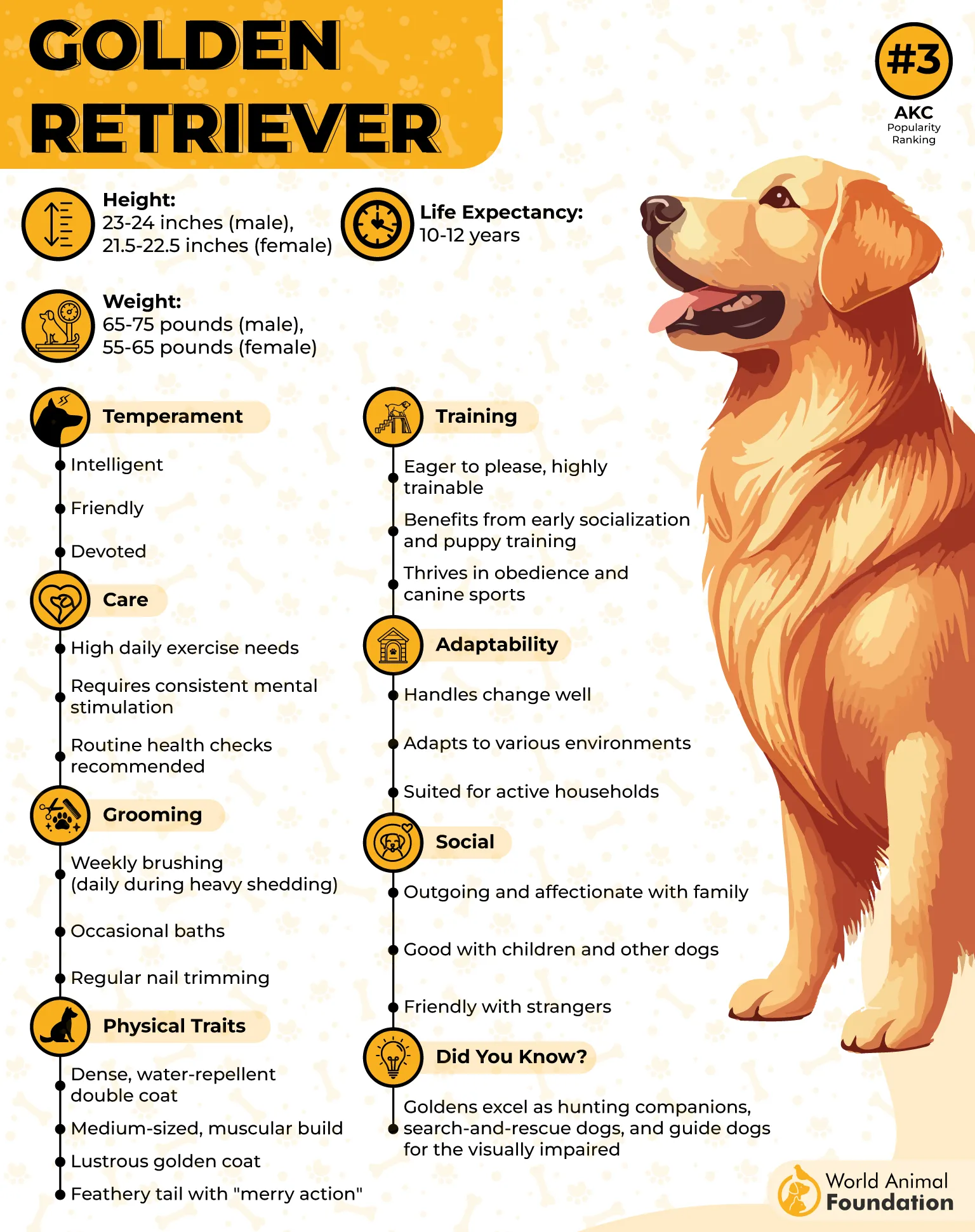
Travel still takes planning, because Goldens are large, energetic dogs with physical and emotional needs. Short practice trips, regular routines, health checks, ID tags, vaccination records, and basic obedience all help make the experience calmer, especially when the trip involves long drives, hotels, flights, or busy public places.
Travel Tips
For car rides, use a secured crate or harness seat belt, so your Golden does not become a furry bowling ball during sudden stops.
Build breaks into long drives for bathroom time and exercise, because a bored Golden can turn the back seat into a drama stage.
Bring familiar bedding or a favorite toy to help your dog settle in rentals, hotels, or campsites.
3. Cavalier King Charles Spaniel
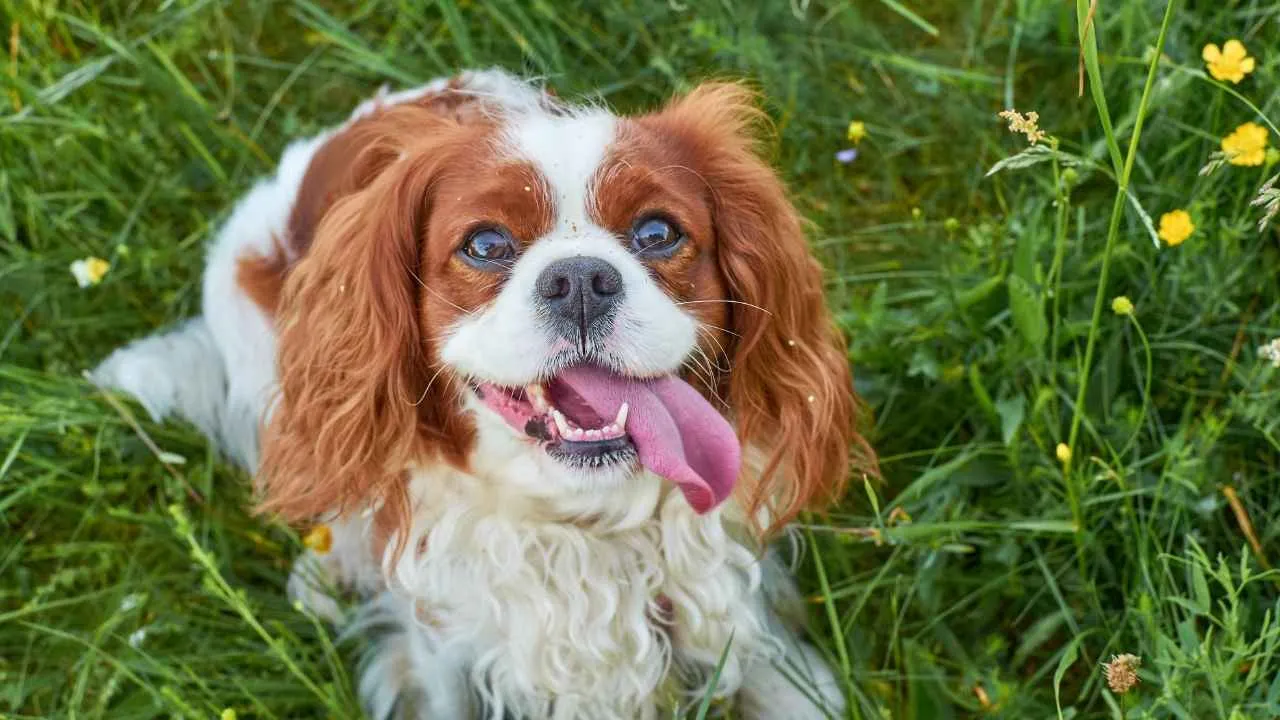
The Cavalier King Charles Spaniel is small, sweet, and charming enough to make strangers suddenly remember they “love dogs.” PetMD describes Cavaliers as loving companion dogs with a friendly, loyal temperament, and their history as lap-warming pets explains why they enjoy staying close to their people.
Cavaliers are typically small, making them easier to manage in cars, lodging, and tighter travel spaces. They can fit many lifestyles because they enjoy moderate activity, yet they are also happy to relax once their exercise needs are met.
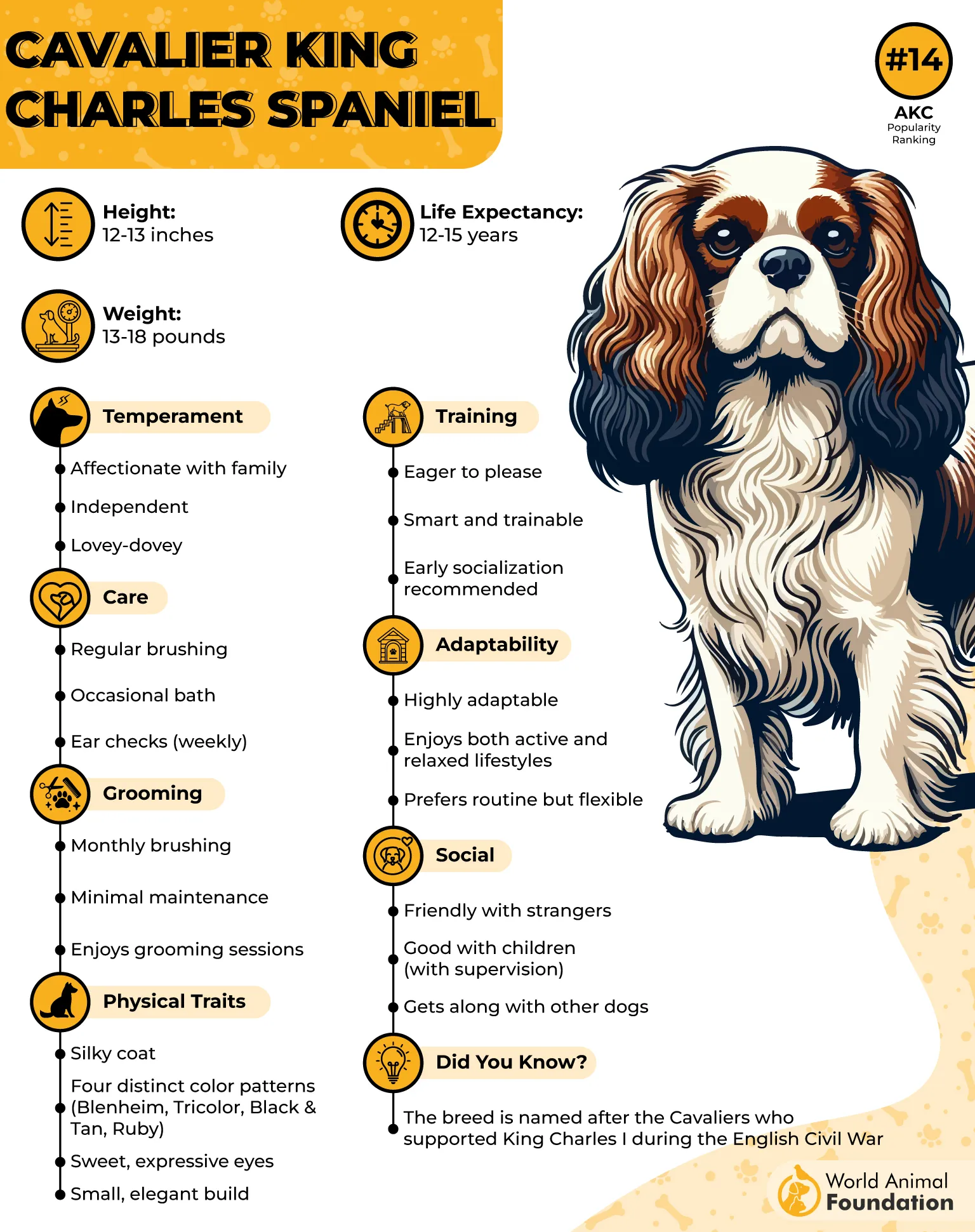
These dogs still need thoughtful care outdoors and on the move. Cavaliers should not be left alone for long periods, should not be allowed off-leash because an interesting smell may tempt them away, and benefit from regular walks, playtime, hiking, obedience, rally, or agility when suited to the individual dog.
Travel Tips
Use a leash in new places, because a Cavalier may follow a scent like it just received secret royal instructions.
Keep daily walks in the plan, but do not overload the schedule with rugged activity beyond this small breed’s comfort.
Check ears and coat during trips, especially after grassy walks or dusty campsites.
4. Beagle
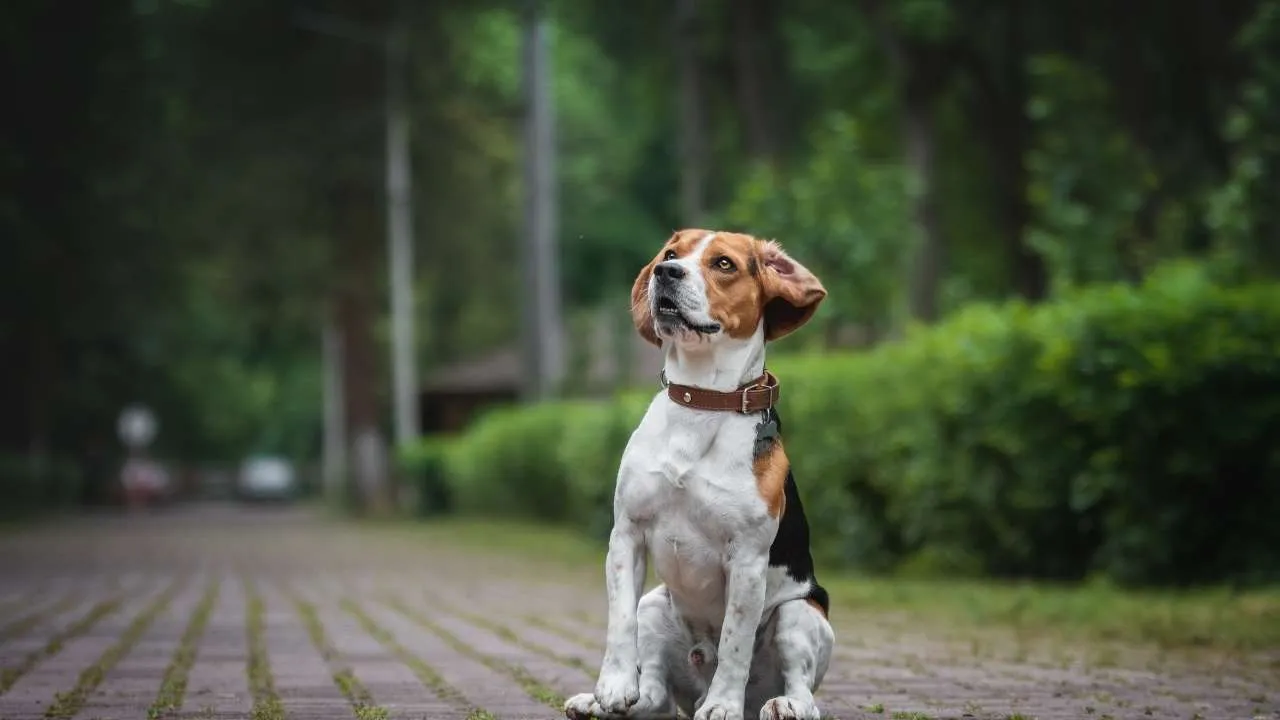
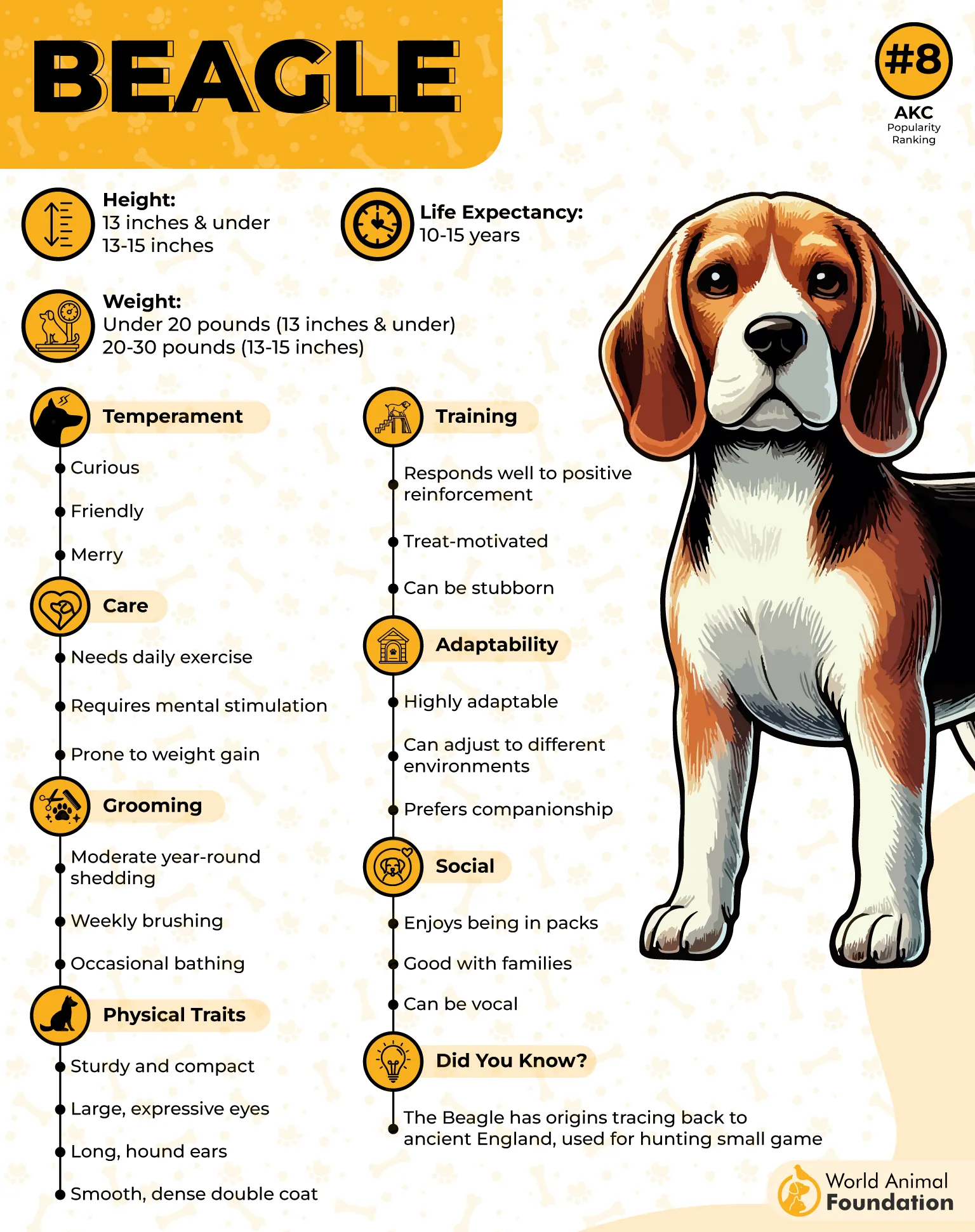
The Beagle is a compact hound with a big personality, large brown eyes, hanging ears, and a short coat often seen in black, tan, and white. The breed is solidly built, heavy for its height, alert, affectionate, outgoing, playful, cheerful, adventurous, and gentle.
This breed was developed to hunt rabbits or hares, and that scent-driven background matters in everyday life. A Beagle may be friendly with people and other dogs, but it can also be independent, distractible, and tricky to train when its nose has found something more interesting than your carefully delivered command.
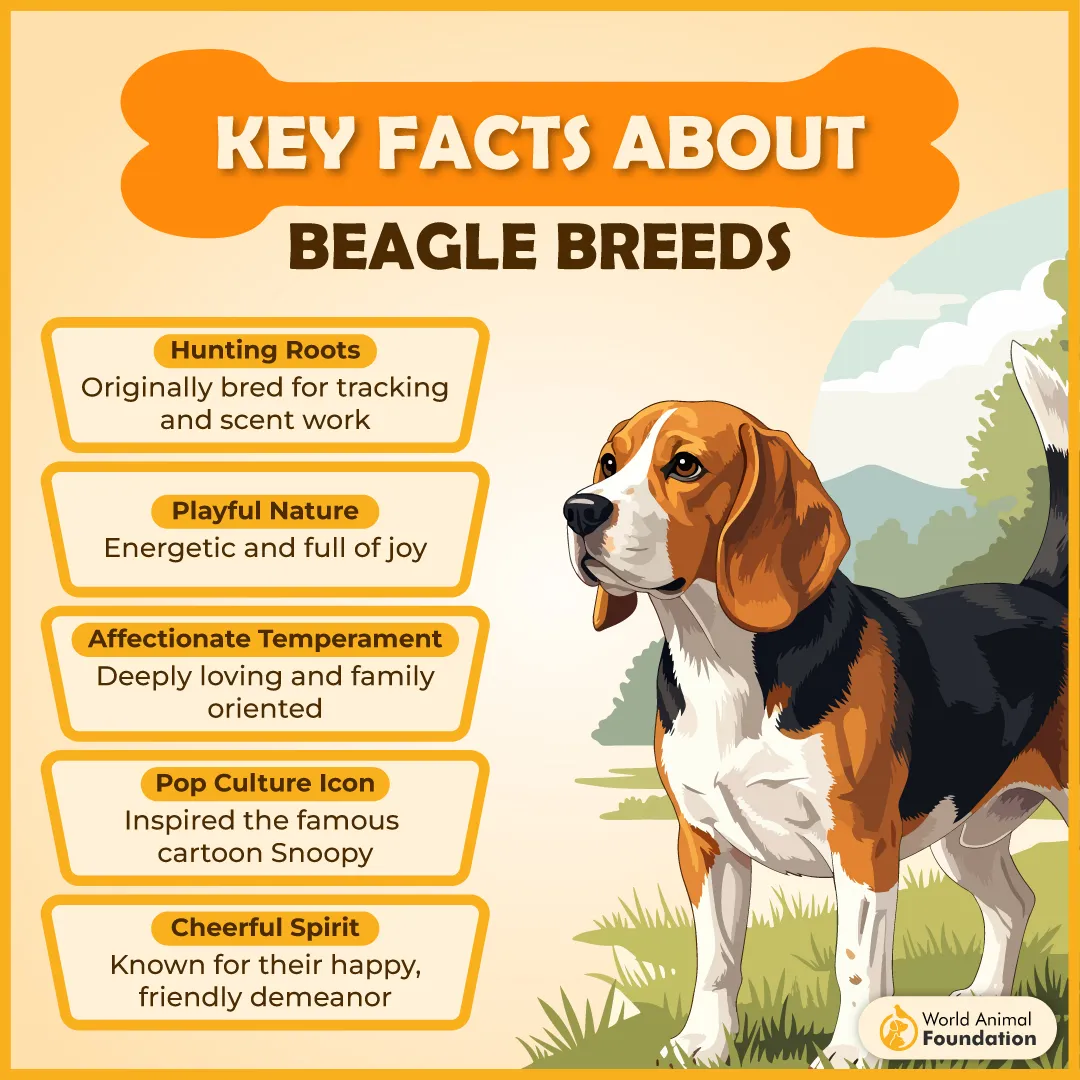
For active owners, Beagles can enjoy vigorous game time, long leash walks, dog parks with suitable dogs, and plenty of exploration. They are not good candidates for off-leash hiking because they may follow a scent and fail to come back, which is very Beagle and very inconvenient.
Travel Tips
Keep your Beagle secured with a crate or pet seatbelt in the car, since safety beats back-seat sniffing gymnastics.
Schedule regular stops for stretching, water, and bathroom breaks during longer drives.
Choose leash-friendly trails and fenced play areas, because the nose usually wins the debate.
5. Border Collie
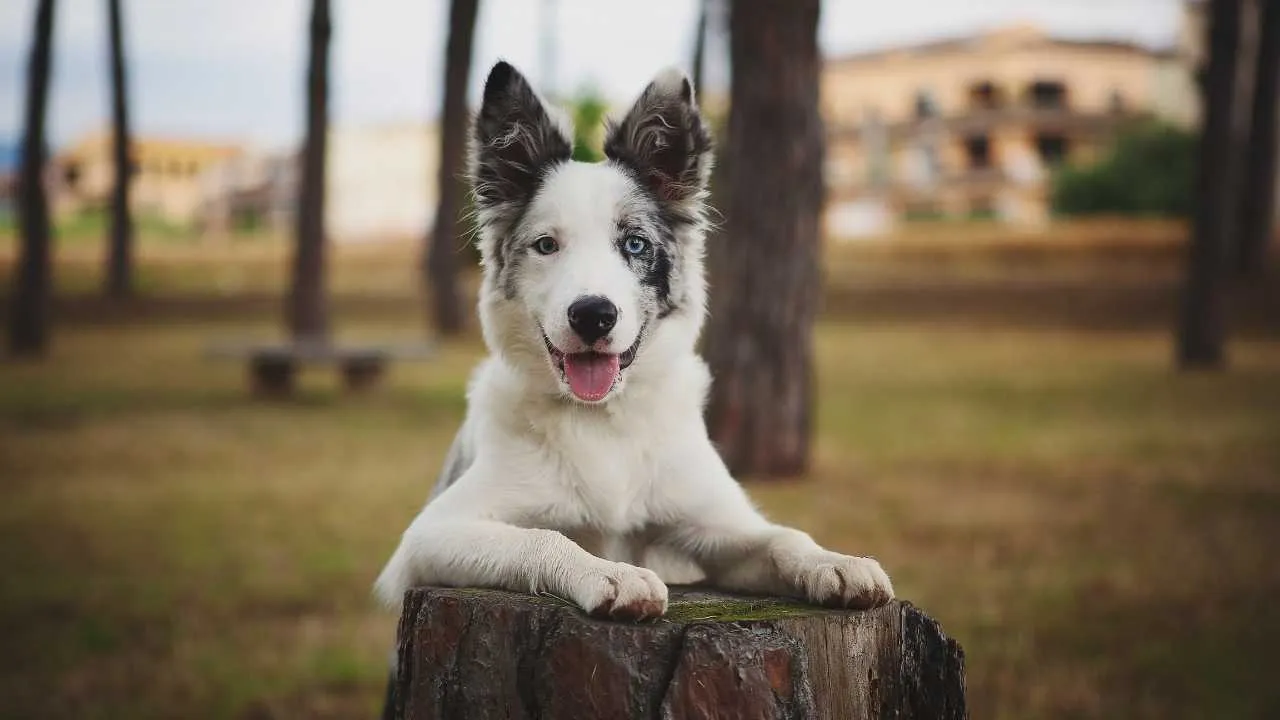
A Border Collie on a road trip is less “passenger” and more “assistant trip manager with paws.” The breed needs plenty of exercise, so long drives work best when the route includes breaks every couple of hours for movement, sniffing, and a quick reset before the next stretch of highway.
Comfort matters, especially if the dog is not naturally thrilled about car rides. A backseat cover or hammock can help a Border Collie feel more secure, while towels, pillows, a leash, dog bags, water, food, toys, treats, and medicine keep the travel setup practical instead of chaotic.
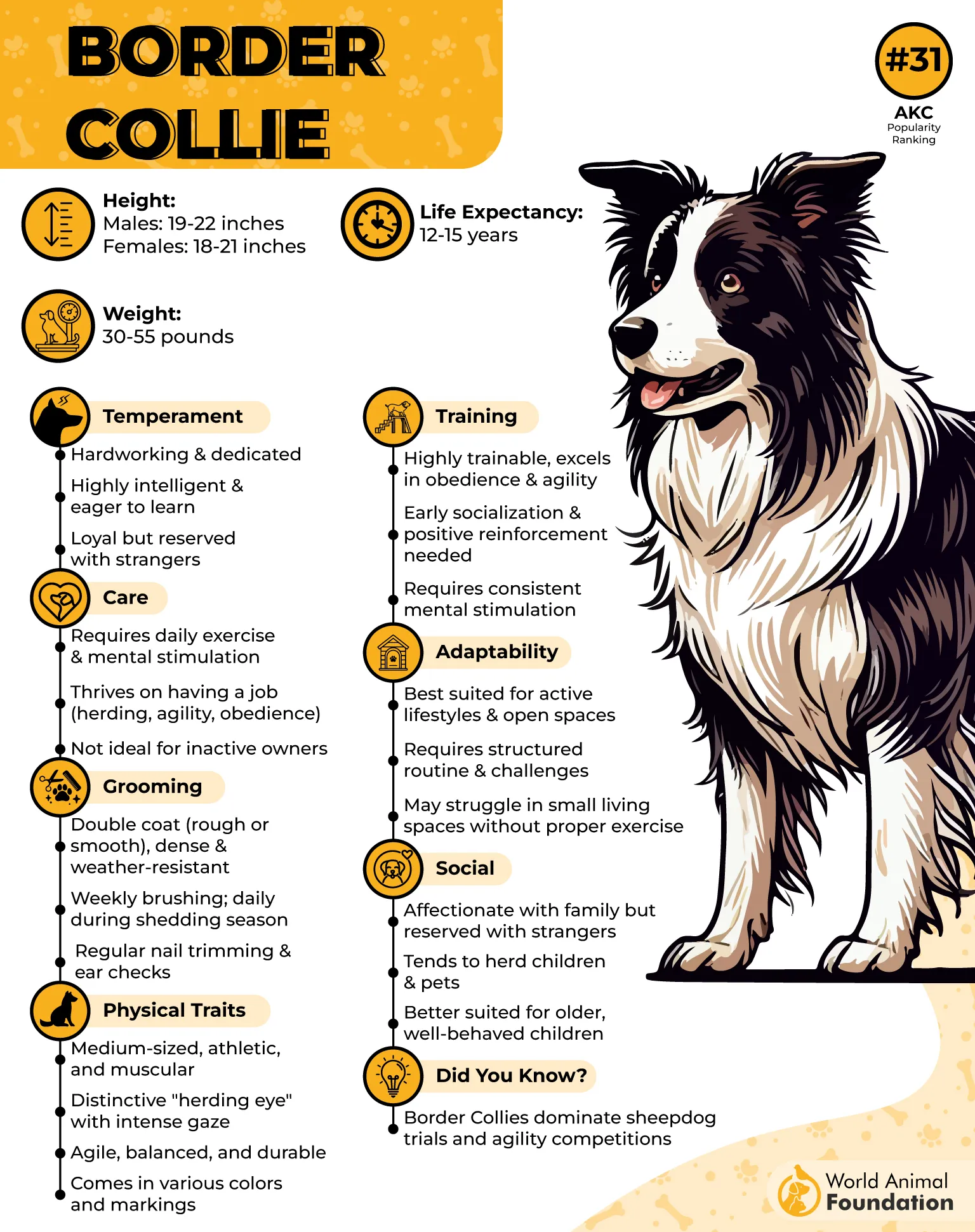
This breed fits especially well with trips that include parks, city walks, swimming spots, fetch, hiking, camping, and pet-friendly stays. Camping can be a favorite because it often includes the good stuff: outdoor space, games, food smells, and a tennis ball being delivered to humans who are clearly too slow at setting up the tent.
Travel Tips
Plan exercise stops before your Border Collie starts inventing jobs inside the car.
Keep tennis balls or favorite toys handy for quick games at parks, campsites, or safe open areas.
Book pet-friendly lodging with room to move, because a bored Collie can turn “relaxing evening” into “indoor sheepdog audition.”
6. Jack Russell Terrier
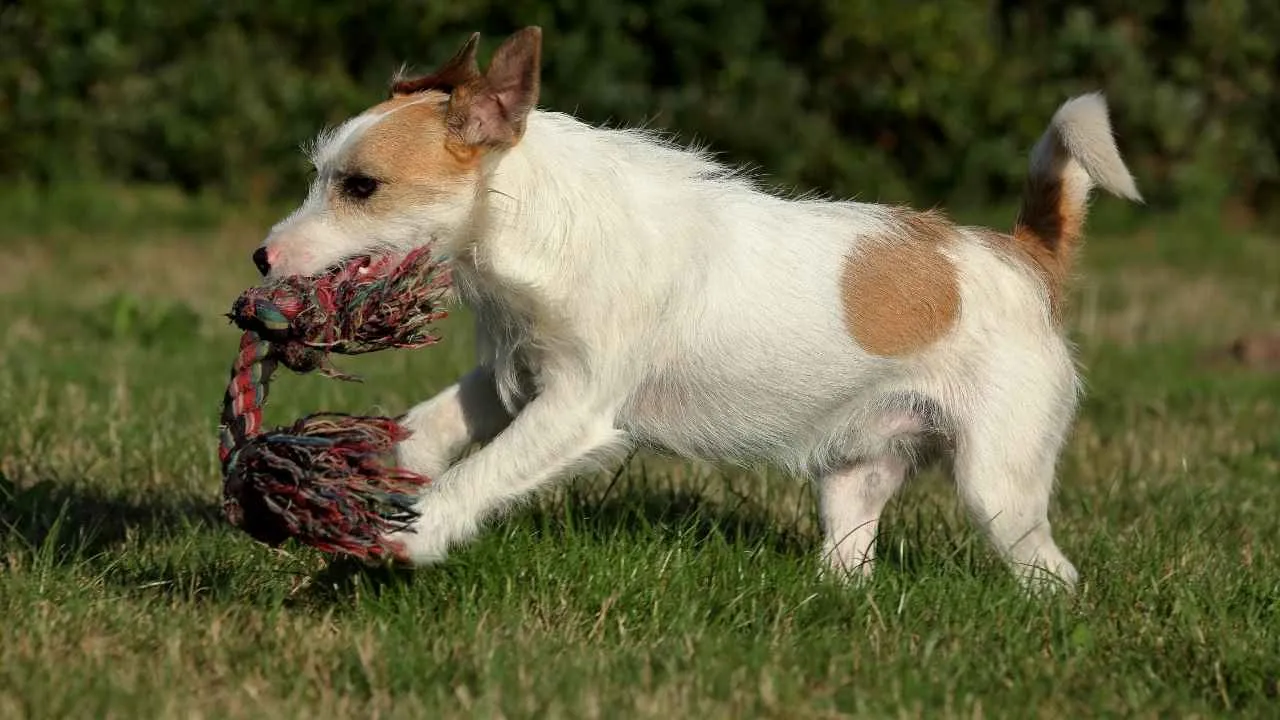
Jack Russell Terriers are small, fast, clever, and fully convinced the world needs more action. Bred in England for fox hunting and later valued as rat catchers, these terriers carry a tenacious attitude, strong chase instinct, and a mind that seems to be quietly plotting something under the table.
They are playful, feisty, energetic, and deeply attached to their owners, but they are not usually the best match for lazy travel days with no plan. Jack Russells may enjoy fetch, hide and seek, agility, frisbee, digging, sniffing, and long walks, then take a nap and wake up ready for round two.
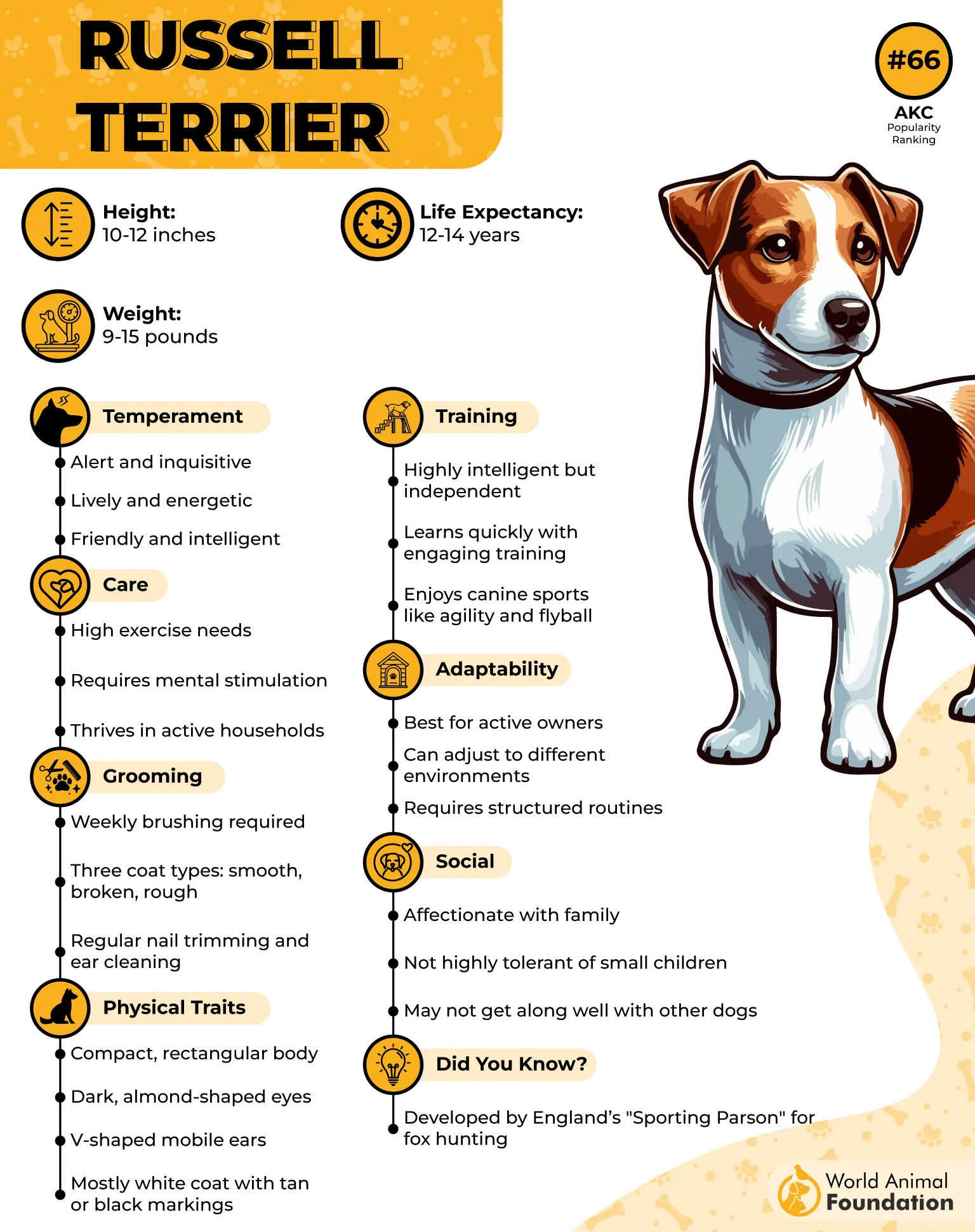
Travel prep should focus on calm handling, steady training, and safe confinement when needed. Crate training can take time, especially for a dog that dislikes confined spaces, so owners may need many months, short practice sessions, and possibly a professional trainer before a major move or flight.
Travel Tips
Start crate practice early and keep it gradual, because rushing a Jack Russell is like arguing with a tiny tornado.
Use a lead or secure area for walks, since the chase instinct can beat even your most dramatic recall voice.
Bring games that work their brain and bodies, so they spend the evening resting instead of redesigning your campsite.
7. Dalmatian
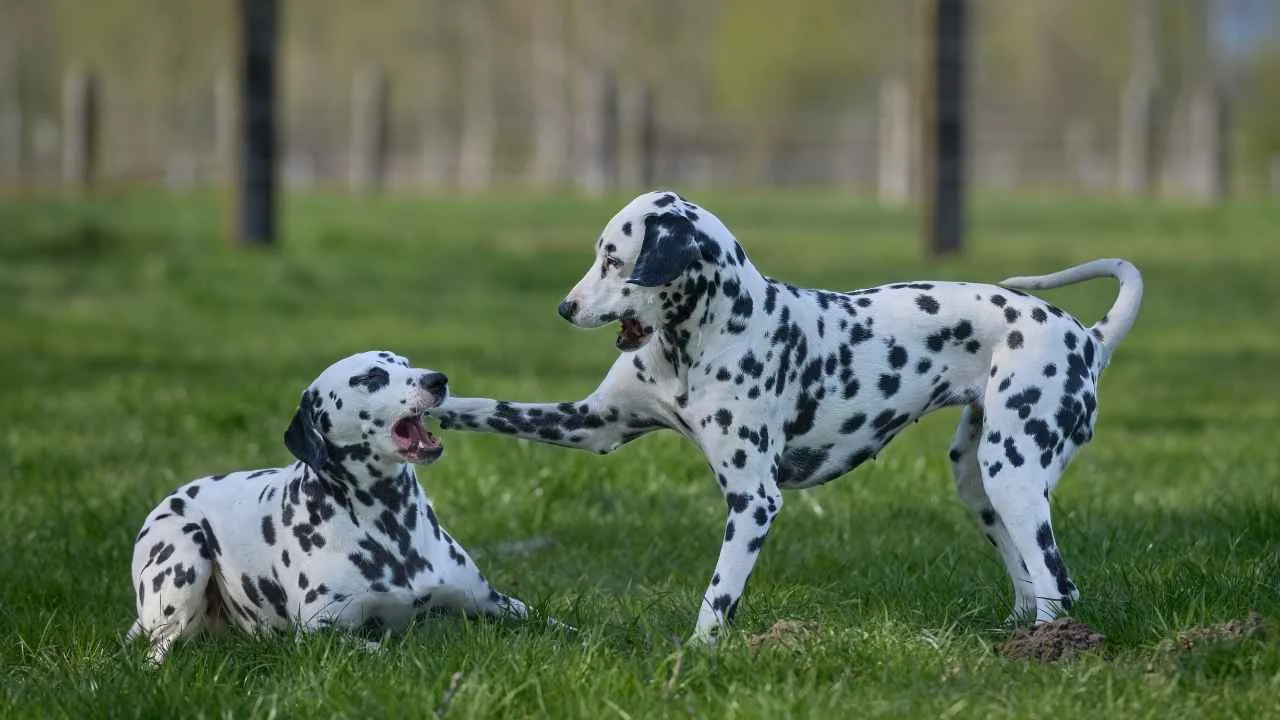
The Dalmatian is famous for its spotted coat, but the real headline is energy. This lively, active breed once ran alongside horse-drawn carriages and guarded passengers, so it makes sense that a Dalmatian often prefers a household that actually enjoys getting outside.
Dalmatians are loyal and friendly with their owners, yet they need plenty of physical and mental activity to stay happy. Without enough to do, they can get bored, and a bored Dalmatian may bark, chew, or create a home improvement project nobody asked for.
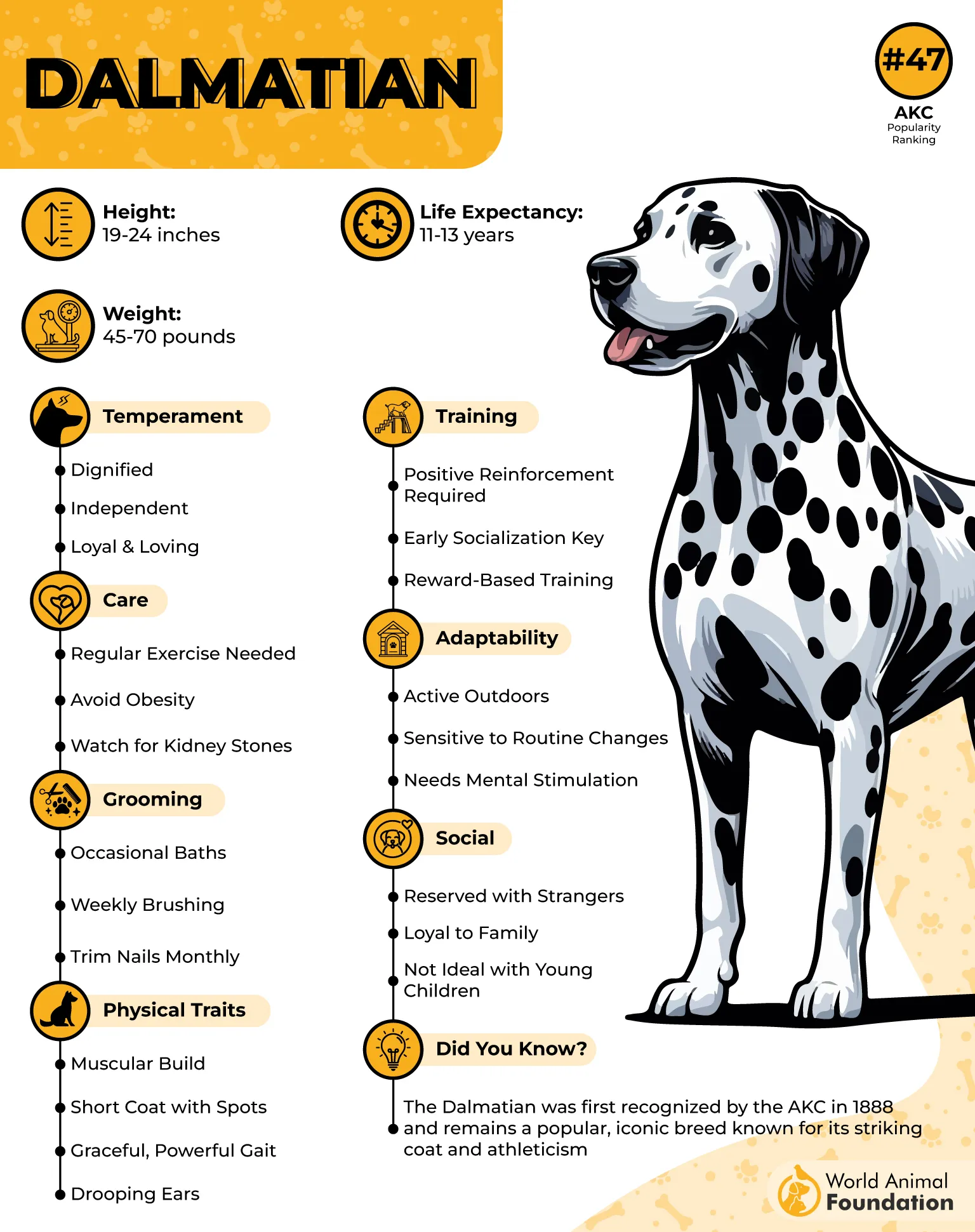
These dogs suit active families who can offer at least two hours of daily exercise, ideally split into walks with chances to run in a secure area. Training should be positive and consistent, socialization should start young, and their strength means leash manners are not optional unless you enjoy being walked like a kite.
Travel Tips
Build trips around long walks, secure runs, playtime, and training games, not just pretty views from the car.
Pack extra cleanup tools for shedding, because Dalmatian spots are cute, but loose hair is committed.
Keep them company during travel days, since this breed does best when it is involved instead of left out.
Conclusion
The best road trip or camping dog is not just the one with the most energy or the cutest “ready to go” face.
It is the dog whose size, temperament, exercise needs, health, and comfort with travel fit your plans. Some breeds love muddy trails, long drives, lake days, and tent life, while others need extra breaks, calmer routes, or shorter adventures.
Other herding dogs and mountain breeds, such as the Australian Shepherd, Australian Cattle Dog, German Shepherd, Bernese Mountain Dog, Siberian Husky, Alaskan Malamute, and German Shorthaired Pointer, are active dogs that do great on outdoor adventures, camping trips, rough terrains, and long hikes.
With smart preparation, safe travel gear, plenty of water, and regular rest stops, your dog can become the happiest co-pilot on the road.
Choose wisely, pack well, and enjoy the adventure together.
