




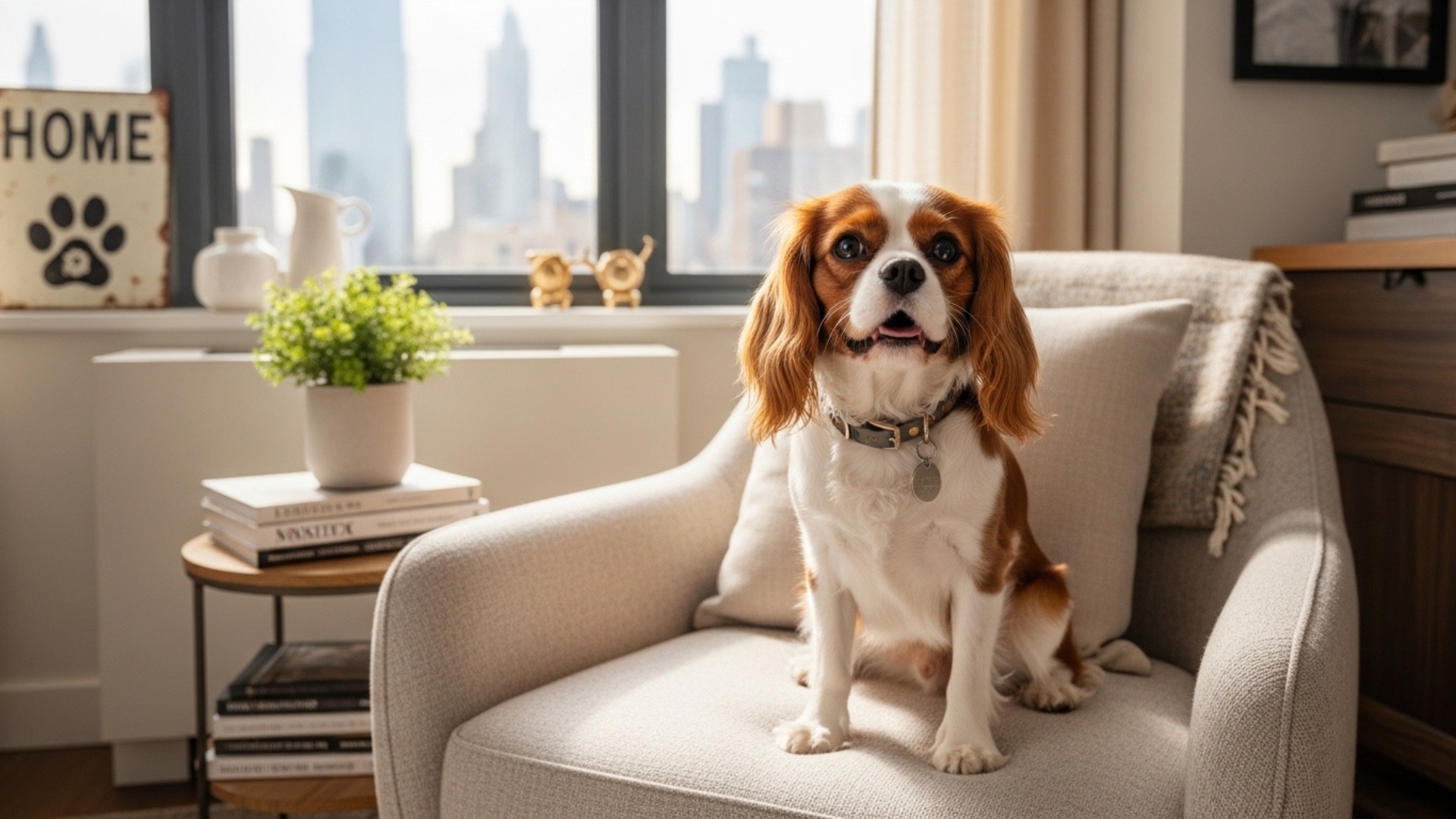
Urban living has evolved dramatically over the last century, and so has dog ownership. According to the American Veterinary Medical Association (AVMA), more than 38% of U.S. households live in apartments or other small urban dwellings, making space-efficient pets increasingly popular. In fact, toy and small companion breeds consistently rank among the most adopted dogs in metropolitan areas like New York, London, and Tokyo.
Historically, many small breeds were developed specifically for companionship rather than labor. Unlike working or herding dogs that required acres of land, these breeds were meant to live indoors — in palaces, courts, city homes, and merchant households. Their instincts were shaped around closeness, sociability, and adaptability.
The modern city dog needs to tolerate elevators, traffic noise, crowded sidewalks, and limited outdoor space. At the same time, today’s urban pet parents often value aesthetics and personality. A city dog should not only fit the space but also complement the lifestyle.
Let’s talk about the ideal dog breeds for compact city living and style that combine historical pedigree, manageable size, and urban-ready temperaments — all while bringing unmistakable style.
Ideal Dog Breeds for Compact City Living and Style
1. French Bulldog
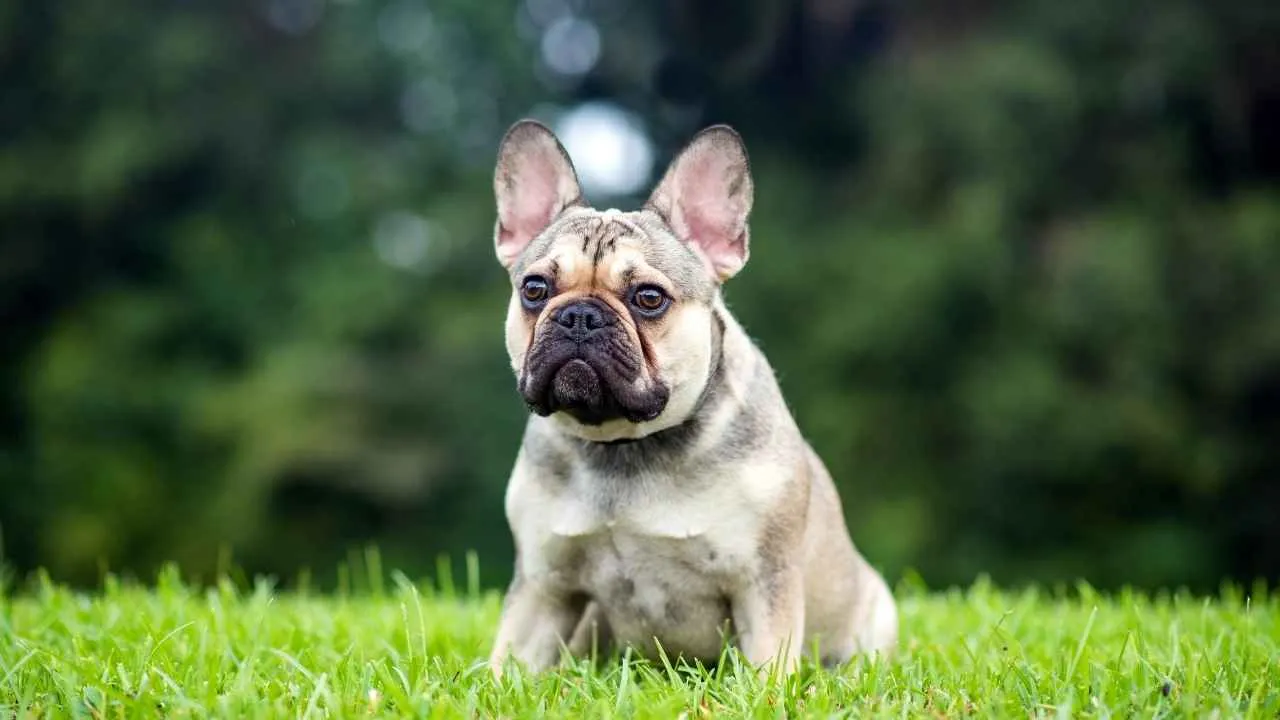
The French Bulldog’s rise to global fame is no accident. Originally developed in the 1800s by English lace workers who relocated to France, these small bulldogs became beloved companions in Parisian cafés. By the late 19th century, they were favored by artists, writers, and social elites.
Today, AKC claims they rank among the most popular dog breeds in the United States and several European countries. In 2023, the American Kennel Club officially named the French Bulldog the #1 most popular breed in America, surpassing the Labrador Retriever for the first time in over 30 years. Their compact size and moderate activity level make them exceptionally suited to apartment life.
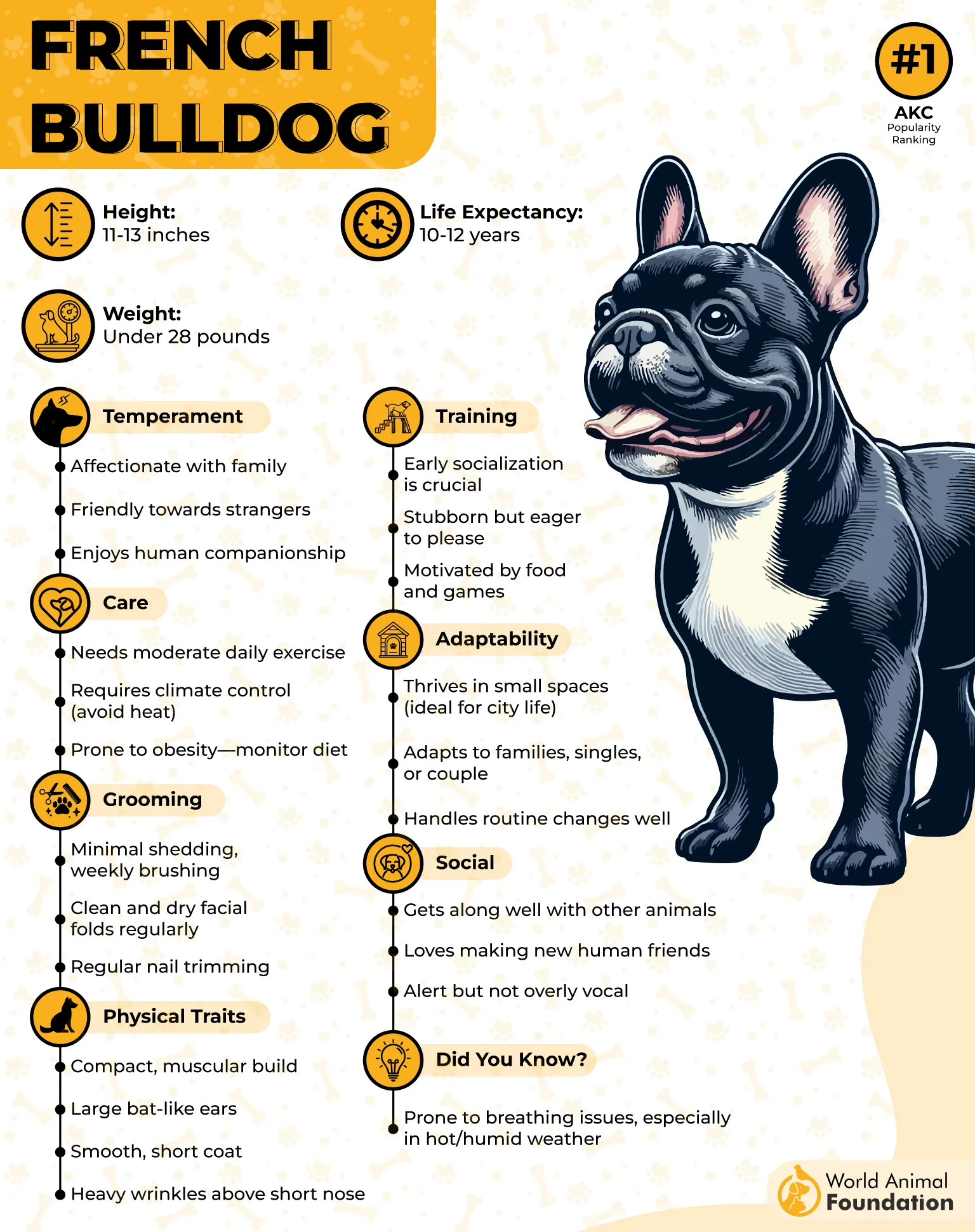
These apartment-friendly dogs typically require about 30 minutes of moderate daily activity. Unlike high-energy breeds, they are content with short walks and indoor play. Their adaptability to smaller living spaces contributes significantly to their urban popularity.

However, they are brachycephalic, meaning their shortened skull structure can cause breathing challenges. Studies show brachycephalic breeds are more sensitive to heat stress, so responsible ownership includes climate awareness.
Despite this, their affectionate temperament and relatively low barking tendency make them a favorite in cities.
The Frenchie represents a blend of history, charm, and modern urban compatibility.
2. Cavalier King Charles Spaniel
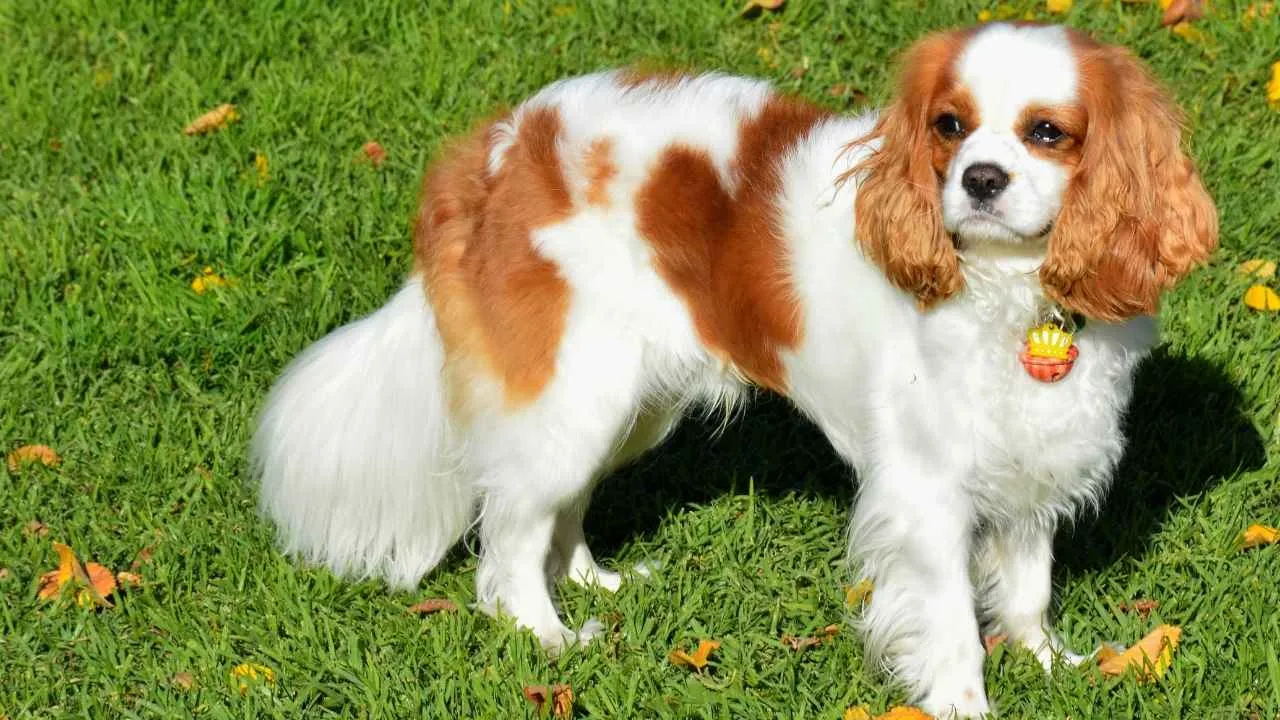
Named after King Charles II of England, who reportedly adored small spaniels and rarely appeared in public without them, this breed traces its lineage to royalty. Portraits from the 1600s frequently depict toy spaniels remarkably similar to modern Cavaliers.
Despite their aristocratic origins, Cavaliers are highly adaptable. They require approximately 45–60 minutes of daily activity, which can easily be divided into shorter walks and play sessions. Their gentle demeanor makes them particularly suited to apartment settings.
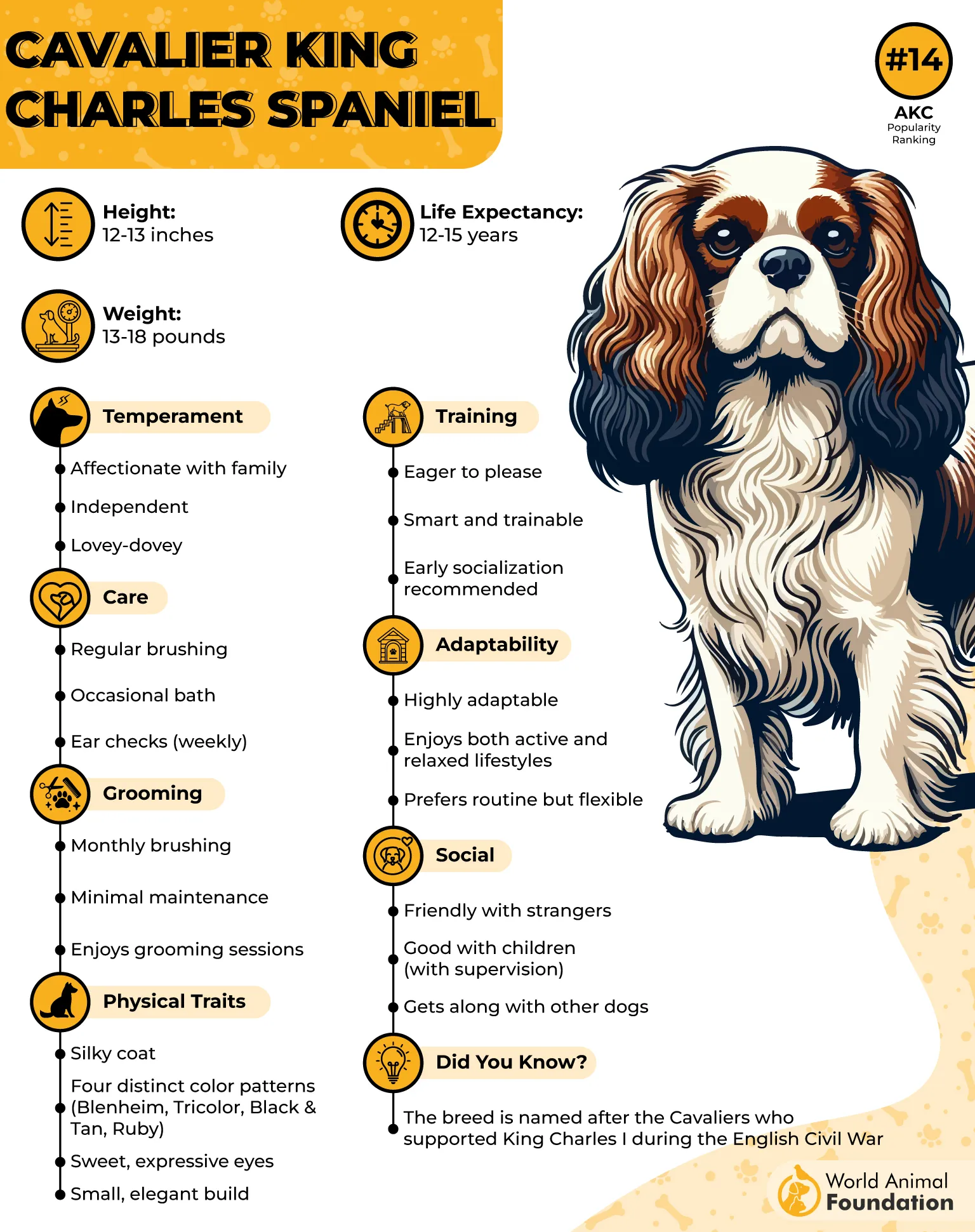
They consistently rank high in temperament testing for friendliness. According to breed surveys, they are among the most sociable small breeds with both humans and other pets. This social adaptability is a major asset in densely populated urban areas.
Health awareness is important, The Spruce Pets says. Cavaliers are predisposed to certain heart conditions, particularly mitral valve disease, which is more common in the breed than in many others. Responsible breeding and regular veterinary care help manage risks.
The Cavalier blends centuries of refinement with warm, approachable charm — ideal for city dwellers seeking both elegance and companionship.
3. Boston Terrier
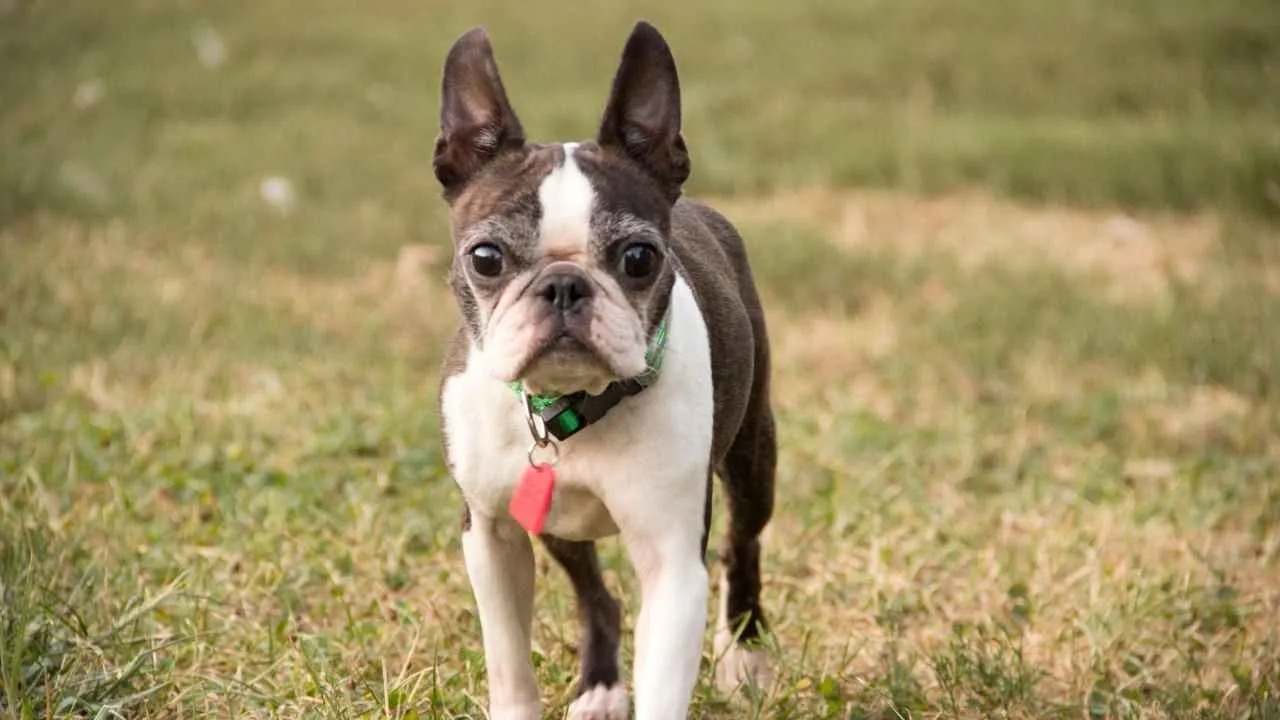
The Boston Terrier is one of the few breeds developed entirely in the United States. Originating in Boston in the late 1800s, they were initially bred from a mix of English Bulldogs and now-extinct white terriers.
Nicknamed the “American Gentleman” because of their tuxedo-like markings, Daily Paws reports that Boston Terriers became Massachusetts’ official state dog in 1979. Their popularity remains steady, particularly in urban environments.
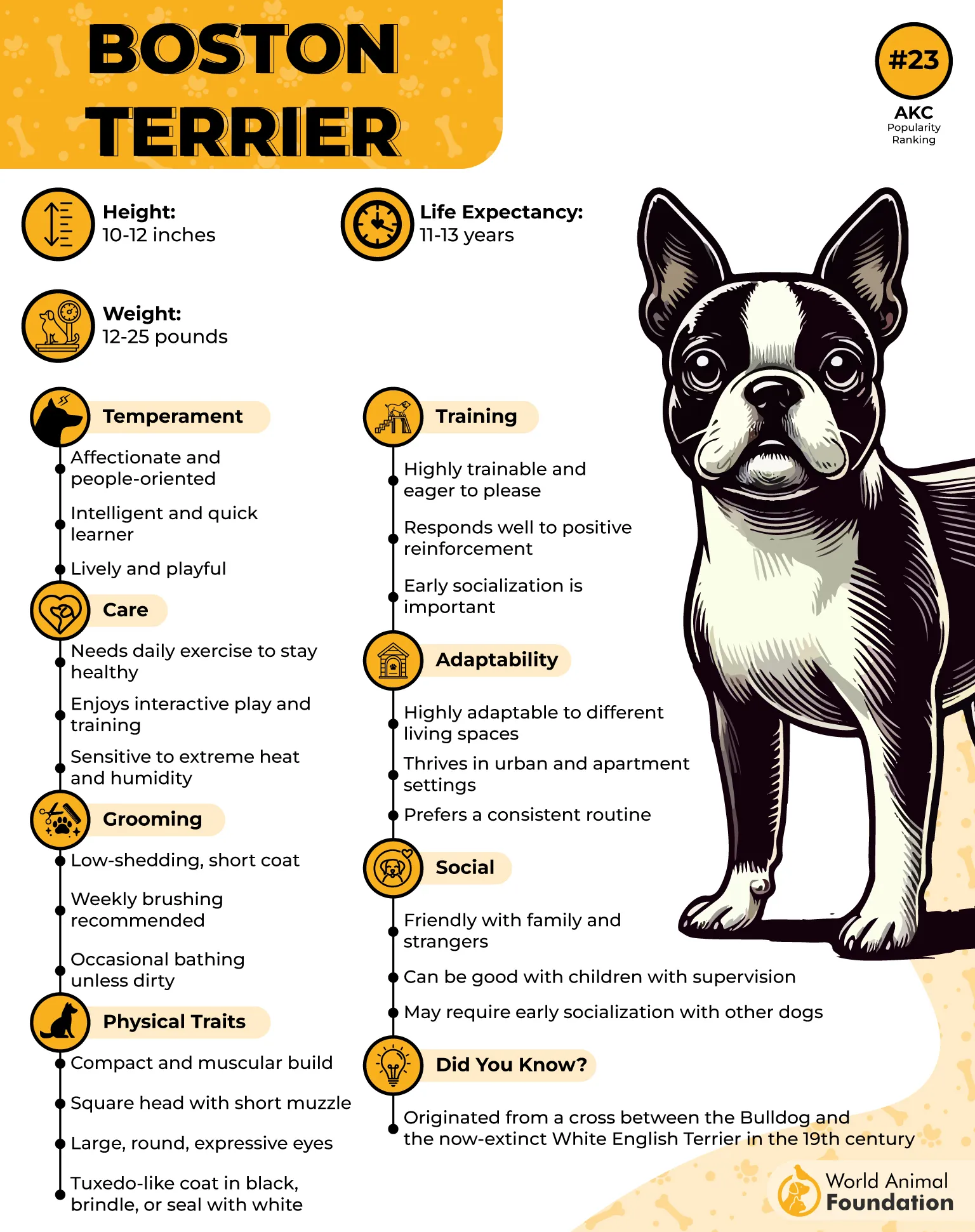
One of the best apartment dogs, they typically require 30–45 minutes of daily exercise. They are playful but not hyperactive, making them manageable in apartments. Their short coat is low-maintenance, which suits busy city professionals.
They are brachycephalic and must be protected from extreme heat. However, their sociable temperament and generally moderate barking tendencies make them well-suited for shared buildings.
They offer a distinctly American blend of friendliness, compact size, and polished appearance.
4. Pug
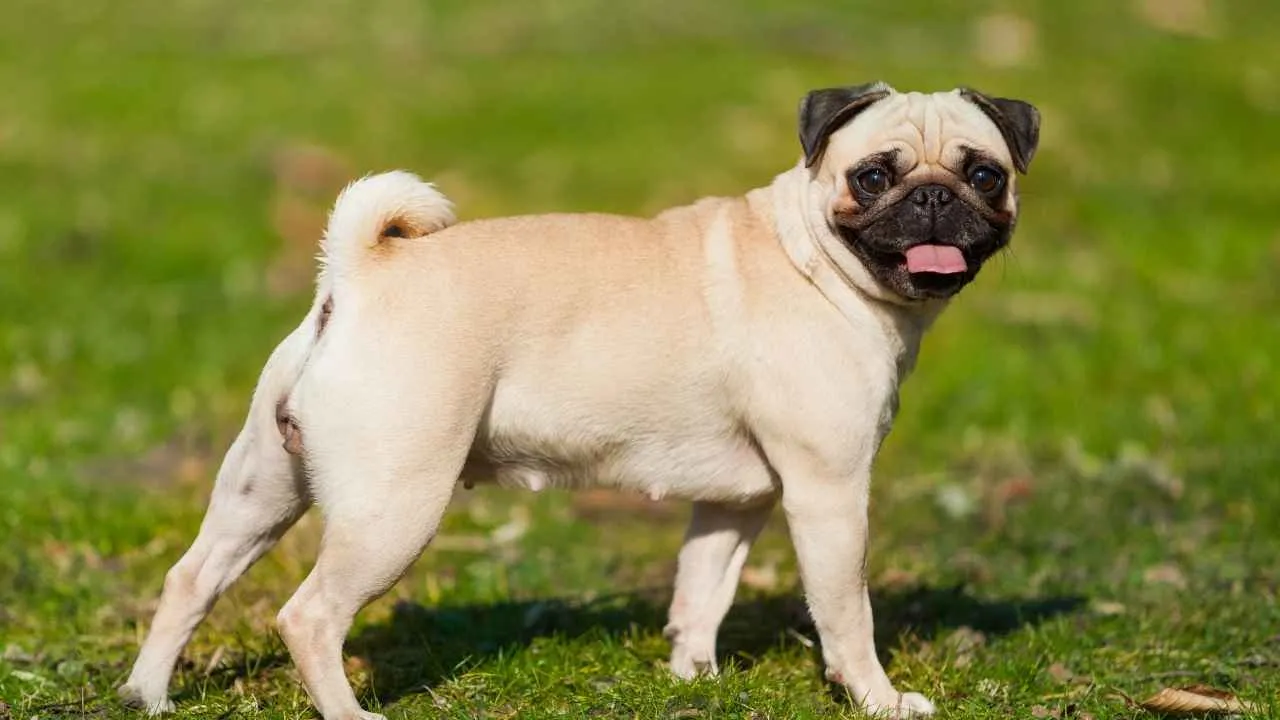
The Pug’s history dates back more than 2,000 years to ancient China, where they were bred as companions to emperors during the Han dynasty. Later, they became popular among European royalty, including the House of Orange in the Netherlands.
Modern Pugs remain devoted companions. Their daily exercise requirement is modest — around 20–40 minutes per day — making them well-suited to apartments. They are affectionate and are often described as “shadows” because they prefer to stay close to their owners.
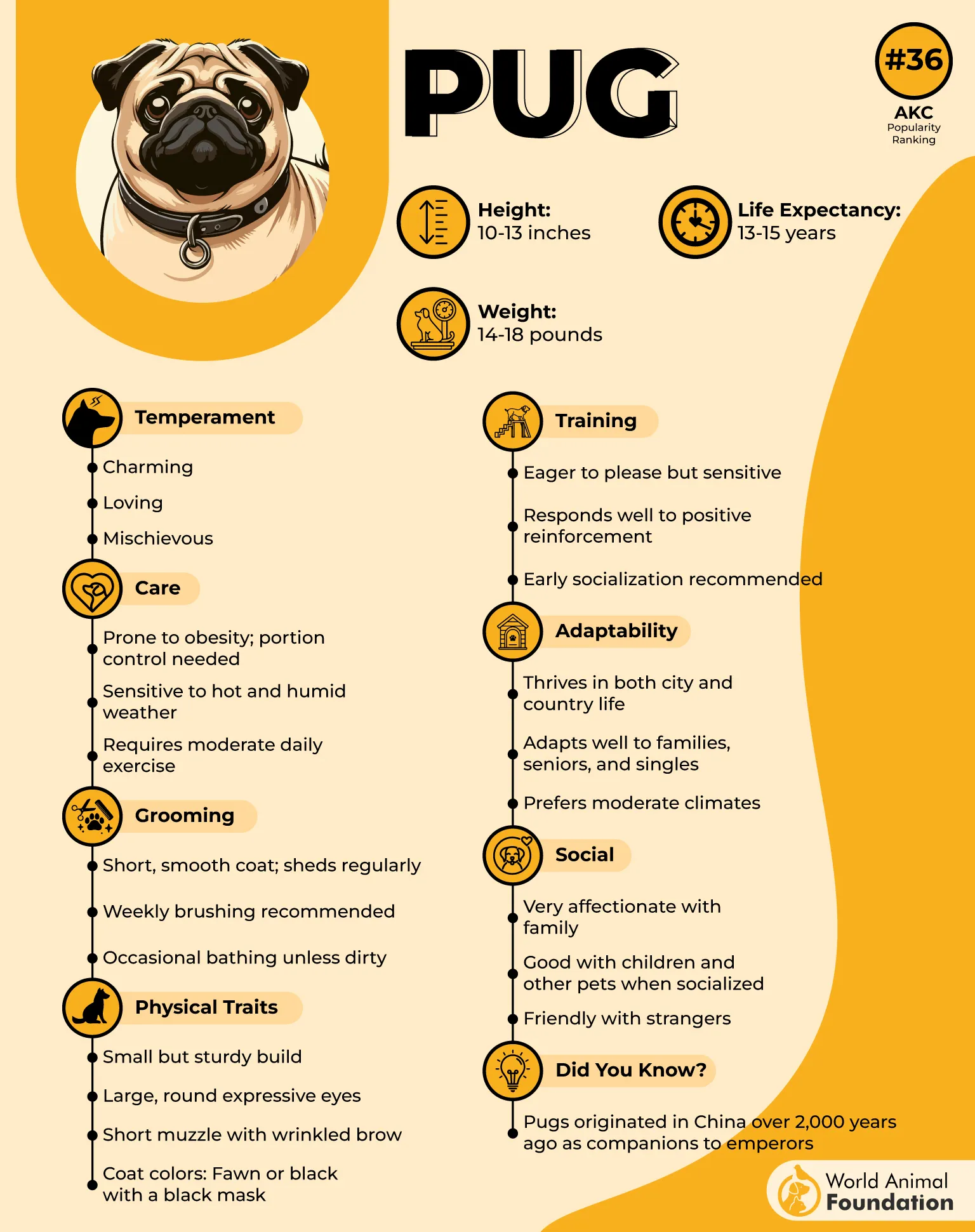
These canine companions are prone to obesity if overfed and under-exercised. Studies indicate that small companion breeds can gain weight quickly in sedentary environments, so portion control is crucial in city living.
They do need regular grooming, but their needs are moderate and manageable compared with many long-haired breeds.
Although they have a short, smooth coat, they are actually heavy shedders, especially fawn-colored Pugs (which have a double coat). Weekly brushing is recommended to remove loose hair and reduce shedding around the home. During seasonal shedding periods, brushing 2–3 times per week can help keep things under control.
One area that requires special attention is their facial wrinkles. The folds on the face should be gently cleaned and dried regularly to prevent moisture buildup, which can lead to irritation or infection. This simple routine is very important for maintaining skin health.
5. Shih Tzu
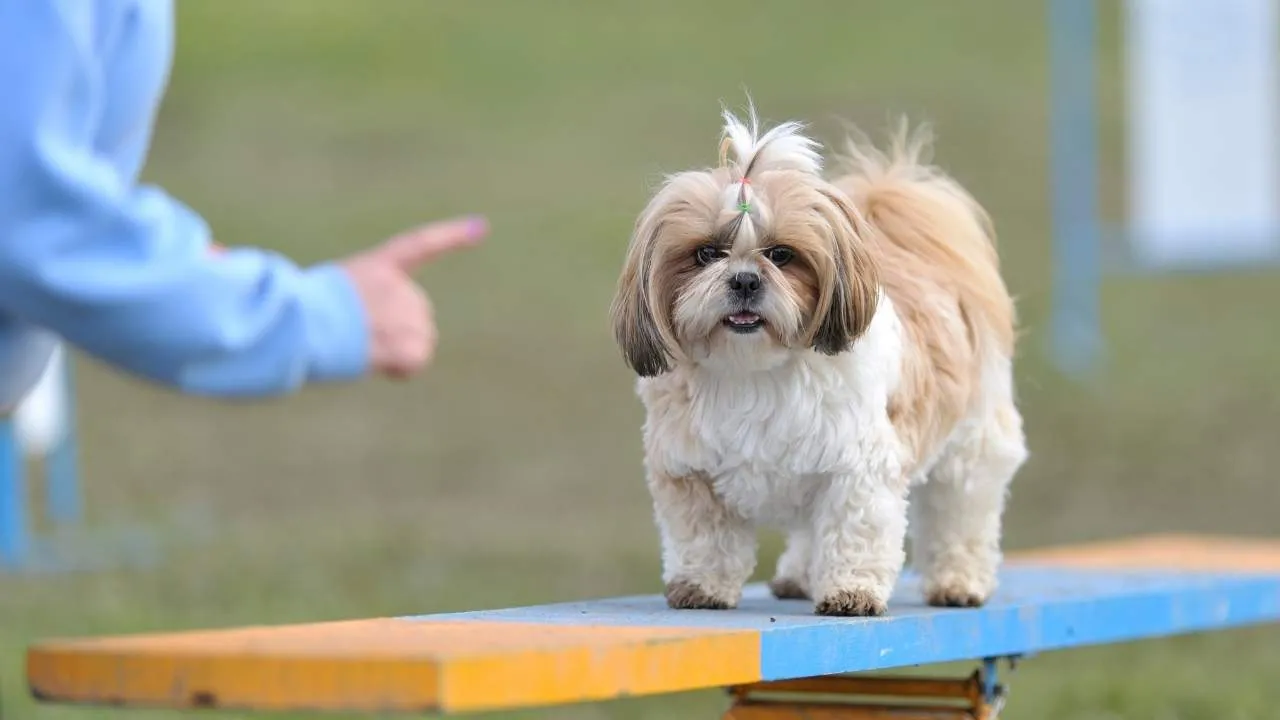
The Shih Tzu originated in Tibet and China, where it was bred to resemble lions—a symbol of royalty and protection in Chinese culture. They lived primarily within palace walls as companion dogs.
These furry friends require moderate exercise—usually about 30 minutes daily—which can be easily achieved through indoor play and short walks. Their calm temperament suits apartment life.
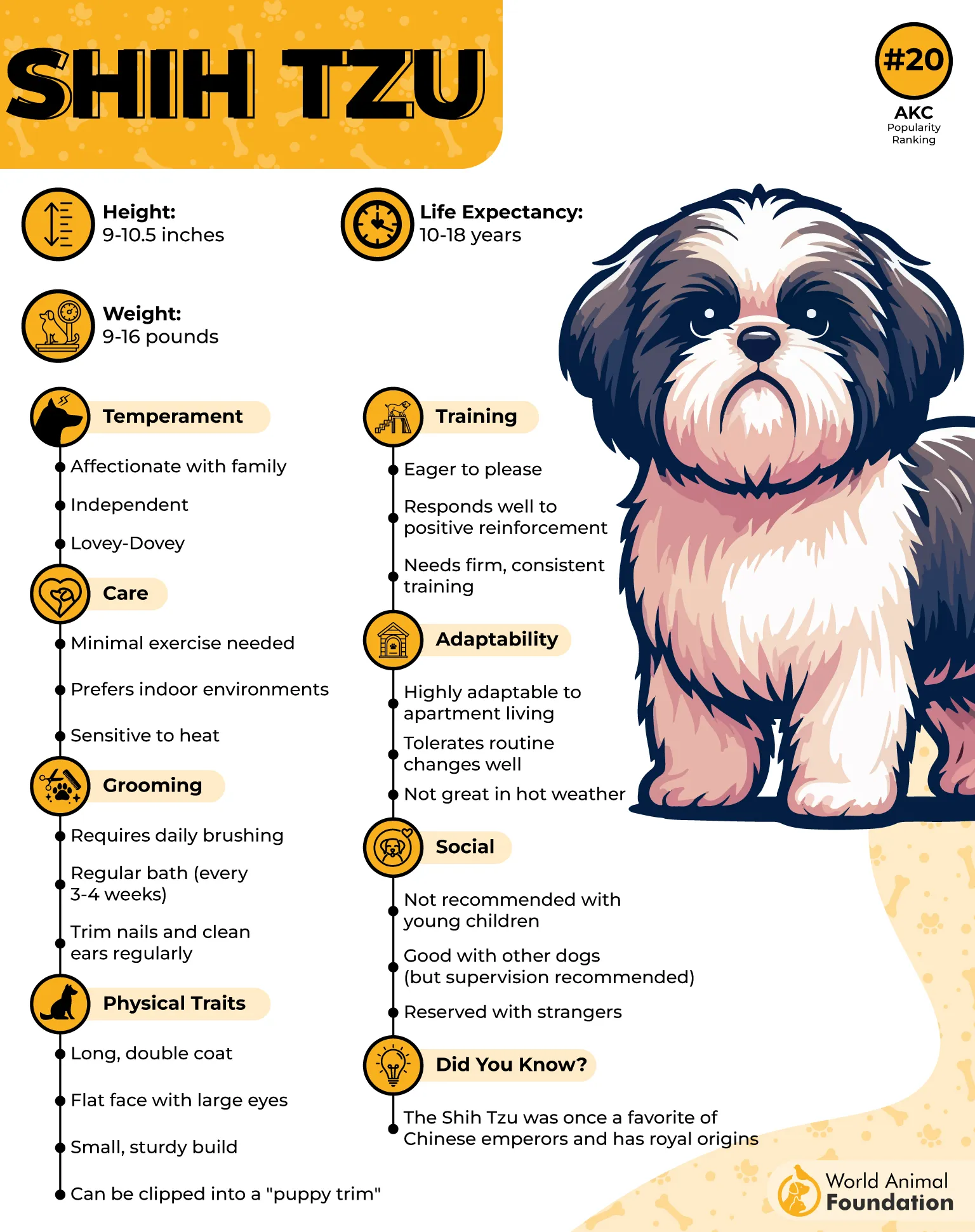
Their luxurious coat requires daily brushing unless kept trimmed. Historically, their long flowing coat was considered a symbol of nobility. The Shih Tzu is a minimal-exercise breed, making it especially well-suited for apartment living and relaxed households.
Because they were originally bred as palace companion dogs in China, they were never intended for intense physical work. Most adult Shih Tzus need only 20–30 minutes of light exercise per day, which can be divided into one or two short walks plus some indoor playtime. A brief stroll around the block and a few play sessions with toys are usually enough to keep them healthy.
They are generally calm indoors and enjoy lounging near their owners. While they do have playful moments, PetPlan mentions that they are not high-energy or hyperactive dogs. This makes them ideal for seniors, apartment-dwelling families, or people who prefer gentle daily activity over long hikes or runs.
They are generally friendly and adaptable, making them excellent urban pets.
6. Yorkshire Terrier
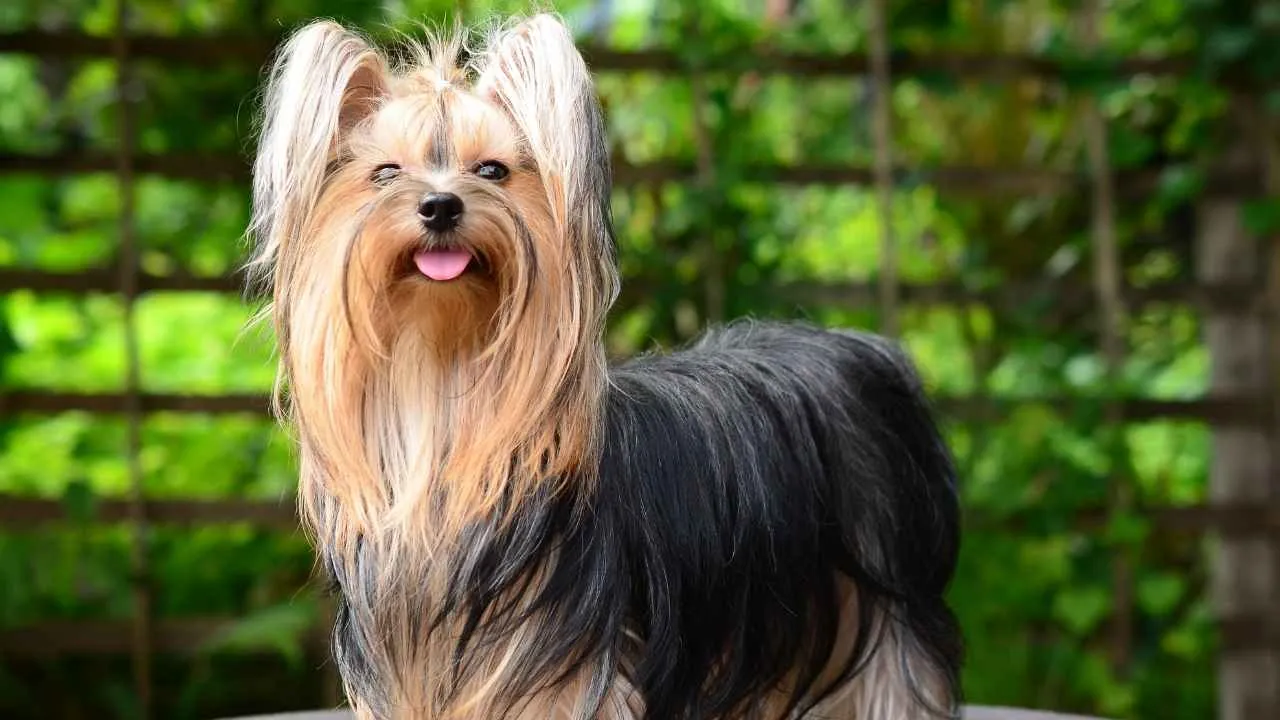
Yorkshire Terriers originated in 19th-century England, where they were used to control rats in textile mills. Despite their current glamorous image, they were once rugged working dogs.
Yorkies require about 30–60 minutes of activity daily, though much of it can occur indoors. Their portability makes them ideal for city life.
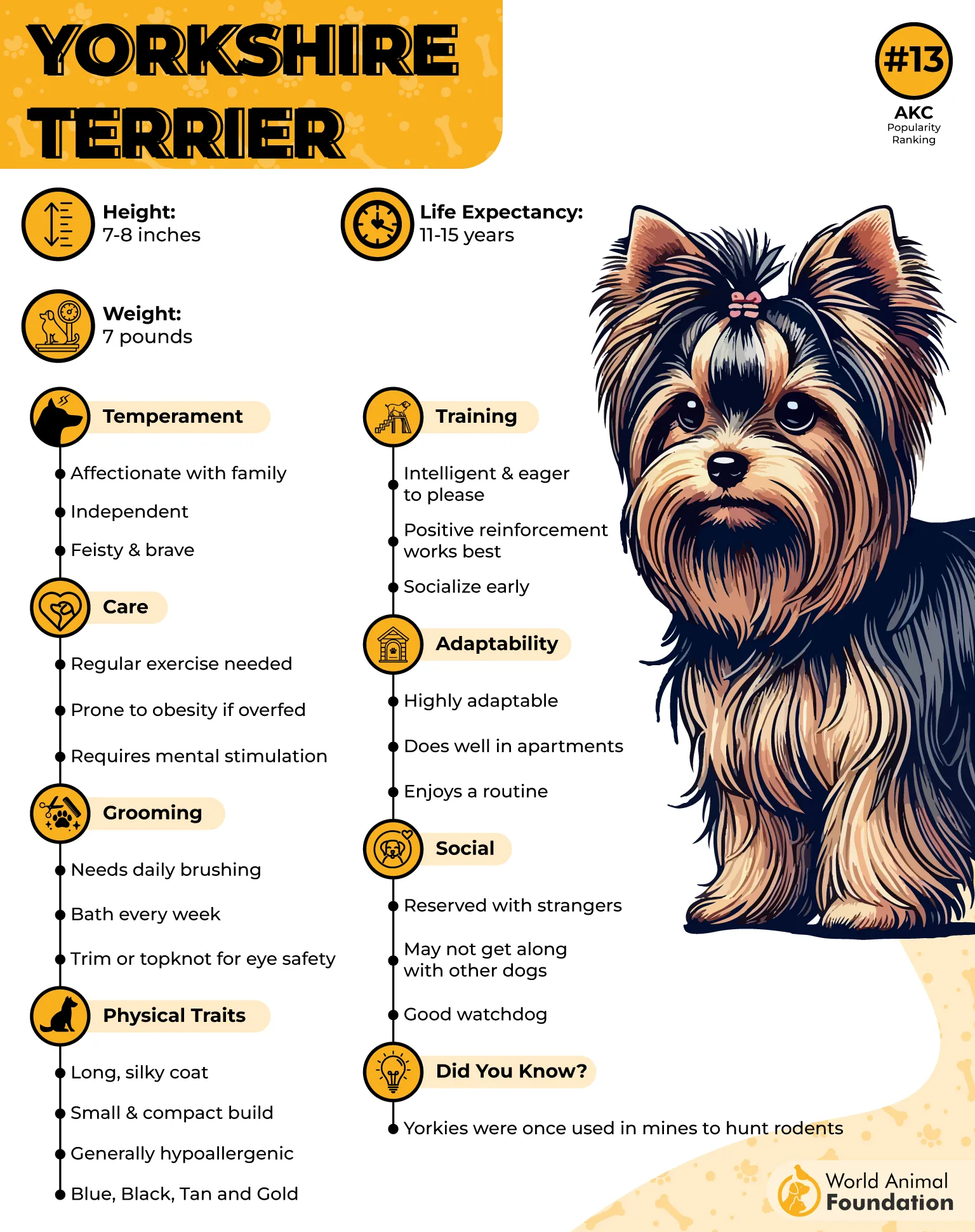
These individual dogs consistently rank among the top toy breeds worldwide due to their bold personality and manageable size. Yorkshire Terriers thrive in environments that provide attention, structure, and regular stimulation.
They have a bold terrier spirit and thrive in homes where they are treated as active companions rather than delicate ornaments.
Britannica notes that this dog breed thrives in apartment and city living, provided they receive daily walks and interactive play. Because they are intelligent and energetic, they enjoy short training sessions, puzzle toys, and games that challenge their mind.
Mental engagement helps prevent boredom-related behaviors like excessive barking or stubbornness.
This small dog breed has a long coat that requires regular grooming, but its loyalty and adaptability keep it popular as one of the perfect apartment dogs.
7. Maltese
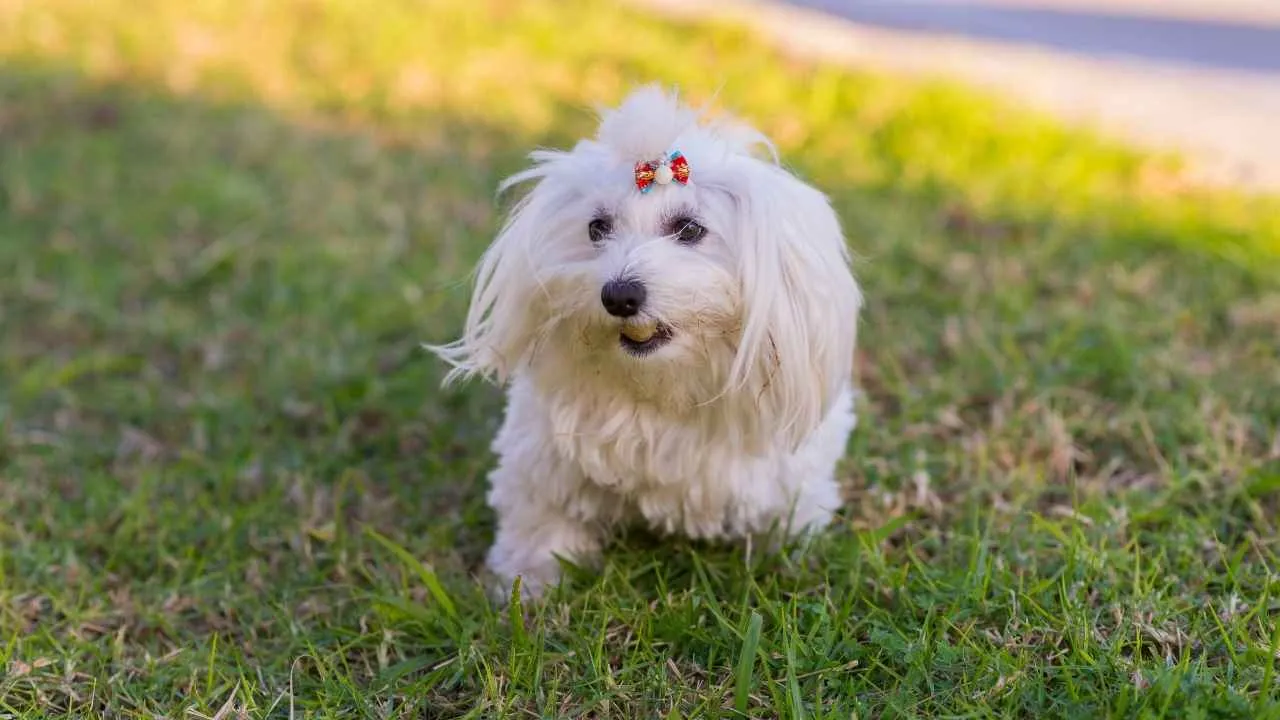
The Maltese is one of the oldest toy breeds, with references dating back more than 2,800 years in Mediterranean history. Ancient Greeks and Romans prized them as lap companions.
These dogs require moderate daily exercise, around 20–30 minutes, which fits easily into apartment routines. Their small size makes them one of the most portable breeds.
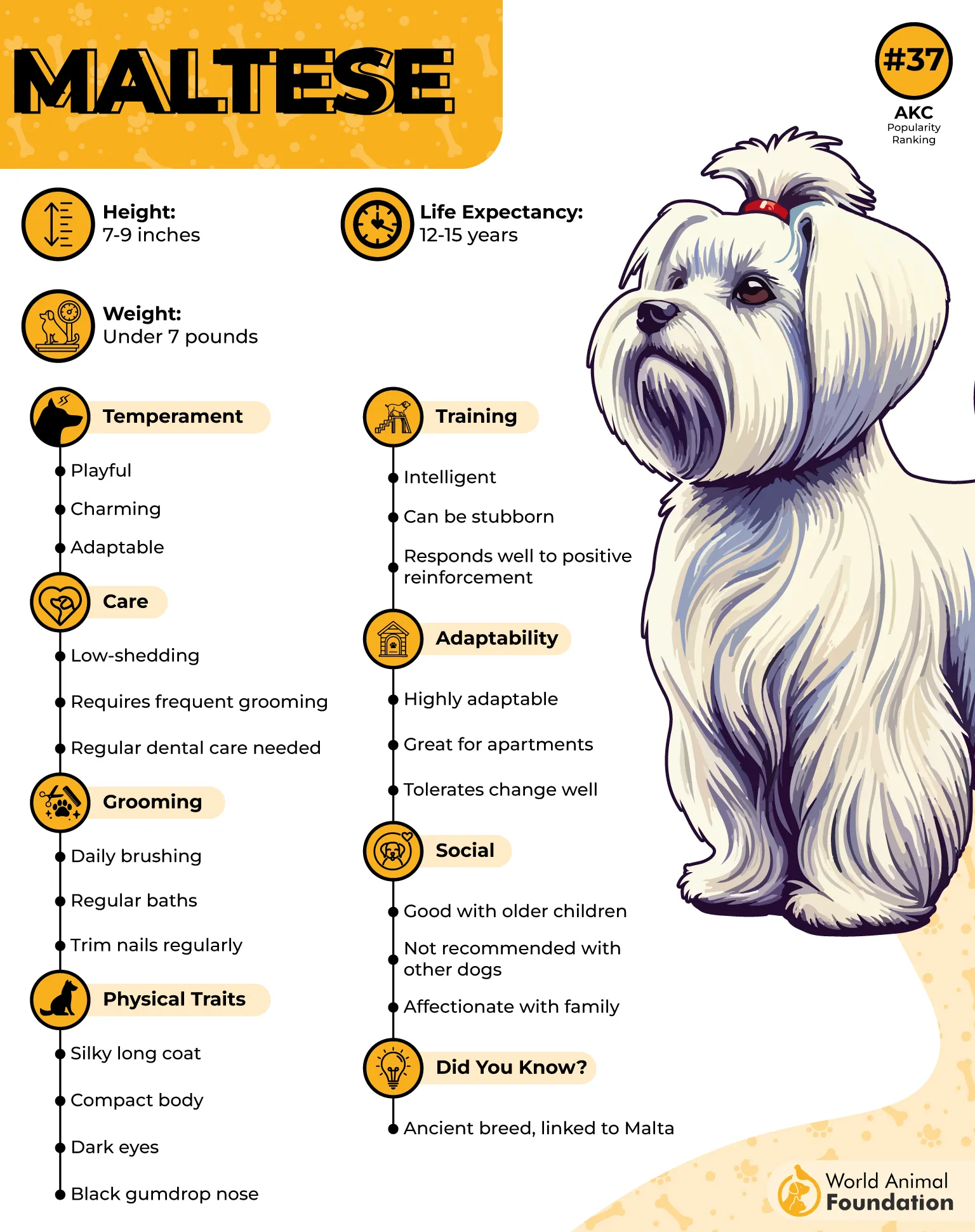
They may be small and elegant, but PetMd reports that they are mentally bright, alert, and surprisingly curious. Because they were bred as companion dogs rather than working dogs, their mental stimulation needs aren’t extreme — but they absolutely do need daily mental engagement to stay happy and well-balanced.
They thrive on interactive attention.
Short training sessions, trick learning, basic obedience exercises, and dog walking keep their minds active. They respond especially well to positive reinforcement and enjoy praise-based learning. Teaching simple tricks like spin, sit-pretty, or fetch can be both mentally enriching and bonding.
Puzzle toys are another excellent option. Treat-dispensing toys, snuffle mats, and hide-and-seek games stimulate their problem-solving abilities without overwhelming them. Because Maltese are intelligent but sensitive, enrichment activities should be engaging rather than frustrating.
Their hypoallergenic-style coat appeals to many urban owners, though it requires daily maintenance. They remain one of the best dogs for apartment living.
Conclusion
Small apartment dogs have been part of urban life for centuries. From royal courts to modern high-rise apartments, these dogs were bred for proximity, loyalty, and adaptability.
Statistics consistently show toy and small breeds dominating adoption rates in dense cities worldwide. Their moderate exercise needs, compact size, and social temperaments align naturally with compact living. Basset hounds, thanks to their affectionate nature, are also considered to be great little companions in small spaces.
Choosing the best dog breeds for small spaces isn’t just about aesthetics — it’s about energy balance, health awareness, and lifestyle fit.
When chosen thoughtfully, these stylish small breeds transform city apartments into warm, lively homes filled with companionship and charm.
