




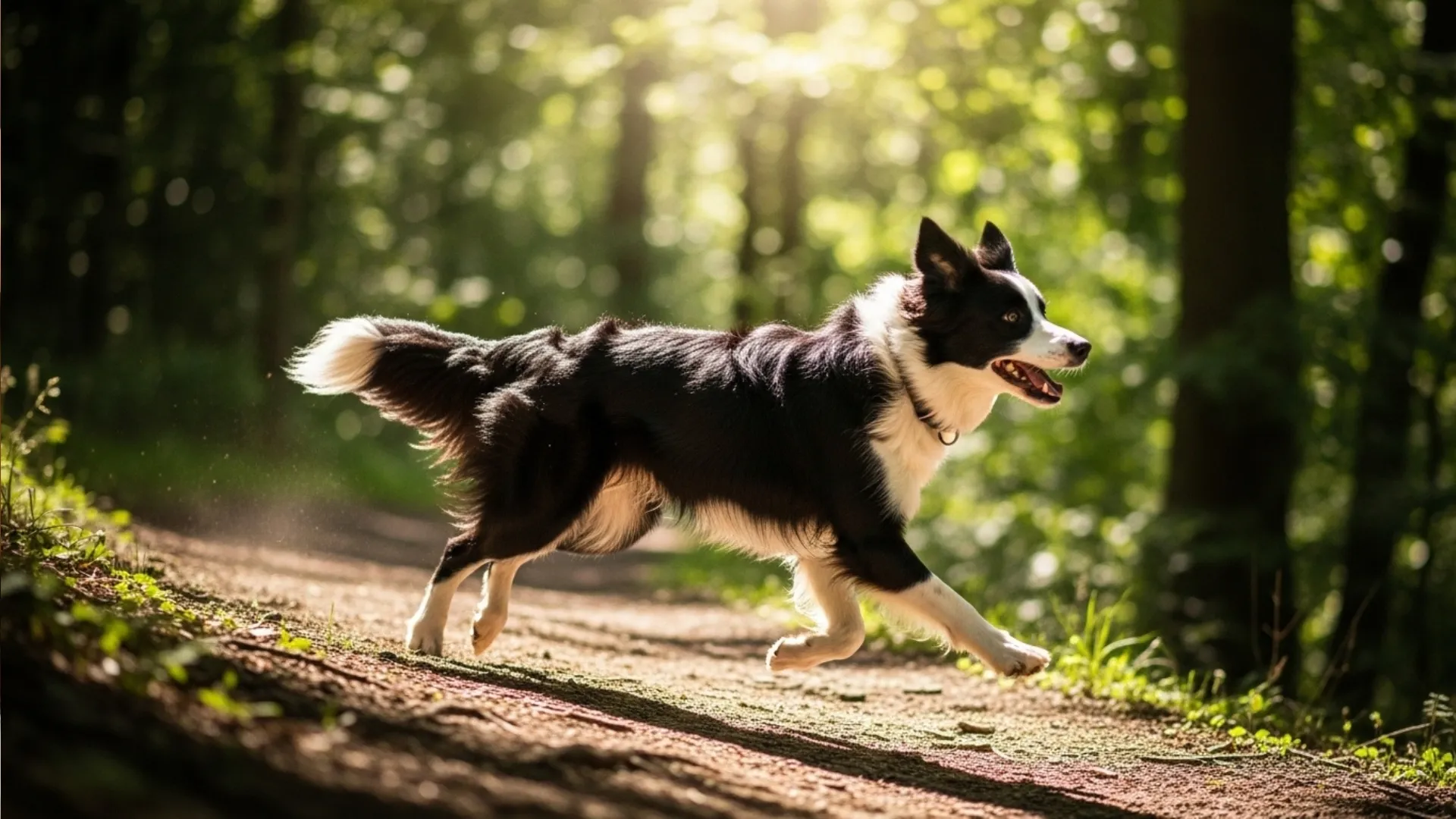
Some dogs seem to handle long hikes and trail runs without breaking rhythm, while others lose pace much sooner than expected. At first, the difference is not obvious.
Energy levels may appear similar during short walks or playtime, which makes the initial choice feel right. The gap only starts to show when the distance increases and the terrain becomes more demanding. That is where certain physical and behavioral traits begin to matter more than most people realize.
Endurance, focus, and natural movement all play a role in how well a dog can keep up with extended activity. Many owners only recognize this after experiencing the mismatch firsthand. There is a clear pattern behind which dogs perform better in these conditions.
The following sections break down what separates a capable trail and hiking dog from one that struggles to maintain pace.
Key Takeaways:
Long hikes reveal something most people only realize after a few trips: not every active-looking dog can handle real trail distance.
Australian Shepherds move like they are always one step ahead, while Border Collies stay locked in focus even on the toughest paths and climbs.
Siberian Huskies and Vizslas bring steady endurance that carries them through long runs without losing rhythm or excitement.
Read till the end to see which breeds are truly built for hiking and trail running when the terrain starts pushing limits.
Ideal Dog Breeds for Active Hiking and Trail Running
1. Australian Shepherd
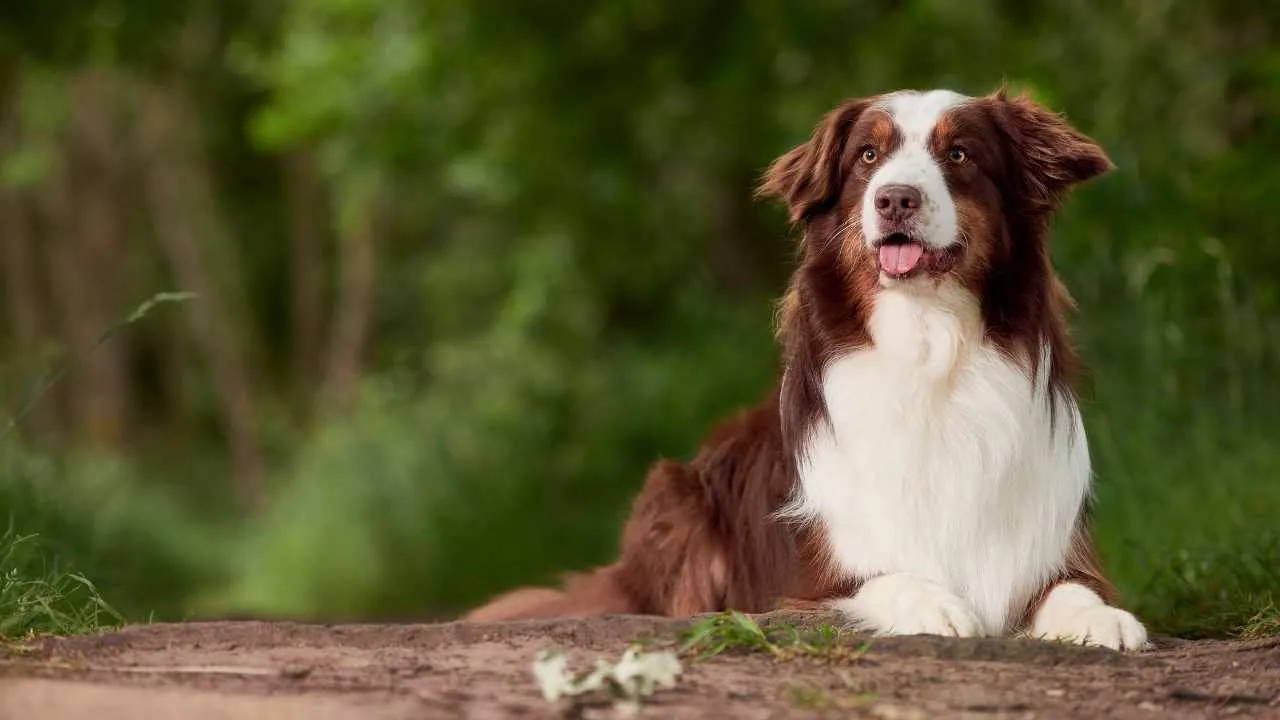
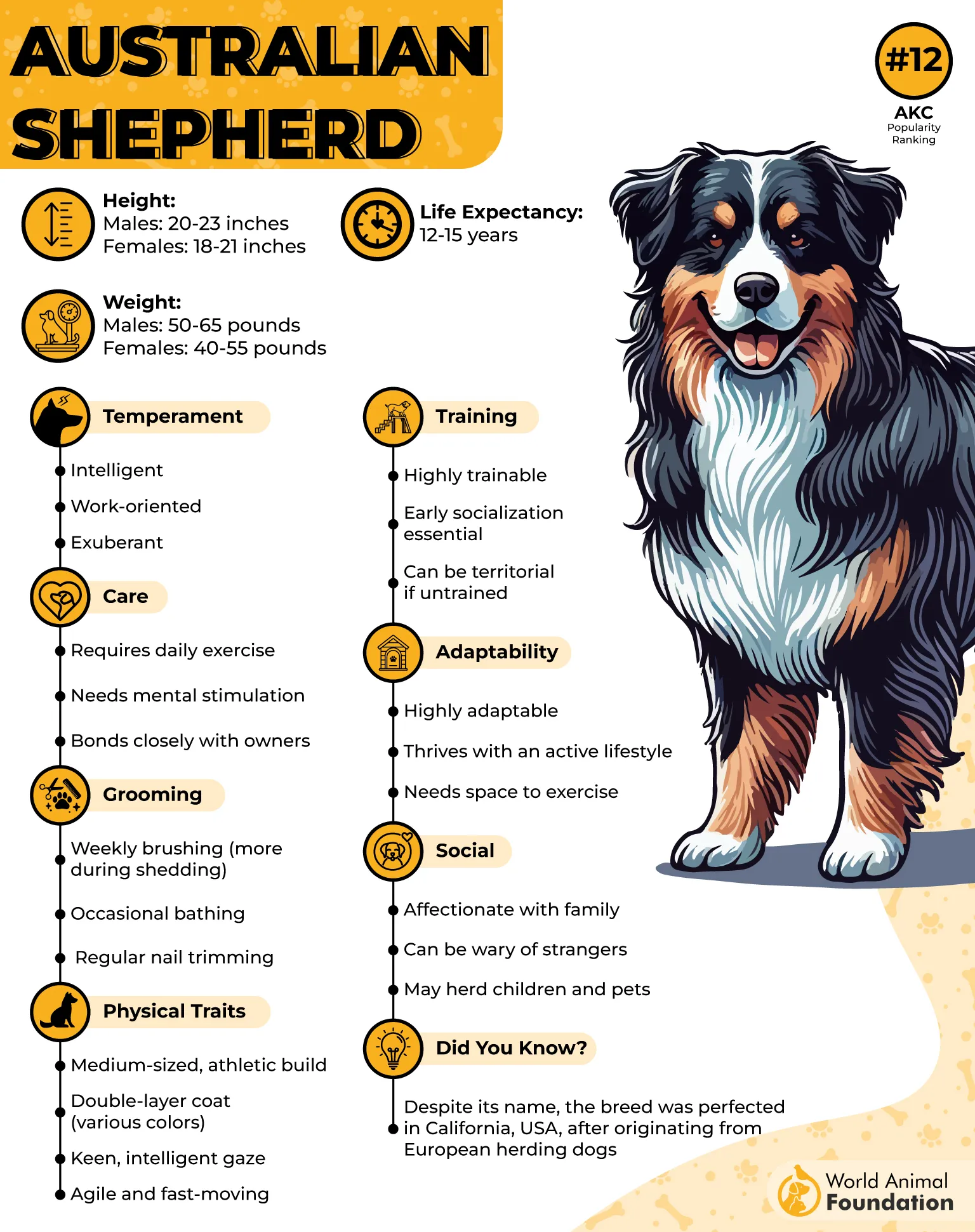
Australian Shepherds were originally bred with a restless working drive, shaped by their role as herding dogs that stay engaged throughout the day, as stated in PetMD.
Its agile, muscular frame supports continuous activity without hesitation. This natural rhythm fits environments where movement and direction are constant.
Response to movement and tasks
These athletic dogs react quickly to motion, often focusing on moving objects with intent rooted in herding instincts. Games and structured tasks keep their attention aligned instead of scattered.
This instinct shows clearly in everyday situations:
Fixates on moving objects like bikes or running children
Engages deeply in fetch and chasing games
Responds well during agility or task-based work
Energy shaped by task engagement
They connect their energy directly to activity, often seeking structured outlets like agility work, field trials, or extended outdoor adventures. Its stamina supports long stretches of hiking and running without losing focus. Joint and hip care remain important due to this continuous physical demand.
2. Siberian Husky
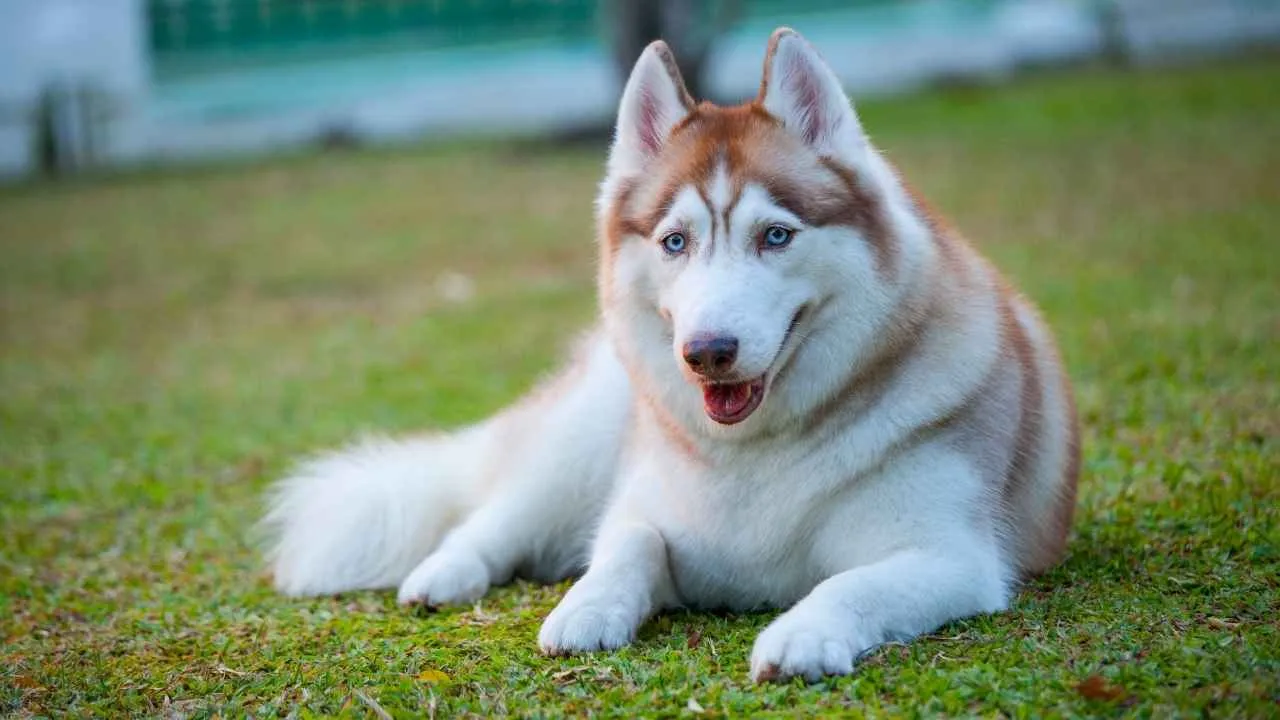
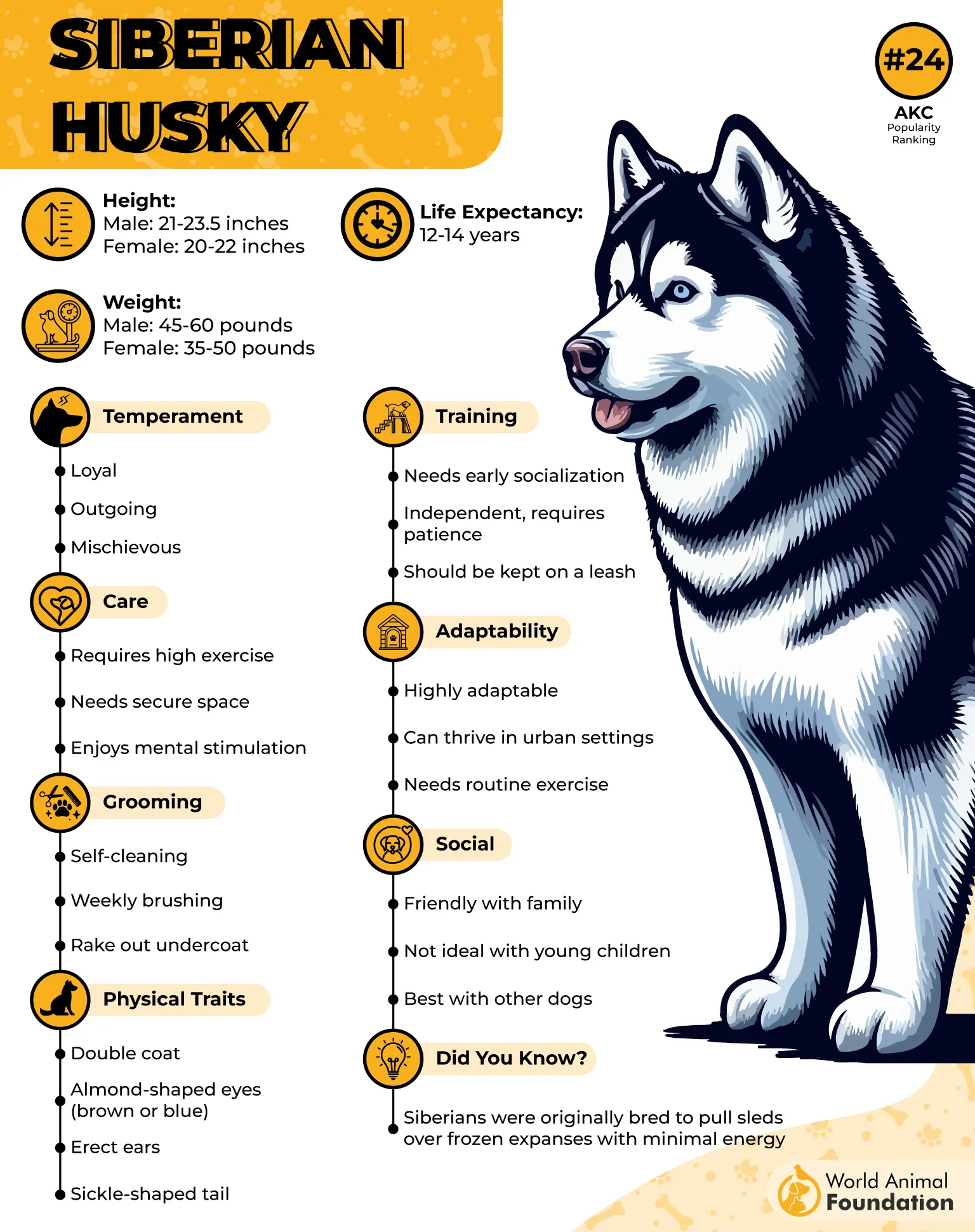
Siberian Huskies worked in packs across cold weather, pulling light loads over long distances with steady pacing. Its compact frame and thick coat reflect survival in extreme cold rather than short bursts of effort. This background forms a dog built for an active lifestyle.
Motion that stays efficient
As an adventure dog, they show a light, effortless gait paired with quick foot placement, allowing them to cover ground without visible strain. Its movement style focuses on rhythm and efficiency instead of force.
That pattern becomes clear in how it handles activity:
Maintains a steady pace over long distance
Adjusts stride easily across uneven terrain
Keeps balance through coordinated footwork
Instincts shaped by pack living
This big dog operates with a strong pack-oriented mindset, staying comfortable around other dogs and shared environments, as the AKC mentioned.
Its friendly nature extends easily, reducing territorial behavior while increasing social interaction. This instinct also connects to its tendency to chase smaller animals when triggered.
3. Border Collie
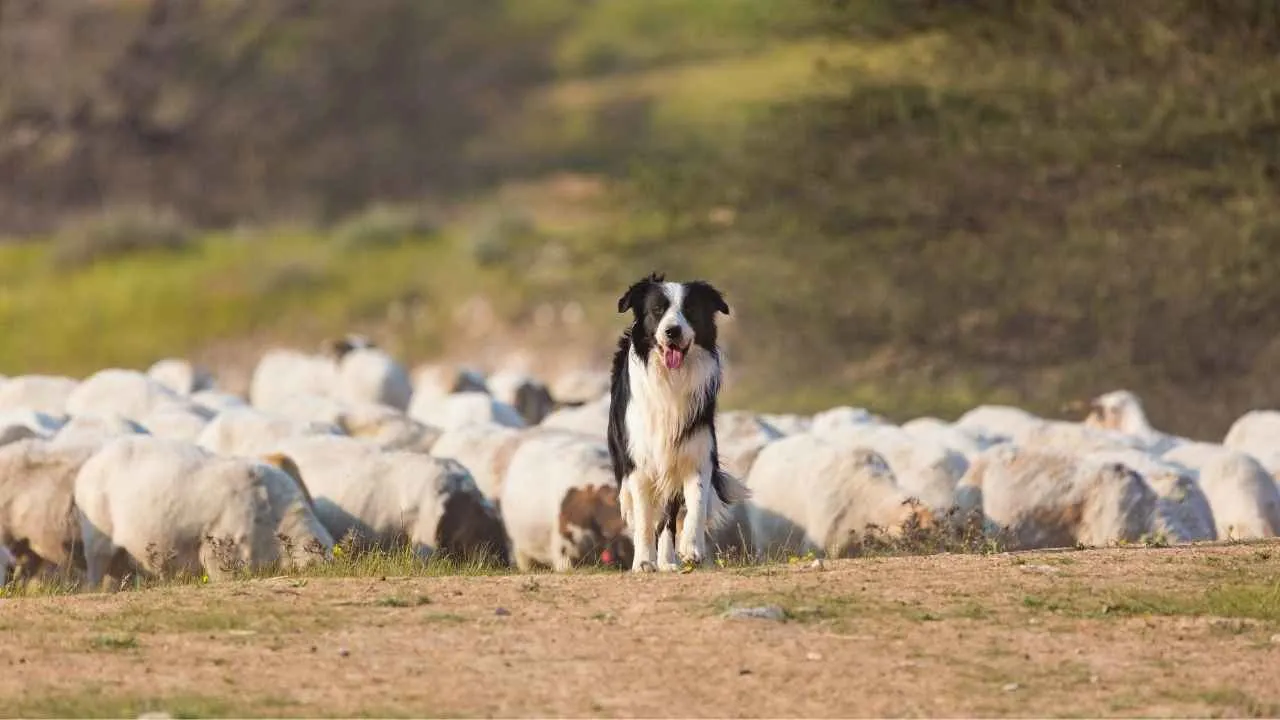
Border Collie shows its defining trait through an intense, fixed gaze often called the herding eye, used to control livestock with precision. This focused expression reflects a mind constantly engaged with its surroundings. Its presence feels alert and calculating rather than passive.
Work-centered behavior
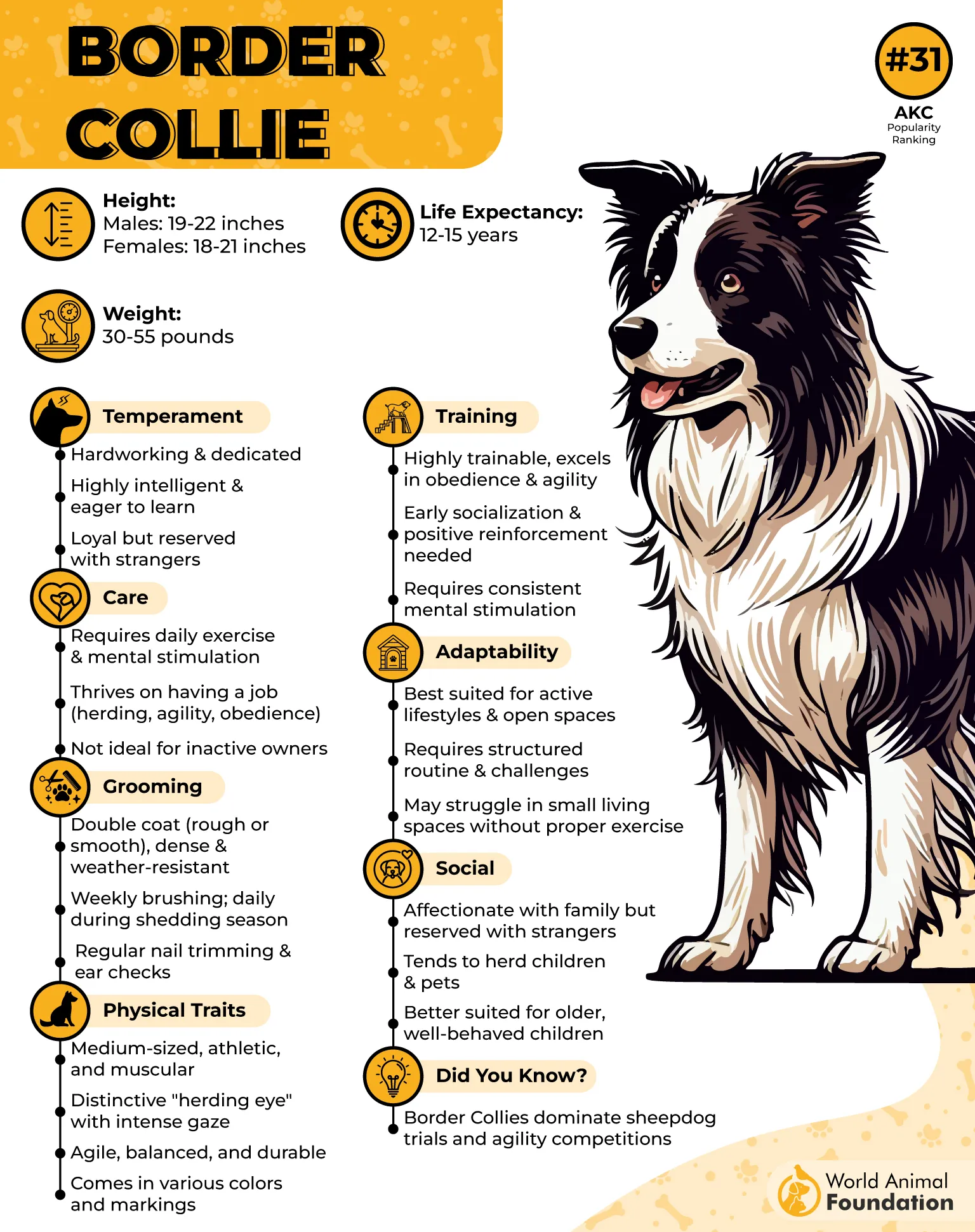
Border Collie approaches activity with a task-first mindset, showing strong engagement when given structured work like herding or agility. Its energy connects directly to purpose, not random movement or idle play, making it a great hiking companion.
This becomes clear in how it handles activity:
Channels focus on agility and obedience tasks
Maintains control during fast-paced direction changes
Responds sharply to cues during work routines
Physical ability on varied terrain
These high-energy dogs combine agility, balance, and endurance, allowing them to handle tricky trails and long distances without losing control. Its build supports quick shifts in direction while maintaining speed and coordination. This makes it highly capable during extended outdoor activity.
4. Labrador Retriever
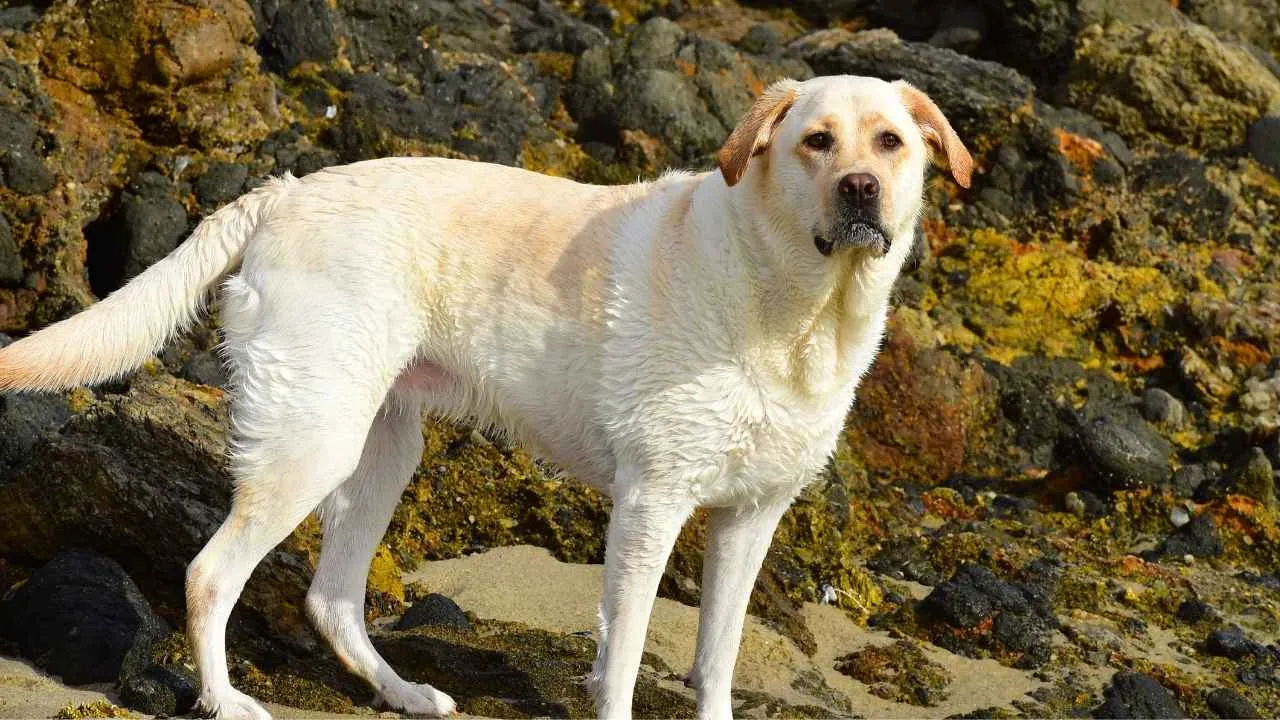
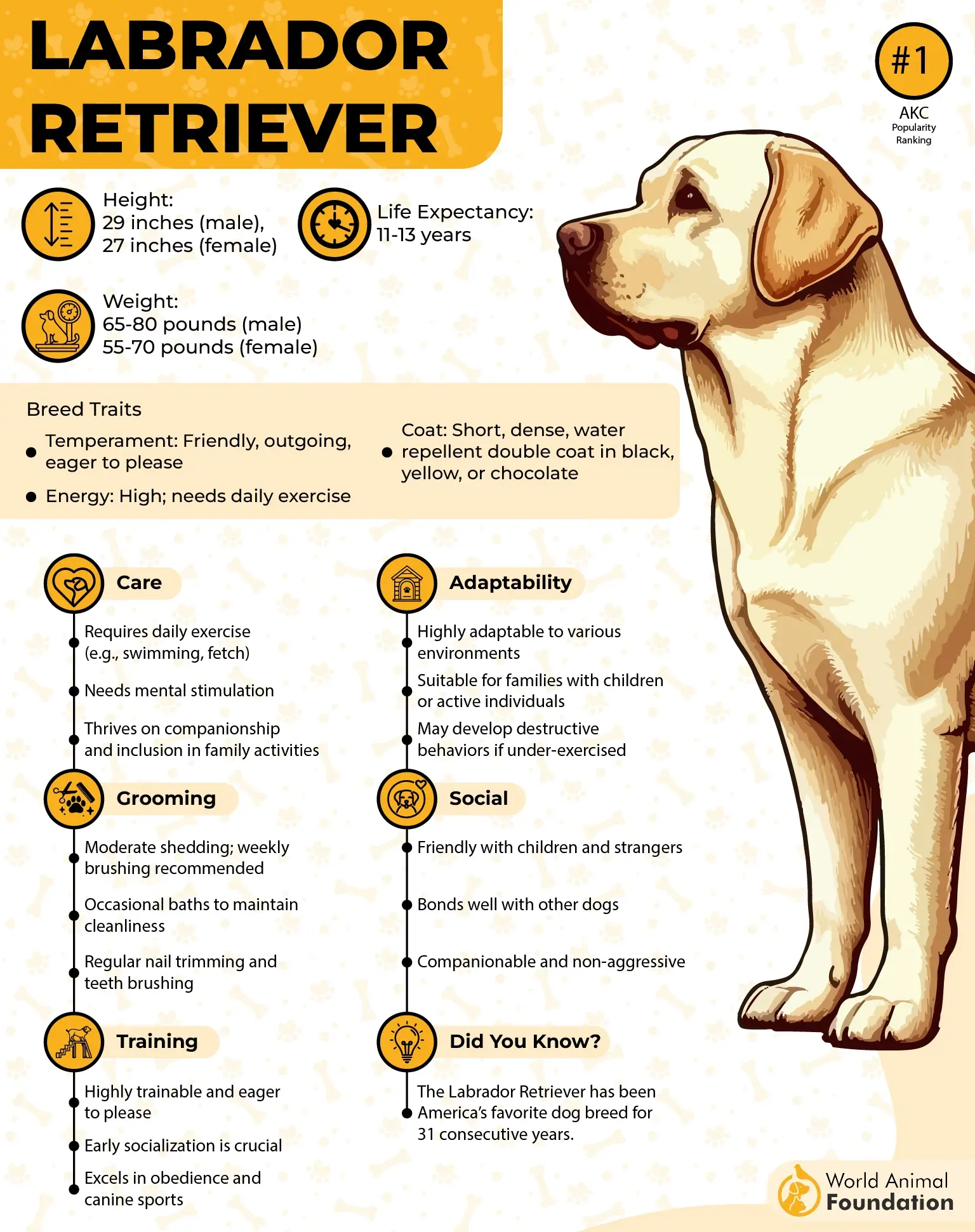
Labrador Retriever catches attention through a wide head, kind eyes, and a thick tail that rarely stays still, signaling constant readiness. Its outward expression reflects a dog that remains engaged with its surroundings. This visible eagerness connects closely with how it approaches physical activity.
Activity style in open spaces
They are great hunting dogs and approach outdoor time with sustained enthusiasm, often staying engaged for long sessions without losing focus. Its natural interest in retrieving and water-based activity aligns closely with extended movement across varied terrain.
This becomes clear in how it spends its energy:
Engages repeatedly in retrieving tasks
Enters water confidently during activity
Maintains participation in long sessions
Energy release through structured movement
Labs build up energy quickly and require consistent outlets through running, hiking, or extended play. Without regular release, this stored energy often shifts into restless or disruptive behavior indoors. Its activity pattern demands routine rather than occasional exercise.
5. German Shorthaired Pointer
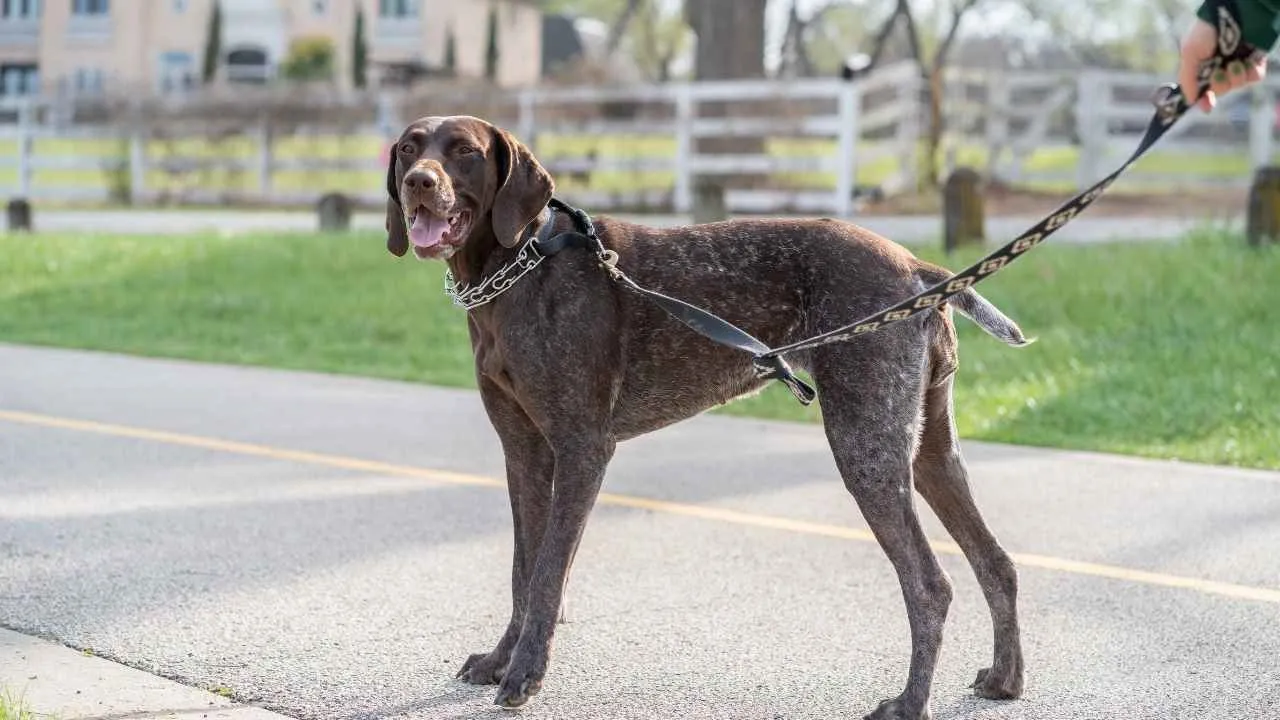
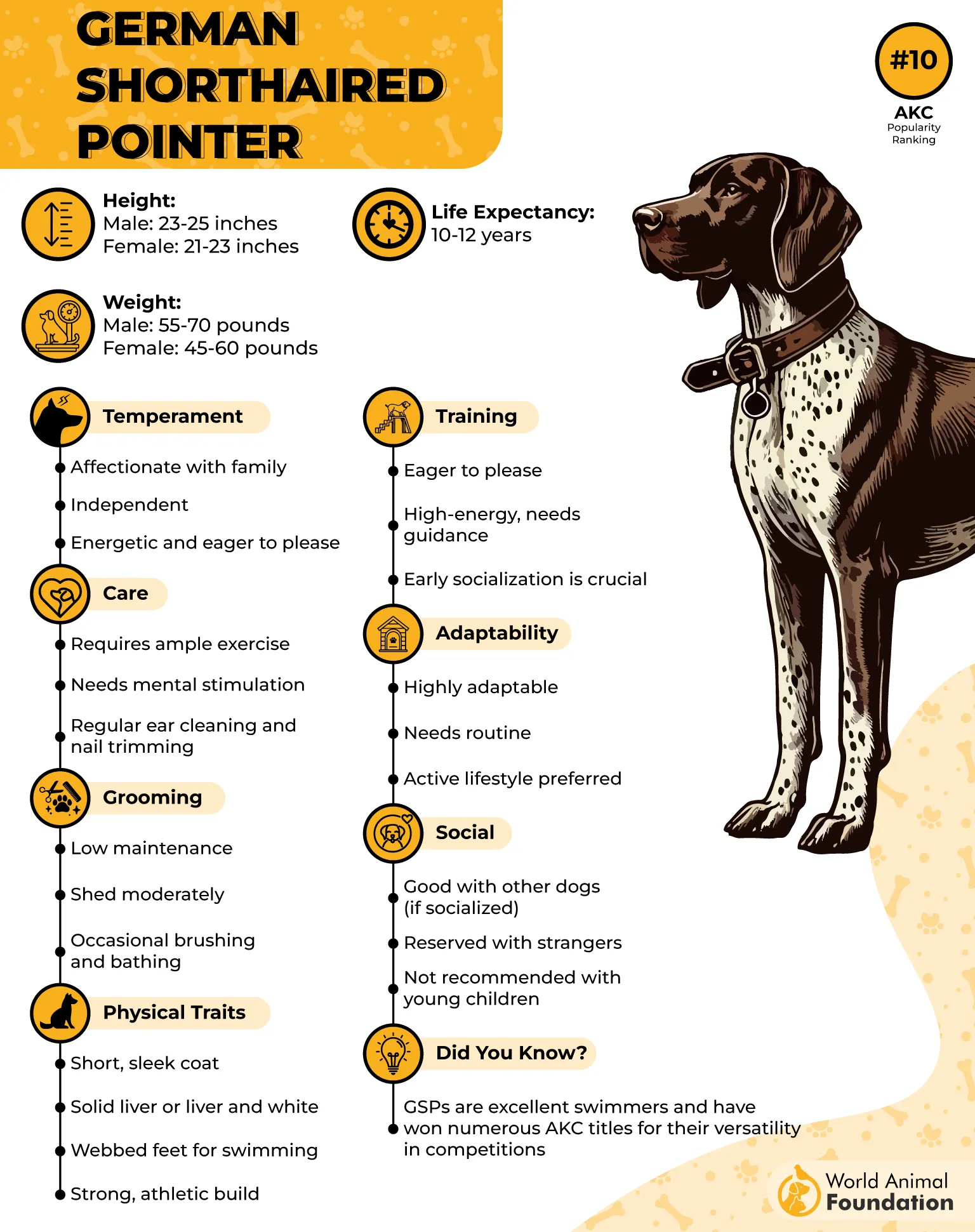
German Shorthaired Pointer presents a lean, athletic frame often described as noble in appearance, shaped for speed and endurance.
Its structure supports long-distance activity without stiffness, keeping motion fluid across varied terrain. This physical balance reflects a dog meant for continuous outdoor engagement.
Scent signaling in the field
These pointers work as a bird dog, locating game through scent and responding with a distinctive pointing stance. It halts with its nose directed toward the target, waiting for direction before the next action.
Their working style becomes clear through specific behaviors:
Freezes in place when scent is detected
Directs focus through nose alignment
Waits for the handler cue before flushing
Activity rhythm across terrain
According to Showsight Magazine, these dogs thrive in routines that include running, hiking, swimming, and retrieving, maintaining energy across extended outings. Its movement stays purposeful, often linking one activity to another without losing pace. Outdoor environments match their natural rhythm.
6. Vizsla
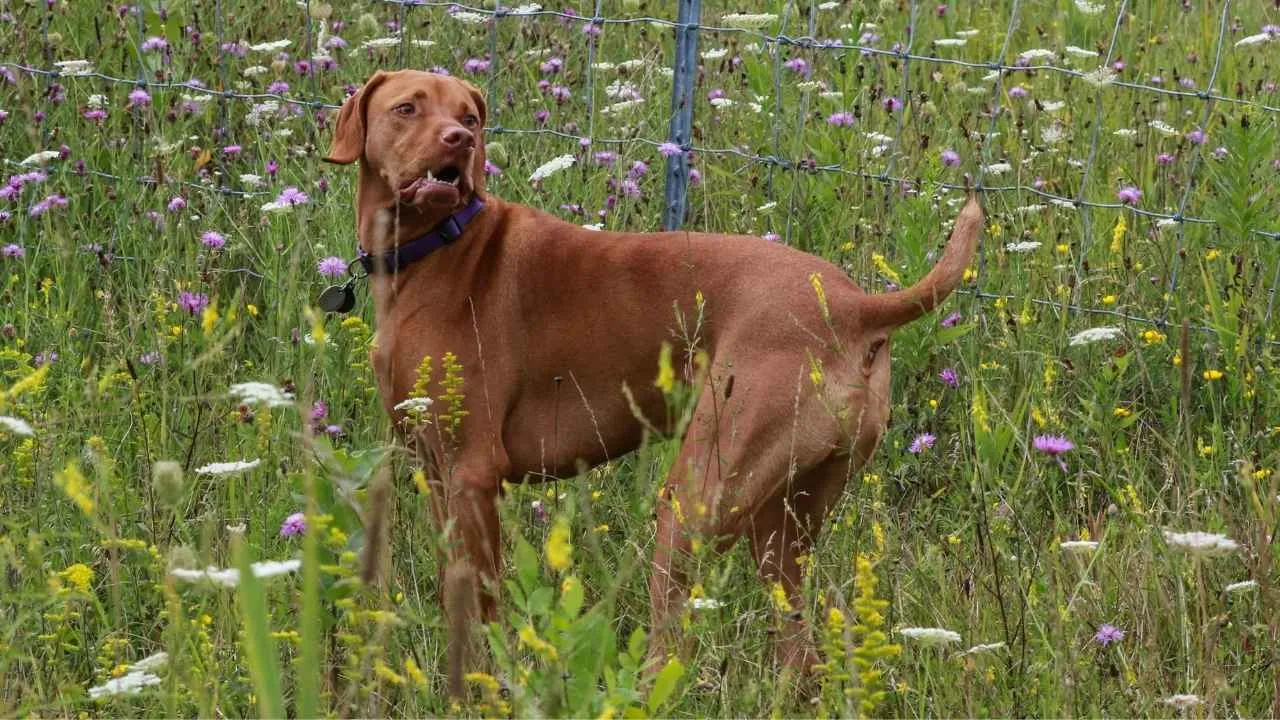
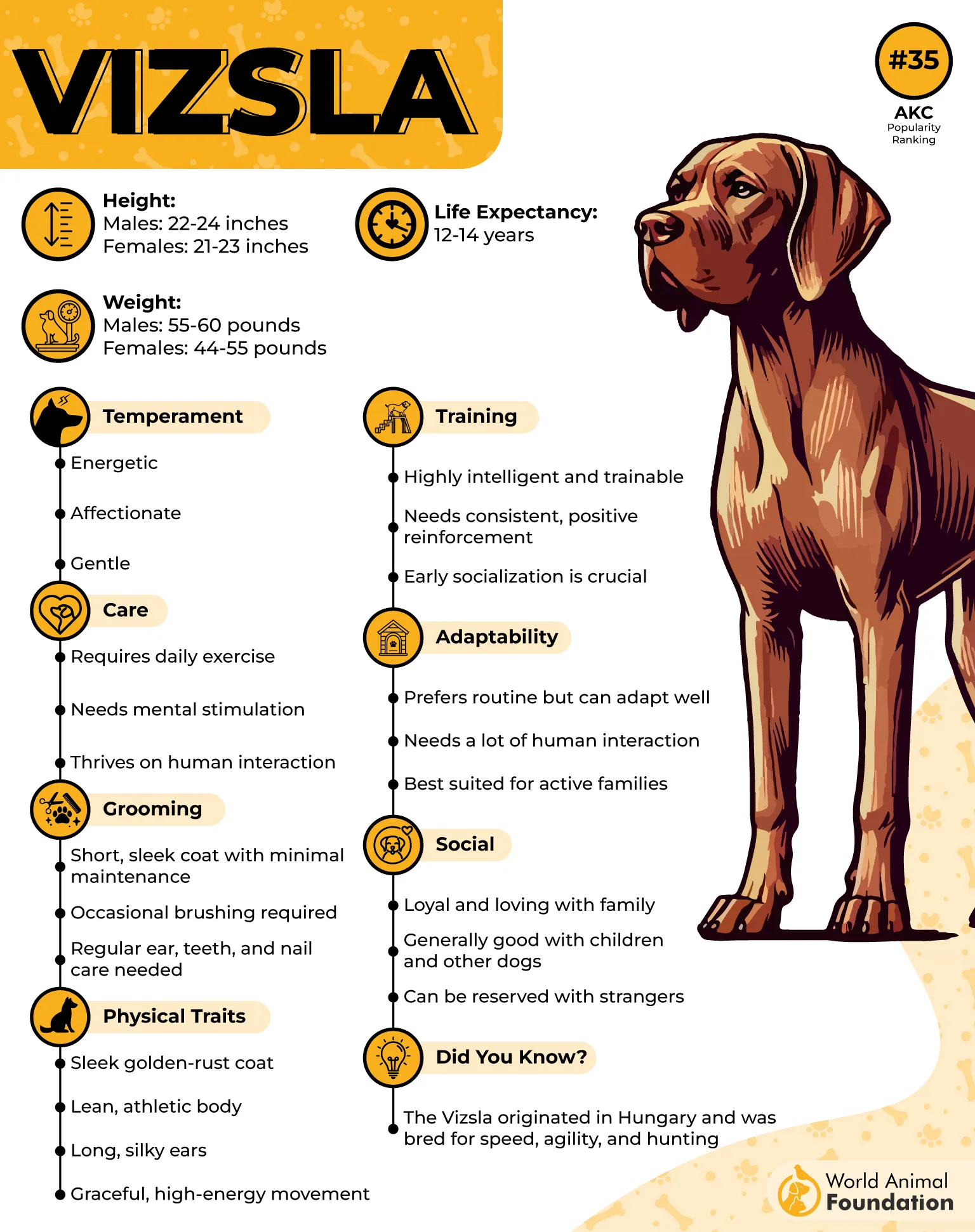
Vizsla comes from early Hungarian hunting lines, shaped as a close-working companion for long days outdoors. Its athletic frame reflects a dog built for sustained effort rather than short bursts. This background connects directly to activities that require both speed and endurance.
Activity rhythm and engagement style
These agile dogs stay fully engaged during physical routines, responding with enthusiasm to tasks that combine movement and interaction. Its intelligence supports quick adaptation during varied outdoor challenges.
That active rhythm shows clearly in daily patterns:
Keeps pace during running and long walks
Engages in water-based activities like swimming
Responds well to agility-focused tasks
Bond-driven movement outdoors
These natural runners prefer staying close during outdoor routines, often aligning their pace and direction with their handler. This connection creates a coordinated experience during hiking or trail-based movement. Its loyalty translates into consistent attention during shared activity.
7. Weimaraner
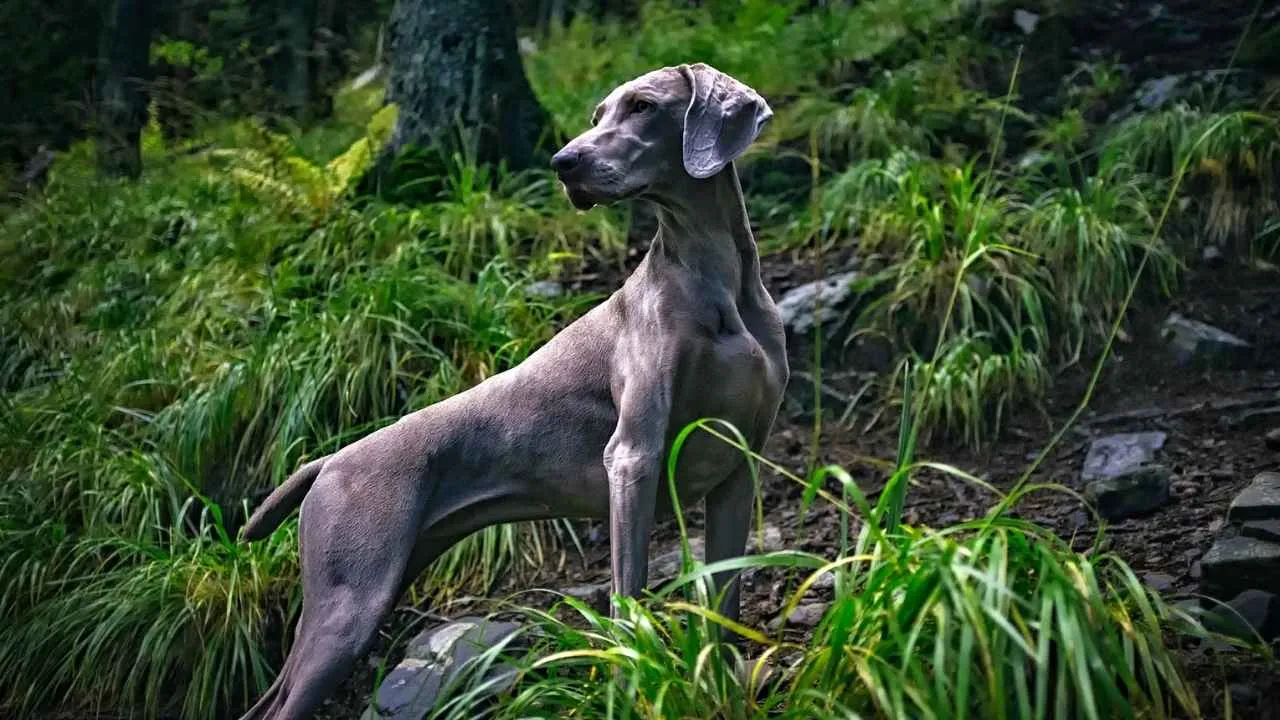
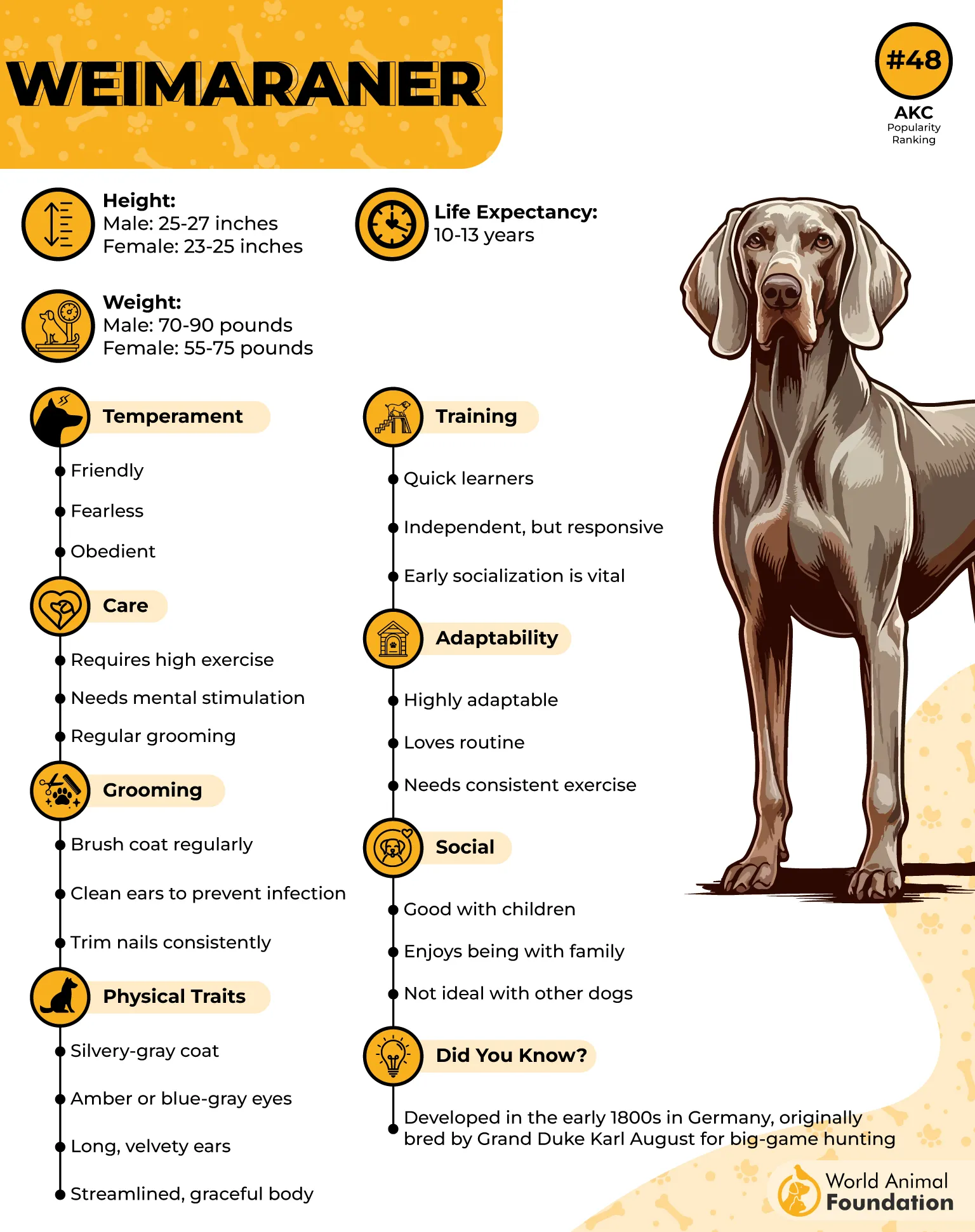
Weimaraner shows its capability through long legs and a lean frame, paired with a distinct gray coat and alert, light-colored eyes. Its physical reach allows it to cover distance efficiently during outdoor activity. The overall structure reflects a dog shaped for extended movement across open ground.
Activity style in motion
They approach activity with intensity, often staying engaged for long periods when given space and direction. Its need for both physical effort and mental involvement shapes how it interacts with outdoor environments.
That pattern becomes clear in how it engages:
Maintains long-duration activity without slowing
Responds well to structured tasks like agility or tracking
Engages in interactive play such as fetch or tug
Behavior shaped by energy levels
Weimaraners require extended daily activity, often needing several hours to remain settled indoors. Without proper training and mental stimulation, it may shift toward behaviors like chewing or digging. Access to a secure outdoor area helps manage this level of energy.
Conclusion
Long trails have a way of exposing what a dog is actually built for. It is not about how fast they start, but how well they carry themselves when the distance stretches and the terrain shifts. The breeds shared here show that kind of reliability. They do not burn out early or lose focus halfway through.
Instead, they stay measured, controlled, and aware of their surroundings. That steadiness changes the entire experience. When the right dog is beside you, the trail feels less like a test and more like a flow. You move forward without hesitation, knowing the pace will hold.
