




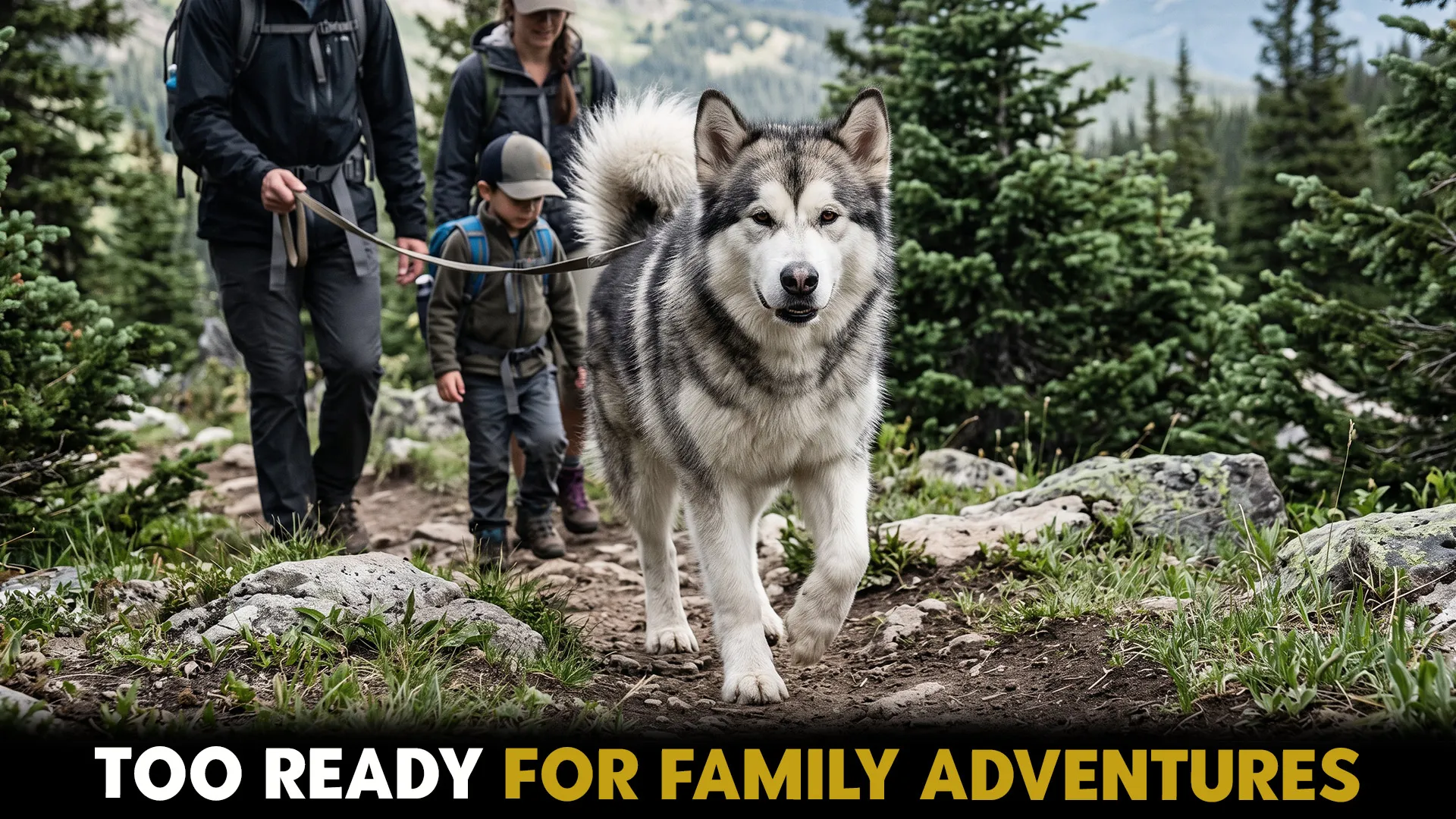
There is nothing quite like watching your dog sprint ahead on a mountain trail, tail wagging, completely in its element. For families who live for hiking, camping, and long weekends off the grid, the right dog turns every outing into an adventure worth remembering.
Here is a fun fact that might surprise you. Some Arctic sled dogs can pull one and a half times their own body weight across frozen terrain for hours without ever slowing down.
But not every high-energy breed is actually built for rugged wilderness life. Cold tolerance, endurance, and temperament with kids all matter just as much as raw enthusiasm.
Picking the wrong fit can mean a frustrated dog, an exhausted family, or a pet who simply cannot handle the terrain you love most.
So which tough breeds actually have what it takes to keep up with your family’s wild side? Keep reading to find out.
Ideal Dog Breeds for a Wilderness-Loving Family
1. Australian Shepherd
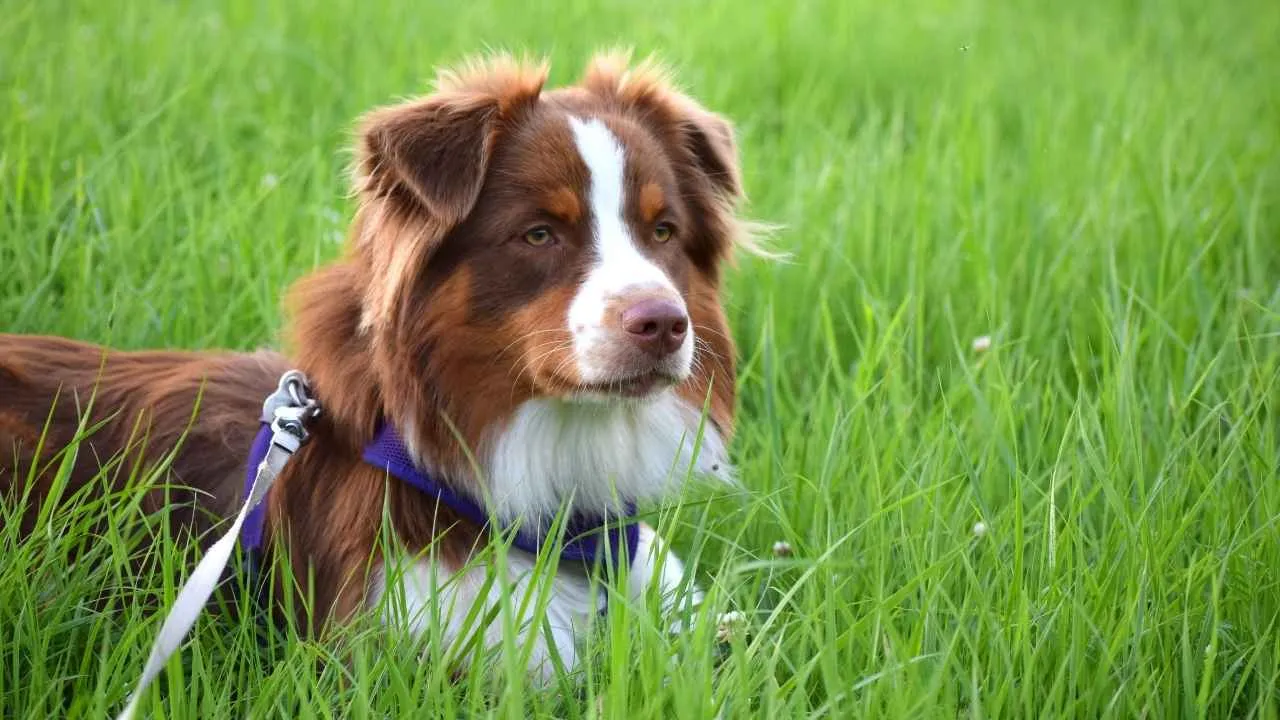
This herder favors open range over deep snow, which is why it handles moderate climates so well. Western U.S. ranchers bred the Australian Shepherd to herd cattle and sheep across sprawling land, per Hill’s Pet.
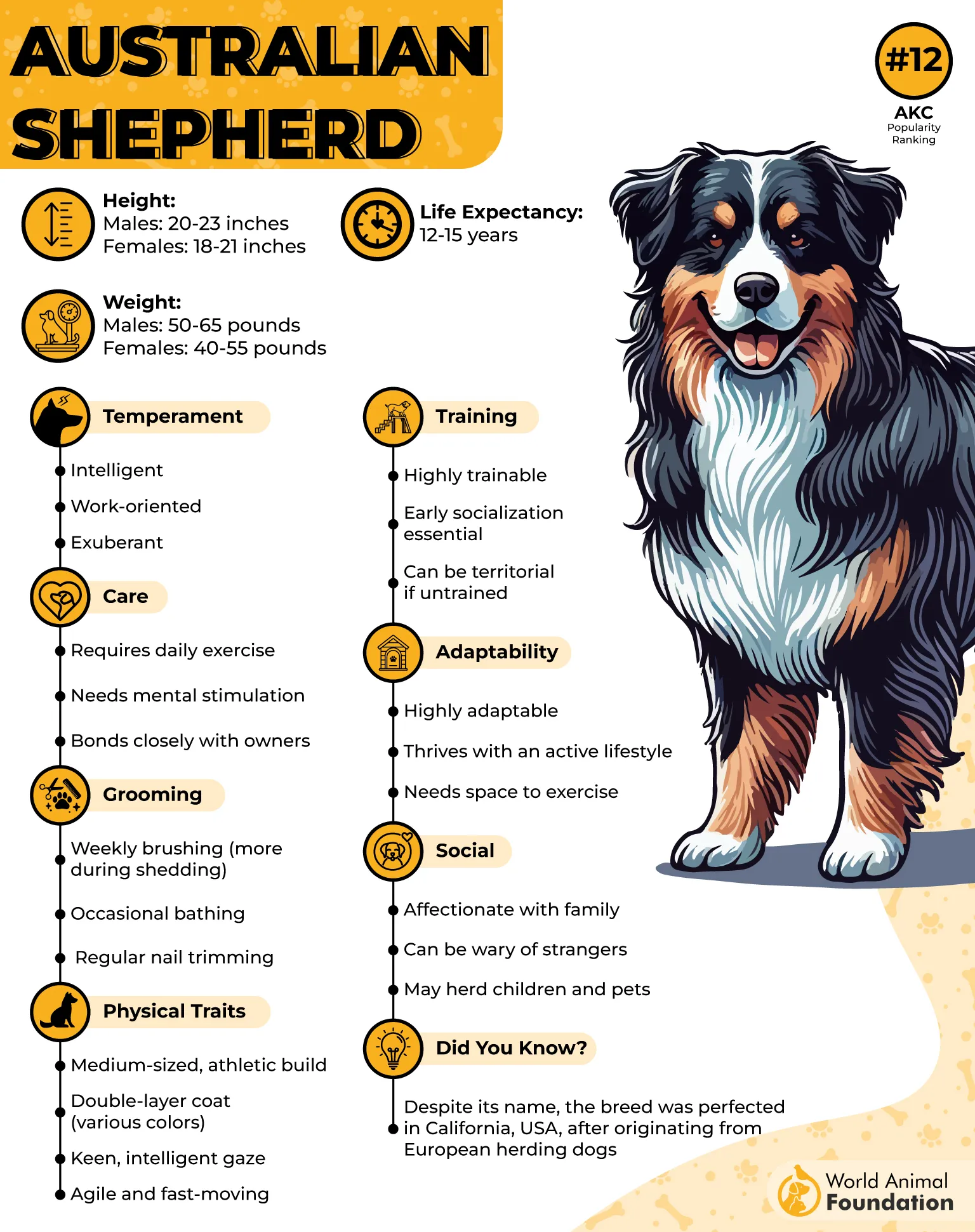
That ranch background shows at home too, since this dog bonds closely with human families and thrives on inclusion. Kids get a playful, protective friend; strangers get a more reserved welcome at first.
Coat and upkeep: Weekly brushing manages this double coat’s year-round shedding.
Endurance: Daily exercise and mental stimulation keep this energetic dog content.
Nutritional Tips: A protein-rich diet fuels this hardworking herder.
Behavior and Training Tips: Early obedience training channels its sharp mind.
Given all that drive, this dog moves with a lean, athletic build shaped for ranch work. Hip dysplasia and eye conditions top the health watch list.
2. Alaskan Malamute
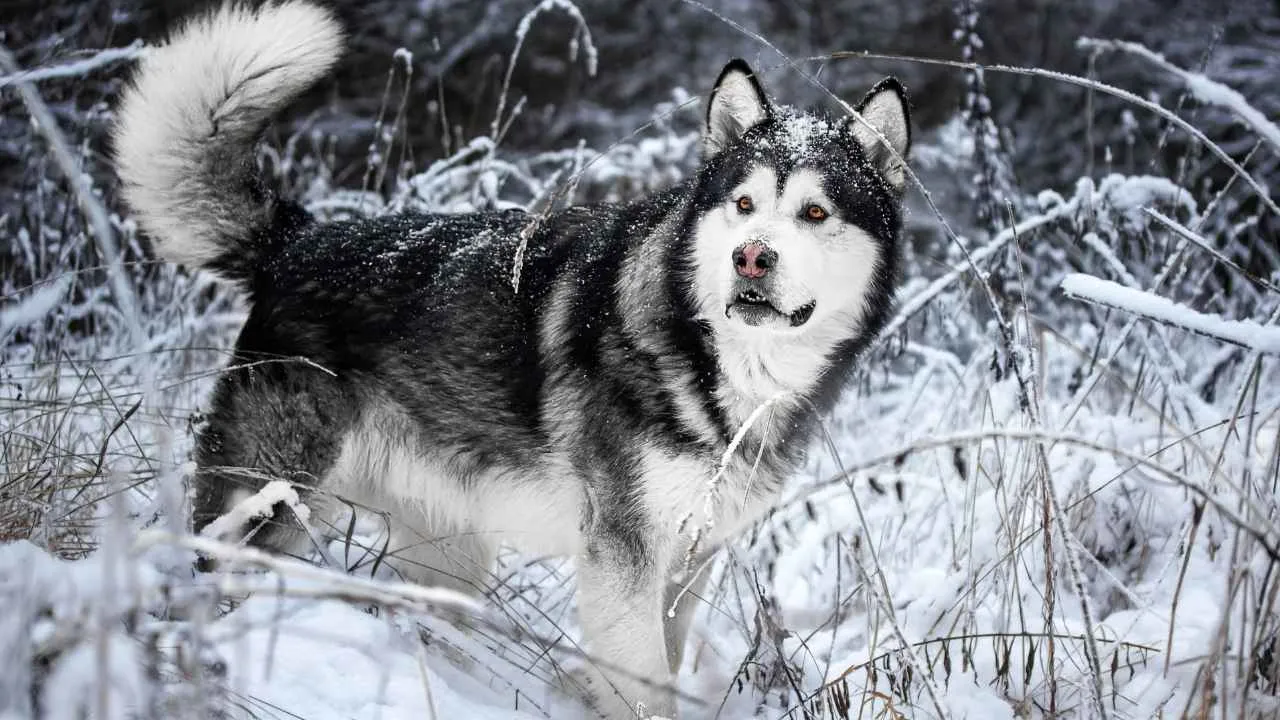
Built for Arctic tundra, this thick-coated dog thrives in cold and struggles once heat climbs. That makes sense, since the Mahlemut people bred the Alaskan Malamute to pull sleds and haul freight.
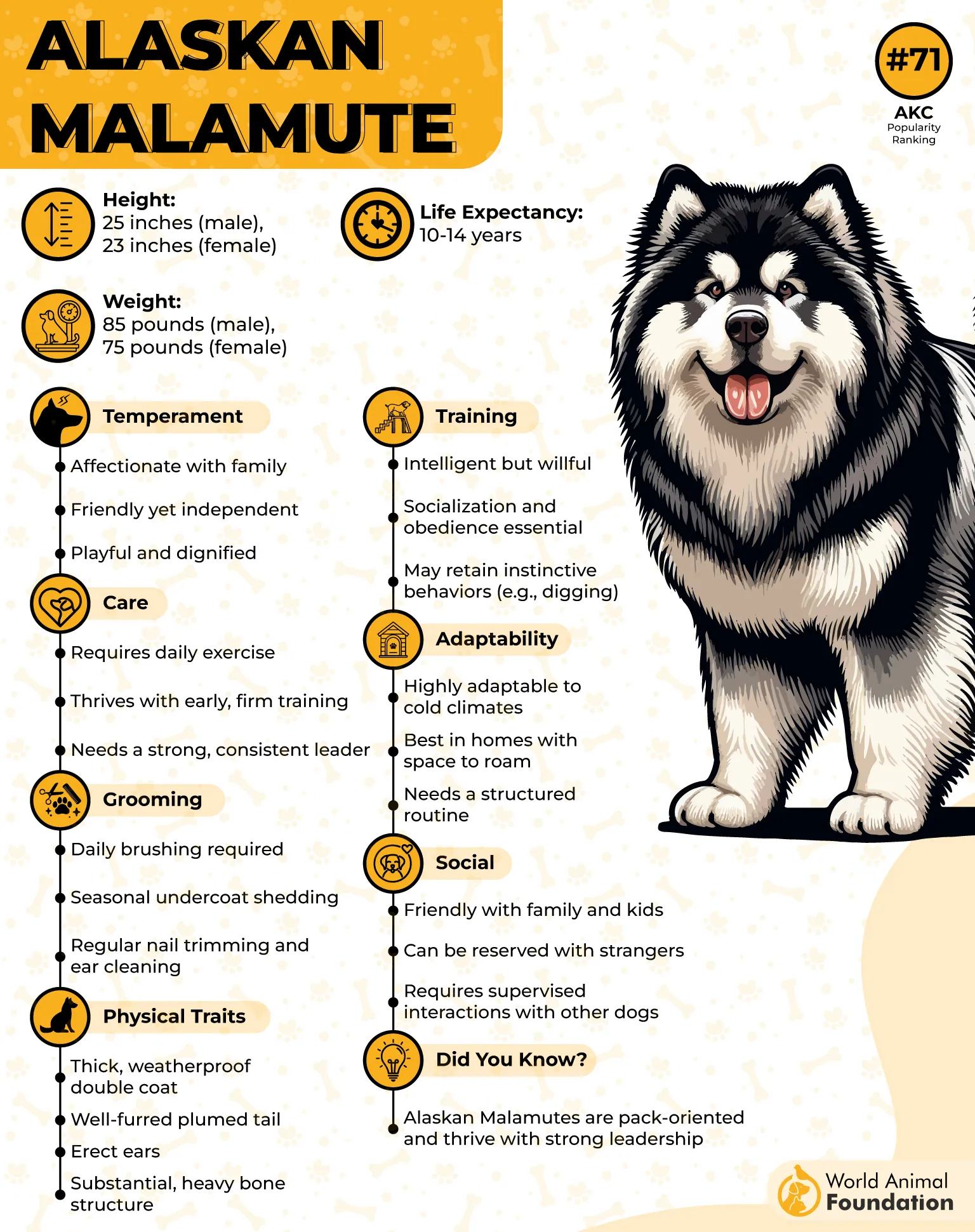
For all that tough history, this large dog is gentler than its wolf-like looks suggest, and it bonds deeply with human families. Kids are pack members; strangers just get a friendly greeting.
Coat and upkeep: This dense double coat blows out twice yearly, needing daily brushing.
Endurance: Serious pulling stamina calls for space to run.
Nutritional Tips: A calorie-dense diet suits it through cold months.
Behavior and Training Tips: Consistent, positive training curbs its independent nature.
That same strength shows in its build, since it is powerfully made with a broad chest for pulling heavy weight. Hip dysplasia and bloat are worth watching.
3. Siberian Husky
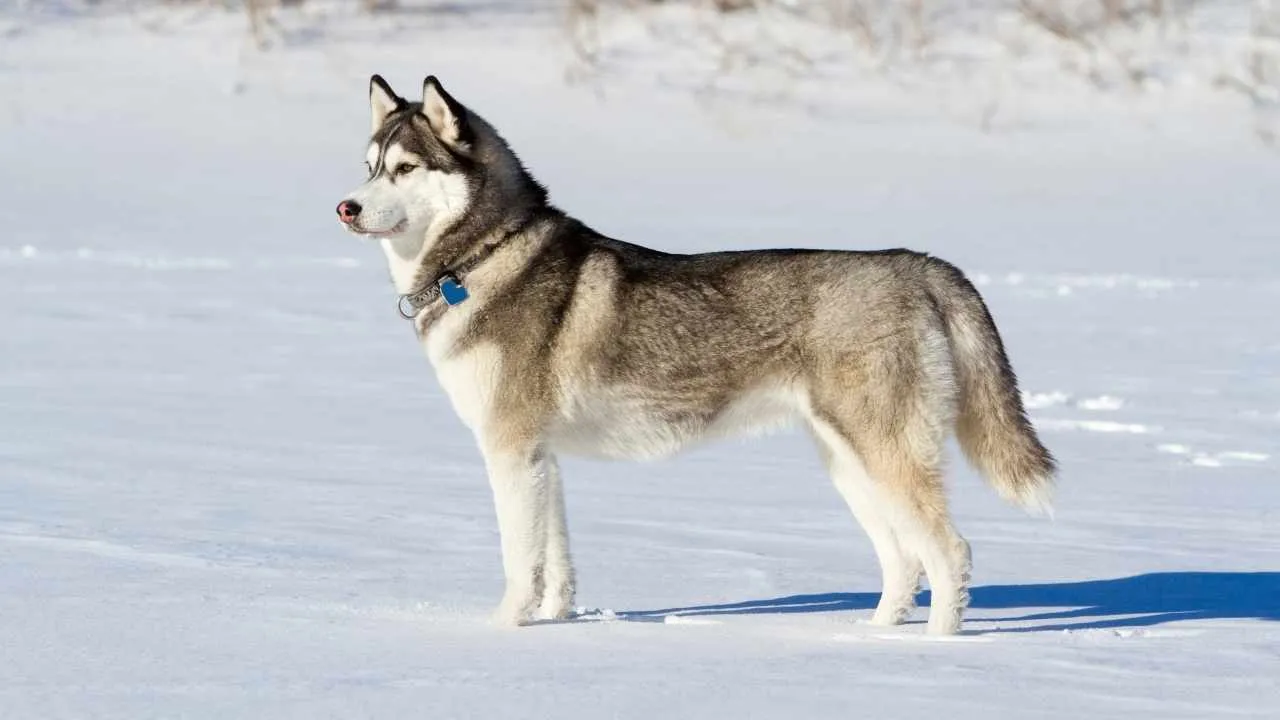
Snow and cold weather are this dog’s natural habitat, which explains why heat is such a challenge. The Chukchi people bred the Siberian Husky to run in sled teams, as VCA mentions.
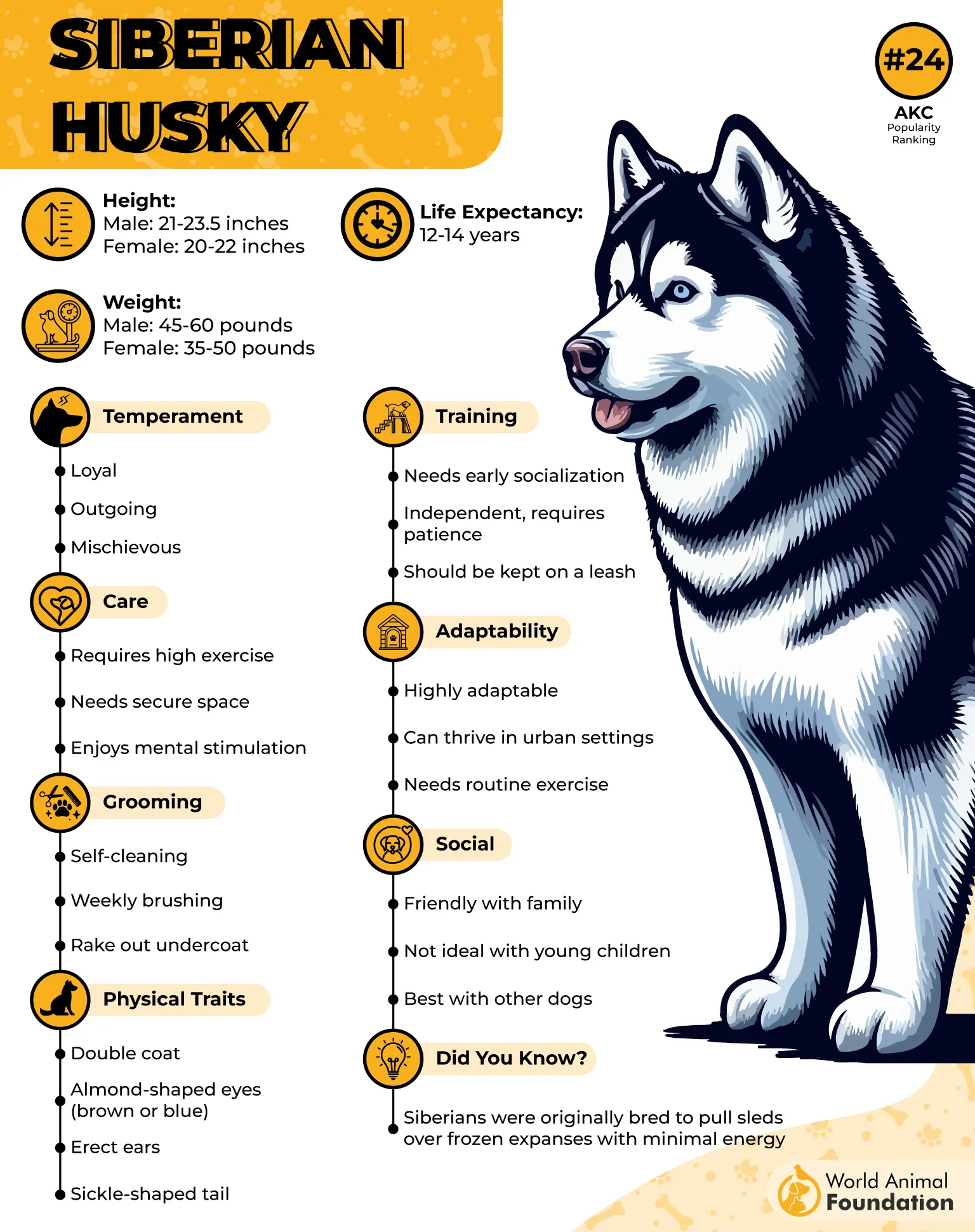
That team spirit shows today, since this dog is friendly almost to a fault, greeting strangers and family alike. It bonds closely within its pack and hates time alone.
Coat and upkeep: This medium coat sheds heavily each season, needing daily combing.
Endurance: Bred for long distances, it thrives on vigorous trail running.
Nutritional Tips: A balanced, high-quality diet supports its hardworking muscles.
Behavior and Training Tips: A fenced yard matters, since strong prey drive spells off-leash risk.
That same working drive carries into its build too, since this dog is lean and athletic, without the bulk of heavier Arctic breeds. Eye conditions and hip dysplasia top the watch list.
4. Norwegian Elkhound
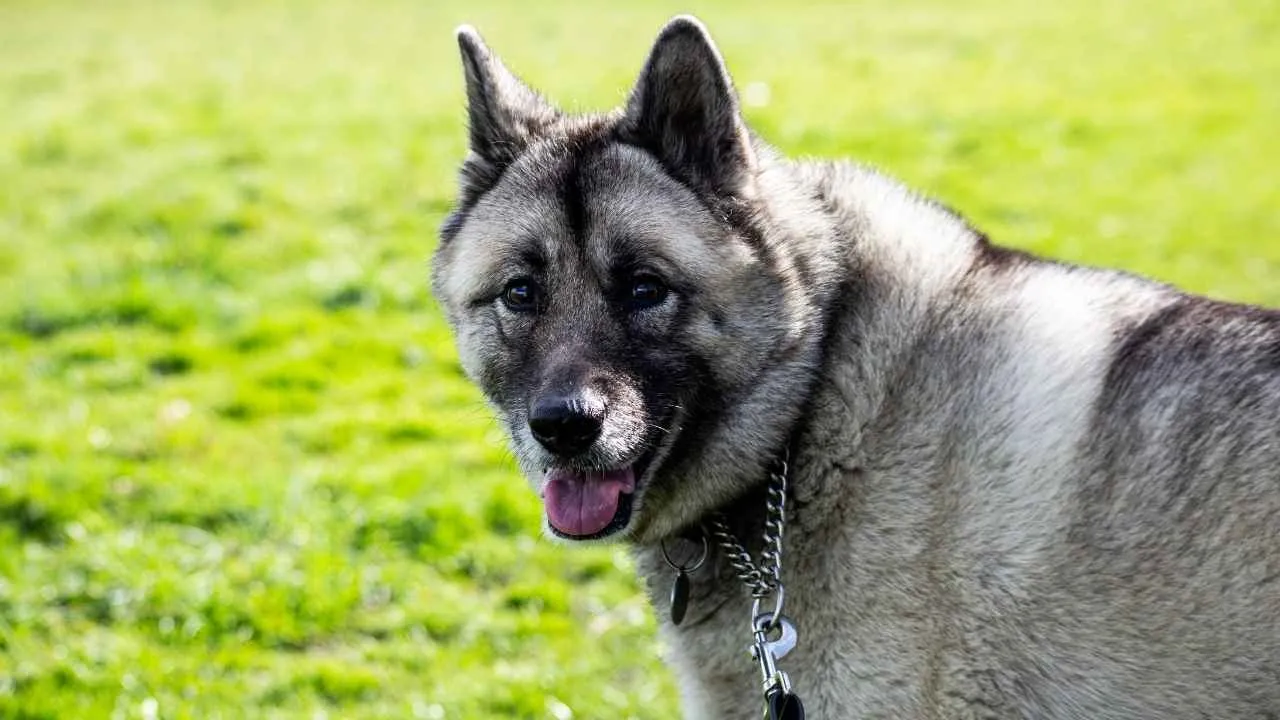
Deep snow and dense forest are home turf for this hardy dog. Viking-era hunters bred the Norwegian Elkhound to track moose and bear.
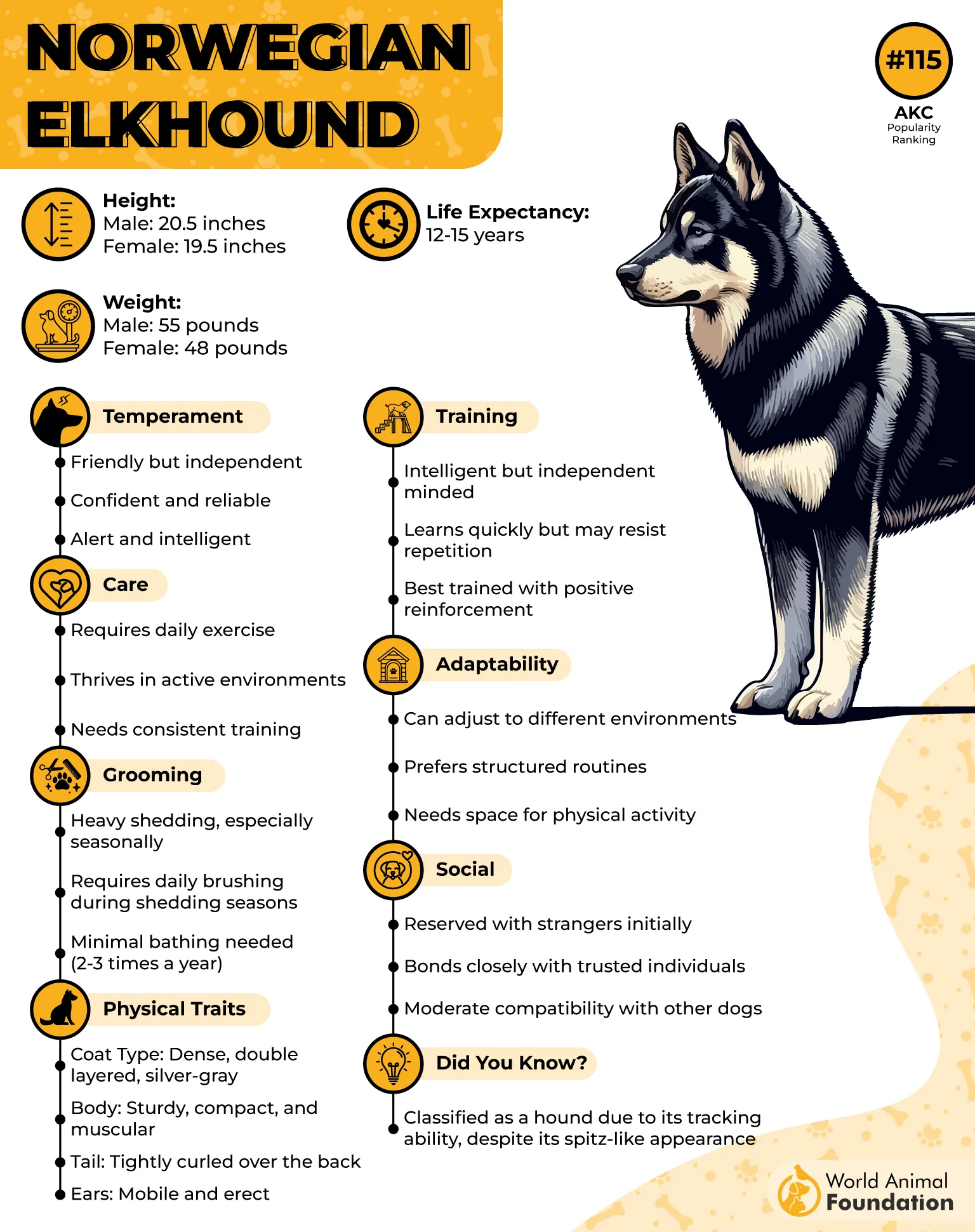
That hunting background explains a lot, since this dog treats its human family like a pack worth guarding. Gentle kids earn a devoted friend; strangers get a loud announcement instead.
Coat and upkeep: This thick double coat sheds heavily, so frequent brushing keeps fur off furniture.
Endurance: Built for hours in the field, this dog thrives on long hikes.
Nutritional Tips: Watch portion sizes closely, since this breed gains weight once exercise drops.
Behavior and Training Tips: A confident, patient owner gets the best results with this strong-willed dog.
That same field toughness carries into its build, since it is compact and sturdy, built for cold weather work. Hip dysplasia and kidney issues are worth watching.
5. Samoyed
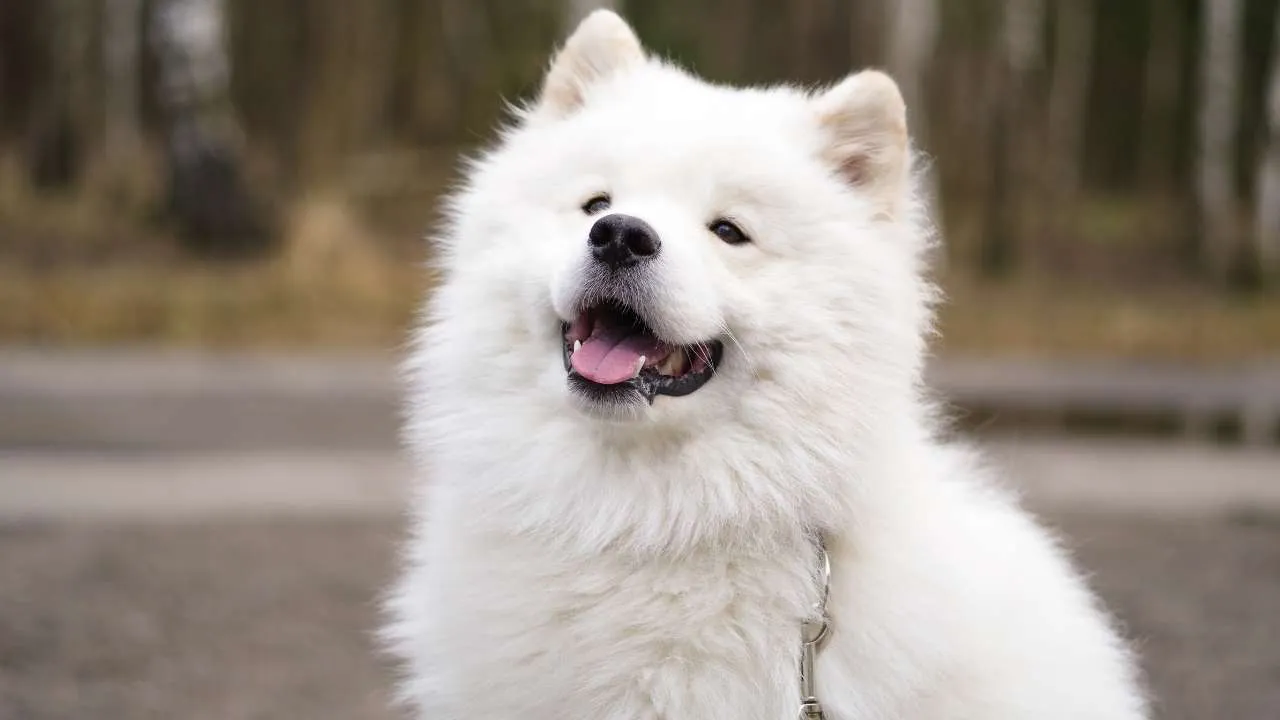
Arctic cold is second nature to this dog, which is why hot summers are a struggle. That pedigree comes from the Samoyede people, who bred the Samoyed to herd reindeer and pull sleds, as Orvis notes.
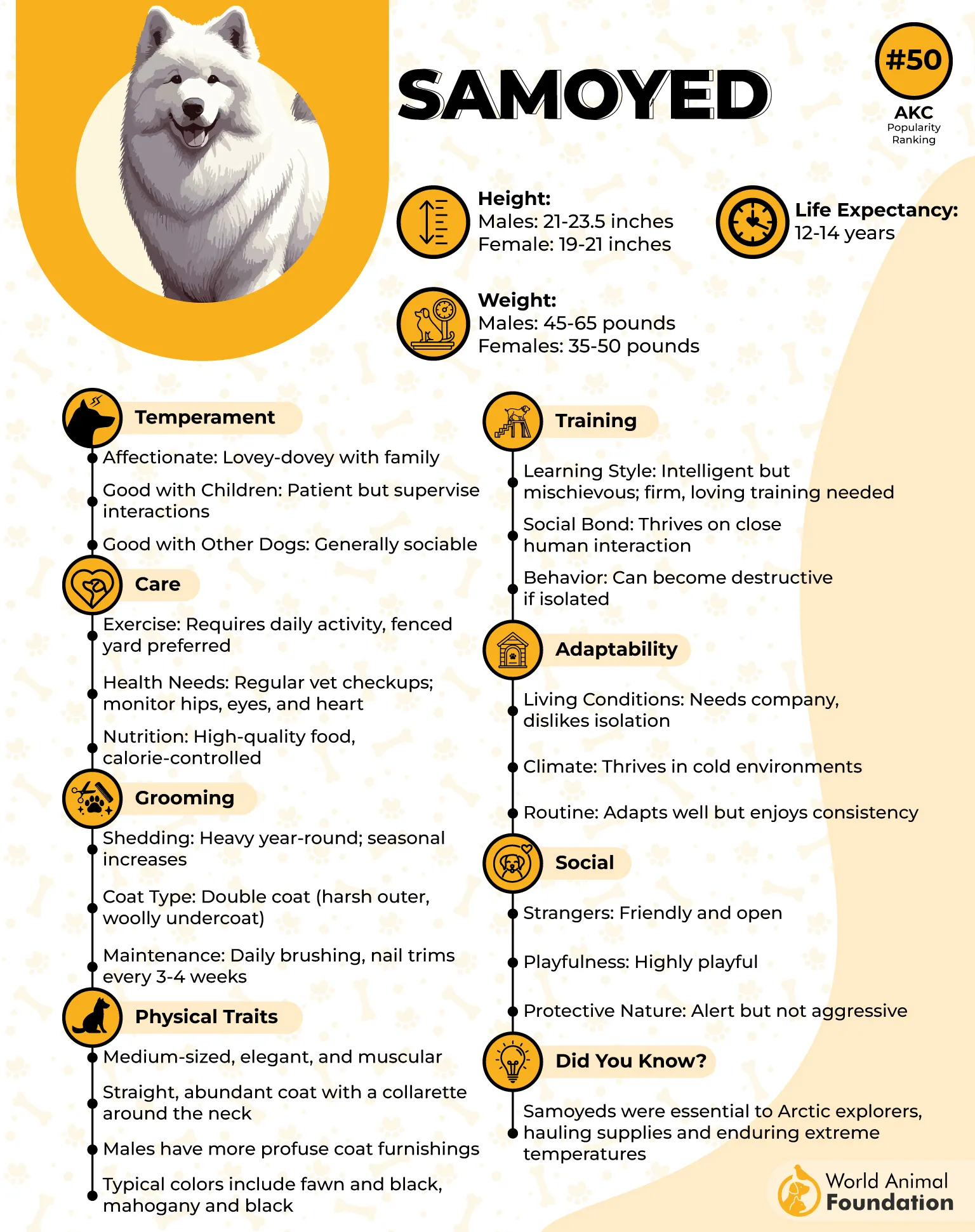
That history still shows, since this dog is affectionate and endlessly cheerful, forming tight bonds with human families. Kids get a gentle, playful companion, and long stretches alone end in howling.
Coat and upkeep: This thick white coat needs frequent brushing to prevent matting.
Endurance: High energy calls for daily exercise, from walks to canine sports.
Nutritional Tips: A protein-rich diet supports its dense coat.
Behavior and Training Tips: Firm, reward-based training curbs occasional stubborn streaks.
That same hardiness carries into its build, since this dog is medium-sized and sturdy, with a smile that keeps drool from freezing. Hip dysplasia and eye conditions matter here.
6. Bernese Mountain Dog
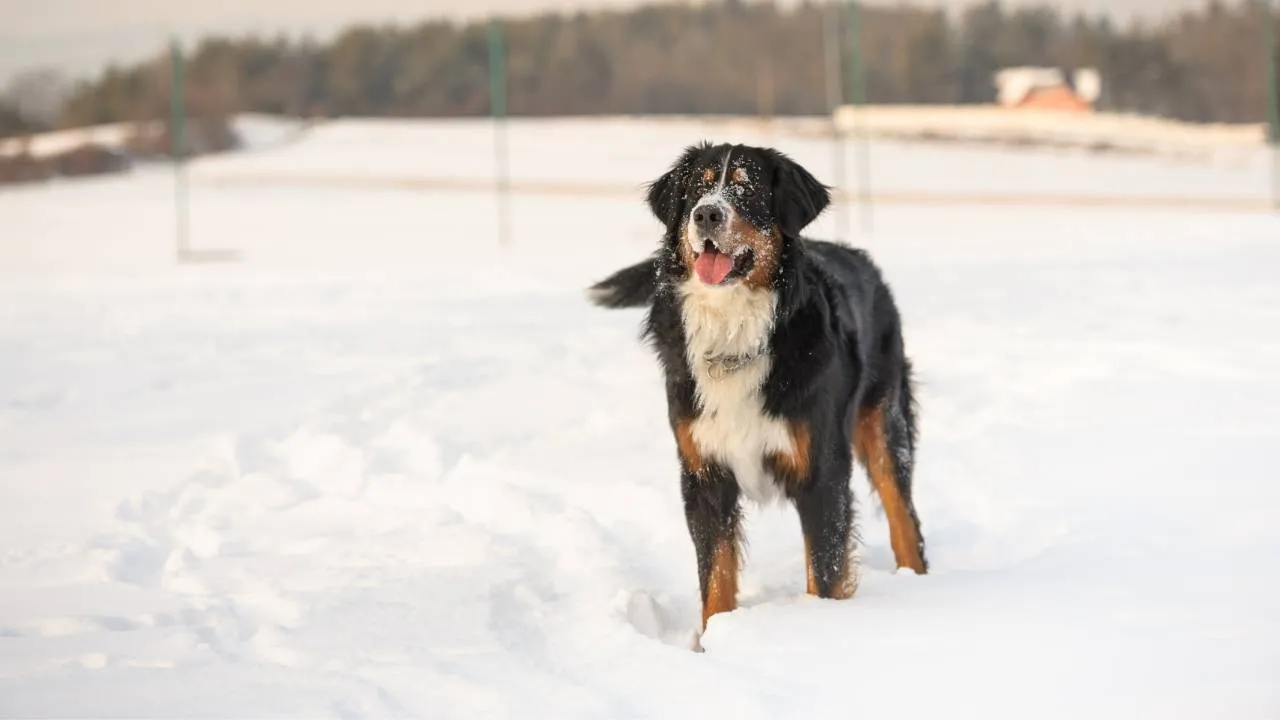
Alpine slopes and cold weather suit this dog perfectly, so summer heat is best avoided. Swiss Alps farmers bred the Bernese Mountain Dog to herd livestock and pull carts.
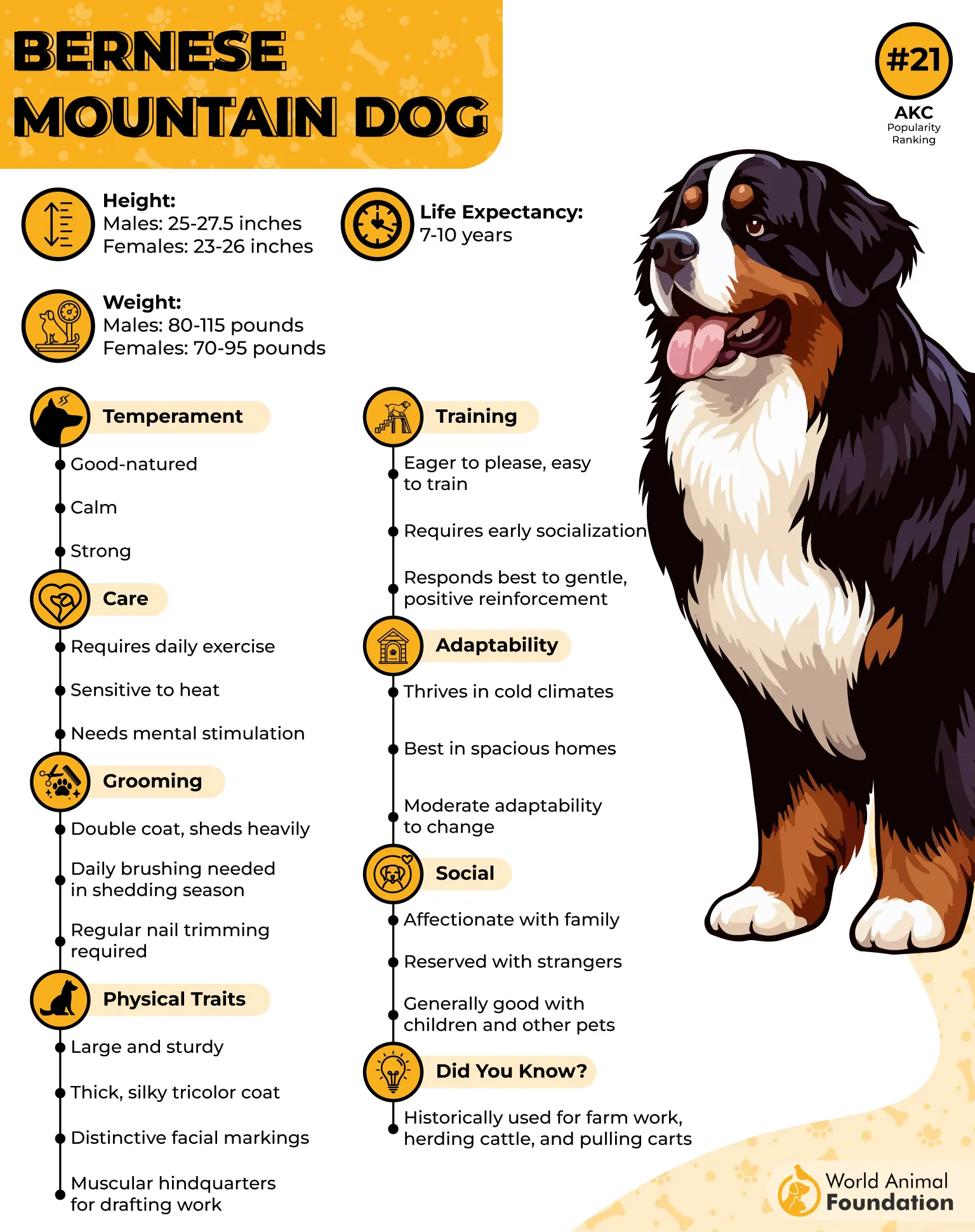
That farm heritage shows in its personality, since this dog is calm and eager to please, forming a gentle bond with human families. Kids get a patient, easygoing companion, and harsh correction never sits well.
Coat and upkeep: This long, thick coat needs brushing once or twice weekly.
Endurance: A good daily walk keeps this large dog happy.
Nutritional Tips: Smaller, frequent meals help lower bloat risk here.
Behavior and Training Tips: Positive reinforcement brings fast results here.
That same working stock shows in its frame, since this dog is large and sturdy, with an athletic build shaped by farm work. Hip dysplasia, bloat, and a short lifespan top the caveats.
7. Entlebucher Mountain Dog
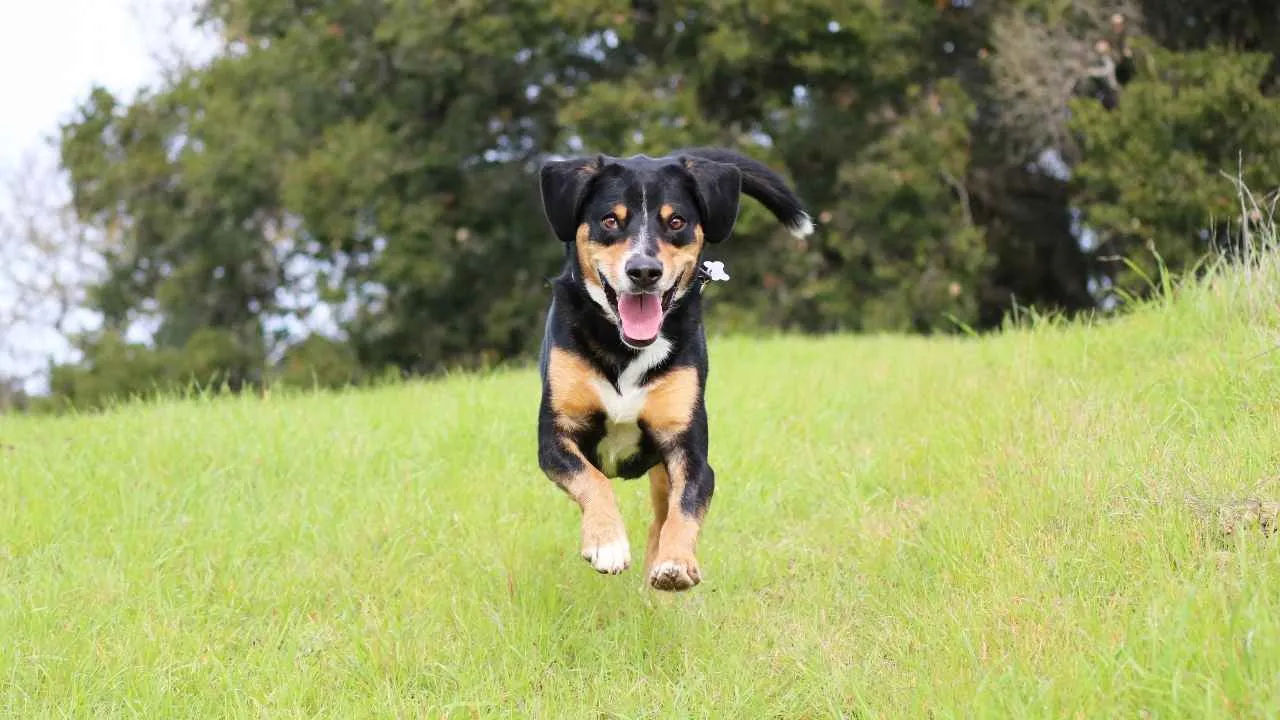
Rugged alpine pasture is home turf for this small but mighty dog. Swiss farmers bred the Entlebucher Mountain Dog to drive cattle between mountain pastures.
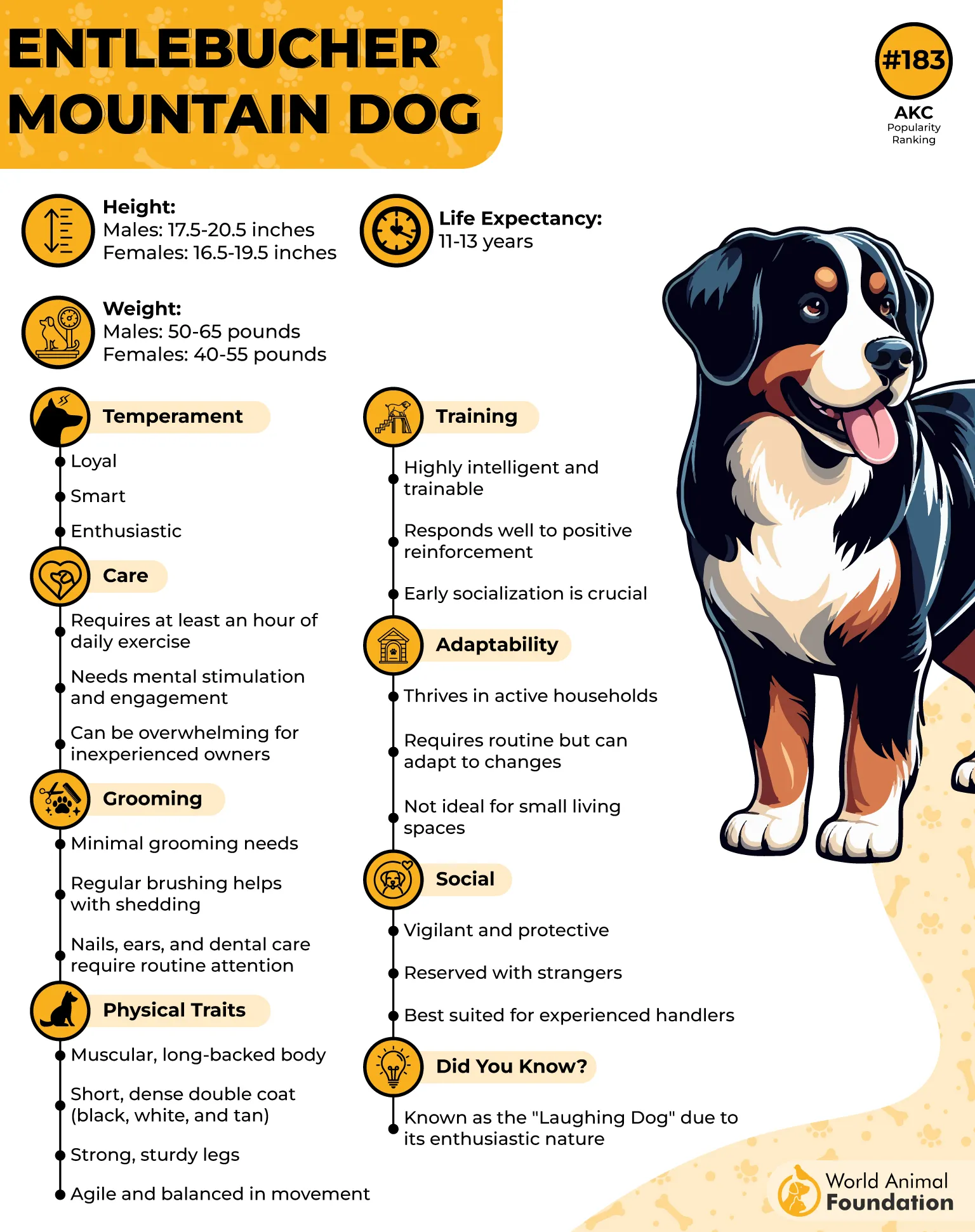
That work ethic carries into its personality, since this dog is deeply devoted, bonding closely with human families and staying close at all times. Older kids who handle its boisterous energy make the best playmates.
Coat and upkeep: This short, easy-care coat needs only weekly brushing outside its biannual shedding.
Endurance: This energetic dog needs a job or daily exercise.
Nutritional Tips: A balanced diet keeps this muscular breed in shape.
Behavior and Training Tips: Consistent, firm training suits this strong-willed dog best.
That instinct shows in its build too, since this dog is compact and powerfully made, moving with agility that once drove cattle. Hip dysplasia and patellar luxation top the caveats.
Conclusion
No single dog fits every family’s idea of the great outdoors, and that is exactly the point of this list. From cold weather specialists with an athletic build to strong-willed herders that once worked to herd livestock, each of these hardy dogs brings boundless energy, loyalty, and a love of exploring to an active lifestyle well suited to the trail.
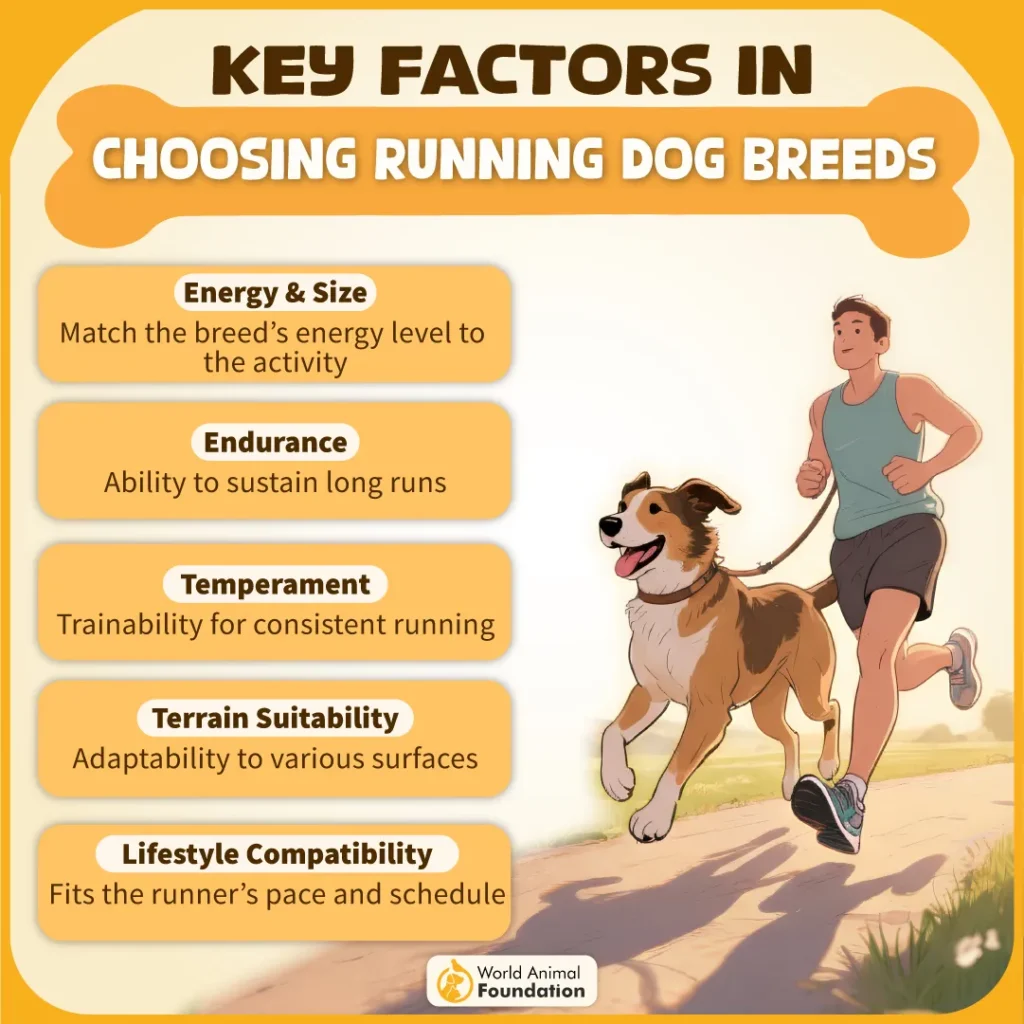
Match the coat, exercise needs, and mental challenges to your terrain and your kids, not just the cutest puppies, and you will land the right dog for years of trail running, daily walks, and canine sports together. Ready to find your perfect partner for the great outdoors? Start matching your family’s pace to a breed today.
