




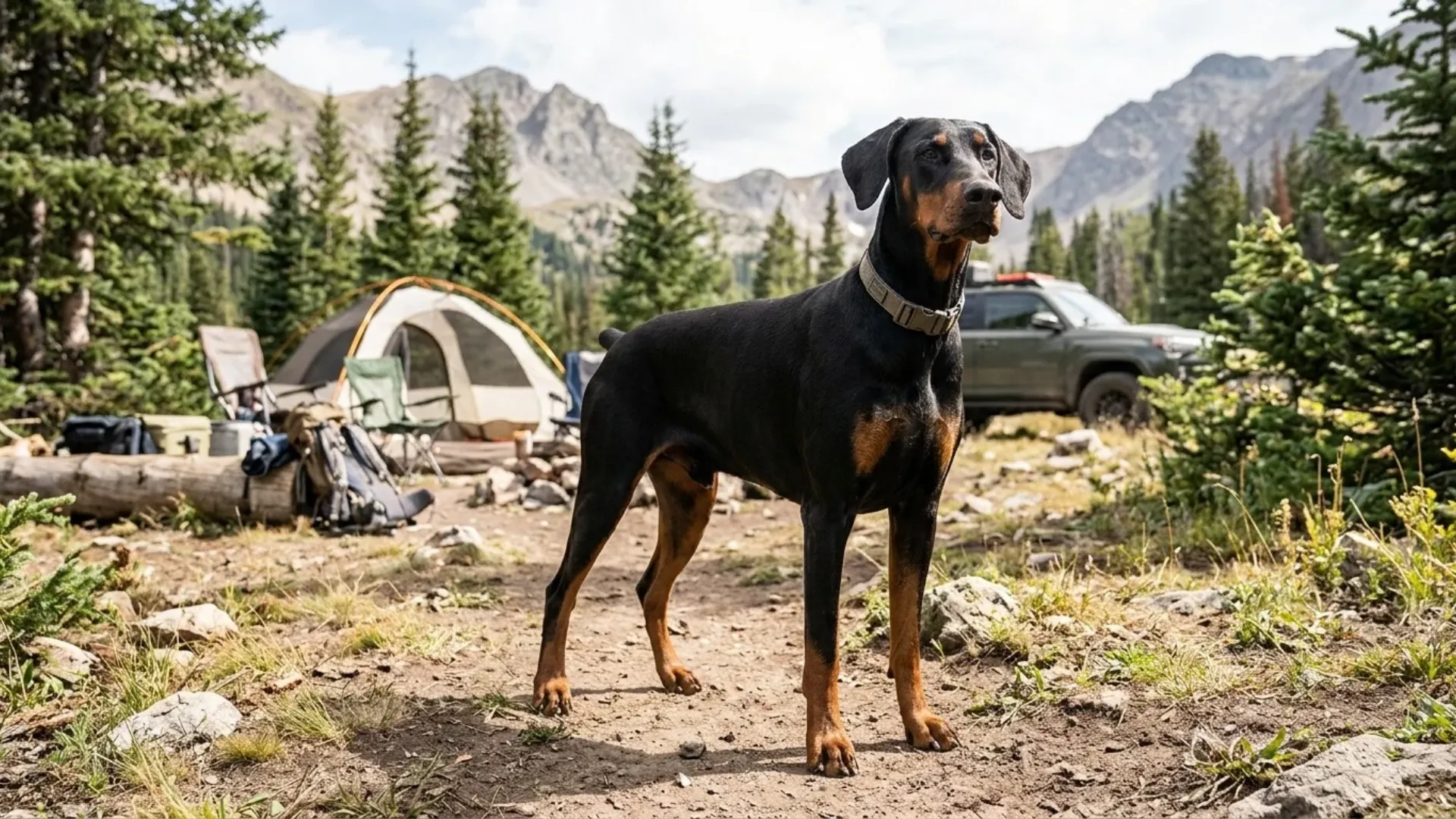
What if your next great adventure had four paws and a wagging tail?
Whether you’re exploring mountain trails, crossing open roads, or discovering new places, the right dog can make every journey more special. However, not every breed suits life on the move.
A nomadic lifestyle calls for stamina, good health, and natural adaptability. Dogs must also cope with changing weather and unfamiliar surroundings. A suitable coat helps them stay comfortable across different climates.
Endurance matters, especially during long hikes and outdoor trips. Medium-sized dogs can offer a good balance of strength and portability. They can enjoy outdoor adventures while fitting into smaller travel spaces. Still, every dog has unique needs.
Some need more exercise, while others require extra care. This guide explores seven breeds that can make wonderful companions for life on the move.
Ideal Dog Breeds for a Nomadic, Outdoor Life
Here we go, one by one.
1. Rottweiler
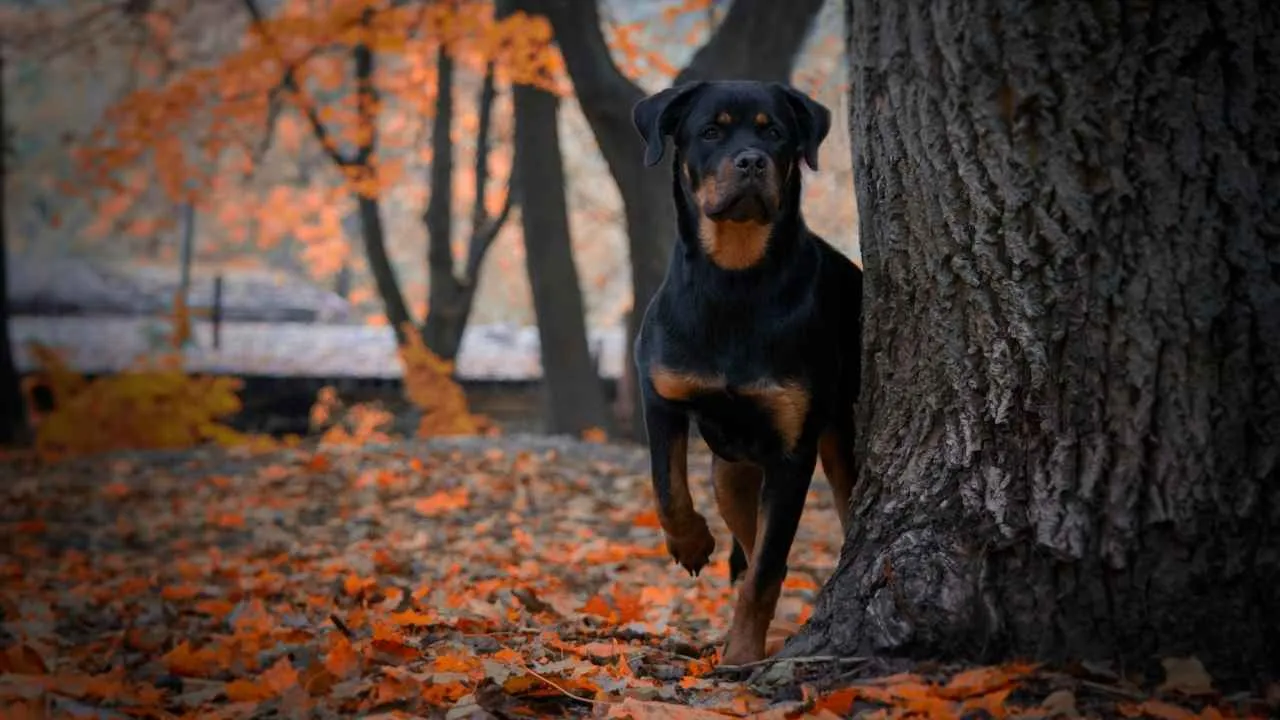
According to Wikipedia, the Rottweiler once drove cattle and pulled heavy carts loaded with meat to market. Railways later reduced this work, but the breed kept its strong working roots.
Today, Rottweilers may serve in search and rescue, police work, and property security. Rottweilers show confidence and devotion around their families.
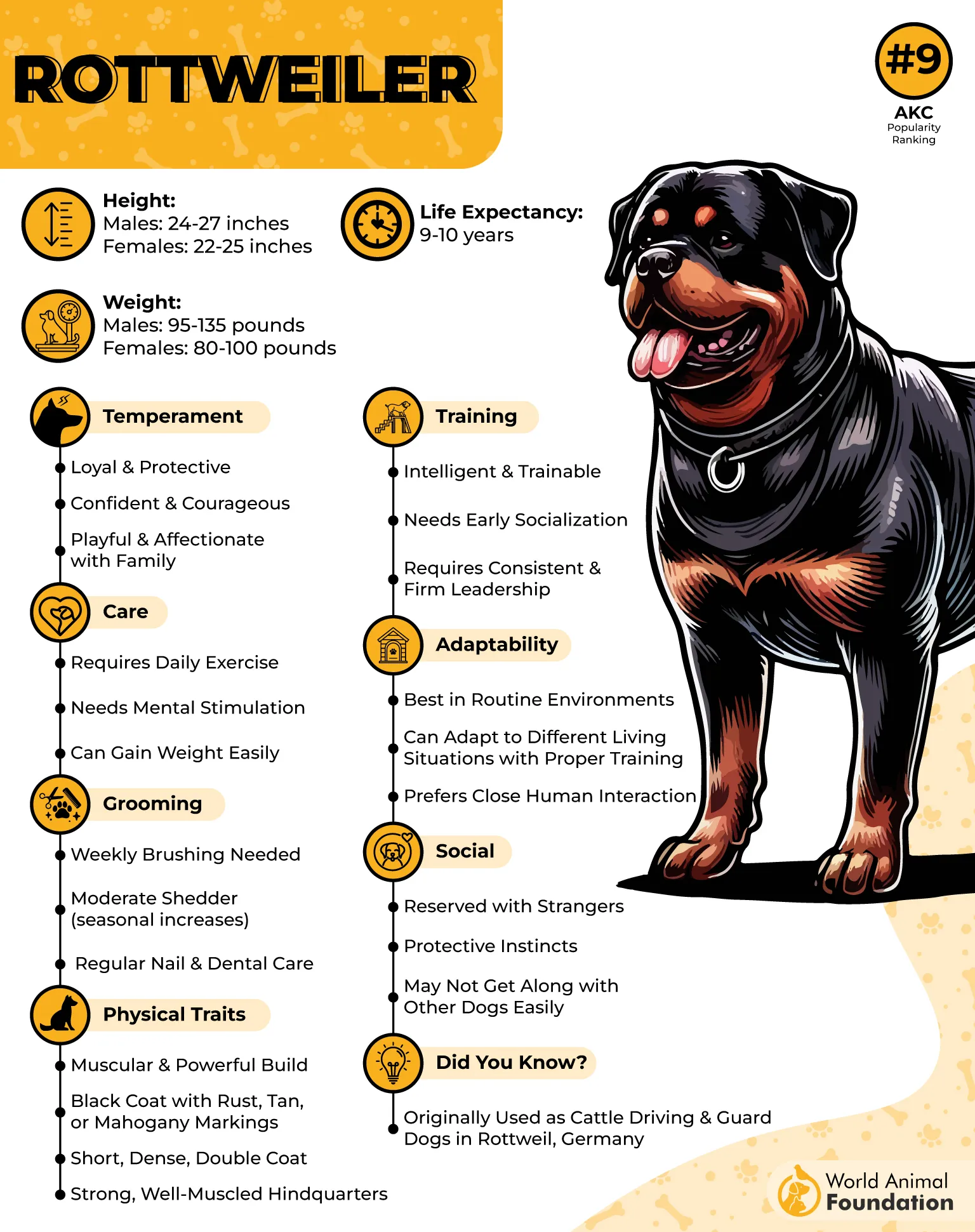
With steady guidance, Rottweilers can thrive beside owners who enjoy an active lifestyle. Their size and strength, however, require thoughtful handling on the road.
Keeping a Rottweiler Ready for Travel
Start socialization early, including calm meetings with people and other animals.
Plan regular walks and varied outdoor tasks to channel its energy.
Choose shaded rest stops and avoid hard exercise during hot weather.
Use secure campsites and sturdy equipment around this strong dog.
Check local rules and travel limits before choosing it as the perfect companion.
2. Doberman Pinscher
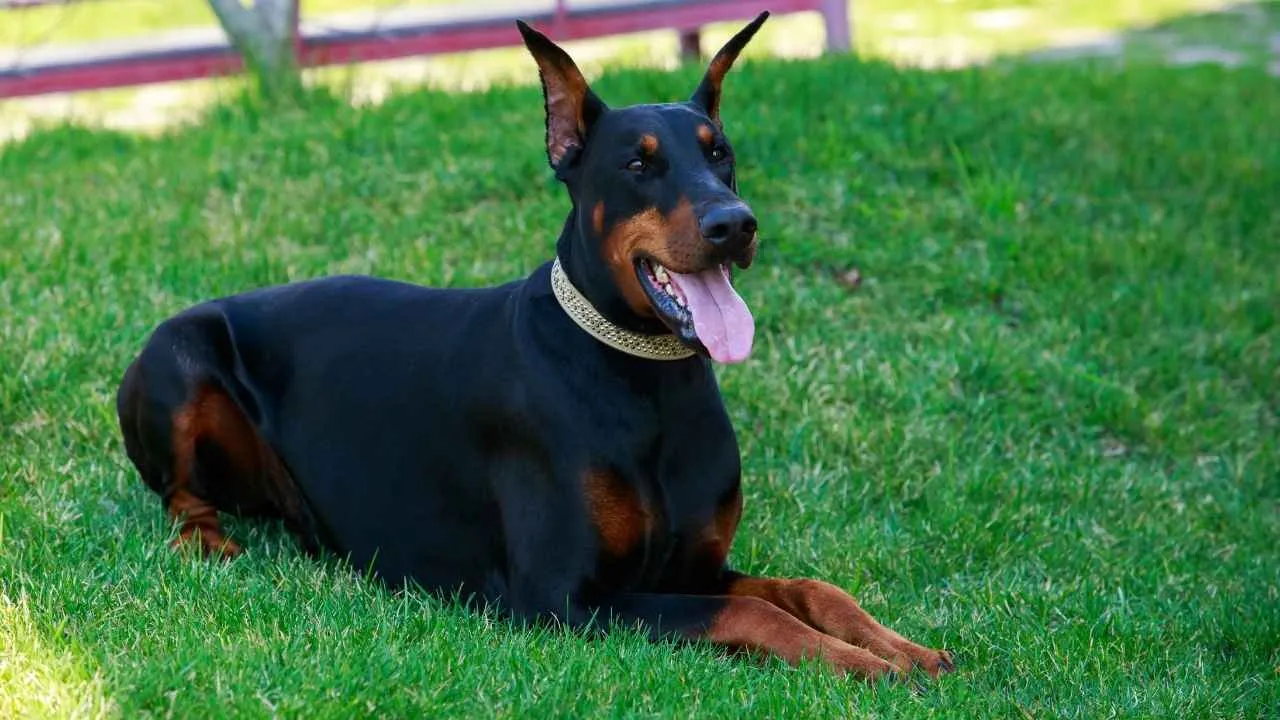
The Doberman Pinscher has a strong working history. Karl Friedrich Louis Dobermann developed this breed in Germany around 1890, according to Britannica. He needed a reliable dog for his work as a tax collector.
The breed soon earned a reputation as a fearless guard dog. Its sleek build, speed, and agility support an active lifestyle. This high-energy dog can enjoy hiking and other outdoor activities.
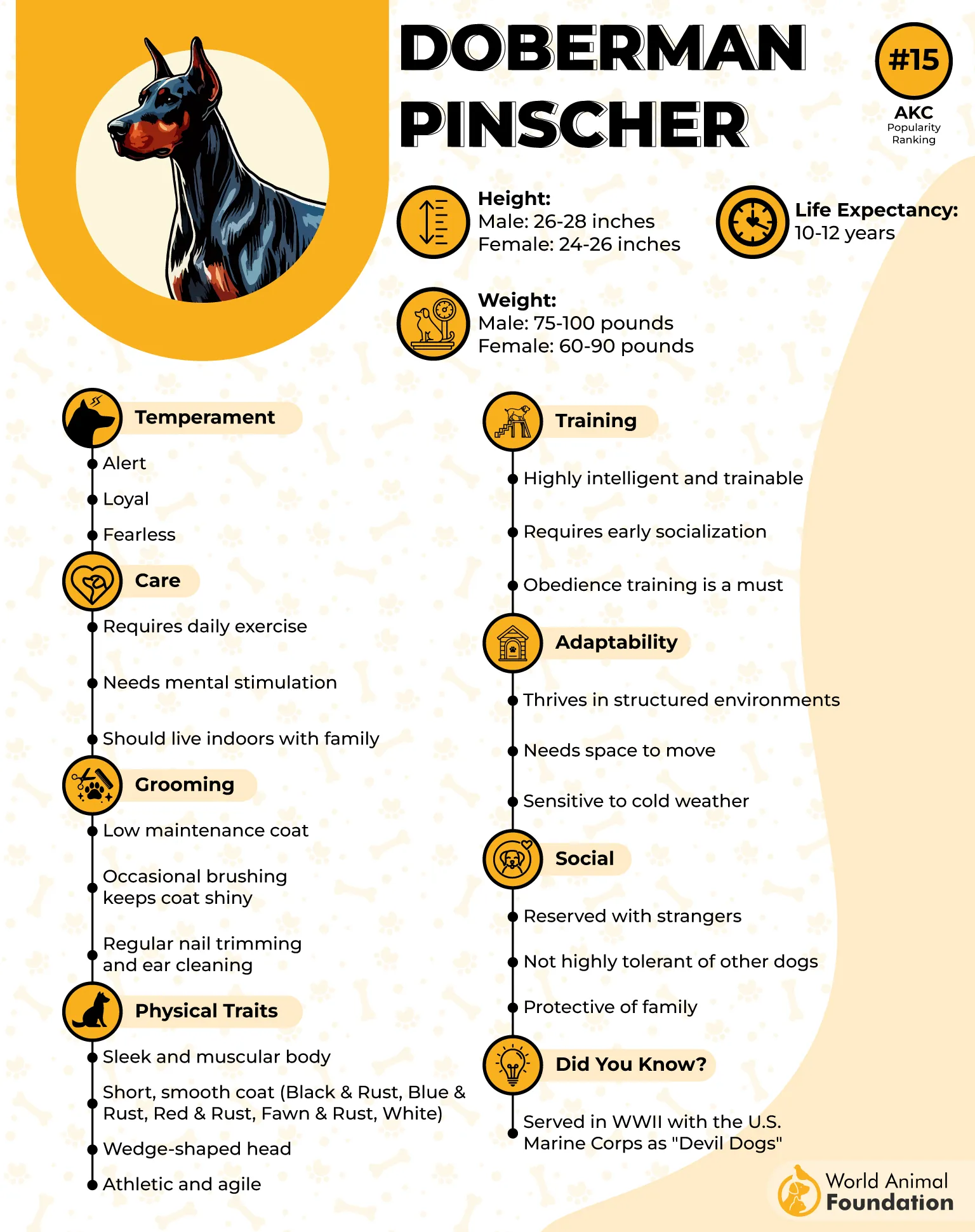
Its sharp mind also responds well to obedience training. However, it needs mental stimulation and intense exercise. Dobermans form close bonds with their owners and enjoy company. Their short, smooth coat offers little warmth in cold weather. Extra protection helps during chilly outdoor trips.
Keeping a Doberman Happy on the Road
Pack puzzle toys to keep its mind busy.
Plan varied routes to make daily walks more engaging.
Build trust through calm, honest, and consistent handling.
Avoid leaving this people-focused dog alone for long periods.
Use warm coats when temperatures drop during outdoor stays.
3. Siberian Husky
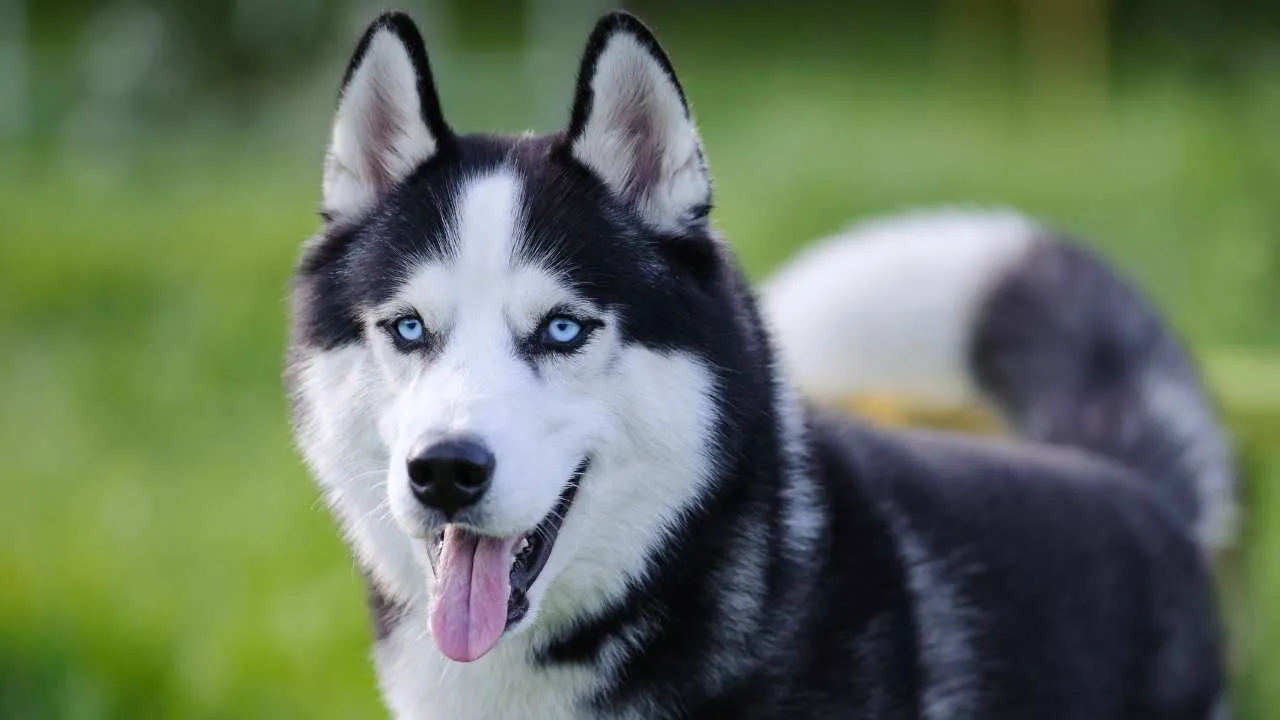
The Siberian Husky began as a sled-pulling working dog. It carried loads across frozen lands and covered long distances. Its thick coat helps protect it from harsh winter weather. This breed has remarkable stamina for long-distance hikes and outdoor adventures.
Its strong build also helps it handle rugged terrain. PetMD describes Huskies as friendly dogs that often enjoy children and other pets. However, their boundless energy and strong will need proper guidance. They enjoy family time and need space to stay engaged.
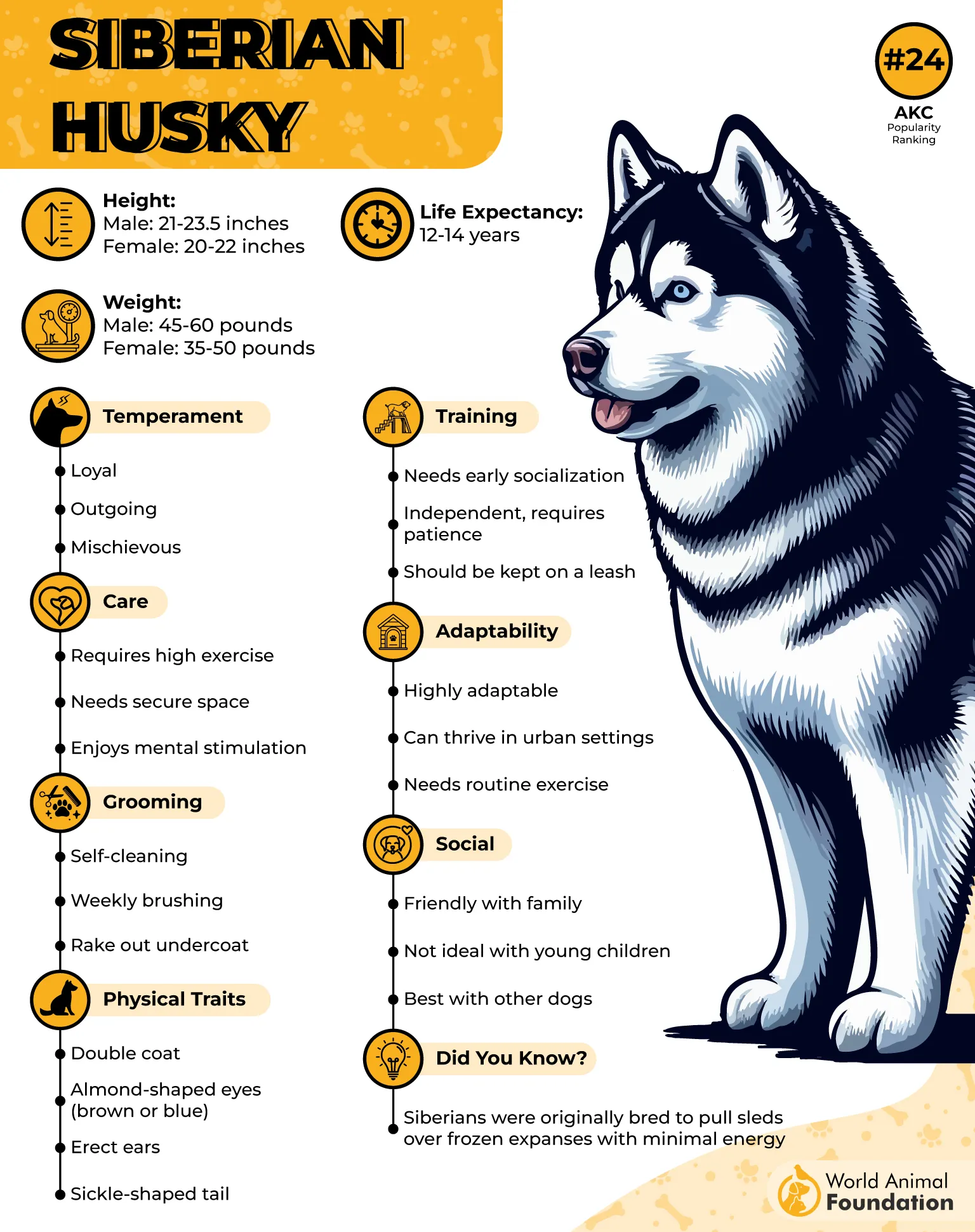
Their prey drive can also make them chase wildlife. Therefore, secure leads and clear boundaries matter on every trail. For active owners who love cold-weather travel, this husky breed can be a great companion and the best breed to consider. It can be a perfect match for adventurous homes.
Keeping a Husky Safe on the Trail
Use a secure harness to prevent escapes during walks.
Check paws for ice, cuts, or rough surfaces after hikes.
Plan shaded breaks when traveling in warmer weather.
Keep wildlife at a safe distance during outdoor stops.
Supervise children and other pets during shared activities.
4. Australian Cattle Dog
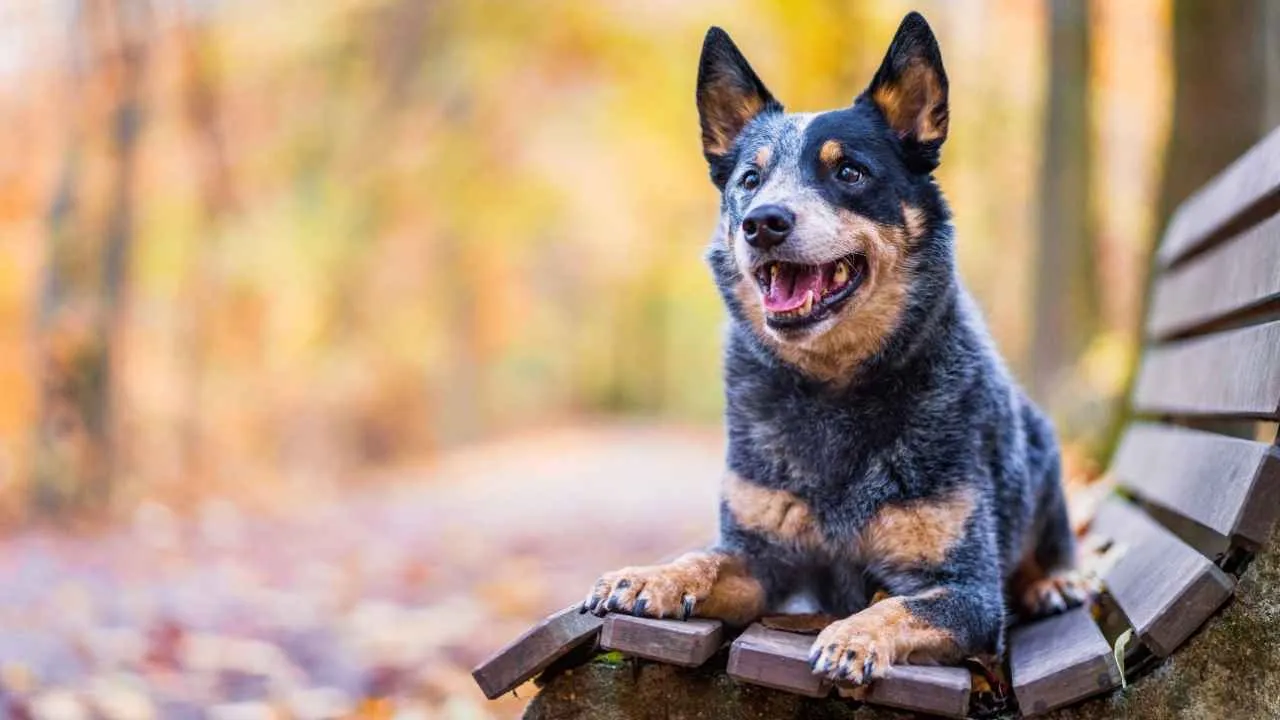
Originally bred for herding livestock in Australia, this medium-sized dog breed handles tough ground with ease. It helped farmers move cattle and sheep across large ranches. Its compact body supports quick turns and steady movement.
According to Purina, this breed learns fast and reacts quickly. However, early socialization helps prevent unwanted nipping. This pup also needs experienced owners and clear guidance. Its high energy level makes it ideal for agility training and outdoor tasks.
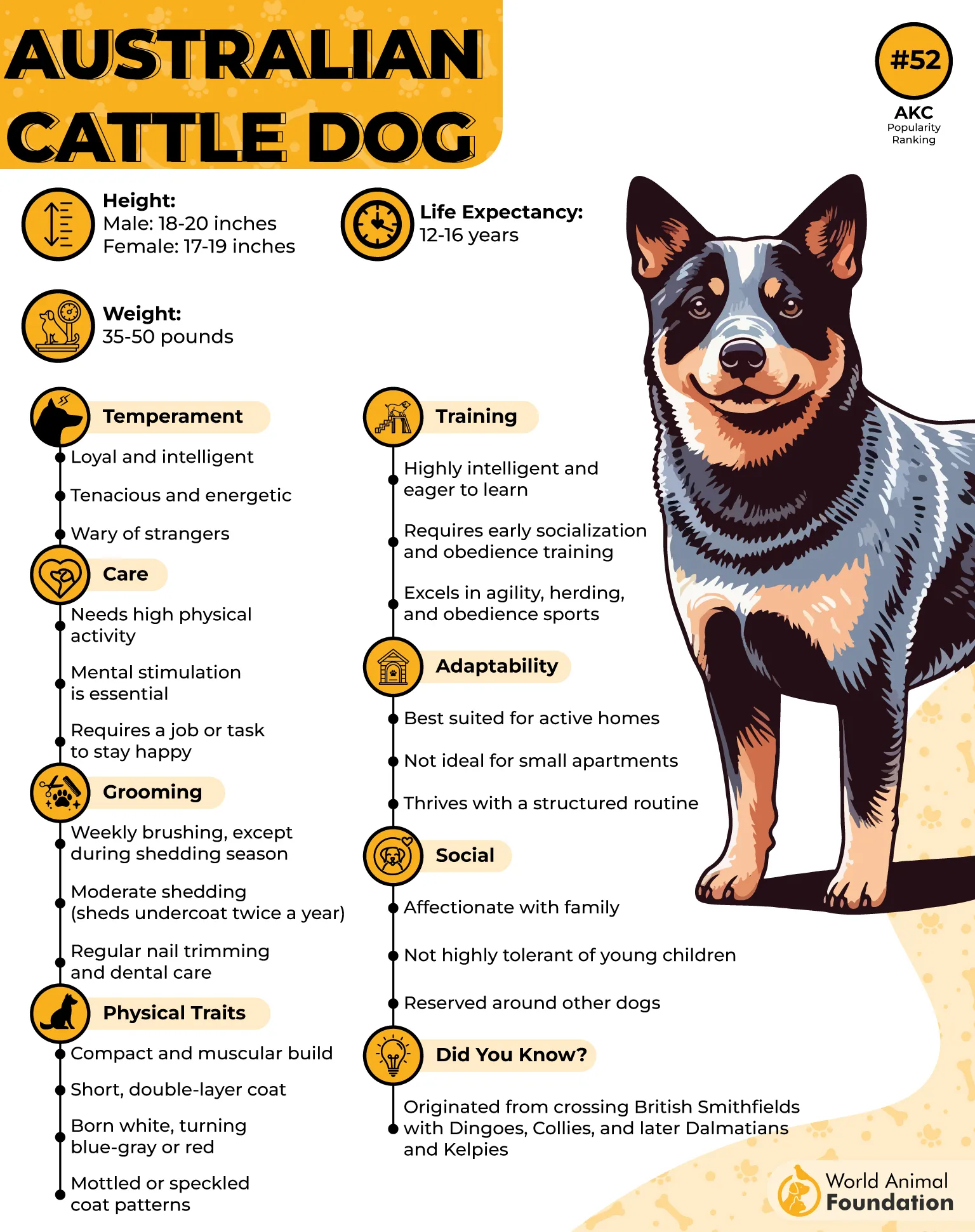
Regular challenges help it thrive and prevent boredom. Its fiercely loyal nature makes it a great travel companion for active owners. With enough work and attention, it can be a perfect fit for life in the great outdoors. It stays happiest when each day brings a new task.
Keeping an Australian Cattle Dog Engaged on the Road
Add short training games during breaks to sharpen its skills.
Use food puzzles to provide mental challenges at campsites.
Introduce new people and animals through calm, controlled meetings.
Keep a steady routine to support good behavior while traveling.
Give it safe jobs, such as carrying a light dog backpack.
5. Alaskan Malamute
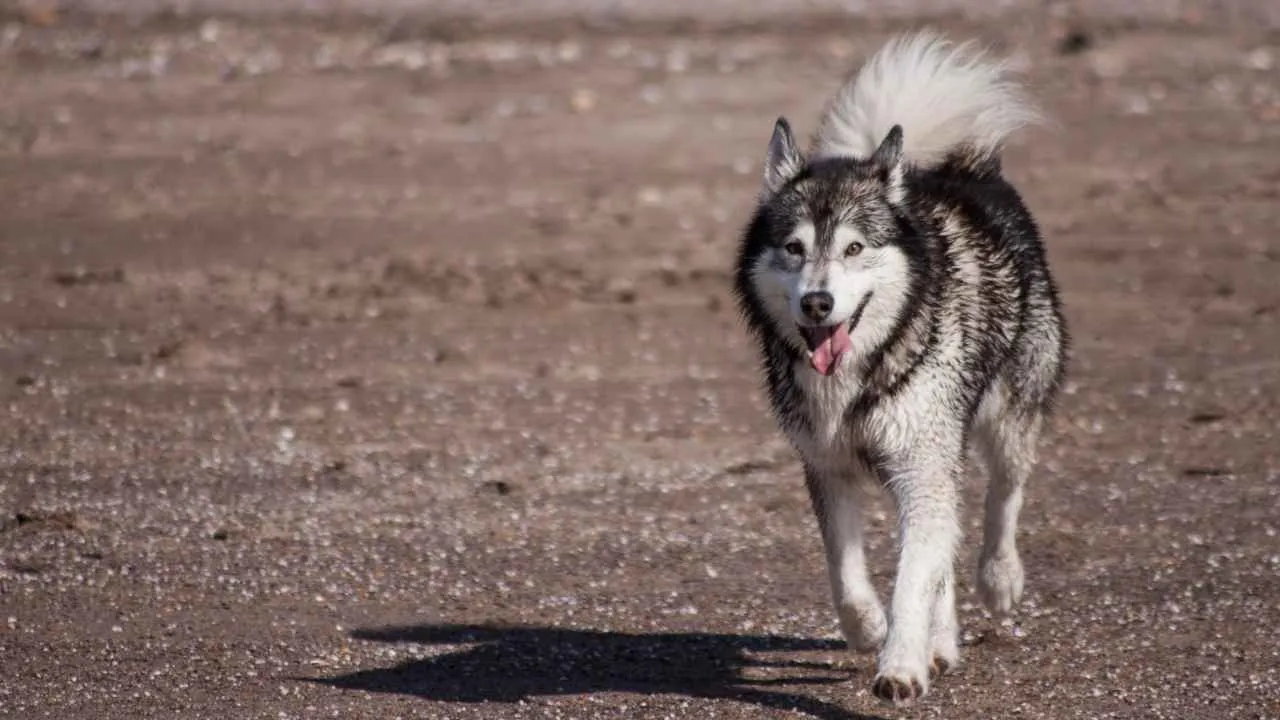
The Alaskan Malamute was originally bred to pull heavy sledges. Its solid build helped carry loads across snowy Arctic regions. According to PDSA, Malamutes are larger than Huskies. They are also known for their striking looks and strong personalities.
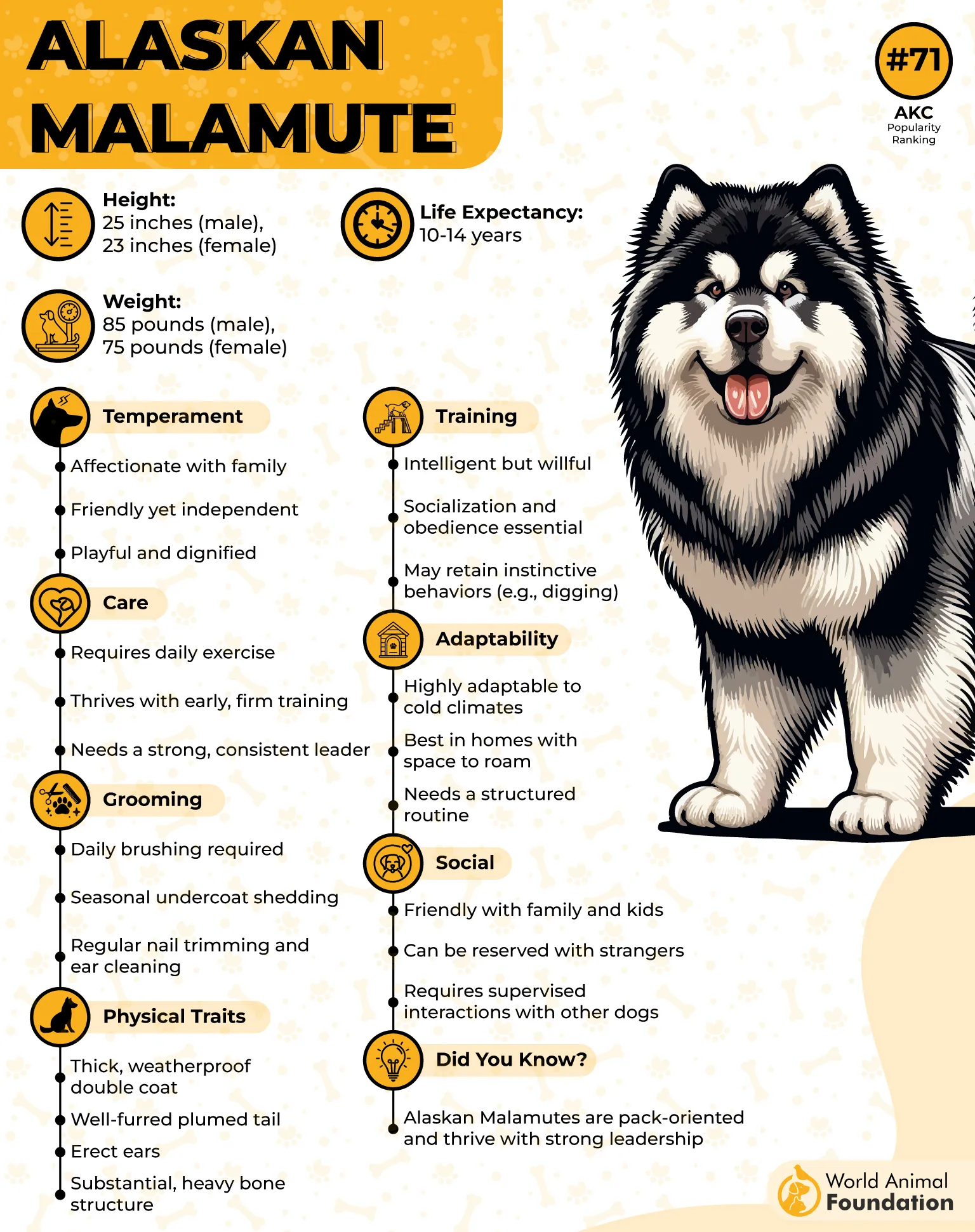
Their thick coat helps them handle freezing weather. This makes them great partners for snow trips and winter hiking. However, warm climates can create serious challenges. They need shade, fresh water, and frequent rest during trips.
These independent dogs also need firm and steady guidance. Their exercise needs suit active homes that enjoy the outdoors. Technical trials and outdoor tasks can keep them engaged. For outdoorsy folks and outdoor adventurers, this Alaskan breed can be a good fit. It is a great choice for cold-weather journeys.
Helping a Malamute Stay Comfortable Outdoors
Avoid midday outings when temperatures rise.
Check for signs of overheating during every outdoor trip.
Offer fresh water at regular stops.
Brush its coat often to remove loose hair and prevent mats.
Choose secure rest areas where it cannot wander off.
6. German Shepherd
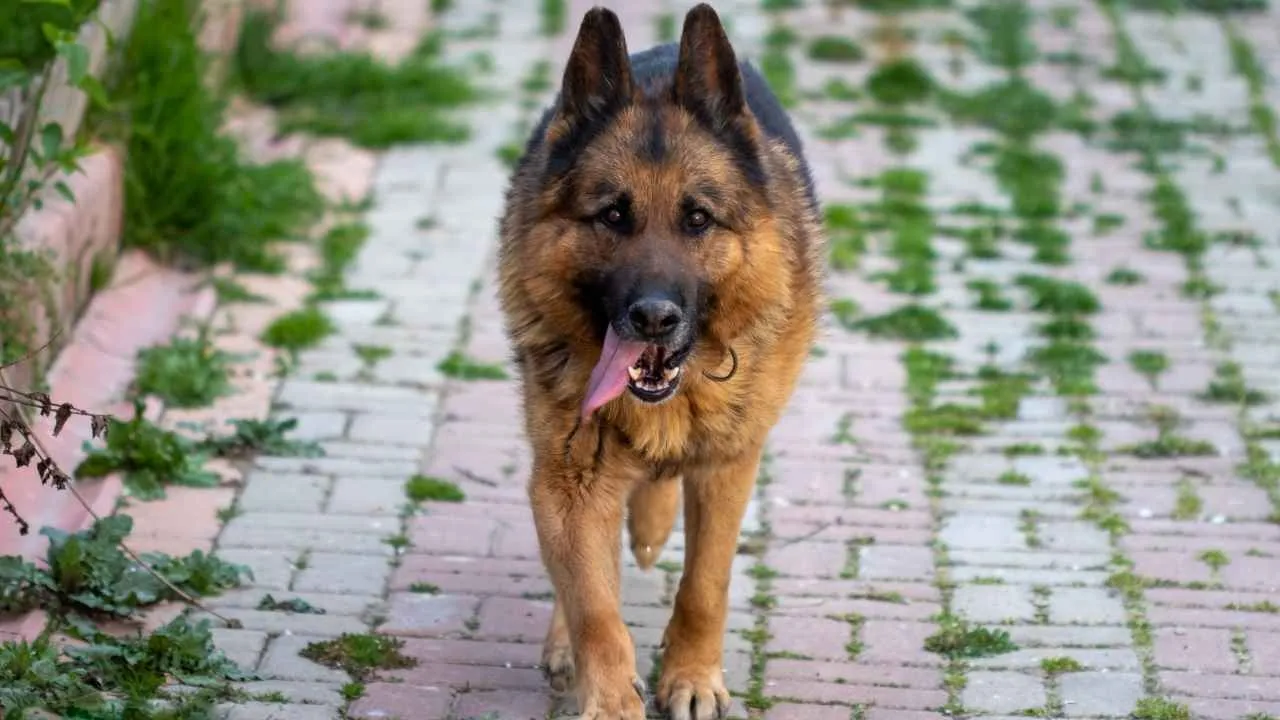
German Shepherds have a long history of herding livestock. They later became trusted workers across many fields. The American Kennel Club (AKC) describes them as smart, athletic, and highly trainable. Their ability to learn commands makes travel training easier.
They can master leash manners and respond well to recall practice. These skills help owners manage busy trails and campsites. Their loyalty also makes them great family pets. However, they may show caution around strangers and other dogs.
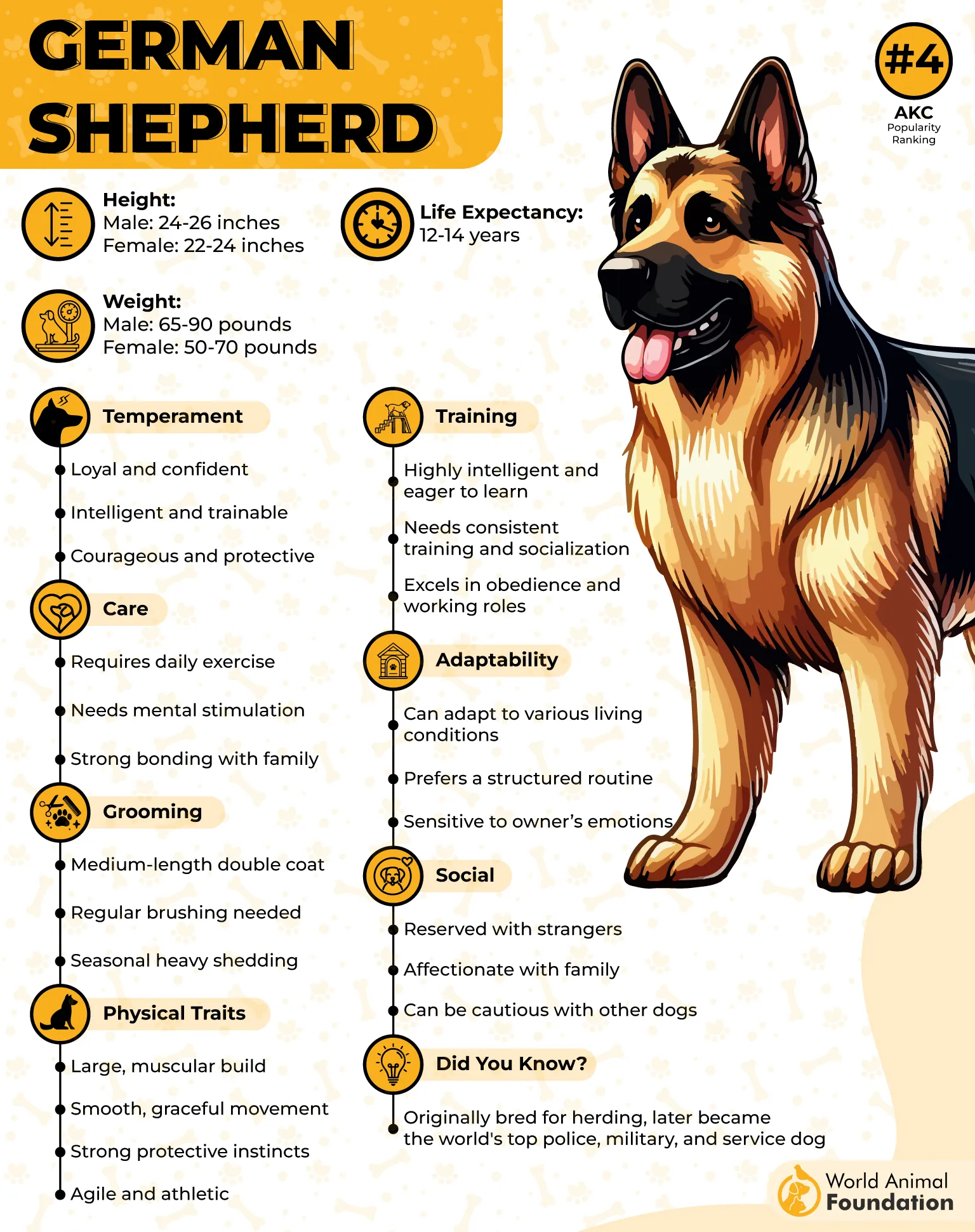
Early socialization helps build better responses. This active breed needs regular exercise and mental stimulation to thrive. Owners should also schedule health checks before long trips. With enough free time and guidance, German Shepherds are well-suited to active homes across America.
Preparing a German Shepherd for Outdoor Travel
Teach reliable recall before exploring open trails.
Check hips and elbows through regular veterinary care.
Pack familiar toys to ease stress in new places.
Introduce campsite sounds and settings through gradual exposure.
Keep daily routines steady, even during long trips.
7. Rhodesian Ridgeback
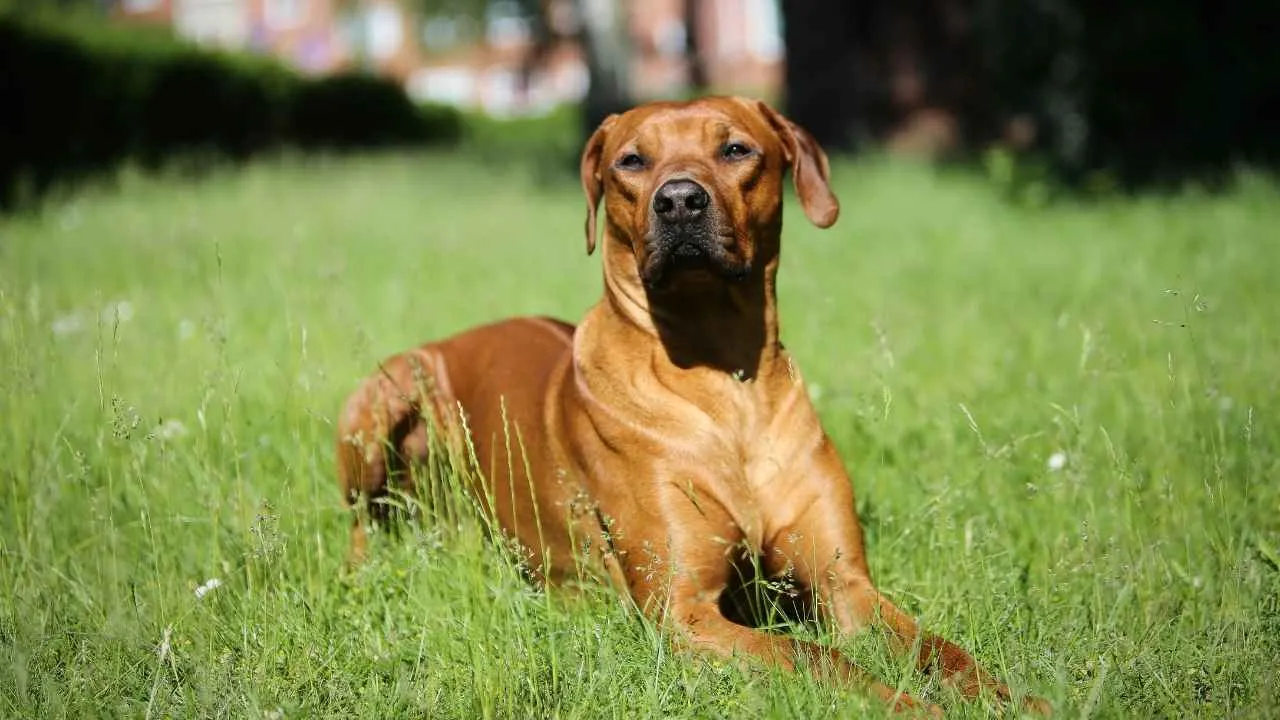
The Rhodesian Ridgeback has deep roots in southern Africa. It was originally bred as a hunting dog for tracking large game. Royal Canin highlights its athletic build, loyalty, and physical strength. Its most striking feature is the ridge of fur along its back.
This large dog breed needs room to move and explore. Despite its size, it can make a playful family companion. Its strength and stamina can support hiking and outdoor adventures. However, this big dog needs proper training and early socialization.
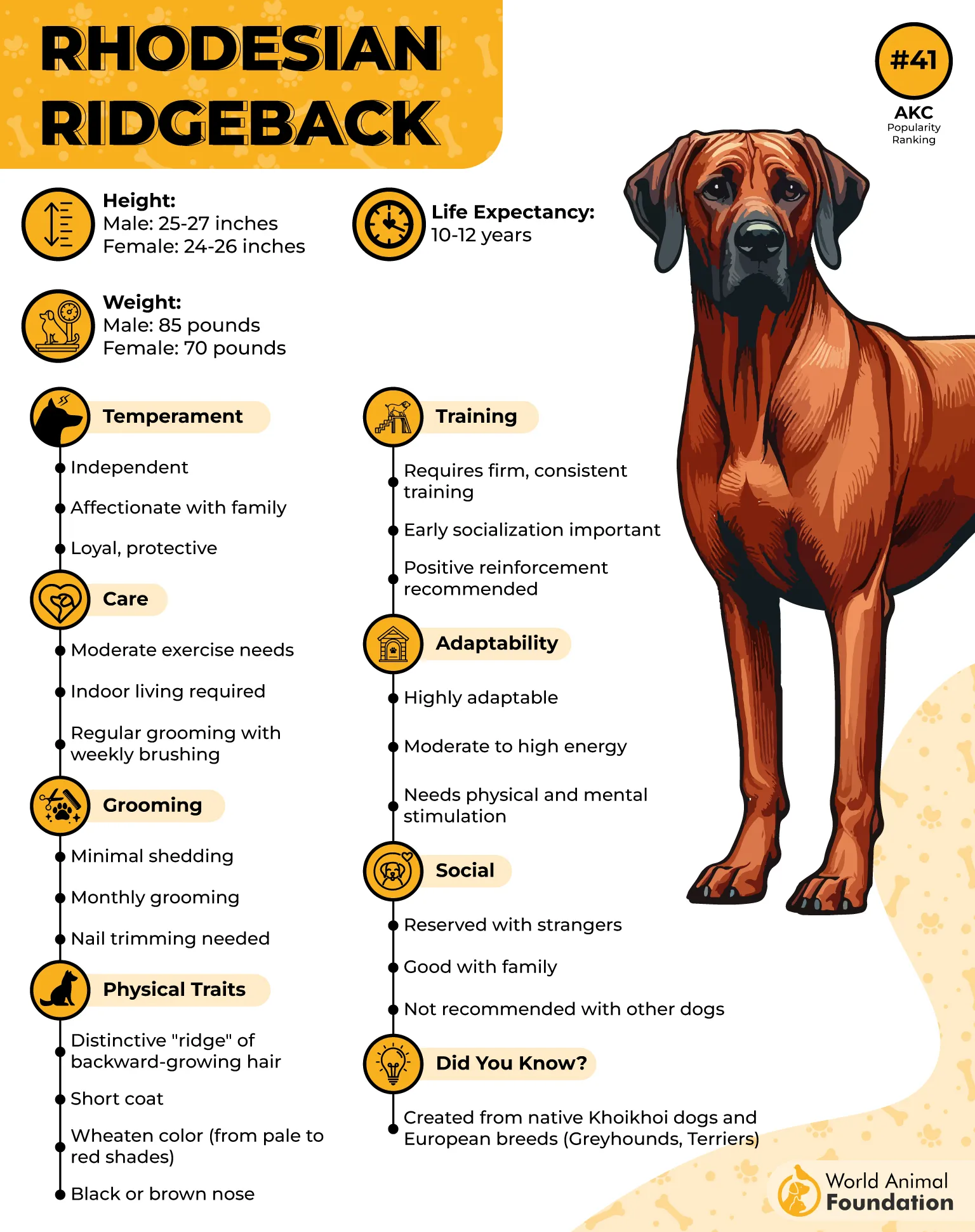
Owners should also give their pup time to adjust to new places. Active families with enough space may find it well-suited to camping and long walks. Technical trails and scent work can also offer useful mental challenges.
Making Outdoor Trips Enjoyable for a Ridgeback
Use a sturdy harness for better control on trails.
Provide a soft sleeping area during overnight camping.
Plan exercise around cooler hours in warm weather.
Keep wildlife encounters safe with a secure lead.
Offer scent games to use its natural tracking skills.
Conclusion
Wondering which four-legged friend belongs beside you on every adventure?
The right choice depends on your travel plans and daily routine. Some breeds excel at hiking, while others enjoy swimming or pulling loads. A few breeds also handle cold trails better than warm climates. However, every dog needs proper care, good health, and regular exercise.
Consider your available space, travel pace, and access to shelter. High-energy dogs also need daily activities and mental challenges. Keep prey drive in mind when exploring areas with wildlife.
Whether you enjoy backpacking or weekend road trips, choose a dog that fits your lifestyle. No single breed suits every traveler. With responsible ownership, consistent training, and regular vet visits, your canine companion can enjoy many happy adventures by your side.
