




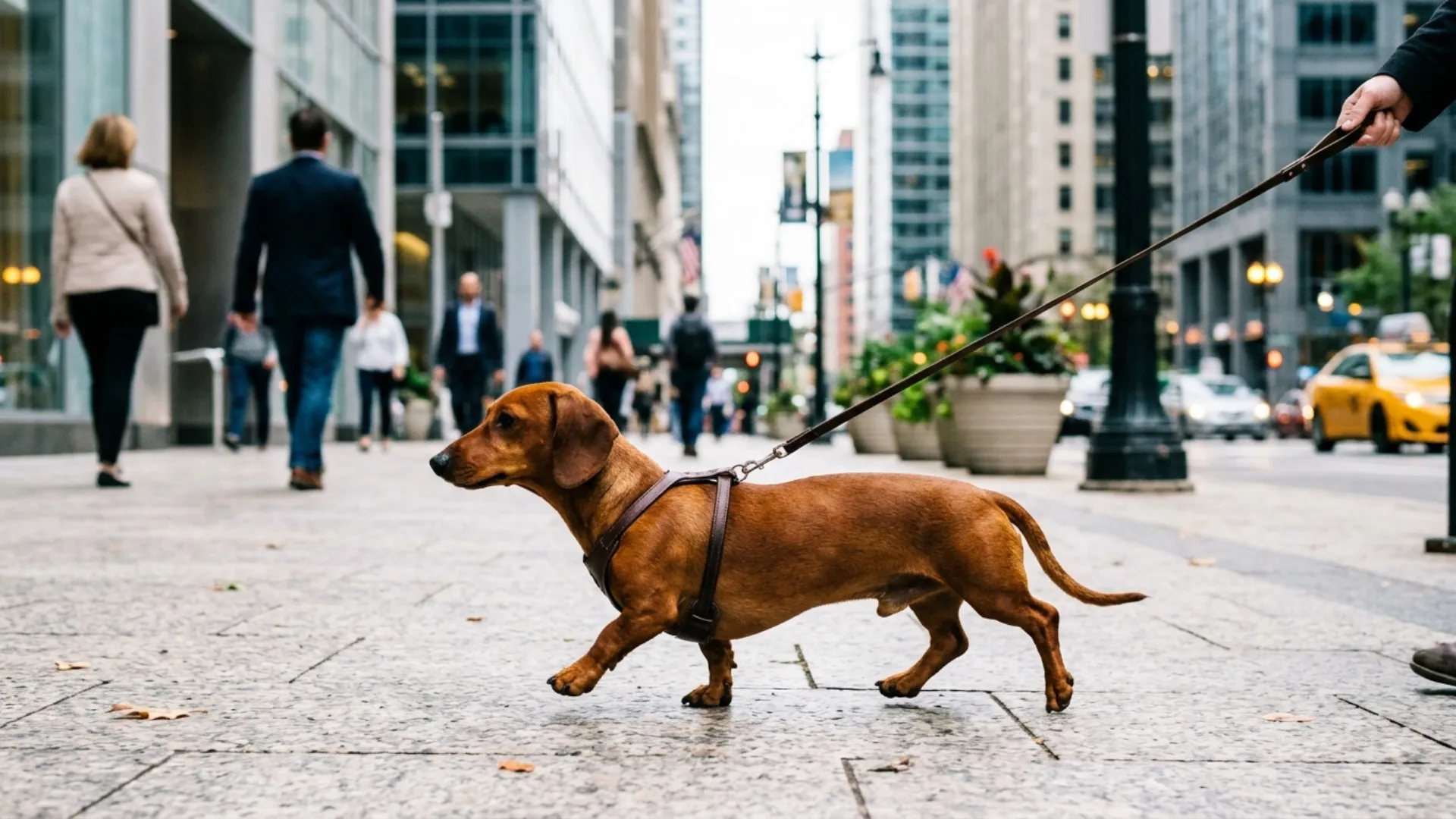
People often believe that any dog can thrive in a city as long as it receives enough attention and care. That belief sounds encouraging, but it overlooks an important reality.
Urban living comes with constant movement, limited space, and a level of stimulation that not every dog handles well. Some dogs may appear fine at first, but over time, their discomfort starts to show through restlessness or lack of balance in their routine.
On the other hand, certain dogs are naturally better suited to this kind of environment. They adjust to noise, navigate crowded spaces, and settle into smaller living areas without much resistance. The difference is not about effort alone. It is about choosing a dog whose traits align with the pace and structure of city life.
This article explores those traits and explains what makes a dog truly compatible with an urban lifestyle.
Key Takeaways
In smaller homes, a dog’s presence is felt in how it shares space rather than how much space it needs.
French Bulldogs and Pugs lean into that closeness, often following their people from room to room and settling right into shared living.
Cavalier King Charles Spaniels and Shih Tzus carry that same connection, blending calm presence with a natural ease around people and new environments.
As you move through each breed, the differences in how they adapt, bond, and live indoors start to stand out in ways that matter.
Ideal Dog Breeds for a Dynamic Urban Lifestyle
1. French Bulldog
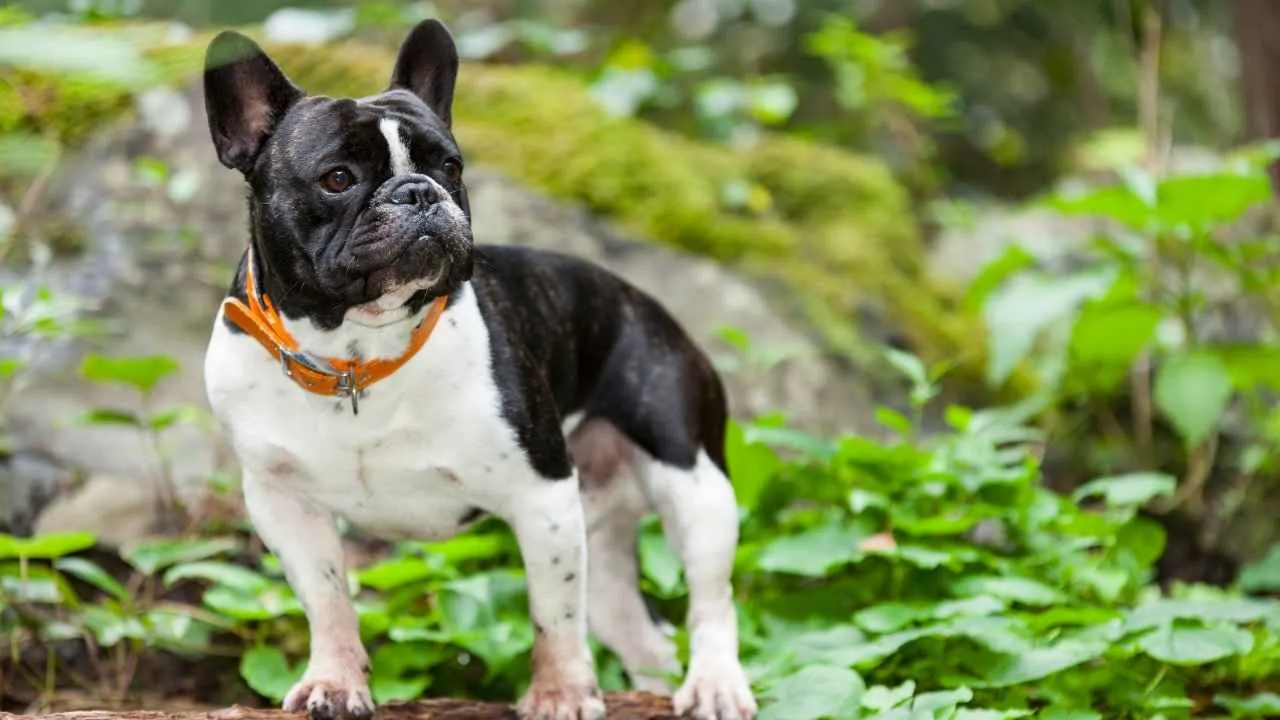
The French Bulldogs emerged when small Bulldogs traveled with English lace workers to France in the 1800s, where their compact build and upright ears gained immediate attention.
Their small frame reflects adaptation to close indoor living rather than open working fields. The structure supports constant proximity to people in apartment living.
Social behavior within shared spaces
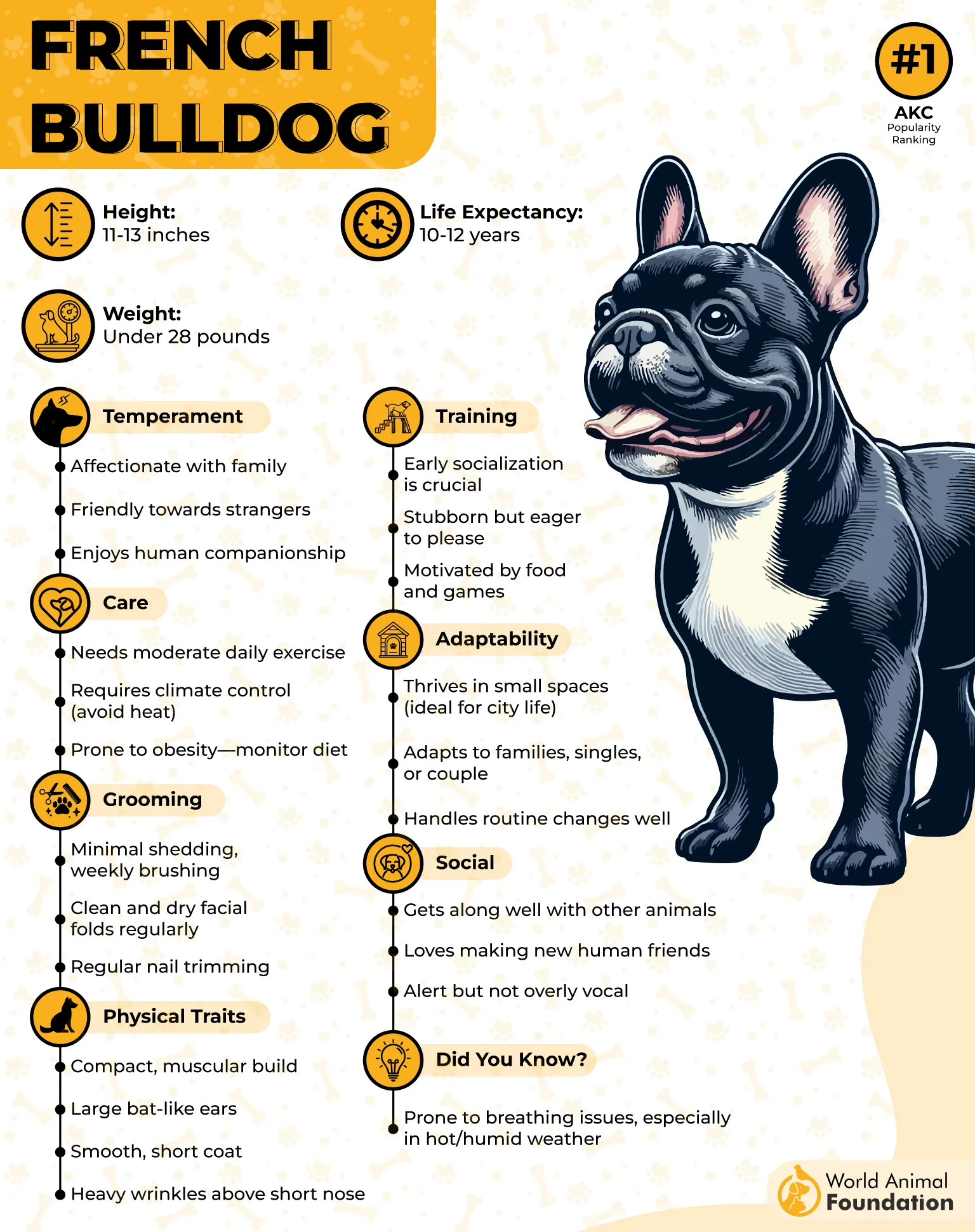
They are known to create strong attachments to their humans, often seeking close physical contact and remaining near family activity. Their interaction style leans toward comfort-based bonding rather than independence.
This social pattern appears clearly in daily behavior:
Seeks close contact during rest and activity
Responds to attention with immediate engagement
Integrates easily into shared household routines
Social comfort with gradual adjustment
This affectionate breed interacts smoothly with other dogs and familiar people, while showing initial caution toward strangers, as mentioned by the AKC.
Over time, repeated exposure reduces hesitation and builds ease in social settings. This gradual adjustment shapes its balanced presence as apartment-friendly dogs.
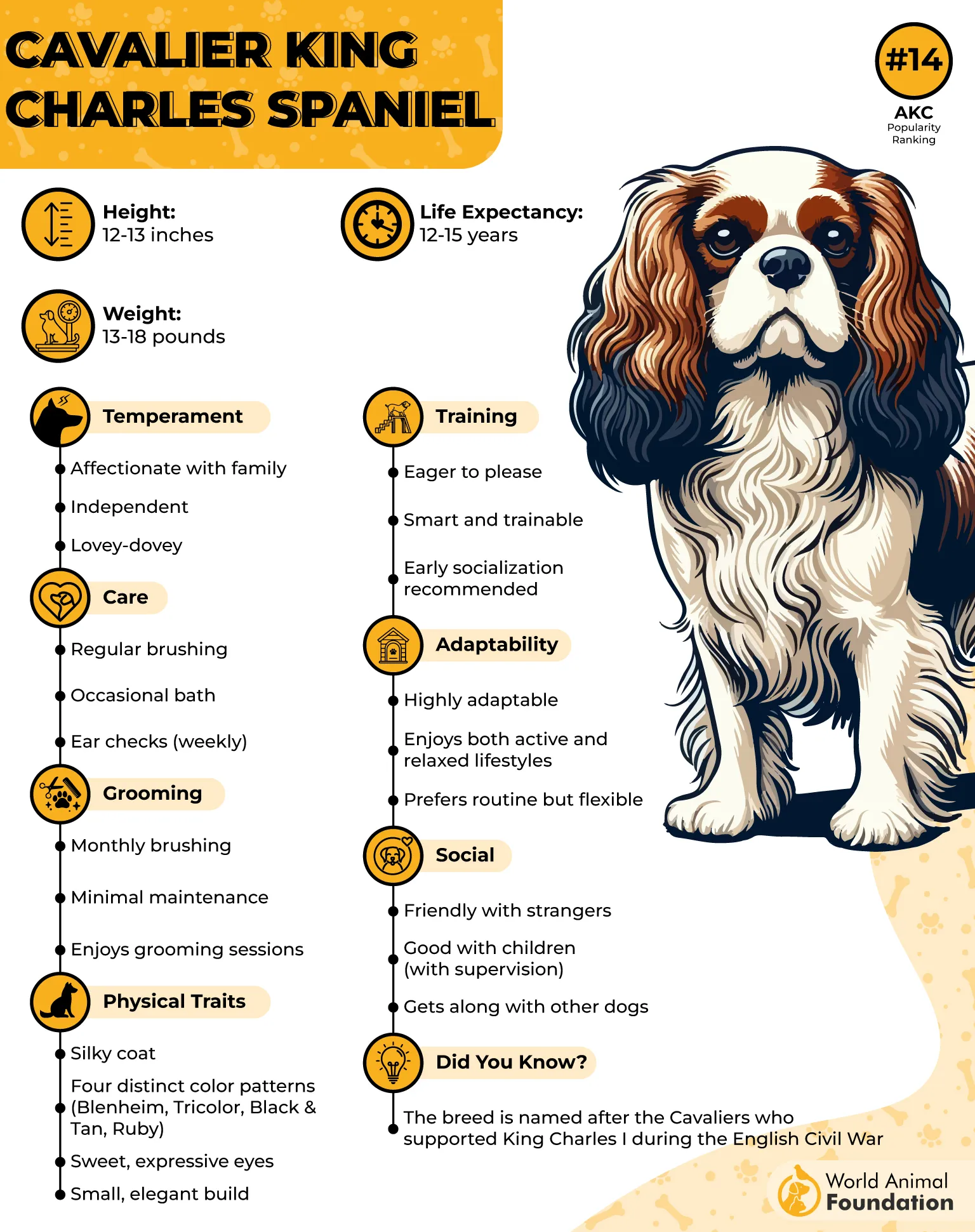
2. Cavalier King Charles Spaniel
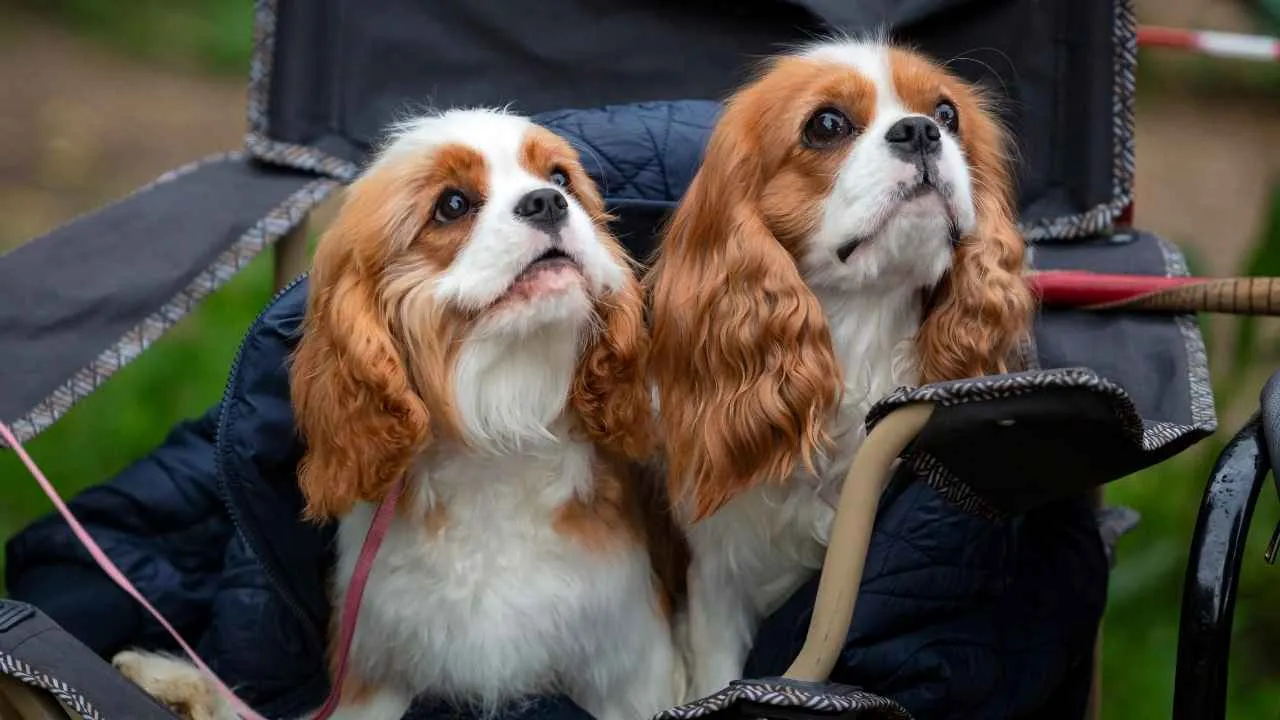
The Cavalier King Charles Spaniel first appeared in royal households, where it was kept close as a companion used for warmth and constant human proximity.
Later favored in King Charles II’s era, it gained strong attention that influenced its refined indoor-friendly form. Its structure reflects a breed centered around closeness rather than independence.
Daily interaction style
With their spaniel roots, they respond strongly to human presence, often seeking comfort through physical closeness and soft interaction. Their behavior reflects an easy connection with people of all ages, including children, as Omlet writes.
This interaction style becomes visible in simple patterns:
Moves toward people during emotional moments
Responds quickly to attention and voice
Shows calmness through relaxed body posture
Movement and outdoor interest
As an apartment dog breed, they enjoy moderate exercise, including short walks and exploratory time, often following scents and reacting to small movements in their environment.

Their curiosity can pull attention outdoors, especially when new smells or motion appear. This makes outdoor time more engaging than demanding.
3. Pug
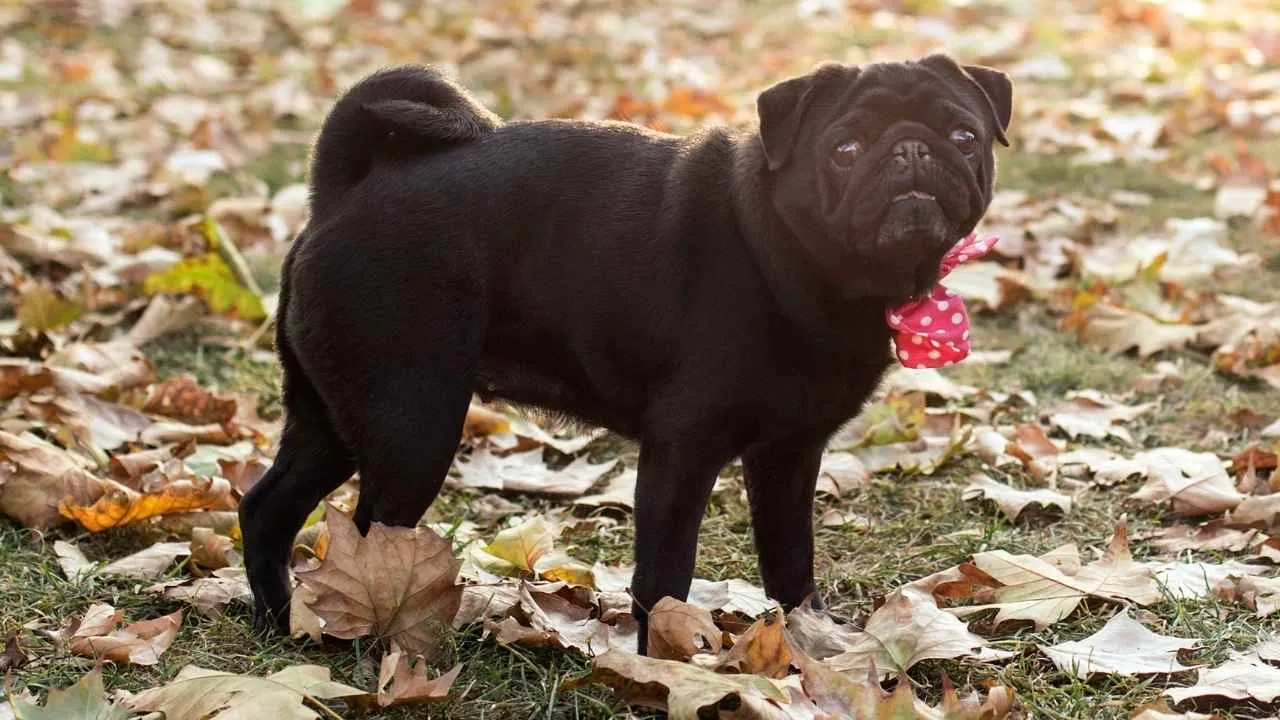
Pugs come from one of the oldest toy-type lineages linked to Chinese courts, later becoming a favored companion among royal households worldwide. Their compact frame and expressive face give them a naturally communicative presence in close living spaces.
Interaction shaped by attention
This small dog breed loves human presence, often seeking involvement in everyday activities rather than staying detached. Its behavior reflects a need for closeness, where inclusion matters more than independence.
This shows up in simple, repeated patterns:
Follows people between rooms for attention
Reacts quickly to voice and touch
Prefers shared space over isolation
Energy patterns and daily behavior
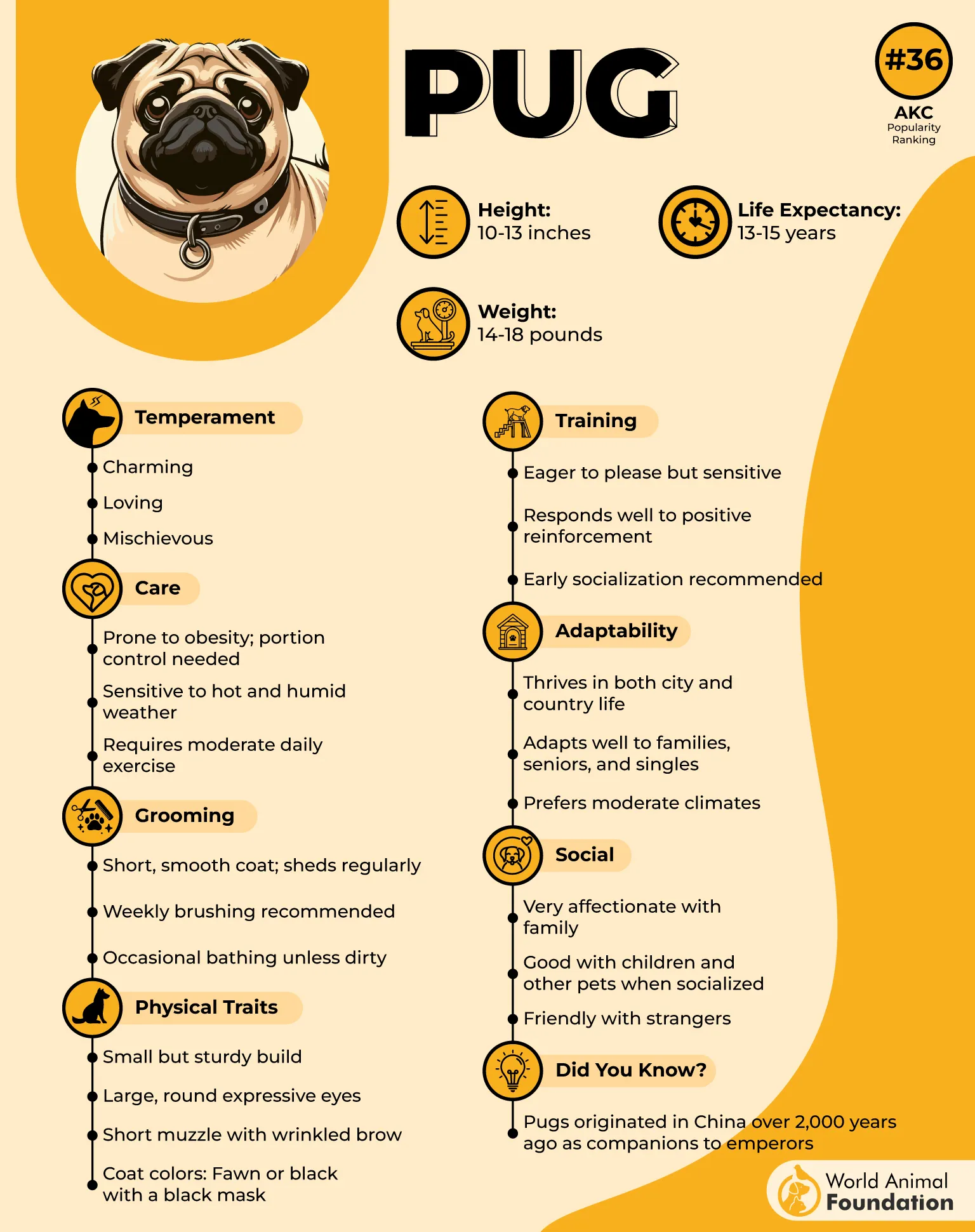
They are low-maintenance dogs in terms of exercise and grooming. They alternate between brief bursts of playfulness and long resting phases, often preferring comfort over sustained activity.
Its flat-faced structure also requires careful observation during warm weather or exertion. This creates a lifestyle rhythm centered around an urban environment with light activity breaks.
4. Boston Terrier
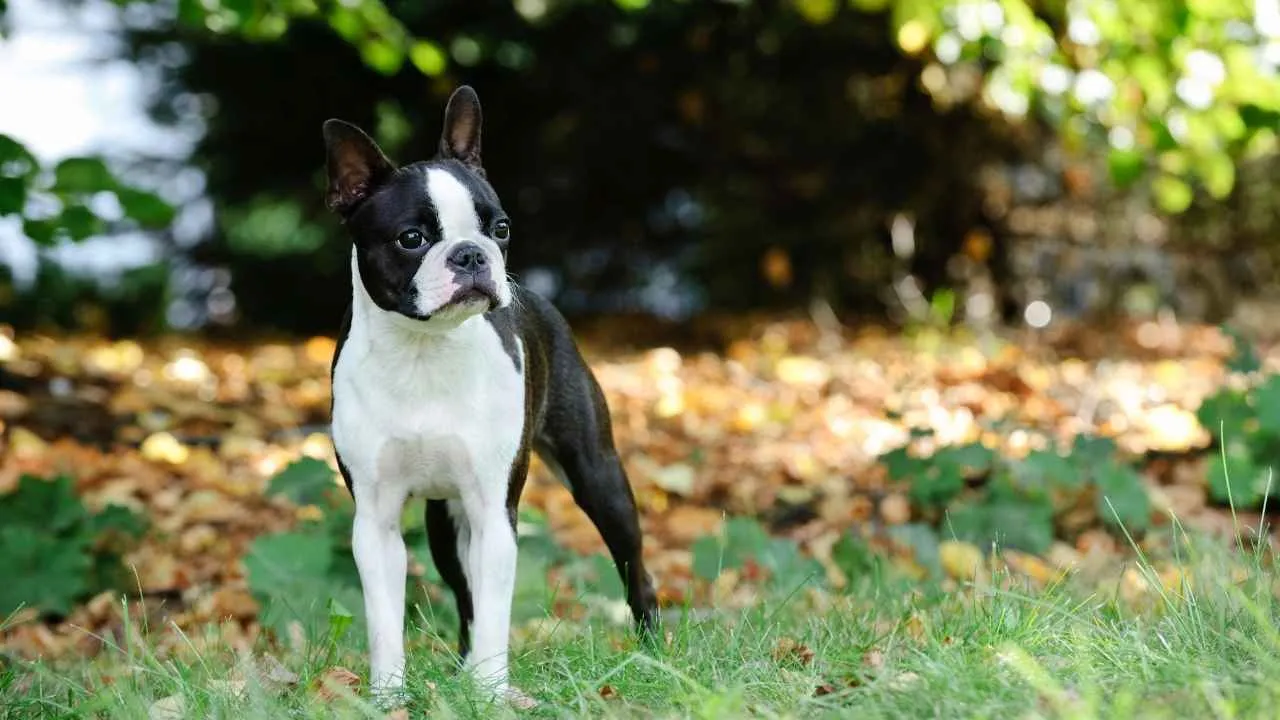
Boston Terrier presents a lively, expressive personality shaped through its Bull and Terrier and French Bulldog lineage. Often called the American Gentleman, it combines alertness with a playful edge that fits well in small spaces. Its presence feels interactive rather than distant in daily living.
Behavior shaped by attention and interaction
They stay closely connected to people, often seeking engagement and mental stimulation through play or simple presence. They react to their surroundings with purpose, barking only when something changes rather than constantly.

That interaction becomes clear in small habits:
Engages with toys for extended play sessions
Responds to unfamiliar situations with alert barking
Seeks human attention throughout the day
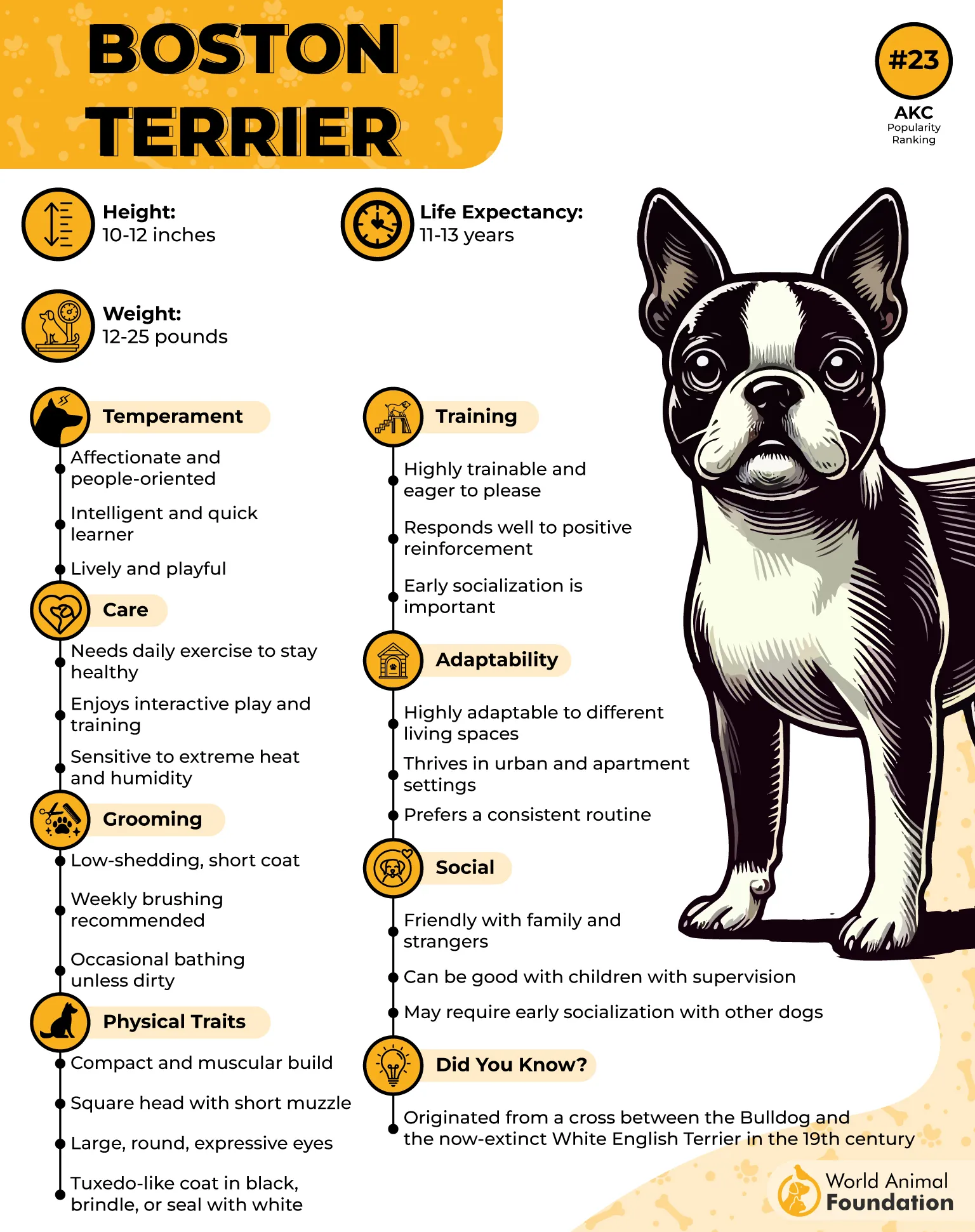
Temperament in close living environments
Fits naturally into small spaces, this little breed shifts between bursts of activity and quiet rest without disruption. It enjoys time on the sofa after play, often settling into a relaxed rhythm indoors. This balance adds to its reputation as one of the great apartment dogs.
5. Shih Tzu
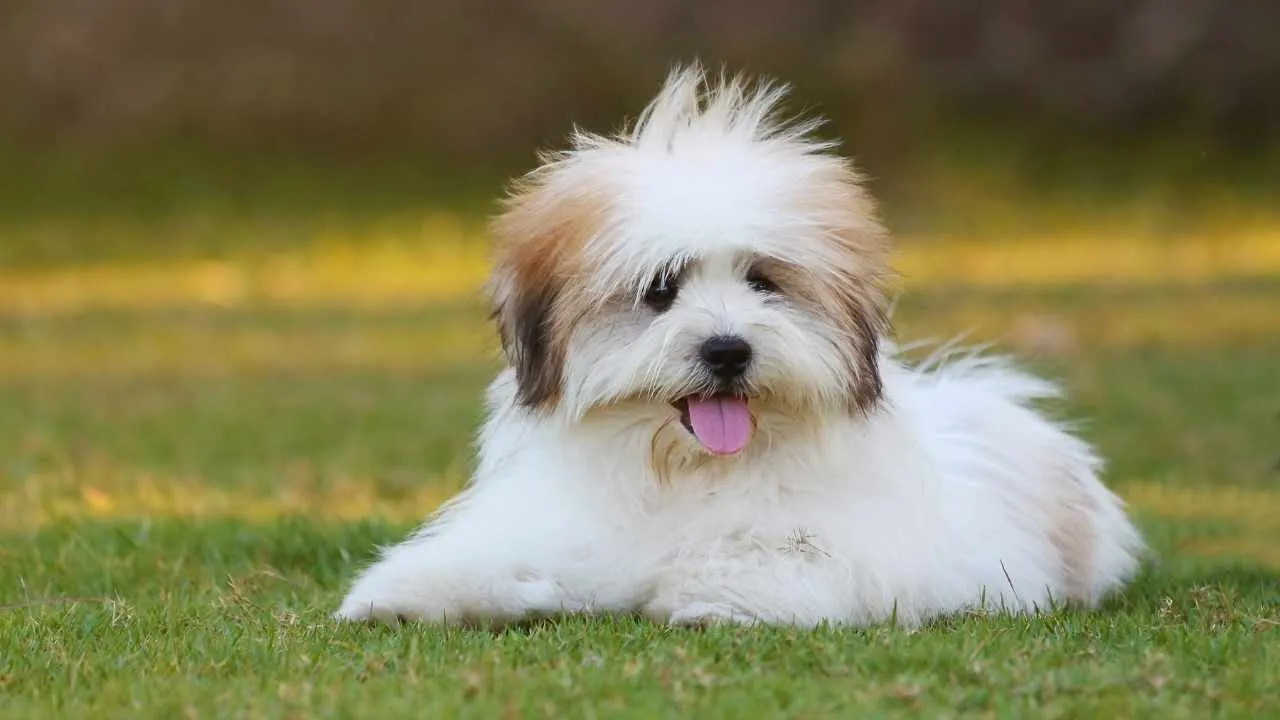
The Shih Tzu holds a long association with Chinese courts and Buddhist symbolism, often referred to as the Lion dog. Its close link with human presence shaped a companion that stays physically near rather than distant. The breed’s identity centers around shared space and constant interaction.
Social presence in compact living
With their calm temperament, they fit easily into smaller homes, showing comfort in limited indoor spaces while remaining socially engaged. They interact easily with people, other pets, and visitors, often showing excitement at new arrivals.
That behavior becomes clear in everyday patterns:
Greets visitors with alert enthusiasm
Seeks out soft resting spots like beds and sofas
Engages playfully with familiar people
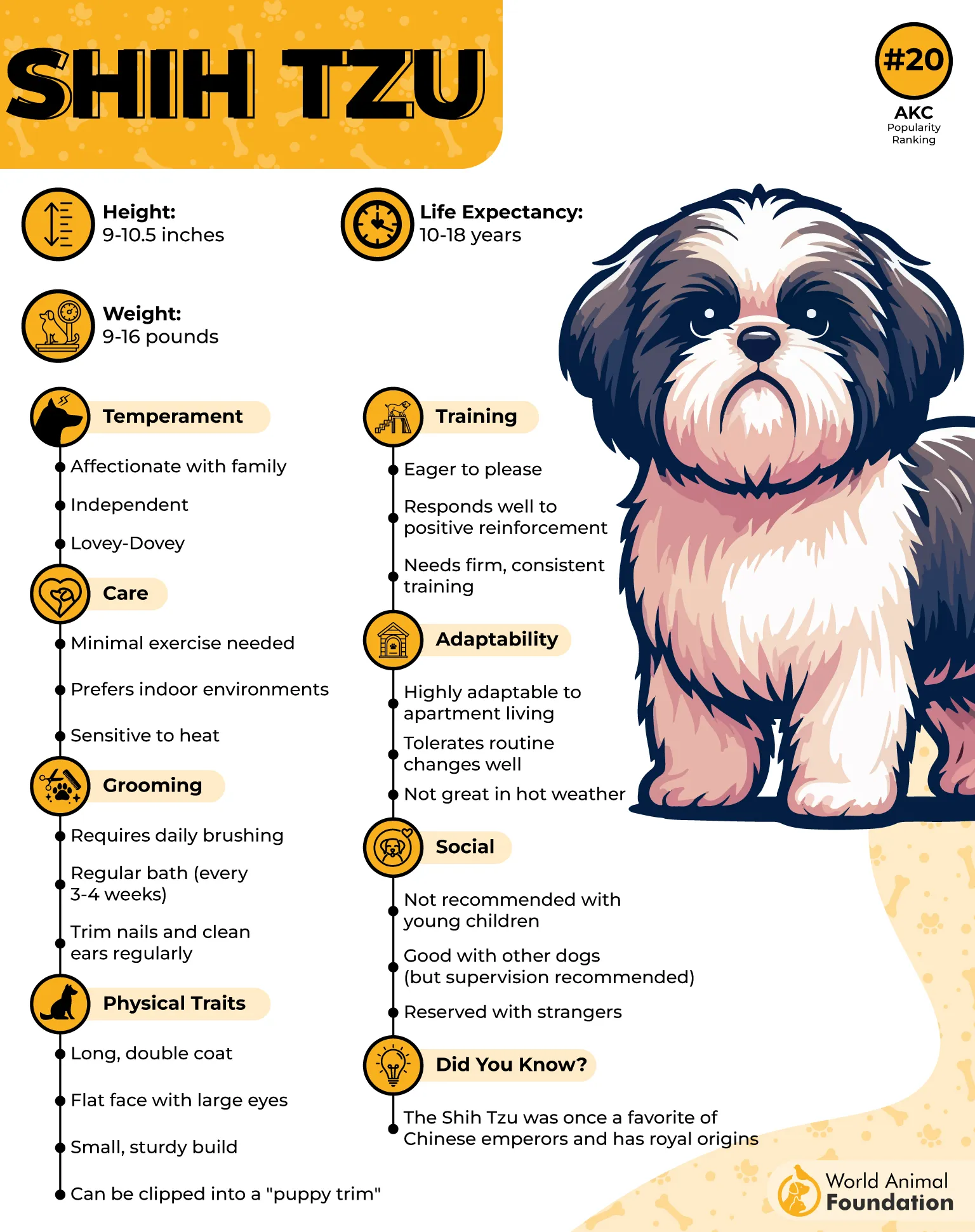
Daily rhythm and comfort habits
This dog breed thrives with short walks with long periods of rest, often shifting quickly from light activity to extended relaxation.
It shows a clear preference for soft surfaces and close physical proximity during downtime. However, it is sensitive to heat, for which pet parents should be careful.
6. Chihuahua
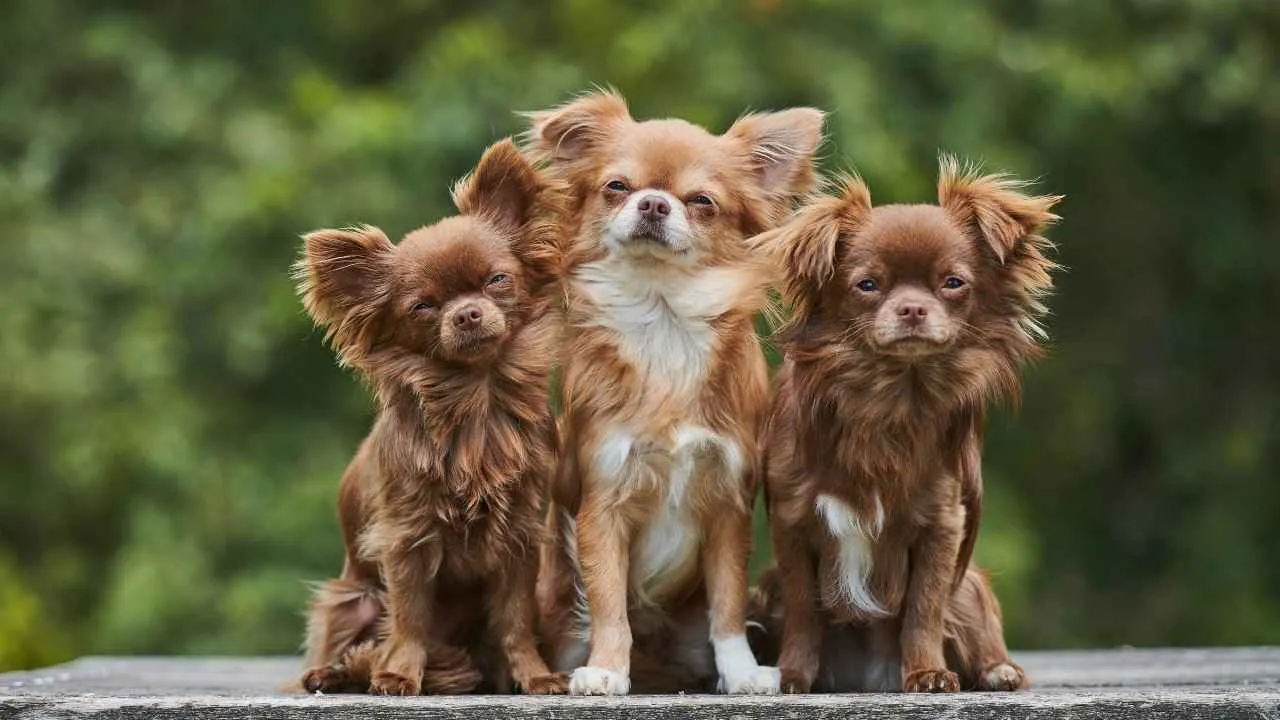
Chihuahua brings a bold, terrier-like attitude packed into a very small body, often acting far larger than its size suggests. Its confidence shows in how it reacts to its surroundings without hesitation. This strong personality shapes how it interacts within compact living spaces.
Protective bonding and reactions
The Chihuahua forms an intense attachment to one person, often focusing its attention and loyalty in a very direct way. This closeness can lead to protective behavior when others step into that space.
That pattern shows in clear, everyday actions:
Stays closely attached to one primary person
Reacts quickly when others approach that bond
Shows alert, sometimes sharp responses to strangers
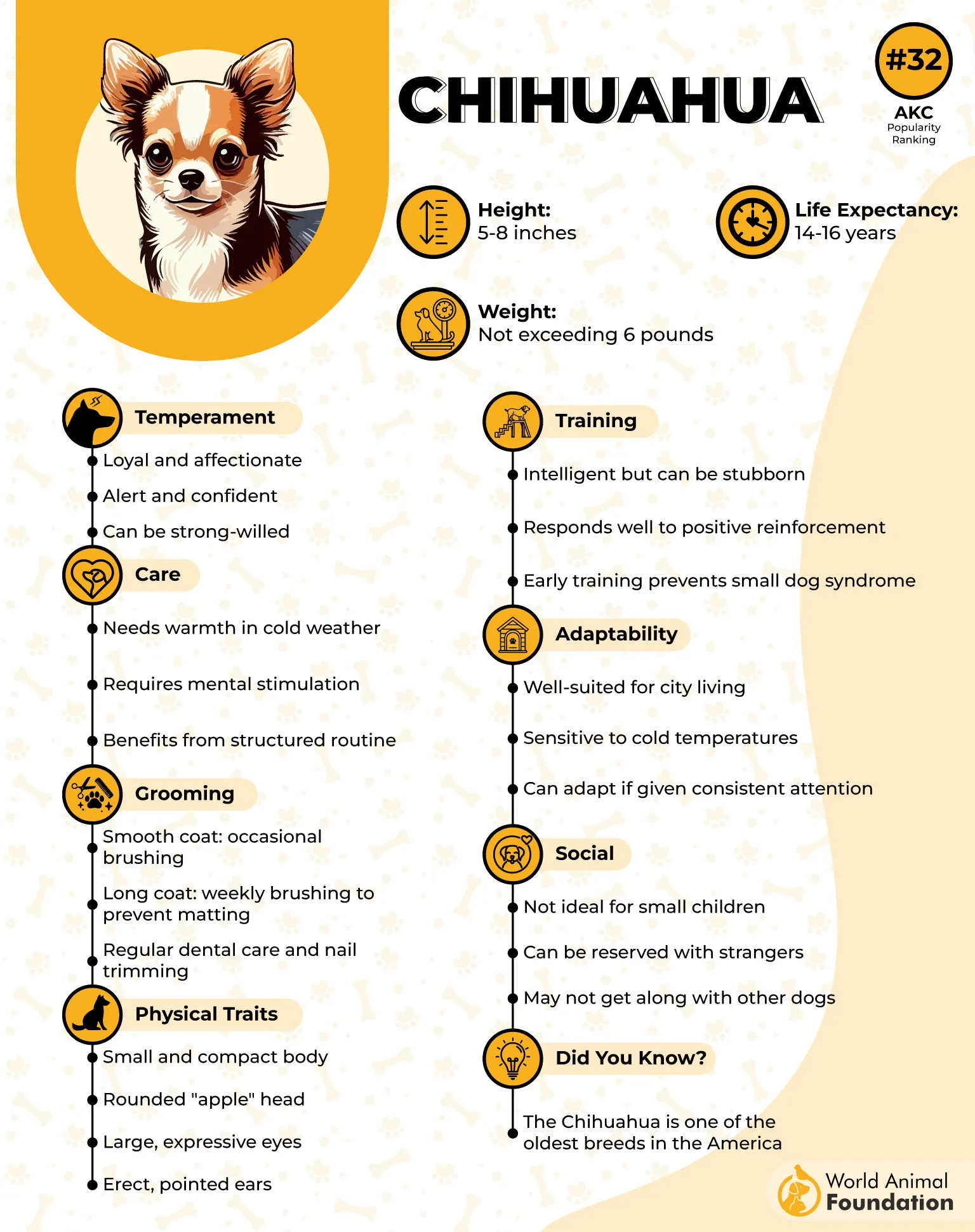
Lifestyle fits in smaller spaces
As a famous city living breed, it fits easily into flats or smaller homes, using indoor space for bursts of activity rather than needing large outdoor areas.
Short walks or simple play sessions meet its movement needs. Its size allows it to adjust comfortably within limited environments.
7. Dachshund
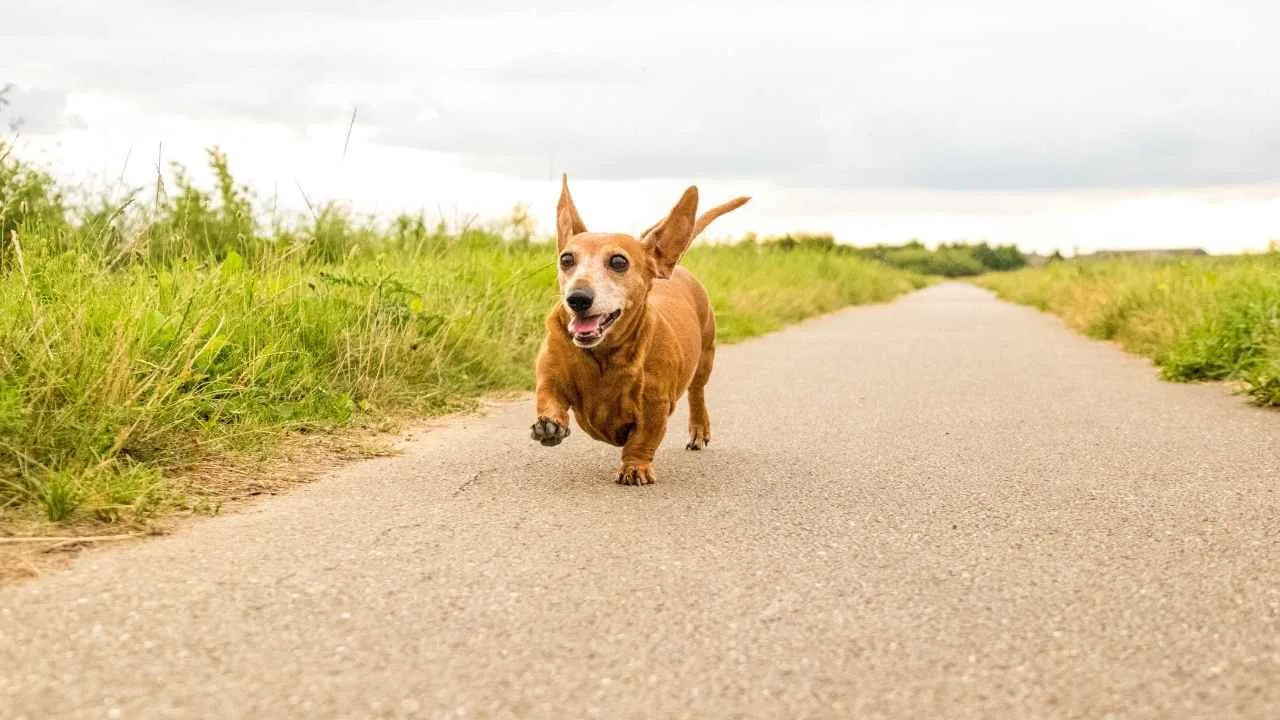
Dachshund is instantly recognized by its long, low frame supported by short, muscular legs built for ground-level pursuit. This structure comes from its role as a hunter of burrow-dwelling animals, shaping both its body and mindset. The silhouette reflects function rather than style.
Instinct that shapes behavior
Dachshund approaches surroundings with alert curiosity, often scanning and reacting quickly to movement or unfamiliar sounds. Its bold nature comes from working independently in tight spaces where hesitation was not an option.
That instinct shows up in clear patterns:
Reacts quickly to small movements or sounds
Shows persistence when focused on a target
Engages actively with scent-based challenges
Energy expressed in compact spaces
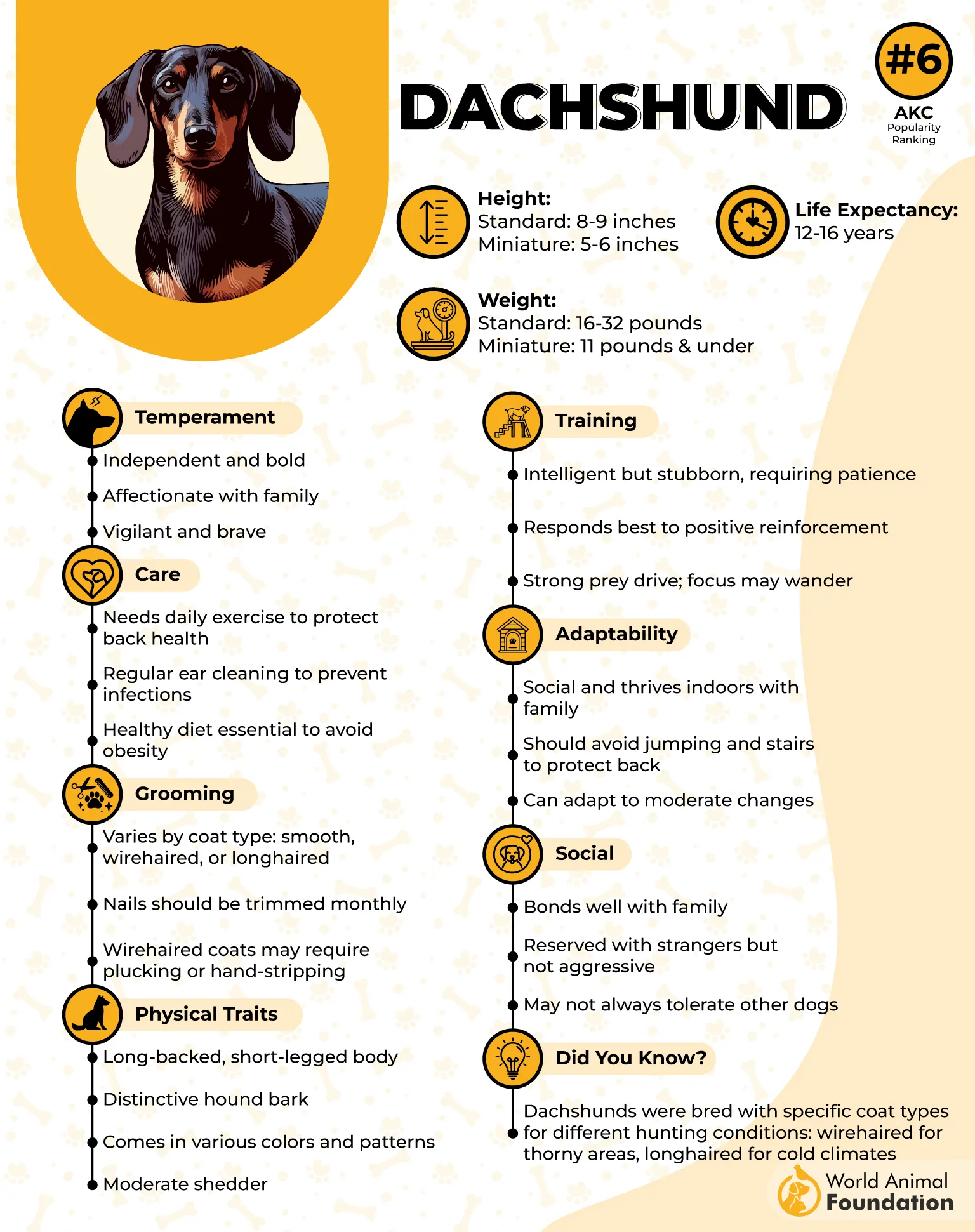
Dachshunds fit easily into apartment life while still showing bursts of playful energy throughout the day. Their activity appears in short, lively sessions rather than long, sustained routines. Indoor environments often become the main space for exploration and engagement.
Conclusion
A city environment tests how well a dog can adjust to noise, space, and constant activity. The best dog breeds in this list show that some dogs naturally handle these conditions with ease. Their behavior stays controlled, and their presence fits into compact living without adding pressure, making them excellent city companions for apartment dwellers.
Over time, this alignment becomes more noticeable. Daily life feels smoother, and routines settle into a steady pattern without disruption. The right dog breed creates a balance in which both the dog and the home work together, shaped by the breed’s characteristics. In the end, compatibility forms a space that remains calm, structured, and comfortable every day.
